












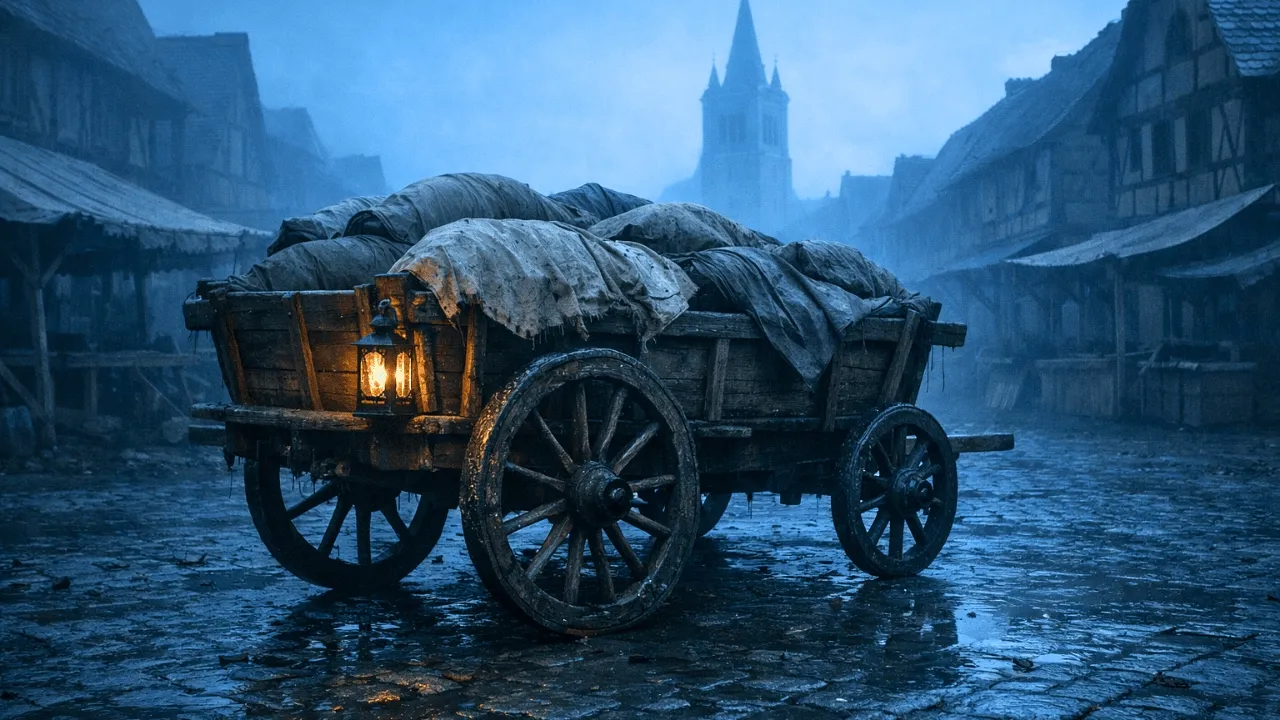



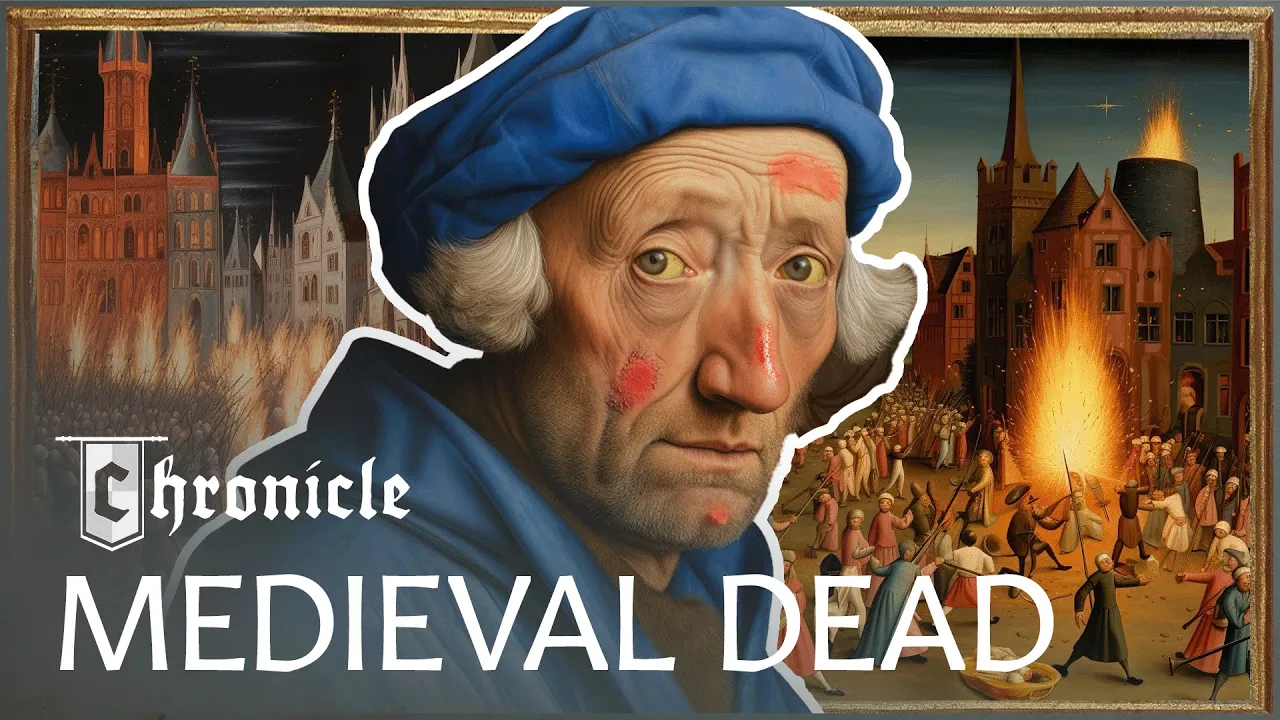

The Black Death was ultimately caused by human behavior and interaction, not rats or poor sanitation; it spread through fleas carried by rodents that traveled via trade routes and human movement across medieval Europe, demonstrating how interconnected human societies facilitate disease transmission.
Who Was Really to Blame for the Black Death? | Medieval History Expert Analysis
Added:Basic understanding of 14th-century global trade networks, particularly the Silk Road and Mediterranean maritime routes, which facilitated the spread of goods and diseases.
Familiarity with the general timeline of the Black Death (1346–1353) and its catastrophic demographic impact on Eurasia and North Africa.
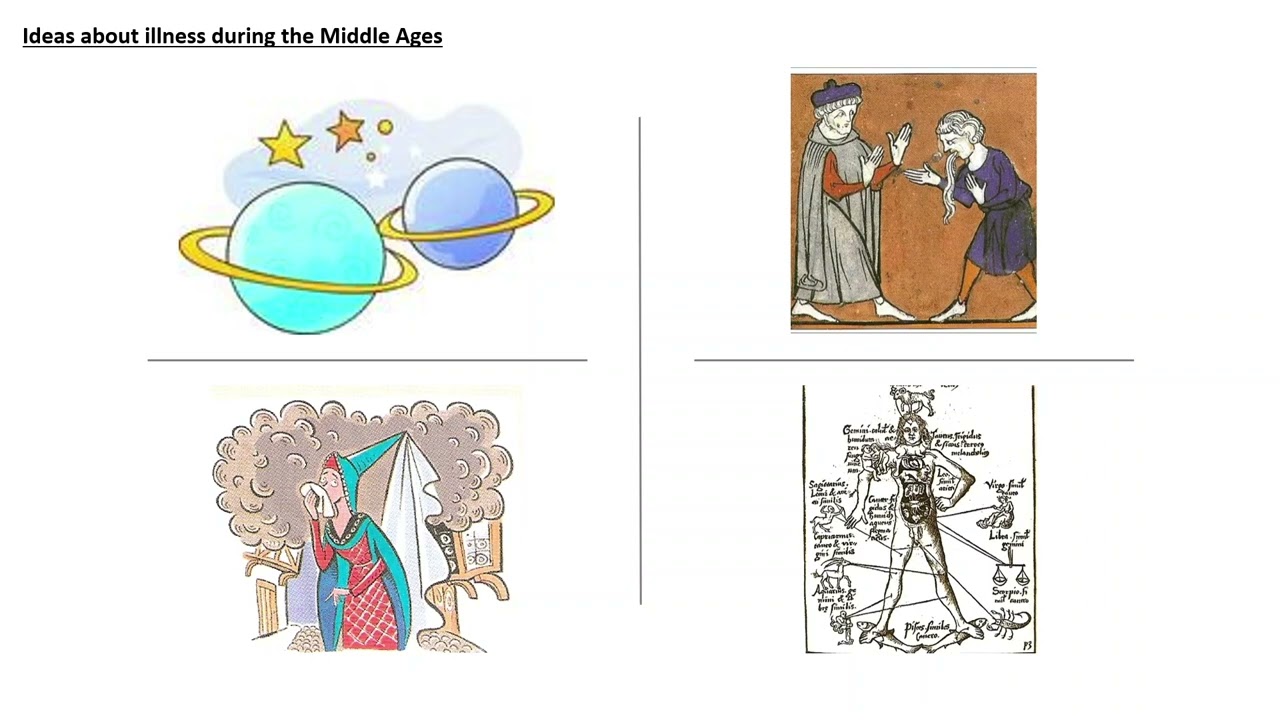
An understanding of medieval medical beliefs (such as miasma theory and the four humors) and the dominant religious worldviews of the period.
Fundamental concepts of epidemiology, specifically how disease vectors function (e.g., the relationship between pathogens, hosts, and carriers).
Analysis of the long-term socioeconomic consequences of the Black Death, including the decline of feudalism, labor shortages, and the empowerment of the peasant class.
The historical development of early public health policies, such as the implementation of quarantine protocols and lazarettos in Venice and other port cities.
Comparative studies of the Black Death with other major historical pandemics, examining similarities and differences in societal reactions and government containment efforts.
An introduction to paleogenomics and how modern DNA analysis of plague victims' skeletal remains has reshaped our scientific understanding of the evolution of Yersinia pestis.
149.8K views3.9Klikes35:53Original Release: 2025-08-21
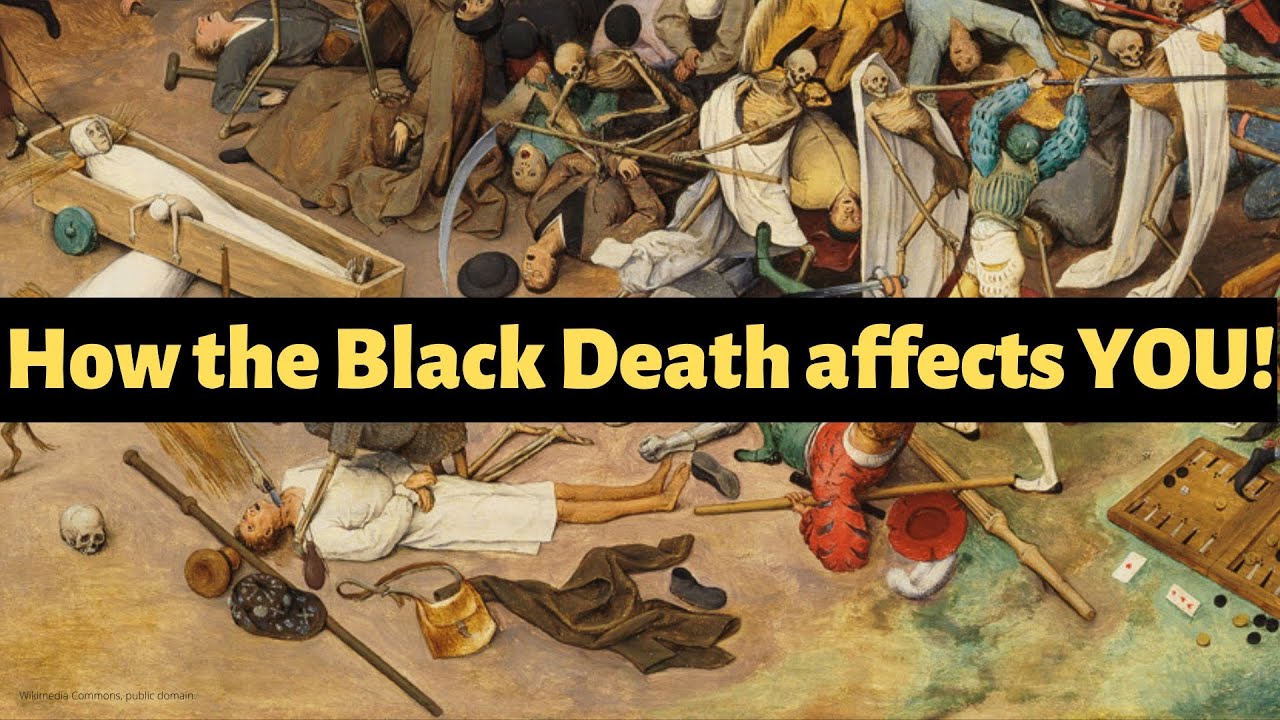
The great mortality, the pestilence, or simply the plague. The Black Death has had many names and with very good reason. This devastating pandemic changed history forever as it swept through North Africa, Asia, and Europe in the mid-4th century. At the very least, it wiped out 1/3 of everyone in Europe in just a few years. And some estimates go up to 60%. Now, there had been plague outbreaks before and there were plague outbreaks after this as well, but nothing to this kind of scale.
So, what happened and where does the responsibility lie? We're heading out to find out what the public knows about the Black Death's origin story.
>> That was kind of like Henry eight times, right?
>> I don't remember what caused it or what century it was in. What?
>> Well, else it was apparently the Americans who spread this infected mice and rats throughout the streets of London that it was a black death. Yeah.
>> And then we're going to take these answers to two medieval experts.
>> No.
>> Who will tell us once and for all who or what was responsible for the black death?
[Music] >> So who was responsible for the black death?
>> A lot of rats that actually spread it.
>> Please on the rats. I think >> rats also disease carried by rats. I mean plague rats would be the simple answer.
The only thing that stopped it down here was the um was the fire one that's what stopped it.
>> Great fire of London.
>> Yeah.
>> Like they were shooting in the streets and stuff like that, you know, >> and they throwing buckets of poo out the windows and >> at the time there was no medicine.
>> But how do you think that the black death got here?
>> The merchant shippers who brought the rats over on their ships.
>> Where were they before that?
>> Don't know.
>> Spain was it? Oh, was it? I don't know.
>> I mean, France or somewhere like that, but somewhere quite local.
>> Yeah, cuz France is local.
>> Well, yes, it's across the world.
>> Trading and maybe cuz they were like they um they traveled a lot around the cities and that's how it spread so fast.
Maybe >> there's a theory that the the Mongols were launching bodies riddled with the plague over over the wall in sieges and stuff and that's how it spread, but I don't know exactly how it spread.
Okay, so we've had a lot of poor sanitation being mentioned and also the rats. The poor rats get such a bad rap when it comes to the history of the Black Death. But were they actually to blame?
To get to the bottom of this, I'm meeting with two medieval experts, Dr. Elellanena Yenega and Helen Carr, to see what they make of the theories we've heard so far. So, let's find out who or what was to blame for the black death.
Thanks so much for joining me today, guys. We are going to dig into what was to blame for the Black Death. But I think first of all, we should probably outline what exactly the Black Death is.
So, are you happy for me to show you what the members of the public thought?
>> Well, let's define our terms, baby.
>> I simply love it. All right, let's go for it.
>> When I say the Black Death, what do you guys think of?
>> A lot of people died. A little illness.
I don't remember what caused it or what century it was in. But I remember that it was responsible for a lot of deaths.
I'm not sure it probably in a lot of big cities it was huge but I think in London it played a great role.
>> Um but I noticed something that really affected millions of lives um in that period and it was a very sad the sad aspect of our history.
>> It killed everyone. It's like a disease that um killed everyone and they couldn't fix them.
>> Go off queen. I think of COVID a long long time ago and not having the the the skills and the knowledge in them days that we had now to be able to deal with it as effectively. Not that we necessarily dealt with it that effectively, but better than the plague.
Yeah. Slightly better.
>> Slightly better.
>> I know a hell of a lot of people died.
It wiped out uh at least a quarter of the population of Europe.
>> True. That's actually pretty impressive.
>> Of the earth.
>> Yeah.
>> So, yeah, it's quite it's quite quite interesting. It was a plague.
>> Good answer.
>> Uh I don't know the name of the bacteria. I can't remember.
>> Your pestus, >> but I Yeah, like it was the several waves, wasn't there? Um 1300s, I think it started.
>> Yeah.
>> All right.
>> Or maybe even 1100.
>> No.
>> Bubonic plague. That's what they called it.
>> What What is the bubonic plague?
>> It's a bacteria that travels in the um blood of fleas.
>> I'm bringing him everywhere with me.
>> Yeah. Yeah. He knows.
>> All right. So the the gentleman at the end he is the closest bubonic plague is caused by a bacterium called ecinia pestus and it begins to occur very specifically in the 14th century. So when we say black death we specifically mean the outbreak that started then technically we think that there might be two types of plague the bubonic and the pneumonic.
>> The pneumonic which is actually possibly more contagious and that's contagious between people. It's a respiratory plague. So if people are coughing, sneezing, that's how it can be spread very easily. And that one was sort of super quick killer that would kill people within a couple of days whether where bubonic plague would take up to 3 to 8 days to actually kill people because the infection would travel to the lymph nodes and then it would create these bubos, these blackened bubos. And that's where the name the black death came from, which was a later 19th century creation. At the time people didn't really have a name for it. They called it um the pestilence, the pest, um the sickness, plague, and it would be a sort of description for both types of these different sicknesses. Somebody mentioned that a quarter of the population died. Is that true?
>> Interestingly, it's worse than that.
It's a quarter of the population of the world, straight up. So, it is an Afroureurasian disease. And when you consider that they didn't have it in the Americas or in Australasia, it tells you how incredibly bad it was in the places that were affected by it.
>> So, excuse the quite simple question, but it's worth clarifying. When when are we talking about when we're talking about the Black Death?
>> Well, it's it's a difficult one to say. So, we we know that it gets to the Crimean Peninsula, which is kind of like the first big incursion in Europe in 1348.
>> Yeah. There's there's but well maybe 1347 we're not really sure but it starts to be people are more aware of it in 1348 it reaches its absolute apex in 1348 to 1349 and then there is this sort of drop in late 1349 when he's approaching winter where people think ah thank goodness we've come out of this period of great sickness but the problem is it comes back again and again and again right so we've now outlined what the black death is. Were you ready to see what people thought was to blame for the black death?
>> Yeah, I have some idea of what they might say it.
>> So, who was responsible for the black death?
>> Rats or something?
>> Disease carried by rats.
>> The rats in the sewers. Yeah, rats did nothing wrong. No, >> a lot of rats that actually spread it.
>> The fleas on the rats, I think. Yeah.
Okay. So, it's not the rats and cells, but the fleas. No. Yeah, I think so.
>> Rat different things. rats would carry it to be fair.
>> Let's pause it there. I mean, no surprises here. A lot of people saying rats >> and why, Elena, why why do we get such a big reaction? It's like, you know, the rats did nothing wrong. #j justice for rats. I think people really cling to this idea of rats. There is something viscerally in our culture where we just don't like rats. The fact of the matter is it's not the rats, it's the fleas that are on the rats. And indeed, the fleas initially come, we think, off of a colony of marmets in Kyrgystan. And they move from these little marmets onto rats and other caravan animals when the marmets die of plague, right? And yes, if then a rat dies of plague or has plague, if you handle it, you can get plague from that. But that's true of any animal that dies as a result of this.
So, we know that a lot of people get ill uh from handling their dead dogs and cats who have these fleas bite them or indeed from handling bodies of people who have died from plague. So, there's absolutely no reason to bring the rats into it other than to understand how it is the fleas are moving around.
>> All the guilt and blame seems to be shifted on the rats, but it's just rodents generally, right? So, like Helen, will you tell me about the marmmets?
>> Yeah, the marmmets. They're really cute.
>> It's really sad because they're so cute.
So basically this the marmmets were existing within this within their own ecology and it was when that ecology was disturbed by human beings for them with the Mongol hordes moving through the Tan Shan mountain range and they were hunting the marmmets. They were using them for fur and eating them their meat.
Theop pestus was carried by this Mongol horde and they were also carrying a lot of grain particularly millet and what comes with grain are small rodents whether it's rats or whether it's mice.
But can we blame the muts? Are they to blame? No, because who wants to blame?
>> No, it's okay. Yeah, I guess that's a good way of putting it. It is interesting. If we need to blame a creature, I generally blame the fleas because the issue there is the fleas.
It's not the marmets, is not the rats.
But then I was expounding on this one time and someone said, "Well, it's not the fleas's fault either. It's your cineapest's fault." And then that is true. You know, fundamentally, it's a jerk.
>> Nobody's ever liked rats. No one's ever been like, "Oh, yay. We've got rats in the house." like that wasn't like people think that people in the Middle Ages lived this sort of filthy existence. We know that's not true at all. We even know that they understood what fleas were.
>> If rats really were a thing that caused bubonic plague, then everyone in London would have bubonic plague right now because we're still constantly surrounded by rats.
>> But we just do not see them that often.
>> Should we see what else people had to say?
>> Who or what was to blame for the black death?
Well, I mean plague rats would be the simple answer.
>> Like you had boomer rats in your head.
>> And then I do also know that uh cats killed uh the mice and rats and I think there was a move against women who had kind of cats and mice were considered to be witches.
>> No, because they would survive not getting the plague and things.
>> Okay.
>> Later later, not the same time. Yeah, >> I've heard this one before. Um, and this is really prevalent. So, just one quick thing. If you're talking about witches, you're not talking about the medieval period, you know, like the the the witch panic and all of that that happens in the early modern period. More particularly in the 16th century and 17th century. Bubonic plague in terms of the black death happens a few centuries before that. He's 200 years too early in the in the first place. In the second place, this theory is quite interesting because well then why does everyone in Baghdad have the plague? Did they believe in witches?
>> It's just completely it's conjecture and it's not true. The thing that there is an element of what he's perhaps getting at is people were blamed for plague. God was never to blame because God can do no wrong. So they considered it to be the wrath of God. They they must have done something terribly wrong.
>> But then women, children were blamed for plague. Jews were play were blamed for plague and there was pograms happening in I think there was some people in Spain that it was like the Catalans I think some of the Catalans were killed people were blamed for wearing inappropriate dress people weren't particularly nice to foreigners so when something goes really wrong >> often it was the case that they were the first to blame blame right let's see what else other people had to say >> got it was easy off rats weren't it that's what it was thing about >> yeah but the the only thing that stopped it down here was the um was the fire one. That's what stopped it.
>> Great fire of London.
>> Yeah.
>> No. Uh antibiotics ended the black death, which is great. We love antibiotics here, people. Thank you.
>> Medieval historians love antibiotics.
>> We do. We do.
>> We know what life was like when they did not happen.
>> Yeah. Yeah. Yeah.
>> He He's talking about something that happened what 300 years after.
>> I mean, it was there was another great plague that 1665. And there's actually a lot more sort of visual evidence of that plague and the great fire of London because it happened a year later. There is the assumption that it sort of wiped out plague, but the great fire of London happened in London. It's not like it happened in the other cities within within England or the UK or Europe even.
So, no. Are you ready to see some more of the clips of what the public thought?
>> Who or what would you say was to blame for the black death?
>> Um, poor sanitary conditions. I'd say >> full hygiene. You had open sewers. It was like uh pretty messy in those days, right? Hard to imagine. Yeah.
>> Yeah.
>> I mean, again, how do sewers spread your sietess?
>> Poor hygiene.
>> Hygiene. Now throwing buckets of poo out the windows. And >> what? Everybody loves the bucket of poo that didn't exist.
>> Where's that come from?
>> Yeah. I mean, which is also very funny because it just indicates that people don't want it in their house, but they're fine having it in front of their house. Like, let's just back up and think about that. But no, there there are cesspools that you have to take your waste to and they are cleaned out regularly by the bravest people in the world.
>> And if you had lots and lots of money, if you were a member of the nobility, you even had access to flushing toilets like Yep. Yep. Exactly. You know, pipes and moving water was was a thing. If the Romans were able to do it, it's something that by the 14th century they had been able to work out. the average sort of every person living in the mid-4th century, how unsanitary was their lives or you know the life in cities and towns >> unsanitary than our life now?
>> It's not particularly gross. You know, I would any day of the week take the sanitation levels of the 14th century London over the sanitation levels of 18th century London or 19th century London. It gets gross up in here, right?
Isn't because there's so many people living cheek by jowlel. Victorians have to invent plumbing because it gets so bad. And this is when we see like the big chalera outbreaks and epidemics because there is so much sewage going directly into the temps. People don't have clean drinking water. It's actually way safer and much cleaner in medieval London than early modern London.
>> They would frequently rinse their homes.
They would wash their homes out with water, effectively drowning fleas. They sort of throw it around in buckets and clean it out. They would change the rushes on the floor. It wasn't like, you know, it's not the sort of place you'd go into now and think, "Oh, this is nice." But it wasn't as unclean as we think. You know, people were washing themselves. It was not like this idea that there was one bath a year kind of thing.
>> Sewage has nothing to do with it. I I mean, it's it's actually kind of baffling that sewage keeps getting brought up and it's this pervasive myth about the medieval period that everything is just covered in poo.
>> Okay. Right. Let's see what else people had to say. a better food waste disposal or things like that and better I don't know healthare yeah better health >> better healthare that's the one y >> so maybe it's part of that combination of factors or ignorance medical technology has not been as strong as they are today potentially caused that education as well >> but I'm not sure this is just a pure educated guess here yeah >> I mean we don't need to go around calling them ignorant it's not their fault they don't know germs exist so I mean like to like to be You know, we don't figure out germs until the 19th century. Takes a really long time. And no one goes around going people in the 17th century ignorant. But but medieval people, the minute they die, plague, they're being ignorant, but like if you're doing it in the 17th century plague, it's cute.
>> But also, you know, there were doctors who were working on trying to understand what this was. And they did they did understand to an extent that it was some kind of bacteria. They did understand that it was something along those lines.
You had the papacy in Avenueon which was this real hub of of thinking um and and medical practice and people did try and find cures from what they could access at home. They were using natural herbal remedies. They were using vinegar.
People still clean with vinegar now.
Like it's like that's actually quite a reasonable solution to think okay well what can we use to try and to try and you disinfect ourselves or disinfect our environment in some sense. So they were proactive in looking into the back death and the plague and what was happening.
But is it safe to say that without antibiotics?
>> Yeah, they just didn't have the treatment for it. It's as simple as that. Yeah, I mean it did. It it it died out because in once you had plague a lot of people did actually. We didn't don't talk about survivors. We talk about this idea that if you got plague you would die. It wasn't actually as simple as that. You people did survive. I think fewer people survived the pneumonic plague. that was the most virulent, the most deadly. Um, but the bubonic plague, people did survive the bubonic plague.
One thing I do want to touch on is overcrowding. They talk about, well, people were really packed together. It was overcrowding, too many people in houses living with rats. So, how do you think it got from the rats to the humans?
>> Just living in the same houses.
>> Yeah. And something that I think people don't talk about enough perhaps if I if I'm right, is the differences between the classes. Am I right, Helen, in thinking that there's more overcrowding with poorer people and therefore they're probably more likely to get the plague and >> Sure. I mean, you had smaller spaces to live within and you would have an entire family often sharing one particular area to sleep. It wasn't like you'd have today with single bed, you know, separate bedrooms. People tended to stay in sort of cluster around each other.
Um, in some cases for later, especially in winter, it would quite practically just be warmer. But this idea that it was because these particular people were quote unquote dirty, that's that's not right. But there were of course social conditions which meant that people were more they were more they were living closer together in a way that people in the higher echelons were able to avoid. In the cities, of course, there are going to be more people within smaller environments.
>> In places that have incredibly close-knit, huge populations, for example, like Florence, you have higher death rates. But I think that we shouldn't lose sight of the fact that lots of people die in the countryside, too. Yeah. You know, we lose entire towns here in England due to the plague.
So, if it gets into your community, that's sort of all it takes because people care about each other and they care for each other.
>> It's really interesting that you should say that. Should we watch the next clip?
>> Yeah.
>> And where do you think that the rats and the fleas came from?
>> Ships. Yeah. That faint son. The ships.
Yeah. Like, so ships from other countries. is bringing that seas over.
>> It's the ships coming into here.
>> The merchant shippers who brought the rats over on their ships.
>> Okay, so we have a lot of people saying ships. I think they're perhaps they're thinking more Britain and the idea of of how I came to Britain, but maybe not.
How far can we blame ships for the black death?
>> Somewhat in part. Yeah. I mean, there are lots of other modes of transport.
>> Other modes of transport are available, you know, like >> it was movement effectively that brought them over. I mean, it was but it wasn't even so much the rats. It was the fleas that would move and then the fleas would bite the person, the infected person. It was this sort of chain reaction rather than like the same rat, the same moment that came all the way this wonderful journey.
>> This one really wellraveled mama rocked up from the south of England >> just kind of peered out of the ship and was like, "Ah, I think I'm going to bring you Cindy Pestis in hope to the port of Southampton today." It's an incredibly like I mean this is like in inverse world like the evil Paddington but it's a marmet.
>> So there is actually another theory that it was the camels that carried Pesta. So there was a camel the camel caravan that would be moving um through the Silk Roads. And so the Silk Roads, you know, you've got this this very well-known um trade passage that is going east to west. And so there's but that's that's that's kind of overland, but then you've got also the ships moving over the Black Sea um and into the Mediterranean. So it's a sort of twopronged way of, you know, movement between people. It was a much more global world in the Middle Ages than people necessarily think.
>> So yeah, definitely ships are a part of this story, but all you need is movement of people. And that's why it was ports that people, you know, when we look at the evidence, they claim that it was where in in the ports were the first >> cases because of this of the ships coming. So, it's not that it's wrong to say [ __ ] but it there were also other ways. Brilliant. Right. Let's see what else people had to say.
>> Do you know where the plague and the black death came from before it was in Britain?
>> Spain, was it? Oh, >> there. Yeah.
>> I don't know. I mean France or somewhere like that by >> Yes. Also >> somewhere quite local.
>> Yeah, cuz France is local.
>> Well, is it's across the world.
>> It is. It is local.
>> It's local. Yeah. If you look >> It's more local to us here than it is in Manchester.
>> Well, it isn't.
>> He's so real for that. Absolutely. King, >> you know, we were going through the Silk Road from all the way from the far east and then there were Yeah, we went to Persia and that and then it went to here and Yeah. It's a trade.
>> Yeah. Yeah, she knows you're out. I >> guess maybe because a lot of people lived from um like trading and maybe because they were like they um they traveled a lot around the cities and that's how it spread so fast. Maybe people were people did quite well with this one.
>> Yeah, I'm really pleased to see this.
>> Yeah.
>> So, yeah, I think we're kind of almost correct me if I'm wrong getting kind of to the crux of it. It's the movement of people, it's trade, right?
>> I just think it's interesting that everyone is really good at this. They they get that, you know, people move around and so germs move around and then they're like and then there was poo.
>> Yeah.
>> Like where does that come? You know, everyone is really bang on here which I love seeing.
>> Just thinking more about the trade and the movement. Was this something that was particularly new in the mid-4th century?
>> No, no, >> no. I mean what what I will say in the mid-4th century is the 13th century and 14th century were an incredibly good time comparatively. So stuff is really good. But having said that, I think people are often quite surprised to learn how much stuff moves around to the medieval world. I mean, things are going back and forth constantly. If you're anyone who's anyone, you want to get a hold of silk products that are coming from the east. People in England are putting spices in improbable things.
And you know, the way they use nutmeg, you would be completely shocked by a nutmeg has to come to you from Indonesia very specifically. Anytime you see a picture of the Virgin Mary in the middle ages, it's been painted with lavis lazily which only comes from Afghanistan. These are things that are moving back and forth throughout the medieval world. Goods are flowing >> been since the early middle ages as well. Absolutely. You found you can find all sorts of different sort of archaeological evidence to say that there was an incredible amount of cross-cultural exchange and trade happening between the east and the west.
Even as far as sort of rural Wales, you people are finding all sorts of obscure objects in different spaces.
>> I think there is also some people that argue that one of the reasons why the plague spreads so quickly as it does in the 14th century is there's this kind of concept of the Pax Mongolica, >> which is the idea that because the Mongolian states are so strong at this point in time and they have just said, "Hey guys, like let's not fight uh for a while." That allows for the movement of goods back and forth more quickly and easily. But you do see these weird pockets where the plague is kind of negligible. So for example, here in Europe uh the checks go off my people.
We do not get uh the black death as badly as everyone else. No one really knows why.
>> Wow.
>> We don't know why.
>> We just cannot tell you why why it didn't show up there in the same numbers if it is still a very important place on a lot of trade routes. So it's really strange. But we do have these pockets of people who are a little bit more resilient. You do have some problems already creeping in in the 14th century in Europe. A big one being of course uh the great famine.
>> Okay, >> so the great famine happened from the years 1350 to 1317 uh where we just uh gave summer a miss for a couple of years basically.
>> So no crops were growing just total rain. People weren't able to grow grow crops. Therefore the bread wasn't being made. You know it was a it was a real problem. People did people did starve.
People within poor communities particularly starve to death.
>> And so this has some knock-on effects.
So if your parents or grandparents go through a period of malnutrition or disease, that means this can sort of be passed down through generations and it can be something that affects your own constitution even though you never experienced it.
>> So perhaps people in Europe, they're a little bit more weakened when things start moving in from other places. It sounds like a really interesting contributing factor or contributor, but maybe not something we could like pinpoint as to blame for the black death. just something that made it maybe worse in certain areas.
>> Yes.
>> Okay, let's see what else could you have to say.
The play got spread I think no not from people but I think it got spread from someone catching something in nature and then obviously people that spreading about and >> yeah he's right he's right >> he's right yeah >> and I would suppose international trade would of course be very important uh so yeah increasing international trade would be spreading uh the plague faster and I know that the word quarantine comes from the Italian for 40 quarenta.
>> He's right. Yeah.
>> You would have to wait off the uh on your ship off the off the edge of the port for 40 days to show you didn't have any diseases.
>> That didn't that specifically happen in Italy? That was that was a specific case off of um Venice, I want to say.
>> Yeah, it does.
>> It's always Venice, babe. It's one of those, you know, they get they get around a lot. They're always coming.
Yeah. Yeah. Absolutely. It does come from this this very specific Italian idea which is a very clever one of just being like you wait over there. Yeah.
>> And we'll see if you die and then he can kind of come in or not.
>> A lot of what happened in different spaces gets com combined as to what was happening in England for example how people reacted to it. Um we know that in in Northern Europe you had a lot more cases of the of the flagagulants. The flagagulants were groups of people that emerged from Northern Europe and they moved as communities of men. They wore white robes. They used to carry a stick with um lots of different leather thongs and then they would tie little pieces of of sharp stick sharp thorn or glass and they would walk and they would be processing and chanting and they would be whipping themselves at the same time.
And then at certain points they would lie down on the ground, prostrate themselves and the shape of the cross.
And this was this was an act of penitence but it was also to mimic Christ. It was also to mimic the passion. But in England it was a much more commemorative thing that there's an idea that everybody was walking around England also whipping themselves.
>> It's just slightly ironic that they could in turn have been spreading >> I think they probably were.
>> Yes.
>> Spreading it around more.
>> Yeah.
>> Let's see what else people said.
>> There's a theory that the the Mongols were launching bodies riddled with the plague over over the wall in sieges and stuff and that's how it spread. But I don't know exactly how it spread.
probably not true.
>> It's probably not true. But but the thing is he isn't wrong because there is a theory and it's something that was written down.
>> Yes.
>> So it's specifically from the time from the siege of Katha. People are like, "Oh yeah, Yanni Bag was outside of the city walls and they took plague bodies and they catapulted them into the city of Katha and that's how plague got in."
>> Yeah.
>> Probably not true. Probably not true because uh that's gross and uh and people just wouldn't do that. And it's also this assumption that that that people would retreat their dead in that way. And I think that that's that's untrue. There is a very there is a trope when we think about the treatment of many of the dead in the Middle Ages that it is like, "Oh, it's just a corpse.
It's a body. They're piling up in the streets or oh, we're just going to throw them over walls." No, no, no. They had much more respect for dead bodies and the dead than than that. Secondly, this this comes from a particular chronicle called Giel Mus who was one of the uh one of the contemporary chronicers of the time. But the thing about chronicers is they love to overexaggerate. They love to spin a yarn and they have love to say okay what would be what would be really what would be really juicy if I said X Y. Again, you know, as we were already talking about, there is rather a lot of distrust of foreigners or distrust of other people. And what is kind of happening with this chronicle is they're like, "Oh, those Mongols, they're monsters." But I do think it's quite interesting because what this shows you this story is that people have some idea about contagen, right? They understand that bodies that are riddled with the plague can spread the plague.
So it shows us that people are not that ignorant as some people would assume because they understand that in theory it would be possible to spread the plague like that.
>> Often people actually thought what was to blame for the spread of plague was the smell. You know the smell it was called myasma and they believed that breathing in the smell of a dead corpse or breathing in foul smell would make you sick. So when when we're talking about bodies being corulate bodies being thrown over the wall, it was the smell of them that was considered to be the danger rather than necessarily the physical the physical body.
>> Yeah. But do you think there is any truth in if you take the catapults away like how far could we blame the siege of Cath or it's just part of the movement I would say? Yeah. You may not be throwing bodies over walls but fleas might be like oo there's grain in there. A rat is going to be kind of moving because >> you're carrying grain with you to feed your army.
>> Yeah. And so there's going to be rats.
The fleas are going to be on there.
Fleas can get through walls when humans can't because you know a a crack that big is is a highway to them. So certainly there are ways of the fleas getting through and it that's all it takes. It's it's so incredibly virulent and so incredibly easy to move it around that all you need is one flea.
>> Right. I've just got this final clip that I'm quite excited to show you. Are you ready?
>> As I'm ever going to be, I guess >> there's two conspiracies, right? I mean, during that time, there's hardly any sanitation. Um, people were in poverty because of the wars. Um, there wasn't any access to health care or health evolution in terms of like antibiotics. So, it's a combination of either purely being an infectious uh plague that struck the country or else it was apparently the Americans to spread this infected mice and rats throughout the streets of London that he was a black death track.
>> It's the time traveling Americans. It was it was me all along. Yeah. Yeah. We went we built the time machine went back in time 300 years. Y >> and spread the black death.
>> Took the Mayflower over there and Yeah.
>> But you know what I think this is? I think that this is an extrapolation because we know that uh for example during the conquest of America by Europeans, one of the things that would happen was germ warfare.
>> It's per contest.
>> Yeah, exactly. So, and we certainly know that intentionally diseased objects were often given to Native Americans. So, for example, um blankets that had small pox, things like that. And this is a matter of historical record. We have them being like cannot wait to kill a bunch of native people by giving them small pox, etc. etc. It's horrifying. It is genocidal. It is a bad vibe.
>> I mean, I don't even know if we can answer that. I just know.
>> It's just not true. That's just not true.
>> No. Although, we can we can we can giggle about it later, but it's like it's just not true.
>> It's not true. I mean, but kind of go off, Queen. I sort of love >> It's nice to have these things cleared up though, right? Good. So, I'm glad I'm glad we got to do that.
>> Yeah.
>> So, is there anything that the members of the public haven't mentioned yet that you think arguably is a contributing factor to the Black Death? I mean, I think that one of the things that is ironic about the Black Death and the fact that the Black Death happened is it actually shows us how wonderful the medieval world was and all of the things that are really incredible about medieval Afroureurasia are the things that exacerbate it, make it move around.
And all of the ways that people care about each other are also things that mean that more people get it. So this is a story about a disease that travels from a tiny fleet in Kyrgystan and it makes it all the way to Scotland. You know, this is an incredible story and it's made possible because there is a very lively trade that is moving back and forth and bringing wonderful luxury objects. We have communities that can afford these things that are moving them around. Uh there is enough peace out on the steps that you can move these things about. there are enough ships that can bring them into Europe and people love and care about each other enough that they're not just going to run away at the first sign of trouble. They're really going to stick around for their community even when things are really really bad and even when they are entirely panicked. So, I think that studying the Black Death tells us ultimately what's important >> to people in the 14th century and it's this horrifying thing that happened, but it's also a way of seeing what a group of people are really made of. And I think that's what's so special about this area of history.
>> I agree. And I think that it's also it tells us about human resilience. I think it also tells us how these awful disasters, these natural biological disasters that do and can and do continue to happen as we know um what they create and how they re they reshape the world going forward and human beings are very able to to regenerate and to reinvent themselves. And you can see there are cases particularly after the black death where you see a real development in not only human spirit but human innovation.
Okay, I'm loving the conversation in there. I'm also loving all the myth busting around the black death, too. But while we've covered an awful lot of what wasn't responsible, I'm excited to find out who or what was to blame for the black death. So, let's go find out once and for all.
Right. So, we've seen the responses from members of the public. We've discussed all these different causes or potential causes for the black death. This is the big question. In your expert opinion, who was to blame for the black death?
>> The friends we made along the way.
>> I mean, it's it's it's fleas, but ultimately it's humans.
>> Yeah, it's human beings. It's I think I would say something like that is and was unavoidable. It's not to say that we're not going to have in the future something maybe hopefully not as appalling as the Black Death, but what recent history has shown us is these things happen, these pandemics happen.
And I think that it is it's yeah, human interaction and actual the the lack of control that we have over the biological world. Humans fundamentally at our core are social little guys who like special treats.
That's how you move germs around unfortunately. So yeah, it it's actually a story about how humans relate to each other.
>> So you're both in agreement with that one then. It's humans being humans.
>> Yeah, absolutely. Definitely.
>> Oh my gosh, we've actually come to one final answer. That's amazing.
>> Humans being humans.
>> Absolutely. I love when we do that.
>> Well, thanks very much, guys. It's really interesting and I love that we now know who was to blame for the Black Death. And it was it was us. It was humans being humans.
So there we have it. We know what the people in the streets are saying and now we know what the experts said. But do you agree? Let us know in the comments below.
Up Next

24:49
Infant Abuse Case: Math Teacher Faces Charges for Twin Injuries
@LawAndCrime
244.7K views•2025-08-28

12:54
Triumph of Orthodoxy Icon: Byzantine Art & History Explained
@BenCallan
2.1K views•2024-08-06

9:49
FastAPI vs Flask vs Django: Choosing the Right Python Web Framework
@TechWithTim
302.5K views•2024-05-26

1:42
Game of Thrones Opening Credits: A Cinematic Analysis
@gameofthrones
46.3M views•2011-04-18
Related Study Plans & Knowledge Roadmaps
Structured learning paths in General & Interdisciplinary Studies
general-studies
Elevator Engineering: History, Physics & Cities
01From Hoists to Safety Brakes: The Dawn of Vertical Lift
02Hydraulic vs. Traction: The Engineering Physics of Elevators
03Modern Speed, Safety, and Algorithms
+ 2 more learning modules
12h5 modules
Explore Roadmap
general-studies
Rubber: Material Science, History & Geopolitics
01Origins of Natural Rubber & Mesoamerican History
02The Chemistry of Natural Rubber & Vulcanization
03The Geopolitics of the Rubber Boom & Colonization
+ 2 more learning modules
12h5 modules
Explore Roadmap
general-studies
Containerization: Evolution, Logistics & Trade
01Ancient Trade & Bulk Cargo: Amphorae to Barrels
02The Industrial Revolution & Cardboard Packaging
03The Containerization Revolution: Malcom McLean
+ 2 more learning modules
12h5 modules
Explore Roadmap
general-studies
Textile Tech: Evolution, Labor & Global Impact
01Pre-Industrial Textiles: Handloom & Cottage Industry
02Mechanization: The Spinning Jenny to the Power Loom
03The Factory System & Global Labor Transformation
+ 2 more learning modules
10h5 modules
Explore Roadmap