















Neurological disorders, while causing disabilities, often reveal the remarkable adaptability and resilience of the human mind, demonstrating that the brain's capacity for wonder and survival can transform even the most challenging conditions into opportunities for understanding the human condition.
Oliver Sacks on Neurological Disorders & The Human Mind | 1986 Interview
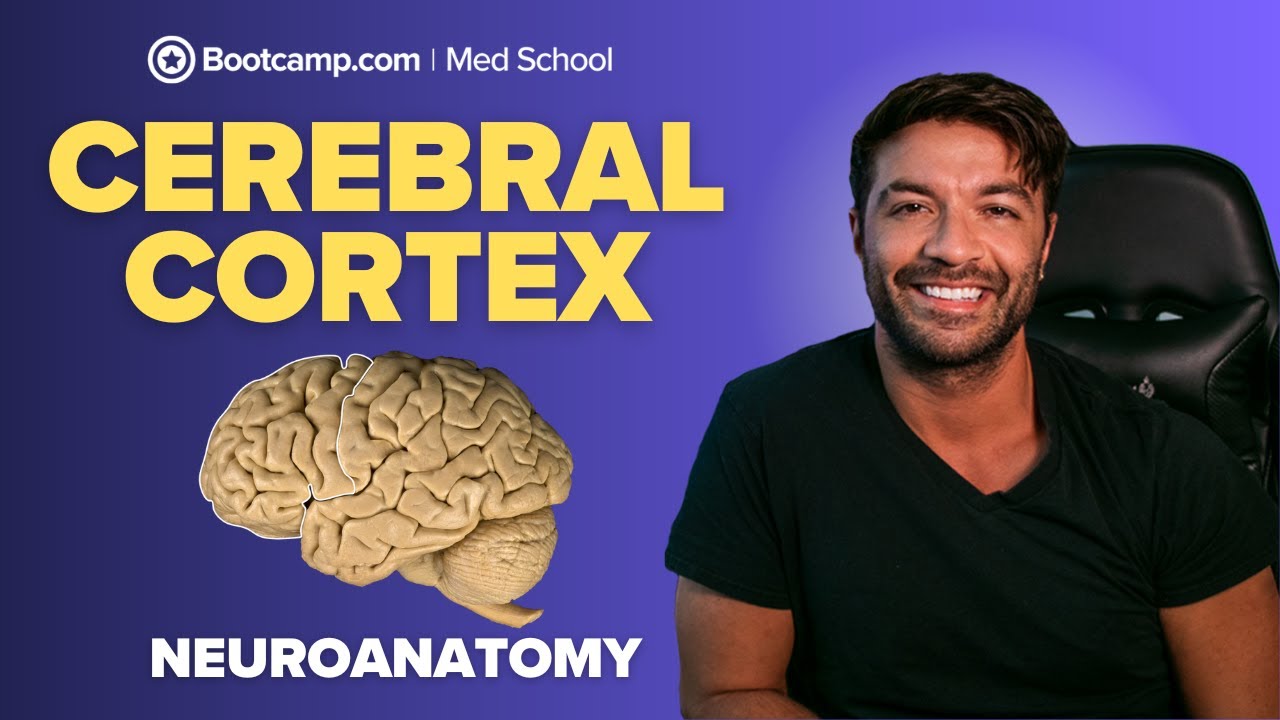
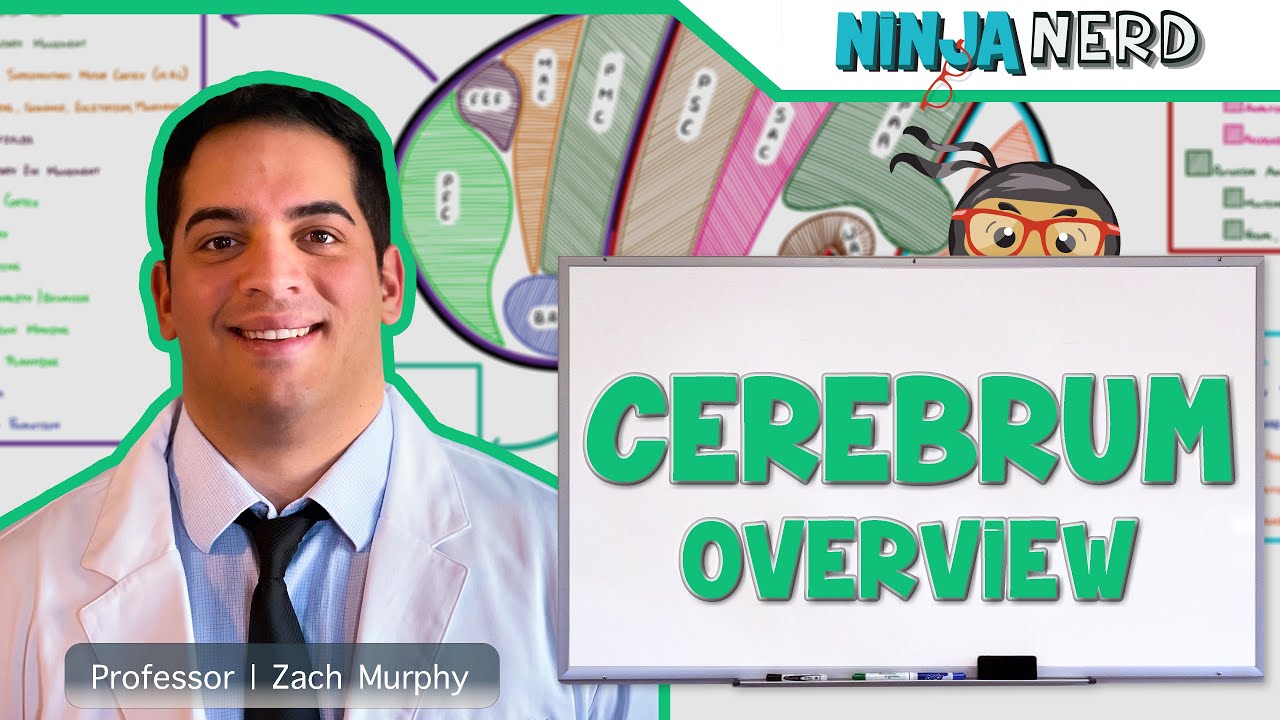
Added:Basic neuroanatomy, including the general functions of the cerebral cortex, frontal lobes, and temporal lobes.
Fundamental definitions of key neurological conditions such as aphasia (language impairment) and Tourette's syndrome (motor and vocal tics).
The conceptual distinction between neurology (the study of physical brain pathology) and psychology/psychiatry (the study of the mind and behavior).
An understanding of how memory is broadly categorized into short-term, long-term, and procedural systems.
Deep dive into Narrative Medicine and qualitative case studies by reading Oliver Sacks' seminal works like 'The Man Who Mistook His Wife for a Hat'.
The study of Neuroplasticity, exploring how the brain reorganizes and adapts itself after injury or sensory deprivation.
The Philosophy of Mind, specifically the 'hard problem of consciousness' and how neurological deficits challenge our understanding of personal identity.
Modern neuroimaging advancements (such as fMRI and PET scans) that visualize the active processes of memory, language, and consciousness.
82.9K views212likes57:30Original Release: 2007-05-30
evening and welcome very very much to conversations where I am very pleased to welcome to the program Dr. Oliver Saxs and Dr. Saxs is a neur neurologist at the Albert Einstein uh college of medicine and has written an extremely interesting book that's taken a great number of people's interests in the country entitled uh the man who mistook his wife for a hat and Dr. Sax, welcome very very much to conversation.
Pleasure to be here.
You're a neurologist and trained in neurology. I wonder perhaps you could explain for myself and the cable audience uh the field of neurology itself exactly where it fits into understanding human consciousness and mental process and then perhaps weave that in your own personal background.
You were trained in England and so forth but uh you were trained in the field of neurology.
Yes. I I was trained partly in England and I came here in 1960 and did the rest of my training in California.
Uhhuh. Uhhuh. And then I came to New York.
And you did a special training in medicine of neurology. Is is that correct? Yes. Yeah. And maybe you can explain to us what is neurology and and where does it fit in in terms of understanding again human consciousness?
Um well as a first as as a neurologist, one as a one as a physician and one as one is concerned with uh patients and with people in in jams, predicaments I see in particular predicaments which have been caused by their nervous systems acting up either their brain, their spinal cord, their peripheral nerves.
Uh there may be some disease, there may be some damage. Uh as a neurologist, you want to uh find out exactly what the matter is with the nervous system and uh and what you can do about it. But you're equally concerned with the effect of this on the person, how it may alter their their world, their inner experience, and uh and if need be, how they can cope best and live and survive in an altered world.
And so this way you have to be equally sensitive and equally knowledgeable about the anatomy and the chemistry of the nervous system, but also to all the things that that make a life and make a world. an individual there would be overlap then with concerns of psychiatry psychology and other disciplines then that would be sister disciplines to neurology.
Absolutely. I mean one is rooted in in the neurosciences at one end and in psychology and phenomenology and and just just what it is to to be a person.
Uhhuh. Uhhuh. And you and you've written you you you've been practicing and you find that you uh have experiences with with patients and people that you have experience with which offers a very very rich experiential uh consciousness and and experience on the part of the patients that you've written about and shared with the greater society. Your book, The Man Who Mistook His Wife for Her introduces to those of us who are in a certain sense normal realms of understanding, realms of perception that are are are interesting and uh pathos in many cases, humorous in many cases. It's an interesting realm that most of us are not aware of and one that you've written very beautifully on. I mean, it's an interesting realm of different consciousness than that which we normally are aware of. Um well uh yeah in some ways the patients I write of can can seem very remote from from ordinary life and from normality but in in other ways I think one can uh I think as a physician one has to be able to one has to try and imagine what it's like for them and and enter into their yes their situation and their world and and relate it to one's own. Mh.
So um uh I write for example about one man who has lost his memory and who uh who can't remember anything for more than 10 seconds or so although he's a charming intelligent man and this uh but this makes one think about memory in general and how much one's own identity and continuity and one's sense of self depends on memory. I I so I think of all these at first very strange stories as being as being relevant to all of us and shedding some light on there is a commonality on the on the human condition. Uhhuh. Uhhuh. Uhhuh.
And and there are a man who had lost his memory perhaps through stroke or through other kinds of uh uh well things that have affected the brain and so forth various these kind of neurological disorders. Well, well, in in your right language, you but Yeah. Well, well, in in his case, it was it was through drinking and um which which can sometimes uh affect two tiny little uh relays in the memory circuits of the brain. Mhm.
Uh I mean they're so small they're you know they're no bigger than peas but just this tiny damage on both sides can uh you know can completely alter one's memory.
Uh typically one's memory of the remote past may be perfectly preserved but then there may be a sort of cut off so that people may almost be immued in the past. Mhm.
We're coming we're coming in a scientific sense to understand more and more the functioning of the brain certainly through time to where we say the memory is in a certain point we really are coming into that's an an intrinsic and interesting realm the brain the mind we're coming to understand it more and more with scientific clarity what exactly is that's going on.
Um well and through all sorts of ways obvious obviously one way is through uh experiment on animals. you stimulate a part of the brain, you remove a part of the brain and you see how the animal's behavior is changed. Um here if you want uh for a physician, for a neurologist, nature is the experimental.
She does the damage. Um and um uh but of course you have um you have a person who can articulate what it's like and reflect on things. And I think that the clinical neurologist um can uh can never be superseded in this sort of way because he um uh and his function is is to um Mhm.
Uh I mean he's um he's not enough by himself. you know, you know, one also needs an experimental physiology, an experimental neurology, but uh but I think that with very accurate, vivid uh and one may sometimes almost need poetic descriptions.
Yes, indeed.
Of uh of uh of what it's like after a stroke, after brain damage, after menitis or whatever. um this sort of description coupled with a very uh accurate portrayal of the brain and now with things like uh like brain scans one can uh get a tremendously accurate picture of the brain. We're beginning uh to to see how brain mind are connected in a way which was hardly imaginable I think even even 20 years ago. So much has happened just the the whole realm of the neurotransmitters that are there at the synapse the whole emerging with clarity of the right and left hemisphere and these kind of things. That's what I'm saying is we're coming to understand it much more scientifically and also if I may say so you have come to understand not only within the scientific basis but also with a tremendous sensitivity to what it really means in terms of people who are in that consciousness as part of the whole of the human condition or continuity of the human experience to understand those things as you say almost poetically with a great sensitivity. It's important that we be able to do that. Don't you feel me?
Yeah. Yeah. Well, well, the um uh someone whom I although I never met him, I regard him as my mentor in a way, a great Russian psychologist or neurosychologist, he used to talk about romantic science.
And um and it was this coupling together of of a of a feeling for the person with the most rigorous scientific description.
Um my my own background, which you asked a bit before, I I sort of came into medicine rather slowly. I mean my first interest was in in mathematics, physics, chemistry. Um uh a lot of the books around the house sort of relate to that time. And then and then I was interested in in uh biology and physiology. I thought I was going to be be be a biologist then a physiologist. I came to medicine. I came to human beings rather late.
I see. Uh but Uh I mean I now can't imagine you know being being anything but a doctor.
Um but I um you know but but when I somehow got to be be equally rooted in in uh in science. I think you must never lose your scientific marbles. I think there's there's a definite danger of of of the healing touch and uh and magical notions of uh of therapy which uh which give me the creeps which I which I think is sort of dangerous.
Um on the other hand there's there's the danger of a medicine which is too technological which has cold blood which doesn't have any feeling that really only sees the people as a disease rather than as a person. It's important to be able to be sensitive to that and your book is extremely sensitive almost poetic in many cases describing the circumstances that some of these people that you do describe a series of case studies as it were extreme sensitivity almost ranging on the poetic that I at this point like to thank congratulate you on having achieved that sensitivity and communicating that to us.
But but patients are poetic and everyone is poetic. I think I think that if you give people a chance, now I think this really has nothing to do with culture or even intelligence. I think I think people will say the most moving and accurate things about themselves. Um uh I saw a woman the other day who had who had been catatonic for a while and and in a sort of trance.
when she came out of it, I asked her what what it had been like and she said that she felt that if she so much as blinked, the world would come to an end.
H I I um you know, now this uh this the world, you know, uh this was a uh a simple woman with no with not much education and no no great gift for language. But the matter couldn't have been more powerfully put, more accurately put, more terrifyingly put.
If she so much as blinked, the world would come to an end.
That's what the feeling was of Catatonia may be like.
Uhhuh. Uhhuh.
And this is one realm that you've had occasion to be involved in and that realm of what Catatonia was it aphasia.
There's various kinds of conditions that you've been able to identify and of different states. Some of them are things of loss, some of them are things of over stimulation. And so wonder if you could give us sort of a broad brushstroke understanding of what neurological disorders and uh types of disorders and in some sort of an idea how many different kinds of disorders, how can we classify them just in a broad general kind of way if if you could for the layman if you understand?
Um Well, the uh um the the common word in in uh the common words of neurology are are less and deficit.
Uh a lesion strictly speaking means a loss or means something missing or something broken. Um uh and um uh and this way one thinks of a uh a lesion or a loss for example in the language parts of the brain or in the parts of the brain at the back which uh which were involved in seeing and processing visual information um or the parts of the brain at the front the frontal loes which were especially concerned with judgement and uh and character.
Um uh some um or as I mentioned before the these lesion and these tiny little memory circuits.
Um so I would say that on the whole neurology is concerned with with examining disabilities. Mhm.
Um I think that it shouldn't be confined in this way because you you see strange stimulations and excesses as much as as losses, right?
And um and the stimulation or the losses could affect various parts of the brain.
There's a classifying factor as a loss or an over of functioning um or stimulation or some or sometimes both together. Okay. Sometimes if there's a loss at in one part of the brain, a lower part of the brain is is released.
Mhm.
Um and uh and there there thousands of different parts of the brain.
Yes, indeed.
Um I mean something which has been interesting me very much recently is uh a patient I've been seeing a uh a gifted artist and colorist who after a head injury had uh has had a loss a total loss of color vision. So that he's he's seeing in black and white and he'd been a color an artist with oh a genius of color. I I mean so so in a way the most important thing in his world was knocked out and he had an accident and then that was a def sort of the part of his brain that had to do with colors and how he sees in black and white.
Yeah. Um now he was absolutely devastated by this.
Uh but then then his um you know man is a survivor.
Yeah. and uh and the will to survive and indeed the will to create reasserted itself. And he thought if I don't see color and he didn't know whether his color vision would come back, he thought I'll paint in black and white and he's been doing the most remarkable black and white paintings.
Yes. Right. Um and uh but um one uh uh actually it's only been established in the last 10 years uh that there's a particular part of the brain.
It has uh it has quarter the size of of this a tiny tiny part of the brain which is essential for seeing color processing color. But but then there are great massive parts of the brain which which alter character and things but uh you can have uh these excesses as well.
Um and uh there's some diseases which are which are almost like a gift. Uh and I I have a friend of whom it was once said he's so brilliant it's almost a disease and and there's and there's some diseases which which in a sense are brilliant. Uh there's one which fascinates me called called Tourette syndrome in in which they tend to be sudden sudden jerks and spasms um and ticks but also um ticks ticks of the mind as well and thoughts which suddenly dart in and people who have this can be remarkably quick in invention and association. Will this be genetic and fancy and wit. Um yes some sometimes it is uh sometimes not always. Um but um but in a way someone with Tourette's is is um he's he can be he can suffer and be disabled and be stigmatized in some ways and at the same time as it were have a have a real sort of advantage in some ways his brain is working exceptionally well.
Uh people who have Tourette's usually have remarkable speed and coordination.
Many of them very music are very very musical. Mhm.
And so in a in a way if you sort of come to to treat a person like this, you have to weigh uh the advantages and disadvantages of having Tourette's against against that of not having it.
It's not a pure curse.
Yes, you're right. Right. You you have a story in there, Ricky Ticky. Is somebody a drummer?
Yes. Witty Tik Tok. I mean, that was his own name for Maybe you could share that. What was it?
Yeah. Well, well, he was um he was a young man. Uh he was 24 when I saw him.
Uh he he had had these violent convulsive movements since he was three.
Uh they'd um Tourette's and and yelps and obscenities.
Um life was often very difficult for him. I mean, he uh he couldn't he couldn't walk down a street. He couldn't go into a cafe. He couldn't be in a public place without instantly attracting um um outrage potential.
Outrage um and at the same time he was sort of um you know um uh a very charming, personable man who seemed to be possessed by these sudden sudden frenzies um which would often be witty and and and yeah and productive. Yes. I mean, he he connected his uh he talked about his his uh his ticky witicisms and his witty tickisms and and his own name for himself was was was witty ticker. Witty ticker.
And um now I first drummer uh yeah and he was um he was a remarkable drummer who was really famous for his sudden improvisations. The improvisation would always start with a tick or or hitting a drum compulsively or convulsively but then he would improvise very quickly around this and um but it was a source of creativity in terms of absolutely right absolutely um now however he he came for some medicine he now um as a doctor um and perhaps this happens increasingly and perhaps too much now one may think one when one must think physiologically and chemically. So you say what is the physiology of Tourette's? What is the chemistry of Tourette's? What should we do about the disease?
Yes.
Now um one finds uh you mentioned some of these transmitters which are neurotransmitters.
Yeah. Now there's um the transmitter which is too low in Parkinson's disease a thing called dopamine.
Yes.
Is too high in Tourett syndrome. So where there's too little motion in Parkinson's, there's an extravagance of motion in Tourette's. Um so you would think then let's damp down the dopamine.
Uhhuh. By giving the dopamine, dopamine is a neurotransmitter. Is a neurotransmitter and by giving a certain drug you would affect the dopamine ratio. Yes. No. Um, however, when I, uh, uh, when I tried him on this, uh, it, um, it worked sort of, um, it sort of slowed him down too much and threw him off in various ways.
Give him too much maybe.
No. Well, well, it was um, well, I wasn't sure, but I I in fact, no, I gave him a tiny dose.
Uh, the smallest dose I've ever given. I see. But somehow I mean he was um uh he was very used to doing things at high speed and in particular he was sort of playful. A lot of Tourettas were he liked to set a re a revolving door spinning and then go go round up like that or going off on a creative drum roof is really fun.
Yeah. And um you know and this brilliant time and this acceleration was was lost.
And in fact, he tried this with a door and the door and the door came and smashed him in the nose and he he so he came in with a um fortunately this was before the days of malac and and he came in with a broken nose and uh and you and you some four-letter words about the about about the drug.
Yeah. However, he also said something very interesting and it's at this point I think that medicine gets to a deeper level and you see that you're not you mustn't just deal with the disease but with the individual who has it in his whole world. And what he said was this he he spoke then about his witty tickisms and things and witty ticky way.
He said I consist of ticks.
He says I I you know I've been a tika since since I since the age of three I don't know anything else he said maybe there isn't anything else he said maybe if you take away the ticks there'll be nothing left interesting now this is um this is something which many patients feel even if they don't say it that clearly they get calmed down and then things become rather bored um is that yes well well perhaps it's partly that or partly in a sense they have lived by their disease or through their disease um now what was essentially necessary with him then uh was a sort of it was something akin to psychotherapy but maybe it was also a uh just an exercise of of empathy and imagination. I had to say you may be right but let's try and imagine what you've never experienced. Let's see if we can imagine what life might be like without Tourette's. what health might might be like.
Uh what a life might be like without the perverse advantages and real disadvantages of Tourette's. What life might be like without being singled out by Tourette's as you have been all your life. the perverse advantages.
Well, the perverse advantages, you know, from the ability to from the ability to create an outrage or a scandal to uh to the ability to be to be a remarkable drama.
Yeah. Right. Right. Right. Um uh so so we did this and and it became clear to both of us that there was a level of the personality which was deeper than the Tourette's and which so to speak had been observing life uh or and um I wasn't convinced when I first saw him that there was this deeper level though I think there always is I a person is always deeper than any disease which they may have.
And um and then after 3 months of this sort of thing which which gave us gave him in particular some feeling of hope.
Mhm.
Uh I tried him again on the same medication and really this time it worked like a charm and it's done so for the last 15 years now although there's a cost.
Mhm. Um on the one it's kept him it's kept him um well it's uh well actually it's kept him at well actually there are two levels involved it's rather complicated so he keeps himself on the medication from Monday to Friday and um this is for the business week and this keeps him square solid sober you know so so so he so he's not impulsive and he's not explosive uh um however But then it got a little boring.
Um that's the right thing. Yeah. Well, I mean um um that may be okay from Monday to Friday. Right. Right.
But but something's missing.
That's right.
And this Yeah. Exactly. And so on weekends he takes himself off it and and he goes back to the wit and the ticks and the drumming.
And it's as quick as that he'll make that change back on.
Yes. And so well well within within a few hours. So in in a way it's a sort of it's a sort of Jaclynhide existence but um I I mean not in any moral sense right no no um although although the best of both worlds in a way well yes um it's uh it's complicated but um but but here I mean the individual sort of has to choose it's not just a question of of of of giving someone a a pill eating it and he has to choose with somebody who can sensitively help him choose like that and fortunately he was in touch with you who could help him find his way through to that and others of your colleagues who are able to do that and understand these incredibly interesting realms. You had another there's a thing in the book a phasic a phasic you had a thing there about people who were looking at the speech of the president and that they see things wonder if you could share that with us.
Yeah, found it very interesting.
Um aphasia is quite a common condition. uh sometimes it's from stroke, sometimes a tumor or brain injury or whatever in which the ability to understand or use language uh is lost. Uh and the sense of words and grammar is lost.
The person can't form a sentence and perhaps they can't understand a sentence. H now this is tremendously disabling I should think and frustrating.
However, not everything is lost and uh typically uh um I see this in the hospitals where I work that um the nurses and friends and other people may not um can hardly believe that these patients sort of are so aphasic because the patients may be so sensitive in picking up non-verbal things sort of expression uh and intonation the tone tune of voice, the posture of the body and um apart from the word itself or the various words. Yeah.
Um um so so that certainly with with an emotional an emotionally colored utterance they can pick up the emotional color with extraordinary accuracy and sometimes um almost one might say with a with a greater accuracy than normal because there are no words to um to complicate things.
I see it would be fair to say with a greater accuracy than normal, right?
because many of us are just taken in by those things.
I I I mean um you know almost in the same way as we can sort of sometimes uh use a dog's uh sensitivity sensitivity to sort of tell friend from foe or or or or authentic from inauthentic but anyhow I came on on a strange scene. It was one one one Friday evening and a lot of these aphasic patients were together in the aphasia ward and there was um was a strange scene.
Mhm. Um put that stop. Um it will um now it was one Friday evening I uh um my attention was was attracted by strange sounds from the aphasia ward and in particular there were sounds of laughter and I wandered in and uh I found that a lot of the p some of the patients looked bewildered, some of them looked frightened but most of them were laughing and uh were were convulsed with laughter. And I looked to see what what what all this was about.
And it was a presidential speech on President Reag.
Uh it was a presidential speech on uh on on television.
Yes.
Um now none of them could um could uh understand the words, the words specifically that were being Yeah. But clearly for them the uh there was some inongruity and the gestures and the facial expression um and the postures didn't match. As I say these patients are tremendously sensitive pre-inaturally sensitive to uh uh to all these nonverbal things to where it becomes almost impossible to lie to them. uh um um um um to lie or simply to to um to um or to hoodwink or to um uh um now I I don't want to sort of um imply here that you know that there may be any uh any intention to lie or hoodwink or fool which are you know which which are words that that you've used but somehow the performance the rhetoric didn't pull together. It it rang force for them. It seemed in Congress and um but there it was um you know but but one certainly had the feeling that um in some ways they were showing better sense or more accurate sense because uh there were no words to obscure Yeah.
the the inongruities and impropriities which which they saw.
Amazing. It was amazing and interesting.
Yeah. Uh so I um you know um I think disease and especially neurological disease can be full of paradoxes because on the one hand you see disabilities of all sorts but the disabilities themselves may may may serve as abilities. Can can we can we find or associate some of these neurological states or or psychological states or brain damaging are these are like the rickety ticky they they are in some cases associated with creative creative outbursts or creative stance.
Do we find a similarity between that and normally thought of as psychiatric conditions of schizophrenia any of these things that we normally are in some cases associated with artistic expression or musical expression. What is the relationship between particularly some of these right hemisphere deficiencies and so forth and creativity as we normally think of it? It's a broad or poetic sense.
Um the uh um are they mimicked in what we call semi-normal in a normal state? Um well as I say with with this thing uh Tourett syndrome this this clearly has a um organic changes in the brain's physiology and things. It is not a psych just a psychiatric condition. On the other hand it has some some similarities to mania um and some similarities to um I think sometimes to creative excitement. Um I think I think there sometimes creative possibilities may be given by by illness or by stimulations of part of the brain.
Mhm.
Uh I mean of course we look for this ourselves when um when we take drugs of one sort or another. Uh the um it's um uh there sort of paradoxes here, you know. Um in his when he was a very young man, uh Freud uh tried cocaine. He was one of the first people in Europe to do so. He wrote a whole book on the subject. Yes.
uh which which actually had a rather lyrical tone and which he later came came to repent of to but um but but anyhow um in this at that time this was later cleared by analysis and self analysis and things but as a young man he would have very severe neurotic depressions and fatigues and neurosthenia as they used to call it and uh and the cocaine would get him out of that and he said about cocaine that um uh well uh the most concise statement he made uh he says it is not a drug it simply makes you normal.
Uhhuh.
Um now of course I mean what it would do then would be to sort of um one might say that when he took it he was not normal because he was depressed.
He was below normal. So um um but uh I mean obviously a great many people feel below normal and they drink and they drug and so forth.
Um the or to try to enhance their uh but um uh there's partly a cultural thing about this. So, you know, in the 1960s, everyone was sort of taking acid and and Timothy Liry was was was seen as a as a messianic figure and now and and now people don't. But, uh, but one way or another, people want to live creatively and they want to live vividly.
Um, and the normal consciousness very often is not that. and the life circumstances, the social, political, economic ordering of the society tends to diminish people's creative abilities.
It's not it's not a particularly creative environment that they're absolutely um I I to a degree life's experiences are particularly necessarily creative.
Absolutely. Well, I mean uh I mean uh um a lot of us feel half dead or or half dead for a lot of the time and we and we look for something which will which will which will alter it. Yeah.
And um uh of course with with things like cocaine and neurological things um this is really a sort of um a sort of cheat or trick because what happens is is you excite the nervous system. You do a sort of vertical takeoff and then you come down and you crash and um and life is no different. Mhm.
Where whereas if you're genuinely creatively involved then the world opens up in in wonder and it and it can be and it can be very different.
Yeah. So you can you can have these alterations in brain biochemistry and so forth by life's experiences or by the ingestion of some drug that will alter those. In fact the drugs very often do alter these ratio of neurotransmitters.
Yeah.
Yeah. And uh and uh and vice versa. Um you you know this is a uh this is an ambiguous theme uh which uh which fascinated uh has fascinated many writers fascinated Thomas man indeed and and so in in again and again uh in in the magic mountain it's it's tuberculosis and and and and as it were there's a tuberculus high uh which um and then in some epileptics there's some yeah Certainly. Yes. The in uh in his later book in in uh in Dr. Fosters uh the brain is uh is stimulated. The man becomes a musical genius uh because he has syphilis of the brain or or at least this is the this is the theme. Uh there's a horrifying last last novel of his uh in which uh uh uh actually sort of too is rather morbid and too too disturbing to tell.
In which a uh uh an older woman falls in love and uh uh and feels tremendously alive and rejuvenated again and uh and even her her periods come back. They had stopped and and it all seems a miracle until she starts to to lose weight and to feel a bit a bit ill. And then there is discovered the last scene of the story there's discovered a uh a malignant tumor of the ovaries which uh which are secretreting hormone and the surgeons are discussing things among themselves and they say with all this hormone going uh she must have been very excited, very erotically excited. Um h they wonder if this might have altered her personality.
But then the other surgeon said, "But perhaps it was the other way round. Uh perhaps there was an erotic circumstance. Perhaps she fell in love and this sort of stimulated the ovaries and the growth."
And um I you mentioned to me earlier that you had once interviewed someone about uh about chemistry and love.
Yes. Well, Michael was Yeah. Right. Um but the the the most terrible and frightening story I've ever read about chemistry and love is that is the black swan.
Yeah. But it does have to do it does have to do with the the the desire on the part or the interest on the part of altered states, enhanced states and so forth is interesting and a lot of these neurological conditions you study are enhanced very often detrimentally so and there's a great deal of pathos involved and so forth too. They must be sensitive.
No no well the I mean the pathos is is overwhelming.
Yes.
and uh people who come and I I work on the whole among the most disabled patients in chronic hospitals and uh uh a feeling of horror comes on one at first at the at the things which can be done.
Yeah. Um, if one can take this, if one can stand it, after a while, I think you start to see the the resource of the of the human spirit in face of afflictions. You see people's cows, you see their humor, you see the way they can transcend things.
Um, now I um I do not understate the horror or the uh uh or or the grief of things. I I mean in some ways uh these these are horror stories which I tell but they're also stories of survival the you know and I I think I mean my theme is survival uh whether it is surviving uh a bad migraine uh sleepy sickness a tumor a loss of color vision whatever it is and color right you're involved in that I'm sorry it keeps That's quite all right. And you have written also you wrote a book migraine some time ago. I know migraine itself it's it's a thing that plagues great numbers.
Yeah. That was my my first book my first interest and um it's uh as a neur neurologist right um no it's um it's immensely fascinating and immensely challenging. It's not just a headache in in a way the headache is the is the least interesting part of it.
Gee that's interesting stuff. It's a widespread phenomena. Yeah, it is indeed sort of uh and you had another book, Awakening.
Um uh with Awakenings, yeah, this was about an extraordinary group of patients um who had all had the thing called sleepy sickness or sleeping sickness. It was a virus in the in the early 1920s.
Uh this this was a worldwide epidemic.
Uh it affected about 5 million people.
Is that narcolepsy?
Um no no not like that at all. Um um about 2 million of them died and the many of the others appear to recover but then uh became strangely ill and ended up in hospitals of one sort or another often in states of uh of trance and transfiction and sometimes Parkinsonism.
Um sometimes as you say there was a narcolepsy a sleep disorder is a strange forgotten disease. there was tremendous volume of interest in writing about this in the 1920s but by 1935 it had all stopped um so as a medical student and as a resident of nuology I'd hardly heard of it and then in 1966 I came to a hospital in the Bronx and there there were 80 people um many of them sort of transfixed in in strange postures people who had come to a complete stop and not including a stop inside. Uh the stream of of thinking and the feeling had stopped as well. They they were like sentient statues and some of them had been like that for more than 40 years.
And um I'd never I'd never heard of I'd never seen such things. I'd never heard of such things. I I wouldn't have imagined it was possible. It had a I was reminded of the myths of you know of uh the Greek myths of childhood of people being turned to stone. These were like people who had been turned to stone.
Um sometimes very suddenly the statue would be animated and the people would move and talk for a few seconds and then you would see what a normal person might be there. What a vivid personality. Um and then then they would freeze up again uh sort of imprisoned in this bizarre way and um there's nothing one could do therapeutically uh until a thing called L-dopa came along and that uh and uh this is a precursor of one of these neurotransmitters dopamine of dopamine and with L-dopa it was possible to um uh to uh to awaken them to bring them to life.
What is the story?
Um well very no I mean the summer of 69 was was an astonishing sort of festive period. I mean it was really a time of resurrection in which people who had had no life who had come to a stop who had been out of the world for 40 years came to my lord. Um and uh later there were all sorts of complications.
Some of them to do with the physiology and the medication and some of them I think due to I mean adjustment is is far too mild a word. Absolutely. I I I I I I mean supposing a man so to speak of 25 or who feels he's 25 comes to and finds that he's 65.
Amazing. Um this happened with uh precisely with one of the patients and a patient who very much attracted the attention of of Harold Pint the playright and he he wrote a play about her but she had um come to a stop in 1926.
Uh and she'd been in this sort of strange trlike state for 43 years.
My lord. And when we gave her L-dopa, she she became very excited and vivaceious and actually rather salacious as well immediately.
Um well it it took her about a week to warm up and then there was an overnight change. In some patients the change occurred in seconds and she she burst into stories and anecdotes but you know some of her mannerisms and some of her speech was was of an obsolete sort and so so I mean it was strange and it was like a flapper come to life and we we asked her and I wondered if she was disorienting it and where she was. I said, "Sylvie, um, you know, what's the date and things?"
Uh, and she was a very quick woman. She says, "Look," she says, "I can give you the date of Pearl Harbor. I can give you the date of Kenzie's assassination." She said, "I've registered it all, but none of it seems real to me."
She says, "I know it's 1969. I know I'm 64." She says, "But I feel it's 26.
I feel I'm 21.
Nothing has happened for the last 43 years."
What an amazing story. What an amazing real and and so so um so awakenings then was the story of 20 patients like this and that that that with that with that with that particular syndrome and that kind of thing is in a particularly dramatic uh experience of these neurological disorders, neurological functioning and changes and so forth.
That is your realm as it were and so forth. and that there are these number of interesting examples of that that you finally now put together in this newer book, The Man with the Hat. How did we come with the title if we could? We got to get that in before we end here. The title of the book, which is become so widely read now, and it says, "The man who mistook his wife for maybe share that."
Well, I I it's sort of what what actually happened. I'd seen this patient who was a charming elderly uh music professor.
Mhm.
um who had started to have difficulties in recognition uh in recognizing the faces of his students. Uh as soon as they spoke, he'd recognize them at once.
The difficulties were only with with visual recognition.
Uh finally the faces of his familiar ones, even his own face became unrecognizable.
Uh so when he was shaving, which which is not a thing I do, um he would have to uh stick out his tongue or grimace in order to establish that the reflection facing him was in fact his face. Um but uh the and all sorts of things were of roughly similar shape were were mistaken. There was one period in the examination after I'd had him take off his shoe when he when he wasn't sure which was his foot and which was his shoe. I see.
Um and then right at the end he reached out to uh to to get his hat and he got his wife's head instead. He started he started to tug and um she she had a sort of tolerant look on her face. I think she was she was used to this and um you know and actually she moved moved his hand over to his hat and he put his hat on and I thought my god I I thought he's he's mistaken his wife for a hat. Yes.
And um now I went to see him subsequently and things but somehow when I uh looked through my notes and and recalled things this uh this stayed in my mind and instead of giving it a sober title like a case of visual agnosia.
That's right.
I called it the man who mistook his wife for the hat because it is humorous. Right. I mean it is humorous and you see the humor in this and it really happened.
Yeah. It's humorous. It's terrible. It's terrible. I I I I mean, you know, um poor wife.
Yeah. Right. Yeah. But tolerant thing, right? No, that's not it, dear. Take your She's got Yeah. But And these things happen. There was a person you described who could only see half left um this is this is quite common. Um you mentioned the right brain earlier.
Yeah, that's right. Um now typically with um with massive strokes or other damage to the parts of the right brain especially the posterior parts the person may not only um uh he may not only not see to the left or not feel his left part uh but he loses the idea of the being a left. One might say in a in a way that he lives in a half universe except so far as he's concerned as a complete universe. Uh I I often see this and uh I was filming a patient with this just a short time ago. But with the patient I describe in the book uh this stayed in my mind for various reasons.
She'd often complain to the nurses they hadn't put the coffee and the dessert on her tray. They'd say, "But there it is on the left." M but you know the very word left seemed to puzzle her and she couldn't she couldn't look to the left um you know people she was just beyond didn't see what was there well it wasn't that she didn't see but she couldn't conceive she didn't of there being anything there yeah she she didn't know what they meant um now and sometimes she'd complained the portions were too small but this was because she had only eaten the um the right side of the tray right the right Uh some uh sometimes she would um uh this distressed her very much. She would excite ridicule because she would go into the day room. She had made herself up but in fact she had only put on lipstick and makeup on one half of her face.
Amazing. And wasn't aware of the other half?
No. Now um directly she couldn't be aware. However, she was an intelligent woman and she uh you know she could infer that something was the matter and in particular uh her own suggestion was that uh we give her a rotating wheelchair so that if something seemed to be missing she would she would rotate round to the right and I don't have enough room here you see until what was missing would appear to the right but had to go to the right yes now then so if she did If she did one rotation to the right, she would then see the half of the dinner she'd missed. Yes.
And eat half of that.
And then if she still felt hungry, she might go off on a second rotation. Um, you know, and this time, of course, um, you know, then she would get sort of 7/8. She'd never completely finish it.
Um but um but this this yeah this is actually one of the commonest and one of the very strangest neurological syndromes um resulting from stroke um yes or or whatever and I mean there all sorts of technical names like sort of heavy field extinction or neglect um but um you know one would think that the idea of space and the idea of a world is given whereas um it's not really a imaginable that someone should live in a half world.
Yeah. Right. It isn't the most and they themselves of course don't feel they're in a half world.
Right. Right.
Um and if you spoke of I I mean the idea of another half to the world for them would be as absurd as an idea of a third half of the world would be to you.
Think it's a whole another realm that we ought to be able to get involved in. It sounds like uh a little bit like Louis Carol.
Yeah. Well, very much like Lewis Carol and um and typically with the greatest writer on this uh Laura whom I mentioned earlier with a beautiful book of his the epigraph at the beginning is from Lewis Carol.
Oh, it is really. Yeah. And uh and and with my own film about awakenings, I I start by by saying that these patients are in an Aliceike Wonderland. Um I I mean beyond the posthos, beyond the h humor at the ultimate level it is wonder uh which uh I think which which moves neurology uh I mean which moves all science and all art but it moves neurology and it's the the wonder of how a world is made uh of of of how it can be changed how it can be transformed how it can be partly lost And um and the there is a never never ending wonder.
Um and although a lot of my colleagues talk about burnout um I I'm not quite sure what they mean because every patient is different and I think every patient excites one's wonder.
Uh I've seen I don't know thousands of patients with migraine. You would say aren't I bored with it? Not in the least.
Not at all.
And um no two patients are the same. Um uh every patient shows one something new.
Presents different challenges.
There is no limit to wonder.
And um there's a lovely phrase in the in the Bible about the wine of astonishment.
And somehow um it seems to me this that that one drinks the wine of astonishment and one feels the sense of of wonder.
Uh um and it's a great privilege I think to deal with patients. It's patients who can introduce as it were ourselves into a world of wonder that they are opening a door for us to be able to be able to be cog aware of.
Yeah. And and even for and that door should be open and understood. Absolutely for everyone communication with that seers in a sense that shaman I don't know and also right and also for the patients themselves because um to see oneself purely purely as as an invalid is is is miserable but a but a patient can can creatively wonder about himself.
I when I when I I had an experience of this when I was a patient myself. I I I I I wrote a book about it.
Another book that was leg was called a leg to stand. Okay.
When I I had a bad nerve and muscle injury in my left leg and uh and um and and lost the use and the sense of the leg. I mean I I felt I didn't have a leg.
That is that is a thing with amputees.
They have Yes. Well, well, yeah. Well, well, well.
This thing is sometimes called a negative phantom. In a positive phantom, you you don't have a limb, but you feel you have a limb. In a negative phantom, you have the limb, but you're not conscious of it. I mean, um I um now this distressed me, frightened me a good deal, but it also filled me with wonder uh that that such a thing could happen because one takes one's body for granted. Yes, the body is is beyond question.
How could one No John the sense of the body the body's ego the e ego is is in the body.
Absolutely. I I mean the bo the body is where one starts from. The body is the most certain thing in the world and and and to become uncertain of part of one's body.
You know um uh Jonathan Miller wrote did a lovely television series called the body in question. But of course the body is never in question normally.
Not normally but but there it was.
Yeah. Right. And in one of the stories I uh and I was filled with distress but I was also filled with wonder to some extent the wonder made the distress bearable. Uh-huh. Uh-huh.
Um, but I essentially what I want to convey in everything I write is wonder.
Is wonder, wonder, mystery, wonder, mystery, wonder, wonder and the importance of wondering and that uh and um uh and somehow even I think even the most terrible conditions in some sense can become neutralized by by wonder.
Uhhuh. And that there are door wells or doorways to an appreciation of wonder and and world beyond beyond the normal most of us are unknown unknowable almost unimaginable.
I I mean the the constant attempt is to try and imagine the unimaginable and to try and sort of push back the the uh the limits of the of the imaginable and the imaginable is so that we could understand these things. Well, if anyone has done it with admirable admirable capability over all these long years in history, it's been yourself, Dr. Oliver Saxs. Let me once again remind you, if I may. I'm terribly sorry. It's been an extremely interesting. We run out of time for this particular segment, but uh Dr. Oliver Sax, I congratulate you on all your work over the years and I certainly congratulate for all your writing and particularly the most recent of your writing career. And that being I'd like to remind you again, The Man Who Mistook His Wife for a Hat by Dr. Oliver Saxs, Summit Books and would like to recommend it. Certainly on my part, I've enjoyed reading it very much. I thank you very much for that and all of your work. And u sorry we've run out of time for this particular segment uh here on Conversations this week, but we'll be coming back uh here uh again next week.
So we'd like to invite you to tune again once again when we'll be back. And uh once again, Oliver Saxs, thank you very very much indeed for participating here in the series and for all your work.
It's been a real pleasure.
We'll see you again next week as we say it's been a great pleasure here speaking with Dr. Sack. See you next week. Good night.
Up Next

4:17
Synaptic Vesicle Release: Mechanism of Neurotransmitter Exocytosis
@susannahhannaford353
30.5K views•2022-03-15
21:55
Deciphering Neural Circuits Controlling Anorexia in Mice | Richard Palmiter
@AllenInstitute
2.3K views•2011-10-10

4:10
Vagus Nerve (CN X): Anatomy, Nuclei & Functions Explained
@Alilamedicalmedia
305.2K views•2022-10-31
13:03
How Exercise Benefits Your Brain: Science Explained
@TED
11.4M views•2018-03-21
Related Study Plans & Knowledge Roadmaps
Structured learning paths in Neuroscience
neuroscience
Appetite Regulation: Brain Circuits & Hormones
01Foundations of Endocrinology and Brain Anatomy
02Introduction to Energy Homeostasis
03Peripheral Signals: Leptin, Ghrelin, and Insulin
+ 2 more learning modules
14h5 modules
Explore Roadmap
neuroscience
Neuroeconomics: Value, Risk & Brain Mechanisms
01Foundations of Neuroscience and Brain Anatomy
02Introduction to Neuroeconomics and Subjective Value
03Dopaminergic Prediction Errors & Reinforcement Learning
+ 3 more learning modules
18h6 modules
Explore Roadmap
neuroscience
Spatial Navigation: Cells, Grids & Brain Maps
01Foundations of Brain Anatomy and Memory
02Place Cells and Head-Direction Cells
03Grid Cells: The Brain's Coordinate System
+ 2 more learning modules
12h5 modules
Explore Roadmap
neuroscience
BCIs: Neural Decoding & Prosthetic Control
01Neuroscience Foundations: How the Brain Signals Intent
02Signal Acquisition: Recording the Brain's Activity
03Neural Decoding: Translating Brain Waves into Data
+ 2 more learning modules
25h5 modules
Explore Roadmap