























Gossip evolved as an adaptive social mechanism in small ancestral groups, serving essential functions like monitoring reputations, maintaining alliances, and controlling social behavior; similarly, creepiness represents an evolutionary response to uncertainty about potential threats, and aggression emerges from competition for status and mates, particularly among individuals experiencing social exclusion or desperation.
Evolutionary Psychology of Gossip, Aggression & Creepiness
Added:Basic principles of Evolutionary Psychology, particularly how human behaviors and cognitive mechanisms evolved as adaptations to ancestral environments.
The dynamics of early human social structures, specifically how living in small hunter-gatherer groups made reputation, trust, and coalitions critical for survival.
The distinction between direct aggression (physical confrontation) and indirect aggression (social exclusion, reputational damage) in social species.
Familiarity with basic social psychology concepts, such as cognitive biases and how we perceive self-presentation versus others' perceptions of us.
Error Management Theory, exploring how the brain evolved to commit low-cost cognitive errors (like feeling 'creeped out') to avoid high-cost threats.
The evolutionary mechanics of modern communication, analyzing how ancestral gossip patterns manifest in contemporary social media algorithms and celebrity culture.
Practical applications of the 'liking gap' research to design interventions for social anxiety, improve networking, and foster healthier interpersonal communication.
Advanced studies in intra-sexual competition, specifically focusing on how reputation manipulation and indirect aggression are utilized in modern organizational politics.
697 views78likes41:28Original Release: 2022-03-28
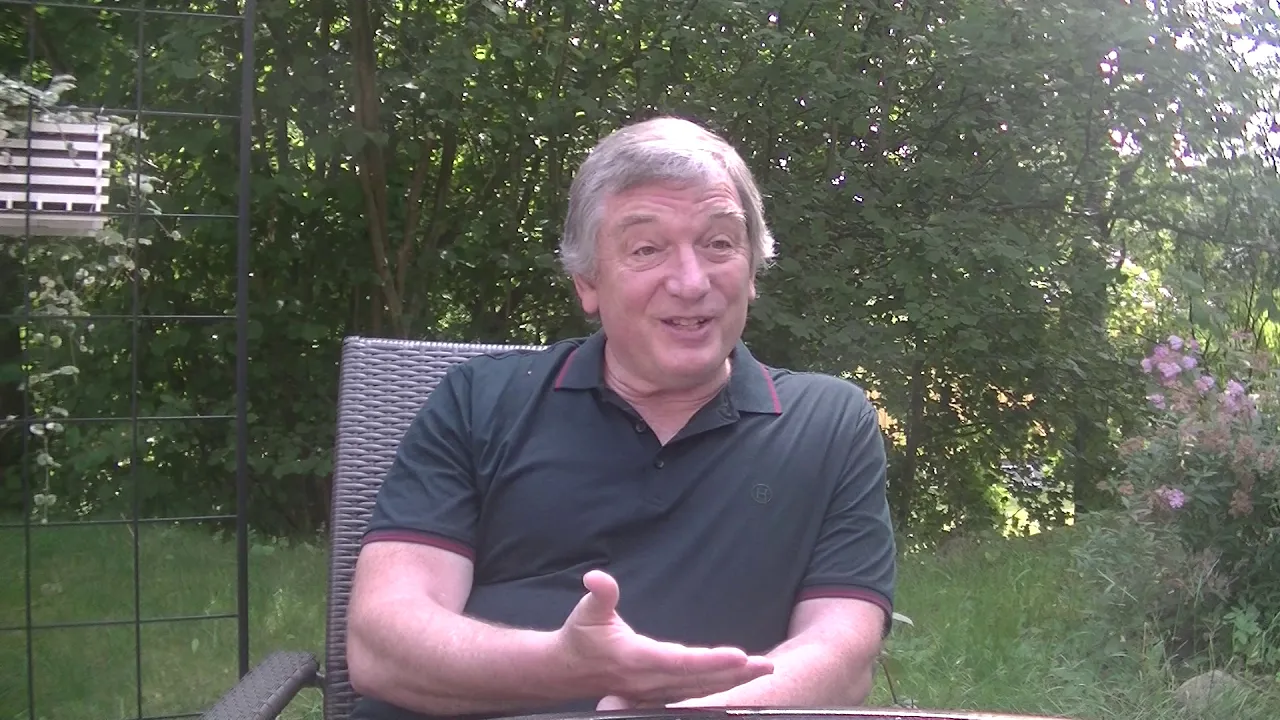
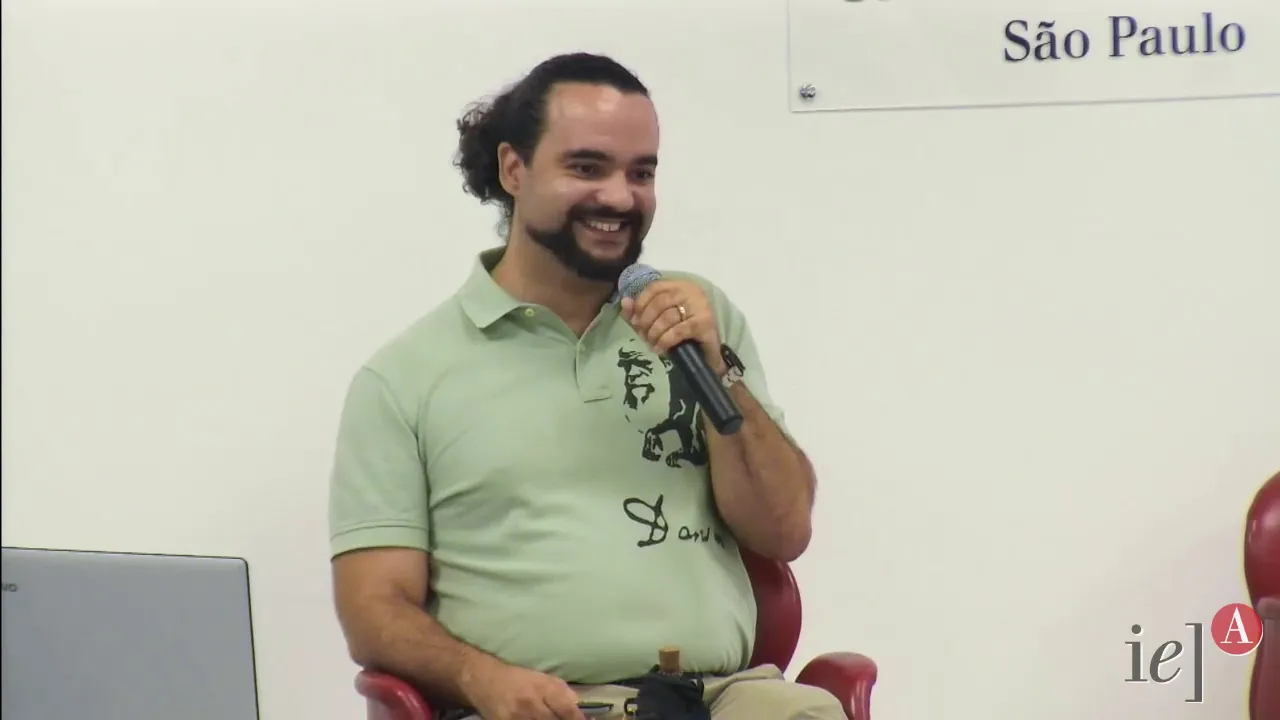
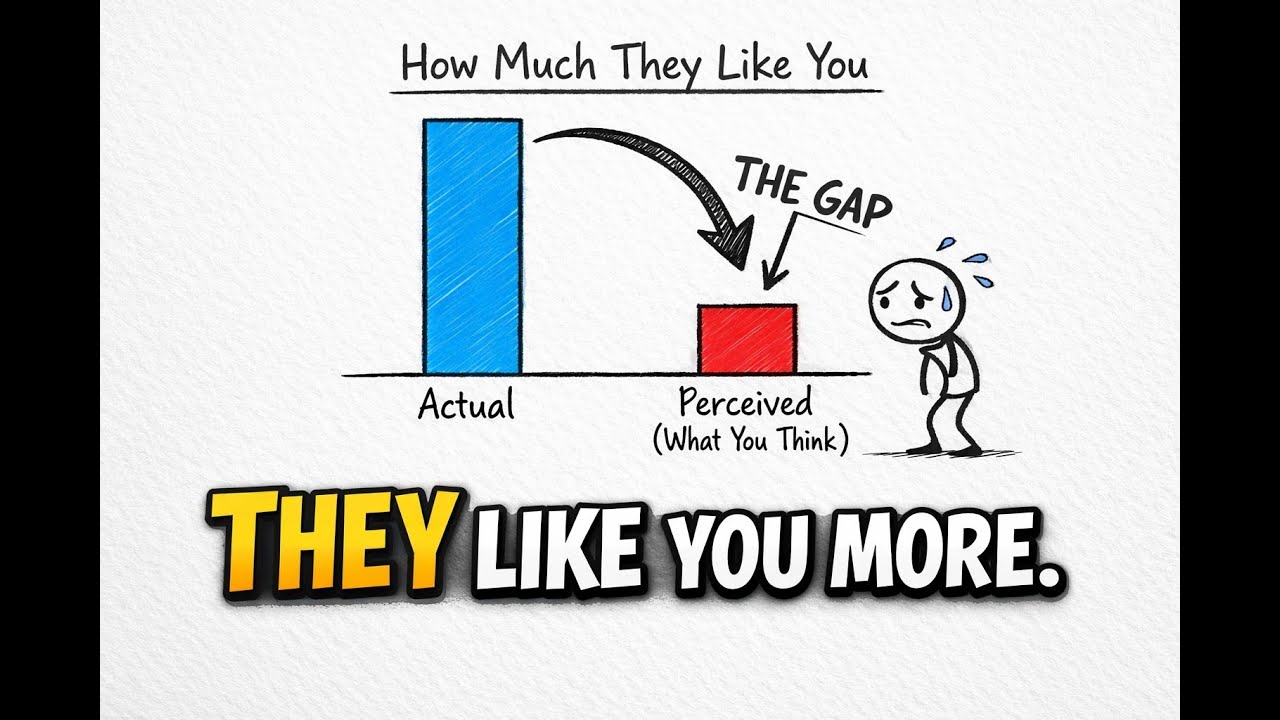
hello everybody welcome to a new episode of the center i'm your host as always ricardo lopez and today i'm joined by dr frank mcandrew he is the cornelia h dudley professor of psychology at knox college and this studies human social behavior from an evolutionary perspective and today we're going to focus mostly on gossip aggression creepiness and some other topics from an evolutionary perspective so dr mchendry welcome to the show it's a pleasure to everyone it's a pleasure to be here best part of my day today good to know so uh let's start with gossip then i mean why did gossip evolve what are the social functions that it serves yes gossip is one of those things that we tend to think of as a character flaw but it really is part of human nature and we could not exist as we do without it if you think about the societies that we evolved in small groups of people separated from other groups you had to deal with these people every day and it was essential to be socially successful to know about the reputations of other people you had to know who you could trust who you couldn't who would cheat you who would be a good cooperative partner when you were selecting mates you had to know information about them i for your rivals you had to know who had powerful friends and allies and who did not and who had access to resources and who did not so to be successful you absolutely had to know what was going on in the lives of other people and individuals who were fascinated by that individuals who could not get enough of it did well because they had important information uh individuals who didn't care about that who were not interested in it did not do as well they weren't as good at maintaining alliances attracting and keeping mates and so there was a selection pressure favoring people who craved social information so we're the descendants of busybodies like it or not we're the ones who inherited these genes from our ancestors who were interested in these things so it's part of human nature it's not a character flaw but can we say that it is overall a positive thing in human society uh i think yes but i'm not going to deny that gossip can certainly have negative consequences and usually a person being gossiped about doesn't think it's a positive thing but it does serve a lot of positive social functions if you would like me to discuss that a little bit first of all gossip is a way of keeping people in line if you are in a work group for example and you're tempted to slack off let other people do your work for you cut corners knowing that other people are monitoring your behavior and that they're going to talk about you and that your reputation is going to suffer is one of the things that keeps you being a good citizen and keeps you doing what you're supposed to be doing so there's a social control function and it's also frequently the case that the gossip we engage in is for the good of the group if there's a co-worker of yours who you suspect is stealing from the company or doing some other thing that's going to be bad for all of us talking about that person and trying to figure out if this is true or not serves a noble purpose for the good of the group it's not a selfish thing for the person the bad gossip is the stuff that we usually think of first and that's where an individual is spreading information for no other reason than to damage the reputation of somebody else so that that individual can get ahead and that's what most people think of when they think of gossip but it's much broader than that right are there any important sex differences in gossiping behavior well it is a stereotypically thought that women are gossips more than men are i don't think that that's necessarily true men and women both gossip but they do gossip in different ways and one of the ways that they differ is that women are more likely than men to use gossip as a weapon to use it in an aggressive nasty way to exclude other people from groups to ostracize them to make it difficult for that person to maintain a social network now this doesn't mean that women are nastier individuals than men they just have a different way of being aggressive a man is much more likely to come up and punch you in the face or engage in some kind of physical aggression women are much more likely to use uh what's called relational aggression where they're manipulating socially uh to do damage to people and gossip is one of the chief weapons so um men and women both gossip but i think women are more likely to gossip in an aggressive way another problem with gossip i think that people have is they usually define it as something that other people do if you're talking about someone you're expressing concern or you're sharing important information you don't think that what you're doing is gossip but what somebody else is doing is gossip right but i mean is it because of people being aware of some of the negative consequences gossip might have that there are so many people that do not really like people who gossip a lot i think we don't like people who we like we don't like people who gossip badly it's not really a question of gossiping a lot or gossiping a little it's really a question of gossiping well or not gossiping well somebody who is good at gossip it's a social skill they are usually popular people they know things so you can go to them for information but they also have a reputation for being discreet and sensitive so that you know that if you're sharing sensitive information with them they will use it responsibly that it won't come back you know to hurt you bad gossips are people who either are clueless about this and just tell everybody whatever it is they know indiscreetly or they gossip in a very selfish transparently uh individual way to try to get ahead and so those people are usually not popular so think of it not so much as gossiping a lot versus gossiping a little but do you gossip well or do you gossip poorly so does gossiping have anything to do with small talk and is the ability to engage in small talk also an important social skill small talk uh can be i think a segway into gossip you don't usually walk up to someone who you don't know very well and immediately start giving them gossip there's sort of a dance that you engage in you talk about the weather you politely ask about somebody's health and you talk a little bit about current events and what you're doing is trying to synchronize the conversation you're trying to see if you and this other person share certain information if you share certain opinions and you're trying to establish how comfortable you are with this person and once that's established then you can get into the good stuff the gossip and the more in-depth kinds of conversation so i think uh small talk is overlooked as an important tool that we use in interactions with other people so let's now talk about uh naming children because from an evolutionary perspective this is not really a topic i have explored yet on the show even though i've already talked with a lot of evolutionary psychologists here so why did you decide to study this topic and what can we really learn by studying how people name their children well the first time i studied this was uh probably about 30 years ago and uh it just came out of some idle conversation with some of my students where we talked about who had funny names and why would parents name their children that and why do some people get named after their parents and others don't and so uh as an evolutionary psychologist i started thinking that bestowing a name on a child is probably one of the most important things a parent does because that person is going to carry that name for the rest of their life and therefore you would want to do this strategically and skillfully so we had some ideas about if naming was a strategy we ought to find certain things so in our first study we compared the naming patterns that were used by um adoptive parents who were adopting a child that was not genetically related to them as opposed to families where the children were biologically related and our uh hypothesis which was supported by the way was that naming is a way of making the child familiar it's advertising this child really is part of the family and if you namesake them you name them after the parents you name them after the grandparents you name them after some other relative right away you're creating a bond or at least that's what the hope is and we ought to do this in situations where it's most needed and so what we found was that for biological children kids were much more likely to be namesaked after the father's side of the family than the mother's side of the family the reason being the mother knows that the child is hers and the mother's relatives know that the child is hers there's an old saying that goes something like this depending on the culture you're in mama's baby papa's maybe and so uh you want to reassure the father and the father side of the family that the child really is biologically related to them because you want the father to stick around and invest resources and you want the father's side of the family to accept the child now in adopted families we found there was no difference in the frequency of namesaking for biological children and adopted children because in adopted families both sides of the family are equally sure the child is not related to them so there was no longer this pressure to favor the father's side however adopted kids were more likely than biological kids to be namesaked because the need to you know embed them in the family was much stronger you know because a lot of people are a little cautious about adopted kids they don't know what kinds of genes are coming into the family i think sometimes there's resistance from other relatives who don't want people to adopt so the adopted child has a bit of a handicap that you try to overcome by giving them okay if grandpa doesn't want you to adopt a child but then you name that child after grandpa then maybe you're gonna you know help the child out right so does namesaking connect in any way to attachment and attachment styles we uh recently did a study to test that hypothesis because it makes sense that if you um are named after a parent for example this might influence the level of attachment i i guess i'm disappointed to say we did not find that that was the case there did not seem to be a relationship between whether somebody was namesake and the attachment style that i thought they was a good idea though but it didn't work out so but i mean just to wrap up this topic i guess uh i would you then say that namesaking has a lot to do with paternity uncertainty i think it absolutely does yes and uh it also interacts with things like birth order and gender if you it's a very precious resource right if you're going to name a kid after the father you're really in most cases only going to be able to do that once and so we find that firstborn children are more likely to be namesaked than later-born children especially if they're boys if you're a firstborn girl on the other hand sometimes the parents wait because maybe the second child will be a boy and then we can namesake it after the father so second born children are more likely to be namesaked if the firstborn was a girl so let's now get into creepiness what is it from an evolutionary perspective well creepiness getting creeped out is an emotion and emotions exist to motivate us to do the necessary thing so an emotion is there to save us it's to help us do what we need to do without thinking about it and creep being creeped out appears to be different from similar emotions like fear or disgust if you're afraid if you're experiencing fear usually you know what the threat is that you're facing you know what you should be trying to do to escape from that danger being creeped out is all about uncertainty you're interacting with a person who is not playing by the rules their nonverbal behaviors are strange they're steering the conversation in awkward directions they're not letting you escape from the conversation now you don't know if there's anything to fear from this person so it would be very strange and rude to scream and run away from them if they're just a little awkward but at the same time if this is an interaction that you don't want to be involved in you should get yourself out of there so as a result of that we're sort of paralyzed we're we're stuck we don't know what to do and so getting creeped out focuses your attention it makes you vigilant you're processing information to figure out if there's something dangerous here and that's different than fear fear is what happens after you've figured it out and you can be creeped out by places as well as people so you're in a place that looks like it could be harboring or hiding predators or enemies and that it could be dangerous you don't know that there's something there to be afraid of but you're on your guard and you're very anxious and vigilant trying to figure that out so creepiness is all about uncertainty and usually about uncertainty of threat of some sort so what you just said about creepiness regarding places i mean is that are those the reasons why we find hunted houses creepy yes because they do all of the things that signal danger to us they're okay if you think about the hollywood haunted house that you see in movies it's always big and old and dark and it usually has a very confusing architecture to it so it looks like a place that you could get lost in and have trouble getting out of quickly and it's usually pretty far away from civilization it's always on top of a mountain or out on an island where if there is danger it's nobody's going to be able to come and help you and it's got a bad combination of something called prospect and refuge these are characteristics that environments have prospect means being in a place where you can see well you you can see around you nothing can sneak up on you without you noticing um refuge means you feel protected and safe and hidden so it's sometimes called a good places are called a womb with a view or a place you can see without being seen or eat without being eaten so you feel protected and you feel like you can see what's going on haunted houses are bad combinations of prospect and refuge there are all kinds of hiding places and dark places where things could be laying and wait to get you and you don't feel protected you feel vulnerable and so they creep us out for that very reason so i mean but apart from hunting houses and perhaps talking a little bit more about people what are the kinds of traits that are associated with creepiness that movies explore the most horror movies in this case i think of creepiness horror and fear is sort of three different stages of the same experience if you're watching a horror movie there's usually a predictable sequence of events early on there's this uncertainty going on funny things are happening the characters in the movie you're starting to get nervous they don't really know if there's anything to be afraid of or not you're seeing them being creeped out the next stage occurs when it's suddenly dawning on them that there is indeed something wrong and that they're they are in danger and i think if this is the horror stage uh they may not be sure exactly what it is that's posing a threat and they may not be exactly sure of what they should be doing to try to deal with it but they know there's a problem and then you end up finally in the fear stage where aha i now recognize what terrible thing i'm facing and i've got to get out of here i i know what i need to do to deal with it and so movies try to walk you through this experience and good movies are the ones that do it just right they creep you out for just the right amount of time they suspend you in horror for just the right amount of time and then they finally deliver the fear at the end so uh it's kind of a perverse thing that we do right we pay money to go to horror movies to scare ourselves and to watch things that we would avoid like the plague in real life i think there's a reason for that it's it's a form of play it's kind of mental rehearsal all right you know you're safe you know it's just a movie but by watching what's going on with the characters in the movie you can learn strategies maybe somebody's trying to escape from a serial killer well i can learn how to deal with serial killers by watching these people in the movies and feel like i'm better prepared to deal with this in my own life now you don't consciously go to the movies and say well i'm going to the movies tonight so i can learn how to deal with serial killers but the thing that drives our interest is this inherent fascination with um people surviving potential threats we love movies about shark attacks right who survives and who doesn't maybe i can learn something about what i should do if i'm attacked by a shark why is it that some people seem to be attracted to horror or i mean could you explain what we could call recreational fear yes uh recreational fear is a term that was coined by a group of researchers in denmark uh who are kind of devoted themselves to studying this and they do some interesting studies in commercial haunted houses but um i think the thing the one thing that would probably separate people who like it more than the ones who don't is whether you're high in something called sensation seeking uh individuals differ from each other in terms of how high a level of arousal they like uh some people really like you know they're they're doing caffeine all the time they're doing exciting things all the time and they get easily bored and that's their preferred state uh other people who are low sensation seekers prefer a much lower level of arousal and so it makes sense that the people who like the jolt they like the adrenaline are going to be attracted to the horror movies more than people who are not probably it also depends on how much you believe in the paranormal uh i'm just speculating now but if you really do believe in ghosts and witches and paranormal things like that the horror movies can probably be terrifying to you because you think that the things you're watching might really happen whereas if you don't believe in those things you'll still find the movie exciting and it will give you an adrenaline jolt but because you don't believe this could really happen the movie won't be quite as terrifying to you in this case the sensation seeking have anything to do with the personality trait openness to experience or is that unrelated i would think they'd be highly correlated i absolutely they would because um one of the things that increases arousal levels is novelty uh when you're exposed to something new that um raises your cognitive uh arousal levels and it is a sensation seeking thing so i would think the two would be very uh closely related so uh somebody who's high in openness to experience would probably enjoy horror movies more than people who are low on that that's an interesting hypothesis that i don't think anybody has actually tested okay so i would like to ask you yeah so i would like to ask you specifically about the i hope i'm pronouncing this correctly forest the japan suicide forest because i i read an article of yours i think it was on psychology today or something about it so uh what's the deal there yeah okay uh well one of the things that makes places creepy to us is if they're associated with death in some way and so most haunted houses usually have a story about some grisly murder that took place there 50 years ago or maybe there's an abandoned prison or mental hospital where people were held against their will and some of them died under unpleasant circumstances uh so any place that's kind of contaminated by an association with death is going to be creepy to us well the forest that i have trouble pronouncing as well so i just call it the suicide forest uh is a place in japan right near mount fuji that has gotten quite a reputation for being creepy to a great extent because it has become this destination for people to go and kill themselves and this all really started i think it was in the 1960s where some author used it as a setting for a story where two young lovers went to this forest and had a committed suicide together and once the story got out people started really doing that and the forest is a spooky place compasses don't work very well there because of the uh amount of metal in the soil it's a very illegible forest it's kind of dense and it's not easy to see so it's lacking prospect in refuge like a haunted house would and so uh there are legends that the souls of the dead people a call to people who are sad to bring them to the forest and then lure them off the trails to kill themselves and so all kinds of other stuff happens in there the police regularly patrol it trying to save people from themselves also bandits are regularly going there looking for people who have killed themselves so they can steal their possessions but uh depending on the year there are maybe over 100 people a year who who kill themselves in this forest it's actually the setting for a movie that was called the forest that came out oh i don't remember how long ago maybe eight or ten years ago why do some people have creepy hobbies well that's a good question i don't know why they have creepy hobbies i guess i'm more in the business of i'm trying to explain why other people think they're creepy hobbies uh and so if you were well uh let's think of hobbies and occupations together most of us don't like to think about death we certainly don't like to think about our own death we usually avoid putting ourselves in situations where we're encountering it so if you're talking about someone who is a taxidermist for example who stuffs dead animals or an undertaker who you know deals with dead bodies every day as part of their job right away we're curious about a person who does this because most of us choose not to have anything to do with death so someone who chooses to make this the primary thing that they're interested in makes us uncomfortable because they're so different than most of us and if they're different in that way what other ways might they be different and this kind of puts us on our guard now if the person doesn't seem to have any other unusual characteristics or behaviors the hobby or the occupation by itself probably will not be that big of a deal but if they have that occupation or hobby in addition to other things then you're really setting the stage for the person to be thought of as creepy but why do people become taxidermists i can't tell you okay fair enough so yeah so before moving on to another topic let me just ask you one final question about creepiness and i guess this one is focusing on more on the sexual aspect of it what do women for example find creepy about men well uh before i started the first creepiness study i will spend a lot of time just talking to people uh when you think of somebody that you're responding to what what do you mean when you describe someone as creepy and one of the first things i noticed is that when women were describing a creep they almost always started talking about getting some kind of threatening sexual vibe of some sort from a guy that the guy wasn't it's not that the guy was just interested in them but he was interested them in a threatening or kind of abnormal sort of way they thought and that was what was troubling i didn't hear this from men as much and my research as well as the research of some other uh people have confirmed that men are much more likely to be perceived as creepy compared to women and i think that makes sense for the simple reason that if creepiness is about an uncertainty of threat men are simply more threatening than women whether you're a guy or a woman if you're a man you fear other men more than you fear women most of the time at least in terms of physical danger and for women that's also true but then women have this other component of sexuality uh built in so they've got more reasons than men do to be creeped out by men women can be creepy but you they really have to show you something i mean the bar is set pretty high for men on the other hand it doesn't take very much for a guy to appear to be creepy and that's one of the things that makes men so awkward when they're approaching women that they want to meet they know that if they act in an unusual way the woman's going to think they're a creep and their discomfort with this is one of the things that makes them appear creepy because they get twitchy and uncomfortable and uh yeah it's it's a terrible problem yeah i understand so let's move on now to aggression and this will probably be the last topic we're going to talk about today so do we know what are the factors associated with it i mean what basically triggers aggression well aggression uh again i'm speaking as an evolutionary psychologist is something if it's part of our arsenal of behaviors uh something that's adaptive it should only occur in certain situations somebody who is just mindlessly aggressive and you know attacks people and behaves aggressively in an unpredictable way that person is not going to be around very long even if they're large and threatening they have to go to sleep sooner or later right and they will be removed from the group very quickly so uh you would expect to see aggressive behavior in certain kinds of situations um and it would be somewhat different for males and females but for men uh if you're in competition with other men for status and hence access uh to females then you're much more likely to see aggressive behavior and also you're more likely to see it from men who are lacking in those things the guy who already has status who already has access to females really has no reason to behave aggressively but it's the desperate male who's being shut out of the mating competition who is totally lacking in status that uh needs to do something to try to climb the ladder and that something can turn out to be aggression so to use the mass shootings as an example that we see in the united states especially the perpetrator of these crimes are not usually confident popular individuals they're not people who are you know well liked they're usually described as loners people who kept to themselves perhaps even people who were bullied uh they're almost always men they're almost always young men and it seems to be one last desperate effort to show that they are a person to be reckoned with they are somebody to be taken seriously uh even if they end up killing themselves they it it's not a rational thing uh it's driven by this emotion for females the aggression is much less likely to be physical but it still occurs in response to competition with other women often for mates attractive women are often bullied by other women because other women recognize that men are going to be attracted to them and you need to kind of ostracize them spread information about them to try to make them less attractive in terms of the mass shooting specifically apart from what you said i mean do we know exactly why they happen and can we explain why some people and those specific people commit them i think there are different types of mass shooters some of them are driven by ideology so perhaps you're part of some political movement or terrorist organization others are driven by a sort of a personal desperation and they play out in different ways let's talk about the one driven by ideology first um a movement like isis for example or in the united states the white supremacy groups often attract males young males who feel sort of left out of the competition they're not usually well educated they don't have good jobs uh they feel like losers and when they find this organization maybe for the first time in their life they find a community of people who hold them in self-esteem they think of them as being worthwhile and by engaging in these aggressive acts they're doing something that other people care about and other people applaud them for and they feel important it gives them purpose and so somebody who's a mass shooter driven by ideology will travel to attack uh people who i'm getting a phone call here there they will travel to wherever the people that their group hates are and commit the crime so if it's an anti-semitic thing they will go to a synagogue and attack people if it's um an anti-muslim thing they will go to you know where muslims are the individual who's driven by personal slights usually goes back to the place where the people are who disrespected him so they will go back to the school that they go to or the place that they work where they feel that they're badly treated and they're killing people they personally know to make a statement and so i think depending on the reason for the mass shooting it comes out in different ways and you have different types of people doing it does heat make people more aggressive it does as temperatures go up violence goes up and there have there had been some dispute about this uh it depends on whether you do the research in the laboratory or if you're looking at studies out there in the field in laboratory studies they usually find that heat increases aggression up to a certain point but then when it gets really really hot aggression goes down uh and in these studies they're usually putting people in hot rooms and having them give electric shocks to each other or something like that in field studies though they're looking at actual violent crimes assaults murders and in those studies there's this very nice linear relationship the hotter it is the more crime there is and i think there are some reason a couple of reasons for that one of them is simply that when it's hotter more people are outside and likely to get caught up in whatever bad things are going on but it also puts you in an unpleasant mood it makes you angry uh and uncomfortable and so it's a pretty consistent relationship okay so i mean we've already gone through the main topics here but let me just take the opportunity to ask you one last question about an unrelated topic so do people underestimate how much other people like them and why uh they absolutely do it's uh got a name it's called the liking gap and uh this is not research that i've done myself but i've been interested in it and followed it kind of closely when okay usually when they do studies like this it's in one of two settings it's either in a laboratory setting where they're bringing people together and introducing them or they've done um like real life events where people sign up to participate so they can learn how to talk to strangers or maybe it's a speed dating kind of event where they're meeting potential partners anyway no matter where you do it the model is the same people have these interactions with other people and then they rate how much they liked the person that they interacted with and also rated how much that other person liked them back and what you consistently find is that people always think the other person doesn't like them as much as the person actually said they do for some reason we walk away from these interactions feeling kind of bad oh i really like that person but i i look stupid i said something silly i i made a fool of myself and uh you're being totally inaccurate in thinking that because the other person in most cases likes you a lot more than you think they did and if you show videotapes of uh interactions between individuals and they ask observers to judge people like each other they're more accurate than the person who's feeling bad because they think the other person didn't like them so a third party can tell that that person felt positively about you more than you do so yeah we we're very hard on ourselves but is there any evolutionary explanation for that i mean why is it that we have that sort of bias i guess that one i don't have an answer for because it doesn't really make sense right you ought to think that being if you had to have a bias that it should go the other way by thinking that other people think very well of you and they like you a lot but as i'm thinking about this that could be a riskier strategy if i assume that people like me and i if i assume that people are going to treat me well and then i trust them to do that and they don't i can be in trouble whereas if i err in the other direction and i don't trust this person because i don't think they like me in some ways that's a safer way to go and if it turns out you're wrong you can always warm up to them later on but i'm thinking about this for the first time right now i've never thought about this question so um probably after we're finished here i'll think of some other things that were much better than what i just said okay fair enough so dr mcandrew just before we go where can people find your work on the internet um well you can follow me on twitter at ft mcandrew i also have a webpage frankmcandrew.com where you can find way more out about me than you ever would want to so those would probably be the places to start okay so i will be leaving links to that in the description box of the interview and thank you again so much for taking the time to come on the show it's been a real pleasure to talk to you well thank you it's been an honor to be here hi guys thank you for watching the interview until the end if you like what i'm doing please consider supporting the show it's thanks to people like you that it keeps running i will leave links in the description box to patreon and paypal and the amount even just one dollar per month would already be a great help otherwise and if you like what i'm doing please share the interview leave a like and hit the subscription button this show is brought to you by in lights learning and development done differently check their website at enlights.com i would also like to give a huge thank you to my main patrons and paypal supporters karen litzke and blanchett perez larson francis fourth ends frederick sunder ricardo vladimir greg hilly adam castle olaf alex jonathan vessel jacob lincv matthew whitting border no wolf tim hollisi enriquelani jean connors paulina baron philip forest connelly jerry mueller herbert guintes ruth gervas bo weingarten rebecca nieburger goldstein then the metro robert windager roy nassiu arthur co supe mark nevis colin holbrook susan pinker bernard sashes pablo center david sloan wilson yes ladies and gentlemen catherine and patrick tobin al-ortiz guy madison gary g hellman juan linhars leader cosmetics amazon adrian yaeggi nick golden paulo tolentino juan barbaza jules price edward hall aden bronner franco bertolotti gabriel ponce and my executive producers michel ruzzieski rosie jim spratt matthew lavender sergio riano and bogdan knivets thank you for all
Up Next
7:48
How Brain Bias Shapes Reality: Neuroscience of Perception
@bigthink
921.7K views•2024-09-09

68:32
Cognitive Skills for Differentiated Instruction | Teacher PD
@BrainWareLearning
631 views•2017-12-17

9:55
Thinking, Fast and Slow: Daniel Kahneman Animated Book Summary
@FightMediocrity
2.3M views•2015-06-05

6:40
The Nocebo Effect: How Beliefs Can Cause Real Harm
@CGPGrey
10.4M views•2013-12-23
Related Study Plans & Knowledge Roadmaps
Structured learning paths in Psychology
psychology
Neuroscience of Creativity: Networks & Training
01Foundations of Creative Cognition
02The Cognitive Neuroscience of Insight & Fixation
03The Triple Network Model of Creativity
+ 1 more learning modules
15h4 modules
Explore Roadmap
psychology
Imposter Syndrome: Etiology & CBT Framework
01Defining the Imposter Phenomenon
02Socio-Developmental Etiologies
03CBT Fundamentals & Thought Distortions
+ 2 more learning modules
15h5 modules
Explore Roadmap
psychology
Adult ADHD: Executive Dysfunction & Scaffolding
01Neurobiology of the ADHD Brain
02The Core Triad of Executive Deficits
03Executive Dysfunction and Emotional Regulation
+ 2 more learning modules
12h5 modules
Explore Roadmap
psychology
Loneliness: Evolution, Neurobiology & CBT
01Evolutionary Origins of Human Connection and Loneliness
02The Neurobiology and Physiology of Chronic Loneliness
03Maladaptive Social Cognition: The Psychological Loop
+ 2 more learning modules
12h5 modules
Explore Roadmap