
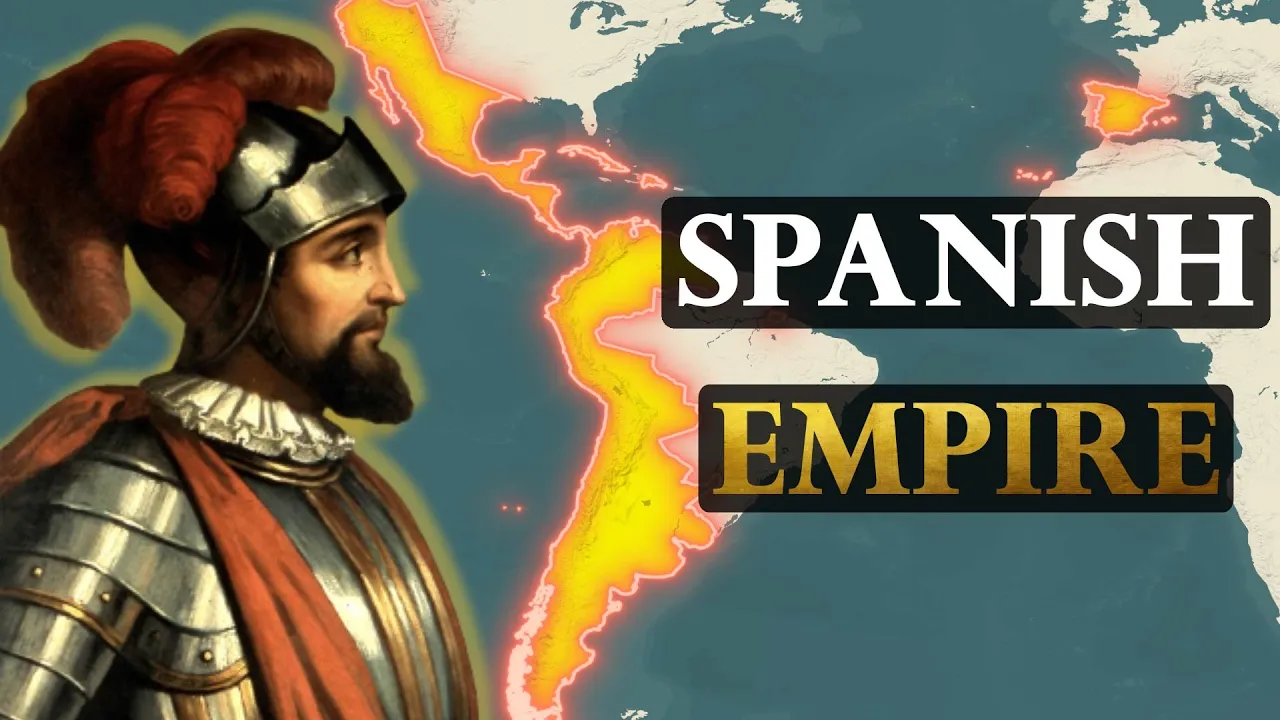
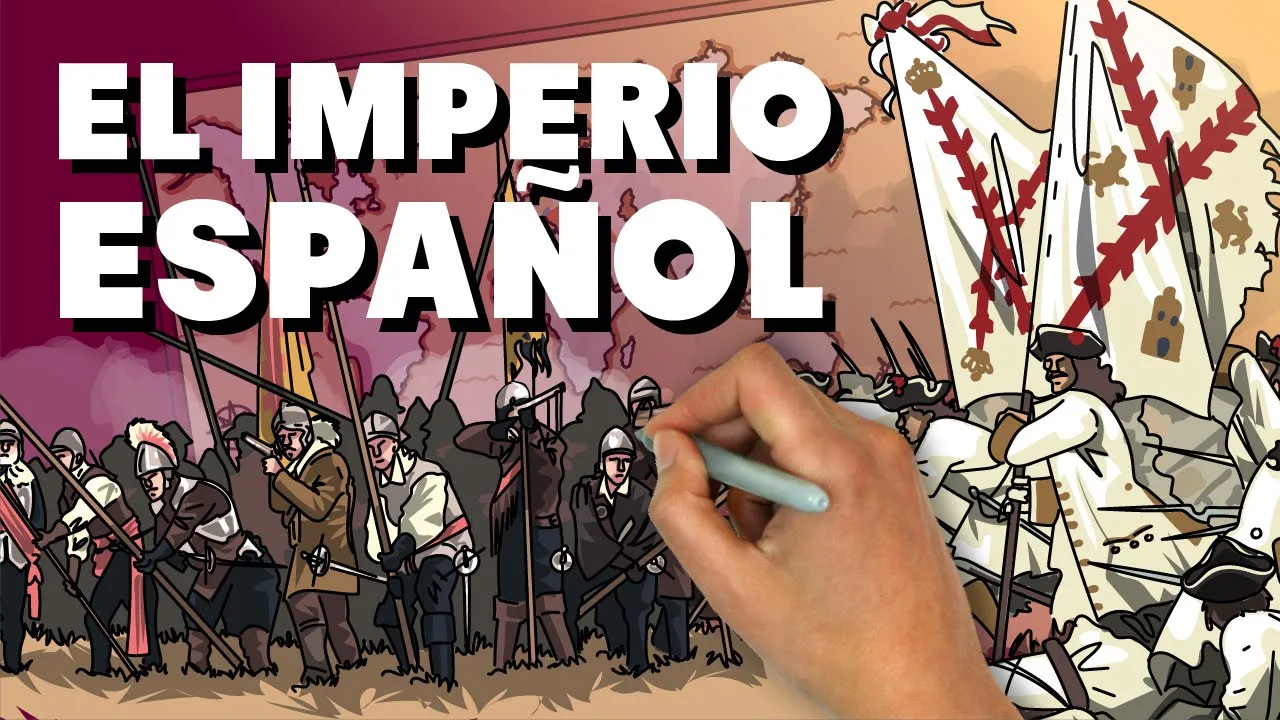


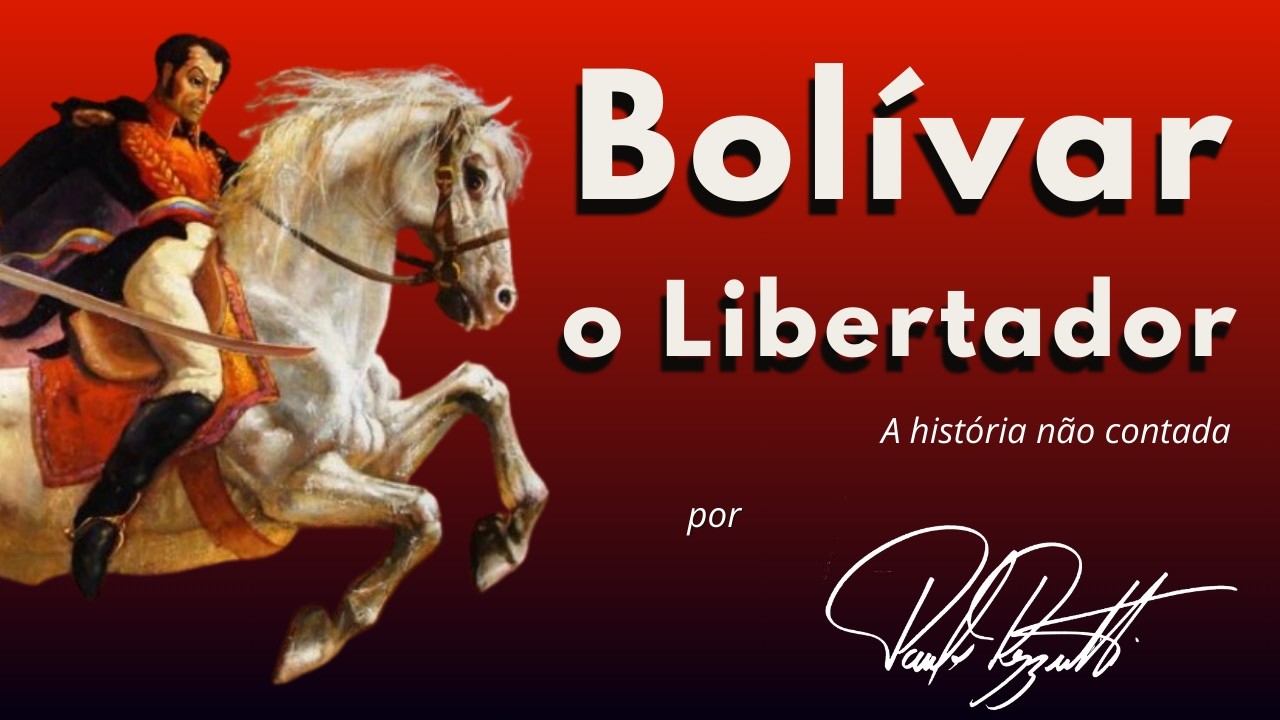


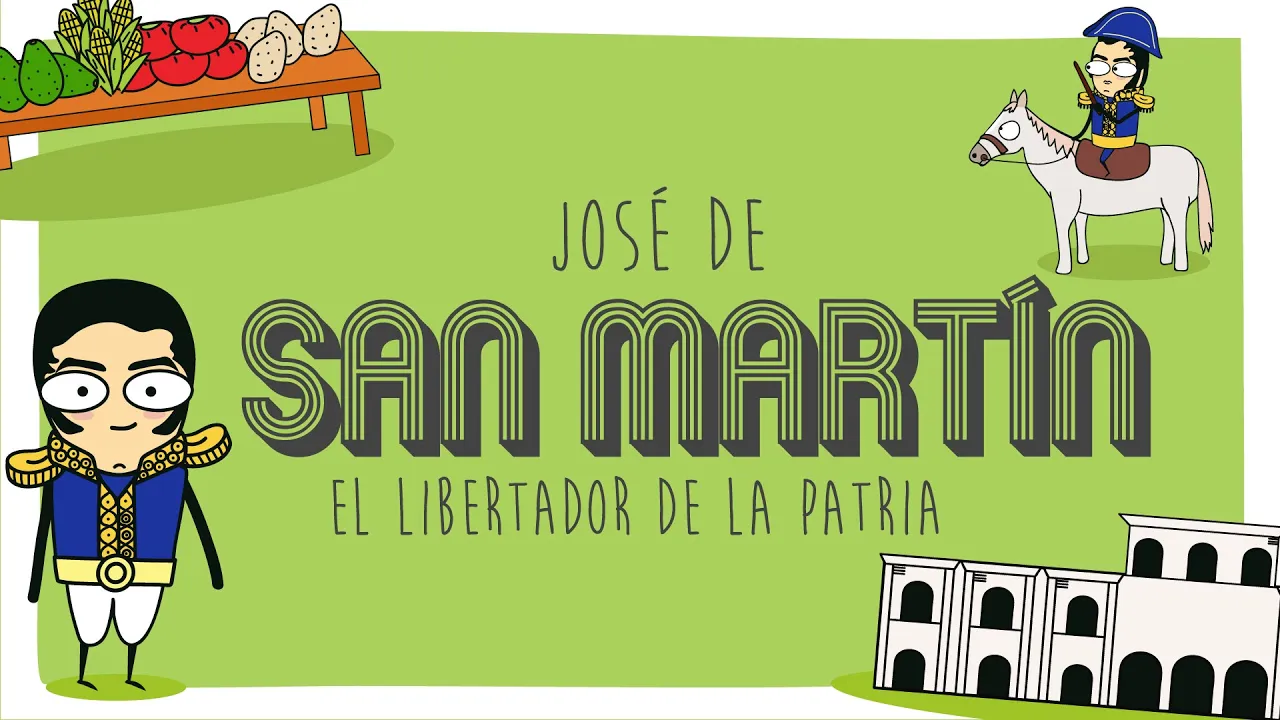





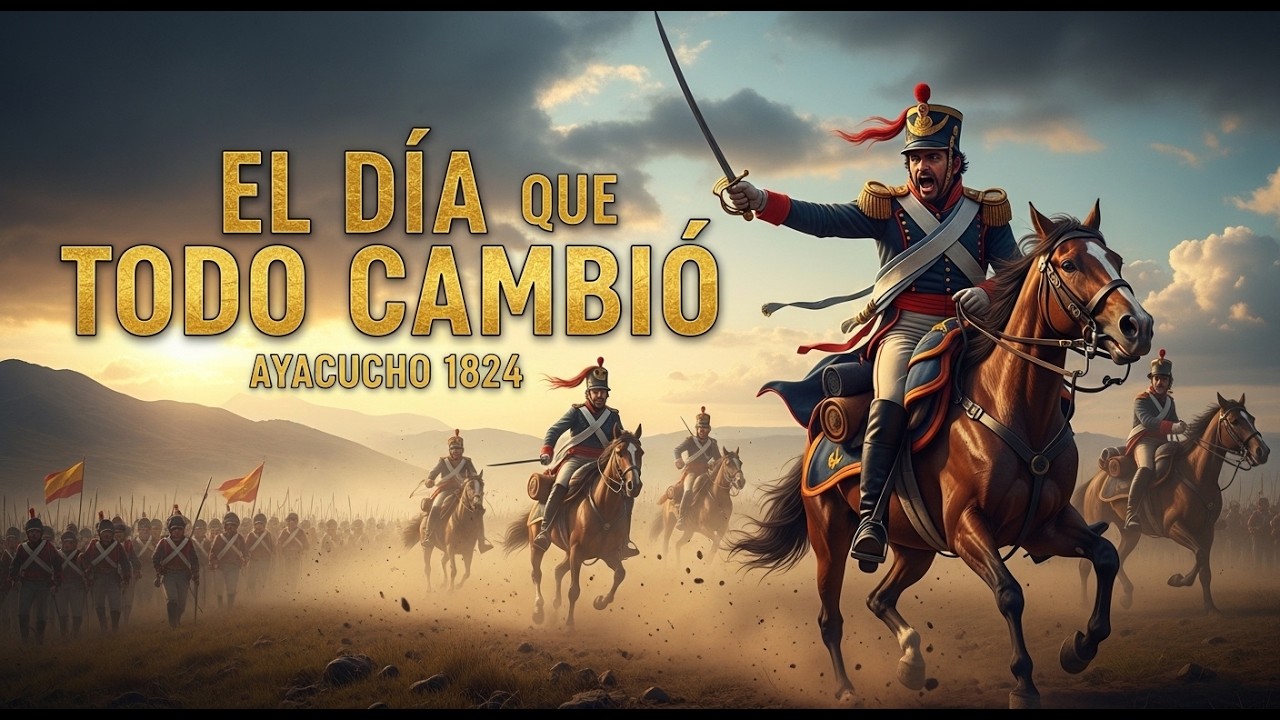



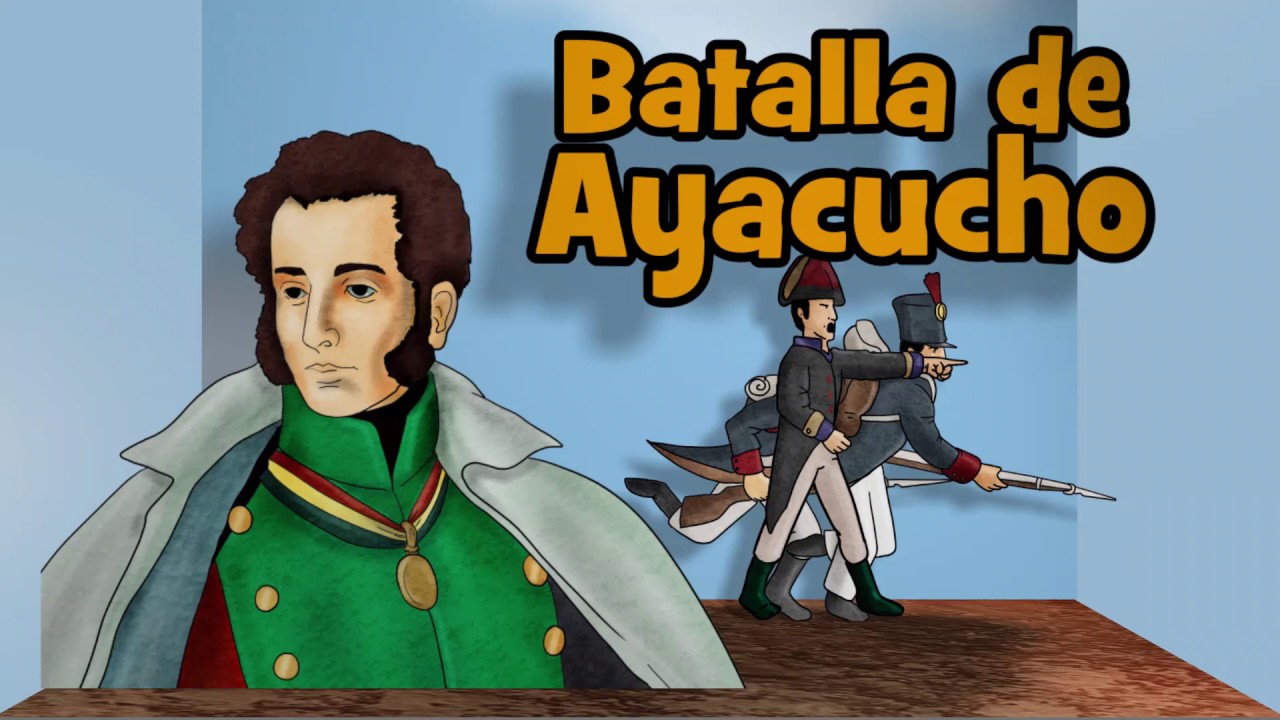




The Battle of Ayacucho (1824) was the decisive military encounter that secured Peru's independence from Spanish rule during the Peruvian War of Independence, marking the final major battle in the broader wars of independence across South America; led by Antonio Sucre under Simón Bolívar's overall strategy, the revolutionary forces defeated the royalist army of Viceroy José de La Serna through superior tactics and coordination, despite being outnumbered and facing significant supply challenges, ultimately capturing the Viceroy and ending Spanish colonial rule in Peru.
Battle of Ayacucho: Decisive End of Peruvian War of Independence
Added:The broader context of the Spanish American Wars of Independence, including the decline of the Spanish Empire and the impact of the Napoleonic Wars on Spanish colonial rule.
The roles and military campaigns of key liberators in South America, particularly Simón Bolívar and José de San Martín, and their efforts to coordinate regional forces.
The strategic political status of the Viceroyalty of Peru as the ultimate royalist stronghold and center of Spanish military power in South America.
Basic 19th-century military terminology and tactics, including the roles of infantry, cavalry, artillery, and geographical positioning in decisive pitch battles.
The immediate aftermath of the battle, specifically the terms of the Capitulation of Ayacucho and the surrender of the last remaining royalist forces in the Americas.
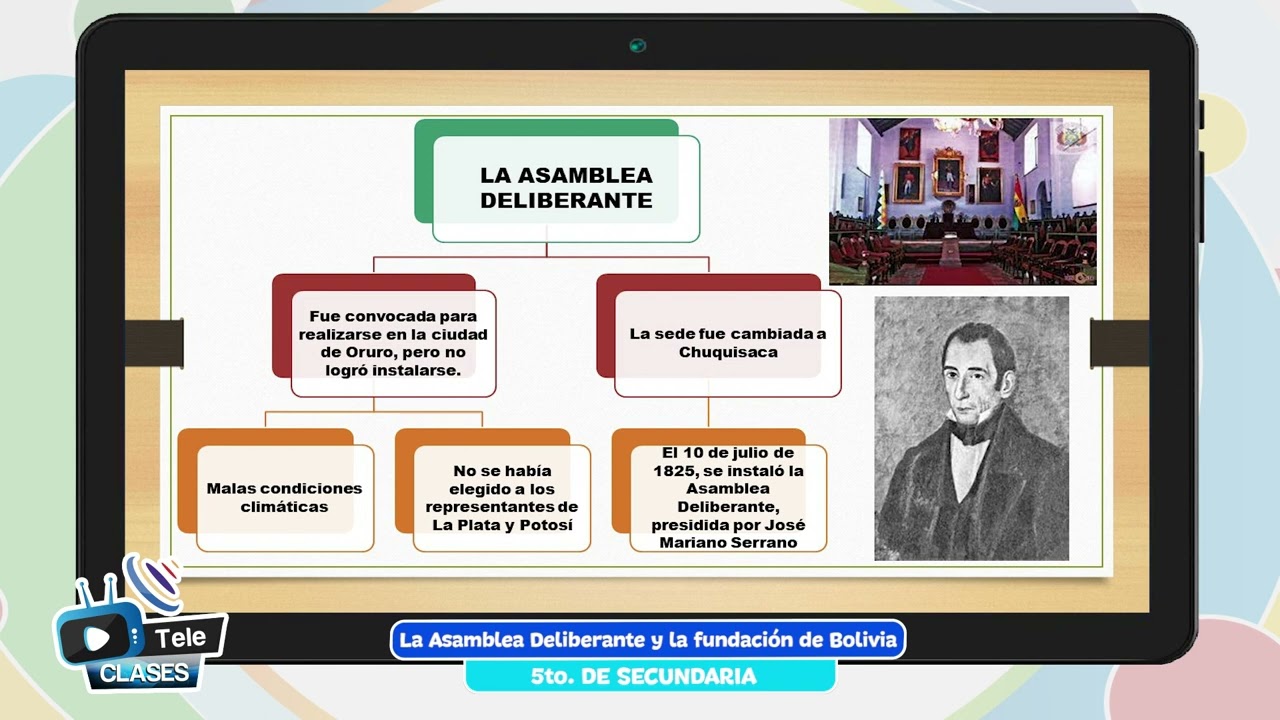
The creation of Bolivia in 1825 (formerly Upper Peru) and how the victory at Ayacucho finalized the borders and sovereignty of the region.
The rise of caudillismo (rule by local military strongmen) and the intense political instability that plagued newly independent Peru and other South American nations.
The collapse of Simón Bolívar's dream of a unified Spanish American federation (Gran Colombia) and the geopolitical division of the continent into distinct republics.
11.3K views703likes16:45Original Release: 2023-06-23
in 1822 the Peruvian war of independence had been raging for 13 years and was now reaching its climate the previous year the Revolutionary Jose de San Martin had taken Lima and much of the North Coast however the majority of Peru was still in royalist hands all at the south and east was under the control of Viceroy Jose de la Cerna who had his headquarters in Cusco whether San Martin would be able to liberate the rest of Peru was unclear as his campaign was in crisis his soldiers were angry that they hadn't been paid for months and their living conditions were terrible sometimes they were even having to eat food that was rotten this was all because San Martin had totally run out of money his main Patron Buenos Aires was refusing to keep financing him San Martin owed money not just to his men but also to the British Fleet that had been providing Naval support to his campaign eventually the British Fleet stole the money that they were owed from the treasury and left it was hard to see how liberating the rest of Peru was going to be possible San Martin knew that he needed help so he agreed to a meeting with the man who had just liberated Colombia and Venezuela Simone Bolivar these two most important revolutionaries met in guayakil in July of 1822 to discuss how they would defeat the royalists in Peru we don't know exactly what was said at the meeting but we do know what the two men did afterwards San Martin gave up his position and retired to France Bolivar became the supreme commander of the campaign to liberate Peru and committed all his men and resources to the cause however immediately Bolivar faced an even bigger crisis than San Martin had upon taking command of the campaign Bolivar inherited 2500 of San Martin's former soldiers in Lima however three-quarters of these men had become so angry about not being paid that they defected to the royalists this presented a serious threat Bolivar urgently needed to get his resources and his remaining men out of Lima before they were captured he worked frantically to evacuate Lima as fast as possible the revolutionaries got out just in time shortly afterwards three thousand royalist troops arrived and occupied the city the loss of Lima was a disaster for Bolivar he withdrew his forces North and tried to regroup to keep the campaign afloat he had to resort to Desperate Measures he ordered the conscription of all males from 12 to 40 in the local area any local Chief who disobeyed could be shot by bolivar's men Rebel soldiers were even given orders to loot the local buildings despite these measures the outlook for Bolivar was Bleak the royalists had 16 000 professional soldiers five times as many as he did it was at that moment when it seemed that the Peruvian campaign was going to be lost that fortune Smiled On The revolutionaries the Royals forces in Peru were about to be hit by their own crisis it related to chaos in Spain itself three years earlier in 1820 a coup had forced King Fernando VII to share power with a liberal government now with the help of the French army Fernando overthrew the liberal government and regained absolute power this caused a rift in the royalists in Peru the Spanish Viceroy Jose de la Sona was sympathetic to the liberal government that had just been overthrown by the king however one of his generals Pedro Antonio was an arch royalist and disliked lucerne's liberal sympathies with the blessing of the king olaneta rebelled against lucerna in a bid to make himself Viceroy of Peru olaneta mobilized 5 000 men and took various cities in the south east this was a disaster for lucerna who now found himself fighting on two fronts he sent five thousand men under the command of Geronimo Valdez to retake the cities and Destroy olanyita's Army for the revolutionaries this development offered a ray of Hope Bolivar acted decisively crossing the Andes mountains and then advancing South deep into enemy territory his Force now totaled almost 10 000 soldiers including 1 500 tribes people from the mountains bolivar's Target was the army of Jose De cantarak which was stationed near the town of junin however as Bolivar gets close cantarak refuses to give battle and withdraws Bolivar pursues cantarak trying to prevent him from escaping to Cusco with bolivar's Cavalry constantly harassing the royalist men cantarak is eventually forced to send his own Cavalry to counter Bolivars at the small Battle of junen bolivar's Cavalry defeats the Cavalry of cantarak leaving the Infantry vulnerable fearing that Bolivar will continue to pursue him cataract Force marches his men 160 kilometers leading to the desertion of three thousand men counteracts fears of bolivar's pursuit turned out to be unfounded Bolivar instead decided to consolidate his position and then head back to the coast to retake Lima with his Force weakened cantarak withdrew towards Cusco and requested reinforcements in Cuzco lucerna had few men to spare he was forced to recall the army of Valdes from the south and send it to join with cantarak's forces while that was happening Bolivar had retaken Lima and was now back on the Eastern side of the Andes advancing South however as the rebels were bearing down on Cusco they ran into a problem they were running out of supplies high up in the mountains their supply lands had become overextended and they were struggling to get enough food and gunpowder Bolivar decided that he would return to Lima to get supplies in charge he left his second in command Antonio sucre sucre was only 29 years of age and was like a son to Bolivar his family traced its roots to Flanders in modern day Belgium it's off to sucre the capital of Bolivia is named Bolivar gave clear instructions to sucre that he should wait for Bolivar to return sucre was to avoid battle unless victory was certain with that Bolivar set off for Lima at this point the rebels were 250 kilometers from Cusco it's likely the Bolivar wouldn't have left if he'd known what was happening in the royalist camp they had United the forces of cataract and Valdez and in a stronger position it was they that were now seeking battle they began to pursue the rebels who withdrew to the West for several days the two armies played Cat and Mouse with sucre refusing to give battle as he'd been instructed eventually near the town of ayakucha the royalists cornered the rebels sucre now had no choice but to fight the battle could be avoided no longer it wasn't how the rebels had expected the final showdown to happen the task of defeating the royalists in Peru had fallen not to the great Liberator Bolivar but de sucre his Apprentice [Music] at eight in the morning one of the royalist generals rode into the rebel camp and proposed that the officers greet each other before the battle began many of the commanders were linked by ties of friendship or family since they'd fought on the same site in campaigns in the past with the authorization of sucre a hundred officers greeted each other and shared a hug before the fighting began with that the two sides deployed for battle sucrose forces are split into four divisions on the Left Flank a 1 600 men led by General Jose De La Mar Lamar grew up in Spain and a few years previously he was fighting for the royalists he switched sides to join the rebels when Lima fell to San Martin Lamar will go on to become president of Peru in 1827. in the center is a Cavalry division led by William Miller was born in England and is a veteran of the Napoleonic Wars even fighting in the famous battle of Victoria after the fall of Napoleon Miller was part of San Martin's Army that crossed the Andes and participated in the liberation of Chile then under Bolivar he played a key role in the battle of junin throughout his life Miller was wounded 22 times and at his death the autopsy revealed that he had carried two bullets in his liver for over 40 years in reserve secret has 1 700 men led by Jacinto Lara Lara is a veteran of the Venezuelan war of independence and has been fighting for Bolivar for over 10 years on the right flank is sucre's biggest division of 2 300 men led by Jose Cordova Cordova was born in antiochia Colombia and participated in the Battle of boyaka which gave Colombia independent later in his life Cordova will return to Colombia and will publicly condemn Bolivar for making himself dictator Cordova will eventually organize a rebellion against Bolivar that Rebellion will be crushed by men who in this battle were fighting on the same side at coreva those men were the rifles Battalion part of Lara's division Cordova will die in that Rebellion against Bolivar far in front of the main Army sugra has deployed various squadrons of Cavalry that are to Skirmish and harass the royalists as they approach the battlefield to their left is a small farmhouse that sucre has garrisoned the royalist forces are also split into four divisions on their right flank is three thousand men and four cannons under the command of Geronimo Valdez this is the same Valdez that had been tasked with suppressing the rebellion of olaneta in the South Valdez was born in Spain and will go on to become governor of Cuba in 1841.
to their left is a division of two thousand men led by Jean Monet Monet was born in Madrid and had joined the Spanish Army at the age of 11. he was a veteran of Spain's War of Independence against Napoleon the third division is composed of 1 200 Cavalry and led by Valentin Faraz Faraz was also a veteran of the war against Napoleon and will go on to become prime minister of Spain in 1840. he held the office for only 16 days on the royalist Left Flank is 3 200 men and six cannons under the command of Alejandro Villalobos overall the royalists appear to be in the stronger position they have more men and 10 cannons while sucre has none that said it isn't clear how they should attack between the two armies is a large ditch which will leave them exposed as they cross it flanking Maneuvers aren't possible as the terrain slopes steeply downwards at the sides the royalists make a plan to attack in two phases the first phase will involve driving off the Cavalry skirmishes and securing The Farmhouse and then crossing the ditch only when all their forces are deployed on the other side of the ditch will they launch the second phase of their attack a full frontal Advance making use of their cannons and Superior numbers at 10 am the royalists begin their attack the first phase is carried out successfully the Cavalry skirmishes are driven back and the royalists secure The Farmhouse then the entire royalist Army begins to cross the ditch and deploy for battle however the royalist plan now starts to go wrong so Cray's Left Flank moves forward to challenge the royalist control of The Farmhouse the division of Valdes uses its cannons against the advancing troops on the other side of the battlefield this causes confusion one of the battalions of the villalobus division the Cusco Battalion hears the cannon fire and believes that it signals the beginning of the second phase of the plan this is incorrect the majority of the royalist Army is in fact still not in position and not ready for the general Advance the Cusco Battalion advances much too far forward and finds itself fighting against the entire Cordova division isolated and outnumbered the Battalion of Cusco suffers heavy losses and begins to fall apart seeing this Villalobos leads the Alexander Battalion to the front to try to support the Battalion of Cusco it too is overwhelmed and forced to fall back seeing an opportunity William Miller acts without sucre's orders and charges to help the court of a division press their advantage while the royalists Left Flank is falling back their right flank is having more success and putting huge pressure on sucre's left the division of Lamar is getting pummeled by cannon fire but the lines just about hold on sucre sends the division of Lara to reinforce the lime meanwhile the royalist Left Flank continues to fall back and is forced to abandon their six cannons those cannons haven't fired a single time a huge failure for the royalists both sides commit more of their reinforcements to the fight lucerna desperately needs to prevent a full-on route of his Left Flank so he sends the two battalions of Girona Into The Fray at the same time the Monet division is ordered to cross the ditch and attack in the center to counter the Monet division sucrose sends two Cavalry squadrons and one infantry battalion to wait for the Monet Division and surprise attacking as it climbs out of the ditch the Monet division emerges from the ditch and is immediately met with Cavalry and musket fire it performs extremely badly and fights with little determination in fact some historians have speculated that Monet himself was not truly committed to the royalist cause to stop the division of Monet collapsing General Faraz charges with 500 horses into the Rebel's right flank but is met with heavy musket fire which kills his horse Underneath Him the rebel Left Flank is continuing to collapse and so Lucerne himself joins in the fighting in an attempt to Rally his forces even this is to no avail sucre's right flank continues to overwhelm the royalists and eventually lucerna himself is wounded and captured some of sukro's men climb halfway up the mountain and plant the Colombian flag the division of Valdez which is still fighting effectively sees the Colombian flag they realize that the Battle Is Lost and withdrawn so crazy Victory is total 2 000 royalist soldiers have been killed and three thousand captured the battle had been a story of two flanks in the north it was the royalists under Valdez that had the upper hand and won the verge of breaking through in the South it was the rebels that came out on top the difference had been that while in the north the rebels had just about held on in the South the royalist lines had broken much of that was due to the determined fighting of the division of Cordova and for that Cordova would go on to be known as the hero of iakucho [Music] the royalists that escaped the battlefield did consider trying to regroup and continue fighting General cantarak wanted to march on Cusco and get reinforcements however his officers were tired of marching and refused they wanted to surrender and eventually cataract gave in he met sucre and agreed to lay down arms General olaneta in the South still had four thousand royalist troops but after learning of the disaster at ayakucho his army gave up Peru had its independence the Battle of ayakucha was the last major battle in the wars of independence of South America the new nation-states would now Forge their own paths into the future [Music] thank you
Up Next

55:26
Simón Bolívar's Jamaica Letter: A Primary Source Audiobook (1815)
@tangible_user
2K views•2020-03-10

33:02
The Great Schism of 1054: Causes and Consequences
@SacredCathedrals
113.5K views•2026-02-19
10:48
Battle of Carabobo 1821: Bolivar's Decisive Victory in Venezuela's War of Independence
@HenryStewart
10.3K views•2023-05-21
17:05
Understanding the Cold War: Superpower Conflicts and the Road to Détente
@OverSimplified
46.1M views•2019-01-24
Related Study Plans & Knowledge Roadmaps
Structured learning paths in History
history
Byzantine Iconoclasm: Theology, Art & Politics
01Foundations of Byzantium and Early Christian Images
02The First Iconoclasm: Leo III and the Crisis of Images
03Empress Irene, Nicaea II, and the Second Iconoclasm
+ 2 more learning modules
9h5 modules
Explore Roadmap
history
Iranian Revolution (Causes, Events & Legacy)
01The Pahlavi Dynasty and the Roots of Discontent
02The Spark of Rebellion and the Rise of Khomeini
031979: The Fall of the Shah and the Climax of the Revolution
+ 2 more learning modules
8h5 modules
Explore Roadmap
history
Mali Empire: Mansa Musa, Trade & Timbuktu
01Foundations of the Mali Empire
02The Trans-Saharan Gold and Salt Trade
03The Reign and Pilgrimage of Mansa Musa
+ 1 more learning modules
6h4 modules
Explore Roadmap
history
1947 Partition: Politics, Borders & Legacies
01Foundations of British India and the Divide
02The Political Negotiations and the Mountbatten Plan
03Drawing the Boundary: The Radcliffe Line
+ 2 more learning modules
8h5 modules
Explore Roadmap