
![Changing SOCIAL HIERARCHIES, 1450-1750 [AP World History Review—Unit 4 Topic 7]](https://i.ytimg.com/vi_webp/RQIEAt2_UoE/maxresdefault.webp)

![Labor, Slavery, and Caste in Spanish America [APUSH Unit 1 Topic 5] 1.5](https://i.ytimg.com/vi_webp/f1h-9W2Snik/maxresdefault.webp)







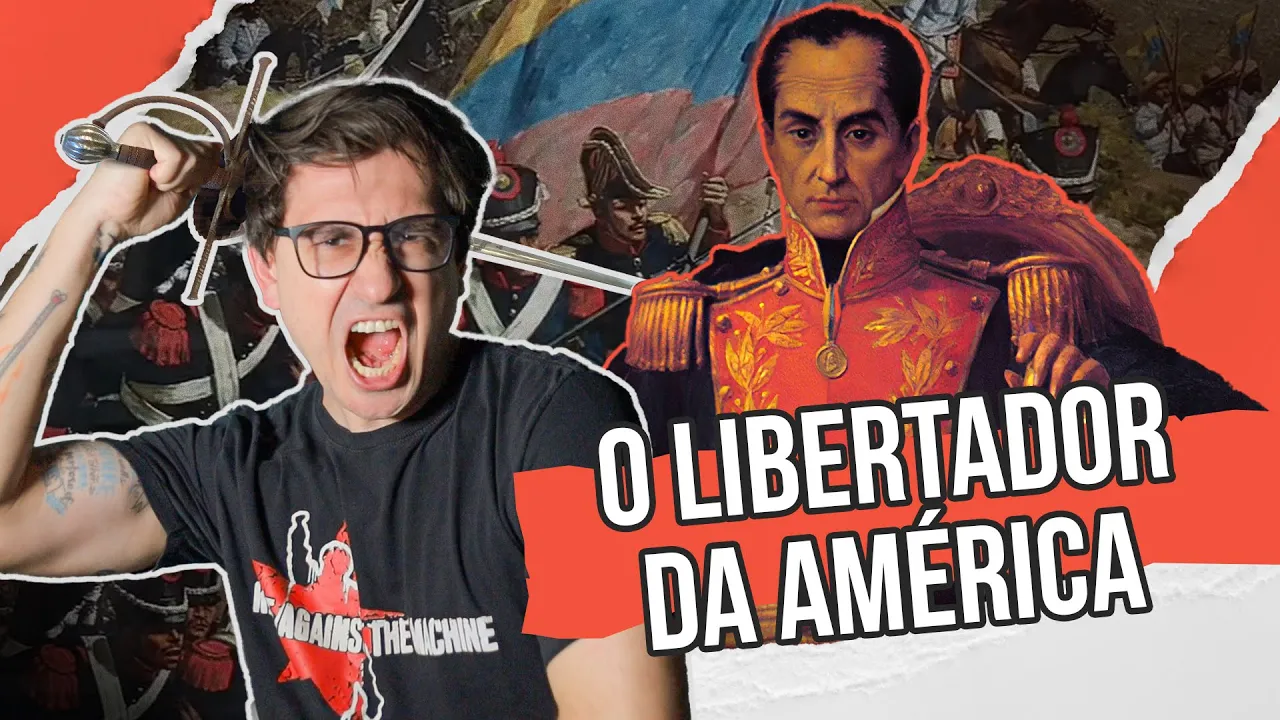




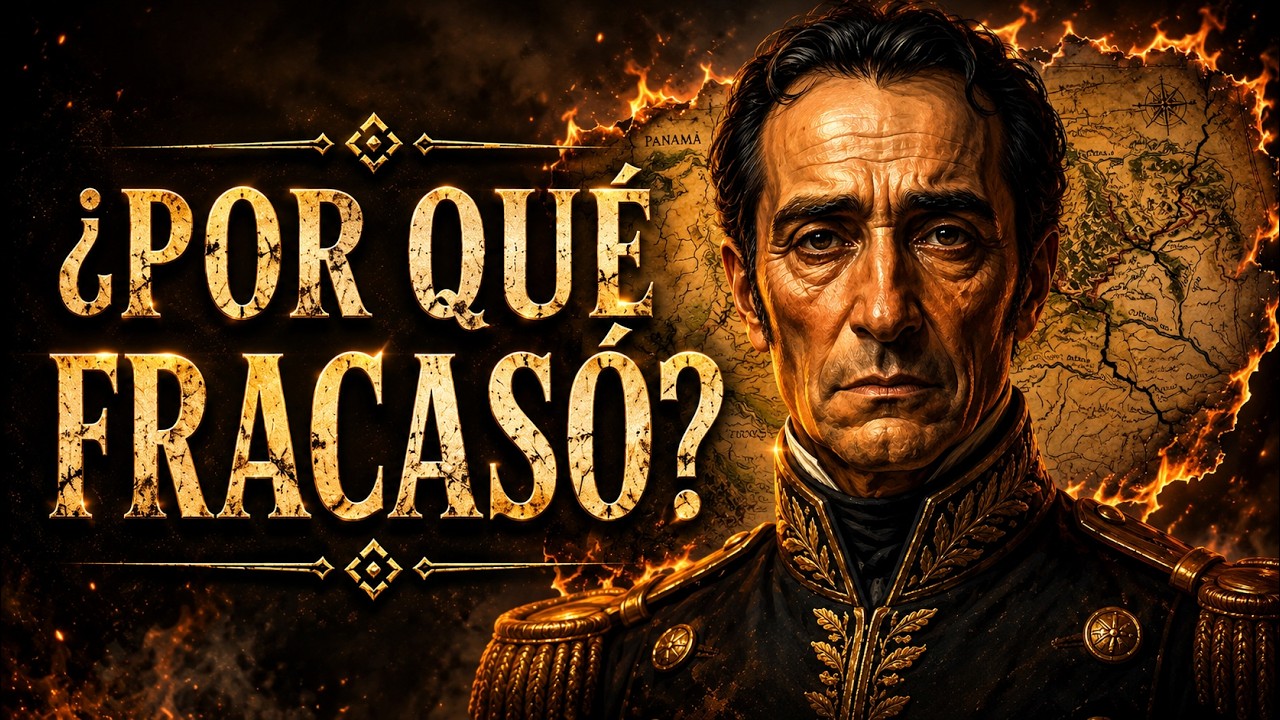


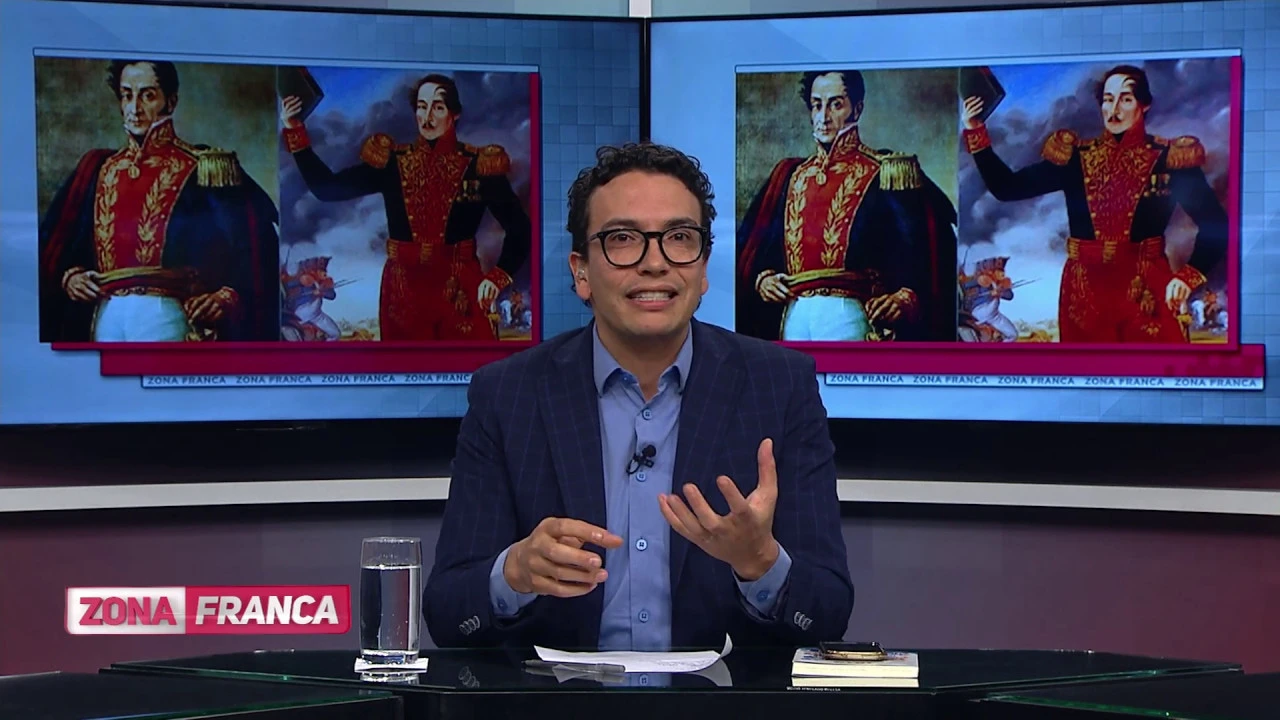

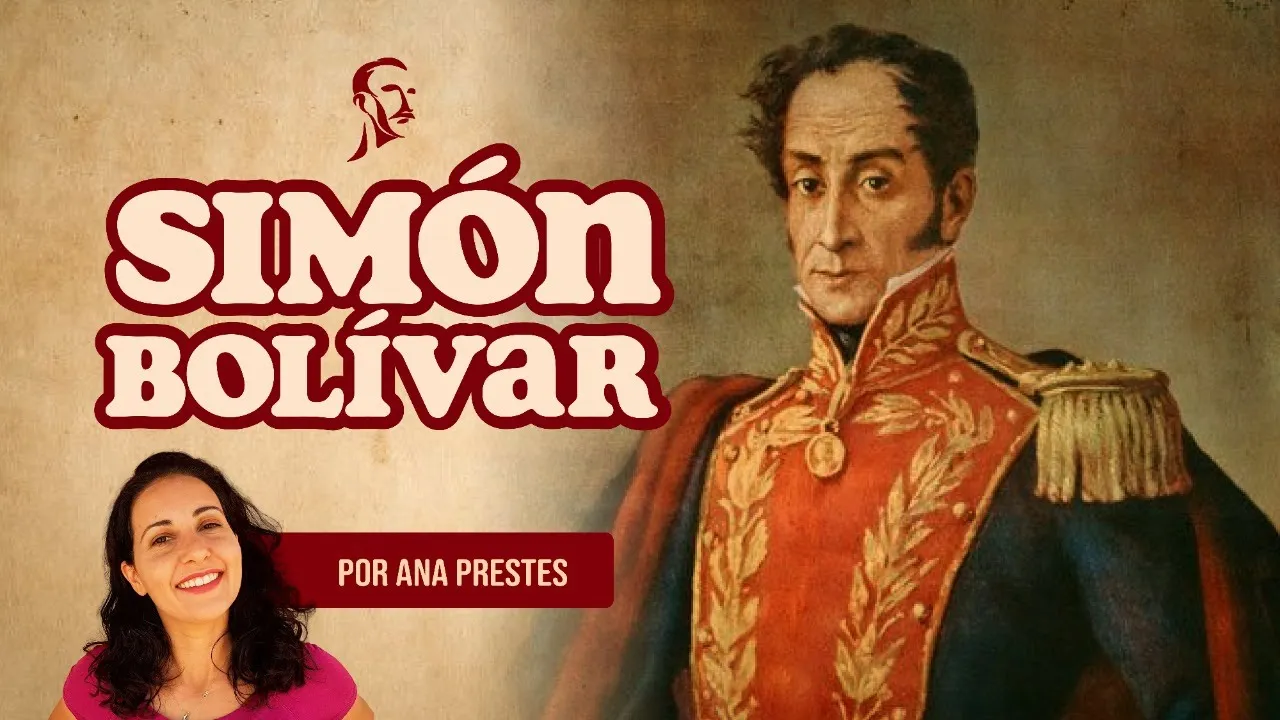
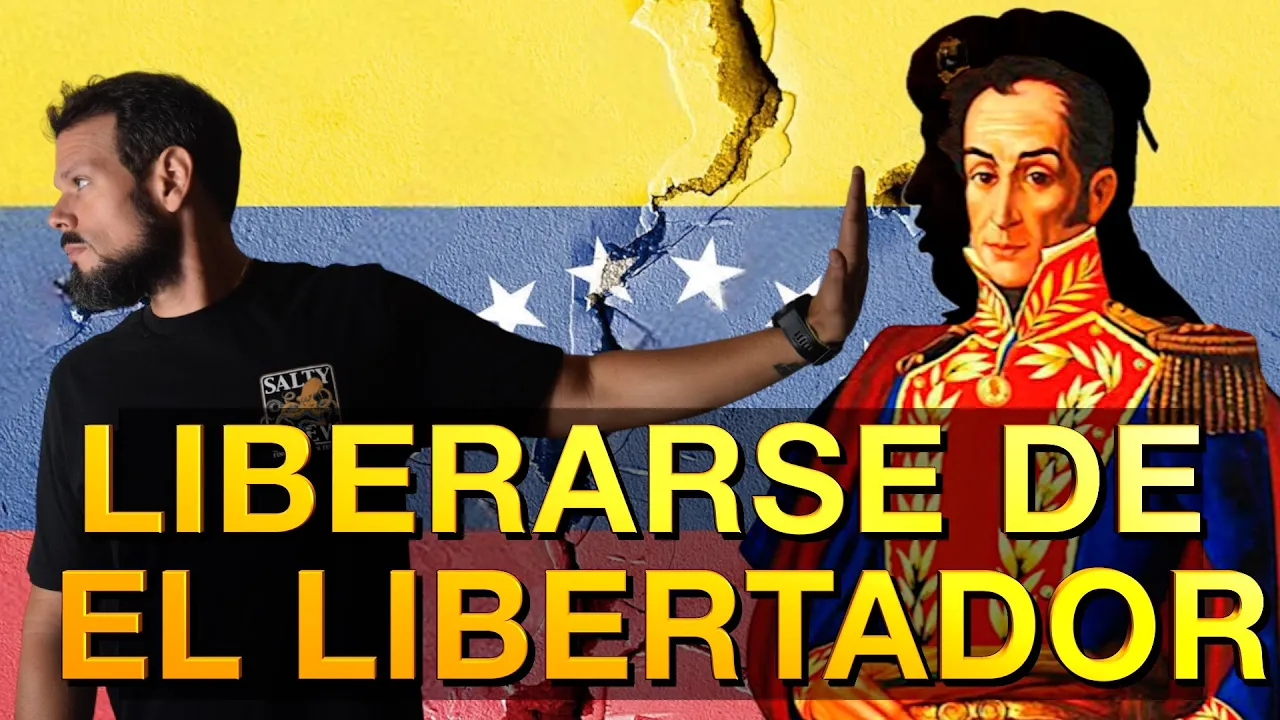


In his 1815 'Jamaica Letter' written during exile in Jamaica, Simón Bolívar analyzed the fundamental obstacles faced by newly independent American nations, arguing that one great republic across the continent was impossible due to regional divisions, contending interests, and dissimilar characters; instead, he proposed that America would naturally develop into multiple independent states, with some forming federal or central republics, others establishing monarchies, and some potentially failing to maintain their principles, while emphasizing that unity among these states would be essential for their collective survival and prosperity.
Simón Bolívar's Jamaica Letter: A Primary Source Audiobook (1815)
Added:The structure of the Spanish colonial system in the Americas, including the casta social hierarchy (Peninsulares, Criollos, Mestizos) and mercantilist trade restrictions.
The intellectual influence of the Age of Enlightenment, specifically the ideas of liberty, representation, and the social contract proposed by thinkers like Montesquieu, Locke, and Rousseau.
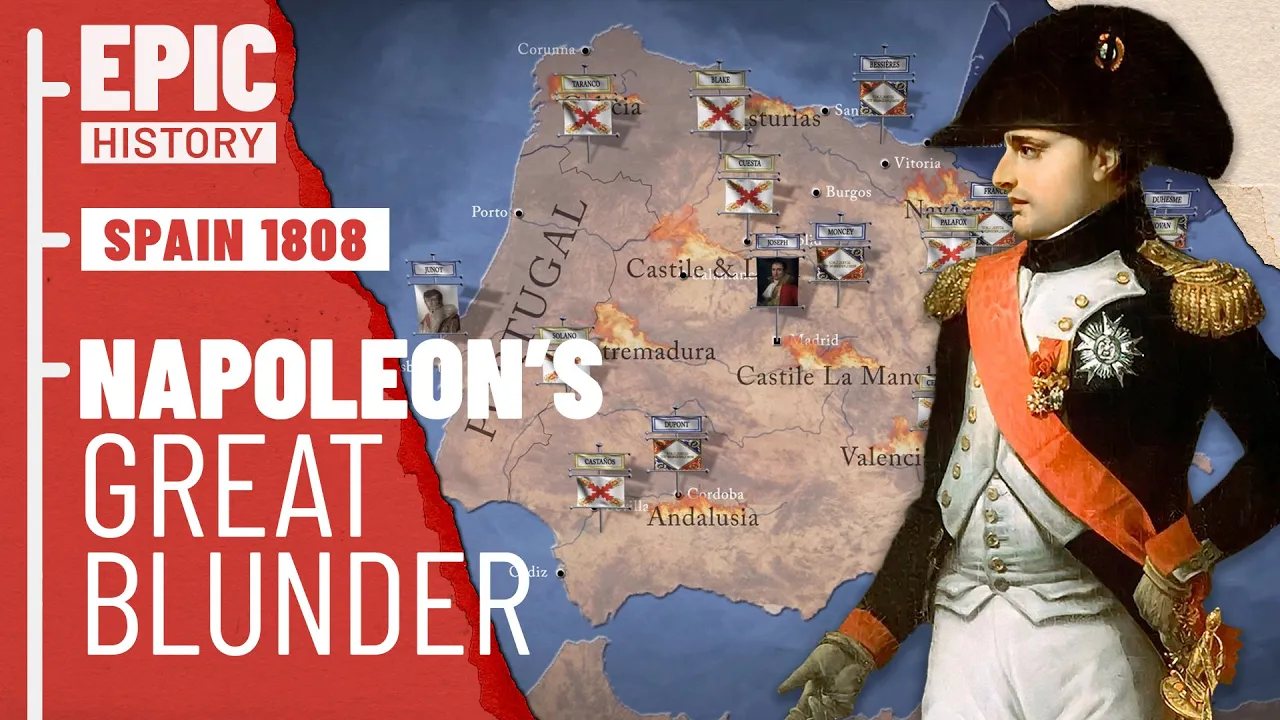
The geopolitical impact of the Napoleonic Wars, particularly Napoleon's 1808 invasion of Spain, which destabilized Spanish royal authority and triggered early independence movements.
A basic understanding of Simón Bolívar's early revolutionary career, including the collapse of the First and Second Republics of Venezuela, which led to his exile in Jamaica in 1815.
The military campaigns of Simón Bolívar and José de San Martín that ultimately liberated South America from Spanish rule (e.g., the battles of Boyacá, Carabobo, and Ayacucho).
The creation, governance, and eventual fragmentation of Gran Colombia, analyzing why Bolívar's dream of a unified Spanish-American nation failed.
A comparative analysis of the Jamaica Letter with Bolívar's later constitutional drafts, such as the Angostura Address (1819), to trace his shift toward more centralized and authoritarian governance.
The modern legacy of 'Bolivarianism' and how Bolívar's ideas and image have been utilized by various Latin American political movements and leaders in the 20th and 21st centuries.
2K views31likes55:26Original Release: 2020-03-10
the Jamaica letter 6th of September 1815 in exile in Jamaica bolivars sought to attract international support for his planned return to Venezuela which he envisaged as part of a larger continental plan for liberation of Spain's colonies like his predecessor Francisco de Miranda Bolivar recognized that he needed to win Britain's support or at the very least to persuade Britain not to intervene on Spain's side in the independence walls this letter written in exile in a British colony to a British merchant contains some of bolivars most succinct analysis of the obstacles faced by nation builders in the Americas and his proposals as to how they could be negotiated and overcome for future glory the letters aims were ultimately achieved Britain declared itself neutral in the conflict between Spain and its colonies whilst turning a blind eye to the recruitment of mercenaries to fight under Bolivar and to the efforts of British businessman to supply the Venezuelans with uniforms arms and credit I have now the honour of replying to your letter forwarded to me through our mutual friend mr. which I received with the greatest satisfaction I feel most gratefully impressed by the lively interest you have been kind enough to take in the cause of my country evidenced by the concern you express for the misfortunes with which she has been oppressed by the Spaniards from the period of her discovery even to the present day I am also anxious to respond to your request of information relative to the history of my nation but the want of necessary documents and books added to the slender knowledge I possess of such an immense varied and unknown country as the great South American continent render it in my opinion impossible to answer your questions even baron humboldt himself with his versatility of talent could scarcely reply to them with much accuracy all those of the statistics and some of the revolutionary events are known I can confidently tell you that the most important events are obscured as it were in darkness and consequently none but the most vague and imperfect conjectures can be formed of them it would be idle to fix what may be the future fate and real intentions of the Americans whose nation because of its physical possessions the vicissitudes of war and the line of its own and European policies is subject to the same uncertainties as all other nations in history I'm writing this letter because I consider myself bound to give every attention to your much esteemed favor on account of your very kind and philanthropic views I'm afraid that you will not find the brilliant explanations you hope for rather only a simple presentation of my thoughts and wishes three ages are elapsed you observe since the commencement of those barbarities which were committed by the Spaniards in the great hemisphere of Colombia contemporaries had refused to believe in these barbarous stories seeing them as fables instead which fell so far below the depravity of human nature that they could not be credited yet they are confirmed by texts which established their unhappy truths the philanthropic Bishop of Chiapas apostle of the Indies Bartolome de las casas has left posterity a brief narrative extracted from the legal documents found in severe the barbarism of the conquest as recounted by las casas is acknowledged by all people of consideration and eminence and even by the tyrants own secret documents Archbishop develop adia philip ii chronicler tells us that the celebrated Spanish writers Herrera munos Torquemada and others all copied and venerated his faithful texts in a word all impartial people have acknowledged the zeal truth and virtue displayed by las casas that friend took humour who fearlessly and boldly denounced the most horrid crimes committed under the influence of a sanguinary frenzy before his own government and his contemporaries I shall say nothing to you of the English French Italians and Germans who have written about America as you are without doubt sufficiently acquainted with them I felt deep gratitude when I read the paragraph in your letter wherein you express a hope that the same success which then attended the Spanish arms may now follow those of her opponents the oppressed children of America I take this worthy hope as a prediction if justice be allowed to determine the contests of men then success will crown our efforts doubted not the destiny of America is irrevocably fixed the different portions of that immense monarchy were only linked together by an illusory tie what then United them now divides them our hatred for the peninsula is faster than the ocean which separates her from us it would be easier to join the two continents than to conciliate the two countries before we were tied to Spain by the habits of obedience to constituted authorities an interchange of interests knowledge and religion a reciprocal benevolence and a tender concern for the mother country and the glory of our ancestors in sum all our hopes all our wishes lay centered in Spain from then came a principle of submission which appeared eternal although the misconduct of our governors gradually weakened this feeling of attachment to the principles of government today the opposite is true we are threatened by death and the most terrible dishonor by a disgraced wicked stepmother but the veil has at last been cast off although she wanted to keep us in the darkness we have seen light we have been free but our enemies want to enslave us once more we are fighting defiantly for our liberty and desperation seldom fails to bring victory in its wake we should not lose faith in our destiny just because our successes have been partial and incomplete thus far our liberators are victorious in some areas whilst in others our enemies have their advantage but what is the result is not the contest undecided do we not see the whole of this new world in motion armed in our defense let us cast our eyes around and we shall see throughout the whole extent of this immense hemisphere a simultaneous struggle the warlike disposition of the River Plate provinces has cleared that territory and continued in victory to Peru and Cusco disturbed our acquis / and alarmed the Royalists of Lima nearly a million inhabitants enjoy their Liberty there the territory of Chile populated by 800,000 souls is resisting subjugation by its enemy the Royalists will fail there because those who long ago put an end to the conquests of this enemy the free and indomitable arrow canyons are the neighbors and compatriots of those who seek independence the sublime example of those arrow canyons is proof to those fighting in Chile that are people who love independence will eventually achieve it the Viceroyalty of Peru with over 1 and a half million inhabitants is without doubt the most submissive as their the greatest sacrifices have been extorted from them for the royal calls yet although there are various reports regarding that beautiful portion of America it is known to be very far from a state of tranquility and it will not be able to resist the overwhelming torrent which threatens most of the Peruvian provinces New Granada which may be considered the heart of South America obeys its general independent government the only exceptions are the kingdom of Quito which struggles to restrain its enemies from a warm partiality to the cause of their country and the provinces of Panama and Santa Marta which still suffer Spanish oppression with respect to heroic but unhappy Venezuela her disasters have been so numerous and have occurred with such rapidity that she is now almost reduced to a state of absolute want and dejected misery and this was one of those fine provinces which constituted the pride of America Venezuela was said to contain nearly a million inhabitants and it can with truth be asserted that a quarter of them have been sacrificed by the sword by earthquakes by hunger by pestilence by fatigue from displacement all these with the exception of earthquakes were the results of warfare according to Baron Humboldt in 1808 there were some seven million eight hundred thousand souls in New Spain including Guatemala since then however the insurrection which has agitated virtually all her provinces has seriously reduced Humboldt's exact calculation recent publications faithfully describe the sanguinary crimes committed in that opulent Empire where more than a million men have perished the islands of Puerto Rico and Cuba which jointly have a population of seven or eight hundred thousand souls are the places where Spaniards retain possession with the smallest difficulty as they are not within the immediate influence of the independence but are they not Americans are they not wronged will they not desire their emancipation this broad description presents a military conflict measuring 2,000 leagues in length and 900 in breadth in which 16 million human beings are either defending their rights or bowing under the oppressions of the Spanish government Spain formerly possessed the most extensive empire in the universe but is now not only too impotent to rule the new world but insufficient to maintain itself in the old and we'll civilized Europe commercial Europe which values Liberty so much will Europe allow Spain to desolate the most beautiful portion of the globe what madness it is for our enemy to suppose that we are to be reconquered by a nation without a Navy without money and without soldiers as for her army it is barely sufficient to keep her own subjects in obedience and wholly inadequate to defend her from her neighbors besides can a nation like Spain which lacks manufacturing productive land arts sciences and even policy can Spain really monopolize the trade of half the world even supposing the success of this rash undertaking even supposing she could bring about reconciliation would not our heirs within 20 years come to return to the grand and patriotic designs which we are now fighting for even though they had been temporarily united with the reconquering Europeans I am decidedly of the opinion that Europe would confer a great benefit on Spain were she to dissuade her from her obstinate temerity as it would at least spare her the expenditure of her revenue and prevent the effusion of blood then much she direct her attention to more laudable and proper pursuits and might ground her prosperity in power on more durable foundations than those of uncertain conquests precarious Commerce and violent exactions from people who are distant unfriendly and powerful Europe herself on a principle of wisdom and policy should have prepared and carried into effect the grand project of American independence not merely because the balance of power requires it but because it would have been the most legal and certain method of obtaining overseas trade herself it falls to Europe by every principle of equity to explain Spain's true interests and it is not agitated by the contending emotions which exist in Spain the criminal way as you say in which Bonaparte captured Charles the fourth and Ferdinand the seventh kings of the nation which three centuries ago treacherously imprisoned two American monarchs is a conclusive instance of divine retribution and at the same time a proof that as heaven sustains the Just Cause of the colonists God will grant us our independence it seems that you allude to Montezuma king of Mexico who was taken prisoner by Hernan Cortes and killed according to Herrera by him though solace says he was killed by the people you also allude to attack walty Inca of Peru who was destroyed by Francisco Pizarro and Diego almagro however there is so great a difference between the fate of the Spanish kings and those of America that they cannot be compared the former were treated with dignity allowed to live and at length restored to their Liberty and Ferdinand to the throne the latter suffered unheard-of torments and were treated most disgracefully and contemptuously though Cuauhtemoc Montezuma successor was indeed honored as a prince and the crown was placed on his head it was a mark of derision not of respect reminding him of his fall before torturing him the fate of cats onsen the king of Michiyo camp the zipper of bogota and all the indigenous Nobles and dignitaries who opposed spanish power of spain was similar to that of this unhappy monarch but in returning from this digression to your letter I observe you remark that you have for some months past made many reflections as to the situation of the Americans and their future hopes I take a great interest in their success but have not much information as to their actual condition all that to which they aspire I am infinitely desirous of knowing the population of every province as well as its policy whether they wish for Republic's or monarchies or whether one great Republic or one great monarchy all information of this nature which you can afford me or point out the sources from which I may derive such knowledge I shall esteem as a most particular favour the great interest you take in the fate of my country entitles you to my warmest gratitude sir please accept my desire to meet your wishes as a tribute of my sincere esteem I have already stated the population as well as it can be ascertained from the data with which we are furnished but which for a thousand reasons cannot be exact most of the inhabitants live in rural areas and many do not have permanent residences as they are laborers or shepherds scattered throughout spacious and immense woods and plains surrounded by beautiful and extensive lakes and rivers who could form a complete statement of the numbers in such territories in addition forced indigenous tribute the sufferings of the slaves the taxes tithes and duties which press on the labourers all drive poor Americans from their homes and this is without mentioning the war which has already exterminated one-eighth of the population and dispersed the greater part of the remainder when this is considered the difficulty of arriving at any correct statement of population and resources will be found insurmountable it is still more difficult to divine what the new world's fate will be to establish any principles with respect to its policies or to predict what nature or kind of government it will ultimately adopt all statements relative to the future condition of this country appear to me hazardous and rash could it have been foreseen during the early periods of human existence when mankind was obscured in uncertainty ignorant and error what regime would be a opted for their preservation who would have ventured to say whether one nation would be a republic or another a monarchy who would have predicted which would be small and which would be great this is where we find ourselves we are as it were a race by ourselves we possess a world apart surrounded by different seas we are as yet strangers to almost all the arts and sciences although we are to a degree experienced in the common usages of civil society I consider the present state of America as similar to that of Imperial Rome when it was decaying every part formed its own political system agreeable to its interests and situation all followed the particular ambition of certain Chiefs families or corporations there is one remarkable difference which is that in Europe the dispersed tribes re-established their ancient customs with such alterations as were required by circumstances but we hardly preserve a vestige of what we were being neither Indians nor Europeans but rather a race somewhere between the original natives and the European Spaniards we are Americans by birth and our rights are those of Europe so we have to dispute and fight for these contending interests and to persevere in our endeavours notwithstanding the opposition of our invaders this places us in a most extraordinary and embarrassing dilemma it would take a prophet to predict what policy America will finally adopt I shall however be so bold as to offer some conjectures which are dictated by reason and hope rather than by a plausible argument the position of the inhabitants in the Colombian hemisphere has been for ages without parallel we were in a state even below slavery and consequently suffered greater difficulty in raising ourselves to the enjoyment of Liberty permit me to indulge in a few considerations by way of illustration nations are slaves either from the nature of their Constitution or the abuse of it thus a people are called slaves when the government either by its regulations or its vices oppresses and tramples on the rights of their subjects by applying these principles we shall find that America is not only deprived of Liberty but also of active tyranny and Dominion I will now explain this paradox in absolute governments there are no limits to the authority of public functionaries the will of the grand Sultan the Khan the Bey and other despotic sovereigns is the supreme law and it is arbitrarily executed by the Pasha's and inferior governors in Turkey in Persia where the system of oppression is completely organized and is submitted to by the people because of the Authority from which it emanates these subordinate officers are entrusted with the civil military and political administration the collection of duties and the protection of religion but the key difference is this the governors of Isfahan are Persians the viziers of the Great Lord in Turkey are Turks and the Sultan's of Tartary art artists in China they do not send for their mandarins military and literati to the country of Genghis Khan who conquered them even though the present race of Chinese are direct descendants of the tribes subjugated by the ancestors of the present Tatars with us it is quite different we are controlled by a system which deprives us of the rights to which we are entitled and leaves us in a sort of permanent infancy with respect to public affairs it is for this reason that I say that we are deprived even of active tyranny because we are prohibited from serving it as functionaries if we had been able to properly manage our domestic matters in our internal administration we should have learned the course and the intricacy of public negotiation we would also have enjoyed that personal prestige which elicits from the people the respect that needs to be maintained in all revolutions the Americans under the Spanish system which is perhaps now working more rigorously than ever before occupy no other place in society than that of brutes for labor at best we are simple consumers clogged with repressive restrictions for example the prohibition of cultivating European crops the Kings monopoly of a wealth of products the prohibition of manufactures which the peninsula itself does not possess the commercial restrictions on even basic necessities the obstacles placed between provinces to keep them from intercourse and commerce in short if you wish to know our station we had the bowels of the earth to dig for gold the plains where we could breed cattle wilderness to catch wild beasts for the sake of their skins and we had the soil to produce indigo grain coffee cocoa sugar and cotton all this just to satisfy the needs of that avaricious nation our condition is so negative that I can find nothing equal to it in any other civilized societies although I have consulted the history of all ages and the policy of all nations it is an outrage and a violation of the rights of humanity to pretend that a people so blessed by nature so extensive rich and populous should be merely passive we are as I have just said abstracted and if I may use the expression absent as it were from the universe in all that relates to the science of government and the administration of the state we are never governor's or viceroys except in some extraordinary cases we are Archbishop's and bishops very seldom diplomats never military officers only as subalterns no magistrates no finances and indeed scarcely merchants emperor charles v formed a pact with the discoverers conquerors and settlers of America which Gera calls our social contract the kings of Spain agreed formally and solemnly with them that the conquest should be carried into effect at their own expense and at their own risk they expressly prohibited any interference with the royal prerogatives and for that reason gave them local titles as Lords of the land they ordered that the conquerors should take the indigenous peoples under their protection as vassals that they should establish court and appoint judges that they should exercise the jurisdiction of Appeals within their respective districts all of these are set forth in the fourth volume of the colonial code along with many other privileges and immunities which it would be excessive to detail the king pledged never to disturb the American colonies as he held no other jurisdiction over them than that of supreme domination they being a kind of property held by the conquerors for him and his descendants at the same time they are express laws which almost exclusively state that the natives of America of Spanish origin should receive all civil ecclesiastical and financial appointments by this agreement the descendants of the first settlers and discoverers of America were to be the Kings true representatives and consequently the magistracy of the country is a right which belongs to them this shows that it is a manifest violation of all existing laws and compacts for the natives to have been despoiled of that constitutional authority which was conferred by the colonial code from what I have said it is easy to infer that America was not ready to separate from the mother country as suddenly as she did as a consequence of the illegitimate abdications at bay on which had no value when applied to us because they were contrary to our Constitution separation was also caused by the unjust unlawful and unprovoked war which the Regency declared against us there are some very excellent writings in the Spanish language where the nature of the Spanish government their repressive and hostile decrees and the whole course of their desperate conduct in this period is most a bleeped retd I content myself with referring you to the work of signor jose maria blanco the americans have risen suddenly without any prior knowledge and even more remarkably without any acquaintance with public business which is so essentially necessary for the accomplishment of all political undertakings americans have suddenly advanced to the dignified eminence of being legislators magistrates commissioners of the national treasury diplomats generals and to all the authorities both high and low which are necessary to form the hierarchy of an organized state when the french eagles destroyed the impotent government of the peninsula stopping only at the walls of Cadiz we Americans were left in the state of orphans we had first been delivered over to the mercy of a tyrant Napoleon then we were flattered with a semblance of justice and mocked with hopes always disappointed finally from a situation of uncertainty as to our future destiny we threw ourselves into the chaos of revolution our first care was to provide for internal security against the mashie nations of the concealed enemies who were nourished in our bosoms our attention was next directed to the consideration of external safety by establishing authorities to replace those we had deposed these authorities were to guide the course of our revolution to take advantage of the happy circumstances which allowed them to found a constitutional government worthy of the present age and appropriate to our situation all new governments have to establish popular assemblies juntas these assemblies then formed rules for the convocation of a congress which finally produced important changes venezuela first erected a democratic and federal government declaring the rights of man maintaining the just balance of powers and enacting general laws which were favorable to civil liberty the freedom of the press and many others new Grenada followed Venezuela's lead in political institutions and reforms making the broadest federal system that ever existed into the fundamental basis of her Constitution she has recently improved with the general executive power by making many amendments from what I can understand Buenos Aires and Chile have followed these examples but as we are at so greater distance from those parts document so rare and accounts so imperfect I shall not attempt to describe the course of their transactions there is however one very notable difference in a very essential point between them Venezuela and new Grenada have long ago declared their independence it is not known whether Buenos Aires and Chile have done so yet events in Mexico have been to various complicated rapid and unfortunate to enable us to follow her through the revolution we lack moreover documents to inform us and enable us to come to a correct judgment from what we know the independence of Mexico commenced their insurrection in September 1810 and a year later they had centered a government in zitacuaro and appointed a national hunter under the auspices of Ferdinand the seventh in whose name the functions of government were carried on because of the war this hunter was moved several times and it is very probable that today it continues to function those circumstances will cause it to be modified it is said they have created a Generalissimo or dictator some say that the illustrious general Jose Maria Morelos is the person whilst others speak of the celebrated general Ignacio Lopez ryeom what is certain is that one of these great men or perhaps both of them separately exercised the supreme authority in those parts in March 1812 this government then resident adult OPEC presented a plan of peace and war to the Viceroy which was conceived with the profoundest wisdom in it they claimed the rights of citizens and established principles of incontrovertible strength they proposed that the rights of America should be respected or at least that the war should not be conducted with blood and fire or with carnage unknown even amongst barbarians it appears that for convenience and the appearance of submission to the king the constitution of the monarchy has been preserved it seems that the National hunter is absolute in the exercise of its legislative executive and judicial functions and the number of its members is very limited the occurrence is in Terra Firma the South American mainland have proved to us that purely representative institutions are not suited to our character customs and understandings in Caracas party spirit grew out of societies assemblies and popular elections and this led us back to a state of servitude and thus Venezuela which has been the Republic among us most advanced in its political establishments affords us a striking example of the in efficacy of a democratic and federal system of government in our unsettled condition in New Granada the excessive authority of the provincial governments and the want of vigor and capacity in the central government have reduced that beautiful country to the state in which we now see her for this reason civil war has always raged there and her enemies have maintained themselves against all probability until our Patriots acquire those talents and political virtues which distinguish our North American brethren I am very much afraid that our popular systems far from being favorable to us will cause us ruin unhappily for us we appear to be very distant from the requisite perfection in these good qualities whilst we are infected with the vices we contracted under the Dominion of the Spanish nation it is more difficult says Montesquieu to rescue a nation from slavery than to subject a free nation this truth is established by the history of all ages wherein we see many instances of free nations submitting to a yoke but very few of enslaved Nations recovering their Liberty notwithstanding this conviction the inhabitants of this continent have displayed the desire to form liberal and even perfect institutions no doubt from the influence of that instinct which all men possess of aspiring to the greatest possible happiness and which can only be obtained in these civil societies founded on the grand basis of justice liberty and equality but will we be able to manage the difficulties of a truly balanced Republic can you conceive that a people only just released from their chains could fly up at once into the sphere of Liberty without their wings coming off like those of Icarus causing them to fall back into the abyss such a miracle is inconceivable and unprecedented therefore there is no reasonable argument which could support such a hope more than anyone I wish to see the greatest nation in the world formed in America although I desire and indeed anticipate the perfection of government in my country I cannot persuade myself that this new world will be ruled by one great public as it is impossible I do not wish for it and I'm still less anxious for one universal monarchy in America because that project without being useful is equally impossible the abuses which currently exist could not be reformed and our regeneration would be unavailing these American states require the care of paternal governments that the sores and wounds inflicted by despotism and war may be healed the metropolis for example might be Mexico which is the only fit place for its intrinsic power and without that in fact there can be no metropolis even if the metropolis was to be the Isthmus of Panama the central point of this vast continent would not the territorial extremes continue in their state of indifference and even in their present disorder for one government alone to animate give life to and appropriate all the resources of public prosperity for it to correct illustrate and perfect the new world it would indeed require the faculties of a divinity and the Enlightenment and virtues of all mankind that party spirit which now afflicts our provinces would then burn with greater fury from the want of a sufficient power to restrain it moreover the leaders of the chief cities would not permit the domination of the Metropolitan's but would consider them as so many tyrants and their jealousy would carry them so far as to compare them with the odious Spaniards in brief such a monarchy would be like a ponderous Colossus which its own weight would shake down upon the smallest convulsion Monsieur de Pratt has very wisely divided America into 15 or 17 distinct States independent of each other and each governed by its own suffering I agree with him in his division because America consists of 17 nations but with regard to his governments although easier to achieve American monarchies are less useful I will give my reasons the interest of a republic when well understood is confined to preservation prosperity and glory Republican Liberty is precisely the opposite of Dominion there is no stimulus to excite Republicans to sacrifice their means to extend their boundaries or for the sole purpose of inducing their neighbors to participate in a liberal Constitution they acquire no right and no advantage by conquests unless by following the example of Rome their conquests are reduced to colonies or made allies such Maxim's and examples are in direct opposition to the principles of Justice in Republican systems what is more they are in manifest opposition to the interests of the people for when a state becomes too extensive either in itself or from its dependencies it falls into confusion converts its free form into a sort of tyranny abandons those principles which ought to preserve it and at length degenerates into despotism the essence of small Republic's is permanency and that of great ones is changeability but always inclined to Dominion of the first almost all have been of long duration of the second Rome alone maintained itself for ages but that was because Rome alone was a republic and the rest of her territories were not so and were governed by different laws and institutions a king's policy is very different as his constant attention is directed to increasing his possessions his riches and his Praga Tiff's and rightly enough because his authority increases with those acquisitions as much with respect to his neighbors as to his own subjects who fear in him a power as formidable as his Empire and which is preserved by war and conquests for these reasons I think that Americans desirous of peace Sciences arts Commerce and agriculture would prefer Republic's to monarchies and it occurs to me that this wish corresponds with the views which Europe has with respect to us as a popular and representative framework I do not approve of the federal system because it is too perfect it requires virtues and political talents which we do not possess for the same reason I disapprove of the monarchy composed of aristocracy and democracy which has raised England to fortune and splendor not being able amongst Republic's and monarchies to select a perfect and accommodating system we must content ourselves with avoiding demagoguery anarchy and oppressive tyranny we must seek a medium between extremes which would lead us to dishonour and unhappiness I will not explain the result of my speculations as to the best system for America it is not perhaps the best but that which will be most acceptable to her from the situation riches population and character of the Mexicans I imagine they will first establish a representative Republic in which the executive branch will possess great power which will be centered in an individual who if he discharges his functions with diligence and justice it is natural to suppose that he will preserve a lasting Authority if his incapacity or violent administration should excite any popular commotion that may prove successful executive power will disperse into and become an assembly if the more powerful party should be military or aristocratic they were probably found a monarchy which at first might be constitutional and limited but which would inevitably afterwards decline into an unlimited one it must be admitted that there is nothing more difficult in political order than the preservation of a mixed monarchy and it is equally true that only a patriotic nation like the English could submit to the authority of a king and maintain the spirit of Liberty under the Dominion of a scepter and a crown the provinces on the Isthmus of Panama as far as Guatemala will perhaps form a league this magnificent position between the two great seas may in time become the Emporium of the universe her canals will shorten the distances in the world will extend the commercial intercourse of Europe Asia and America and will bring to that happy region the products of the four quarters of the globe only here can the capital of the earth be fixed as constantine says Byzantium was to the old world New Granada will unite with Venezuela if they agree on the form of a central Republic and Maracaibo from its situation and advantages will be the capital this government will imitate the English with one difference in place of a king they will have an executive power which will be elected perhaps for a life term but certainly not hereditary they will have a hereditary legislative Senate or House which in tempestuous times may interpose between the commotions of the people and the acts of the government they will have a legislative body called by the free elective franchise and without any other restrictions than those imposed on the English House of Commons this constitution will be composed of all forms but will not I hope participate in all vices as this is my native country I have an undeniable right to wish her what in my opinion may be most to her advantage it is possible the New Granada may not agree to recognize a central government as she is extremely partial to federalism in such case she may perhaps establish a state by herself which if it should last will be very happy from the very great and various advantages she possesses we know little of the opinions which prevail in Buenos Aires Chile and Peru but judging from that little and from appearances it is fair to presume that in Buenos Aires there will be a central government in which the military will take the lead on account of internal divisions and external Wars this constitution will necessarily degenerate into an oligarchy or monarchy under certain restrictions the denomination of which no one can guess the Kingdom of Chile is intended by nature from its geographical nature from the innocent and virtuous customs of the inhabitants and from the example of her neighbors the fierce Republicans of Iraq a Nia to enjoy the blessings which emanate from the just and moderate laws of a republic if in any part of America that system of government should continue for any time I am inclined to think it will be in Chile the spirit of Liberty has there never been extinguished the vices of Europe and Asia will come very late and perhaps never to corrupt the pure moles of that part of the earth the territory has clear limits and will always be beyond the reach of the contagious influence of the rest of mankind her laws customs and manners will never be polluted and she will preserve her uniformity in political and religious opinions in a word Chile can be free Peru on the other hand is afflicted with two things which are enemies to all just and liberal regiments Gold and slavery the first corrupts everything the second is inherently corrupt the soul of a stag seldom gets to enjoy rational Liberty he becomes fierce or gets trapped in snares although these rules may be applicable to all America they are still more so to Lima because of the opinions which I've already expressed and because of the cooperation with which they assisted their masters against their own brethren the heroes of Quito Chile and Buenos Aires it is an axiom to those who aspire to obtain their freedom should least attempt to gain it I am of the opinion that the higher classes in Lima would not tolerate democracy nor the slaves and Pardo's an aristocracy the first would prefer the tyranny of one individual to be exempted from oppressive persecutions and if possible to establish a regular order of things I am very much afraid that the Peruvians will scarcely succeed in their efforts to recover their independence from all that has been said we may be led to the following conclusions the American provinces are now struggling for emancipation they will in the end be successful some will be constituted in a regular manner as federal or central Republic's the extensive territories will undoubtedly found monarchies and some will destroy their principles as well in the present contest as in future revolutions one great republic is impossible one great monarchy very difficult to consolidate it is a most magnificent idea to form the new world into one great nation linked together by one great chain professing the same religion language origin and customs it would seem that it should have but one government to join the different states that may be formed but this is impossible because America is divided by distant regions various situations contending interests and dissimilar characters how sublime it would be if the Isthmus of Panama should become to us what Corinth was to the Greeks I hope that someday we shall have the happiness of installing the representatives of Republic's kingdoms and empires in one or ggest Congress and of treating and discussing great and interesting questions of peace and war with nations of the other three parts of the globe this sort of body may very possibly occur during some happy stage of our regeneration any other expectation is impractical for instance that of the abbe de Somme Pierre who with commendable delirium conceived the idea of a European Congress which would decide on the fate and interests of these nations returning to your letter you remarked that important and happy changes may very frequently be produced by individual exertions the Americans have a tradition which relates that when quetzel the Hermes or Buddha of South America resigned his power and abandoned them he promised that after a specified time he would return to them re-establish their government and restore their happiness this tradition encourages the belief that he will shortly reappear consider sir what effect would be produced by the appearance of an individual among them who would exemplify the character of quetzel Kotal the Buddha of the Mexican rainforest to whom other nations have said so much do you not think it would incline all parties to unite and is not Union all that is necessary to put them in a condition to expel the Spanish troops to enable them to establish a powerful Empire with a free government and liberal laws I agree with you that individual efforts can have general effects particularly during revolutions but quite Sokoto the hero and prophet of Anahuac is not the one capable of bringing about the prodigious benefit which you contemplate this person is very superficially and not very advantageous Lee known to the people of Mexico for such is the fate of the vanquished even gods historians and literati have carefully confined themselves to the investigation of his origin his mission whether true or false his prophecies and the termination of his career it is disputed whether he was an apostle of Christ or a pagan some suppose that the meaning of his name both in the Mexican and Chinese languages is st. Thomas some say that it means a feathered snake and others that he is the famous prophet of Yucatan Chilam campbell in a word most of the mexican authors polemicists and profane historians have engaged at some stage with the question of the true character of quetzel Acosta says that Quetzalcoatl established a religion and that its rites dogmas and mysteries bore a remarkable affinity to that of Christ and perhaps more than any other resembles it notwithstanding this many Catholic writers deny that he was a true prophet and have refused to recognize him as st. Thomas as other celebrated authors maintain the general belief is that wet ceccato was a divine legislator among the pagan tribes of Anahuac of who the great Montezuma was the Emperor and that Montezuma derived his authority from quit Sokoto from this it is to be inferred that the Mexicans would not be disposed to follow a heathen quit Secotan even if he should make his appearance under the most identical and favorable circumstances because they profess the most intolerant religion of all happily the promoters of mexican independence have taken good advantage of this fanaticism by proclaiming the celebrated Virgin of Guadalupe to be the queen of the Patriots invoking her in all their sacred appeals and representing her on their flags by these means political enthusiasm has become United with religion and producing a most vehement fervor for the sacred cause of Liberty the reference with which the Virgin of Guadalupe image is received in Mexico is superior to the most exalted feeling which the most fortunate prophet could inspire on the other hand the season of these heavenly visitations is passed even if Americans were more superstitious than they really are they would not give their faith to the doctrines of an imposter who would be considered as a schismatic or as the Antichrist announced in our religion Union is certainly what we need most in order to contemplate our regeneration however our division is not surprising for this is the distinguishing feature of all civil wars formed between two parties the Friends of the status quo and the reformers the first are usually the most numerous because the empire of custom generally produces obedience to constituted authorities the last are always less in number but more arduous and enthusiastic thus it happens that physical power is balanced with moral force and the contest is prolonged while the result is uncertain fortunately in our case the people have followed the intelligent course I will tell you what will enable us to expel the Spaniards and to found a free government we need unity to be sure but that unity will not be the result of divine intervention but rather by energetic measures and well directed efforts America is left to herself abandoned by all nations isolated in the center of the universe with no diplomatic relations or military support and we fight against Spain which has more implements of warfare than we can possibly obtain when successes are doubtful when the state is weak and when hopes are remote all men vacillate opinions divided and passions become inflamed all this is encouraged by our enemies so that they may succeed with greater ease as soon as we become strong and under the auspices of a liberal nation that will afford us protection we shall be united we shall then follow that majestic march towards the grand state of prosperity which is destined for America then the sciences and arts which were born in the East and then enlightened Europe will fly to free Colombia which will give them shelter and asylum sir are the observations and thoughts which I have the honor of submitting to you so that you may correct and improve them according to their merit and I beg you to believe me that I have replied in this way more out of politeness than because I believe myself capable of educating you on the subject I am etc etc Simon Bolivar Kingston Jamaica 6th of September 1815
Up Next

42:58
Simón Bolívar and José Páez Unite for Venezuelan Independence
@Seaquences
1.4K views•2023-08-02

33:02
The Great Schism of 1054: Causes and Consequences
@SacredCathedrals
113.5K views•2026-02-19
91:57
The Geopolitics of the Ukraine War and the Rise of Global Autocracy
@JordanHarbingerShow
468K views•2025-04-19
17:05
Understanding the Cold War: Superpower Conflicts and the Road to Détente
@OverSimplified
46.1M views•2019-01-24
Related Study Plans & Knowledge Roadmaps
Structured learning paths in History
history
Byzantine Iconoclasm: Theology, Art & Politics
01Foundations of Byzantium and Early Christian Images
02The First Iconoclasm: Leo III and the Crisis of Images
03Empress Irene, Nicaea II, and the Second Iconoclasm
+ 2 more learning modules
9h5 modules
Explore Roadmap
history
Iranian Revolution (Causes, Events & Legacy)
01The Pahlavi Dynasty and the Roots of Discontent
02The Spark of Rebellion and the Rise of Khomeini
031979: The Fall of the Shah and the Climax of the Revolution
+ 2 more learning modules
8h5 modules
Explore Roadmap
history
Mali Empire: Mansa Musa, Trade & Timbuktu
01Foundations of the Mali Empire
02The Trans-Saharan Gold and Salt Trade
03The Reign and Pilgrimage of Mansa Musa
+ 1 more learning modules
6h4 modules
Explore Roadmap
history
1947 Partition: Politics, Borders & Legacies
01Foundations of British India and the Divide
02The Political Negotiations and the Mountbatten Plan
03Drawing the Boundary: The Radcliffe Line
+ 2 more learning modules
8h5 modules
Explore Roadmap