




















The placebo effect is a phenomenon where patients derive real health benefits from inert treatments due to psychological and physiological mechanisms; historically, scientists like William Cullen and John Haygarth pioneered placebo-controlled trials in the 18th century, while Henry Beecher's 1955 research quantified the effect at approximately 35% response rate; modern neuroscience reveals that the placebo effect operates through multiple brain pathways including opioid and dopamine systems, with the nocebo effect representing its harmful counterpart where expectations cause adverse symptoms; ethical guidelines permit placebo use in clinical practice under specific conditions such as minor conditions, lack of effective alternatives, and patient education.
The Placebo Effect: History and Neuroscience Explained
Added:This is a can of sparkling water. There’s no caffeine, no sugar, nothing that could chemically stimulate you….except for the logo. This can looks like an energy drink.
The first time I tried one of these things, I was so sure that I felt more alert. But of course, it didn’t have anything to do with what was in the drink.
I was experiencing the placebo effect — the phenomenon where someone derives a benefit after receiving a sham treatment. In my case, I felt more alert even though I hadn’t had a stimulant.
But humans have had a complicated relationship with the placebo effect for millenia, and have only recently become aware that it was a real thing.
So for this video, I wanted to know how scientists figured out the placebo effect existed in the first place, how they started using it to test whether treatments worked or not, and I wanted to know about the other side of placebo, the nocebo.
Now historically, the word placebo comes from the Latin for “I shall please” and it used to refer to people you could hire to show up to a funeral and mourn the dead guy. Its first documented use in a medical context came from the unfortunately named Dr. William Smellie. When talking about childbirth in a 1752 piece, he recommends giving a Placemus to “beguile the time and please the imagination”.
But the idea of medical placebos really takes off in 1772 thanks to William Cullen a well known academic and physician out in Edinburgh.
This guy was so sought after and so busy, that he used to prescribe drugs that he didn’t think would work just to make the patient feel taken care of. Usually these were real drugs, but really low doses so that didn’t have a big physiologic effect.
In a 1772 lecture, he tells a story where he used a mustard based treatment as a placebo and said “I own that I did not trust much to it but I gave it because it is necessary to give a medicine and as what I call a placebo”.
To Cullen, it was more about the intention of the prescription than the drug’s actual effect. Like you might not have a medicine that cures the patient, but the patient expects something, so in this case he thought it was appropriate to use a placebo.
Now, to be fair, very few treatments at the time had a real pharmacologic effect, so using a placebo back then wasn’t withholding any standard of care. There was the occasional cinchona bark, which became quinine, or willow extract that became aspirin, but most drugs were only about as good as placebo anyway. And some mainstream treatments like bloodletting or emetics were actively painful.
And this landscape of medicine gave rise to some very silly, but very popular alternative treatments like Mesmerism, which was like a mystic animal magnetism meets hypnosis. Mesmerism got so popular that the French government put together a team of scientists including Antoine Lavosier and Benjamin Franklin to conduct trials on Mesmerism. They’d get some authentic mesmerists and some imitators and see if they both had the same effect.
And I know a fake hypnotist sounds redundant, but that was the point. At the end of the trials, they concluded that the “real Mesmerists” didn’t work any better than the placebos. But Mesmerism was just the tip of the iceberg.
One of the other totally bogus treatments was a pair of little metallic rods called Perkins Tractors.
They hit the market in 1796 thanks to the guy in this cartoon, a Connecticut-based doctor named Elisha Perkins. He noticed that when he touched his patients with anything metallic during surgery, their muscles tensed up and it seemed to take some pain away. So he made these three inch long metal rods, tapered them at the end, flattened them on one side, and voila —Perkin’s tractors.
He’d point them at your source of pain, whether it was in your mouth, bones, or organs or whatever, hold them there for a couple of minutes, and declare you healed.
If it sounds like some rich people nonsense, it was. He sold these things for $25 a pair, around $500 today, and he had some high profile users — like supposedly George Washington had a pair. And eventually business so good that he could expand from New England to old England.
This is where we meet one of William Cullen’s students: John Haygarth. As soon as he heard about the tractors, he thought “There’s no way these things actually work. This is just Mesmerism but with sticks, right?”.
So he replicated what France’s team of scientists did and designed a trial that compared the tractors to a placebo.
He made sham tractors out of wood, painted them to look metallic, and gave them to doctors with the instructions that they use them as if they were authentic Perkin’s tractors. He wrote his results in a pamphlet, called Of the Imagination where he described some pretty miraculous placebo effects with the wooden tractors.
This is where our modern definition of placebos come from — they’re inert treatments that lead to a positive response. They can be pills, injections, acupuncture, surgery, all kinds of treatments.
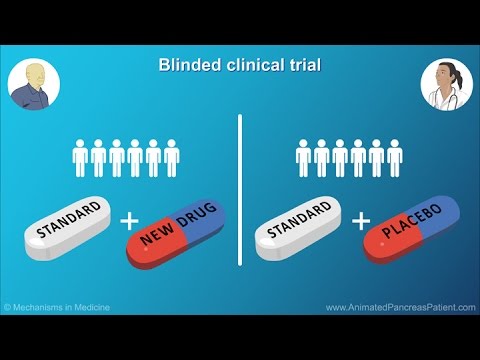
And these early placebo-controlled trials were useful for a few reasons, but ultimately because it made the testers more certain that differences between their experimental groups were due to the drug, and not to chance. By comparing the results of a drug group to a placebo group, you can identify how much of the trial results were from the active ingredient in the drug, and how much was because the participant got something.
But there wouldn’t be a ton more notable placebo comparison trials throughout the rest of the 19th century. See, until around world war 2, a new drug would be deemed effective or not because some respected scientist said so. Very rarely would they compare a treatment to a placebo.
And for some treatments that was fine. Penicillin was so much more effective at treating Gram positive bacterial infections than anything else that scientists back in the 40s didn’t need to test it against a placebo to accept that it worked.
But as medicine and society more broadly started appreciating science in their daily lives, they started wondering how effective some of their treatments were.
One off the first placebo-controlled trial that assessed the efficacy of a specific medication came out in 1944. It tried to determine whether patulin, an antibiotic derived from a penicillium mold, could cure the common cold. It did not.
A more famous placebo-controlled trial happened a few years later.
See, American researchers had discovered an antibiotic called streptomycin, and preclinical trials made it seem like it was gonna be effective at treating tuberculosis infections in humans.
And doctors in the UK wanted to buy some of the drug, but since it was new and supply was limited, it was expensive. This was also right after World War 2, when the UK didn’t have a ton of spare cash.
So instead, they set up a trial to see if streptomycin could treat tuberculosis any better than a placebo.
They recruited patients with advanced pulmonary tuberculosis from TB units across the country, and randomly assigned them either bed rest or bed rest plus streptomycin.
Then they followed up for 15 months. The patient got monthly chest x rays which were assessed by blinded assessors, meaning they didn’t know if the patient was in the experimental or control group. And blinded microbiologists evaluated spit samples and checked for the tuberculosis bacterium.
Within the first 6 months of the trial, 4 of the 55 streptomycin group died while 15 of the 52 control group died. After 6 months though, the results evened out a bit — 8 streptomycin patients died, 9 in the control group.
So at this point, it’s the 1950s, and scientists appreciate that the placebo effect existed and that it was a useful tool in clinical trials. But some researchers were more interested in studying the effect itself.
This is where we meet Henry K Beecher, an American anesthesiologist and military medic. In 1955, he published an article in the Journal of the American Medical Association titled “The Powerful Placebo. His goal was to “distinguish pharmacological effects from the effects of suggestion… and to obtain an unbiased assessment of the result of experiment”. Basically he wanted to quantify the placebo effect.
Now if this were modern day, he’d probably do something called a meta-analysis. He’d gather all the studies that ask a specific question, analyze the data together, and try to pull out a greater trend from all the separate, sometimes conflicting, studies. But he didn’t quite get there.
Instead of getting as many studies as he could, he collected 15 studies that used placebos to compare some kind of medicine for some kind of condition. He compiled a couple looking at post operative wound pain, 3 for chest pain, one for the common cold, one for cough and one for “experimental cough” whatever that is.
For each study, he counted the number of participants, then calculates the “percent satisfactorily relieved by a placebo” with a total of 1,082 participants in the analysis.
Now, each study had different criteria for “satisfactory relief” — like some required a 50% drop in self reported pain with others required complete cessation of symptoms. Either way, they total it up, and on average 35.2% of participants were relieved by placebo give or take 2.2%.
In the end, Beecher made his conclusion clear:: “Many effective drugs have power only a little greater than that of a placebo… Many a drug has been extolled on the basis of clinical impression when the only power it had was that of a placebo”. Probably not a surprising conclusion given he titled his article The Powerful Placebo.
But in the years after his article was published, Beecher came under criticism for assigning too much power to the placebo effect.
Like he probably knew about, but didn’t mention the influence of regression to the mean, which is the idea that the more often you measure two variables against each other, the closer you’ll get to the true difference between the two groups.
The first time you measure the variables, differences between groups seem like they’re due to the intervention, but sometimes they’re just due to natural variations. As you get more data over time, you get closer to the true mean difference between the two groups, where any differences are less pronounced. They may seem different at first, but eventually they regress to the mean.
He also didn’t factor in the disease’s natural history, the idea that diseases can get better on their own, without intervention.
According to the Society for Interdisciplinary Placebo Studies, regression to the mean, natural history, plus the placebo effect make up the placebo response, a term that includes all the health effects due to administering a placebo. The difference between the placebo group and drug group then, is the effect of the active ingredient.
But Beecher had also proposed that the placebo effect wasn't purely psychological — there was a physical component to it. So the question on everyone’s mind after the 1955 JAMA paper was “okay, if the placebo effect is real, how does it work?”.
Unfortunately there was no unified definition of placebo. It included everything from bread pills to any social signa;s that a patient was getting care.
Most scientists could agree though, that placebos worked through expectation setting and conditioning. A patient is more likely to experience a placebo effect if they expect the pills to work.
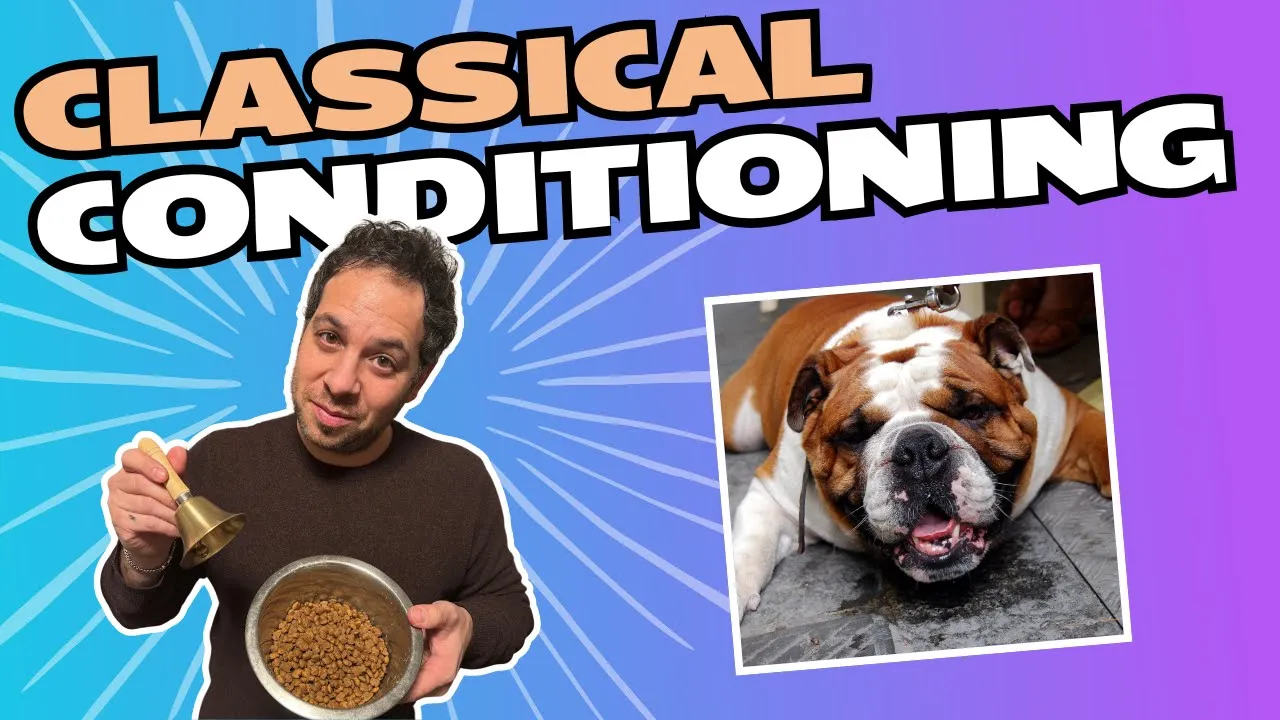
Some historians trace this kind of expectation setting back to Ivan Pavlov and classical conditioning. This is the guy who fed his dogs while a bell rang, conditioning them to salivate when they heard the bell.
Fast forward to 1962 and a scientist named Richard Herrnstein published an experiment where he conditioned rats with a more pharmacologic placebo. He took three rats, injected them with saline and then injected them with scopolamine, a drug that slows down movement by blocking receptors for a neurotransmitter called acetylcholine. After a while of doing this, he observed slower movements after injecting saline alone. To him, that meant he’d conditioned the rats to associate the placebo with depressed movements.
Contrary to that though, the duo of Pihl and Altman in 1971 did something similar with saline and tranquilizer, but got the opposite results; they saw increased activity. In this case, the saline did the opposite of what it would’ve conditioned the rats to do.
Now more psychology-focused experiments over the years confirmed the idea that expectation setting at least partially explained the placebo effect. Patients were more likely to experience a placebo effect if their doctor seemed like they were paying attention to you and were confident in the treatment.
But the conditioning studies were unsatisfying. From what I read, it seemed like the vibe was “We need brain chemicals to explain this”.
Luckily, by the 1970s, it was clear that the placebo effect was more pronounced when measuring its ability to lower pain, but not as pronounced when measuring its ability to, say, cure cancer or get rid of infectious disease.
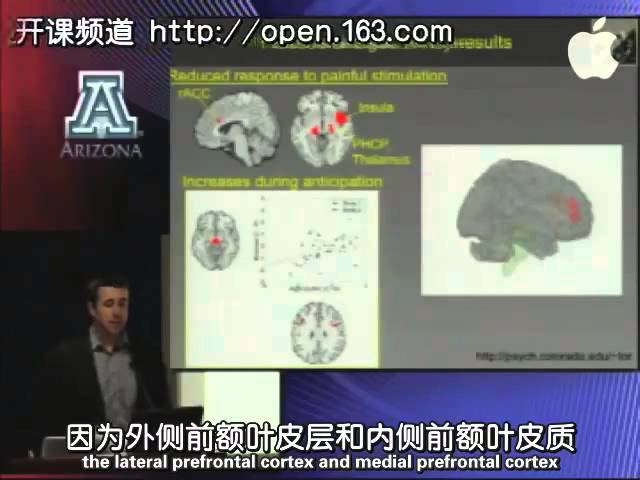
So researchers looked at how placebos might affect the pain response in the brain. And the best receptors to study were opioid receptors.
After all, when an opioid molecule binds to an opioid receptor, it blocks pain signals. This molecule could be drug like morphine or oxycodone, what are also called opiates. Or it could be a naturally produced opioid called an endorphin, literally endo, meaning within, and -orphin like morphine. And of course, endorphins make you happy, and happy people just don’t shoot their husbands.
The landmark study on this mechanism was published in the Lancet in 1978 by Levine, Gordon, and Fields. They wondered whether those naturally occurring endorphins were responsible for the placebo response.
They hypothesized that when we expect a treatment to work, our brains produce endorphins, plug into those opioid receptors, and reduce pain as a result.
To test this hypothesis, they’d have to block the receptors before someone received a placebo. And to do this, they would need a neutral antagonist — a chemical that binds to a receptor, but doesn’t have any intrinsic efficacy.
And that antagonist was a drug you’ve probably heard of: naloxone, which you might know as Narcan. These days, it’s the drug of choice to give someone experiencing an opiate overdose — it plugs into the opioid receptors and keeps other opioids like fentanyl from binding to them.
So Levine and the crew recruited 51 patients undergoing dental surgery to participate in the study. They gave them a local analgesic for the surgery, and afterwards, asked them to rate their pain.
The patients were then told that they’d randomly get either intravenous naloxone, placebo, or morphine and were asked to rate their pain again. Although, the group that was given morphine first was excluded from the analysis.
The ones given naloxone first reported increased pain, which lined up with the researchers’ hypothesis — the drug was blocking endorphins from plugging into the opioid receptors.
An hour later, they gave participants a second drug. Of the 40 patients who got placebos first, 17 of them got another placebo while 23 of them got naloxone. The 11 participants who got naloxone first got a placebo second.
The group given placebos were classified as either placebo responders, who reported lower or unchanged pain levels after an hour, placebo non-responders who reported increased pain after an hour.
In the naloxone-placebo group — two were non-responders, while 9 were responders. And on average, they reported greater pain levels after the second drug, which to the researchers, meant that naloxone had blocked the endorphins from creating a placebo effect.
6 of the 17 placebo-placebo patients were non-responders, who felt worse pain. But 11 of the 17 did respond and reported lower pain. So on average, the placebo-placebo group reported lower pain levels than the other two groups.
To the researchers this meant that unrestricted endorphins were stimulating opioid receptors and blocking pain.
The placebo-naloxone group didn’t get off that easy. 14 of the 23 were non-responders while only 9 responded.
Compared to the placebo-placebo group, this group averaged more pain, indicating that the naloxone was blocking the endorphins they experienced at first.
Everything seemed to line up with the hypothesis that endorphins mediate the placebo effect. Now, their methodology received some criticism at the time, but by the 1980s, the idea that placebo was mediated by opioid receptors was out there. And future studies lent more evidence to the idea.
But other researchers were able to induce a placebo effect that they couldn’t block with naloxone, meaning that some kind of non-opioid receptor was involved. But which one?
One of the best candidates was dopamine which is way more than just a happiness neurotransmitter. In this context, dopamine is the neurotransmitter associated with movement and reward.
For example, Parkinson's disease happens when certain nerve cells in the Substantia nigra break down, which reduces their ability to make dopamine. This is where the tremors, slow movement, and impaired coordination come from.
But patients with Parkinson’s disease also tend to experience significant placebo effects. So one of the modern explanations is that expecting a placebo gets their brains to release dopamine, which gets the placebo to have an effect and reduces Parkinson's symptoms at the same time.
There are also some genetic variations that affect dopamine metabolism that may make people more likely to respond to placebo. This 2019 article in General Psychiatry was a really helpful summary, I’ll link it down in the description.
The first one they describe is COMT, or Catechol-O-methyltransferase. This gene codes for an enzyme that ultimately breaks down certain neurotransmitters including dopamine. There’s one particular variation of the gene called COMT-rs4680 that codes for an enzyme with three to four times less activity, meaning it breaks down dopamine way more slowly. And with more dopamine around — people with this variation are more likely to experience a placebo response. On the other hand, people who have high COMT enzyme activity break down dopamine more efficiently, so they experience a lower placebo response. So we’ve got dopamine and Opioids, but those aren’t the only molecules responsible for the effect either. There’s also serotonin, a neurotransmitter like dopamine, and endocannabinoids which you probably know from the exogenous version. But for a lot of this work, researchers used subjective metrics like pain scales, which are fine, but come with bias. So something more objective would’ve been appreciated.
But then functional magnetic resonance imaging, or fMRIs, came out in the 1990s and that gave scientists a whole new tool for picturing the brain.
So now they didn’t have to rely on self reported pain scales; they could hook up a participant to an fMRI, take a baseline scan, apply a painful stimulus and register a pain response. For those wondering, they’re usually applying heat to someone’s forearm, nothing tortuous. Then from there, the researchers can test a placebo and see if it reduces the pain as measured by brain activity.
Okay, at this point in the story, scientists know that the placebo effect does exist, that there’s an expectation and conditioning component to it, and that it works through a bunch of receptors including opioid and dopamine.
But there’s another side of the placebo effect we haven’t talked about yet. We can get sham treatments to relieve pain, but we can also get them to cause pain.
It's called the nocebo effect. It comes from the Latin “to harm”, the same root as noxious and nociceptor. According to the National Cancer Institute, it’s “a harmless substance or treatment that may cause harmful side effects or worsening of symptoms because the patient thinks or believes they may occur or expects them to occur”.
So you might feel nauseous after a taking a placebo because you heard that other people felt nauseous with the same treatment. It’s separate from feeling side effects caused by the pharmacologically active ingredient in the pill.
A couple of the articles I read poked fun at the nocebo effect, calling it the “evil twin” of the placebo effect. But others were like “ohh no, this is actually an important factor in medical decision making on like a public health level”.
The history of nocebo parallels placebo, usually when it comes to the expectation of side effects. Like that French trial of Mesmerism noticed that patients would report adverse reactions to the sham treatments after they were educated about the side effects of the “real” treatment.
But, like the placebo studies, proper documentation of the nocebo effect didn’t start until the twentieth century.
At the end of the 1930s, a doctor named Harold Diehl conducted a randomized, double blind, placebo controlled study for a common cold vaccine. And he noticed that some people reported side effects after getting either a placebo vaccine or a placebo pill. And that was weird; that shouldn’t have happened if there wasn’t an active compound.
And while it was noteworthy, it wasn’t groundbreaking. Nobody appreciated Dieh’s findings at the time, but more and more trials through the 50s found that patients experienced side effects when they got a placebo. Usually these were generalized symptoms like nausea, drowsiness or fatigue.
It wasn’t until 1961 that Walter Kennedy officially coined the term nocebo, but it took time to catch on in the scientific community.
These days, researchers are looking at the nocebo effect in a bunch of applications. Like on the day to day practical level, some people stop taking their prescriptions because they felt side effects. But clinical trials might show that that drug produces the same amount of side effects as a placebo. That’s not to say the person isn’t feeling negative effects, but it’s a challenge when someone needs to keep taking the medication to get the benefit from it.
There’s also the issue of informed consent. See, when a scientist supervises a clinical trial, they need to disclose potential adverse effects of the drug.
But giving a participant too much information might cause them to think a treatment is hurting them, even when it’s not. Simply knowing that a particular symptom is a possibility makes the participant more likely to say they experienced that symptom, even if they’re given a placebo. This is the nocebo effect in action.
To solve this problem, Harvard doctors Wells and Kaptchuk proposed a “contextualized informed consent” in a 2012 paper in the American Journal of Bioethics. While the entire paper is worth reading, the gist of it is that if the pros outweigh the cons, then sometimes it’s okay not to disclose every side effect. Obviously, there’s a bunch more nuance to it — I recommend reading it.
So finally, if we know that the placebo and nocebo effect exist, how can clinicians and scientists use it for good? What is ethical placebo use? Well certain medical organizations actually approve of using placebos in certain circumstances. Like according to the American Medical Association’s code of ethics, doctors can give placebos if they educate the patient about why they’re doing it, get consent (of course), and aren’t prescribing something just to pacify the patient — we’re coming back full circle to William Cullen. A 2012 statement by the German Medical Association said that placebos were ethically okay in three situations: when the condition was minor, when there’s no effective alternative treatment, and when the placebo is likely to work.
Finally, you can actually find clearly labeled, non-deceptive placebos like Zeebo online. These are legit looking pills and tablets that are clearly marked as placebos. It says on the bottle, “You may or may not respond to placebo”. According to Kaptchuk, even non-deceptive placebos can still elicit a placebo response and have some benefit. I was going to buy some for this video, but I just couldn’t justify spending 25 bucks on them. Now earlier in the video, I mentioned that one of the very first placebo controlled studies was for the antibiotic streptomycin. I made a more in-depth video about the drug that you can find here. It’s not the most famous antibiotic, but I promise, the story is fascinating. It’s part of a larger series on the history of antibiotics. Otherwise, consider checking out some of my bonus episodes over on Patreon, and make sure to like the video and subscribe if you haven’t already. Take care yall, thanks for watching.
Up Next

Placebo Oxygen: Understanding Its Mechanism and Effects | Research Webinar
@SFB-TRR_289
395 views•2023-06-14

Graphic Medicine: Comics for Collaborative Healthcare Communication
@nationalpatientadvocate
189 views•2023-12-04

Neuroanatomy: Central and Peripheral Nervous System Divisions Explained
@AKLECTURES
136.2K views•2014-09-20
Stages of Labor and Vaginal Birth | Childbirth Animation
@nucleusmedicalmedia
52.1M views•2017-08-18
Related Study Plans & Knowledge Roadmaps
Structured learning paths in Medicine