![[New] BEST OF DR. JOE DISPENZA | Compilation of best teachings from Dr. Joe Dispenza](https://i.ytimg.com/vi/Tw7TxtrVLxc/maxresdefault.jpg)

















![Qué Es La Psiconeuroinmunología [ PNI ] 🧠](https://i.ytimg.com/vi_webp/9rFvPeV_JTg/maxresdefault.webp)

Placebo oxygen demonstrates that expectation-based placebo effects can influence oxygen-dependent critical life functions such as brain perfusion, ventilation, and circulation, even under severe hypoxia conditions (up to 50% oxygen reduction), though these effects do not extend to oxygenation itself; this occurs through activation of the hypothalamus-pituitary-adrenal axis and cyclooxygenase pathways, with implications for clinical trial methodology requiring assessment of pre-existing nocebo responses.
Placebo Oxygen: Understanding Its Mechanism and Effects | Research Webinar
Added:Basic understanding of the placebo and nocebo effects, including the roles of psychological expectation, conditioning, and anxiety.
Fundamentals of human respiratory physiology, specifically how the body senses and responds to hypoxia (oxygen deprivation) at high altitudes.
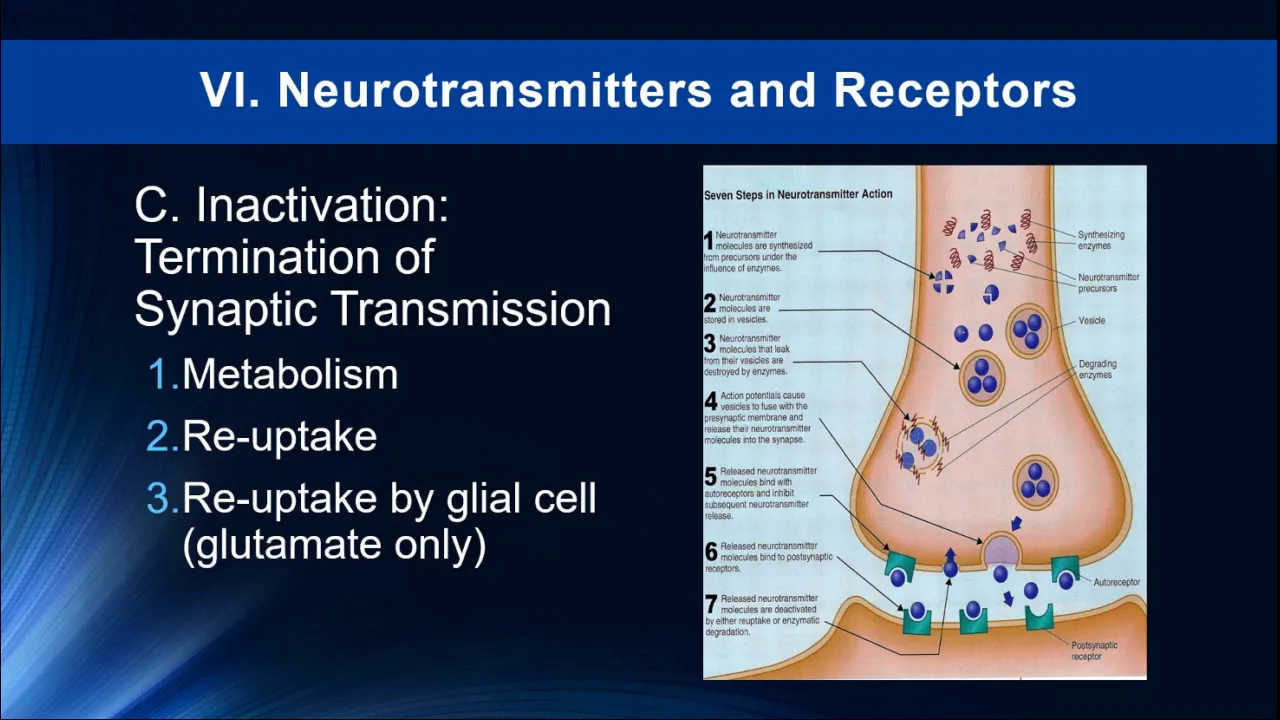
Introduction to neurobiology and neurotransmitters, particularly the endogenous opioid and cannabinoid systems that mediate physiological changes.
Methodology of clinical trials, including the use of sham interventions (like inactive gas mixtures) and control groups to isolate placebo responses.
The ethical and practical implications of utilizing placebo treatments, such as sham oxygen, in clinical medicine and emergency therapies.
Advanced neurobiological studies on how cognitive expectations directly modulate the autonomic nervous system and homeostatic functions.
Applications of placebo and suggestion in sports science, specifically regarding athletic performance, endurance, and altitude training models.
The broader field of psychoneuroimmunology, exploring how mental states and environmental cues physically alter immune and endocrine responses.
395 views5likes55:04Original Release: 2023-06-14
foreign [Music] I'm very happy that we have this great webinar today this afternoon and I'm very happy and glad that you're all here and I want to say just a few words before we start so this webinar speaker today is affiliated with the University of Turin in Italy and Plato Rosa in Switzerland and I think we were all very excited for this talk today because as many of our early researchers early career researchers have requested and asked for Fabrics to give a talk in this webinar I think this is this is just a great opportunity today and habitsu is going to talk about Placebo oxygen what is it and here on the picture on my slide you see him receiving his lifetime achievement award at the Zips conference a couple of weeks ago induce books so again from my side many congratulations on that this is amazing and yes before we start with introducing favoritsu and his talk I would like to hand over to Steffi herdskin who will introduce our early career researchers speaker for today who is Helena Klaus and she will present her work that she is doing within the SFP so Stephanie yes thanks um yes Helena Klaus um we're very happy that she will give our early career research a talk today uh Helena class studied psychology in Vienna and now is a student of medicine and Essen and currently doing her practical year and for her medical studies and for her doctoral thesis she conducted a systematic review in the lab of orikipedia about observational learning and Placebo and nocebo research and she will present the results of her systematic review today and I'm very excited to hear about that so I'm handing over the microphone to you Helena I you're still muted ah now right now we can hear you wonderful thank you very much for the nice introduction yeah my name is Helena and today I want to talk about the systematic review that we are conducting in the Binga lab it is about observationally induced Placebo nocibo effects and I'm doing this work with and under the supervision of Angela cardiana and of course Professor BINA uh today I want to focus on influencing factors and clinical application oops okay so um as a quick warm up maybe you can imagine you have an appointment at the doctor's office or at the hospital you might not really know what to expect um you just go there and a door opens and the person comes out and she or he seems quite happy with with whatever just happened so you might get the expectation okay this is going to be fine I will be fine on the other hand if the door opens and the person steps out of the room and he or she seems super sad or in pain you might think oh my God help what is this going to be like so this is a very short and very brief example of observational learning where you always have a model and an observer observational learning has been shown to introduce and alter expectations which in turn can affect treatment outcomes and this leads to favorable or unfavorable outcomes the first search on observational learning in Placebo analgesia was conducted by kolokan Benedetti in 2009 and ever since the number of Articles and the interest in this research has been rising and there are some factors that might be relevant to this because observational learning is effective it is in case non-invasive it seems rather simple to alter treatment expectations and treatment outcomes in medical contexts so this is why it is important to us we conducted two systematic searches the first one focusing on influencing factors and the second one on application fields of observational learning you can see this flowchart showing the process of data selection and we searched for different databases which you can see on the right PubMed web of Science scopus and psycinfo we were able to receive 21 hits for our first study or first search and 12 hits for our second search the first search concentrated on these influencing factors we found that out of 21 studies 20 found significant observationally induced effects so it is in fact effective right um 17 we're focusing on the field of pain uh we found that the average effect size for Placebo effects in this sample was larger than the effect size for No sibo Effects and in this sample and there is still a meta-analysis needed however those results contain like contained in the study it suggests that observational learning can induce higher effects than verbal instructions and lower effects than conditioning approximately medium sized we also found that yet expectations are rarely assessed and might be like might need some further assessment in future studies if we think about influencing factors we might think about model factors and observation like Observer factors like the sex of a person the gender the status the confidence expertise social Conformity empathy and so on and we want to know who do we learn best from and also who are the best Learners who is susceptible to observational learning we tried to condense the findings in in this graph on the left you can see the influencing factors and on the x-axis the number of conditions that have been tested that have been testing these influencing factors on the right side you see the placebo conditions and on the left side the noticeable conditions and the lighter bulbs Mark the number of studies that investigated these respective influencing factors and the darker proportion within marks the number of significant results we found that sometimes no observational main effect is reported in that sometimes the effects are not separately reported by high or low trade expression but rather reported together only in comparison to the control groups however we found some interesting results some of these influencing factors have only been investigated in only one study and others have larger samples for example empathy we also found that some of the variables have only been tested in adverse conditions but not in Placebo conditions yet or that some variables or influencing Factor might lead to contradicting results for example in empathy and we could think about whether those studies measure State empathy trade empathy if it makes a difference or if empathy might be context dependent to observational learning in our second search we were focusing on application fields and we were able to to divide the hits that we found into the categories prevention Rehabilitation Diagnostics and therapy and we found that observational learning is mainly used in psychosomatic conditions however not only the highest effects were found for preventive measures and especially if users for example use this oven digital Healthcare application were actively involved I want to thank you very much for your time and for your attention I'm very much looking forward to what is next to come in this interesting research field and of course very very curious about the talk of Professor Benedetti thank you very much wonderful thanks a lot Helena this is very very interesting date I think um are there any questions whoops I see some clapping thank you questions around otherwise I take the chance I was wondering if um you have that um Top-Up you had right now um was there a common mechanism by which they induce social learning in these different studies like they mostly use videos or um how our social learning effects actually induced in these studies or was it always different um in fact almost half of the studies used video observation and have used um live model and there was like a setup for example a person entering a waiting area or something like this okay so really elaborate paradigms actually great hey is there enough further questions I thank you again Helena and I hand it over to Yana to introduce our next speaker yeah thank you stefi um yeah I'm very pleased to introduce to you uh Fabrizio Benedetti today and even if many of you already know him I will like like introduce him in short he's a professor of neuropsychology and human physiology of the at the University of to Turin medical school and he's also a director of medicine and physiology of hypoxia at the plate Rosa Laboratories in Switzerland and yeah as you all know he identified some like really fundamental and like basic mechanisms of um yeah Placebo but also no sibo responders and like a different medical conditions such as pain but also like movement disorders like Parkinson and yeah I also remember the exciting talk at the sips conference in Leesburg in May and yeah I really remember the like the question you raised about the evolution missionary significance of the placebo effect and like the importance of yeah the placebo effect and where does it come from and The evolutionary perspective but today like we are really looking forward to your insights about your work on like Placebo oxygen and so thank you very much for like being here and we are looking forward to your presentation thank you very much thank you very much for uh for inviting me let me thank uh Elena for uh for the beautiful presentation uh I think I think observational learning more in general social learning is really very very important it is a powerful way to induce Placebo and nocibo responses I will say something about observational learning and social learning in my talk well actually at the very end of of my talk today so uh thank you uh for uh for this invitation let me share the screen let me see okay can you see it great okay this is a quite a strange title the placebo oxygen you know so what is it exactly why Placebo oxygen well today I would like to uh describe uh what we know today about a placebo effect in uh critical uh life functions it is quite an unusual approach because uh you know critical life functions are quite difficult to study to investigate well of course oxygen is uh is really crucial in critical life functions so the key question today is uh in this talk 45 more or less 45 50 minutes the key question is uh uh can oxygen be replaced with the placebo uh it seems quite a bizarre question because uh the answer could be at First Sight no it is not possible it is not possible to replace a real oxygen with fake oxygen but you will see that actually there are some very very interesting uh findings and I would like to tell you something about our work on a placebo Placebo oxygen so let me start with the overview of my talks today uh the first the first question is uh I will try to answer is I can Placebo be studied from critic critical life functions the second part will be the high altitude model of oxygen shortage then something about nocebo you will see that I will talk about observational learning in this context observational no sibo effect which are quite powerful in the context of placebo nocibo oxygen uh and uh the end of my talk some implications for clinical trials I think that there are many clinical implications you will appreciate the clinical implications particularly not so much in routine Medical Practice I mean in medical practice as well but particularly in the context of clinical trial methodology so let's start with uh with the placebo effect in critical life functions well first of all I would like to this is an overview from the placebo literature and the concept that is emerging today is that placebos on the one hand and drugs on the other share common mechanism of action so for example here you see there are the three or four examples the first two or three examples are about pain for example we know that the narcotic drugs bind to bind to move your receptors but today we know that placebos actually activated the very same receptors and these also for endocannabinoids as well for example agonists of the CB1 canopy nervous sectors like you know Tetra Eagle cannabinol binds to the CB1 receptors but today we know that placebos use the very same mechanism of action they activate the CB1 cannabino receptors what about headache we know that the nosteroid anti-inflammatory drugs inhibit cyclooxygenase Cox cyclooxygenase but today we know that placebos can act on the same mechanism which means that they can inhibit cyclooxygenase this is true for Parkinson's Disease as well like anti-parkinism drugs that bind to dopamine receptors the story is not different compared to pain so today we know that placebos activate dopamine receptors like antipartisan drugs so what about critical life functions these are quite interesting because we are in severe usually in the clinical context in severe conditions for example a critical life functions are very much dependent on oxygen we can call this function oxygen dependent critical life functions so uh here there is a question mark what about a placebo can a placebo mimic the effect of oxygen like uh an anti-pakistan drug like an osteroid anti-inflammatory drug like an opioid drug and so forth so I will try to answer this question which is quite which is quite important I think because uh we can go beyond the pharmacological approach with drugs or with psychological approach and we can study directly the functions of oxygen so uh what are the critical the critical life function well there are at least four critical life functions the first is ventilation of course ventilation through the lungs the second is oxygenation the passage of oxygen from the lungs to the blood to the bloodstream you know the third critical life function is circulation and the fourth is perfusion perfusion of the brain for example here or perfusion of other organs like the liver or the kidney you know these are the four critical life functions if they don't work we die so when there is oxygen shortage what we call you see here when there is a a decrease in oxygen pressure or oxygen pressure in the blood or in the atmosphere around us what we call hypoxia there are several compensatory responses for example there is an increase in ventilation this is not surprising of course there is uh there is an increase in cardiac output and this is not surprising this is a compensatory response because there is a an oxygen shortage and the reason increasing perfusion for example in perfusion blood perfusion in the brain due to vasodilation so the question I will try to answer today is uh is there any role for Placebo in this critical life functions so I will say something about ventilation I will say something about perfusion a particularly brain perfusion more in general basilization and I will say something about cardiac output so the first question is an ethical question is it ethical to study critical life functions with placebos this is an ethical problem for investigating critical vital functions with the placebo to study Placebo effects there are many opinions by Ethics Committee I tell you something about the Ethics Committee in Italy and in Switzerland where I work for example it is considered unethical to work with patients at the bedside is not surprising so for example we never got the permission to work with the placebo in in in at the bedside for example in heart failure or in respiratory failure conditions uh what about hyperbolic chamber hyperbaric chamber you can decrease the oxygen pressure while this is considered by ethics committees partially ethical but again we never get the permission and approval by an ethic committee to perform a a placebo Administration in this condition so uh the High Altitude model is an excellent model to study to study oxygen shortage and the effects of the placebo on oxygen shortage because uh by it is considered uh ethically acceptable by our ethics community so this is the reason why we work at high altitude well we work as high altitude for two reasons first because it is ethical acceptable by Ethics Committee and the second reason is because I love mountains you know so I like to live in the mountains for days for weeks so it is a very nice a very exciting environment to do research and to do clinical research so uh what about the High Altitude model of oxygen shortage let me say something about the High Altitude model well these are our plateausal laboratory said high altitude at an attitude of 3500 meters what is the crucial Point here The crucial point is that at three thousand 500 meters the oxygen pressure you see here the oxygen pressure is 64 percent compared to the sea level so there is a severe hypoxia condition there is a severe oxygen shortage so this is an excellent model to study different different uh physiological parameters the different conditions with a placebo with the administration of placebo just to ensure two very short videos just to give you an idea of what is going on when you give a a placebo oxygen fake oxygen now I'm going to tell you what a placebo oxygen is actually well this is uh uh a volunteer an healthy volunteer performing a stepping exercise you see here I don't want to go into the the details but he performed a stepping exercise these are the condition the oxygen pressure in the air outside is uh about 102 compared to 160 at the sea level so you see it with a severe hypoxic condition and these blood oxygen saturation at the sea level is about 9 pH 99 here at the 3500 meters is uh less than 90 percent so this is what we call severe hypoxia a severe oxygen shortage uh I'm going to show you a couple of a couple of videos so just before Placebo Administration Placebo oxygen and right after Placebo oxygen Administration what is Placebo oxygen exactly you see that these subjects breathe from uh two oxygen tanks Placebo oxygen is that they believe they are breathing 100 percent oxygen but actually the tanks are empty they don't know that so they expect an increase in day in their performance and just let me show you what happens just before Placebo Administration you see that this is a really tiring uh exercise a tiring task then we give Placebo oxygen so they breathe from empty they don't know that of course from empty tanks and this is what happens right after uh fake oxygen that means I'm sorry fake oxygen Administration just before and this is right after oxygen Administration there is a huge difference in performance it is not only set necessary to describe you know the difference between them before and after Placebo Administration not all subjects respond like these like this uh this one we don't know why some people respond pretty well to plus a placebo oxygen Administration some other people do not we don't know exactly why but the main question is uh what is going on in the body of these subjects good Placebo oxygen responders what is going on why is there an increase in performance is there a change in their ventilation in their perfusion in the brain in their heart rate for example just let me show you here here we are at you see here 3500 meters oxygen pressure as I said before is 64 percent compared to the sea level this is what we measure pg2 prostaglandin E2 this is very important in brain perfusion because uh it is a pg2 is a basically later so if there is an increase in pg2 it means that there is an increase in basic relation with an increase in brain perfusion then we measure headache it is a typical symptom of high altitude fatigue and other typical symptom of high hydrogen ventilation which is measured liters per minute pH blood pH oxygen saturation oxygen saturation is important because it tells us [Music] the concentration the pressure of oxygen in the blood in the body and the heart rate you see here cardiac output so if we give a placebo for the first time you know which means we we tell these subjects now I'm going to give you uh 100 oxygen so you have to expect an increase in your performance you see this is what happens Placebo given Placebo oxygen given for the first time you see here this is uh to the left just before Placebo Administration post to the right after Placebo Administration nothing changes with the exception of fatigue there is a decrease in fatigue which means that fatigue is very sensitive to Placebo to Placebo Administration in this case to Placebo oxygen Administration there is no change here in in pink in heart rate there is no change in a day there is no change in ventilation there is no change in pg2 but there is a decrease in fatigue when I tell these subjects now we are going to breathe 100 oxygen but actually actually it is fake oxygen but we can tell this neurosponders into very good responders if we perform a conditioning procedure so look at this we give oxygen real oxygen for the first time and you see that in Orange of course there is an increase in blood oxygen saturation there is a response here in heart rate there is a response in pg2 there is a response in blood pH and so forth then we give it this is not surprising because this is a typical response to oxygen Administration then we deliver oxygen for the second time and again we have a different responses to oxygen Administration then we give oxygen for the third time and again there is a response to oxygen but then on the fourth time we replace oxygen with a placebo and now you can see that the placebo can mimic the effect of oxygen this is a placebo responses after oxygen preconditioning for three times you can use the two or three trials preconditioning dryer to induce this Placebo this Placebo responses you see that now there is a placebo response the placebo effect for heart rate a placebo response for a headache for pg2 and so forth please note that oxygen in the body is one in Orange does not increase because this is a placebo you know so in spite of a very low oxygen in the body you can get this oxygen this Placebo Placebo responses so what happens if we further decrease the oxygen pressure here we are at 5500 meters on the monteroza heart here The crucial point that the oxygen pressure is 57 percent do you remember before at 3 500 meters 64 percent at 5500 and 45 sorry 4500 meters it's 50 percent compared to the sea level so really severe epoxy condition severe oxygen shortage uh can you get the very same responses the answer is yes you can look at this yeah there is no difference you give a placebo for the first time and you see that fatigue is very sensitive you don't need a preconditioning with oxygen but you need a preconditioning to get Placebo responses for other physiological parameters like you see here heart rates pH pg2 ventilation and so forth if you give a placebo here we are We There is a decrease you see up to 57 percent of oxygen compared to the sea level we give up oxygen for the first time these are the typical responses to oxygen for the second time for the third time and now if you replace oxygen with a placebo at 4 500 meters you can get at the very same Placebo responses it is really powerful I mean oxygen precondition is really really very very powerful well what happens if you go up to 5500 meters uh we are we we had to go outside Europe because in Europe there are no mountains higher than about uh less than 5 000 meters here we are uh the picosimong Boulevard in Colombia and South America here we are in Alaska at Denali mountains but the crucial Point here is that that Phi you see here at 5500 meters uh oxygen pressure is 50 percent is half compared to the sea level so there is a a really severe hypoxia condition uh well if you perform exactly the same experiments and you give Placebo for the first time you see that there is no change of all these parameters with the exception of fatigue you see that decrease of fatigue is much smaller than at 4500 meters and 3 3500 meters but still there is a powerful Placebo response for fatigue when you give a placebo for the first time without oxygen preconditioning now what happens if you perform an oxygen preconditioning you see here you give oxygen for the first time again these are the responses to oxygen oxygen for the second time oxygen for the third time but on the fourth time you replace option oxygen with a placebo and you can see that there is still a significant placebo effect with a reduction of oxygen up to 50 percent of of of the oxygen uh compared to uh to the seed to the sea level so it is really powerful uh effect uh we don't know beyond uh 50 reduction oxygen reduction we don't know for example if you go up to Mount Everest I don't think you can see this effect because on Mount Everest we are on on the there zone so it's probably you cannot see you cannot get this Placebo this Placebo responses but please note that all these responses after preconditioning with oxygen occur foreign oxygen saturation is very very low 80 percent I remind you that the sea level the normal oxygen saturation is about here 100 percent 98.99 98 to 99 so still powerful effects so uh to sum up I mean to summarize these uh this finding uh up to 50 reduction of oxygen you see that uh Placebo can mimic oxygen for brain perfusion we have a an indirect measure of of brain profusion by by measuring by measuring pge2 which is a power for vasodilator at the at the level of the brain uh Placebo can mimic oxygen for ventilation and Placebo can mimic oxygen for circulation but it cannot mimic this is not surprising surprising Placebo has no effect cannot mimic oxygen for oxygenation which means the passage of oxygen from the lungs to uh to um to the bloodstream you know it is not surprising because there is no involvement of the brain in this case the passage of oxygen from the land to the bloodstream is a direct passage with no involvement of the central nervous system and the other point I think it's quite important Placebo is a powerful really powerful effect on fatigue and much more powerful than on pain for example if you give a placebo at high altitude if you give a placebo for the first time you cannot see a reduction in pain but you can see a reduction in fatigue so a placebo is really I mean fatigue is very sensitive to Placebo Administration to expectation you know what you expect in this case you get a reduction in reduction in in fatigue so the answer to the question uh can you see here this was the second on the first slide can a placebo can a placebo mimic the effect of oxygen yes of course there are the limits what we know today as far as we know today I mean uh as far as we know today 50 oxygen reduction can still induce powerful Placebo effects um what about nocebo and nocibo fact in the opposite direction what does it mean exactly the question here is what happens if we breathe fade oxygen I mean do we experience Adverse Events the same Adverse Events the same side effects of oxygen well as far as we know today at least two mechanisms have been uncovered the involvement of the hypothalamus pituitary adrenal axis and the involvement of Cox of cyclooxygenies of the cycle oxygenase pathway well let's start with the hypothalamus pituitary adrenal axis you see here this is a nocebo oxygen fate oxygen this is what we tell the subjects a possible adverse Adverse Events you will experience headache these are typically Adverse Events of oxygen breathing oxygen inhalation you know headache chest pain abnormal pain and cough so uh very to be very uh I mean I want to be I don't want to go into the details but there is an involvement of corticotropine releasing Factor the uh adrenocorticotrope hormone and cortisol when you expect a negative effects Adverse Events in spite your breathing a fake oxygen as I showed you before well what is really interesting that uh subjects who reports no Adverse Events or only one adverse event or two Adverse Events and show no change in crh no change in ACTH no change in cortisol but those subjects who reported three or four Adverse Events show an increase in crh cth and cortisol three or four I remind you three or four Adverse Events these are Adverse Events headache chest pain abdominal pain and cough there is a correlation we found a correlation between the nocebo effect you know Suboxone challenge in adulthood you see here we started 378 subjects at age about approximately 22 years old but the scene 38 378 subjects we found the prenatal clinical records of prenatal maternal cortisol there is a there is a correlation there is a correlation which is I think a quite interesting this is from a clinical from a clinical point of view I'm I assure you the correlation here uh you see uh here to the left this is the prenatal maternal cortisol during the first trimester of pregnancy the second trimester of pregnancy and the second trimester of pregnancy this is the normal level of material cortisol in the first this is the normal in the second this is the normal in the second I'm sorry this is a mistake in the third in the third trimester of pregnancy and here you see the Adverse Events during here the nocebo challenge no adverse event zero one two three four Adverse Events these are the the Adverse Events headache again as before chest pain abdominal pain and cough so look look at here for example only those subjects reporting three and four Adverse Events at an age of 22 show it abnormal level of prenatal maternal cortisone only those who reported three and four Adverse Events show it in the first trimester cortisol level higher than normal this is true for the second trimester as well you see here only those reporting three and four Adverse Events should in uh prenatal life maternal cortisol showed a cortisol level above normal and this is true for the third trimester only those reporting two three four Adverse Events in adulthood showed an increase in above normal of a prenatal material causes so there is a there is a correlation there is a correlation and probably this is not surprising because an increase in prenatal maternal cortisol can affect I have no time to discuss this point but prenatal higher levels of prenatal maternal cortisol can affect many behaviors and many many disease in adulthood um in in the children but not all in children in adults as well um the Cox pathway is involved as well psycho oxygenase pathway if you go up to high altitude you see here if you go up to high altitude the reason increase in cyclooxygenase activity we can measure acid oxygenase activity by assessing the levels of prostaglandin D2 pgd2pg 2pgf2 and so forth okay so you see if you go up uh to for example 3500 meters there is an increase in PG to pgf 2pgi 2. this is the typical biological response these are the biological factors which is the biological Factory in this case hypoxia oxygen shortage but now you can increase uh cyclooxygenase activity with the psychological negative psychological factors negative expectations in this case the subjects read 80 percent of blood oxygen saturation which is really very low but actually the real blood oxygen saturation is 95 which is normal so they expect because they believe their blood oxygen saturation is 80 and not 95. you can see these can further increase the activity of cycloxygenase you see that there is a further increase of PG to pgf to pgi2 and so forth and uh well the last probably Elena you are very much interested in the in the social uh uh in social learning you know observational learning observation of other suffering from uh High uh altitude sickness Mountain sickness can further increase the uh uh the activity of cyclooxygenase you can see that only biological factors here to the left biological factors and psychological factors here in the center biological factors and psychological factors and social Factor observational factors can further increase the activity of cyclic oxygenase so you see that that both psychological and social factors are really very important in the The Experience you know for example in Mountain sickness unfortunately I have no time in 45-50 minutes to go into the details but uh but from a clinical point of view for example a headache high altitude headache the more you go up to a high altitude the more you experience the clinical symptoms like like headache um well uh implications for Clinica for clinical trials we'll try the implication for clinical trials this is a summary for the possible implications of clinical trials you see here that there is a progressive increase in sacroxygenase and headache when you uh when you have only biological factors biological factors and psychological factors biological factors psychological factors and social factors so the main question is what happens if you give a placebo in this condition only when the biological factors are present or when the biological psychological social factors are present what we should expect actually we should expect a small placebo effect here only when biological factors are involved but we should expect a large placebo effect when biological psychological and social factors are involved well actually this is what happens you see here here there are two groups of of subjects in red this group of subjects are told about the possibility to experience headache so they have negative expectation this is what we call we call the the nocebo group the yellow group here they don't have any information so they don't know about the possibility to experience to experience headache when they go up to to high altitude so then we bring them to high altitude we induce heavy and you see that the rig is a different response there is an increase here in headache and pg2 in the no information group but there is a dramatic increase in headache and pg2 in those subjects who were informed about the possibility of experiencing headache [Music] the difference is the nocebo components so what is really interesting when you give a placebo for example a placebo pill or Placebo oxygen or whatever you like I mean it is not different when you give a placebo you have a huge response here but you have no response here what does it mean it means that there are probably placebos are effective only when a pre-existing nausea effect is present this is quite interesting from a clinical trial point of view because uh it would be important to assess whether or not a pre-existing no CB fact is present this is the real clinical trial and you see here in this clinical trial We compare aspirin versus placebo like in any clinical trial this is the standard clinical trial but in this clinical trial there is a comparison between aspirin and Placebo with a pre-existing nursing effect this is the condition told about the possibility of experiencing headache and going up here going up to high hydrogen and this is the trial at high altitude you see that when aspirin is compared with the placebo there is a place I'm sorry any drug effect a response of pgd2pg 2pgf2 and so forth the response in pain experience headache you know when you give aspirin there is no passive effect in this case but in this group of subjects this one this group of subjects this is a comparison between aspirin and Placebo you see that that there is a drug effect or PG for prostaglandin and for pain but with the placebo effect as well so again the question is uh the previous one our Placebo is effective only when at least in some conditions our Placebo is effective only when a pre-existing no Civic fact is present well I think this is uh requires uh further investigation particularly particularly in the setting in the setting of clinical of clinical trial so at the very end of my my talk I think my time is up these are uh I summarized uh four uh conclusions which I think can be quite important for future research the first conclusion is that oxygen-dependent critical life functions are sensitive at least in part of course to placebos the second is that Placebo effects have been found for uh oxygen reduction as large as 50 percent which I think is quite quite large uh third conclusion although many ethical limitations do exist well of course modern routine clinical practice are welcome even though it's quite difficult from an ethical point of view because there are many ethical limitations at the bedside you know in a real patients and the fourth is uh from a methodological point of view in the setting of clinical trials critical trials May benefit from this finding for this reason for example you have to consider that sometimes pre-existing no CB facts are important for Placebo effects to occur so I think if we find a method to identify you know civil response to see whether or not in different conditions not not in this model of identity but in other medical conditions pain for example or Parkinson's disease we can identify if we can identify anosibo response we can see we can assess whether or not to Placebo is effective only when early on a pre-existing nocebo and a silver effect well of course last but not least thank you very much to all my collaborators in Italy and Switzerland just to tell you this is quite important there are all these findings come from a very close collaboration very close interaction between psychologists neurophysiologists neurologist the neuroimager endocrinologist and so and and so forth thank you very much for listening
Up Next

13:48
Ted Kaptchuk on the Placebo Effect | Harvard Medical School
@collectivelearningCCL
315 views•2024-02-14

48:47
Graphic Medicine: Comics for Collaborative Healthcare Communication
@nationalpatientadvocate
189 views•2023-12-04

10:28
Neuroanatomy: Central and Peripheral Nervous System Divisions Explained
@AKLECTURES
136.2K views•2014-09-20
3:05
Stages of Labor and Vaginal Birth | Childbirth Animation
@nucleusmedicalmedia
52.1M views•2017-08-18
Related Study Plans & Knowledge Roadmaps
Structured learning paths in Medicine
medicine
Abnormal LFTs: Diagnostic Workup & Pathology
01Liver Anatomy and Basic Physiology
02Introduction to Liver Function Tests (LFTs)
03Hepatocellular vs. Cholestatic Patterns
+ 3 more learning modules
12h6 modules
Explore Roadmap
medicine
Analyzing Blood Smears: RBC, WBC & Platelets
01Introduction to Blood Components & Smear Preparation
02Normal Morphology of Blood Cells
03Erythrocyte Pathologies & Morphological Variants
+ 2 more learning modules
12h5 modules
Explore Roadmap
medicine
Mechanical Ventilation: Waveforms & Alarms
01Anatomy and Physiology of Breathing
02Introduction to Mechanical Ventilation & Core Modes
03Ventilator Settings and Waveform Interpretation
+ 2 more learning modules
12h5 modules
Explore Roadmap
medicine
Neuro Exam: Localization & Stroke Syndromes
01Foundations of Neuroanatomy and Vascular Supply
02The Neurological Examination: Step-by-Step
03Principles of Neurological Localization
+ 3 more learning modules
18h6 modules
Explore Roadmap