














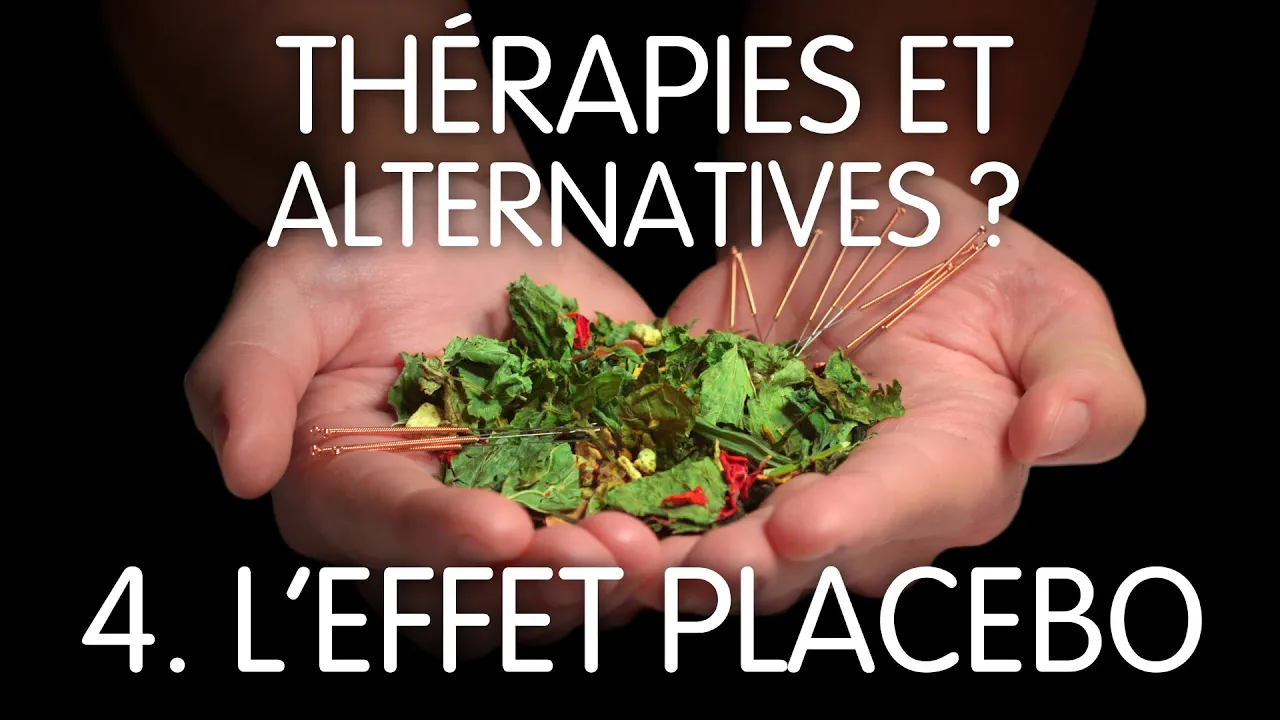





Placebo, nocebo, and belief effects are powerful phenomena where expectations and beliefs about treatments can genuinely alter brain and body function through dedicated neural circuits in the prefrontal cortex that communicate with deeper brain regions controlling physiological systems like dopamine release, hormone secretion, pain perception, and stress responses; these effects are highly specific, context-dependent, and can enhance or diminish the effectiveness of actual treatments, though they have clear biological limits and cannot replace necessary medical interventions.
How Placebo Effects Alter Our Biology & Psychology
Added:Basic neurochemistry and neurotransmission, specifically how chemical messengers like dopamine, endorphins, and endocannabinoids regulate mood and sensory perception.
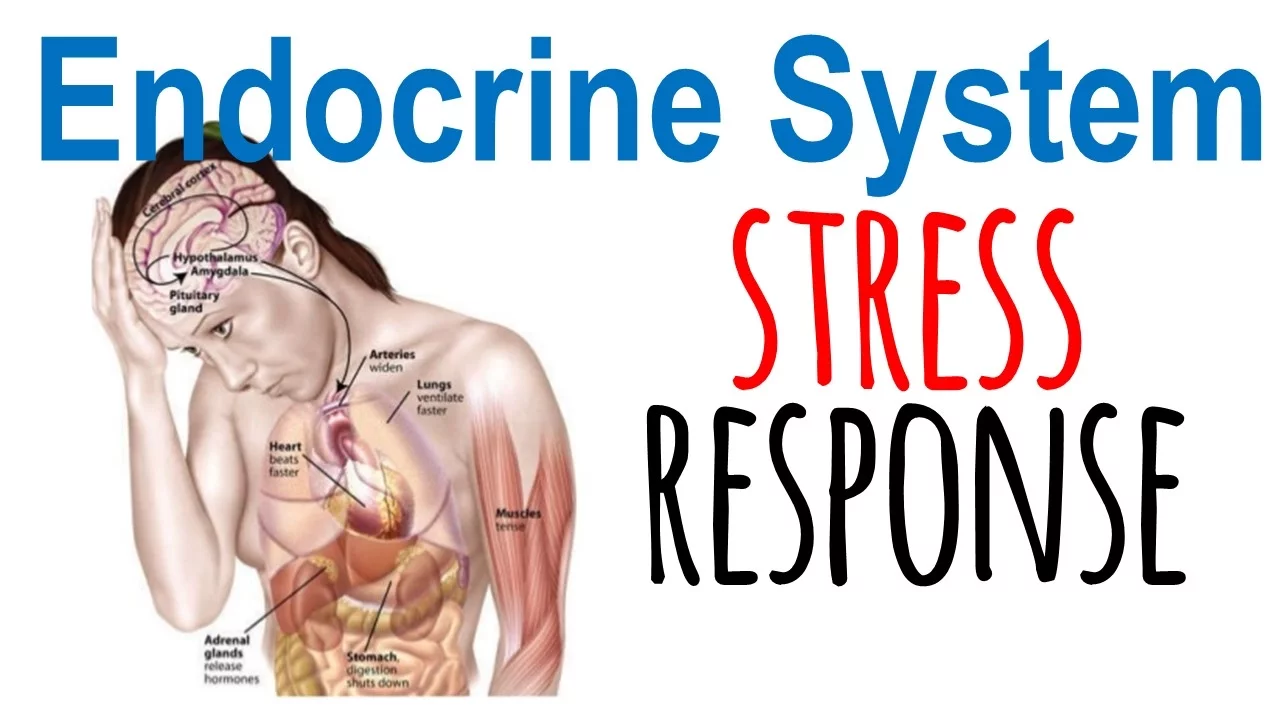
The physiology of the endocrine system, including the HPA (hypothalamic-pituitary-adrenal) axis and how hormones like cortisol and adrenaline mediate stress responses.
Fundamental psychological concepts of learning and conditioning, particularly classical conditioning and expectancy theory.
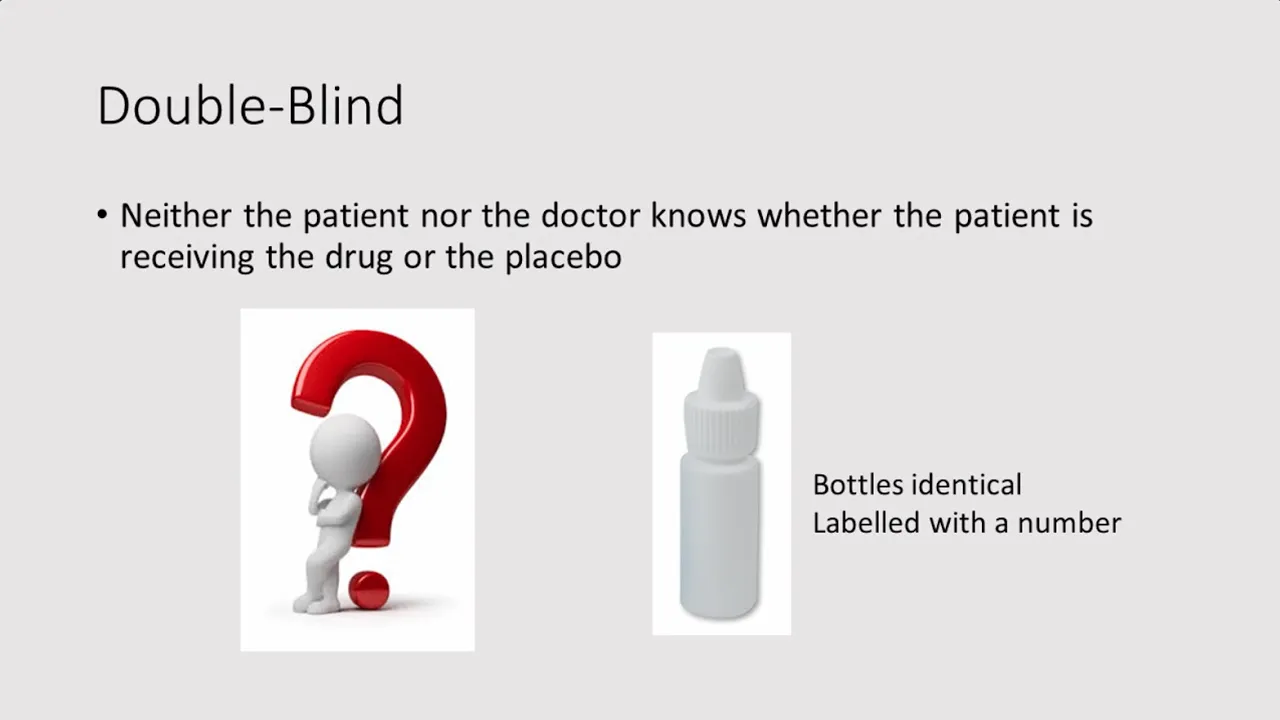
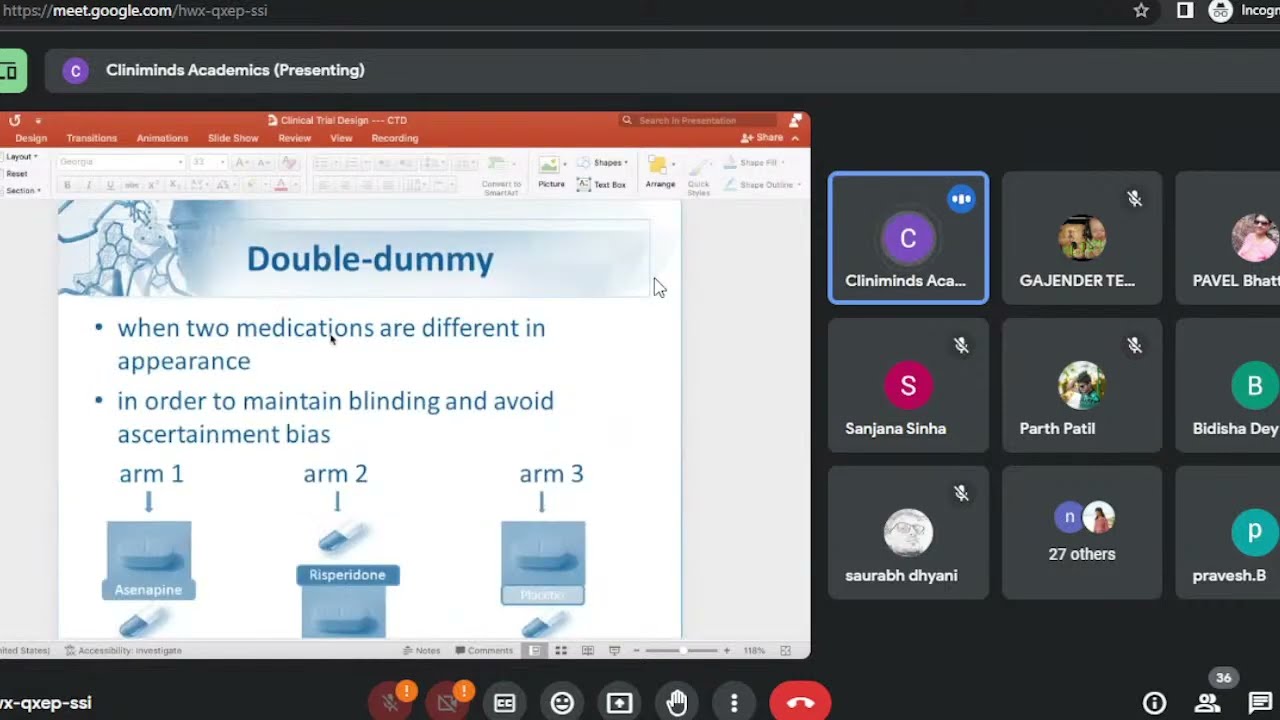
The structure of clinical trials, specifically the purpose of a control group, double-blind methodologies, and why placebos are used as benchmarks.
The 'nocebo' effect, exploring how negative expectations, fear, and anxiety can biologically induce adverse physical symptoms.
The clinical and ethical implications of 'open-label placebos'—administering placebos where patients are fully aware they are receiving an inactive substance yet still experience healing.
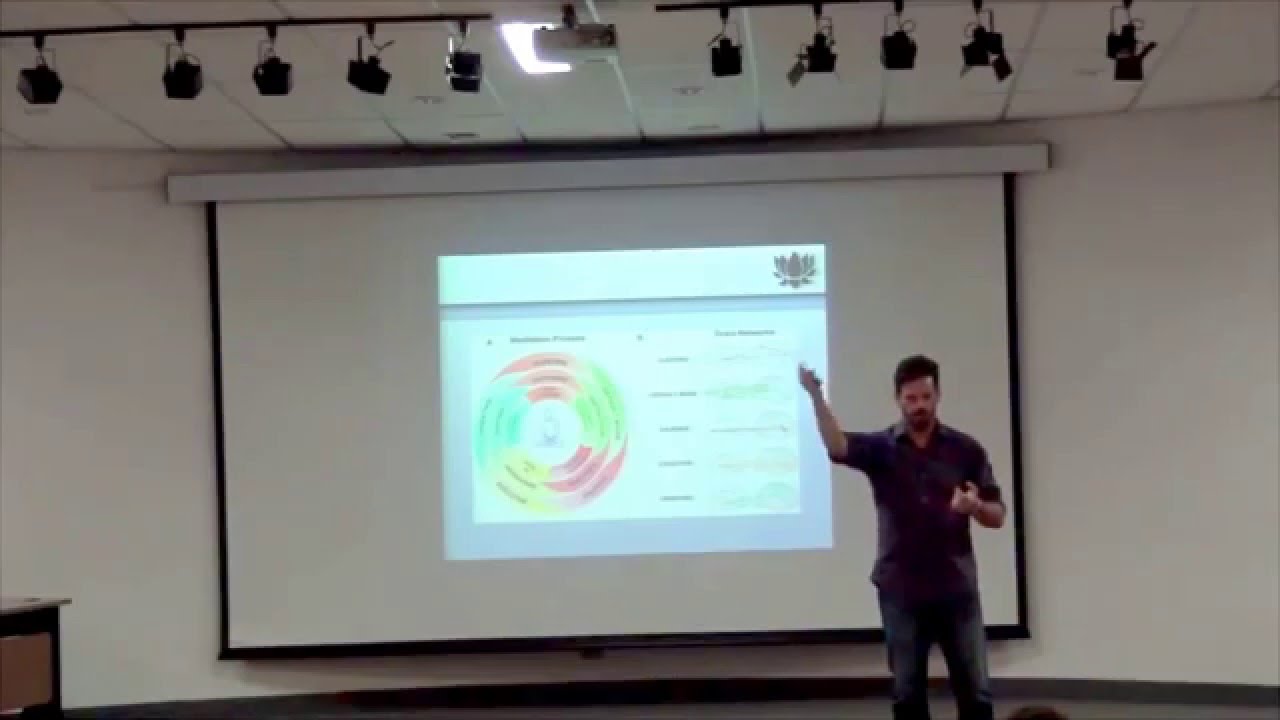
The science of mind-body interventions, such as biofeedback, mindfulness-based stress reduction (MBSR), and how cognitive behavioral therapy (CBT) alters brain networks.
The principles of self-directed neuroplasticity, investigating how intentional shifts in focus, belief, and habit can physically restructure neural pathways over time.
186.9K views5.5Klikes1:18:16Original Release: 2024-03-04
welcome to the huberman Lab podcast where we discuss science and science-based tools for everyday [Music] life I'm Andrew huberman and I'm a professor of neurobiology and Opthalmology at Stanford school of medicine today we are discussing Placebo effects we will also be discussing what are called nobo effects as well as belief effects all three of these Placebo nobo and belief effects are all related to our brains in inedible ability to place an expectation on what is about to happen and actually change what is about to happen independent of the physical and chemical properties of a drug or some sort of other treatment solution for things like pain Parkinson's disease irritable bowel syndrome asthma stress and on and on and on now one of the most incredible things about these effects is that despite the fact that it would appear that they are simply psychological or the power of the Mind Over Matter it's not that at all Placebo nobo and belief effects actually change the way your biology your physiology Works in fact you have neural circuits within your brain that are dedicated to how your expectation of what will happen actually changes some of the most core biological functions within your brain and body modifying for instance heart rate blood pressure the release of specific neurom modulators such as dopamine and adrenaline and so powerfully so that these types of effects can actually work along with traditional drug treatments or behavioral treatments in order to vastly change the way that your brain and body work so if you think of the word Placebo as an inert substance or treatment that is merely a control it's merely something introduced to an experiment or a clinical trial to try and figure out you know what's happening normally in somebody's brain or body as a comparison to some drug or other type type of treatment well while that can be true and Placebo controls are vital for certain clinical studies it's also the case that placebos nobos and belief effects have powerful impact on our physiology entirely separate from all of that so much so that several highly esteemed researchers in the medical community around the world believe that Placebo nobo and belief effects should actually be leveraged in the treatment of various diseases as their own unique treatment so by the end of today's episode you you are going to have a clear understanding of what Placebo nobo and belief effects are their biological underpinnings and the way that you can leverage them toward your mental health physical health and performance before we begin I'd like to emphasize that this podcast is separate from my teaching and research roles at Stanford it is however part of my desire and effort to bring zero cost to Consumer information about science and science related tools to the general public in keeping with that theme I'd like to thank the sponsors of today's podcast our first sponsor is eight sleep eight sleep sleep makes Smart mattress covers with cooling Heating and sleep tracking capacity I've spoken many times before on this podcast about the fact that sleep is the foundation of mental health physical health and performance now one of the key things for getting a great night's sleep is the temperature of your sleeping environment for instance in order to fall and stay deeply asleep your body temperature needs to drop by about 1 to 3° and in order to wake up feeling refreshed your body temperature actually has to increase by about 1 to 3° with eight sleep it makes it very easy to control the temperature of your sleeping environment you can dial in specific temperature ranges for the beginning middle and end of your night it even has a sleep tracker so it will track your slow wave sleep REM sleep total sleep and give you a sleep score and you can actually divide the mattress into two different temperatures if someone else in your bed likes things a different temperature and they of course can have their sleep tracked independently of yours it's an absolutely wonderful tool it's completely transformed my sleep so much so that when I travel to hotels or airbnbs I find I don't ever sleep as well as when I have my eight sleep I've even Shi shipped my eight sleep out to those places that gets a little complicated but that's how much I love my eight sleep it gives me the best possible night sleep if you'd like to try eight sleep you can go to 8sleep.com huberman to save up to $150 off their pod 3 cover eightsleep currently ships in the USA Canada UK select countries in the EU and Australia again that's 8sleep.com huberman today's episode is also brought To Us by Aeropress Aeropress is similar to a French press for making coffee but is in fact a much better better way to make coffee I first learned about Aeropress well over 10 years ago and I've been using one ever since Aeropress was developed by Allan Adler who was an engineer at Stanford and I knew of Allan because he had also built the so-called aobi frisbee so he was sort of famous in our community for developing these different Feats of engineering that turned into commercial products now I love coffee I'm somebody that drinks coffee nearly every day usually about 90 to 120 minutes after I wake up in the morning although not always sometimes if I'm going to exercise I'll drink coffee first thing in the morning but I love love love coffee and what I've personally found is that by using the arero Press I can make the best possible tasting cup of coffee I don't know what exactly it is in the arero press that allows the same beans to be prepared into a cup of coffee that tastes that much better as compared to any other form of Brewing that coffee even the traditional French press the Aero press is extremely easy to use and it's extremely compact in fact I take it with me whenever I travel and I use it on the road in hotels even on planes I'll just ask for some hot water and I'll Brew my coffee or tea right there on the plane with over 55,000 five-star reviews Aero press is the best reviewed coffee press in the world if you would like to try Aeropress you can go to Aero press.com huberman that's a r o p ss.com huberman to get 20% off any Aeropress coffee maker Aeropress ships in the USA Canada and over 60 other countries in the world again that's Aero press.com huberman to get 20% off today's episode is also brought To Us by levels levels is a program that lets you see how different foods and different activities and your sleep patterns impact your health by giving you real-time feedback on your diet using a continuous glucose monitor now blood glucose sometimes referred to as blood sugar has an immediate and long-term impact on your energy levels and your overall health one of the best way ways to maintain focus and energy throughout your day as well as to keep your so-called metabolic Health in best order is to make sure that your blood glucose never spikes too much nor does it get too low with levels you can monitor how different foods and food combinations impact your blood glucose levels on a momentto moment basis I've been using levels for some time now and it's really helped me understand which foods and food combinations exercise schedules and sleep schedules are optimal for my blood glucose levels and how that transl Ates to energy levels and other metrics of Health if you're interested in learning more about levels and trying a continuous glucose monitor you can go to levels. l/h huberman levels has just launched a new CGM sensor that is smaller and has even better tracking than before right now they're also offering two free months of membership again that's levels. linkli nk/ huberman to try the new sensor and two free months of membership okay let's talk about Placebo effects I will also be talking about no sibo effects and just establish the difference between those Placebo effects are when an inert substance or behavioral treatment that is a substance or behavioral treatment that is not going to have any kind of direct biological or psychological activity right it shouldn't do anything on its own somehow does in the direction of improving symptoms or performance now let's contrast that with no sibo no sibo is when a drug or behavioral Intervention which is inert it should have no impact on symptoms or performance of any kind but with no sibo it turns out these substances or behavioral interventions actually worsen symptoms or performance now often times people will just say a placebo effect it's a little bit more rare for people to distinguish between Placebo and no sibo effects but I do think it's important to know their difference going forward I'll mostly just refer to these as Placebo effects but I'll talk about No sibo Effects a little bit later I'll also talk about belief effects so let's just establish what belief effects are belief effects are when you or somebody else learns specific knowledge that changes your expectation about what is going to happen in reference to say stress or consuming a given food or taking a given drug or doing a specific behavioral protocol and the specific information you learn or assimilate actually leads to that specific outcome so in many ways belief effects and Placebo effects are similar it's just that the word Placebo or placebo effect effects is commonly used to refer to drugs and behavioral interventions belief effects are a more specific language used to describe when information of any kind changes the outcome of some physiological or psychological process now what's common to Placebo nobo and belief effects is that they all work by changing expectation and anytime we talk about expectation we're talking about the function of the nervous system and specifically the brain and specifically the prefrontal cortex within the brain the pre frontal cortex is neural real estate which is just fancy nerd speak for the neurons and their connections that reside just behind your forehead just in the front of your skull now the prefrontal cortex has a lot of different subdivisions or regions the overall function of the prefrontal cortex can be described as having the ability to either activate or suppress other neural circuits deeper in the brain some people in fact a previous guest on the hubman Lab podcast a neurosurgeon said the prefrontal cortex can generally be described as the structure in the brain that controls other structures in the brain by saying sh or suppressing their function so for instance if you have the impulse to move or to shout the prefrontal cortex suppresses that movement or suppresses that desire to shout or that shouting if you've ever had the experience of you know going to the edge of a cliff or being on a high bridge and thinking oh my goodness like you know you just have this spontaneous thought which please don't do this in action but one will have this thought like oh my goodness like what if I just jumped off and people think oh my goodness you know do I have some sort of um Death Wish well no the prefrontal cortex being largely a context evaluating and prediction machine is essentially looking at that landscape and predicting what would happen indeed how bad it would be if you were to jump off that bridge or jump off that cliff and then you feel that oh my goodness like what's wrong with me why would I think this but the fact that you think it even for a moment but you don't do it and the fact that you recognize that it's sort of a uh you know dangerous thought certainly a dangerous action again please don't engage in the action tells you that your prefrontal cortex is working properly again the prefrontal cortex is involved in suppressing certain types of behaviors and what sorts of behaviors well the larger theme of the prefrontal cortex that we need to consider today is that it is an expectation or prediction making machine it is a bunch of neurons that release chemicals and have electrical activity that're speaking with and receiving information from other areas of the brain and it's evaluating a number of things like context like what's going on in this room what's going on in this scene what's supposed to happen here what might I do what should I do what should I not do etc etc now the other thing about the prefrontal cortex given that it has all these different subdivisions is that some of those subdivisions have a unique what we call labeled line communication like a unique Highway that leads to specific brain areas that control specific bodily functions including heart rate blood pressure Etc and a little bit later in the episode I'll talk about a specific paper it's one of my favorite papers in which a specific prefrontal cortical region is identified as controlling very primitive aspects of our physiology such as body temperature and heart rate in reference to beliefs or what's happening in a social scene and this is very different from the way that say getting into cold water or experiencing some other sort of stressor causes increase in heart rate or Vaso constriction what we're talking about here when we talk about Placebo nobo and belief effects are the way in which you learn information or you are told information like hey this pill is going to do blank um maybe because the label says it maybe because the um scientist or the doctor tells you that this pill does blank or this injection will do blank or maybe you learn some information about what some specific drug or supplement or behavioral protocol will do and in that learning you come to expect a specific set of effects and certain neural circuits in the prefrontal cortex become active and start to activate certain neural circuits deeper in the brain in areas like the hypothalamus these are ancient very well conserved across animals areas of the brain that control very primitive functions okay they exist in essentially all mammals and even in reptiles the prefrontal cortex also communicates with areas of your brain stem controlling things like breathing Etc so the prefrontal cortex is a sophisticated area of your brain that takes into account context both in the present as well as memories from the past it can take into consideration goals about the future and then combines all of that into neural signals to areas of the brain that control basic physiological functions related to the immune system the stress system the reward system the pleasure system and on and on so when we talk about Placebo nobo and belief effects what we're really talking about is the ability for information and specific experiences to lead to expectations within us about what's going to happen and then our physiology of our brain and body fundamentally changes such that those things happen so let's talk about some specific examples of placebo effects from the research literature and today we're going to cover a lot of different examples from different systems but as we do that I will specifically be selecting examples that illustrate different types of placebo effects and illustrate what those different types of placebo effects are now I should mention that if you're interested in Placebo effects there's a wonderful book that describes many many different Placebo effects and their biological underpinnings in cases where those biological underpinnings are understood and the book I'm referring to is one that I used prominently in researching this episode It's called none other than Placebo effects understanding the other side of medical care and the book is by fabrio Benedetti I hope I pronounced that right fabrio um and to your Italians out there if I didn't do it correctly I apologize it's an absolutely wonderful book I confess I've never met fabrio Benedetti I confess I have no relation to the publisher or to the book itself except that I absolutely love the book so highly recommend this book I'll be pulling from a number of different examples described in this book today to my mind one of the most interesting examples of placebo effect is where Placebo is given and can profoundly change levels of dopamine release in the brain now the study I'm about to describe was done in Parkinson's patients people with Parkinson's have degeneration of neurons in an area of the brain called the substantia which is an area of the brain in the kind of bottom back part of the brain for ufan AOS it's the ventral tegmental area but you don't need to know that name these neurons contain dopamine and are essential for the generation of smooth movement patterns including walking and reaching and moving um one's hand to write Etc and of course dopamine is involved in a bunch of other things too including motivation and reward in people with Parkinson's depending on how severe and advanced the Parkinson's is they suffer deficits in the ability to generate smooth movements and often deficits in motivation and reward Pathways as well now there are many different treatments for Parkinson some more successful than others unfortunately it's still not completely curable at least not at this time but most of the drugs that are successful in treating Parkinson's to some degree or another are drugs that increase levels of dopamine within the brain for obvious reasons as I just mentioned Parkinson's is a degeneration of the dopaminergic meaning dopamine containing and releasing neurons in the brain so people with Parkinson's will often be given L Doopa which is a precursor to dopamine or other types of drugs that increase dopamine within the brain now there have been a number of studies that have compared certain drugs known to increase dopamine such as lopa things like apomorphine bromocryptine Etc to Placebo control drugs and one of the interesting takeaways from those studies is that yes drugs like elopa bromocryptine Etc increase dopamine and at least can partially or transiently improve symptoms of Parkinson's in many not all patients with Parkinson's the placebo drugs given in many of those studies which were simply a sugar pill or some other inert pill it doesn't contain any chemicals that are known to directly bind to or increase dopamine in the brain and yet nonetheless when the brains of certain patients were imaged it was clear that Not only was there an improvement in symptomology but there were increases in dopamine release within those patients brains which on the face of it should make no sense however when people with Parkinson's or people who even don't have Parkinson's are told a given drug can increase dopamine and then they put these people into a brain Imaging device it's called a pet device has nothing to do with animals it's the patron emission tomography device and these people had been injected with or consumed something called raclopride it sounds really weird and dangerous but actually ride looks a little bit like dopamine itself chemically and it has a little tag or label on it and it can bind to certain receptors in the brain where dopamine would normally bind what was observed is that the placebo itself was causing reduced binding of this rack Pride to areas of the brain that have dopamine receptors which meant unequivocally that there was more dopamine released in the brain because if more dopamine is released in the brain and parks in those receptors well then the rprod which looks a lot like dopamine can't also park or bind to those receptors simply put a placebo drug again a drug that has no direct action on the dopaminergic system if it's given to somebody who has Parkinson's or who doesn't and they are told this drug is going to increase levels of dopamine in your brain and potentially improve your symptoms of Parkinson's or have some other effect well it succeeded in increasing dopamine levels within the brain which basically should make us all sit back and say okay what are we to think of drugs like elopa and apomorphine bromocryptine as compared to placeo why isn't everyone just taking Placebo why aren't we just telling people hey this sugar pill is going to increase dopamine well two important points to answer that first of all the increases in dopamine that are observed from Placebo plus information about what that Placebo ought to do for increasing dopamine are not as robust or I should say generally not as robust as the increases in dopamine observed from an actual drug known to increase dopamine transmission or release within the brain the second point is that the structure of the information given to somebody and the belief that they form about what ought to happen that is the expectation effect which you'll start to realize more and more across today's episode that expectation effect really is the underpinning of the placebo effect well the strength of that expectation is really hard to Anchor across individuals and in fact if people realize they're taking a placebo the magnitude of of the dopamine increase is actually decreased so this is why we use Placebo controls in clinical trials we want to establish the real difference between the effect of a given drug on a biological system in this case increasing dopamine from the belief or the expectation of what that drug will do so in that sense the placebo is really a measure of expectation of what a drug treatment will do at least in the context of a drug trial so I mentioned this somewhat complicated example because first of all many people are interested in dopamine we all make dopamine it's involved in motivation drive and focus and reward all sorts of things that we hear a lot about these days second of all it really illustrates that Placebo that is expectation about what will happen is impacting of course Placebo effects you realize that now but it then also has to be the case that Placebo effects are playing into any effect that we might observe from taking a given drug or supplement based on our our expectation of what that drug or supplement will do and miraculously or at least what I find miraculous is that Placebo effects these expectations based on knowledge and beliefs are highly specific which raises all sorts of questions about for instance if you were given a drug that increases dopamine levels but you weren't told that it increases dopamine levels that perhaps you were told you were lied to and told that it increases the activity of a different neuromodulator like serotonin would it well let's explore that because as wild as that seems it turns out that what we believe about a given drug treatment or behavioral treatment actually has a high degree of specificity so to illustrate the incredible specificity of placebo effects I want to describe a study related to hormone function hormones come in many different forms we have testosterone estrogen growth hormone cortisol Etc there's a study that was carried out in humans in which subjects were informed about growth hormone release and cortisol release growth hormone is a hormone released from a gland in the brain called the pituitary the pituitary has different parts the anterior pituitary releases growth hormone each night when you go to sleep it's involved in protein synthesis tissue repair bodily growth appendage growth and many other things cortisol is a hormone that's released from the adrenals it can also be synthesized and released a couple other places in the brain and body and it's involved in immune system function in anti-inflammatory action a lot of people think cortisol is bad but it's actually an important hormone for our daily Health our alertness and waking up in the morning Etc in any event subjects in this study learned about growth hormone and cortisol and their release where they're released from what they do just as you did and then their growth hormone and cortisol levels were measured and not surprisingly they didn't change just learning about growth hormone and cortisol did not change growth hormone or cortisol levels in these human subjects now on days two and three of this experiment subjects received an injection of a drug the drug is called sumatriptan and sumatriptan is known to increase levels of growth hormone and reduce levels of cortisol and indeed that's what they observed when people received these injections and then their blood was drawn growth hormone levels went up cortisol levels went down now the interesting part of the study is a separate day okay so after the drug treatments they come back and they are injected with saline which has no specific biologic effect it's simply saltwater okay they're injected with saline and they experience increases in growth hormone and decreases in cortisol which on the face of it might seem like wow that's incredible but based on what you've learned thus far in today's episode you could imagine that knowledge about growth hormone and cortisol somehow combined with the injection to lead to an expectation of increases in growth hormone and decreases in cortisol which would be amazing in its own r right okay after all saline is inert it doesn't do anything directly and specifically to the growth hormone or cortisol system but get this it turns out that a saline injection which does nothing on its own on day four or five after people have received this drug treatment increases growth hormone and decreases cortisol independent of what people are told they are being injected with even if they are told they are being injected with a drug that has completely different effects than sumatriptan so why would this be how could this be in fact there was even a condition in which subjects were told on the day they receed the placebo you're about to get an injection of something that's going to decrease growth hormone but rather they experienced a genuine increase in growth hormone and decrease in cortisol in the exact same way they did when they received the active drug Summa triptan okay so this wild type of scenario has to be explained and in order to explain it we need to zoom out from the experiment and ask what's the similarity between Day 2 and three of the experiment meaning the days in which the people received the actual active drug sumatriptan that increases growth hormone reduces cortisol and the day in which they receive the placebo and the one thing that anchors both those days together meaning the one thing in common that can explain this effect is that those were the days in which people received an injection and in fact through various control experiments and a few other experiments that were done subsequent to this because this experiment has been more or less repeated in different forms in different Laboratories it became clear that the brain and body somehow came to expect that receiving an injection leads to increases in growth hormone and cortisol now this is not an indefinite effect right people will get injections of other things in the future presumably active drugs not just saline that will change hormone levels or change neurotransmitter levels but in this experiment what happened is is is that there was a pairing within the nervous system there was a somehow a binding of the notion of getting an injection with a syringe which in the first case was of a drug that increases growth hormone decreases cortisol and then when subjects came back and were injected with a different syringe presumably I would hope so with a different syringe filled with saline even though the saline should do nothing the body and brain had somehow formed a pairing an association between syringe injection and increased growth hormone decreased cortisol which is incredible given that these systems the anterior pituitary the adrenal glands I mean these are ancient systems that to our knowledge we can't directly control with our mind I can't simply like close my eyes and grit my teeth and cause the release of growth hormone I can't simply decide to deploy cortisol from my adrenals although if I thought about something very very stressful for a long time there'd probably be some cortisol secretion but to our knowledge there is no way to use thoughts to use beliefs to use understanding of knowledge to cause changes in our endocrine glands right our hormone glands the pituitary the adrenals but here we have a case where a drug that increases certain hormones and decreases other hormones simply by virtue of the fact that it was injected into somebody leads to a case where subsequent injections at least in the short run lead to the exact same hormone changes simply because in the mind and or body of these individuals injection comes to equal increase in growth hormone decrease in cortisol independent of what's being injected now a key point is that had on the final day of the experiment the subject's been injected with a different drug that for instance you know increases serotonin or reduces epinephrine I doubt that they would have instead experienced increases in growth hormone and reductions in cortisol that's simply not the case the fact that there was only saline in there meant that there was an opportunity for the the syringe and the injection we don't know which to lead to some sort of pair dissociation in the brain and body that led to increased growth hormone decreased cortisol which mimic the drug effect but the whole scenario here as wild as it is really speaks to the fact that often times we think a given treatment is causing a given effect only because of the action of the drug or the action of a given behavioral protocol but in fact the drug and the protocol exist in a big context of different things that the brain and body are integrating and trying to make sense of and that often gets lumped together I often say that your brain is yes a prediction machine but it's also trying to simplify things in those predictions it's not taking into account all the information it's often lumping information together and coming up with ideas about what's going to happen and why and doing this subconsciously in a way that as you just learned can have profound effects on what happens within us even at the level of something as basic as hormone release now what I just described is a pretty extreme example and it's a very experimental condition type example I mean it's rare that people are undergoing uh you know these kinds of organized receival of information followed by specific drug treatments and Placebo injections Etc but you've all experienced the placebo effect in action by way of what's called classical conditioning simply by virtue of the fact that the smells of certain foods and your past experience of certain foods can lead to the release of a hormone called insulin insulin is a hormone that is involved in regulating blood glucose blood sugar and typically when insulin levels go up in the bloodstream glucose levels are going to go down because of the way that insulin controls blood sugar levels now if you've ever had the experience of walking past a bakery or a pizza shop where a delicious smell is wafting out into the environment you may notice that it quote unquote makes you hungry and indeed it does make you hungry because presumably you've had the experience of certain smells being associated with the consuming of certain foods maybe Bakery Foods maybe pizza maybe steak whatever it is and the consumption of those Foods actually leads to increases in insulin in your bloodstream well there's the so-called conditioning effect whereby the smell of the food itself starts to lead to increases in insulin but the conditioning effects of different stimuli different things in the context of eating and specific Foods leading to increases in insulin is actually highly highly modifiable so much so that experiments have been done where for instance somebody eats a particular food or in some cases it's just directly injected with insulin but more often consumes a particular food and just prior to consuming or during consuming that food there's a bell ringing or a buzzer in the background going off and they do that a few times and then I'm sure you're anticipating what's coming somebody can just hear the buzzer or the Bell can simply ring and that person will experience an increase in insulin so what I'm describing is a conditioned insulin response a stimulus such as a bell or a buzzer that on its own should have zero effect on insulin release has been paired with a food that genuinely increases insulin within the bloodstream and then even if the food isn't present the stimulus the buzzer the Bell Etc can evoke the insulin response now this is an important example to understand because it's a common one that we've presumably all experienced and that exists within the wiring of our brain right now but it's different than the smell evoking the insulin response because delicious food which evokes an insulin response having a particular odor that makes sense in the context of food but here we're talking about something completely unrelated to the food not the odor not the taste not the appearance just something that happened to be in the environment in which you ate the food leading to an increase in insulin and it just screams placebo effect but it also screams that the placebo effect is strongly modifiable according to context again the prefrontal cortex being the seat of the anticipation or placebo effect effect and the prefrontal cortex taking into account lots of things in the environment trying to understand what's here what sounds what smells what colors and then lumping all of that together and eventually through the activation of specific neural circuits leading to a very basic hormonal response in this case the release of insulin and of course what I just described is classical conditioning Allah Pavlov Pavlov won the Nobel Prize for his description of classical conditioning in which dogs could be induced to Elevate in anticipation of food by way of a stimulus completely unrelated to food itself not the smell not the look not the taste rather just a bell rung before the consumption of food in a dog eventually led to a situation where the mere ringing of a bell could evoke salivation from those dogs so are we all just like salivating dogs I guess we are I'd like to take a brief moment and thank one of our sponsors and that's ag1 ag1 is a vitamin mineral probiotic drink that also contains adaptogens I started taking ag1 way back in 2012 the reason I started taking it and the reason I still take it every day is that it ensures that I meet all of my quotas for vitamins and minerals and it ensures that I get enough Prebiotic and probiotic to support gut health now gut health is something that over the last 10 years we realized is not just important for the health of our gut but also for our immune system and for the production of neurotransmitters and neuromodulators things like dop and serotonin in other words gut health is critical for proper brain functioning now of course I strive to consume healthy Whole Foods for the majority of my nutritional intake every single day but there are a number of things in ag1 including specific micronutrients that are hard to get from Whole Foods or at least in sufficient quantities so ag1 allows me to get the vitamins and minerals that I need probiotics prebiotics the adaptogens and critical micronutrients so anytime somebody asks me if they were to take Just One supplement what that supplement should be I tell them ag1 because ag1 supports so many different systems within the body that are involved in mental health physical health and performance to try ag1 go to drink a1.com huberman and you'll get a year supply of vitamin D3 K2 and five free travel packs of ag1 again that's drink a1.com huberman okay so given that context is a powerful modifier of the placebo effect and in fact may be Central to the placebo effect I just want to Rattle off of few of the known Placebo effects that have been demonstrated which show the extent to which your brain and my brain are coming up with ideas about what given drugs or given behavioral treatments ought to do and in that way shaping what happens when you take a placebo or and this is an idea that we'll go into in a bit more detail in a few minutes perhaps context is also changing the way that active drugs not placebos but active drugs are impacting your brain and body the examples i' like to give our from laboratory studies about the placebo effect but that relate to very common at home and normal life scenarios okay they are not unique to the laboratory and they are the following first of all Placebo effects are strongly modifiable by the expectation of the quality of a given treatment for instance if you are given a placebo that has a brand name on it or a name of a drug it could even be a madeup name you don't know what the drug does does but it has trademark TM there in the corner of the name so brand name as opposed to generic Placebo the brand name Placebo has a stronger effect moreover if a placebo is placed into a package not just put in front of you on a little tray or in a little dish but rather in a package where you have to push it through that little foil wrapping or you have to take it out of a bottle and especially if that wrapping or bottle has a label on it or it looks as if it's a quote unquote real drug well then the placebo has an even greater placebo effect the color of a given drug can even have an effect based on our association or expectation of what different colors relate to in terms of our physiology for instance if subjects are given pills that they are told will help them fall and stay asleep and some subjects are given blue pills other subjects are given Red pills other subjects are given yellow pills the subjects that take the blue pills tend to sleep better even though all the pills regardless of color are Placebo they contain no active substance okay so for some reason most people associate the color blue with sleep whereas or I should say by contrast if people are given a blue a red or a yellow pill and they are told it's a stimulant the subjects taking the red pill here I mean the actual literal red pill I'm not talking about any kind of cultural red pill I haven't seen The Matrix yet people tell me I need to see it but I'm not talking about taking the red pill quote unquote I'm talking about taking a pill that is the color red in an experiment the people that take that pill experience a greater Placebo induced stimulant effect as opposed to when subjects take a blue or a yellow pill for some reason the color red is associated with a quote unquote upper effect or stimulant effect moreover if subjects are given a blue a red or a yellow pill and they are told that the pill will have an anti- depressant effect the subjects that took the yellow Placebo get the biggest anti-depressant effect so color of a given pill even impacts the direction or in this case the magnitude of the placebo effect and I should mention that in every one of those studies yes there was information about what the given pill should do it was not the case that if people took the red pill they felt a stimulant effect if they took a blue pill they felt a sleepy effect and if they took the yellow pill they felt an anti-depressant effect these were three separate experiments one on sleep where subjects were given one of the three colors of pills blue had the strongest effect or a study of stimulant effects they were told it's a study pills that will increase alertness and attention they were given one of three different colors the red pills had the biggest effect and the third experiment subjects were told this is a pill that will alleviate to some degree your symptoms of depression the people who took the yellow pill experienced the greatest relief of depressive symptoms now that's pretty wild but what perhaps is even Wild ER is the more invasive a placebo intervention is the greater the placebo effect so capsules have a bigger effect than tablets I don't know if that's more invasive but I guess it looks more medicinal to have a capsule versus a tablet who knows why but that's what's been observed an injection of a placebo has a greater effect than a consumption of a capsule or a tablet of course and if people are placed into a medical device or machine especially in cases where one of their limbs or both of their limbs or even their whole body is placed into a device even though the device is doing absolutely nothing specifically to our biological system it is inert right a bunch of buttons and a bunch of noises and a bunch of humming as if something were happening but nothing is happening that directly relates to any one specific biological system except and now you know what I'm about to say except expectation of what the machine is doing well that has the greatest placebo effect of all so for some reason as the level of invasiveness or the let's just say the complexity of a given treatment is increased well then the magnitude of the placebo effect is also increased and what this tells us is that the human brain has come to associate level of invasiveness level of complexity of a given treatment or machine to equate to bigger outcomes and in some sense that's completely logical but again we have to remember in absolutely zero of these conditions whether or not it's a tablet a capsule an injection or a medical device is there anything being done to these human subjects that impacts a specific biological function except one and that one again is the activation of specific neural circuits in the prefrontal cortex that then are able to communicate with other areas of the brain and body through Bonafide biological mechanisms of neurotransmitter release and electrical activity in neurons this is what the brain does and of course the prefrontal cortex being part of the brain those are the mechanisms it employs to change the activity of hormone relasing glands to change the activity of other neurons in other words the belief effects the expectations are real they are having effects through true biological circuitry it's just that the pills and the treatments and the machines are not doing anything specific at all except activating expectation so we've been talking about the placebo effect and I've been giving examples of strong Placebo effects and while all of what I told you is substantiated by data I do not want to give you the impression that the placebo effect is Limitless because it is not Limitless for instance placebos have been used to help in the treatment of cancer but their effects within the treatment of cancer are limited to a very specific set of symptoms and context so for instance people who are told a given drug will help them with their cancer by reducing their symptoms of chemotherapy or radiation therapy all often experience reductions in the negative symptoms of chemotherapy or radiation therapy reduced pain reduced nausea and by consequence improved feelings of well-being compared to people who do not receive the placebo and who are not told hey this drug which in reality is a placebo is going to help you with your treatment it's going to make it less uncomfortable okay so in the context of cancer treatment Placebo can reduce the discomfort of various cancer treatments however placebos cannot reduce the size or eliminate tumors if people who unfortunately have tumors okay cancer are given a placebo and told this drug which actually is a placebo unbeknownst to them is going to reduce the size of your tumors or eliminate your tumors that Placebo is not effective in reducing the size or eliminating those tumors this is very important to understand because as you recall Placebo effects are expectation effects expectation effects are driven in large part by the prefrontal cortex and its connectivity to other areas of the brain and thereby to the body but the outputs of the prefrontal cortex are limited there are a certain number of them and indeed there are many of them but those connections do not extend to tumors themselves or biological systems or circuitries that allow one's beliefs to reduce the size of or eliminate tumors and this is very important because unfortunately there are many sufferers of cancer and there are many theories about accelerating the treatment of or improving the treatment of or even curing cancer using so-called mindbody techniques or mindbody tools and we need to be fair to the data which have conclusively shown that reductions in stress improvements in sleep social support a number of things can improve cancer treatment outcomes now those are not Placebo effects those are all practices for which we know there are reductions in inflammation reductions in stress hormones that lead to improved outcomes in the context of radiation therapy in the context of um immunotherapy in the context of any Bonafide treatments known to reduce tumor size so what we need to do is separate out three things here behavioral practices such as meditation sleep social support known to reduce inflammation and stress and that can improve cancer outcomes those are not Placebo effects those are real effects there are also drugs radiation chemotherapy immunotherapy and devices known to reduce tumor size and hopefully eliminate cancerous tumors that would be the hope those are real effects and then there are the placebo effects the knowledge and belief and expectation about what a given treatment will do in some cases it's knowledge about what a given drug will do that improves the outcome achieved with that drug in some cases it's people being given a completely inert substance or solution like saline solution but being told this is going to help with your nausea symptoms this is going to help with your pain during your immunotherapy radiation Etc and those are real effects but they can only be explained by virtue of expectation and knowledge AKA Placebo effects and I want to emphasize that those Placebo effects are not acting directly on tumors to reduce their size or eliminate them another example of how placebo effects can be very powerful and yet still have limits to them is yet another study from Dr Ted cap truks Lab at Harvard Medical School and by the way many not all of the studies that I've been describing today have been done by the captrick lab he's done beautiful work on Placebo effects for a very long time now he's considered a real Pioneer and a leader in the study of placebo and he's also been a big proponent of exploring the placebo effect not simply as a contrast to drug effects or device effects but as their own specific effect that perhaps can be leveraged in the context of treating disease so hats off literally plural hats off because they've had oh so many discoveries in the context of placebo and their powerful effects and their possible uses from the capu lab and their colleagues there at Harvard Medical School just incredible work and one of my favorite studies from the cap lab is one published in the New England Journal of Medicine some years ago in in which they took people who had asthma so these are people diagnosed with asthma these are people who have challenges breathing and they experienced a lot of discomfort in trying to breathe normally unless they are taking their asthma medication in this study they took people off of their asthma medication of course not indefinitely but for a short period of time and as expected those people experienced challenges in breathing and discomfort associated with the challenges in breathing one group received no treatment they were just taking off their asthma meds and evaluated and then of course put back on their asthma meds another group received a placebo treatment and another group received a drug known to improve the symptoms of asthma now what was interesting is that the people who receiv received the drug for the treatment of asthma not surprisingly had improvements in breathing and less discomfort it's exactly what you'd expect however the people with Placebo also experienced less discomfort in breathing but their patterns of breathing didn't change so again this really speaks to the fact that Placebo effects can be very powerful but that they're very specific they are not simply wiping out a condition like asthma or completely eliminating all simpology of a given condition like cancer this study illustrates very clearly that Placebo is effective in reducing the discomfort associated with the challenges of breathing but not eliminating challenges with breathing per se where as as I mentioned before there are drugs Bonafide prescription drug treatments that can both restore normal patterns of breathing and relieve the discomfort so what this really speaks to is the fact that the prefrontal cortex and its involvement and expectation can have powerful effects on things like pain powerful effects on things like dopamine powerful effects on any number of different brain and body systems but not all of them our beliefs and expectations are powerful as evidenced by the place EO effect itself but they are not what we call omnipotent they can't do anything and everything I'd like to take a quick break and thank our sponsor insid tracker inside tracker is a personalized nutrition platform that analyzes data from your blood and DNA to help you better understand your body and help you reach your health goals now I've long been a believer in getting regular blood work done for the simple reason that many of the factors that impact your immediate and long-term Health can only be analyzed from a quality blood test a major problem with a lot of blood tests out there however is that you get information back about metabolic factors lipids and hormones and so forth but you don't know what to do with that information with inside tracker they make it very easy because they have a personalized platform that allows you to see the levels of all those things metabolic factors lipids hormones Etc but it gives you specific directives that you can follow that relate to nutrition behavioral modifications supplements Etc that can help you bring those numbers into the ranges that are optimal for you if you'd like to try insid tracker you can go to insid tracker.com / huberman to get 20% off any of insid tracker's plans again that's insidetracker docomo one of my all-time favorite studies in the context of placebo is a paper that was published pretty recently and the title of this paper is nicotine related beliefs induce dose dependent responses in the human brain and if ever there was a paper that pointed to the fact that our belief systems can really shape the way that different drugs different supplements different behavioral protocol s can impact the way that our physiology and our brain work it's this paper it's a pretty straightforward study it was of course carried out in humans and what they did is they had people Vape nicotine nicotine is a known cognitive enhancer nicotine so named because it binds to nicotinic acetylcholine receptors in the brain which is just fancy nerd speak for The receptors the little parking spots for acetylcholine a neuromodulator that's involved in attention and by virtue of being involved in attention is critical for the performance of certain focused tasks okay so most people associate nicotine with smoking vaping dipping or snuffing here we're talking about nicotine that's Vaped however I want to be very clear I am not encouraging people to vape nicotine yes vaping is probably healthier for you than smoking but vaping is not good for you it would be better to not vape than to vape at all I did an entire episode about Nic so I want to leave aside the issue of whether or not you decide to use nicotine okay that's all covered in the episode on nicotine I'll provide a link to that in the show note captions there's a lot of considerations there it does increase blood pressure and it increases vasal constriction and on and on but as I mentioned nicotine is a cognitive enhancer it can increase focus and attention and in doing so it can allow your brain to do certain things better like task switching like focusing in the context of a lot of distraction etc etc so in this study Nick nicotine related beliefs induced dose dependent responses in the human brain subjects used a vape to ingest nicotine and they were told that they were either ingesting a low medium or high concentration of nicotine and a really nice thing about this study is that they actually measured how much nicotine people Vaped so they were able to measure how much nicotine made it into the bloodstreams of these people and they were also able to evaluate brain activity in areas of the brain known to have these Nic IC receptors and to also be involved in certain cognitive tasks so just to get to the Grand conclusion of the study what they found is that people who were told that they ingested a high concentration or a medium concentration of nicotine performed better on a cognitive task that we know is dependent on or can be modified by the amount of acetylcholine transmission in a certain area of the brain then did individuals who were told that they ingested a small concentration of nicotine now the interesting part of the study is that everybody consumed the same amount of nicotine so here we have a situation where there is a so-called dose dependent placebo effect everyone gets the same amount of nicotine but people are either told meaning they were lied to in some cases that they got a small medium or high concentration of nicotine and for the group that was told that they received a medium concentration of nicotine they performed better on a cognitive task than did the people who were told they received a smaller concentration of nicotine moreover people who were told that they received a high concentration of nicotine performed better than either the individuals who were told they received a medium or small concentration of nicotine but as I mentioned before everyone received the same concentration of nicotine so this tells us that not only are Placebo effects related to expectation but that the expectation somebody has of the degree of an effect they should expect experience actually creates a different level of experience put differently if you're told that you're getting a small amount of drug a medium amount of drug or a high amount of drug and that the size of an effect gets bigger as you go from small medium to high well then you will experience the small medium or high effect depending on which group you were in even if you all got the same dose of drug now I need to be very clear everybody got actual nicotine the placebo effect here is related to what people believed about the dose of nicotine they got but everyone got active nicotine now here's where it gets really cool as I mentioned earlier in this study they imaged the brains of people that were in either the group that was told they got a small or medium or high concentration of nicotine and what they found is that in the specific area of the brain that is known to respond to nicotine and that is involved in cognitive functioning related to the task that these subjects were given they saw increased levels of activity of the neurons in that brain region that scaled up according to whether or not people were told they got a small medium or high amount of nicotine again everyone got the same amount of nicotine they were simply told small medium or high and the Brain area itself changed its level of activity which in turn changed the outcome on the cognitive task which basically puts everything in a really nice box wraps it up with wrapping paper beautiful puts it in a bow and says okay Placebo effects are real and Placebo effects scale with the degree of expectation that one has so anytime we are told that a small dose of something is going to lead to a small effect a medium dose of something is going to lead to a bigger effect and a high dose will lead to an even higher effect well whether or not that occurs is going to depend a lot on what sorts of quote unquote effects we are expecting again you can't use Placebo to eliminate tumors there's a limit to what Placebo effects can occur but assuming that the effect that one is interested in is modifiable by knowledge and expectation well the size of that effect will scale with how big you expect the effect to be and it's not purely psychological that's the point here it's not just about your beliefs and you doing something very different in the context of a task or in a sports event your physiology in this case the activity of a specific brain region increases its level of output according to your expectation of the level of drug you consumed so in my description of that recently published study you notice I said Placebo effects but in many ways what I was describing were belief effects it's a little bit difficult to disentangle what's a placebo effect and what's a belief effect in general belief effects have to do with acquiring a bit more information or specificity of information about what the expectation should be so I suppose the study I just described could would easily fall under the category of belief effects and not just Placebo effects but nonetheless belief effects are powerful and they're especially powerful because as one starts to layer in different amounts and different types of information as to what a given drug treatment or behavioral treatment will do one can start to see really nuanced outcomes as well as truly surprising outcomes and some of my favorite studies on belief effects were done by my colleague at Stanford she's in the department of psychology her name is Dr alah crumb she's been a guest on the hubman Lab podcast before we will also provide a link to that episode and Ali's lab studies mindsets mindsets of course incorporate a lot of things besides beliefs they involve prior knowledge they tend to have even more information woven into them than either Placebo effects or belief effects but alli's really one of the world leaders in understanding these belief effects and has done some just gorgeous work in illustrating the incredible range and extent of belief effects that exist one of my favorite studies in this context is the paper from alli's lab entitled Mind Over milkshakes mindsets not just nutrients determine the grin response so here I'll just briefly describe the study I'll paraphrase the abstract on two separate occasions people consumed a 380 calorie milkshake and they were either told that it was a 620 calorie quote unquote indulgent shake or a 140 calorie quote unquote sensible Shake then the hormone gin was measured gin is a hormone associated with Hunger it is released from and binds to various sites within the brain and body but it's generally associated with The Hunger response the desire for food then their subjects had their blood drawn at three different time points so at Baseline prior to consumption of the milkshake anticipatory meaning just prior to consuming the milkshake and post consumption 90 minutes after consuming the milkshake and then gin was measured within the blood samples that the people provided now as you recall everyone is consuming the same 380 calorie Shake but that's unbeknownst to them one group thinks they're drinking an indulgent shake that has lots of calories the other group thinks they're ingesting a quote unquote sensible shake with fewer calories and it's important to note that in the study the individuals were asked to read the labels of the shake and get information about okay this is an indulgent Shake has a lot of calories a lot of fat it's Etc in the other case this shake has very few calories it contains healthy ingredients Etc now you can probably guess where this is going the people that consumed the milkshake but were told it was a high calorie indulgent shake and also by the way consumed information about it being high calorie and indulgent and they were reading that on the label experienced steeper reductions in this hunger Associated hormone called gin as compared to the group that also consumed the same 300 180 calorie Shake but thought that the shake was a sensible shake with fewer calories that was a healthier shake those people experienced reductions in Gin as well but they were less steep they occurred less quickly over time and in addition their subjective level of satiety of fullness or of feeling as if they had enough food to quell off hunger was also related to whether or not they thought they had consumed the higher calorie indulgent shake or the lower calorie sensible Shake there are a bunch of other interesting aspects to this study I'm just giving you a cursory overview of the major effects but the takeaway is very straightforward what we believe about the foods we are consuming strongly impacts the downstream hormonal effects of consuming those Foods gin after all is a peptide hormone that is secreted from the stomach okay yes the stomach has neurons but as far as we know the stomach doesn't have a little thinking brain in there the stomach is operating in a very kind of crude language of the nervous system as compared to the thinking and analytic language of the brain the forbrain but what's happening here is that knowledge indeed specific knowledge about what more calories means as opposed to fewer calories what the word indulgent means as opposed to sensible all of that is being combined and then communicating with neurons and other systems of the gut to literally create a different hormonal response to food and that's incredible because the hormonal response to food is a very strongly evolutionary conserved set of mechanisms and yet this study and other studies like it including the conditioned insulin response that we talked about earlier you know Pavlov's dogs or in this case we are the pavlos dogs we're the ones that can get conditioned to a bell or the smell of a food or the sight of a sign on a bakery to get a insulin increase all of that stuff that is primitive hard wiring of the brain and body is also being strongly impacted by the more let's call it sophisticated or analytic as aspects of the wiring of the brain such as the prefrontal cortex such that what we believe is going to happen is actually what happens now the other study on belief effects and mindsets and how they can impact outcomes in terms of our physiology relates to exercise and this is a study um that Dr Crum herself described came about because she was talking to one of her academic advisers this was before she opened her own laboratory and you know Aaliyah's an athlete she was actually a division athlete she's an incredibly impressive individual by the way she's a tenure professor at Stanford uh she was a division one athlete she has a degree or rather a certification in Clinical Psychology so um she's an extremely accomplished individual but exercise in athletics have always been a big part of her life and one day she was talking to her adviser and her adviser offered the possibility that and here I'm paraphrasing from a different conversation perhaps all the positive effects of excise exercise are Placebo that's actually what her adviser said and allly said no there's no way right we know that you exercise you sure get an increase in heart rate and blood pressure during exercise but that leads to lower levels of Baseline blood pressure and heart rate afterwards after you adapt to that exercise and her adviser said well okay that might be true but why don't you go test it so she did test it what she did is she took hotel service workers so these are people that clean hotel rooms for a living and these are very active people right they're vacuuming they're changing sheets they're going upstairs they're folding laundry they're doing a bunch of different things throughout the day and they divided them into two groups one group was told that doing a great job and being diligent is very good for you they were told all sorts of things about their job and how it was important and indeed their job is important right we need people who can perform these roles of turning over hotel rooms and doing those sorts of things so that hotel rooms can be clean and beautiful When we arrive the other group however was told that the normal daily activities that these people were partaking in the folding of the laundry going up and down the stairs pushing of carts Etc was exercise and more importantly that it was the type of movement that could for instance lead to reductions in blood pressure reductions in body weight improvements in lots of different Health metrics now the incredible outcome of the study was that simply on the basis of whether or not people were told and therefore believ that their daily activities would lead to improvements in these different Health metrics reductions in blood pressure reductions in basil heart rate reductions in body weight well that's exactly what happened people who received the information about how exercise was healthy and their work mimicked exercise experienced the health metric changes whereas people who were simply told your work is important you know it's important to do a good job etc etc they did not experience the same Health metric improvements so that provides support for what Dr crumb's adviser had suggested that at least some of the effects of exercise are likely due to mindsets or beliefs AKA belief effects so throughout today's episode I've been talking about how our expectations and beliefs and mindsets can impact these really deep layers of our physiology things like hormone release things like level of discomfort or pain during a given treatment and on and on and talked a lot about the prefrontal cortex as critical for understanding what's happening in a given context and for setting those expectations because the prefrontal cortex as you recall is a prediction machine and context is important for prediction and on and on what I haven't yet told you is how it is that the prefrontal cortex actually does this I mean what are these magical output Pathways of the prefrontal cortex and while I already established that they are not infinite right the prefrontal cortex can't control everything meaning if I give you some information like you know just thinking about and believing that um your left quadricep is going to be you know much stronger than your right quadricep and if you just keep perseverating on meaning you keep thinking about that and looping on in your mind and I give you some examples of how you know thinking about strength can make Muscle stronger and on and on you know in the classic context of the placebo effect all that expectation ought to lead to an improvement in strength and perhaps size of your left quadricep but that's not what happens why or more accurately why not well as far as we know there isn't a direct neural circuit or hormonal pathway whereby thoughts from the prefrontal cortex can impact the growth of muscles in your left quadricep however there are output Pathways from the prefrontal cortex to regions of the brain that are known to control very basic bodily and brain functions such as the hypothalamus and those pathways are known to be able to change certain parameters of our for instance stress response so blood pressure heart rate Vaso constriction even body temperature so I just want to take a moment and describe what I consider one of the more beautiful studies illustrating a specific pathway from the prefrontal cortex to the hypothalamus that allows control of the so-called stress response in the context of very specific psychological stressors now this paper is important not just for our discussion of placebo belief and mindset effects but also for any discussion about so-called psychosomatic effects or the idea that our modes of thinking whether or not they are related to calmness or to stress can strongly impact our physical health and the title of the paper is a Central master driver of Psychosocial stress responses in the rat goodness that's a tongue twister psychosocial stress responses in the rat now the fact that this study was performed in the rat should not cause us to lean away from it or to think that it's not relevant to humans because the very same circuitries that are described within this study have analogous circuitries within the human brain I know that to be true from my work in neuron Anatomy teaching neuron anatomy and other groups separate from the group that did this study have explored similar circuitries in the human brain now in this study what they were able to do was to identify these two particular regions which I'll just call them dpdt for short so instead of saying dorsal peduncular cortex and dorsal tat tecta so just say DP dtt this is this area of the prefrontal cortex okay don't let these acronyms and names scare you these are just names of a little sub region within the prefrontal cortex send connections little wires that we call axons to a area of the brain called the dorsal medial hypothalamus the dorsal medial hypothalamus is a highly conserved structure meaning whether or not you look in mouse or in rat or in apes or in humans or in dogs the dorsal medial hypothalamus contains neurons that are involved in and generating Cardinal features of the stress response things like increased blood pressure things like increased phasal constriction things like increased body temperature things like increased Brown fat thermogenesis now we can even go a step further because that's what they did in this study they mapped the connections from these specific sub regions of the prefrontal cortex the dpdt down to the dorsal medial hypothalamus and a very specific set of neurons within the dorsal medial hypothalamus but even there we're still in the brain we haven't yet established how activation of these specific neurons in the dorsal medial hypothalamus actually change blood pressure how they actually cause Vaso constriction in the periphery because that's what happens when you get very stressed whether or not it's from social stress or from cold water there's a constriction we call Vaso constriction in the periphery right blood is shuttled toward the core of the body to keep your core organs alive you're still going to get blood to the big limbs of your body so you can move run if you need to but you're digits your appendages are going to get far less blood flow to them because of this phasal constriction and that's achieved by an output from the dorsam medial hypothalamus okay so the second Hub along this chain to an area of the brain stem called the rostral medular raap okay again fancy name you don't have to remember the name if you don't want to maybe you afficionados want to but what we're doing here is we're moving from the prefrontal cortex to the hypothalamus then to the brain stem and then from the brain stem out to what we call the periphery to the body to the spinal cord to the blood vessels themselves to the organs of the body like the gut and the heart and the lungs all the things that we associate with the so-called stress response so as we've been learning about Placebo effects and belief effects and mindset effects and learning that okay just our knowledge about something our anticipation our thinking can influence levels of a hunger hormone isn't that wild or can influence the amount of pain that we experience in response to a cancer treatment or can change the amount of dopamine in the brain in the context of a placebo given to people with Parkinson's well all of that seems very very surprising until you look at studies of the sort that I've been describing in the last few minutes that are starting to establish the very precise neural circuitries that lead from areas of the brain like the prefrontal cortex that are associated with thought and context and planning and prediction down to I don't want to call them the deeper or more primitive layers of the brain because these areas like the hypothalamus and the medulla the brain stem they're not really primitive in the sense that they do very sophisticated things it's just that they tend to be present in both mammals and reptiles they're present in fish whereas the prefrontal cortex is a brain structure that has undergone fairly significant elaboration As you move from animals like say cats dogs up to great apes and to humans and at least to our knowledge as a field of neuroscientists and biologists humans have the most sophisticated or rather elaborate prefrontal cortex the most number of different sub areas of the prefrontal cortex and every time there's an investigation of those sub areas what they do what Their anatomies are meaning where they connect to and who connects back to them it's found that there is a tremendous degree of specificity all of which is to say that we shouldn't be surprised at all that these Placebo belief and mindset effects occur because there's a clear biological substrate for them so up until now we've been talking about the placebo effect as these incredible set of effects that have a real biological substrate there are anatomical Pathways hormonal Pathways neurotransmitters involved and that's all true but what's also true is that the placebo effect can vary in size tremendously between individuals and across different studies and in fact this was described in the first formal study of the placebo effect in that study it was shown that approximately 30% of the individuals in the study showed a robust placebo effect but that the other 70% showed a less robust placebo effect and that result meaning that variation in susceptibility to the placebo effect has borne out again and again and again across different studies now modern science has now taught us that if you look at the genomes the genes that happen to be expressed in one individual versus the next versus the next versus the next there are certain genes not a lot of them but there are certain genes that seem to correlate with certain types of placebo effect being greater or lesser in certain individuals and while there are a lot of these different genes and a lot of different Placebo effects one of the more interesting ones is the CT Gene which encodes for something called catacol o methyl transfer cacal Oyl trans phrase as the name suggests because it has a Ace in there in the context of a discussion about bi ology that almost always means you're talking about an enzyme catacol om methyl transferase is an enzyme involved in the regulation of the so-called catac colomines catac colomines being dopamine epinephrine and norepinephrine okay we've already talked about dopamine in the context of Parkinson's I've talked about dopamine a lot frankly on the huberman LA podcast because it's involved in motivation it's involved in Focus pursuit of reward it's involved in movement as we discussed earlier norepinephrine and epinephrine also do many different things in the brain and body but not the least of which is to increase activation state for heightened Focus for increasing the bias toward movement of the body and on and on in any event this Gene CT catacol o methyl transferase seems to show strong variation in individuals that show strong variation in the placebo response to certain types of placebo conditions and I just mention it because a I think it's super interesting uh after all all a lot of the studies that have demonstrated Placebo effects have shown those effects in the context of changes in dopamine epinephrine and norepinephrine so it's not without context that we're talking about the CT Gene but also just as a general theme the fact that there are genes that encode for specific biological substrates in this case regulation of dopamine epinephrine and norepinephrine and those genes show up at different levels in different individuals and the placebo effects show up at different levels and different individuals and now there are studies that are starting to show that the levels of those genes and the degree to which one experiences the placebo effect either elevated response or reduced response to the placebo effect seem to be fairly strongly correlated so this again is more evidence that yes the placebo effect is based on knowledge belief expectation but that it has a real biological substrate just as there are anatomical Pathways out of the prefrontal cortex of the hypothalamus down to the brain stem out to the body there are also genes expressed in specific cells within our brain and body that allow for our beliefs and expectations that are carried through that prefrontal cortex circuitry to have either a greater or lesser effect so throughout today's episode I've been talking about how knowledge your belief and understanding about what might happen ought to happen or very likely will happen influences whether or not that thing actually happens the so-called placebo effect or belief effect or mindset effect and what I hope I've made clear during the course of our discussion is that while Placebo effects arrive through our cognitive understanding of what might ought to or is likely to happen the downstream effects the effects on asthma irritable bowel syndrome insulin growth hormone you know pick your favorite biological system essentially every system within the brain and body has been shown to be susceptible to Placebo effects but what I hope is becoming clear is that in every case the placebo effect is a biological effect it's not just you know our thoughts tricking us into thinking something happened that didn't happen it's our thoughts our mind creating real biological effects if you're learning from and are enjoying this podcast please subscribe to our YouTube channel that's a terrific zeroc cost way to support us in addition please subscribe to the podcast on both Spotify and apple and on both Spotify and Apple you can leave us up to a five-star review please also check out the sponsors mentioned at the beginning and throughout today's episode that's the best way to support this podcast if you have questions for me or comments about the podcast or topics or guests that you'd like me to include on the hubman Lab podcast please put those in the comment section on YouTube I do read all the comments not on today's episode but on many previous episodes of The hubman Lab podcast we discuss supplements while supplements aren't necessary for everybody many people derive tremendous benefit from them for things like improving sleep for hormone support and for Focus to learn more about the supplements discussed on the hubman Lab podcast you can go to live momentus spelled o us liv.com huberman if you're not already following me on social media I am huberman lab on all social media platforms so that's Instagram X threads Facebook and Linkedin and on all social media platforms I present science and science related tools some of which overlaps with the content of the hubman Lab podcast but much of which is distinct from the content of the huberman Lab podcast so again it's huberman lab on all social media platforms if you haven't already subscribed to our hubman Lab podcast neural network newsletter the neural network newsletter is a zero cost monthly newsletter that includes podcast summaries and podcast protocols which are brief one to two page PDFs that explain in bullet point fashion things like deliberate cold exposure we have a foundational Fitness protocol we have a toolkit for sleep we have a toolkit for neuroplasticity and learning deliberate cold exposure deliberate heat exposure and on and on all of that as I mentioned is completely zero cost you simply go to huberman lab.com go to the menu function scroll down to newsletter and provide your email I want to emphasize that we do not share your email with anybody thank you for joining me for today's discussion all about Placebo and belief effects and last but certainly not least thank you for your interest in [Music] science
Up Next

15:45
Auditory Brain: Pathways & Processing | Perception Lecture 10.1
@DrKristinAtchison
40.4K views•2016-11-11
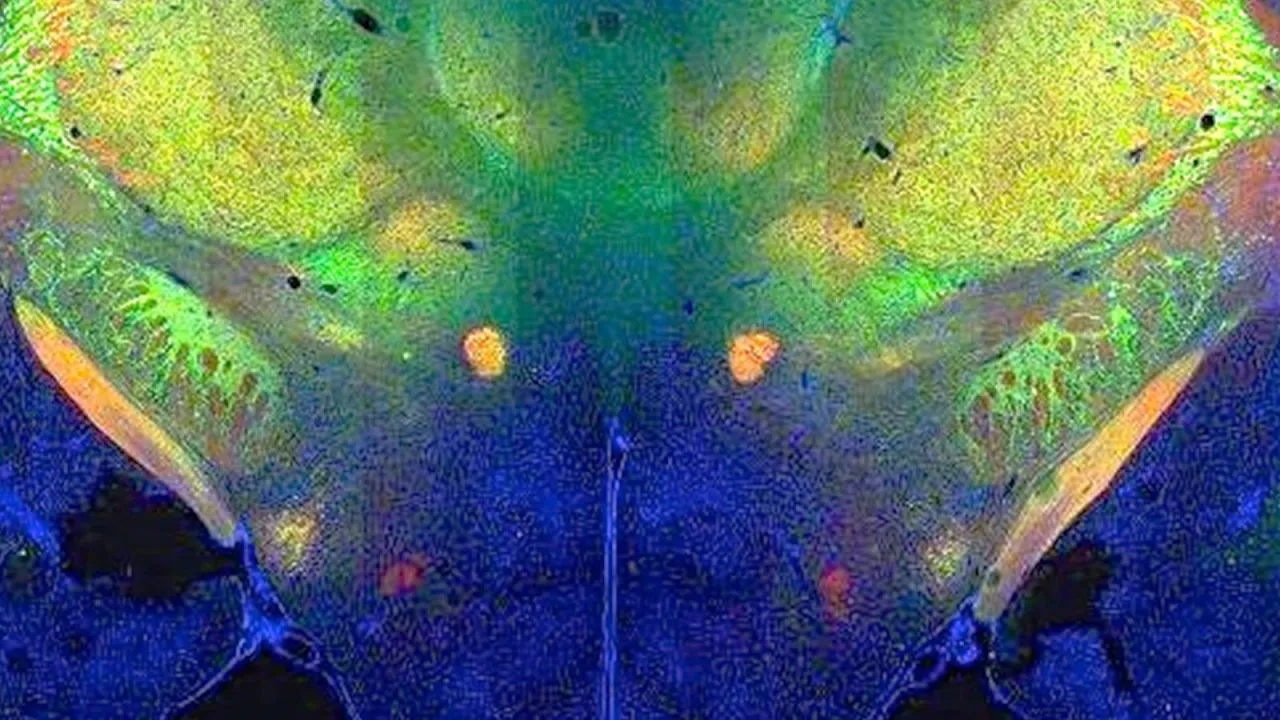
21:55
Deciphering Neural Circuits Controlling Anorexia in Mice | Richard Palmiter
@AllenInstitute
2.3K views•2011-10-10
35:44
How Your Brain Interprets the World: Neuroscience with Dr. David Berson | Huberman Lab Essentials
@hubermanlab
79K views•2025-10-16
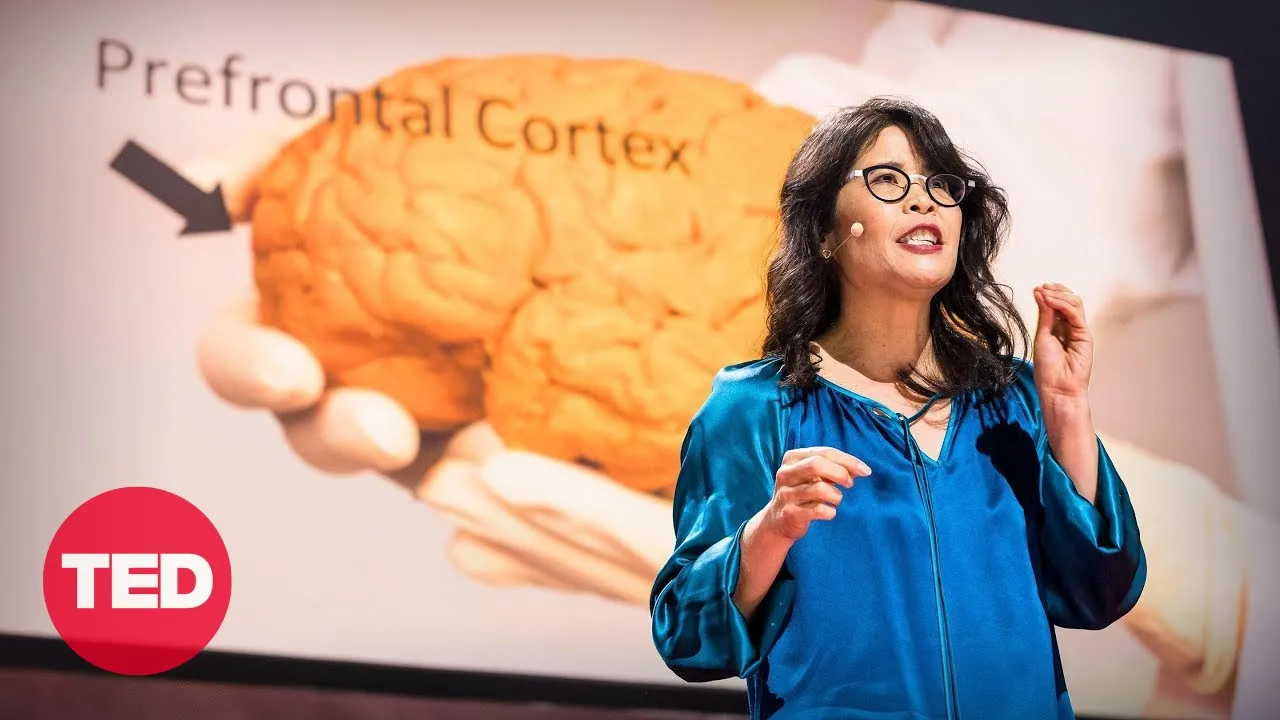
13:03
How Exercise Benefits Your Brain: Science Explained
@TED
11.4M views•2018-03-21
Related Study Plans & Knowledge Roadmaps
Structured learning paths in Neuroscience
neuroscience
Appetite Regulation: Brain Circuits & Hormones
01Foundations of Endocrinology and Brain Anatomy
02Introduction to Energy Homeostasis
03Peripheral Signals: Leptin, Ghrelin, and Insulin
+ 2 more learning modules
14h5 modules
Explore Roadmap
neuroscience
Neuroeconomics: Value, Risk & Brain Mechanisms
01Foundations of Neuroscience and Brain Anatomy
02Introduction to Neuroeconomics and Subjective Value
03Dopaminergic Prediction Errors & Reinforcement Learning
+ 3 more learning modules
18h6 modules
Explore Roadmap
neuroscience
Spatial Navigation: Cells, Grids & Brain Maps
01Foundations of Brain Anatomy and Memory
02Place Cells and Head-Direction Cells
03Grid Cells: The Brain's Coordinate System
+ 2 more learning modules
12h5 modules
Explore Roadmap
neuroscience
BCIs: Neural Decoding & Prosthetic Control
01Neuroscience Foundations: How the Brain Signals Intent
02Signal Acquisition: Recording the Brain's Activity
03Neural Decoding: Translating Brain Waves into Data
+ 2 more learning modules
25h5 modules
Explore Roadmap