










![Qué Es La Psiconeuroinmunología [ PNI ] 🧠](https://i.ytimg.com/vi_webp/9rFvPeV_JTg/maxresdefault.webp)









![Senate Community Affairs Legislation Committee [Part 2] | 03/12/2025](https://i.ytimg.com/vi/ABtZeC9oA6w/maxresdefault.jpg)
The placebo effect is a powerful psychological phenomenon where inert treatments produce real physiological improvements through expectation and belief, mediated by the brain's natural healing systems including endorphins; this effect can be harnessed ethically in healthcare by building trust, maintaining professional rituals, and using honest placebo approaches for conditions lacking effective treatments, though it cannot replace evidence-based medicine for serious diseases.
The Placebo Effect: Mechanisms, Evidence, and Ethics in Medicine
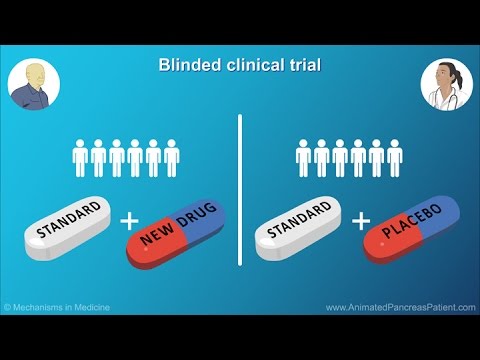
Added:Basic principles of clinical trial design, including the purpose of control groups, randomization, and blinding (single and double-blind studies).
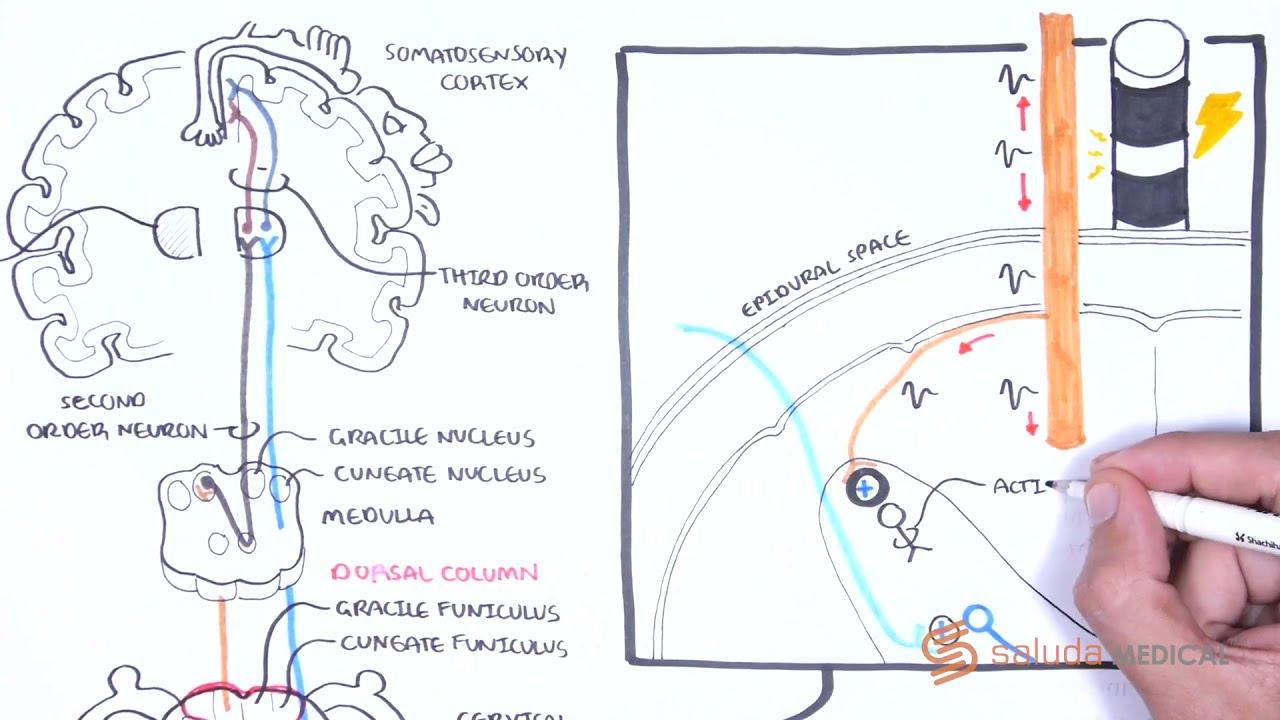
Fundamental neuroanatomy and physiology, specifically how the brain processes pain, stress, and reward pathways (such as dopamine and endorphin release).
Core concepts of medical ethics, particularly patient autonomy, informed consent, and the tension between beneficence and deception.
The distinction between subjective clinical outcomes (e.g., self-reported pain or anxiety) and objective physiological biomarkers.
The Nocebo Effect: Exploring how negative expectations and psychological distress can manifest as physical side effects and adverse symptoms.
Psychoneuroimmunology: Investigating how belief, expectation, and classical conditioning can directly modulate immune system and endocrine functions.
Clinical applications and research surrounding 'open-label' (honest) placebos, examining how and why placebos remain effective even when patients know they are taking them.
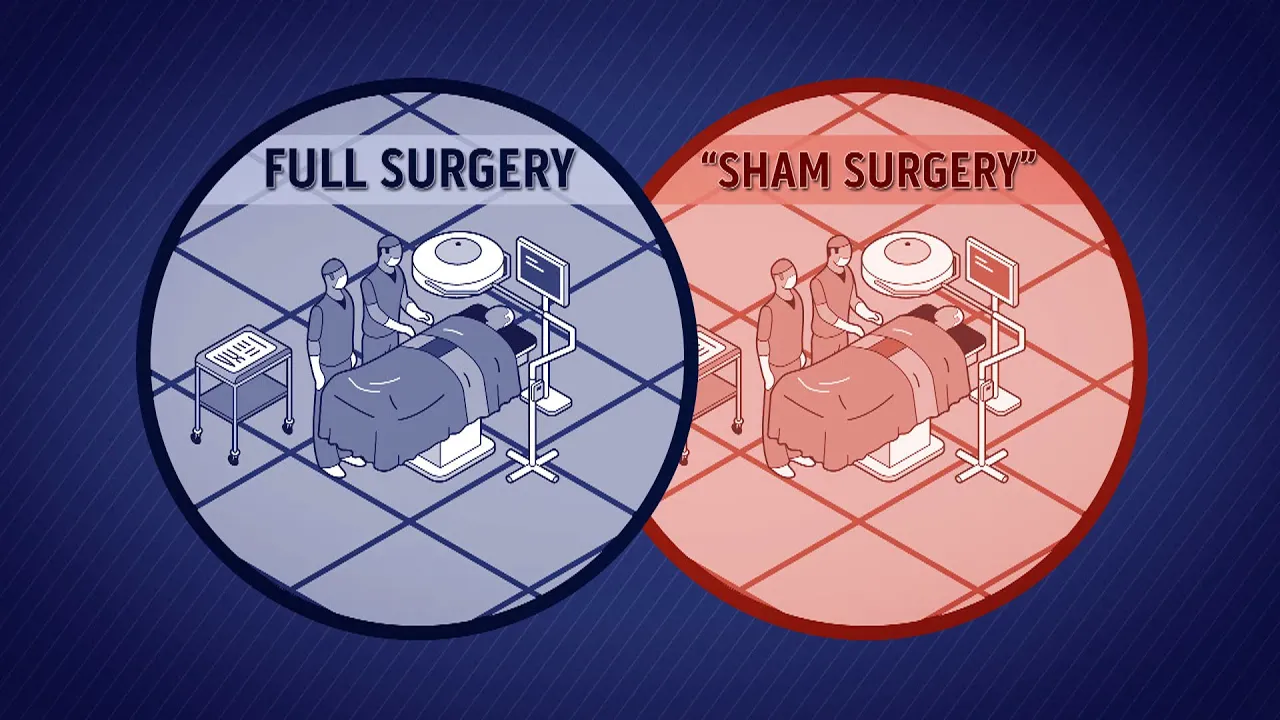
The methodology, ethical debates, and regulatory oversight involved in designing and executing sham surgery controls in surgical clinical trials.
Regulatory and policy implications, such as FDA guidelines regarding when placebo-controlled trials are ethically permissible versus when active-controlled trials are required.
289.8K views16.7Klikes1:12:42Original Release: 2023-05-25
[Music] the placebo effect well you know what that is right easy placebo effect is the effect of an inert substance the effect of something that has no effect the things that shape our mindsets which in turn activate our body's natural healing abilities except I promise you it is way more fascinating and weird than you think in fact I would say that Placebo is maybe my favorite Topic in all of medicine and I've been meaning to make this video for ages we need a we need a while the only cure is bed rest anything I give you would only be a placebo where do we get these placebos maybe there's some in this truck I'm cured I mean ouch not only will we explore the placebo effect and its evil twin but I might do something rather unexpected and pivot to becoming a life coach and Guru who's going to make some bold promises to improve your health because um I'm going to share with you that one weird trick that doctors hate me for that's not why doctors hate you I'm pretty sure it is no it's cuz they know you and you're a really using a format that I have in no way ripped from wired's YouTube channel I'm going to turn it up to 11 and explain the placebo effect in 11 levels of complexity kind of this video is sponsored at the most basic level the placebo effect is the brain adjusting how you feel when my son Falls over and hurts his knee he starts crying when I give him a kiss better and a cuddle he immediately starts smiling and runs off do I have any magical healing chemicals in my saliva no or I would have made a fortune setting up a clinic where I lick patients oh God I think I've just given a quack an idea haven't I did the kiss better actually change my son's injury in any way of course not but his perception of the pain was reduced and he carried on playing this is the placebo effect a person is given something which doesn't have any actual active healing ingredients that's a placebo but they feel better that's the placebo effect which is really the power of the [Music] Mind what's actually causing the placebo effect is expectation now because my son is a four-year-old Maniac let's not use his brain as an example of an average mature human and instead assume that you are normal it's a big assumption I know a kissy on your boo boo might not give you much of a placebo effect because you are a sensible grown-up that doesn't believe in silly things like that no no you spend £5 buying the Branded neuro oxy turbo pane double XL extreme the Doom Slayer disrespect of discomfort painkillers instead of the chemically identical generic ibuprofen or paracetamol because you swear it works better than the cheap stuff Neil degrass Tyson suddenly bursts into the pharmacy to laugh at you and says they're the same you fool before walking into a local Cinema to tell everybody watching Avatar 2 that the navi's blue pigmentation would suggest overwhelming levels of signin and he'd relentlessly postulate at people who just want to watch the damn movie telling them that Pandora and pomegranates might have chyal coloration but is Mr IM rational scienceman actually right well repeated studies show that people do derive more of a benefit if they are told a painkiller is more expensive than an identical one that they are told is cheaper if it comes in a fancy box it has a bigger effect you've probably heard little Curiosities about the placebo effect like a large white Placebo pill being more effective than a small white Placebo pill two white pills are better than one white pill a red Placebo painkiller is more effective than a blue but a blue Placebo sleeping tablet is more effective than a red except in Italian men according to one study that I read where it was the other way around possibly they claimed that most of us are excited by the sight of red so that doesn't work as a sleeping t tablet but blue invigorates Italian men as it's the color of the national football team yeah I'm not entirely sure about that one either a placebo injection or something like water is more effective a painkiller than a placebo pill and a fake surgery is more effective than an injection of water if you've never heard of fake surgery or Placebo surgery stay tuned all of this is because of expectation for example if a patient is administered a real Painkiller by a nurse in uniform coming to give them an injection they get double the effect compared to when the exact same medication is infused via a pump without their knowledge the more ritualized and apparently extreme a placebo is and the sign posting that you give at least to the recipient the more effective it can be and this includes the consultation itself but we'll come back to that later this is an example of classical conditioning we are condition to associate certain things with an improvement in our health just like Pavlov's dog was conditioned to salivate upon hearing a bell although one could argue that the real pavlovian conditioning is that every time I say Pavlov you think of a [Music] dog we anticipate that these things will cause pain relief or improve our mood or allow us to sleep better or help us Focus so our brain can actually cause those effects even though the thing itself is inactive the placebo effect is about expectation before we learn about level three I just wanted to take this opportunity to tell you that this video is brought to you by our website where I learn new skills it's called YouTube I don't know if you've heard of it I mean that there are loads of free tutorials and things there I mean actually there's there's all kinds of videos if you've heard the placebo effect being talked about in the media or online chances are you've heard it referred to in a negative way which I believe is a shame I think there are two reasons for this the first comes from medical trials where we're trying to establish if a treatment works let's say smarty Muk scientist comes to me with a new compound that her lab has created called flatx which she claims reduces uncomfortable and embarrassing gas but governmental drug Regulators aren't just going to take her company's word that her treatment works or every Health influencer with a tub of white powder that they claim enhances your brain would get official clearance and be on sale in regular shops instead of boring you with a five minute ad full of ridiculous promises before their scientific podcast where you should definitely trust whatever they say no you need to prove what your Hawking works and this is done using a placebo randomized control trials are the Cornerstone of medicine and they show us what works and what doesn't so smarty scientist needs to recruit let's say 100 people she randomly allocates each person to receive either flatx or a placebo which should look and apparently be identical but doesn't have any active ingredients people often refer to placebos as sugar pills but actually placebos can be very varied and come in different um forms as a quick aside I know from a trial that I was involved with that placebos can be extremely expensive which is kind of ironic if you're testing a new use of an old medication the actual drug might cost pennies but the placebo can be you know tens of pounds a pop anyway group a in sarim scientists trial gets flatx and group b gets the placebo neither the patients nor the doctors know who got what which is the double blind uh Part Group a report that their wind got 50% better well that's a score for smarty m she can ride that gas gravy train all the way to the windy bank but hold on Group B reported that their wind got 40% better H well the majority of flat X's observed effect was not actually a true effect I'm stopping short of saying 40% was Placebo because it wasn't and I'll explain why a bit later but it is now clear that flatx is far less impressive than had M MC scientist just given her medication to a group of people and asked if they felt better which is often the format of TV adverts for things like Beauty creams or toothpaste 62% of women reported firmer skin but we would have never known about flat Alex's deflated effect without a control group who are randomly assigned so you can't pick and choose who goes into which group and without that control group getting a placebo so the placebo effect can be regarded as problematic or talked about in a negative way because it muddies the Waters of testing new drugs but as you can see placebos are essential in research the second reason I think the placebo gets a bad rep is from people who are understandably concerned that patients are being conned by ineffective therapies they see an alternative medicine practitioner pedling something ultimately inactive let's choose raike and they dismissed the experiences of someone who felt that it helped them by saying no it didn't it was just Placebo which I think kind of misses the point yes people should not be misled that something has demonstrable objective benefit they should not mistake a transient symptomatic benefit for a change in the state of a serious underlying disease and they should not neglect important therapy something like chemotherapy to instead treat their cancer with Reiki but their subjective sense of improvement in their well-being is still real to them they have derived a placebo effect for example if someone is having chemotherapy and they find that their perception of the nausea associated with it is helped by raiki then I don't see a problem with it let's take the potentially fraudulent connotations out of the equation when you're feeling sick and your mom makes you a cup of honey and lemon or chicken soup we all know there's nothing magic contained therein but is there a more powerful Placebo than a caring family member showing their love before we get to level four I'd just like to pause for a second to warn you about your security online the internet's a dangerous place with people who want to spy on your wees steal your fishes and touch your pns which is why I would heartily recommend unplugging your modem if you take yourself off the grid entirely ideally cut the line from outside your house live off the land build a bunker arm yourself avoid seed oils eat goat testicles raise your children in a fortified room that others will later refer to as a dungeon but don't let that put you it's the only way you'll ever be safe the placebo effect is amazing and I'm hardly the first person to be entranced by it but some can get a bit carried away every Improvement that occurs after taking something that isn't inherently active is not the placebo effect there are two other important Concepts that need to be born in mind the first is simply the natural history of an illness if you come to me with a stinking cold and I tell you to squeeze oranges all over yourself and rub lemon zest into your hair soon you're going to feel a lot better if you're gullible and you've never had a cold before you'll believe that Dr francis's Citrus system may do better but of course almost all colds just get better on their own after a few days a more realistic version of this is one doctor giving somebody with a viral illness some antibiotics and the person gets better they might believe the antibiotics helped and when another doctor correctly doesn't give them antibiotics for a viral infection a year later they will think that doctor is treating them poorly people tend to attribute causality to something that they did or took but the reality is they would have just got better no matter what the great voler famously satiz this by saying the art of medicine consists of amusing the patient until nature cures the disease and before the anti-modern medicine Mafia collectively climax Vol said this in the 18th century and we have a lot more treatments since then the second concept is regression to the mean and this is slightly different and can be slightly tricky as well to understand as a term it was actually coined by another deeply questionable Francis who also taught at UCL Francis gton statistician Anthropologist polymath cousin to Charles Darwin racist and essentially the inventor of eugenic another term that he actually coined along with things like nature versus nurture but let's not digress from the meme let's think of a common problem that people tend to get from time to time something like a headache now some headaches you get are quite mild and some are moderate some are awful over the course of the year you might get 10 headaches their severity varies randomly nine times out of 10 you just put up with it but everybody has a point at which the severity of their headache is so bad they decide to see a doctor and due to catastrophic NHS underfunding you are unlucky enough to see me for your headache I'm I'm branching out into managing inferior organs and I tell you that the next time you get a headache you should take a swig of Dr francis's fantastic Feelgood formula which is actually just Maggie hot and sweet mixed with hand sanitizer now statistically the next time you get a headache after the worst one you've had so far it's highly likely to have a lower severity I.E after an outlier than next result is going to be closer to the average simply due to probability we see this for any normally distributed set of data and because people only seek medical attention when something is really bad the next time it's inevitably less severe now was that caused by Dr francis's Feelgood formula no the only thing that that might be useful for is if you have a burning desire to be the star of a chubby emu video and in addition to those two there's also things like random variability and how you're sampling data so if we revisit smarty scientist's new suppository flatx that 40% Improvement in the placebo group would be a combination of the placebo effect as well as regression to the mean and the Natural History plus maybe some sampling error so not everything can be attributed to the placebo effect something I hear again and again when talking about the placebo effect from well-meaning commenters is if it's so powerful why don't doctors just prescribe placebos especially for people who don't have a clear underlying pathology that can be treated with medication and there are quite a lot of conditions that we don't fully understand and hence don't have many effective treatments for things like chronic pain pots which is postal orthostatic tachicardia syndrome chronic fatigue syndrome irritable bowel syndrome and long covid would be a recent addition there are also many somata form manifestations of psychiatric disease I.E physical symptoms caused by mental health conditions such as depression which of course have a different root cause to organic physical pain it's very frustrating as a doctor and of course orders a magnitude more frustrating to the patient that I have nothing in my drug cabinet for these kinds of disorders so these are the perfect kinds of conditions to prescribe a placebo for you might imagine sadly these are often patients most susceptible to the promises of alternative medicine as well and because they tend to affect women more than men and women in general tend to have worse experiences with the conventional medical system perhaps this is why Wellness tends to be dominated by women but I cannot knowingly prescribe something to my patients that doesn't work however in recent years there have been some fascinating developments in Placebo research an honest Placebo trial is one where participants are told they're getting a placebo and yet they still derive benefit there's now a considerable collection of them and irritable bowel syndrome has proven to be a rich ground for the power of honest placebos one recent randomized control trial showed 69% of patients derived a clinically meaningful Improvement in their symptoms with an open label or honest Placebo and sure enough in 2021 Zebo an honest Placebo that you can buy with your own money launched the two reasons that this is so interesting are firstly for years we believe that the placebo was dependent on a deception that you only get that benefit if you think you're taking something active but that isn't necessarily the case and secondly while an honest Placebo will not have the same effect as an active drug plus the placebo effect for the aforementioned conditions things where we don't have effective active treatments this offers great promise for managing symptoms I'll explain how I personally use this towards the end of the video just before we get to level six I thought it's important to say that some of the research from this video came from books now Sam bankman freed says that he doesn't think much of books and he hasn't read any Lex fredman says he's going to read Dune and the brothers carers off in two weeks this may and I believe everything that a man with a podcast says but what I've managed to figure out so far is that books are words on pages bound together but one of the characteristics you'll notice about them is that they're silent and when I'm doing chores in the house or driving to work I want to listen to books so sign up to today for Parenthood yes I make my child read books to me while I work I get to listen to 50 Shades of Gray and he learns to read or if he doesn't he gets the hose again Superman is a cultural icon played by Legends like Christopher Eve and Henry cavl Bizarro forgotten Mario gets countless movies and games Wario gets nobody deserves that so let's not neglect the placebo evil twin nobo Placebo is lassin for I will please and nobo is I will harm the same atmology as noxious or no susception or necrotic in the past when I've talked about the NBO I tend to tell the famous story of a 26-year-old man who after arguing with his ex-girlfriend attempted to end his life by swallowing 29 capsules of an experimental drug he was part of a clinical trial that was testing a new anti-depressant when an ambulance brought him into hospital after his overdose he was sluggish shaking sweating and breathing very rapidly his blood pressure was extremely low at 80 over 40 and his pulse was high at 110 beats per minute over the course of 4 hours doctors infused 6 L of saline his blood pressure increased to 100 over 62 still pretty low but his pulse remained high at 106 but of course they were working in the dark they didn't know what drug he had ingested as the bottle just had some sort of code name on it like compound F6 2B or something but finally they found a doctor who was one of the investigators in the trial in which the man was enrolled and he revealed that the patient had been randomized to the control arm he had actually overdosed on Placebo tablets and when he was told this within a few minutes his observations normalized and he was discharged however nowadays there is a much higher profile example that I can give instead local police officer exposed to The Dangerous Drug fentanyl collapses he is knocked unconscious and it's all caught on camera you've probably seen these scary videos of police in America collapsing hyperventilating even having seizures when touching a surface with traces of fentel just entering a room that apparently contains fentel or in some cases where fenel had previously been apart from the homeopaths in the audience I suspect most people would be a little confused just how the memory of fenel being present without any actually being there could cause such dramatic symptoms but let's assume that you're a new cop who has been told about this chemical that is like a turbocharged Anthrax fentanyl is so lethal that just one molecule in the air can cause immediate loss of consciousness and possibly death or so you're told you're not a pharmacist you're not a chemist you believe the scare mongering on every police Facebook page about this terrifying substance why wouldn't you so in your mind fentanyl is like radioactive polonium the US has a very serious opiate crisis of course there is no denying that and people dying from fenel toxicity is very real but to be harmed by opiates you need to ingest them either orally by smoking them or by injecting there's no way that fenel which is a powder can be aerosolized in this way to go in the air to cause these kinds of symptoms and it simply cannot be absorbed by the skin in any meaningful way unless you literally bathe in it for a few hours and cannot cause immediate symptoms by breathing it in like this here is me and one of my colleagues mixing up some fenil without wearing respirator masks or even gloves if I spill any on my hand when administering it nothing happens I use fenil for almost all of my cases so you're not even not even wearing gloves gloves there that's uh you're not you haven't collapsed in a heap oh my gosh you're very brave what has actually happening to these police officers who to be clear I don't blame in any way is a powerful no sibo the problem is the culture of fear that's been established causing such dramatic responses it's been fueled by journalists who brainlessly cover these stories without any scientific input and quote utterly insane things like this in the Washington Post without any analysis think about this police chief Lane told Inside Edition nobody sees that on his shirt he leaves he goes home he takes off that shirt throws it in the wash his mom his wife and his girlfriend goes in the laundry touches that shirt boom they drop he goes home to his kid Dad Dad they hook him boom they drop his dog sniffs his shirt and it kills damn dog this could never end lethal laundry forever more until the Rapture or by so-called copaganda TV shows like NCIS showing somebody dying after stepping into a pool in which there was a bag of fenel now if you find this implausible because cops are tough and surely wouldn't be so physically Paralyzed by fear some kids in youal Texas might disagree furthermore if you analyze these videos police usually collapse hyperventilating in an agitated State the shaking or tonic rigidity they have is what's called pseudo seizures which is actually fairly common and they're not actually having a fit however opiate overdose causes the complete opposite physiological picture people breathe extremely slowly the cause of death is usually complete cessation of breathing they are not hyperventilating they're not agitated they might even be motionless they have pinpoint pupils police have been trained to administer Naran or loone which is an opiate blocker to those suspected of Overdose now Naran thankfully is fairly harmless so if you have no fenyl in your system it won't have much of an effect but of course the police immediately recover due to factors we've already covered their transient nobo symptoms simply wearing off and a powerful psychological Placebo reassurance is given from the Naran a more everyday manifestation of the nobo effect are side effects from medications I made a whole video about Statin and how because people are conditioned by the media or their friends that statins cause muscle pains these are commonly reported but a very elegant study which compared an inert tablet with a Statin and with no tablet at all showed that simply taking a tablet active or not can cause the no sibo effect so you see a sugar pill can have a positive or A negative effect simply based on what you expect it to do many people drop out of placebo AR arms in clinical trials saying that the medication made them feel awful even though they weren't actually getting any medication and of course we are living through an example of a treatment rolled out to millions of people at once which has been discussed more than any medical intervention in history and depending on what you read or you're told before your vaccine what your biases are this will all shape the symptomatic response that you get which raises an interesting ethical quandry if I spell out every awful side effects a medication can have to a patient before giving it to them I am literally increasing their chance of having a no sibo reaction but I can't omit important information if one in 10 people report a side effect I think everyone would agree that I I need to mention this but what about something experienced by one in a thousand people one in 10,000 people some people like to read up about a medication very understandably but manufacturers are legally required to list even extremely rare Adverse Events if they're serious so this can have a negative effect on a patient if they become concerned they might experience something awful even if the tablet is well tolerated by the vast majority of people again compare this to Alternative Medicine practitioners who rarely discuss the possible side effects of therapies that they deliver and who might exaggerate the benefits with a confidence that scientifically guided practitioners simply cannot give if I say well this medication was shown to be effective in six out of 10 people who receive received it with a small Improvement in most but a large Improvement in 10% although I can't guarantee if it's going to work for you adverse reactions that have been reported include fatigue and headache and nausea and vomiting and reliving your most cringey moment of the last 12 months versus this colonic irrigation is going to make you feel incredible it's totally safe and it's definitely going to succeed where those blinker big farmer slaves in white coats failed you've already learned that a placebo can be much more than just tablets but it could be the words a heiler uses how engaged they are the decor of their office the way they examine you but the one that gets the most incredulity whenever I've mentioned it before is the placebo effect of an operation surely inzing someone cutting them open removing or modifying something and closing them up is a physical act with real effects well yes but just like anything it also has a placebo effect and more often than you might believe that's all it offers and the thing that really blows people's minds is that we only know this by doing trials where we do fake operations which some of you when commenting on a previous video when I'd mentioned this called unethical so what the hell is a fake operation and is it really unethical let's find out and you can decide we'll start by going back in time to before anesthetic had even been invented surgery was a brutal painful thing it would be reserved for situations where if one did nothing death would almost certainly result amputating infected limbs remember there was no antibiotic back back then childbirth which had um become complicated major injury these were desperate attempts against terrible odds but most operations today aren't like that I was at Medical School the first time I heard about a sham surgery trial Making Waves back pain is the biggest single cause of lost days at work so many of us suffer terribly with back pain for middle-aged and older people that is frequently due to wear and tear of the bones or ostearthritis for years doctors performed a procedure called vertebroplasty which successfully relieved the pain it involves injecting a special cement into the spinal bone itself to prevent it having the small stress fractures that come with ostearthritis but surgeons were curious because even when the procedure went badly patients still seem to feel better so a sham trial was organized that tested vertebra plasty with a fake version the patient had all the same prep in the operating theater but instead of cement they were just injected with saline and to everyone's surprise it showed no statistical difference between the Sham and the real surgery groups the same thing was perhaps even more famously demonstrated with one of the most common operations in the world a knee arthoscopy for for many years this was the treatment of choice for a meniscal tear and yet a fake operation caused just as much pain relief as the real surgery interestingly an interview that I found with some of the trial participants who were in the Sham surgery arm who didn't get the the real procedure but remember still derived a symptomatic benefit actually felt quite empowered when they were told that they hadn't had the menisectomy which is the Shaving of the meniscus that's normally done and yet they still got better they took comfort knowing that they had healed themselves in a recent video on how mechanisms in medicine can seduce us into believing things work I talked about a similar situation which is very close to my heart well it's close to everyone's heart really because it involves cardiac stenting the little metal tubes that I put inside the arteries supplying the heart they are used to relieve narrowing and keep the artery open now when this is done in an emergency it is an incredibly effective life-saving tool with a huge treatment effect and and I spend most of my time doing heart attacks and and that kind of work but in the wider medical profession for several decades we had been doing non-emergency planned procedures to unblock coronary arteries I.E somebody gets a bit of exertional chest pain perhaps when they climb the stairs they go to a Cardiologist who does an angiogram and finds a significant narrowing in at least one coronary artery and for decades that would have been treated with a stent but after all this time it was finally tested against a sham procedure just a few years ago actually by a bunch of friends and colleagues of mine and in fact my Hospital recruited many of the patients and I've done quite a few cases in the follow-up trial so I can tell you exactly what a sham coronary stenting procedure looks like so the patient is sedated they have noise cancelling headphones playing tunes of their choice they are then randomized at the last minute to treatment or sham if treatment we just do the procedure as planned but if sham we literally pretend I will take pictures of their arteries but I won't actually do any treatment I'll pretend to take some balloons and Sten out the nurse will pretend to inflate and make some noises and we'll go through all the motions and take as much time as we would normally to give as much effect as possible that a normal procedure would offer except of course without changing anything uh in the patient Cor arteries that narrowing is still there now just take a second to acknowledge how valuable patients like this are who have proven severe narrowing in the artery supplying their heart and are willing to enroll in a study where they may not even get the normal treatment of a stent but what they did get however was tremendously diligent team of investigators following them up closely checking out up on them and adjusting their medications to get the best doses which is perhaps not reflective of normal day-to-day practice and what they showed was that optimal medical therapy and conscientious care was just as good at preventing chest pain as a stent which was very controversial especially in countries like the US where you can earn per procedure now in the UK I make the same irrespective of how many stents I put in or don't but actually I think combined with some other key trials it has been quite liberating in how I manage patients as I know that I can safely now offer different options and make a joint decision ision with the patient another beautiful example from Cardiology is the treatment of people with recurrent fainting now vasovagal Syncopy is the fancy term for fainting and that's when your heart rate and blood pressure transiently drop due to oversensitivity of the vagus nerve and you can black out for a few seconds and then everything comes back to normal and it can affect people um but it's particularly common in young women and it can be tremendously inconvenient for day-to-day life and I've got dozens of patients in my clinic with this issue because the heart slows for years people thought putting pacemakers into these patients would be helpful and you know that's not ideal particularly for young women to have a scar on your chest uh with a device underneath but it seemed to work except when doctors recruited a 100 patients with recurrent fainting gave them all pacemakers but only switched half of them on and and you guessed it there was no difference between the groups some other notable examples include going back a century to when radical mastectomy took off surgeons who let's bear in mind were almost all male back then felt that the more aggressive one could be removing breast cancer the better the more tissue you took the breast the pectoralis muscle the lymph nodes it would all reduce the likelihood of cancer coming back I mean that's just common sense and it took about 70 years until the late great Bernard Fischer showed that radical mastectomy didn't perform any better than far less aggressive approaches which preserved much more tissue we often have a bigger blind spot for surgery than tablets because surgery seems so logical and obvious something wrong cut it out or fix it but sham trials show us that our confidence can be misplaced a review of 53 studies of sham operations for all kinds of different things found that three qus of people felt better after sham surgery but and this is the kicker in half of these studies the Sham surgery was as effective as the real operation it was being compared to can you imagine that we are doing all kinds of things to patients now with the best will in the world I please note I am not alleging people are knowingly doing ineffective things indeed the reason some of these things take years to stop is because doctors fundamentally believe that they are helping people so we are doing things to patients that don't work possibly half the time now please if you've had any of these operations or any operation don't go thinking it was a mistake that's the last thing I want people to take away from this video there are caveats to every study what kind of patients they recruited who they included who they excluded the severity of the disease and all kinds of additional factors which mean that every case is different some of the comments under my last video compared masks to seat belts or parachutes saying you don't need a randomized trial for a parachute and I agree but it's very easy to convince yourself that the operation you're doing or the intervention you're giving is a parachute in reality there have been very few medical parachutes in the last 50 years there's a lot of psychology in this video isn't there now if you're anything like me ingesting too much social science gives you a torrential nose bed and really gets you feeling grumpy wumpy now at this point in the video I think I might change the music maximize the Paras social interaction and exaggerate my actually quite transient and Mild low mood to imply that it's more serious but then suggest that I felt so much better using an online therapy service which doesn't even always provide licensed therapists and has opaque data protection don't see somebody in person and and waste your time getting assessed if you think you have a major anxiety disorder or ADHD then you most certainly do monetizing mental illness has a bad reputation but actually influenc ERS and companies can come together to exploit society's desire to be more open about mental illness by convincing you to spend your money for better mental health I promise you we'll feel better after you sign I mean you you will feel better after you sign [Music] up humans have only had effective medical therapies for most things for really a blink of an eye in terms of our entire existence but people have gone to healers probably well before the Advent of recorded history so the placebo effect is clearly nothing new you know I love my history and indeed when you look into this belief in the healing properties of special stones or places or people goes back Millennia Stonehenge May well be one of the earliest examples but if you think about it why did we evolve this response if the placebo effect allows us to heal ourselves without needing an active drug why don't we just do that why don't we just heal ourselves instead of going through this rather complex process you've doubtless heard of feel-good endorphins but if you break down the word it actually derives from endogenous I.E coming from within morphine endogenous morphine endorphine our own morphine and what perhaps I think a lot of people don't realize is that many common synthetic drugs such as morphine or nicotine or dopamine medications for Parkinson's actually mimic chemicals that we already produce they hijack the pathway in order to have their effects and endorphins work on the exact same receptors that exogenous or coming from outside external morphine does so it is genuine pain relief that you get from the placebo effect but why do we need some external agent whether that's a Healer a magic drink a sacred place to access this ability that we all possess that does seem kind of stupid and the jury is out as to whether this is actually a maladaptive evolutionary response the theory goes that being a David Goggins tis butter scratch payers for the week Chad and ignoring fever or pain or nausea is actually foolish because these are normally symptoms of an underlying problem or an illness like infection which a placebo has little effect on the fever is defending against bacteria the nausea is maybe preventing us from ingesting further toxic plant and the pain is preventing us from injuring ourselves further by limiting what we do so if we just Monster our way past these unpleasant symptoms we're not giving ourselves time to heal if the liver King episode has taught us anything or at least what I hope people have taken away from it is that we can come to the wrong conclusions by imagining some mythical distant ancestor in gatherer Hunter times and extrapolating to the present so Professor Nicholas Harvey who is a psychologist and academic has an example of a more modern explanation of how Evolution might have created this system which actually brings us right back to the start of the video and my four-year-old son or let's say any child the child falls in the playground and hurts himself he cries and sits on the floor and the pain stops him from opening up the wound by immobilizing him and his cries bring help when Mom turns up and gives him a kiss and a cuddle he no longer needs to feel that pain because his mother the caregiver is now going to look after him and ensure that he's safe and not inuring himself any further the pain has less benefit now and this explains why we're able to modulate pain but of course the mother is not a placebo she is having an active role in caring for him and protecting him so the difficulty comes from understanding why something inactive can have the same effect was it an evolutionary response to allow our ancestors to deal with ill health did it have some social role there are some interesting data um in the last few years which I don't really know enough about to be perfectly honest with you to tell you whether it's convincing or not I think there are a couple of key confounders that make me a little skeptical but let's assume that the conclusion of the authors in is some of these papers is true they claim that the placebo effect seems to be getting stronger more powerful in recent years so it's possible that it's changing as civilization and our health needs change in terms of the actual biology I'll put a link to a nice short lecture below which describes the modulatory pathways involved and one standout bit that I liked was how we discovered how the placebo pain relief acts and it's mediated by the endorphins and the opiate pathway is that when a placebo was given with nxone in a trial which is that Blocker of opiates the placebo effect was almost completely nullified let's talk about sport now don't worry if the closest to you come is your Friday night D and D sesh because this could equally applied to all sorts of different Pursuits Esports acting playing the piano painting probably things like coding as well anything where at a high level you require more than just physical skill or dexterity but the ability to get in the zone own the importance of sports psychologists and the money they command has rocketed in recent years as people pay more attention to this athletes are often thought of as bizarrely superstitious with many having elaborate rituals but I would wager they're not actually any more superstitious than the rest of us in the literal sense I they don't believe in a paranormal more than a typical person instead these are all rituals that they use to create the optimum psychology and sense of physical well-being and mental well-being which you could call a placebo okay that's not a particularly novel thought I'm sure you already knew that so let's take a look into a world that is absolutely Bonkers uh which is why I'm morbidly fascinated with it which is Elite Sports coaching as we've already heard medications often have their effect by using the same Pathways as chemicals that we make ourselves such as the endorphins now let's say a coach wants their athlete to push through a pain barrier perhaps in a sport like weightlifting or gymnastics and they administer some morphine they give it to them in their arm as an injection and they perform fantastically a week later they do it again more morphine another good performance and then again on week three but on week four it's competition time and they give them a saline injection instead but they don't tell the athlete that it's not morphine they do everything else the same and they still perform better than normal because they have released their own endorphins due to the expectation effect they believe that they have received morphine even if none would actually be detected in their system with a drug test because they only look for exogenous or synthetic morphine so is that doping it's an interesting ethical question so how can Healthcare professionals use the placebo effect without deceiving patients well I'll tell you what I do but first I I need to tell you about Michael ballant who was a Hungarian psychoanalyst who came up with many ideas about the doctor patient relationship that we still use today after fighting in the first world war he came to the UK to practice and he was the son of a family doctor or a GP and spent much of his career studying GPS and proposed the idea of the doctor as a drug he said that a large part of the therapeutic effect derived from visiting the doctor is nothing to do with any medication they might give but the whole ritual the interaction and he was a great proponent of the doctor patient relationship being a long-term Mutual investment the more both parties contribute the more beneficial it'll be to both of them just think about the old-fashioned GP that's looked after every member of a family for decades like my late Uncle who was at one point voted Britain's favorite GP his regular patients only wanted to see Dr Mishra rather than anybody else that trust that comfort that they felt with him was all part of his therapeutic effect and the same goes for every beloved doctor that a patient has connected with one of my mentors was like this he looked after a highly specialized field heart transplant patients so some of them had been seeing him since they first fell ill as teenagers all the way through their lives when I was training I was allocated my own clinic and I would see the patients and everything went fine I'd say well everything looks great and we can see you again in 6 months and they'd nod and say thank you and there'd be a slight silence as if they wanted to say something and just then my mentor would walk into the room the patient's face would light up they'd jump out of their seat and say Dr paresa and he'd reply ah Mrs Smith how how are you how's your daughter has she finished University how's your dog's Cataract and they'd shoot the breeze for 30 seconds but I knew that brief interaction is all that patient needed to feel fantastic but medicine has changed in recent years the people haven't but the system and the pressures have electronic health records mean that doctors have to spend much of their consultation time clicking boxes on a computer screen losing that human interaction of just talking to a patient face to face overwhelmed practices mean patients rarely see the same doctor unless they want to wait we weeks my uncle's uh daughter my cousin is also a GP and no matter how much she would want to emulate and achieve the same things that uh her dad did there's no way you can take a history examine a patient talk about the treatment options answer their concerns and document everything in 10 minutes and that is all that is allocated in the UK for a GP to see a patient 10 minutes and while that is very tough for the GPS the real victim is the patient who has has been robbed of the doctor as a drug now you might think that I you know dunk on alternative medicine quite frequently on this channel and I certainly have been guilty of making fun but I want to be clear all of my ey is directed at those that mislead and definitely not at patience for seeking out something else with modern medicine in the state it's in who could blame anyone for looking for an alternative especially for conditions that we manage poorly or have few effective treatments for I don't know that I'll ever reach the Mastery of my uncle or my mentor but I do think about the placebo effects every day at work now obviously one of the fundamental tenants of being a doctor is that you must never lie to a patient so knowingly giving them an inactive substance and telling them that it will do something is a no no but as we talked about before everything we give has an effect from the drug or the treatment itself but a superimposed placebo effect as well and there's plenty that I can do to maximize that when I see patients I adhere to certain rituals I try to be professional I try to listen carefully I often examine them listen to their heart feel their pulse even when I may already have their heart scan results and their heart rate in front of me because it's all part of the ritual when I prescribe a medication I tell them why I explain that a large study has shown XY Z people like you will uh feel better when I don't think they need a medication I also explain why I give them reassurance when I put a stent in I always show them the before and after pictures on the screen I say whoa look at how critically narrowed it was and now look at it like a eight Lane Super Highway M I don't don't always do the chef's kiss I might say things like well we used some very expensive kit this is the most expensive stent we have when we've used it or I think you'll be back walking the dogs in no time [Music] I know I've been taking the push with these sponsor segments so here's the real one are you sick of your clatty Ash being dinged by Posh ball bags just cuz you was born on the wrong side of the coud do you wish you were a big man do you wish maybe you were a lord well here at pre-existing titles we can make that happen for just $500 you can own one of the urinals in glaz's prestigious weather spoons district and officially call yourself lord Jimmy riddle of the spoons and sorry there is a much easier way to become a lord in the British Isles just give half a million pounds to the T party and you can buy your way into real power there are some things that make me a little uncomfortable about the placebo effect if we Now understand that every aspect of the consultation has a bearing on the outcome I just spoke about conscious ways that I can try to improve that but there are some things that a doctor cannot adjust to make the patient feel more comfortable their age their sex their race and humans unfortunately come with all our own prejudices now I'm not suggesting everybody's a racist or a sexist or anything like that but you might be conditioned by Society to consider for example an older man in a white coat your stereotypical idea of a good doctor you might have had a childhood Doctor Who made an imprint on you in a positive way and anyone who de Ates from that gives you less confidence in the US doctors do still wear white coats whereas in Europe they've been mostly abandoned as an infection risk as have ties in the UK and for a period of time survey suggested that patients found a tiess white coatless doctor less professional than a formally dressed one on the other hand some years ago a survey across the UK found that people's preferred family doctor was a South Asian female doctor in her 30s because she was felt to be more caring however if they wanted a surgeon they wanted an older male ask any young female surgeon and obviously I know lots of them they will all tell you that they encounter this perception on a daily basis it must be quite a demoralizing feeling that a patient has less confidence in you before you've even opened your mouth then one considers other factors how fancy and shiny the hospital hospital is and this is why private clinics spend so much to look like high-end hotels which is all well and good but it has led to Health Care becoming dominated by money and if you treat your patients like customers this leads to perverse incentives overinvestigation over treatment people might feel like they've received better care at the shiny private Clinic than at The Hectic slightly overcrowded government Hospital even if the latter actually provided better medical care now I'm not knocking this I have worked at a high-end private Clinic as well as my usual work which is in the National Health Service and even I preferred it to the NHS hospital cuz it is so nice it's like you know wearing a designer shirt it probably was made in exactly the same burmes sweat shop as the5 shirt from Primark but it just feels better and of course when you consider alternative medicine we know that the more you charge someone the more powerful a placebo effect will be again there is an incentive to make the therapies as elaborate and ritualistic and expensive as possible furthermore it is vital you understand the placebo effects when you're considering an alternative medicine practice just because your neighbor Elizabeth felt fantastic after her juice cleanse that is zero guarantee that you will and you might retort well there is zero guarantee that a pharmaceutical agent will work on you and I agree with that in principle but clinical trials are there to tell us that if you look at a population they do work so your chances are better than with something that solely relies on a placebo effect now I promise you I'd be making a hard left turn in this video changing from some nerd science waffling boring guy to a lifestyle Guru and Coach with big promises about how you can feel better today so here it goes my interest in this I guess is twofold obviously there's my professional interest but perhaps the main reason I'm intrigued by the placebo effect is that I suffer from chronic pain I've got a deformity of my right shoulder it's internally rotated and makes me completely asymmetric my shoulder blades are quite wonky and it's caused me to have upper back pain since my teens and then I chose a profession where I wear a lead apron all day which is a smart move it's getting worse and worse and sometimes I come home from work and I just have to lie down on the floor with a tennis ball positioned in a specific spot in my back for about half an hour where I lapse In and Out Of Consciousness from that overwhelming sensation of replacing a chronic pain with a slightly different acute pain that somehow seems to offer something like relief as I mentioned before back pain is something that modern medicine is not very good for so I've seen doctors I've had many MRI scans I've had lots of physiotherapy I've had injections one physio when I was already face down on the count asked if I wanted to try acupuncture and I said sure why not let's try anything and I think anyone with chronic pain will empathize there it actually seemed to make my pain a lot worse but you know that's just an anecdote so don't read too much into it however I realized that if an NHS physio had accepted that what they were doing isn't working for me then perhaps I should look further a field as well so since then I have tried all sorts of things I haven't gone as far as KY ractic or cupping but I have been to an osteopath and every type of massage therapist you can think of I like to try to manage things at home so I've bought gizmos and devices massage guns a bed of nails um topical creams T machines massage machines special mattresses foam rollers hot packs cold packs ice baths you get the idea and I know how my mind works I try to approach any medical treatment not just for my back but for anything with a positive starting point and an open mind that this thing really has the potential to work I visualize it working I imagine the pain relief I want to milk that placebo effect for every molecule of endogenous morphine that it can offer or that I can offer myself then let's consider paracetamol which is a pretty run-ofthe-mill overthe counter everyday drug it's pretty much the only medication I take with any regularity you know every now and again so because of its true effect but also regression to the mean the placebo time those things we mentioned earlier I associate paracetamol with a tremendous sense of pain relief in my head paracetamol is a wonder drug On a par with Penicillin or oxygen I know from medical evidence that that isn't the case but it's a kind of pleasant cognitive dissonance if that isn't a complete oxymoron that I'm able to create for myself that I allow myself to have no matter what ails me I believe that a paracetamol will help well to an extent I mean if I lose my leg in an accident I'm not going to be too worried about paracetamol placebo effect but I have this strong Association in my head and most of the time for the kinds of health things I've encountered so far paracetamol does help now parasol of course is not a placebo it's got a real effect but what I'm doing is maxing out the whip cream placebo effect on top and if we consider the two things I just mentioned I've abandoned about 99% of the things that I've tried for my back but I still find paracetamol as effective as ever for something like a headache my point is is that the placebo effect can work brilliantly in the short term and maybe in the longer term for certain things but it is unlikely very unlikely to overcome a major underlying problem I've gone on record on many occasions saying that all the awful trials looking at extremely common things with tiny effect sizes like the industry that churns out trials on coffee and chocolate and wine and berries and tea and so on are pointless and I've chosen the word pointless because number one they're normally absolutely trash study designs but number two they all seem to contradict each other and yet now I realize how foolish I was they're not pointless at all now I get it let's say you like your coffee just find the study showing coffee cut cancer and made people more attractive and creative and better in bed and happier and gave them thick glossy shiny hair and made their body odor smell like roded dendrons and hoba and just completely ignore any trial that says coffee is neutral or bad because if you're already drinking the coffee you might as well maximize your placebo effect right well I'm joking of course but there is some truth to that you can rationally make a decision about what you do or what you ingest but once you've done that you can allow a little emotion and irrationality to creep in to create a positive powerful response confirmation bias about medical therapies or diets and things like that is so strong which is normally explained by our desire to be proven right and our discomfort from being proven wrong but I wonder if it's also because subconsciously we want to we're being affected by our tendency to want to maximize the placebo effect for ourselves when I read some of the testimonials for that honest Placebo that I mentioned I saw that people were using it for quite varied reasons not just pain or insomnia but for things that you wouldn't really see a doctor about normally better focus or productivity and of course that's the same phenomenon behind why some people swear by their ice baths or their perennial sunning or their earthing or daily intake of supplements meditation their morning coffee it's less about what the physical effect a certain thing offers is if any but how it makes that person feel what meaning are they infusing into the practice what Placebo effects are they attempting to create which is why I'll always point out when a therapy has no evidence in good quality trials that it works but I don't waste my time shouting at Cheryl for her juice cleanse or Dave for his Vitamin infusion sure some people might be swayed by hearing the science but I think a lot of people don't really care if something works or not in a study just if they feel better I want to be clear I am not endorsing unproven therapies and unregulated alternative medicine I am above everything a firm advocate of evidence-based medicine but I also believe that we can use the placebo effect to to a far greater extent than most of us realize in many ways this whole video is an advertisement for being an optimist but optimism alone is not enough you still need to do the basics for a healthy happy life exercise eat well sleep well you know that stuff but what I do and this is the unscientific bit that I might regret saying because it sounds quite silly it's say for example if I eat an apple I tell myself that this is the best most nutritious godamn apple in the world and then maybe have an existential crisis that an apple a day is slowly weakening me but say I every day I have a um plain salad and this does sound lowkey insane but I eat the salad I feel immediately invigorated like I've recharged my HP instantly and I know this is nonsense but I seem to be quite able to be a scientifically minded scientifically trained person and yet still hold a completely UNS scientific thought in my head within a safety net of not believing anything dangerous so I've created this these boundaries with my rational brain and then allow the irrational side out for example if you exercise visualize those Myriad positive changes taking place in your body if you take a medication tell yourself that it's going to work wonders I can't promise that it will and the placebo effect cannot cure cancer or heart disease or Dementia or anything serious underlying but there's no harm trying to give yourself the best chance to get the most out of your medication and of course if you have any medical concerns or complaints please do talk to your doctor in real life if you are tempted to try something outside of conventional proven medicine ask three questions is it safe is it reasonably priced are my expectations realistic is it safe well hopefully this one should be self-explanatory obviously people set their threshold in different places but please don't blindly trust something that you put into your body simply because somebody on the internet told you to do it do some research and I know that phrase doesn't mean a lot these days especially but I mean something just as simple as Googling it and looking for websites that aren't profiting from it so maybe are more likely to be neutral find a trustworthy Source don't just look at the first match if you are able check out the medical literature if there is any for a lot of these treatments there won't be and it is always worth talking to a doctor I'm not saying that you necessarily have to ask if they're going to recommend it or not but ask if they think there's a risk for example if you are thinking of taking a herbal remedy and you are on prescription medication you can check with a pharmacist or your doctor whether they're likely to interact secondly is it reasonably priced now I could be puritanical and say that you should only try non-evidence-based things that are free you shouldn't pay for anything that isn't evidence-based but I have myself spent money on devices and treatments to test them out however none has been more than about1 and probably most far far cheaper some things like intravenous vitamin drips might not seem that expensive but they have comically enormous markups a salon in London was selling a hydration infusion for £100 which was nothing more than a bag of Seine which costs less than2 and that's all because of sence now everyone's financial situation is different but please do not spend hundreds or thousands on something without a proven track record someone once suggested stem cell therapy to me uh for my back which I think was going to set me back something like 8 to 10,000 no thank you it's easy to call anything on sale without evidence a grift but I know that some therapists do absolutely have the best intentions at heart and believe what they're doing is helping even if it is actually ineffective and lastly are my expectations realistic does it make sense or is this based on make believe now I think this one is the key for me and perhaps the hardest for people to figure out especially those without relevant expertise is there a biologically plausible way that it'll work you can see a recent video of mine on something called a mechanistic bias for why biologically plausible is an important starting point but it should never be the final step if a patient tells me that they're treating their critically narrowed coronary arteries with iic herbs because they feel the drugs that I've suggested are poisonous and Auntie sonita said that herbs can reverse heart disease I'm going to try my best to explain evidence biology statistics to them to help them make a a good decision but if the same patient says they're going to carry on taking the drugs that I prescribed but they would rather take some natural iic herbs as well just in case they do something extra provided there's they're safe and there's no interactions I have no complaints if someone thinks that taking vitamins gives them a little extra pep that's great if they think it means they don't need to wear sunscreen when they go in the sun that's bad news then consider where do your expectations come from is it from the manufacturer's marketing Spiel is it from an Instagram post why do you want to take whatever it is or or use whatever it is if you have been in chronic pain for years and you see a testimonial from somebody online who says that they were in chronic pain for years and overnight this device relieved it does that sound realistic I feel like there might be some scientists or doctors watching a gas that I'm not staunchly opposed to unproven alternative medicine but I've seen countless patients with symptoms that cannot be well controlled by conventional medicine including people that I have seen myself who I wasn't able to help to the degree that I would like to and having ruled out organic serious pathology find some Solace or Improvement in their symptoms from what is clearly a placebo treatment and me shouting till I'm blew in the face that whatever they're using is for example a patient um I can remember was a woman with pots who was depressed and struggling with anxiety and me telling her that the reflexology that she went on to have is useless achieves nothing because from her point of view that reflexologist helped them where I couldn't besides I would argue that there's actually very little that makes it through all three of those questions unscathed what you're left with are things like you know gimmicky devices that probably won't work but aren't going to break the bank and things that I would be quite happy for patients to do you know celery shots beetroot juice cold water immersion Forest bathing sensory deprivation tanks laughing yoga music therapy healing crystals therapies involving laying on of hands as long as you're not substituting them for important Medical Treatments I think they are exactly the kinds of things that can provide powerful meaningful and honest placebos I want people to stop feeling ashamed to say that something acts like a placebo I want alternative medicine prac practitioners to stop pretending that there are data to support what they're doing stop feeling that they have to shoehorn what they do into a scientific Paradigm and instead be open about their therapies providing a valuable way for human beings to access something amazing inside ourselves something that conventional medicine often doesn't tap into our ability to modulate pain to calm ourselves to help ourselves heal the placebo effect is an example of how powerful our minds and our bodies are use it wisely now I've got some exciting news to finish as you might have guessed this video isn't actually sponsored and I've probably guaranteed that several companies are never going to sponsor me but I do want to promote something something that I am part of that I'm helping to build that I've invested in and it's going to be a major Focus for me this year nebula and nebula is where you can see exclusive content from me and from hundreds of other creators every video I release will go up on nebula first make sure you're also subscribed to my very occasional newsletter guaranteed no inbox spam I'm going to be making more videos specifically designed to have a home on nebula and there are already hundreds of originals and exclusives for you to check out if you follow the link below and sign up via my channel that shows the big boys and girls that uh you see I am also helping but the whole idea behind nebula is a way that you can watch all of this amazing content but also directly support creators whose videos you enjoy if you watch my channel uh for a while you'll probably know that I've never really been comfortable with the idea of direct donation I've never really encouraged it because I can go months and months without releasing anything but now you can think of this as a way to not only support me so any help is hugely appreciated but you can also get access to all of these other Superstars as well so go sign up at the link below and you can watch my next video weeks before it comes out on YouTube if you want to learn more about this amazing subject I've put some links including a very fun Twitter thread and a TED Talk from Ted cap chuk who is one of the leading placebo effect researchers and whose work featured heavily in this video oh this was one of the stupidest ideas I've ever had it is about 5: to 3: in the morning cuz I could only start shooting in the evening after work it's aboutus 3 outside and I'm in the garage and I couldn't half do the video because then I'd be in some crazy facial hair which I don't mind if I go to work particularly especially because you can just wear a mask a lot of the time and my colleagues know that I'm slightly odd but uh tomorrow I'm comparing or am seeing some big event at YouTube with like lots of healthc care people coming so I didn't want to look like LS from future armor or Ned Flanders or something so um I had to finish it tonight and uh look at my eyes they're all red and um now it's time for bed of course the placebo effect is just one of the Myriad topics that make up the entire field of medicine if you want to learn more about how the placebo effect Cardiology and all the less important areas of medicine fit together go check out domain of science where my friend Dom has just published a really incredible uh work which is the map of medicine it's a video looking at the whole field and if you don't know Dom's map of videos you'll love them they really are impressive uh huge undertaking so go check that out
Up Next

6:40
The Nocebo Effect: How Beliefs Can Cause Real Harm
@CGPGrey
10.4M views•2013-12-23

68:32
Cognitive Skills for Differentiated Instruction | Teacher PD
@BrainWareLearning
631 views•2017-12-17

9:55
Thinking, Fast and Slow: Daniel Kahneman Animated Book Summary
@FightMediocrity
2.3M views•2015-06-05
18:15
Why Breaking the Fourth Wall Feels So Unsettling | Psychology
@DarylTalksGames
8.6M views•2020-04-18
Related Study Plans & Knowledge Roadmaps
Structured learning paths in Psychology
psychology
Neuroscience of Creativity: Networks & Training
01Foundations of Creative Cognition
02The Cognitive Neuroscience of Insight & Fixation
03The Triple Network Model of Creativity
+ 1 more learning modules
15h4 modules
Explore Roadmap
psychology
Imposter Syndrome: Etiology & CBT Framework
01Defining the Imposter Phenomenon
02Socio-Developmental Etiologies
03CBT Fundamentals & Thought Distortions
+ 2 more learning modules
15h5 modules
Explore Roadmap
psychology
Adult ADHD: Executive Dysfunction & Scaffolding
01Neurobiology of the ADHD Brain
02The Core Triad of Executive Deficits
03Executive Dysfunction and Emotional Regulation
+ 2 more learning modules
12h5 modules
Explore Roadmap
psychology
Loneliness: Evolution, Neurobiology & CBT
01Evolutionary Origins of Human Connection and Loneliness
02The Neurobiology and Physiology of Chronic Loneliness
03Maladaptive Social Cognition: The Psychological Loop
+ 2 more learning modules
12h5 modules
Explore Roadmap