

























Posthog, an open-source product analytics platform, deliberately lowered their pricing by optimizing their session replay infrastructure and implementing a usage-based pricing model that charges less for anonymous events (55-80% cheaper) compared to identified events. This approach reflects their business philosophy of charging as little as possible while maintaining positive margins, avoiding loss leaders, and growing through word-of-mouth rather than expensive outbound sales teams. The pricing model recognizes that anonymous events (like website traffic tracking) cost less to process than identified events (which require user profile management), allowing them to offer significantly lower prices for web analytics while maintaining sustainability.
Startup Pricing Strategy: PostHog's Ethical Cost-Cutting Model
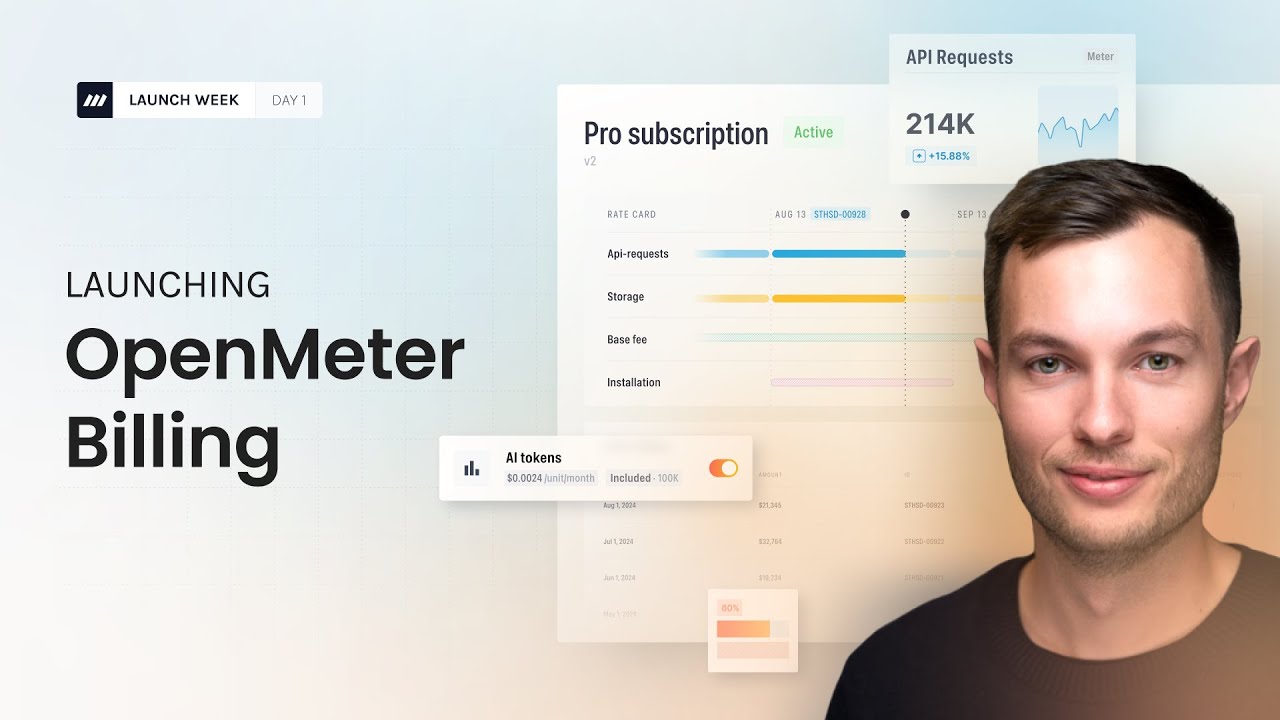
Added:most companies are trying to make more money they usually do that by trying to get more customers hiring sales teams or even increasing their prices one of my sponsors is doing the opposite though they're actually trying to make less money I know crazy but hear me out post hog is killing it I went into this video kind of excited to see what they changed I'm going to go off stream and go change a bunch of things we're doing because I I'm really impressed post hog already was the all-in-one product analytics solution I chose to use for basically everything I'm building which is why I reached out to them to try get them to sponsor the channel and now they have and now they're paying me to just nerd out about analytics stuff which is so cool and they sponsored this video so I can showcase how crazy their pricing mindset is and how cool it is that they're being fair with their awesome open- Source solution for everything you need for product analytics if you do sign up after seeing this make sure you tell them that Theo sent you or use the link in the description or in the comments when you do without further Ado let's look at why they lowered their pricing I also I I love their little graphic guy we actually have a version of him that's like Theo coded really cool stuff more companies need to have fun with their branding if you haven't seen the post hog site it's really cute it's really nice and like what other company has the balls to put this in the middle of their home page like it's almost like the antithesis of something like forell or the classic linear template that everybody's been copying for a while also of note post Hogs entirely open source and you can go join and give them a star they're at 20K it should be even more because they're the best open source product Analytics tool by a ton super cool also really fairly priced if you want to use their stuff anyways enough about why I love post hog more about why they're making less money tldr we've optimized our session replay Pipeline and infrastructure and we're passing the savings on to you by making session replay drastically cheaper especially at lower volumes and that makes them the cheapest session replay tool amongst competitive products there also a part two which we'll get to in a second so here is the cost comparison also note other channel sponsor Sentry is in here too I consider Sentry and post hog to be very different products where Sentry is trying to figure out what went wrong and why post hog is trying to figure out what went right and how often is it going right what are users doing post hog is more about the things users are doing on the service and Sentry is more about what crashed and why and I don't think session replay is a particularly big part of what Sentry is focused on versus a company like log rocket where that's literally all they do and post hog which used to be a much more expensive thing here now post hog went from being the most expensive session replay to the cheapest and buy quite a bit so if you just want to see what a user does in a session this is a great way to do it and that's this price is for 25,000 recordings so if you record 255,000 sessions so 25,000 people visiting the site and you recorded them doing that only 85 bucks the eess fees you eat on different providers might even end up being higher than that because of how much data is being transferred and you think about this annually it's a really good point annually that's $4,100 saved so if you're doing 25,000 recordings a month and you were happy paying the old price you just say four grand a year and they're making four grand a year less thankfully their growth has been enough to balance it out but it's pretty nuts that they chose to go from the most expensive to the least expensive because this is not where they want to make their money let's keep reading though there's more interesting stuff here many tools don't actually publish their pricing that's their choice but we're pretty confident it's not because they're secretly a great value how else are they going to justify those huge outbound sales teams huh that sound familiar sound a bit uh cloudy yeah Cloud flare is the worst about this they love hiding their prices like try to find how expensive it is to optimize images on cloud flare there's like seven different prices you have to factor in and then they don't tell you about two others you have to factor as well because if you want to do image optimization on cloud flare you have to run code in a worker to fetch the original image and then optimize it because if you don't write your own worker code to process it then you have to allow all domains which means anyone can optimize images through your account which is a terrifying security hole but that's just the cloud flare experience because either you don't care you do it insecurely or you do care so you do it the right way and then you end up racking up a huge bill or they rate limit you until you have to pay a huge Ransom fee and they hide all of this in the process talk all the [ __ ] you want about companies like forell at least they show you where all of the costs are almost to the point where it's more confusing cuz they show you you literally every single number breakdown of what cost you what where when and why that's what AWS does and as much as I love to [ __ ] on AWS it's one of the things they do right surprise bills at the very least can be reverse engineered because you could see exactly what caused them to happen I have no idea how much money Cloud flare is costing me right now I don't even know how much it's being used because they hide all of that data they hide all of the pricing they hide everything and it's awesome that post hog is coming out and taking a stand against it makes sense the open source compan is the one doing it as they we're saying here we're not just cheaper than replay tools designed for developers either anyone using hot jar for their website or web app can also save by switching to postt talk this is cool too hot jar we actually just talked about because I was covering an ooth exploit that was discovered on hot jar because they had a cross-site scripting attack that was possible for their Analytics tool fun but also unlike hot jar post talk actually supports session replays on mobile with their open beta for IOS and Android even react native coming soon so yeah if you're a react native person be excited because they'll have that there as well yeah pretty cool that you can do session recordings on mobile with the same project the same web app the same everything as you're doing on the web dope and yeah these prices are pretty hilarious up to 5,000 recordings is free up to 25,000 is 5X cheaper 250,000 recordings it's only 543 bucks that's crazy that is crazy so why why would they do this well they have a pricing principles page they actually sent me the whole thing which we can go through but we'll do that in a second I want to read these two points first the first point is that we should charge as little as possible while remaining margin positive we don't believe in loss leaders or squeezing customers for the maximum that they're willing to pay AKA pricing to Value their goal here isn't to be a service that loses money in some places and makes it in other places like Cloud flare or even with us with upload thing where our free tier costs us a good bit of money but our hope is that long term enough users will subscribe to the higher price tiers to offset that and it's a tough balance to find the only loss leader that they have is their free tier which they've optimized enough to be cheap enough that it's viable if you compare to other companies that I've worked with and been sponsored by like Planet scale their free tier costs them too much money to maintain and finding these balances are really hard and I know that these guys are working their asses off to do it right they also called out that the true value of post toog comes from using all of their products together we make money by onboarding customers onto more of them not maximizing the profitability of each individual tool that said they have made it very clear that I can not only use but recommend that you start with and potentially only ever use their Analytics tool and I'll be honest that's the only one of theirs that I'm using right now they have all these other things well I guess I'm using web analytics and session replay too but personally I'm not using feature Flags AB testing surveys data pipeline Warehouse or AI engineering I'm just using the product analytics I'm going to start enabling web analytics I'm curious and also the session replay which I think I think I recently turned off we weren't using it much but you don't have to use all of the things to use post hog the product analytics are so good that you can just use that and have a great time which is what I've been doing for a long time now and highly recommend people keep saying the pricing page is dope yeah that's beautiful that is yeah that's really cute as they call out here over 90% of companies use post hog for free you only have to add a card if you need more than the free tier l or the advanced features or you just want to have more projects so they're totally free you also click ridiculously cheap this this is so beautiful and they show here all the pricing is usage based here is the exact cost of every single type of thing so with analytics it costs you 0.005 cents that's hilariously cheap per event and it gets cheaper as you do more events it gets to0 9 cents once you have 250 million plus events that's insane so one divided by that you'd have to have 111,000 events to be charged a dollar 111,000 events per dollar once you get to the high tier that's crazy stuff that's unbelievable even like the base tier if we do the math for that quick 20,000 requests to spend your first dollar yeah they're they're not expensive and it's really cool to see also if you decide you don't want to pay them it's open source and you can go host it yourself there's a GitHub repo you can go spin it up connect to that URL instead with the SDK and it all just works so if you want to host it yourself and really maximize the costs you can do go do that also chat pointed out the first million events are free this is unbelievable it's it's hilarious if you compare this to something like I was a big mix panel guy back in the day I loved mix panel I personally found post hog to be the closest thing to mix panel in terms of the ux $28 a month for 10,000 events I'm sorry I'm sorry that's so painful oh God yeah and you can only have up to 20 million events monthly that's not free up 20 million that's the max you can have before you have to bump to one of these other tiers and they still charge per [ __ ] event because they like off youate all of these things do you need more help yeah you have to like when you go to buy it you have to write here so a million events which is remember a million events is free on post hog $168 a month on mix panel to 5 mil $612 a month best part is it's not usage based you have to pick the right amount and if you pick wrong you either pay them too much or even better you start losing events because your cap wasn't high enough great isn't it wonderful user experience especially because they're trying to upsell you on the annual so if you buy 10 million events on the annual plan 10 grand and it turns out you actually need a 15 million you now have to cancel and redo the whole thing and you lose any discounts you got doing the yearly plan it's people in chat saying gambling simulator yeah that's effectively how it feels I just sorry to roast the competition I know it's not what I'm supposed to do as a sponsor they did not pay me to go [ __ ] on mix panel that was not part of the plan they might even be mad about it and want me to remove it I don't care I think it's important to understand the state of this industry because they're doing this significantly better than the other options I've explored in the past so much better it's actually hilarious how much better even at this price let's say that you keep this price for that 20 million events worse it can cost you is a thousand bucks but if you start getting the cheaper price which you absolutely would 20 1 2 3 4 5 6 times that 590 bucks that is significantly cheaper that is hilariously cheaper don't even consider mix panel at this point it's sad and like yes on page shill you should go Fairly explore the other options but I have spent more on mix panel than post hog has paid me to be very clear I'm still in the negative for analytics providers anyways the whole loss leader thing is important by the way loss leaders are bad for customers and companies nobody enjoys a surprise price increase when a company decides it wants to make money now or seeing products get Sunset because they're not sustainable anymore we believe in products that are both cheap and sustainable we can do this because we're efficient we're self- serve and we don't do outbound sales the closest thing they do to outbound is me here right now they never had paid an influencer they never sponsored anything I reached out to post hog because they were the best option I could have went and taken way more money from another brand that I didn't like as much but my goal with the core T3 deploy partner sponsors was things that I knew I trusted and I could recommend to you as the end user knowing that I've had a great experience shipping them post hog was what I chose to ship I hit them up we talked a bunch and we figured out what a sponsored deal could look like because both of us were new to this at the time this is why I love them though they don't want to waste all of their money doing these crazy things to see other companies doing they just want to be a simple FOC Fair option and the closest thing they've ever done to some sketchy marketing thing is pay me if anything you could give them [ __ ] for that cuz it's the closest thing they've done to not just being the simple obvious choice but if you do want to use them and you want my next renewal to go a bit easier they sure you go to po.com Theo because then they know I sent you there's no discounts or anything we haven't figured any of that out yet but at the very least they'll know I sent you links in the description in the top comment if you're looking for it also I love I love their writing style here and this is just part one yes what's coming next part two when next week it's out now we'll read that in a sec so what should you do now figure out how to spend the money that you've saved here are some suggestions donate to the hearts and middle sex Wildlife trust in the UK where the Hedgehog population has sadly Fallen by 50% in over the last 20 years Max our Hedgehog and residents would appreciate it they're so cute and round and lactose intolerant that's great you could also buy something from their merch store oh God their merch is actually really cool like unironically some of the coolest company merch my other home's a data warehouse great shirt I have a hoodie from them that I actually love it's so comfy it's so comfy iHeart product for engineers love it so good signed founder photo legibility not guaranteed these guys are the the goofiest dudes too I love them so much if you have the opportunity to like listen to anything that they have to say or just see them at an event do it they're so entertaining they're just like British goofballs that love what they're doing I actually don't know what the part two is I haven't had a chance to read this one at all yet so we get to discover this together so we decided to make less money part two let me keep killing you guys want to know my biggest complaint about post hog Honestly by far my biggest issue with them their blog is covered with things that get in the way when I want to make videos about it I just have to delete things off the page I'm going to annoy them and they'll fix it they might even see it in the video and fix it but but yeah if you go to the Post talk blog and it looks less like there's a bunch going on I've had my impact last week they slashed the cost of session replay today we're announcing part two a change to our pricing that makes tracking events for anonymous users 80% cheaper okay okay now we're talking now we're talking we'll see a 30% decline in product analytics revenue from this change but it will unlock several new use cases such as web analytics at a massive scale as well as tracking high volume backend events that were previously prohibitively expensive this is a really important thing if you're not deeply involved in analytics providers like someone like myself is you probably don't know that many of them Bill based on the number of user identifiers that they have so if I go to your site and I'm not signed in they don't really know who I am so a unique identifier is created to represent that session if I then sign in a new session is created so you're effectively being double built but now if I'm a scraper and I'm just reading the site and quickly running the code to see what's on it you're getting build a ton for all the events being fired by those scrapers even though they never sign in so what's the solution the solution I and many others have chosen is to not run any of these product analytics tools until you have signed in the recommendation I made for a long time is to use a service like plausible plausible is another open source analytics provider this one's built in Elixir which I personally love but the difference with plausible is that their focus isn't product analytics it's not seeing what users are doing how many users hit these thresholds like with something like up upload thing which is if you guys don't know the upload file managing service that we built for fullstack devs to make file uploading significantly easier and better really proud of what we have with upload thing but if you want to know how many users have uploaded this number of files you it's hard to get that information if you use anything like posible if you use something like post hog you can tag the events with the user IDs and then filter user IDs that have had this event happen enough times with plausible there is no concept of a user or an identifier all they track is traffic so if you just want to see how many visits your blog is getting or how many times people go to your homepage and where they come from plausible has been a good solution for that but if you wanted to see what they actually do what buttons they click what features they're using all of that plausible did not work also their pricings fine it's not great I'm spending quite a bit of money on them now just I'm too lazy to move things over not the cheapest thing in the world but it's good it's open source it's been easy recommend for a while I think post hog took that personally though because they're going after that now by focusing on Anonymous users and making them cheaper they're making it so I don't feel like I have to restrict post talk until you've signed in because right now post talk doesn't trigger on upload thing until you've signed in we just use plausible on the homepage I might go change that after stream now like no front they're not paying me to say any specific thing they just pay me to talk about this in general and get my thoughts my thought is I'm going to go make a bunch of changes to a bunch of my services so take that as you will so what's changing until now we charge the same for all events that we ingested and again this was the problem because somebody scraping my homepage is not as valuable as somebody uploading a file using my service and if those are priced the same I'm just going to kill the first one and they know that and they're changing that as they said this is standard practice among product analytics tools because again product analytics and web analytics are very different tools like mix panel amplitude and Heap all charge customers the same for each tracked user session or event regardless of the cost to them but they're changing this now by splitting the product analytics pricing into two different event types is identified events which was the default for logged in users which includes custom data like the user's name email address ID ways to identify specific users so you can identify specific behaviors as they say here identified events let you create user specific insights and cohorts based on person properties these will continue to cost the same so again if you want to see how many users upload this file type that's what this is for if you just want to see how many users go to the homepage and navigate it Anonymous events are good for that events that only include non-identifying data like referral data such as utm's domains like where did they come from did they click a YouTube link did they click a Twitter link how' they get here as well as things like device type and basic location information so all of that will be included still but nothing about who the user is not their email address not their IDs none of that Anonymous events are between 55 and 80% cheaper for most of our customers now and these will soon become the default event that's really exciting making it the default event is going to hurt their revenue even more but good on them the balls to do that is in reality if you're tracking both Anonymous traffic like website visitors and identified users like login customers you'll likely use a mix of both event types we've updated our pricing calculator to help you better estimate your exact usage and potential savings yeah insane this means website owners who send 10 million events per month would pay just $324 per month if they switched to only sending Anonymous events saving $9,000 per year in the process so when should you use anonymous events should you them for things for tracking users who aren't logged in for use cases where you just need the behavior so visitors to your site marketing site specifically Shoppers on an e-commerce site where you don't need to know every detail about what users are doing in fact if you're well implemented enough you might have built your own system for doing product recommendations that you're tracking yourself not through a product Analytics tool so what you want from the analytics isn't necessarily what specific product did a person visit what you're looking for is what UI are they navigating and what buttons are people pressing or not pressing make a lot of sense to have that be anonymous also logged out users of mobile apps if somebody's in an app and they're not signed in getting product analytics from them seeing how they're using the app can be really cool tracking API in backend events oh that's actually killer for us that's killer that's going to save us so much money oh [ __ ] okay I'm even more excited now events generated by llms and error monitoring yeah yeah this is great but if you're mostly tracking logged in users you should continue to do so absolutely so why are Anonymous events cheaper they're explain like five version is that they cost less to in just in process and now they're going to pass the savings on to us so here's a slightly longer version I'm actually curious when you call Post hog. identify or you capture an event from an identified user we have to do a bunch of processing to create update and merge person profiles in our back end actually one of the cool things if you have a user that has like two different accounts but they both are using the same email address post Hogs identify function will link those together correctly which is really cool if they sign in a mobile and web differently stuff like that but I'm sure it takes a lot of work on their end yeah they store that data in postgress which is separate from their events table in Click house we are familiar with click house it's a SQL compatible large data store solution that post hog is largely built on top of so postgress is being used for getting that user data CU it's way faster click house is not fast for querying but it can handle gigantic queries much better but since they have to bounce between postgress and click house this ends up becoming expensive for them to run it's the most expensive and complex part of their inest pipeline which makes a lot of sense with Anonymous events they can entirely rely on the cheaper faster click house tables for example we use a session table to capture session properties such as the referring domain as well as the URLs visited this lets us charge you much less for those events saving you money and enabling many use cases that would have otherwise been cost prohibitive before but why are you deliberately making less money I I love these like they're just blunt and Goofy like like all of their stuff just reads with this slightly sarcastic but very realistic British tone it reminds me of like a rich ha from the spelt World it just it's great I would God I would kill to watch James from post hog and Rich Harris have a podcast or just like an interview together that' be so entertaining I'll I'll work to make that happen but as they said here they're deliberately making less money because it's the right thing to do for both our users and for our business most of our competitors are inefficient they employ huge outbound sales teams to grow their revenue their salaries and commissions for closing deals are passed on to their customers through higher prices I can tell you the amount of inbound I have gotten from different analytics providers desperate to get us on the platform very real problem and the price reflects because there's like hundreds of people at each of these companies who do it they have to charge enough to pay their salaries in contrast post hog is 100% inbound they grow mostly through word of mouth and hopefully through you hearing about them through this video and they charge based on the actual usage we don't believe in loss leaders so we make a modest positive margin on each event sold what we charge is directly connected to what it costs us not what we think we can get away with charging we grow our Revenue through helping you grow as well as onboarding you onto other tools like session replay feature flags and surveys we think this is better than trying to squeeze you for every scent you have you have a great experience and we'll enjoy better retention as well as Word of Mouth for doing the right thing oh boy apparently there's a part three coming I'll be sure to cover that when it happens and a great important last question would you rather fight one hor siiz Hedgehog or 100 Hedgehog siiz horses and if you know anything about post hog you know that they would never fight a h Hedgehog great stuff this is awesome I went in excited but this is even cooler than I expected it to be if you want to learn more about how post talk thinks about pricing and cost stuff they have a bunch of articles about it they have this pricing principles doc which is how they think about pricing I actually want to read a bit of this here use post for free if their hobby is or pre-product Market fit experience the product before paying for it start paying when they're ready on their own with as few hurdles as possible transparently pay for the value that they receive so usage pricing and paying for product so they only pay for what they're actually using again if you're only using a subset of post Hogs features in products you should only pay for the things you're using I know a lot of services make you subscribe to a crazy Enterprise tier for hundreds of features when you only need two of them they will never do that which is awesome and of course making a no-brainer to pick them over other competitors it is genuinely hard for me to think of reasons to use alternatives to post hog at this point I had an example earlier with plausible and they've even killed that so here we are yeah you can check this out I'll leave all these links in the description they have a page on how they make money what their actual margins and such look like as well as this great article enduringly low prices we want our customers to spend their money on their engineering team not on buying 10 software products that felt like a personal dig but I get it yeah great stuff let me know what you guys think in the comments thus far post hog has been possibly the most positively received sponsor I've worked with and I'm curious if you guys have used him too let me know in the comments what you think about post hog and what you're using if you haven't tried them yet until next time peace nerds
Up Next

The Psychology of Tiered Pricing: Why Options Boost Revenue
@DanLok
49K views•2024-10-31

Web3 Social Decentralization: Farcaster Co-Founder on Crypto Social Networks
@levychain
1.5K views•2022-10-18

Decoy Effect: How Pricing Psychology Influences Consumer Spending
@bobinvestsUS
90K views•2026-01-05

The Planned Obsolescence of Light Bulbs and Tech
@veritasium
25.3M views•2021-03-26
Related Study Plans & Knowledge Roadmaps
Structured learning paths in Business