















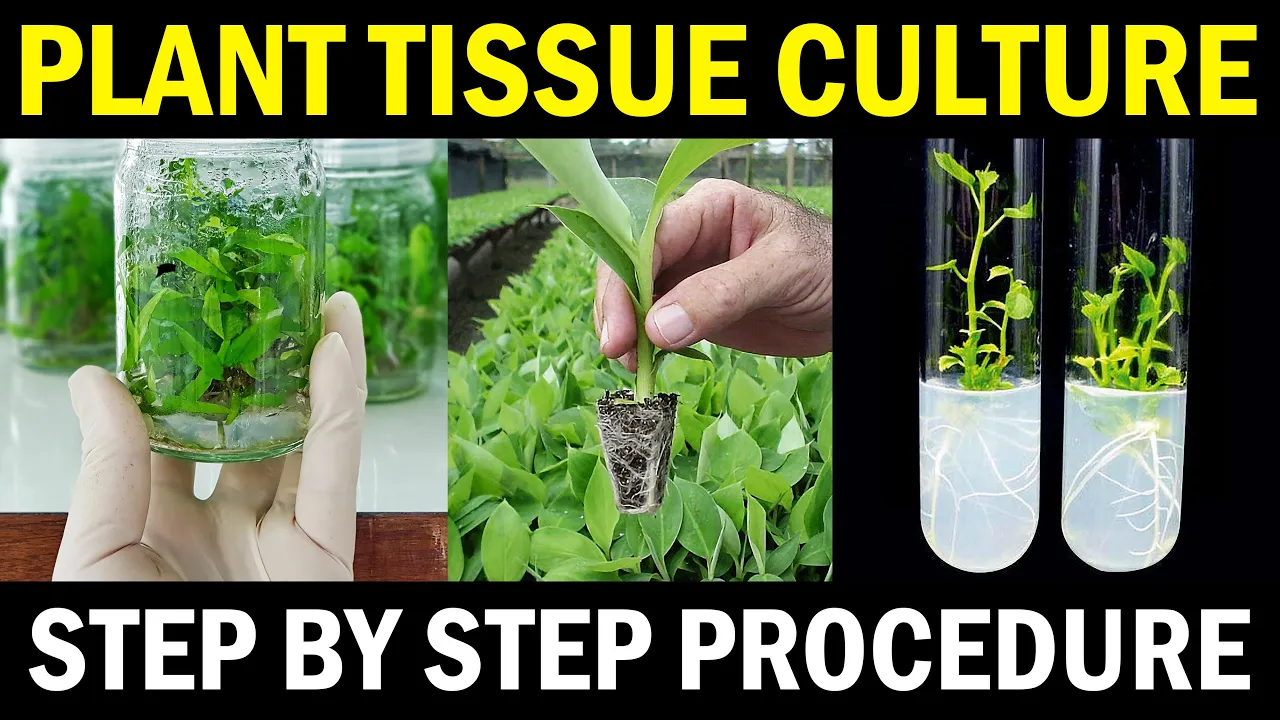




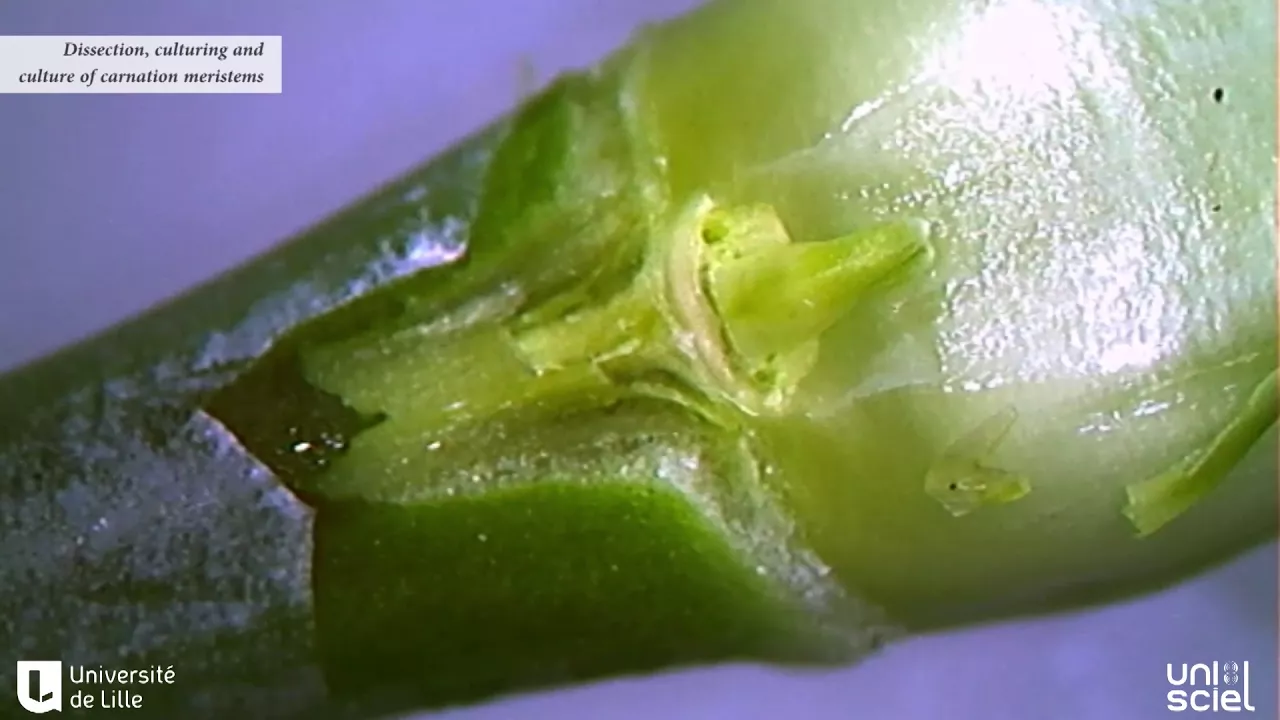

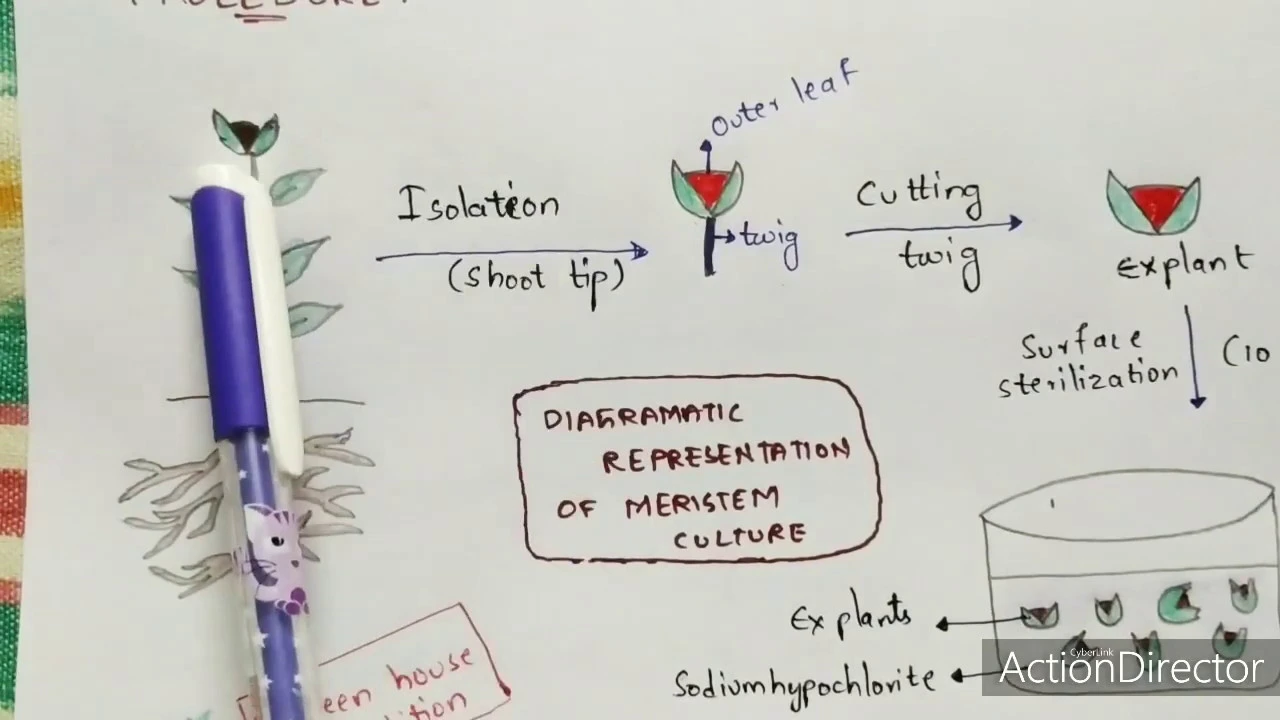
Successful aseptic transfer of plant material in tissue culture requires maintaining a sterile work environment using laminar flow units or transfer cabinets, practicing proper personal hygiene (wearing gloves, washing hands, removing jewelry), working efficiently with minimal movements, and regularly monitoring cultures for contamination (bacterial appears slimy while fungal appears fuzzy).
Aseptic Transfer Technique for Plant Tissue Culture | Lab Protocol
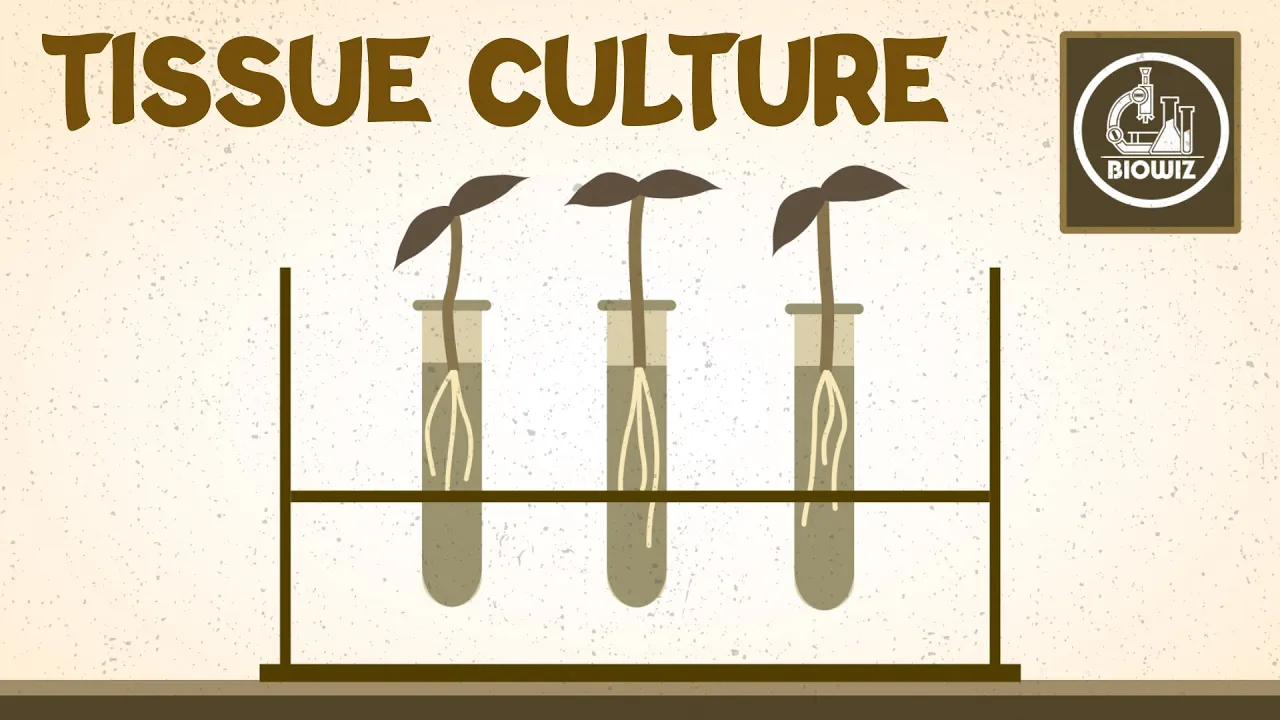
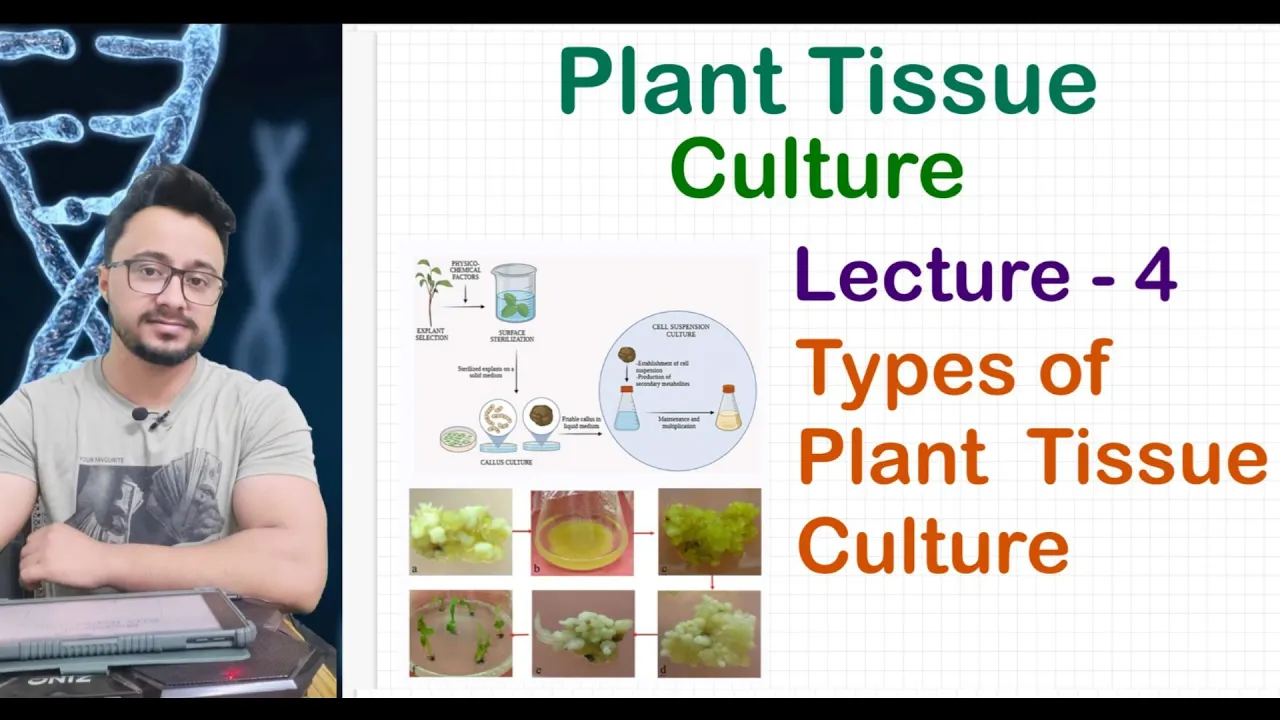
Added:Basic concepts of plant cell biology and totipotency, specifically how isolated plant tissues (explants) can regenerate into whole plants.
The fundamentals of microbiology and contamination, including how common airborne microbes (bacteria, fungi, and spores) thrive in nutrient-rich environments.
Standard laboratory safety protocols and familiarity with basic sterilization tools, such as autoclaves, ethanol solutions, and flame sterilizers.
The general composition and purpose of plant tissue culture media, such as Murashige and Skoog (MS) medium, and why it must remain sterile.
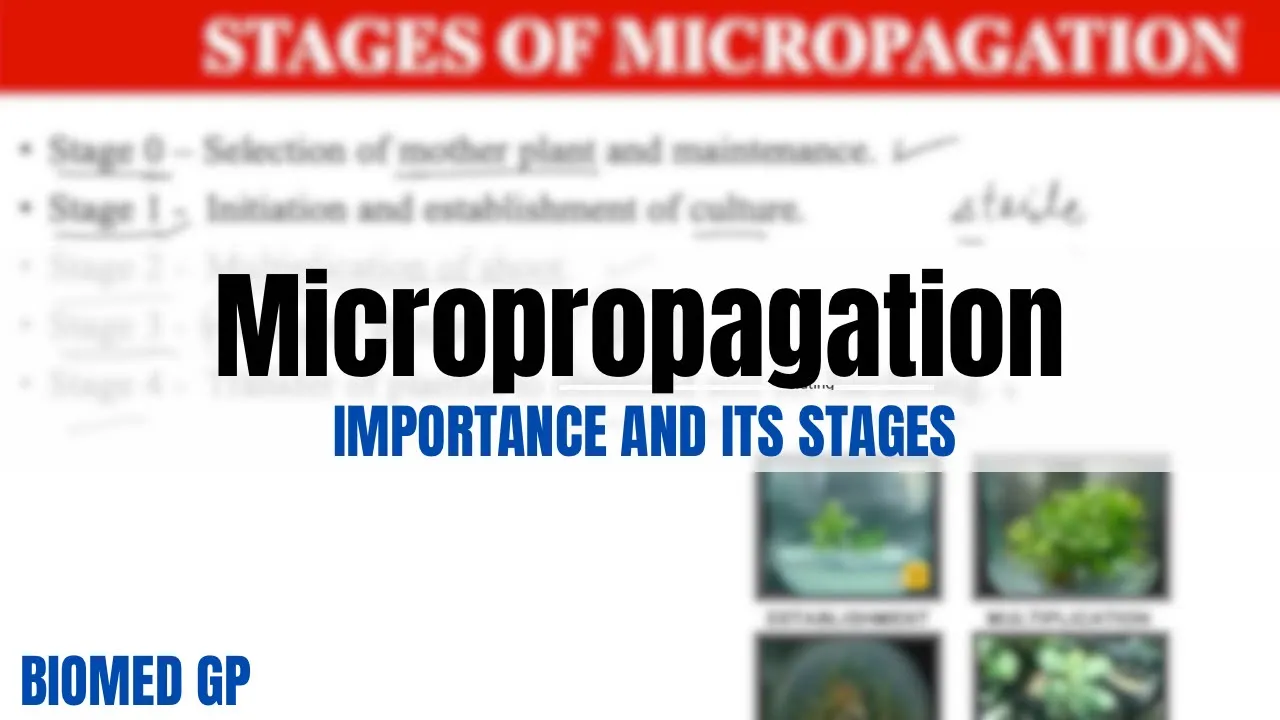
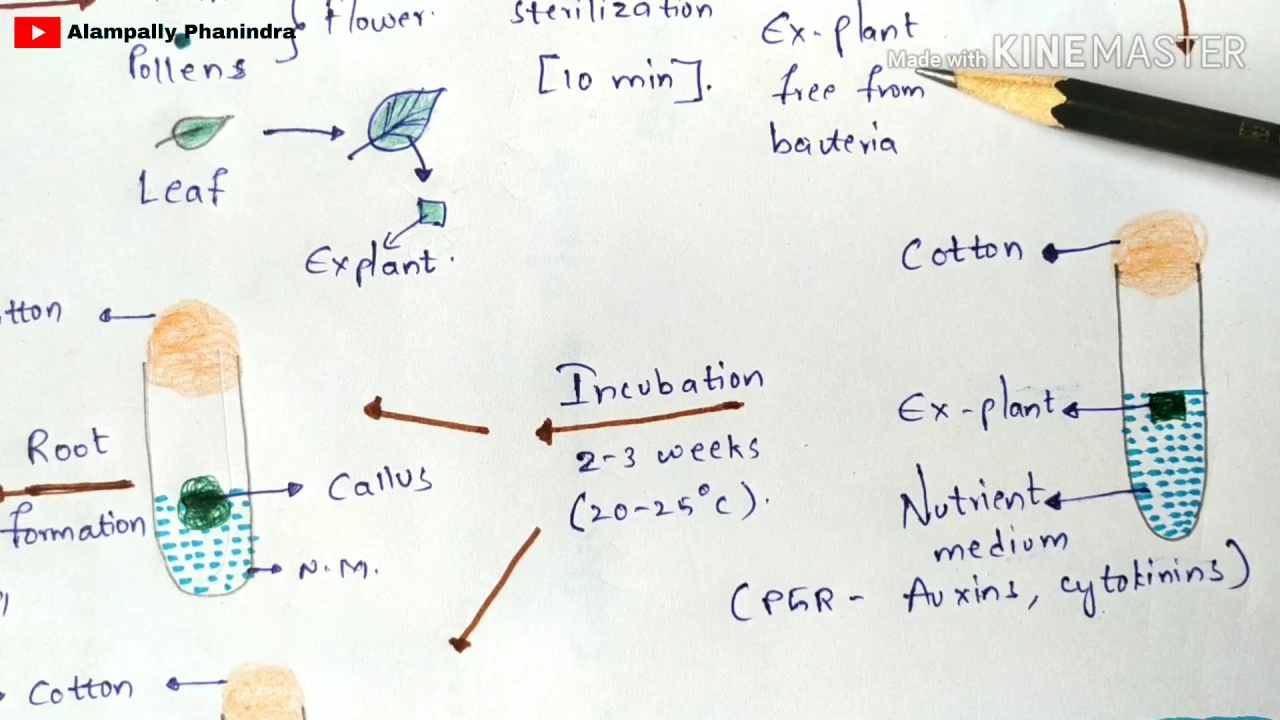
The sequential stages of micropropagation, specifically transitioning cultures from initiation (Stage I) to multiplication (Stage II) and rooting (Stage III).
The role and precise manipulation of plant growth regulators (auxins and cytokinins) to induce shoot or root development in vitro.
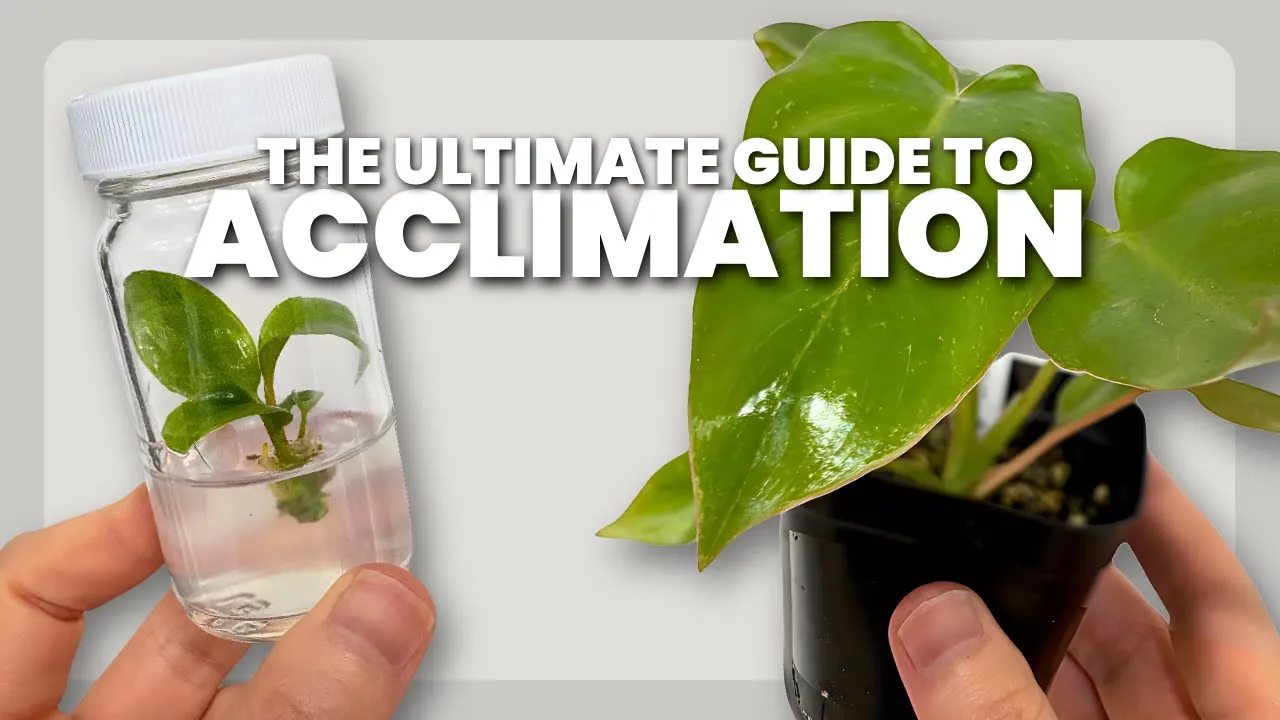
Techniques for acclimating (hardening off) tissue-cultured plantlets from high-humidity in vitro environments to greenhouse or soil conditions.
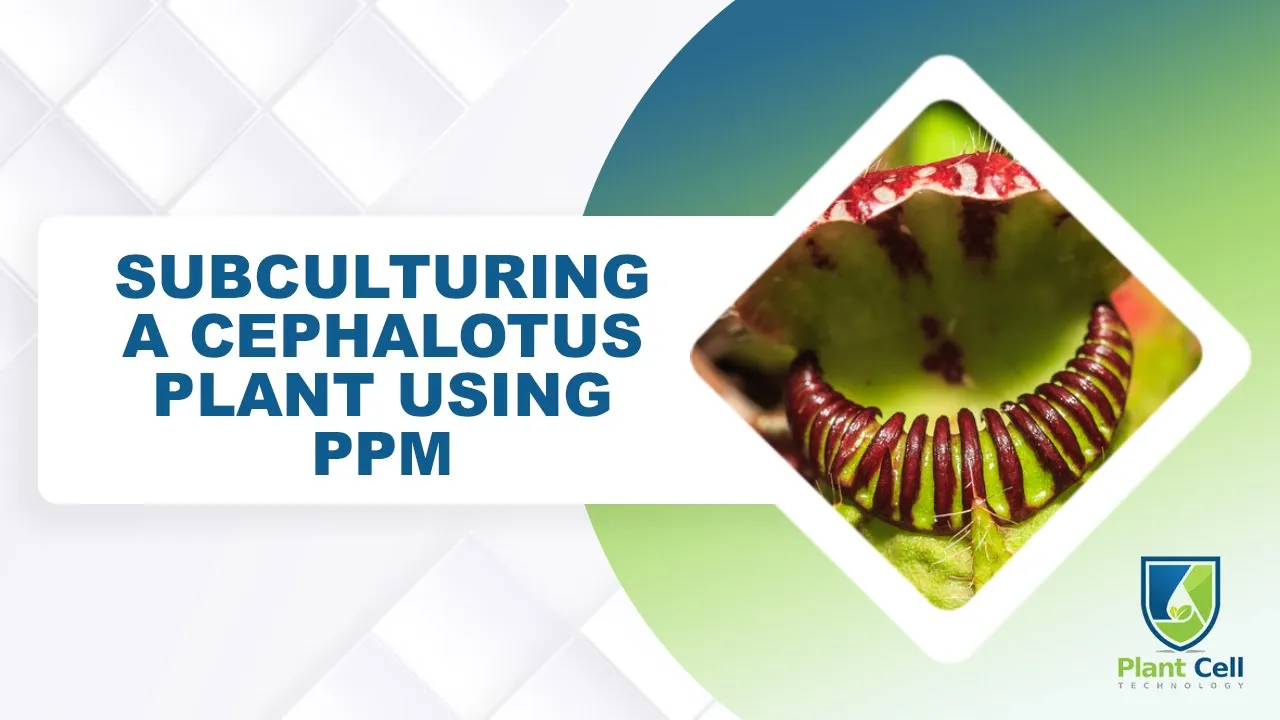
Troubleshooting contamination issues, including identifying latent internal pathogens and utilizing systemic antimicrobials like Plant Preservative Mixture (PPM).
Advanced biotechnology applications that rely on aseptic technique, such as meristem culture for virus elimination or Agrobacterium-mediated genetic transformation.
61.5K views421likes6:28Original Release: 2010-04-09
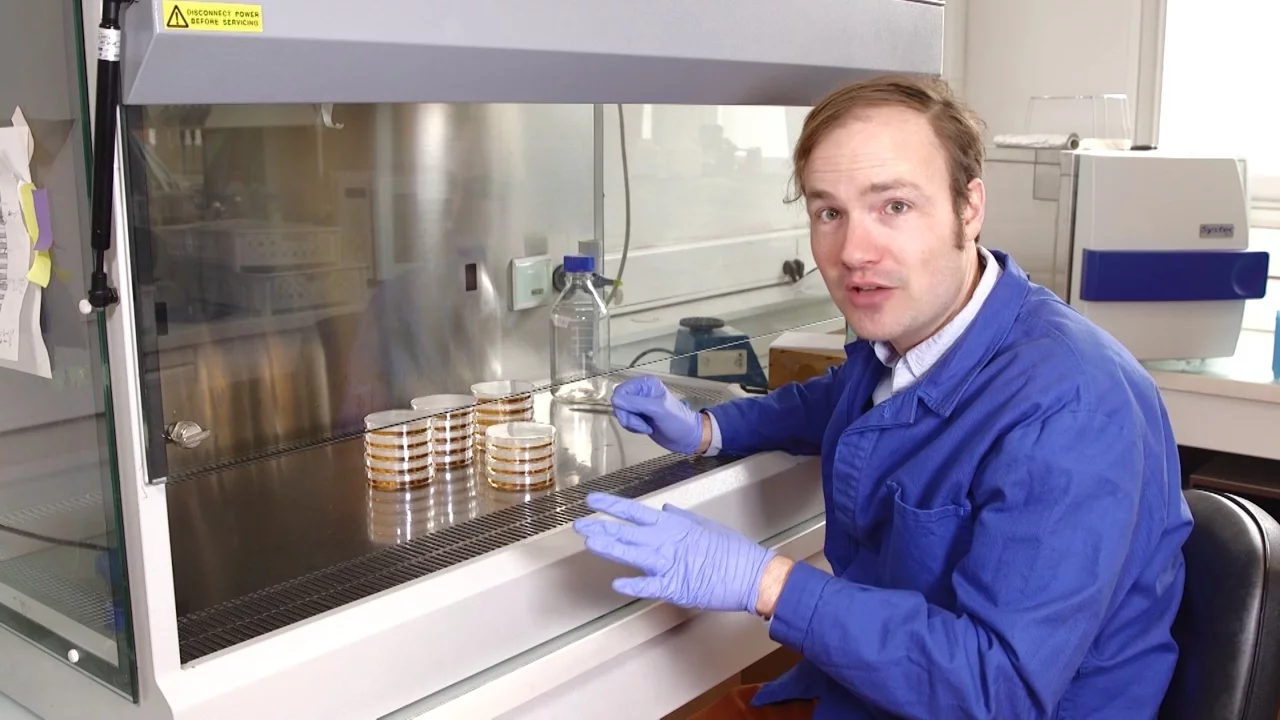
[Music] The purpose of this video is to demonstrate proper techniques for making aseptic transfer of plant material.
Successful control of contamination depends largely upon the operator's techniques in aseptic culture. In plant tissue culture, small pieces of plant tissue are placed on or in a medium rich in nutrients and sugar.
If bacteria or fungi come in contact with the plant tissue or the medium, the culture becomes contaminated. The contaminants, bacteria and fungi, will use nutrients from the medium and quickly multiply and overwhelm the culture. Pathogenic contaminants will also destroy the plant tissue. Our aim is to surface sterilize the plant tissue and put it on a sterile growth medium without any bacteria or fungi getting on the plant or medium. This is not easy because bacteria and fungal spores are in the air, on us, in us, and under us.
When you see sunlight shining in a window, you can from certain angles see dust particles in the air. There are hundreds of bacteria attached to each dust particle.
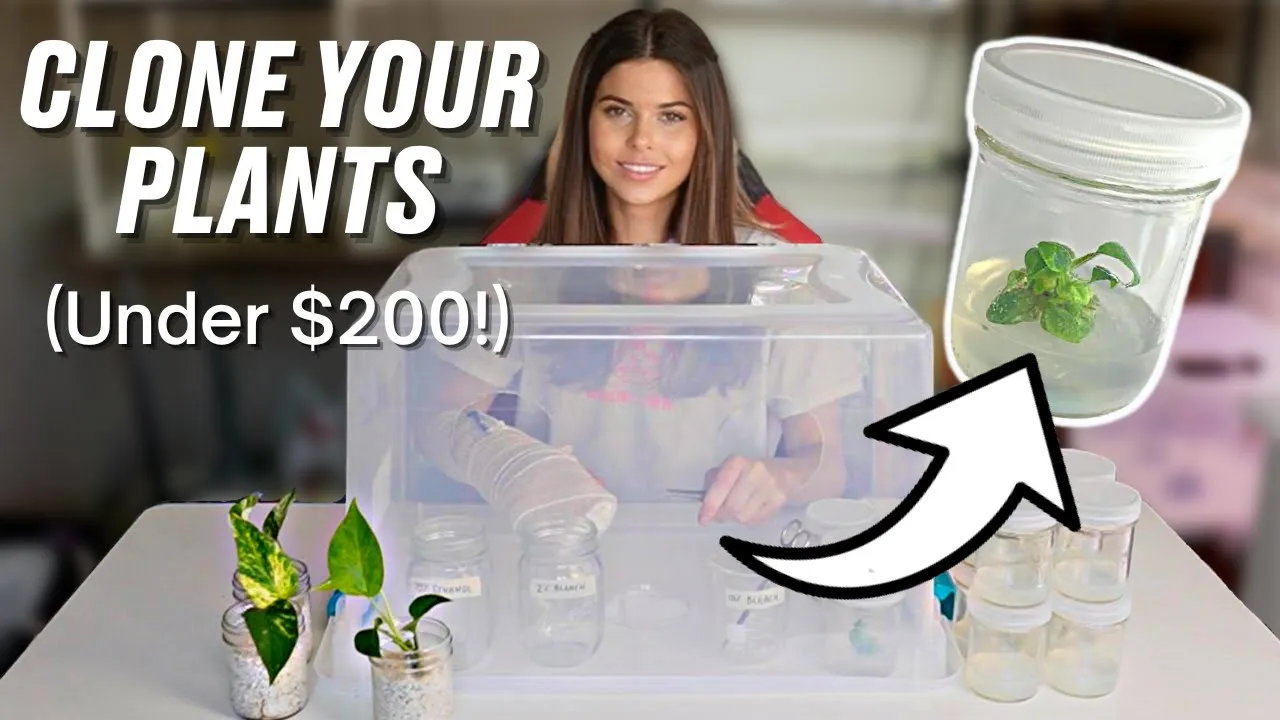
A horizontal laminar flow unit is designed to remove the particles from the air. Room air is pulled into the top or bottom of the unit and pushed through a high efficiency particulate air or HEPA filter with a uniform velocity of 90 ft per minute across the work surface. The air is filtered by the HEPA filter so nothing larger than 0.2 micrometers can pass through. This renders the air sterile. The flow of air from the unit prevents fungal spores or bacteria from entering. All items going inside the unit should be sterile or sprayed with alcohol. If you cannot afford a laminar flow hood, a transfer cabinet can easily be built providing an enclosed environment that is not sterile but can be sterilized. A cardboard box lined with aluminum foil or plastic or a well-cleaned aquarium provides a shield to reduce contamination. A box that is 20 to 24 in wide, 20 to 24 in high, and 12 to 16 in deep provides a good work area. Working inside any of these does not guarantee success. You should always be aware of potential sources of contamination such as dust, hair, hands, and clothes. All jewelry should be removed, hands washed, sleeves rolled up, and long hair tied back. Hands should be washed, not scrubbed. Scrubbing dries hands and creates flakes of skin that have bacteria and sprayed with 70% ethyl or isopropyl alcohol or coated with isopropyl alcohol gel. Gloves and masks provide extra protection. Do not lean over the work area. Keep your back against the back rest of your chair. Try to work with your arms straight. This position may feel awkward, but it will reduce contamination. Talking or sneezing while culture material is exposed can also lead to contamination.
[Music] Do not pass non-sterile items over sterile areas or items. Reach around rather than over. Make your movements smooth so that you do not disturb the air more than is necessary. Work quickly, though. The longer it takes to manipulate the tissues, the greater the chance of contamination. Have only the necessary items in the sterile work area. Remove items that are no longer needed as quickly as possible. Think about each step before beginning so that you understand what you are about to do. Turn on your hood. Spray or wipe down the hood and transfer areas with 70% alcohol approximately 30 minutes before starting to make transfers. A sterile work surface is needed on which to place the sterile tissue to trim it. A sterile petri dish is a convenient surface upon which to work. Glass petri dishes can be autoclaved and reused.
[Music] pre-sterilized plastic dishes are used in discarded. Spray the bag of dishes with 70% alcohol before you open it and place the desired number of unopened dishes at each station. Each dish has two sterile surfaces, the inside top and inside bottom. When transferring plant parts from one container to another, do not touch the inside edges of either vessel. By observing where contamination arises in a culture vessel, you may be able to determine the source of the contaminant. Check cultures every 3 to 5 days for contamination. Slimy areas mean bacterial contamination, while fuzzy areas are due to fungal contamination.
Do not open containers that are contaminated. The contaminants could be harmful.
The only safe way to dispose of these is to autoclave or pressure cook them for 15 minutes at 15 PSI. Contaminated plastic dishes can be placed inside a large can or autoclavable bag to be sterilized before discarding. To recap, one, always spray or wipe down the transfer area approximately 30 minutes prior to work.
Two, always keep your face and head away from the cultures you are transferring.
Remember that most contaminants are introduced through poor technique. Three, work with your hands in front of you. Avoid talking with others around you when making sterile transfers. Four, use a glass bead sterilizer or alcohol lamp to flame your transfer instruments between transfers.
Remember to allow the instruments to cool between transfers. Five, keep your transfer area clean and uncluttered.
Six, check your cultures every 3 to 5 days for contamination. Discard all contaminated cultures to prevent crosscontamination.
[Music]
Up Next

8:18
Carson McCullers & Tennessee Williams Discuss Writing (1954)
@guyy23
10.8K views•2022-05-16

12:54
Triumph of Orthodoxy Icon: Byzantine Art & History Explained
@BenCallan
2.1K views•2024-08-06

9:49
FastAPI vs Flask vs Django: Choosing the Right Python Web Framework
@TechWithTim
302.5K views•2024-05-26

1:42
Game of Thrones Opening Credits: A Cinematic Analysis
@gameofthrones
46.3M views•2011-04-18
Related Study Plans & Knowledge Roadmaps
Structured learning paths in General & Interdisciplinary Studies
general-studies
Elevator Engineering: History, Physics & Cities
01From Hoists to Safety Brakes: The Dawn of Vertical Lift
02Hydraulic vs. Traction: The Engineering Physics of Elevators
03Modern Speed, Safety, and Algorithms
+ 2 more learning modules
12h5 modules
Explore Roadmap
general-studies
Rubber: Material Science, History & Geopolitics
01Origins of Natural Rubber & Mesoamerican History
02The Chemistry of Natural Rubber & Vulcanization
03The Geopolitics of the Rubber Boom & Colonization
+ 2 more learning modules
12h5 modules
Explore Roadmap
general-studies
Containerization: Evolution, Logistics & Trade
01Ancient Trade & Bulk Cargo: Amphorae to Barrels
02The Industrial Revolution & Cardboard Packaging
03The Containerization Revolution: Malcom McLean
+ 2 more learning modules
12h5 modules
Explore Roadmap
general-studies
Textile Tech: Evolution, Labor & Global Impact
01Pre-Industrial Textiles: Handloom & Cottage Industry
02Mechanization: The Spinning Jenny to the Power Loom
03The Factory System & Global Labor Transformation
+ 2 more learning modules
10h5 modules
Explore Roadmap