








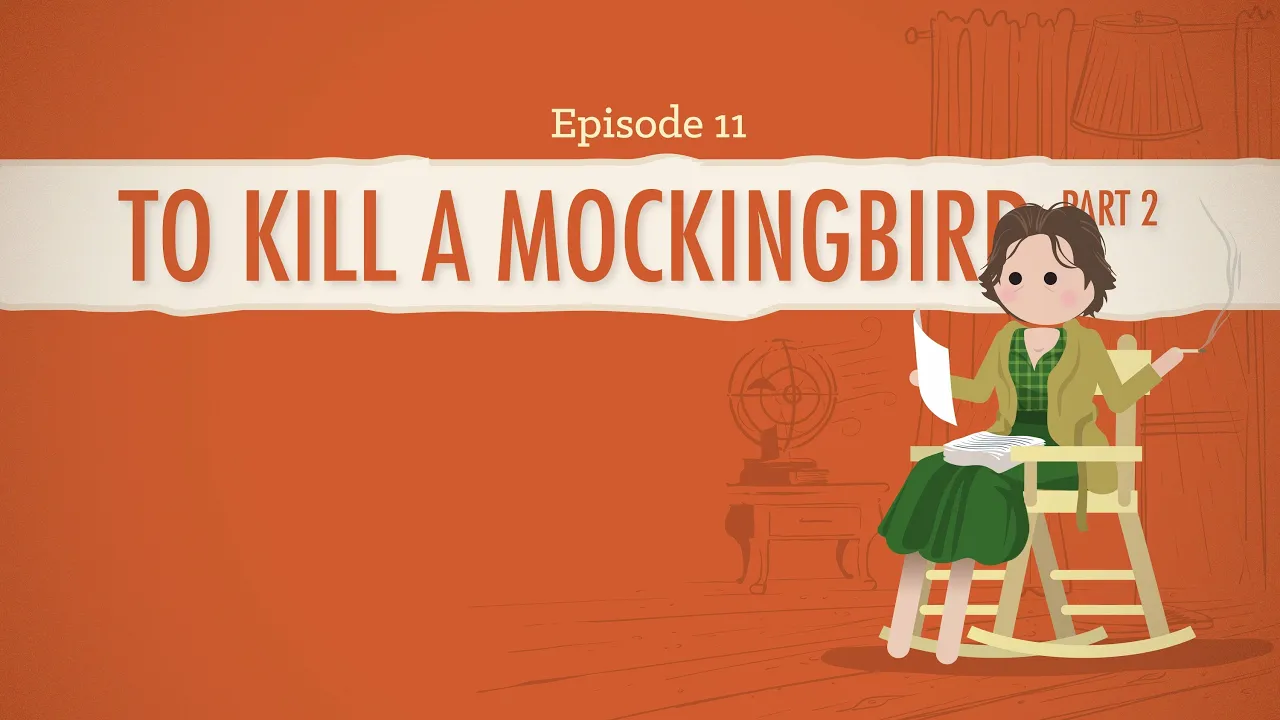


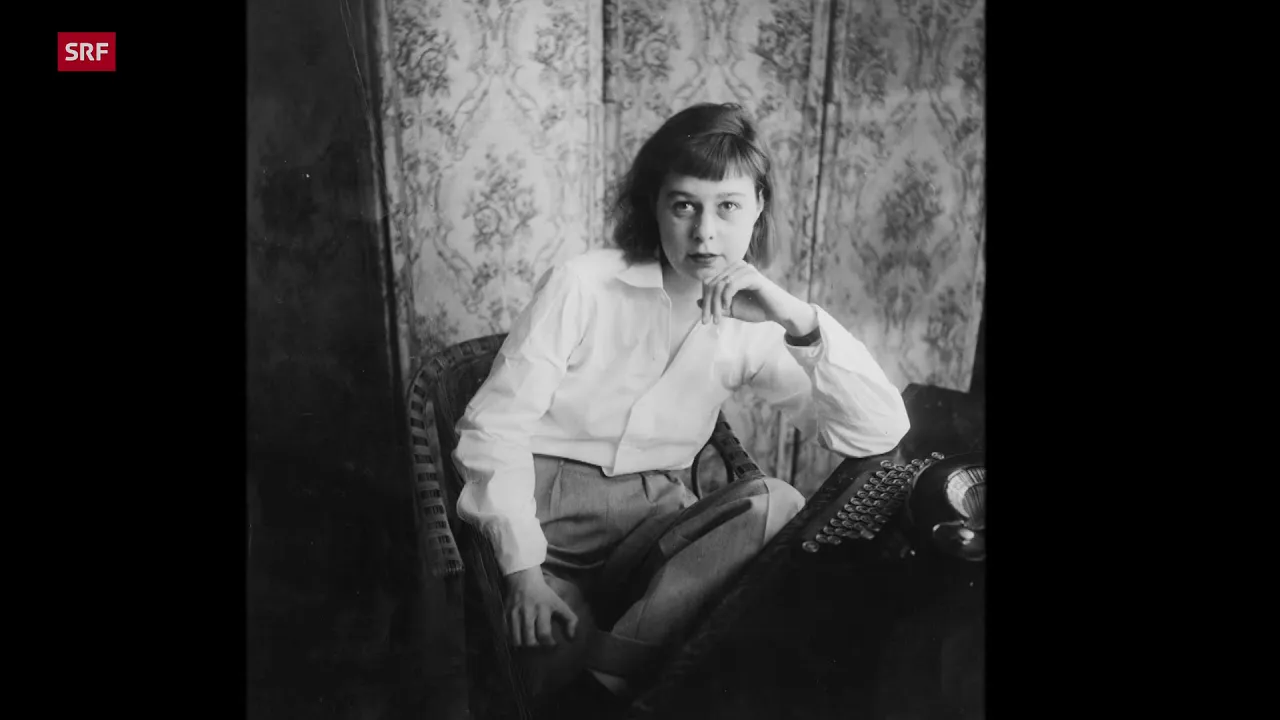


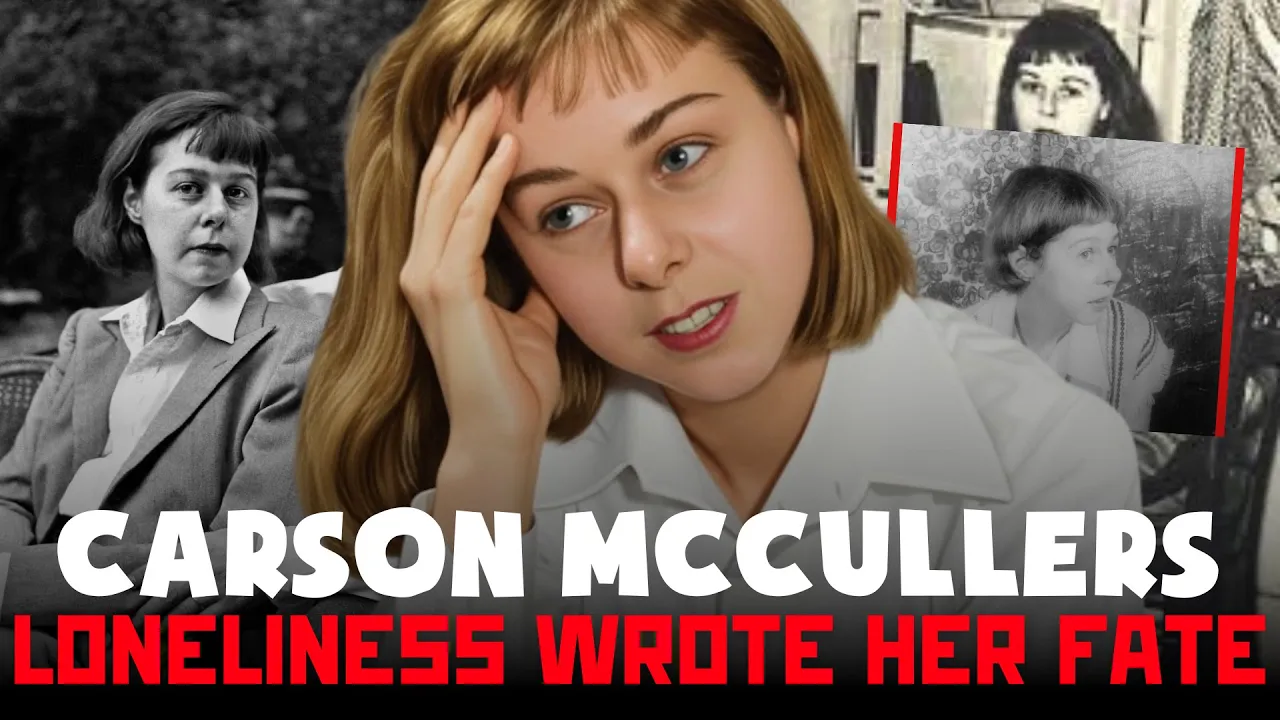


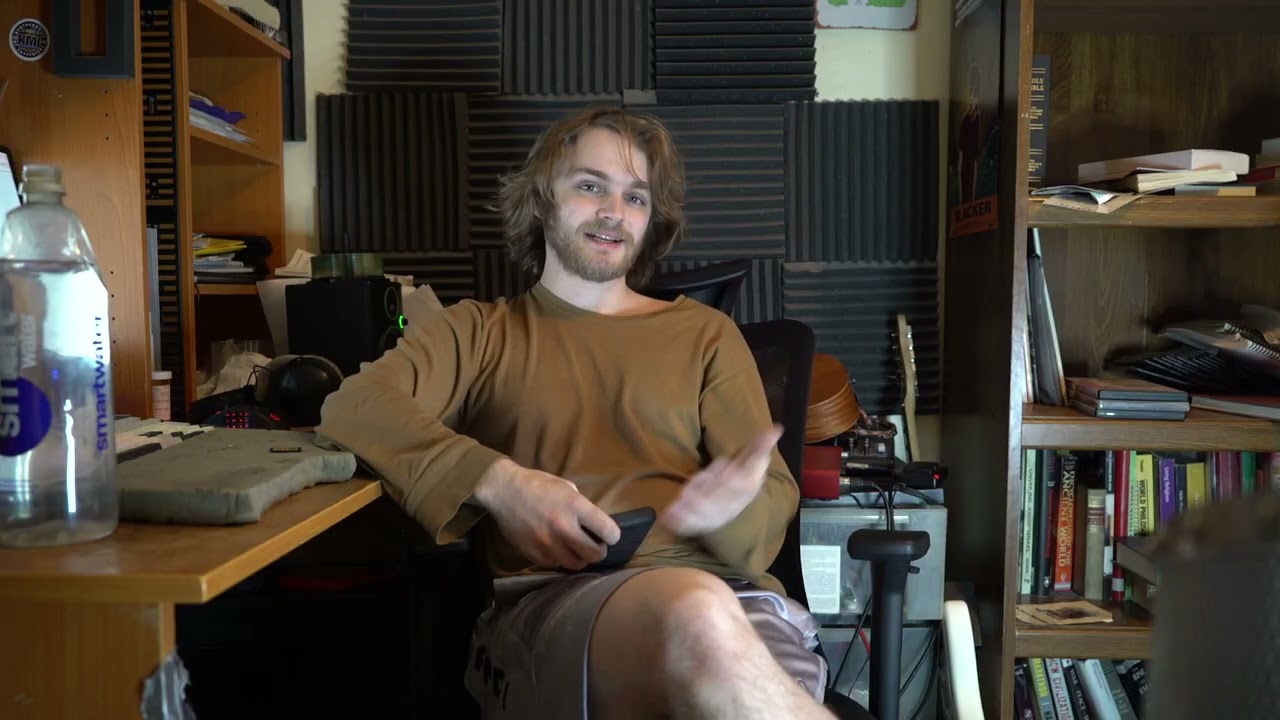






Creative breakthroughs often emerge from unexpected experiences and external stimuli, as demonstrated by Carson McCullers' realization that her character Frankie was in love with her bride and brother while watching a fire engine, which transformed her writing process for 'The Member of the Wedding' after years of struggling with the opening paragraph.
Carson McCullers & Tennessee Williams Discuss Writing (1954)
Added:Familiarity with the Southern Gothic literary tradition, including its focus on social alienation, marginalized characters, and the post-war American South.
Basic knowledge of the prominent works and artistic style of both Carson McCullers (e.g., 'The Heart Is a Lonely Hunter') and Tennessee Williams (e.g., 'A Streetcar Named Desire').
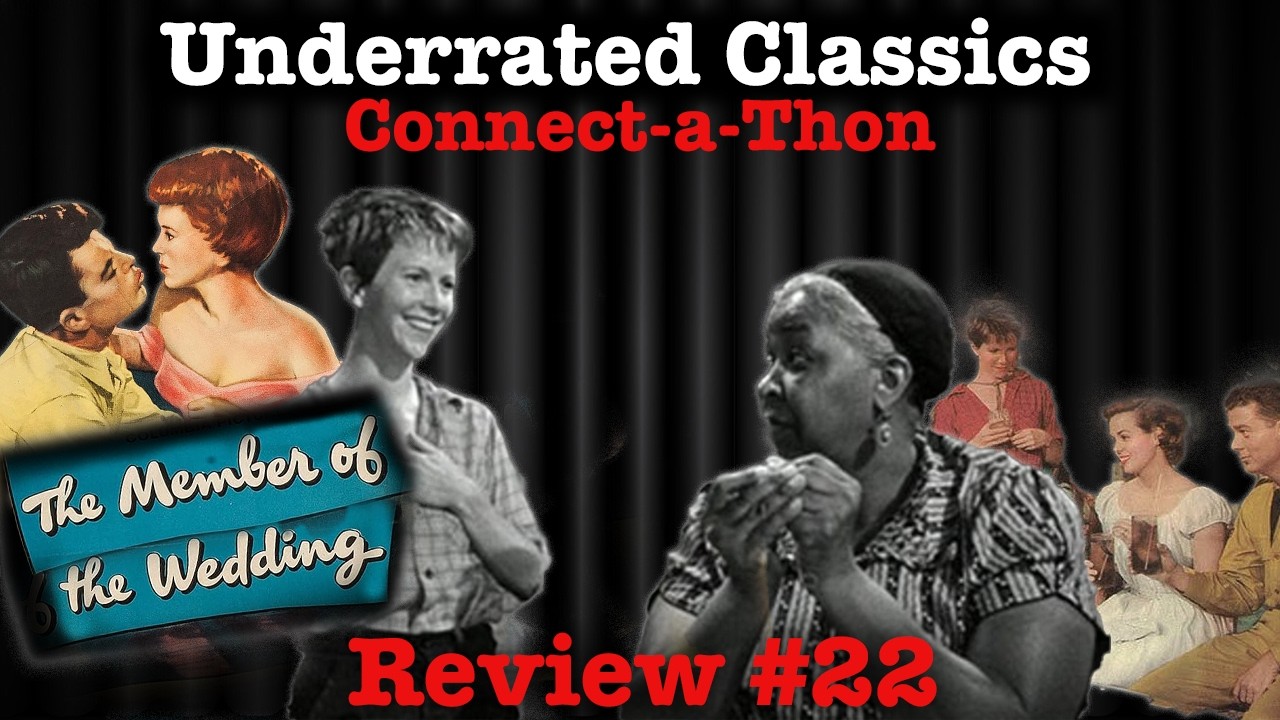
A general understanding of the plot and themes of McCullers' 1946 masterpiece 'The Member of the Wedding', focusing on its exploration of adolescent identity and loneliness.
Historical context of the 1950s American literary scene, particularly the emergence of intimate character-driven dramas on Broadway.
A comparative analysis of the creative processes of McCullers and Williams, specifically examining how they transform personal psychological struggles into universal narratives.
Study of adaptation theory, examining how 'The Member of the Wedding' successfully transitioned from a novel into a Broadway play and later a feature film.
Investigation of the recurring motif of 'spiritual isolation' in Southern Literature, comparing McCullers' perspective to contemporaries such as Flannery O'Connor and Truman Capote.
Researching the gender dynamics, queer subtext, and representation of non-conforming identities in mid-century American drama.
10.8K views221likes8:18Original Release: 2022-05-16
92nd street y poetry center may 8th 1954 reading by carson mccullers and tennessee williams introduction by john malcolm brennan well it seems to me that the works that have a soul are involved more with the evolutions of the human heart while those that are written for play in the sense of language is concerned mostly with the convolutions of the intellect then my next workout began was um the hardest writing i've ever done it was the member of the wedding and for more than a year i just wrote the first first paragraph over and over and over and i couldn't get to to the middle of the note as catherine manfield says and that's all that face paragraph that's the worst of all because i think that um that the face paragraph should um suggest intimate the whole tone of the novel and suggest all the themes the face page anyhow if and that is hard you know to do and i wrote and wrote and wrote and it didn't um i knew i was not doing doing it doing the right thing and i kept on working and working every day but it was it was just a a novel about this girl who had a crush with her with her music teacher which has been done as many times as and so knew that wasn't the thing at all and then one day i was having thanksgiving dinner with friends in brooklyn and um after we'd eaten and drunk a lot suddenly i heard a fire engine and since i love fires i rushed out of the door i don't mean fires or fire engines i rushed out of the door and um a friend of mine gypsy rosalie she was who likes oranges i also rushed ryder and something about that the rush of i had the fresh air you know and then i guess that was in the oxygen my lungs and the excitement with that i was standing on the street corner watching the fire engine one suddenly that came to me that's another illumination that i'm talking about and um i suddenly realized frankie is in love with her bride and the brother and i said that's it and so i said look listen gypsy frankie is in love with her bride and her brother what you're gonna read now oh you forgot why don't you read the first chapter remember the way i worked over five years [Applause] i used to announce it because i i left that out now yeah well this is the first chapter remember the wedding it happened that green and crazy summer when frankie was 12 years old this was the summer when for a long time she had not been a member she belonged to no club and was a member of nothing in the world frankie had become an unjoined person who hung around in doorways and she was afraid in june the trees were bright dizzy green but later the trees darkened and the town turned black and shrunken under the glare of the sun at first frankie walked around doing one thing and another the sidewalks of the town were grey in the early morning and at night but the noon sun put a glaze on them so the cement burned and glittered like glass the sidewalks finally became too hot for frankie's feet and also she got herself in trouble she was in so much secret trouble that she thought it was better to stay at home and at home that was only beneath sadie brown and john henry west the three of them sat at the kitchen table saying the same things over and over so that by august the words began to rhyme with each other and found strange the world seemed to die each afternoon and nothing moved any longer at last the summer was like a green sick dream like a silent crazy jungle under glass and then on the last friday of august all this was changed it was so sudden that frankie puzzled the whole blank afternoon and still she did not understand by the way was tennessee who got me into writing the member of the wedding one summer uh he wrote me and said to them he had a house in nantucket and he thought he was very sick he might die would i come and spend the summer with him and so when i got there oh when i got them this other girl was just leaving some a singer and she gave me this rather peculiar look which i didn't understand until i got there i it was a kind of look of video compassion [Music] when i got in the house that was 10 that's the sweetest ever i never missed him seeing this all but the cat a straight cat had kittens on my bed and um ken was trying to put the give the cat whiskey to relieve his uh pancake and every window in the house is broken so that i soon realized whenever when i woke up every morning with my bath feet i would step on a fish head you know the cat would bring into a fish fish in the windows ethos but he he just said now you alter up do make a play at the moment of the wedding i said i didn't know anything about please so tan just sat down so i just and just blocked out the place and said here this ought to go in this half to go in i said just sit down right so he i should interrupt and say she disregarded all the suggestions and he wrote it one part of the table writing some of them smoke and i arose the other part of the table right remember the wedding it was a good summer all in all i mean was [Applause] you
Up Next
3:49
How to Build a DIY Underwater ROV Frame from PVC: Step-by-Step Guide
@M6Props
10K views•2019-09-12

26:22
Walking in the City: Urban Rituals and the Flâneur in Contemporary India
@PSBTIndia
1.9K views•2016-08-02

9:49
FastAPI vs Flask vs Django: Choosing the Right Python Web Framework
@TechWithTim
302.5K views•2024-05-26

1:42
Game of Thrones Opening Credits: A Cinematic Analysis
@gameofthrones
46.3M views•2011-04-18
Related Study Plans & Knowledge Roadmaps
Structured learning paths in General & Interdisciplinary Studies
general-studies
Artificial Light: History, Tech & Human Impact
01The Pre-Electric Era: Fire, Oil, and Gas Lighting
02The Incandescent Revolution and Grid Electrification
03Gas Discharge and Fluorescent Illumination
+ 3 more learning modules
14h6 modules
Explore Roadmap
general-studies
Elevator Engineering: History, Physics & Cities
01From Hoists to Safety Brakes: The Dawn of Vertical Lift
02Hydraulic vs. Traction: The Engineering Physics of Elevators
03Modern Speed, Safety, and Algorithms
+ 2 more learning modules
12h5 modules
Explore Roadmap
general-studies
Rubber: Material Science, History & Geopolitics
01Origins of Natural Rubber & Mesoamerican History
02The Chemistry of Natural Rubber & Vulcanization
03The Geopolitics of the Rubber Boom & Colonization
+ 2 more learning modules
12h5 modules
Explore Roadmap
general-studies
Containerization: Evolution, Logistics & Trade
01Ancient Trade & Bulk Cargo: Amphorae to Barrels
02The Industrial Revolution & Cardboard Packaging
03The Containerization Revolution: Malcom McLean
+ 2 more learning modules
12h5 modules
Explore Roadmap