

![[3] Imagerie Par Résonance Magnétique Nucléaire IRM /Bases Physiques de l'Imagerie Médicale](https://i.ytimg.com/vi/lxht6-sx-_0/maxresdefault.jpg)

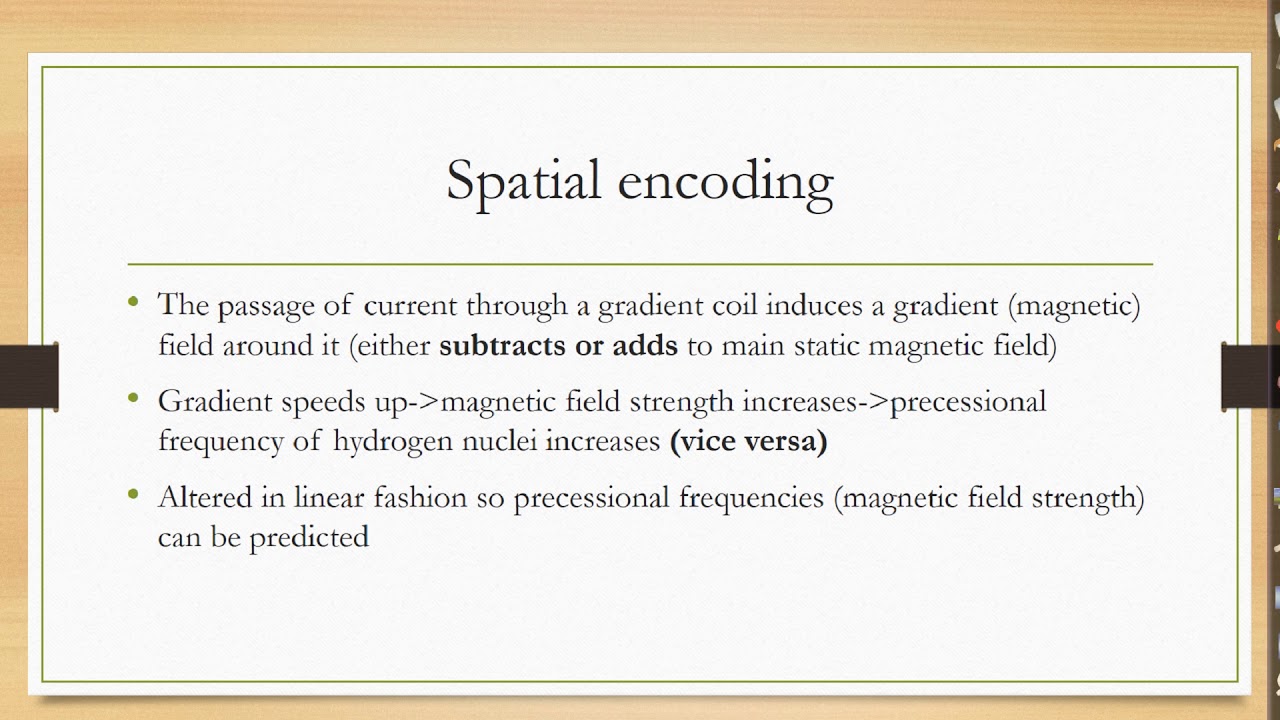
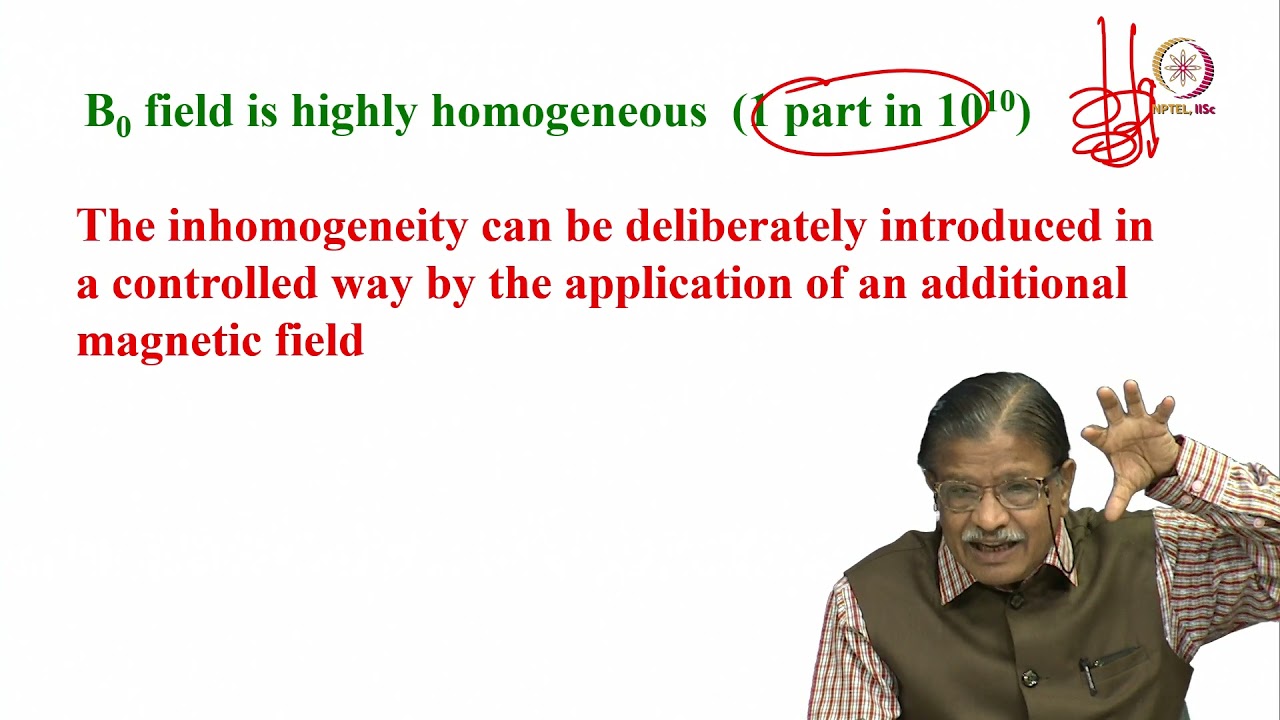















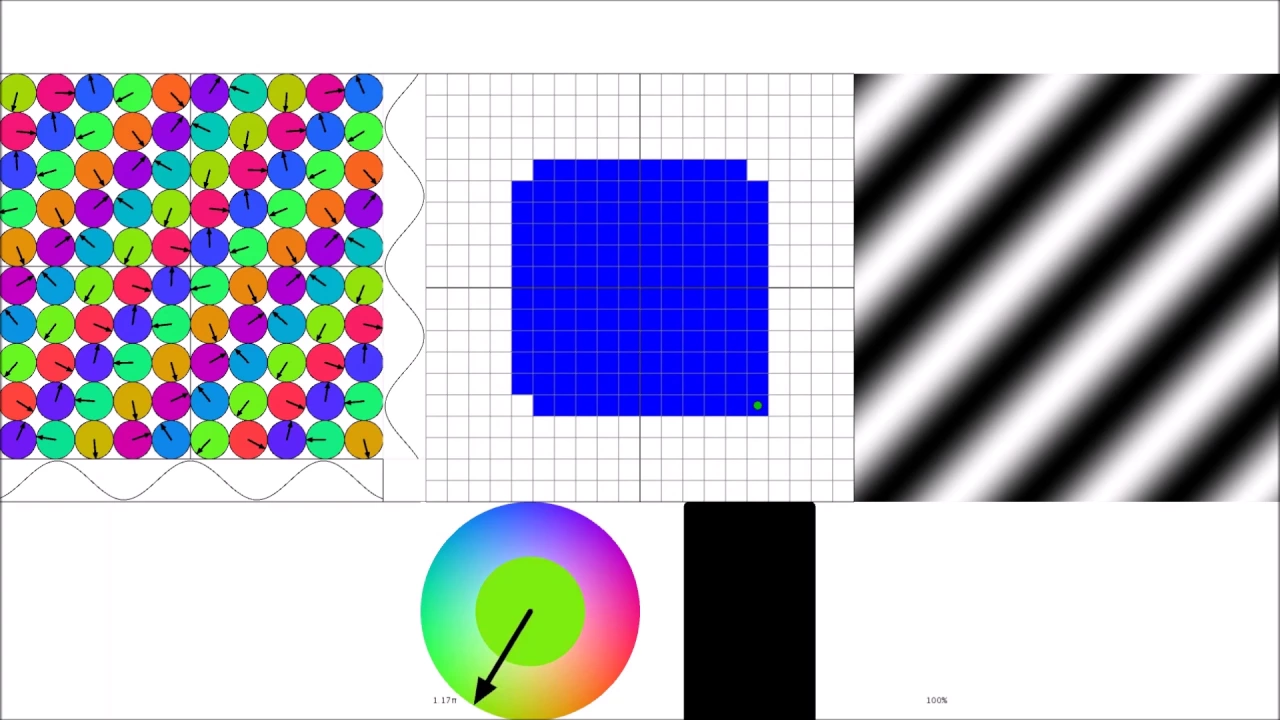





In MRI, phase encoding gradients introduce spatially-varying magnetic fields along the y-axis that cause spins at different y-positions to accumulate different phase shifts over time, enabling localization of signal sources along the y-axis when combined with frequency encoding and inverse Fourier transformation; the degree of phase shift experienced by spins at different y-positions determines their final position in the reconstructed image, with peripheral spins experiencing greater dephasing than those near the null point.
Phase Encoding Gradient MRI | MRI Signal Localisation | MRI Physics Course #9
Added:The concept of the Larmor frequency and how external magnetic fields (B0) influence spin precession.
The fundamental role of magnetic field gradients in spatially altering the precessional frequency of hydrogen protons.
Slice selection gradients and how they isolate a specific two-dimensional plane (typically along the z-axis).
The basic mathematical distinction between the frequency and phase of a rotating vector (spin).
How phase encoding and frequency encoding gradients coordinate to fill K-space (the raw data matrix of MRI).
The application of the 2D Fourier Transform to reconstruct spatial clinical images from K-space data.
Common phase-encoding artifacts, such as phase wrap-around (aliasing) and motion ghosting, and their mitigation strategies.
Advanced pulse sequences and acceleration techniques, such as parallel imaging, that reduce scan time by manipulating phase-encoding steps.
74K views1.1Klikes38:00Original Release: 2023-07-06
hello everybody and welcome back so this is the third talk in a three-part Series where we're looking at how exactly we localize signal within an MRI image now what have we done so far well first we've seen how we can select a specific slice along the z-axis using what's known as a slice selection gradient and this spins within that slice will be resonating or processing in Phase with one another we've then looked at how we can create a frequency differential along the x-axis of that slice and use that frequency encoding gradient to delineate where signal is coming from along that x-axis based on the frequencies of those spins now when we apply this frequency encoding gradient we apply it over the time that we are sampling that signal now as you can see this frequency encoding gradient will cause the spins to process faster at this end of the x-axis than they will at this end of the x-axis and there will be a gradient of frequencies as we move along that x-axis now when we apply that frequency encoding gradient see how this spins on this edge of the slice or processing faster than the spins on the other end of the slice now we can measure the net magnetization Vector of the entire slice over a period of time and that's what's known as the data acquisition time now that data acquisition time happens during this frequency encoding gradient now we can sample that multiple times converting this analog signal into a digitized signal a digital signal and we get discrete digital values for each point along that analog signal and the number of times we sample that analog signal will determine the number of frequencies we can delineate along that x-axis Now using this signal that we've recorded during data acquisition we can perform what is known as a one-dimensional inverse Fourier transformation now what that Fourier transformation does is it calculates the frequencies that are responsible for that net magnetization vector the change of that net magnetization Vector over time is unique for a specific subset of frequencies with varying different amplitudes now based on the frequencies that we've teased out of this net magnetization Vector signal we can place those signals along the x-axis because the different frequencies correspond to a different x-axis location now in the previous talk in order to avoid some confusion I used this example here which is technically incorrect you can see that when we are acquiring the signal we get this rephasing and then defacing at a free induction Decay rate of the signal now what causes that rephasing and defacing at te what is this 180 degree radio frequency pulse that 180 degree radio frequency pulse as we looked at in the slide selection talk causes the spins to D phase and then re-phase exactly at te and we get that rephasing causing an increase in signal and then we get that free induction Decay now the increase in Signal allows us to account for the local magnetic field in homogeneities and get a c signal at a te that is much more similar to a true T2 Decay now that is confusing to you go back to the slide selection and the frequency encoding gradient talks now because we get that increase and decrease in Signal the net magnetization Vector that we read out from this slide is actually going to look a lot more like this where we get an increase in signal up to t e and then a decrease in Signal that's occurring because of those re-phasing within the slice now we saw that we can sample that analog signal multiple different times and I used a very small sample number when we looked at frequency encoding in fact we can sample that many more times we often use 128 or 256 different samples during that data acquisition period now the frequencies that are contributing to this signal remain the same they're based on that x-axis frequency encoding gradient now we can take this signal the combination of all these different frequencies and we can delineate those frequencies and organize them in a way that go from low frequency to high frequency the higher frequency net magnetization vectors are going to correspond to this region on the slice the lower frequencies will be at the other end of the slice what we've done here is we've converted a time-based domain where we're sampling that analog signal over time during that frequency encoding gradient and we've used a one-dimensional Fourier transformation to encode these specific frequencies that are contributing to that image now the frequencies we order from low to high which will give us the x-axis signals of the slice that we've selected it's going to give us the entire column signal along that particular slice now as I've mentioned that transformation is an inverse one-dimensional Fourier transformation Now using this single data acquisition during this frequency encoding gradient what we're able to do is create an image based on the signal coming from the entire column at the different x-axis locations now in order to create this image here we've only passed through the sequence once we've used this data that we've acquired over time and used it to delineate the different frequencies the unique combination of frequencies that will give us this analog signal here now we've got no way of knowing where that signal is coming from along the y-axis and this talk we're going to see how we can delineate those signals based on y-axis location now let's go back to the slice we look at the slice at a period of time where we haven't yet applied our frequency encoding gradients and we've Switched Off The Slice selection gradient as well as our radio frequency pulse what's happening in this slice at this given period of time well the spins in this slice are resonating all in Phase with one another at the same frequency the only magnetization that this slice is experiencing at the moment is our main magnetic field and we've seen that processional frequency is proportional to the magnetic field and if it's only experiencing the main magnetic field all of these spins will be processing in Phase with one another now spins that are spinning in Phase with one another will provide a sinusoidal signal that can be measured out remember we have yet to apply that frequency encoding gradient now these spins are accumulating because they're in Phase with one another giving us a net magnetization Vector that looks like this now if we were trying to calculate the y-axis contributions to this net magnetization Vector we would see that the signal coming from each location along those y-axis would be in Phase with one another and they would be processing at the same frequency you can see that it's the accumulation of these different y-axis components that's giving us this net magnetization Vector that we're measuring remember we're only measuring that one cumulative signal that is represented by this red line here now what we need to do is introduce some differentiation along the y-axis now in order to do that we can look at our slice within the Cartesian plane here we have applied a frequency encoding gradient along the x-axis now we need to apply some sort of gradient along the y-axis in order to introduce some differences based on y-axis location now the way we do this is by applying what's known as a phase encoding gradient now the phase encoding gradient can't induce frequency changes along the y-axis our x-axis localization using this frequency encoding gradient only works if the frequencies at a specific x-axis location are the same in that entire y-axis column so we now can't introduce frequency changes along this y-axis so how do we get about doing this well what we do is apply a gradient between the 90 and the 180 degree radio frequency pulses that magnetic field gradient is happening here in the y-axis using these gradient coils now there are multiple different ways that we can represent this gradient we can represent this gradient using this blue line here where we see that the magnetic field at the top end of our slice is increased by a certain amount and at the bottom end of the slice is decreased by a certain amount we've applied a gradient along this y-axis we can also represent this gradient using this color change here you will see there's a specific point along this gradient where the net magnetization will be our main magnetic field we've neither added nor subtracted any net magnetization to this central part of our image now most commonly you'll often see it represented using this symbol here where we are adding magnetization to the upper half of our slice and subtracting magnetization from the main magnetic field to the lower half of our slice again there is a point where there is no change in magnetization and that's what's known as the null point which we'll see is really important when we go about localizing that signal later now what we're going to do is apply this phasing coding gradient for a specific period of time and you can see that the application of this phase encoding gradient for this short period of time causes the spins to D phase based on their y-axis location because the magnetic field strength is stronger as we head out to the peripheries here we will get more dephasing of these spins than we do as we get closer to the null point you'll see at the no point there is no dephasing of those spins they are still processing at the Llama frequency that's based on the main magnetic field and you'll see that relative to this spins at the null point we will get the phasing of these spins in the anti-clockwise direction now we've defased these spins based on their y-axis location now once we've turned off that phase encoding gradient what's going to happen to these spins well they will be experiencing the main magnetic field they will continue to process based on the main magnetic field strength so let's turn off this phase encoding gradient and see what happens to these spins they are now processing at a rate that's proportional to the main magnetic field that's the only magnetic field that is influencing the slice at this given period of time you can see now that the frequencies are all the same the frequencies are the Llama frequency that's proportional to the main magnetic field what's different is we've introduced some phase change based on the y-axis location of these spins now let's see what happens to the net magnetization Vector that we measure from the entire slice when we apply a phase encoding gradient remember when these spins were processing in phase and we hadn't applied a phasing coding gradient the y-axis contributions were all in Phase with one another now look what happens to these y-axis contributions as we apply that phase encoding gradient you see now that these are out of phase with one another the peaks of these signals no longer line up now look what happened to the net magnetization Vector that we measured as we apply that phase encoding gradient you see we get loss of net magnetization Vector signal because of that dephasing and transverse magnetization is a function of how in Phase those spins are with one another now once that phase encoding gradient is Switched Off all of those spins all of those net magnetization vectors are going to process at the Llama frequency all we've done now is introduce phase difference based on y-axis location now what we're going to do is we're going to apply a frequency encoding gradient to that slice now what is that frequency encoding gradient going to do to these spins well the spins or the net magnetization vectors at the far end of the slice are going to process at a faster rate than those at the near end of the slice we are going to now introduce a frequency encoding gradient along that slice now as we introduce that frequency encoding gradient you can see how this spins on the right hand side of our image are processing faster than those at the left hand side and then we can go and measure the net magnetization Vector of that entire slice now this net magnetization Vector can still be sampled during our data acquisition period and we can get discrete values over time if you look at each column of spins here although it looks like a disorganized chaos and mess you can see that each column still has the same frequency as all of those spins along that x-axis column the difference here is that the phase encoding gradient has applied some memory here we've got the phasing of these spins based on their y-axis location although their frequencies are the same depending on where they're located along the x-axis now we can take this data acquisition that we've got here and correlate it to the specific phase encoding gradient that we used now if we compare that to the signal that we generated without phase encoding we can see that we've acquired two different data Acquisitions the first was the net magnetization Vector over time without any phase change in the y-axis Direction the second data set that we've acquired has now taken the net magnetization Vector over time but it's required that when there's been a certain amount of phase encoding applied in the y-axis Direction now both of these are encoding for the same image the anatomy that we're Imaging in that specific slice hasn't changed at all the only thing that's changed between these two data acquisition periods is the amount of phase that we are introducing into the y-axis we can use either one of these data sets to do a one-dimensional inverse Fourier transformation and calculate the x-axis locations and the amplitude of the signal at each x-axis location now we can repeat this by using a larger phase encoding gradient and what we can do is increase the magnetic field strength along that y-axis location creating a larger phase encoding gradient in the y-axis Direction now look what happens to these net magnetization vectors when we apply an increased phase encoding gradient we're applying a stronger phase encoding gradient along the y-axis we can see that these spins now or these net magnetization vectors have de-phased even further and we're getting a further reduction in signal remember when we acquired this one we saw there was a reduction in signal and you can kind of see that reduction in Signal when you compare these two data acquisition points the signal here is lower than the signal when there wasn't any phasing again now what's happened is based on the location in the y-axis here we have gotten even more de-phasing than we had in our first example now hopefully you can see here that The Closer the spins are to the null point where there's no change in magnetization Vector the less phase change there will be and as we change the strength of the phasing coding gradient through multiple different iterations those that are near the periphery of the slice are going to experience more phase change than those closer to the null points on the slice and it's that degree or phase change as we change the phase encoding gradient that is going to help us to localize that y-axis signal at least in part and you can see that those that experience more phase change that signal is likely coming from a y-axis location that is further away from the null Point again we can apply a frequency encoding gradient here and as we are applying that gradient measure out another signal now you can see that that signal is even less at this specific phase strength because these spins are even more out of phase with one another however we can still use the signal that we've acquired over a period of time as we're converting that analog signal into a digital signal we can still do a one-dimensional inverse for your transformation and get x-axis locations with specific signals for the entire Columns of that x-axis now not only can we apply a phase encoding gradient along the y-axis in One Direction we can actually apply it in the opposite direction where the lower part of our slice is now gaining magnetic field strength and the upper part of our slice is losing magnetic field strength relative to that main magnetic field and as we apply that gradient here we can see we get dephasing in the opposite direction we are still losing signal here again we allow time to pass and we apply a frequency encoding gradient along the x-axis of our slice as we apply that frequency encoding gradient we can measure the signal the net magnetization Vector signal of the entire slice and get another data acquisition now the data that we've acquired here corresponds to this phase change now it turns out that we can repeat the step multiple times to acquire multiple different phase change datas and the number of phases that we use the number of phase encoding steps that we use determines the number of pixels that we can delineate in the y-axis of the picture that we're trying to create now I said when we use the frequency encoding gradient we only required one cycle here from the 90 degree RF pulse to the time of repetition in order to apply another phase encoding step we need to repeat the sequence over again at first we applied NO phase encoding gradient we got our data here from the frequency encoding step and then we waited to tr we allowed those spins to gain longitudinal magnetization before then flipping them to 90 degrees and repeating the process once we flip those to 90 degrees we then applied at different phase encode ingredients acquired a different data set at our frequency encoding gradient we then again waited till our time of repetition before repeating the sequence again with a different phase encoding gradient you can see that for each additional phase encoding gradient we need to repeat the sequence therefore in order to add resolution in the y-axis Direction in the phase encoding Direction it takes much longer because we need to repeat the cycle over and over again for each phase encoding gradient that we are applying to our sample now if we look at the data that we've acquired so far we've used four different phase encoding steps we can then use different magnitudes of phase encoding and apply that signal that we've acquired to a matrix here and each time we use a different phase strength we can generate a different signal here and the way that we organize the signal that we're generating is based on the amount of phase that we use to acquire that signal by convention we acquire the unfazed sample and then each time we repeat the cycle we introduce a small amount of phase in both the positive and negative directions so we first then apply a small amount of positive phase and acquire this line of data in our next cycle we apply a small amount of negative phase and we acquire this line of data we then repeat this process over and over again until we've done the number of phase encoding steps that allows us to get the resolution that we want on the y-axis of our image now what we are creating here is not an image we're not creating pixels the grayscale values here represents a data point a numerical value and as those data points that we're going to plug into formulas later that we can use then to generate our image now once we've acquired enough phase encoding steps to give us the y-axis resolution that we want we will ultimately create what is known as k space now the number of rows that we've included in k space here will equal the number of phase encoding steps that we have done and it's those phase encoding steps that will determine our y-axis resolution in the image now each line of this case space represents the net magnetization Vector change over a given period of time and we can use that one-dimensional Fourier transformation to take that data from the individual row and transform it into frequency based or x-axis location based data and we can do that for each and every phase encoding step that we've used in our sequence here so we can convert k space data which is time-based data each point along the x-axis in k space represents the net magnetization Vector of the entire slice at a given period in time and we can convert that into a frequency based or x-axis location based data set here this process is a one-dimensional inverse Fourier transformation in both of these the only thing that differs between the various different rows here is the amount of phase that we have applied in the sequence here now you can see that signal gets stronger and it gets weaker as we head along in time that's representing the signal phasing and dephasing you can also see that signal gets weaker as we head out to the peripheries that's representing the amount of de-phasing that we have applied as we have applied stronger and stronger phase encoding gradients now if we look at both k space and this one-dimensional Fourier transform we can see that the values along the x-axis here are coming from the data acquisition time that is happening during the frequency encoding gradient we can also see that the rows that are generating k space are occurring at varying different phase encoding steps that is how we create this k-space data now we can use this k space data as well as this one-dimensional Fourier transformation data combine those data sets to give us ultimately the image that we're trying to create now I want to take you through a very basic process that is going to show you how we can combine these data sets in order to create this image now the way that we're going to describe this is a much more simplified version of the actual process that is happening in the background we are going to take only two data points along a specific x-axis location when in fact often we're using 256 different data points and comparing them to one another now the process that we're going to use to delineate those two separate points is applicable to the process that's used to delineate 256 different points except in our example we'll only have two variables in actual practical sense when we're generating MRI images in real life there are 256 different variables now much of what I'm going to explain to you here is adapted from Dr Alan elster at mriquestions.com and I'm going to link those articles below go and check them out he has a very good way of explaining these and I've just adapted these to show you a slightly different way of how we can go about calculating where signal is coming from at each location on our image so what we want to do is take two separate pixels here that have the same x-axis location and try and delineate the actual pixel values for these two locations now where exactly in this data set is the signal coming from in these two pixels well we have organized the signal in this data set based on x-axis location so the signals here will impart come from these two pixels that we are trying to calculate now I'm going to take you through a set of examples to show you at least in theory how we can separate these two signals now in order to do this we're going to make two assumptions the first assumption that we're going to make is all of the signal coming from this specific x-axis location is only coming from these two pixels now we know that isn't true we know the signal on that x-axis location is coming from 256 different pixels but for our example we're going to assume that it's only coming from those two pixels the second assumption that we're going to make is that we can calculate the degree of phasing that is required for the spins in either these two pixels to be 180 degrees out of phase with one another now this isn't a false assumption we know the phase encoding gradients that we're applying to the slides that we've selected and we know the location of the pixels that we are trying to calculate the signal value for and there is a mathematical formula that will allow us to calculate which degree of phasing based on the location of these two pixels will cause the spins to be 180 degrees out of phase or one another we're not going to actually calculate that but it can be done so let's have a look at these two in closer detail now as we looked at before depending on the y-axis location of these particular pixels they will experience different degrees of dephasing as we expose them to different levels of phase encode ingredients now in order to calculate that degree of phasing we first need to figure out what is the pixel value when these spins are perfectly in Phase with one another we first need that in our data set now when will these pixels be perfectly in Phase with one another there will be no phase change along the y-axis when we don't apply a phase encode ingredient so when we don't apply a phase encoding gradient we know that we generate the frequency data at the center of this frequency data set here this data set at this given point here represents all of the net magnetization vectors delineates it into frequencies when we haven't applied any phase encoding along the y-axis this particular data point here represents all of the signal coming from the x-axis column along our image now that signal coming from the x-axis column in our image we're making the assumption that that signal is only coming from these two pixels of Interest it also represents the signal that is coming over the entire period of data acquisition time remember we've used all of that data that we generated in k space to Fourier transform and create this frequency based location here now there'll only be one period of time along our pulse sequence when the spins will be perfectly in Phase with one another and that's te remember we get this increase in Signal as those spins are re-facing with one another and they're perfectly in phase at te not only are they perfectly in Phase a te based on our slide selection gradient they are also perfectly in Phase that t based on the frequency encoding gradient remember we apply a short negative or D phasing frequency encoding gradient before we apply the frequency encoding gradient allowing those spins to re-phase as we're changing their frequencies and it turns out at exactly the middle of this frequency encoding gradient is when all those spins will be perfectly in Phase with one another they will have differing frequencies but for that brief moment in time the net magnetization vectors will all be pointing in the same way now the second assumption we made is that we know a specific amount of phase application that will cause the spins in these two pixels to be perfectly out of phase with one another and again that can be calculated mathematically now we've got two separate signal values one when we had no phase encoding gradients and one when we've got a specific phase encoding gradient that means the spins in these two pixels are 180 degrees out of phase with one another now remember the data that we are acquiring here at this given point represents all of the signal that is measured throughout the entire data acquisition period remember k space is taking that analog signal over a period of time and we're using all of that case-based data to frequency encode and make the data that is acquired along this line of the frequency encoding data space so this data point here represents all of the signal coming from the x-axis at this location over the entire data acquisition sample so we can't use this data point alone because this data point is the accumulation of signal over time what we need to then do is look at the k space data as well as the frequency encoding data and we can see that k space data will have a specific net magnetization Vector at t e that represents the entire net magnetization Vector of the slice at te now we don't want the data from the entire slice and we don't want the data from the entire data acquisition period and we can use both this data point and this data point to delineate the signal contribution from that x-axis location here at that specific given period of time and this in part is the process involved in two-dimensional Fourier transformation where we take these two data sets and create the image that we're eventually looking at on our computer screen now we don't need to know this process in detail but we need to know that it's the combination of these two data points that gives us these specific signal from that x-axis column at a given period of time so let's go about using these in an actual practical example we've taken that point in time where we've used our k space and this frequency encoding data to get a set measurable signal that we can calculate that's coming from this entire x-axis column here now again we're making the assumption that this signal is only coming from these two pixels in fact they're coming from 256 different pixels along the y-axis here now we don't know the individual signal contributions from these two separate pixels but we do know what the signal is based on the calculation that we've made from the entire x-axis column here and that signal can be given a specific value a specific numerical value for this example it's arbitrary we're going to use 14. now we know that the signal is a combination of both of these signals here we're assuming that these pixels are the only thing that's contributing to Signal along the x-axis now the amplitude from our first signal it added to the amplitude of our second signal will give us the amplitude of the total signal that we're measuring from this x-axis point now these net magnetization vectors have the same frequency because they're at the same x-axis location they're at the same frequency encoding gradient location not only do they have the same frequency but they're in Phase with one another because we haven't supplied a phase encoding gradient so we've generated a formula here where we can add the signal amplitude from signal one to the signal amplitude from signal 2 to get a numerical data point that we've calculated from our frequency encoding and our k space data we can then manipulate this formula to isolate signal 2 here we've moved signal one across and we can see that signal 2 is equal to 14 the amplitude of the signal that we've calculated minus signal one minus the contribution from our first signal now remember that signal 2 is equal to 14 minus signal one let's look at the second example where we've applied a specific amount of phasing or D phasing gradient to the y-axis here which means that the pixels here are completely 180 degrees out of phase with one another we can then use this data point in combination with our k space to figure out what signal is being generated at this x-axis location and here we get a different numerical value because there's been de-phasing that signal coming from this x-axis location is going to be less than our original signal now this signal is a combination of both the signal from signal 1 and the signal from signal 2. they are still at the same frequency because they're along the same x-axis location but they're at different phases now 180 degree outer phase because of this phase encoding gradient we can see that the frequencies remain the same but they're now 180 degrees out of phase this signal that we've now calculated is a combination of both signal one minus the amplitude of signal 2. so if we take signal one and take away the amplitude of signal 2 we will get this value that we've calculated here now remember in the previous example we calculated what signal 2 was signal 2 was equal to 14 minus signal one so we can substitute that value in here signal one minus signal 2 which is 14 minus signal one will give us the amplitude of this measured signal that we have at this x-axis location we can then solve for this formula we take minus 14 across so it'll be 6 plus 14 will give us 20 and Signal 1 minus minus signal 1 will be Sigma 1 plus signal one we get an equation here that we can calculate signal one plus signal one equals 20. so from this formula we can see that signal one the signal coming from one of our pixels must be 10.
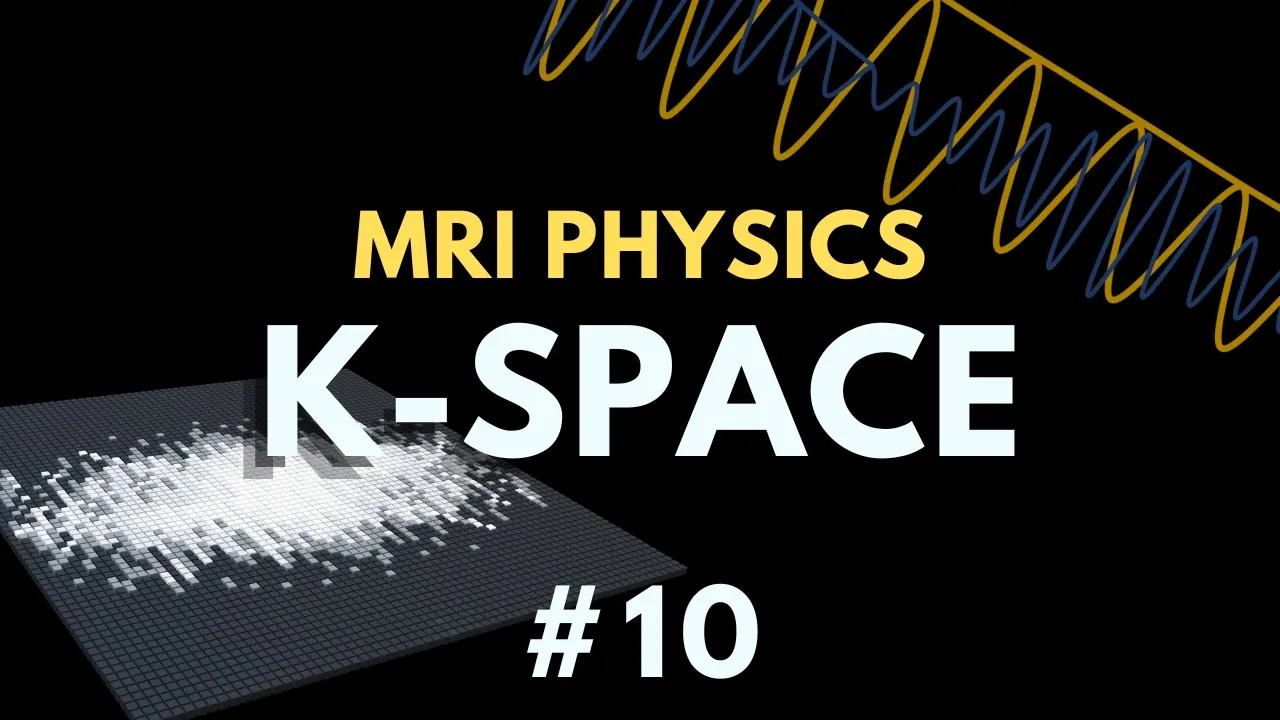
because 10 plus 10 will equal 20. substituting that signal one value in here 10 minus what will give us 6 10 minus 4 will give us 6. what we've done now is we've calculated the signal 2 value we've got a pixel value here an arbitrary number of 10 and a pixel value here of four we have now managed to differentiate the signal along the y-axis based on this dephasing comparing this D phasing to when our spins had no phase difference and hopefully you can see from this two pixel example how we can extrapolate this out to 256 different variables in our equation and use both the frequency encoding data and the k space data in combination to get signal values based on the x-axis location and based on a specific period of time when we are acquiring that data acquisition now the maths behind this is not important the core concept here is that we can delineate why access values based on their degree of D phasing that we apply along the y-axis of the slice now as we change the amount of D phasing along the y-axis of our slice those signals coming from the peripheries of our slice will experience a greater degree of dephasing than those near the middle of our slice and it's that degree of dephasing that we measure in this output signal that allows us to eventually calculate where the signal is coming from along the y-axis so to summarize now what we've done is we've used a simple pulse sequence using multiple different gradients to allow us to select a specific slice allow us to delineate the signal based on frequencies along the x-axis and then use multiple phase encoding steps along the y-axis combining all of those data sets to allow us to create our final image here now in order to create this frequency encoding data and ultimately create this image here we get all of the data from this data set here which is known as k space so you can see that just from storing the data in k space we can ultimately create individual images for each slice that we are generating in our MRI image and each slice has a different case based data set now in the next talk we're going to have a closer look at k space and how different regions of K space contribute to different features in this image here we know that any individual point in k space represents the net magnetization Vector of the entire slice at a given period of time but one data point is not enough to create this image here we need all of these data points in combination to create the MRI image now I know that this phase encoding step is very difficult conceptually to understand if you are interested in this stuff go through this lecture multiple times and make sure you have that understanding in your mind if these concepts are too complicated and you don't have the time to fully understand this understand that it's the degree of D phasing and the signal loss from that defacing that determines where signal is located along the y-axis of our image now these concepts are commonly asked in exams and if you are studying for a specific exam I've LinkedIn question Bank below that I've curated you can go and test yourself using that question bank if you're preparing for a specific exam otherwise I'll see you in the next talk where we're going to dive deeper into this data acquisition set known as k space I'll see you all there goodbye everybody
Up Next

24:46
Continuous vs Pulsed Wave Doppler Ultrasound: Key Differences Explained
@radiologytutorials
60.2K views•2023-04-24

12:53
21cm Hyperfine Transition in Neutral Hydrogen: Radio Astronomy Basics
@AaronRobertParsons
12.4K views•2011-10-13

16:01
Doppler Effect, Equation, and Angle Correction in Ultrasound Physics
@radiologytutorials
60.1K views•2023-04-19

27:14
Entropy and the Second Law of Thermodynamics Explained
@veritasium
27.5M views•2023-07-01
Related Study Plans & Knowledge Roadmaps
Structured learning paths in Physics
physics
Nuclear Physics (Decay, Fission & Reactors)
01Atomic Structure and the Binding Force
02Radioactive Decay and Half-Life
03Nuclear Fission Mechanics and Chain Reactions
+ 2 more learning modules
12h5 modules
Explore Roadmap
physics
Soft Matter (Polymers, Colloids & Rheology)
01Foundations of Soft Matter & Thermal Forces
02Polymer Physics and Macromolecules
03Colloids, Surfactants, and Self-Assembly
+ 2 more learning modules
38h5 modules
Explore Roadmap
physics
Analytical Mechanics: Lagrangian & Hamiltonian
01Mathematical Foundations: Calculus of Variations
02From Newtonian Mechanics to Constraint Dynamics
03The Principle of Least Action & Lagrangian Mechanics
+ 3 more learning modules
28h6 modules
Explore Roadmap
physics
General Relativity (Spacetime & Cosmology)
01Foundations of Relativity: Special Relativity
02The Geometry of Spacetime: Equivalence Principle & Curvature
03Einstein's Field Equations: The Mathematics of Gravity
+ 2 more learning modules
55h5 modules
Explore Roadmap