






















T1 relaxation, also known as spin-lattice relaxation or longitudinal recovery, is the process by which nuclear spins regain their alignment with the main magnetic field (B0) after being disturbed by an RF pulse; unlike T2 relaxation which involves spin-spin interactions causing transverse magnetization decay, T1 relaxation involves interactions between spins and the lattice (structural components like macromolecules and proteins), with the rate of recovery depending on tissue composition—tissues with more structural components like fat recover longitudinal magnetization faster than fluids like CSF with fewer structural components—allowing T1 contrast to be manipulated in MRI by adjusting the time to repetition (TR) parameter.
T1 Relaxation in MRI: Spin-Lattice & Longitudinal Recovery
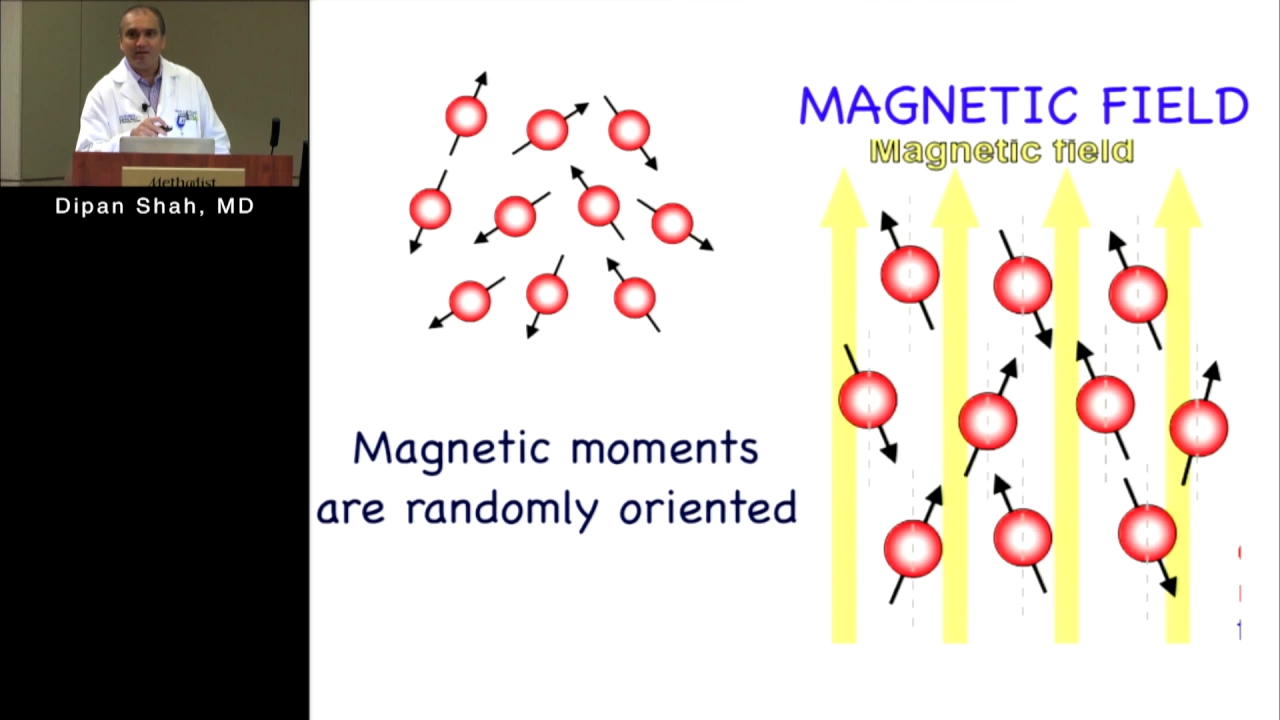
Added:The concept of nuclear spin, magnetic moments, and how hydrogen protons align with an external magnetic field (B0) to create net longitudinal magnetization.
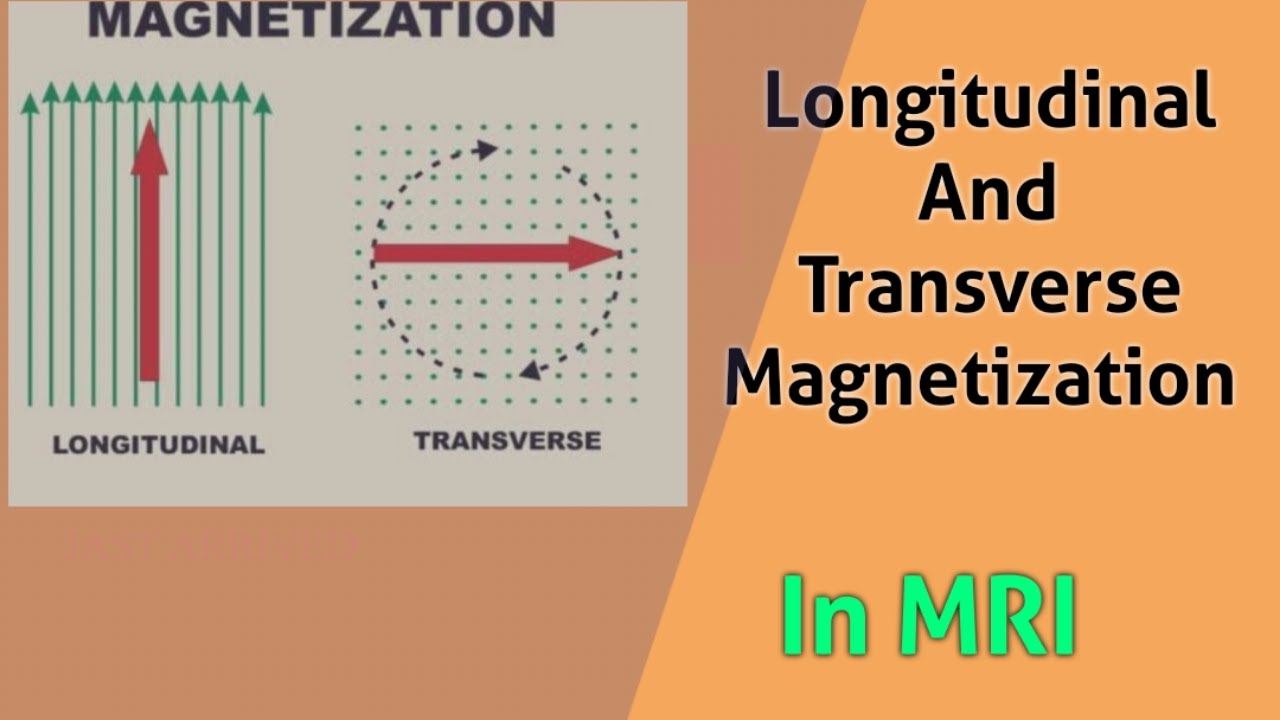
The distinction between longitudinal magnetization (parallel to the magnetic field) and transverse magnetization (perpendicular to the field).
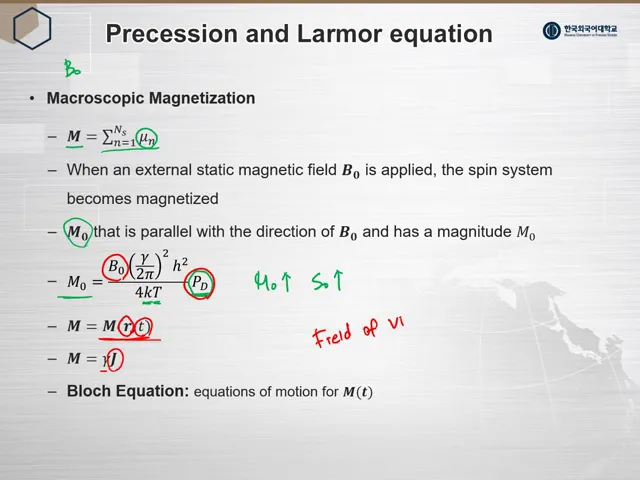
The Larmor equation and the relationship between magnetic field strength and precession frequency.
The application of Radiofrequency (RF) excitation pulses to disturb thermal equilibrium and tip the net magnetization vector.
T2 relaxation (spin-spin relaxation) and the biological mechanisms of transverse magnetization decay.
The role of Echo Time (TE) and how it interacts with Repetition Time (TR) to produce T1-weighted, T2-weighted, and Proton Density (PD) image contrasts.
Basic MRI pulse sequences, such as Spin Echo and Gradient Echo, and how they clinically manipulate relaxation times.
The clinical application of T1-weighted imaging and the physics behind gadolinium-based contrast agents.
86.2K views1.5Klikes18:20Original Release: 2023-06-14
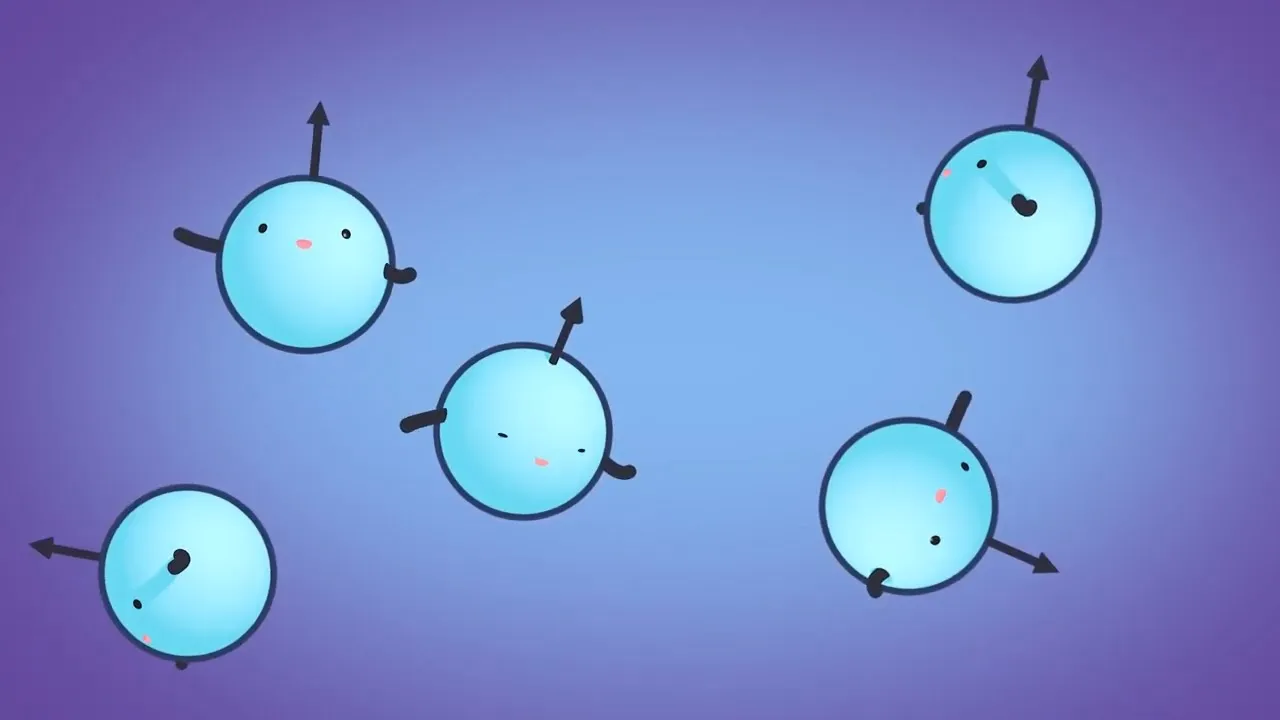
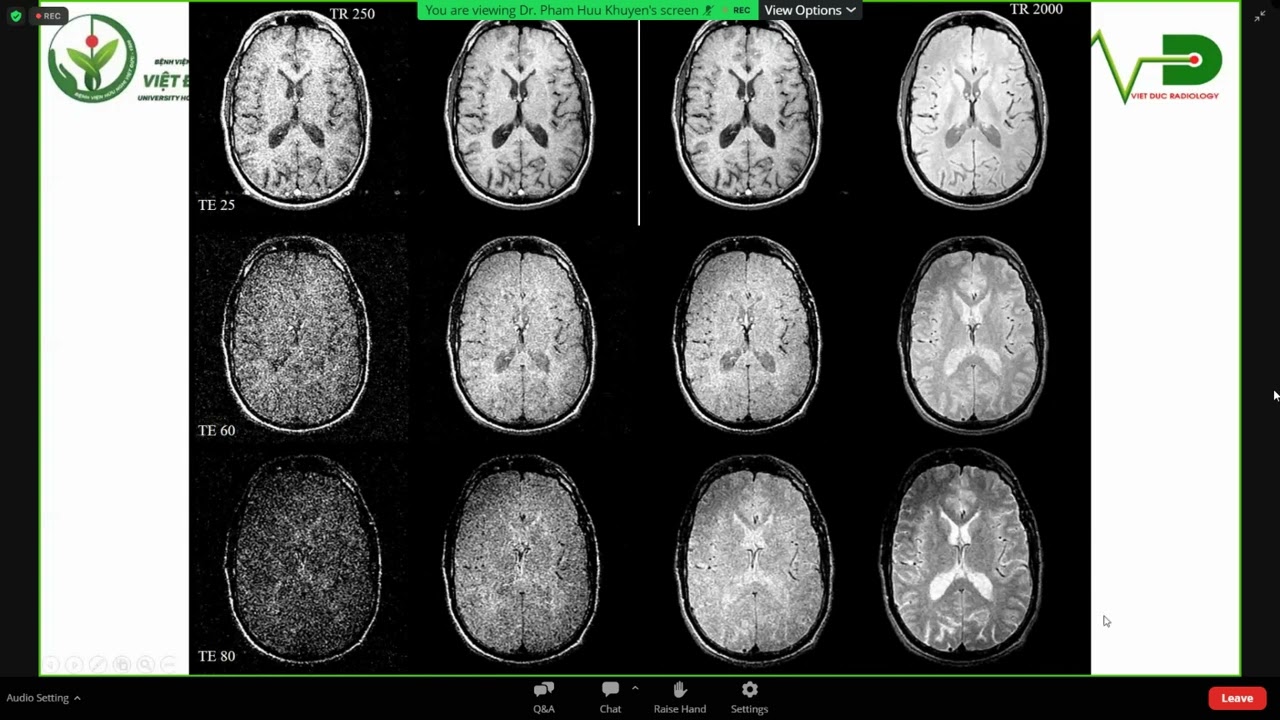
hello everybody and welcome back today we're going to be looking at the process of T1 relaxation now this video follows on from the previous video where we looked at T2 relaxation so if you haven't watched that one I'd highly recommend watching that one first then coming across to this video now T1 relaxation is also known as spin lattice relaxation we saw in T2 relaxation it was the interaction between spins spin spin relaxation that caused the spins to de-phase and ultimately lose transverse magnetization and that's why T2 relaxation is often known as transverse decay in T1 relaxation the spins interact with what is known as the lattice now the lattice is the structural components the macromolecules the proteins that don't have spin themselves but when spins interact with them it causes those spins to start to gain longitudinal magnetization or start to realign with the main magnetic field now spin lattice relaxation is also known as longitudinal recovery because those spins are starting to realign with the main magnetic field we are gaining net longitudinal magnetization we're recovering that longitudinal magnetization in T2 relaxation we are losing net transverse magnetization that's why it's known as transverse Decay so ultimately what is happening here in T1 relaxation is the spins that were in the transverse plane are now realigning with the longitudinal plane and we are regaining that longitudinal magnetization Vector so let's have a look at an actual example here we have the MRI machine with two separate tissues fat on the left and CSF on the right we've applied a radio frequency pulse that has caused the net magnetization Vector to flip to 90 degrees we have lost now the longitudinal magnetization vector and we're at maximum transverse magnetization Vector now when we switch off that radio frequency pulse at B1 pulse two things are going to happen and these processes are separate we'll get T2 relaxation and at the same time we're going to get T1 relaxation independent processes from one another now we've looked at T2 relaxation where those spins start to de-phase and we get lots of transverse magnetization we get transverse decay now we're going to look at how longitudinal magnetization is regained within the sample as that B1 radio frequency pulse is turned off these spins will interact with the lattice and we've talked about the lattice it's the non-spin components that cause those spins to realign with the B naught field here now the rate at which spins realign is dependent on the type of tissue we've looked at the example of people within a room spinning a basketball on their finger and we've said the basketball is coming into contact with one another spin spin interactions cause those basketballs to spin out of phase that's synonymous with T2 relaxation now if you Picture People in the room and there are chairs all over the room or there are obstacles within the room those chairs and obstacles aren't spinning but the people walking around can trip over those chairs interact with the lattice within the room falling over would cause the basketball to tip like this into the longitudinal plane now in CSF there are very few proteins or macromolecules or structural components very few chairs within the room so the people walking around that room can walk around freely the spin spin interactions are less than say in fact and they're less likely to trip over the lattice within the room so in CSF T1 relaxation also takes a long period of time now we've looked at fat being long chains of triglycerides and we've said it's like people in the room holding hands with one another and that's why T2 relaxation happens much quicker in fact the basketballs are much more likely to bump into one another now not only that but in fact there's more lattice within the sample they're more structural components non-spin lattice components and that means that fat gains longitudinal magnetization quite quickly what also happens in fat is the long triglyceride chains also move in response to that radio frequency pulse meaning that the spins are more likely to come into contact with the surrounding lattice again another reason why T1 relaxation happens faster and fat than it does in CSF so let's see what happens over a period of time we wait a period of time and we see that in fact we regain some longitudinal magnetization and the same things happened in CSF now this Vector here if we look in CSF we've got our net magnetization Vector initially it was along the B naught plane we flipped it to 90 degrees and then over time that is going to start to gain longitudinal relaxation until ultimately lying completely in the longitudinal plane now as this process is happening as we are regaining longitudinal magnetization we are also getting T2 relaxation happening at the same time where these spins within the CSF are de-facing with one another so when the CSF starts to gain longitudinal magnetization at this stage many of the CSF spins are out of phase with one another and we've lost a lot of net transverse magnetization now this gaining of longitudinal magnetization does account for some loss in transverse magnetization but that pales in comparison to the transverse magnetization loss because of the deep phasing of those spins when we've regained some longitudinal magnetization at this point we've likely lost all of the transverse magnetization because those spins are out of phase with one another we can think of the net magnetization Vector then as being just this longitudinal component here that's really important the transverse component does not equal this part of the vector because those spins are now out of phase and because those spins are out of phase the transverse component has canceled each other out and we're left with a net magnetization Vector in the longitudinal plane now as the tissues gain their longitudinal magnetization we can use this x-axis here as a proxy for the longitudinal magnetization vector and that becomes really important in T1 relaxation as we wait more time we see that fat again is gaining the longitudinal magnetization faster than it is in CSF and we can plot this on this graph here the y-axis here being the longitudinal magnetization the net longitudinal magnetization and the y-axis ends in 100 here where we've got full recovery of longitudinal magnetization and we can see that fat is gaining that longitudinal magnetization faster than water is that's because in CSF there's less lattice for interaction to occur and not only in fact is there more lattice but spin lattice interaction is more likely to occur because of how those triglycerides react to the magnetic field as we wait more time we can see now in fact we've regained 100 of that longitudinal magnetization and the CSF sample is slowly regaining that longitudinal magnetization and it's these differences here that allow us to get T1 contrast within an image we saw in transverse relaxation that was looking at T2 differences within the image here now we're looking at how we get T1 differences and that's what we're going to focus on in this talk now for the various different tissues you can plot these on a graph the same that we did with T2 relaxation now we saw that T2 relaxation was a loss of signal a decay in Signal T1 relaxation is a gain of signal its longitudinal recovery we are gaining or regaining that longitudinal magnetization vector so here we can see that fat gains faster than muscle and muscle gains faster than CSF and again we can use a time constant here known as the T1 time constant now in T2 Decay we looked at the time it took to lose 63 of the transverse magnetization signal here in T1 relaxation we're looking at the time it takes to gain or regain 63 percent of the longitudinal magnetization Vector that time is what's known as the T1 time constant now this isn't an arbitrary number 63 percent is used in both of those equations because there is an equation that looks at the T1 and T2 relaxation constants and that equation is out of the scope of this lecture series but what you need to know here is that the T1 time constant is much longer in CSF than it is in fat now why do I keep comparing CSF and fat the predominant signal generated in the MRI is either coming from water or it's coming from fat that's where the most free hydrogen atoms are available to generate signal in MRI imaging now you would have seen that in T2 relaxation we had a concept known as T2 star why then do we not get T1 star relaxation what was causing T2 star relaxation T2 star was the extra loss of Decay away from the t2 relaxation curve that was due to the magnetic field in homogeneities the differences in the magnetic field strength throughout the magnetic field caused the spins to defaze faster than they would usually just from spin spin interactions some spins were experiencing a higher magnetic field and therefore resonating faster and some spins were experiencing a lower magnetic field and therefore resonating slower and because of the differences in those speeds of resonance or speeds of procession we got lots of transverse magnetization in T1 relaxation the magnetic field is responsible for gaining longitudinal magnetization and differences in magnetic field strength will result in slight differences in the longitudinal relaxation however because the magnetic field is inhomogeneous some of those spins will experience a weaker magnetic field and gain longitudinal magnetization slower and some will experience a stronger magnetic field and gain longitudinal magnetization slightly faster if we average out those differences we're going to get gaining of longitudinal magnetization at roughly the average magnetic field strength and that gaining of longitudinal magnetization then will be equal to the T1 time the regaining of longitudinal magnetization has nothing to do with the phase of the spins we saw that in T2 loss it has everything to do with the phase of the spins and that magnetic field in homogeneity whether it be stronger or whether it be weaker magnetic fields cause dephasing that defacing doesn't affect this longitudinal magnetization and we get a time constant known as T1 that is the average of that magnetic field so let's then compare our T2 relaxation and T1 relaxation specifically looking at the lens of time to Echo and time to repetition we saw that in T2 relaxation the te time highlighted the differences in T2 relaxation between the different tissues we can see here that changing the te time in T2 relaxation highlighted the t2 contrast differences between the various tissues and if we used a really short time to Echo we got high signal but no contrast between those tissues we negated the t2 differences between these tissues but we still got signal from that sample as we waited slightly longer we have still got signal coming from the sample but the signals differ because of the differences in T2 relaxation and if we waited even longer for a really long te time we'd get very low signal and very little contrast between the tissues now when we look at T2 relaxation this is something that we can directly measure because we are looking at transverse magnetization and its transverse magnetization that we can measure with the coils within the MRI machine and that time to Echo is the time that we actually measure that signal now if we look at T1 relaxation what are we gaining we're gaining longitudinal magnetization and we can't measure that longitudinal magnetization because it's within the same plane as our main magnetic field we can't place coils there to measure that longitudinal magnetization so how then do we go about highlighting the differences in longitudinal magnetization the differences in longitudinal magnetization rates is what is going to give us the T1 contrast differences within the tissues well in order to do this we need to look at how we actually go about creating these signals the pulse sequence here the first thing we do is apply a 90 degree RF pulse to lose all of that longitudinal magnetization and gain all of the transverse magnetization we then sample the signal at a time known as the time to Echo the te time and as we've seen a very short time to Echo results in high signal but very little T2 differences in the tissue the longer we wait for that time to Echo the more the t2 differences are the more those spins are allowed to de-phase at their set rate for the tissue and we highlight those T2 differences we then wait a long period of time as all those spins start to regain longitudinal magnetization and lie in the longitudinal plane then at a given period of time we repeat that 90 degree RF pulse that's our time to repetition as we repeat that 90 degree RF files we re-flip that net magnetization Vector into the transverse plane so let's have a look at what that means for the T1 relaxation times within our image now importantly when we talk about T1 relaxation we're talking about the gaining of the longitudinal magnetization vector if we look at CSF and fat for example fat gains the longitudinal magnetization Vector quicker than CSF does that's what we've looked at already in this talk now in this longitudinal plane we can actually use this x-axis Vector value as the net magnetization Vector for the sample because the spins here in the t2 or the transverse plane have now defazed the transverse plane has canceled everything out we've got a net magnetization Vector equal to this x-axis value the same happens in CSF so at any given period of time we've got longitudinal magnetization vectors that are equal to the x-axis value of that longitudinal magnetization so that period of time we've got a short longitudinal magnetization Vector for CSF and a long longitudinal magnetization Vector for fat if we then apply that 90 degree RF pulse at this period of time which represents the longitudinal magnetization vectors differences between the CSF and the fattier what will happen then is the net longitudinal magnetization vectors for CSF and for fat will be the y-axis value for the transverse magnetization at the time of repetition here you'll see that now that we flip that Vector we flip the longitudinal magnetization Vector the differences in Signal between fat and between CSF is quite large so let's now look at two periods of time where we can do the time to repetition within our T1 relaxation as we do a short time to repetition we get what we've just looked at here the CSF has regained very little longitudinal magnetization or MZ fat has regained a lot of the longitudinal magnetization here so what have we got at this period tr1 we've got fat that has regained a lot of longitudinal magnetization and CSF which has only regained a small amount of longitudinal magnetization if we repeat the 90 degree RF pulse at this stage the value of the y-axis in the transverse plane is going to be equal to the amount of longitudinal magnetization that the different tissues have gained at that point so a short TR time means that we haven't allowed full longitudinal magnetization to occur and we've still got differences between these tissues now because we have flipped the longitudinal magnetization Vector into the transverse plane we can Now sample that signal and if we have a very short te time here we negate the t2 differences in the tissue we'll see that the signal coming from fat is going to be much higher than the signal coming from CSF what we've done here is we've highlighted the T1 relaxation differences Within These tissues you can see here the signal for fat is much brighter signal for CSF is darker and when we look at T1 weighted images we'll see that CSF is dark and fat is bright that's because of these shorter TR time that's highlighting the T1 differences in the tissues if we wait a longer period of time and have a TR time that is long we have allowed those tissues to regain their longitudinal magnetization and the longitudinal magnetization Vector between the two different tissues is going to be similar we then apply the 90 degree RF files and the signal from those tissues is now very similar we can see if we sample those signals at a very short te time we'll have high signal with very little T2 differences because at te time is really short the t2 differences haven't had time to come about and we've got very little T1 differences because we've allowed the sample to regain the longitudinal magnetization vector and this is a sequence we're going to look at later known as a proton density weighted image where we negate the T1 differences from a long time to repetition and we negate the t2 differences by using a short te time now changing the te results in changes in T2 contrast and now you can see that changing the TR the time to repetition results in highlighting the T1 differences in the next talk we are going to look at how we use these t e and TR times to weight our images to weight them either towards the t2 contrast differences or towards the T1 contrast differences or somewhere in between known as proton density weighting now importantly every image has some T2 contribution and some T1 contribution to contrast in the image so if you want to learn how to do that join me in the next talk where we will look at weighting of MRI images until then goodbye everybody
Up Next
16:48
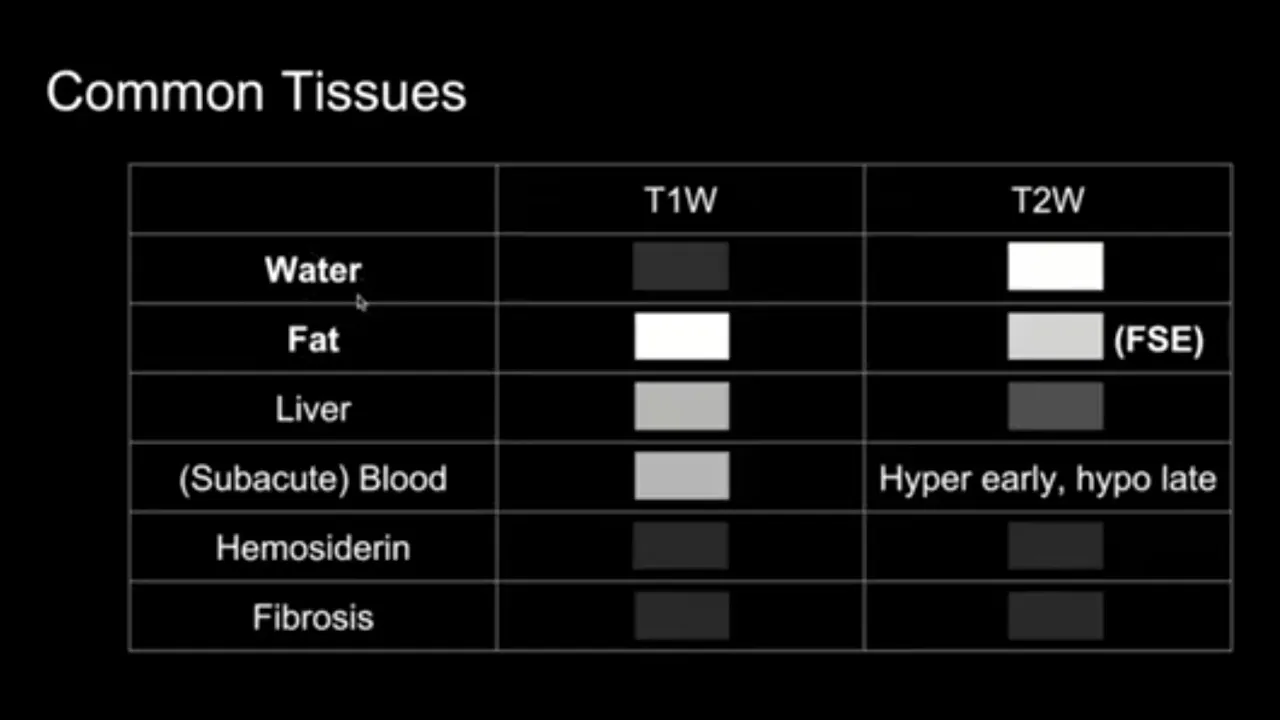
MRI Basics: T1 vs T2 Relaxation and Tissue Contrast Explained
@navigatingradiology
101.8K views•2022-02-27

6:05
Radiation Units Explained: Gray, Sievert, and More
@SciShow
342.1K views•2019-09-12
10:36
Bremsstrahlung Radiation: X-Ray Production & Physics
@radiologytutorials
111.5K views•2023-02-24

27:14
Entropy and the Second Law of Thermodynamics Explained
@veritasium
27.5M views•2023-07-01
Related Study Plans & Knowledge Roadmaps
Structured learning paths in Physics
physics
Medical Physics: Imaging, MRI & Radiotherapy
01Foundations of Radiation and Matter Interaction
02X-Ray Imaging and Computed Tomography (CT)
03Magnetic Resonance Imaging (MRI) Physics
+ 3 more learning modules
15h6 modules
Explore Roadmap
physics
Nuclear Physics (Decay, Fission & Reactors)
01Atomic Structure and the Binding Force
02Radioactive Decay and Half-Life
03Nuclear Fission Mechanics and Chain Reactions
+ 2 more learning modules
12h5 modules
Explore Roadmap
physics
Soft Matter (Polymers, Colloids & Rheology)
01Foundations of Soft Matter & Thermal Forces
02Polymer Physics and Macromolecules
03Colloids, Surfactants, and Self-Assembly
+ 2 more learning modules
38h5 modules
Explore Roadmap
physics
Analytical Mechanics: Lagrangian & Hamiltonian
01Mathematical Foundations: Calculus of Variations
02From Newtonian Mechanics to Constraint Dynamics
03The Principle of Least Action & Lagrangian Mechanics
+ 3 more learning modules
28h6 modules
Explore Roadmap