
















The 13th, 14th, and 15th Amendments, collectively known as the Reconstruction Amendments, were three constitutional amendments passed between 1865 and 1870 that fundamentally transformed American society: the 13th Amendment abolished slavery and involuntary servitude (except as punishment for crimes), the 14th Amendment established birthright citizenship and guaranteed equal protection under the law for all Americans, and the 15th Amendment prohibited denying the right to vote based on race, color, or previous condition of servitude; however, despite these landmark achievements, Southern states implemented discriminatory laws like poll taxes and literacy tests to suppress Black voting rights, necessitating the Voting Rights Act of 1965 over a century later to fully enforce these constitutional promises.
Reconstruction Amendments: 13th, 14th, 15th Explained
Added:Think slavery ended with one law? Think again. The Civil War may have ended in 1865, but freedom, that's a bit more complicated.
[Music] In this video, you'll learn how the 13th, 14th, and 15th amendments, also called the Reconstruction Amendments, ended slavery, redefined citizenship, and secured voting rights for black men.
All these happened between 1865 and 1870, and it changed America forever.
Imagine the Civil War ends in 1865.
The country is torn apart and over 4 million enslaved people are suddenly freed. Lawmakers had to act fast to build a new foundation. That foundation, three constitutional amendments passed back to back. The 13th amendment was passed first in 1865.
It didn't just suggest freedom, it demanded it. Slavery and forced labor, except as punishment for a crime, became illegal in every state. Here's the exact line. Neither slavery nor involuntary servitude shall exist within the United States.
It's short, but its impact was massive.
Suddenly, people who had been treated as property were legally free. That moment changed everything.
But freedom on paper isn't the same as equality in real life. So next came the 14th amendment passed in 1868.
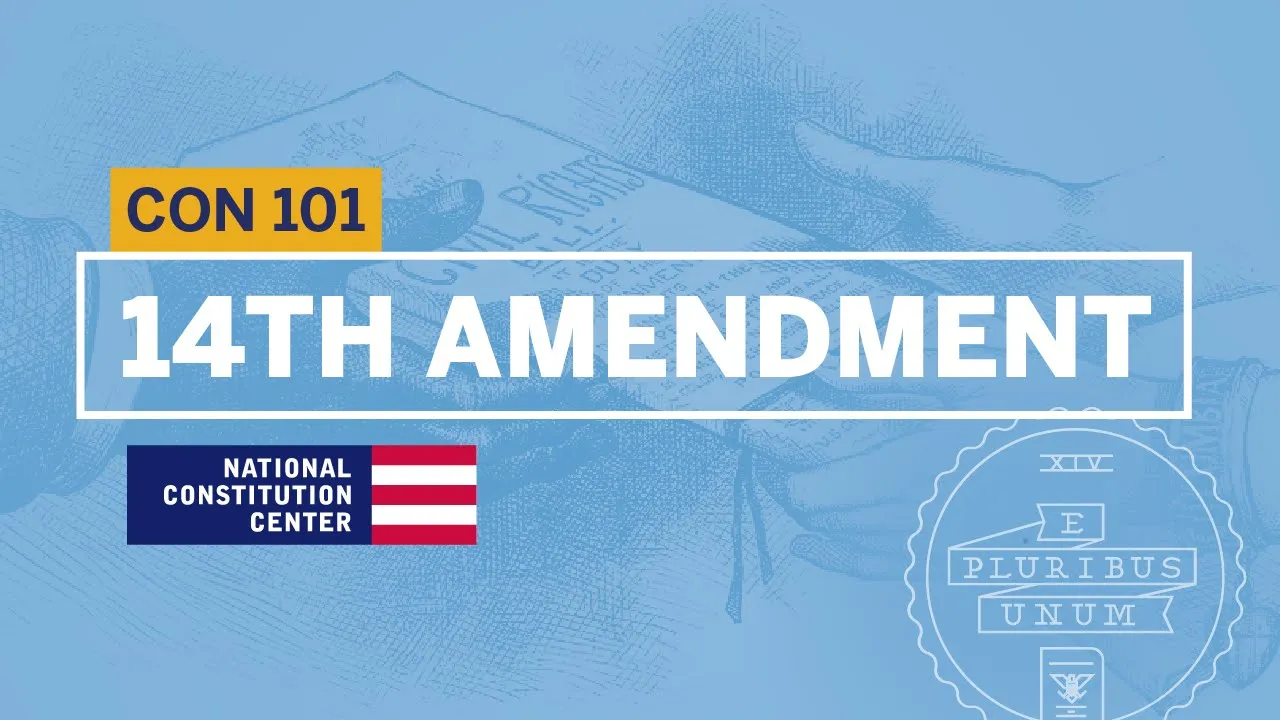
The 14th amendment declared that anyone born in the US was a citizen. That meant formerly enslaved people were now Americans. Not just free but legally part of the country. Even bigger, it required all states to treat everyone equally under the law. The words equal protection became the foundation for future fights for civil rights from school integration to marriage equality.
Over a century later, those same words were used by activists to fight injustice, argue cases in court, and demand fair treatment for all. And finally, the 15th amendment passed in 1870 gave black men the right to vote.
It said that no one could be denied the vote because of race, color, or being previously enslaved. It was a bold move toward democracy. For the first time, black Americans had real political power. They voted, they ran for office, and some even won. Southern states pass new laws, pole taxes, literacy tests, and more to block black people from voting and keep racial inequality alive.
That's why nearly 100 years later, the Voting Rights Act of 1965 was needed to finally enforce the promises made in 1870.
These three laws didn't just patch up the country, they redefined it. They told the world what America wanted to be, a place where freedom and equality mattered. And today, their words still echo in courts, classrooms, and protests. Because justice is never automatic. It has to be defended again and again. Let's review real quick. The 13th ended slavery. The 14th made everyone born here a citizen. The 15th protected the right to vote. no matter your race.
Okay, quiz time. Which amendment gave citizenship to people born in the US, including formerly enslaved people?
A 13th amendment, B 14th amendment, C 15th Amendment, or D First Amendment?
The answer is B. The 14th Amendment. It gave citizenship to anyone born in the US and guaranteed equal protection under the law. It made sure that formerly enslaved people weren't just free. They were recognized as full citizens with rights that couldn't be taken away.
Ready to quiz yourself with the content covered in this video? Check out the link in the description where you'll find Quizlet content made just for you.
[Music]
Up Next
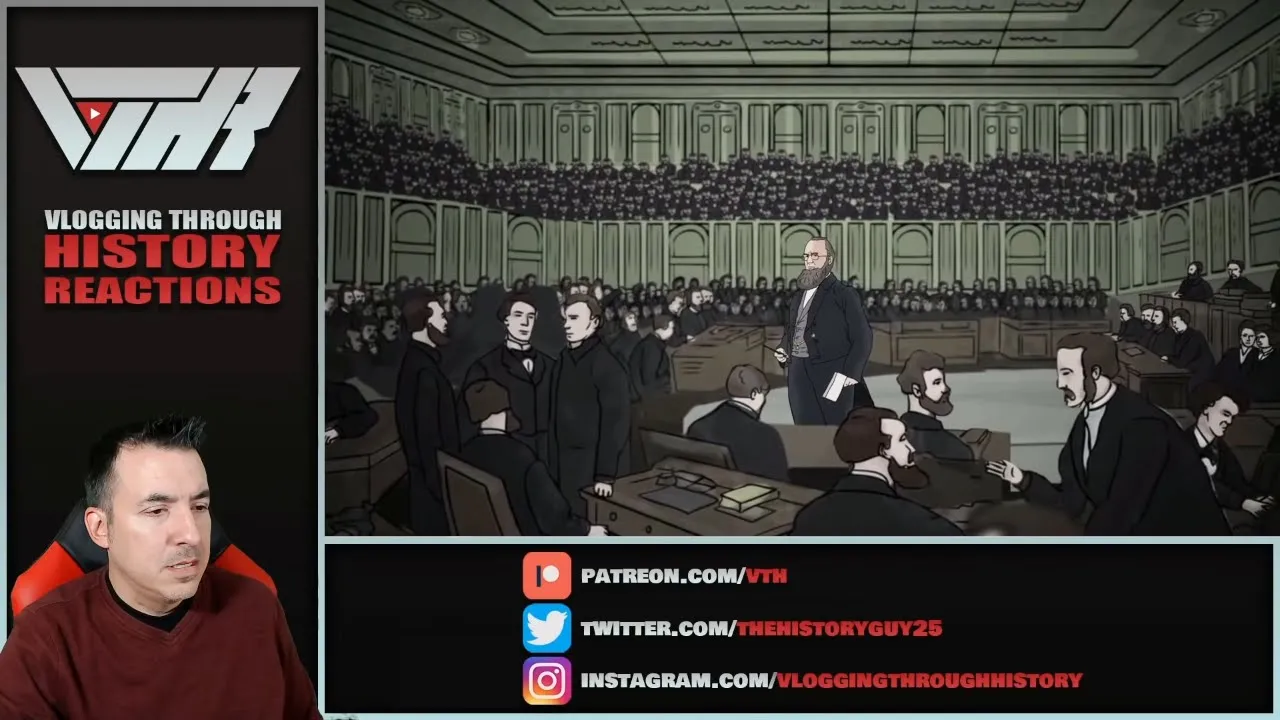
Why Andrew Johnson Was Impeached: Reconstruction Explained
@VloggingThroughHistory
105.9K views•2021-11-03

The Great Schism of 1054: Causes and Consequences
@SacredCathedrals
113.5K views•2026-02-19
The Geopolitics of the Ukraine War and the Rise of Global Autocracy
@JordanHarbingerShow
468K views•2025-04-19
Understanding the Cold War: Superpower Conflicts and the Road to Détente
@OverSimplified
46.1M views•2019-01-24
Related Study Plans & Knowledge Roadmaps
Structured learning paths in History