




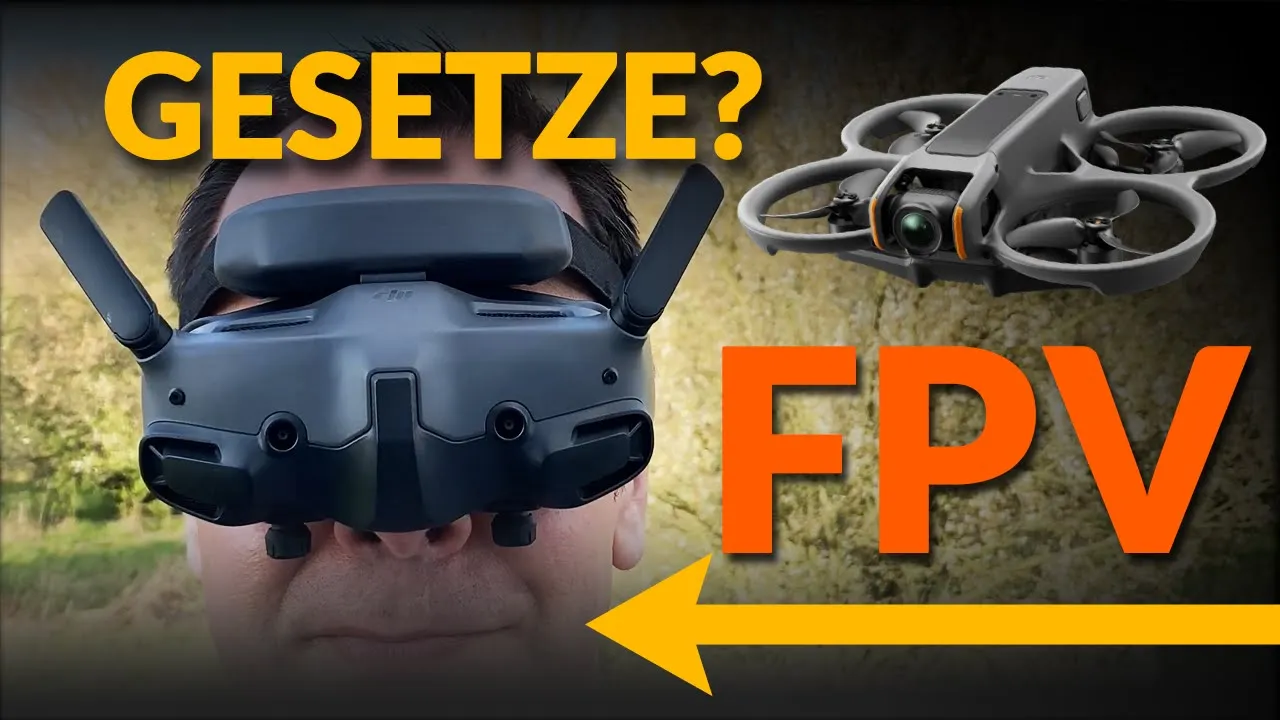


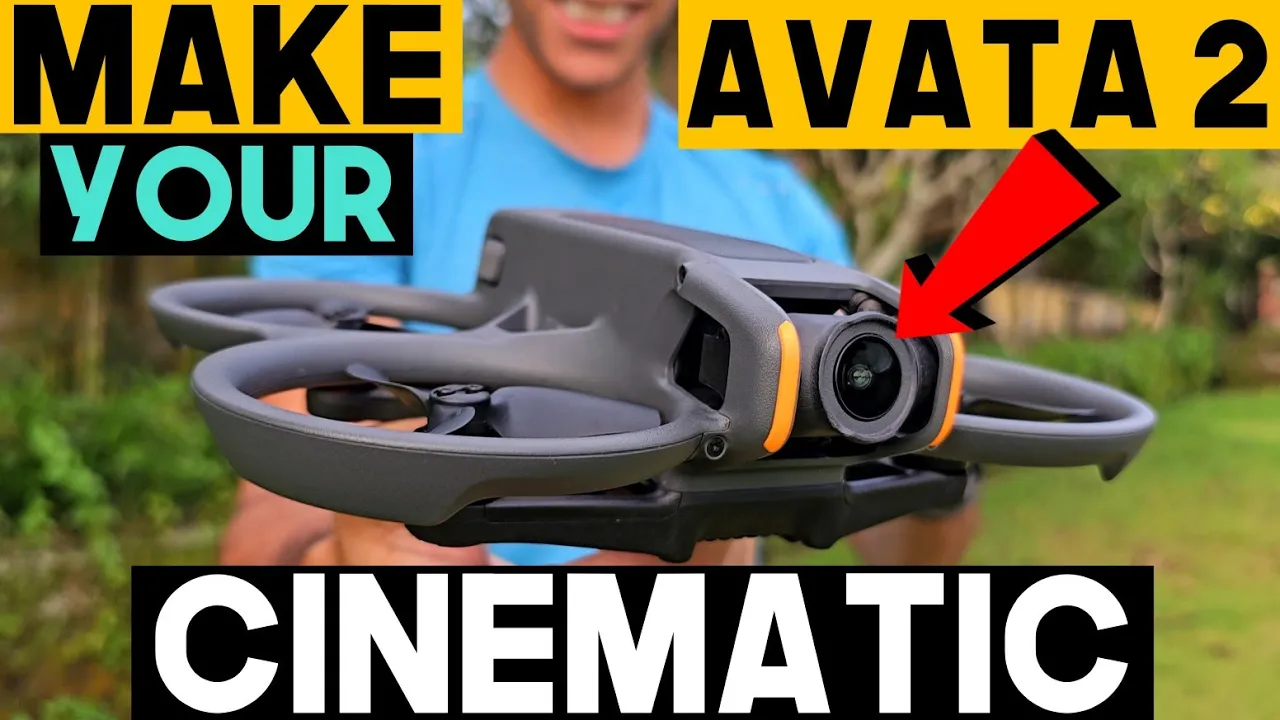
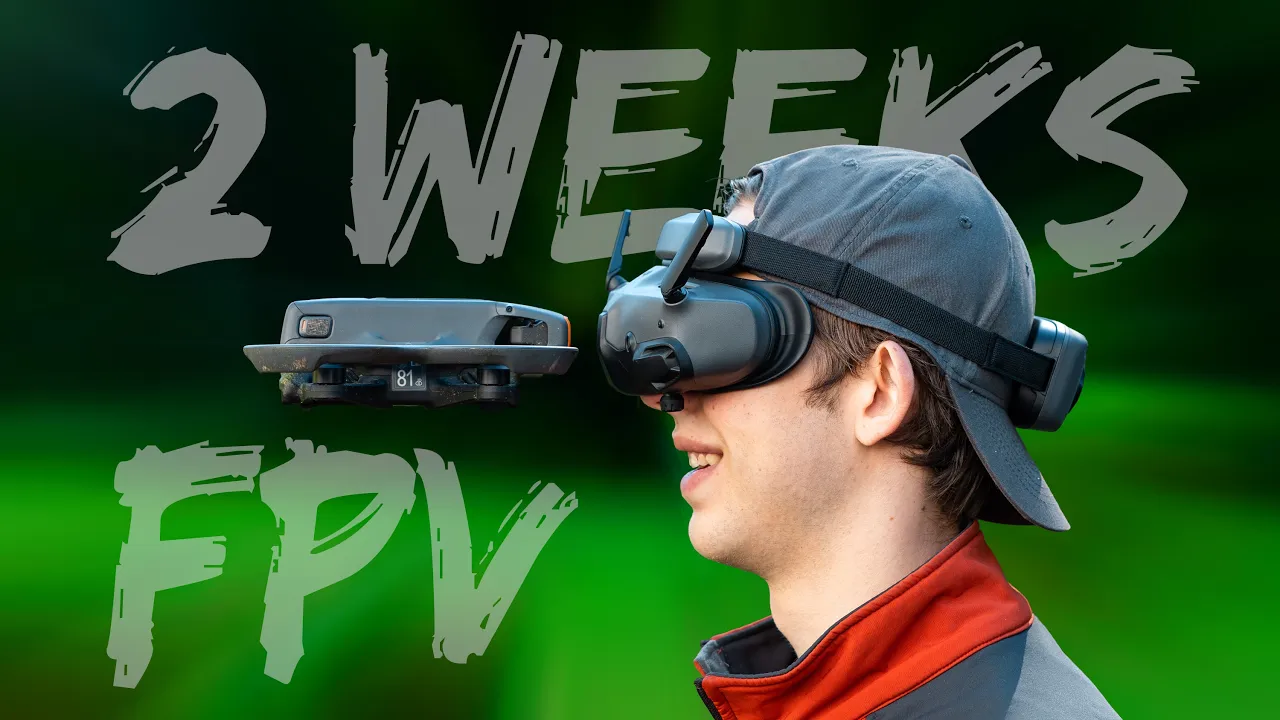






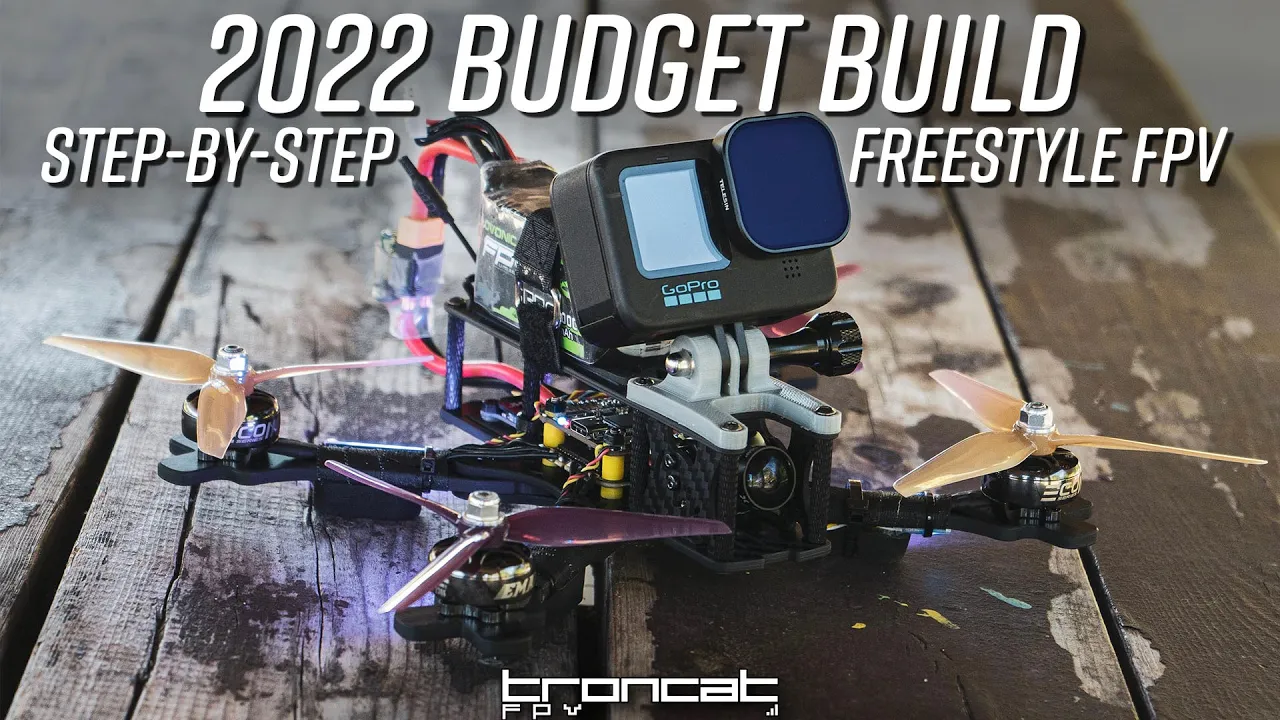
The DJI Avata is a compact, beginner-friendly FPV drone featuring a motion controller with head tracking, integrated 4K recording, and durable plastic construction designed for safe indoor flying and cinematic shots, though it lacks compatibility with third-party equipment and performs poorly in low-light conditions.
DJI Avata FPV Drone Review: Performance, Goggles, and Durability
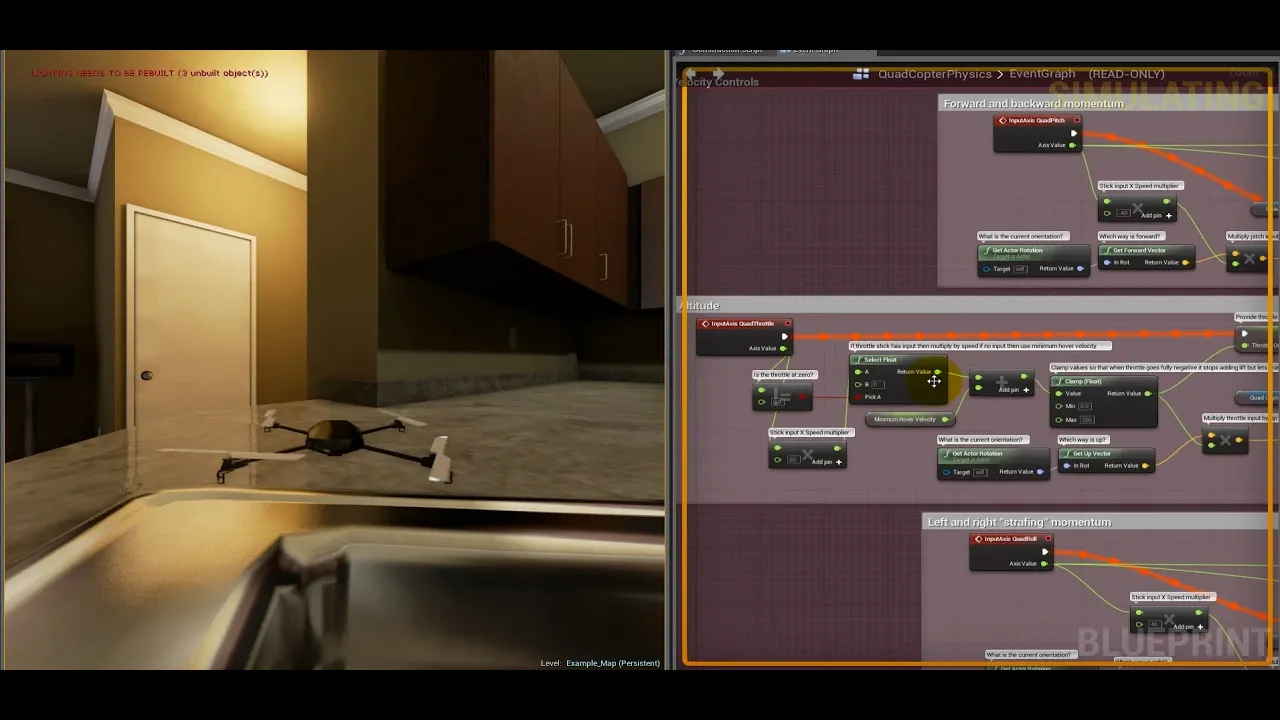
Added:The fundamental physics of quadcopter flight, including pitch, roll, yaw, and throttle controls.
The conceptual difference between traditional GPS-assisted drones and First-Person View (FPV) flight dynamics.
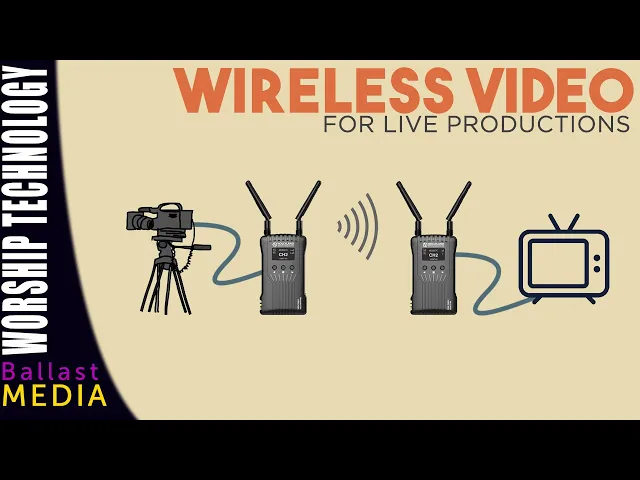
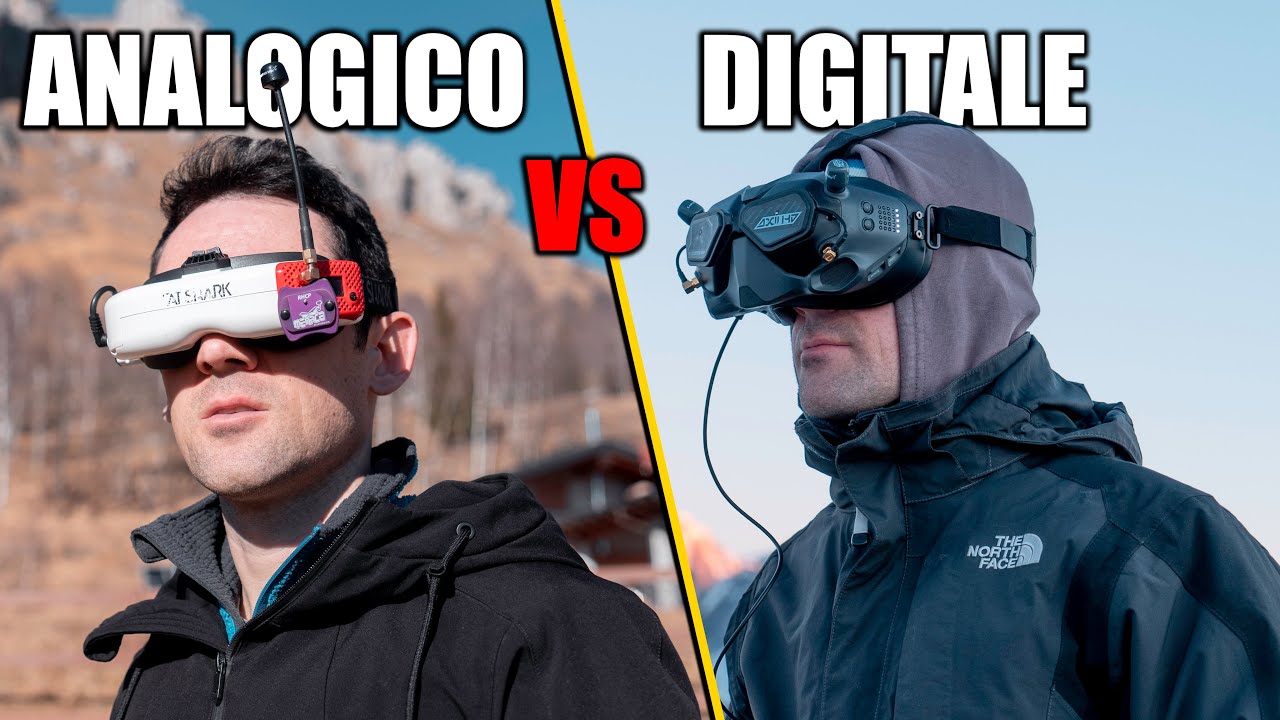
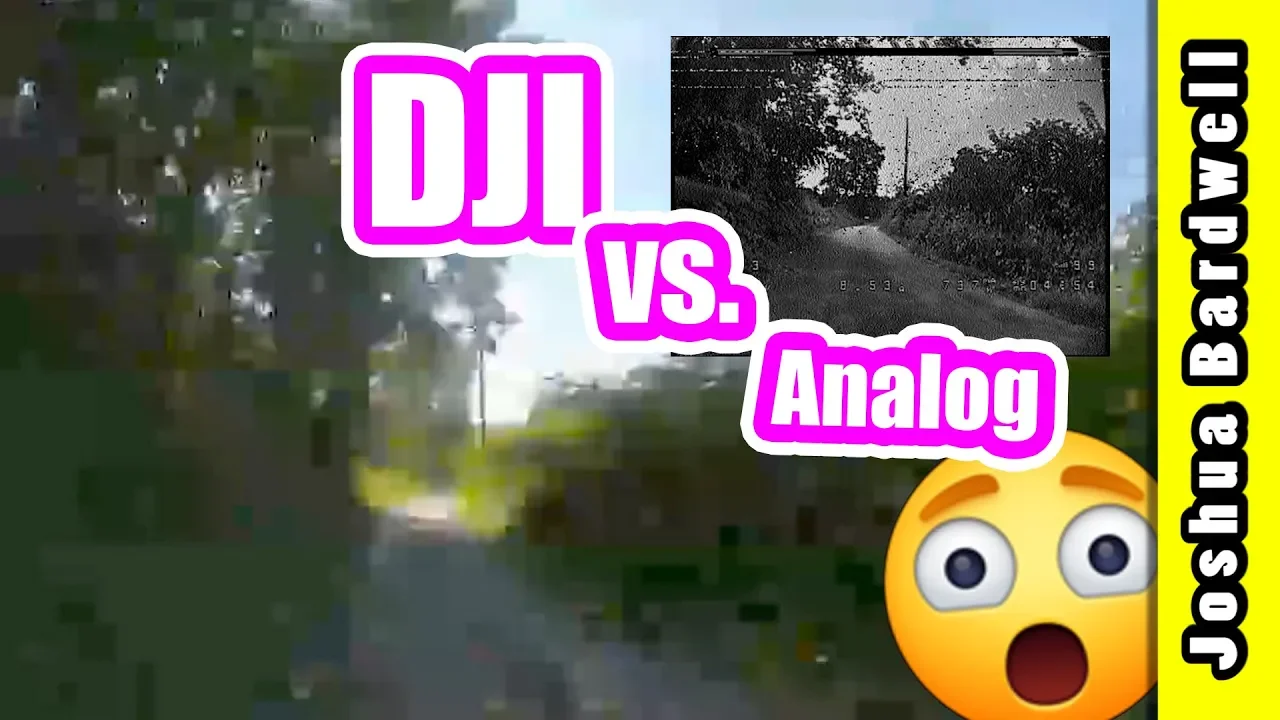
Basic principles of wireless video transmission, latency, and how digital versus analog signals affect real-time piloting.
Standard aviation regulations and safety guidelines regarding unmanned aerial vehicles (UAVs), particularly visual line-of-sight (VLOS) and spotter requirements for FPV.
Mastering 'Acro' (Manual) flight mode through computer-based FPV simulators to build muscle memory without physical crash risks.
Advanced cinematic FPV piloting techniques, such as close-quarters tracking, proximity flying, and utilizing cinematic camera angles.
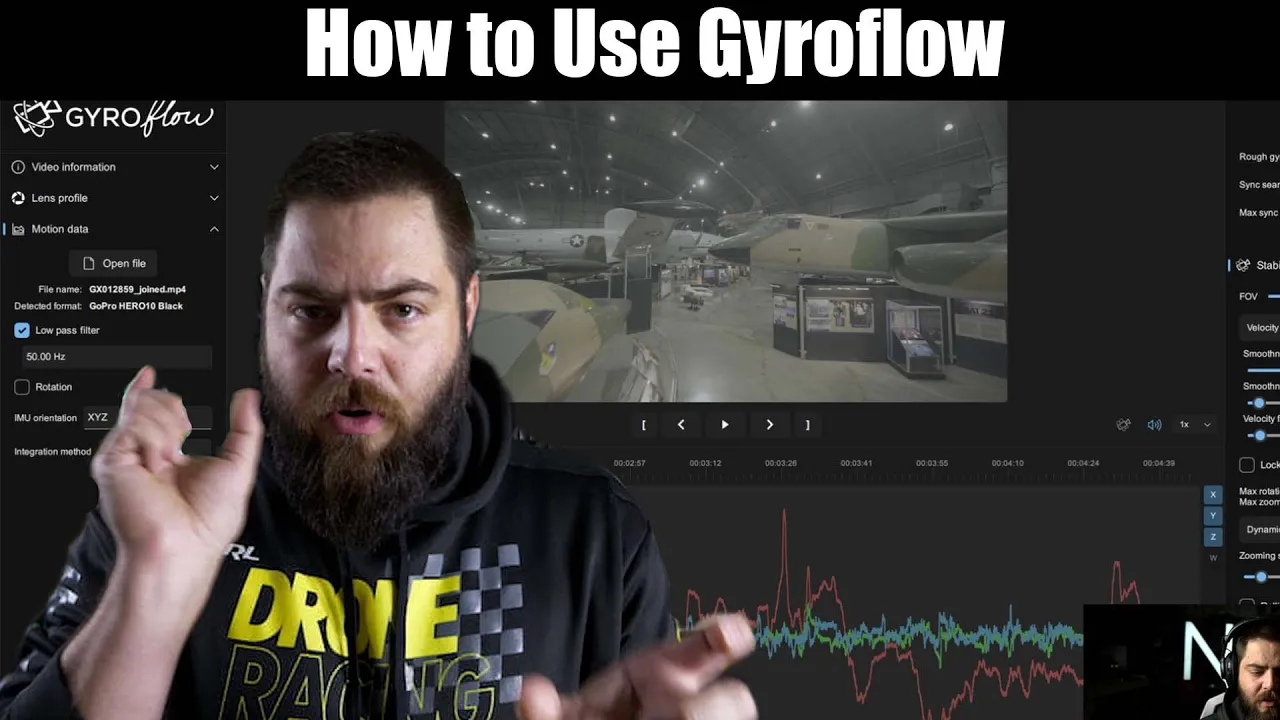
Post-production video stabilization workflows, specifically using software like Gyroflow or DaVinci Resolve to process high-speed drone footage.
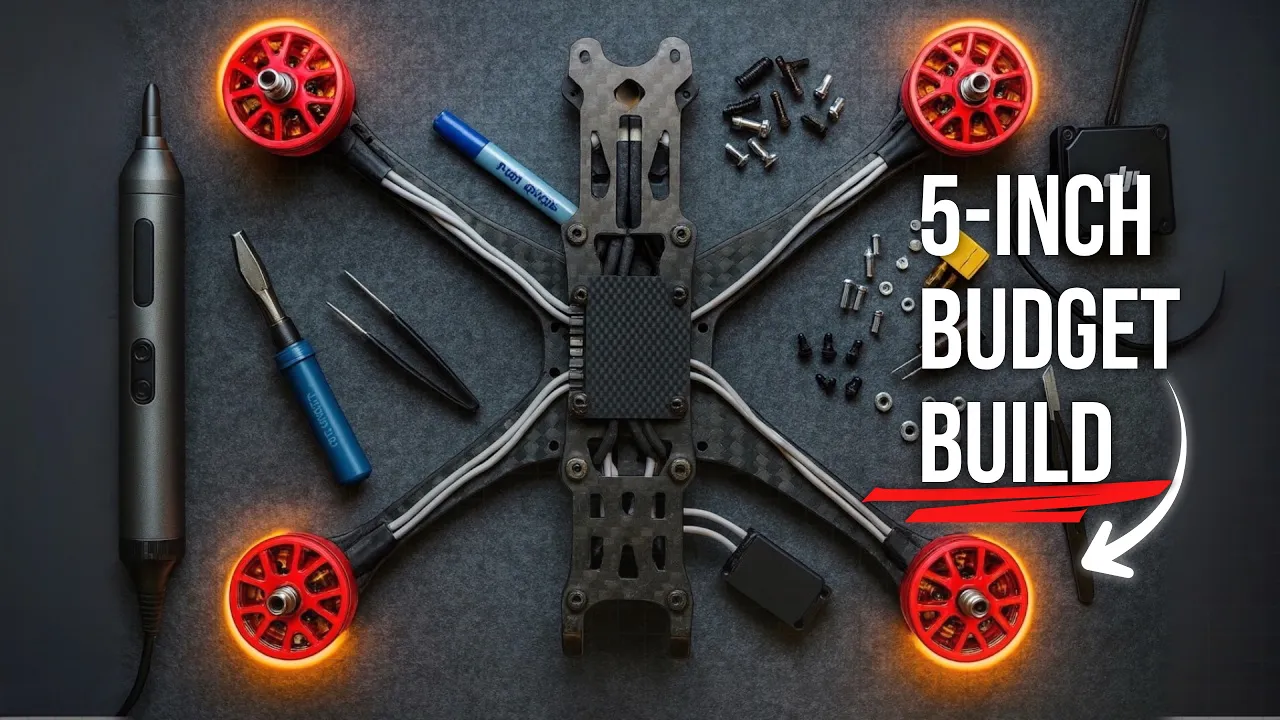
The fundamentals of DIY FPV drone architecture, including Betaflight configuration, electronic speed controllers (ESCs), and custom radio protocols like ELRS.
125.8K views3.6Klikes33:13Original Release: 2022-08-25
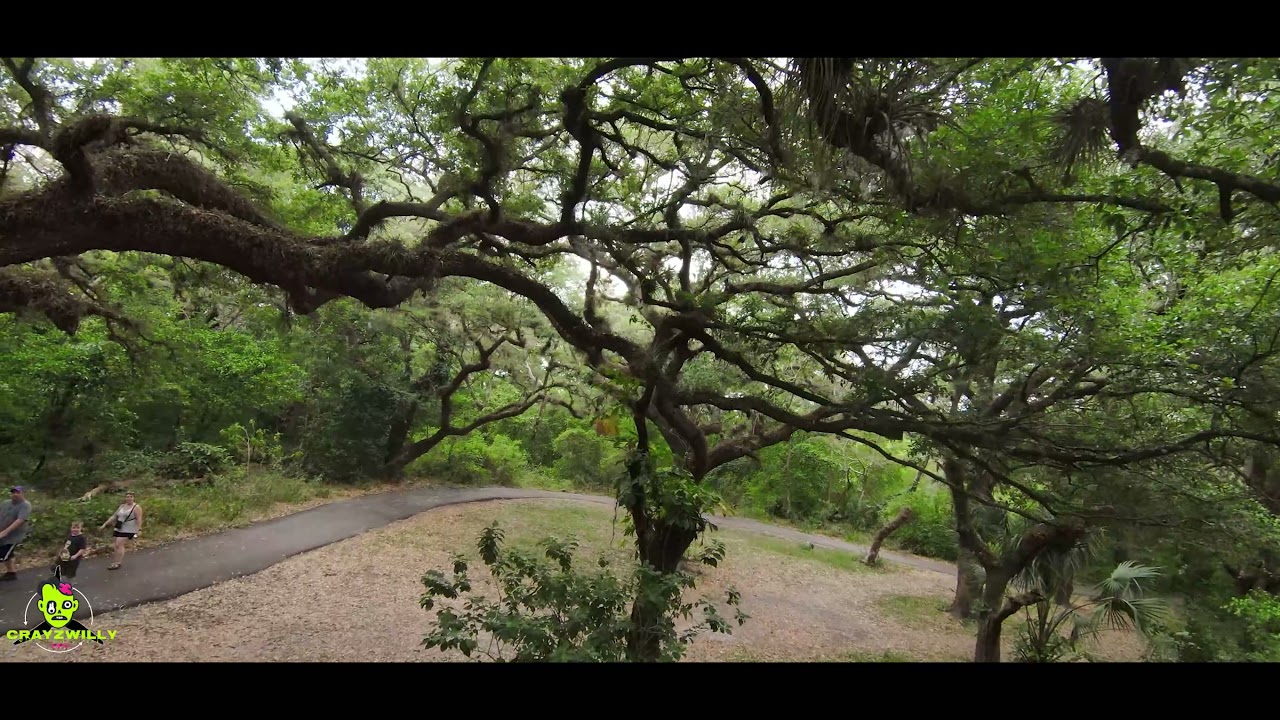
[Music] hey guys welcome to rotorite today we're taking hey guys we are taking a look at an all-new full ready-to-fly fpv drone from dji the avatar that was good that was good this is the full pro view combo there's a couple things in this box are there different versions you can buy of it there's going to be this pro view combo which has the drone a goggle and a controller okay and you can also buy the drone separately and then there's also going to be another combo where the drone is packaged with the older dji goggles the ones that we've been flying with for years now oh nice compatible with those goggles let's get this box open when you buy just the drone this is what you'd get but if you get the pro view combo then you also get goggles and the controller that controller is interesting what do you think of that controller ah i um this is called the motion controller and this is a controller that you hold with one hand and it's kind of like a fighter pilot control and you actually control the drone by tilting it has a gyro in there yeah when we fly our drones our pro-grade fpv drones we're flying with a more classic rc style controller that has two sticks and you are actually directly controlling throttle yaw pitch and roll versus something like this which does some of the controlling forward mixing yeah we'll see when we get into it because we are going to fly it like this i'm curious to see how precise i can be using that controller right why is it going up what the heck oh there's a dot wait what yeah so that dot so basically just point that dot where you want to go oh my god do you actually like i love it it's an ultra wide too oh my gosh oh my gosh so basically what you do is as you tilt that thing you see a dot on the screen so you guys are going to see what oh my god he was close to that and as you move it it moves the dot and it basically when you pull the trigger it shoots towards the dot oh man you're getting okay hold up man we don't let's do that stop so fast does stop and the trigger is interesting because they say it's an acceleration trigger but it's kind of not it's more of a speed so like if you let go of the trigger you stop and if you hold it at mid you go like half fast and you hold it full you go full fast does that make sense yeah so right now it's not letting me go left which is weird you know like you bring it back to center see it's more like this oh yeah okay once i get going i get the hang of it yeah it seems that's funny that when you're able to fly it like intuitively but then you try to think about it and do it stationed and it didn't work just stop it for a second okay all right i'm gonna try and change the flight mode on you okay let's turn on tracking click okay now now you can see it with your face if you want so how do i what do i do with this then because this this also controls you can use it either tilt your head like look to your left look at that oh i see here we go i'm ready oh but it doesn't move the arrow oh hold up bro oh we can do side shots oh so that's how you would do a side shot yeah that's weird watch out what you're going to fly into though oh yeah i can i would say so this is center i got to get used to that more so that's weird so i guess you can and you see those bars that's kind of indicating you're forward do you see those two bars yeah so whoa because like the camera is obviously not tilting so it's a drone so like if i'm going like this i'm turning my head now the drone is actually going sideways but when i push forward it goes like you know forward in the direction that i was going you know hey sean drive my truck around slowly this makes me warm up to the motion controller a lot so on the pre-production firmwares i've been flying i was never able to get the head tracking to work so for me the motion controller was really really fun but you can only chase something head-on and you can never strafe something or look at it or orbit it but now with this head tracking capability shoot man like this is cool because like just just point the oh that's so weird oh nice save bubby that's cool bobby you're nailing it oh but you freaked out yeah i didn't want to hit the tree i haven't even flown it yet just from watching bubby okay but you can hit something oh this is what you see how you can organize basically okay put the dot on the side of the screen this is weird but dude you locked into that orbit first trigger orbit okay oh he's doing it oh dude he's locked yeah i'm like yeah okay whoa sorry i was getting dizzy i was getting dizzy so quite different from the original dji fpv drone this is not like a full five inch racing or freestyle drone yeah this is more a cinewoop class drone so what we have here is one of our skylight drones this is what we build and sell at rotor riot this is the type of drone that you're going to use when you want to fly indoors or around people these these ducks make it very safe to fly around things like if i bump into bubby it's i mean it's still not a great thing you should avoid it but it won't be cut in the buddies yeah it's not an instant hospital visit it's still capable of carrying a full recording camera so you can put a gopro on there and get some really amazing shots this is one of the most popular fpv platforms when you're doing cinema work yeah and dji is definitely going after that with this so it looks like we only have this one camera right here and this also doubles as our action camera correct yeah so you notice there's no mounting provisions to put an action camera so when we build our ducted drones we put some sort of thing here so that we can put a gopro or a dji action camera or something like that for recording because the fpv camera is not really the the level of quality that we need for recorded image dji's hope is that the same camera that you use to pilot is going to be a recorded view so i mean it's on a gimbal and everything that is really cool and really cool to see what type of shots people can get with a gimbal on an fpv style drone so it is only a one axis gimbal up and down okay but there is built-in stabilization so you can get a little bit of that rock study and you can use this with gyroflow so i mean for size comparison it's very similar it's actually smaller we build ours so that the props are far enough apart left and right to have all the components of the drone in the center yeah dji really stacked it like the props are a true x rather than being a wide x the props come together and all the components of the drone are kind of contained in this diamond section or on top of it and while we're looking at the bottom look at all look at all the sensors so basically it's like an fpv drone but like it'll have a lot of the stabilization features that normal like mavic stuff has oh yeah so this has gps it's got the downward facing sensors so whether you're indoor or outdoors this thing is incredibly stable and locked in we are here at putting edge in desert land in florida and we are going to fly this thing in a little bit of a more tighter environment so as you can see this is a mini golf course and there's a lot of really cool visuals and since this drone is so small and has prop guards these types of shots we're getting is kind of what this drone was built for small flies around people flies indoors so let's go ahead and put that to the test the uv really shows up well wow [Music] oh you lost your vision control for a minute interesting it's so dark it lost the downward facing that's what it is yeah interesting so you weren't just moving around you weren't stabilized anymore like you didn't have any position hold how come it's not going down hit the gap hit it with confidence oh it's upsetting the uh it's moving around oh no oh no the vision control system's failing in here it's it's doing it's pretty bad right now it's like because it's the the the yeah yeah you might have to switch to the real controller well see it like it's freaking out you know what just bring it back and let's give you the real controller yep that sounds like the best option so i guess to answer the question can you control it in slow tight areas with the motion controller yes but not in low light yeah the motion controller just does not seem to perform well in low light which i guess i'm gonna get it we are in the dark with just black lights yeah but if you could understand how dark it actually is you can just push and hold the lock button the lock button is a red button right here if you can hold it just keep holding it [Music] there we go landed i'm cj fpv s-e-a-j-a-y-e dj is legit a pro cinewoop pilot he does a ton of gigs he gets absolutely amazing shots if you're not familiar with this guy you're missing out we'll leave a link in the description his stuff but what we want to see here is cj who has been flying pro built uh acro mode cine whoops for a while you know could we just throw the avada in his hands with no other experience in it and just see like could you do your thing you know no no fly to census mode no motion control we're just gonna put you in acrobat just like one of the drones that you would fly one of your professional gigs and be like could this work for you [Music] so i think you're like the first pincher that i've seen fly this radio what are you thinking about what do you think of it so far um i'm not a fan i'm not gonna lie to you yeah it's i think it might be because of the uh small gimbals i don't know it feels really small in my hands you could get used to it if you knew you had to but i'm not a big fan besides the radio you know you fly a lot of city loops how did you feel the actual drone flew like you know problems and stuff like that the actual drone itself super stable i mean it felt just as good as a regular cinema would and the battery time you got how long is the battery time on this yeah stupid long and we still got we started at 77 like from a business standpoint i will absolutely be investing in one of these for the battery time the quality of it this goggles are so gorgeous i don't feel like i've got something big on my face at all feels really nice yet i still feel like i've got that movie theater screen on me like it's absolutely amazing i've done a really good job with the optics like getting the screen really big yeah you know small form factor all right so let's set the drone aside let's get inside i'm excited for the goggles these are oh yeah i think everyone who's in the fpv scene is really curious about the new dji goggles and this is the first time that we're really going to get to see them the day that this video is published the only thing that the new dji goggles work with is the about a drone get ready for something and hold on i have a i have a prepared statement the sv community is going to go crazy because the fpv community is really going to want to use these goggles with like an air unit or their custom built drones is that possible what can we say currently dji goggles 2 these things are not compatible with the dji hd fpv air unit or the caddix air unit dji will evaluate customer reaction and market demand and decide how to expand compatibility look how small these are they are small if you guys have been flying the dji fpv system in any capacity the goggles that we have been using both the v1 and the v2 were large you haven't gotten flight this yet so what's your initial reaction who did it come with oh oh i didn't get that on my prototype so i didn't get this look it came with a like a lens protector that snaps on how cool is it that is nice i mean these are pretty awesome no removable antennas or do they okay but this so this isn't our normal like sma connector so right so the and the the top antennas on the goggles are removable and there's an mmcx connector in there with like a clip system so it will be possible to get aftermarket antennas onto the goggle if you want to but you know i think it's going to take some companies developing ones that are compatible with this it's just nice that it is possible there are also two more antennas that are built into the shell itself that are not removable are those patches or do you know they're directional you know honestly dji has done a good job of making internet they're so good at it i don't think we really the only reason i've ever changed the antennas on any of my dji gear before not actually to improve the performance but just to get them smaller yeah the gi antennas usually like stick out further so i couldn't put them in my bag so i would change to a smaller low profile antenna what they did that's really cool this is they're foldable right yeah so you can just check this in your bag get the good performance and then when you want to pack it up boom that's so nice that saves so much time they are high definition oled displays okay i know the field of view is pretty impressive it's like 51 degrees wow that's impressive for a style gog like this yeah to control it you have a touch pad there's no buttons on this whole goggle i think it's like really bougie and fancy so cool i don't know how practical it is yeah i would say in my experience with using some prototype versions of these goggles the touchpad is like it's a really cool idea yeah but in practice it's a little i don't know it's finicky sometimes sometimes a good old joystick button even though it feels a little dated it's a little more reliable yeah but maybe we'll just get used to it right and then to select them so we can just like tap it like tap and then to go back it's a two finger tap it's weird you get used to it okay as far as ports go you've got a usbc port and then you've got your par port here so seven to nine volts and you'll notice that that is not the same barrel connector as we used on our old goggles so it comes with something else it's a different size barrel connector and you can't go higher than nine volts on this so before with the original dji goggles you just had a simple barrel connector to an xt60 and you could plug up to 4s batteries yeah with this you have to use the dji battery you ha okay i mean i'm sure someone's going to come out with other batteries with the right connector but as of now you're going to have to use the dji battery seven to nine volts i wish it was more than that you got your sd card slot you actually have a headphone oh you have audio so uh i haven't experienced any audio output on this but i wonder if it might be something that would be possible if there's other audio functions i'm not 100 sure on that one at this point we've seen before dji come out with stuff and then they'll add features later on so i'd be interested to see what they might do with the headphone port down here we've got our ipd adjustments so you can move the displays left and right for the spacing between your eyes as well as twist to focus and then there's like a way to lock it but that's kind of a quick overview of the goggles what else do we get like a goggle strap nice we have a our okay so this is a cable to power it so then it has a usbc battery bank in there here we have the battery to power the goggles clip it in i like the clip clip is nice yeah so the clip is nice and then i think the length is fine i'm not a fan of these for like stuff that's plugged into because there's still tension yeah but it's not gonna get tangled it's not gonna get tangled um but i do think it's long enough that i don't really need to stretch it too much we've done what three flights yeah and we're already down thirty percent on this battery i don't know yeah we kind of got used to using this with the other dji goggles and it used to last yeah maybe these take more i wonder if these goggles are a little more power hungry so you might want to get a couple of these batteries and you get this controller to put it in buying mode you push and hold the power button and then this is telling you it's in bind mode and you go over to the drone you just push and hold the power button as well and that gives you the same pattern of light and eventually they should make nice we're good so what motivation the normal mode yeah so it's like flying the mavic right yep it's exactly like a magic why aren't you screaming for joy like you did the other time is this not as fun i mean it's it just feels like i'm flying a mavic yeah sport mode so here's sport mode okay what does sport mode do it just makes it faster okay if you've ever flown a mavic before this is what you're familiar with where you've got altitude which is up and down on one stick and and rotating yaw is left and right on that same stick and then the other stick is push and hold forward to go forward or back or strafe left and right um i'm just using pitch and yaw yeah yeah you don't need to right when you're when you're in these auto level modes you don't need to use roll yeah unless you want to do this it's not really roll it's more of like a strafe right yeah like you can go like this if you wanted to i mean if you are doing a really fast turn you'll want to use it so that you bank the turn but well so yeah it does bank already oh it's got built in look at that it's got built-in banking that's what i'm saying i'm just using yada controller right now that's crazy which because of the mixing it's easier to control it in normal in this mode with just yaw as opposed to using roll too so where's the gimbal gimbal's right here okay so now this is really feels like a mavic where you know i'm looking down and it's not doing it it's just staying down right so now i can like i can probably do a reveal shot and that's with the dial right yeah i'm using the dial on the left-hand side before you're looking down and then tilt it up and then boom that's cool so can we put it in manual mode well we'd want to change the springs normal in sport modes the left stick up and down is altitude and you raise the stick to increase altitude and lower it to decrease altitude and center it to maintain altitude whereas in a manual mode the left stick is throttle and what height you're at is dependent on your control as a pilot and how much throttle do you give it and how is that mixed with the angle of the drone that you set it's a very advanced way to fly but it's very rewarding and that's the mode that you need if you want to do any freestyle maneuvers and actually get inverted do some flips do a power loop do anything like that so you need a 1.5 millimeter hex driver the kit comes with one because that's the same tool that you need to change the props and you peel back this grip where there's like a little arrow there and i forget which one you do there's f1 and f2 so i've tightened f1 and that and that made it loose you don't want it to flop like that so you need to go to f2 i want it just tight enough so that it doesn't flop now it's like a normal radio yay normal for us weird for maverick people so with everything powered up we're gonna go into the menu i'm gonna go down to settings and we go to control remote controller and then what i need is this custom mode right now it says sport mode which means on this radio you have normal mode you have s for sport mode and then this m it would still just be sport mode that's the custom mode so we're going to change that to be manual mode and then it gives me some instructions about what we did for how to change the um the springs and it also gives you a warning saying you better practice in the sim so confirm i know what i'm doing there's another thing i need to do i need to go to gain expo and i need to turn off the m mode attitude limit so with this on even though it would be in full manual mode it wouldn't let me bank past a certain point and i don't want that i want to be able to flip baby so let's turn that off and again it's like dude you better practice in the sim are you sure yeah i'm sure all right and now i guess we should be good to go now you use this thing you double tap this start stop bang bang motors are armed it's weird being back on normal controls after the stuff we've been doing yeah but how are the race stock rates uh yeah similar to like stock betaflight but let's see let's do a flip actually that's a little fast wow dji you should turn these down that's a little aggressive for stock rate it's not gonna lie for having uh prop guards it's not too bad yeah so this is what i'm saying i'm doing flight maneuvers that you're just not going to be able to to do with uh with a motion controller or with mavic modes you know like that that's not going to happen i mean do you want to do that for cinewoop style flying though that's the real question and like probably not like this style of flying that i'm doing right now probably not the right drone for it but it's fun to be able to do it so there's that can it juicy flick like does it have style like this drone has this snap but does it have that oh it wasn't too bad got it prop wash handle was a little rough it looks smooth on here does it oh it's all right power loop like it looks really smooth [Music] it's got power yeah it's got power i didn't feel like it was strong to pull out of that loop at all that's good to know oh yeah what do you think of that what do you think of that little maddie oh [Music] yo [Applause] it sounds like it's just losing control like it just sounds wild i know what i'm doing sean it just sounds like it's all over the place oh this is fun yeah all right maddie flip oh oh oh i crashed it i crashed it oh wait hold on can we turn the mode oh let's do uh let's go here settings turtle mode and then we gotta go to control and then we gotta hit turtle mode no way if it does this by itself that's gonna be sick it's up right did that do it by myself yeah oh let's see boom boom manual mode we're up we're chilling man we are chilling are you kidding me i had too much fun with this oh it's starting to feel a little weak oh yeah it still says i got 33 but that's funny i can see it feels like i got battery stacked just like one of my quads like batteries getting low that's interesting i'm having fun again do you think that's because the drone is like why do you think that cause manual mode is fun because it's fun to like no for this style of flying i'd rather be flying one of my skyliners but like it's just just cool like the novelty of doing this like i feel like flying this drone in this style i just feel like it's like i don't know it's like someone wheeling a harley davidson you know it's cool but like you know what are you doing all right is there a tree you think you could trip you spin bubbles ooh ooh that was snazzy with oh gosh oh nice yeah hit the ground [Music] nice take the win take the win yeah all right let's try something a little bit more interesting here let's see if we can do it oh my god all right we're not making this video to take it easy we gotta send this thing i don't even know how he knows there's a hole there because i flew here yesterday oh you flew it yesterday that power looks pretty good though oh do your thing little guy hey hey she's alive i can't believe this thing is still alive i know i sent it i mean i sent it to you so far my durability expectations have been exceeded all right let's see how maybe i should maddie let one over the concrete let's there's another one that's over here a little closer that's there it is [Music] oh oh that was not good that was really hard that was not good and we blacked out that was the end i killed it you might have killed it i'm seeing multiple people the batteries just the battery is it just the battery injection no way oh wait it's fine no way i mean a few scratches on it for sure camera works fine camera seems fine probably just props maybe no way wow i'm impressed wow i'm surprised that plastic hasn't cracked it's pretty pretty strong yeah like i feel like the djs maybe drowning my arm would have definitely broken on that oh my god this i just felt like there's so much you could do before you had to crash it that like great but yeah now we actually are crashing it and it's it's breaking my brain like what what i got video are you kidding me wow how is this still alive that's awesome it's exceeding all my expectations in this like the durability is just such a pleasure shoot this is really good oh my god this is so cool [Music] all right so we've been flying the evada for the past couple days we tested it in a bunch of different environments we know the goggle dvr what we see is really good quality um but i'm really curious to see what the onboard dvr looks like because that's one of the whole things with this drone is like right it's meant to be a cinema it's meant to have a camera on board that is good enough for showing people you know commercials or whatever so yeah i mean you call it onboard dvr but by dvr we mean 4k 60 frames a second ultra light stabilized like this the intent here is that you shouldn't need to carry a separate recording camera that the drone could do the job for you so yeah so going slow through these trees um looks really good it looks really stable i mean like you're seeing the actual motion of the drone i feel like in the tree it's like you see it looked like like if you really look at the fine details up close i feel like in the background i see like shimmers yeah like kind of like silver sharpening artifacts yeah but then again so maybe there's a camera setting where you can turn the sharpness to low like with my gopros i know i always have it set to low right we didn't play with camera settings these are out of the box i think you know you could probably improve the image a little bit so like with this type of shot it's going to be color graded eventually this is just raw you know the camera so maybe the shadows will bring them down so you can't really see that i mean i think the quality is there the quality is there like this is an incredibly quality image like it's very it's it's it's not just 4k because i mean you can make a 4k camera but does it actually have the bit rate to look nice this definitely does it does look good it looks great yeah if you're really interested in knowing like how good the image is going to look coming out of the drone you know maybe check out another pilot who put some more time into getting the camera setting he's dialed in you know we're really shaking down the feature set and the performance of the drone i think the image quality is good and i think that with some time put into setting it up even more it could look even better so flying through the mini golf course we were struggling to be as smooth as we'd like i think the with the motion controller the sensors are having trouble with the black carpet and then even when we put it in manual mode not used to the radio the rate's a little too high we're not used to the radio yet so we could have been flying smoothly but point is we didn't fly as smooth as we'd like and what i'm seeing here is that rock steady helps but it doesn't take it all out like there's still some of those movements that you're seeing now you know when you're doing freestyle or something like that where you want to show all the movement of the drone that's good and i'm glad that rockstar doesn't take it all the way out so you have the option to show all that movement yeah but for a shot like this in the mini golf course you don't want that you want it to be as smooth as possible you want that yeah you want that real steady look my understanding is there's going to be a version of gyroflow that's compatible with the video files so you're going to be able to do that i don't know exactly how that's going to work if you'll have to choose to set the drone to you know maybe turn off rocksteady and film in 4x3 like there'll be a different set of camera settings that you'd want to use we wanted to show you guys what do you get out of the box directly off the drone this is just kind of the beginning of what you're going to be able to do with nevada yeah basically out of the box which you'll get yeah so we got to take a look at dji's new drone the avada we got to see their new goggle the dji goggles ii got to play with the motion controller super fun and we use the standard controller guys just like we end every episode of rotor rat is this a rip-it or is it a skippet bobby what do you think it's definitely a ribbon okay so like serious it's so hard because like you know like other stuff we read in the past like i genuinely liked it but everyone was like oh you're being paid not this it's so much fun they will never believe me but the amount of fun i had with this i've had i haven't had that much fun flying so long you saw me screaming the first time it was fun yeah i don't know you know so for an experienced drone pilot to have that much fun like that's cool yeah how long would this stay fun for you i don't know you've only got to play with it like you know two to three flights yeah i mean i think like i would push myself harder with this thing like i would find small gaps and just like you go right through it because it's just like it's just like it really gets you like that fighter pilot feel that like i just i mean i don't really get with fpv but i don't think you're saying that it's a replacement for me yeah you want to do something this is better for like actual flying and like getting cinema shots that you would want to do with this this is just for me it's really fun it's a cool toy this thing will always have a special place in my heart though even though two flights he's like i will never forget your emoji controller and the wonderful time we had together in orlando my first thoughts on this drone were that it had a lot of potential that it was going to be great for getting new pilots flying that it would have a lot of room to grow with them and where this exceeds my expectations is just how far you can grow with it yeah and that it goes even further into the realm of professional cinema type flying than i thought it would like you could actually use this i think especially if you get gyro flow and things like that working this is going to be a serious option for people doing cinema or attack flying and also we got to take a look at the dji goggle 2's really are really sweet they're really light on the face they're small antennas built in so when i'm putting it in the bag you don't have to worry about breaking stuff yeah it is a very nice goggle set and i'm looking forward to seeing more about this if there are ever anything else you can use with it besides the avada statement time where's my statement again at this time dji is evaluating customer reaction so react react react what do you think you guys want to use these with other stuff right react leave a comment down below yeah leave 10 comments down below i was even impressed with the durability of it oh yeah that was crazy there's no getting around that it's made out of plastic and that it's never going to take as hard of a hit as some of our carbon fiber drives but i think what we saw was that with the type of crashing that you're realistically going to do this like we were doing in the mini golf course where you're you know bouncing off stuff at a moderate speed had totally no problem yeah and when we did put it in a full freestyle mode and send it and had some really rough crashes we haven't broken it yet we haven't broken it yet which is really impressive like you said earlier so this thing is going to be more durable than for the normal crashes but i do think that with those rough freestyle crashes it would eventually break of course do not recommend flying it at that level of acro unless you're prepared to destroy it it is not a freestyle drone right but for cine whooping i think it's going to take anything you throw at it it is available at rotorite.com link in the description yeah and if this isn't your flavor you can get one of our drones too if you want some pro grade carbon fiber goodness we got you hooked up whatever you need check it out we want to get more people flying this is the greatest hobby ever and it's awesome to see more and more cool stuff coming out making it easier to get into and more fun yeah definitely so guys i'm ladrib i'm bubbe fpv and we'll see you next time on rhoda riot [Applause] [Music] my gosh this is so cute oh my gosh oh look at that nuzzle oh you guys are like big dogs big dogs wagging your tail yeah yes you are you're a big dog
Up Next
20:33
BlueROV2 Amateur Submersible Build Guide: Advanced Assembly
@Vosentech
77.4K views•2017-06-05

26:22
Walking in the City: Urban Rituals and the Flâneur in Contemporary India
@PSBTIndia
1.9K views•2016-08-02

9:49
FastAPI vs Flask vs Django: Choosing the Right Python Web Framework
@TechWithTim
302.5K views•2024-05-26

1:42
Game of Thrones Opening Credits: A Cinematic Analysis
@gameofthrones
46.3M views•2011-04-18
Related Study Plans & Knowledge Roadmaps
Structured learning paths in General & Interdisciplinary Studies
general-studies
Artificial Light: History, Tech & Human Impact
01The Pre-Electric Era: Fire, Oil, and Gas Lighting
02The Incandescent Revolution and Grid Electrification
03Gas Discharge and Fluorescent Illumination
+ 3 more learning modules
14h6 modules
Explore Roadmap
general-studies
Elevator Engineering: History, Physics & Cities
01From Hoists to Safety Brakes: The Dawn of Vertical Lift
02Hydraulic vs. Traction: The Engineering Physics of Elevators
03Modern Speed, Safety, and Algorithms
+ 2 more learning modules
12h5 modules
Explore Roadmap
general-studies
Rubber: Material Science, History & Geopolitics
01Origins of Natural Rubber & Mesoamerican History
02The Chemistry of Natural Rubber & Vulcanization
03The Geopolitics of the Rubber Boom & Colonization
+ 2 more learning modules
12h5 modules
Explore Roadmap
general-studies
Containerization: Evolution, Logistics & Trade
01Ancient Trade & Bulk Cargo: Amphorae to Barrels
02The Industrial Revolution & Cardboard Packaging
03The Containerization Revolution: Malcom McLean
+ 2 more learning modules
12h5 modules
Explore Roadmap