


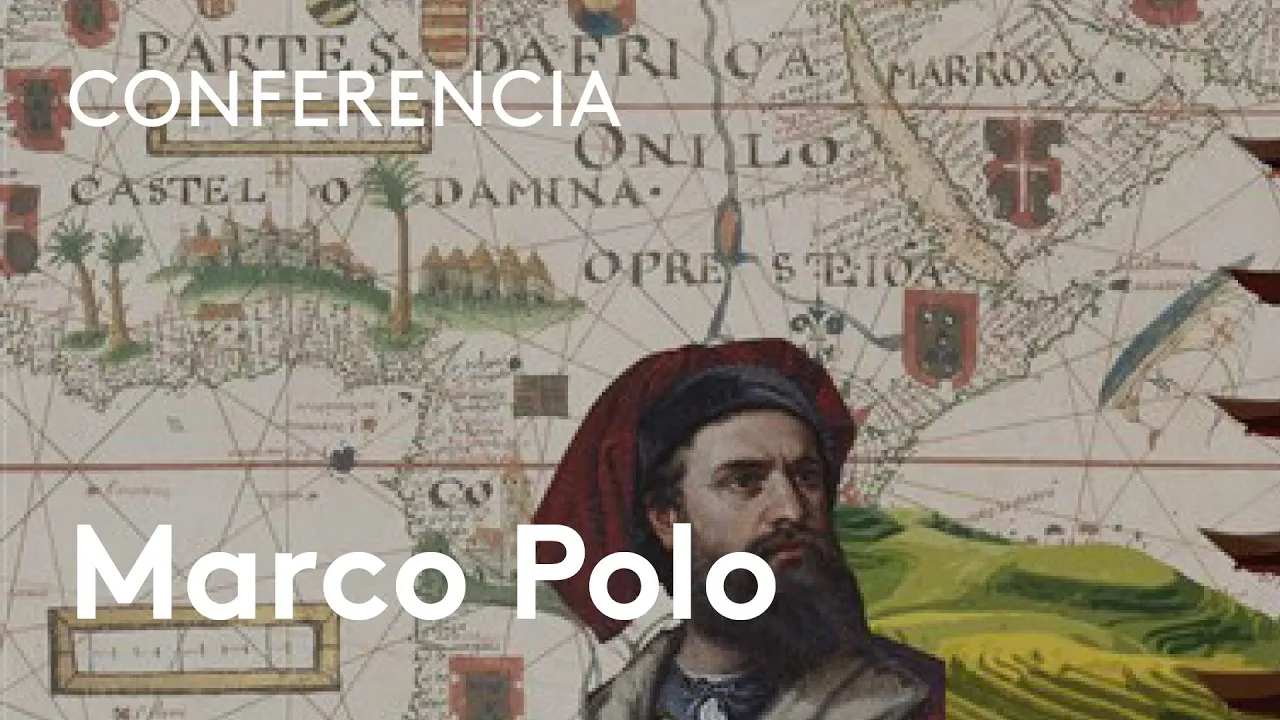





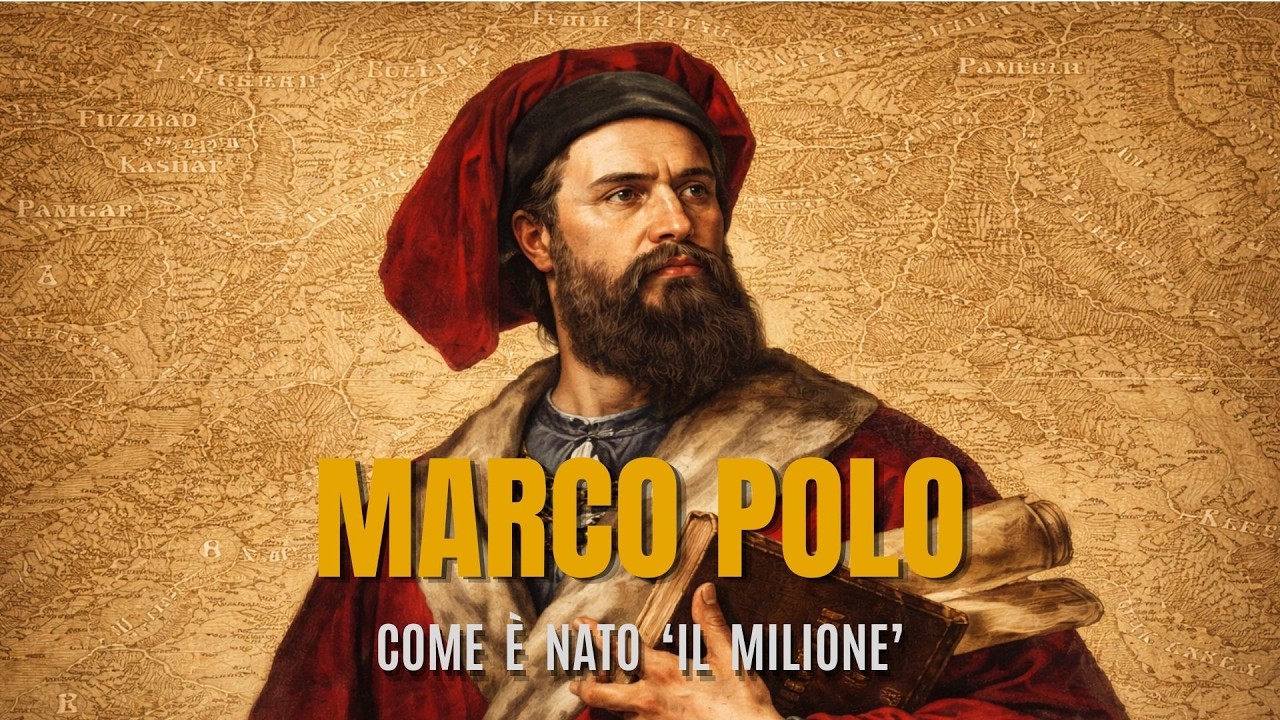

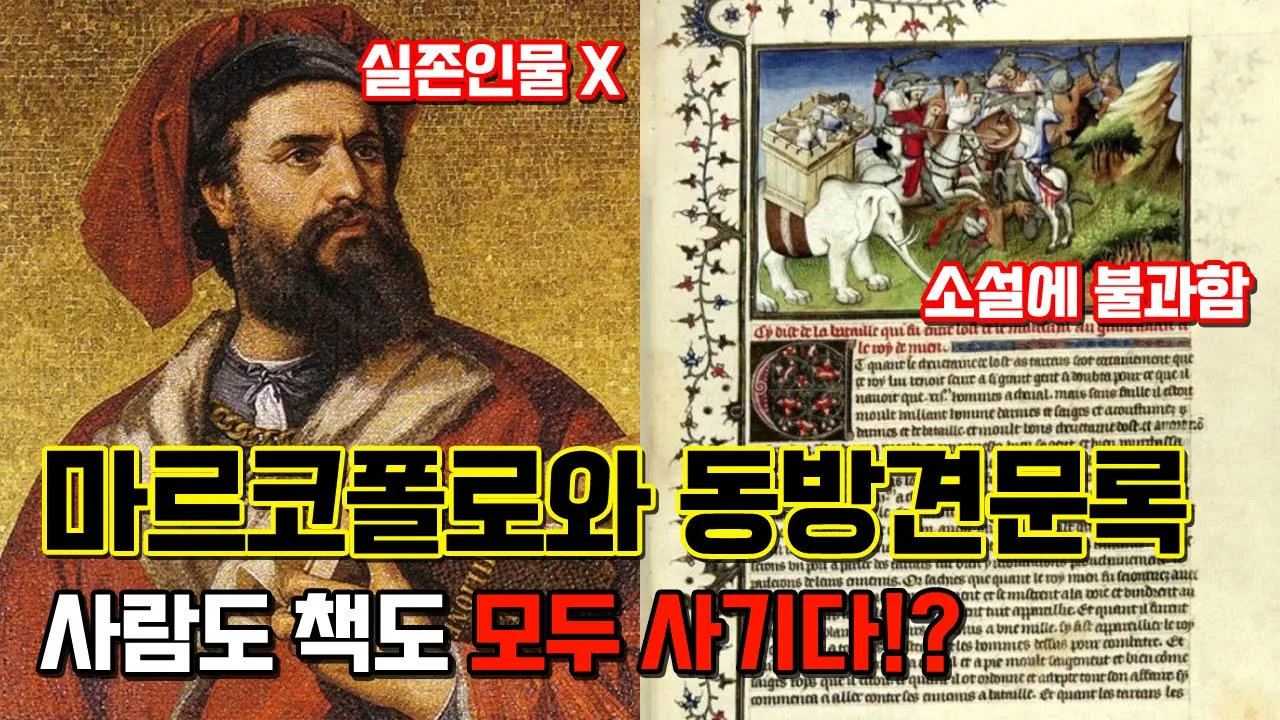








Marco Polo, a 13th-century Venetian merchant, traveled to the Mongol court of Kublai Khan in China, spending seventeen years there before returning to Venice in 1296; while imprisoned in Genoa, he dictated his adventures to the writer Rustichello da Pisa, resulting in 'The Travels of Marco Polo,' which transformed European understanding of Asia and is credited with inspiring the Age of Discovery, including Christopher Columbus's voyages.
Marco Polo: The Explorer Who Connected East and West
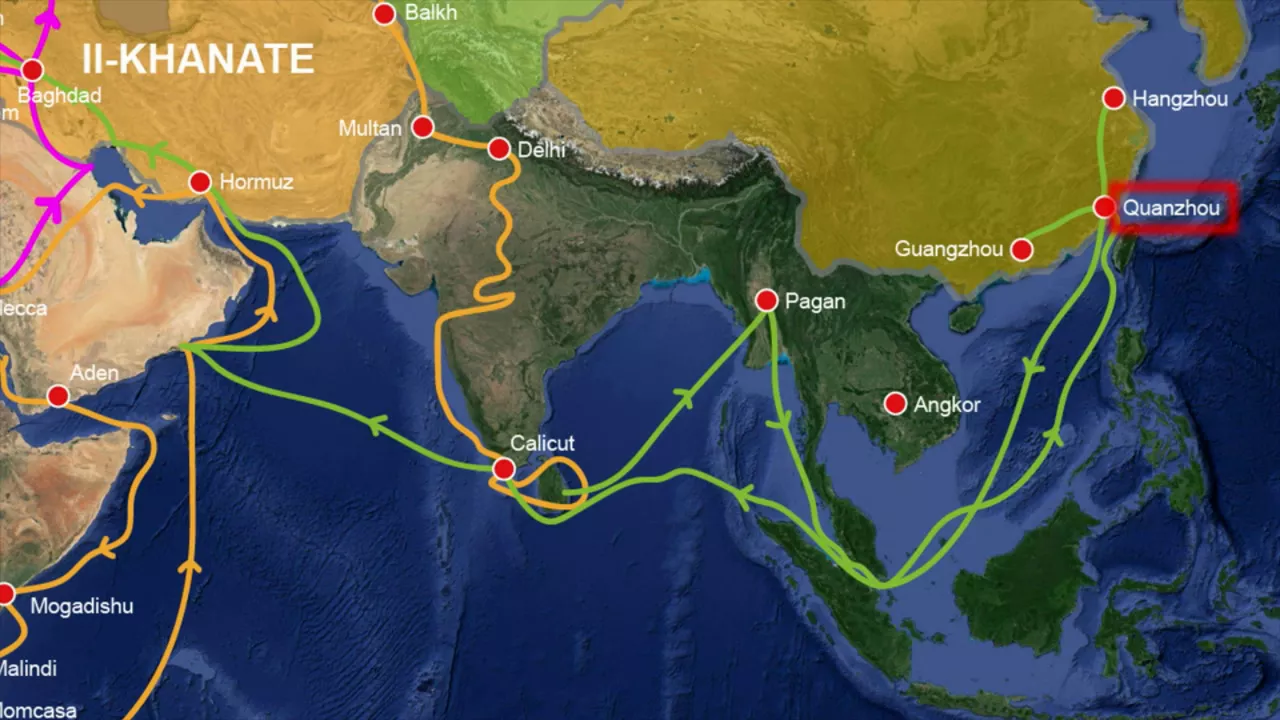
Added:The Silk Road: Understanding the historical significance of the ancient network of trade routes connecting East Asia with the Mediterranean.
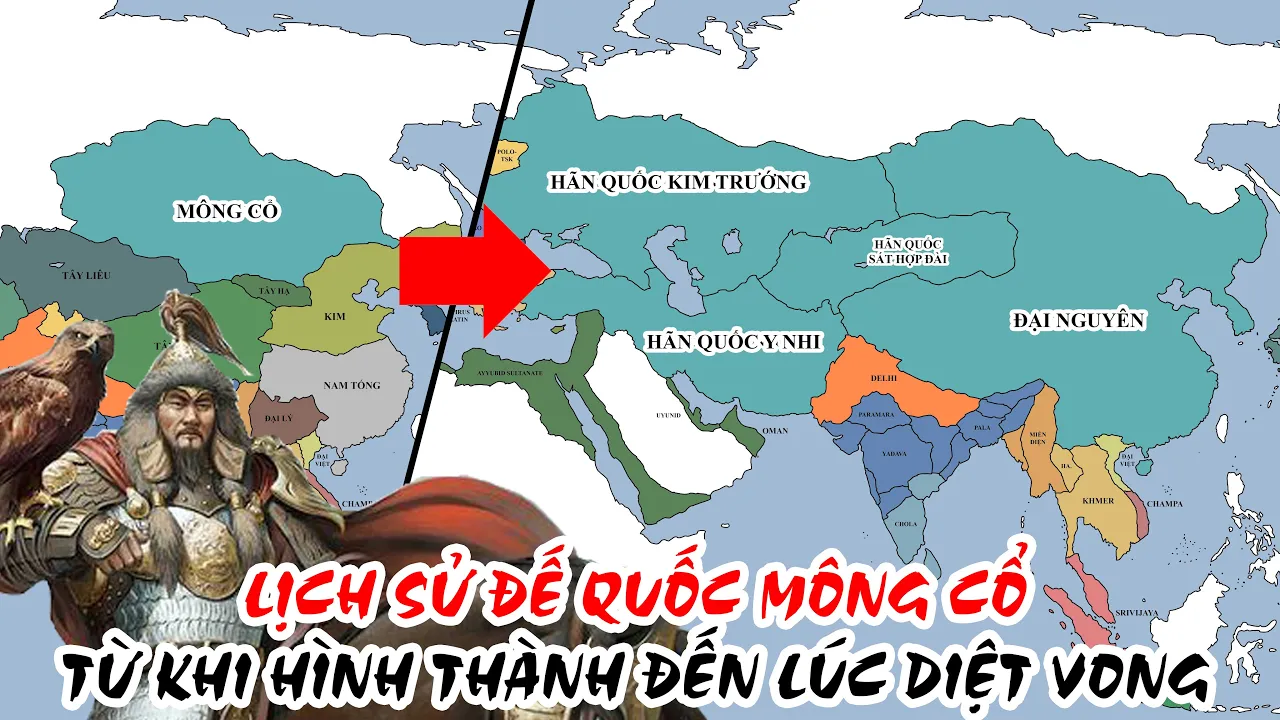
The Mongol Empire and Pax Mongolica: A basic grasp of how Mongol conquests unified Eurasia, securing trade routes and enabling safer transcontinental travel in the 13th century.
The Geopolitics of Medieval Europe: Knowledge of the prominence of Italian maritime republics, particularly Venice, as centers of trade, commerce, and exploration.
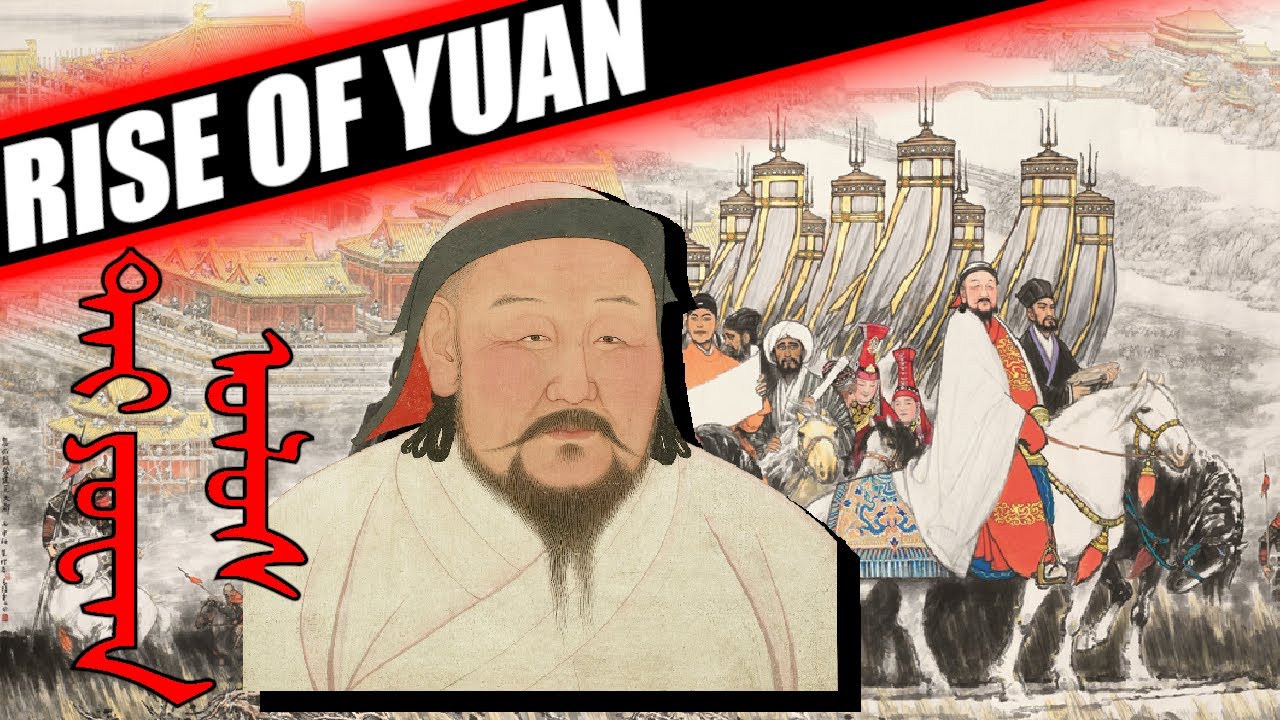
The Yuan Dynasty: An introduction to Kublai Khan's reign over China and his policies regarding foreign administrators in his imperial court.
Critical Analysis of 'The Travels of Marco Polo': Examining the historical debates regarding the authenticity of his accounts and the influence of his co-writer, Rustichello of Pisa.
The Age of Discovery: Investigating how Marco Polo’s writings directly influenced later European explorers, including Christopher Columbus's quest to reach the Indies.
Comparative Medieval Travel: Exploring the journeys of other contemporary global travelers, such as the Moroccan scholar Ibn Battuta and the Nestorian Christian monk Rabban Bar Sauma.
Cultural and Technological Diffusion: Analyzing the long-term impact of East Asian innovations (like paper money, gunpowder, and coal) introduced to Western consciousness through Polo's narratives.
168.2K views13Klikes13:36Original Release: 2020-06-10
[Music] this episode of the history guy brought to you by the great courses plus for today's episode we were around and pulled some people we know about what they know about Marco Polo a few of them talked about the app where you can send messages to friends using a video and some others remember that kind of deem of tag that you play in a swimming pool but surprisingly if you mentioned the 13th century Italian merchant Explorer and writer who so transformed the world and so today we'll talk about the life of Marco Polo a life of wonder and adventure that brought together east and west it is a life that deserves to be remembered and Marco Polo is a great segue for the sponsor of today's episode because he happened to come up in a lecture in what has become one of his history guy and eyes favorite new things to do and that is great courses plus we really just got signed up with great courses plus it's already been entertaining and fascinating it helps us do research and get background for what we do here with a history guy but it's just an amazing tool for lifelong learners it's a subscription on-demand video learning service where you can take courses full colleagues like courses in hundreds of subjects and thousands of lectures from top professors from all over the world not only tests or quizzes or anything like that you can take the courses you want you can take them at your own pace you can do it on video or on audio you can do it on all your devices inter TV it's a great tool for lifelong learners this course is on so many things there's tons on history I want to take them all I just started this one on US military history that's presented by retired four-star general and supreme NATO commander was a Clark but miss teach do you and I have been listening to a fascinating course on the economic history of the world taught by the chair of the Department of History at Brigham Young University and that happen to have a fascinating section on Marco Polo and the Silk Road that we listen to just the other day but the great courses plus isn't limited to history there's also Sciences math there's literature there's business there's how help there's even hobbies you want to master chess learn from an international chess master there's even a couple of courses in Pirates because don't all good stories involve pirates and the best part is that our viewers get a free trial membership just go to the great courses plus comback sliced a history guy that's the great courses plus comm backslash history guy of course that link is also in the description we hope that you enjoy it everyone as much as we have during the 13th century Italy was broken into a number of states collectively known as the maritime republics these states often fought over trading rights in the eastern Mediterranean during one of the many naval skirmishes of these conflicts likely in 1296 a sea captain from the Republic of Venice was captured by the rival Republic of Genoa and imprisoned that captain's name was Marco Polo polo was in prison for several months in a cell with a novelist named rooster cello de Pisa who had been captured by the Genoa ins during an earlier conflict between Genoa and the Republic Pisa he had previously written a romance called the romance of King Arthur that is the earliest known Arthurian romance in their months imprisoned together polo related to rooster cello an astounding story he claimed to have spent the last twenty four years travelling to the ends of the earth including serving in the court the great Mongol Emperor Kublai Khan rooster cello recorded polo stories and compiled them in a book written in franco-italian a literary language used in northern Italy at the time the original work was entitled disease meant demanda or description of the world although in English it is most well known by the title the travels of Marco Polo the book became something quite rare a popular hid in the time before the printing press and the book big Marco Polo's name famous and while rooster cello's manuscript is the primary way we know about the travels of Marco Polo that book itself raises many questions to start none of Brewster cellos original manuscripts have survived only various copies that were made in other languages in the era before printing books were hand copied then the copies were often not exact not only could they be errors but the person copying might also change the work to conform to political or religious ideals or embellish the work to make it more interesting these issues were compounded when the work was being translated into other languages there are even questions back to the source some claim that roosted cello might have embellished the work in order to make it more popular or that Marco might have added embellishments or included stories collected from other travelers we simply don't know how much of the book is real certainly people quite at the time someone thought it was quite fanciful it was popularly known as ill million which by some accounts meant the book of a million lies but what we do know is that it was a really great story in the 13th century the maritime Republic of Venice was known as La Serenissima meaning the most serene Republic the Republic was ruled over by a Doge or Duke who was selected by a committee of the Great Council ruling faction composed of aristocrats whose positions were handed down through generations created at the end of the 8th century out of a need for protection from Lombard and hunt invaders when the Roman Empire's control in the region waned lucerne yzma lasted almost until the 19th century was defeated by the Ottoman Empire and then plundered after Napoleon Bonaparte's invasion of Italy as a powerful trading empire the Venetian Republic had an impressive spread from modern Italy through Greece and deciphers Turkey and Ukraine including Croatia Slovenia and Albania the salt trade developed the region into a center for capitalism in arts Venice was its prosperous capital where aristocrats built elaborate palaces and patrons vied of the talents masters of the fine arts it also hosted a wealthy merchant class into which Marco Polo was born we know almost nothing about Marco Polo's early life according to the travels of Marco Polo his father Nicola a wealthy merchant set off on a trading voyage with Marco's uncle Maffeo when his mother was pregnant they returned in 1269 to find that niccola's wife had died and had left behind a fifteen-year-old son named Marco who had been raised by an aunt and uncle from that we can Devine that Marco Polo was born around the Year 1250 for the nature of his accomplishments and the context of the time suggest that he received a good education learning mercantile subjects like foreign currency appraising and the handling of cargo ships the first part the book actually counts the travels of his father and uncle before they returned to Venice the experienced merchants had travelled to Constantinople then the capital the Crusader state called the Latin Empire where Venetians held a favorite trading status seeing political changes on the horizon they liquidated their assets into jewels and headed east seeking trading opportunities training opportunities kept leaving them east until they joined an embassy that traveled to the court of Kublai Khan grandson of Genghis Khan and lead of the Mongol Yuan Dynasty Kubla Khan was at the time the Great Khan of the Mongol Empire considered by historians to be the largest contiguous land Empire in history only ever exceeded in size by the British Empire it extended from the Pacific Ocean to Eastern Europe and from Russia to Iraq and Afghanistan while is won by fighting Kublai Khan was very interested in religion and quite tolerant of all religions in the Empire he was quite curious about all that Nicolo M FAO Polo told him about the workings of politics life and religion in Europe so much so in fact that when the Polo brothers told him about the Pope he decided they should deliver a letter to Pope Clement the fourth for him the letter asked the Pope to send holy oil from Jerusalem and 100 intelligent men to explain Christianity if they succeeded in convincing the Kahn that all other religions were false he and everyone in the kingdom would become Christians the poles returned to Venice only to find that Pope Clement the fourth had died in 1268 the period taken to choose a successor or say de vacante at two years and ten months was the longest in history they weren't able to present the khan's request until pope gregory the tenth was elected in 1271 they were given the oil but instead of a hundred man only two Franciscan friars were sent to accompany them they then set out on their second voyage to return the gifts to coup by this time accompanied by seventeen-year-old Marco the first of the four sections of the travels of Marco Polo describes the lands of the Middle East and Central Asia that Marco encountered on his way to China a journey which took more than three years the two friars only made it a short way on the difficult journey before parting ways with the polos out of fear for their lives Marco Polo was clever skilled at learning languages he eventually could read and write at least 14 languages and was a keen observer and storyteller Kubla Khan was quite taken with the 21 year old when they first met Kubla Khan had by then conquered all of China but some parts of the Empire were resistant to Mongol authorities Kublai said marco on diplomatic and administrative missions where a mongol might not have been accepted the Great Khan enjoyed hearing Marcos observations of the area's the same observations that would eventually fill his book in the prologue of his book Marco explains that he witnessed ambassadors returning to court with no information about their journey other than their best and that that displeased the Khan so Marco took note and learned as much as he could about the places and people that he encountered in order to share the information with Cuba in doing so here in the favor of the Great Khan and was employed by him for 17 years traveling all over the Empire the book is full of detailed descriptions of travel people and practices one passage read it's a very hot region the fruits of the country are dates pistachios and apples of paradise with others of the light not found in our cold climate another describes local animals first I will tell you of their oxen they're very large and all over white as snow the horns are short and thick not sharpen the point and between the shoulders they have a round hump some two palms high there are no more handsomer animals in the world he described the making of rice-wine it is clear bright and pleasant to the taste and being make very hot as the quality of inebriating sooner than any other it's a truly fascinating read speaking of how ships are made with no iron fastenings or about heat so intense that bodies are baked interjected into all these specific details are tales of a fantastic nature such as the old man of the mountain created an artificial paradise of women and milk wine and honey and then drugged young men so that they wouldn't know where they were he used them as assassins telling that can only return to paradise upon completion of their mission one of the more well-known passages describes a rhinoceros which Marco called unicorns with hair like a buffalo feet like an elephant and a horn with which they do no mischief he remarks tis a passing ugly beast to look upon and not in the least like that which our stories tell of his being caught in the lap of a virgin one of the oddities that Marco described for his European counterparts was that of paper money spent in the shape and size done which they were worth and how they were printed with a red seal and anyone caught forging would be put to death after many years of adventure the Paulo's wish to return to Venice which disappointed the Khan who was both fond of them and afraid that letting him go might make him appear weak but eventually they were granted leave to accompany a Mongol Princess betrothed to Persian royalty which happened to be on their way home the trip took two years and well at least 600 people not including the crewmen of the ships which numbered over a thousand embarked together only eight completed the difficult sea journey to their destination pose return to Venice in 1296 their family said long give them up for dead and some stories perhaps a apocryphal say they were dressed as mongols could barely recall their native tongue they were however rich have been converted their fortune to gemstones their few works in history that are as controversial as the travels of Marco Polo both his contemporaries and modern historians still disagree over him what might have been real and what might have been borrowed from other travelers what might have simply been made up or come as a result of the many different copies and translations that were made about 150 of those originally handwritten copies of the book are in existence today and no two are exactly alike still historians agree that there are details within the work that suggest that much of the work represented the two adventures of Marco Polo over time the book had a great impact on European thinking it changed their understanding of the Far East it introduced them to new ideas and concepts and a spur to greater interest in trade partly to access the great wealth that he had described being in China the polos weren't the only Europeans are even the first to have reached the Mongol Court but the popular of the book meant that they were by far the most well known and over time his detailed descriptions of his travels had a large impact on European maps and cartography some see he and his work as the spark for the European Age of Exploration and among those influenced by him was Christopher Columbus among Columbus's possessions was a heavily annotated copy of the travels of Marco Polo Marco Polo was released from captivity in 1299 went back to Venice where he married and had three daughters he died in 1324 at the age of 70 shortly before his death some people tried to convince him to admit that his book was all made up he not only insisted that it was all real he said I have not told half of what I saw for I knew I would not be believed I hope you enjoyed this episode of the history guy short snippets have forgotten history between 10 and 15 minutes long and if you did enjoy please go ahead and click that thumbs up button Tiffany questions or comments or suggestions for future so please write those in the comment section I will be happy to personally respond be sure to follow the history guy on Facebook Instagram Twitter and check out our merchandise on t spring comm if you like more episodes of about history all you need to do subscribe [Music]
Up Next
13:12
Marco Polo Describes the Mongols: 13th Century Primary Source
@VoicesofthePast
194.4K views•2020-07-25

33:02
The Great Schism of 1054: Causes and Consequences
@SacredCathedrals
113.5K views•2026-02-19

15:08
The Evolution of Elevators: From Ancient Lifts to Skyscrapers
@TheHistoryGuyChannel
436.7K views•2020-01-08
17:05
Understanding the Cold War: Superpower Conflicts and the Road to Détente
@OverSimplified
46.1M views•2019-01-24
Related Study Plans & Knowledge Roadmaps
Structured learning paths in History
history
Byzantine Iconoclasm: Theology, Art & Politics
01Foundations of Byzantium and Early Christian Images
02The First Iconoclasm: Leo III and the Crisis of Images
03Empress Irene, Nicaea II, and the Second Iconoclasm
+ 2 more learning modules
9h5 modules
Explore Roadmap
history
Iranian Revolution (Causes, Events & Legacy)
01The Pahlavi Dynasty and the Roots of Discontent
02The Spark of Rebellion and the Rise of Khomeini
031979: The Fall of the Shah and the Climax of the Revolution
+ 2 more learning modules
8h5 modules
Explore Roadmap
history
Mali Empire: Mansa Musa, Trade & Timbuktu
01Foundations of the Mali Empire
02The Trans-Saharan Gold and Salt Trade
03The Reign and Pilgrimage of Mansa Musa
+ 1 more learning modules
6h4 modules
Explore Roadmap
history
1947 Partition: Politics, Borders & Legacies
01Foundations of British India and the Divide
02The Political Negotiations and the Mountbatten Plan
03Drawing the Boundary: The Radcliffe Line
+ 2 more learning modules
8h5 modules
Explore Roadmap