



![칭기즈칸의 부대는 지원요청보다 빨리 나라를 멸망시켰다 f.김태경 거란문화연구소 박사 [신과대화]](https://i.ytimg.com/vi/zawvgoO1uoc/maxresdefault.jpg)





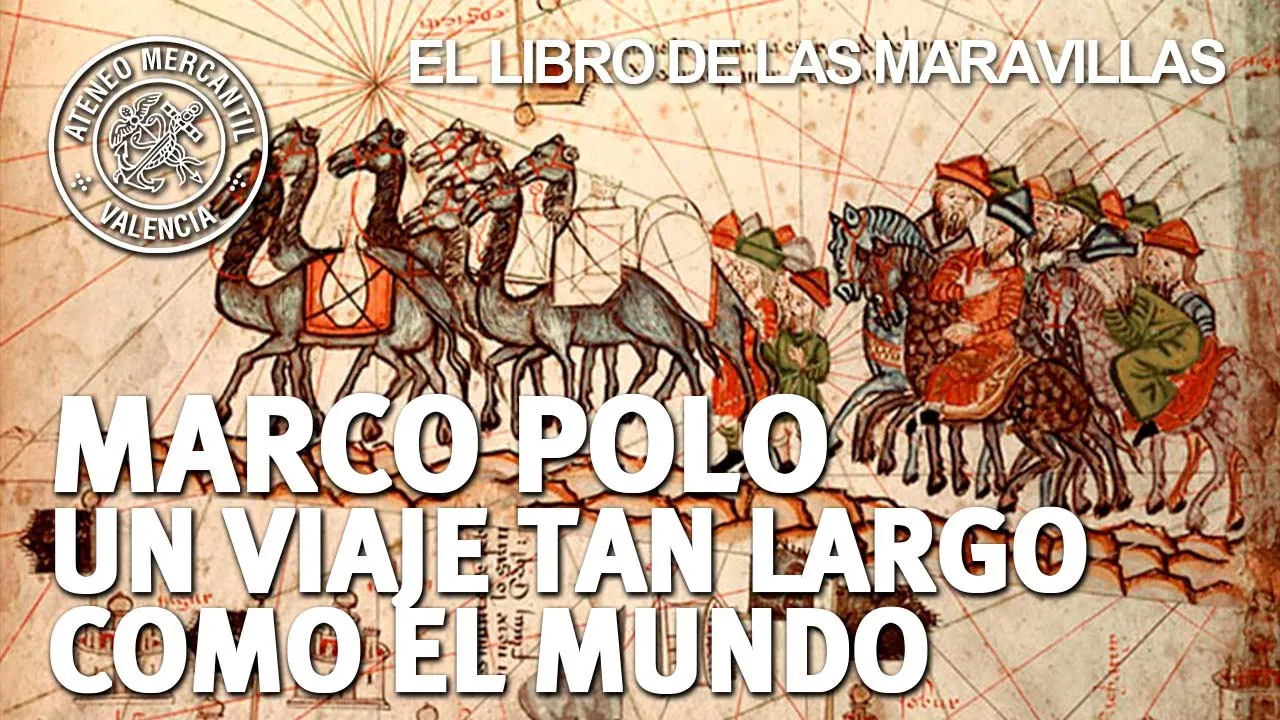









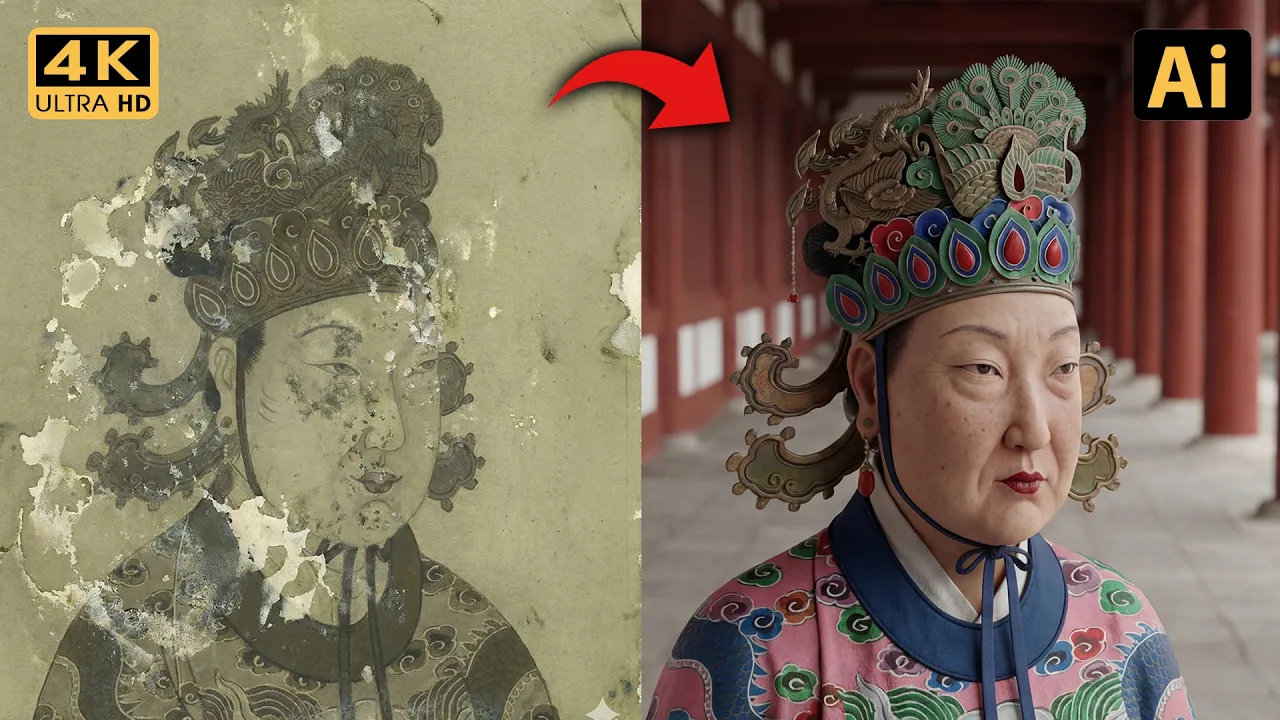
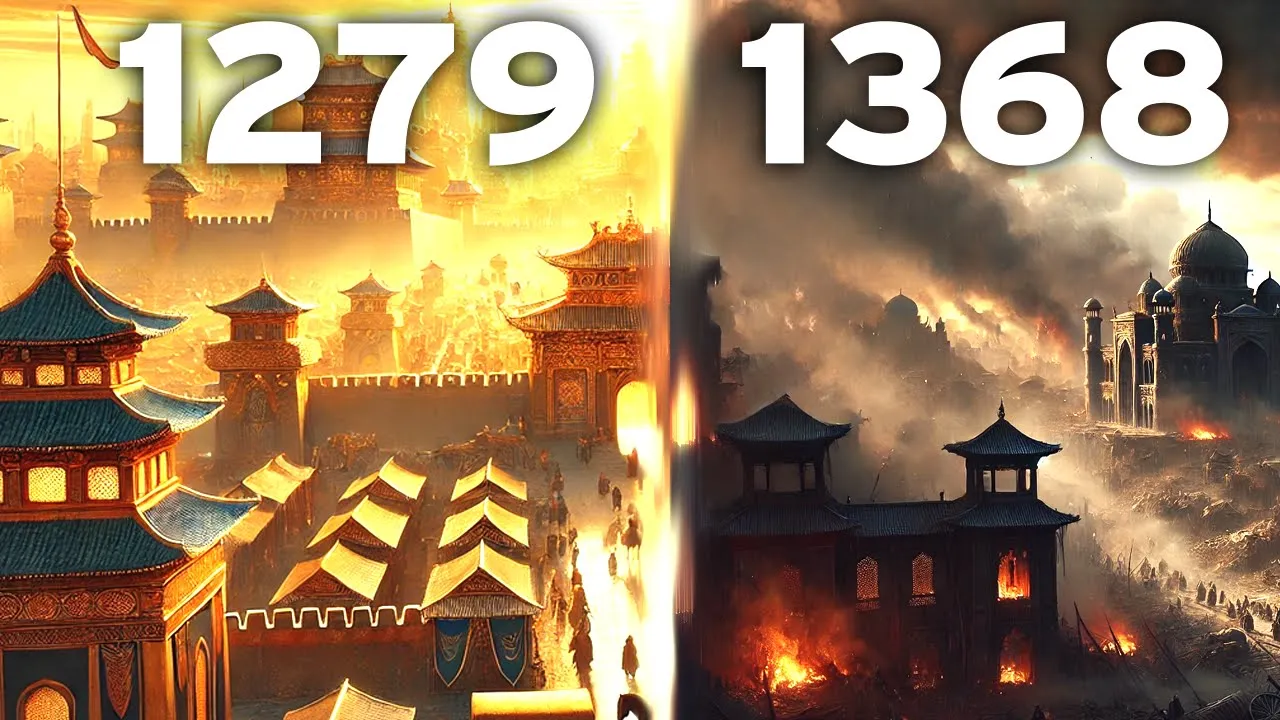
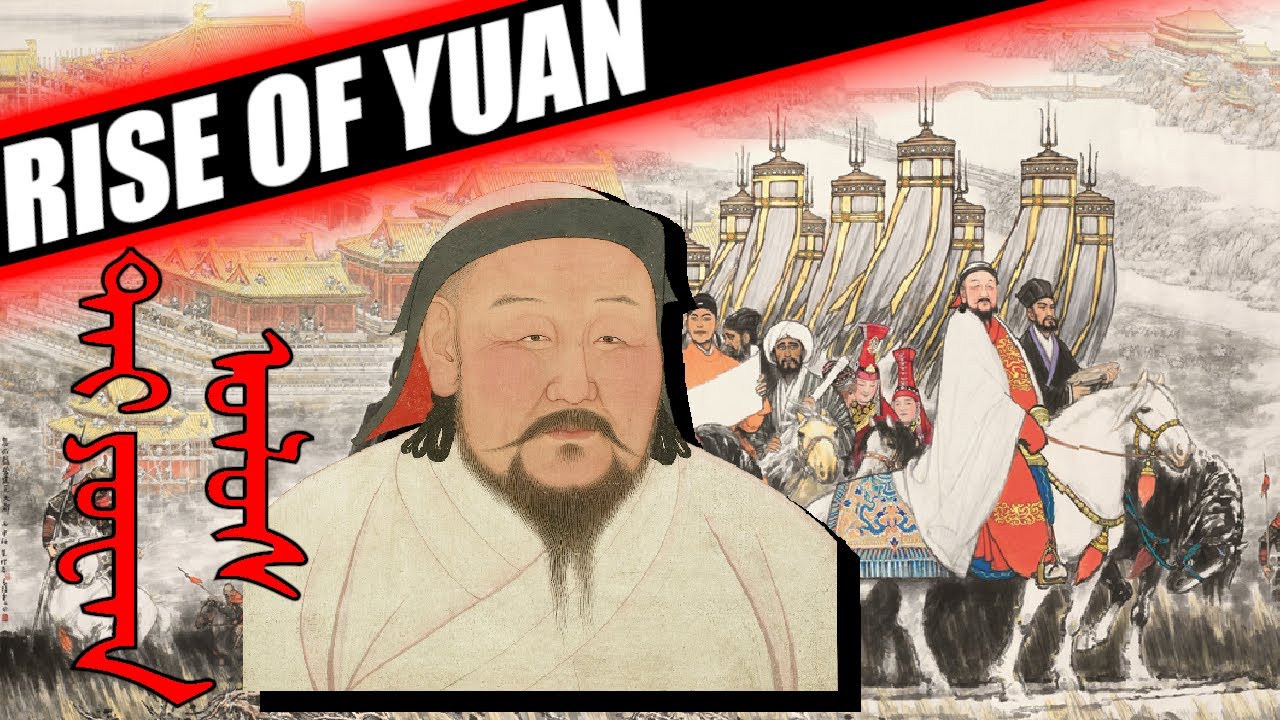

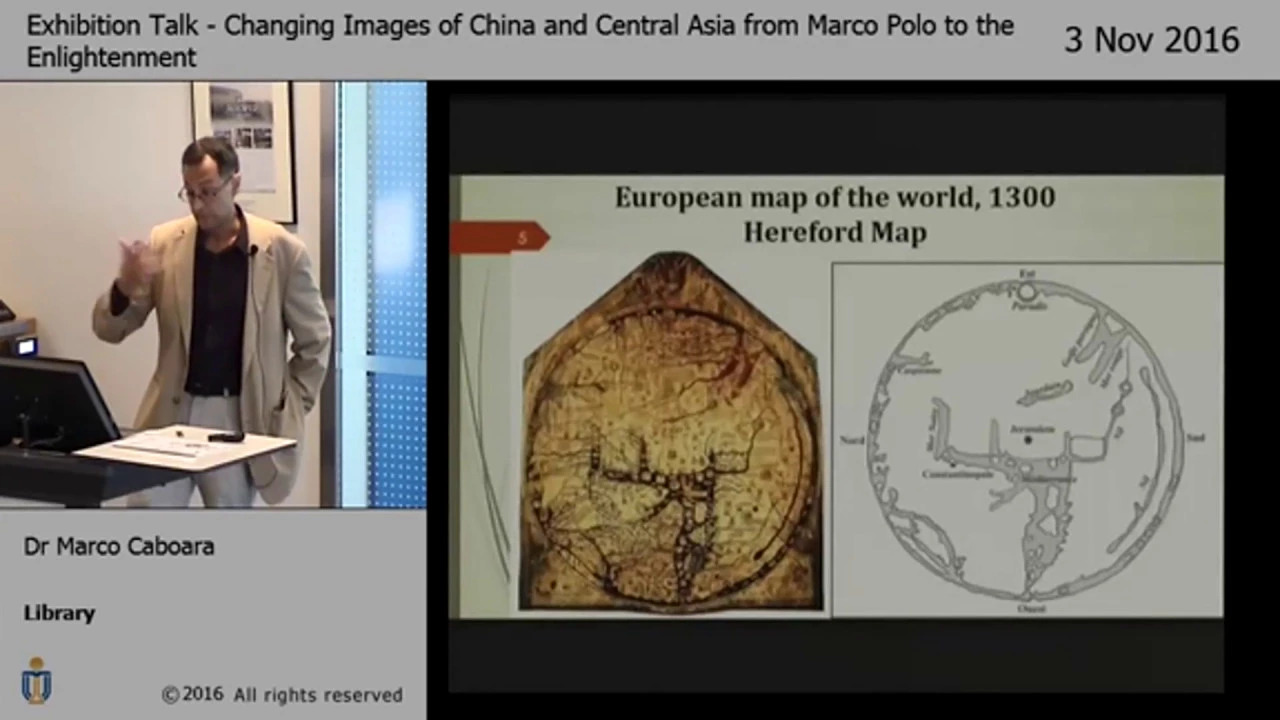


In this 13th-century primary source, Venetian explorer Marco Polo describes the Mongol Empire under Kublai Khan, detailing their nomadic lifestyle, military organization with a hierarchical command structure of ten men per officer, guerrilla warfare tactics involving continuous movement and feigned retreats, and the sophisticated administration of the Yuan Dynasty capital Dadu (modern Beijing), including its paper currency system and welfare programs for the poor.
Marco Polo Describes the Mongols: 13th Century Primary Source
Added:Understanding the distinction between primary and secondary historical sources, particularly the opportunities and limitations of medieval travelogues.
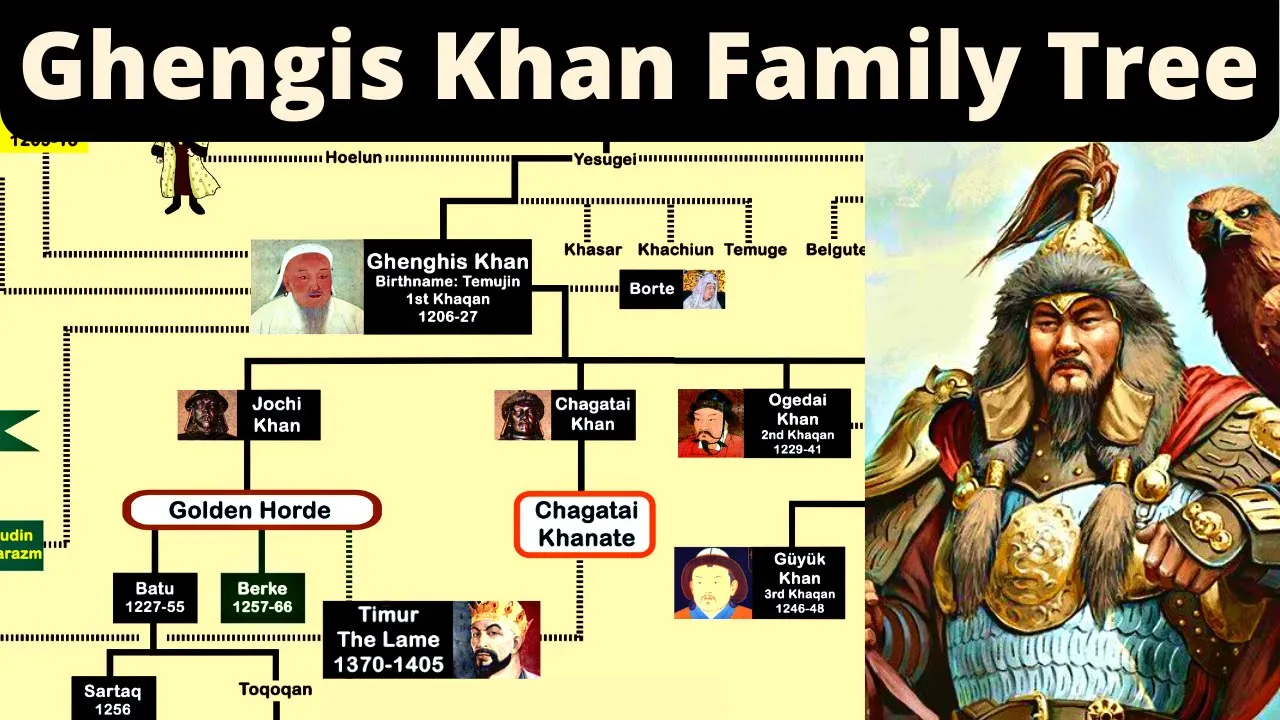
The geopolitical landscape of 13th-century Eurasia, specifically the rise of the Mongol Empire under Genghis Khan and its subsequent division into khanates.
The concept of the 'Pax Mongolica' (Mongol Peace) and how it facilitated safe merchant travel, trade, and diplomatic missions across the Silk Road.
The socio-political context of late-medieval Venice as a dominant maritime trading republic, which shaped Marco Polo's perspective and mercantile biases.
Historiographical debates surrounding the credibility of Marco Polo's accounts, including arguments over his omissions of distinct Chinese customs like foot-binding, tea-drinking, and the Great Wall.
Comparative analysis of Marco Polo's perspective with other contemporary travelers to the Mongol Empire, such as Ibn Battuta, William of Rubruck, or John of Plano Carpini.
The governance, administration, and cultural integration of the Yuan Dynasty under Kublai Khan, and how nomadic conquerors ruled sedentary societies.
The long-term impact of medieval travel literature on European cartography, geography, and the eventual onset of the Age of Discovery.
194.4K views6.7Klikes13:12Original Release: 2020-07-25
[Music] now we have begun to speak of the tartars i have plenty to tell you on that [Music] subject the tartar custom is to spend the winter in warm plains where they find good pasture for their cattle whilst in summer they betake themselves to a cool climate among the mountains and valleys where water is to be found as well as woods and pastures they live on the milk and meat which their herds supply and on the produce of the chase and they eat all kinds of flesh including that of horses and dogs and pharaoh's rats of which there are great numbers in burrows on these planes their drink is mare's milk they are very careful not to meddle with each other's wives and will not do so on any account holding that to be an evil and abominable thing the women too are very good and loyal to their husbands and notable housewives with all 10 or 20 of them will dwell together in charming peace and unity nor shall you ever hear an ill word among them all their harness of war is excellent and costly their arms are bow and arrows swords and maces but above all the bow for they are capital archers indeed the best that are known on their backs they wear armor prepared from buffalo and other hides which is very strong they are excellent soldiers and passing valiant in battle they are also more capable of hardships than other nations for many a time if needs be they will go for a month without any supply of food living only on the milk of their mares and on such game as their bows may win for them their horses also will subsist entirely on the grass of the plains so there is no need to carry a store of barley or straw or oats and they are very docile to their riders these in case of need will abide on horseback to live long night armed at all points while the horse will be continually grazing when a tartare prince goes forth to war he takes with him say a hundred thousand horses well he he appoints an officer to every ten men one to every hundred one to every thousand and one to every ten thousand so that his own orders have to be given to ten persons only and each of these ten persons has to pass the orders only to another ten and so on no one having to give orders to more than ten and every one in turn is responsible only to the officer immediately over him and the discipline and order that comes out of this method is marvellous for they are a people very obedient to their chiefs this video is sponsored by squarespace a great choice if you want to increase your online presence squarespace is a big supporter of history content and education in general on youtube and if you aren't so good with technology like me they are an invaluable tool when it comes to setting up your slick looking website with an easy to use interface and blogging tools to help elevate your website from this to this head over to squarespace.com for your free trial and when you are ready to launch go to squarespace.com forward slash voices to get 10 off thanks and when the army is on the march they always have 200 horsemen very well mounted who are sent a distance of two marches in advance to check the area and these always keep ahead when they are going on a distant expedition they take no gear with them except two leather bottles for milk a little earthenware pot to cook their meat in and a little tent to shelter them from the rain and in case of great urgency they will ride 10 days on end without lighting a fire or taking a meal on such an occasion they will sustain themselves on the blood of their horses opening a vein and letting the blood eject into their mouths drinking till they have had enough and then staunching it when they come to an engagement with the enemy they will gain the victory in this fashion they never let themselves get into a regular medley but keep perpetually riding round and shooting into the enemy and as they do not counted any shame to run away from battle they will sometimes pretend to do so and in running away they turn in the saddle and shoot hard and strong at the foe and in this way cause great havoc their horses are trained so perfectly that they will double hither and thither just like a dog in a way that is quite astonishing thus they fight to as good purpose in running away as if they stood and faced the enemy because of the vast volleys of arrows that they shoot in this way turning round upon their pursuers who are fancying that they have won the battle all this that i have been telling you is true of the manners and customs of the genuine tartars but i must also add that in these days they are greatly degenerated for those who are settled in cathay have taken up the practices of the idolaters of the country and have abandoned their own institutions whilst those who have settled in the levant have adopted the customs of the saracens now i have told you about the manners and customs of the tartars you have heard nothing yet of the great state of the grand khan who is the lord of all the tartars and the supreme imperial court the personal appearance of the great khan lord of lords whose name is kublai is such as i shall now tell you he is of a good stature neither tall or short but of a middle height he has a becoming amount of flesh and is very shapely in all his limbs his complexion is white and red the eye is black and fine the nose well formed and well set on [Music] he has four wives who he retains permanently as his legitimate consorts and the eldest of his sons by those four wives ought by rights to be the emperor i mean when his father dies those four ladies are called empresses but each is distinguished also by her proper name and each of them has a special court of her own very grand and ample no one of them having fewer than 300 fair and charming damsels he has also a great number of concubines you must know that there is a tribe of tartars called ungrat who are noted for their beauty now every year a hundred of the most beautiful maidens of this tribe are sent to the great khan who commits them to the charge of certain elderly ladies dwelling in his palace and these old ladies make the girls sleep with them in order to ascertain if they have sweet breath and do not snore and are sound in all their limbs then such of them as our approved beauty and our good and sound in all respects are appointed to attend on the emperor by turns to serve him in any way and to be entirely at his orders and so throughout the year there are reliefs of maidens by six and six changing every three days and nights you must know that for three months of the year to wit december january and february the great khan resides in the capital city of cathay which is called kambar luke and which is in the north eastern extremity of the country and that city stands his great palace now there was on that spot in old times a great and noble city called kambaluk which is as much as to say in our tongue the city of the emperor but the great khan was informed by his astrologers that this city would prove rebellious and raise great disorders against his imperial authority so he caused the present city to be built close beside the old one with only a river between them and he caused the people of the old city to be removed to the new town that he had founded and this is called taidu you must know that the city of kambaluk has such a multitude of houses and such a vast population inside the walls and outside that it seems quite past all possibility there is a suburb outside each of the gates which are 12 in number and these suburbs are so great that they contain more people than the city itself there are in each of the suburbs to a distance of a mile from the city numerous fine hostelries for the lodgement of merchants from different parts of the world and a special hostelry is assigned to each description of people as if we should say there is one for the lombards another for the germans and the third for the frenchman you must know that it is forbidden to bury any dead body inside the city if the body be that of an idolater it is carried out beyond the city and suburbs to a remote place assigned for the purpose to be burnt and thus the city is preserved in a better and more healthy state moreover no public woman resides inside the city but all such abide outside in the suburbs and is wonderful what a vast number of these there are for the foreigners the emperor's mint then is in this same city of kambaluk and the way it is wrought is such that you might say he hath the secret of alchemy and perfection and you would be right for he makes his money after this fashion he makes them take of the bark of a certain tree in fact uh the mulberry tree the leaves of which are the food of the silkworms and this they make into something resembling sheets of paper but black when these sheets have been prepared they are cut up into pieces of different sizes the smallest of these sizes is worth a half tonsil a little larger one tonsil one a little larger still is worth half a silver growth of venice another a whole groat other yet two groats etc etc anyone forging it would be punished with death with these pieces of paper made as i've described he causes all payments on his own account to be made and he makes them to pass currency universally over all his kingdoms and provinces and territories and nobody however important he may think himself dares to refuse them on pain of death [Music] now i will tell you of his arms and great charity to the poor in the city of kambaluk you see he causes selection to be made of a number of families in the city who are in a state of poverty and of such families some may consist of six in the house some of eight some of ten and each family he causes annually to be supplied with wheat and other corn sufficient for the whole year and this he never fails to do every year and so some 30 000 people go for it every day from year's end to year's end now this is a great goodness in the emperor to take pity of his poor people thus and they benefit so much by it that they worship him as if he were god [Music] you
Up Next
130:00
Scientists Discovered a Third Human Species: The Denisovans
@WiseSleep
515 views•2026-05-11

33:02
The Great Schism of 1054: Causes and Consequences
@SacredCathedrals
113.5K views•2026-02-19

24:47
Japan's First Glimpse of the West: Iwakura Embassy 1872
@VoicesofthePast
243.8K views•2021-06-20

17:05
Understanding the Cold War: Superpower Conflicts and the Road to Détente
@OverSimplified
46.1M views•2019-01-24
Related Study Plans & Knowledge Roadmaps
Structured learning paths in History
history
Byzantine Iconoclasm: Theology, Art & Politics
01Foundations of Byzantium and Early Christian Images
02The First Iconoclasm: Leo III and the Crisis of Images
03Empress Irene, Nicaea II, and the Second Iconoclasm
+ 2 more learning modules
9h5 modules
Explore Roadmap
history
Iranian Revolution (Causes, Events & Legacy)
01The Pahlavi Dynasty and the Roots of Discontent
02The Spark of Rebellion and the Rise of Khomeini
031979: The Fall of the Shah and the Climax of the Revolution
+ 2 more learning modules
8h5 modules
Explore Roadmap
history
Mali Empire: Mansa Musa, Trade & Timbuktu
01Foundations of the Mali Empire
02The Trans-Saharan Gold and Salt Trade
03The Reign and Pilgrimage of Mansa Musa
+ 1 more learning modules
6h4 modules
Explore Roadmap
history
1947 Partition: Politics, Borders & Legacies
01Foundations of British India and the Divide
02The Political Negotiations and the Mountbatten Plan
03Drawing the Boundary: The Radcliffe Line
+ 2 more learning modules
8h5 modules
Explore Roadmap