








![Последний Самурай [Реальная История]](https://i.ytimg.com/vi/_udq5gNb7zY/maxresdefault.jpg)









The Iwakura Embassy's 1871-1873 journey through Europe and America provided Japanese observers with firsthand insights into Western civilization, revealing stark contrasts between Eastern and Western societies in terms of work ethic, political culture, economic systems, and social organization, which influenced Japan's subsequent modernization efforts.
Japan's First Glimpse of the West: Iwakura Embassy 1872
Added:The Meiji Restoration (1868): The political revolution that ended the Tokugawa Shogunate, restored imperial rule, and initiated Japan's rapid modernization.
The Sakoku Policy and Gunboat Diplomacy: Japan's transition from over two centuries of isolation to forced engagement with the global economy following Commodore Perry's arrival in 1853.
The Industrial Revolution and Victorian Society: The socio-economic landscape of late 19th-century Europe, marked by rapid technological advancement, urbanization, and the rise of capitalist class dynamics.
The Unequal Treaties: The disadvantageous trade and extraterritoriality agreements imposed on Japan by Western powers, which the Iwakura Embassy originally sought to renegotiate.
Implementation of Meiji Reforms (Fukoku Kyōhei): How the Embassy's observations directly shaped Japan's national slogan 'Enrich the Country, Strengthen the Armed Forces' through targeted institutional reforms.
The Meiji Constitution of 1889: The study of how Japan adapted Western legal systems, specifically modeling its constitution on the Prussian system observed during the tour.
The Rise of Japanese Imperialism: The logical progression of Japan's modernization, leading to its emergence as a colonial power in East Asia by the turn of the 20th century.
Comparative Critiques of Capitalism: Analyzing how the Japanese diplomats' observations of European poverty and labor exploitation parallel Western social critiques of the era, such as Marxism and romanticism.
243.8K views9.3Klikes24:47Original Release: 2021-06-20
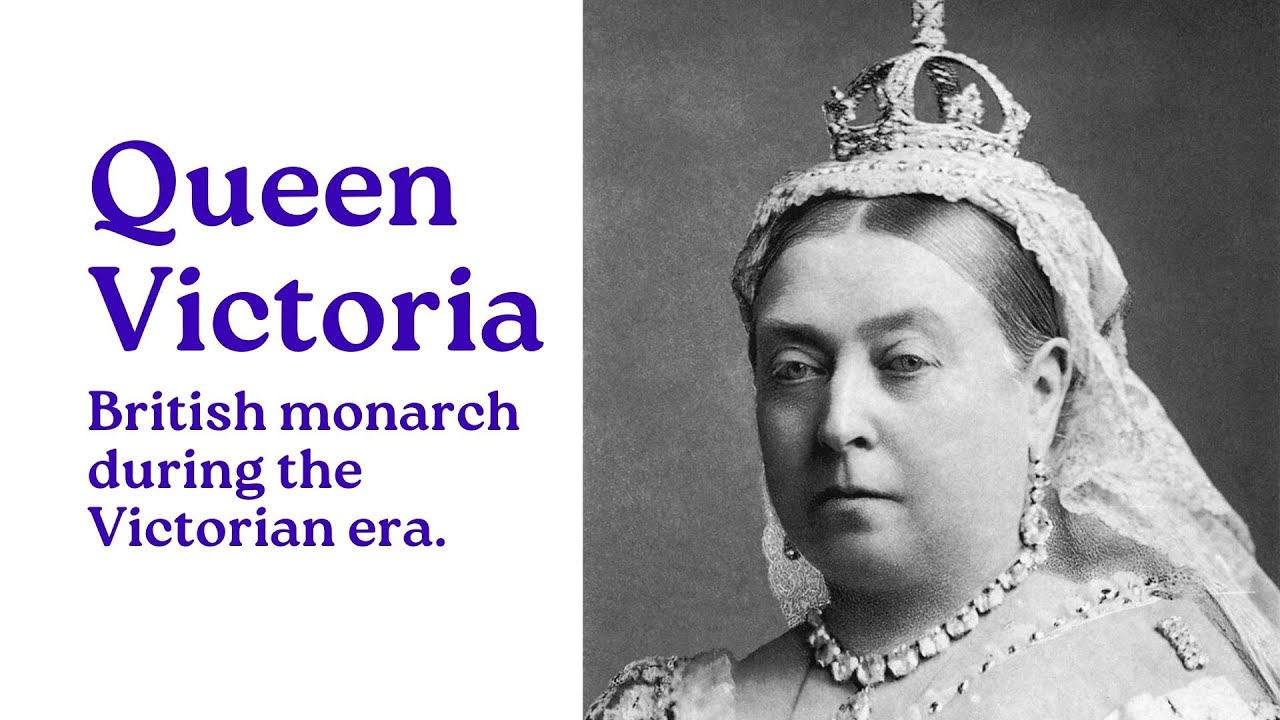
there is a saying in europe about the british americans french and germans if each is set a task and given six hours to do it in the american will finish his work in four hours and fill the remaining time by taking a leisurely stroll the frenchman will finish in four hours and spend the spare time drinking singing and dancing the englishman will finish the job in five hours and spend the sixth hour working at another task and the german will not be able to finish the task in six hours but will go on working through the night it has to be said that this story sums up well the characteristics of the four nationalities that europe and the eastern parts of asia have been separate regions since ancient times with hardly any communication between them may be inferred from the customs embodied in the cultures of their races the people of europe make their livelihoods through competition with one another at the same time seeking to satisfy their desire for profit the character of their political culture may be reduced to four elements the pursuit of personal goals perseverance obstinacy and self-centeredness the individual nations of the west are fiercely competitive and possess a strong spirit of independence based on their inhabitants love of country this is so intense that the nations never miss an opportunity to avenge a slight to their honor even after hundreds of years western people seem to possess a more passionate sense of patriotism than people in the east thus there is a constant stream of british visitors to belgium who come to pay their respects at the site of the battle of waterloo whereas the french avoid the area completely [Music] during the morning we sailed along the coast of the region called all the way to liverpool nothing lay ahead but the smooth and boundless sea the local people had divided the land neatly into fields and cultivated it thoroughly and meticulously to the eye this landscape was a great improvement on the rough and ready american railroads the area of the united kingdom as a whole is 121 362 square miles and according to statistics for 1871 its total population was 31 817 thousand one hundred and eight its form location size and population are very similar to those of japan for this reason the people of britain are in the habit of referring to japan as the briton of the east from the point of view of economic power however the disparity is immense lands belonging to this country are spread across the five continents in asia its possessions include most of india and in the south seas the australian continent and new zealand the british boast that the sun never sets on their empire the spanish said the same thing about their own empire when it was at its height among these the greatest prophets are derived from india an american has criticized this state of affairs saying that the british live like ants in their little islands owning fields in india where they squeeze the fat from the people while growing fatter themselves they extract profits from their colonies just as one extracts juice from a lemon they squeeze with all their strength until not a drop is left [Music] this video is sponsored by magellan tv the documentary streaming service magellan have been great supporters of content from me and my brother for a while now and all across youtube i've been using their documentaries to brush up my knowledge on a range of subjects and have even been able to set up new channels after being inspired by some of their documentaries and a good choice to go with this video is kings of europe france the habsburgs and the russian sars just as the iwakura embassy traveled through this wild time in european history this documentary gives you the opportunity to do the same as always magellan tv offers a great parallel to our videos and it's just one of more than 3 000 documentaries available and you can now take advantage of an exclusive offer 30 off an annual membership this gives you an entire year for less than 3.50 a month you can simply click on the link in the description to claim your discounted membership today thanks [Music] the people who live in britain are unable to be idle even for a moment we heard it said that the spaniard makes an occupation of sleeping all day but the englishman's foot never rests on the ground for more than a moment in spain therefore simply taking a shorter siesta is enough to gain one a reputation for hard work but in london just walking at an ordinary pace gives the impression that one is an idler as a result many people simply run out of energy and the numbers of the poor are probably greater than in almost any other country the fact is that the vast profits which are reaped year by year are all garnered by the rich there is a comprehensive system of laws to protect them so that those who lose their fortunes are few and there are not many who start up businesses all at once or suddenly go bankrupt the weather in britain is very inconstant rain does not come in prolonged downpours or sudden cloud bursts when the temperature falls a little the sky becomes overcast for days on end and a constant drizzle sets in in the afternoon we went aboard the victory which is moored permanently at the dockside and manned by sailors of the royal navy furthermore because it is the ship on which the great british admiral nelson died at the historic battle of trafalgar off the coast of spain relics of him and many of his papers are preserved on board his glorious spirit will undoubtedly live for a thousand years by gracious permission of the royal household we were shown round buckingham palace room after room is adorned with priceless objects and curios and there is an endless collection of superb pictures whose beauty dazzles the eye we were not permitted to go into the queen's dressing room and bedroom she had departed for her holiday in scotland leaving them in the state of disorder in which they had been while she was in residence so her staff did not want strangers to see them the present queen is immensely popular among the british people revered as a great monarch of a kind rarely seen since ancient times in the afternoon accompanied by sir harry parks and general alexander we visited the following places first the tower of london the ancient castle of london the upper part of the tower was the jewel house where the monarch's jeweled crowns and ceremonial regalia were kept in an apartment comprising several rooms there was a set of japanese armor said to have been sent from japan as a gift to king charles ii there was also a collection of japanese swords but they were inferior pieces of the kind found in any antique shop are not worth looking at at 11 in the morning we went to the british museum this is britain's national museum a vast building renowned throughout europe for its size when one looks at the objects displayed in its museums the sequence of stages of a country's civilization is immediately apparent to the eye and can be apprehended directly by the mind no country has ever sprung into existence fully formed the pattern in the nation's fabric is always woven in a certain order the knowledge acquired by those who proceed is passed on to those who succeed the understanding achieved by earlier generations is handed down to later generations and so we move forward by degrees this is what is called progress progress does not mean discarding what is old and contriving something which is entirely new in the forming of a nation therefore customs and practices arise whose value is tested by constant use so that when new knowledge appears it naturally does so from existing sources nothing is better than a museum for showing the stages by which these processes happen seeing but once is better than hearing a hundred times calais is the most northerly port in france and an important terminal for people traveling to and from britain we were served lunch in the hotel here although britain and france are separated by the narrowest of straits it is quite extraordinary how very different their languages sound whereas the british talk in subdued tones when the french speak their voices take on an impassioned note the two languages have separate origins and are completely different the food too suddenly changes in flavor although the peoples have had a constant contact and have invaded each other's countries for thousands of years they remain divided by this narrow stretch of water and maintain their own cultural traditions this shows that in defining a country's boundaries the inhabitants ancient customs are as inalterable as the natural frontiers of mountains and rivers as our lodgings were right in front of the grand intersection where the arc de triomphe stands a site known in paris for its imposing majesty cloud and fog were swept even further from our minds and our spirits lifted [Music] we visited a factory which makes chocolate another noted product of france chocolate is made from the beans of cacao trees which grow in the tropics and are cultivated in abundance in such colonies as martinique and guadalupe the confections here are the best to be found and are wrapped in tin foil and decorated with a lithograph picture pasted on top these sweets provide nourishment to the blood and soothe the nerves with the advance of european civilization standards of food clothing and housing have all risen and spending is increasing continuously it is the europeans who manufacture and consume the products but the raw materials are all imported from the fertile lands of asia africa america and australia when some natural commodity is discovered and become sought after it can only be procured in a few places at first and thus commands an exceptionally high price the foremost objective of trade should not be to provide limited quantities of expensive goods but to supply large amounts at low prices the reason the british and the french promote production of commodities in their colonies is that it is extremely cheap there [Music] it is almost impossible to convey how much customs vary from village to village in the west during our travels we mostly passed through cities and rarely stayed in villages so he had very few opportunities to observe local customs nevertheless there are several which could be mentioned here the uniform of scottish soldiers is completely different from what is customary in england they wear a strange and ancient type of garment which hangs down their legs thus leaving six or seven inches around their knees completely bare now since scotland is not far from the arctic circle it must be harmful to the health to expose one's knees like this yet even in these enlightened times they stubbornly cling to this practice simply because it is their custom again when ordinary european women are in their finery their bodies are naked above the breasts but this is simply their custom similarly ear piercing and constriction of the waist are simply customs but also is the practice of wearing shoes which squeeze the foot simply because small feet are considered more attractive none of these practices are healthy holland also goes by the name of the netherlands and to us in japan the country is known as oranda today it is one of the smaller nations in europe 300 years ago the dutch sailed overseas establishing colonies in various parts of the world and holland's power was unchecked as our country had rejected diplomatic ties and holland was the only nation allowed to send vessels to our shores the dutch made vast profits through their control of all japanese products reaching europe at a dinner party we attended in holland there are a number of ladies of quality present one of them seeing that all the men in our party had black hair black pupils and a similar bone structure asked the japanese minister in holland in puzzlement if all men in japan had the same bone structure as we had on being informed that throughout japan people were like us she expressed astonishment and wondered if it was rather unusual for a country with a population 10 times that of holland to consist entirely the same race it is a vulgar notion born of a narrow-minded outlook to suppose that other people because of some minor difference in bone structure or customs are not our equals and a notion to which educated people pay no heed the first time that we in japan heard the name of this country was probably when a prussian warship arrived in nagasaki in 1860. all that the people in our country knew about prussia was that it had a reputation in europe as a strong nation this is the leading country in europe in terms of alcohol consumption for each prussian drinks on average four hectare liters of beer a year while people in saxony drink an average of six hectares it was all very different from the customs we observed in britain and france even inside the theaters men and women do not refrain from drinking beer this evening we had an invitation to dinner with the minister of foreign affairs prince bismarck during the dinner this evening the prince referred to the time when he was young saying nations these days all appear to conduct relations with amity and courtesy but this is entirely superficial for behind this facade lurks mutual contempt and a struggle for supremacy as you gentlemen know when i was a young boy prussia was weak and poor the state of this small nation at that time fills me with such intense indignation that i could not dispel the image from my mind first so-called international law which was supposed to protect the rights of all nations afforded us no security at all when there was a dispute the great powers would invoke international law and stand their ground if they stood to benefit but if they stood to lose they would simply change direction and resort to military force consequently in the face of maneuvering with flattery and contempt by the great powers we invariably failed to protect our right of independence no matter how hard we tried incensed by this deplorable state of affairs we gathered our strength as a nation and strove to cultivate our patriotic spirit in the decades since then up to the present all we have ever set out to achieve is simply to uphold the autonomous right of every nation nevertheless we hear constant expressions of horror from other countries at the way prussia has used force and they censor us for rejoicing in our military prowess and for depriving people of their sovereign rights we hear of the distress caused to nations by the way britain and france abuse their power coveting overseas colonies and exploiting their resources neither must you gentlemen relax your vigilance for having been born in a small nation myself and knowing its state of affairs intimately this is a point i understand most deeply so while japan may now have amicable diplomatic relations with a number of countries its friendship with germany should be the closest of all because of the true respect in which we hold the right of self-government for the envoys listening during the banquet these were significant words indeed and we appreciated the chance to learn from the prince's eloquence knowing full well what a master tactician he is in the world of politics it was in russia that we ventured into the remotest regions in the course of our peregrinations around america and europe as we traveled steadily eastwards after leaving paris signs of civilization became ever more sparse for all the talk about civilization and development when the whole world is taken into consideration these notions amount to no more than the light of a star on the ground in one corner of the world fully 90 of all dry land is still desolate here only the nobility are at all advanced and the common people are like slaves [Music] the eastern races are less inclined to greed they submit themselves to moral governance their sovereigns are conscientious and frugal and thus have raised their people to great heights the western races by contrast are given to rampant greed and are slow to correct their conduct as for their rulers it would not be a lie to say that they tax the people on their lands heavily and make themselves wealthy by keeping the revenue for themselves this explains why the notion of freedom has sprung forth among the peoples of europe and why europe is seething with the views of those who would wipe out the rights of sovereigns and establish the rights of the people the peoples of the east and the west are different in character they're almost opposites i suppose that the most powerful countries in europe are the five monarchies of britain france germany austria and russia the most influential are britain and france while the most backward of them is russia people in the west could not help but seeing russia as a country which has risen one notch above turkey and yet the efforts the russians are making to advance are inspired simply by the desire to bestow upon their country a lustre similar to that of the leading countries this is the nature of russia's reaction to europe hitherto the japanese have feared russia more than britain or france in the popular mind britain and france seem to be trading countries like holland while germany and austria seem to be countries struggling for power in europe meanwhile russia the largest and most powerful country seems to be perpetually stalking the land in a rapacious mood and nursing ambitions of conquering the world yet if so-called amity between nations whereby nations understand one another and the strong and weak protect one another is considered to be superficial just a mask then surely it is not russia alone which we ought to be suspicious of the expansion of their territorial possessions by britain and france offers us a true example of countries which control the continents of the world germany is not yet powerful overseas but how can one say that this means it does not have ambitions if one suspects foreign countries of being wolves what country is beyond suspicion of being a wolf when it comes to determining strategic policy we should have a clear grasp of the true situation in the world and ponder accurately whether we should be most friendly to britain and france to russia or to the states of germany and austria rome contains many remains dating back two thousand years and gazing at them one cannot but feel wonder at that time london and paris were areas where barbarians lived where brambles and weeds grew unchecked in marshy areas and wild beasts wandered at will a place such as germany for example was mostly made up of forests or plains where the winters were harsh some people painted their bodies or tattooed themselves others wore animal skins and they roamed freely ignorant as they were when they took local produce in tribute to rome and saw the splendor of roman civilization and the magnificence of the city they voluntarily reformed themselves and joyously exchanged their habit of idleness for better ways what finally brought germany to its present prosperous state was precisely the elements which the people had derived from the culture of ancient rome our party had recently visited the capitals of britain and france and now coming to rome we found dust and rubbish blowing around and considerable numbers of street urchins thus have the wild thorny bushes of ancient times become the civilization of today and the prosperity of yesteryear become the degeneration of today it seems to me that the vigor of european civilization has natural limits as if one part must be in decline while another part is thriving if britain france and germany are flourishing now it is because their progress has depended on elements which originated in rome this became abundantly clear when i saw the city for myself it is said that people who talk about european civilization have all had to come here once to ponder its history for themselves how true it is that the achievements of any civilization are not simply a matter of a day and a night rather they are conceived thousands of years earlier and only much later emerge in all their brilliance [Music] east and west lies so far apart that they were beyond each other's reach even had they wished to meet and generally they are at variance due to their vastly different origins as we traveled around western europe we did indeed feel that all men are brothers no matter where they come from yet if one casts one's mind back 400 years nobody then could have imagined for a moment that the lands of europe would become full and that there might be other lands lying to the east of india venice is a maritime city in the northeastern part of italy and consists of a group of islands jutting out of the water at the end of the adriatic sea it is called the city of islands on this day we immediately boarded a gondola after emerging from the station it felt as if we had placed ourselves in a picture of a river the houses and shops jostling together were reflected in the water the air was clean the sunlight pleasant and the water suffused with an azure tint was marked by gentle ripples the boat glided through the dim and misty air and it felt as if one was being wafted into the sky it is said the travelers who come here and share in these pleasures are usually too enraptured to think of going home each european country has its strengths and weaknesses in commerce but the people there all wish for commerce to thrive just as people in the east wish for an abundant harvest the invitations which our embassy received were prompted by nothing other than this a desire to promote friendly relations and thereby increase trade with japan when we had audiences with emperors kings and queens all were received by foreign ministers the theme of their addresses was invariably trade they entertained us at lavish banquets where the conversation always turned to trade when we visited town halls chambers of commerce and commercial exchanges the speakers would unfailingly express a hope for friendly relations and increased trade with japan when they did so all present would wave their hats in the air stamp their feet and cheer a high regard for commerce permeates the innermost hearts of all europeans you
Up Next

4:21
Meiji and Taisho Japan: Western Fashion Revolution
@PastFrameHistory1
176 views•2026-02-08

33:02
The Great Schism of 1054: Causes and Consequences
@SacredCathedrals
113.5K views•2026-02-19
13:12
Marco Polo Describes the Mongols: 13th Century Primary Source
@VoicesofthePast
194.4K views•2020-07-25

17:05
Understanding the Cold War: Superpower Conflicts and the Road to Détente
@OverSimplified
46.1M views•2019-01-24
Related Study Plans & Knowledge Roadmaps
Structured learning paths in History
history
Byzantine Iconoclasm: Theology, Art & Politics
01Foundations of Byzantium and Early Christian Images
02The First Iconoclasm: Leo III and the Crisis of Images
03Empress Irene, Nicaea II, and the Second Iconoclasm
+ 2 more learning modules
9h5 modules
Explore Roadmap
history
Iranian Revolution (Causes, Events & Legacy)
01The Pahlavi Dynasty and the Roots of Discontent
02The Spark of Rebellion and the Rise of Khomeini
031979: The Fall of the Shah and the Climax of the Revolution
+ 2 more learning modules
8h5 modules
Explore Roadmap
history
Mali Empire: Mansa Musa, Trade & Timbuktu
01Foundations of the Mali Empire
02The Trans-Saharan Gold and Salt Trade
03The Reign and Pilgrimage of Mansa Musa
+ 1 more learning modules
6h4 modules
Explore Roadmap
history
1947 Partition: Politics, Borders & Legacies
01Foundations of British India and the Divide
02The Political Negotiations and the Mountbatten Plan
03Drawing the Boundary: The Radcliffe Line
+ 2 more learning modules
8h5 modules
Explore Roadmap