
















![[#킬링타임 90분] 태평양 전쟁 당시의 충격 실상💥 아이들을 이용해 상대를 혼란 시키려는 참혹한 작전까지😨 | #벌거벗은세계사](https://i.ytimg.com/vi/PTCCEE7BUeo/maxresdefault.jpg)



![(일본의 민주주의, 다이쇼 데모크라시 몰아보기) 실패한 민주주의 『전쟁을 부르다』 / (일본제국의 흥망 Ep2) [소피니언 디데아]](https://i.ytimg.com/vi/6Qon_2beP74/maxresdefault.jpg)
Japan's transition from constitutional democracy to militarist rule demonstrates how structural weaknesses in democratic institutions, combined with economic pressures and political polarization, can enable military factions to seize control of a nation's government without fully establishing totalitarianism; unlike German fascism, Japanese militarists never created a fully totalitarian state but still managed to plunge Japan into devastating wars without clear strategy or civilian consent, showing that even partial military control can lead to catastrophic national consequences.
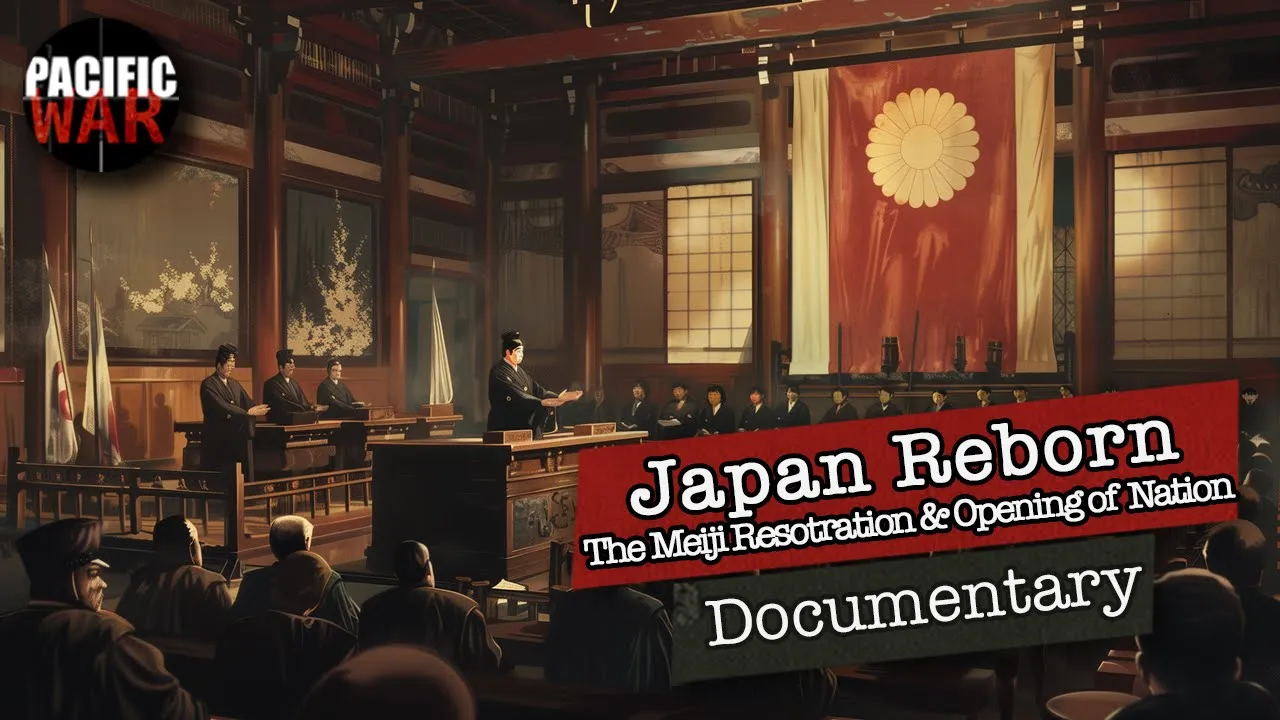
Japanese Militarism: The Meiji Oligarchy & Taisho Democracy | Extra History Pt. 1
Added:The structure and collapse of the Tokugawa Shogunate, including the rigid feudal system and the policy of national isolation (Sakoku).
The impact of Western imperialism in East Asia during the mid-19th century, specifically Commodore Perry's arrival and the subsequent unequal treaties.
The foundational goals of the Meiji Restoration (1868), particularly the slogan 'Fukoku Kyohei' (Enrich the Country, Strengthen the Armed Forces).
Basic political concepts differentiating an oligarchy (such as the Genro) from a constitutional parliamentary democracy.
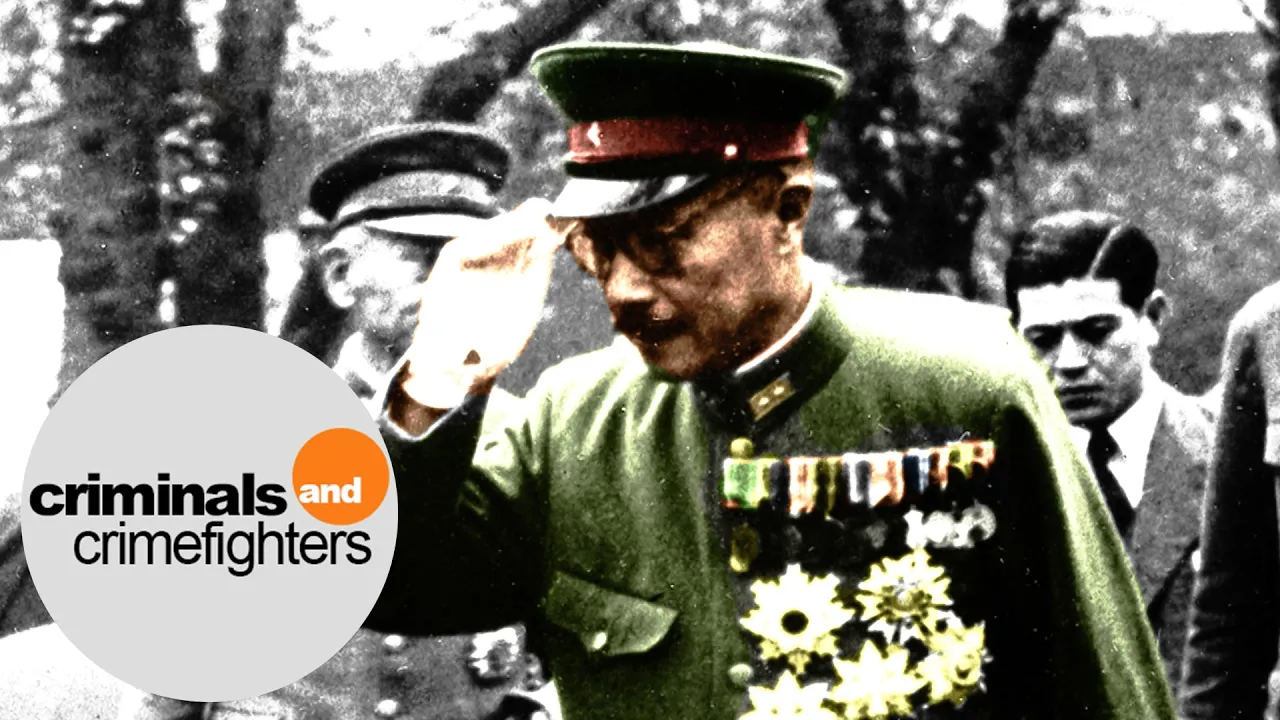
The rise of radical militarist factions within the Imperial Japanese military (such as the Kodoha and Toseiha) during the late 1920s and 1930s.
The Mukden Incident (1931) and the unilateral actions of the Kwantung Army in Manchuria, showcasing the collapse of civilian oversight.
The transition of Japan into a militaristic, totalitarian state culminating in the February 26 Incident (1936) and the outbreak of the Second Sino-Japanese War.
A comparative analysis of the decline of interwar democracies, contrasting Japan's Taisho Democracy failure with the fall of the Weimar Republic in Germany.
1M views31.3Klikes10:31Original Release: 2021-12-11
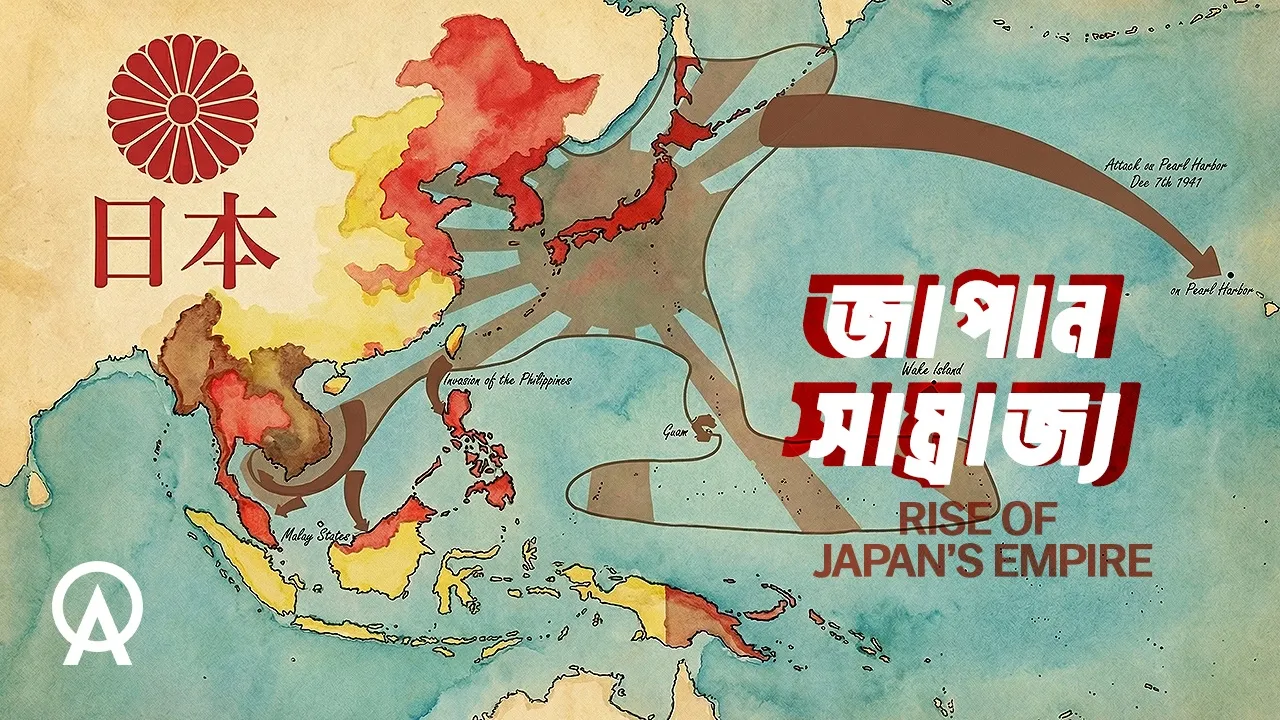
tokyo station november 4th 1921 hara takashi is a symbol of the new japan born into a minor samurai family as a young man he'd converted to catholicism and opted to be classed as a commoner then after a long career in public service he became the first commoner and first christian to become prime minister of japan during his tenure japan had finally stepped into a role among the world nations he'd seen his country through the paris peace conference joined the league of nations intervened in the russian civil war and built bridges with the business community and though a conservative he'd also discussed loosening japan's harsh colonial rule in korea but all this gained him enemies enemies like the train station switch man walking up to him now through the crowd an ultra-nationalist angry at his moderation and international policy haru sees the knife yet none of his achievements can save him [Music] thanks so much to hellofresh for continuing to help bring history to the table popular culture tends to pay a lot of attention to the rise of fascism in europe particularly the nazis but less so on the growth and development of militarism in japan when it is examined militarism is generally looked at from the perspective of the united states china or the uk and there's a lot of talk about the need for oil and rubber but not a lot about the domestic issues which is unfortunate since the story of japan's captured by a military faction and march toward the second world war is worth studying because unlike in german fascism the japanese militarists never managed to create a fully totalitarian state in fact until the end of the war there were still political parties and opposition figures though they were mostly terrified into silence and the militarists were never able to take over the economy but japan's newly authoritarian government still had enough power over the state to plunge it into utter devastation into a war with no clear strategy or objective and without the consent of its civilian leadership now before we dive in further an interesting side note for those interested this series will function as a sort of sequel to our end of the samurai series plus our sunyat sen series deals with many of the same issues from the chinese perspective history more crossovers than the mcu so it's you know been around longer anyway let's get started just after the satsuma rebellion the meiji emperor has been restored to real power the samurai and class system has been abolished and japan is governed by a council of elder statesmen in a period known as the meiji oligarchy but here's the thing about the meiji state it has no real political ideology other than one advancement every step they take is geared toward modernizing the country because they want parity with the powerful western nations that they fear could colonize japan like they have southeast asia or carve it up like china their only chance they felt was to join those modernized nations and deal with them on equal footing rallying behind the cry enriched the country strengthened the military in just a few decades of hyper-fast development they tackled industrialization railroad building innovative factories compulsory public education transition to a modern economy and the founding of corporate combines dang that's a lot and that's just the shortlist and of course they poured money into creating a modernized army and a modernized fleet the meshi oligarchs also courted western powers diplomatically arguing that based on their rapid modernization and partial westernization they should renegotiate their unequal treaties fosted on the previous shogunate government an effort that was ultimately successful and some of these movements were beneficial for the populace japan was in the middle of a population explosion especially in agricultural areas and these expanded opportunities created jobs for children that wouldn't inherit farms the reforms also gave a louder and louder voice to the common people and groups who had been advocating democracy and constitutional rule from the early days of the restoration and by 1881 the calls for a constitution could not be ignored so the meiji oligarchy went shopping in europe for a system of government that would placate the reformers the resulting meiji constitution of 1889 was a hybrid of the more absolutist prussian constitution with the parliamentary elements of british and american models the emperor would nominally be head of state with an elected diet containing an upper and lower house there were independent courts a privy council for the emperor and a nice advisory position for former statesmen to steer the emperor on policy there were guaranteed rights of freedom of religion trial before a judge due process and the right to petition the government not to mention there were qualified rights like freedom of speech freedom of movement right to assemble and to associate with anyone as well as the right to private correspondence and protections against unreasonable search sounds great right well this constitution also had problems in fact it was built to have problems you see all those qualified rights were conditional essentially meaning the government could take them away at any time if they deemed it necessary for security oh and those former statesmen who would advise the emperor yeah they were the oligarchs and while the diet controlled legislation and budgets and the prime minister ran the state the constitution essentially made the emperor an absolute monarch he could appoint piers and dismiss the house of representatives all branches of government it said were united in the emperor his power came not from the people but from an unbroken line of succession from the divine sun goddess amaterasu and the nation of japan was not a government but a family state with the emperor at its head this political philosophy known as kokutai or national body was assumed to be ancient and innate to japanese culture the idea argued by the largely conservative politicians who wrote this constitution was that political systems might come and go but this sense of national unity with the emperor at the top was eternal it's also an idea they started to push via the new public education system as well as the military which regularly drafted large numbers of young men the result was that by the end of world war one much of society accepted this idea of the emperor's central and divine role even though this supposedly ancient philosophy was about a century old it was a constitution meant to give the appearance of democracy but with exploits the oligarchs and the emperor could use if things got too democratic and the biggest exploit was this the military was an independent branch answerable to the emperor alone it had no civilian control and could act independently in matters of war and peace in the next few decades the military would flex its muscle in 1895 it defeated china in the first sino-japanese war in 1905 it crushed the russian fleet in the russo-japanese war becoming the first asian nation to defeat a european empire and in emulation of the great powers it intended to join it scooped up colonial possessions in taiwan korea and manchuria a strategically crucial area meant to guard japan against threats from both china and russia japan also emerged as a major winner after world war one they walked out of the paris peace conference running a german possession in china shandong as well as a mandate to govern former german colonies in the western pacific the wishes of the meiji state had essentially been fulfilled but not all was well when the meiji emperor died in 1912 and the country transitioned to his successor emperor taisho the military had demonstrated its power by forcing a constitutional crisis refusing to send a member to the prime minister's cabinet meaning it could not be formed and as western ideas and technology swept the country and the big corporations known as saibatsu became political king makers there was widespread dissatisfaction with the government and increasing radicalization especially as the rice riots swept the country in 1918.
political parties in the diet became ever more polarized on the left socialists and communists wanted to solve the poverty of the countryside with collectivization democracy activists began to push for universal male suffrage and would ultimately succeed meanwhile ultra nationalists on the right increasingly looked at these leftists and moderates as enemies to be fought with assassination and violence yet despite these tensions there was optimism especially in port cities like yokohama the most westernized japanese city there with its hotels and dance halls east and west mingled and new political and social ideas gestated it was a city of art innovation and fun a center for liberal ideas and if you were standing there on the dock in 1923 waving at a massive western cruise ship leaving port you couldn't imagine what was coming until a sound like thunder until the ground went out from under you the pier falling into the sea spilling people in vehicles into the harbor until a 40-foot wall of water appeared on the horizon the great kanto earthquake was about to remake japan and signal a new era and while we wait for next week's episode zoe what say you and i go cook dinner but what should we eat oh great call cat you know it's great that hellofresh supports our channel because they've been supporting my stomach and saving my schedule for a while now eliminating stressful meal planning and annoying trips to the grocery store that i do not have time for they get me everything i need to prepare tasty meals all delivered to my door and i'm eating in a half hour or less my most recent favorite being their chicken satay noodle toss which in spite of its name made it cleanly to my plate and then into my belly it was dang good and since jeff was hankering for something warm this december he went with the family-sized sausage rigatoni rosa which we all loved because as we've established by now zoe and i are huge mooches tastiness and multilingual cats aside another thing we really like about hello fresh is their continued commitment to sustainability not only are ingredients pre-portioned meaning you waste less food but the carbon footprint of their service is actually 25 smaller than meals made from store-bought groceries and hellofresh wants you to experience all of their flavorful feasts for yourself all you gotta do is go to hellofresh.com and use the code extracredits14 and you'll get 14 free meals plus three free gifts once again for those in the back you can get free food while supporting our channel the environment and your taste buds again that's 14 free meals plus three free gifts at hellofresh.com using the code extra credits 14. whatever tito that's right zoe ahmed zion turk alecia bramble casey muestia dominic valenciana joseph blame kyle murgatroyd and o reals 1 our fantastic legendary patrons you
Up Next

22:37
Supreme Court Rulings on Affirmative Action and Voting Rights | Face the Nation Analysis
@facethenation
45.4K views•2023-07-02

24:30
BRICS Pay and de-dollarization: A New Financial Order Emerges? | 55 chars
@DannyHaiphongYT
164.6K views•2024-10-22

7:33
Government Surveillance Methods: 10 Ways You May Be Watched
@BeAmazed
1.6M views•2017-04-09
10:19
Explaining the Saudi-Iranian Proxy Conflict in the Middle East
@Vox
18.2M views•2017-07-17
Related Study Plans & Knowledge Roadmaps
Structured learning paths in Political Science
political-science
Economic Statecraft: Sanctions & Chokepoints
01Foundations of Geoeconomics and Economic Statecraft
02The Mechanics of Weaponized Interdependence
03International Sanctions: Types, Implementation, and Efficacy
+ 2 more learning modules
12h5 modules
Explore Roadmap
political-science
Central Bank Independence: Politics & Policy
01Foundations of Central Banking and Monetary Policy
02The Time Inconsistency Problem & Inflation Bias
03The Delegation Model and Designing Independence
+ 2 more learning modules
12h5 modules
Explore Roadmap
political-science
Consociationalism: Power-Sharing & Stability
01Democratic Dilemmas in Divided Societies
02Introduction to Consociational Democracy
03The Four Pillars of Consociational Design
+ 2 more learning modules
12h5 modules
Explore Roadmap
political-science
Rebel Governance: Legitimacy, Economy & State
01Foundations of Rebel Governance and Statehood
02Establishing Political Legitimacy and the Rebel Social Contract
03Wartime Economies and Rebel Resource Management
+ 2 more learning modules
14h5 modules
Explore Roadmap