














![ประวัติ-ดิ-สาส [22] | กลุ่มทุนไซบัตสึล่มสลาย กำเนิดลมหายใจใหม่ของญี่ปุ่น](https://i.ytimg.com/vi/_clTRcY5eQ8/maxresdefault.jpg)


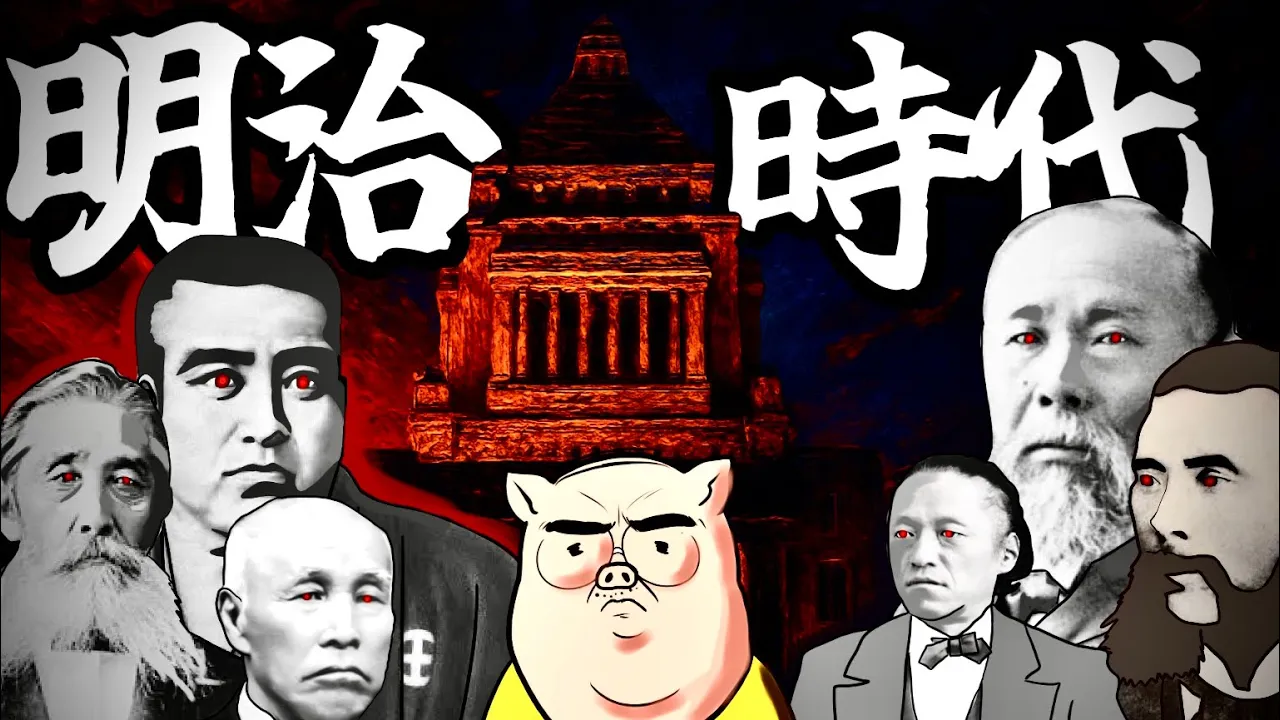
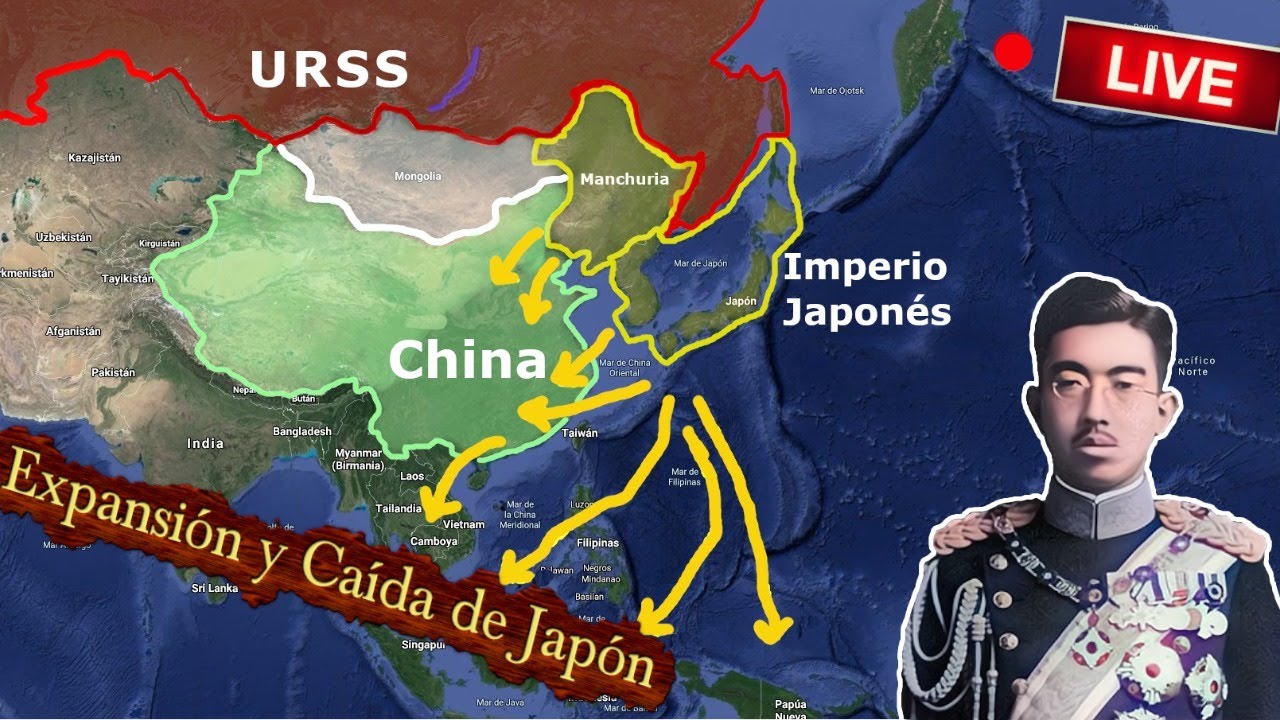


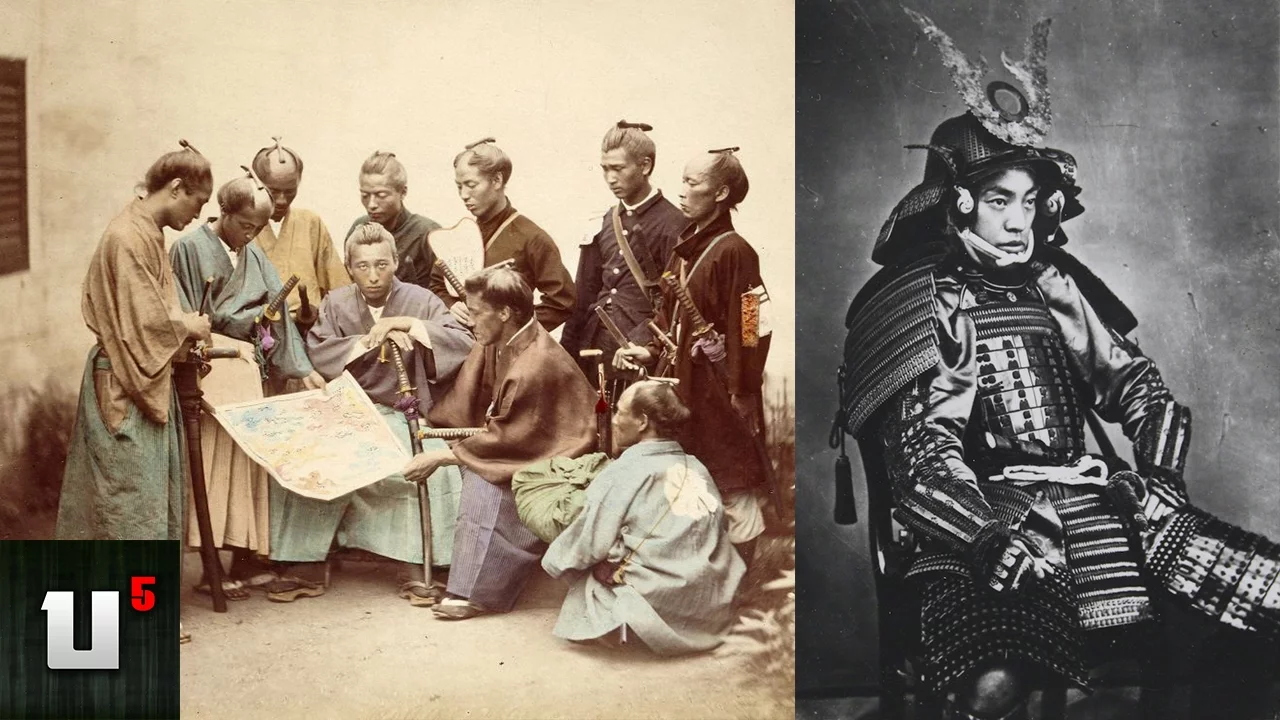
The Meiji Revolution (1868-1912) transformed Japan from an isolated feudal society into a modern industrialized nation through rapid Westernization, enabling it to become Asia's first modernized country and inspiring nationalist movements across the continent.
The Meiji Revolution: Japan's Transformation into a Modern Power
Added:The political structure of the Tokugawa Shogunate, including the dual-governance system of the symbolic Emperor and the ruling Shogun.
Japan's 'Sakoku' (closed country) policy of self-imposed isolation and its economic and cultural implications.
The geopolitical context of Western imperialism in 19th-century East Asia, specifically the impact of Commodore Matthew Perry's arrival in 1853.
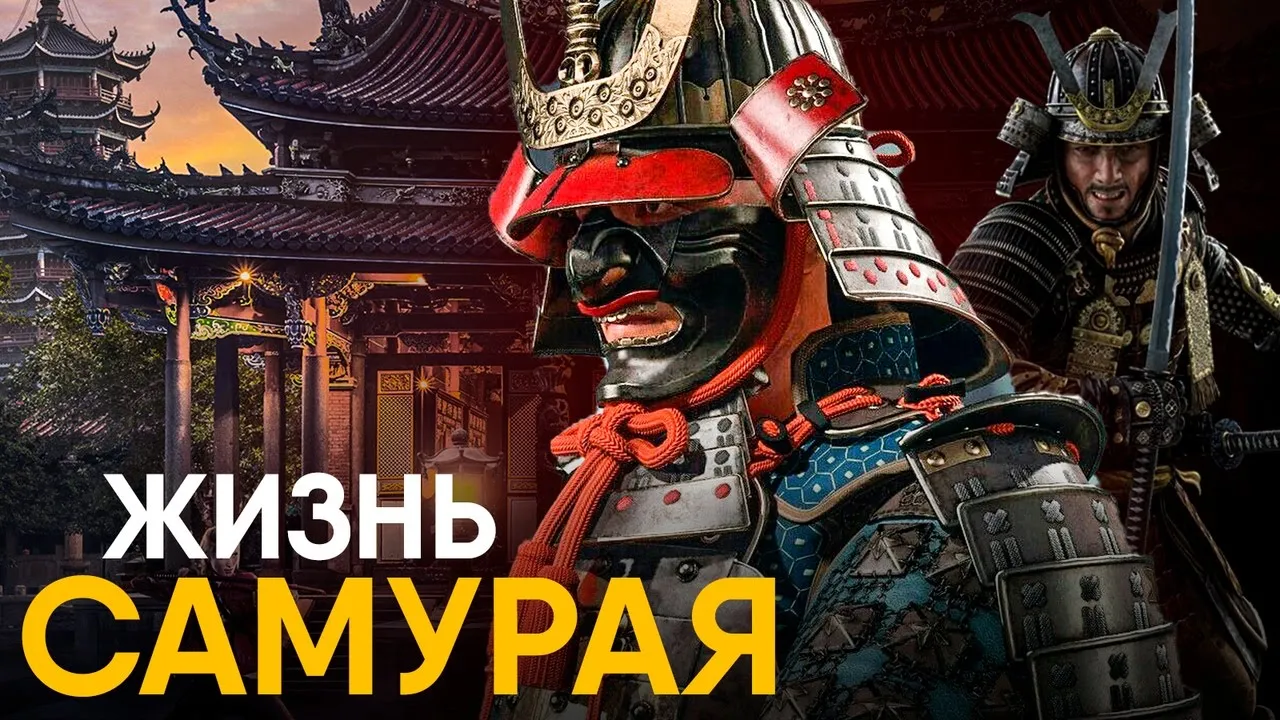
The rigid feudal class system of Edo-period Japan, particularly the social role and privileges of the samurai class.
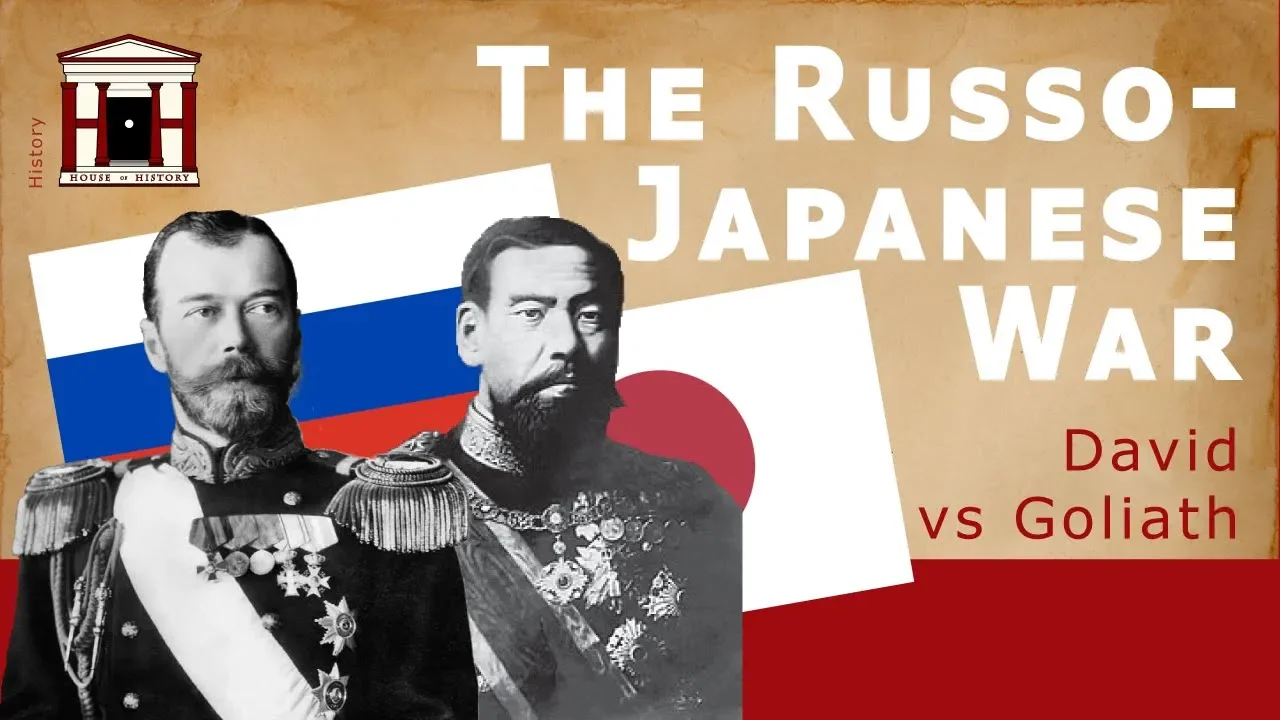
The Russo-Japanese War (1904-1905) and its significance as the first modern military victory of an Asian nation over a European power.
The social and cultural impacts of rapid Westernization ('Bunmei Kaika') and internal resistance to these changes, such as the Satsuma Rebellion.
The formation of 'Zaibatsu' (large industrial financial conglomerates) and their role in Japan's rapid economic and industrial expansion.
The trajectory of Japanese expansionism in Asia, including the annexation of Korea and the precursor events leading to World War II in the Pacific.
197.6K views0likes57:52Original Release: 2016-05-25
[Music] major funding for this program was provided by the annenburg cpb project and by the Ford Foundation additional funding was provided by the National Endowment for the Humanities the Arthur Vining Davis foundations and others [Music] [Music] every night the lights in Tokyo Flicker and Flash in a code that everyone understands economic power has shifted from the West to the East and Tokyo is the capital of a new Pacific age amidst the pulsing Neon Lights this shift looks like a recent change a new [Music] wave but Asia's march to power and influence began over 120 years ago with one pivotal [Music] story in 1868 a 16-year-old boy became emperor of Japan he was called Magi and in his name an isolated island nation became a modern world power the shock waves would transform the Pacific World Asia's Journey from the rice Patty to the microchip was born of [Music] [Applause] fear one century ago Asia's Choice was clear modernize or be conquered by the Western powers [Music] w [Music] [Music] before the Magi era in the mid 19th century the decline of China's magnificent civilization haunted East Asia consumed by famine and Rebellion from within China was also attacked from without by British gunboats forcing open the country to Western trade scarcely noticed except by a few Dutch Traders was a small string of islands called Japan [Music] for two centuries Japan had been locked away from the outside world by 1615 after a century of Civil War the powerful Lord Tokugawa had defeated his enemies and declared himself Shogun ruler of all Japan Tokugawa divided Society into four ranks at the bottom were the merchants then came The Artisans just above them were the farmers who gave up half their rice Harvest to those at the top a samurai only Samurai had the right to carry swords the law of the land set them apart the Tokugawa Shogun was a kingdom Built For War but it began to crumble after 200 years of Peace it was the most orderly Place imaginable it was a completely schematized Society where everybody knew who he was and what he had to do but in fact because it was so idealized and so orderly and so tidy history got away from it the samurai who the elite of the Tokugawa system had not been allowed to raise its swords for 200 years and in between had become civil servants their swords rusting propped up against their desk while they kept the accounts of their Lords many of these Samurai ceased being able to make a reasonable living so they went into debt to the merchants although the merchants were at the very bottom of the Confucian hierarchy they began to have more and more power over the samurai who were in their debt Merchants once scorned under the Confucian hierarchy became more powerful as Japan's barter economy gave way to a new money [Music] economy the hustle of merchants turned the world of the Samurai upside down Japan was a society about to explode the coming of the West struck the spark in 1853 four American warships steamed up the bay at uraga near Edo commanded by Commodore Perry the Americans had come to open up Japan they wanted water and coal for their whaling ships and China trade the Japanese were astounded at the power of Perry's vessels they called them black ships for the ominous smoke that billowed from their coal [Music] engines they sent a clear message if the Japanese didn't open up their country Perry would open it by [Music] force Most Japanese had never seen a Westerner in the first portraits of Perry and his men they marveled at the Strang looking barbarians from across the [Music] sea on Shore Perry showered his hosts with gifts including a toy steam locomotive which the Japanese studied with Fascination the impact of Perry's visit was extraordinary all those strange huge black ships the strange people red-faced foreigners it was if they came from Mars and of course they brought machines with them the Japanese had never seen technology like this toy train before they were fascinated the British Russians French and Dutch quickly followed Perry into Japan [Music] overrun with strange foreigners the Shogun government opened the institute for the investigation of Barbarian [Music] books to some the arrival of the westerners was a direct attack on the values of traditional [Applause] Japan in Southwestern Japan the remote provinces of Satsuma and choshu were centers of anti-western thought their Samurai called shishi or men of high purpose believed that Japan was sacred ground and that the emperor now a figurehead in the ancient capital of Kyoto was a God the shishi were Furious that the Shogun had signed an agreement with the foreign barbarians without the emperor's consent the initial Japanese response to the West Was xenophobic anti-western the great slogan of the time son no Joey of rever the Emperor and expelled the Barbarian Japan understood as sacred territory and these fools were not to be allowed in regardless of Perry's show of force and that this was not just [Music] talk shishi murdered prominent foreigners a translator for the Americans a British Diplomat other shishi attacked Western ships the response from the West Was immediate and devastating with modern Cannon they bombarded the home capitals of the shishi in Satsuma and choshu today the battlements remain from the walled city of haggi the old shosu capital and much of the Town looks just as it did over a hundred years ago here Samurai retreated within their City walls to find a way to expel the hated but well-armed [Music] barbarians it's a story that Liv on today in the lessons taught to huggi school children how a radical teacher from Chu found a solution that would change forever the history of Japan and how his young students went on to become the leaders of a new nation today the teacher is revered in huggi as one of Japan's great Heroes his name was Yoshida Shen at the Hagi grammar school first graders recite a saying by Yoshida every day before [Music] school the Yoshida story is legendary he defied the shogun's orders and rode out to Perry's black ship to learn the secrets of the barbarians for this he was arrested and exiled to Hagi where he continued to teach because of the efforts of Yos the country was opened up and from that point on foreigners could come and go now we have many things that we import from foreign countries like bread and bananas and pineapples and they're really delicious and if we hadn't opened the country up we'd still just be eating rice all the time in this small Schoolhouse Yoshida conveyed his key lesson to many of the men who would govern Japan to drive the barbarians from our Shores we must learn to use their guns it was the beginning of a new idea and a new slogan Japanese spirit Western technology yoshida's ideas lived on in the mind of his student ETO hirobumi who went on to become Japan's first prime minister Yoshida had convinced Ito and others from Satan shosu to travel abroad and learn the secrets of Western Civilization these people argued strenuously for reform before you try and confront The Barbarians if you try and confront the Barbarian with Samurai swords they have Cannon they'll mow you down the Japanese visits to the lands of The Barbarians were strange for both sides American tabloids printed caricatures a Japanese visitor wrote a poem all is strange appearance and language I must be in [Music] Dreamland for centuries it was China that had captured Japan's imagination with a culture that dominated the [Music] Pacific so the Japanese were shocked when they stopped in China on their way home from the west by the 1860s the largest port cities were dominated by the Western powers in Shanghai Chinese fawned over foreigners and the large french British and American firms controlled most of the wealth The Humbling of Mighty China propelled the shishi into action first the Satsuma choshu regions armed themselves western style then they joined forces to topple the Shogun and take charge of Japan by the 1860s as America fought its own war between the states Japan too was plunged into a state state of Civil War terrorists for and against the Shogun conducted a campaign of assassinations robbing the country of many of its most prominent leaders in 1867 saigo takamori LED an army of the SATs mosu Alliance and defeated the shogun's Army near Kyoto [Music] [Music] the satu armies marched from the old capital Kyoto to Edo they renamed the city Tokyo or Eastern capital and they brought with them the 16-year-old boy emperor newly installed in power the emperor was renamed Magi or enlightened rule he became the symbol for a new Japan that would transform itself in 40 years from a country of rice patties to a modern military and economic power that could stand up to the West it was the emperor's government but the governing was really done by a very small group of young Samurai most of them were in their early 30s and late 20s an amazing group group of bright Samurai bureaucrats they started from scratch with the task of building a whole nation these are young men who essentially usurp their position they control the seals of the emperor Magi and therefore able to issue orders in his name once they are there and they have a new capital and they have an emperor he's only 16 years old he's not someone that they can do too much with he doesn't how to ride a horse but they in the name of the emperor begin to think of their new government and from 1868 to 1873 a transformation takes place that no one had envisaged in that form and the first few years were very [Applause] uncertain the ma leaders faced a nation in chaos the countryside erupted in spontaneous outbreaks of Hysteria only a year before the restoration thousands of people had danced into Edo tossing Bank notes in the air and yelling Edan aan meaning who cares or what the hell it was a bizarre reaction by Japan's common folk to the confusion in the [Applause] country to bring order to Anarchy was the key challenge to the Magi bureaucrats well these young Samurai ETO saigo okobo really had to start building the whole Administration they they had to have a finance ministry a tax policy a defense policy they had to have an agriculture policy they were starting from scratch and working out by themselves the mechanism of government for a huge country what happened was that all of these reforms which were highly forward-looking in terms of 19th century politics and Society were made in Tokyo on paper that is to say they were proclaimed Let There Be compulsory education and you The Villages you the villagers will pay for it let there be a national Army you the villagers will run the draft system farmers were outraged by higher tariffs and what they called the blood blood tax government officials taking their sons off the land to serve in the Army their Fury exploded in spontaneous rebellions across the country challenging the program of the Magi leaders people were very upset very disturbed they could solve the farmers problem rather easily you could cut taxes and and keep that sector happy but there was a wider problem beyond that how are they going to give everybody in this country a sense of participation a sense of citizenship a sense that they were part of the reform movement the first hardest thing they had to do was to destroy their own class they had to destroy the samurai who had lived a privileged existence for hundreds of years uh as a nonproductive class thei oligarchs suspended their stipend in rice and ultimately compelled the samurai to go into business for themselves many Samurai couldn't make the transition poor and unemployed they bitterly resented their loss of privilege general saigo who' led the army that toppled the Shogun wanted to preserve the samurai class he argued for a plan to employ Samurai by invading Korea when mag's more cautious leaders overruled him he left the government when they abolished Samurai stipend saigo went to war against the government he'd helped to [Music] establish the Satsuma Rebellion marked The Last Stand of The Way of the Samurai [Applause] in the greatest battle saigo's colorful Samurai laid Siege to Kumamoto Castle it was guarded by a new Magi invention uniformed conscript soldiers saigo called them dirt farmers but now they had the right to bear arms as the war raed Ed on saigo's forces dwindled to a few hundred [Music] [Applause] men saigo beat a bitter Retreat to his home in kagoshima where in true samurai fashion he committed seppuku ritual suicide saigo's death was the death of the Samurai [Music] class it also marked the true beginning of the Magi [Music] transformation the new era had a new slogan buun Kaa civilization and Enlightenment it meant in a superficial way a Love of All Things Western from beer to bustles to beef it also meant something more profound a new sense that with the samurai gone all would be equal under the rule of the emperor I think I think this may sound a little bit paradoxical but the restoration of the absolute power itself enabled the democratization of Japan because um with the single absolutely powerful power at the top the rest came more or less the same equality of opportunity meant everyone suddenly had an incentive to improve their own lives by modernizing Japan such was the notion of fukuzawa yukichi fukuzawa had traveled overseas and he more than any other popularized Western ideas his first book which described his travels in the West Was a runaway bestseller teaching Japanese how to eat and dress western style fukuzawa was fascinated by Western timekeeping to a country that still kept time by the Sun the clock was a powerful symbol of modernization his later books brought European and American ideas into Japanese homes fukuzawa became a kind of prophet for mag's Modern Age so fukuzawa became a national hero he's still a national hero I mean fukuzawa is on the on the Japanese currency uh he is the national representative of the spirit of Magi in its early commitment to progress on the national level and success on the individual level fukuzawa inspired a generation of Youth with a slogan that propelled Japan's progress Heaven he said creates no man above or below another man Samurai were ordered to hand in their swords and have their Top Knots cut off Japan's last Shogun voluntarily submitted to a new Barber and wardrobe throughout the land hair cutting became big business and fukuzawa himself was eagerly transformed from Samurai to gentleman a popular song of the period rang out if you slap a barbered head it sounds back civilization and Enlightenment at First Progress aping all things Western some Japanese wanted to abolish the Japanese language in favor of English others proposed intermarriage with westerners as a way of improving Japan's racial [Music] stock to many citizens this era meant the beginning of electricity but it was the explosion of wheels in Japan that truly marked the ma transformation the invention of the Rick Shaw was as momentous in Japan as the coming of the Model T Ford 40 years [Music] later then came the horsedrawn trolleys and after that perhaps the most important of all Magi machines the Train the great symbol of Japan's modernization [Music] in Tokyo Western Fashions were the [Applause] [Music] rage High Society quickly learned the latest steps and Japan's first ministers became known as the dancing cabinet for the fancy dress balls they hosted for foreign dignitaries [Music] foreign cartoonists savagely mocked the strivings of the Japanese and the Japanese struck back at the West in new satirical [Music] magazines while the dancing cabinet Whirled to Strauss waltzes in Tokyo the Japanese Countryside remained worlds apart from the changes going on in the city City for many farmers daily life was bitter and hard they worked with the knowledge that the countryside was paying for progress in the cities the fancy dress balls The Splendid new government [Music] [Applause] buildings essentially the story of Japan's modernization in the early Mai period is really the story of provincial Japan [Applause] the government depended on the farmers for their product they depended on land tax for government revenues and the farmers were constantly exhorted by the government to buy less and grow more as one Maj official said directly to the farmers he was speaking the farmers are the fertilizer of the nation Farmers endured the abuse of government officials because they now own their own land if they worked hard they reaped the fruits of their labor and the nation progressed so when the government needed schools the farmers built them and education became the Cornerstone of Japan's modernization [Music] ation is the key to success was the government's formulation and improving oneself also served the nation even though they had to pay for that education they knew that their children would get ahead and their children knew that by their getting ahead the family's honor would be blessed so that the Japanese really saw education as a root to personal betterment and a way to even out and equalize an open opportunity to everybody as opportunity increased so did expectations those who worked and paid for the nation wanted to say in the way it was run a conflict was building between the small group of Mag leaders and those who wanted democracy and a constitution 50 mi from Tokyo in a small Mountain Village lies a key clue to understanding Japan's modernization Professor daichi irokawa think some Farmers worked hard because for the first time they believed they could have a say in running the country irawa proof is an Old Village Storehouse stuffed with the dreams of a new middle class inside this Storehouse irawa discovered something that demolished the accepted version of Japanese history it was a people's constitution written by a group of middleclass farmers it proved for the first time that modern Japan was not invented by a few Samurai in early Magi people all over Japan were thinking about how to build a new nation this attic was covered with about 200 books from this shelf to this Shelf books you wouldn't expect to find in a 19th century Japanese Farmhouse rouso is the social contract and books by Spencer lock and John Stewart Mill of course there were Chinese and Japanese books as well up here on this shelf I found the Constitution wrapped up in a Japanese handkerchief nobody had imagined anything like this existed and who wrote this draft about 30 young men of the village they were farmers mostly in their 20s and 30s and there was not a single Samurai among them 150 articles were devoted to civil rights and the power of sovereignty was vested in the people not the Monarch when most think about the history of that time all they think about is how Japan's leaders tried to modernize from Above Down on to the people trying to limit freedom and equality but in response to that the documents I found in that warehouse showed that the Japanese people were trying to modernize from the bottom up trying to work towards greater democracy and greater Freedom since okawa's Discovery more Village constitutions have been Unearthed all over Japan proof that by the late 1870s Democratic ideas were sweeping the countryside pressure was building on the mag leaders to open up the government it's in this context that without doubt the most important of these these government leaders EO hirobumi uh in charges in trusts himself he wrote his own orders and put the emperor's seals on them to write a constitution that he buys off the opposition by promising them that within a decade there will be an assembly of elected representatives the people eo's problem then is to give them what he's promised but to give away as little as he possibly can above all not to give them genuine democracy by this time Ito has discovered his Idol AO fbis Mark the Iron Chancellor the man who has unified Germany in 1870 and has put put together a peculiar form of government it's a government in which neither the parliament nor the king actually exercises real authority over the Imperial bureaucracy the bureaucracy basically does what it wants to do and it does so in the name of national welfare of uh of uh of strengthening the state Ito took the Prussian Constitution and adapted it to the Japanese political stage [Applause] [Music] in bnu Japan's classical Puppet Theater the puppet handlers are in full view but dressed in black they seemed to fade away behind the colorful [Music] puppets in the same way ETO and the oligarch seemed to disappear behind the Gody symbols of a new Parliament and [Music] Constitution politicians came and went but Ito and the oligarch stayed in place discreet but at Center Stage guiding the action perhaps the key element in this is the position of the emperor the emperor is made absolutely Sovereign the Constitution is bestowed by the emperor to the people the importance of this is not that it actually gave power to the emperor it meant that the emperor's advisers are basically beyond the law but despite the efforts of Ito and the oligarchs elements of true democracy slowly began to seep into Japan's parliamentary system the mai Constitution gradually became the property of the Japanese people it happened gradually but even in the Magi period by the end of the period AA whose client had not paid was capable of saying to him he's unconstitutional it simply wasn't done to contravene what were then known as the rights and duties of the Japanese [Music] subject the Magi bureaucrats had secured their power now they moved to fortify Japan against the growing might of the western Powers they saw that the West Was strong because industry and science produced weapons that Asia did not have they came up with a new slogan fukoku Koh Rich Nation strong military [Music] to make the nation rich and the military strong Japan had to find a way to pay for it that meant finding something that other countries wanted to buy in Japan that was [Music] silk silk exports paid for Japan's modernization and it introduced the Japanese people to a New Economic reality it's extraordinary how these Japanese Farmers still living in the same feudal Villages their ancestors had lived in making the same crops suddenly found themselves part of international economics there's a blight in the silk industry in Italy there's a boom in Japan they're making a lot of money there's a depression in the United States nobody wants to buy Silk Stockings anymore the money they got from this basic crop was the fuel for Japan's transplantation into a new economy a new civilization here we see the government absorbing the Surplus from the agricultural sector and transforming it and shifting it to the initial industrial sector the government wanted to modernize fast so they tried to do it all themselves the state built factories bought warships then the government ran out of money the Japanese at this point I think here invent one of the great institutions of all times they decide to subcontract the the state's goals to the private sector uh and this is what leads ultimately to the zatu zatu were Japan's industrial combines in Nagasaki Harbor Mitsubishi was one of the first private companies to form the kind of close relationship with government that continues to Spur Japan's economy today in the 1880s Mitsubishi was just a small shipping company in a very primitive industry the government wanted Japan to build its own modern ships but the government didn't want to pay for [Applause] them the government's solution was to subsidize companies like Mitsubishi until they could pay for the new ships bureaucracy tried to coopt the business sector and that is to um bring them into the establishment and tame them and then use them for the national interest it's sort of an early version of what we in America call the military-industrial complex their achievements were national achievements but any profit they made was private property and that's exactly the case with locked General Dynamics North American Rockwell the uh there there achievements are national achievements but any profit they make is private property and that's exactly what the Japanese pioneered in the 1880s the speed of the Magi transformation was breathtaking in Europe the Industrial Revolution took 150 years Japan went from Rice patties to factories in less than 40 family silk Farms led to textile factories and then to steel mills 15 years after Perry gave the Shogun a toy train the Japanese had built a real railway from Tokyo to [Music] Yokohama progress was fast but the cost was high in textile mills girls as young as 11 years old work 12 to 19 hours a day in stifling sweat [Music] shops conditions were even more severe in heavy industry and the coal mines the worst of these was gka Jima Battleship [Music] Island it lies four miles outside of Nagasaki Harbor a ghostly relic of the cost of Japan's modernization during Magi Battleship Island was a Mitsubishi Coal Mine surrounded by a high wall meant to keep the sea out and the people in the small island is choked with scores of dormitories formerly filled by prisoners outcasts and poor Farmers their quarters were called tacoa octopus STS small dark cells that came to house entire families many children were raised on Battleship island in the 1920s a school was built along with a company store but in the Magi era children joined their mothers and fathers in the burning hot shafts of the Island's towering mountain of coal it was H this kind of mind work was true hell it was a very big problem many people tried to escape but they couldn't because it was an island records show that when people were caught trying to leave they met a horrible end around 1890 there were newspaper accounts of miners who were murdered by their bosses when they were caught trying to to escape from Battleship [Music] Island inside the cold pits temperatures Rose to 130° men and women worked Nearly Naked crawling in shafts too low to allow them to [Music] stand when a chera epidemic broke out Mitsubishi burned all the victims dead or alive this is what happens when a society does this makes moves from agriculture to Industry it is a very costly and miserable transition and Japan did as bad and as well as the rest of these countries both then and the countries that are doing it now while in Japan the cost of modernizing was high in China the cost of not modernizing was even higher in the port cities the weight of Western privilege was Heavy seek guards of the British army watched over Chinese prisoners poverty and hunger were everywhere modernizing China was no easy task China had the manpower to transform the country but China's technology was as outdated as its ruler for decades the empress Dowager and her corrupt advisers had ruthlessly manipulated the Chinese government the empress opposed reform because it threatened her hold on power instead of looking to the Future she invoked a Nostalgia for China's glorious [Music] past China intellectually was still gripped by the most unbel believably tenacious conservatism that they could not truly acknowledge the threat they faced without simultaneously turning the entire structure of the society in a revolutionary Direction poverty was transforming China but the empress and her Manu Court ignored the hunger in the streets of Shanghai and Canton evidence of the building content that would eventually erupt in Revolution they saw no reason for change so they resisted it it was to Japan that young Chinese reformers turned for a model of successful modernization any young East Asian who hoped to develop his country the place he went was to Tokyo to study or to kyotto this produces one of the Great ironies whether Japan was to lead an Asian Renaissance against Western colonialism or whether Japan should in fact join the colonialists join the club Japan soon made its choice in Korea The Hermit Kingdom Under China's protection Korea had tried to hide itself away from outside powers in the modern world but by the 1890s industrializing Japan wanted rice from Korea and access to Korea's markets just as Perry had opened up Japan Japan confronted China over the right to open up Korea in 1894 Japan invaded Korea and provoked a war with China much better trained and equipped Japan's armies drove the Chinese out of Korea then pushed on into Manchuria Japan had modernized while China had not it was a brutal [Music] difference something happened to the Japanese mind in the course of this Sino Japanese war for centuries Japan had looked up to China it was the mother civilization it was Rome and Greece combined the Chinese had given Japan uh their culture their art uh their language their literature they respected them tremendously but now here they were coming to grips with a Chinese enemy and the enemy was weak and they began to look in the Chinese with contempt as figures for fun or ridicule and they'd call them choro Chang Chang the equivalent of chins and suddenly this great respect they'd had for China's age-old culture just dissolved the treaty which ended the war was a humiliation for China Japan received the island of Taiwan territory in Manchuria and the same trading rights in China accorded the Western Powers this was the era of imperialism and so people thought that if Japan did not become an imperialist Nation she could not become strong and stand up to Russia or great Britain that she would lose her [Music] independence everywhere Japan looked the Western Powers continued to flex their muscles in colonial factories the French tried to milk profits from cheap Vietnamese labor and the British French Russians and Americans continued to treat China as their Asian playground China's Empire was crumbling and its neighbors moved to pick pick up the [Music] pieces Russia took control of Manchuria Japan dominated Korea suddenly the largest Western nation and Asia's new military power were on the brink of territorial [Music] conflict in 1904 Japan launched a surprise attack and crippled the Russian Fleet 2 Days Later Japan declared war [Music] Russia thought it would crush Japan but Japan had spent the last 10 years mobilizing for this conflict marching into Manchuria to confront the Russians Japan's Army was confident disciplined and well armed [Music] across the barren landscape Japan threw wave after wave of troops against the Russian machine guns despite horrendous casualties the Japanese were winning the war the Russo Japanese war was the first time that Japan fought with a non-asian nation so the Japanese thought if we lose this war then all of the successes of the major restoration will have been for not about a million Japanese soldiers went to war and when you look at the Diaries they kep and the letters they sent home from China and mansuria you can see that they thought of this as their own war and they were fighting it for themselves as well as for Japan when Japan was Victorious People in Tokyo danced in the [Applause] streets Japan's victory over Russia was the culmination of the mag modernization Japan has become now an imperialist in Asia following the Western mold as Japan does this the West sits up and takes notice not only the West when Japan won the war against Russia other Asian country said how about that an Asian power has beaten Mother Russia this wonderful materials even from from peasants in Vietnam who say this is an amazing phenomenon that a western power has been beaten by an Asian power Japan's victory was an inspiration to nationalists throughout Asia from gandhian India to the Chinese revolutionary leader sunat sen he made Tokyo his base of operations while he planned the overthrow of the Chinese [Applause] government at time these people trusted Japan and relied on her and considered Japan to be their leader as a nation but in contrast to that the Japanese after defeating the Russians became very arrogant and the Japanese decided that they were going to become the rulers of Asia and they turned around and they began to invade the continent so all these leaders from the other Asian Nations who had looked to Japan for inspiration were very disillusioned and of course the result of this was the second world war so in that sense the Russo Japanese war was truly a turning point even fukuzawa who once urged Pan Asian Unity now sounded like an imperialist himself we cannot wait for neighbor countries to become civilized to make Asia progress we would do better to treat China and Korea in the same way as do Western Nations the Portsmouth treaty made Korea a Japanese protectorate when Ito Japan's first prime minister installed himself as the first Japanese resident General the Koreans rebelled the Japanese responded by burning Villages and killing over 12,000 Koreans Ito replaced Korea's King with his young son who was far more susceptible to Japanese influence in fact if not in name Korea was now a Japanese [Music] colony in contemporary South Korea just 2 hours south of Soul lies Independence Hall built by the South Korean government it is a monument to Korea's attempts to be [Music] [Applause] free inside an entire building is devoted to depicting the brutality of Japan's domination of Korea day after day families file by to be reminded of Japan's efforts to wipe out Korean culture and replace it with its own Japan really ends up in local imperiales in place of the Imperial Powers causing nationalism again you know directed against its own uh depredation it own predatory imperialism so Asia has always been ambivalent toward Japan proud and angry and that remains today as well by 1912 the Japanese themselves had mixed feelings about their Swift Rise to economic and military power they were saying to themselves what price progress we have all these factories and the trains but haven't we lost something is all this speed up worth it and there were really ambivalent feelings all over Japan especially among Japan's literary men the writers the thinkers of that time the poet laurate of this new ambivalence was natsume Sosi Japan's most famous novelist his characters see the inevitability of modern times and yet they long for the comfort of traditions that already have been [Music] lost you sat there in a street car along with other people you didn't know who they were you were completely alienated loneliness is the price we have to pay for living in the Modern Age said SOI and where were you most lonely in the middle of all the other people on the street car [Music] well for the laboring classes in Tokyo the street car for the first time was a public conveyance they could afford and what it really stands for it seems to me is the difficulty that any country any society has in making this transition to Modern Times modern times are tough it is not the same thing to work in a factory as to work in a Patty field it is not the same thing to live in a city as to live in a village it is not the same thing as it was to live in an older Agricultural Society and by the end of the Magi period there was no one who wanted to roll the railway tracks back up and give away the trains in his most famous novel kokuro sosaki recalled the death of Magi in 1912 on the night of the emperor mag's funeral I sat in my study and listened to the booming of the cannon to me it sounded like the last lament for the passing of an [Applause] age now the Magi emperor rests in this quiet tomb outside of Kyoto visitors are few the society whose turbulent birth he legitimized has passed him by it was mag's Era that revolutionized Japan in a sense the Japanese remade their own character it was really the first time in history that an Asian Nation a nonwestern nation had modernized Itself by its own efforts this was a tremendous achievement it was a transformation it was a catalyst it set in motion forces economic forces political forces and cultural forces that are still working among us today the nationalism inspired by Magi would lead to a war in the Pacific and provoke Revolutions in Vietnam and [Music] Indonesia the brief era of Western domination would end abruptly as Asians Rose to reclaim the [Music] region today the legacy of Magi lives on from South Korea to Singapore for mag's govern government set the pattern for a new economic model in Asia whose power has transformed the Pacific and the world [Applause] [Music] [Music] major funding for this program was provided by the annenburg cpb project and by the Ford Foundation additional funding was provided by the National Endowment for the Humanities the Arthur Vining Davis foundations and others
Up Next
24:56
First Sino-Japanese War 1894-95: Japan's Rise to Power
@realtimehistory
468.2K views•2025-04-18

33:02
The Great Schism of 1054: Causes and Consequences
@SacredCathedrals
113.5K views•2026-02-19
91:57
The Geopolitics of the Ukraine War and the Rise of Global Autocracy
@JordanHarbingerShow
468K views•2025-04-19
17:05
Understanding the Cold War: Superpower Conflicts and the Road to Détente
@OverSimplified
46.1M views•2019-01-24
Related Study Plans & Knowledge Roadmaps
Structured learning paths in History
history
Byzantine Iconoclasm: Theology, Art & Politics
01Foundations of Byzantium and Early Christian Images
02The First Iconoclasm: Leo III and the Crisis of Images
03Empress Irene, Nicaea II, and the Second Iconoclasm
+ 2 more learning modules
9h5 modules
Explore Roadmap
history
Iranian Revolution (Causes, Events & Legacy)
01The Pahlavi Dynasty and the Roots of Discontent
02The Spark of Rebellion and the Rise of Khomeini
031979: The Fall of the Shah and the Climax of the Revolution
+ 2 more learning modules
8h5 modules
Explore Roadmap
history
Mali Empire: Mansa Musa, Trade & Timbuktu
01Foundations of the Mali Empire
02The Trans-Saharan Gold and Salt Trade
03The Reign and Pilgrimage of Mansa Musa
+ 1 more learning modules
6h4 modules
Explore Roadmap
history
1947 Partition: Politics, Borders & Legacies
01Foundations of British India and the Divide
02The Political Negotiations and the Mountbatten Plan
03Drawing the Boundary: The Radcliffe Line
+ 2 more learning modules
8h5 modules
Explore Roadmap