











![[모던 히스토리 인사이드아웃 19회] 러시아를 향한 일본의 복수 with. #대안연대](https://i.ytimg.com/vi/yCDi43wgRn4/maxresdefault.jpg)
![Comment le Japon s’est-il imposé face à la Russie ? [QdH#43]](https://i.ytimg.com/vi/x78e5nrya_4/maxresdefault.jpg)

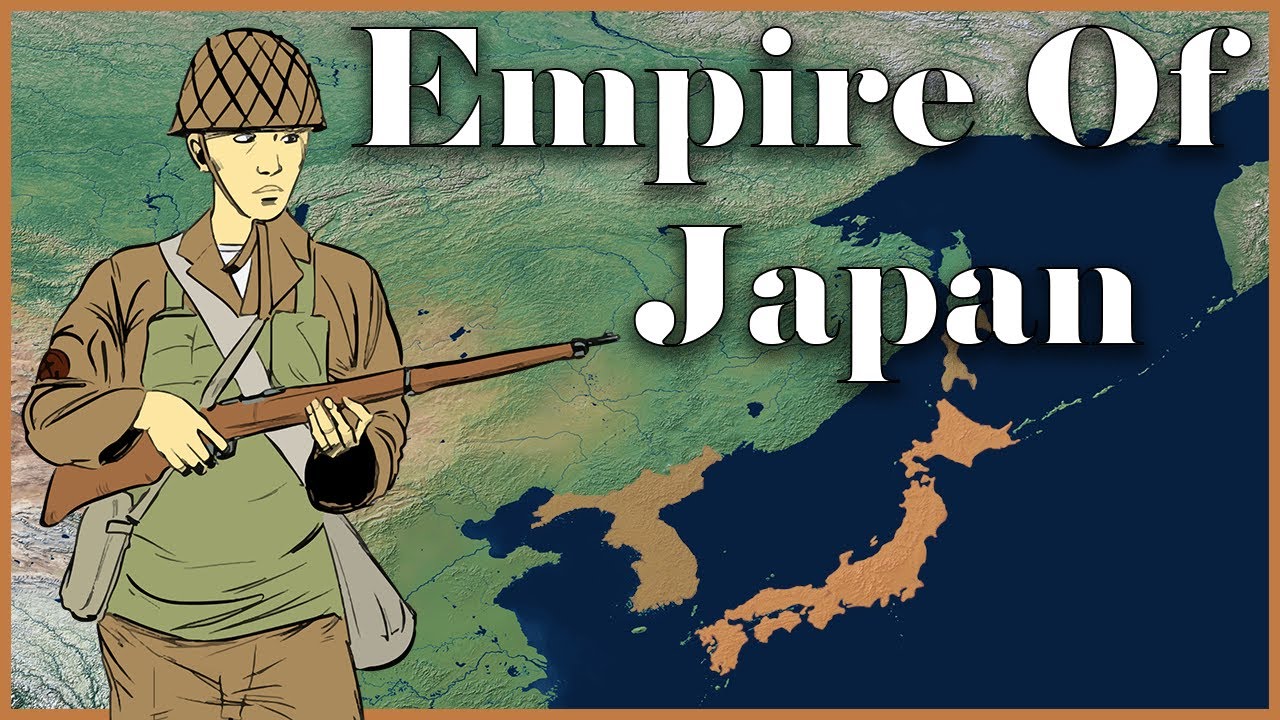
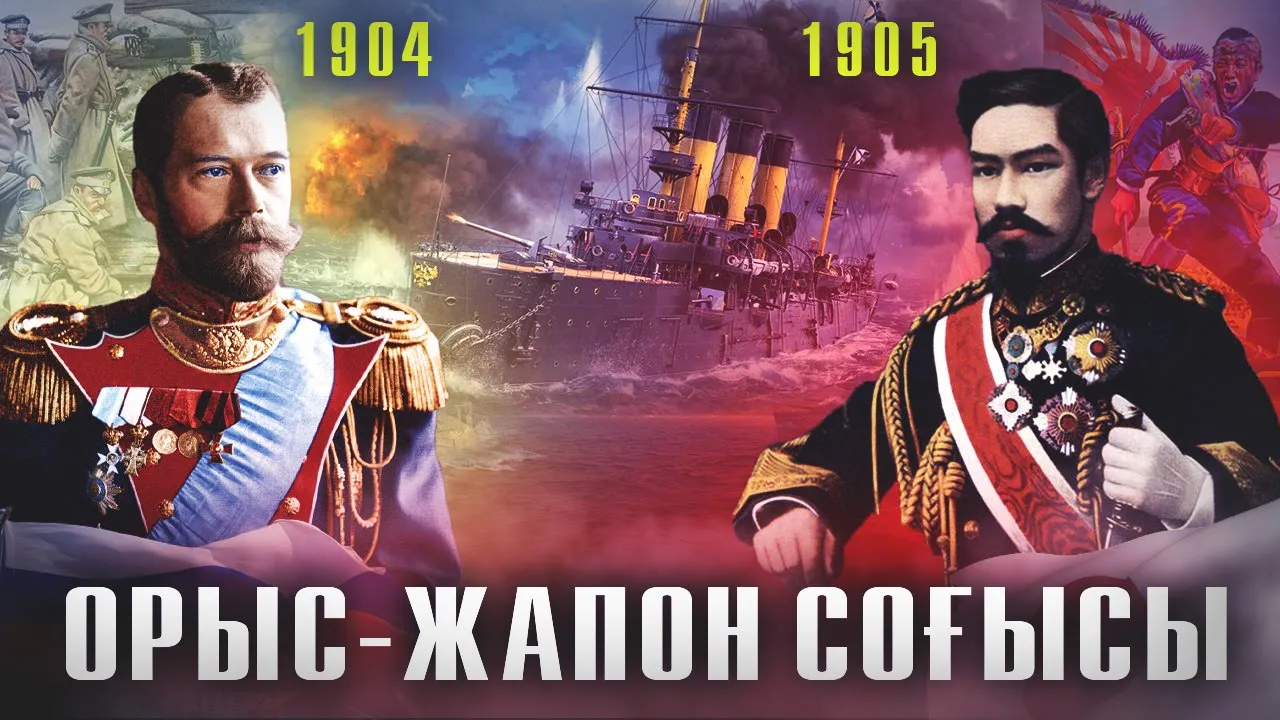


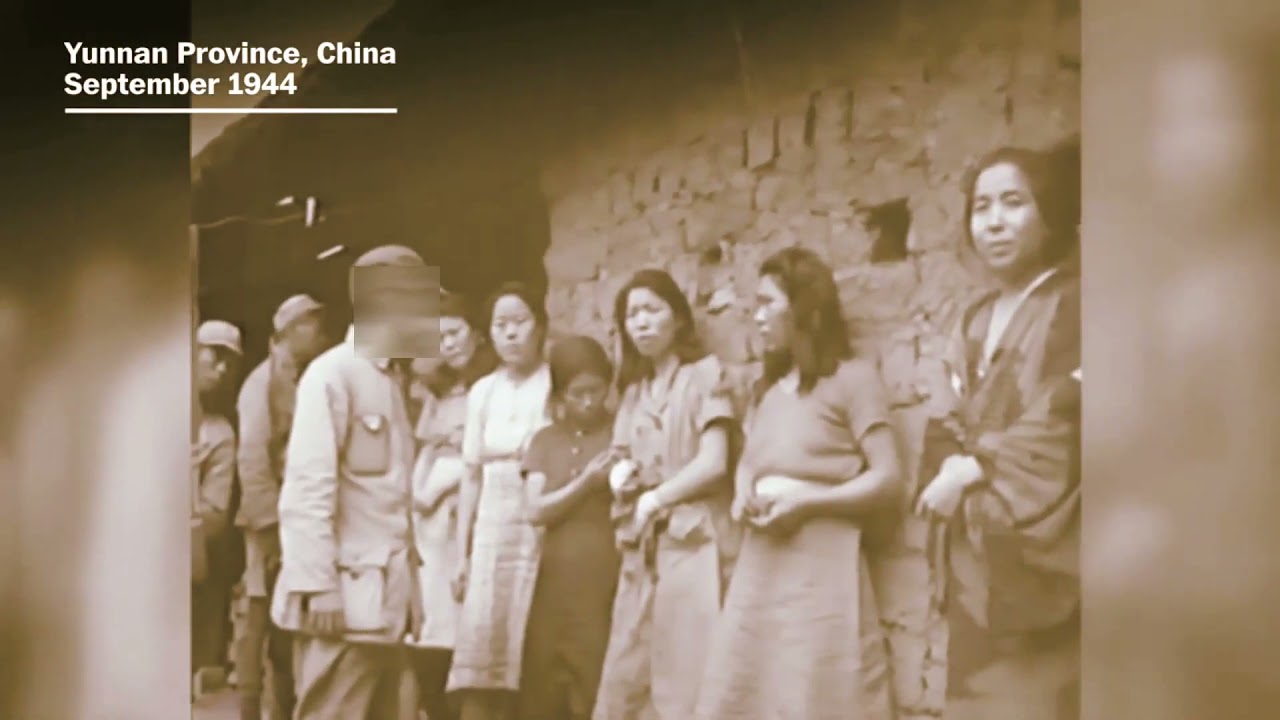


The First Sino-Japanese War (1894-1895) marked a pivotal moment in East Asian history when Japan defeated China, ending centuries of Chinese dominance in the region and establishing Japan as a major power; the war arose from Great Power rivalries over Korea, where Japan's superior military organization and modernization efforts enabled it to defeat China's larger but fragmented forces, resulting in the Treaty of Shimonoseki that ceded Taiwan and the Liaodong Peninsula to Japan and significantly weakened Qing China's position in East Asia.
First Sino-Japanese War 1894-95: Japan's Rise to Power
Added:The Meiji Restoration (1868) and Japan's rapid transition from an isolated feudal society to a modernized, industrial imperial power.
The decline of the Qing Dynasty in China, including the internal destabilization from the Taiping Rebellion and the limitations of the Self-Strengthening Movement.
The traditional East Asian tributary system, specifically the historical role of the Korean Peninsula (Joseon Dynasty) as a tributary state of China.
The expansion of Western imperialism in East Asia, which served as both a threat and a model for Japanese foreign policy.
The Treaty of Shimonoseki (1895) and the subsequent Triple Intervention by Russia, Germany, and France, which fueled Japanese revanchism.
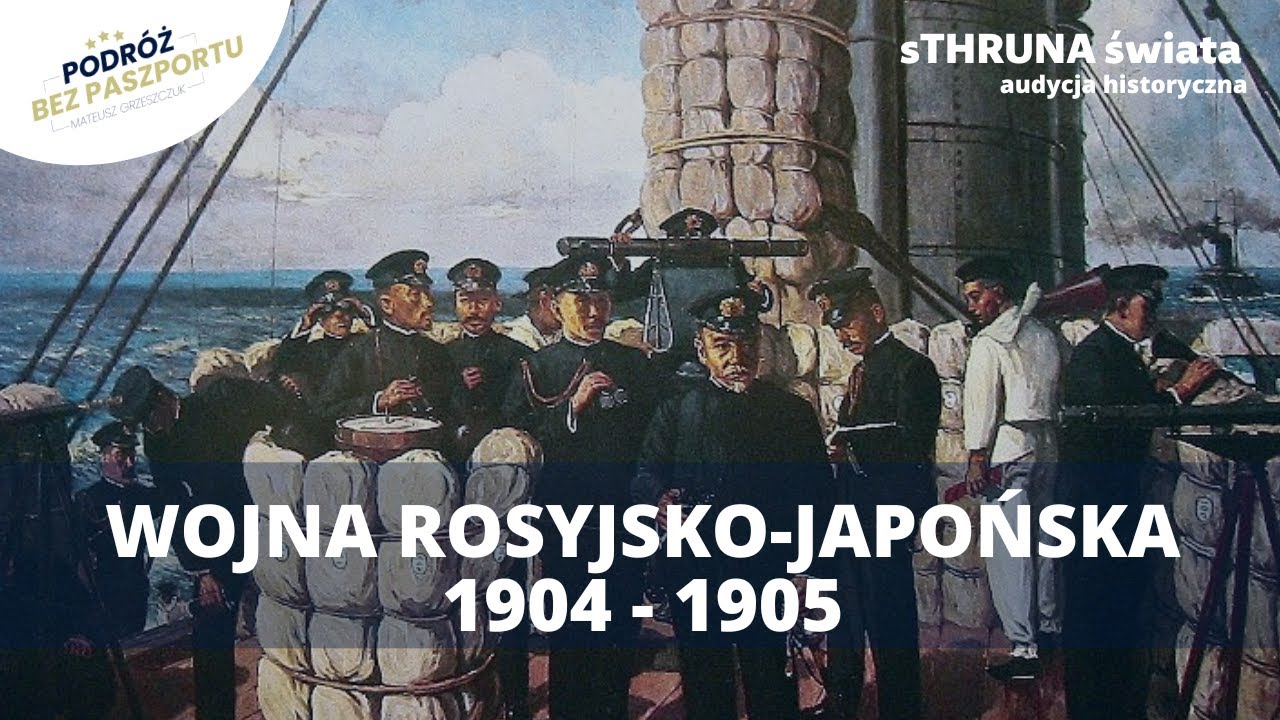
The Russo-Japanese War (1904-1905), demonstrating Japan's continued military ascendance and its first victory over a major European power.
The formal annexation of Korea by Japan in 1910 and the long-term impacts of Japanese colonial rule in the region.
The acceleration of the decline of the Qing Dynasty, leading directly to the Hundred Days' Reform, the Boxer Rebellion, and the eventually successful 1911 Xinhai Revolution.
468.2K views13.5Klikes24:56Original Release: 2025-04-18
In the late 19th century, the Kingdom of Korea is at the center of Great Power rivalries. Japan and China see the Korean peninsula as essential to their security and prestige, and both intervene in Korean affairs. Great Power rivalry fuels even more tension. In 1885, Anglo-Russian competition in Central Asia, known as the Great Game, spills into East Asia when Britain briefly occupies a Korean port. The Russian Empire also begins building the Trans-Siberian railway to link up with its pacific naval base at Vladivostok, on territory it previously forced China to give up. The Russian presence, Japanese imperial ambitions, and traditional Chinese interests spark a Korea-focused Asian Great Game in the 1890s – a game that that drags the region into war.
Domestically, Korea is in crisis – decades of bitter elite rivalries lead to power struggles within the Joseon dynasty, between King Kojong and Queen Min, and the King’s father, known as the Taewongun . One of the questions fueling the tensions is Korea’s relationship to the outside world. It’s known as the Hermit Kingdom for its isolation, even though Korea is formally a tributary of the Chinese Qing Empire. In the 1870s and 1880s, reformers look to modernizing Japan as a model, while Confucian-minded conservatives value ties with China, and numerous popular rebellions oppose corrupt royal officials or outside influence.
China and Japan both worry about instability in Korea. China even tries to impose what some have called a modern form of Qing imperialism in the 1880s, which influential Chinese Viceroy Li Hongzhang sums up this way: “For China, Korea is a dependent of China; for all others, Korea is independent.” (Jager 64) Both China and Japan suffer from unequal economic treaties with Western Powers, both go through midcentury civil wars, and the Chinese endure humiliating defeats against the British and French. China’s self-strengthening movement and Japan’s reforms after the Meiji Restoration are both frantic attempts to modernize their economies and militaries – though at the cost of internal tensions.
By 1894, the Korean carousel of coups and rebellions has left King Kojong at the head of a weak and corrupt government. Meanwhile a religious movement known as the Tonghaks has gained followers. Founded by Choe Je-u, they combinate ideas from Buddhism, Confucianism, and Taoism, and opposition to what they see as the dynasty’s moral degeneracy and western influence.
In February, they rise up to protest abuse by corrupt local governments in the south. Government troops are too weak to deal with the rebels, so the King asks China for help. Beijing sends a small force in June, and informs the Japanese as per an 1885 agreement, but only after they’ve set sail for the port of Asan. Japan considers this a breach of the agreement and sends its own troops.
Ironically, the rebellion ends June 11. China’s representative in Korea Yuan Shikai, proposes a withdrawal, but Japanese Prime Minster Hirobumi Ito is under pressure from hawkish ministers and patriotic newspapers. Ito doesn’t want to be seen as too aggressive by the British, since Tokyo and London are about to end their unequal commercial treaty. So the Japanese say their troops will stay until Korea enacts reforms to deal with the causes of the rebellion.
China’s top diplomat Viceroy Li asks the British and Russians to mediate, according to the Chinese diplomatic strategy of using “barbarians against barbarians,” but they refuse. He wants to avoid war, as he has doubts about China’s military readiness and because he knows the Dowager Empress Cixi has diverted funds from the navy to build a new palace for her upcoming birthday.
Qing Emperor Guanxu, on the other hand, briefly considers war with Japan to overcome the influence of his maternal aunt Empress Dowager Cixi, but most of his ministers oppose him. He does, however, send more troops to Korea. Tokyo now sees war as inevitable, so on July 19 its envoy to Korea Keisuke Otori demands that King Kojong expel the Chinese and adopt reforms to show Korea’s independence from China. On July 23, Japanese troops force the King to accept the leadership of his father.
Two days later, Japanese warships attack Chinese naval forces in the Battle of P’ung-Do, in which the Japanese sink a Chinese cruiser and a troopship with 1000 men on board. Beijing declares war on August 1, 1894, and the First Sino-Japanese War officially begins.
Many Japanese, even liberal-minded thinkers, greet the war with enthusiasm. Supporters frame the conflict as a clash of the new world versus the decrepit old order, or as part of a battle to advance civilization in Asia, an assessment shared by many in the West who hold anti-Chinese views.
China is still much larger and has more resources than Japan, and not all Japanese officers are confident. China’s military though, is not centralized with local governors controlling regional forces who must plunder from civilians to survive and are rarely trained in modern warfare . Li was one of the Chinese reformers pushing for military modernization and helped create two of China’s best-armed forces : The Beiyang Fleet, which has two German-built, large, modern battleships to which the Japanese have no equivalent, and the small Huai Army, which has modern equipment and some Western training.
Japanese forces are better-armed, trained, and supplied, and are led by Japanese officers who have studied western warfighting. For years, Tokyo has reallocated funds from the Imperial Court and into the army and navy – and in June 1894, even cracks Chinese diplomatic and military codes.
The Japanese plan is to secure their lines of communication in Korea, get control of the Yellow Sea, expel the Chinese from Korea, then carry the war into Manchuria and possibly even overthrow the Qing Empire. The Chinese want to surround the Japanese units in Seoul as a first step in maintaining their influence in Korea, but the Japanese are quicker.
Japanese troops start moving on July 28, before the formal start of the war, and they defeat the Chinese in a skirmish at the village of Seonghwan that night. Chinese general Ye Zhichao wants to stand at Asan, but he now learns of the loss of expected reinforcements at sea, and faulty intelligence leads him to overestimate Japanese numbers. So the Chinese abandon southern Korea altogether and march 250km north to Pyongyang, living off the land as they go.
The city is well-protected by a river, hills, forts, cliffs, walls, and Chinese earthwork defenses. Japanese general Yamagata Aritomo plans to surprise the Chinese by storming the city from all four sides. Meanwhile, General Ye reduces patrols after a friendly-fire incident, so the Chinese don’t detect the Japanese preparations on the landward side. On September 14, supported by four gunboats, the Japanese assault begins. The Chinese don’t take the opportunity to hit the Japanese as they cross the river, but they do counterattack fiercely, with cavalry charges. The next day, Japanese reinforcements arrive in the hills to the north and join the battle, surprising the Chinese as planned and capturing the city’s northern gate.
General Ye tells the Japanese he will surrender the next morning, but also orders the garrison to escape overnight — but the withdrawal goes terribly wrong. Chinese officer Lu Shushan describes the panic: “Those Chinese soldiers who were in the front were fired upon [by the Japanese] and started to retreat but those in the back wanted to rush forward. It was so dark and crowded that one could not distinguish between enemies and friends, so all the Chinese took out their weapons and began fighting each other. […Some] even killed themselves out of sheer terror.” (Jager 142) The fragmented Chinese command under four generals prevented effective action, and there are rumors that the Chinese Manchu troops fled first, while Chinese Muslim units fought to the end. The Japanese take Pyongyang in just two days, capturing large quantities of weapons, supplies, and horses, and suffering just 160 dead against 2,000 Chinese dead and 700 prisoners, whom the Japanese treat well.
Despite the defeats on land in Korea, China’s Beiyang Fleet still controls the Yellow Sea and access to Manchuria and Korea’s west coast, but its commanders make no effort to take the fight to the Japanese. On September 17, the Japanese combined fleet under Admiral Sukeyuki Ito sights the Chinese by chance near Haiyang island. Chinese Admiral Ding Ruchang struggles to get his ships into formation. When the Japanese close in and switch from a column to diagonal line, Ding should react, but instead his second-in-command, Commodore Liu, spontaneously orders the flagship’s main guns to fire. The concussion knocks the unsuspecting Admiral Ding and his British advisor Vice-Admiral William Tyler unconscious at a critical moment . Tyler later comments on the accident: “What was the explanation of the Commodore’s act in opening fire while the Admiral and I were standing – well in sight – over the ten-inch guns I never knew and I never heard the thing discussed.” (Tyler 51) With the Admiral incapacitated, the Japanese concentrate their fire on the weaker Chinese vessels and set them ablaze. Japanese gunners then focus on the two Chinese battleships, knocking out the flagship Dingyuan communications. Japanese shells kill so many Chinese sailors they can barely keep their two capital ships in the fight, but they remain afloat. Admiral Ito eventually decides to break off the fight after his flagship is hit. Chinese officers falsify reports as they had after Pyongyang – a common practice for fear of facing execution. Emperor Guangxu appoints Prince Gong to run the war effort and strips Li’s prestigious honors of the Three-Peacock Feather and Yellow Riding Jacket, and Empress Cixi decides on a modest birthday party. The Japanese have sunk 5 Chinese ships for just three damaged of their own, crippling the Beiyang Fleet. After two major victories within days of each other, the Japanese now push into Chinese territory.
In late October, General Yamagata’s 1st Army crosses the Yalu River and moves towards the historical Manchu capital of Shenyang, while General Oyama’s 24,000-strong 2nd Army lands on the Liaodong peninsula to attack China’s most important naval base at Port Arthur. Shenyang is important to the Manchu Qing court, but Port Arthur is militarily crucial as the only base where Chinese ships can be repaired. It is protected by modern forts on the approaches to the city, but the Japanese quickly take them. Japanese land and naval forces surround Port Arthur, and Oyama calls on Chinese General Wei Rucheng to surrender. Wei’s answer is a counterattack out of the town, but the Japanese stop it and capture all the remaining inland forts in a few hours. Superior Japanese firepower, discipline, mobility, and leadership carry the day, just as at Pyongyang and the Yellow Sea. A foreign observer recalls the one-sided fight: “At the ramparts not a Chinaman remained. They fled from fort to fort along the high wall, firing as they went, and making a stand at every point till too close for rifles. All over the hills, they were chased and for many miles around hardly a hundred [yards] could be passed without sight of a Chinese corpse.” (Jager 151) Chinese commanders disguise themselves and flee, and Japanese troops enter the city November 21. Until now the Japanese have behaved well towards defeated enemies, but now Japanese units are gripped by rumors of Chinese soldiers in civilian clothing, and of civilians shooting at them, and are enraged that the Chinese strung up the heads of Japanese soldiers killed before the city fell. The result is a three-day massacre inside and outside Port Arthur. Soldier Okabe Makio of the 1st Division writes in his diary: “As we entered the town of Port Arthur, we saw the head of a Japanese soldier displayed on a wooden stake. This filled us with rage and a desire to crush any Chinese soldier.
Anyone we saw in the town, we killed. The streets were filled with corpses, so many they blocked our way. We killed people in their homes; by and large, there wasn't a single house without from three to six dead. Blood was flowing and the smell was awful. We sent out search parties. We shot some, hacked at others. The Chinese troops just dropped their arms and fled. Firing and slashing, it was unbounded joy. At this time, our artillery troops were at the rear, giving three cheers [banzai] for the emperor.” (Lone 155) Foreign journalists like Canadian James Creelman of the New York World also witness the Japanese killing some women and children as well. Estimates of the death toll vary greatly, from two or three thousand victims to unlikely claims of 60,000 in some US newspapers at the time.
The reports of the massacre put Tokyo’s international political goals at risk, since the US Congress is about to debate a fairer commercial treaty with Japan. Japanese Foreign Minister Munemitsu Mutsu fears that the new treaties might not be approved if Japan is seen as uncivilized , so Tokyo funds a disinformation campaign in the American and British press to cast doubt on the accusations.
The Japanese campaign convinces many American politicians that the reports are overblown, some American eyewitnesses change their accounts, and Congress approves the treaty in February 1895.
As Japan does damage control in the US, in Korea, the Japanese position gets more complicated in the Korean kingdom now said to have two kings.
Japan said it started the war to ensure Korea’s independence from China, but in practice it wants control. Japan put the King’s father back in power in July, but he and other conservatives oppose Japanese-sponsored reforms. In August, the Taewongun asks the Chinese for help: “[Chinese troops in Korea] will provide an occasion for our deliverance. I hope that the Celestial Empire will extend protection to our dynasty and court by sweeping away the traitors in the current regime who are selling the country to the Japanese.” (Jager 169) He also later approaches the Russian legation and plans to assassinate Japan-friendly Korean opponents. When the Japanese uncover the plot, they promptly remove him from power. The Taewongun then calls upon the Tonghak rebels to rise up again.
Despite divisions between radical and moderate Tonghaks, brutal Japanese military requisitioning and continued abuses by Korean officials convince them and local peasants to answer the call.
On October 12, the Tonghaks declare a general rebellion, which evolves into a messy civil war involving the Tonghaks, Japanese troops, government forces, and local government aligned militias known as minpos. The fighting is brutal, including the traditional practice of beheading or mutilating the dead and scorched earth policies. Chronicler Hwang Hyon describes a rebel attack against government and minpo troops: “The minpos were excellent marksmen. […] the bullets came raining down upon the bandits [Tonghaks], and the entire valley was quickly filled with corpses. [The next day] however, the bandits mustered their men and entered Hadong, and burned down 10 civilian households, declaring they that would kill all hiding minpo…They then[…] pillaged the nearby villages.” (Jager 178-179) Tokyo sends reinforcements, and a 3000-strong Japanese-Korean government force marches south, smaller but much better equipped than the 10,000 Tonghaks, who are spread out and mostly armed with matchlock muskets and bamboo spears. In November and December, Japanese-led forces inflict a series of battlefield defeats on the Tonghaks. Another Japanese force moves west from Pusan, trapping the rebels. The Japanese spare few of the enemy: “Today we caught seven Tonghak peasants who were left [in the village], lined them up in the fields outside the castle, attached [bayonets] to guns and with the command of Lt. Morita, stabbed the victims at the same time. The Korean soldiers watching nearby were surprised and shocked.” (Jager 184) The last Tonghaks, including one of the leaders Jeon Bong-jun, surrender in January 1895. But Korea is still bitterly divided.
As the Japanese are putting down the Tonghak rebellion, the Qing court is looking to make peace. There’s also turmoil in China, as Li’s opponents look to capitalize on his defeats, and several generals are executed. In November 1894 and January 1895, Li asks for talks, but the Japanese suspect the Chinese are stalling in the hope a Western power will intervene, so they remain on the offensive.
General Yamagata’s move towards Shenyang continues, and he takes Haicheng December 13. The Chinese launch numerous counterattacks in the bitter cold, and although they cannot retake the city, they inflict heavy casualties on the Japanese and stop their advance. The Japanese now turn to China’s last naval base at Weihaiwei. The Chinese cannot challenge the Japanese on the open sea, but the Beiyang Fleet’s four combat-ready warships might threaten an enemy landing near Beijing. Japanese troops land in January, and easily capture some of the outlying forts, their guns, and the walled town of Weihaiwei. Only the naval headquarters on Liugongdao island remains, so Japanese Admiral Ito writes Chinese Admiral Ding and urges him to defect: “I believe your wisest course is to come to Japan and wait there until the fortunes of your country are again in the ascent […] Will you throw in your lot with a country that you see falling to ruin [or] will you preserve the strength that remains to you and evolve another plan hereafter?” (Vladimir 382) Ding does not respond, but tries and fails to retake one of the forts in early February.
Japanese torpedo boats then sink the flagship Dingyuan and another vessel, and Li telegraphs Ding that no help is coming. The Admiral negotiates safe passage for his men and commits suicide. The Japanese honor the agreement, and the Matsushima fires a salute in honor of Ding.
Peace talks begin in April 1895 in Japan, but they’re interrupted for a week when a Japanese civilian shoots Li in the face. The Chinese diplomat recovers, and on April 17, the two sides sign the Treaty of Shimonoseki. China recognizes Korean autonomy, agrees to pay Japan a large indemnity, opens several major cities to Japanese trade, and grants Japan the same preferential trade status as the Western Powers.
China also cedes to Japan the Pescadores Islands, the Liaodong Peninsula, including Port Arthur, and the island of Formosa (today’s Taiwan). The inhabitants of Formosa, though, rise up against the Japanese occupation in a 5-month insurgency. The First Sino-Japanese War has led to the deaths of about 20,000 Japanese, 30,000 Chinese, and between 30 and 50,000 Koreans, devastating the country. The Hansong Sunbo newspaper sums up the tragedy for the people of Korea: “The innocent people who were killed are to be pitied as well as those who are yet alive.” (Jager 179) For the Chinese, the war shows the failure of modernization and comes as a deep shock., including for Li: “Affairs in my country have been so confined by tradition that I could not accomplish what I desired.
Now in a twinkling of an eye ten years have gone by, and everything is still the same […] I am ashamed of having excessive wishes and lacking the power to fulfil them.” (Jager 197) After centuries as East Asia’s cultural and political centre, China has been easily crushed by a smaller power that had been in its Confucian cultural orbit – which will cause more internal strife and a new push for economic concessions by Western powers.
Japanese joy at their victory, new status as a Great Power, and hopes for equality with the West do not last long. In May, Russia, France, and Germany stage the Triple Intervention. They argue that Japanese control of the Liaodong peninsula is a threat to Korea’s independence, China, and Russia – Russian Minister Sergei Witte even threatens military action: “Japan’s hostile activities on the continent were directed mainly against Russia.[…] The planned takeover of southern Manchuria will be a threat to all of us and will probably result in all of Korea being absorbed by Japan.[…] If Japan could not be persuaded to relinquish its claim to the Liaodong peninsula, Russia should begin hostile actions against the Japanese fleet, and bombard Japanese ports.” (Jager 200-201) The so-called “Far East” is now a central part of international affairs. Tokyo reluctantly agrees to give back the peninsula to China. Japanese public opinion is outraged, even more so when in 1898, Russia pressures China into leasing it the Liaodong Peninsula and Port Arthur, along with a railway deal in Manchuria. Japanese journalist Soho Tokutomi once a supporter of liberal principles, wants revenge: “[Japan] will break the global monopoly of the Western race, destroy their special privileges, and bring an end to the special influence and global tyranny of the Whites.” (Mishra 165) Japan’s plans for dominating post-war Korea also run into a Russian roadblock. Japanese agents assassinate Queen Min and bring back the Taewongun, only to see Russa help King Kojong regain power in 1896.
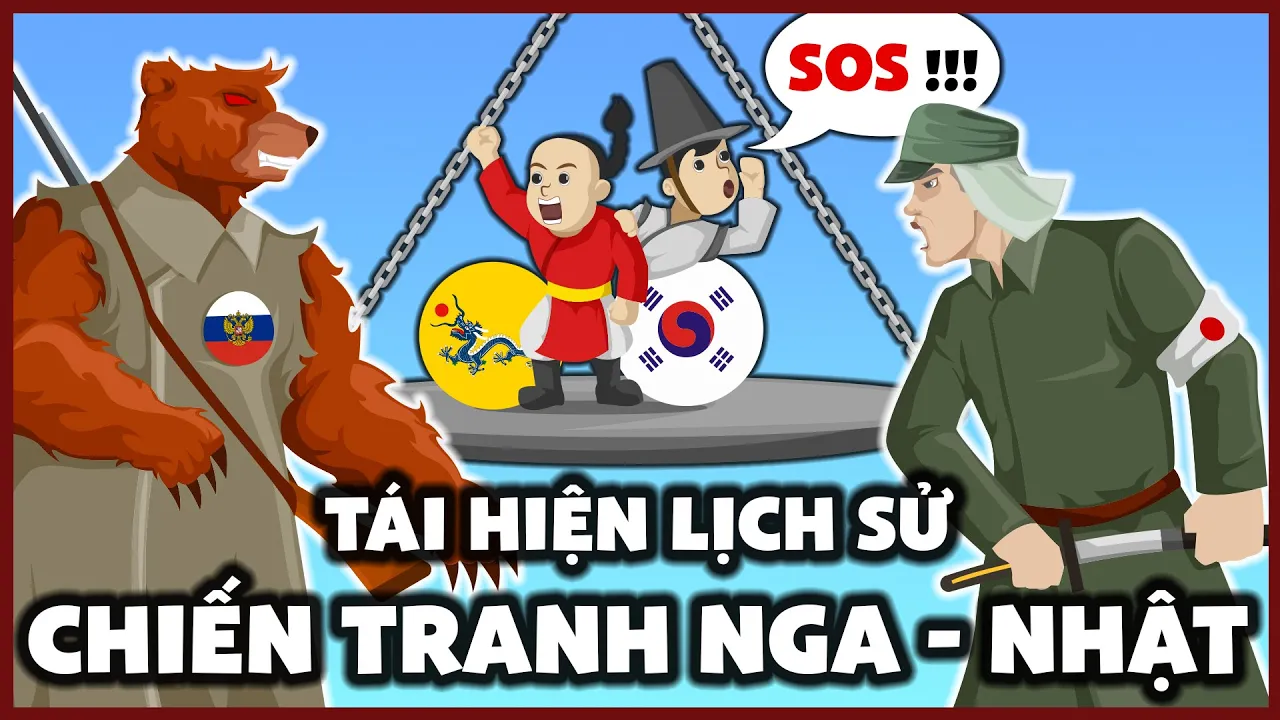
The tensions between the Russian and Japanese Empires will grow in the following years, until the Asian Great Game explodes into war again.
The 1st Sino-Japanese War is a relatively obscure war that set the stage for many dramatic events of the 20th century like the Korean War. Yet, it is rarely covered in history documentaries and its impact often overlooked. An important reason why we are able to cover lesser known wars and conflicts on Real Time History is your support on Patreon. With a monthly or annual contribution on Patreon, we can go the extra mile with our history documentaries. So go to patreon.com/realtimehistory to support our work directly.
If you want to learn more about the Russo-Japanese War just 10 years after the events of 1895, check out our documentary on our sister channel The Great War. As usual you can find all the sources for this video in the description below. If you are watching this video on Patreon or Nebula, thank you so much for the support, we couldn’t do it without you. I am Jesse Alexander and this is a production of Real Time History, the only history channel that fights barbarians with barbarians.
Up Next
90:57
Pre-WWI Conflicts: Russo-Japanese, Italo-Turkish, Balkan Wars
@TheGreatWar
1.6M views•2023-11-23

33:02
The Great Schism of 1054: Causes and Consequences
@SacredCathedrals
113.5K views•2026-02-19
19:01
The 1953 Iran Coup: How the CIA Overthrew Iran's Democracy
@realtimehistory
462.1K views•2024-10-04

17:05
Understanding the Cold War: Superpower Conflicts and the Road to Détente
@OverSimplified
46.1M views•2019-01-24
Related Study Plans & Knowledge Roadmaps
Structured learning paths in History
history
Byzantine Iconoclasm: Theology, Art & Politics
01Foundations of Byzantium and Early Christian Images
02The First Iconoclasm: Leo III and the Crisis of Images
03Empress Irene, Nicaea II, and the Second Iconoclasm
+ 2 more learning modules
9h5 modules
Explore Roadmap
history
Iranian Revolution (Causes, Events & Legacy)
01The Pahlavi Dynasty and the Roots of Discontent
02The Spark of Rebellion and the Rise of Khomeini
031979: The Fall of the Shah and the Climax of the Revolution
+ 2 more learning modules
8h5 modules
Explore Roadmap
history
Mali Empire: Mansa Musa, Trade & Timbuktu
01Foundations of the Mali Empire
02The Trans-Saharan Gold and Salt Trade
03The Reign and Pilgrimage of Mansa Musa
+ 1 more learning modules
6h4 modules
Explore Roadmap
history
1947 Partition: Politics, Borders & Legacies
01Foundations of British India and the Divide
02The Political Negotiations and the Mountbatten Plan
03Drawing the Boundary: The Radcliffe Line
+ 2 more learning modules
8h5 modules
Explore Roadmap