










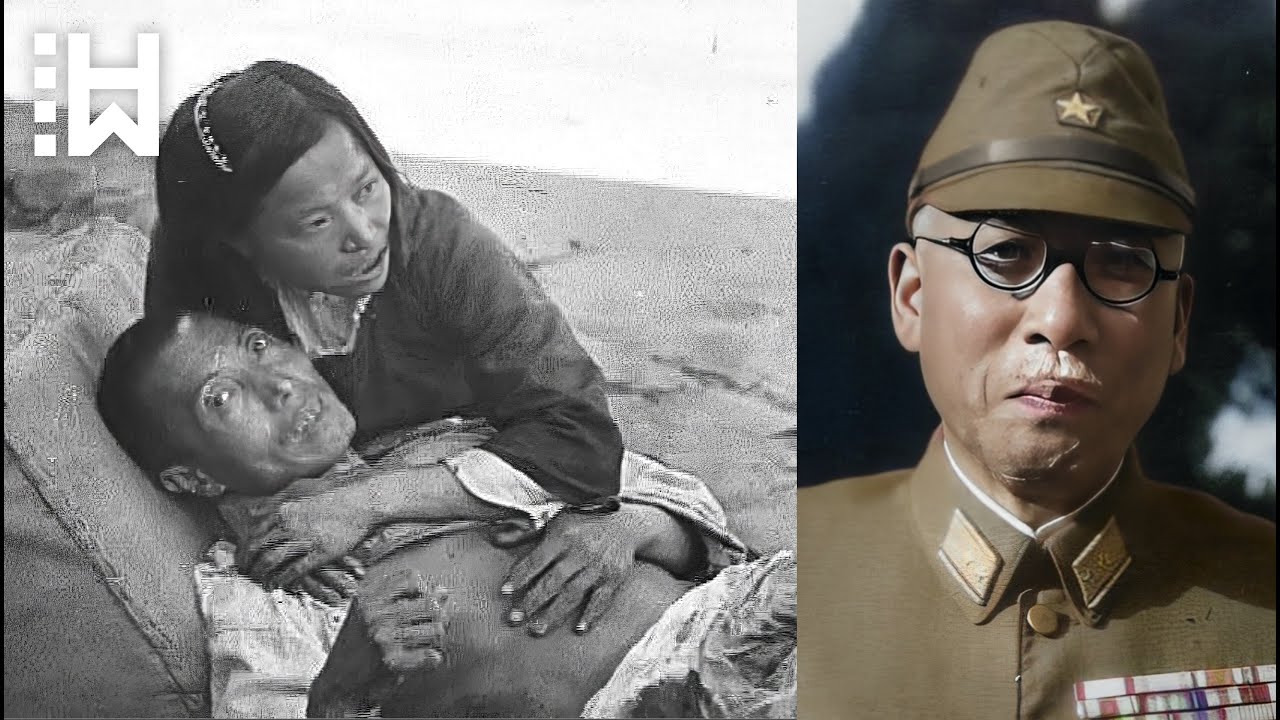


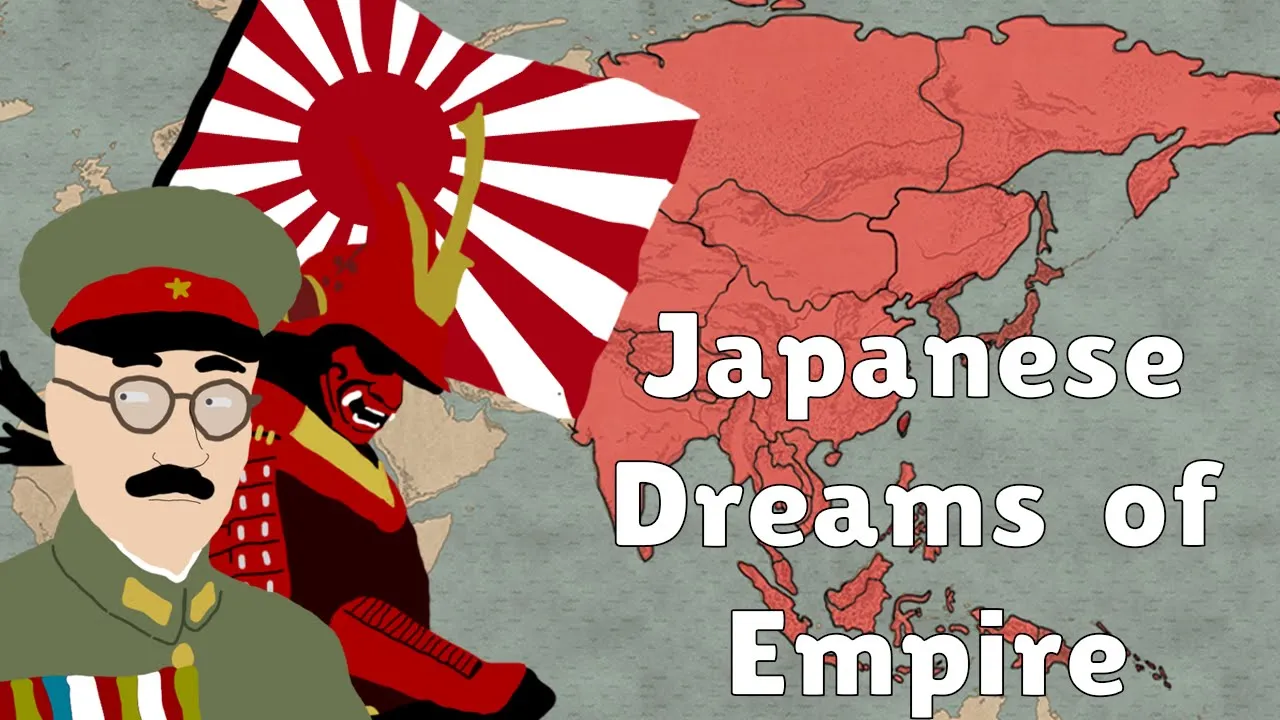



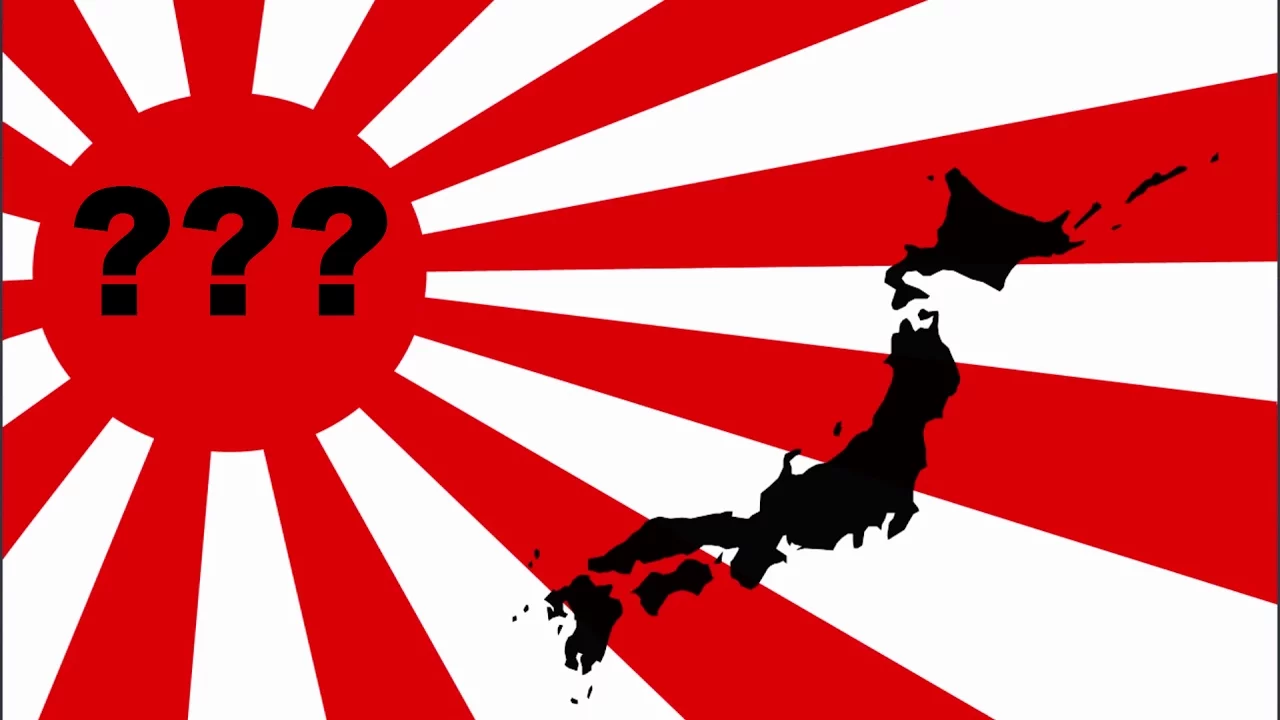
The Meiji Constitution of 1889 established Japan as a constitutional monarchy with the emperor as absolute head of state, but contained critical flaws including conditional rights that the government could revoke and an independent military branch answerable only to the emperor, which ultimately enabled Japanese militarists to seize power and drive the nation toward World War II.
Japanese Militarism Before WWII | Historical Analysis with Reactions
Added:The Meiji Restoration and Japan's rapid transition from an isolated feudal state to a modernized, industrialized nation in the late 19th century.
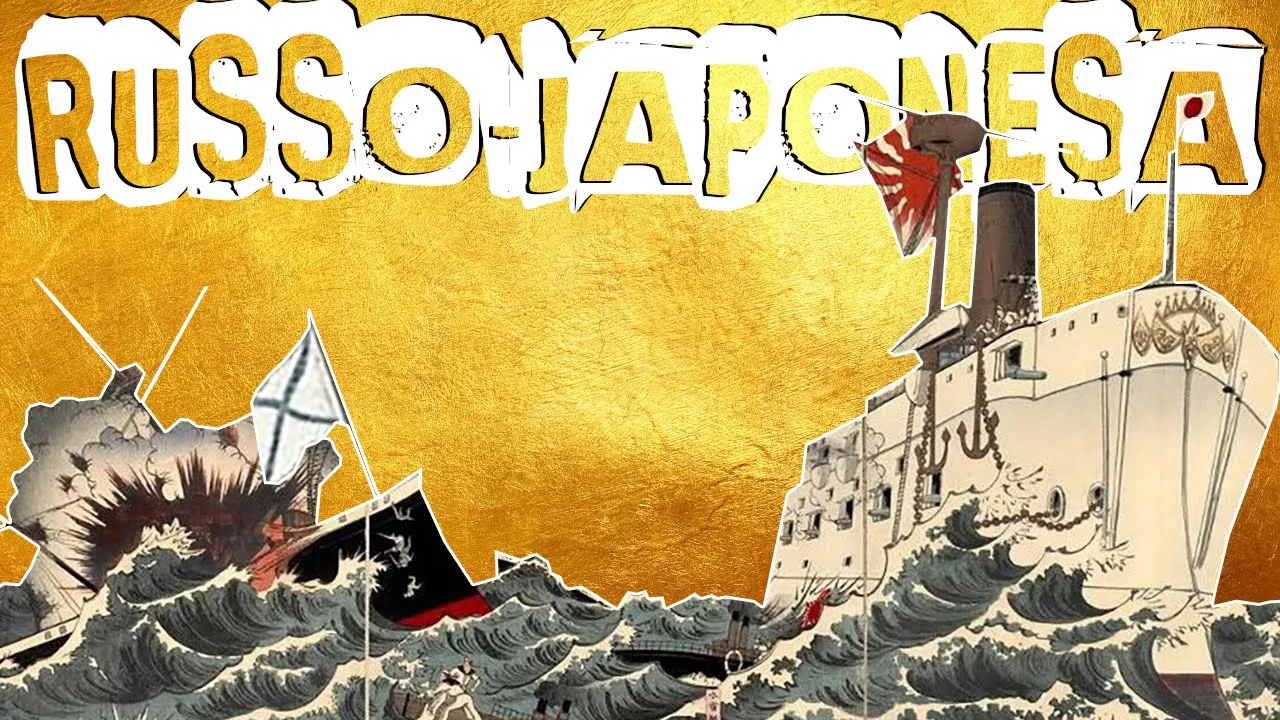
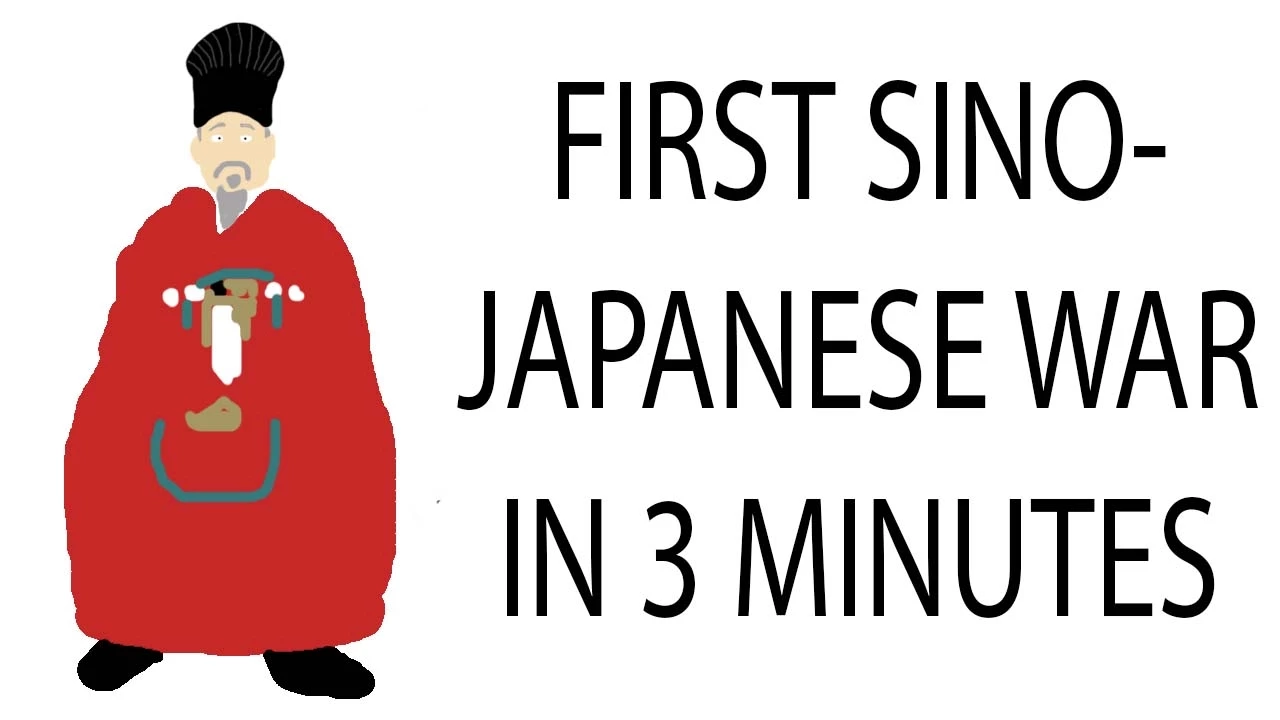
The outcomes of the First Sino-Japanese War (1894-1895) and the Russo-Japanese War (1904-1905), which established Japan as a major imperial power.
The basic political concepts of militarism, ultra-nationalism, and fascism, and how global economic crises like the Great Depression can destabilize democratic governments.
The structural flaws of the Meiji Constitution, particularly the independence of the military leadership from civilian cabinet control.
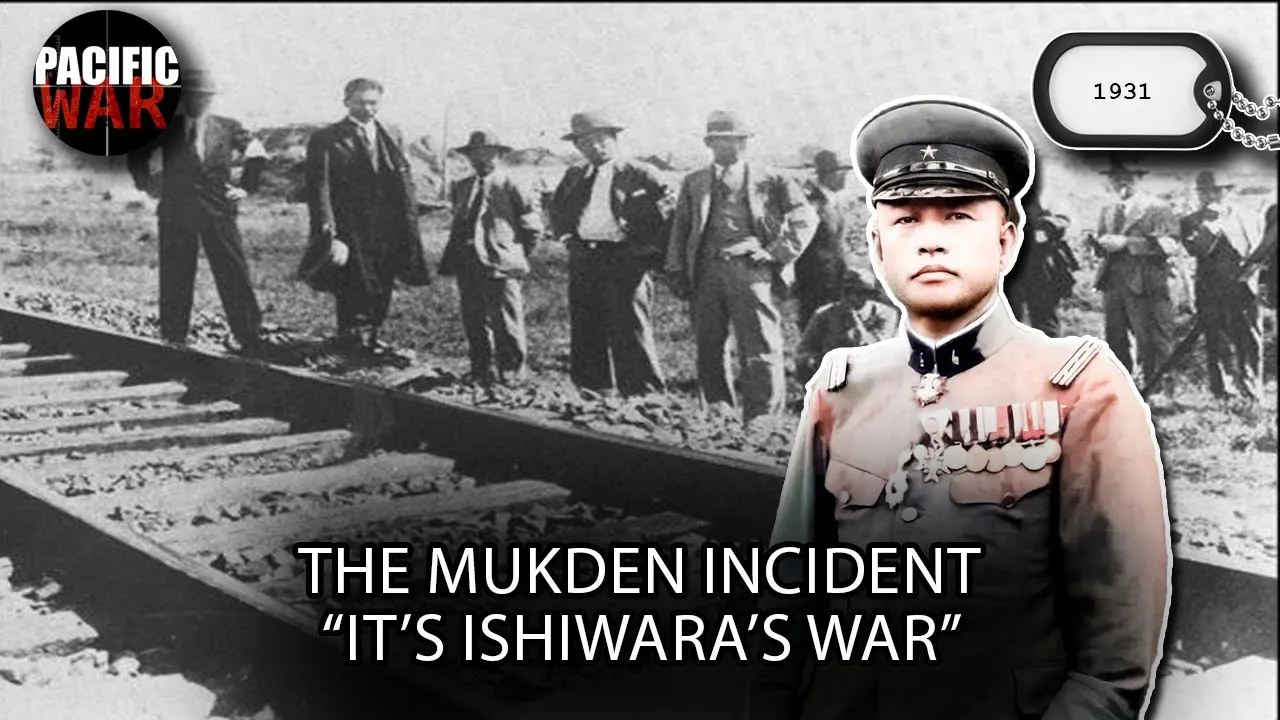
The Mukden Incident (1931) and the subsequent invasion of Manchuria, representing the practical execution of military expansionism.
The escalation into the Second Sino-Japanese War (1937-1945) and the domestic mobilization of the Japanese populace under total war conditions.
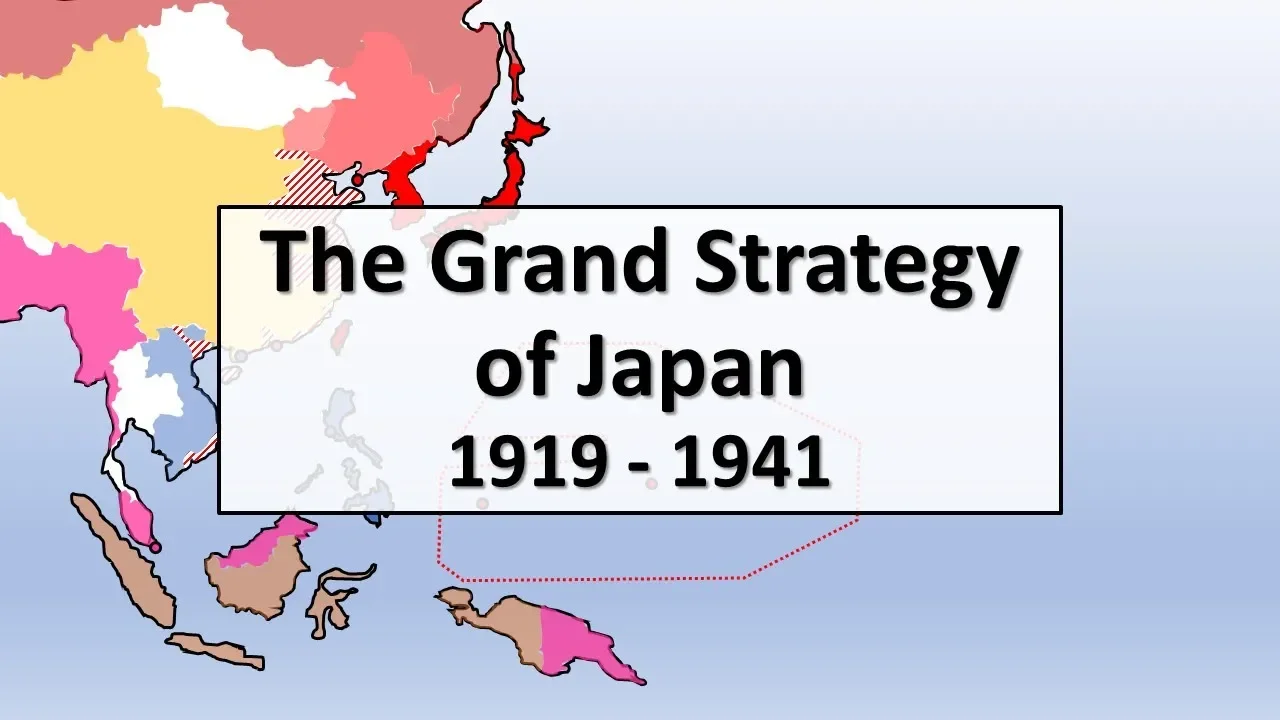
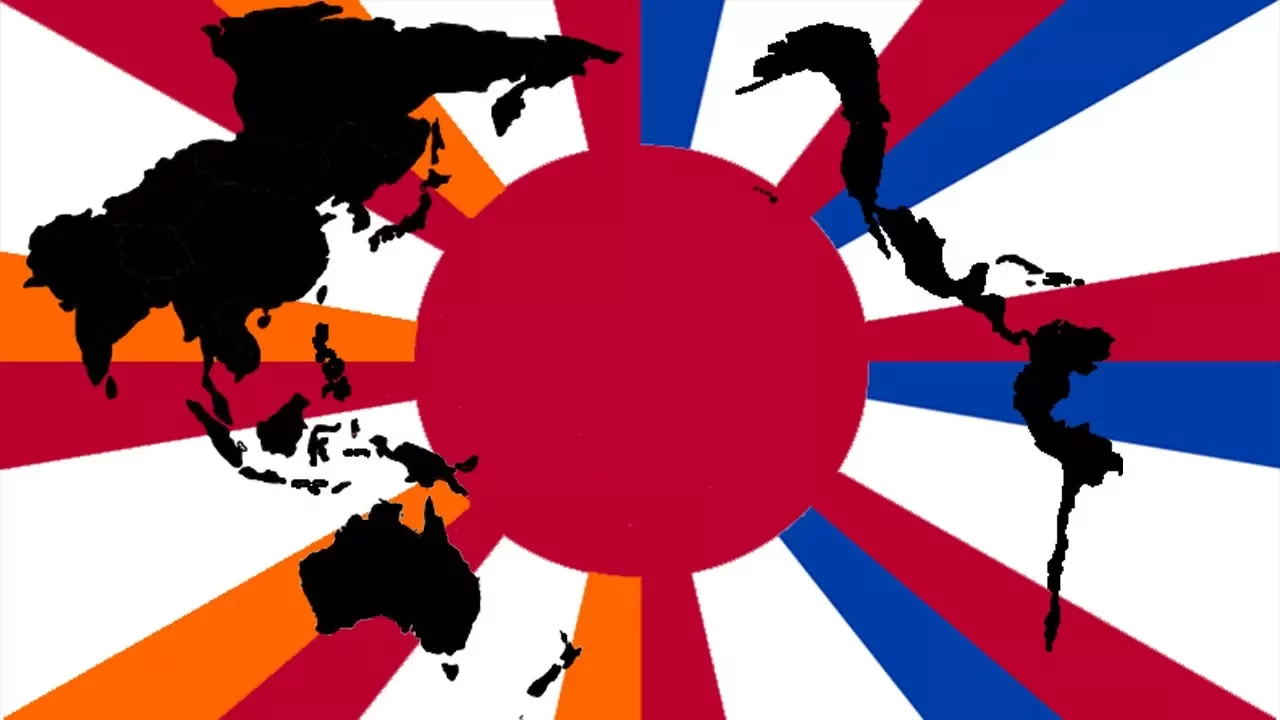
Japan's alignment with the Axis powers through the Tripartite Pact and the geopolitical strategy behind the 'Greater East Asia Co-Prosperity Sphere'.
The postwar Allied occupation of Japan, the demilitarization process, and the introduction of the pacifist Article 9 in the 1947 Japanese Constitution.
74.4K views2.8Klikes17:35Original Release: 2022-12-08
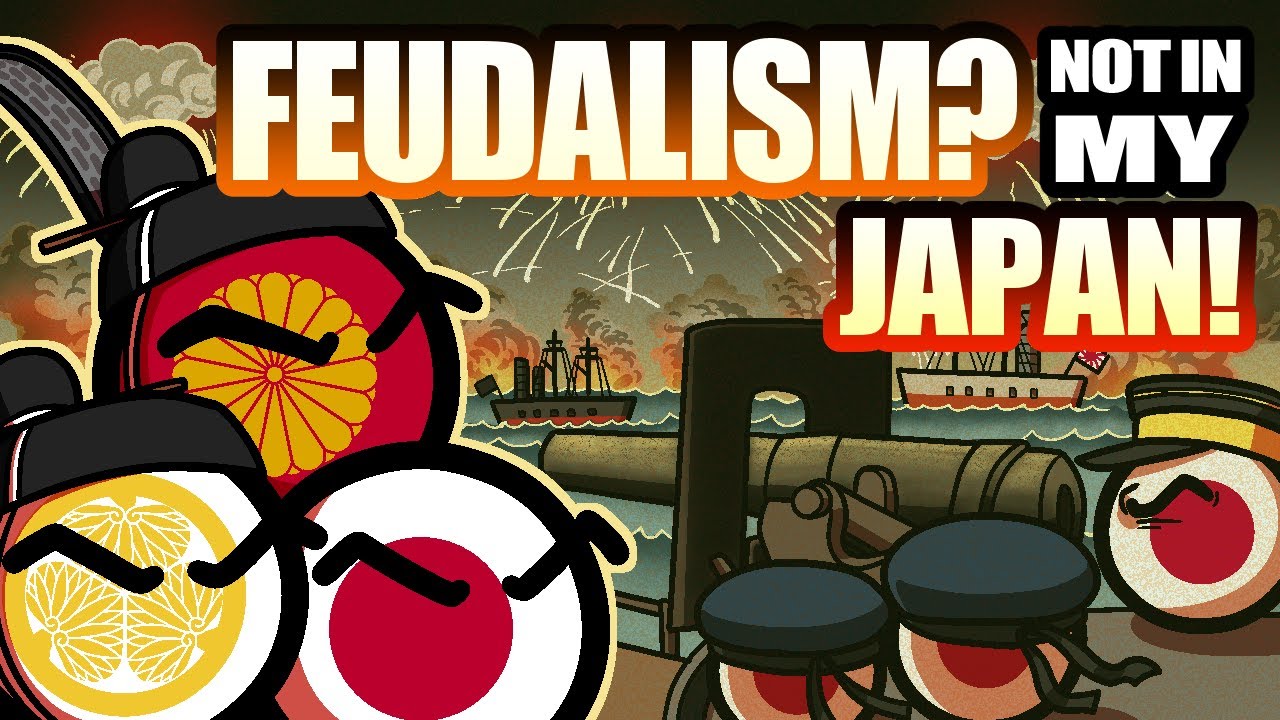
welcome back everyone well yesterday after we looked at the first two episodes of the road to Pearl Harbor a number of you said that it would be really good for us to go back and watch extra history's series on Japanese militarism so here we are we're gonna start that today I'm actually heading down to Charleston West Virginia later on today and I won't be back until late on Friday afternoon so it might be a day or two before we get to the next part of this but we are going to at least get it started today we're going to work our way through the whole thing as I mentioned many times before East Asian history not my strong suit so this is one of those opportunities where I'm excited to learn alongside of you and I welcome anyone who does know a lot about Japanese history and particular this part of Japanese history to chime in and add to the conversation as always as what it says on the banner of my YouTube channel learning history together so let's do that as always the link is in the description to the original content if you want to be able to watch it without my commentary here we go 1921 Hara Takashi is a symbol of the New Japan born into a minor Samurai family as a Young Man he'd converted to Catholicism and opted to be classed as a commoner then after a long career in public service he became the first commoner and first Christian to become Prime Minister of Japan during his tenure Japan had finally stepped into a role among the world Nations he'd seen his country through the Paris peace conference joined the League of Nations intervened in the Russian Civil War and built Bridges with the business Community this is a huge deal and I'm sure he's going to talk about this but uh you know it's been less than a century at this point since Japan even really opened up to the outside world being an island nation being a a nation with a very proud history and very specific Traditions they had largely kind of kept to themselves and isolated from the rest of the world and of course Matthew Perry comes along Commodore Matthew Perry the United States and they use gun gunboat diplomacy to kind of force Japan to open up and and now Japan's come a long way since then having a Christian prime minister at a time when it hasn't been very long since missionaries have even been in the country in a large way and there's been a lot of persecution of that um you know joining things like the League of Nations getting involved in World War One Big Stuff and though a conservative he'd also discussed loosening Japan's harsh colonial rule in Korea but all this gained him enemies enemies like the train station switch man walking up to him now through the crowd an ultra-nationalist angry at his moderation and international policy Hara sees the Knife yet none of his achievements can save him [Music] thanks so much to hellofresh my wife loves to help bring history to the table popular culture tends to pay a lot of attention to the rise of fascism in Europe particularly the Nazis but less so on the growth and development of militarism in Japan when it is examined militarism is generally looked at from the perspective of the United States China or the UK and there's a lot of talk about the need for oil and rubber but not a lot about the domestic issues which is unfortunate since the story of Japan's capture by a military faction and marched toward the second world war is worth studying because unlike in German fascism the Japanese militarists never managed to create a fully totalitarian state in fact until the end of the war there were still political parties and opposition figures though they were mostly terrified into silence and the militarists were never able to take over the economy but chip it's really interesting and I'm glad they did this series because I I think you know we say it all the time history is complicated it's nuanced it's never as black and white as we try to make it out to be and understanding things like the reason Japan goes to war like he said it usually boils down to oil you know the Japan was expanding rapidly they had invaded all these other countries the U.S cut off their oil supply and they had no choice but to attack but history and reality is so much more complicated than that well how did it get to that point and why was it that those decisions were made to go to war in the first place that put them into that position and what created uh you know just like we talked about with Germany what created the atmosphere in which the Nazis could rise to power same kind of thing Vans newly authoritarian government still had enough power over the state to plunge it into utter Devastation into a war with no clear strategy or objective and without the consent of its civilian leadership now before we dive in further an interesting side note for those interested this series will function as a sort of sequel to our end of the Samurai series plus our sunyat sen series deals with many of the same issues from the Chinese perspective so when we watched yesterday about uh Pearl Harbor it said well you need to watch these other Series so it's a it's a deep Rabbit Hole I can see us going down but I'm not going to do all these back to back but I definitely love to know more about Japanese history we actually had a lady from Japan who uh came to our church on Sunday and I had a wonderful conversation with her and you know at the very end of the conversation she went to leave she gave me this very deep bow and just reminded me of the uh the culture of that nation and I've also seen a little bit of that if you've been following the World Cup uh you might notice that they've been talking an awful lot about the Japanese people who after every match would walk around and clean up and and my wife and I have when she was studying for her Masters in School counseling they talked about how in the school culture there in Japan they don't have things a lot of times like custodians like we have here in the States because the kids know from a very early age to be respectful of the property of the school and they take very good care of things and clean up after themselves and uh so it's a very fascinating very respectful culture I'm finding out and I'm curious to know how that kind of goes along with then the warrior culture and the idea of honor and those kinds of things history more crossovers than the MCU so it's you know been around longer anyway let's get started just after the Satsuma Rebellion the Meiji Emperor has been restored to real power the Samurai and class system has been abolished and Japan is governed by a council of Elder Statesmen in a period known as the meji oligarchy so satsumi Rebellion I mean if you're familiar with Sabaton they have the song shirayama which is about that battle of shirayama which is very fictionalized version of it is portrayed in the movie The Last Samurai with Tom Cruise but there are certainly elements of the real history that are in that and so basically this is a time when you have the old versus the new right you have that old warrior class the idea that people who are Warriors in Japan are trained that way their whole lives it's their identity and now they're going to a more uh along the lines of a western Army that's conscripts and you know guys who are you know very briefly trained but have modern weapons and modern tactics but here's the thing about the meji state it has no real political ideology other than one advancement every step they take is geared toward modernizing the country because they want parity with the powerful Western Nations that they fear could colonize Japan like they have southeast Asia or carve it up like China excellent point there if you're Japan and you're watching the Western European powers the Netherlands and Germany and the British and the French gobble up all of these areas like India and French Indo China and the area we know today is Indonesia you're thinking okay how long is it before they come after us and how are we going to prepare ourselves for that so so glad they brought that up their only chance they felt was to join those modernized Nations and deal with them on equal footing rallying behind the cry enrich the country strengthen the military in just a few Decades of hyper-fast development they tackled industrialization railroad building Innovative factories compulsory public education transitioned to a modern economy and the founding of corporate combines imagine if you are one of the old-timers in this you can see how for many people in their culture this would be like wow I don't even recognize our country anymore what are you doing and this happens not just in Japan this happens everywhere when change happens especially when there's rapid change like this a lot of people are going to embrace it and a lot of other people are going to say what are you doing this isn't even the Japan that I that I grew up and and loved I don't recognize my own country anymore but some people recognized this stuff had to happen dang that's a lot and that's just the short list and of course they poured money into creating a modernized army and a modernized fleet the Meiji oligarchs also courted Western Powers diplomatically arguing that based on their rapid modernization and partial westernization they should renegotiate their unequal treaties foisted on the previous shogunate government an effort that was ultimately successful and some of these movements were beneficial for the populace Japan was in the middle of a population explosion especially in agricultural areas and these expanded opportunities created jobs for children that wouldn't inherit Farms the reforms also gave a louder and louder voice to the common people and groups who had been advocating democracy and constitutional rule from the early days of the restoration and by 1881 the calls for a constitution could not be ignored so the Meiji oligarchy went shopping in Europe for a system of government that would placate the reform so interesting if you start allowing in Western ideas Western culture Western values eventually that's going to include political reform so I'm sure that they recognized that that was inevitable and this is the same time when this kind of stuff is happening in Russia for example Russia is starting to see the need to modernize right they you know have looked to the west to get ideas on how to industrialize how to modernize but inevitably that also brings in modern ideas of government Commerce the resulting Meiji constitution of 1889 was a hybrid of the more absolutist oppression Constitution with the Parliamentary elements of British and American models the emperor would nominally be head of state with an elected diet containing an upper and lower house there were independent courts a privy Council for the emperor and a nice advisory position for former Statesmen to steer the emperor on policy there were guaranteed rights of freedom of religion trial before a judge due process and the right to petition the government not to mention they were qualified rights like freedom of speech freedom of movement right to assemble and to associate with anyone as well as the right to private correspondence and protections against unreasonable search imagine if you visited Japan you had a time machine you visited Japan in 1800 and then you came back in 1900 what a radically different place it would be look at all of what they are instituting in a short time it's quite impressive that they were able to pull all this off sounds great right well this constitution also had problems in fact it was built to have problems you see all those qualified rights were conditional essentially meaning the government could take them away at any time if they deemed it necessary for security and there's your problem right there and that's one of the I think one of the Great Pearls of Wisdom that went into the founding fathers of the United States and how they crafted their constitution uh is the idea that they they started from the standpoint that these rights were not granted by the government because if they're granted by the government then the government can take them away they viewed them as inalienable in other words these are inherent rights that people are born with that they just have given to them by their creator if you want to you know if you want to see it from a religious standpoint and that the government's job is not to Grant rights and take rights away the government's job is to protect those rights very different way of installing those things than what we see here with Japan oh and those former Statesmen who would advise the emperor yeah they were the oligarchs and while the diet controlled legislation and budgets and the Prime Minister ran the state the Constitution essentially made the emperor an absolute monarch he could appoint peers and dismiss the House of Representatives all branches of government it said were United in the emperor his power came not from the people but from an unbroken line of succession from the Divine Sun Goddess Amaterasu and the nation of Japan was not a government but a family state with the emperor at its head this political philosophy known as kokutai or national body was assumed to be ancient and innate to Japanese culture the idea argued by the largely conservative politicians who wrote this constitution was that political systems might come and go but this sense of national Unity with the emperor at the top was eternal it's also an idea they started to push via the new public education system and that is always going to be a key in any society right if you want to instill new ideas and you want to start to change the thinking of the people you start with the education system you start teaching it then and then pretty soon you raise up the Germans knew this too that's why they had things like the Hitler Youth that's why they used the education system to indoctrinate this has happened all throughout history as well as the military which regularly drafted large numbers of young men the result was that by the end of World War One much of society accepted this idea of The Emperor's Central and divine role even though this supposedly ancient philosophy was about a century old it was a constitution meant to give the appearance of democracy but with exploits the oligarchs and the emperor could use if things got too Democratic and the biggest exploit was this the military was an independent Branch answerable to the emperor alone it had no civilian control and could act independently in matters of War a problem in the next few decades the military would Flex its muscle in 1895 it defeated China in the first sign out Japanese war in 1905 it crushed the Russian Fleet in the russo-japanese war becoming the first Asian Nation to defeat a European Empire and in emulation of the great Powers it intended to join so yeah I mean you win those two Wars against two of the largest nations on Earth uh that's gonna give you you're gonna get a big head when it comes to the military and it's necessarily going to give even more power and influence to your military and your military leaders to win those Wars it scooped up colonial possessions in Taiwan Korea and Manchuria a strategically crucial area meant to guard Japan against threats from both China and Russia Japan also emerged as a major winner after World War one they walked out of the Paris peace conference running a German possession in China as well as a mandate to govern former German colonies in the Western Pacific the wishes of the Meiji state had essentially been fulfilled but not all was well when the Meiji Emperor died in 1912 and the country transitioned to his successor Emperor taisho the military had demonstrated its power by forcing a constitutional crisis refusing to send a member to the prime minister's cabinet meaning it could not be formed and as Western ideas and Technology swept the country and the big corporations known as zaibatsu became political kingmakers there was widespread dissatisfaction with the government and increasing radicalization especially as the rice riots swept the country in 1918. political parties in the diet became ever more polarized on the left socialists and Communists wanted to solve the poverty of the countryside with collectivization democracy activists begin this is 1918 right this is the end of the war uh World War one this is a time when there's a lot of these battles going on there's a big battle in Germany again uh that happens where are the Communists going to take over are the Socialists going to take over are the is it going to be democracy is it a monarchy and a lot of nations are struggling with what their identity post-war is going to be even some of the Victorious Nations and to push for Universal male suffrage and would ultimately succeed meanwhile Ultra nationalists on the right increasingly looked at these leftists and moderates as enemies to be fought with assassination and violence yet despite these tensions there was optimism especially import cities like Yokohama the most westernized Japanese City there with its hotels and dance halls East and West mingled and new political and social ideas gestated it was a city of art Innovation and fun a center for Liberal ideas and if you were standing there on the dock in 1923 waving at a massive Western cruise ship leaving Port you couldn't imagine what was coming until a sound like thunder until the ground went out from under you the pier falling into the sea spilling people and vehicles into the harbor until a 40-foot wall of water appeared on the horizon the great Kanto earthquake was about to remake Japan and Signal a new era wow I I didn't realize that an earthquake had something to do with all of that but you can totally see how that's possible so I'm excited to dive into more of this we'll be back very soon with the next episode as always check out the link in the description you can watch the rest of the series without me if you want but try not to get too far ahead because we're learning together so thanks for watching we'll see you again soon
Up Next
9:19
End of the Samurai: Imperial Army Reforms | Japanese History Lesson
@extrahistory
798.1K views•2020-12-05

33:02
The Great Schism of 1054: Causes and Consequences
@SacredCathedrals
113.5K views•2026-02-19
17:04
Historian Reacts to Simon Bolivar Part 2: Bolivar's Diplomatic Failure
@VloggingThroughHistory
59.9K views•2021-04-16
17:05
Understanding the Cold War: Superpower Conflicts and the Road to Détente
@OverSimplified
46.1M views•2019-01-24
Related Study Plans & Knowledge Roadmaps
Structured learning paths in History
history
Byzantine Iconoclasm: Theology, Art & Politics
01Foundations of Byzantium and Early Christian Images
02The First Iconoclasm: Leo III and the Crisis of Images
03Empress Irene, Nicaea II, and the Second Iconoclasm
+ 2 more learning modules
9h5 modules
Explore Roadmap
history
Iranian Revolution (Causes, Events & Legacy)
01The Pahlavi Dynasty and the Roots of Discontent
02The Spark of Rebellion and the Rise of Khomeini
031979: The Fall of the Shah and the Climax of the Revolution
+ 2 more learning modules
8h5 modules
Explore Roadmap
history
Mali Empire: Mansa Musa, Trade & Timbuktu
01Foundations of the Mali Empire
02The Trans-Saharan Gold and Salt Trade
03The Reign and Pilgrimage of Mansa Musa
+ 1 more learning modules
6h4 modules
Explore Roadmap
history
1947 Partition: Politics, Borders & Legacies
01Foundations of British India and the Divide
02The Political Negotiations and the Mountbatten Plan
03Drawing the Boundary: The Radcliffe Line
+ 2 more learning modules
8h5 modules
Explore Roadmap