



![[중2역사①]4-5~2.동아시아의 국민 국가 건설 운동(일본의 근대화)-빡공시대 람보쌤 4시간의 기적](https://i.ytimg.com/vi_webp/wy1gT4UzhfM/maxresdefault.webp)











![REACTIONS to the Industrial Revolution [AP World History Review—Unit 5 Topic 8]](https://i.ytimg.com/vi/9-uuyd2MFF0/maxresdefault.jpg)

![크림전쟁 [튀르키예 편 EP.601~604회 모음 _ 썬킴의 세계사 완전 정복]](https://i.ytimg.com/vi/SdlD7Lnb5vI/maxresdefault.jpg)

After the Boshin War ended in 1869, the Meiji Emperor implemented sweeping reforms that abolished the samurai class and Japan's feudal system, including the Charter Oath of 1868 which promoted Westernization, modernization, and the creation of a centralized imperial army composed of conscripted peasants rather than hereditary warriors, ultimately leading to the Satsuma Rebellion as traditionalists resisted these changes.
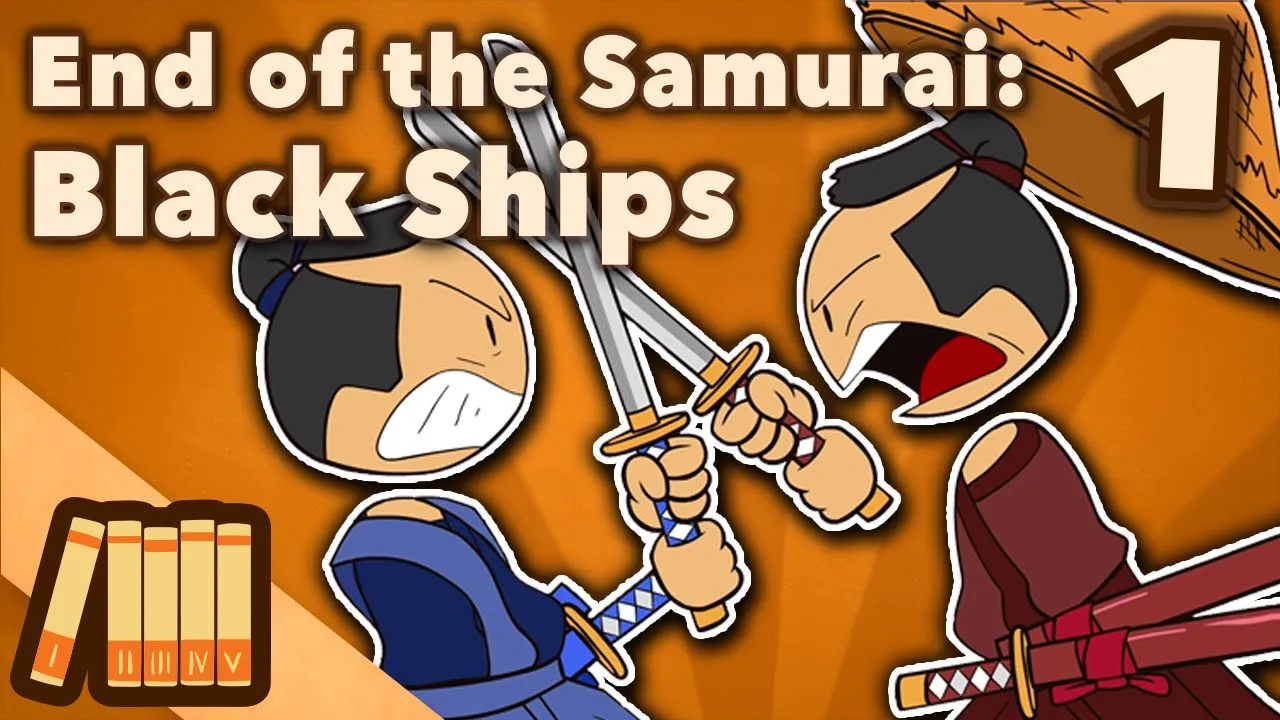
End of the Samurai: Imperial Army Reforms | Japanese History Lesson
Added:Understanding the social hierarchy of the Tokugawa Shogunate (Edo Period), specifically the highly privileged social and political status of the samurai class.
The opening of Japan by Commodore Matthew Perry in 1853 and the subsequent decline of the Tokugawa regime's authority.
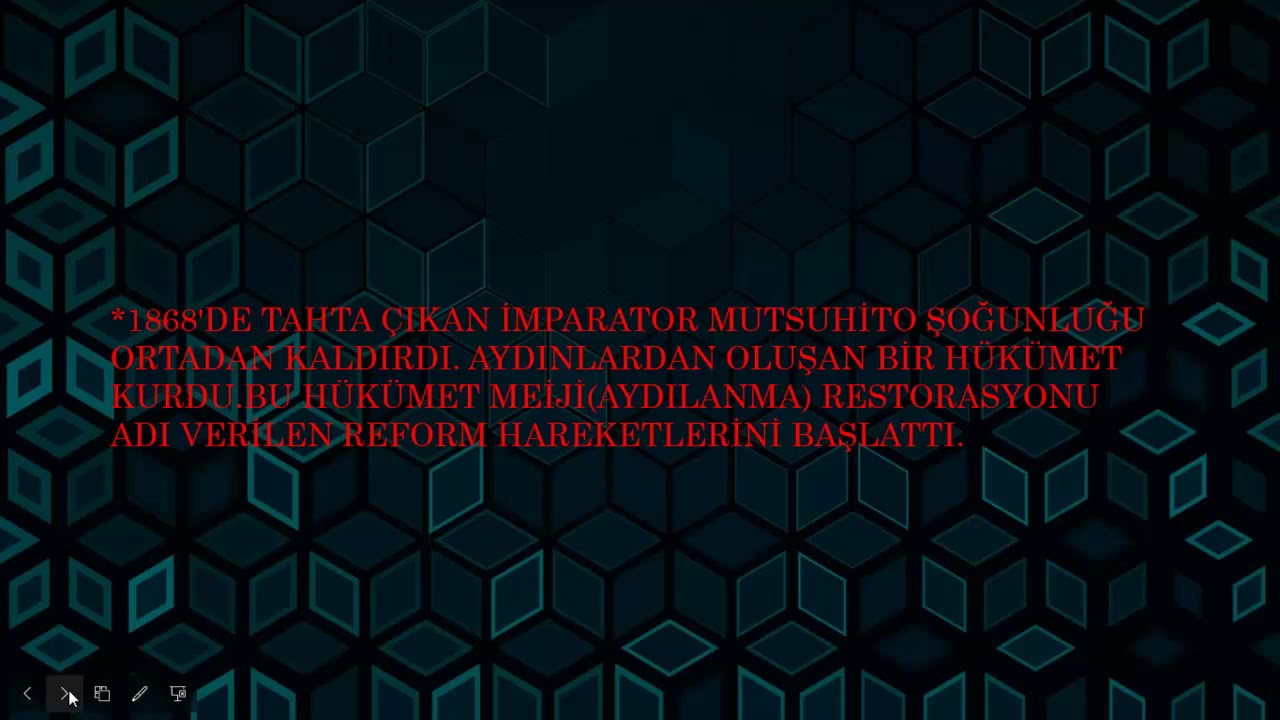
The core political shifts of the Meiji Restoration (1868), which transitioned Japan from a feudal shogunate to a centralized state under the Emperor.
The concept of 'Fukoku Kyohei' (Enrich the Country, Strengthen the Armed Forces) as the ideological foundation for Meiji-era reforms.
The performance of the modernized Imperial Japanese Army in major regional conflicts, specifically the First Sino-Japanese War (1894-1895) and the Russo-Japanese War (1904-1905).
The rise of Japanese militarism and the increasing political influence of the military branch on domestic and foreign policy leading up to World War II.
The romanticization of samurai culture and the state-sponsored promotion of 'Bushido' as a nationalistic code for modern conscript soldiers.
A comparative study of late 19th-century modernization efforts in other nations, such as the Ottoman Tanzimat reforms or the Self-Strengthening Movement in Qing-dynasty China.
798.1K views24.1Klikes9:19Original Release: 2020-12-05
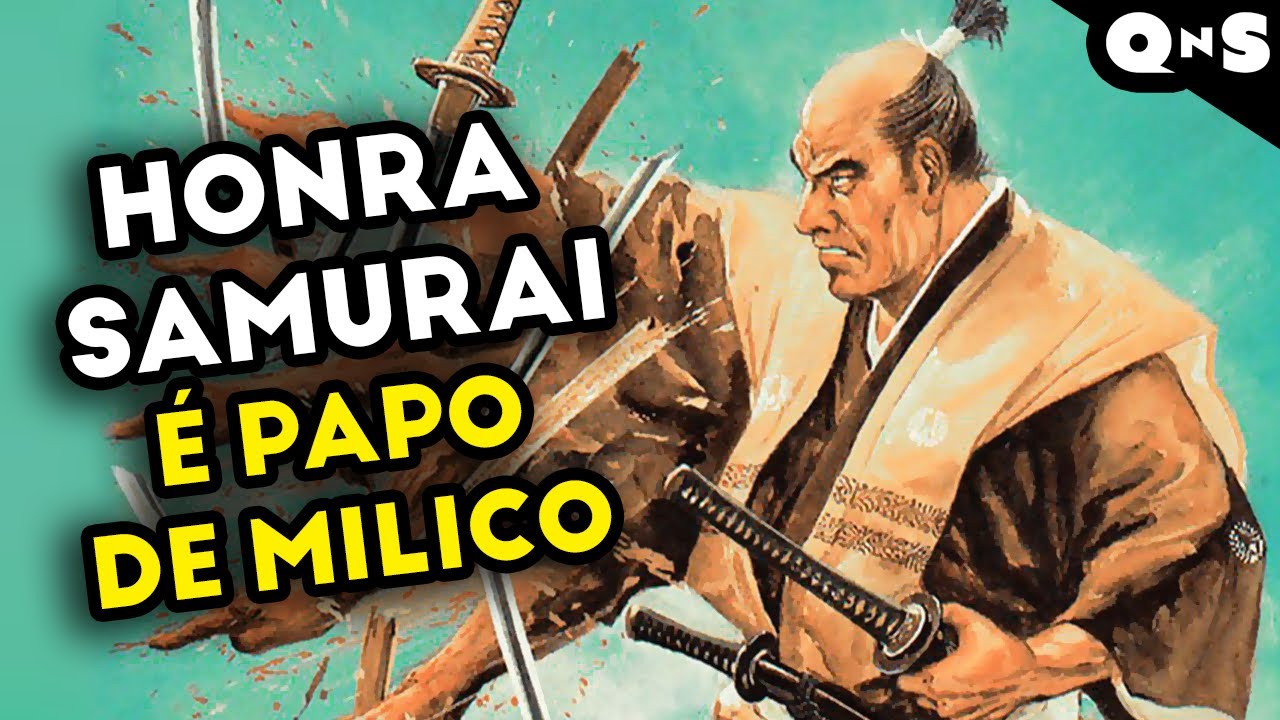
another in kyoto october 9 1869 vice minister of war amura masugiro runs down the stairs pursued by men with swords he bleeds from multiple wounds including a deep one on his leg and two of his friends lay dead upstairs omura is the man who won the bhushan war and it was he who modernized the shoshu forces using napoleonic tactics and peasant conscripts to topple the shogun now he's pushing for the same reforms on the imperial army but that would end the samurai as a warrior class stripping them of their swords the very swords they're chasing him with he gets out the back door but can hear his pursuers gaining on him desperate he climbs into a bathtub watching as his blood clouds the murky water he puts his head underneath and as he holds his breath for what feels like an eternity his assassins storm past unknowingly and continue their search into the night the ocean war may have been over with the shogunate toppled and the meiji emperor restored but the political violence that had rocked japan was by no means finished and given the amount of blood spilled and bitter political divides you might think that that all began with a wave of emperor ordered executions but it didn't in fact no one was executed at all the tokugawa lands were seized and made part of the state and leaders of the shogunate force were arrested and held under home confinement for a few years but by 1872 all were pardoned and most back working for the government even tokugawa yoshinobu the last shogun was sent to a comfortable retirement in his domain it was a savvy political move the idea was to unite the country by essentially taking everyone at their word that they had been fighting for what they thought was the good of the emperor the argument went that everyone had acted honorably and it was over now in fact victorious imperials even celebrated the heroism of shogunate troops for example a group of samurai known as the white tigers who committed sepaku when they believed their castle had fallen praising them as examples of military valor they even installed the spirits of all of the war dead in a common shrine but just because there was little official punishment didn't mean nothing would change in fact everything would change during the ocean war the emperor and his court had issued a decree known as the charter oath this five-point plan laid out the government's aims during the new meiji era which did involve seismic change though was also worded vaguely enough to be flexible the five points were one deliberative assemblies with decisions made by public discussion two all classes would be united in carrying out state policy three common people were allowed to pursue their own calling four evil customs of the past would be discontinued and five knowledge should be sought out throughout the world and used to strengthen imperial rule and it was that fifth one that was really interesting because it was essentially an official abandonment of sono joy even though the movement had brought the emperor to power this new japan would embrace western technology along with the western experts that must be brought in to get japan up to speed it was also how the imperials got the western nations on their side during the ocean war no more xenophobic attacks on foreigners would be tolerated that got in the way of the main project strengthening the country through economic reform infrastructure projects industrialization and of course military enhancement that old phrase revere the emperor expel the barbarians was out and in was a new rallying cry enriched the country strengthened the military and as you can imagine this was not all that well received among those who'd fought on the imperial side during the bhushan war because their main objective was to shut foreign powers out of japan and let the country develop along its own lines but what the emperor and his reformist advisors now favored was the exact same foreign policy as the shogunate to gradually renegotiate the unequal treaties using its modernization as an argument that it should be treated equally with the other colonial powers and while that might have disturbed traditionalists like the satsuma leader saigo takamori the government believed it had no other option and that was the clear message brought back by the iwakura mission which between 1871 and 1873 sent diplomats on a tour through the united states and europe both to open negotiations and to study western technology and government two of the men on that mission okubo toshimichi of satsuma and kido takayoshi of choshu would return with a grim message japan could not survive outside pressure without modernization trade and industrialization their artisans could not compete with the cheap western manufactured goods and with the unequal treaties disallowing japan from instituting any protective tariffs or import duties their choice was to either industrialize or have an economic crash okubo and keto would end up with major roles in the government known along with saigo takamori as the three great nobles of the restoration the core of a new oligarchy that controlled politics and development and these three men and their coalition government were about to completely change what it meant to be a samurai it was clear that the samurai system the whole caste system of japan in fact was incompatible with a modern state first of all you can't have a centralized government when the country's divided up by hereditary lords keto especially argued it was a recipe for instability and dysfunction so he proposed the solution he convinced his satsuma and shoshu allies to voluntarily turn their domains over to the emperor who in turn reappointed them as governors from now on they would be government employees rather than lords their domains would be renamed prefectures and their samurai paid by the government rather than the daimyo himself indeed the position of daimyo ceased to exist with all former daimyo instead given a hereditary aristocratic title that did not confer land and samurai were similarly transitioned to a class without special privileges many of them invited to join the bureaucracy or military then two years later the three nobles moved on the prefecture system again this time offering a stipend which would later have to be converted to government bonds due to financial problems in return for many of the holdout x daimyo to retire so their former domains could be consolidated into 72 prefectures all this was met with crumbling even armed resistance but then came the next more radical step army modernization now though we talked about military modernization last episode it would have been more accurate to discuss it in terms of weapons modernization the satsuma and shoshu forces had modern guns and some new tactics but only a few units were truly modern troops with uniforms and rank structure other than that it was a free-for-all samurai would go into battle wearing a western suit with two swords and a rifle or a napoleonic uniform with a katana and a revolver now was it steampunk samurai awesome oh heck yeah but efficient not exactly so weapon and uniform standardization was on the agenda when vice minister of war omura masajiro began revamping the imperial japanese army but he believed in more than that omuro was part of a faction that thought the samurai were incompatible with the equal society they dreamed of he wanted to abolish the samurai strip their special rights like killing peasants ban all symbols of rank like their top not and right to carry swords and turn the army into a force of conscripted peasants not only would this take away the necessity of a warrior class it would dissolve the private daimyo armies that could destabilize the country or stand up to the central government and amura was killed for it because while he did survive the attack we described at the beginning of the episode the dirty bath water he hid in ended up fatally infecting the wound in his leg as you can imagine many samurai were furious about these reforms but the situation didn't fully explode until 1873.
when korea refused to recognize the meiji emperor leading to a debate about whether japan should invade but then saigo takamori argued that this was the perfect solution see the samurai were feudal lords right and if that wasn't working in japan why not just let them do that in korea huh all powerful countries have colonies after all and the samurai you see could be the tip of the japanese spear huh and to try to further its plan the restless saigon even offered to go to korea as a diplomat and behave boorishly in order to provoke his own assassination creating a pretext for the war so it's not japan's fault get it it's all coming together the government said no sure they did want to invade korea but they wanted to strengthen the state first this was the final straw for saigo he went back to satsuma and opened military academies for disaffected samurai gradually cutting ties with the imperial government he helped create this was the first step on the road to the satsuma rebellion and the last stand of the samurai [Music] legendary patron remix ahmed zion turk gunner clovis alicia bramble kyle murgatroyd casey musta oh reals one and dominic valenciana thank you so much [Music] you
Up Next
23:27
The Meiji Restoration & Westernization of Japan | Meiji Era Reforms
@laccdjapanesecivilization4933
1.9K views•2019-06-18

33:02
The Great Schism of 1054: Causes and Consequences
@SacredCathedrals
113.5K views•2026-02-19
8:49
Mali Empire Origins: Sundiata's Victory and the Gold Trade
@extrahistory
2.4M views•2018-04-14
17:05
Understanding the Cold War: Superpower Conflicts and the Road to Détente
@OverSimplified
46.1M views•2019-01-24
Related Study Plans & Knowledge Roadmaps
Structured learning paths in History
history
Byzantine Iconoclasm: Theology, Art & Politics
01Foundations of Byzantium and Early Christian Images
02The First Iconoclasm: Leo III and the Crisis of Images
03Empress Irene, Nicaea II, and the Second Iconoclasm
+ 2 more learning modules
9h5 modules
Explore Roadmap
history
Iranian Revolution (Causes, Events & Legacy)
01The Pahlavi Dynasty and the Roots of Discontent
02The Spark of Rebellion and the Rise of Khomeini
031979: The Fall of the Shah and the Climax of the Revolution
+ 2 more learning modules
8h5 modules
Explore Roadmap
history
Mali Empire: Mansa Musa, Trade & Timbuktu
01Foundations of the Mali Empire
02The Trans-Saharan Gold and Salt Trade
03The Reign and Pilgrimage of Mansa Musa
+ 1 more learning modules
6h4 modules
Explore Roadmap
history
1947 Partition: Politics, Borders & Legacies
01Foundations of British India and the Divide
02The Political Negotiations and the Mountbatten Plan
03Drawing the Boundary: The Radcliffe Line
+ 2 more learning modules
8h5 modules
Explore Roadmap