










![(일본의 민주주의, 다이쇼 데모크라시 몰아보기) 실패한 민주주의 『전쟁을 부르다』 / (일본제국의 흥망 Ep2) [소피니언 디데아]](https://i.ytimg.com/vi/6Qon_2beP74/maxresdefault.jpg)



![Sarah Paine: “Russia and China Aren’t Allies” — America, Empires and the Future of War [INTERVIEW]](https://i.ytimg.com/vi/gyIIa8bUZbQ/maxresdefault.jpg)

The Meiji Period (1868-1912) marked Japan's rapid transformation from a feudal society to a modern industrialized nation through comprehensive Westernization reforms, including the abolition of the samurai class, establishment of universal military conscription, adoption of Western institutions like a national bank and public education system, and cultural changes such as switching to the Gregorian calendar and adopting Western clothing, all aimed at achieving equality with Western powers and reversing unequal treaties.
The Meiji Restoration & Westernization of Japan | Meiji Era Reforms
Added:Understanding the feudal structure of the Tokugawa Shogunate (Edo Period), including the social hierarchy of the Shogun, Daimyo, and Samurai.
The concept of Sakoku (national isolation policy) and how it restricted Japan's foreign relations and trade for over 220 years.
The impact of Commodore Matthew Perry's arrival in 1853 and the subsequent 'Unequal Treaties' forced upon Japan by Western powers.
The global context of 19th-century Western imperialism in East Asia, particularly the lessons Japan drew from China's defeat in the Opium Wars.
The rise of Japanese militarism and expansionist foreign policy, leading to the First Sino-Japanese War and the Russo-Japanese War.
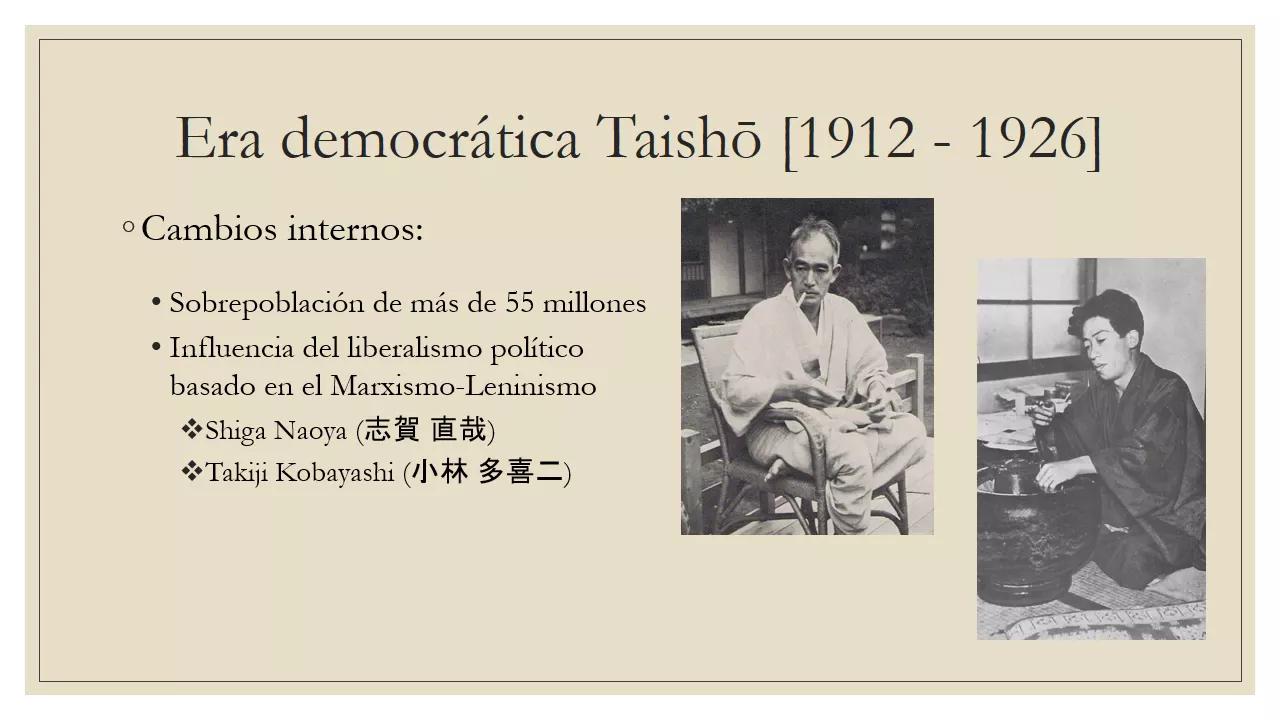
The political transition to the Taisho period, exploring the short-lived era of liberal democracy and its eventual collapse into militarism.
The socio-cultural consequences of rapid industrialization on Japanese society, specifically the clash between traditional Shinto/Buddhist values and Western materialism.
A comparative historical analysis of Japan's successful modernization versus the failed or stalled reform attempts in Qing-dynasty China and the Ottoman Empire.
1.9K views0likes23:27Original Release: 2019-06-18
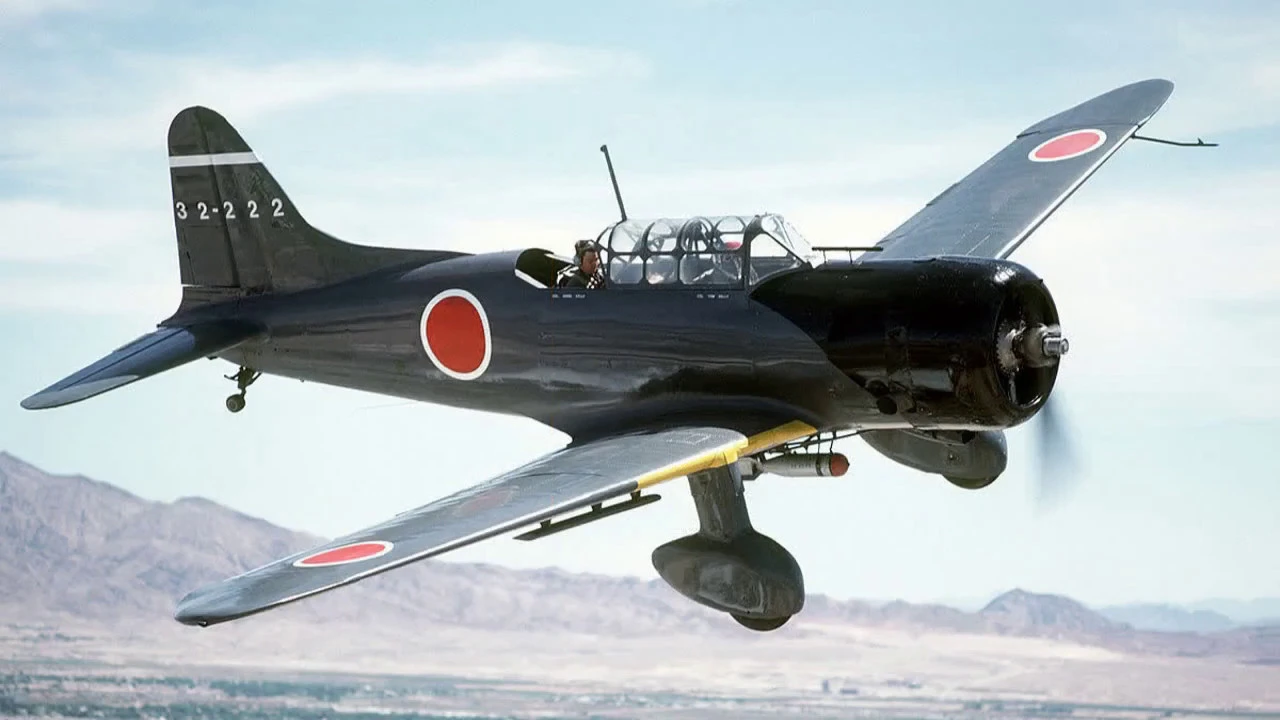
but you know in 1868 summer day and where your influence is still strong okay you know yes Emperor Meiji and his new government they want to get rid of all Tokugawa and somewhat I influence but you can't just do that overnight okay you have a class of people that has been ruling the country for the last millennium almost why you know it's not going to be easy to just get rid of them but Emperor Meiji believes that we need to cleanse Japan of the samurai influence because Japan needs to learn from the West and we can't really learn and take in stuff from the Western countries and we can't modernize if we have all these old people you know samurai around so the first thing that is a very very big move is Emperor Meiji decides to move the capital city from Kyoto to Edo okay and him actually moves himself the Emperor moves into a dough castle the old residence of the Shogun and Edo castle has renamed the Imperial Palace because that's where the emperor lives okay and because the Emperor is now living in Edo wherever the Emperor goes is where the capital city is so Ando has renamed Tokyo or the eastern capital okay so in 1868 after a thousand years of Kilda being the capital city Tokyo becomes the new official capital of Japan and this is because Tokyo by deado by that point was much much bigger than Kyoto anyway it was the economic center of the country right it was a melting pot of for all japan it was a more central location so it was better for the country if Tokyo becomes the capital so that's when Edo gets its new name of Tokyo or eastern capital three years later in 1871 the dyno system which had been instituted by ashikaga yoshimitsu in the 1300s was abolished because there's no more samurai right so the samurai class is basically not going to be there anymore for much longer so there's no point to have daimyo warrior clans either that's abolished the provinces the old provinces of Japan were abolished because there were too many so the government replaces the province system with prefectures and today there are 47 prefectures in Japan they roughly correspond to the old provincial system but there's fewer prefectures than provinces other reforms were the Tokugawa social class system was abolished because all people were now declared equal okay again this is on paper it's a beautiful comment thank you to the government for saying it but it doesn't mean that everyone is now going to be making the same amount of money and they have the same lot in life farmers are still very very poor for the Meiji period they're still you know not they don't have a good life just because they're being told well your are equal doesn't mean that they really are economically speaking right but that social class pyramid that I showed you is no more okay the samurai warrior class was officially abolished in 1873 if you're a samurai you no longer are allowed to call yourself that because it does not exist it's been abolished and if it's been abolished that means you can't wear your hair the way you used to with the top nut you're a costume and your your dress has to change you cannot dress that way anymore you cannot carry a sword in public because there is no such thing as a samurai right on top of that samurai were degraded by many people they were made fun of you know how you guys lost type of thing by the city people and you know many of them became homeless they were jobless they had to become poor farmers in the countryside because that's the only skill they had it was very sad but you know this class that had been at the forefront of Japanese civilization for the last thousand years is no more and they had to become regular people there to become civilians because you're some other class is gone you now have to have an army again right so in 1873 the same year that the seminar classes abolished the government begins a universal military conscription again same first time since then that uh period now anybody could become a soldier even if you were a poor former okay and this was actually good because many farmers wanted to send their children off to become soldiers so that they could innovate one less mouth to feed right so conscripted soldiers joined the Imperial Army they were drafted and they were taught that they have to fight to the death not for a Shogun anymore or for a military lord but they were told that you you have to show absolute loyalty to your Emperor he's a living God you have to show respect and you must die for him and for your country okay so think about what's happening here you have this new Imperial Army you don't have a samurai anymore you don't have a you know military warrior system anymore but the ideals of the samurai their code of conduct their morality their ideals I'll stay alive in the new Imperial Army so a lot of students wonder well how did Japan which is now westernizing get into World War two and why are the people committing suicide and the suicide pilots and this and that because even though the name changes even though the samurai are no more and they you know they the class has been abolished the ideals of the samurai warrior system remain in the new Imperial Army so it's like a ghost kind of thing where the samurai are gone but the spirit of the samurai remains and is transmitted onto these new army conscripts farmers who are being taught as soldiers to die for the Emperor so the ideals of the seminary class remain in 1871 a kyoto aristocrat he was the former aristocrat he his name was Eva coup d'etat mommy he was instrumental in aligning the imperial family with Satsuma and Choshu he is selected to go on a two-year mission to the United States in Europe and this is called me he walk with a mission okay there were five key members in the evocati mission team members okay so of course the okuda is the leader he's the organizer but also of course people from Satsuma and Choshu because these two clans are privileged they're the ones who defeated the Tokugawa so Okamoto she makes you one of the leaders from Satsuma and Ito hito GUI from Choshu he was a famous samurai from Choshu that was also involved in the major restoration they were sent to Europe and America with other members but there were actually over 50 other people on the mission as well and they included of course former samurai from Satsuma and Choshu but they also had commoners kids students women the government wanted people from all different social classes to have a learn to have a chance to learn about other countries and contribute to the missions goals which was a very nice thing they didn't want to just make it exclusive for the aristocrats or for the politicians they wanted to be for everybody to have a chance to contribute what was the goal of the mission they had two goals number one the first goal was to convince the West to reverse the unequal treaties okay and they knew that this was highly unlikely they were gonna go to each government leader and say could you please reverse the unfair treaties we've gotten rid of our you know Shogun that system we're trying to westernize and modernize look can you see please help us but they knew it was unlikely that this would take place but they were gonna try to convince the Western powers to do them anyway the more important mission was to draw a blueprint for a new Japan they said we were westernizing but the West is a very broad term okay we need to find a model country to base our government off of okay because we have a lot of ideas there's a lot of different government types there's monarchy there's constitutional monarchy lose democracy what are we gonna do we need to find a model country to be our big brother so we can follow them and base our New Japan off of that country so in order to accomplish these two goals that you market our mission so visits many many countries in the Americas and in Europe because they want to find that perfect fit the model blueprint country that's gonna be a big brother for Japan stick after so they visit the United States Britain France Russia of Netherlands Italy Austria Hungary at that time they were one country the austro-hungarian Empire Switzerland Germany and others in Europe so who do you think they will select just take a guess and pick who you think out of all these countries who they're gonna pay I'll tell you it's a clipping ger but it's not what you think is so in each country this is the protocol they would use yah CUDA himself will deliver a letter from Emperor Meiji to the president or the king or whoever is ruling that country and then the letter states that Japan is trying to westernize and industrialize and become a modern nation and it's telling them that they want to reverse the unequal treaties if they could please reconsider you know making Japan sign them if they could no declare the treaties null and void and that they're looking for a model country so it was like a meeting between yah CUDA and the five main representatives and then you know the political organization of whatever country they were visiting so in the United States Japan met with President Ulysses Grant and they went well but the Japanese didn't care for democracy because they they felt that the Japanese people had never dealt with a system where they had really any freedom under the laws and you know was it's coming out of a feudalistic warrior society that's been there for a thousand years and so the Japanese government was nervous with the idea of democracy and letting the Japanese people come and people have too much of a voice so they felt that this democracy thing isn't gonna work so they didn't really care for that when they went to be u.s. they did like Germany a lot and this is the country they picked Germany and the reason they like Germany was because Germany in Japan has a similar history and that Germany had recently been unified by press the state of Prussia which German used to be comprised of many small states right kingdoms and Japan was comprised of many small daimyo province in daimyo led provinces and both countries had just been unified by one you know power in Germany's case under Prussia under the Kaiser of Prussia of the King of Prussia who later became the German Kaiser or Emperor he said it was really this history's are very similar and the Japanese really liked the power of the German Kaiser the power that the monarch had over the people they liked that the military class was very strong in prestigious Japan really really wanted a strong army for itself and they really liked the discipline and the order of the Germans and they it appealed to the Japanese so that's why the okuda mission returns to Japan in 1873 and they say and they tell the Emperor Meiji we have selected Germany as a country to follow which is why until 1945 Germany was really the main influencer of Japan and this explains the tripartite pact who you'll see in World War two you know the Axis powers why why Japan and Germany one other reason they were allied is because they have this connection that the Japanese really felt that they could rely on the Germans and also modeled their society off of the Germans this was an interesting introduction to that phenomenon as a result of the UI code omission many many young Japanese begin to attend University in the United States in Europe this is the beginning of Japanese people studying abroad okay so they would go to these countries they would study English other foreign languages and then in addition to that they would study history and political thought so for the first time we know we have the Dutch learning school but remember they were only interested in medicine science right these young students who go abroad are now studying history politics you know società social theory etc and if you wanted if you were a young japanese and you want it to be a politician or you wanted a good career for yourself you needed to study abroad if you hadn't studied abroad they wouldn't even consider you and then conversely many foreigners from the United States Europe they would move to Japan permanently now that national seclusion is over you can live in Japan again and they would teach English they would teach Western history culture to the Japanese so there's really a cultural exchange going on and the Japanese of all ages old young they become fascinated with the West okay and it's almost this love affair with Western culture that Japan feels that they have this beautiful culture of classical culture for thousands of years but now they're so eager to become a modern nation they're so eager to be accepted by the Western powers as an equal partner they don't want to just be you know be able to survive the Japanese want to be an equal partner to great countries like the United States the German Empire Britain Russia France they want to be one of them and so they are just so eager about learning everything they can about the West at the expense of sacrificing their own culture and you'll see how that happened and the major government has two main slogans civilization enlightenment that's there they believed that by enlightening themselves about Western civilization they will be able to become a powerful strong nation and also the second one was enriched the country and strengthen the military this summarizes the major period it's enriched with Western culture with new traditions that's gonna make Japan great and also a strong army because they believe that if we want to really show the the Western countries that were one of them we too have a strong military without a strong military we have nothing so we're gonna go over a few of these reforms that the major government came up with for the sole purpose of making Japan a more westernized modern and industrial nation okay so the first one of these was national conscription it was the mandatory for all men to have military service they would be conscripted into the Imperial Army and this was for that purpose of making Japan into a country with an enriched and powerful military okay and in addition to having this military army Japan also now begins to have a Navy okay and the Navy is important as well because Japan needs to be able to defend its borders on the Seas as well okay and at this point in the world the country with the most powerful Navy was the United Kingdom was Great Britain and so Japan's Navy was built right alongside the lines of the British Navy it was inspired by the British Navy also important to a unified and powerful and modern nation is transportation Japan didn't really have a transportation system during the samurai period okay and when they enter the 1870s the rest of the world is building railways and roads and so Japan does the same thing they develop steam ships trains railways telegraph lines I mean this is a rapid transformation where in just about 10 years you have roads connecting the four islands you have steam ships you have trains and oftentimes who's gonna build the railways they would use conscript labor so the Imperial Army when you're drafted there's no war going on so these soldiers who are drafted are now the ones building the railroads okhane also poor former samurai who have nothing to do no jobs they're hired by the government to build these railways so now travel is much easier you can get from Kyushu to Honshu much quicker than you would before at this point in the 1870s the Industrial Revolution is in full swing all over the world in Europe and America so right away right starting off in the 1870s the Japanese government decides that we need to build factories because in order to give our economy a jump start we need to have industrial power and the best way to do that is by building factories ok keep in mind that one of the reasons that Tokugawa government didn't do well is because you have this really good economy but the country's still an agricultural society well starting with the Meiji period Japan transforms into an industrialized Society which means that the growing economy can be supported better by a good industrial society so the Japanese government personally begins developing these industrial factories they put the money in to build and fund these factories textile mills and so forth to give the economy a kickstart which they do ok and the economy really really grows because of this new India industrialization and Japan fits right in with other countries who were also in the midst of this Industrial Revolution it was very successful but the factory conditions were horrid this picture shows like everyone's clean and nice and sitting and you know working but that's not how it really was okay the factory life was horrible often times there was disease and you know because especially if it was like a coal mine for example or if it was some sort of textile mill people had to work long long long long hours oftentimes they didn't have sufficient time for breaks and they would be kept away from their family for a long time and you know the conditions were horrible this eventually will give birth to the Socialist Movement in Japan as well because of the conditions and horrid working hours of these factories in 1872 Japan develops a National Bank a national postal service and universal public school system education is no longer a right for the privileged privileged class now all children are required to go to school and get an education so this is you know these reforms are important because nowadays we we take them for granted you know Bank Postal Service these didn't exist before now they're happening things to the major government some other interesting reforms number five japan introduces gas lamps to like the streets at night so now the streets are not lit in by lanterns anymore and look in the old days gas lamps are used so there was a funny saying that the gas lamps made the night as bright as the day this was very foreign concept to the Japanese at that time in 1872 Japan switches from the lunar calendar which was based on the old Chinese system to the solar calendar also known as the Gregorian calendar this was used of course by Europe and the West so this is why the Japanese do not celebrate the lunar or the Chinese New Year in February right they celebrate New Year on January 1st because their calendar was the same is now the same as our calendar the Western calendar the solar calendar before 1872 Japan used to celebrate New Year's with the other Asian countries China Korea so in a sense by abolishing the lunar calendar Japan adopts the solar calendar which puts it more in line with Europe and America and the Western countries and that's why they celebrate New Year's on January 1st just like us a big big change is clothing okay in the Meiji period the Japanese government encourages strongly both men and women to get rid of their traditional clothing on the streets okay they said now we're a Western nation if we want those unfair treaties to be reversed we need to look like the Westerners so they'll accept them as one of us so men were told to cut their hair very short and grow moustaches right they would wear hats and shoes and you know western-style uniforms as you can see here in this image okay women at first were more resistant to the change that's why in the Meiji period you see a lot of men dressed up in suits and Western clothes and women are still dressed up in the kimonos with their traditional hairstyles but by the end of the Meiji period as it progresses women gradually become abolishing their Japanese style costume and replacing with western-style dress okay so you'll see women with hats and short hair and in a western style clothes as well although the transition was slower doesn't mean that you know Japanese style clothing is banned you know if you walked in Tokyo in 1880 you would still see many men and women dressed in traditional Japanese dress but if you wanted to get anywhere in your life you would sport a western-style look of course all political officials if you were a train conductor you were postal employee you were a teacher you're a public official politician you had to wear western style clothes it was not allowed for you to wear japanese style clothing and the government was not hypocritical because even the emperor even emperor meiji the if you looked at images of him he is wearing western style clothing the empress even has to wear western style clothes so I mean there was no exceptions if you were in the public eye you had to wear western clothes number eight people begin to widely eat beef beef it was actually not consumed in Japan before the Meiji period because of Buddhism okay it was it was you know eating cows was not allowed and so now that you know people s turn culture is coming to fruition in Japan you see that a lot of people begin to eat beef because oh well what strangers eat it so we have to eat it too so it's almost a fashionable thing to eat beef and put it in your meal and that's why you get things like ski icky or shabu shabu using beef didn't exist before but now everybody would eat sukiyaki look up sukiyaki it's a this picture is a ski Aki it was basically now everybody will eat it because you know it's a fashionable thing to do its what the Westerners are doing so we have to do it too so you know these cultural reforms I want to say or new new new habits yes it was about being fashionable because Western was considered chic and new but at the same time it was an important image to show the Europeans and the Americans that Japan is trying to be a equal world partner we don't want to just be subservient to you we want to be one of you guys we want to join the cool group and be part of you and just like in high school when you would change your appearance or change the way you talked or did your old friends because you you know you wanted to be with the cool kids sometimes the cool kids wouldn't let you and even if after you did all these changes they would still say yeah no we don't want you in our group right same thing happens to Japan even after all of these efforts to modernize and be westernized the world power still refused to get rid of those unfair trees in other words in 1880 or 1890 if you were an American in Japan and you commit murder you would not be tried under Japanese law you'd be sent to the United States and you'd be able to get away with it yeah but these were not for vain okay these reforms it wasn't like it happened for nothing you know Japan changed overnight okay this is an image of Japan in the 1880s used you cannot even compare it to the Edo period you know you have all these technologies railways telegraph lines steam ships a post office national schools you know things have really really changed and people's clothing has changed and you know it's just very very very quick turnaround where in just about 10 years Japan has completely transformed itself from this feudal nation of samurai - you know westernized industrialized nations I mean the presence of factories alone is a big big change
Up Next

24:47
Japan's First Glimpse of the West: Iwakura Embassy 1872
@VoicesofthePast
243.8K views•2021-06-20

33:02
The Great Schism of 1054: Causes and Consequences
@SacredCathedrals
113.5K views•2026-02-19
91:57
The Geopolitics of the Ukraine War and the Rise of Global Autocracy
@JordanHarbingerShow
468K views•2025-04-19
17:05
Understanding the Cold War: Superpower Conflicts and the Road to Détente
@OverSimplified
46.1M views•2019-01-24
Related Study Plans & Knowledge Roadmaps
Structured learning paths in History
history
Byzantine Iconoclasm: Theology, Art & Politics
01Foundations of Byzantium and Early Christian Images
02The First Iconoclasm: Leo III and the Crisis of Images
03Empress Irene, Nicaea II, and the Second Iconoclasm
+ 2 more learning modules
9h5 modules
Explore Roadmap
history
Iranian Revolution (Causes, Events & Legacy)
01The Pahlavi Dynasty and the Roots of Discontent
02The Spark of Rebellion and the Rise of Khomeini
031979: The Fall of the Shah and the Climax of the Revolution
+ 2 more learning modules
8h5 modules
Explore Roadmap
history
Mali Empire: Mansa Musa, Trade & Timbuktu
01Foundations of the Mali Empire
02The Trans-Saharan Gold and Salt Trade
03The Reign and Pilgrimage of Mansa Musa
+ 1 more learning modules
6h4 modules
Explore Roadmap
history
1947 Partition: Politics, Borders & Legacies
01Foundations of British India and the Divide
02The Political Negotiations and the Mountbatten Plan
03Drawing the Boundary: The Radcliffe Line
+ 2 more learning modules
8h5 modules
Explore Roadmap