During Japan's Meiji (1868-1912) and Taisho (1912-1926) periods, the nation underwent a dramatic Western fashion revolution as part of its broader modernization and cultural enlightenment (bunmei kaika) movement, transforming traditional kimono-wearing society into one that embraced Western clothing styles including Victorian dresses, suits, and accessories, ultimately giving rise to the iconic 'moga' (modern girl) who embodied this new cosmopolitan identity through bobbed hair, cloche hats, knee-length dresses, and makeup.
Meiji and Taisho Japan: Western Fashion Revolution
Added:Deep Dive
Understanding the Meiji Restoration (1868) and the political transition from the isolationist Tokugawa Shogunate to a modernized, centralized imperial government.

Meiji Restoration (Fall of Tokugawa Shogunate)
330.9K
The Meiji Restoration was a political event in 1868 that restored imperial rule to Japan under Emperor Meiji, ending the centuries-old military dictatorship of the Tokugawa Shogunate. Although emperors had existed prior, this event transferred practical political power to the emperor and consolidated the state under imperial authority. The Restoration marked the transition from the late Edo period, known as the Bakumatsu, to the Meiji era, initiating sweeping transformations in Japan’s political and social systems. During this time, Japan underwent rapid industrialization, embracing Western technologies, production methods, and ideological frameworks. These changes were not merely administrative but fundamentally restructured Japanese society, moving away from feudal traditions toward a modern centralized state. The period saw the abolition of the samurai class, the establishment of a national army, and the adoption of Western-style legal and educational institutions. The restoration was driven by a coalition of reformist domains and court nobles who sought to strengthen Japan against foreign pressure and internal instability. The events of the Meiji Restoration laid the foundation for Japan’s emergence as a modern imperial power in Asia. The description references multiple films and documentaries, including NHK’s “戊辰戦争の裏側 列強の野望 新” (2022), suggesting the content draws from historical dramatizations and archival material to illustrate this transformation.
Click to watch →
ญี่ปุ่น ยุคซามูไรคนสุดท้ายสู่มหาอำนาจเมจิ ตอน 1/4 | Global Economic Background EP.27
517.5K
The Meiji Restoration began in 1868 when Emperor Meiji was invited from Kyoto to Edo (renamed Tokyo) to become the central figure in a new government. This marked the end of the Tokugawa shogunate and the beginning of modern Japan. The restoration was driven by intellectuals who recognized that Japan needed to transform its political system to survive against Western powers. The Tokugawa shogunate had become weak and unable to resist both external pressures from Western powers and internal opposition. The new Meiji government, led by Emperor Meiji and his advisors, was able to overthrow the shogunate with relatively little bloodshed.
Click to watch →
¿Cómo el IMPERIO del JAPÓN se convirtió en una POTENCIA?
24.7K
The Meiji Restoration ended the shogunate and established imperial centralization. The Boshin War (1868-1869) saw the Emperor's modern army, trained by Americans and British, defeat samurai forces using traditional weapons. Japan faced two seemingly impossible challenges: creating an industrialized economy and forging a unified national identity. Before this period, people identified with local regions rather than as Japanese. Japan adopted the British parliamentary system, establishing a parliament, ministries, and political parties. By the end of the 19th century, industries including textiles, minerals, and railways were established throughout the country, most owned by the state. This modernization transformed Japan from a feudal society into a modern industrial nation capable of competing with Western powers.
Click to watch →
Tojo & The Empire of Japan Documentary
696.3K
The Meiji Restoration was one of the most important events in Japanese history, marking the restoration of Emperor Meiji to power after the fall of the Tokugawa shogunate. Following the Boshin War (1868-1869), the emperor moved his seat of government to Edo (renamed Tokyo), seized the lands and holdings of the daimyos, and centralized power. This marked the beginning of the Empire of Japan and transformed the country from an insular feudal state into a modern world power within decades.
Click to watch →

How Japan became a rich and developed country? History of Meiji Restoration & rise of Japan | UPSC
901.4K
The Meiji Restoration began in 1868 when 17-year-old Emperor Meiji ended the Tokugawa shogunate and restored imperial rule. This period lasted until 1912 with Emperor Meiji's death. The new government adopted a constitutional system modeled after the German Empire, establishing a National Assembly (Diet) and granting citizens rights while maintaining political stability. The government also undertook comprehensive military modernization, creating a centralized army and navy organized on Western models. This transformation laid the foundation for Japan's emergence as a modern nation-state.
Click to watch →
Deep Dive
Familiarity with traditional Japanese dress (Wafuku), specifically the kimono, and its historical role in reflecting social class, age, and gender prior to the late 19th century.
Kimono e Kimoni
403
Following the arrival of Westerners in mid-19th century Japan, it took approximately 50 years (the Meiji period, 1868-1912) for Japanese fashion to focus on kimono and achieve a self-defined identity. Initially, Japanese people in official ceremonies wore traditional clothing. As international relations opened, men began adopting Western clothing while women remained in traditional dress. Eventually, even the Empress encouraged aristocratic women to wear Western clothing to appear more modern. To distinguish between traditional and Western clothing, two new terms were coined: 'wafuku' (Japanese clothing) and 'yofuku' (Western clothing). The obi-dome, a decorative element on the sash, emerged during this period as an influence of Western jewelry-wearing habits, representing a small exchange of elements between Japanese and Western fashion.
Click to watch →

(01- تكوين البدلة) ليه مهم نفهم تكوين البدلة؟
20.2K
The kimono is a traditional Japanese garment that has existed for approximately 1300 years. Historically, the kimono served as a symbol of social status and position within Japanese society. Different social classes wore different styles: samurai had distinct kimono designs, priests wore different styles, young girls had different attire, and married women wore different kimonos than unmarried women. Even within the royal palace, each person had a specific kimono style. Every element of the kimono, including its design, fabric, and how the obi sash is tied, carries specific meaning and follows precise rules.
Click to watch →
“Strange Japan: The Bizarre Daily Life of 150 Years Ago” Part I
172
Fashion in 19th century Japan was a powerful system of identity. Women practiced ohuro, dyeing teeth black with iron filings and vinegar to symbolize maturity and elegance. Samurai wore the chonmar hairstyle with shaved tops and oiled buns, serving both practical and symbolic purposes. Okobo wooden clogs indicated social status—the higher the clog, the higher the status. Kimonos were layered canvases revealing class, age, and season, with elite versions costing more than a farmer's yearly income. Men carried inro pouches since kimonos had no pockets. Fashion wasn't just clothing—it was tradition stitched into every fold, telling the world exactly who you were.
Click to watch →

The World of Kimono - Japanese History and Culture Livestream with Eriko
2.2K
Kimono is deeply embedded in Japanese cultural rituals. At age 20 on Coming of Age Day, Japanese become officially adults and wear formal furisode kimonos with long sleeves at hometown celebrations. Children wear kimono at ages 3, 5, and 7 during shrine visits—a tradition stemming from historical high infant mortality rates. Formal kimono for weddings and funerals feature family crests on chest and back. Purple has historically symbolized high social class. Grown-up women leave a small gap between collar and neck with a stiffener insert. Colors carry meaning: red for celebration, black for funerals, white for weddings. Despite modernization, kimono remains a living tradition practiced by those engaged in arts like tea ceremony and flower arrangement.
Click to watch →
Why Life SUCKED for Women in Feudal Japan Boring History for Sleep
1.6K
The kimono was not just clothing but a uniform, signal, and code. Colors, patterns, and style told people about marital status, age, class, family wealth, and whether one knew how to fold laundry correctly. Women were not meant to move fast—they were meant to glide. Sitting required proper kneeling in the Caesar position for extended periods on floors offering minimal support. Legs went numb, backs ached, but shifting too much was rude. Pain was just a symptom of propriety.
Click to watch →
Deep Dive
The concept of 'Bunmei Kaika' (Civilization and Enlightenment), Japan's state-driven ideological movement to adopt Western science, technology, and culture to assert global equality.
मेइजी पुनर्स्थापना (1868) | जापान कैसे बना आधुनिक और शक्तिशाली राष्ट्र
140
The Meiji leaders understood that to become powerful in the modern world, Japan needed to adopt Western ways of thinking and appearance. This led to the 'Bunmei Kaika' (Civilization and Enlightenment) movement, which followed the principle of 'Keep our morality, adopt Western science.' This became official government policy, leading to widespread Westernization including Western clothing, food, newspapers, and the Gregorian calendar. Cities like Tokyo were transformed with brick buildings and gas lamps replacing traditional wooden structures.
Click to watch →
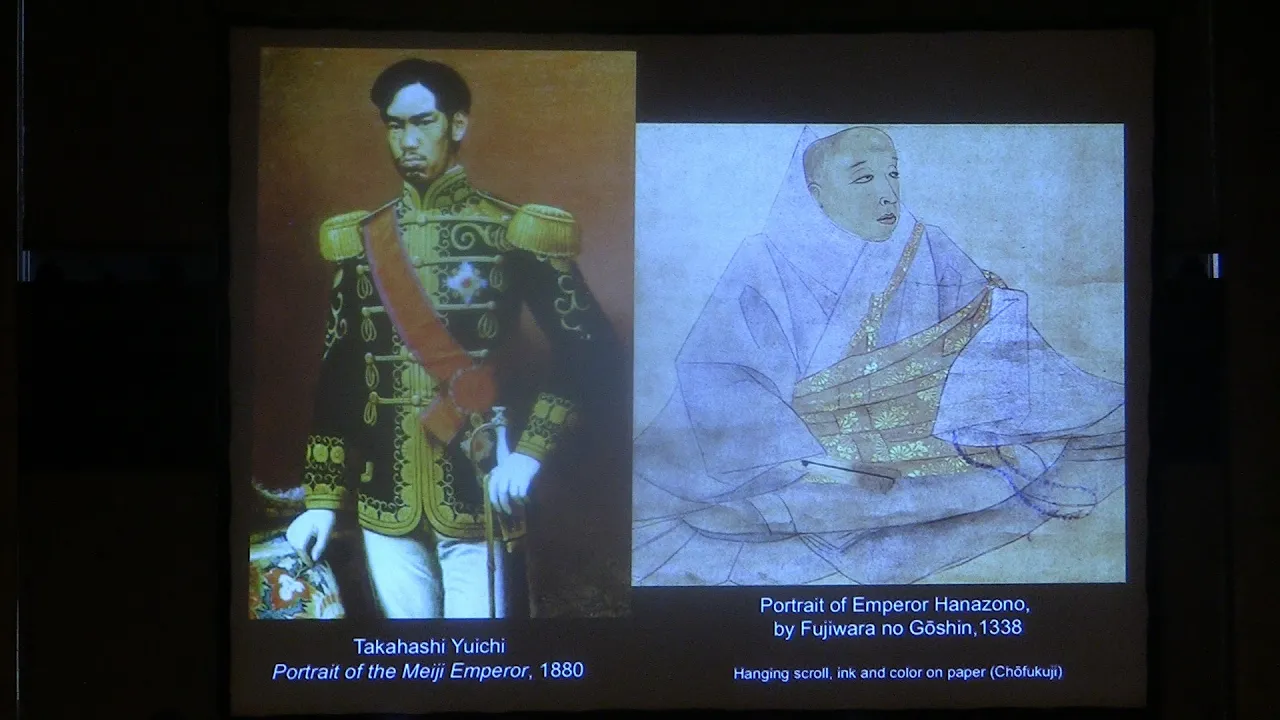
Looking West: Visual Culture in Japan Since 1850 with Dr. Karen Fraser
2.5K
The Meiji Restoration of 1868 ended 250 years of military rule, restoring the emperor as head of state and initiating deliberate modernization. The government promoted 'Bunmei Kaika' (civilization and enlightenment) to demonstrate Japan's transformation to the world. Unlike the earlier Yokohama-sha prints that exoticized the West, Bunmei Kaika prints (1870s-1880s) incorporated Western railways, brick architecture, and new clothing styles as visual propaganda. The emperor changed to Western military uniform in 1873, and the Empress adopted Western dress in 1886. This movement coincided with the 1893 World's Columbian Exposition where Japan showcased its achievements. The movement ended around 1889 with the promulgation of Japan's first modern constitution based on Western precedents.
Click to watch →
佐藤優が「戦前戦後の日本」と「これからの世界」を接続する <インテリジェンス編集工学講義 日本篇後半>
36.4K
The concept of 'bunmei kaika' (civilization enlightenment) represents a Japanese interpretation of political transformation that differs from Western models. While Western political theory accepts regime change as natural, Japanese political thought views the unchanging imperial dynasty as sacred. When changes occur within the dynasty, they are interpreted as 'breach' (breach of order) rather than legitimate political transitions, creating unique patterns of political evolution.
Click to watch →

Meiji Revolution 2
39.9K
The new Meiji era adopted the slogan 'Bunmei Kaika' (文明開化), meaning 'Civilization and Enlightenment.' This slogan had both superficial and profound meanings. Superficially, it represented a love of all things Western—from beer to bustles to beef. More profoundly, it signified a new sense that with the samurai class gone, all citizens would be equal under the rule of the emperor. This paradoxically enabled the democratization of Japan, as the restoration of absolute power at the top created equality of opportunity throughout the nation. The slogan inspired citizens to modernize Japan and improve their own lives, reflecting the belief that individual advancement served the national interest.
Click to watch →
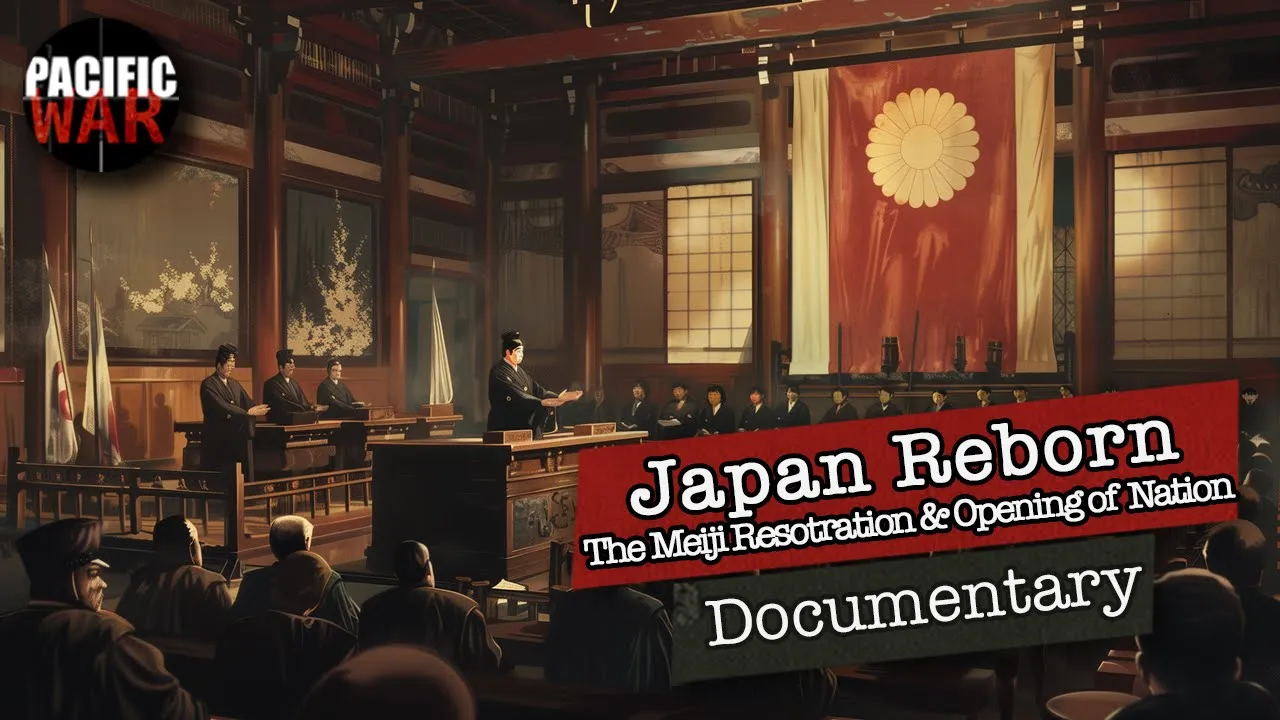
Japan Reborn: The Meiji Restoration and the Opening of a Nation | Full Documentary
9.6K
The official motto of the new Meiji government was 'Bukko Kyohei' (civilization and enlightenment) and 'Fukoku Kyohei' (enrich the country and strengthen the army). This encompassed civilization/enlightenment (Bunmei Kaika) and governance/military/economics (Fukoku Kyohei). The goal was for Japan to become a modern world power to avoid colonization by Western Nations. The new government sought to learn from most developed nations, sending the famous Iwakura Mission of 1871-1873 to the West to gain recognition for the Imperial Dynasty, change unequal treaties, and explore political, military, educational, and economic aspects.
Click to watch →
Deep Dive
Basic knowledge of Victorian and Edwardian Western fashion trends, which served as the stylistic blueprints for Japan's early elite and military uniform adaptations.
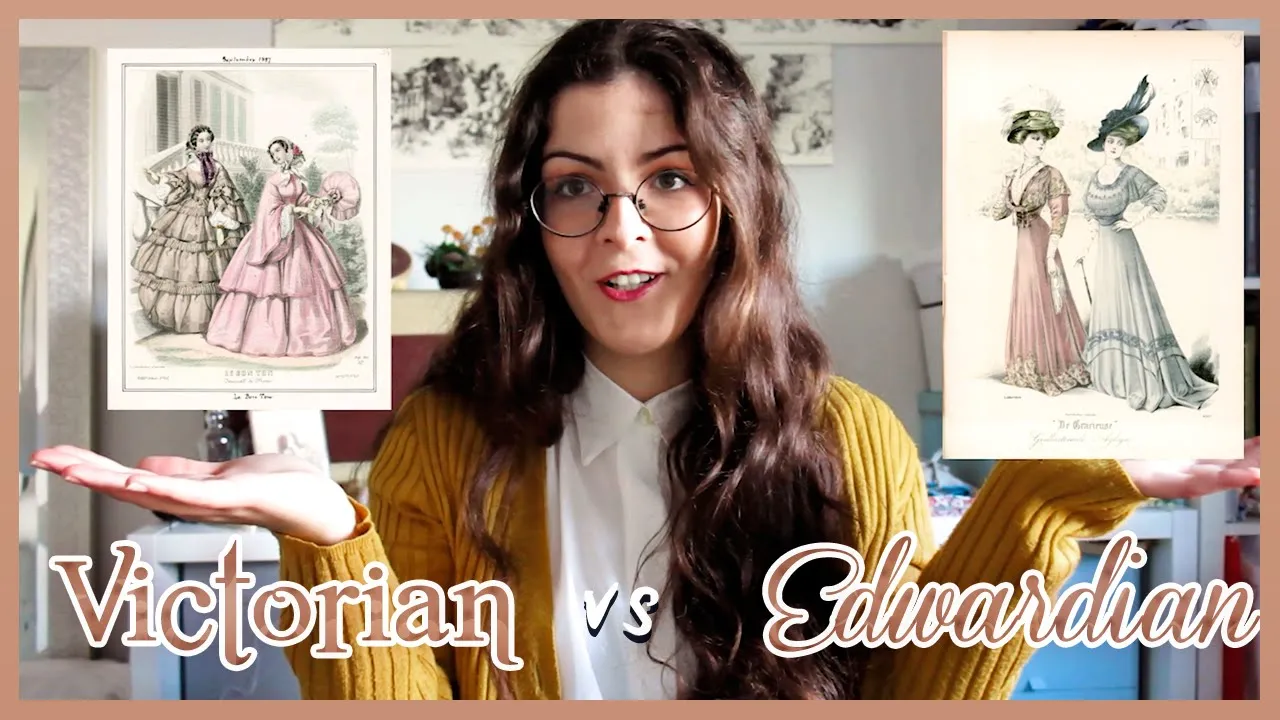
Victorian vs Edwardian | which is which?
51.6K
The Victorian period (1837-1901) and Edwardian period (1901-1910) are distinct historical eras with different fashion characteristics: Victorian fashion featured dramatic silhouette changes every decade, from the triangular shapes of the 1830s through the bustle styles of the 1870s-1880s, while Edwardian fashion introduced the S-bend silhouette with the straight-front corset, softer natural shapes, and iconic Gibson Girl style, despite the two periods being chronologically adjacent and sometimes confused online.
Click to watch →

Илья Шевченко. О снаряжении и униформе японской армии периода Русско-Японской войной 1904-1905 гг.
49.2K
The Japanese military adopted French-style uniforms in 1886, which were used until 1905. The uniforms featured blue tunics and trousers with distinctive collars. Officers wore distinctive sashes and epaulettes, while soldiers wore simpler uniforms. The Japanese military also adopted French-style equipment including revolvers and other items.
Click to watch →

Regimental Badges and Uniforms - Graham Bandy
270
This extensive section covers British military uniforms from the late Victorian period through World War I. It examines the Glengarry badge (1874-1881), influenced by Queen Victoria's Scottish connections, and the Home Service helmet (1881-1914) with interchangeable centers. The Broderick cap (1903-1907) was so despised that one soldier committed suicide over it. The walking out cap (1907-1914) provided a seven-year dating window. The field service cap (1895) featured distinctive 'chip bag' appearance with jam pot cuffs (1881-1901). The speaker emphasizes that original high-resolution photographs (400+ DPI) are essential for accurate identification, as colorized versions often use incorrect colors and destroy original insignia details.
Click to watch →

The Evolution of Japanese Fashion in History - From Edo to the Paris Runways
7.5K
Following Japan's reopening to the world in the 19th century, eager to appear modern and avoid colonization, Japan adopted Western fashion. Being fashionable meant being Western, representing a huge cultural challenge given that fashion had been restricted by law for 250 years during the Edo era to create separation between classes. After the fall of the Tokugawa government and the rise of the Emperor as head of state, the cast system was abolished, freeing people to wear whatever they could afford. The Meiji period (1868-1912) brought rapid industrialization and Western-style clothing, with government officials first adopting Western uniforms introduced in 1872, associated with elitism, modernity, and wealth. As Western fabrics became more available and cheaper, Japanese people began blending traditional Japanese style with Western elements: ladies cutting hair short, wearing fur on kimonos, and wool blankets; gentlemen wearing hats, Western shoes, and silk suits. This blend caused Japanese fashion to be often misunderstood or underestimated by the Western Fashion World for several decades.
Click to watch →

How Japan became obsesssed with British clothing
30.3K
Western clothing entered Japan primarily through military uniforms, government workers, and public service roles. Emperor Meiji mandated Western dress for men in 1872 and women in 1886, but adoption was superficial. People wore Western clothes at work but changed to traditional clothing at home. The common Japanese man adopted three Western elements: Western haircuts (replacing top knots), hats, and umbrellas. The Inverness coat (tonimonto) became popular as a versatile outerwear piece. Women adopted Western clothing less due to different employment opportunities and cultural expectations about gender roles. Rural populations had no exposure to Western fashion. This demonstrates how fashion adoption depends on employment, gender roles, geographic access, and cultural context rather than simple top-down mandates.
Click to watch →
Prerequisite Knowledge
- Concept 01Understanding the Meiji Restoration (1868) and the political transition from the isolationist Tokugawa Shogunate to a modernized, centralized imperial government.
- Concept 02Familiarity with traditional Japanese dress (Wafuku), specifically the kimono, and its historical role in reflecting social class, age, and gender prior to the late 19th century.
- Concept 03The concept of 'Bunmei Kaika' (Civilization and Enlightenment), Japan's state-driven ideological movement to adopt Western science, technology, and culture to assert global equality.
- Concept 04Basic knowledge of Victorian and Edwardian Western fashion trends, which served as the stylistic blueprints for Japan's early elite and military uniform adaptations.
Subsequent Learning
- Step 01Analyzing the emergence of the 'Modern Girl' (Moga) and 'Modern Boy' (Mobo) during the Taisho era as symbols of rising consumerism, urbanization, and changing gender dynamics.
- Step 02Exploring the shift toward utilitarianism and nationalistic dress regulations in the early Showa period (1926–1945), including the standardization of national clothing (kokumin-fuku) and monpe trousers during WWII.
- Step 03Investigating how Japan evolved from adopting Western fashion to influencing it, particularly through the rise of post-WWII street fashion (e.g., Harajuku styles) and avant-garde designers like Rei Kawakubo and Yohji Yamamoto.
- Step 04Examining the industrial history of Japan's textile modernization, studying how the silk and cotton industries fueled Japan's rapid economic development and international trade.
Greeting
Repetition
Heat Focus
Greeting
0:21Playing Section
- 1
Casual repeated vocal greeting sequence.
- 2
Lacks substantive content or topic introduction.
The Gendered Dualism and Reinvention of Wofuku
While the narrative of a 'Western fashion revolution' highlights the rapid adoption of yofuku (Western clothing), it often overlooks the highly gendered, class-restricted nature of this transition and the active modernization of wafuku (traditional Japanese dress). The Meiji state largely mandated Western clothing for elite men in government and military roles to project 'civilization' to Western powers. Conversely, women were positioned as the keepers of national tradition and encouraged to wear Japanese clothing. This wafuku was itself systematically standardized and reinvented during this era to construct a unified national identity. Rather than a total displacement of traditional attire, this created a persistent dual-wear system. For most ordinary citizens, especially outside major urban centers, Western dress was a luxury or a state-enforced performance rather than a daily reality. Thus, Japan's fashion transformation was not a simple, unilateral revolution, but a complex, state-managed negotiation of national identity, gender roles, and invented traditions.
Deep Dive
Analyzing the emergence of the 'Modern Girl' (Moga) and 'Modern Boy' (Mobo) during the Taisho era as symbols of rising consumerism, urbanization, and changing gender dynamics.

Raidou Remastered - почти идеальная игра
5K
Taya Asakura represents the concept of 'Moga' (Modern Girl), a new type of urban educated young woman who emerged during the Taisho Era. She embodied Western influence and rebellion against the traditional Japanese ideal of the 'good wife and wise mother.' The character's short hair (called 'danpatsu' or 'garson') was a powerful symbol of social, cultural, and gender changes - a visible and provocative gesture of breaking with old traditions. Long, arranged hair had symbolized femininity, modesty, and women's subordinate position for centuries. The short haircut declared that such a woman belonged to herself, not to a husband or family. This fashion was shocking and scandalous to conservative society, with short-haired women being judged as immoral or corrupted. For many older generations, it symbolized moral decline and loss of Japanese spirit.
Click to watch →
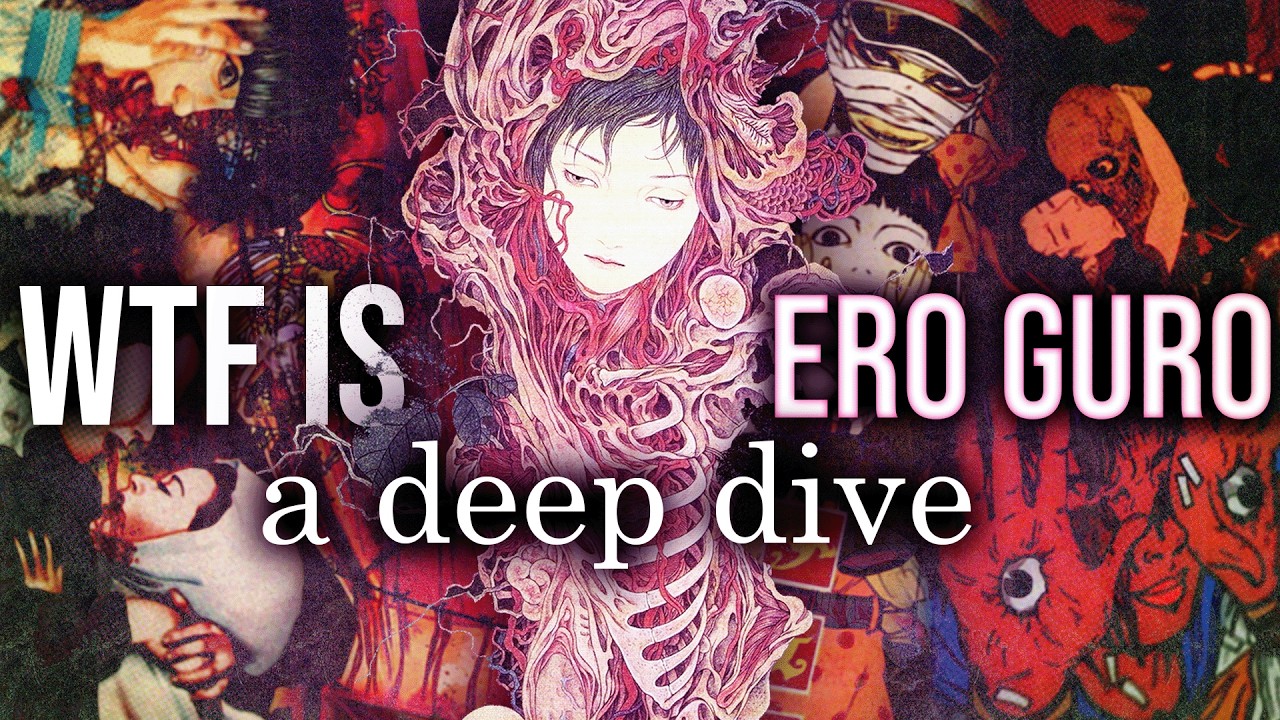
Deep Dive Into Ero Guro Nansensu
8.5K
The 'Modern Girl' (Moga) emerged as a new social category in the Taisho era, representing middle-class young women embracing Western modernity through fashion, consumerism, and autonomy. Tanizaki's 'Naomi' (1924) depicted this transformation, while other ero guro works portrayed the Moga as Western corruption incarnate. The movement intersected with leftist politics, with magazines like 'Grotesque' publishing explicitly socialist content. However, critics like Oya Soichi viewed ero guro as commodifying sexuality for bourgeois consumption. The movement's relationship with proletarian art was blurred, with both sharing transgressive impulses against state censorship and social conformity.
Click to watch →

Tokio 1922 (Reconstrucción con IA)
282
The Taisho Era saw the emergence of modern youth culture in Tokyo, represented by 'Moga' (modern girls) and 'Mobo' (modern boys). These young people challenged traditional customs through their appearance and behavior. Moga wore short dresses and had short haircuts, while Mobo wore suits, felt hats, and carried walking sticks. They strolled through Ginza, displaying their rejection of traditional values. This cultural shift reflected broader social changes as Japan modernized, with young people seeking new forms of self-expression and social freedom.
Click to watch →

【モガ・モボ】大正時代のファッションの特徴・文化
222.3K
The Taisho Era (1912-1926) was a transformative 15-year period marked by the spread of democracy, liberal ideas, and World War I. Unlike the Meiji Era, Western culture entered Japanese daily life more thoroughly, affecting clothing, food, and cultural practices. The era witnessed a significant transition from traditional kimono to Western clothing, particularly among police officers, aristocrats, and students. Three distinct fashion subcultures emerged: 'Haikara' (those who adopted Western-style clothing), 'Bunkara' (those who rejected Western culture), and 'Modern' (those who embraced Western trends while maintaining Japanese elegance). The Modern Girl and Modern Boy styles represented the pinnacle of this fusion, featuring knee-length skirts, finger waves, and bold makeup. This era's fashion demonstrated how Japan smoothly integrated Western and Japanese elements, creating timeless aesthetics that remain appealing today.
Click to watch →
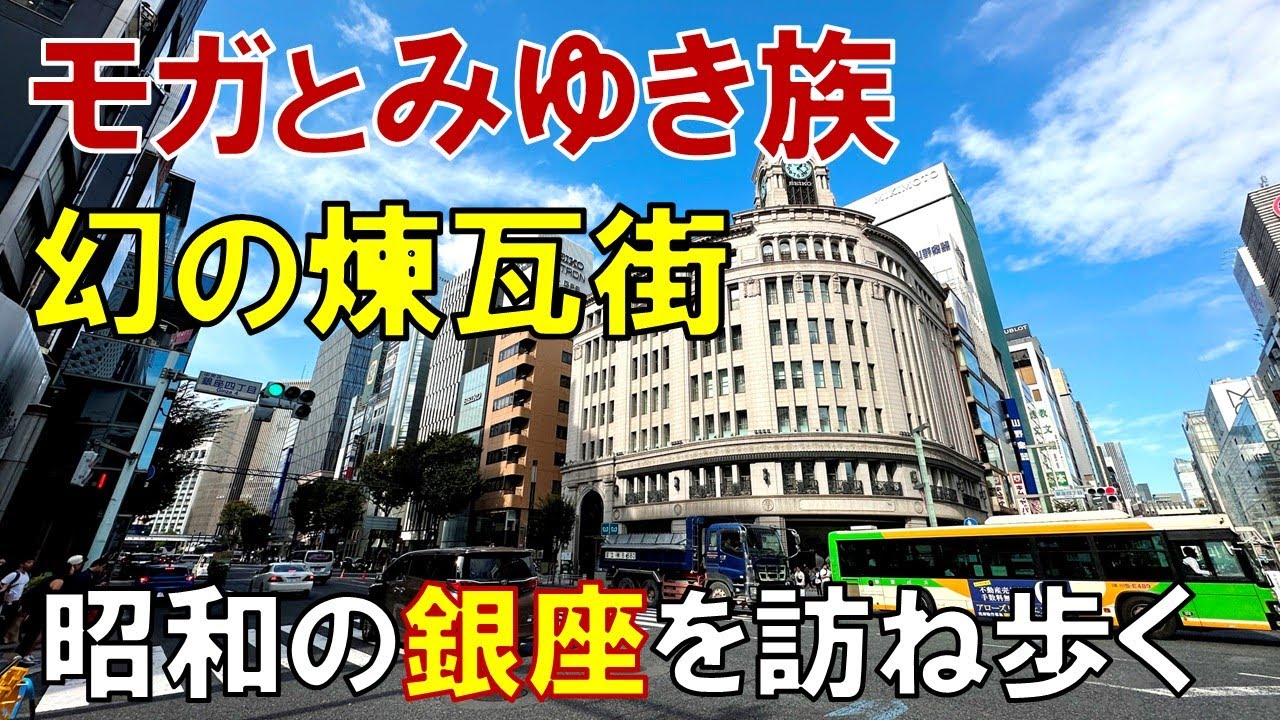
【銀座レトロ】幻の煉瓦街、モボモガ、バブルの夜。明治から昭和まで 銀座激変の歴史を訪ね歩いてみた | 有楽町 数寄屋橋 銀座四丁目 三原橋
3.5K
The terms 'Modern Boy' (Modan Boi) and 'Modern Girl' (Modan Gai) emerged in Ginza during the late Taisho and early Showa periods, referring to young people who adopted Western-style clothing and embraced liberal values. These individuals were considered the vanguard of modern culture in Ginza, representing a new generation that rejected traditional Japanese social norms in favor of Western fashion and lifestyle. This cultural phenomenon reflected the broader modernization of Japanese society during this era.
Click to watch →
Deep Dive
Exploring the shift toward utilitarianism and nationalistic dress regulations in the early Showa period (1926–1945), including the standardization of national clothing (kokumin-fuku) and monpe trousers during WWII.

Manchukuo | Wikipedia audio article
166
The Changshan and Qipao, derived from traditional Manchu dress, were considered national dresses in Manchukuo. In 1936, organizers of the Concordia Association devised 'Concordia Costume' (kyōwafuku), a gray civilianized version of the Imperial Japanese Army uniform worn by Japanese like Masahiko Amakasu and Kanji Ishiwara. It was similar to the National Clothes (kokumin-fuku) worn by Japanese civilians during WWII, with pins of either the Manchukuo flag or a five-pointed, five-colored star with national colors worn on collars. Court dress resembled Meiji-era Japanese attire.
Click to watch →
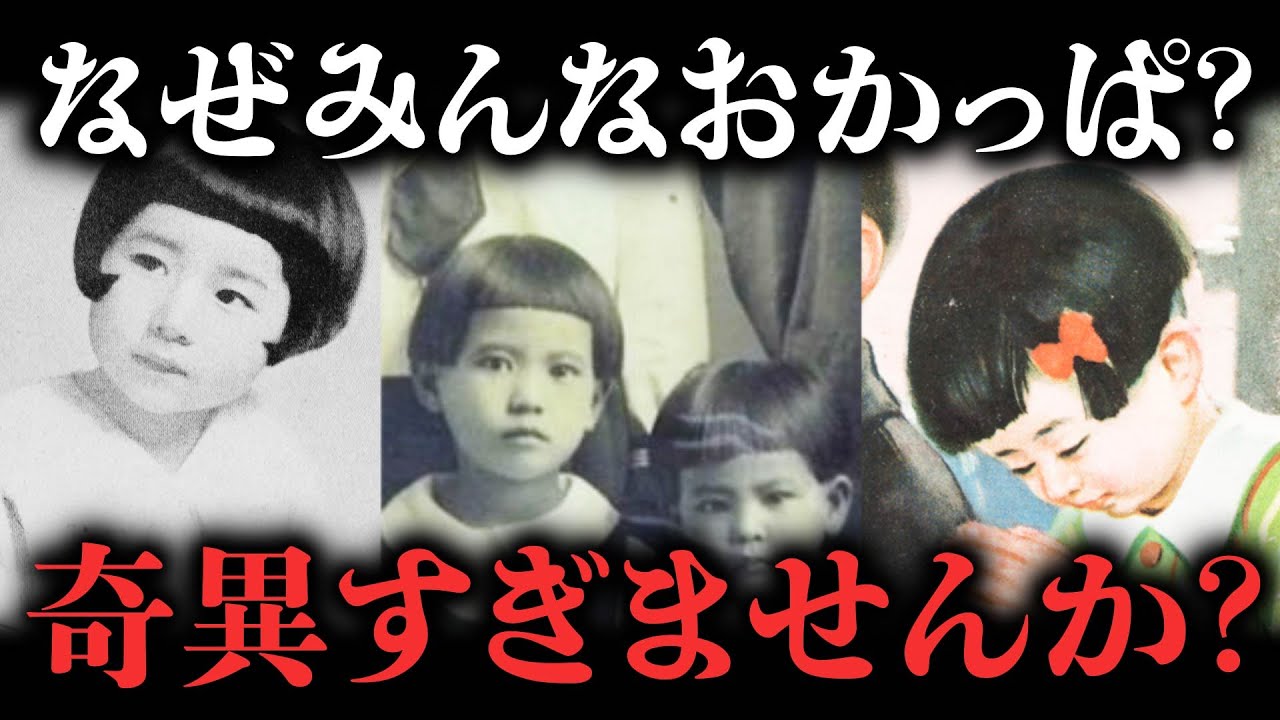
戦時中におかっぱヘアが多かった理由とは?当時の時代背景と共に、意外と深い当時の髪型事情を解説!
136K
In 1940, the Japanese government issued the National Uniform (Kokuminfuku) order, recommending citizens wear government-designed uniforms. These uniforms were made from durable, inexpensive fabric called 'Kokuminfuku' (national fabric) in a khaki color. The men's uniform consisted of a collared shirt-style top and matching pants. Women wore 'monpe' (pants) and 'happi' (aprons). The National Uniform required only about 15 points compared to 30 points for regular clothing, making it more affordable. Women's monpe were considered appropriate for labor and active movement.
Click to watch →
The history of Aoyama Gakuin「Three Seeds Planted in the Ground」
263
Entering the Showa period, Japan moved toward militarism. Chancellor Yoshimun Abbe advocated integrated education based on Christian faith, while alumni Miki and Haruko Yonyyama invested in establishing Midori Elementary School and Kindergarten. In 1941, the Methodist Church ordered missionary repatriation, removing teachers who had spent decades at Aoyama Gakuin. WWII brought severe persecution: the school's US ties led to questioning its patriotism, education purposes were forced to align with state ideology, military drills intensified, and conscription exemptions ended in 1943. Students were sent to battlefields, factories, and farms, while Midori Elementary children were separated from parents during air raids.
Click to watch →

(111)企画展示関連講座① 「日常の衣生活文化」(民俗学)第501回
2.8K
During World War II, Japan implemented clothing rationing and standardization policies. The 'National Clothing' (Kokumin-fuku) was introduced in 1940, and the 'Women's Standard Clothing' (Fujin Hyojun-fuku) was introduced in 1942. These policies required women to repurpose their existing kimonos into practical work clothing like monpe. The policies reflected wartime resource constraints and the need for women to participate in industrial and agricultural labor, fundamentally changing Japanese clothing culture. The transition from traditional kimono to Western-style work clothing accelerated during this period, with women wearing two-piece garments like monpe instead of long kimonos. The spread of Western clothing began in the 16th century during the Age of Discovery, when European explorers encountered indigenous peoples and introduced Western clothing styles. Japan was introduced to Western clothing during the Sengoku period (1467-1603) when Portuguese and Spanish traders arrived. Despite cultural differences, human clothing across the world shares common design principles: most clothing is designed to be flat (two-dimensional), and many cultures place decorative elements around the chest and shoulders, reflecting a universal human concern for protecting and decorating the heart area.
Click to watch →

【TBSスパークル】1939年7月8日【太平洋戦争】国民徴用令下る(昭和14年)
883
During the Sino-Japanese War (1937-1941), the Japanese government implemented strict uniform regulations. Women were required to wear 'monpe' (traditional Japanese trousers), while men were required to wear 'kokuminfuku' (national uniforms). These regulations were part of the government's efforts to create a unified national appearance during wartime.
Click to watch →
Deep Dive
Investigating how Japan evolved from adopting Western fashion to influencing it, particularly through the rise of post-WWII street fashion (e.g., Harajuku styles) and avant-garde designers like Rei Kawakubo and Yohji Yamamoto.
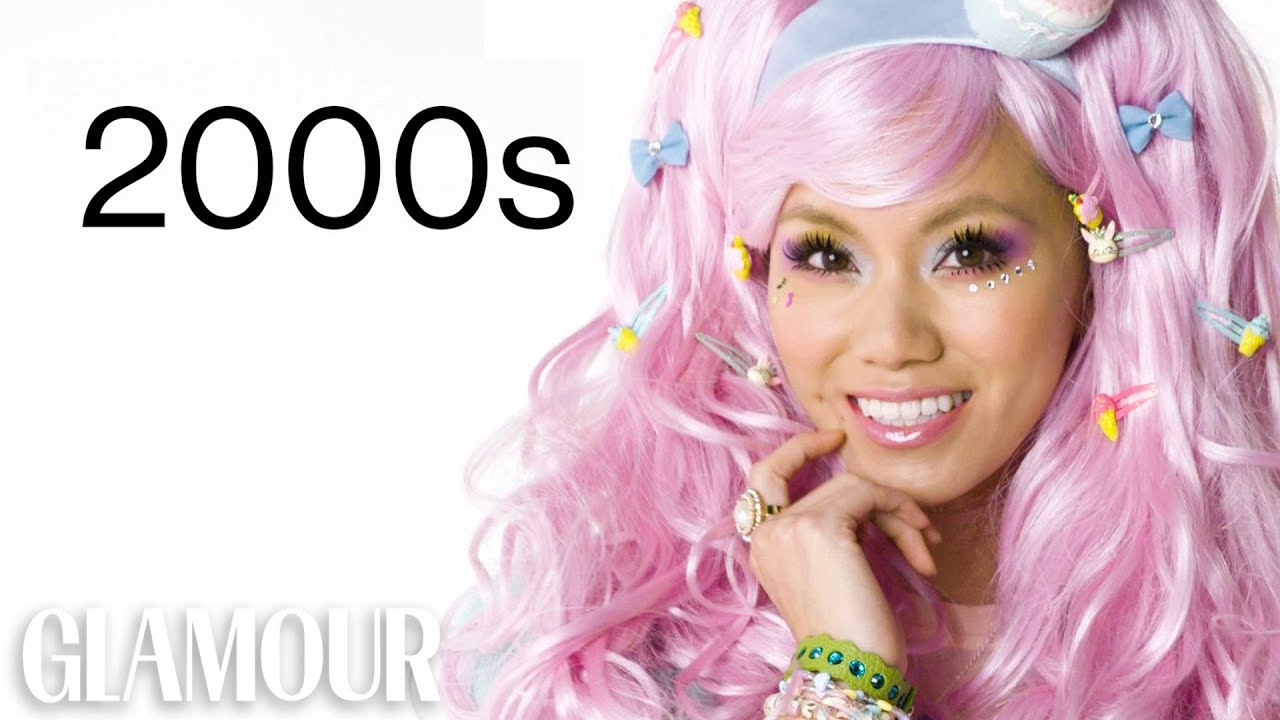
100 Years of Japanese Fashion | Glamour
9.2M
Japanese fashion has evolved dramatically over approximately 150 years, transitioning from traditional hand-painted silk kimonos to modern avant-garde designs by influential Japanese designers such as Rei Kawakubo and Yohji Yamamoto, while also giving rise to distinctive street fashion movements like Harajuku's Goth Lolita and Fairy Kei styles.
Click to watch →

Shoujo Manga and the Fashion Industry (ft. @stealthespotlight_)
105.1K
World War II left Japan in a devastating state, and people were not really wanting to express themselves in vibrant clothing at the time. Coupled with the fact that clothing was still basically handmade and no designers or brands were really popularized yet, fashion was not the top priority for quite some time. The 1970s marked when street wear and fashion became more prevalent in Japan. The release of the men's fashion magazine called Popeye brought West Coast Ivy League aesthetic to Japan, featuring preppy sportsware like blazers, cardigans, and plaid. Shojo magazines like Nakayoshi and Lala featured these styles on their covers. In 1983, Olive magazine was created, introducing Parisian styles that accentuated cute girly pieces like frilly skirts and rounded collars, which has been attributed to the later Lolita trend.
Click to watch →
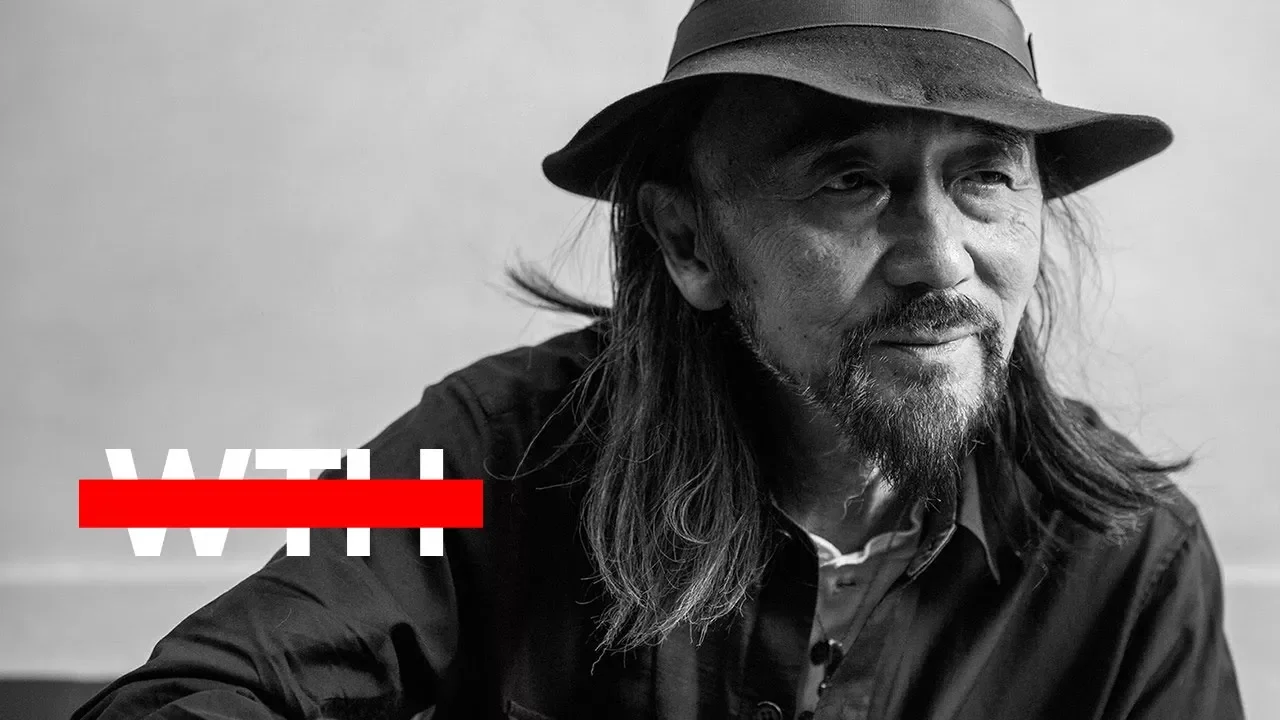
Who The Hell is Yohji Yamamoto?
74K
Yohji Yamamoto (1943-present) is Japan's most celebrated fashion designer, renowned for his radical approach of using voluminous draping and black silhouettes to create androgynous, protective garments that challenged Western fashion norms; his personal history of post-war Japan, including his father's death and his mother's seamstress work, directly influenced his design philosophy, and his 1982 'Hiroshima chic' collection—featuring torn, refugee-like garments—initially rejected by Parisian elites but ultimately revolutionized global fashion by establishing Japanese design as a distinctive aesthetic force.
Click to watch →
Anti-Fashion
115.3K
Growing up in Japan immediately after World War II influenced Kawakubo and Yamamoto's creativity. As the only son of a war widow, Kawakubo was pushed to look at society through his mother's perspective, meaning he viewed society through women. This unique viewpoint contributed to their distinctive design philosophy that challenged traditional Western fashion norms.
Click to watch →

ЯПОНИЯ: как пережить войну благодаря одежде
113.9K
After World War II, Japan came under American occupation, and the United States employed 'soft power' to influence Japanese society through Disney animation, Hollywood films, comics, jeans, and chewing gum. Japanese women adopted these trends faster than men, while Japanese men initially showed little interest in fashion. Kinshu Ishizu (1911-1990), born in a wealthy family during Japan's openness to Western culture, became the grandfather of Japanese fashion. After living in Tianjin, China, where he learned Russian from White Russian refugees and studied tailoring with British craftsmen, he returned to Japan after WWII and founded his clothing company. In the late 1950s, he discovered the Ivy League style at Harvard and Yale and decided to dress all Japanese men in this style. When his son documented how American students actually dressed, they discovered that while Japanese exchange students wore blue suits and ties, actual American students wore shorts, sweatshirts, and loafers. Despite this, Ishizu proceeded with his vision. The name 'Take Ivy' was proposed by a company employee, cleverly referencing the famous jazz composition 'Take Five.' This style became a national obsession, causing conflicts between generations, with schools banning clothing with the IV logo. However, by 1978, the movement declined as Ishizu, nearly 70, could not stay on the same wave as youth. Around 2006, Japanese jeans with distinctive small contrasting stitches at the bottom became objects of cult status. During the American occupation, jeans became an alternative currency in Japan. In the late 1950s, Japan simplified import regulations, leading to a denim boom. Some entrepreneurs imported tons of used jeans, while others contracted with Levi's or purchased denim, threads, hardware, zippers, and sewing machines from Americans. This led to the creation of the first Japanese denim brands: Kenton, Edwin, and Big John. Early Japanese denim faced significant challenges—it cost half the price of worn American jeans but sold ten times worse. When the United States entered the Vietnam War, Japanese attitudes toward America changed, and Japanese hippies adopted American styles including bell-bottom jeans. When textile strikes in the United States disrupted fabric supplies in the early 1970s, Japanese denim manufacturers were forced to seriously consider import substitution to compete with Levi's. A popular legend claims that Japanese denim manufacturers purchased old American machines during the 1990s, but this story was actually created by the owner of Japanese denim brand Visvim in the late 1990s as marketing. In reality, the first Japanese denim was woven on old Toyota machines. Japanese brands also replaced American zippers with UKK zippers and Union Special sewing machines with newer Mitsubishi models. When new American-made jeans became widely available, Japanese consumers realized they didn't resemble the worn jeans they had previously coveted. This led Japan to develop an obsession with vintage denim, treating it as 'new gold.' Japanese companies created a system where future buyers would attend short courses to learn how to distinguish valuable vintage denim from modern reproductions, then travel to the United States to scour thrift stores for valuable items. To compete, Big John released the first Japanese selvedge denim jeans, and Edwin launched the 'Advent 505 New Vintage' campaign featuring celebrity Brad Pitt. Starting with imitation and copying, Japanese manufacturers developed an industry that now dominates the global denim market. Today, Japanese denim is considered the only correct, most accurate, most traditional, and most authentic denim in the world. Hiroshi Fujiwara is recognized as the father of Japanese street fashion. After his London trip and subsequent travels to New York, where he brought back inspiration and love for hip-hop and vinyl records, he became Japan's first and most expensive DJ. In 1985, he created Japan's first hip-hop group, Tanpinx, which later performed as support for the Beastie Boys. He founded Japan's first hip-hop label and became the author of the monthly 'Last Org' column in the subcultural magazine 'Treasure Island.' In 1986, he interviewed Sean Clough, the person who started American street fashion, and became the first Japanese member of the International Style Tribe. In 1990, he assembled a small team and created the first Japanese streetwear brand, Goodenough. He employed an unconventional strategy: to sell more, he released less, creating scarcity and demand. When success came, he faced a dilemma between remaining underground or becoming commercial, choosing to return to the underground whenever he reached the top. He created the brand Head Porter with Shida Kan, transforming an uninteresting bag manufacturer into a national phenomenon. He then became a creative consultant for Nike's HTM (Hiroshi Fujiwara, Tinker Hatfield, and Mark Parker) line, an elite sneaker group existing since 2002. In 2003, Fujiwara created Fragment Design, described as the only brand in the world that simultaneously functions as an experimental laboratory, marketing agency, design studio, historical archive, and consulting company. Over 23 years, this brand created no original collections but collaborated with all major brands worldwide. In the late 1980s, a young man named Tamaki Kinaga watched Fujiwara's TV show and dreamed of following his path. When the Tanpinx group performed in his hometown, he waited for Fujiwara's autograph. He moved to Tokyo, attended the best fashion college, and met Jun Takahashi (who would later create Undercover). At a legendary London Night party, he received the nickname 'Hiroshi Fujiwara Number Two' (Nigo in Japanese). Nigo met his idol Hiroshi Fujiwara Number One and became one of his personal assistants. He also worked as a freelancer for Paparazzi magazine, the premier glossy magazine about street fashion in Japan. Together with Jun Takahashi, he created a column called 'Last Org Part Two.' He became a stylist for many musicians and TV stars, played DJ sets at Fujiwara's parties, and at age 21 confidently stated he had achieved his teacher's fate. In 1993, Nigo, Fujiwara, and Takahashi opened the Noare store, divided into two sections: one for Takahashi's punk brand Undercover and another for Nigo's mix of American streetwear brands. Takahashi's section proved more successful, leading Nigo to create his own brand. The slogan 'A Butta Pounding Ape' was an ironic jab at Japanese youth living in lazy luxury, referencing the film Planet of the Apes. Taking the first and last letters, he created the brand name BAPE. Initially releasing limited collections, BAPE created status as an exclusive item, leading to counterfeits and a black market. The brand's success was built on creating a sense of belonging to an exclusive club, selling atmosphere of scarcity, and positioning high prices as luxury for the chosen few. After achieving success, Nigo abandoned his underground creator status for global brand expansion, opening stores in Europe and the United States. BAPE sneakers
Click to watch →
Deep Dive
Examining the industrial history of Japan's textile modernization, studying how the silk and cotton industries fueled Japan's rapid economic development and international trade.
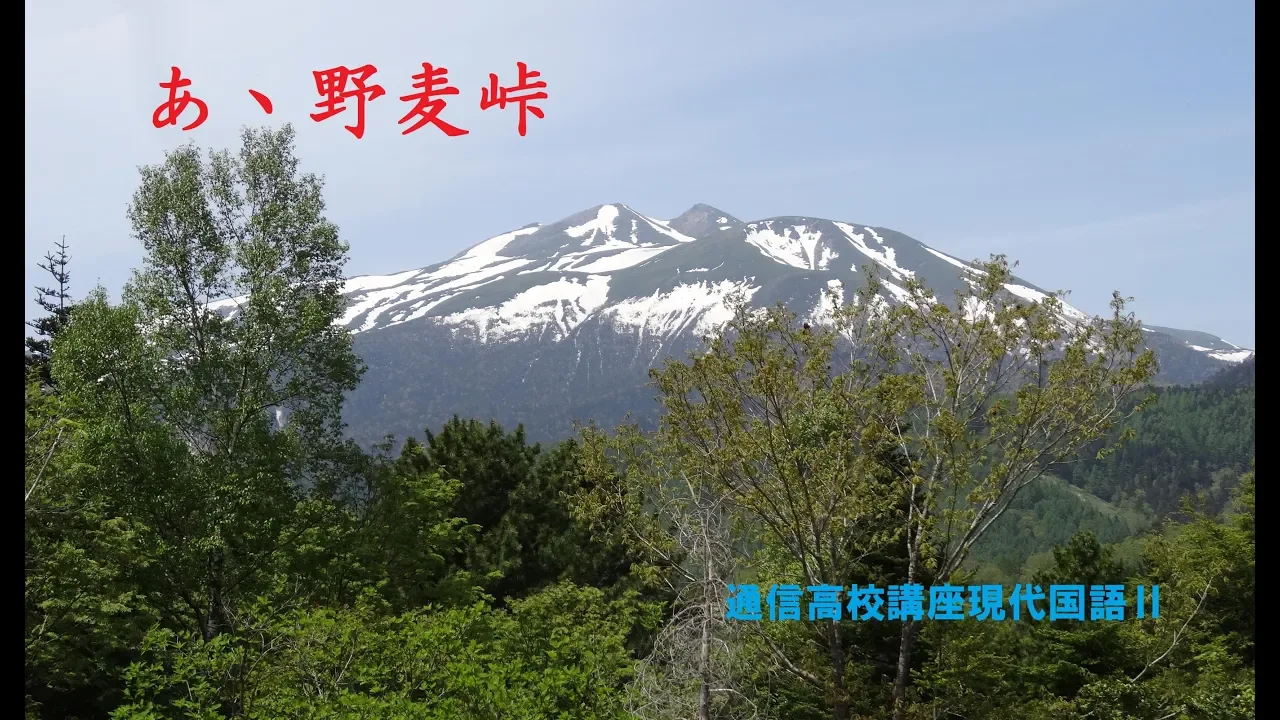
あゝ野麦峠 通信高校講座現代国語Ⅱ
84.3K
The silk industry was foundational to Japan's capitalist economy during the Meiji period, accounting for 67% of exports in early Meiji and remaining around one-third through Taisho and early Showa. Unlike cotton textiles requiring imported raw materials, silk was a 'quasi-domestic product' with domestically produced raw materials and technology. The industry developed in Shinano due to abundant water resources for water-powered machinery, poor local populations needing additional income, historical silk trade connections, and ideal climate conditions. The Meiji government's industrialization policy aligned perfectly with these local conditions. This economic foundation enabled Japan's rapid military modernization, including the development of a powerful navy that defeated China in 1895. The story of Nomatsutoge reveals how ordinary workers' labor built Japan's modernization.
Click to watch →

Japan: Our Far East Partner - The Big Picture
160K
Japan's textile industry, including its famed silk mills, was among the first industries to be revived after the war. Although hampered by diminishing markets, textiles made up nearly half of Japan's exports. This industry revival demonstrated how quickly Japan could rebuild its manufacturing base and return to international trade, establishing the foundation for Japan's later economic miracle.
Click to watch →

HISTORY (6th SEM)||MEIJI RESTORATION /JAPAN MODERNISATION UNIT-3(A) #punjabuniversity #rightguidance
7.7K
The textile industry was the most important industry in Japan, with high demand for raw silk for export. The government introduced better silk worm varieties and rapidly mechanized the cotton industry. New machines and techniques were imported to produce better cotton textiles that could compete with Western products. This industrial development was crucial for Japan's economic modernization.
Click to watch →

Emperor Meiji & the Meiji Restoration Documentary
533.4K
Japan's industrialization mirrored Britain's earlier industrial revolution, with the textile industry being a key sector. By the late 1870s, domestic workshops and small factories began emerging for cotton and silk weaving. Introduction of coal-powered steam engines to operate large weaving machines enabled significant expansion. By the 1890s, the industry had grown to meet domestic demand and produce excess for export to China, British India, and Europe, particularly silk which fetched high prices. The industry employed women primarily, and the capital generated from it funded further industrial investments by the 1890s and 1900s.
Click to watch →
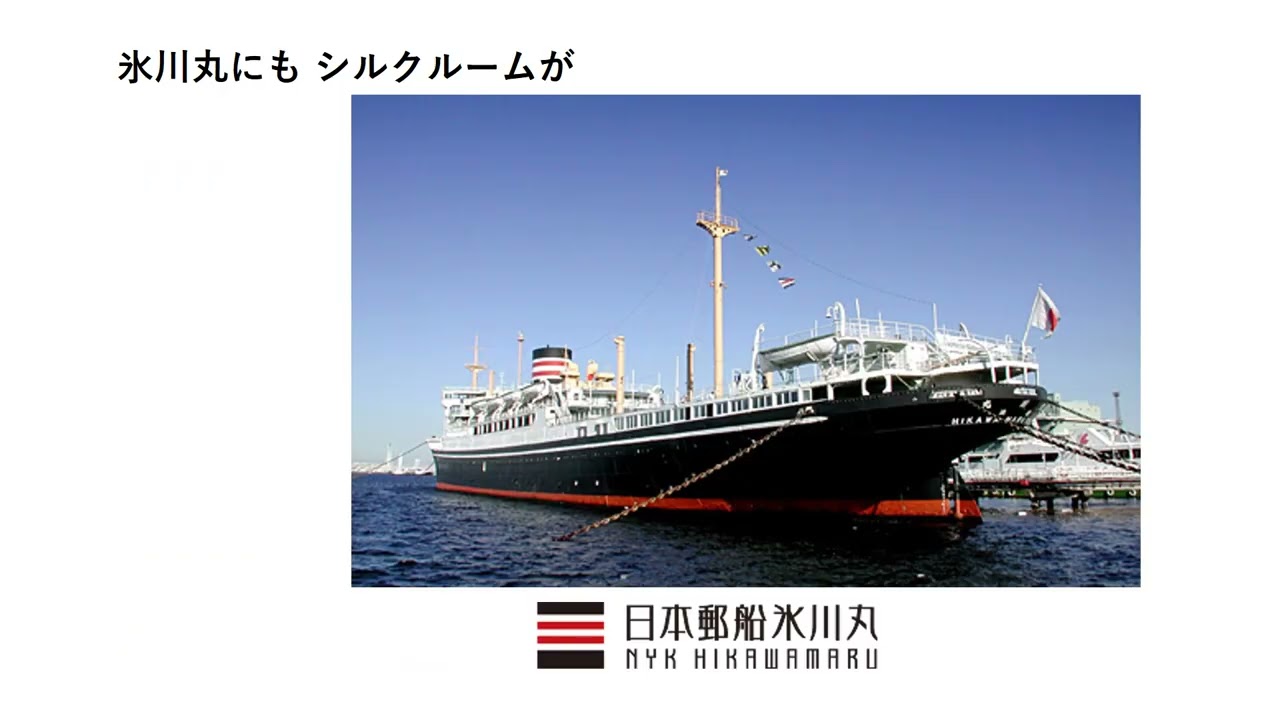
石附敏幸 日本史 製糸業と紡績業
368
Sericulture (製糸業) involves producing silk threads from silkworm cocoons, while textile manufacturing (紡績業) involves processing cotton into cotton threads. These industries had fundamentally different characteristics. Sericulture developed significantly after Japan's isolation policy ended foreign silk imports. Domestic silk production expanded, leading to growth of silk weaving industries in Kyoto, Nishijin, Kawagoe, and Ise. The shogunate encouraged sericulture as a supplementary occupation for farmers, promoting mulberry cultivation. By the end of the Edo period, Japan had become a world-renowned producer of high-quality silk. After the opening of Japan, silk became the top export item, accounting for over 80% of exports. The United Kingdom was Japan's largest trading partner for silk exports, followed by France. The primary export port was Yokohama, and silk was produced in mountainous regions near Edo, collected in Hachioji, and transported to Yokohama for export. The Yokohama Line Railway was established to transport silk from Hachioji to the port of Yokohama. Several historical sites related to Japanese silk trade remain in Yokohama, including the Kanagawa Prefectural Historical Museum (originally the Yokohama Specie Bank), the Yokohama Second Contract Office Building (silk inspection facility), and the Koi no Tsuru Warehouse (silkworm storage facility). Despite the success of Japanese sericulture, workers faced extremely harsh conditions. The industry relied heavily on skilled manual labor by female workers to draw silk from cocoons, as full mechanization had not yet been achieved. This led to the 'factory girl' (女工) phenomenon, where women worked long hours under poor conditions. Yokoyama Genjunosuke's 'Japanese Lower Class Society' (日本の下層社会) provided detailed accounts of working conditions of female silk workers in Nagano, Gunma, and Fukushima prefectures. Yamamoto Shigeru's 'Aoba Ridge' (あおば峠), published in 1968, documented the lives of women from Gifu Prefecture who worked in Nagano's silk factories. The book was adapted into a film directed by Yamamoto Satsuo and starring Ohnuki Shinobu, featuring the song 'Factory Work is Like Servitude' (工場勤めは奴隷務め) that depicted the miserable conditions of female workers. Cotton thread (紡績業) was initially an imported product, ranking first among imports. By the end of the Meiji period, it had become the second-largest export item after silk. This transformation was accompanied by the import of raw cotton, creating a situation where exports increased while raw material imports also grew significantly. Cotton cultivation in Japan began in the Muromachi period when cotton was imported from Korea as a luxury item. During the Edo period, cotton cultivation spread from the Mikawa region to the entire country within about a century, becoming common for common people's clothing. This represented a 'cotton revolution' that transformed Japanese society. The British Industrial Revolution led to the mass production of cheap, high-quality cotton products in factories. When Japan opened its ports, these British products flooded the Japanese market, severely damaging the domestic cotton industry. This prompted figures like Shimazu Hisamitsu of Satsuma to attempt building mechanical spinning factories. The Inoue Spinning Machine (井上紡績機), invented by Inoue Genzaburo and winning first prize at the 1st National Industrial Exhibition in 1877, helped Japanese textile manufacturers resist competition from imported British products. The Osaka Spinning Mill (大阪紡績), established by Shibusawa Eiichi in 1882, was Japan's first major modern textile factory. It introduced British machinery and used the corporate system (株式会社制度) to raise capital. The factory operated with low wages and 24-hour shifts to recover high equipment costs. This success stimulated the establishment of many other large-scale textile factories. Shibusawa Eiichi was instrumental in introducing the corporate system to Japan, allowing businesses to raise capital by issuing shares to many investors, providing transparency and accountability. The Osaka Spinning Mill became known as the 'Manchester of the East' (東洋のマンチェスター). Cotton production and exports grew steadily. A key milestone was reached in 1890 when domestic cotton production exceeded imports, and in 1897 when exports exceeded imports. Sericulture relied on skilled manual labor by female workers to draw silk from cocoons, as full mechanization had not been achieved. In contrast, the textile industry after the establishment of large-scale factories relied on simple labor, including women and children, to operate machines. This fundamental difference in labor quality had significant implications for working conditions and labor issues. The harsh conditions of textile factory workers, particularly women and children, led to the establishment of labor protection laws. The Factory Law (工場法), Japan's first labor protection law, was established in 1911. It prohibited child labor under 12 and restricted night work. However, the law took five years to implement (1916) due to opposition from factory owners. The Factory Law had significant limitations: it only applied to enterprises with 15 or more workers, excluding small businesses. The supervision system was inadequate, and the law was not fully implemented until 1916, five years after its establishment.
Click to watch →
Greeting
Repetition
Heat Focus
Greeting
0:21- 1
Casual repeated vocal greeting sequence.
- 2
Lacks substantive content or topic introduction.
The Gendered Dualism and Reinvention of Wofuku
While the narrative of a 'Western fashion revolution' highlights the rapid adoption of yofuku (Western clothing), it often overlooks the highly gendered, class-restricted nature of this transition and the active modernization of wafuku (traditional Japanese dress). The Meiji state largely mandated Western clothing for elite men in government and military roles to project 'civilization' to Western powers. Conversely, women were positioned as the keepers of national tradition and encouraged to wear Japanese clothing. This wafuku was itself systematically standardized and reinvented during this era to construct a unified national identity. Rather than a total displacement of traditional attire, this created a persistent dual-wear system. For most ordinary citizens, especially outside major urban centers, Western dress was a luxury or a state-enforced performance rather than a daily reality. Thus, Japan's fashion transformation was not a simple, unilateral revolution, but a complex, state-managed negotiation of national identity, gender roles, and invented traditions.
Understanding the Meiji Restoration (1868) and the political transition from the isolationist Tokugawa Shogunate to a modernized, centralized imperial government.
Familiarity with traditional Japanese dress (Wafuku), specifically the kimono, and its historical role in reflecting social class, age, and gender prior to the late 19th century.
The concept of 'Bunmei Kaika' (Civilization and Enlightenment), Japan's state-driven ideological movement to adopt Western science, technology, and culture to assert global equality.
Basic knowledge of Victorian and Edwardian Western fashion trends, which served as the stylistic blueprints for Japan's early elite and military uniform adaptations.
Analyzing the emergence of the 'Modern Girl' (Moga) and 'Modern Boy' (Mobo) during the Taisho era as symbols of rising consumerism, urbanization, and changing gender dynamics.
Exploring the shift toward utilitarianism and nationalistic dress regulations in the early Showa period (1926–1945), including the standardization of national clothing (kokumin-fuku) and monpe trousers during WWII.
Investigating how Japan evolved from adopting Western fashion to influencing it, particularly through the rise of post-WWII street fashion (e.g., Harajuku styles) and avant-garde designers like Rei Kawakubo and Yohji Yamamoto.
Examining the industrial history of Japan's textile modernization, studying how the silk and cotton industries fueled Japan's rapid economic development and international trade.
176 views2likes4:21@PastFrameHistory1Original Release: 2026-02-08
Hey. Hey. Hey.
Hey, hey, hey.
Heat.
Up Next
4:54
Japanese Industrial Development & Corporate Organization | CitiesX
@CitiesX
13.8K views•2018-01-18

33:02
The Great Schism of 1054: Causes and Consequences
@SacredCathedrals
113.5K views•2026-02-19

91:57
The Geopolitics of the Ukraine War and the Rise of Global Autocracy
@JordanHarbingerShow
468K views•2025-04-19

17:05
Understanding the Cold War: Superpower Conflicts and the Road to Détente
@OverSimplified
46.1M views•2019-01-24
Related Study Plans & Knowledge Roadmaps
Structured learning paths in History
history
Byzantine Iconoclasm: Theology, Art & Politics
01Foundations of Byzantium and Early Christian Images
02The First Iconoclasm: Leo III and the Crisis of Images
03Empress Irene, Nicaea II, and the Second Iconoclasm
+ 2 more learning modules
9h5 modules
Explore Roadmap
history
Iranian Revolution (Causes, Events & Legacy)
01The Pahlavi Dynasty and the Roots of Discontent
02The Spark of Rebellion and the Rise of Khomeini
031979: The Fall of the Shah and the Climax of the Revolution
+ 2 more learning modules
8h5 modules
Explore Roadmap
history
Mali Empire: Mansa Musa, Trade & Timbuktu
01Foundations of the Mali Empire
02The Trans-Saharan Gold and Salt Trade
03The Reign and Pilgrimage of Mansa Musa
+ 1 more learning modules
6h4 modules
Explore Roadmap
history
1947 Partition: Politics, Borders & Legacies
01Foundations of British India and the Divide
02The Political Negotiations and the Mountbatten Plan
03Drawing the Boundary: The Radcliffe Line
+ 2 more learning modules
8h5 modules
Explore Roadmap