A microbial fuel cell is created by combining pond sludge (containing microorganisms) with super-saturated sugar water, using an air pump to provide oxygen at the cathode while the microbes break down organic matter to generate electricity; this experiment demonstrates how living organisms can convert chemical energy into electrical energy through anaerobic respiration.
Building a Microbial Fuel Cell: Pond Sludge Energy Experiment
Added:Deep Dive
Basic Electrochemistry: Understanding oxidation-reduction (redox) reactions and how electron transfer generates electrical current.

الكيمياء | الفصل الرابع - المحاضرة 3 | الخلية | السادس العلمي | الأستاذ نور الدين الدليمي
82.2K
Electrochemistry is the branch of chemistry dealing with batteries, electrolytes, and electrochemical processes. It involves bidirectional energy conversion: chemical reactions generate electricity (batteries), and electrical energy drives chemical reactions (electroplating). Oxidation is the loss of electrons, while reduction is the gain of electrons. In chemical equations, oxidation shows electrons in products, reduction shows electrons in reactants. Oxidation number increases during oxidation and decreases during reduction. The anode is the positive electrode where oxidation occurs, and the cathode is the negative electrode where reduction occurs.
Click to watch →

One Shot वैधुत रसायन 2025/Class 12th Chemistry Vidyut Rasayan Full Chapter/Electrochemistry In Hindi
311.8K
Electrochemistry studies energy conversion between electrical and chemical forms. Key concepts include: (1) Cell vs Battery - single unit vs multiple connected units; (2) Electrical conductance measures current flow ability; (3) Materials classified as conductors (free electrons), insulators (no current flow), or semiconductors; (4) Metallic conductors use free electrons for charge transport; (5) Electrolytic conductors use ion movement; (6) Electrolytes dissociate into ions in water or molten state; (7) Strong electrolytes completely dissociate (high conductivity); (8) Weak electrolytes partially dissociate (low conductivity); (9) Molar conductance (Λm = κ × 1000/c) measures conductivity per mole; (10) Equivalent conductance (Λeq = κ × 1000/N) measures conductivity per gram equivalent.
Click to watch →

Electrochemistry Class 12 | One Shot | JEE Main & Advanced | Mohit Ryan Sir
133.2K
Electrochemistry is the branch of chemistry dealing with redox reactions and their applications. Key concepts include oxidation (loss of electrons) and reduction (gain of electrons). An ion is an atom or molecule with an electrical charge (cations positive, anions negative). An electrolyte is a solution containing ions that conducts electricity. Electronic conductors (metals) conduct through electron movement, while electrolytic conductors conduct through ion movement. Electrode potential represents the tendency of a process to occur, with positive values indicating spontaneous reactions.
Click to watch →

वैधुत रसायन (Electrochemistry) in 1 Shot | Pure Hindi | Class 12th
153.7K
Electrochemistry studies the relationship between electricity and chemical reactions, combining principles from physics and chemistry. It involves converting chemical energy to electrical energy (galvanic cells) and vice versa (electrolytic cells). The unit of electric potential is the volt (V), defined as one joule per coulomb. A capacitor stores electrical energy by separating opposite charges on two conductors, creating an electric field. Electrode potential is the potential difference between a metal electrode and its electrolyte, arising from electron transfer during redox reactions.
Click to watch →

Electrochemistry chapter in one video//class 12 chapter 3 Vidyut rasayan//Vidyut rasayan
412.1K
Electrochemistry studies the interconversion between chemical and electrical energy. Conductors allow current flow (metals like iron, copper), while non-conductors (pure water, glass, rubber) do not. Electrolytic conductors conduct through ion movement and undergo chemical changes. Strong electrolytes completely dissociate (NaCl, KCl), while weak electrolytes partially dissociate (CH3COOH, NH3). Specific conductance (κ) measures solution conductivity in S/m. Molar conductance (Λm = κ × 1000/C) measures conductance per mole of electrolyte.
Click to watch →
Deep Dive
Microbial Metabolism: Knowledge of anaerobic respiration and how certain bacteria break down organic substrates (like sugar) without oxygen.
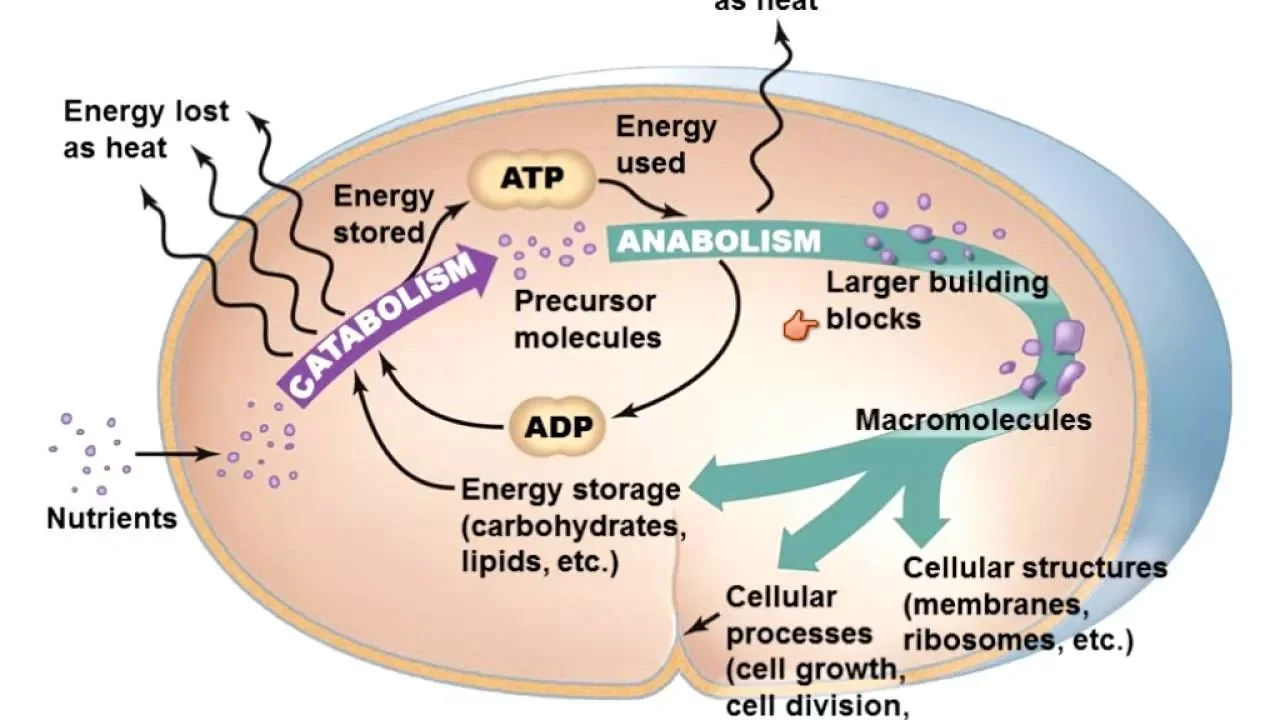
Microbiology of Microbial Metabolism
140.6K
Microbial metabolism encompasses the chemical transformations in cells that generate and utilize energy, with organisms classified as autotrophs (using atmospheric CO2 via photosynthesis) or heterotrophs (relying on organic carbon sources); this process involves catabolism (breaking down molecules to release energy) and anabolism (building complex molecules requiring energy), culminating in cellular respiration where glucose is oxidized through glycolysis, the citric acid cycle, and oxidative phosphorylation to produce ATP, with aerobic respiration being the most efficient pathway as it uses oxygen as the final electron acceptor, while anaerobic processes yield less ATP and produce different byproducts like lactic acid.
Click to watch →

Microbes In Human Welfare Oneshot | NEET 2026 | Class 12 | Botany | Tarun Sir
48.3K
Microbes produce valuable commercial products including organic acids (citric acid by Aspergillus niger, butyric acid by Clostridium butyricum, acetic acid by Acetobacter aceti, lactic acid by Lactobacillus), enzymes (zymase for ethanol, lipase for detergents, pectinase for juice clarification), and bioactive molecules. Streptokinase from Streptococcus acts as a clot-buster for heart attack patients. Cyclosporin A from Trichoderma polysporum prevents organ rejection. Statins from Monascus purpureus lower cholesterol. These products demonstrate how microbial metabolism serves diverse industrial and medical applications.
Click to watch →
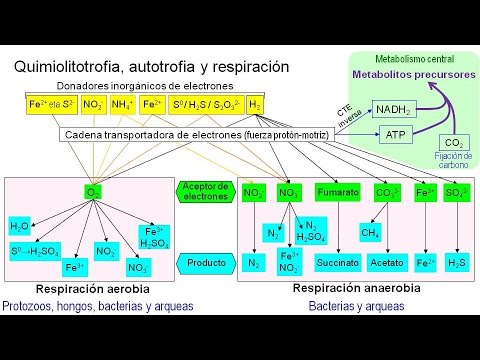
Metabolismo microbiano 06. Quimiolitotrofia
38.6K
Chemolithotrophic microorganisms obtain energy from oxidizing inorganic compounds (such as nitrite, hydrogen, carbon monoxide, sulfur compounds, or iron) and use this energy to generate ATP through electron transport chains and proton motive force, while also producing reducing power (NADH) via reverse electron transport to fix CO2 and synthesize cellular metabolites.
Click to watch →

CUET PG 2025 | Microbiology & Immunology Questions | CPL Practice Series | Easy Exam Preparation
9.6K
Microbial metabolism is classified based on energy and carbon sources. Chemoheterotrophs obtain energy from chemical compounds and carbon from organic molecules (like glucose). Photoautotrophs use light energy and CO2 as carbon source. Nitrogen-fixing bacteria convert atmospheric N2 to ammonia using nitrogenase enzyme. The nitrogen cycle includes fixation, nitrification, and denitrification, with denitrification producing N2 gas as end product.
Click to watch →
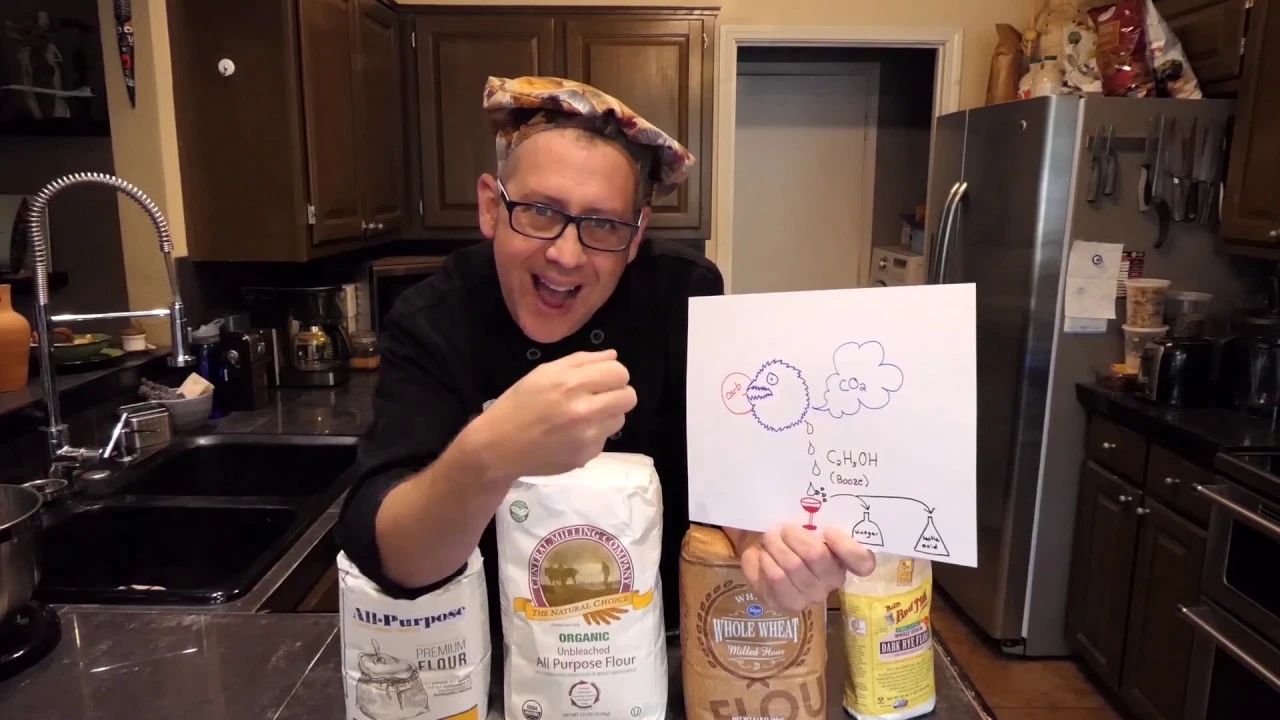
How to make Sourdough Starter from ANY Flour
343.8K
Sourdough flavor comes from microbial metabolism of carbohydrates. Yeast consume sugars and produce carbon dioxide (gas that makes bread rise) and ethyl alcohol. Bacteria outnumber yeast 10,000:1 and consume the alcohol, producing lactic acid (muscle soreness compound) and acetic acid (vinegar). These acids create sour flavor and protect against contamination. Early starter development risks leuconostoc bacteria blooms that can strangle yeast populations. Fruit juice provides early acidity to control leuconostoc and protect the starter. The slow fermentation allows complete starch digestion, developing complex flavors that quick-rise commercial yeast cannot replicate.
Click to watch →
Deep Dive
Fundamental Circuit Design: Familiarity with the concepts of anodes, cathodes, electrical resistance, and how to measure voltage and current using a multimeter.

Fundamental Cut Set & Fundamental Circuit || Tree & Cut Set || Fundamental Cut Set Trick
558
This section provides a comprehensive demonstration of how to create fundamental circuits for each cord in a graph. The instructor explains that a fundamental circuit is formed by adding a cord to the spanning tree and finding the smallest loop that closes back to the starting vertex. The process involves: (1) Identify the cord in question, (2) Find the smallest loop that can be formed by adding this cord to the spanning tree, (3) The fundamental circuit consists of this cord plus all branches in that loop. The instructor demonstrates this process for multiple cords (e1, e3, e6, e8, e9, e11), showing how to identify which edges form each circuit. The key principle is that each fundamental circuit must contain exactly one cord and all branches.
Click to watch →

Fundamental Circuits and Fundamental Cutsets || Graph theory|| F.Y. B.Sc(AIML) || Prof. Nikita Ugale
119
Fundamental circuits are cycles formed when chords are added to a spanning tree. A chord is any edge not in the spanning tree. When one chord is added to a spanning tree, it creates exactly one cycle called a fundamental circuit. This circuit consists of the chord and the unique path in the spanning tree connecting the chord's endpoints. The number of fundamental circuits equals the number of chords. Procedure: (1) Identify all branches (edges in spanning tree) and chords (edges not in spanning tree). (2) For each chord, add it to the spanning tree to form a cycle. (3) This cycle is the fundamental circuit for that chord.
Click to watch →

FORRO DE GESSO DRYWALL COMO PASSAR A FIAÇÃO ELÉTRICA SUPER AULA
14.8K
This section teaches the core principles of electrical circuit design for residential lighting. The instructor explains that standard residential systems receive one neutral and two phase wires from the utility company. The fundamental circuit design involves: (1) connecting neutral (blue wire) directly to lamp terminals, (2) routing phase wire through a switch to control power, (3) creating return wires from lamps back to the switch. The instructor demonstrates how to install switches by cutting the phase wire and connecting one end to the switch and the other to the lamp. Multiple lamps on the same circuit are connected through shared return wires. Understanding these principles allows electricians to design any lighting configuration, from single lamps to complex multi-point systems.
Click to watch →

5 câu hỏi điện tử mà 99% người mới đều thắc mắc (giải thích logic – dễ hiểu)
1.5K
This section covers essential circuit design principles for electronics beginners. LEDs require current limiting resistors (330Ω-560Ω) because they can only withstand ~2V and 20-30mA current. Without proper current limiting, LEDs burn out. When connecting multiple components like sensors and microcontrollers, their ground terminals must be connected together to establish a common reference point. Without common ground, communication fails because each component has its own separate ground reference. These are common mistakes beginners make, often thinking ground connections are unnecessary based on datasheet information.
Click to watch →
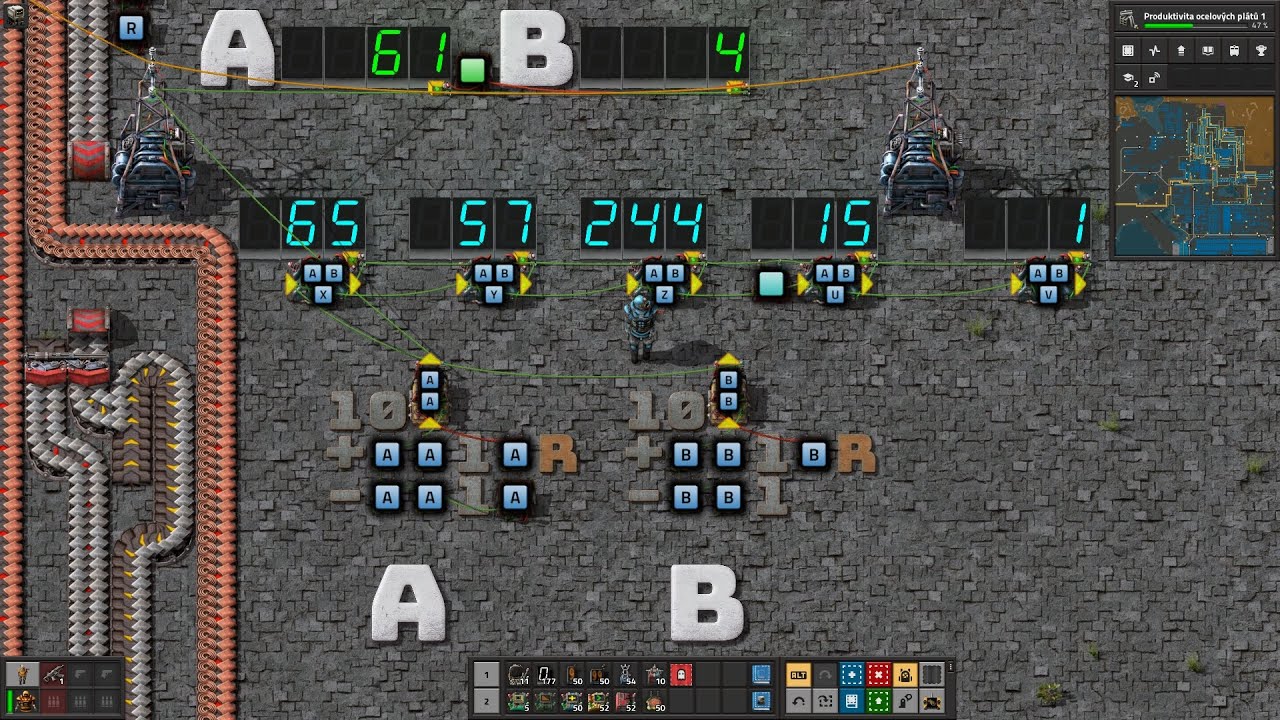
Factorio CZ - Základní velmi jednoduchý Obvod (KOUKEJ NA DRÁT)
115
This comprehensive section covers the essential principles of circuit design. The instructor demonstrates how to build basic circuits using displays to show constant values, then progresses to implementing push button mechanisms for value storage. The video explains how to create reset mechanisms that clear stored values when conditions are met. The instructor then shows how to implement basic arithmetic operations: addition, subtraction, multiplication, and division. The section emphasizes proper signal management using color coding (green for inputs, red for outputs) to prevent signal mixing and maintain circuit clarity. These foundational concepts establish the core principles that all more complex circuits are built upon.
Click to watch →
Deep Dive
Introduction to Soil Microbiology: Understanding that natural environments like pond sludge contain diverse microbial communities, including electrogenic bacteria.

A complete guide to soil microbiology.
329.9K
Soil microbiology is the foundation of plant health, where bacteria break down minerals in sand, silt, and clay to create soil aggregates, fungi bind these aggregates into larger structures, and protozoa, nematodes, and earthworms cycle nutrients through consumption and excretion; plants cannot directly access nutrients from stone particles but instead release root exudates (sugars) to feed soil microbes, which in turn make nutrients bioavailable through chelation; therefore, building a healthy soil food web through dense planting, mulching, and composting is more effective than direct fertilization, and aerobic conditions are essential as anaerobic environments produce toxic compounds and destroy soil structure.
Click to watch →
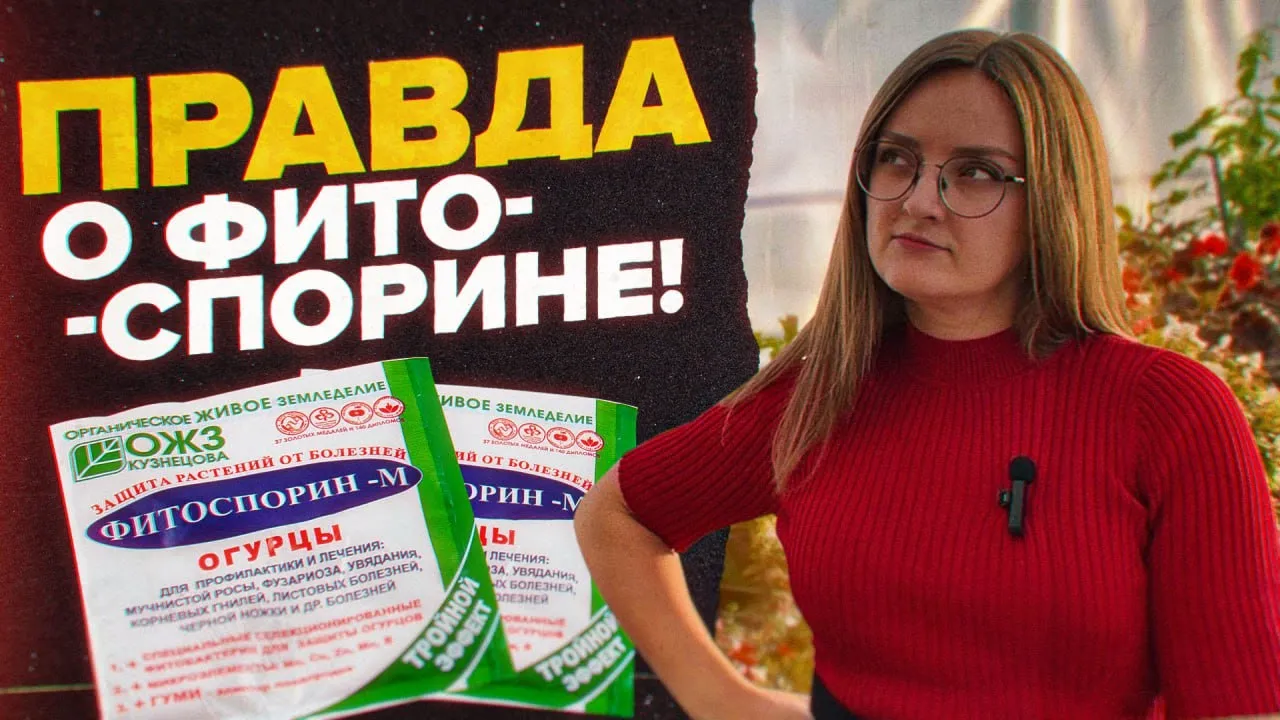
ВСЕ О МИКРОБИОЛОГИЧЕСКИХ УДОБРЕНИЯХ И ПРЕПАРАТАХ
321.5K
Soil microorganisms drive essential ecosystem processes including decomposition, nutrient cycling, and disease suppression. Major groups include bacteria (Bacillus subtilis being most abundant), fungi (Trichoderma), actinomycetes, and protozoa. The primary nitrogen source comes from decomposing organic matter, with atmospheric nitrogen entering only through lightning strikes. Bacillus subtilis, originally isolated from hay, survives extreme temperatures (-10°C to +150°C) and produces spores for storage. Microbial imbalance occurs under unfavorable conditions, allowing pathogens to proliferate. Applying beneficial microbes restores balance through competitive exclusion and antimicrobial production.
Click to watch →
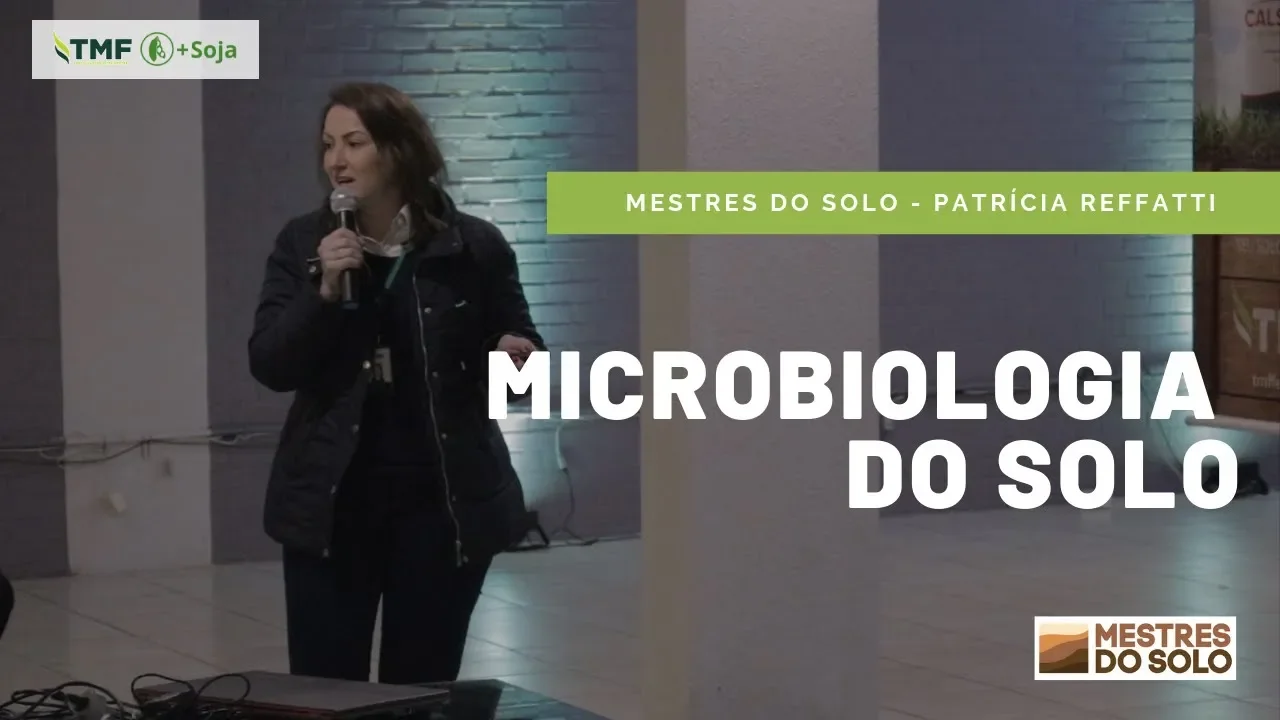
Microbiologia do solo - Mestres do Solo - Patrícia Reffatti
32.4K
Soil fertility depends on three interconnected factors: physical conditions (low compaction), chemical conditions (appropriate pH and absence of aluminum), and microbiological conditions (abundant and diverse microorganisms). A single hectare of fertile soil contains approximately 5 tons of microorganisms that perform essential functions including organic matter decomposition, nutrient cycling, and nutrient solubilization for plants. Plants recruit specific microorganisms in the rhizosphere to access nutrients that would otherwise be unavailable, creating a symbiotic relationship where plants provide food and microorganisms provide nutrients. Key environmental factors for microbial activity include organic matter (providing nutrients and introducing beneficial microbes), oxygen (for respiration), appropriate temperature (fungi prefer 20-25°C, bacteria prefer 30-36°C), water (for enzymatic activities and nutrient diffusion), and pH (ideal range 5.5-6.5 for maximum enzymatic activity). Farmers can improve soil microbiology through cover crops, crop rotation, pH correction, and organic matter application.
Click to watch →
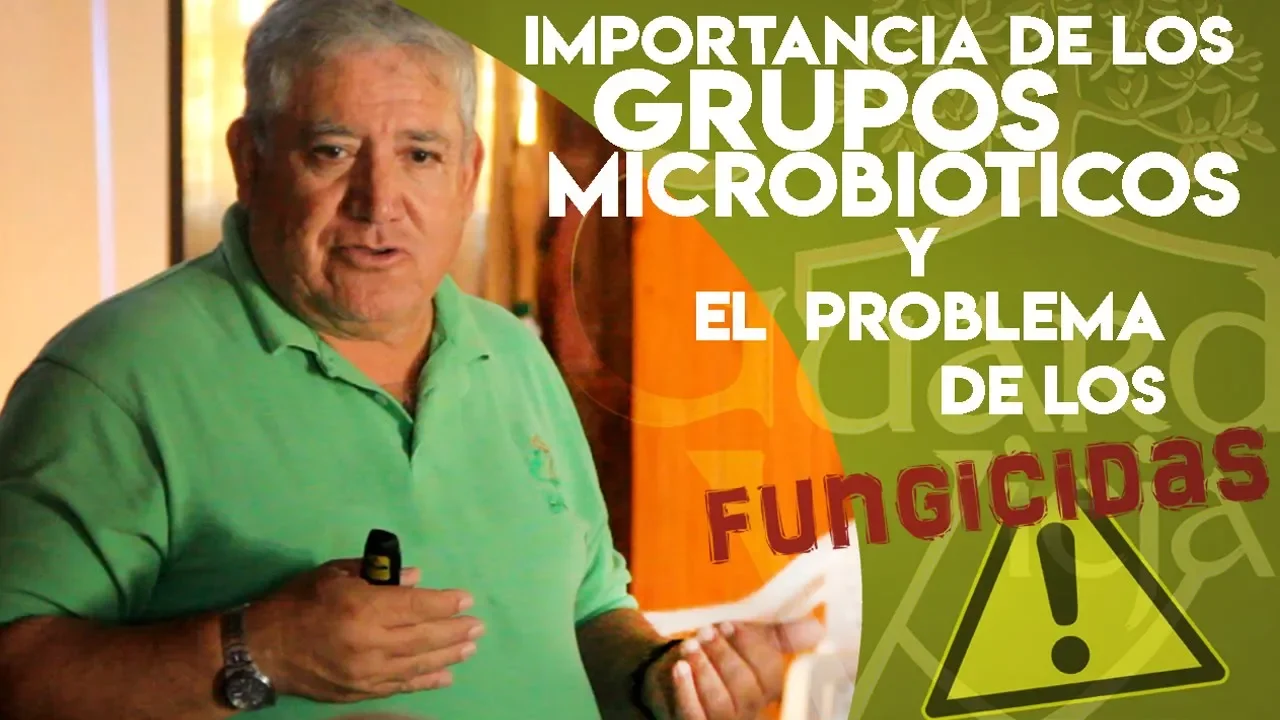
Introducción a la Microbiótica del suelo- Agricultura Orgánica- Nacho Simón
30.1K
Soil microorganisms are essential for organic matter decomposition, nutrient cycling, and plant health, with over 300 species of fungi and 340+ species of bacteria working together in the soil ecosystem; however, fungicide application can disrupt this delicate balance by killing beneficial microbes and potentially converting them into harmful forms, as demonstrated by studies in avocado farming where fungicide use led to increased pest problems and reduced fruit quality.
Click to watch →

UPSSSC AGTA 2025 | UPSSSC AGTA Agronomy One Shot | Agronomy By Krashna Sir
35.6K
This section covers soil microorganisms and nutrient cycling: phosphate-solubilizing microorganisms (Bacillus megaterium, Bacillus circulans, Bacillus subtilis, Serratia, Penicillium digitatum, Aspergillus) convert insoluble phosphates to soluble forms. Arbuscular mycorrhizae form vesicles and arbuscules enhancing nutrient uptake, storing phosphorus as phospholipids. Azolla-Anabaena symbiosis enriches paddy fields. Streptomyces is the most common soil actinomycete. Microorganisms are classified by temperature preference: psychrophiles (<20°C), psychrotrophs (15-30°C), mesophiles (20-40°C), thermophiles (>40°C), and hyperthermophiles (>80°C). The rhizosphere extends 2mm from roots with intense microbial activity. Endorhizosphere is inside root epidermis and cortex. Rhizoplane is the root-soil interface.
Click to watch →
Prerequisite Knowledge
- Concept 01Basic Electrochemistry: Understanding oxidation-reduction (redox) reactions and how electron transfer generates electrical current.
- Concept 02Microbial Metabolism: Knowledge of anaerobic respiration and how certain bacteria break down organic substrates (like sugar) without oxygen.
- Concept 03Fundamental Circuit Design: Familiarity with the concepts of anodes, cathodes, electrical resistance, and how to measure voltage and current using a multimeter.
- Concept 04Introduction to Soil Microbiology: Understanding that natural environments like pond sludge contain diverse microbial communities, including electrogenic bacteria.
Subsequent Learning
- Step 01Optimization of Bio-electrochemical Systems: Investigating how different electrode materials (e.g., carbon felt, platinum) and proton exchange membranes affect power output.
- Step 02Wastewater Treatment Integration: Exploring how microbial fuel cells are scaled up to clean municipal or industrial organic waste while simultaneously generating electricity.
- Step 03Extracellular Electron Transfer (EET): Studying the molecular mechanisms, such as bacterial nanowires and cytochromes, that microbes use to transport electrons outside their cell walls.
- Step 04Alternative Bioenergy Technologies: Investigating Microbial Electrolysis Cells (MECs) for hydrogen production and Microbial Desalination Cells (MDCs) for water purification.
Pond Sludge Science
Sugar Water Setup
Final Reactions
Pond Sludge Science
0:01Playing Section
- 1
Collected pond sludge and placed it in a container for experimentation.
- 2
Added energy and heat, causing a chemical reaction with visible effects.
- 3
Highlighted the fun and engaging nature of hands-on chemistry.
Scalability and Power Density Limitations of Microbial Fuel Cells
While building a microbial fuel cell (MFC) is an excellent educational demonstration, scientific communities highlight major limitations regarding their viability as a practical energy source. The primary criticism centers on their extremely low power density and scalability challenges. MFCs produce minuscule amounts of electricity (often in the microwatt range), which is insufficient for practical applications. Scaling up these systems exponentially increases internal resistance and material costs, meaning the energy required to manufacture them can exceed the energy they generate. Furthermore, using additives like sugar water is economically unfeasible at scale. Therefore, experts argue that instead of viewing MFCs as viable power generators, they are more realistically positioned as niche, low-power sensors or auxiliary systems in wastewater treatment, where their value lies in waste degradation rather than net electricity production.
Deep Dive
Optimization of Bio-electrochemical Systems: Investigating how different electrode materials (e.g., carbon felt, platinum) and proton exchange membranes affect power output.

The Microbial Fuel Cell
29.9K
Bioelectrochemical systems convert chemical energy to electricity through microbial electron transfer. Soil bacteria transfer electrons to metals like iron, generating electricity. A bioelectrochemical fuel cell consists of anode and cathode compartments separated by a membrane. Organic feed streams are oxidized at the anode, producing electrons and protons. Electrons flow through wires while protons move through the membrane to the cathode, where oxygen accepts electrons to form water. Energy losses occur through ohmic resistance, concentration gradients, bacterial metabolism, and activation barriers. Certain bacteria produce conductive nanowires called pili that directly transfer electrons to the anode.
Click to watch →

Jean, vivre sereinement et en toute gaieté cette incarnation.
227
This segment covers bioelectrochemical and microkinetic therapy. All organ systems are optimized through annihilation and replacement with original archetypes. The bioelectrochemical system is balanced, and the acid-base cycle is optimized. Microkinetic therapy is applied to correspondance points, harmonizing all subtle bodies. Metamorphic massage adapts energy waves to the client's frequencies. Facial therapy rebalances and readjusts all facial features. The practitioner also addresses the client's specific issues including the gallstones, urinary problems, and intestinal issues.
Click to watch →
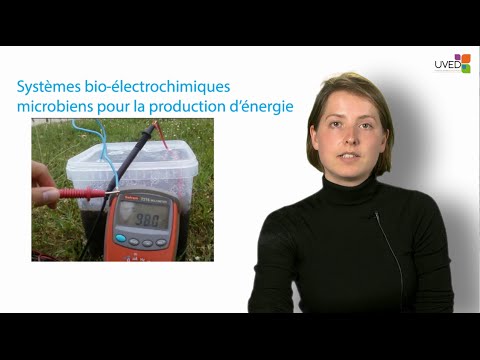
Systèmes bio-électrochimiques microbiens pour la production d'énergie
12.2K
Bioelectrochemical systems, such as microbial fuel cells, generate electricity by utilizing anaerobic bacteria that break down organic matter in sediments or wastewater; these bacteria release electrons during metabolic oxidation, which are captured by an anode electrode and transferred to a cathode where oxygen is reduced to water, creating a flow of electrical current that can be measured and harnessed for renewable energy production.
Click to watch →
Dr. Tania Surya Utami, S.T., M.T. - Bio Electrochemical Systems
210
Bioelectrochemical systems are sustainable technologies that convert organic materials into electrical energy using microorganisms called exoelectrogens, which oxidize organic substrates at the anode, releasing electrons that travel through external circuits while protons migrate through membranes to the cathode; these systems are categorized into microbial fuel cells (MFC) for electricity generation, microbial electrolysis cells (MEC) for hydrogen production, and microbial desalination cells (MDC) for water treatment, though current challenges include low energy output and membrane costs.
Click to watch →
Lec 28 : Biohydrogen production, metabolics, microorganisms
10.4K
Bioelectrochemical systems use microorganisms as electrochemical catalysts. Microbial fuel cells (MFC) convert organic matter to electricity through bacterial oxidation at anodes. Microbial electrolysis cells (MEC) apply small electrical inputs to suppress methane production and enhance hydrogen generation. MFC hydrogen production requires lower voltages (110-300 mV) than water electrolysis (1800-2000 mV). With 60-78% coulombic efficiency, MFC combined with fermentation can achieve 8-9 mol H₂/mol glucose at low energy cost. MEC development is still emerging but offers promising potential for wastewater treatment and renewable hydrogen production.
Click to watch →
Deep Dive
Wastewater Treatment Integration: Exploring how microbial fuel cells are scaled up to clean municipal or industrial organic waste while simultaneously generating electricity.
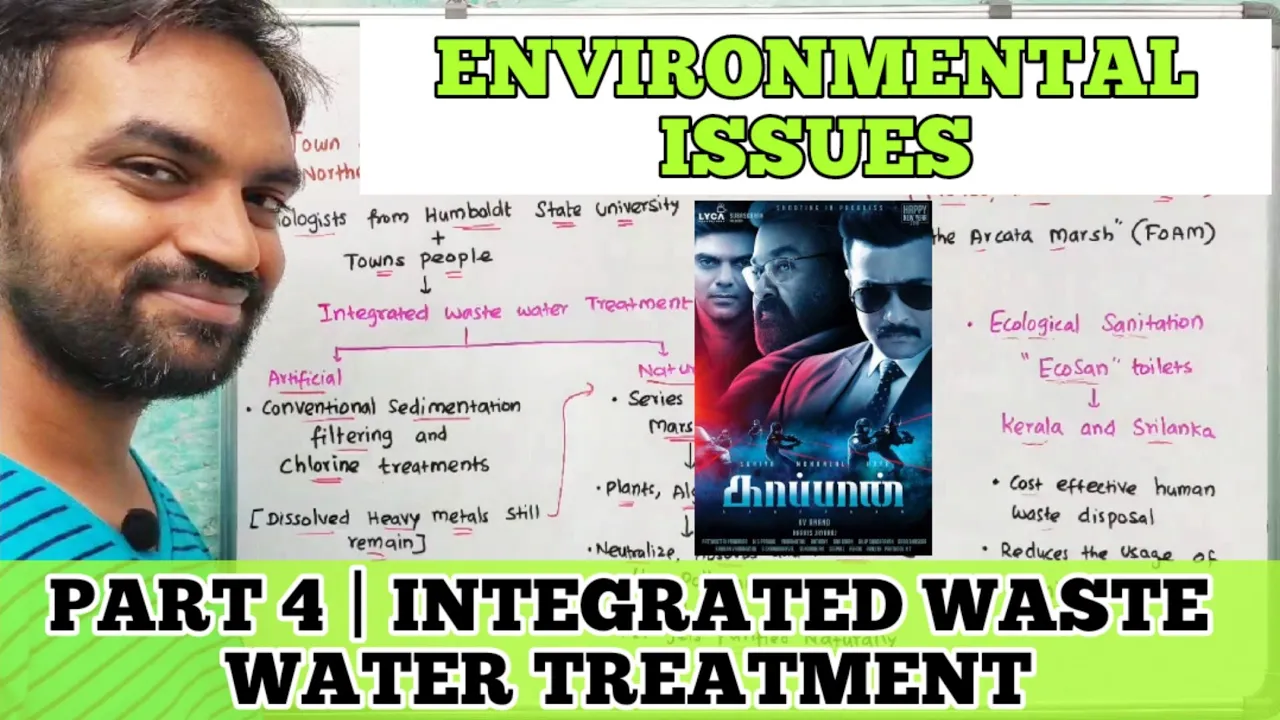
Environmental Issues | Part 4 | Integrated waste water treatment
25.3K
Integrated wastewater treatment combines multiple treatment processes—physical, chemical, and biological—to effectively remove contaminants from sewage and industrial effluents, producing treated water suitable for reuse or safe environmental discharge while managing solid and liquid waste through technologies like bacterial decomposition and ecological sanitation.
Click to watch →

Комфорт на даче зимой. Как сделать?
44.5K
An autonomous wastewater treatment station for 4 people with intermittent use features: (1) Spiral thermos-like outer shell with air insulation preventing freezing without seasonal conservation, (2) 7-stage purification process including wastewater equalization, bioreactor with compressor aeration, two clarifiers for sludge separation, and biozone for bacterial processing, (3) Self-cleaning cycle redistributing sludge every 1-3 months, (4) Quiet compressor operation despite providing bioreactor aeration, (5) Clean water discharge (approximately 30 liters per cycle) through 1-inch drain pipe to drainage ditch. The complete system integration includes winter drainage capability that drains all water through the pump and lower drain valves, with siphon drainage and salt mixture in toilet bowl to prevent freezing. The automation block centrally manages pump, heating cable, and water heater with magnetic motor protection and 6-ampere circuit breaker.
Click to watch →

Inside These Beautiful Tiny B&Bs You’ll Want to Visit
205.1K
Earthships incorporate sophisticated wastewater treatment systems that recycle and purify water on-site. This closed-loop approach means the home generates its own power, collects and recycles its own water, and treats its own waste. The design embodies a vision of sustainable living where humans take responsibility for their environmental impact through thoughtful architectural integration.
Click to watch →
Estação de tratamento de água e esgoto- Aula 29
17.9K
Wastewater treatment integrates multiple processes to protect receiving waters from organic pollution. Preliminary treatment screens large solids and removes grit through gravity settling. Primary treatment uses sedimentation to remove suspended solids, forming primary sludge. Secondary treatment employs biological aeration where aerobic bacteria consume dissolved organic matter, achieving ~90% impurity removal. Flotation serves as an alternative for lighter particles. The sequential approach progressively purifies wastewater, with the ultimate goal of minimizing environmental impact rather than producing potable water. Treated effluent can be reused for non-potable applications like street cleaning and industrial processes.
Click to watch →

مراحل معالجة المياه المستعملة
209.1K
Wastewater treatment is a multi-stage process that removes pollutants to produce reusable water, consisting of four main stages: (1) Primary physical treatment removes large solids through screening, sedimentation of sand and heavy particles, and oil/grease removal; (2) Biological treatment uses aerobic bacteria (requiring oxygen to oxidize organic matter into biological sludge) or anaerobic bacteria (converting organic matter into gases like methane and hydrogen sulfide) to break down dissolved organic pollutants; (3) Physicochemical treatment adds coagulants like ferric chloride to clump fine suspended particles for easier settling, followed by sand filtration; (4) Chemical disinfection eliminates microorganisms using oxidizing agents like ozone (which destroys bacterial cell walls), chlorine compounds, or ultraviolet radiation.
Click to watch →
Deep Dive
Extracellular Electron Transfer (EET): Studying the molecular mechanisms, such as bacterial nanowires and cytochromes, that microbes use to transport electrons outside their cell walls.
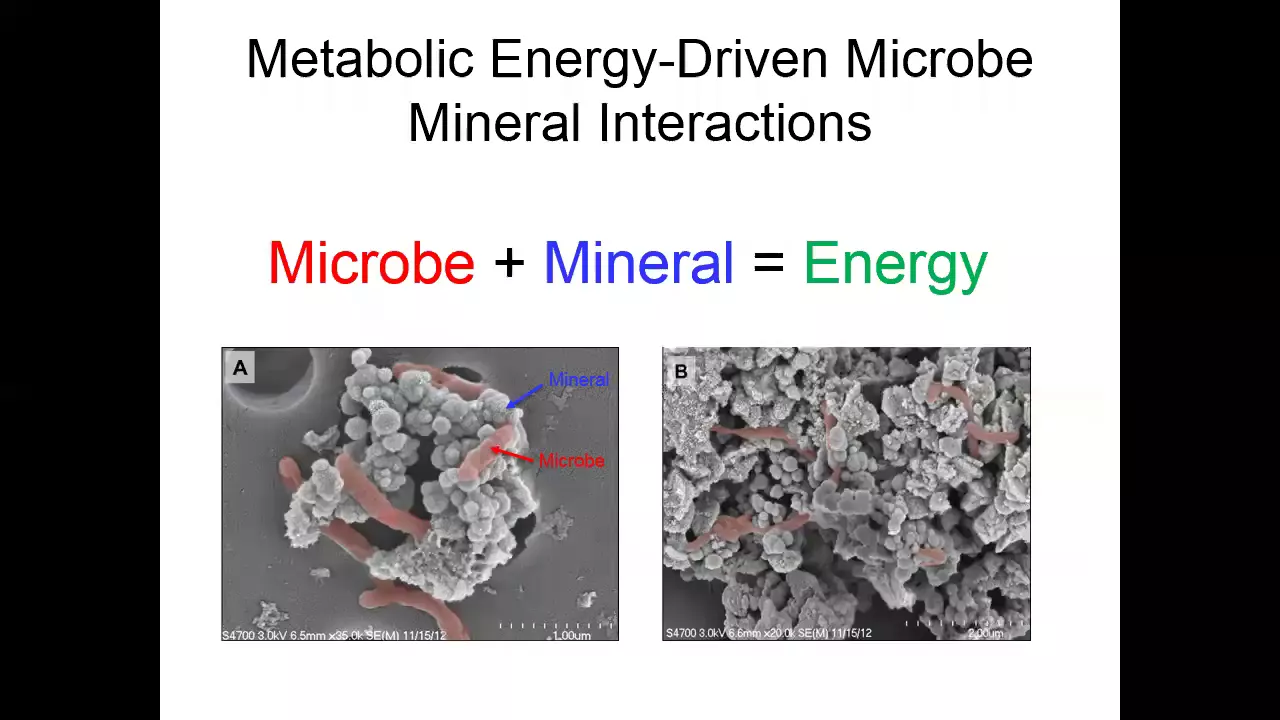
Extracellular electron transfer (EET) in the critical zone: by Eric Roden (August 25, 2017)
406
Microorganisms can transfer electrons across their cell membranes to oxidize insoluble iron-bearing minerals like pyrite and silicates, enabling them to derive energy from mineral weathering through extracellular electron transfer (EET) mechanisms involving outer membrane proteins and cytochromes, which has significant implications for understanding biogeochemical cycles, acid mine drainage formation, and potentially life on other planets.
Click to watch →
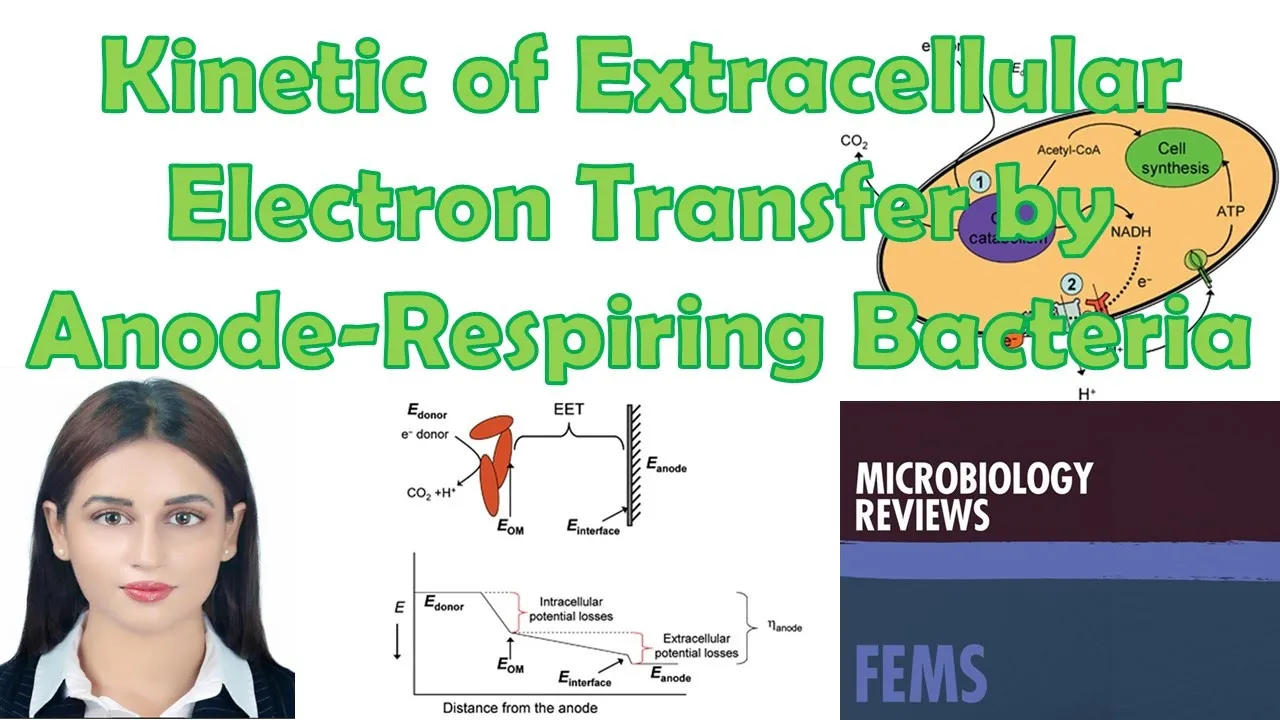
A kinetic perspective on extracellular electron transfer by anode-respiring bacteria
422
This review paper presents a kinetic perspective on extracellular electron transfer (EET) by anode-respiring bacteria (ARB), analyzing three mechanisms: direct electron transfer (minimal extracellular losses but limited current density due to low biomass contact), soluble electron shuttles (diffusion-limited with 40-100 mV potential losses), and solid conductive matrix/nanowires (lowest losses with highest current densities up to 8 A/m²). The analysis uses the Nernst-Monod equation to distinguish intracellular from extracellular losses, revealing that only solid conduction achieves both high current densities and minimal anode potential losses simultaneously.
Click to watch →
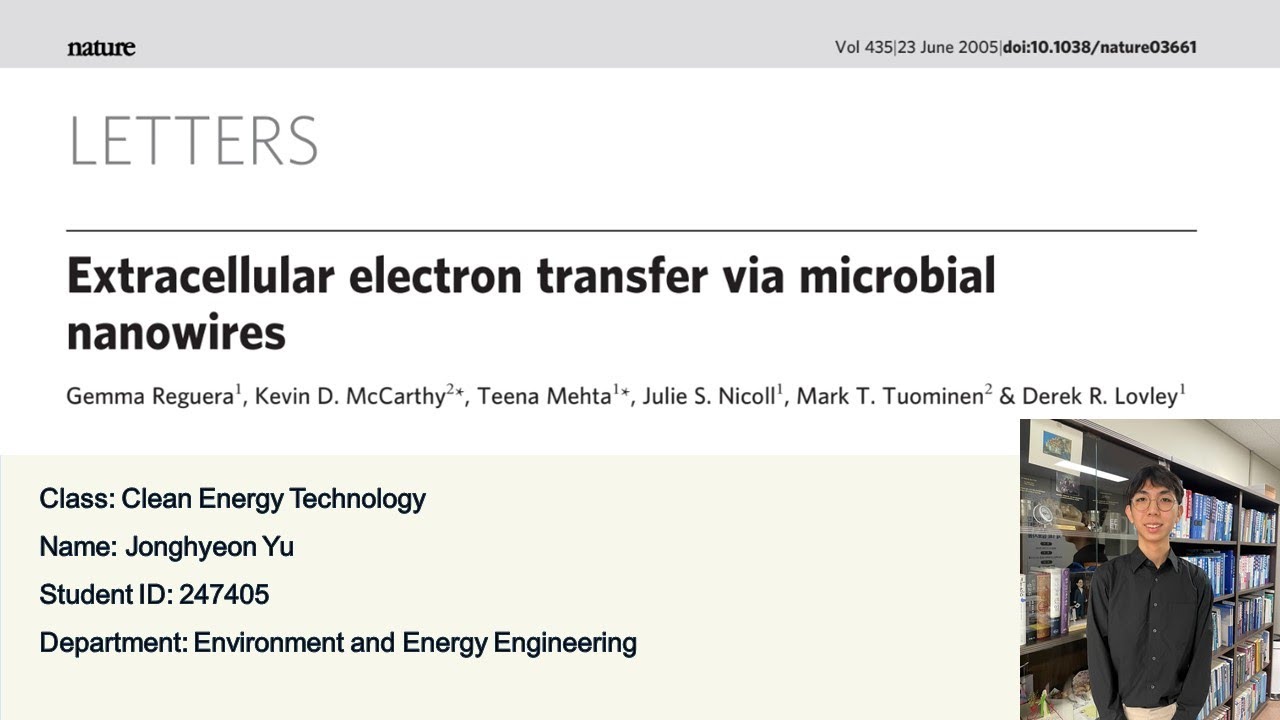
Extracellular electron transfer via microbial nanowires
135
Geobacter sulfurreducens uses specialized protein filaments called pili (microbial nanowires) to transfer electrons directly to insoluble electron acceptors like iron(III) oxide, enabling efficient extracellular electron transfer that is essential for iron reduction in anaerobic environments; these pili act as conductive nanowires that bridge the gap between the bacterial cell and mineral surfaces, allowing electron transfer over significant distances and facilitating microbial respiration without requiring soluble electron shuttles.
Click to watch →
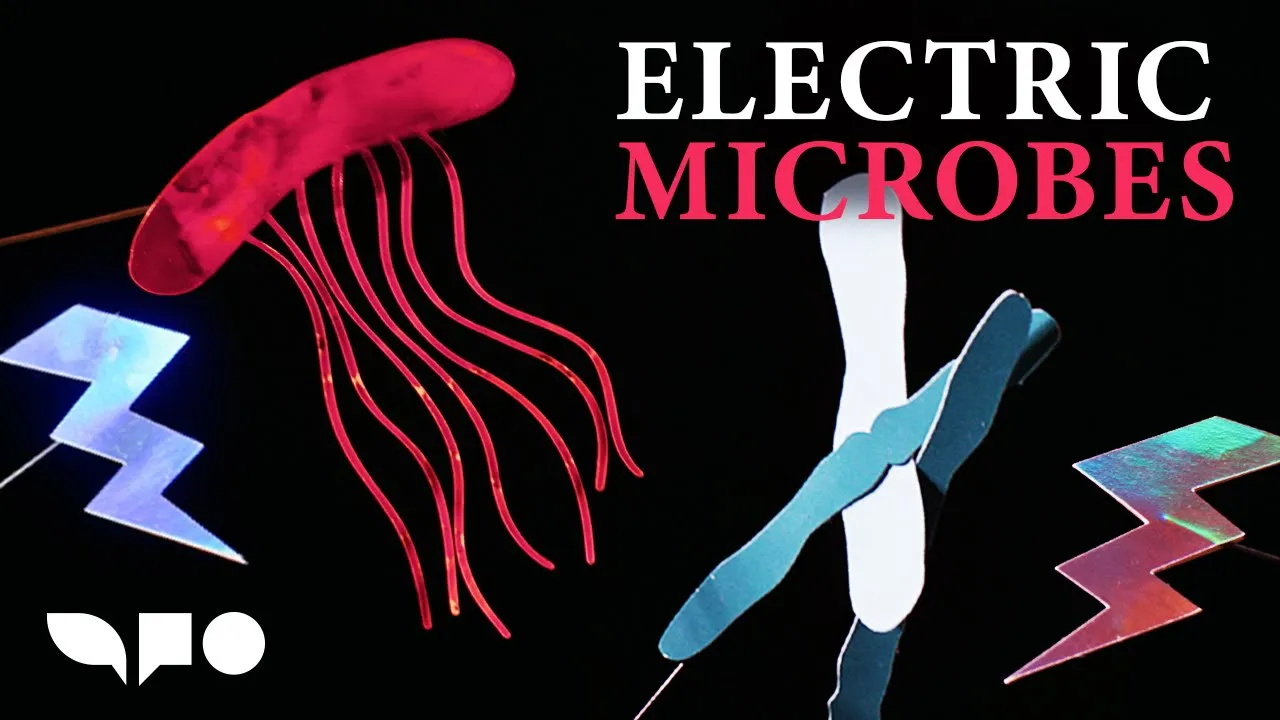
How Geobacter Microbes Produce Electricity | Electromicrobiology
49.1K
Geobacter microbes generate electricity through unique nanowires that transfer electrons from the cell to minerals in their environment, enabling them to respire minerals instead of oxygen; this process, called extracellular electron transfer, dissolves minerals and releases essential metals like iron, making them bioavailable to support entire ecosystems, and has opened a new field of study called electromicrobiology that explores microorganisms capable of producing, consuming, or transferring electrons externally.
Click to watch →

Electromicrobiology: the ecophysiology of phylogenetically diverse electroactive microorganisms
149
Electromicrobiology is an interdisciplinary field studying microorganisms capable of exchanging electrons with their external environment through extracellular electron transfer (EET), a process where microbes transfer electrons to insoluble acceptors like iron oxides, manganese oxides, or electrodes rather than soluble acceptors that freely diffuse into cells. These electroactive microorganisms, distributed across diverse bacterial and archaeal lineages including Geobacter, Shewanella, cable bacteria, and methanogenic archaea, participate in critical biogeochemical cycles in natural environments such as marine sediments, soils, and hydrothermal vents, while also enabling applications in microbial fuel cells, anaerobic digesters, environmental remediation, and corrosion control.
Click to watch →
Deep Dive
Alternative Bioenergy Technologies: Investigating Microbial Electrolysis Cells (MECs) for hydrogen production and Microbial Desalination Cells (MDCs) for water purification.

Выступление профессора Р.Г. Василова "Природоподобные биоэнергетические технологии"
158
Nature-mimicking bioenergy technologies aim to preserve the biosphere by using living organisms and their functional principles for energy production, addressing the fundamental conflict between the technosphere and biosphere; these technologies leverage the sun's abundant energy (200,000 terawatts) and nature's efficient energy conversion mechanisms, with goals to increase biomass energy share from 10% to 25% by 2050, including artificial photosynthesis, biofuel cells, and renewable energy communities.
Click to watch →

Top 10 INCREDIBLE Alternatives to Alternative ENERGY
114.7K
Algae-based biofuels offer a promising alternative to traditional crop-derived biofuels like ethanol from rapeseed, corn, wheat, sugarcane, or soy. Traditional biofuel crops require land that could otherwise be used for food production or forests, creating sustainability concerns. Algae, however, has a natural oil content of around 75%, making it highly efficient for biofuel conversion. The remaining plant material can be used as fertilizer to grow additional algae, creating a sustainable cycle. Algae grows very quickly and does not require farm land or fresh water, addressing the limitations of traditional biofuel crops. On average, algae can produce approximately 5000 gallons of ethanol per acre annually, compared to only 800 gallons from sugarcane. Additionally, scientists at the Rochester Institute of Technology discovered that biofuel-producing algae can clean wastewater by consuming nitrates, phosphates, and reducing toxins and bacteria. Alabama became home to the first algae biofuel system that simultaneously cleans wastewater, and because the traditional water treatment process is excluded, algae growing is carbon-negative.
Click to watch →

SFBay Alternative Energy Solutions
1K
Two major alternative energy technologies are being developed: cellulosic biofuels and enhanced geothermal systems. The Energy Biosciences Institute at UC Berkeley, the world's first research institution dedicated to energy bioscience, is working on converting biomass into ethanol through a process involving cell wall breakdown, sugar conversion, and fermentation using microbes. Miscanthus, a perennial grass relative of sugarcane, is being researched as a biofuel crop that can regrow for up to 18 years. Meanwhile, Enhanced Geothermal Systems (EGS) extract heat from underground rock formations by circulating water through cracks, generating steam that powers turbines. Companies like Alter Rock Energy are innovating to create multiple fracture sets in single wells to maximize productivity, with tens of thousands of potential megawatts of generation possible in the United States.
Click to watch →

Старшокласниця зі Сміли досліджує наукову тему альтернативних джерел енергії
308
Bioenergy is an alternative energy source that converts organic materials into usable energy. The video explains that bioenergy was first developed in the United States in 2006, where researchers successfully extracted gas for heating from walnut shells. This represents an early example of utilizing organic waste materials as fuel. The video introduces energy willow (Salix) as a promising bioenergy crop that can be cultivated along roadsides to provide both environmental protection and energy production. The dual-purpose approach allows the same land area to serve as protective barriers against human and natural factors while producing harvestable biomass for heating purposes.
Click to watch →
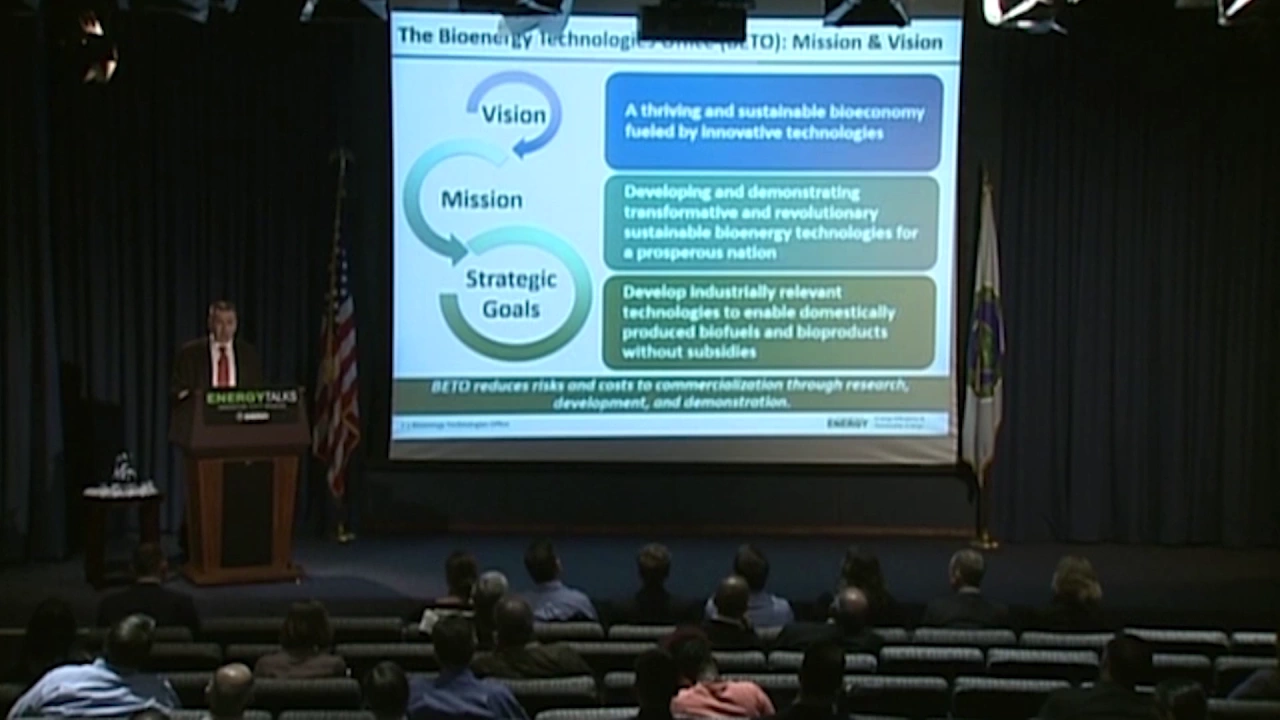
Energy Talks - Bioenergy as a Driver for Economic Growth, Energy Security, & Resource Sustainability
385
Advanced bioenergy technologies are advancing toward commercial deployment across multiple sectors. Crude oil refining produces 42% gasoline, 28% diesel, 9% jet fuel, and 15% chemicals, but biomass can produce oxygenated products more readily due to its natural polymer structure. Major airlines including Cathay Pacific, United, Alaska, and Virgin Atlantic have launched commercial biofuel programs for long-haul flights. Hydrothermal liquefaction technology converts sewage into bio-crude oil in under 60 minutes, potentially producing 30 million barrels annually from all US sewage. These innovations demonstrate pathways to transform waste streams into valuable energy products while advancing energy security and environmental sustainability goals.
Click to watch →
Pond Sludge Science
Sugar Water Setup
Final Reactions
Pond Sludge Science
0:01- 1
Collected pond sludge and placed it in a container for experimentation.
- 2
Added energy and heat, causing a chemical reaction with visible effects.
- 3
Highlighted the fun and engaging nature of hands-on chemistry.
Scalability and Power Density Limitations of Microbial Fuel Cells
While building a microbial fuel cell (MFC) is an excellent educational demonstration, scientific communities highlight major limitations regarding their viability as a practical energy source. The primary criticism centers on their extremely low power density and scalability challenges. MFCs produce minuscule amounts of electricity (often in the microwatt range), which is insufficient for practical applications. Scaling up these systems exponentially increases internal resistance and material costs, meaning the energy required to manufacture them can exceed the energy they generate. Furthermore, using additives like sugar water is economically unfeasible at scale. Therefore, experts argue that instead of viewing MFCs as viable power generators, they are more realistically positioned as niche, low-power sensors or auxiliary systems in wastewater treatment, where their value lies in waste degradation rather than net electricity production.
Basic Electrochemistry: Understanding oxidation-reduction (redox) reactions and how electron transfer generates electrical current.
Microbial Metabolism: Knowledge of anaerobic respiration and how certain bacteria break down organic substrates (like sugar) without oxygen.
Fundamental Circuit Design: Familiarity with the concepts of anodes, cathodes, electrical resistance, and how to measure voltage and current using a multimeter.
Introduction to Soil Microbiology: Understanding that natural environments like pond sludge contain diverse microbial communities, including electrogenic bacteria.
Optimization of Bio-electrochemical Systems: Investigating how different electrode materials (e.g., carbon felt, platinum) and proton exchange membranes affect power output.
Wastewater Treatment Integration: Exploring how microbial fuel cells are scaled up to clean municipal or industrial organic waste while simultaneously generating electricity.
Extracellular Electron Transfer (EET): Studying the molecular mechanisms, such as bacterial nanowires and cytochromes, that microbes use to transport electrons outside their cell walls.
Alternative Bioenergy Technologies: Investigating Microbial Electrolysis Cells (MECs) for hydrogen production and Microbial Desalination Cells (MDCs) for water purification.
122.4K views1.3Klikes4:58@cindycollins4990Original Release: 2015-10-08
[Music] I am collecting Pond sludge from the bottom of the pond we should buyid what's your science we're going to put them in out of the container and then science science just lots of [Music] science [Music] pour a bunch in wait till it [Music] all is there any way you get like a bu of it's heated it's a he it's a hot play oh sweet so we're adding our energy in like oh it even turns it man this thing is cool love chemistry [Music] okay to wonder this is going to be really fun to [Music] watch have got in the mouse right oh Riley I said not all at [Music] once today be quiet [Music] [Music] e what you say [Music] think it said you didn't really want much oxygen you're still wearing a lady coat she said it wasn't you know what honestly is there a big difference it's the most manly of the is that the only is that the only difference between the two is that it has belt cuz that's the only difference in [Music] that hey what are you making sugar water super saturated sugar water I don't what's it going to do [Music] though like right TR just go in yep okay injected you might want to inject it in a couple locations [Music] okay some [Music] water might have to just put it it's it's it's very slow this is the air pump and it will air plug those into this oh I see um just need a lot of so this is the cath wait what else did you guys use let there be light pull p no [Music] water oh there's also salt fridge it's a rope and it's uh super saturated or [Music] [Music] saturated
Up Next

28:40
Mill Creek Watershed: 30 Years of AMD Restoration
@showusyourlocal567
432 views•2024-08-18

12:54
Triumph of Orthodoxy Icon: Byzantine Art & History Explained
@BenCallan
2.1K views•2024-08-06

9:49
FastAPI vs Flask vs Django: Choosing the Right Python Web Framework
@TechWithTim
302.5K views•2024-05-26

1:42
Game of Thrones Opening Credits: A Cinematic Analysis
@gameofthrones
46.3M views•2011-04-18
Related Study Plans & Knowledge Roadmaps
Structured learning paths in General & Interdisciplinary Studies
general-studies
Elevator Engineering: History, Physics & Cities
01From Hoists to Safety Brakes: The Dawn of Vertical Lift
02Hydraulic vs. Traction: The Engineering Physics of Elevators
03Modern Speed, Safety, and Algorithms
+ 2 more learning modules
12h5 modules
Explore Roadmap
general-studies
Rubber: Material Science, History & Geopolitics
01Origins of Natural Rubber & Mesoamerican History
02The Chemistry of Natural Rubber & Vulcanization
03The Geopolitics of the Rubber Boom & Colonization
+ 2 more learning modules
12h5 modules
Explore Roadmap
general-studies
Containerization: Evolution, Logistics & Trade
01Ancient Trade & Bulk Cargo: Amphorae to Barrels
02The Industrial Revolution & Cardboard Packaging
03The Containerization Revolution: Malcom McLean
+ 2 more learning modules
12h5 modules
Explore Roadmap
general-studies
Textile Tech: Evolution, Labor & Global Impact
01Pre-Industrial Textiles: Handloom & Cottage Industry
02Mechanization: The Spinning Jenny to the Power Loom
03The Factory System & Global Labor Transformation
+ 2 more learning modules
10h5 modules
Explore Roadmap