



















The Mill Creek Watershed Restoration in Northwestern Pennsylvania demonstrates how sustained collaborative efforts between universities, conservation districts, citizen volunteers, and environmental organizations can successfully restore severely polluted watersheds affected by acid mine drainage, transforming a lifeless 20-mile stretch of stream into a thriving ecosystem with 15 trout-stocking points through innovative passive and active treatment technologies developed over 30 years.
Mill Creek Watershed: 30 Years of AMD Restoration
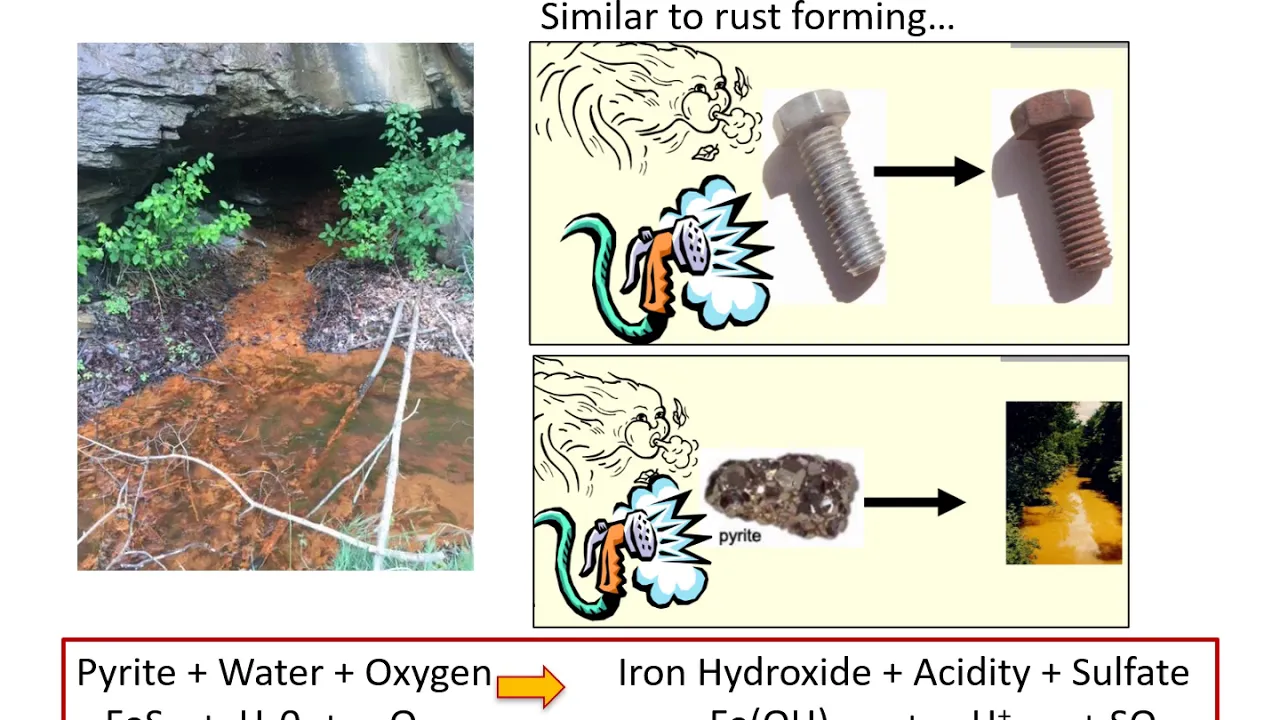
Added:Understanding the chemical formation of Acid Mine Drainage (AMD), specifically how the weathering of pyrite (iron disulfide) produces sulfuric acid and dissolved heavy metals.
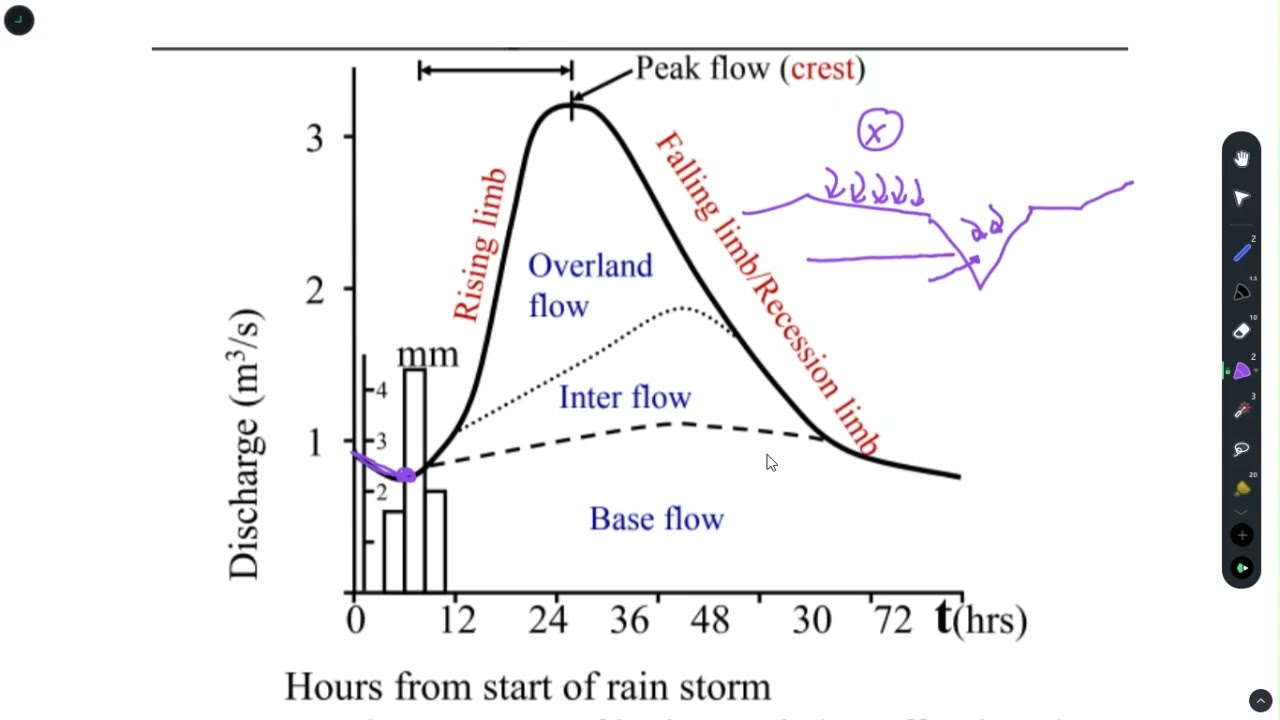
Fundamental concepts of watershed hydrology, including how pollutants disperse through surface runoff, tributaries, and groundwater within a drainage basin.
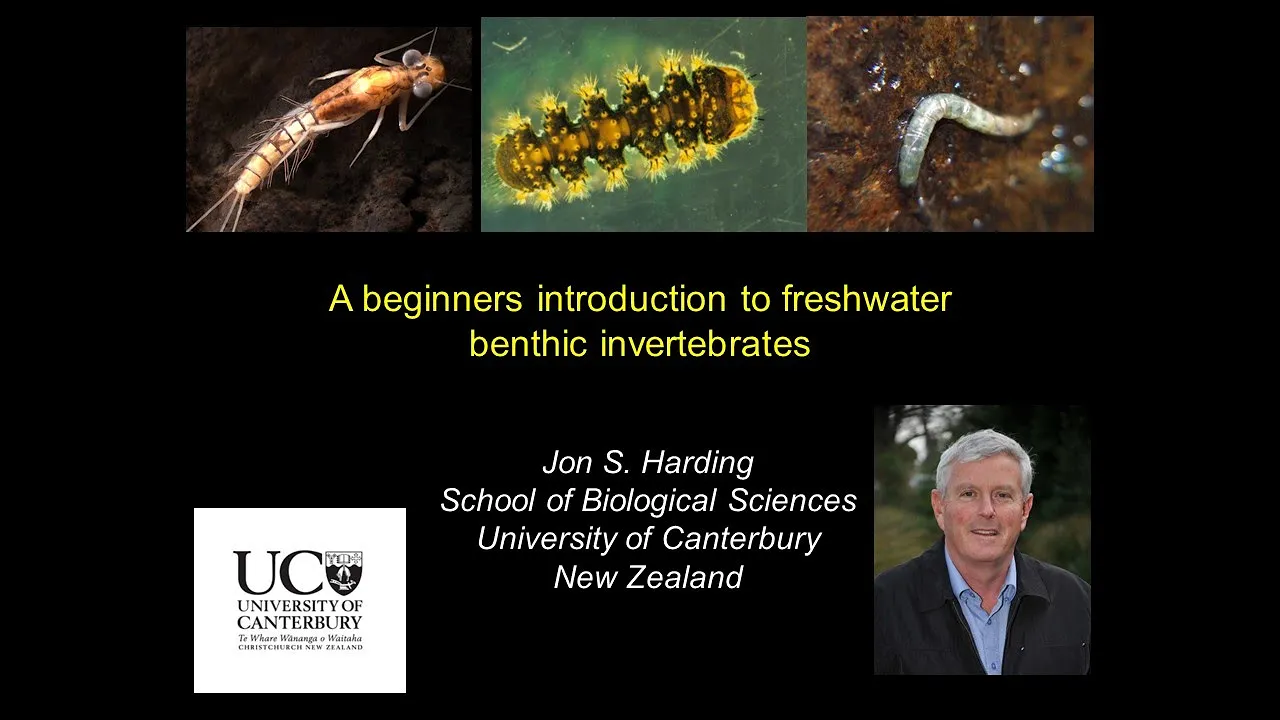
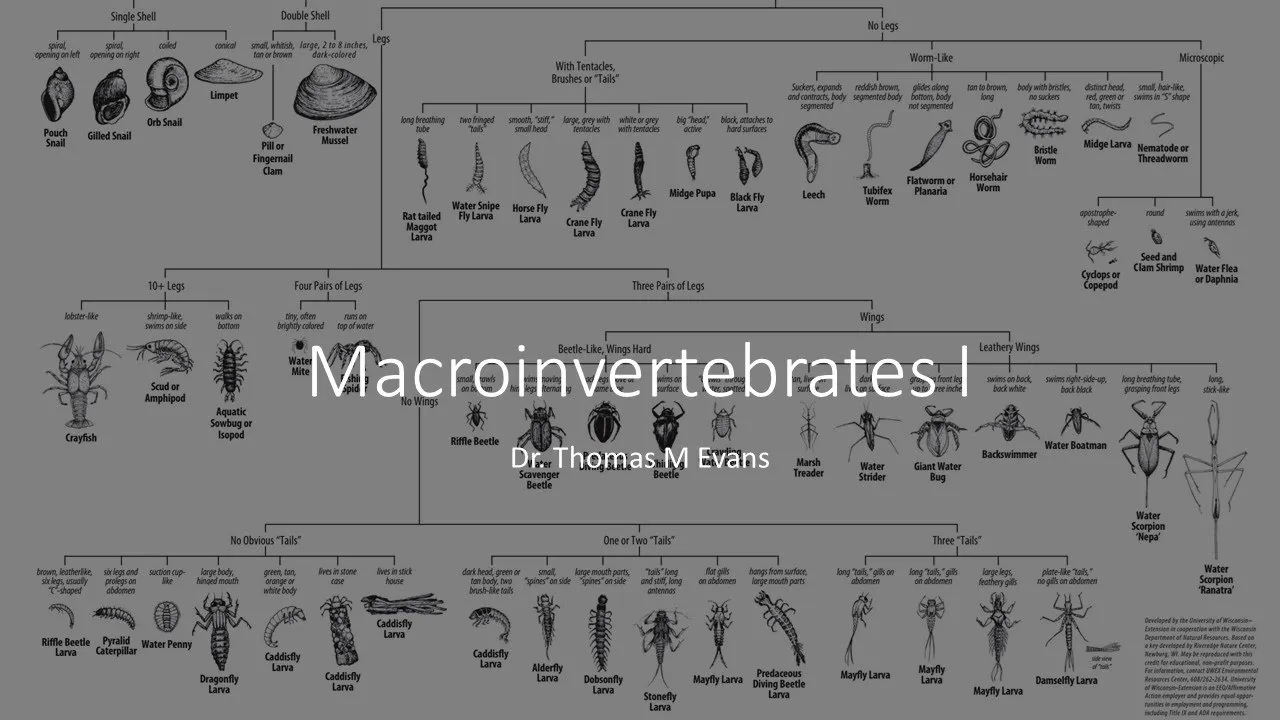
The biological impacts of pH levels and heavy metal toxicity on aquatic life, particularly benthic macroinvertebrates and native fish species.
The basic distinction between active water treatment (requiring ongoing chemical and energy inputs) and passive water treatment (utilizing natural geochemical and biological processes).
Advanced engineering designs of passive treatment systems, such as Anoxic Limestone Drains (ALDs), Vertical Flow Wetlands, and Successive Alkalinity Producing Systems (SAPS).
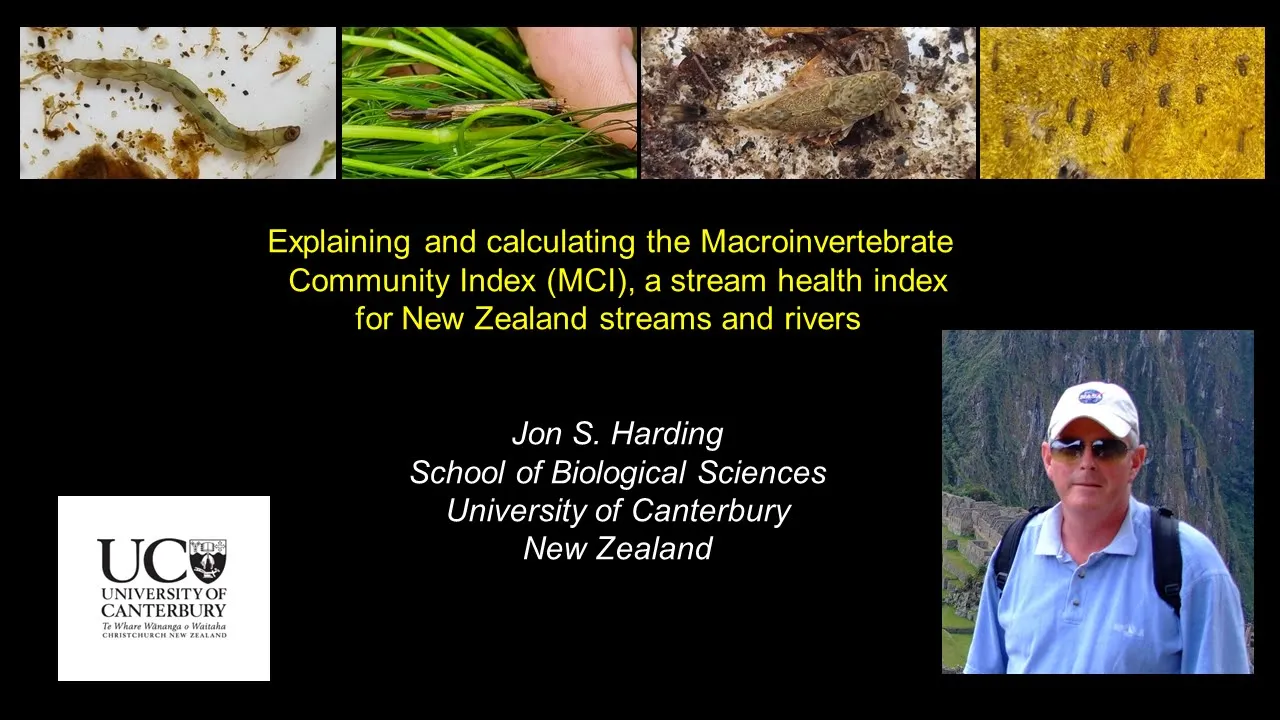
Methods for assessing ecological recovery using biological indices, such as the study of macroinvertebrate drift and fish community structures over decades.
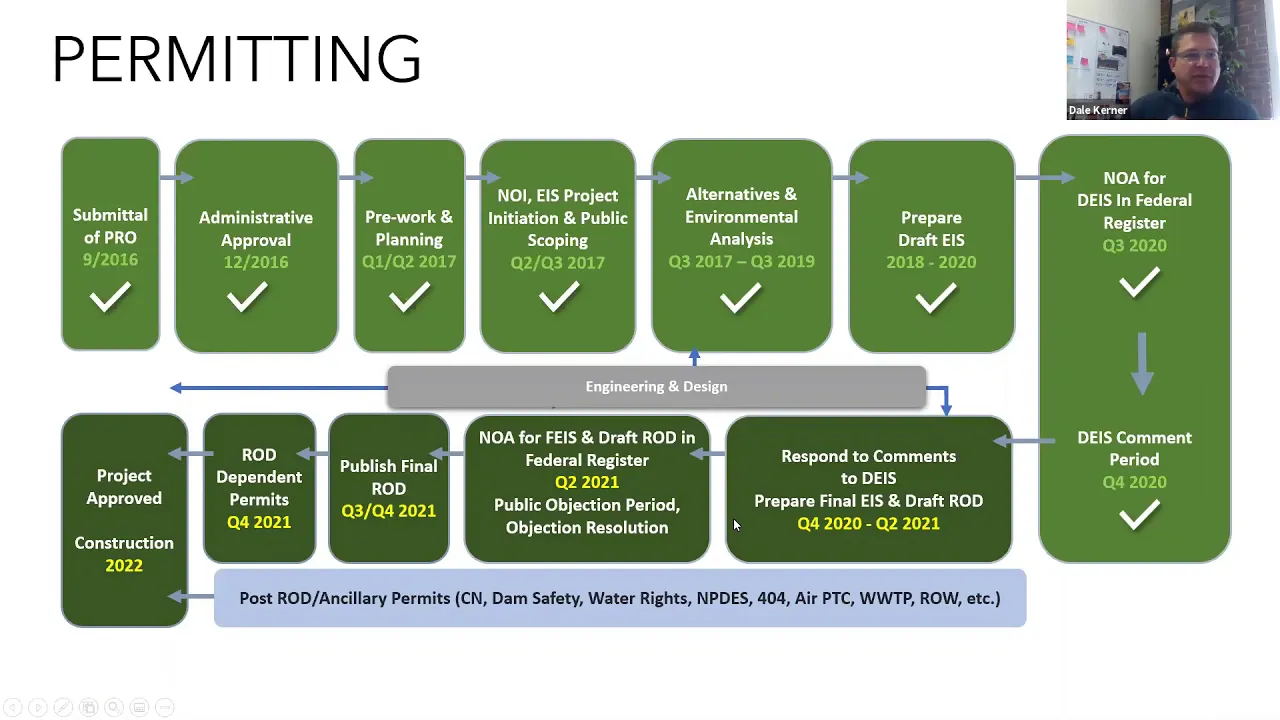
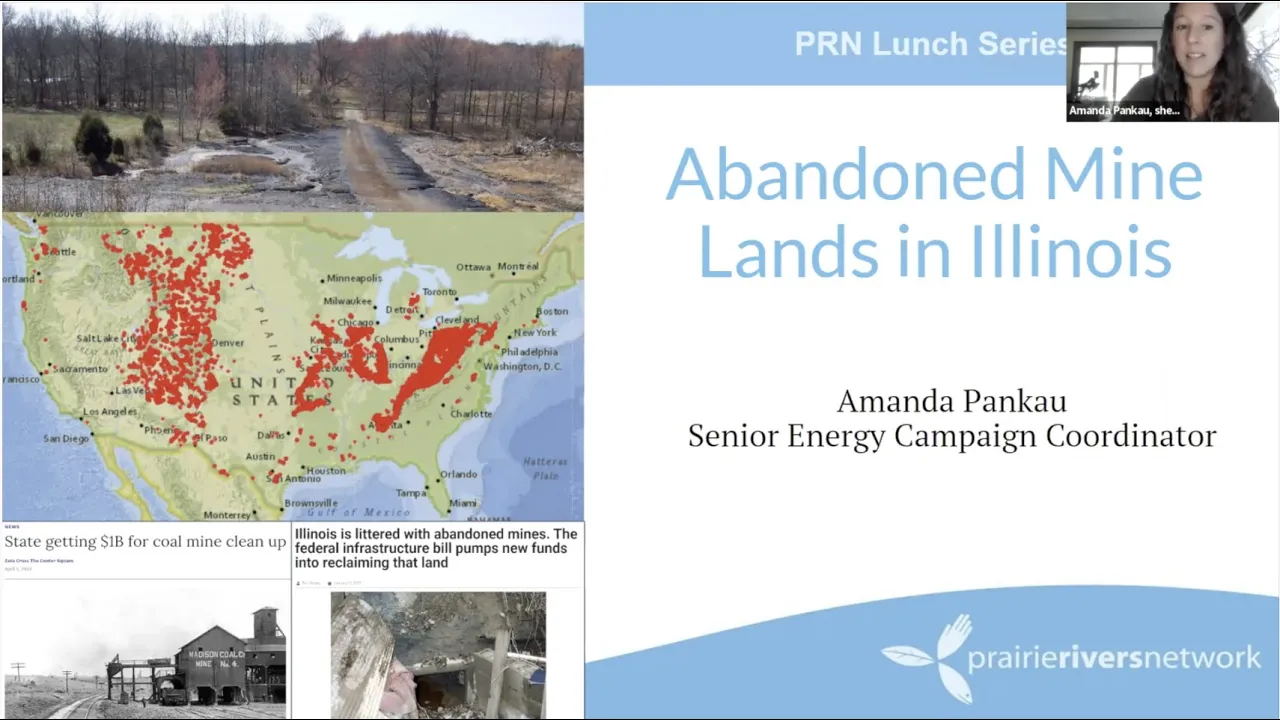
The policy, funding, and legal frameworks behind mine reclamation, including the Surface Mining Control and Reclamation Act (SMCRA) and the role of grassroots environmental organizations.
The lifecycle and maintenance challenges of passive systems, such as managing iron aluminum clogging, limestone armoring, and the eventual disposal of accumulated metal sludges.
432 views11likes28:40Original Release: 2024-08-18
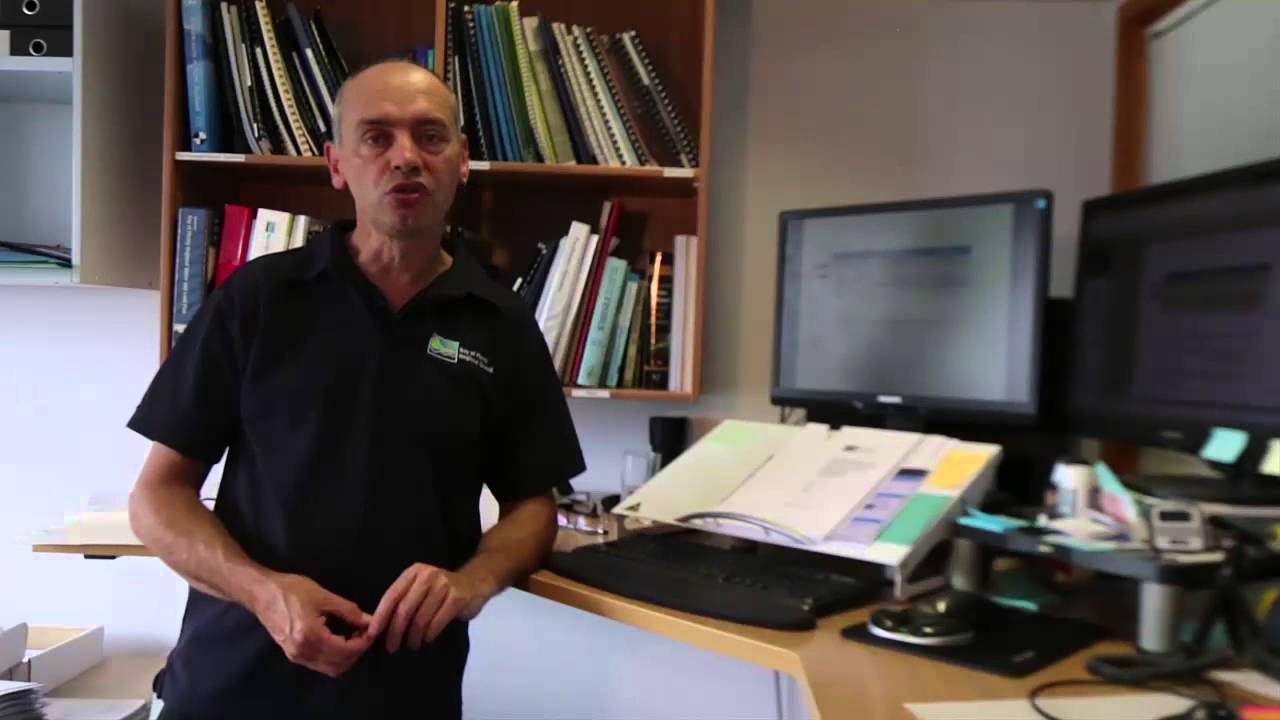
since the 1960s Pennsylvania has been a national leader in establishing mining laws and regulations to ensure Reclamation occurs after active mining is completed during the same time Pennsylvania began an aggressive cleanup of abandoned mind sites through a Cooperative effort by De p and private citizen groups this is the story of the Mel Creek Watershed Restoration in Northwestern Pennsylvania hi Pete dalby past uh member of The Faculty at the clar University and the biology Department I'm Janie French with Headwaters charitable trust and the executive director for the trust my name is Terry Morrow I also was a faculty member at Claren University when this all began I am Jim Reed I'm a new member of the MCC since the early 1990s the mil Creek Coalition or MCC and their various supporting Partners have been working to address sources of acid mind drainage or AMD this 60 squ mile mil Creek Watershed in Northwest PA has a long history of Mining and related AMD pollution leaving the mil Creek essentially lifeless many of the passive treatment systems developed by MCC and their Partners were revolutionary and to this day serve as a guide for other cleanup efforts [Music] worldwide I the Coalition I think uh really started with a couple of its affiliation quite frankly in my mind with uh Clarion University uh the Pete Dolby who has uh been the longtime uh president of the Coalition was a professor Terry Marrow was a professor there was another gentleman very involved with the Coalition Jack Williams that was a professor at Clarion and they engaged some students and also a lot of the natural resource nonprofits that became members of of the Coalition so I believe that uh timing was right in that uh in the 90s there was a big push to begin addressing abandoned mind drainage issues uh the state had a program to start watershed groups however the Coalition was already started by then uh but that was the the the Department of Environmental protection's Way of actually getting citizen volunteers to address water quality issues with a particular emphasis on abandoned mine drainage the 70s and the 1980s and there was a a lot of strip mining occurring uh throughout this particular area of Clarion and Jefferson counties uh but changes were occurring in regulations at both the state and the federal level and it was a time of change and a lot of the streams including the clarine river were being negatively affected by past as uh mining uh coal mining operations and we started to look at ways that some of this could be addressed my affiliation with uh the mil Creek Coalition goes go back to the 9s believe it or not um I worked with the Coalition through Headwaters uh starting in 1990 and uh just as the the Coalition was getting formed our my role with the Coalition uh was to uh actually secure funding uh to secure property rights to to be able to uh build these treatment systems and also to uh look at uh different opportunities uh through different funding sources uh for the development of these treatment systems and at that time we had a a biology uh organization a biology club that we could uh involve them in various kinds of activities and field kind activities and we also had several individuals uh that were notable at the very beginning Douglas Kepler and Eric McClary excuse me sorry the Eric and uh they became uh noticeably involved in those kind of activities and shared their thoughts and experiences and uh before graduating both of them had jobs at local environmental engineering firm known as eids e a DS and would come back and explain what they've seen here and there and and different experiences and so on and we got the biology Club involved and seeing some of these sites and finally we decided amongst ourselves and other folks uh I'm involved in a Federation of Sportsman at the state and local levels and Terry is heavily involved in trout unlimited and we have other members of the department and in the community that were very interested and so in October of 1990 we put together a conference uh at claring University to address the issue and seeing if we could determine within our area of Clarin of Jefferson counties being together here that uh could we address the whole Watershed and so uh the discussion were fairly open-ended and we had all sorts of invitees from the conservation districts and both um counties the natural resource conservation folks that were stationed locally uh we had the Army Corps of Engineers out of Pittsburgh uh we had a number of different uh organizations and agencies that were involved including some that dealt as 501c3 organizations that were involved in environmental issues and at the end of that and and the local D people uh from the Knox office which was uh in Clarion here that all participated and it was a excellent uh meeting and from that meeting we determined that uh mil Creek had some uh obvious uh advantages that we thought that we could address we're standing on mil Creek uh at the site of our first project which is known as the H Bridge uh this was our first attempt and honestly we didn't really know too much about acid mine treatment at the time but there were some ideas that uh our friends Doug and Eric had come up with for creating a treatment system and uh we were able to Cobble together some money from various sources a small amount ount of money uh $10,000 came from trout unlimited and some other money came from the uh the D and uh we uh in included in this project the Pennsylvania National Guard group out of patani which was a construction Battalion that had bulldozers and other heavy equipment in addition a local contractor Simpson Excavating was involved in don't ating their equipment and time operator time so through all these various uh Avenues we were able to get the first system done and uh the how Bridge was constructed in 1991 in the fall and it involved some technology that was relatively new running water through acid mine water through Limestone and uh it worked beautifully it was a uh a miracle that it did work now looking back but it worked wonderfully and eventually uh became well known literally around the world as a uh Pioneer project for treating acid mine drainage so we had all these various volunteers and uh collaborators that made this happen and from this then grew the entire mil Creek Coalition effort which has covered the entire Watershed to this day after this uh how Bridge site was constructed we identified a number of other sites and little Mil Creek that were uh contributing to the pollution load and we began to uh try to find funding to correct those sites we continued to utilize the National Guard for another year uh we were now enlisting the headwaters charitable Trust that was involved with handling money uh we also found some other grant money through DP and uh other sources that they handled so we were able to scale up our efforts and build some larger sites still in involving the use of limestone buried and what we call an anoxic Limestone drain this proved to work very well for certain kinds of acid mine water like found here and in some of the other sites uh we learned unfortunately to our uh our dismay that uh if the water had certain characteristics such as very low ph and aluminum uh the anoxic Limestone drains did not work and they immediately or very quickly clogged up and so new technology was considered again from uh eids group and a later company called the mariscat that dug and a form to uh treat that kind of water using what became known as vertical flow Wetlands or saps and these could handle water that had L pH and aluminum and involved using mushroom compost layered over Limestone under which were pipes that collected the water and the bacteria in the mushroom compost produced alkalinity and the compost captured the aluminum and that prevented the systems from clogging and uh these saps uh eventually did clog but they would last for 5 to 10 years and uh so an approach was developed to treat that kind of acid mine water so both major kinds of acid mine water can be treated using these two technologies and all of our systems uh throughout the Watershed in involve one or another or both of these uh Technologies so from that point on WE continued to do uh pick up sites and find funding and eventually uh growing Greener was passed by the Pennsylvania legislature signed by Governor Tom Ridge and the growing Greener U program allowed for the headwaters on our behalf to apply for grant money to construct system systems and we continued On and On Through the various areas of the Watershed uh creating these these systems at this point we were passed uh using volunteers primarily and uh National Guard eventually was unable to help us any longer so we uh became more conventional and hired contractors to to build the systems the designers of the system uh other people became involved beside de Maris Scotta Robert Hedon Bob Hedon formed a company called hon environmental Bob was uh an employee of the Bureau of mines in Pittsburgh he and I worked together on Research actually on how bridge and he later left the bureau and became a consultant that has his own company called hot headen environmental and he's designed a number of our systems another person John deetz was a Clarion grad who uh later got his PhD at Penn State and now has done a lot of the design working for various companies over the years and so this new level of expertise was developing uh through this time many other Watershed groups uh were formed and began using the same Technologies and some same consultants and some other consultants and in fact dozens and dozens of these groups formed over uh the state [Music] this is the smil orot or R site this was mine prior to 1977 so nobody was responsible for the discharges uh we originally in the mid 90s built a very massive passive treatment system here and it lasted about 5 years and it began to fail so subsequent to that the d uh came in and built what is known as an active treatment system this is different from the passive systems other in other areas of the Watershed the strategy here is to actively add Limestone to the discharges and mix them in a a large tank it speeds up the reactions and the uh sediment falls out very quickly the the sludge which contains all the metals and the the acid from the discharges there are two discharges here and they are collected in a pipe each of them and they're carried to the building you see behind me and in that behind that building is a large steel mixing tank and the large upright tank is a what we call lime slurry it's fine Limestone that is kept in solution there's a mixure in that tank also heaters to keep it from freezing in the wintertime it's metered out into this mixing tank where the the the discharges uh are treated and it flows through a series of Pawns right now we're using three Pawns in the original passive design there were nine Pawns in the system so they're still here and had provided a very good framework for the active treatment system and uh have created a very efficient active system the uh sludge falls out in pretty much the First Pond and goes to a second Pond which is a clarifying Pond and behind me you can see a third Pond which now actually has fish in it uh this water was some of the worst water in the entire Watershed and did a lot of damage to little milky uh today with this active treatment system the water we're discharging is pH 72 uh the 99% of the metals are removed and the uh little Mil Creek has benefited greatly from it so we have a mixture of the P excuse me the passive systems and this active system the downside to this is that it creates a lot of sludge uh in the passive systems the sludge precipitates as the orange precipitate in the settling ponds which have to be cleaned out maybe every decade or two here the sludge is very obvious and copious so there's an active process to dry the sludge eventually recover it and it's used for land application it contains a lot of lime and it's very very good for uh treating particularly acid M or mine spoils The Game Commission uses a lot of it and when you put it on you get gigantic grass growth and the a very good material there's two ways that they uh collect it in open pits and the pit you see uh has been cleaned out recently there's very little sludge left in it or it can be collected in these large geotextile bags and they're used in the summertime and the the sludge dewaters through the bag and the sludge the solids remain be behind in the bag eventually these bags are slid open and and the material is removed and uh again placed on land application so this material does not have to go to a landfill it's used for uh positive purposes to improve the environment around us uh this system is very efficient but active systems are also expensive the annual operating costs here are an excessive $50,000 which is funded from DP the other thing is that these must be maintain constantly there's a contractor that does a wonderful job here uh maintaining the system and uh keeping the sludge out of here um so and it's a long-term commitment so this is going to have to be done for at least 20 or 30 40 50 more years in order to keep little Mil Creek in a good State they have uh constructed probably 20 different passive treatment systems uh additionally new technology has come into play which uh we talked about on this video at the REM site which involves active treatment of of acid mind drainage utilizing lime slurry uh this is proven to be although expensive the uh sort of the ultimate solution to uh treating very serious uh seriously polluted sites um passive treatment Still Remains as a a good uh method in our Arsenal against smaller flow sites with water that is less polluted uh one thing I would like to note and we've been doing some research on this for years now that these seeps get better over time and uh what we have discovered in our our work and we just recently presented this at the Cold Water conference that typically these seats seats improve in their quality of the amount of minerals and the pH uh at a rate of about 1 to 2% a year so that means over theoretically 100 years uh these seeps should actually fix themselves which means for Watershed groups like ourselves that the sites that we build are being less stressed by the pollution load than with every passing year and so uh we see a point in the future where eventually the streams should clean themselves up at least the seep should and with minimal uh uh help from treatment systems this is a long way in the future but it's a something to actually look forward to they meet monthly and I don't think that they've really ever cancelled a meeting since 1990 which is a testament to how uh how dedicated this group is and uh what's really significant with the efforts that the Coalition has achieved is that they're now down to the last treatment site to where the full uh mil Creek Corridor uh will be improved uh from abandoned mind drainage which is pretty impressive it's one of the very few watersheds that can totally be restored and that is really significant I recently retired and they asked me to join and it was an instant yes uh given the magnitude of the work that I knew they had done and this one's a little bit personal in that our first ever house where my wife and I met up here at clar University back in the 80s ended up being in a little town called fiser which is just above the mil Creek Watershed and we had our two kids in that area and all things outdoor related occurred in that milk Creek Valley so it was a really cool thing to take a hike in that mil Creek the upper mil Creek Water set where when we're taking a hike you look into the creek you see a nice hole and you're thinking boy I wonder what kind of trial it might be in that hole and conversely we would take a hike in an otherwise beautiful Valley on the low section of that wated and you knew all along that that section of the stream was dead and it just just a different mindset on a typical hike so but the the mil Creek Valley and and how big of a contiguous track of ground it is really has something to offer this region and if we can get that last stretch of seven miles all the way down to the clearan river that's a pretty big deal it really is and with the new technology and the efforts uh leading up to this um I'm talking 20 years plus of efforts by the the Elder Statesman of the group uh it's really impressive to see the body of work that they've laid out so if we can take that torch and get this final stretch cleaned up that's that's important to us to this region um and it's not too often that you have an opportunity to have that much of an impact on something that's going to be multi-generational so I can honestly see maybe me as an old grandpa taking a grandkid down there and fishing where right now that's not possible so it it is truly a how do I want to say aquatic uh ecosystems just screaming to happen and we can bring that to life and just need a little bit little bit of consistent help with uh some volunteer work and the powers to be uh to keep it rolling and to keep momentum and all ages we're talking young students grade school students on up through college students and then retired folks like like me and and even guys that already turn turn over the torch but uh to have that opportunity to have that kind of impact is is really a good good thing that a lot of people don't have that opportunity so yeah I was all in when they asked me to join we also have another site that um refer to is the Douglas Jones site that uh will probably treat water in stream uh at that particular site and it's going to be an active treatment design and um we're working forward on that particular one you to see things uh at this particular point in time after 30 some years uh but it's enjoyable when we talk to visitors uh that are just down with their kids uh messing around in the water as children do uh having picnics or bird walking or uh actually trout Fisher people that are doing their uh particular thing and uh as we've mentioned before the the land owners our hats are off to them uh for allowing these processes to go on where sometimes we're using an acre or two of their land uh to to do this and um we're just pleased with what we've been able to do here in conjunction with both Clarion and Jefferson County so it's been a great uh Cooperative effort one of the main lifelines to any Community is the quality and quantity of its water mil Creek is the largest tributary in claran county that feeds the claran river a river that has portions designated as a national wild and Scenic River the Clarion provides the region with countless outdoor related amenities and Recreation from boating to fishing as well as swimming and hiking the intake for the Municipal Water of the Clarion area also occurs Down River from the mil Creek claran river Confluence there is also a significant positive of economic impact to the local and Regional communities in short this Watershed has a tremendous impact on a local and Regional basis the 30-year effort and results is nothing short of miraculous what was essentially a 20m stretch of dead stream 35 years ago now has 15 trout stalking points and will be expanded once the final 5 Mile Stretch is restored if if anyone or group wants to be part of this incredible restoration Story please contact the Clarion or Jefferson County Conservation districts and or the mil Creek coalition
Up Next

25:14
Abandoned Coal Mine Reclamation: Boston Mine Erosion Control
@MountainstudiesCO
263 views•2015-08-25

12:54
Triumph of Orthodoxy Icon: Byzantine Art & History Explained
@BenCallan
2.1K views•2024-08-06

9:49
FastAPI vs Flask vs Django: Choosing the Right Python Web Framework
@TechWithTim
302.5K views•2024-05-26

1:42
Game of Thrones Opening Credits: A Cinematic Analysis
@gameofthrones
46.3M views•2011-04-18
Related Study Plans & Knowledge Roadmaps
Structured learning paths in General & Interdisciplinary Studies
general-studies
Elevator Engineering: History, Physics & Cities
01From Hoists to Safety Brakes: The Dawn of Vertical Lift
02Hydraulic vs. Traction: The Engineering Physics of Elevators
03Modern Speed, Safety, and Algorithms
+ 2 more learning modules
12h5 modules
Explore Roadmap
general-studies
Rubber: Material Science, History & Geopolitics
01Origins of Natural Rubber & Mesoamerican History
02The Chemistry of Natural Rubber & Vulcanization
03The Geopolitics of the Rubber Boom & Colonization
+ 2 more learning modules
12h5 modules
Explore Roadmap
general-studies
Containerization: Evolution, Logistics & Trade
01Ancient Trade & Bulk Cargo: Amphorae to Barrels
02The Industrial Revolution & Cardboard Packaging
03The Containerization Revolution: Malcom McLean
+ 2 more learning modules
12h5 modules
Explore Roadmap
general-studies
Textile Tech: Evolution, Labor & Global Impact
01Pre-Industrial Textiles: Handloom & Cottage Industry
02Mechanization: The Spinning Jenny to the Power Loom
03The Factory System & Global Labor Transformation
+ 2 more learning modules
10h5 modules
Explore Roadmap