


























Regenerative braking in electric vehicles recovers kinetic energy during deceleration by converting it back to electrical energy stored in the battery, but real-world efficiency is typically around 15-35%, meaning only a portion of the kinetic energy can be recovered due to energy losses from heat, sound, and air resistance; the actual range extension benefit depends on driving patterns, with more frequent braking and acceleration cycles providing greater energy recovery.
Regenerative Braking Efficiency in Electric Bikes: A Quantitative Analysis
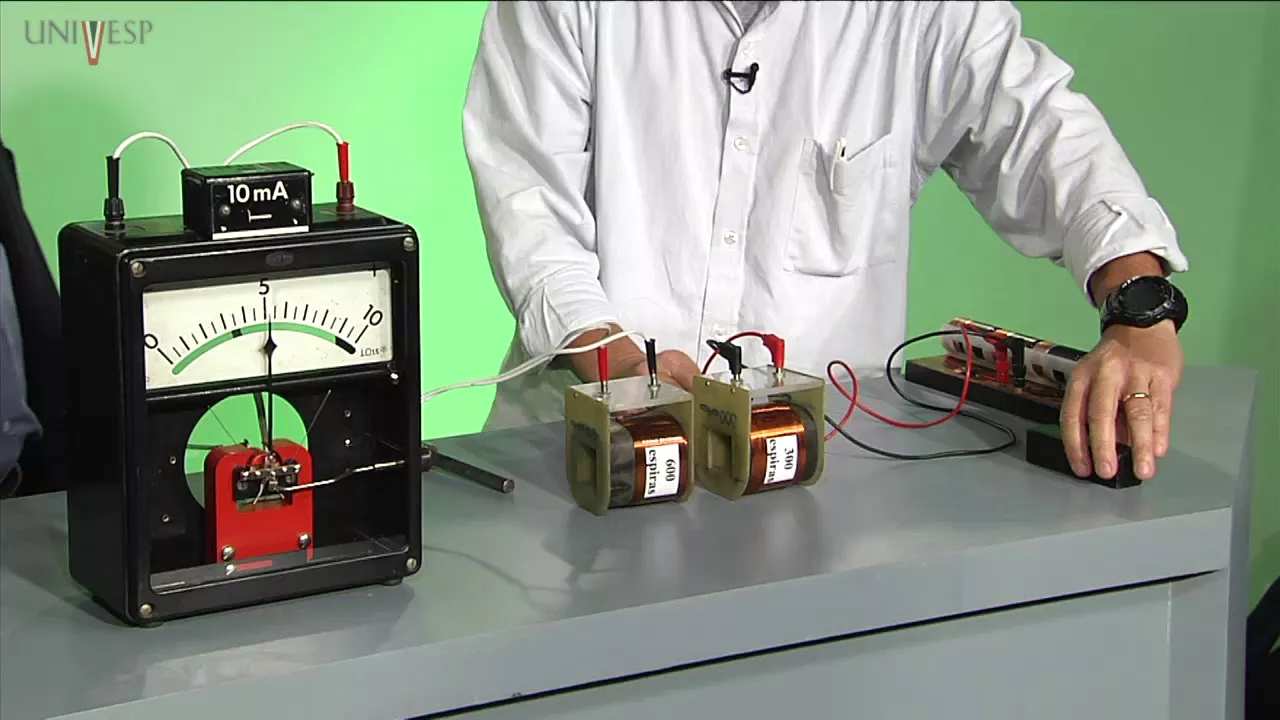
Added:Fundamentals of electromagnetic induction and how electric motors function bi-directionally as generators.
The concept of round-trip efficiency, specifically relating to energy losses during conversions (mechanical to electrical to chemical and back).
Basic e-bike powertrain architecture, including the roles of the hub/mid-drive motor, battery pack, and motor controller.
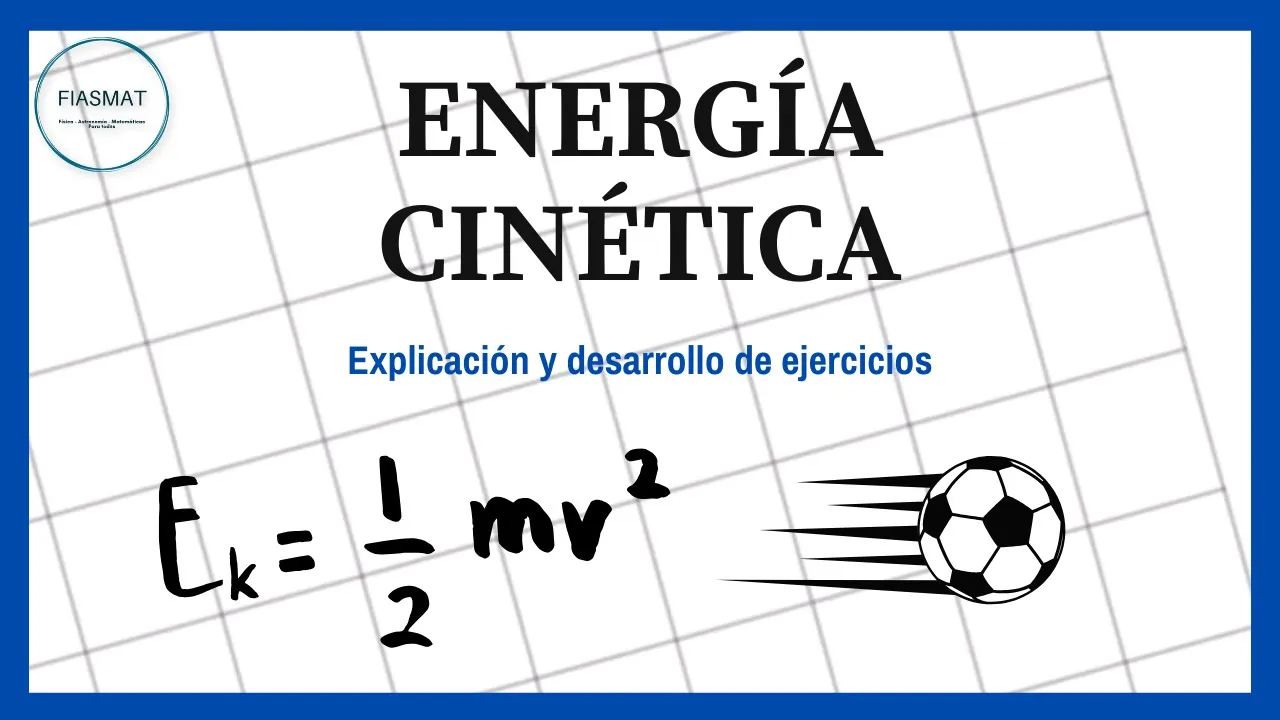
Kinetic energy equations and how vehicle mass, velocity, and deceleration dynamics dictate available braking energy.
Advanced motor control algorithms, such as Field-Oriented Control (FOC), optimized for maximizing energy recovery during deceleration.
The impact of high-rate regenerative charging on lithium-ion battery degradation, state-of-health, and thermal management.
Comparative analysis of regenerative braking efficiency across different vehicle scales, contrasting micromobility with heavy-duty electric vehicles.
The integration of supercapacitors as auxiliary storage to handle high-current braking spikes more efficiently than chemical batteries.
147.7K views5.3Klikes8:14Original Release: 2017-11-30
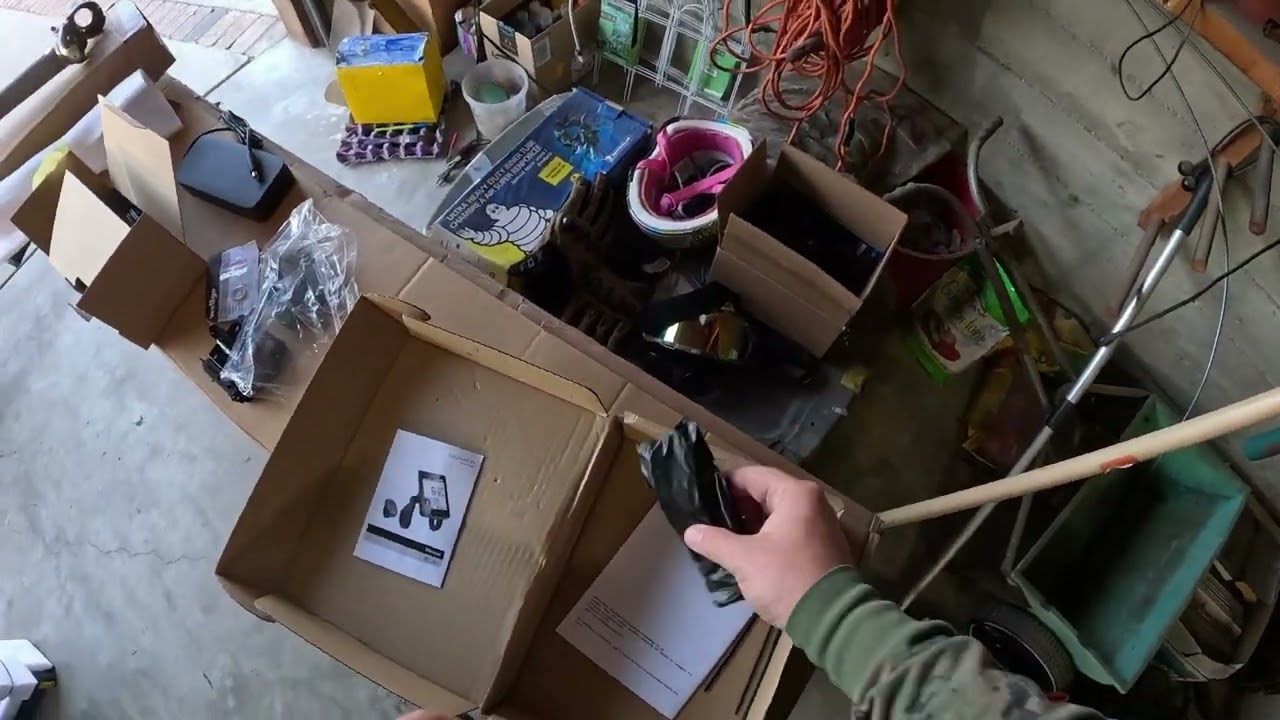
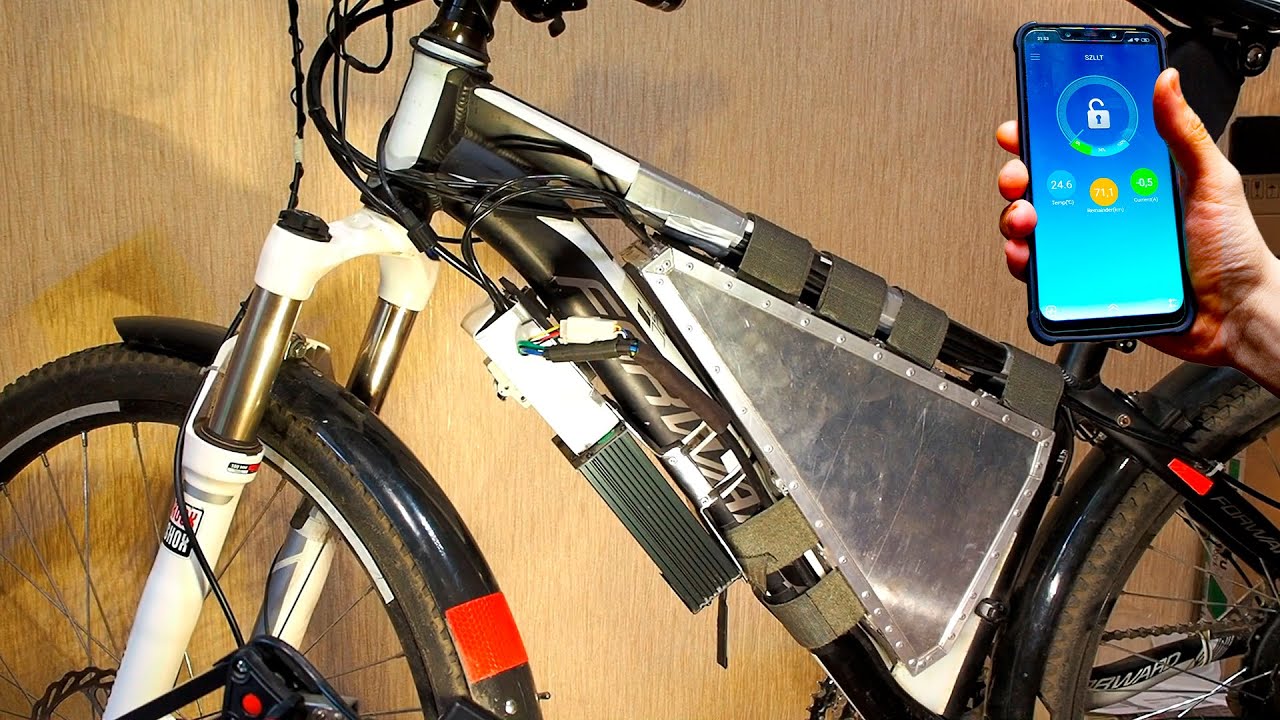
regenerative braking if you know anything about electric vehicles you've probably heard about it but how useful is it this video is going to be based on my electric bike but the theory behind it and the mechanics is very similar for all kinds of electric vehicles now on the left-hand side of the screen there is a battery energy meter this shows how much energy is stored in the battery as electrical energy and the right-hand side of the screen is a kinetic energy meter kinetic energy is the energy that an object will have when it's moving at a certain speed as you can see this bike has zero kinetic energy which means it's not moving when the bike accelerates up to speed the motor takes energy from the battery and converts it into kinetic energy then when the bike applies a regenerative braking it uses the motor to convert the kinetic energy back into electrical energy in the battery from the diagram you can see that the battery energy is back up to 100% this would mean that the system was 100% efficient which is never really the case in the real world so it's time to put it to the test so about here on my electro bike it's fully capable of regenerative braking I'm using the V ESC or v6 to do that it's from tramper boards I'll link them down below but the newest addition is this new bluetooth module that I bought which means I can view all sorts of data you know including the voltage the temperature how many miles have written the range I've got left how many water hours I've drawn and most importantly how many waters I've recharged so I'm just going to do a quick test I'm going to accelerate up to full speed which is about 34 35 miles an hour then hit the regenerative braking switch and decelerate although back down to zero miles an hour and theoretically they should be equal the amount of what I was drawn versus the amount of what hours recharged this test will be useful to see how efficient that is so let's just get into the road and get my pedal flat I'm going to accelerate in three two one go [Music] right so now that time was coasting that was all acceleration and deceleration using the accelerating power of the motor and the decelerating another rigidity of braking and it looks like so I've used about ten what hours during acceleration and about 1.4 what hours charged so that's about 14 yeah 14 percent efficiency obviously this is only one test so I'm going to redo this test over over again and then when I get home I'll work out an average and let you know so let's keep accelerating and braking see you in a bit so after repeating this test 10 more times here are the results during the acceleration period 8.08 what hours of energy was discharged from the battery now I don't know the mass of me and the bike and also the speed I was traveling I can work out that the kinetic energy gained it was three point five nine watt hours now from that we can see that four point four nine watt hours of energy has not been accounted for now the first law of thermodynamics states that energy cannot be created or destroyed so this energy has just been converted into other types of energy such as heat sound and also the kinetic energy of the air particle was moving out the way or what we know is drag so now that me and the bike are traveling at 35 miles an hour I have a kinetic energy of three point five nine watt hours so theoretically if I apply it the regenerative braking I should be able to charge three point five nine watt hours back into the battery however only one point two seven watt hours was recharged back into the battery out of that three point five nine what hours of energy that I could have used so if I show you this on the diagram that I had earlier you can see that the battery energy reduces far more than the kinetic energy increases and as mentioned this difference in energy is not destroyed it is just converted into other forms of energy but I will refer to it as wasted energy because it cannot be converted back into electrical energy in the battery then when the bike undergoes region breaking this is how much battery energy is captured from the kinetic energy as you can see the energy stored in the battery is far from 100% as shown in the previous diagrams before the test but it's still fifteen point seven percent more bad for energy than if you didn't have regenerative braking at all so you may be wondering what happens if the bike rides up a hill well the same rule from the first test can be applied to this if the bike were to ride up a hill at a constant speed the kinetic energy wouldn't change instead the battery energy would be put into increasingly gravitational potential energy of the bike and it's rider then when the bike gets to the top of the hill and starts to descend as long as it descends at a constant rate the kinetic energy will be constant but the gravitational potential energy will be recharged into the battery now the 15.7% and calculated from the first test can also be applied to this test so if I were to write up a hill and then descend down the other side the amount of energy recharged into the battery it would be fifteen point seven percent of the energy used to ride up the hill in the first place so does this mean that regenerative braking increases the range by fifth point seven percent well not exactly you see this test only accounts for periods of the bike ride where battery energy is converted into gravitational potential energy or kinetic energy which can therefore be converted back into battery energy however if the bike is traveling along a flat road and there was no change in speed the gravitational potential energy and the kinetic energy will stay constant but the battery level will still be reduced because otherwise the bike would just continue riding forever at a constant speed but this is impossible so the battery energy used during this cruise period where there's no change in altitude or change in speed it's completely wasted energy as I've described earlier and cannot be refunded back into the battery so yeah that means that this 15.7% extra range is going to be reduced by quite a bit now obviously the amount that it's reduced by depends on how long you cruise for so let's do a whole lot more riding and gather some more data over the following week I wrote a total of 93 point three miles writing a various speeds and also changing break intensity from high speed hard braking ten mile sprints - 20-mile cruising relaxing Sunday rides over the ninety three point three miles traveled the bike used 3107 watt-hours and the amount of energy recharged from the regenerative braking was 109 watt hours this gives a value of three and a half percent extra range with the regen braking now there might not sound like very much but some of the rides I had 2.4% recharged and some of the rides I had almost five percent recharged which given that the battery spec on my bike is capable of twenty miles five percent recharged is about an extra mile now on a bike like this it wouldn't cost that much more to just add a bit more battery capacity together extra mile and then I wouldn't have to worry about the regen braking but on a vehicle such as a car where the cost is a lot higher the regen braking is a lot more useful now on vehicles such as the Tesla cars I'm not sure whether they're regen system is a lot more efficient than on my electric bike but even if they are more efficient it still can't account for the non-refundable energy used during the crews period maybe we could test this out on a Tesla vehicle in a future video I hope you found this interesting and if you did it would be great if you could leave a thumbs up if you're new to my channel please click Subscribe until next time goodbye
Up Next

32:21
Chopper Fed DC Separately Excited Motor | Electric Drives
@AKGECDigitalSchool
274 views•2022-12-17

30:32
Ultrasonic Transducers: Resonant Frequency Measurement and Horn Design
@imajeenyus42
229.9K views•2017-02-22
22:12
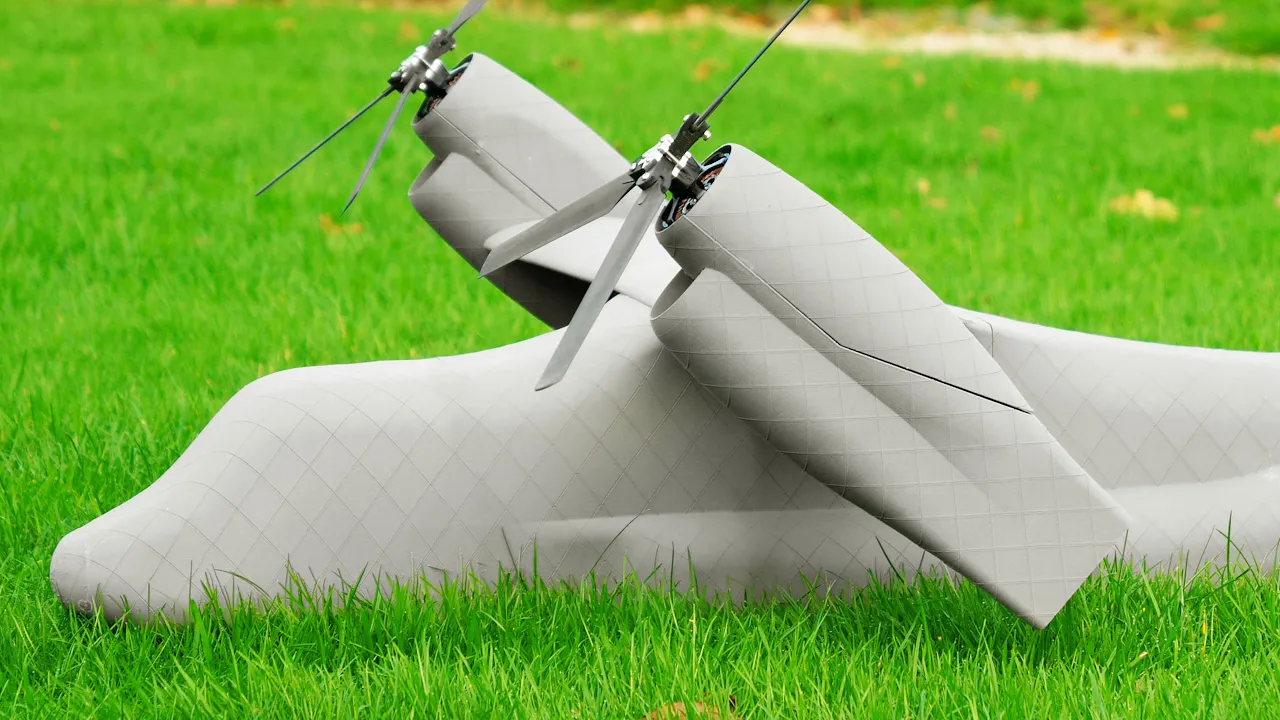
V-22 Osprey Twin-Rotor Aircraft: Rotor Head Design and Testing
@TomStantonEngineering
4.3M views•2022-12-08

33:39
How a Student's Question Saved a NYC Skyscraper from Collapse
@veritasium
22.8M views•2025-04-26
Related Study Plans & Knowledge Roadmaps
Structured learning paths in Engineering
engineering
Building Acoustic Levitators: Physics & Arduino
01The Physics of Sound and Standing Waves
02Piezoelectric Transducers and H-Bridge Drivers
03Arduino Programming: Generating 40 kHz Signals
+ 2 more learning modules
14h5 modules
Explore Roadmap
engineering
Building Peltier Cloud Chambers: Particle Tracks
01Cosmic Rays & Cloud Chamber Physics
02Thermoelectric Cooling (TEC) Fundamentals
03Custom Liquid-Cooling Loop Design
+ 2 more learning modules
18h5 modules
Explore Roadmap
engineering
Yagi-Uda Antennas: Modeling, Build & VNA Test
01Introduction to RF and Antenna Fundamentals
02Yagi-Uda Antenna Design Principles
03Antenna Modeling and Simulation in 4NEC2
+ 2 more learning modules
18h5 modules
Explore Roadmap
engineering
ECG Monitor Design: Op-Amps, Filters & Noise
01Electronics & Breadboard Basics
02Op-Amps and Instrumentation Amplifiers
03Bioelectricity and ECG Fundamentals
+ 2 more learning modules
18h5 modules
Explore Roadmap