
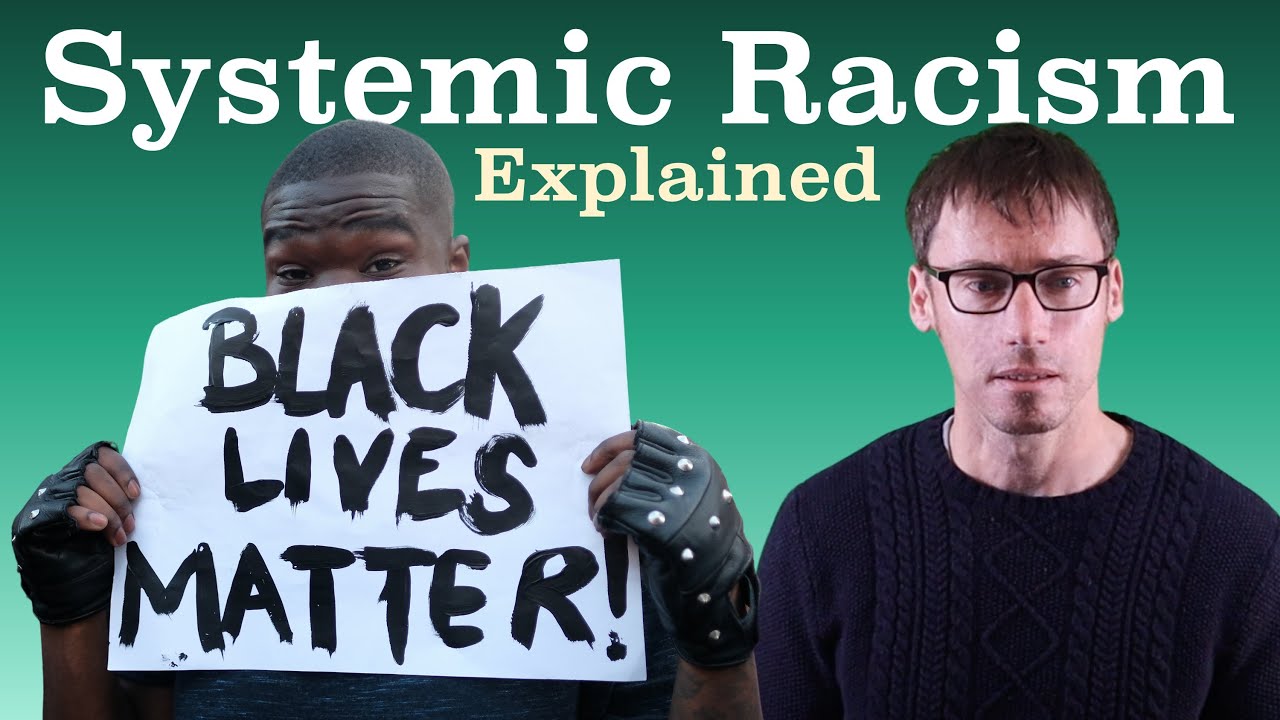
















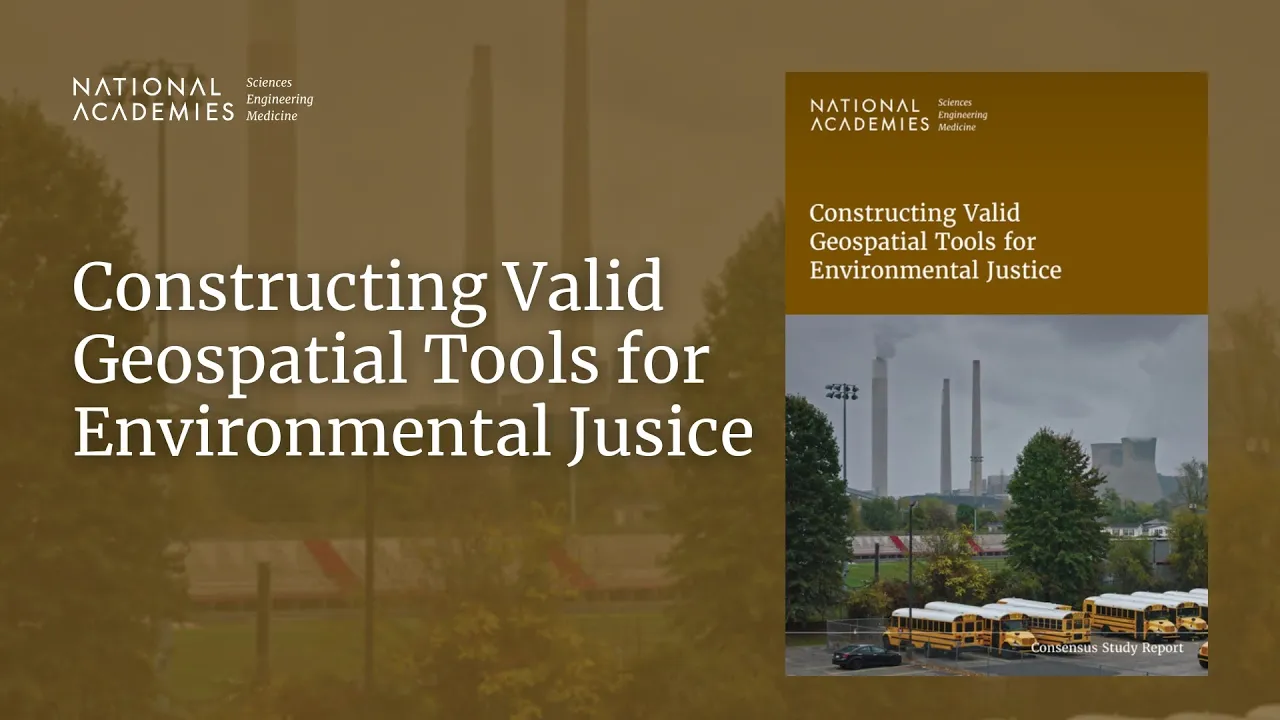




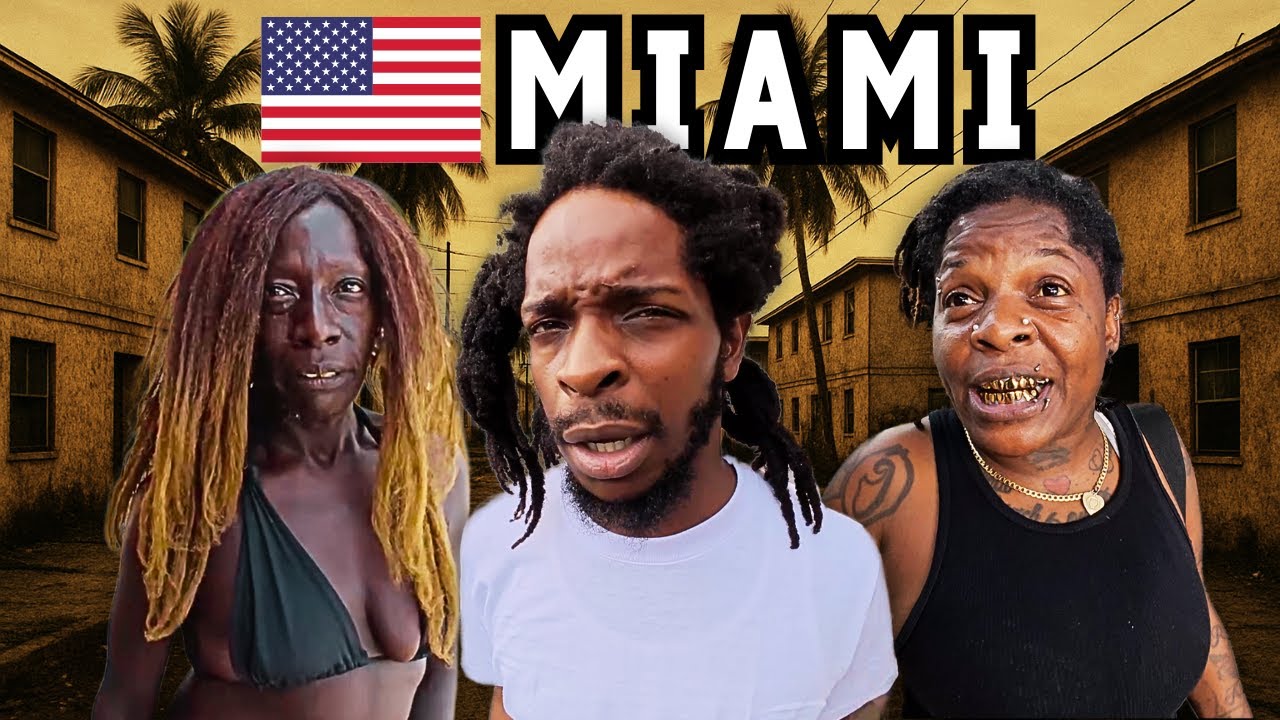

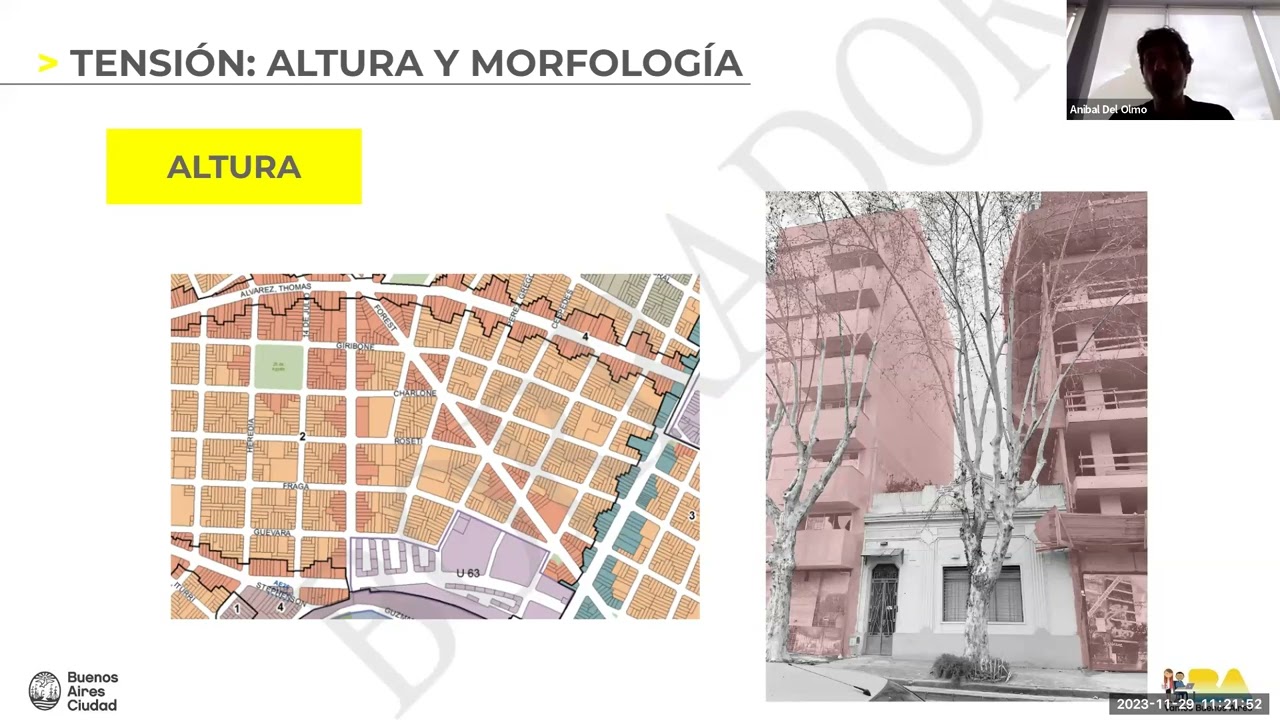


Environmental racism refers to the disproportionate exposure of communities of color to environmental hazards and pollution, which persists even when controlling for income; this systemic issue stems from historical practices like redlining that forced minority communities into industrial zones, combined with ineffective government regulation and industry practices that view these communities as expendable sacrifice zones, resulting in significantly worse health outcomes including higher rates of heart disease, asthma, and premature death.
Environmental Racism, Public Health, and Zoning Inequalities
Added:Understanding the concept of systemic and institutional racism, particularly how historical policies have long-term societal impacts.
Basic knowledge of urban planning and zoning laws, including how municipalities designate land for residential, commercial, or industrial use.
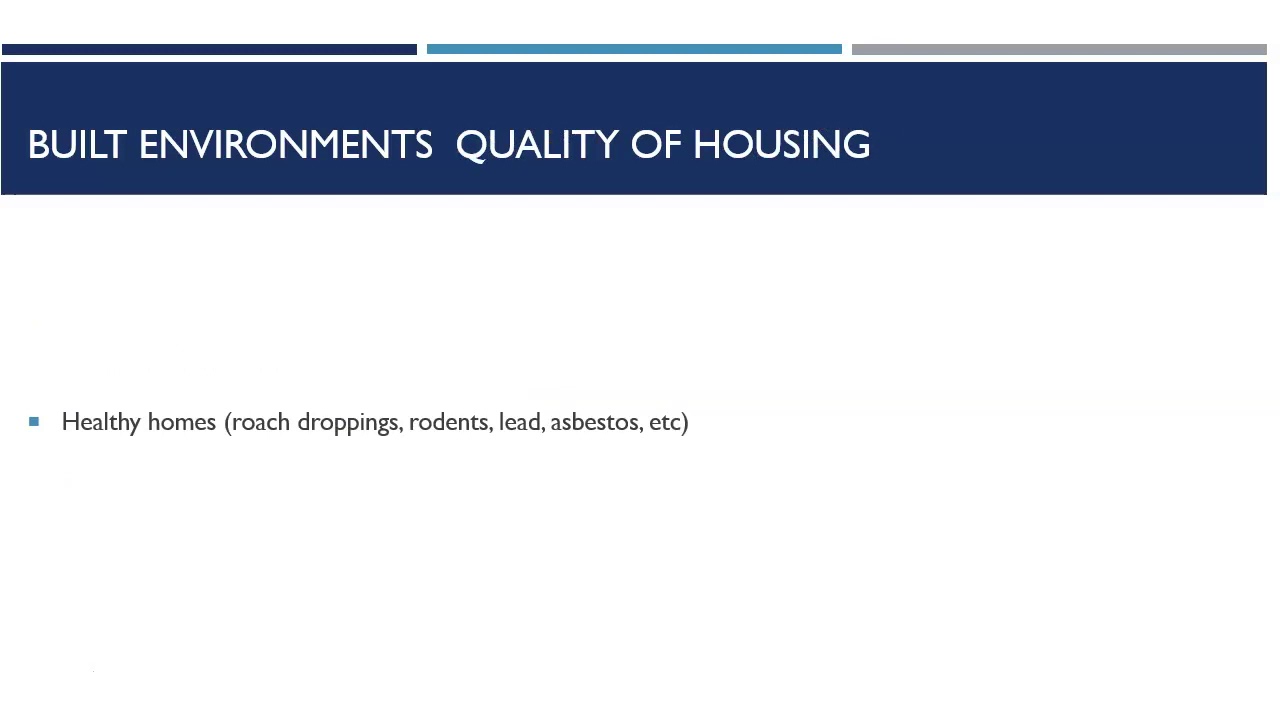
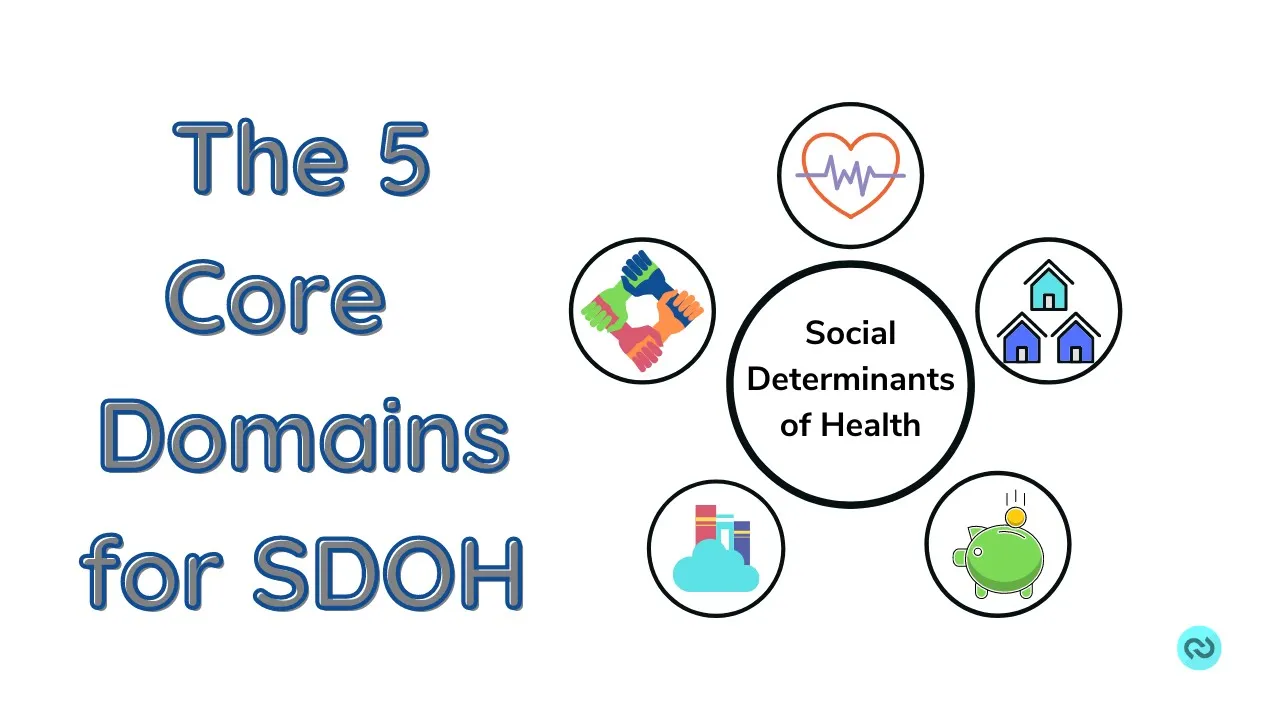
An introduction to the social determinants of health (SDOH), specifically how physical environments influence public health outcomes.
A foundational grasp of the history of redlining and discriminatory housing policies in the United States.
Exploring the history and strategies of the Environmental Justice (EJ) movement and relevant policy frameworks like Title VI of the Civil Rights Act.
Studying cumulative risk assessment and epidemiological methods used to measure toxic exposure disparities in marginalized communities.
Analyzing equitable urban planning strategies and how to prevent climate gentrification during community revitalization.
Investigating participatory planning models that empower affected communities to have a direct voice in local zoning and land-use decisions.
5.6M views112Klikes21:51Original Release: 2022-05-02
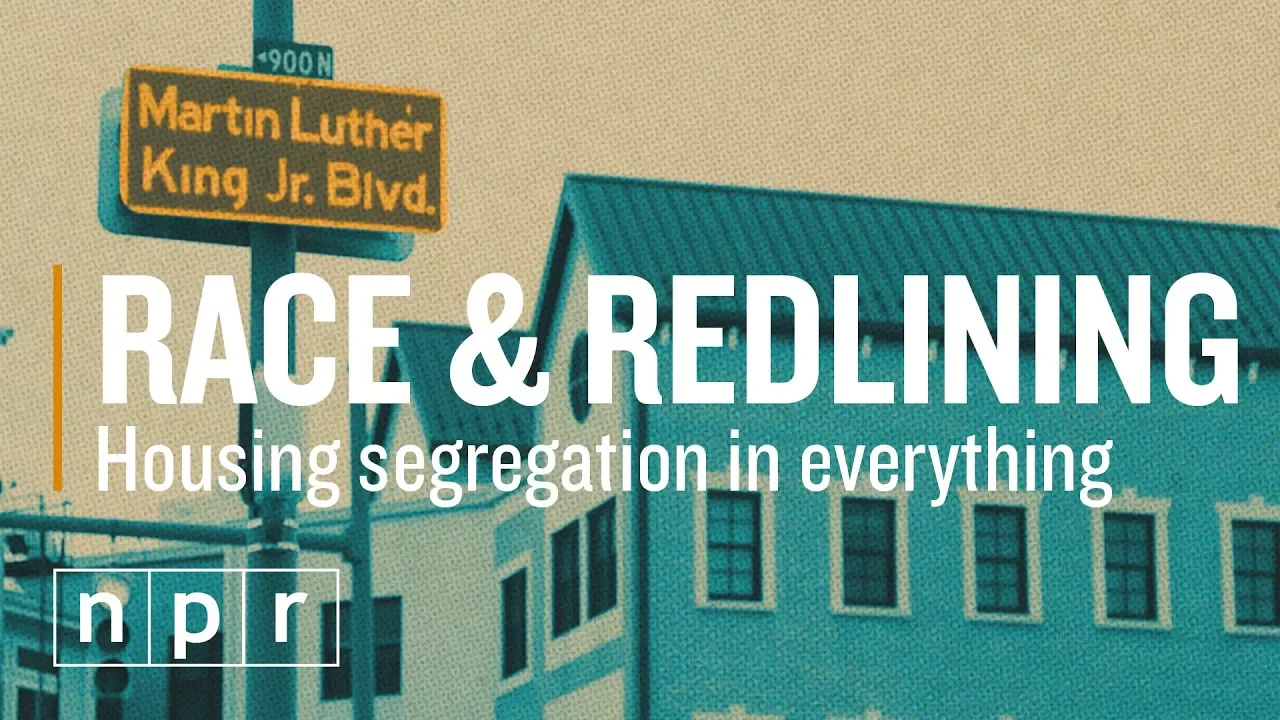
[Music] moving on our main story tonight concerns pollution it's the thing that psas have been warning us about for more than half a century now before you take another breath think what air pollution may be doing to your lungs hold it now think what are you going to do about it well if there are groups in your town fighting to make the air clean join them or write to clean air washington dc uh by the way holding your breath is not the answer flawless not a single floor the only thing i'd say there is you could have had a little more fun with what's written on the balls that's it you're already the flirtiest weirdo 1960s psa has had to offer swing big you could have gone with bet you didn't know these were in my mouth or these are kermit's eyes or robert kennedy will be shot on june 5th 1968. the world was your oyster there look we all suffer from exposure to pollution in this country but some significantly more than others thanks to what's called environmental racism studies have found that black americans are exposed to 38 more polluted air and are 75 more likely to live in communities that border a plant or a factory and crucially the disparity in exposure persists even when controlling for income one study found that on average black americans making two hundred thousand dollars were exposed to more air pollution than white americans making twenty five thousand proving yet again racism is one of the few things in this country more powerful than money in fact i believe america's current top five power rankings go racism beef viral videos of soldiers reunited with their dogs dj khaled's pr team and then money and while the decisions that lead to disparate outcomes can be subtle they can also be incredibly flagrant in 2008 there was a massive spill of coal ash here in tennessee with tons of toxic waste dumped into a largely white community now the good news is they removed 4 million tons of it the bad news is it was then dumped 300 miles away in this largely black community called uniontown where residents were pretty clear about what had just happened taking that from a white area the white people didn't want it let's just keep it 100. if white folks ain't wanted why do you think it's good enough for the blacks yeah she's absolutely right it seems when white people don't want something anymore they either dump it on minority communities or sow a hummingbird on it and listed on etsy as handmade vintage let's keep it 100 for a second that is garbage the fact is though black neighborhoods in particular can get targeted with incredible precision and the stakes could not be higher here pollution is one of the driving factors behind conditions like heart disease asthma and even death with black americans nearly three times as likely to die from exposure to pollution and vast disparities can even exist within the same city as this environmental expert breaks down right now the zip code is the most important predictor of health and well-being you tell me your zip code i can tell you how healthy you are all zip codes are not created equal really yes you can find zip codes that are adjacent to each other and have a life expectancy disparity of 10 15 years depending on what's in that neighborhood and what's not in that neighborhood wow that is grim you can live 15 fewer years depending on your zip code is the worst zip code news since the time that they added those four digits at the end i don't know what those are and i am never going to learn them i know my five digit zip code my social security number my birthday one of my children's birthdays and that is the end of my numbers i'm not learning anymore so given just how awful its effects are tonight let's take a look at environmental racism how it got this bad how government and industry continue to fail people of color and what we can do about it and the first major factor to consider here is history as we've discussed before on this comedy show it was explicit federal policy for decades to segregate housing based on race through a process known as redlining basically black people could not get government-backed home loans where white people lived and the areas where they could live were often also zoned for industrial uses here's how it worked in dallas so you can take a redlining map from the 30s and maps from the 40s and overlaid that on a current industrial map of dallas and they'll show you black and brown folks are forced to live side by side by heavy industry in a way that nobody else in dallas was forced to live that's basically the same parts of town which does seem pretty intentional i know some things are just weird coincidences like how john adams and thomas jefferson died on the same day or how george washington had wooden teeth and patrick henry died of anal splinters just a random true fact that they don't teach you about in history class but this this is no coincidence and that might at least partly explain why the life expectancy here in jopli a predominantly black area with a lot of industrial zoning is just 71 while in the predominantly white highlands park it is 84. and it definitely helps explain why certain neighbors have to put up with like shingle mountain that is the work of a company named blue star recycling which claimed it had a plan to recycle roofing shingles into asphalt so it started dumping a literal mountain of them into a lot right next to homes in a largely black and latino neighborhood look at it shingle mountain wow that's a hundred thousand tons of shingles a hundred thousand tons of shingles exactly wow it kind of smells like like just rubber like raw rubber it does it smells like burnt payment not a violation excuse me bless you yeah i think i feel like you're driving back here yeah it is this one yeah you can feel it going up your nose mm-hmm yeah you get your ex you feel it on the mouth excuse me bless you okay look sneezing in response to 100 000 tons of fiberglass waste is fine a couple of times but there is a point when you're just interrupting people and it is rude still still you cannot deny it is impressive that it took all of five seconds for that mountain to turn solid at o'brien into a woman at the beginning of an allergy commercial when she's still in black and white and blue star's owner chris ganta did not seem that concerned about the mess that he made because watch what happened when o'brien managed to stop sneezing for long enough to call him so let me ask you a question when you think of the people who live there on shingle mountain like what would you say to them because you know it's pretty gross the whole neighborhood around there's gross i mean uh everything around there is uh an industrial area i didn't really go down there very often because i didn't like being down in that part of part town but do you think the people there you know do you feel sorry for them do you feel like hey listen that's where they live they get what they get i mean everybody knew what the zoning of the area was when they when they bought i mean it's kind of like i don't know buying right next to the nuclear place and then complaining later about it that's an industrial area and every city has to have an industrial era just the way it is you know part of me almost appreciates that level of unapologetic shittiness no efforts to spin or dodge it just flat out saying yeah it's an icky part of town full of gross poors who deserve to live in filth did you get all of that for your news report i can say it again slower if it helps but what ganter clearly does not understand there is that a lot of people didn't choose to live in an industrial area racist zoning policies chose for them and while his company eventually went belly up and local activists got the city to move the shingles it only moved them just across the highway to a massive landfill allowed by the neighborhood zoning but history and zoning are only part of the story here because it also is about who has the power to push back and polluters often assume that black communities in particular won't be able to stop them take the by halia pipeline it was a joint venture between these two companies who planned for their oil pipeline to take a very deliberate path through memphis the path by halia proposed winds down through south memphis cutting through several historically black communities there is a more direct option but that would cut through predominantly white wealthier neighborhoods in the north yeah that does seem a little odd doesn't it normally the shortest distance between two points is a straight line not through any black people who happen to be living nearby although i will say the least surprising thing there is that the white wealthy suburb is called germantown that is the name you give your community when aryanville feels a little too obvious and while the companies behind the bahalia pipeline insist that they had good reasons for choosing the path that they did according to a local activist a rep for them once accidentally said the quiet part out loud there was a community meeting that by halia pipeline held and they were asked by one of the members of the community why did you all choose this route and there's usually a pr answer but instead the representative was pretty clear and plain what do you say we basically chose a point of least resistance when people aren't scripted you can really learn what they believe and what they think wow you don't usually get a corporate pr line quite so honest there is a reason that apple slogan is think different and not we made all the ports different again what are you gonna do nothing you'll do nothing you'll buy a hundred dollars of new cars that'll last you until next year when we vent some called usbq or whatever it's not even about the money for us anymore it's about the erotic rush of power now i have to tell you the pipeline company insists that that rep's answer did not reflect the company's views and that he should have said that they look for roots with the least collective impact to the community and that definitely does sound better than the actual truth which is that largely minority communities often are seen as the path of least resistance while local activists have tried to resist and for decades they've often done it alone as big environmental groups historically haven't been the best allies as this climate justice activist points out the priorities of the environmental movement have tended to leave certain communities out we need to redefine environmentalism to to think more inclusively than the traditional perception of the environmental movement which tends to be on you know saving the whales or flora and fauna i did a talk recently in a national park and when it was being advertised there were people who were perplexed and people who were actually opposed to having a conversation about environmental justice she's right environmentalism clearly shouldn't just be about protecting wild spaces humans do need protection too and i know it's not the most popular start but maybe conservationists could redirect some of the resources to environmental justice that they've been completely wasting on pandas and i mean specifically pandas we spent so much time saving them and why exactly they don't want to be here they don't each other they spend most of their time falling off something seriously you watch videos of pandas they're constantly falling down it's time to let them go as fast as they let go to whatever they are holding and the thing is at least with something like shingle mountain you can see it so you know to fight it but sometimes pollution can be invisible and those that you'd expect to warn you about that can be incredibly slow to do so when it comes to communities of color you're probably already familiar with what happened to the residents of flint michigan but that is the tip of the iceberg here take the west calumet housing complex in east chicago indiana a federally assisted housing community built on top of a former lead smelter the lead levels there were dangerously off the charts how far off the charts i'll let this reporter fill you in well the safe level is supposed to be 400 parts per million well they found levels of 1200 parts per million which is already an emergency level but in some areas in the soil underneath the ground they have found areas of 45 000 parts per million and even 90 000 parts per million it's true they found lead more than 200 times higher than the level requiring cleanup which just isn't great when the place that you found it is the ground a thing notoriously difficult to avoid unless that is you willing to spend the rest of your life playing a very high stakes version of the floor is lava but what's even worse is the government knew the area was dangerously toxic decades before they told anyone who lived there time and again regulators had the opportunity to tell residents and they just didn't like in 1985 when the epa first found high levels of lead in the soil near the housing complex they didn't notify residents or later in 1998 when the department of health and human services and state health officials found 30 of children under 6 in the housing complex had elevated blood lead levels they didn't notify residents flash forward to 2009 the epa declared the land west calumet was on a superfund site marking it a priority for contamination cleanup and still didn't notify residents a quick side note here they didn't have to do that because fun fact federal law doesn't require its agencies to tell tenants that a unit is located on a superfund site which i truly cannot wrap my head around the whole point of superfund is to officially classify something in the government record as very dangerous so it is not great to do that and then not tell the people actually at risk it's like putting a do not leave lean over the fence sign at a bear exhibit and having it face the bear site sure the information's technically out there but it's not really doing much to improve public safety anyway in 2014 the epa the doj the state of indiana and the corporations responsible for the contamination agreed on a remediation plan but still didn't tell residents about the danger in fact it was only in 2016 when the epa found those lead levels in the soil hundreds of times their maximum permitted level that the city finally sent a letter to residents telling them about the contamination that is 31 years and eight government agencies later and even then the steps the government took were utterly pathetic on monday the epa will be passing out flyers like these which have lots of safety tips including reminding families not to let their children play in the dirt play on the grass and to remove their shoes before walking into their homes i've been told to just keep your children out of the grass and out of the areas for the mulches how do you do that when children play that's what they do she's right kids want to run around and play although in the government's defense they did put up that sign and we all know there is nothing children respect more than the authority of a flimsy sign sorry friends no frolicking hijinks or tomfoolery for us today after all the sign is watching us and while the details in this example may be extraordinary it is worth noting that 70 percent of hazardous waste sites on the superfund list are located within one mile of federally assisted housing but look this isn't just about cleaning pollution that's already happened it's about deciding where industries will be allowed to pollute going forward and without significant changes our whole system is currently set up so that places that have already been polluted get worse and worse there's even a term for this sacrifice zones areas of the country where it is both government policy and industry practice to concentrate polluters basically the thinking is if you are zoned for industry and a company is already there what's one more but people live in those zones and one such area in louisiana has even come to be known by an incredibly bleak name more than 100 petrochemical plants and refineries dot this corridor between new orleans and baton rouge often referred to as cancer alley reserve is right in the middle of it the epa says the cancer risk here is almost 50 times the national average they built this monstrosity up on top of us even the town cemetery is surrounded by a refinery okay first putting an oil refinery around a cemetery is pretty on the nose but also let's not gloss over the term cancer alley it is pretty upsetting to learn that that's a name for an actual place where people live and not what you'd assume a slang term for the marble man's ass crack it's no wonder frankly that residents of cancer alley are so angry that industries have been allowed to move in right next to them and yet infuriatingly some local government officials try to downplay the risks i think cancer alley the term cancer alley is a myth really that needs to be debunked data that we received from the tumor registry reports that it's not cancer alley oh okay then uh but a few things on that first a tumor registry may be one of the saddest things that i've ever brought up on this show and we've talked about everything from baby crib grenades to orthodontic bullying to the elderly being eaten by alligators one of those things is real by the way and you'll never guess which one mainly because two of those are real but second you should know that since that clip researchers have in fact found that toxic air pollution is linked to higher cancer rates among impoverished communities in louisiana including this guy's parish and while local politicians and industry will be quick to point out the potential economic and employment benefits that come with industry as a local activist points out that is something of a devil's bargain if uh isis showed up and they said they would create jobs would we let them in exactly and for the record that man is a retired three-star general so when he is comparing something to isis he is really comparing something to isis and as residents there will point out they are right now in many ways trapped why haven't you moved why should i move how can i move i i struggle all my life to build this right now in good conscience who would i actually sell this house to what poor unsuspecting family would i trick into moving into this debt trap look i know the reporter is just doing her job there but that is such a ridiculous question that that man would have been fully within his right to make the rest of that interview the most passive aggressive interaction of all time why don't i move ha now you mention it i hadn't even considered moving away from cancer alley it just sounded so nice to me what a great idea you just had hold on let me throw up a zillow listing for death trap and i'll just sit back and wait for a bidding war to begin and when you put all of this together a history of racist zoning ineffective regulation and the government that continues to prioritize the profits of industry over the health of people it is clear we have a massive problem and the good news is the current president actually seems to agree with that the unrelenting impact of climate change affects every single solitary one of us but too often lebron falls disproportionately on communities of color exacerbating the need for anxiety for environmental justice sorry as a bug speaking of the environment look i don't love that a random bug undermines the genuinely important point that he was making there but i will say this at least now biden knows what it feels like when someone creeps out on the back of his neck but the fact is the fact is though biden did make environmental justice a pillar of his campaign and since taking office he's promised among other things to funnel 40 of relevant climate investments to disadvantaged communities and to issue a yearly scorecard that measures progress which sounds great unfortunately so far his administration still hasn't set clear goals to accomplish this and even worse in february it said race will not be a factor in deciding where to focus efforts which is pretty infuriating and the administration will point out that the supreme court in its current makeup is likely to strike down any explicitly race-based policy which may well be true but we're in a pretty backwards situation when any solutions to this problem have to be race blind despite the fact that the causes of it are so demonstrably not so what can we do here what as you've seen again and again in the stories tonight it is local activists on the ground who've been working tirelessly to fight for their communities and to gain concessions and they deserve much more support from larger environmentalist groups even as they continue leading the way as for the government level we need significant zoning reform to keep polluters and residents safely apart because the status quo is just not acceptable because when this country designates communities of color as sacrifice zones the clear message there is that the people who live in them are expendable that it's okay for their kids to not be able to play outside and for their life spans to be shorter and unless we make big steps to address environmental racism and call it what it is a brutal divide is going to stay in place in this country where some are treated like they're worth protecting and others like they can be sacrificed you
Up Next
33:57
Media Revolutions and the Rise of Populism: Historical Patterns
@vlogbrothers
1.5M views•2024-11-22

24:30
BRICS Pay and de-dollarization: A New Financial Order Emerges? | 55 chars
@DannyHaiphongYT
164.6K views•2024-10-22
7:33
Government Surveillance Methods: 10 Ways You May Be Watched
@BeAmazed
1.6M views•2017-04-09
10:19
Explaining the Saudi-Iranian Proxy Conflict in the Middle East
@Vox
18.2M views•2017-07-17
Related Study Plans & Knowledge Roadmaps
Structured learning paths in Political Science
political-science
Economic Statecraft: Sanctions & Chokepoints
01Foundations of Geoeconomics and Economic Statecraft
02The Mechanics of Weaponized Interdependence
03International Sanctions: Types, Implementation, and Efficacy
+ 2 more learning modules
12h5 modules
Explore Roadmap
political-science
Central Bank Independence: Politics & Policy
01Foundations of Central Banking and Monetary Policy
02The Time Inconsistency Problem & Inflation Bias
03The Delegation Model and Designing Independence
+ 2 more learning modules
12h5 modules
Explore Roadmap
political-science
Consociationalism: Power-Sharing & Stability
01Democratic Dilemmas in Divided Societies
02Introduction to Consociational Democracy
03The Four Pillars of Consociational Design
+ 2 more learning modules
12h5 modules
Explore Roadmap
political-science
Rebel Governance: Legitimacy, Economy & State
01Foundations of Rebel Governance and Statehood
02Establishing Political Legitimacy and the Rebel Social Contract
03Wartime Economies and Rebel Resource Management
+ 2 more learning modules
14h5 modules
Explore Roadmap