


















The limbic system is a functional brain network comprising interconnected structures including the hippocampus (critical for memory consolidation), amygdala (governs emotional processing like fear and aggression), cingulate gyrus, hypothalamus, mammillary bodies, fornix, and septal nuclei, which collectively regulate emotion, behavior, motivation, memory, and autonomic responses through circuits such as the Papez Circuit; dysfunction in these areas can lead to clinical conditions including anterograde amnesia from hippocampal damage, Wernicke-Korsakoff syndrome from thiamine deficiency affecting mammillary bodies, and Klüver-Bucy syndrome from bilateral amygdala lesions.
Limbic System Anatomy & Functions | Clinical Relevance for USMLE
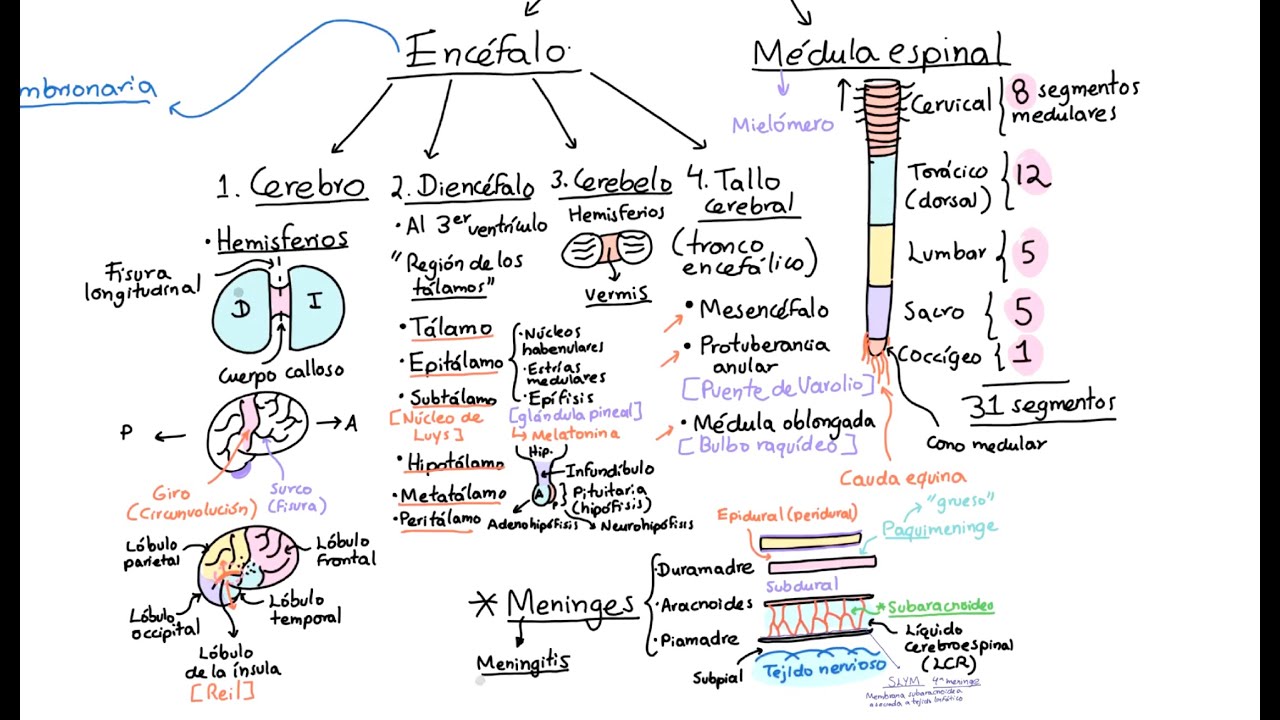
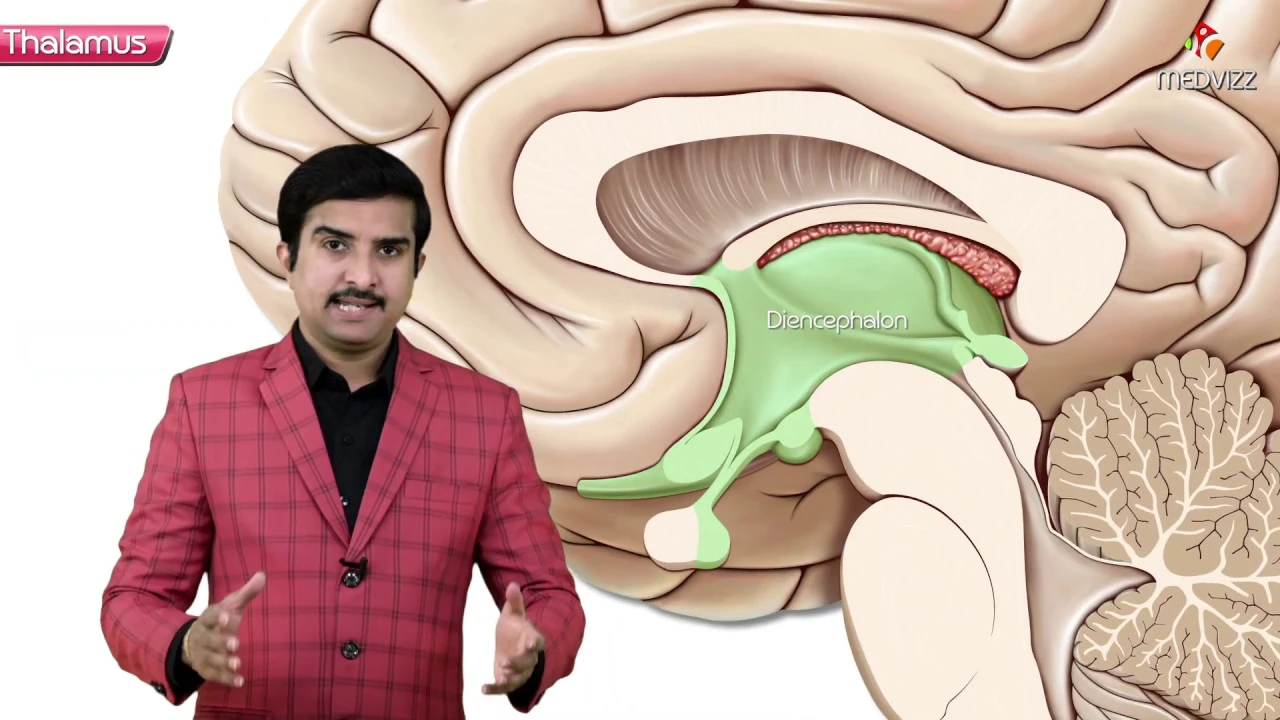
Added:Basic gross neuroanatomy, including the anatomical divisions of the cerebrum, diencephalon (specifically the thalamus and hypothalamus), and the brainstem.
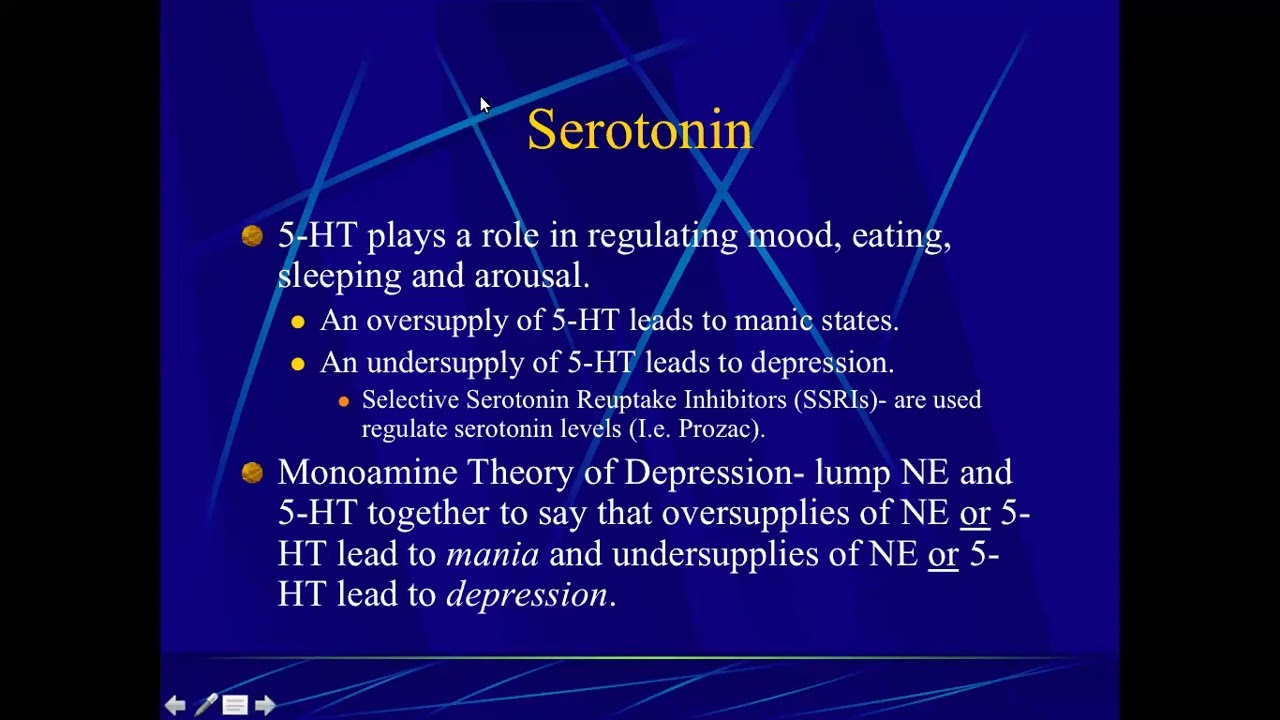
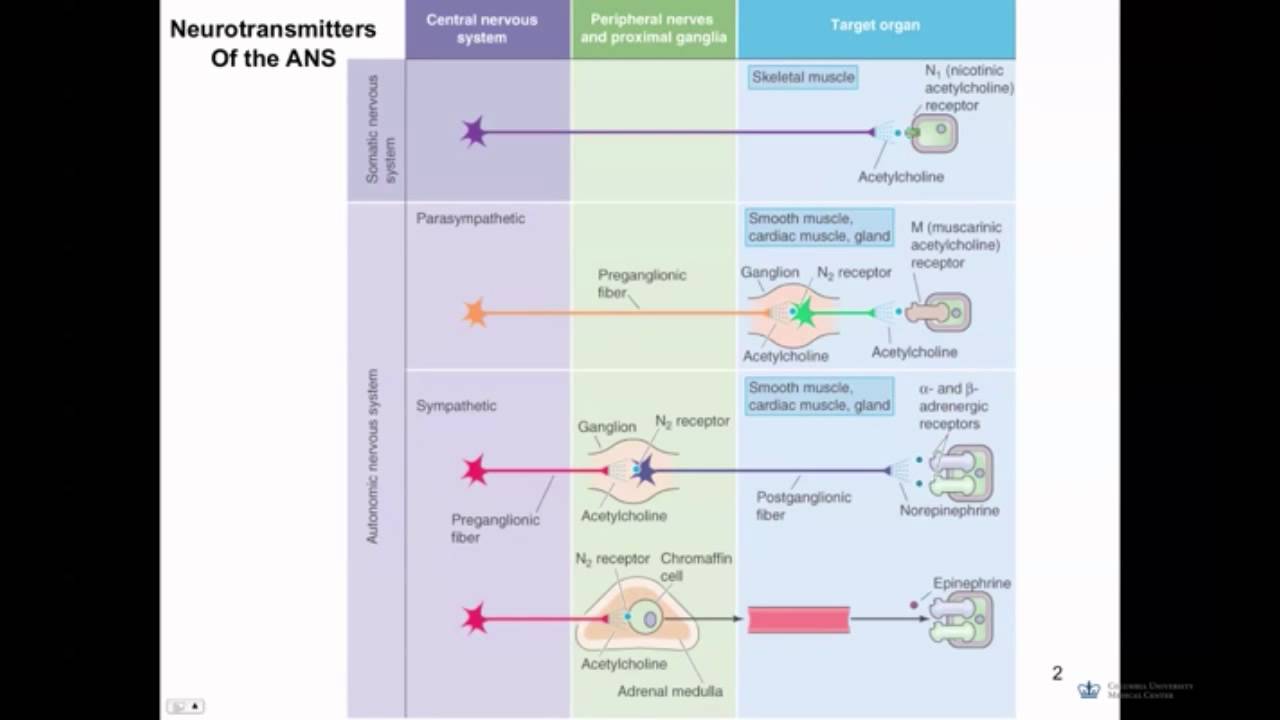
Fundamental concepts of synaptic transmission and the roles of primary neurotransmitters, such as acetylcholine, dopamine, GABA, and serotonin.
The basic structure and functional division of the autonomic nervous system, particularly the physiological mechanisms of the fight-or-flight response.
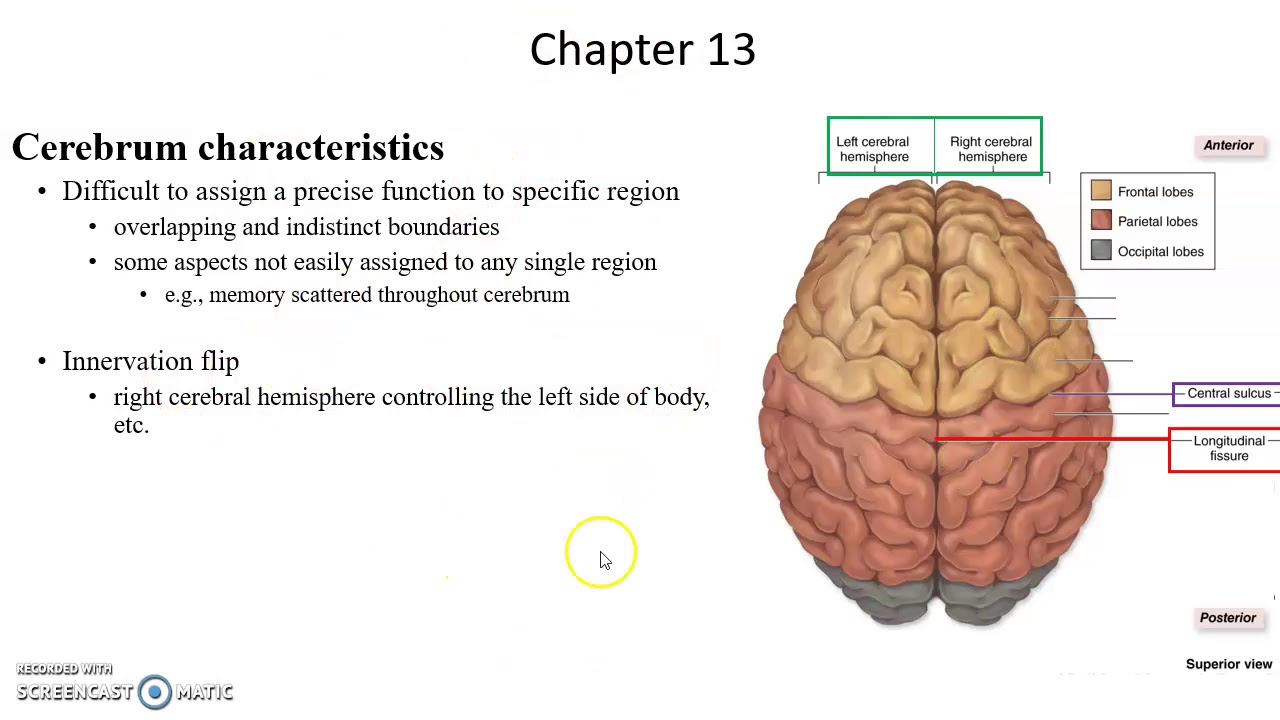
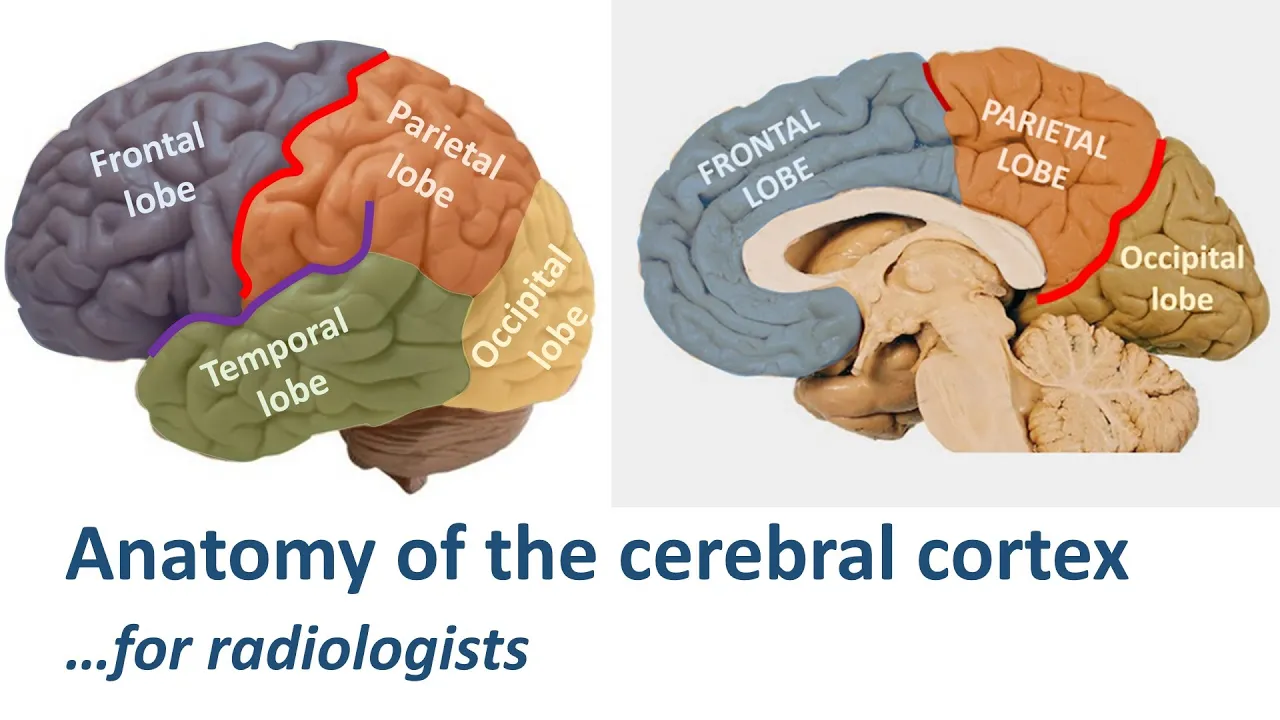
General functional localization of the cerebral lobes, with an emphasis on the temporal and frontal lobes.
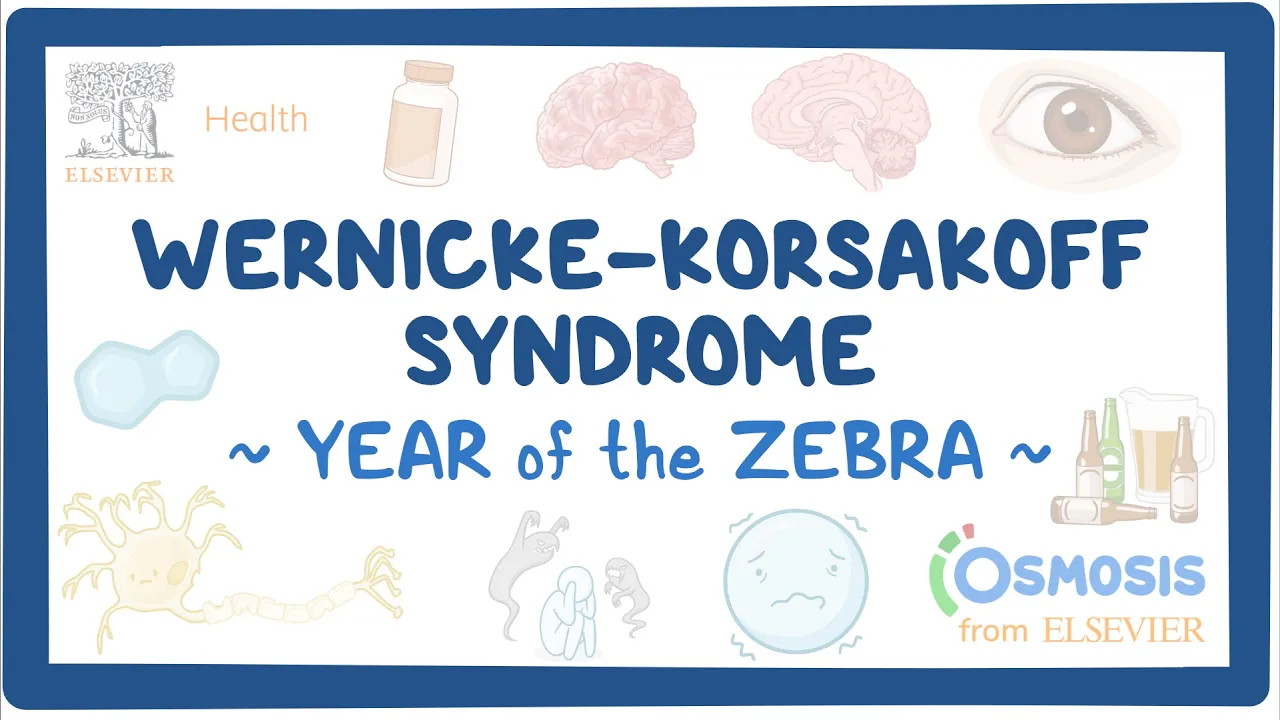
Pathophysiology and clinical presentation of classic limbic system pathologies, such as Kluver-Bucy syndrome, Wernicke-Korsakoff syndrome, and anterograde amnesia.
The neurobiological underpinnings of psychiatric disorders tied to limbic dysfunction, including post-traumatic stress disorder (PTSD), anxiety, and major depressive disorder.
Neuropharmacology of drugs that modulate limbic pathways, including benzodiazepines, SSRIs, and atypical antipsychotics.
Advanced molecular mechanisms of memory, such as long-term potentiation (LTP) and long-term depression (LTD) within the hippocampus.
17.3K views348likes7:43Original Release: 2025-07-29
[Music] [Music] Hello everyone. Let's explore one of the most fascinating and deeply interconnected networks in the brain, the lyic system. Although it doesn't have a sharply defined boundaries like other brain regions but the lyic system forms a functional circute that governs emotion, behavior, motivation, memory and even autonomic responses. So that's the reason we call it as it is the emotional engine room of the brain linking feeling with function. So what does the lyic system do? At its core, the lyic system integrates emotional responses like fear, anger and pleasure and the behavioral outputs like aggression or nurturing and memory formation and retrieval, alfaction and even autonomic nervous system regulation. So all these are the important functions of this particular circuit we can say. So you could say that it connects how we feel, how we remember and how we react. So that is what it does. So now let's break down its main components and what each of them does. The first component of the lyic system is the hippocampus.
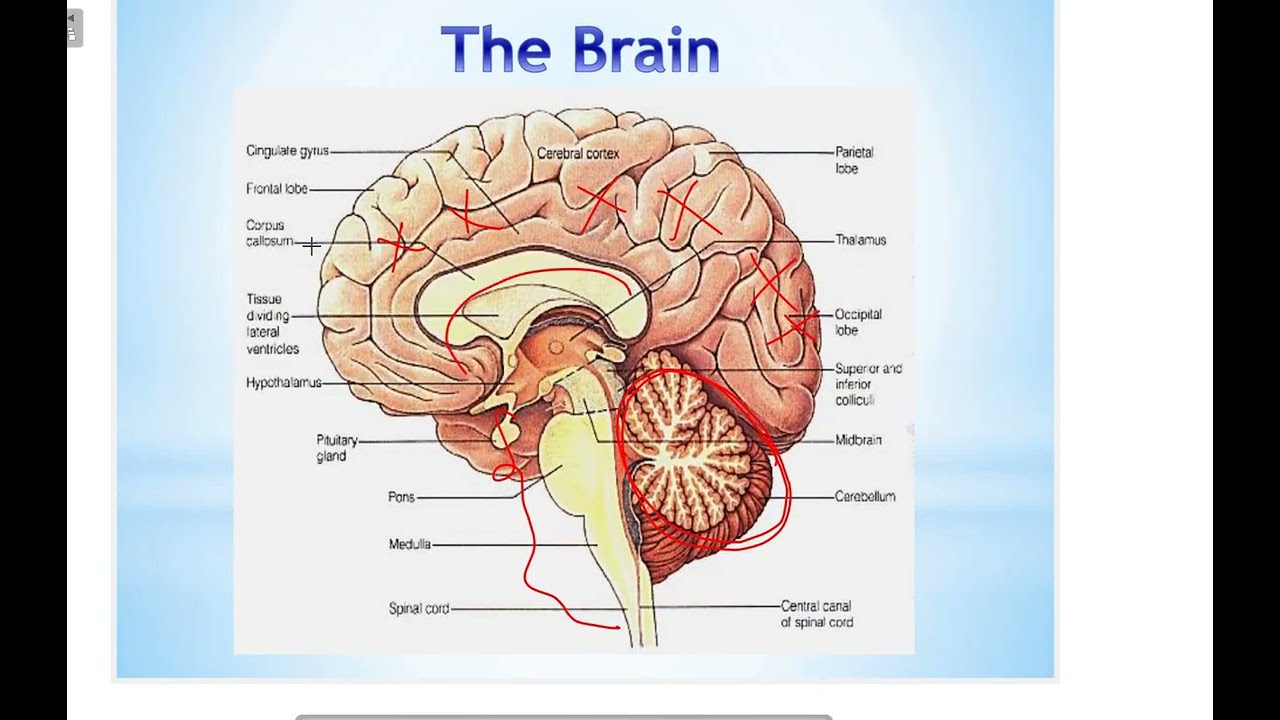
So this hippocampus is located in the medial part of the temporal lobe. The hippocampus is shaped somewhat like a sea horse and is uh critical for memory formation. So it sits just posterior to the mammalary bodies and contributes to the floor of the lateral ventricles. I hope you might have understood the exact location of this hippocampus. So it receives inputs from the endinal cortex and projects to the talamus singulate gyrus a magdala and the mamlary bodies all through the fornics.
But functionally the hippocampus is the center of memory formation particularly antirograde memory which is the ability to form new memories and it helps to consolidate short-term to long-term declarative memory and it is a key player in the papes circuit right now histologically if you see it contains a pyramidal neurons this is what we need to know for the exam point of view and uh I'm not discussing discussing any pathology over here but I want to give you a small clinical relevance here. So bilateral damage to the hippocampus lead to antirograde amnesia as seen in early Alzheimer's disease. So and these are the important components what we need to know about the hippocampus and second one is the dentate gyrus. So this lies medial to the hippocampus and it is also involved in memory formation.
It receives input from the endinal cortex and projects back to the hippocampus forming a part of the papes circuit. So it distinguishes feature is that it contains granule cells rather than the pyramidal ones what we have seen in the hippocampus. Right. Yeah.
Now the third component is the endinal cortex. So this endoral cortex located at the rostal end of the temporal lobe.
This is the major gateway between neoortex and the hippocampus. So it receives input from the allactory bulb and project to the hippocampus dentate gyrus. So these are the two pathways we can say but functionally it is involved in memory consolidation, spatial navigation and all factory associative learning and it is also plays a key and important role in the papes circuit. And now next is the mamary bodies. So we can see here these mamillary bodies are the paid structures of the hypothalamus located at the distal end of the forex. They receive input from amydala hippocampus and project to the anteriorthalamic nuclei via mamothalamic tract. They are very essential for the memory formation and a part of you you guessed it the pap circuit again right.
So by this we have understood the anatomical as well as the physiological sites of this. So what about the clinical insight here? So lesions here can contribute to vernicki scor syndrome particularly the memory loss aspect of this is contributed by this mechanism.
Now next one is the amydala. So amydala is located deep within the medial temporal lobe anterior to the hippocampus and the amydala is a key player in the emotional processing. So it receives input from the cortex alactory system and projects to the hypothalamus by means of strriataterminalis and also projects to the preffrontal cortex and allactory cortex. But its main function include processing fear, aggression and anxiety, emotional decision making, regulating the autonomic nervous system and recognition of facial expression of emotions. So damage or dysfunction in the amygdala can alter emotional behavior and even social interaction. So now next part is the singulate gyrus. So this singulate gyrus this lies superior to the corpus colosum on the medial aspect of the frontal and the parietital loes. So it receives projection from the anteriorthalamic nuclei and connects to the hippocampus and enttorinal cortex via singulum a white matter tract we can say functionally the singulate gyrus plays a role in emotion attention and memory and is also a part of the papes circuit. So now the final component is the anterior thalamic nuclei right. So these sits in front of the phalamus and or the relay point in the limbic loop we can say. So they receive input from the mamary bodies via mamothalamic tract and project to the singulate gyrus and endtorrinal cortex and they help integrate memory and emotional processing. So all these are the components of the lyic system. So finally I want to give you a conclusion message over here that the lyic system is a beautifully interconnected structure that help us feel remember respond and survive. So it ties together emotion memory and behavior and any disruption here can lead to major neurological or psychiatric disorders.
So by this we have understood in detail about the anatomical and the physiological aspects of the lyic system.
Up Next
69:33
Neurobiology of Emotion & Stress: The Amygdala & Fear Circuitry
@newyorkuniversity
76.7K views•2013-01-04

59:49
Neuroscience and Genetics of PTSD: A Precision Medicine Approach
@UWPBSCI
221 views•2024-05-09

4:10
Vagus Nerve (CN X): Anatomy, Nuclei & Functions Explained
@Alilamedicalmedia
305.2K views•2022-10-31
13:03
How Exercise Benefits Your Brain: Science Explained
@TED
11.4M views•2018-03-21
Related Study Plans & Knowledge Roadmaps
Structured learning paths in Neuroscience
neuroscience
Appetite Regulation: Brain Circuits & Hormones
01Foundations of Endocrinology and Brain Anatomy
02Introduction to Energy Homeostasis
03Peripheral Signals: Leptin, Ghrelin, and Insulin
+ 2 more learning modules
14h5 modules
Explore Roadmap
neuroscience
Neuroeconomics: Value, Risk & Brain Mechanisms
01Foundations of Neuroscience and Brain Anatomy
02Introduction to Neuroeconomics and Subjective Value
03Dopaminergic Prediction Errors & Reinforcement Learning
+ 3 more learning modules
18h6 modules
Explore Roadmap
neuroscience
Spatial Navigation: Cells, Grids & Brain Maps
01Foundations of Brain Anatomy and Memory
02Place Cells and Head-Direction Cells
03Grid Cells: The Brain's Coordinate System
+ 2 more learning modules
12h5 modules
Explore Roadmap
neuroscience
BCIs: Neural Decoding & Prosthetic Control
01Neuroscience Foundations: How the Brain Signals Intent
02Signal Acquisition: Recording the Brain's Activity
03Neural Decoding: Translating Brain Waves into Data
+ 2 more learning modules
25h5 modules
Explore Roadmap