






![[이춘근의 국제정치 284회] 통일을 앞당기는 윤석열 정부의 '현실주의 뚝심 외교'](https://i.ytimg.com/vi/LbwGLeojgfI/maxresdefault.jpg)


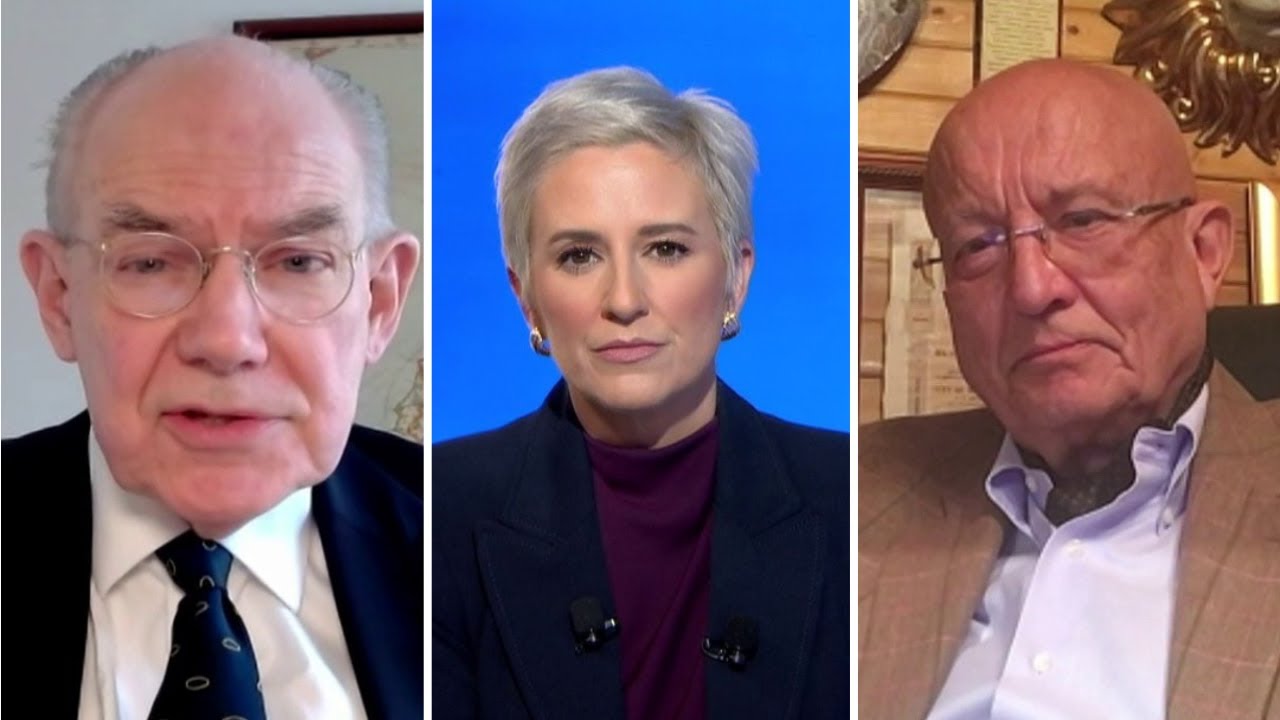






![The Hell of Good Intentions | Robert Wright & Stephen Walt [The Wright Show]](https://i.ytimg.com/vi/tgDDCrnZrKc/hqdefault.jpg)





Liberal hegemony—the U.S. foreign policy strategy of spreading liberal democracy, promoting open international economic order, and expanding international institutions after the Cold War—has fundamentally failed because nationalism and realism consistently trump liberalism in international politics; when powerful states attempt to impose their political values on sovereign nations, they trigger nationalist backlash and unintended consequences that undermine their original objectives.
John Mearsheimer on Liberal Hegemony & Realism
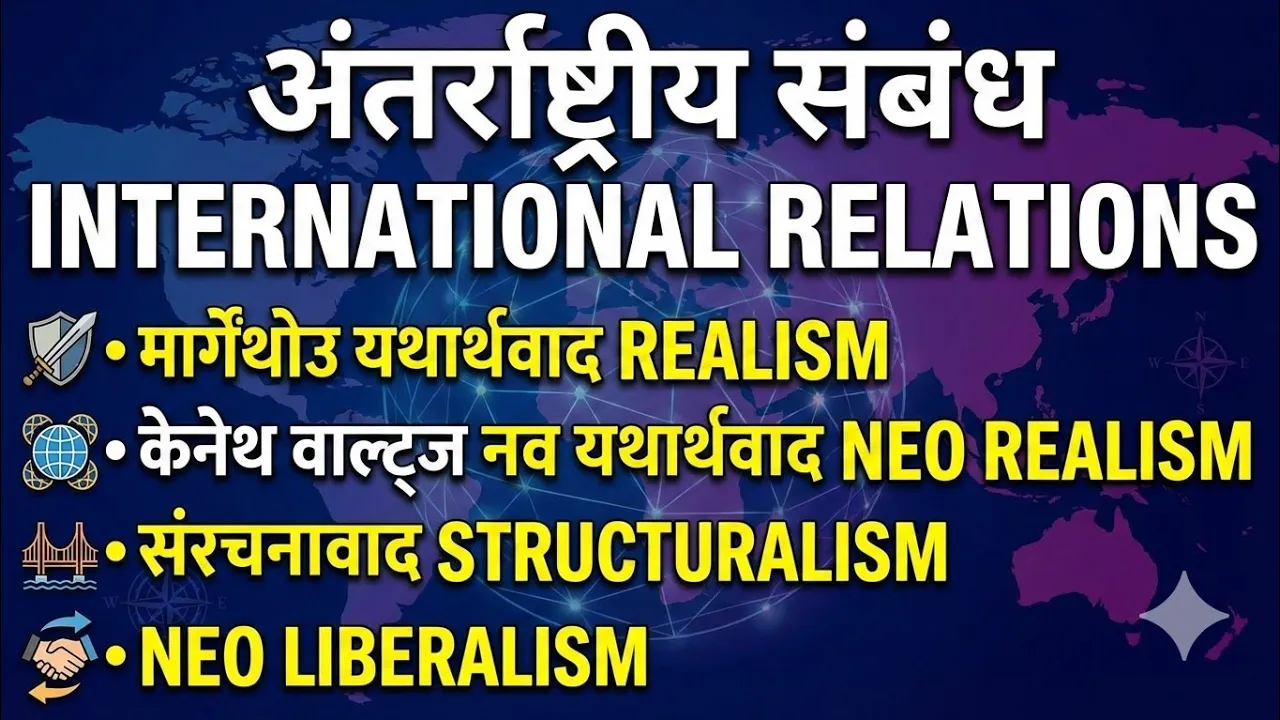
Added:Core tenets of Realism in International Relations, particularly the concepts of state sovereignty, self-help, and the struggle for power.
The definition and goals of 'Liberal Internationalism' and 'Liberal Hegemony' as foreign policy frameworks.
The concept of international anarchy and how the lack of a global sovereign shapes state behavior.
The geopolitical context of the post-Cold War 'unipolar moment' dominated by United States foreign policy.
The theory of 'Offensive Realism' as formulated by John Mearsheimer in contrast to 'Defensive Realism' (Kenneth Waltz).
The foreign policy strategy of 'Offshore Balancing' and 'Restraint' as proposed alternatives to liberal crusades.
Modern Great Power Competition, specifically the geopolitical dynamics and security dilemmas between the United States and a rising China.
Constructivist and Neoliberal critiques of structural realism, examining why some scholars believe international institutions can still mitigate conflict.
107.3K views934likes1:20:57Original Release: 2018-10-17
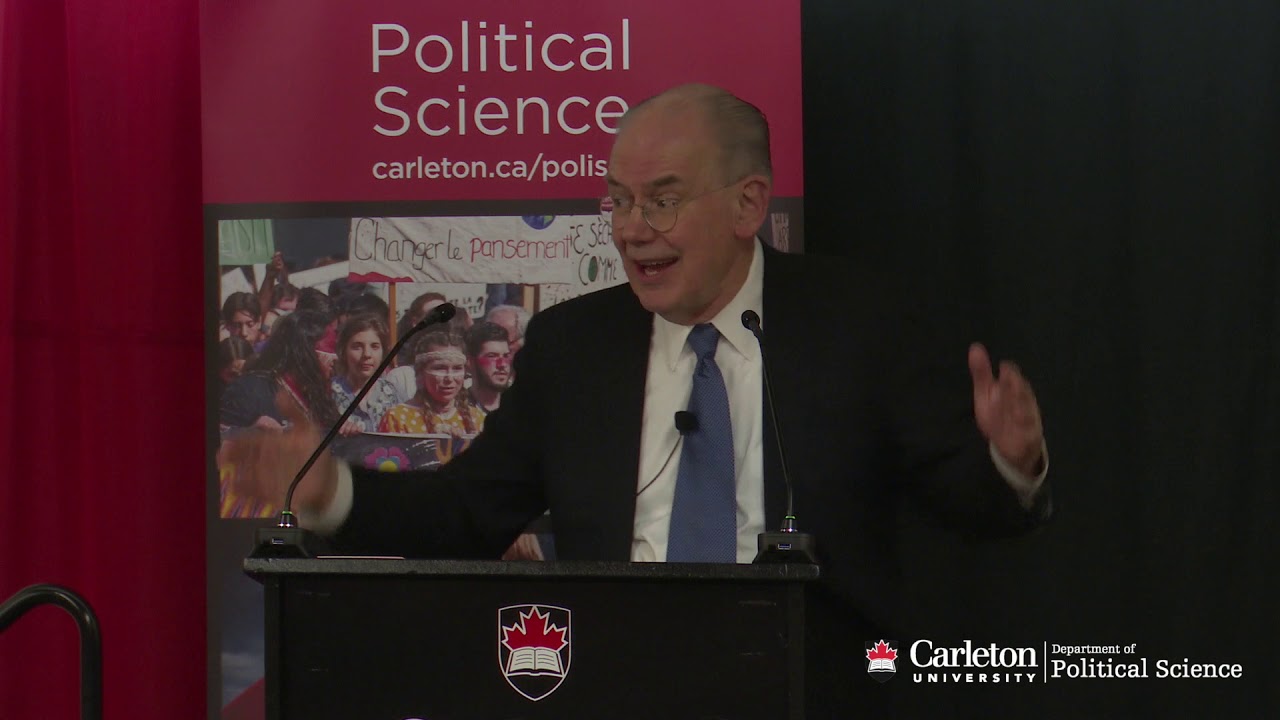
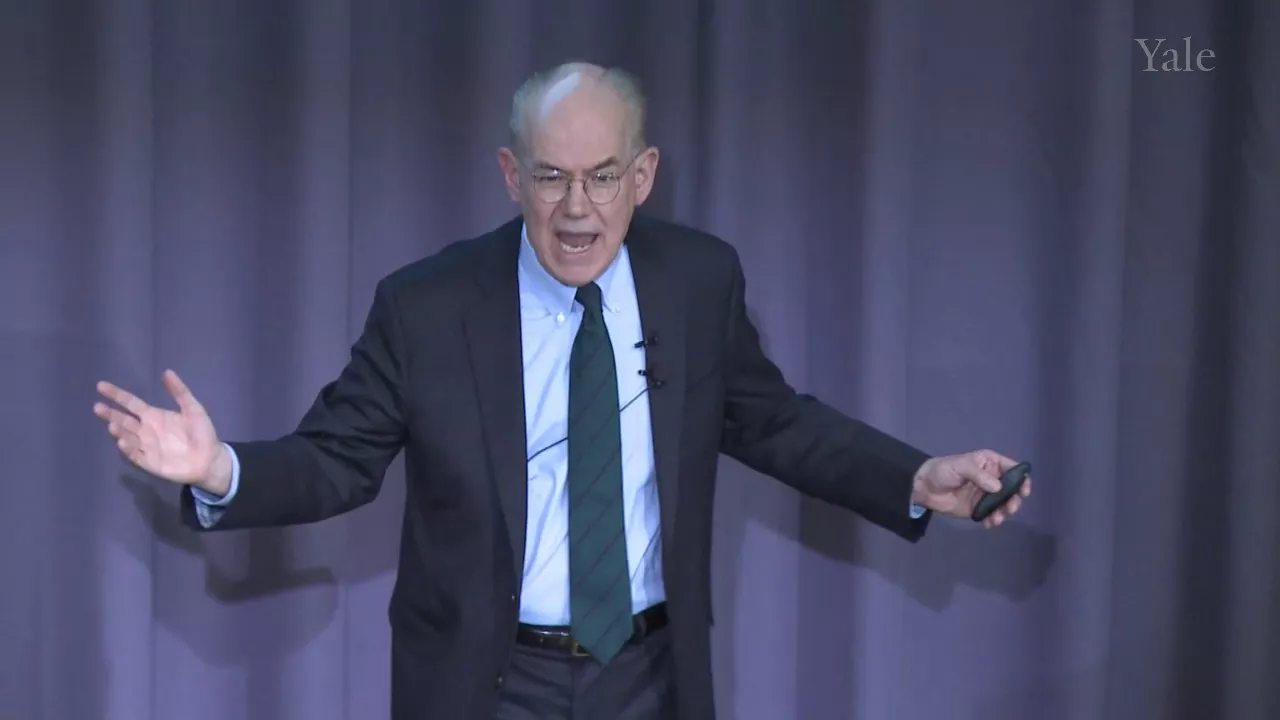
thank you for coming we've got a great discussion and a great panel on John Mearsheimer the great delusion before we start I did want to highlight that well we don't expect any emergencies in case we do we will relocate over to the National Geographic Museum which is next door they've got a great cafe I'm not taking any money from them or trying to plug but will will Rican are so just listen to my instructions if if if we have an emergency I am really excited to welcome John Mearsheimer from the University of Chicago and Charlie Glaser from George Washington University for discussion on John's book the great delusion thank you both for for coming it's great to have you at at CSIS John before we start to I wanted to thank you for your clarity you write clearly and lucidly your arguments are clear that that serves in general good purpose but I think for those who disagree it also provides an opportunity to understand and to fire back as well I wanted to begin actually by reading how you dedicating a book because I thought that was interesting and I learned something that I didn't know about which was you say that I would like to dedicate this book to all the students I have taught over the years going back to when I taught my first course at Mohawk Valley Community College that was news to me in upstate New York in 1974 and I just wanted to ask as you write a book like this and we'll get into the discussion on policy issues you enjoy the process of teaching and educating people and then influencing to some degree kit can you tell us when you write a book like this also what what's what's your motivation on education along these lines and encouraging people to take steps and we'll get to some of that a little bit later but what's how important is education here well there are a number of points I would make in response to the Seth first of all I just learned a lot from students being a scholar is really a dialectical process Charlie for example was at the University of Chicago for many years and he and our close colleagues and still are calls friends but we disagree on all sorts of issues and I've benefitted greatly from going back and forth with Charlie and one thing that happens at the University of Chicago and I'm sure it happens at most other schools around the country is that when you go into a classroom and here we're talking mainly about seminars you engage in combat with the students right and you fight about ideas and in the process of fighting about ideas you learn all sorts of things that you otherwise didn't know and indeed in some cases you go in there with an idea firmly implanted in your brain you engage in combat with the students and they change your mind there are actually a lot of ideas I have about international politics it would be impossible to pinpoint them that I learned from students as hard as that may be to believe I would also say that I have never viewed myself as someone who preaches you know a lot of people probably think mr. realism and I like to go into a class and do everything I can to convert everybody in the class to my way of thinking about that about the world I've never felt that way at all I think it's very important that people figure out for themselves how they think about the world and I do think that the great advantage of dealing with me is that I am very clear as you were pointing out so you can take your bearings from my arguments and figure out where you agree and where you disagree and benefit greatly from that so when I write a book like this I do hope that a lot of people agree with what a lot a lot of what I say I am trying to convince some people for sure but I think even more importantly it's just imperative that someone get these ideas out there and other people think about the ideas and think about where they agree and disagree and I think this is an important public service that we provide we academics not only in the context of the classroom at a place like the University of Chicago but in the broader public at large that's helpful and I think that that'll be more apparent as we get into the policy implications of this let me start with I'm gonna outline what I take to be the basic argument but let me give you a chance after I do that to define a couple of key terms particularly liberalism realism nationalism and liberal hegemony so for people who haven't read it what I take to be some of the key parts of the book and and we'll let you expound on the arguments a little bit later is that the u.s. after the end of the Cold War became so powerful a unipolar international system that it adopted a profoundly liberal foreign policy commonly referred to as you call liberal agenda and that this strategy in part attempted to turn many countries into liberal democracies while also fostering an open international system and building international institutions but you also note that nationalism in realism generally trump no pun intended here trump liberalism and that when you come to the end of the book you you advocate a policy of restraint so before getting you to expound on these arguments really can you define some of the terms you use first and then we'll get into the argument the evidence okay just let me make one quick preliminary point I distinguish very clearly between liberalism at home and liberalism abroad and my argument is that I'm profoundly thankful that I was born in the United States of America which is a liberal democracy and I do believe liberal democracy is the best political forum in the world my argument is that when you take liberalism and you turn it into a foreign policy that's when you get into trouble so this is not an argument against liberalism per se it's an argument against the liberal foreign policy now the question that says SB is how would I define the liberalism let me define liberalism and nationalism as best I can at the same time liberalism is a theory or an ideology that focuses on the individual liberalism assumes that we are naturally individuals first and foremost who form social contracts nationalism on the other hand is predicated on the assumption that we are first and foremost social animals who carve out room for our individualism this is a terribly important distinction which is really in essence what separates nationalism from liberalism liberalism focuses on the individual you know all the emphasis we place on individual rights in this country whereas nationalism focuses on the tribe now let me just unpack this a bit more liberalism not only focuses on the individual but it places great emphasis on inalienable rights individual rights liberals believe and this includes I think virtually all Americans that we are all born all meaning everybody on the planet with a set of an alienable rights and would you assume that all individuals have a particular set of rights you have in effect a Universalist ideology in other words you go from individualism to universalism and that in large part is what drives liberal hegemony now nationalism on the other hand does not focus on the individual it focuses on groups it focuses on tribes it says there were social animals from the get-go and you in effect privileged the P both inside of your group now on the planet today the highest group that people identify with is the nation and we live in a world that's populated with nations and those nations all want their own state see the key word nation-state nation-state so when John argues that nationalism is the most powerful political ideology on the planet he says just look at the globe today the globe is filled with nothing but nation-states and nation-states are the embodiment of liberalism shows you what a powerful force liberalism is so those would be my two definitions can I interrupt you for a second on liberalism you you I'm gonna quote you from comments earlier on the book just so people are aware you know for example that Republicans and Democrats are the tweedledee and tweedledum on foreign policy they're both liberals but I think it would be helpful to you to get to expound on that yeah it's very important to understand that I'm not using the word liberal here in the sense that it's commonly used in political parlance in the United States where democrats or liberals and republicans or conservatives I'm using liberal in the Lockean that's John Locke Lockean sense of the term we're all Americans are liberals that's because all Americans are deeply concerned about rights and the principle difference between Republicans and Democrats is really over how you think about rights but both believe in rights we are all Liberal Democrats we all believe in the Bill of Rights we all believe what's in the Declaration of Independence so my argument is especially with regard to foreign policy that both Republican administrations and Democratic administrations this excludes the Trump administration but up to the Trump administration Clinton Bush Obama all three of those administrations whether they were Republican or democratic pursued liberal hegemony which is consistent with the fact that we have in our DNA which as I said is a good thing domestically but it's a source of big trouble as a foreign policy so I wanted to give you a chance to also unpack and then to Charlie to comment as well on realism which is the the one of the three that you have not defined here yeah well realism which I've done most of my work on over the course of my lifetime is and is a that focuses on States states are the principal actor in the realist story and the key assumption is I'm sure almost all of you know is that those states operate in an Antarctic system which means there's no higher authority above them and for that reason states pay great attention to the balance of power realism is a it's an ideology or it's a theory that says that the domestic structure doesn't matter much at all in other words a good liberal would say whether or not a state is a liberal democracy matters greatly and of course that's why liberal hegemony is all about promoting liberalism across the planet a realist would say that states are basically black boxes all right what kind of political system they have doesn't matter that much what really matters the most is the balance of power I'm Charlie I was going to give you an opportunity to take a moment your views on realism are slightly different from John so can you take a moment to highlight that yeah just briefly so within structural realism which is the type of realism that focuses on anarchy there is a deep divide between people who think that the international system itself basically Drive States into competition not always but usually and then a different group of analysts and I would put myself in that category of being defensive realists that say under certain conditions competition between states is not the best way for them to achieve their goals and they can walk rate and at the core this is the security dilemma which is the question of whether when you co-op when you compete or when you try to pursue security whether you make your adversary more insecure or not and that can vary the key difference between offensive and defensive realism I think if you had to boil it down to one thing is that offensive realist say you should only focus on the balance of power and therefore in a sense you need to assume the worst about your adversary it doesn't matter whether your advant what your adversaries goals might be the adversary could eliminate you from the system so you assume the worst and defensive realists on the flip side say no if you assume the worst you may actually end up revoking your adversary making your adversary more insecure and in turn making yourself more insecure and so these are two different views they accept the basic assumptions of realism hold Anarchy States as rational actors unitary actors black boxing but the question is when you look out at the international system do you assume the worst or not and it can lead you to very different conclusions both about competition and cooperation but also closely related about the importance of the security dilemma so let's get to the implications of the of your argument what happened if you can take us back what happened after the Cold War ended part of what you're trying to describe is is the shift the structural shift in the system from a bipolar system during the Cold War to a unipolar system when when we get into these terms including liberal hegemony what happens after the Soviet Union collapses what happens to u.s. foreign policy in this period my argument to build on Seth's question is that if you're in a bipolar system or a multipolar system you cannot pursue liberal hegemony you have to pursue a realist foreign policy because by definition great power politics matters because there are more than one great power in the system so during the Cold War the United States acted in a largely realist fashion these would be the Soviet you and cold war ends the Soviet Union collapses and the United States emerges is the most powerful state on the planet and balance of power considerations largely go out the window because there's no rival great power the United States is incredibly powerful so the question is what do we do and for country like the United States that has liberalism wired into it it's hardly surprising given how much power it has that it's going to try to remake the world in its own image now what exactly does that mean and this gets to the essence of what liberal hegemony is my argument is liberal hegemony has three elements the first of which is the most important the first is to spread liberal democracy all over the world it's the topple authoritarian regimes and replace them with liberal democracies the second goal is to promote an open international economic order sort of what we had in the West during the Cold War just expand that to the entire planet and then the third goal of liberal hegemony is to expand the institutions we have this is think think NATO expansion EU expansion and to increase the membership in those institutions so the more countries that you get into the institution's the more countries that you get hooked on capitalism and the more countries that you turn into liberal democracy the more the world looks like the United States and the more the world looks like the United States how could we have a better situation and more specifically if you spread democracy liberal democracy across the planet they're really two key results that liberal hegemonist focus on one is you solve the Human Rights problem because liberal democracies hardly ever violate the human rights of their citizenry in major ways it's usually authoritarian regimes that do that so if you can spread liberal democracy across the planet you basically take the problem of human rights violations off the table second and this is an argument that many have heard many times is that if you spread liberal democracy across the planet you get peace because liberal democracies don't fight each other and if you believe that terrorism and proliferation of big problems as well as interstate war then creating a world that's filled with liberal democracy solves all those problems as well so liberal democracy was a very ambitious foreign policy that was filled with good intentions but ultimately failed I'd like to go back and I want to invite Charlie to chime in as well I want to go back to the Cold War and just talk about empirics for a moment what sure what's your view about the early phase so that Cold War was a bipolar system the early phase of the Cold War was an attempt it sounds like to do exactly what you're talking about to establish international institutions in ways that sound a lot like liberal hegemony so why or what why or why not did we did we see what was occurring in the early phases of the Cold War why is that not liberal hegemony or or is it and then the second question is is again it's a bipolar system how do we explain in that kind of system the decision by successive u.s.
administrations to get bogged down in Vietnam or to get bogged down in in El Salvador or in Mozambique or in Guatemala one would think that a more realist in Terp rotational on the Soviets predominantly not God get bogged down in these relatively insignificant countries yeah I'll take your first question first we built institutions like NATO and the European Union as well largely for purposes of waging security competition with the Soviet Union I believe that the institutions that were created in the West mainly by the United States in the context of the Cold War were basically realist institutions this is not to say they didn't have a liberal flavour to them but they were basically designed for the purpose of waging war against the Soviet Union waging security competition because thank God we didn't have a war and really what happens at the end of the Cold War is that we take those institutions and we incorporate them into a different strategy which is liberal hegemony and I think the example that highlights this most clearly is the expansion of NATO and the EU eastward towards Russia from an American point of view we were expanding NATO just to focus on NATO for a second not because we wanted NATO to contain Russia it's really quite remarkable if you look at the historical record is that there's really no evidence that NATO expansion was seen as a means of containing Russia in fact what we were doing was we were expanding NATO expanding the EU and fostering the color revolutions like the orange revolution in Ukraine and the Rose Revolution in Georgia for the purposes of creating a security community creating a peaceful liberal region in Eastern Europe just like we had a peaceful liberal region in Western Europe so that NATO expansion was not realist but during the Cold War if you look at what NATO was up - it was very realist so the argument I'm making is that the the foundation of our foreign policy changed in fundamental ways when the Cold War end especially when the Soviet Union collapsed and this is reflected in how we thought about institutions now with regard to your second question the fact is let's just focus on Vietnam for a second the fact is virtually every realist opposed the Vietnam War two of the biggest thorns in LBJ side on Vietnam were Hans Morgenthau and walter Lippmann both of whom were card-carrying realists Kenneth waltz was an early opponent of the Vietnam War well before it escalated march 65 when the Marines landed at Danang realist thought Vietnam was a major mistake nevertheless the United States committed this major mistake what this tells you I'm sad to say is that realism is sometimes wrong that realism as a predictive theory I believe at its best gets it right 75 percent of the time and the other 25 percent of the time it's wrong it's just the nature of social science theory so we could point to a number of cases besides the Vietnam debacle that I think were instances where the United States acted in ways that did not accord with basic realist logic and my argument by the way is when you don't act in ways that accord with realist logic you get your snout whacked and we got our snout whacked good and Vietnam Charlie I wanted to give you a chance to weigh in on this so I say one thing as John reminded us the way he's using liberal would include Democrats and and Republicans like I think it's good to keep in mind also the way that we use realist in the Academy does not necessarily quite the way realist is used in the press so it's often in the in the public in the press or and maybe even as some elite discourse we look to the ones who want to use force and consistently favor the use of force in international policy sometimes realist academic real a scholarly realists do you like think forces the right means but in fact there's a big divergence between the academic understanding and the the the public use we just realists have consistently been against the use of force when much of the US public and foreign policy establishment was in favor so Vietnam is one example the Iraq war in 2003 is another example but I would also say NATO expansion so here's a case where the vast majority of realist offensive end offensive all I think that the defensive realists have the stronger argument here but we're against NATO expansion and it wasn't because people thought that it was bad to try and bring capitalism or democracy to Central Europe but the concern was that it would threaten that Russia and for a long for a decade or so this didn't seem to be a failing policy but now we've seen in the last handful of years most dramatically starting with Crimea but even before then that the Russians really meant what they said which was they really did see NATO as a possible threat and the Western movement toward their border as a possible threat I don't completely agree with John that that's the only reason for Putin's more assertive Russian behavior I think it's a very important one including also United States ballistic missile defenses and getting out of the ABM Treaty which also Russia does see as a threat to its security so the point is many the the realist prediction in the mid-90s that NATO expansion would backfire mid to late 90s is at least partially coming true now whether or not partial NATO would expansion because as you know it's going through many tranches whether we could have expanded NATO really to Central Europe but not kept going and whether how that would have affected Russia you know it's a more open and nuanced question but certainly when we included the Baltic countries and we raised the possibility of bringing in Ukraine and Georgia that was Italy maybe if not not decisive but at least was the some of it was too much so there may have been some possibility but name--a that's a more detailed question but the point is that realists were opposed to all of these uses and expansions of force can I just just to pick up on what Charlie said it is true that most people think that realists or war mongers and and that's not true at all in most realist or defensive realists as Charlie pointed out and believed that the structure of the international system pushes States to behave in rather status quo oriented kind of ways but what I tried to do in the book was to say that it's not just realism that should engender caution and restraint it's also nationalism right my argument is that nationalism is the most powerful political ideology on the planet and when a state like the United States tries to interfere in the politics of other countries put the realist logic that Charlie just laid out aside there's this whole nationalism logic that kicks in you all know as Americans or at least the Americans in the audience that we do not like the idea of the Russians interfering in our domestic political system the idea that they might have interfered the 2016 election drives Americans crazy because this is a violation of our sovereignty of our self-determination that ladies and gentlemen is nationalism and as my mother taught me when I was a little boy what's good for the goose is good for the gander and if we don't like them interfering in our domestic politics you can rest assured that when we interfere in their domestic politics they're not going to be very happy about that and that's one of the key points that I tried to drive home that when you're interested in promoting liberal democracy and especially when you're interested in using military force to topple regimes and do social engineering in countries like Iraq Syria Libya or Afghanistan you are asking for a lot of trouble and my basic view is you want to stay out of those places right you're jumping into a briar patch when you go into a place like Iraq and that's the nationalism logic cutting against liberal hegemony which I would marry to the realist logic which Charlie was pointing to so one question before we get deeper into the restraint is I'd be interested in both of your views on your sense of the outcome the effectiveness the performance of US foreign policy since the end of the Cold War we haven't we've talked a little bit about Iraq but I'd be interested in your views obviously the u.s. overthrew the regime in Libya Gaddafi it engaged and sent forces still has them in Afghanistan obviously it's still fighting in Iraq debated whether to do the same in Syria and does have small numbers of US forces in Syria so what's what's your scent about how the sense about how liberal hegemony has performed since the end of the Cold War I'll give you my quick take on this and then turn it over to Charlie I look at three sort of sets of events first is the Bush Doctrine to his NATO expansion which we've talked a bit about and three is engagement with China all three of these I believe were failures the Bush Doctrine was basically an attempt to spread democracy across the Middle East Iraq was not supposed to be the first regime that we toppled and turned into a democracy we were then going to do Syria and we might not even had to do Iran because they would have bandwagon with us when they saw how powerful we were militarily and how good we were at social engineering but the name of the game with the Bush Doctrine was basically to turn the Middle East into a sea of democracies again because that takes the human rights problem off the table it causes peace and once you have peace the terrorism and proliferation problems are off the table so that was the basic goal that's lost now because this whole enterprise crashed and burned in Iraq although we then tried Libya and Syria as well so maybe I shouldn't say that but anyway I think that was a colossal failure and I think the amount of blood that we have on our hands for what happened in the greater Middle East is truly astonishing and this had all sorts of collateral effects like refugees flowing into Europe which has caused significant political problems there so the Bush Doctrine is the first great failure and then of course the attempt to create a zone of peace in Eastern Europe through NATO expansion EU expansion and the color revolutions ultimately backfired on us building on its Charlie's point we might have been able to get away with limited NATO and EU expansion but Ukraine and Georgia was a bridge too far it blew up in our face now we have terrible relations with the Russians and in my opinion that is not in the American national interest because we have all sorts of reasons to want to have close relations with the Russians and then the third case would be engagement with China in the early 1990s when it became clear that China was rising at a rapid clip there were a number of people who were very worried about that fact because of what it would mean for a shift in the balance of power and of course the liberal response to this is that what we have to do is engage with China and the basic operating assumption was that if we could get China hooked on capitalism in other words integrated into the open international economy get it into all these institutions and give it influence in these institutions turn it into a responsible stakeholder as people said it would then democratize and of course once it democratized it's nothing but peace love and dope from there on out because we're a democracy Japan's a democracy India's a democracy and China is a democracy well it failed there's no evidence that China is about to become a democracy on the contrary and worse than that in the process we helped create a Goliath I used to say this in the early 2000s when I'd go to places like Taiwan and I'd run into all these Taiwanese businessmen who were doing business with the Chinese and saying how wonderful it was that everybody was getting rich I'd say do you people understand that what you're doing is you're making a country that said it's going to devour you more and more powerful you're helping put them in a position where they will devour you they of course said oh you don't understand what's going to happen is China is going to become a democracy they're going to be you know defang then we're all going to live happily laughter well it didn't work and now they got the lieth on their doorstep okay Charlie you're uh I'm not gonna follow on that one not going to touch the China part I would say on a rock that it's important to keep in mind and I know John touches or you know deals with this somewhat in the book that it may well have been that spreading democracy was only the third most important rationale for going into Iraq and the concern about Iraq's weapons of mass destruction and concern about misplaced on in both cases about terrorism we're actually the more prominent and I think the more powerful public arguments but we'd have to get you know it'd be a serious slicing and dicing to figure that out but it wasn't only to go in and bring them bring democracy to a rocket in the Middle East and I think that without those other factors it wouldn't have happened and I my own sense is that without the desire to spread democracy it probably would have happened but that's it that's a trickier argument because we're certainly people in the Bush administration who are very interested in the liberal argument but I just think for the on the and on the historical merits so John Moe and it touch on that I want to touch on a theoretical issue right related to his book and just sort of see what he responds and it's related to this which is that John's described here in large part in the book about in a sense a competition between the various isms than the nationalism of liberalism and realism but I think it's important that they are in certain circumstances are definitely in conflict with each other like if a liberal express um may very much run it particularly use force may run into deep opposition among other reasons for nationalist reasons but from the state from this from the perspective of the country that is trying to spread liberalism it may well be that realism and nationalism can all work together at the same time and to some extent for better in to some extent worse so one way to think about it is that realism is a is conditional and in some situations you have real security concerns and others that you don't when you don't have those deep security concerns it's not against doing other things it's becomes permissive so it's not inconsistent at though at that time when you're in a unipolar world to go out and pursue other missions other objectives that you might not be able to pursue what you're when you are insecure so it's not really so much that at various times that liberalism and and realism to compete but that in some sense you need a permissive environment which realism explains to allow the liberal impulse to take full course and also that it's not necessarily inconsistent with a liberal approach to it to also be nationalists at home I think that when you go abroad you're gonna run into nationalist opposition but nationalism the idea in some ways as John explains in the book once again correct is that nationalism can also have a sense of superiority if not a cultural superiority at least that your style broadly defined is superior which could actually reinforce the desire to spread liberal ideas because it's part of your culture broadly speaking that you're in I'm you know you're in live in American democracy and America is better than other places partly but not only cause it's democratic so these two impulses the nationalist impulse and the liberal impulse can combine to make a state EE overconfident that what it's doing is is a good idea inappropriate in that case you have all three theories working simultaneously you have the permissive realist environment combined with the potential with the with the value of spreading liberalism which the value is not disputed at least for the other country domestically it may not be good internationally and the nationalism so in a certain sense they're clashing but I think that they're the clash is much greater when you take these liberal ideas and go use them internationally than it is domestically where they can actually join together either effectively or dangerously and I'm not sure that's always captured in the spirit of your presentation yeah let me make two sets of points first I just want to say a very quick word about the invasion of Iraq and Charlie made the argument that the principal reasons that we went into Iraq were because of weapons of mass and terrorism in the fact that many people believe that those two were conjoined in the context of Iraq I actually believed that's true okay it won't be very clear on that but what we did wouldn't we went into Iraq is we went in with a formula that said that the way to deal with those two problems was to pursue liberal hegemony in other words if we could democratize the Middle East we would take those problems off the table so I don't see it as an either/or it's sort of part of a seamless web the second point Charlie and I talked about this earlier and I wish I had talked to him about this before I wrote the book for the final time because I would make it clearer than I did in the book and certainly clearer than I have in this presentation or other presentations it's very important to understand that what I'm arguing is that liberalism and nationalism can exist together inside a particular state and you can have a person who's basically a liberal believes fervently in individual rights a nationalist and American nationalists and the realist at the same time and I think Charlie fits that description and I fit that description we're all nationalists or all liberals and we're all realists right that's inside the black box the other example I like to give that really highlights this has to do with Madeleine Albright Madeleine Albright is a canonical liberal when it comes to foreign policy if there's any single person I would identify with liberal agenda it's Madeleine Albright but at the same time she is also a fervent nationalist Madeleine Albright's most famous words are these when asked on NBC why the United States is intervening here there and everywhere she said it's because we are the indispensable nation we stand taller and we see further just think about those words first of all we we as opposed to the other we as opposed to the other we stand taller we see further we are the indispensable nation this is this is this is this is what happens when you talk with your hands that this is the chauvinism which that's why it keeps us this thing to it but this is this is the chauvinism right and furthermore just think about the words that Madeleine Albright uses we are the indispensable nation nation there it is so Madeleine Albright is a nationalist at the same time she is a liberal a Gemini and many Americans fit that category but as Charlie pointed out and I point out in the book and I tried to point out here it's when you take liberalism or broad that liberalism and nationalism tend to clash and liberalism and realism tend to clash at home liberalism and nationalism can get along quite well and that's why you can have a liberal democracy like the United States that is also nationalistic at its core so I wanted to to give ready a chance to ask questions in a moment but I wanted to end this section by asking about where we're going now so what what is your sense a of the structure of the international system and where it's going and what does that then imply about u.s. foreign policy I think and it'll better charlie when I'm sure none try I think it's quite clear that what the United States is doing is moving from a unipolar world to a multi polar world I think that's reflected in the Trump administration's national security strategy from December of 2017 and the national defense strategy that came out of the Pentagon earlier this year they see us operating in a multipolar world one having to do with the rise of China and to having to do with the resurrection of Russian power this is not to deny for one second that the United States remains the most powerful state on the planet the most powerful of those three great powers but we're in a multi polar world and as you know my argument is that once you leave you know polarity and go to either by polarity or multi polarity a country can no longer pursue liberal hegemony so my argument is that given that the structure of the world is changing liberal hegemony is basically history now there's an alternative way of looking at this and that's the focus on Donald Trump there's no question if you look at Donald Trump's campaign platform that he ran against liberal hegemony I would make the argument by the way that Barack Obama ran against liberal hegemony and both of them were elected and the reason they were elected was because liberal hegemony was an abject failure Donald Trump ran against the foreign policy establishment in Washington and it's not the only reason he won but it is one of the reasons he probably what the policy is bankrupt so the question you have to then ask yourself is whether you think that Trump has the capability to defeat the foreign policy establishment here in Washington which is so deeply committed to liberal hegemony and then sitting in front of you right now yes it's a very interesting question and by the way is most of you know Obama clashed with the foreign policy establishment and he clearly lost he thought that the blob won and in famous interview with Jeffrey Goldberg a few months before he left the White House he basically conceded defeat and again this highlights the fact that Obama was elected on the platform that we had to do nation-building at home and be much less intervention on the foreign policy front the question is do you think that Trump could do that my argument is it's a moot question because the structure of the system is changing but I do think however if the structure of the system were not changing let's assume that China and Russia were not causing us to enter a moat bipolar world I think a good case could be made that Trump would still defeat the blob so Charlie building on this point which what's your sense also of the structure of the system and where we're going and what's your sense right now what's possible in in Washington in the sense of building a policy whether we can move from a liberal hegemonic policy to one that is much more of a realist one okay so I mean I should just say I haven't taken a position on how much liberalism there should be in US policy but I actually tend to agree with John even though we have different realisms but my sense is that particularly with respect to China whether you call it polarity or not and there's issues what's calling a priority that there's a major threat to establish the US interests in East Asia and the United States is going to respond to that and I think it's important to realize even though right now we're seeing the shift to more competitive policies against China as being the result of the Trump administration is actually a quite broad movement in US politics in the last half a year in that direction but some of which really did start in the Obama administration so I would say that even without you mean even if from stop being president you know soon or in four years I think we will not see a major reversal in the way our China policy is trending I think we'll see hopefully a very large change and how it's being handled publicly and so forth but the basic shift is happening I think within reasonable boundaries that will actually lead to some of the restraint that john has referred to which is that we will not be able to fight costly interventionist Wars of choice because we're going to be spending more and more resources against a very very capable adversary so I would say two points though related to our discussion I mean one thing with respect to China where John and I do disagree at least at the margins is ival for a decade and I'm sort of being proven wrong at least by the current you know over by the policy over the last decade thought there was more possibility of non competitor even cooperative relations with China and his version of that of realism would say that's not the case I actually still think that there are possibilities all I think they're closing and they've been largely closed by the Chinese and not by us for that kind of cooperation but I don't I do think that it the trajectory there is even though it's becoming more competitive is not yet closed to be competition I would also say relevant to the question of realism versus liberalism a tremendous amount of opposition foreign policy opposition to China is articulated in terms of its regime and many China experts actually understand the threat in terms of an ape Abul authoritarian regime and whether you think that's really the threat whether it's a authoritarian China or whether it's extremely powerful China does actually have important implications for the type of policies we should pursue so I don't think I want to get into that now but I would just say that I mean John's view is very much the non liberal straight-up realist view which is it's really China's power and interest in the region and not its regime that's not what that's not the way the current discussion feels it may be but underlying the current public discourse maybe an understanding of the threat that Chinese power presents but it's it's very important analytically and for policy to separate out those two dimensions in terms of where US policy is going now I put this on the table and it's also maybe a way to think a little more thoroughly about John's argument is there there are many ways to pursue spreading liberal the liberalism that don't have to do with using force or at least not in a large way so the United States does support NGOs it does support Democratic elites in other countries many of those are not very expensive and so and some of those we pursued during the Cold War also so all this I mean to some extent it is an issue of by degree how much how liberal the dimension of US foreign policy is I think the independent of the polarity or China's rise there's a plenty of room to try and support democritus fred of democracy around the globe without the use of force whether or not that's a good idea however is quite a complicated issue and I think one thing I was highlighted for me in reading John's book is just the extent u.s. support of democracy in Ukraine for example really was threatening to Russia because of that what Russia believes the implications of that would be so it's interesting to think through sort of how how when and where do we want to use the the non force based efforts to support the spread of democracy and liberalism and is that something we want to do across the globe not at all or in some regions but not others and I think that that will be you know something in if you had to divide it between a realist and a liberal policy I think we can sort of do it that way and I think there's going to be a shift toward the realist perspective and much less you large-scale use of force for state building and democracy spreading but there may still be an important liberal dimension which is not even inconsistent with the the thrust of of Jon's argument great well we've got microphones with Clayton here and then with Nick we've got a number of people in the audience if you could just do me a favor otherwise I will interrupt you and just make sure you're asking a question this is not a time to give monologue here but if you can ask a concise question that'd be great and introduce you and and introduce yourself Yeah right here hi James Stephens from the Stimson Center I wonder if you could comment on the use of force without declared war that's been a trend to move away from UN sanctioned interventions and that sort of military force to sort of undeclared wars and constant low-level gray zone sort of conflict yeah I mean there's no question that has been the trend and I find it somewhat disturbing I mean I would link it to this basic line of argument one of the themes that's in the book that I don't talk about here is that a liberal foreign policy a broad liberal hegemony leads to a liberal ISM at home because what you end up doing is fighting Wars all the time and you create a national security state on the home front the United States has fought seven Wars just think about this seven wars since the cold war ended we have been at war for two out of every three years since the Cold War ended and as the founding fathers said and I agree with them when you have a highly militarized or militaristic state like the United States has become it has consequences for civil liberties and you should therefore not be surprised that the elites are going to look for all sorts of ways to circumvent the rules and they're not going to be interested in asking Congress for permission to do X Y or Z a national security state takes over when I first started in this business you know over 40 years ago I was very naive and I didn't think that the state mattered that much what we now call the deep state but you know anybody who studies international politics in a serious way over any extended period of time comes to realize that the state does all sorts of things with good intentions that in important ways undermines civil liberties and if you believe in civil liberties if you were real liberal which I consider myself to be a liberal at home liberal at thank you for correcting me on that yeah right here hi Peter or piata it's privileged to actually funding me after reading about this so long I'm student of Professor Jones is a sighs I'm just curious really because I personally have a I wanna take the the discussion a little bit away from policy more ideological because for me my father's Russian and he talks about this constantly having trouble understanding can you speak a little slower and maybe hold okay my I'm half Russians and my father I we debate I'm English and Russian so we debate this constant thing and your article from 2014 is a particular because it was it was so refreshing to finally see someone able to understand that it's not only Russia that causes much of the grievances the West has a quite a large amount of things that it needs to reflect on and I just wanted to know from your personal point of view what will it take to get the narrative to change between Russia and the West to or the u.s. in specificity here to actually help make progress because I think that's an underlying issue which needs to be addressed first yeah just embellishes point so it's clear to everybody he notes that I wrote this article in 2014 in foreign affairs that largely argues that the United States and its European allies are responsible for the crisis over Ukraine and it's not the Russians and I won't go into the details of that argument and his question is is there anything we could do to change the narrative or what can be done to change the narrative so it's less anti-russian and is so unrelentingly hostile to anything that the russians do my view on this is pretty simple there's only one thing that will change the narrative on russia and change us-russia relations and that's the rise of China and if China continues to rise the United States and the as I believe will come together in a balancing coalitions to try to contain China I think from an American point of view its idiocy from a strategic point of view to drive the Russians into the arms of the Chinese if you're dealing with the China threat which is a much greater threat than the Russia threat what you need is you need all the help you can containing the Chinese and that includes the Russians and driving the Russians and the Chinese into bed together makes no sense at all as I like to say you know if the people who are running American foreign policy today had been around in the late 30s or 1940s early 1940s they would have declared war against Nazi Germany in the Soviet Union at the same time this is lunacy right Nazi Germany was a much greater threat it made perfect sense to form an alliance with Joseph Stalin as horrendous he was he was as a human being and but we're not facing we're not faced with Joseph Stalin that were faced with Vladimir Putin and we should have good relations with the Russians but for a whole variety of reasons nothing's going to change that unless China forces us together in my opinion if I can add a question to to both of you and Charlie look like you had a two-finger on that as well the the national defense strategy and actually the national security strategy as well point to not just the Chinese and the Russians but also to competition with Iran and North Korea in addition to the the to continuing to fight against terrorism so is this still an expansive set of threats then I'll just say one word didn't let Charlie go because I've been talking we're driving doing it I was thinking about saying this when I was answering this gentlemen here we're doing the same thing with the Iranians were driving the Iranians and the Chinese together we have a deep-seated interest in minimizing Chinese influence in the Gulf it's very clear go to Beijing they are thinking long term about projecting power into the Gulf we want to make sure people like the Iranians are on our side instead we're going to drive them right into the arms of the I was gonna pick up book directly on the question a little bit and it with the end it touches on the end of your book which is it and the other way to change the US narrative in the u.s. not not the dialogue between the United States and Russia I mean is to have a change in the view of the ruling the people in the foreign policy elite that deal with these issues and so John are using the book and I mean there are people who understood from the beginning that expanding NATO was a bad idea and that it were against many of these if not all of the intervention cities that he's pointed to as being liberal otherwise driven and even though in some ways in a / in a real in a situation where realism is permissive there's still an open debate about what the right policy is liberalism has its appeal but it's it's not clearly analytically dominant it's not the case that when the threat is low that the liberal arguments have to be the ones that are adopted by the United States and that may or may not change I mean much of what we do in the academic debate and to some extent in reaching out is to say look we've got theories that understand exist suggest these were not good these are not the right policies and we maybe we should have known before but now we have a variety of facts on the ground based upon flawed policies and we should learn so going forward we don't have to be as competitive with Russia I think it will take a while to unwind that for a variety of reasons because independent of who provoked whether Russia is provoked or acted on its own we're gonna have to deal with that for a while but that can be unwound in a bit but so any longer but the larger point is that if these arguments are right which I largely agree with on the liberalism argument the sort of taking liberalism or broad argument then that has to be a change in the who's winning the debate in the US and not among academics among practitioners I'm Steve winters independent consultant I thank you so much since we're on the topic of isms could I ask you in your view of an ideal situation for the US policy what would be the role of feminism feminism good domestically but we don't push it because for example in the case of Afghanistan I think it can be proven that one of the reasons that we're still in Afghanistan is it because of the belief of some very powerful influential feminists that we have to be there for the girls well what we're talking about here again and it's very important to emphasize this is rights we're talking about women's rights and I am fully in favor of women's rights inside the context of the United States and the question you have to ask yourself is how do you think about exporting that ideology I am for starters very reluctant to interfere in the domestic politics of other states because I do believe in self-determination and I do believe that if in a particular country they want to have one set of rights for men and another set of rights for women that's their business on the other hand I am enough of a liberal that I would like to see that change the question is where do I come out in terms of a bottom line and the argument I would make is I would be very soft in making it clear you know to other people what I as an American or what the United States thinks on these issues and what we think other people should do but I would not push very hard and it's not because I don't believe in women's rights but I believe in self-determination and furthermore I believe you get yourself in a whole heck of a lot of trouble once you begin to intervene in big ways to social engineer in foreign countries John if I could if I could ask a follow-up question which is what's your response to how the US should act in cases where major powers the Chinese for example or the Russians are themselves getting involved in other countries so there's been a lot of talk here about Chinese influence in East Asia including domestically Australia's are probably a good example of that where there's been there been there in the process of changing laws to limit Chinese influence in Australian politics so how do you respond in cases where competitors great power competitors themselves may be getting involved in domestic politics how do you respond in situations like that well I basically welcome it because I think in most cases what they're doing is jumping into a briar patch when the Soviets invaded Afghanistan in 1979 I remember very well virtually everybody here at Washington was aghast they thought the Soviets were on the march that this was the end of the world what were we going to do I said you folks have this one all wrong this is the best thing that could ever happen to the United States they just jumped into a giant quagmire when you arms race with a country like the Soviet Union what you want them to do is intervene in Afghanistan if you're the Soviet Union what you want the United States to do is intervene in Vietnam be my guest when I used to go to Beijing and the early 2000s I used to tell the Chinese that what you really ought to do is tell the Americans that you're counting on them the wind war on terrorism and tell them that they got to stay in Iraq and Afghanistan until they win it they'll be there forever grinding their military into the ground wasting huge amounts of resources creating ill-will all over the planet so in a very important way what you want to do is you want to stay out of the affairs of other countries as much as possible because once you get in and especially if you use a military force not in every case but in almost every case you're asking for trouble the Russians you don't like the Russians today what you want to do is encourage them to try to conquer Ukraine or go back into Eastern Europe they've been there try dad how will did it work out not very well at all that's why they got out of town and that's why Putin is smart enough not to go back in this is this is a sounds like a baton bleed strategy exactly I would say a different just on the China point which is often somewhat related but probably off the liberal strand but also on the power strand is that a lot of complaints about China have to do with how it's using its economic influence to gain economic power to get influence in other countries and we're acting as though that's illegitimate but it's important to keep in mind the United States has done this forever because we've been economically powerful and we've created alliances and deals and all sorts of we've used our economic influence all around the globe and it's basically even within the liberal system is that's you know if you're using your economic influence within a reasonable balance is acceptable so I would say two things one is we need to keep keep clear what kinds of use of force is very different than you think I got economic influence is very different than then spreading sort of you know false facts in in the internet but that some extent we not everything that a country that we're sort of competing with does is is not fair and much of what China even buyer is doing even by our own standards is fair and as a reasonable use of their power and the solution is for the United States to maintain its power if I mean I mean its economic power and invest to be able to do that so that we can compete in that playing field which is one that we've sort of a sort of our own territory alik Murkoff is this balsa media group from Riga Latvia here right that nationalism play the key role in and reveling the Soviet Union which is true a russian-speaking minority in Latvia very familiar with nationalism the discrimination has been going on right from the breakup of the Soviet Union and citizenship laws language laws at the latest law they adopted is an education law which closed down all the Russian language schools is a tournament hundred percent at a Latvian anyway but I never heard from the State Department or any a US official any condemnation or criticism of the situation in Latvia so what is the controversy between spreading the liberal democratic values and nationalism I I can tell you that russian-speaking minority and you get your question please yeah yeah yeah why do you think that the United States I mean their State Department for instance never criticized its situation in Latvia which is clearly clearly nationalism and human rights are not observed there I think the truth is that when the United States pursues liberal agenda starting in the early 90s it doesn't pursue it equally everywhere it picks a number of places where it puts the main emphasis and it concentrates on them I mean just to use another example Saudi Arabia the United States did hardly anything to promote liberal democracy in Saudi Arabia during the 90s and in this new century and with regard to Latvia it's hardly surprising given how the United States thinks about Eastern Europe and thinks about the governments in Latvia Lithuania and Estonia that they're not at this point in time anyway could criticize what the Latvian government is doing visa vie the Russians right this all takes time it's a lumpy process that's the basic mindset behind liberal hegemony so I don't find this surprising at all but your point is somewhat hypocritical and I think it is somewhat hypocritical but that's just the way international politics works right here hi my name is Skyler more I'm with Georgetown SSP I am curious whether you distinguish between liberal policy and realist policy that's justified with liberal rhetoric so if it's possible that some of the policies you've described as liberal are actually realist in intention but we've just found it easier to justify using words like freedom and democracy so if I'm clear your basic argument is did a lot of the policies we pursue a really realistic we dress up with liberal rhetoric I think that during the Cold War that was true we acted in a realist fashion but given that the United States is such a thoroughly liberal country we disguised that realist behavior with liberal rhetoric I actually believed that in the post-cold war world from roughly let's say 1990 up until about 2016 that the United States really did genuinely pursue a policy of liberal hegemony that we had good liberal intentions and it was not realist behavior gussied up with liberal rhetoric this is not to say as I just said to this gentleman that there aren't cases where we supported authoritarian or even brutal regimes which contradicts the basic approach but I think we genuinely believed in liberal agenda and we could do that because the balance of power was so favorable so that the rhetoric meshed rather neatly with the behavior so that would imply in some cases that will use the liberal rhetoric regardless of the structure of the system even if we're acting differently in differences oh yeah there's no question and we did that all the time during the Cold War right we're here I am Akash I'm a student at GW my question is regarding what you talked about earlier regarding Madeleine Albright and her could you hold the microphone inside I'm sorry um my Christina GW my question is regarding what you said earlier about Madeleine Albright and her relationship between nationalism and liberal hegemony and putting it in the context of the current administration how do you reconcile the fact that you're saying that Trump is not a big motor of liberal hegemony but at the same time I think it'd be hard to argue and I think you've said this before that he is Trump is still a nationalist so how do you reconcile his nationalism with the identity of the u.s. also him not promoting liberal hegemony in the same manner as we have previously well just on Trump he's clearly a nationalist right I mean if you think about his campaign platform of America first America first is pure unadulterated nationalism you understand American exceptionalism you know how addicted every American foreign policy president every American president is to American exceptionalism American exceptionalism speer unadulterated nationalism right Trump is a nationalist there's no disputing that he's not pursuing a liberal foreign policy where he doesn't believe in liberal hegemony because he said very clearly we're getting out of the business of promoting liberal democracy across the planet and as you know he's perfectly comfortable jumping into bed with dictators and authoritarian leaders with regard to an open international economy he's made it clear that he's not terribly enamored with the open International economy and is willing to slap terrorists not only on adversaries but allies as well and he's seen in many circles as being protectionist at the core and with regard to international institutions the third leg of the triad I don't know if he's seen any international institution that he likes said NATO was obsolete he loathes the EU he loathes the WTO he got rid of the TPP doesn't like after says bad things about the IMF the World Bank and so forth and so on so Trump certainly in his rhetoric and I believe in a lot of his policies right is anything but a liberal hegemonist so if I can follow up actually to both of you what would and this is looking forward this is sort of a hypothesis this is asking you to put together a hypothesis a testable one what if if a trump administration were to be realist in action what would it do and what would it not do how would we know if it was looking back ten years from now whether a trump foreign policy really was realist as the system moves to a bipolar or a multipolar system and how would we know if he didn't act in that in that sense sure so I mean the first the easy answer is that you wouldn't see interventions to convert countries to democracies right so you just wouldn't see a variety of the types of interventions we've seen after that it gets more complicated so for example whether or not the United States would continue to trade with China a liberal would say we need to continue to this because local markets are good maybe China will become a democracy down the road it could be the realist would say let's continue to trade because it's not going to hurt the ritz not going to help China any more than it's going to help us but if we looked at international trade and realize that there was a way that actually slowing down or changing trade would actually help us relatively compared to China then a realist would say we need to try and gain that regain some power power advantages and only interrupt trade for that reason I think anybody realist or not is going to say as we get into a more competitive security relationship with China that we're going to restrict certain types of trade training high-technology certain types of weapons certain types of computing capability and that's sort of going to be independent of that all reels would do that so I would think you know certainly there's the easy answer on intervention the other area questions really have to do with at this point the nature of the International economy if you looked at in the 1990s if we could have a coalition to keep China out of the international economic system a realist might have done that at the time now it's much more complicated because we're intertwined in such a way and China has grown so much that it's not clear who will be hurt more or who will gain less by the interruption of trade and the realist is not against having China be well-off is just against China being relatively well-off compared to us yeah I agree in large part with Charlie just a couple quick points one of them is a point that he made earlier realists don't agree on everything and they oftentimes have different foreign policy prescriptions I'd like to say there are three big grand strategies that the United States can choose among besides liberal hegemony one is isolationism two is offshore balancing and three is selective engagement okay those are three different strategies isolationism is a realist strategy the case for isolationism you make on realist grounds the case for offshore balancing which Steve Walt and I have laid out in an article in foreign affairs is obviously a realist argument I would say Charlie and certainly Bob art who teaches at Brandeis believe in selective engagement they believe that the same areas of the world that John and Steve think are important are important but they believe we should behave differently towards those regions than John and Steve do where's John and Steve think we should be offshore balancers Bob and Charlie think we should be onshore serving as a pacifier right the selective engagement those are three different grand strategies and they're all realist at their core so it's you know very hard to say one other point that would make is as a good structural realist I don't place much emphasis on who is the president of the United States whether it's Donald Trump or not and this I think in many ways dovetails with what Charlie was saying who's ever President of the United States or whatever the ideology they have is in their head the structure of the situation ie the rise of China and its interest in projecting power and east we'll just push the United States to act in very realist ways to counter China last last question and then and then we'll conclude right here back there you have to go around us that right there thank you I'm Linda I'm a visiting scholar at Georgetown University and I was I have a question with regards to your social engineering because just this morning I was at a lecture with Steve Wald who has many similar visions about disease you stole the wall and that both of you seem very critical of the United States ability so for example have regime change in the Middle East but then if you think a bit back for example I'm European if you look at the post World War two situation in Europe and Germany and for example the American occupation of Japan and actually turning Japan into a democracy would you say that that would be been a successful incidence of incident of social engineering and if that's the case why was it successful there and not successful in the case of many more recent examples thank you yeah just to make sure everybody heard the question she was questioning my basic line of argument that social engineering on the part of the United States doesn't work and she was pointing to two prominent examples that appear to contradict me which is Japan in Germany in the wake of World War two running right up to the present these are clearly cases of successes I wouldn't dispute that for one second but I would just say to you these are cases with very special circumstances that are hardly duplicated anywhere else first of all we destroyed both of those countries in World War two so they were basically smoking ruins in 1945 number two we were in there after we conquered them not as occupiers but as protectors there was this thing called the Soviet threat out there that scared the living bejesus out of them certainly the Germans and they welcomed our presence as a way of protecting them from the bear and just true of the Japanese as well and the third point is that the countries that had a history of liberal democracy as hard as that made me to believe think Germany before Hitler took power on January 30th 1933 you had buy more Germany which was a liberal democracy so the roots were there growing democracy was not that difficult in those two cases when you go into countries like Vietnam you go into countries like Afghanistan you go into countries like Iraq it's a fundamentally different ballgame right and it's no accident I mean this is why people like Charlie and I were adamant opponents of the Iraq war you're quickly going to go from a conqueror to an occupier and then you're going to have to do social engineering in a country that has no history of democracy right that doesn't face an external threat that you're protecting it from that has all sorts of centrifugal forces at play inside the society and in that circumstance you're going to get yourself into a whole heck of a lot of trouble and that's why you want to stay out now there may be a case down the road where we have another major war and we end up occupying a country that we then have to protect against another country and that country may have some history of liberal democracy and in that case it'll probably work again so I wouldn't want to make the argument it never works I'm just making the argument that it hardly ever works and it's one of those things you want to make sure you don't do unless it's absolutely necessary number one and number two you think there's some chance of success well we have gone over a little bit I wanted a note before we finish that John has got to sign some books so Danica is gonna bring him out so I think we'll have a line up and he'll sign books outside of here but I want to urge everyone to buy a copy read it again highlight the first comment I made one of the things I have always appreciated about your work is the clarity of the prose and of the argument the logic and the evidence and I think you'll find that here so if you could all join me in thanking both John and Charlie [Applause] [Music]
Up Next

84:39
Predicting the Future with Game Theory | Bruce Bueno de Mesquita
@theLondonSchoolofEconomics
33.9K views•2010-12-17

24:30
BRICS Pay and de-dollarization: A New Financial Order Emerges? | 55 chars
@DannyHaiphongYT
164.6K views•2024-10-22

38:34
Strategic Stability and Missile Defense: The Golden Dome Debate
@csis
5K views•2025-11-19
10:19
Explaining the Saudi-Iranian Proxy Conflict in the Middle East
@Vox
18.2M views•2017-07-17
Related Study Plans & Knowledge Roadmaps
Structured learning paths in Political Science
political-science
Economic Statecraft: Sanctions & Chokepoints
01Foundations of Geoeconomics and Economic Statecraft
02The Mechanics of Weaponized Interdependence
03International Sanctions: Types, Implementation, and Efficacy
+ 2 more learning modules
12h5 modules
Explore Roadmap
political-science
Central Bank Independence: Politics & Policy
01Foundations of Central Banking and Monetary Policy
02The Time Inconsistency Problem & Inflation Bias
03The Delegation Model and Designing Independence
+ 2 more learning modules
12h5 modules
Explore Roadmap
political-science
Consociationalism: Power-Sharing & Stability
01Democratic Dilemmas in Divided Societies
02Introduction to Consociational Democracy
03The Four Pillars of Consociational Design
+ 2 more learning modules
12h5 modules
Explore Roadmap
political-science
Rebel Governance: Legitimacy, Economy & State
01Foundations of Rebel Governance and Statehood
02Establishing Political Legitimacy and the Rebel Social Contract
03Wartime Economies and Rebel Resource Management
+ 2 more learning modules
14h5 modules
Explore Roadmap