














Tenochtitlan, the capital of the Aztec Empire, was a remarkable city built on reclaimed land in Lake Texcoco around 1325 CE, featuring innovative engineering such as canals, causeways, and floating gardens that supported a population of approximately 250,000 people at its peak; however, despite its sophistication and grandeur—including magnificent temples like the Templo Mayor and a highly organized society based on human sacrifice—the city was ultimately destroyed by Spanish conquistadors led by Hernán Cortés in 1521, leaving only ruins beneath modern Mexico City.
Tenochtitlan: The Rise and Fall of the Aztec Capital
Added:Understanding of Mesoamerican geography and the pre-existing civilizations in the Valley of Mexico, such as the Toltecs, prior to the rise of the Aztecs.
Basic knowledge of Aztec religious cosmology, social hierarchy, and the political structure of the Triple Alliance.
An overview of the European Age of Exploration, specifically the economic and religious motivations of the Spanish Crown in the early 16th century.
The colonial transformation of Tenochtitlan into modern-day Mexico City, including Spanish urban planning over indigenous foundations and the ecological consequences of draining Lake Texcoco.
The demographic and cultural impacts of the conquest, focusing on the introduction of European diseases, the encomienda system, and cultural/religious syncretism.
A comparative analysis of the Spanish conquest of other major civilizations, such as Francisco Pizarro's campaign against the Inca Empire in Peru.
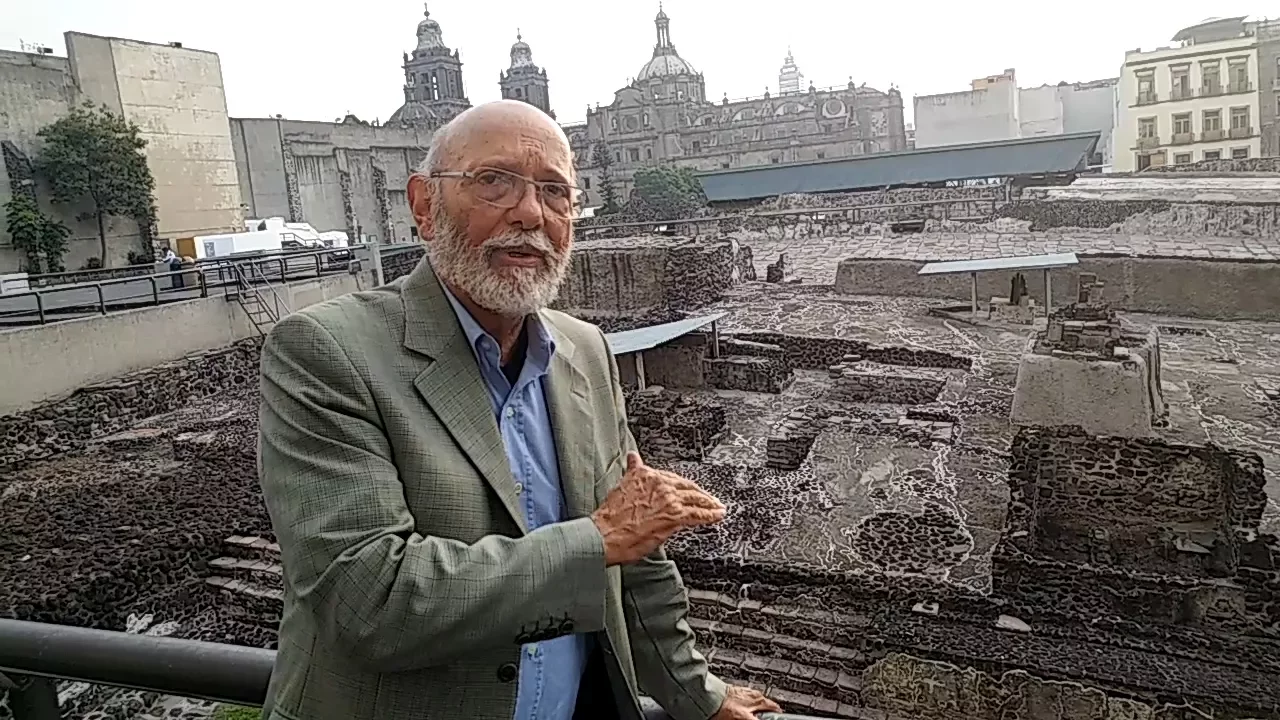
The study of modern archaeological efforts in Mexico City, such as the excavation of the Templo Mayor, and how contemporary discoveries challenge historical narratives written by conquistadors.
686.1K views20.6Klikes22:43Original Release: 2020-09-28
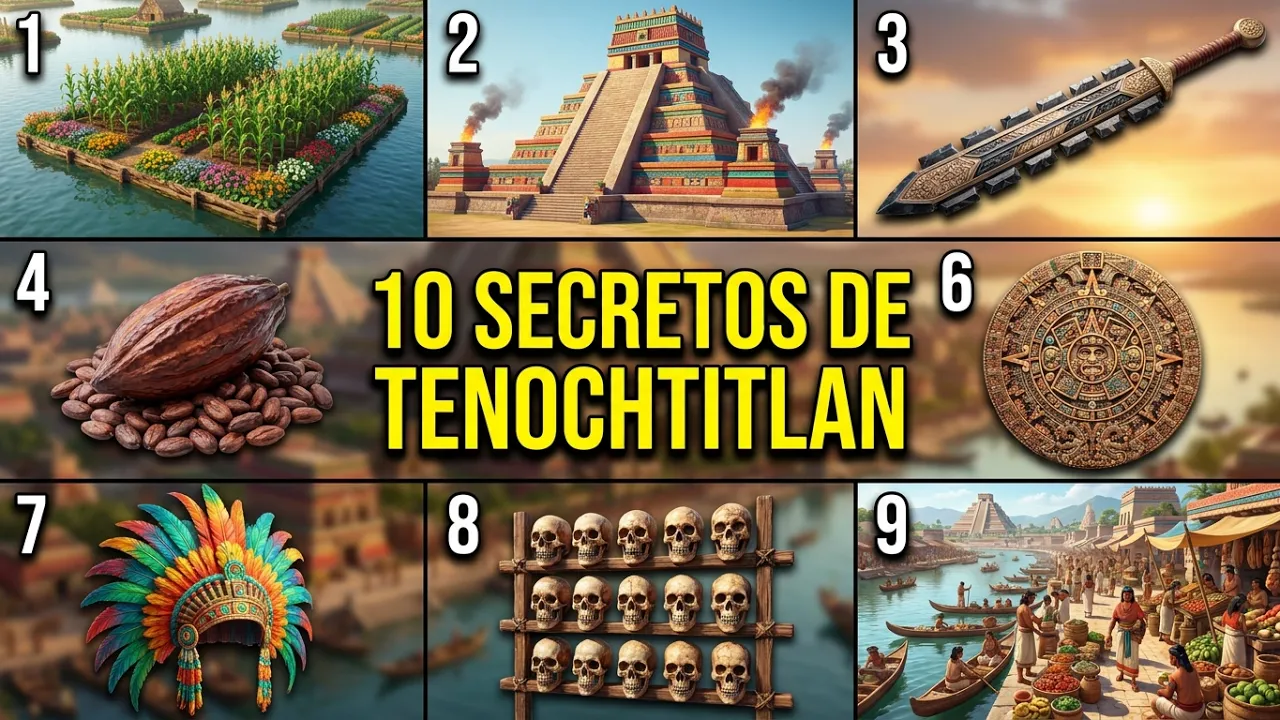
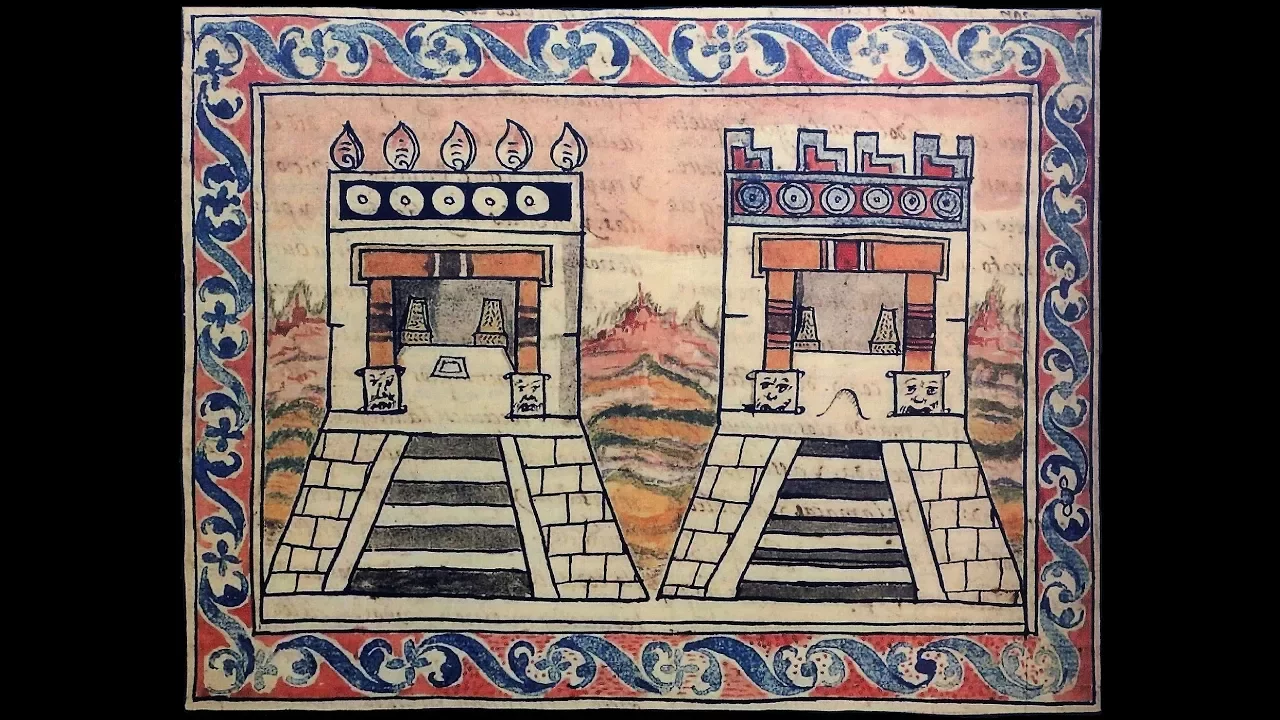
this episode is brought to you by ground news ground news is an app that is dedicated to fighting misinformation and bias news which i think we all know is a bit of a problem in today's media it's really harder than ever to work out what's really happening in the news ground news allows you to filter the news by political bias so you can jump into the app and see the same story brought to you by a left-wing center or right-wing source this allows you to understand the different perspectives and form your own opinion about what's going on in the world they've got news from over 40 000 news outlets from around the world so you can not only see the political buyers of a piece of reporting but also how it might be reported in a different country ground news is a free app available from both the apple app store and the google play store just click the link in the description below and let's get into the video it was once the greatest city in the hemisphere in the heartlands of what is now mexico the great aztec capital of tenochtitlan dominated the landscape built atop partially reclaimed land in the middle of a lake the city was both a marvel of architecture and engineering great causeways connected it to the shores while floating gardens provided sustenance for its citizens magnificent temples rose high into the air sat alongside a palace so luxurious it would make versailles look like your average denny's on the eve of the spanish conquest at a time when europe's greatest cities rarely housed more than a hundred thousand people tenochtitlan was home to a quarter million but while london and paris would survive in varying forms in the modern world tenochtitlan was doomed to banish ransacked burned and built over by the spanish it now only exists as ruins yet enough records still survive for us to picture what it must have looked like back when it was the capital of a mighty empire today we're examining the life and legacy of one of history's greatest cities at the moment the conquistadors first set foot on mexico's shores the aztec empire was a booming superpower radiating out from its capital of tenochtitlan the empire covered 500 separate cities stretching almost from the atlantic to the pacific with over 6 million inhabitants it was a state the likes of which mesoamerica had rarely seen before and it all started with the single city of tenochtitlan today we don't know the origin of the aztecs only the story they told themselves about it around 300 a.d the legend says that they left their homeland of atsland following the god huitzilla poachedly for centuries before reaching the valley of mexico incidentally they weren't at this stage what we call aztecs a word they never used themselves but mexica nor were they natural empire builders the mexica who arrived in the valley around the 13th century a.d were hunter-gatherers with no real knowledge of living in an urban environment yet within a span of just a couple of centuries they had gone from dudes who considered a one-room hut cosmopolitan to dudes in charge of the greatest metropolis on earth for this transformation we can blame huizillo poachedly aztec legends held that quits laporchly ordered his priests to search the islands of lake texcoco for a place where prickly pear cactuses grew there they were to build a temple in his honor the mexican priest stood as instructed and lo and behold the city of tenochtitlan was born at the moment of tenochtitlan's birth the valley of mexico was a melting pot of societies one of the cradles of the mesoamerican civilization the valley had already seen great peoples like the toltecs rise and fall subsequently it had developed into a region of highly competitive city-states all trapped in a constant struggle for survival imagine a hyper-darwinian version of ancient greece with multiple cities forever warring with one another to gain the slightest advantage it was a violent world one in which you either dominated or were dominated for the aztecs it was initially the latter at this stage living mostly in huts with their great temple likely built of perishable material the citizens of tenochtitlan were forced to submit to the might of the tepenek empire and its great capital as kapodzalco and so the decades dragged by were those in titlan paying tribute to and forever living in fear of their powerful neighbor on the shoreline but one good thing about living in a highly unstable highly competitive environment is that nobody stays on top for long in the early 15th century azkabadzalco was rocked by political strife seeing their chance tenochtitlan allied with nearby tex coco and the rebel tepenek city of clackapan to overthrow their oppressors it was a risky gamble fighting a war with a powerful enemy but it paid dividends as kapodzalco fell in its place the triple alliance of tenochtitlan texcoco and plaquepan became masters of the region the alliance signaled not only the birth of what we call the aztec empire but also the start of tenochtitlan's meteoric rise as the new empire continued to expand more and more wealth flooded into the capital in 1474 the rich trading city of tlatololco was captured placing all of its treasure in tanwan's hands it was with these new riches that tenochtitlan would transform itself into the mightiest city the america has ever known if you were onboard a plane that somehow got sucked through a wormhole over mexico city and reappeared in the skies above tenochtitlan what would you see you know apart from all the people freaking out about the sudden appearance of a magic metal bird in the sky well the first thing you might notice would be how water-based everything was built across two islands tenochtitlan was the new world's venice with canals crisscrossing its every street like venice it made use of reclaimed land small artificial islands helped expand the city to around 14 square kilometers while raised earth dikes protected these islands from flooding but whereas venice wouldn't be connected to the mainland until well into the 20th century tenochtitlan was already joined to the shore three great causeways swept out from the capital each big enough to fit ten horses riding abreast elsewhere a three kilometer aqueduct ran from the nearby mountains down into artificial reservoirs for storing fresh water then there were the floating gardens mud rafts held in place by willow trees these water-borne fields provided extra space for growing the crops necessary to feed so many people but while all of this was a fantastic feat of engineering it likely wouldn't hold your eye for long that's because the second thing you'd likely notice was the city itself from high above the grounds in our time traveling plane you'd clearly be able to see four districts of the city decorated with exotic flower gardens and lined by streets that were wide and regular each district was almost perfectly ordered most of them consisted of low-lying buildings since only the nobility were allowed to build homes of two stories or higher try that as a commoner and you'd be summarily executed yet there was one major exception to this low building rule the sacred precinct in the heart of the city three great pyramids rose into the air painted a brilliant red and blue with six smaller pyramids standing nearby alongside a ceremonial ball court but it was the great temple that really made the precinct so awe-inspiring a twin pyramid structure dedicated to both huizilla poachly and the god of rain and fertility the templo mayor was simply on another scale 60 metres tall it soared into the air visible from all of the surrounding districts it was here that the aztecs indulged in their most famous ritual of all human sacrifice but we'll come back to that in a minute for now let's just enjoy the view from our time-hopping plane and really drink in the city if you could tear your eyes away from the temple mayor long enough the next thing you'd notice might be the mentions of the nobility culminating in the emperor's palace a vast white building or rather a complex of buildings the palace was the last word in miso american luxury there were hanging gardens a whole ten rooms dedicated to keeping birds a private zoo pools of both fresh and salt water and room for 3000 attendants finally the last thing you might notice before the plane crash due to lack of fuel and landing places was the grand market according to hernan cortes sixty thousand people gathered in this open space each day to trade yet even at its busiest tanoshtitlan never appeared as anything less than a clean well-ordered city nearly free of crime so that's our airborne overview of tenochtitlan now let's get down there and find out what life was like for its [Music] people just as tenochtitlan itself was ordered and regimented so too was life for its citizens the majority held the rank of mace whitlin or commoners above them came the pippleton for nobles and then the ruling tatauchtin while below them sat to the mayak who we'd probably call serfs and finally sulking at the bottom the placatin or slaves each class had its own restrictions on what it was allowed to wear so while the pippleton could get about an elaborate headdresses the commoners were stuck wearing simple often revealing outfits but even within classes there were differences for example merchants were counted as commoners but were so useful that the city afforded them different privileges another point to bear in mind is that the placatin system was very different from american slavery while being stuck on a southern plantation meant being born into growing old and then dying in chains aztec slaves were mostly once free commoners who'd committed a crime or sold themselves into slavery to pay off a debt they had the right to marry whoever they liked to buy their own freedom and to be set free if their owner died nor could their state of slavery be passed down to their children unlike the antebellum south within this fairly rigid system of class was another rigid system of housing social organization was done via groupings known as calpuli meaning big house these cal poly consisted of areas headed by a local papilton noble within these areas smaller clans were organized around individual neighborhoods creating a highly visible system of hierarchy it also allowed for efficient indoctrination each neighborhood in tenochtitlan was required to have a local school where children would in the words of montezuma the first learn religion and correct comportment they are there to do penance lead hard lives live with strict morality practice for warfare do physical work fast endure disciplinary measures draw blood from different parts of the body and keep watch at night while their children were learning all these horrible important things their parents would be suffering the curse of adults in every society work like the incas the aztecs managed to be technologically advanced while not ever inventing the wheel that meant there was plenty of work around tenochtitlan for porters as everything had to be moved by hand other major professions for the commoners included farming weaving and pottery making not that they got paid for any of this at least not in currency tener titlan ran on a system of barter with anything from cacao beans to elaborate feathers to gold dust being used to make purchases at the higher end of the social scale people gifted one another incredible silver platters and other items designed to scream hey aren't i one incredibly rich aztec dude but really all of this was just background noise because the main motive for activity in tennis ditlan the thing that held the social fabric together was war every male could be conscripted to fight and your place in the social hierarchy rested on how you performed in battle capture valuable opponents and your standing would go up fail to capture anyone or only capture weak enemies and your standing would fall you'll notice we said capturing rather than killing there's a good reason for that the drive behind aztec warfare aside from expanding their empire was a constant burning need for new victims to sacrifice it's almost impossible to overstate how important this was for their society how much depended on it with that in mind it's time to get to today's most controversial section the aztec practice of sacrifice in the cycle of aztec creation stories two stand out as particularly gruesome one is the birth of the world itself which involved the blood of the gods creating an eternal blood dead between the earth and the heavens the other is the origins of humans in which a hattle quetzac hottle made off with a pile of bones from the underworld and turned them into people thereby setting up another dead it was a debt that aztec culture paid primarily with blood by the time the aztecs came along human sacrifice was already old hat in mesoamerica the olmecs whose civilization had fallen a full millennium before the aztecs appeared indulged in the practice as did the toltecs like the aztecs these societies also practice non-human sacrifice for instance you might stab yourself in the tongue or ear to make a blood offering or you might bake a bread image of a god after mixing the dough with honey and blood known as sally these effigies would then be eaten after you had performed a ritual even lower down the violent scale meat was sometimes burned as an offering over the statues of gods as were tobacco and special strips of paper you could even bury a precious stone in a sacrifice ritual in other words there was a whole lot more to aztec rituals of sacrifice than simply tearing someone's heart out on top of a great temple that being said we're also not going to pretend that that didn't happen the most popular sight for these killings was a top 10 of chitland's templo mayor rising 60 meters the twin pyramid was the focal point of the city's most important rituals first dedicated around 1325 the templo mayor underwent at least seven building phases as tenochtitlan grew growing from a simple structure to the bear moth of legend the most important additions probably came in the year one rabbit or what we would call 1454 a.d when montezuma the first added all sorts of elaborate details yet for a non-local visitor it probably wouldn't have been the ornately carved serpent heads or sweeping stairways that caught their attention it would have been the towers of skulls for a long time these towers were thought to have been myths invented by the conquistadors to justify their destruction of the city but archaeological digs in 2015 and 2018 uncovered the ruins of these towers at least one of them boasting over 650 skulls thanks to all of this death the historical temple mayor was likely all sorts of gross as one conquistador wrote the walls of that shrine were so splashed and caked with blood that they and the floor were black the stench was worse than that of any slaughterhouse in spain yet we have to remember that this all made sense for aztec society it was what all their forerunner civilizations had done it was what their religion said was necessary to keep the worlds of man and god in balance it was the reason why they fought so many wars the foundation on which their culture was built asking an ordinary citizen of tenochtitlan a questioned sacrifice would be like asking you to question democracy or the constitution they just can't imagine civilization working without it one weird byproduct of this is that sacrifice wasn't always a horror show for aztec victims it could also be an honor today we have no way of knowing how many people were sacrificed in tenochtitlan while conquistador accounts are probably true in a broad sense they're also probably hopelessly exaggerated so when a source tells you the aztecs sacrificed an estimated 20 000 a year it's impossible to know if this is scarily accurate or laughably inflated but we do know that sacrifice happened routinely not every day but often enough that it would have been a feature of local life the aztec year was divided into 18 months each of which had a festival each of which required sacrifices however the type of sacrifice varied wildly depending on which god the festival was dedicated to the standard version was the one you're probably picturing someone being stretched out on a stone and having their heart cut out of their chest but other varieties existed the first of all for chi komakotal for example involved decapitating a woman and throwing a headless body down the temple steps if it was clarlock's day on the other hand the priests would cut the throats of children and here's where we get to the weirdest part of all for some of these victims being chosen was actually an honor while the majority of victims were prisoners of war specific feast days involved sacrificing a living effigy of the festival's god that meant someone had to be picked to be the incarnation of that god on earth if the god was tezcatlipoca that would mean living a life of luxury for a year beforehand with a harem of women at your back and call but if the god was zip a totec it would mean mentally preparing yourself to be skinned alive and this is only the beginning of aztec ways of offering humans to their hungry gods other victims got the saint sebastian treatment tied up and shot full of arrows others were repeatedly dropped into and pulled out of fire before having their hearts cut out finally you might be forced to partake in a ritual fight against trained warriors and fight definitely with air quotes there is involved taking on a gang of highly trained highly armed killers while wielding only a feather coated stick sometimes these sacrifices took place one at a time sometimes thousands were sacrificed simultaneously it stated although who knows if it's true that one inauguration festival in 1487 involved the sacrifice of over 50 000 people when there weren't enough prisoners of war to make up the numbers the aztecs got their victims through other means one way was to ask volunteers citizens who'd committed some grievous sin could volunteer themselves as a sacrifice to make peace with gods another way was to turn to the ready population of slaves remember earlier when we described how aztec slaves had more rights than slaves in the american south well that broke down when it came to sacrifice since offering a slave to the gods was totally something that slave owners could do finally when the priests had run through all of their captives prisoners volunteers and available slaves they could always turn to the ritual ball games after these ferocious contests the captain of the losing team would be sent to meet his maker but these exceptions were relatively rare by and large it was enemy warriors who met their end atop the templo mayor with the best fighters and most handsome soldiers thought to be particularly pleasing to the gods once they were dead their flesh might be cooked and eaten by the priests or gifted to local community leaders archaeologists have found human bones with distinct signs of cannibalism all in all then sacrifice was a major part of life in tenochtitlan a crazy vital part that animated every section of the city it was also what would bring about its ultimate downfall [Music] if you ever wonder what it might look like if humans came into contact with a more technologically advanced society look no further than what happened to the aztecs in 1519.
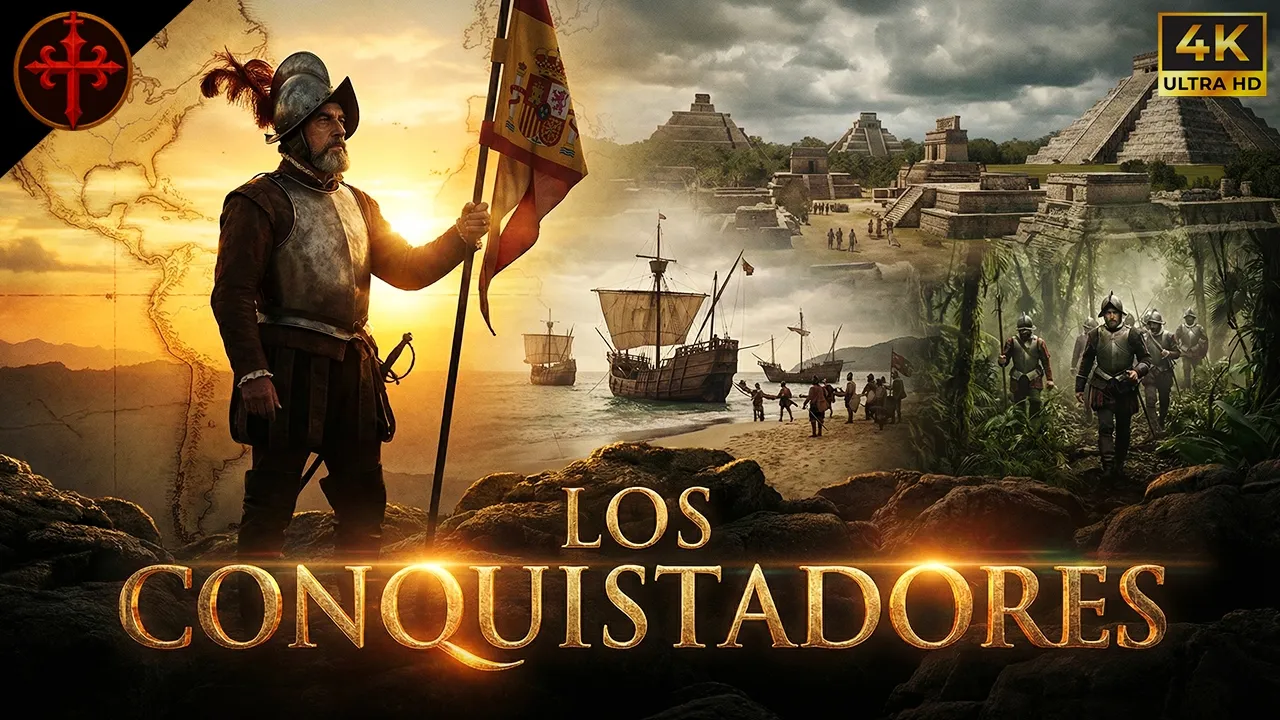
that year hernan cortes and his conquistadors came marching into mexico killing and looting and burning by november they'd reached the conquistadors came from a european great power the aztec capital still blew them away welcomed by the emperor montezuma ii and we have a video on his story on our sister channel biographics if you fancy some homework the spanish wandered the streets in a daze they'd simply never seen anywhere this big before never seen anywhere this grand the great spanish cities were jumped up toy towns compared to this as he was shown at chitland's beautiful flower gardens and great temples cortez called the city an enchanted vision he also began making plans to present it intact to holy roman emperor charles v but then the spanish witnessed their first aztec sacrifice ritual and things went sideways pretty fast again this is a moment where we bump up against the fact that most surviving accounts of this collision of cultures were written by the spanish who naturally presented themselves as dashing heroes but it's not like the conquistadors weren't butchers themselves on their long journey into the aztec interior they'd massacred entire towns that stood against them nonetheless there's evidence that tanuchitlan's ritual sacrifice really did sicken something deep inside the spanish soul even if it was only outrage non-catholic worship only a few days after being admitted to the great city cortes and his men took montezuma the second hostage using him as a puppet ruler they tore down the altars a top temple mayor installing a giant cross in their place it was about as explosive as aliens landing in new york and tearing down the statue of liberty while wiping their butts with the american flag tensions in tenochtitlan reached a boiling point it would be a final sacrifice ceremony that sent them spilling over one hot night in may of 1520 as the sound of drums filled the air and warriors adorned with feathers danced in the sacred precinct in preparation for a sacrifice a great commotion went up the spanish came charging in swords drawn they slaughtered the unarmed locals until as one surviving aztec source put it the blood of the warriors flowed like water it was the beginning of the end of the aztec capital the city exploded in revolt against the spanish leading to bloodshed on a grand scale on june 30 1520 the conquistadors fled to avoid being massacred hundreds of them were either killed as they ran or else drowned in the lake and marshes surrounding tenochtitlan some pulled under the waters by piles of treasure that they were trying to carry unfortunately for tenochtitlan far too many of them survived less than a year later in april 1521 cortes returned with reinforcements including armies composed of former aztec subjects in the subsequent battle cortes forgot all about gifting this great shining city to his emperor tenochtitlan was almost totally destroyed burned down in the fighting and what survived was ransacked by the victorious spanish they then founded a new city atop the ruins turning what was once a strange magnificent place into another colonial outpost it was from this outpost that mexico city eventually grew today tenochtitlan exists as only a handful of ruins in the middle of mexico city's sprawl while interesting these destroyed temples are barely a shadow of what they once were little more than a stone reminder that a magical city once stood here incredible as it seemed to the spanish this was a capital city at the center of a great civilization that grew up completely separated from eurasia at a time when few believed real culture could exist outside of europe or the middle east tenochtitlan stood as one of the greatest urban settlements on the planet bigger than paris grander than constantinople and more beautiful than rome yes it was a city with a dark side but it was also a fantastic feat of architecture and engineering more than that it was home home to a quarter million ordinary people who lost everything when the conquistadors came the destruction of tenochtitlan may have been a breathtaking act of cultural vandalism but it's comforting to know that its memory still survives that even now half a millennium later we can look back on its legacy and admire one of the greatest cities in human history so i really hope you found that video interesting if you did please do hit that thumbs up button below don't forget to subscribe also please do check out our fantastic sponsor for this video ground news who i'm linking to below and thank you for watching you
Up Next
5:13
Aztec Empire Origins: Tenochtitlan & Tribute System
@khanacademy
147.1K views•2017-05-09

93:30
Zola, Baudelaire, Maupassant & the Transformation of Paris, 1852-1900
@SylviaSagona
5.6K views•2015-05-31
31:34
Notre-Dame Cathedral: History, Fire, and the 2024 Restoration
@geographicstravel
13.8K views•2024-07-16
17:05
Understanding the Cold War: Superpower Conflicts and the Road to Détente
@OverSimplified
46.1M views•2019-01-24
Related Study Plans & Knowledge Roadmaps
Structured learning paths in History
history
Byzantine Iconoclasm: Theology, Art & Politics
01Foundations of Byzantium and Early Christian Images
02The First Iconoclasm: Leo III and the Crisis of Images
03Empress Irene, Nicaea II, and the Second Iconoclasm
+ 2 more learning modules
9h5 modules
Explore Roadmap
history
Iranian Revolution (Causes, Events & Legacy)
01The Pahlavi Dynasty and the Roots of Discontent
02The Spark of Rebellion and the Rise of Khomeini
031979: The Fall of the Shah and the Climax of the Revolution
+ 2 more learning modules
8h5 modules
Explore Roadmap
history
Mali Empire: Mansa Musa, Trade & Timbuktu
01Foundations of the Mali Empire
02The Trans-Saharan Gold and Salt Trade
03The Reign and Pilgrimage of Mansa Musa
+ 1 more learning modules
6h4 modules
Explore Roadmap
history
1947 Partition: Politics, Borders & Legacies
01Foundations of British India and the Divide
02The Political Negotiations and the Mountbatten Plan
03Drawing the Boundary: The Radcliffe Line
+ 2 more learning modules
8h5 modules
Explore Roadmap