![GUÍA UNAM - HISTORIA DE MÉXICO [TEMA 1. LA NUEVA ESPAÑA (SIGLOS XVI A XIX)]](https://i.ytimg.com/vi_webp/5m9X-wwWb0c/maxresdefault.webp)








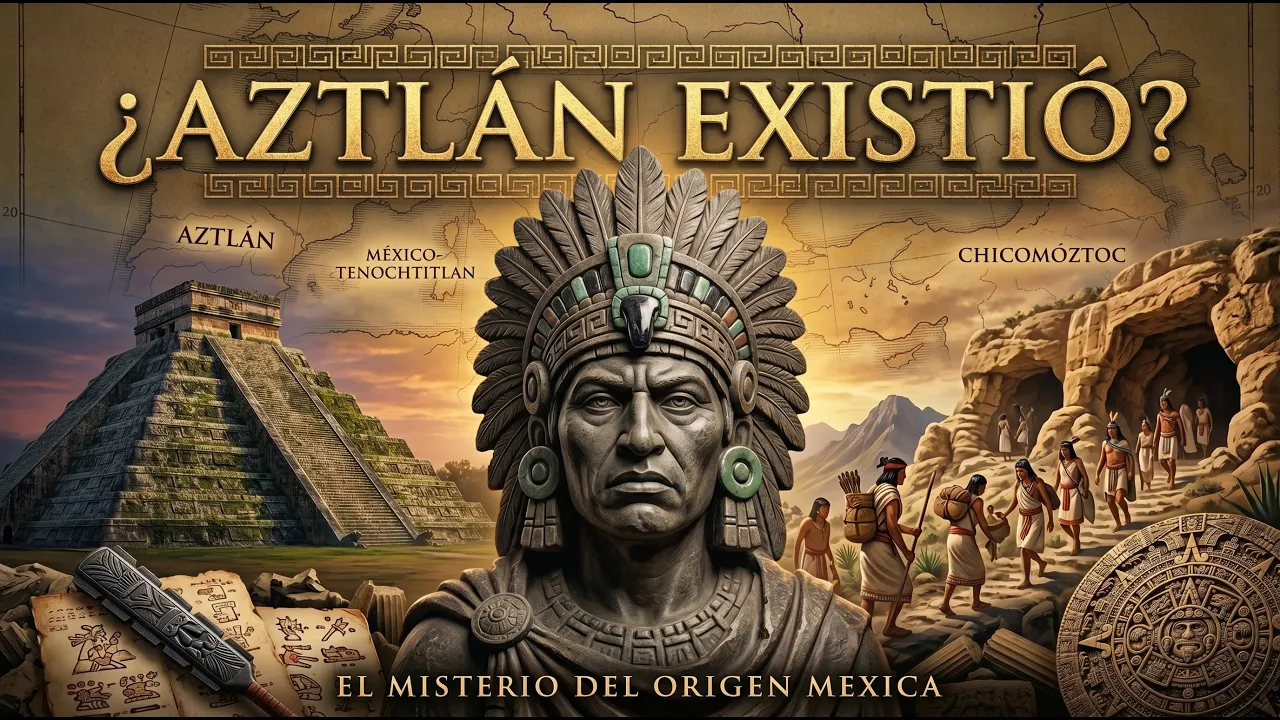


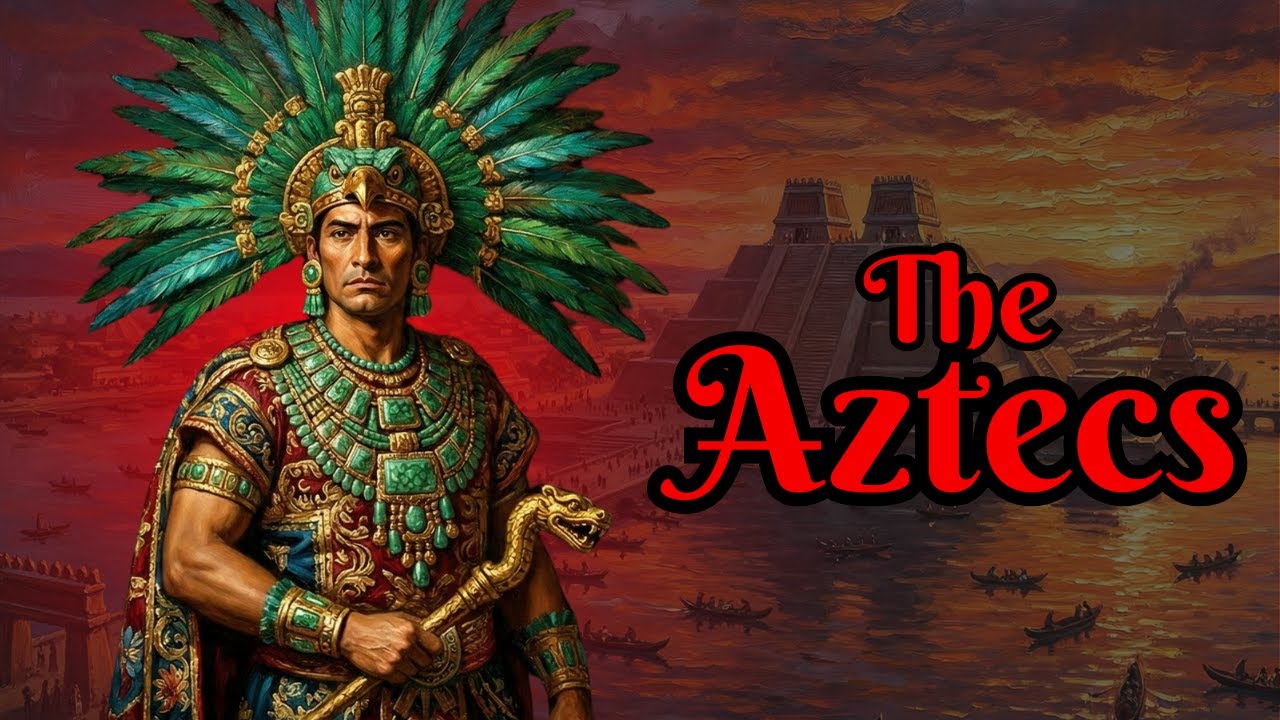

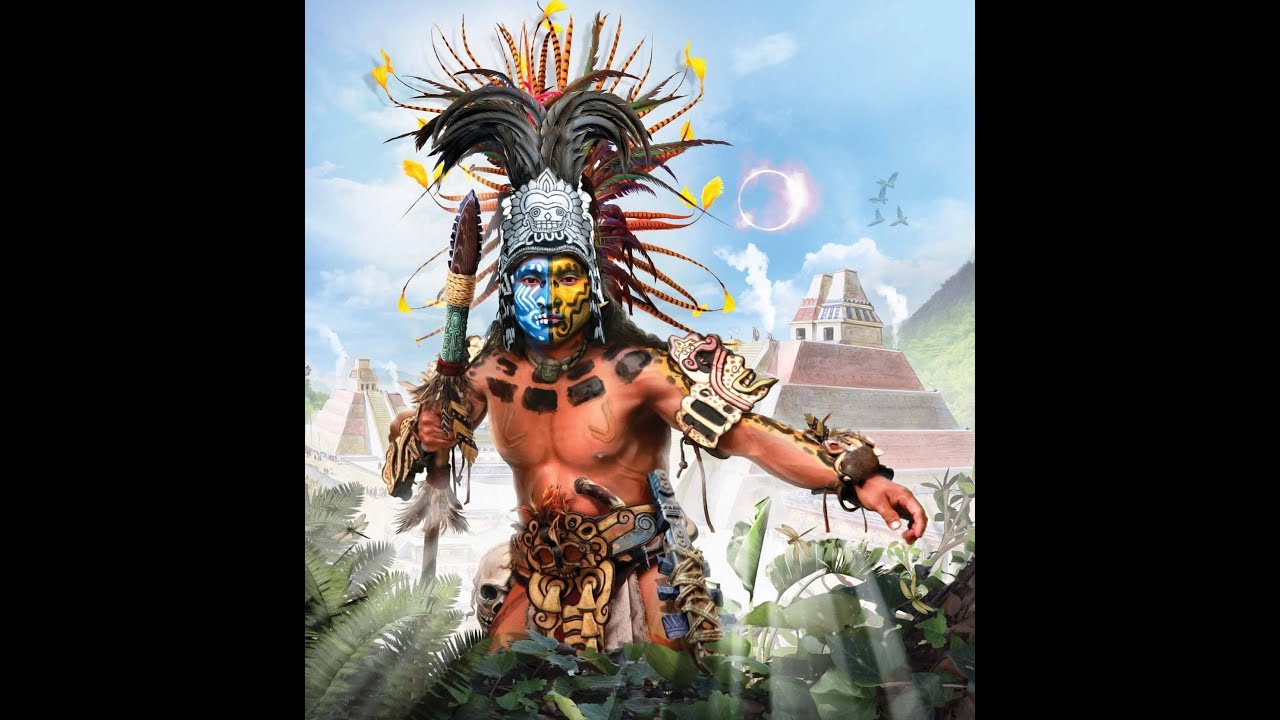
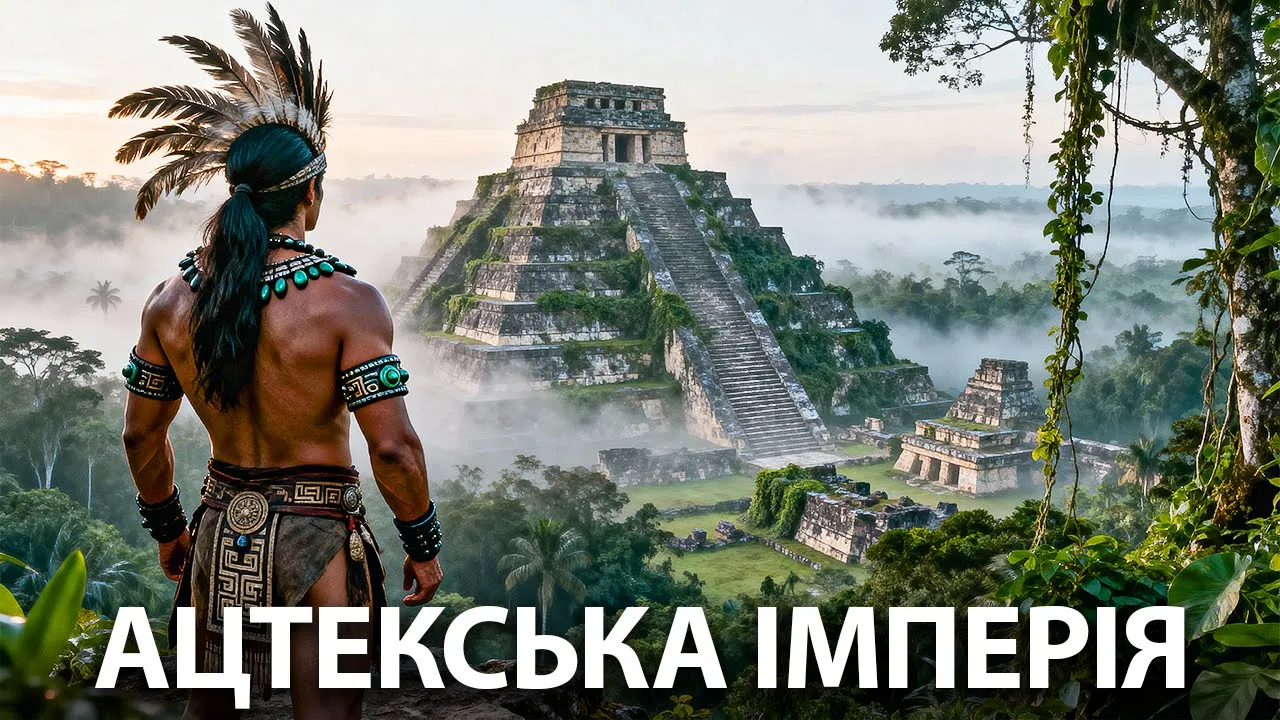







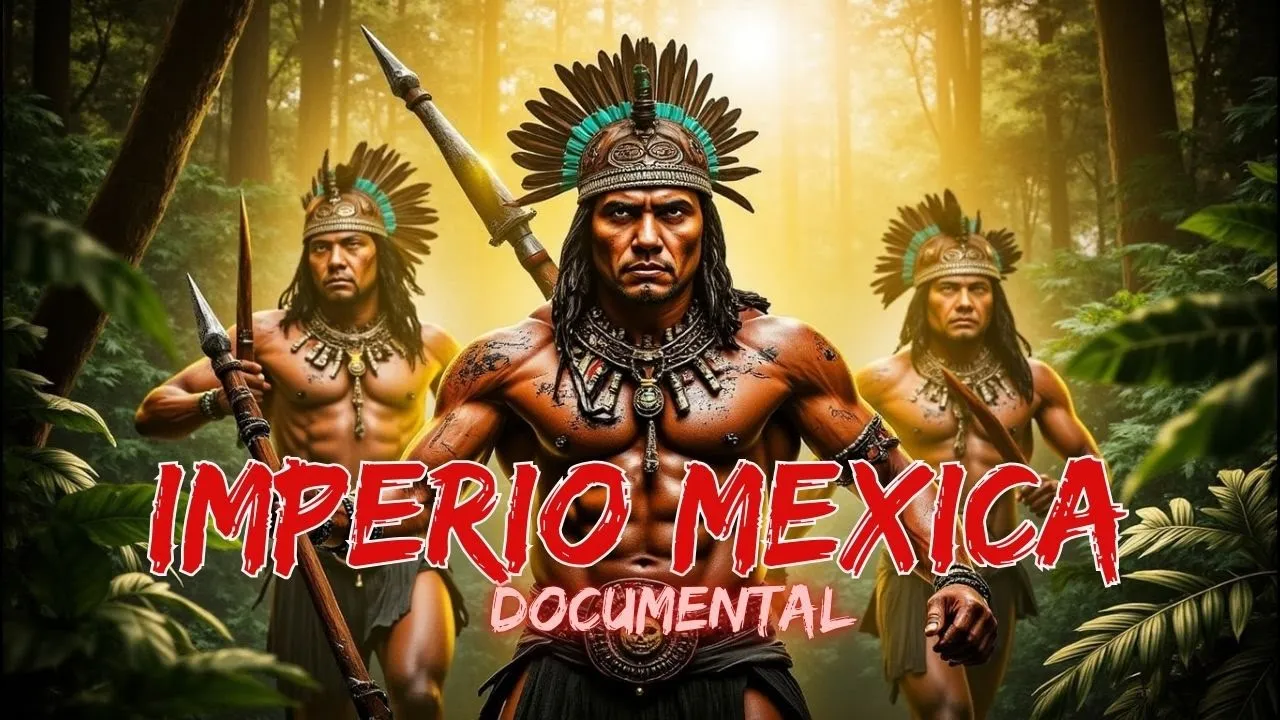
The Aztec Empire, formed in the 14th century through the Triple Alliance of Tenochtitlan, Texcoco, and Tlacopan after conquering Azcapotzalco, was a tributary empire where surrounding city-states paid tribute to Tenochtitlan; this powerful civilization, known for advanced engineering including causeways, bridges, and dam systems, lasted approximately 100 years until it was conquered by Hernando Cortés in 1521 with the help of neighboring city-states and a devastating smallpox epidemic that killed about half the population.
Aztec Empire Origins: Tenochtitlan & Tribute System
Added:Understanding of Mesoamerican geography and the legacy of pre-existing regional civilizations, such as the Toltecs and Teotihuacan.
The basic historical definition of a tributary empire and how it differs from direct, centralized territorial rule.
The physical geography of the Valley of Mexico, specifically the lacustrine system of Lake Texcoco where Tenochtitlan was founded.
The legendary migration of the Mexica people and their initial status as mercenaries or vassals to older, established city-states.
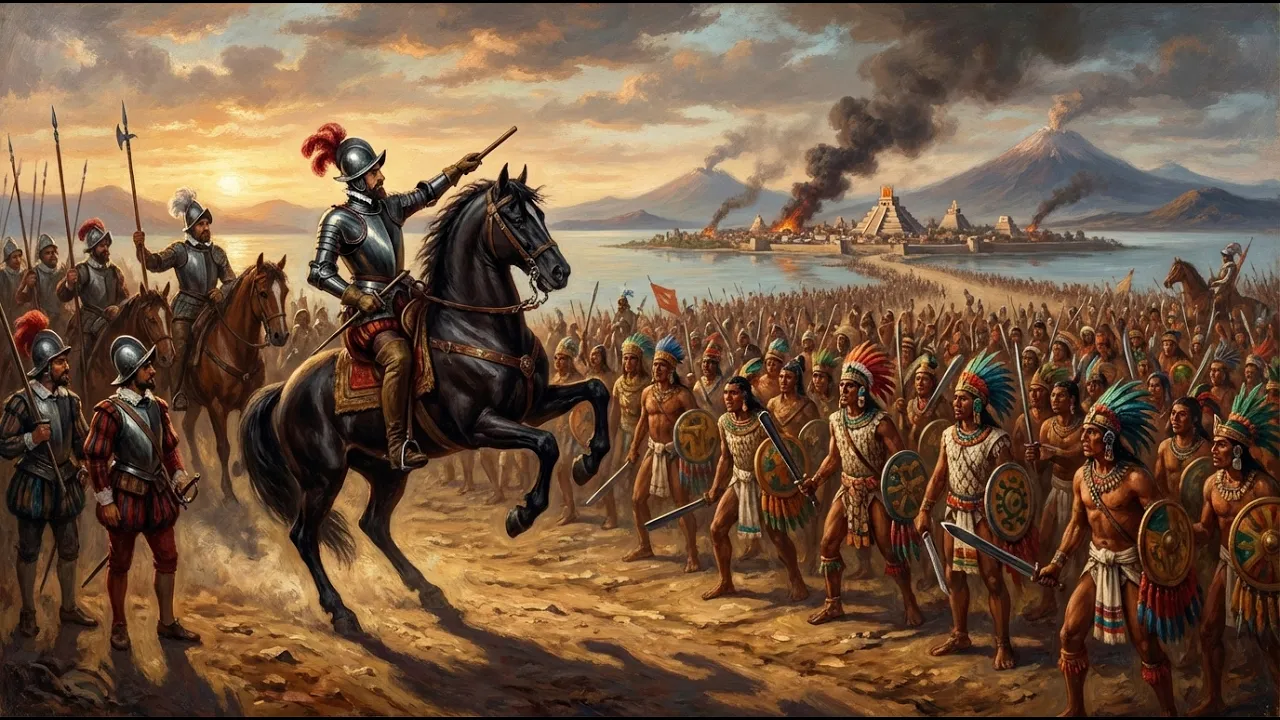
The arrival of Spanish conquistadors under Hernán Cortés and the political and military collapse of the Aztec Empire by 1521.
The role of local indigenous allies (like the Tlaxcalans) who leveraged their resentment of the Aztec tribute system to help overthrow Tenochtitlan.
The engineering feats of Tenochtitlan, including the chinampa agricultural system, causeways, aqueducts, and flood-control dikes.
The religious and social hierarchy of Aztec society, specifically how imperial expansion and the tribute system fueled ritual sacrifice and military prestige.
147.1K views630likes5:13Original Release: 2017-05-09
- [Lecturer] We've already talked about the Aztec civilization in several videos, but what we're going to focus on in this video is the Aztec empire which shouldn't be confused with the Aztec civilization.
The civilization is referring to the broader groups of people over hundreds of years, but the Aztec empire is a very specific entity that formed in the 100 years before Spanish colonization.
What you see here is a zoomed in version of what today would be southern Mexico and right over here on the globe and you can see many city-states formed here.
A city-state is a city that is also considers itself a state that has its own political organization, its own way of functioning.
It's not dependent on any other government forms, and it's analogous to what we see in classical Greece where we have the city-states of Athens and Sparta.
Now what's particularly interesting is what's going on around Lake Texcoco in the 14th Century.
In 1325 you have the city of Tenochtitlan form on this island in Lake Texcoco and initially Tenochtitlan is one of the weaker city-states around Lake Texcoco.
You see many of these city-states, some of the stronger ones you have Texcoco right here, and in particular you have Azcapotzalco, but as we fast forward roughly 100 years, you get to a situation where Azcapotzalco falls into a civil war.
Their ruler dies and there's a succession battle and the various city-states around Lake Texcoco take sides.
What eventually happens is Tenochtitlan, Texcoco, and Tlacopan form what is known as a triple alliance or the triple alliance and are able to conquer the Azcapotzalco.
And so in conquering the Azcapotzalco, what you have forming is known as the Aztec empire.
Now it starts as an alliance between these three city-states and other city-states in the area, but over time Tenochtitlan which is sometimes referred to as Mexico Tenochtitlan because it is a city-state of the Mexico people and this is where the name Mexico or Mexico actually comes from.
Now even though it's an alliance, over time, Tenochtitlan essentially becomes the capital of this alliance, or the capital of this Aztec empire which continues on for roughly 100 years until 1521 when it is defeated by Hernando Cortes.
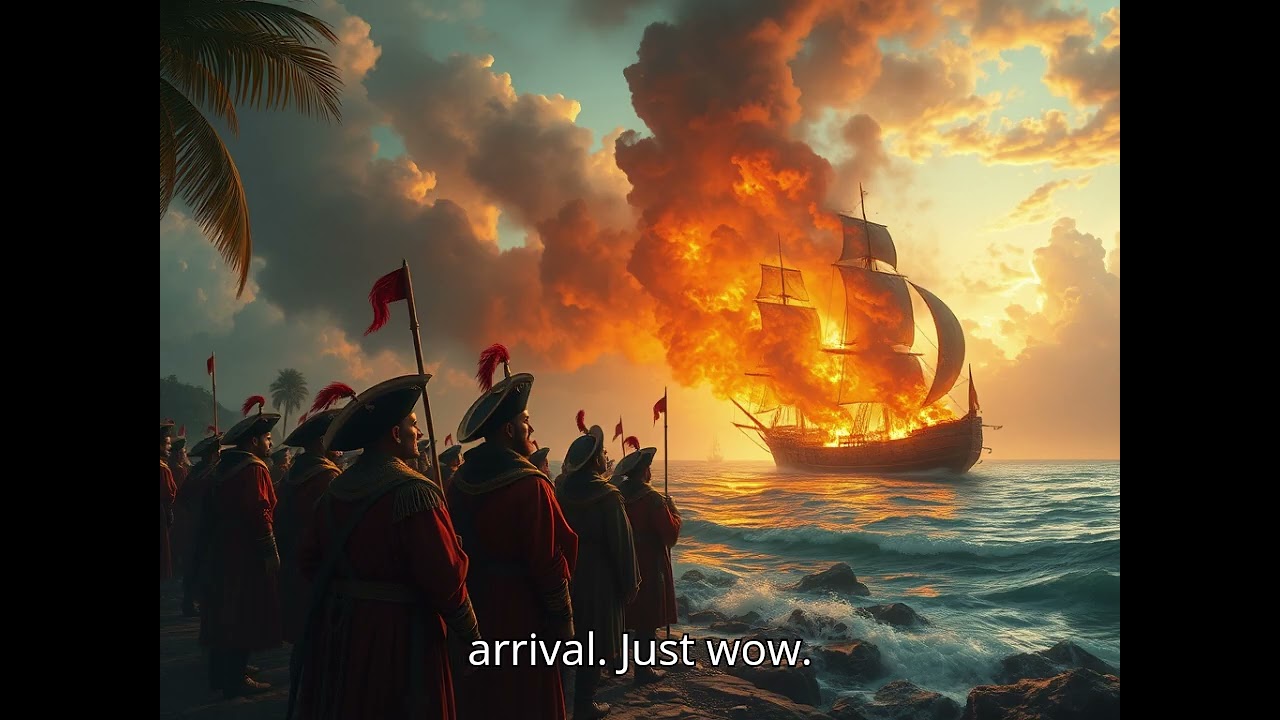
Now the story of how Hernando Cortes is able to conquer this empire is fascinating and I'm not going to be able to go into all of the details in this video, but needless to say he's able to convince several hundred conquistadors to come and try to conquer the empire and he's able to do so by recruiting tens of thousands, some estimates I've seen are 100,000 soldiers from neighboring city-states who had issues with the Mexico or with the Aztec empire and so he's eventually able to take over the famed city of Tenochtitlan.
It's really important to recognize how advanced they were at the time.
You see these causeways, these bridges leading into the island.
They had a fairly advanced dam system to collect freshwater from the rain while also to control flooding.
In fact a lot of that was destroyed when the conquistadors came and Mexico City which eventually gets founded over this lake is going to have issues with flooding for some time in the future.
In fact the Spanish, in order to control the flooding, end up draining this lake and it's where Mexico City forms.
But the big takeaway here is near the end of the Aztec civilization, as we get to the 100 years before the conquistadors arrive, you have this empire form.
This empire which starts as an alliance of city-states but eventually becomes a tributary empire.
Unlike the neighboring Mayans, which were on the Yucatan peninsula.
On this map they would be in this region right over here, the neighboring Mayans were autonomous city-states.
Some might have had more power, more influence at different times, but the Aztec tributary state means the other city-states are paying tribute to Tenochtitlan.
They are paying revenue, they are paying service to what essentially is the capital or the seat of that empire until it is conquered by the Spanish with, and remember, the Spanish are able to do this with several hundred conquistadors with the help of neighboring city-states and a smallpox epidemic which kills 50% of the population of the region.
Up Next
18:15
Aztec Empire Rise: Origins, Military, and Sacrifice
@LexClips
636K views•2024-10-03

33:02
The Great Schism of 1054: Causes and Consequences
@SacredCathedrals
113.5K views•2026-02-19

27:15
The Haitian Revolution: Saint-Domingue Uprising | World History
@khanacademy
269.9K views•2010-03-29
17:05
Understanding the Cold War: Superpower Conflicts and the Road to Détente
@OverSimplified
46.1M views•2019-01-24
Related Study Plans & Knowledge Roadmaps
Structured learning paths in History
history
Byzantine Iconoclasm: Theology, Art & Politics
01Foundations of Byzantium and Early Christian Images
02The First Iconoclasm: Leo III and the Crisis of Images
03Empress Irene, Nicaea II, and the Second Iconoclasm
+ 2 more learning modules
9h5 modules
Explore Roadmap
history
Iranian Revolution (Causes, Events & Legacy)
01The Pahlavi Dynasty and the Roots of Discontent
02The Spark of Rebellion and the Rise of Khomeini
031979: The Fall of the Shah and the Climax of the Revolution
+ 2 more learning modules
8h5 modules
Explore Roadmap
history
Mali Empire: Mansa Musa, Trade & Timbuktu
01Foundations of the Mali Empire
02The Trans-Saharan Gold and Salt Trade
03The Reign and Pilgrimage of Mansa Musa
+ 1 more learning modules
6h4 modules
Explore Roadmap
history
1947 Partition: Politics, Borders & Legacies
01Foundations of British India and the Divide
02The Political Negotiations and the Mountbatten Plan
03Drawing the Boundary: The Radcliffe Line
+ 2 more learning modules
8h5 modules
Explore Roadmap