












![[Full Session] Cannon's Class with KRS ONE | Nick Cannon](https://i.ytimg.com/vi_webp/wcxroujFPN0/maxresdefault.webp)
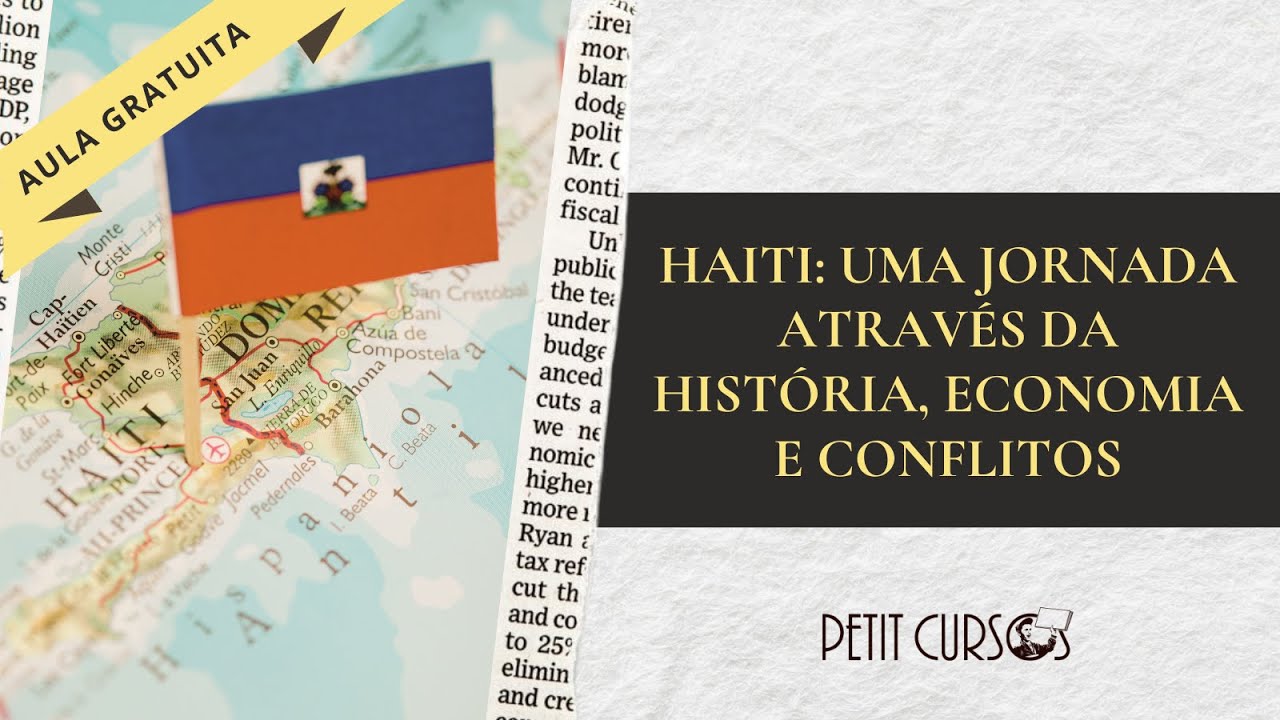



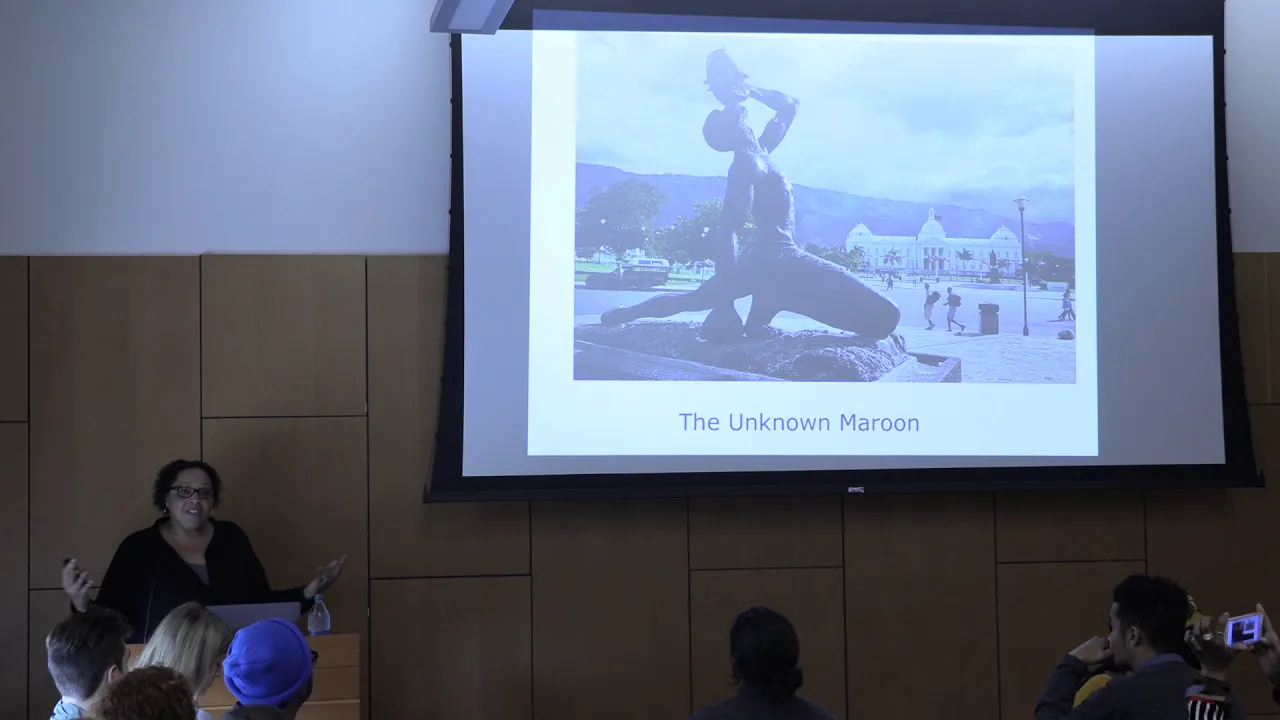
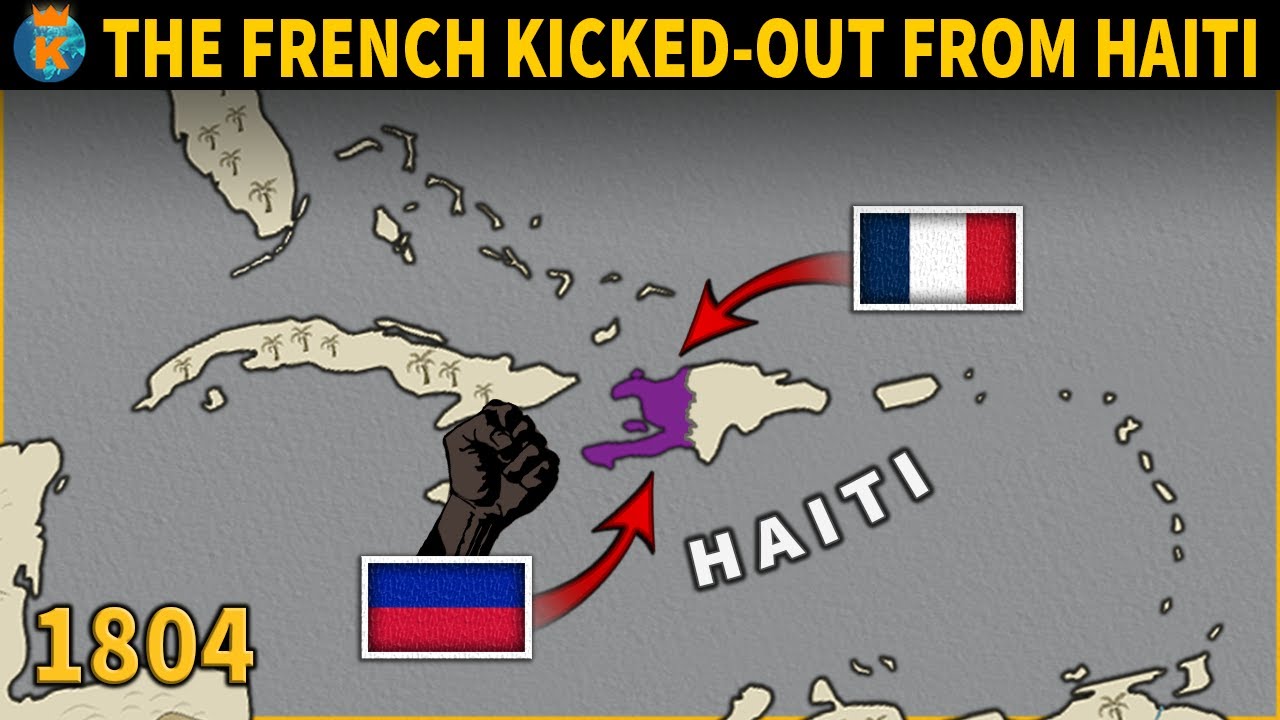
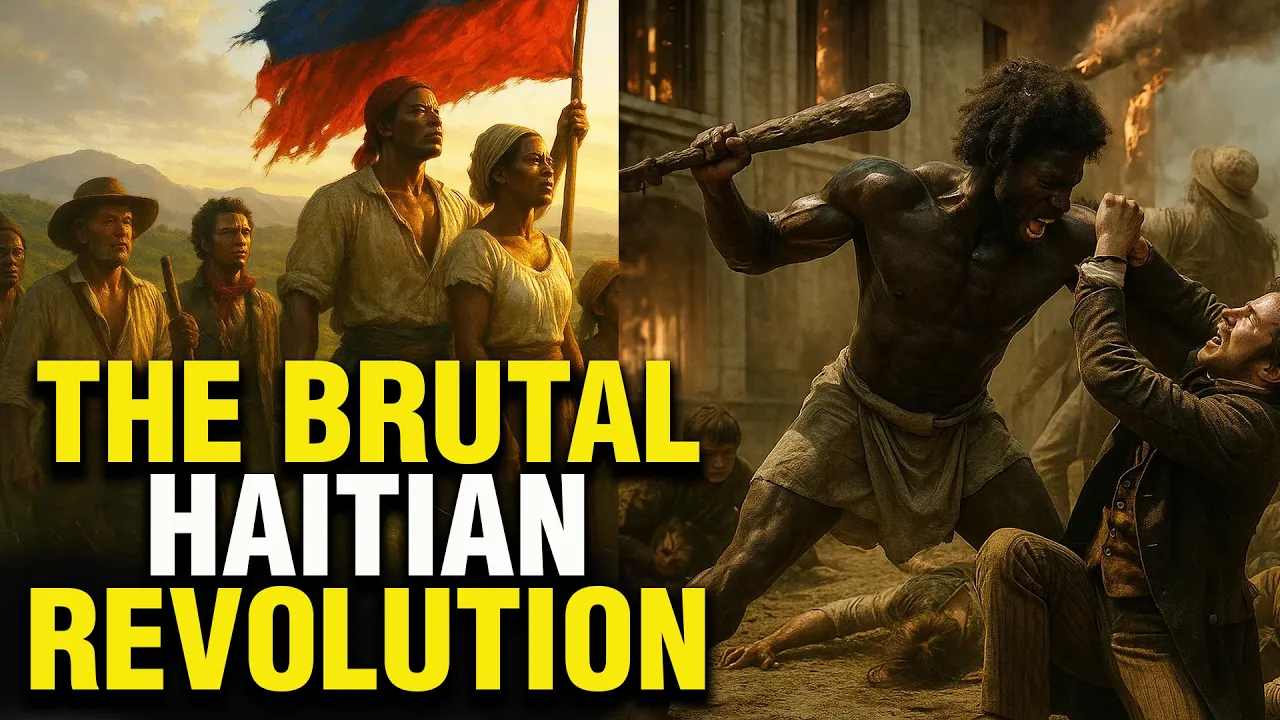
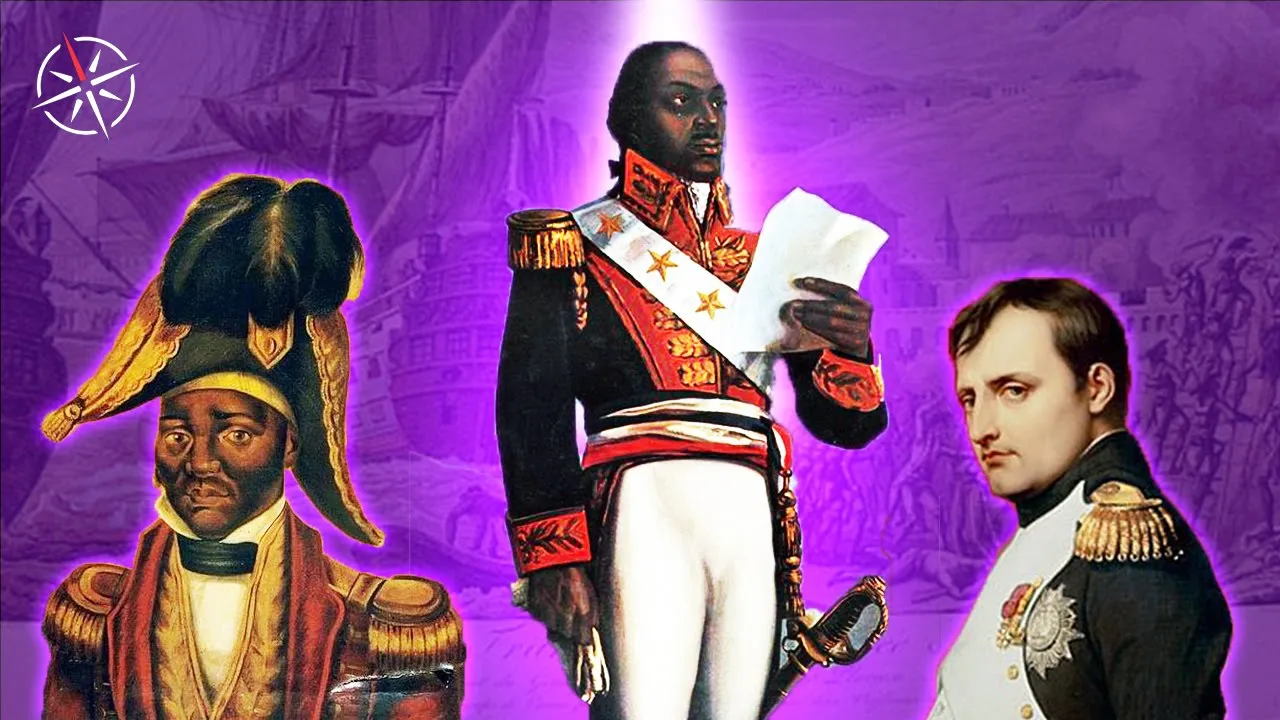
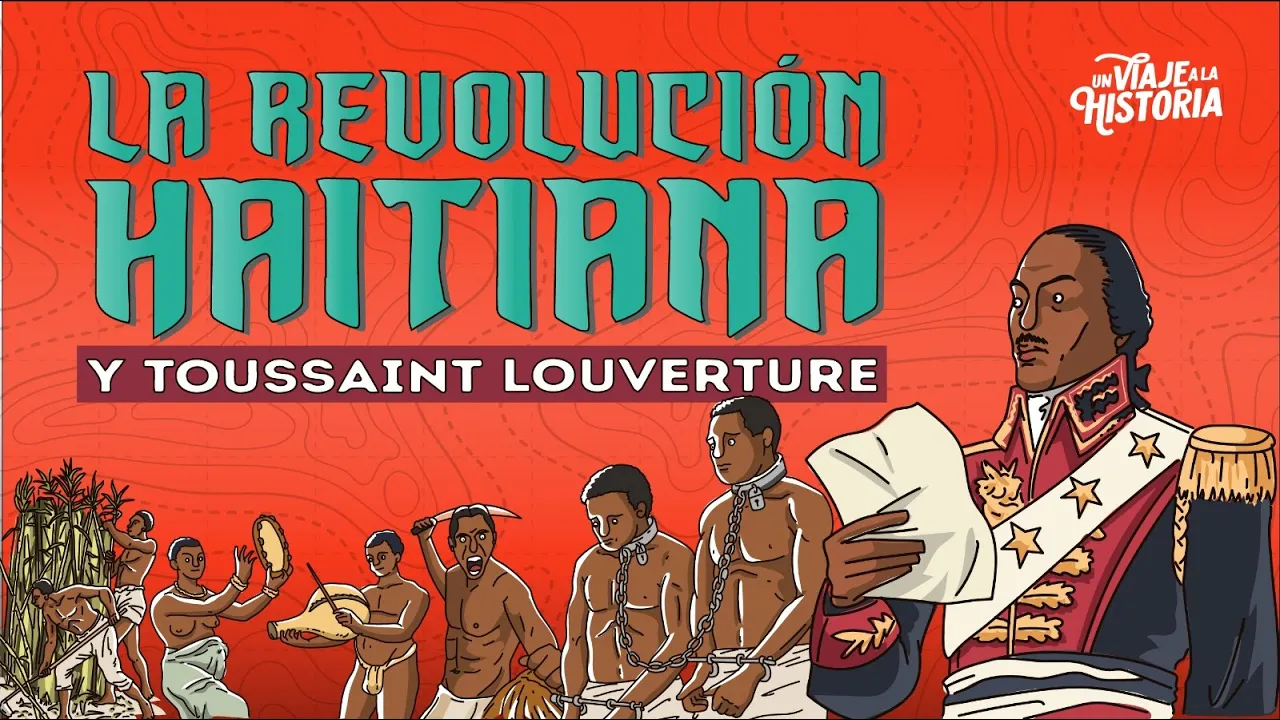
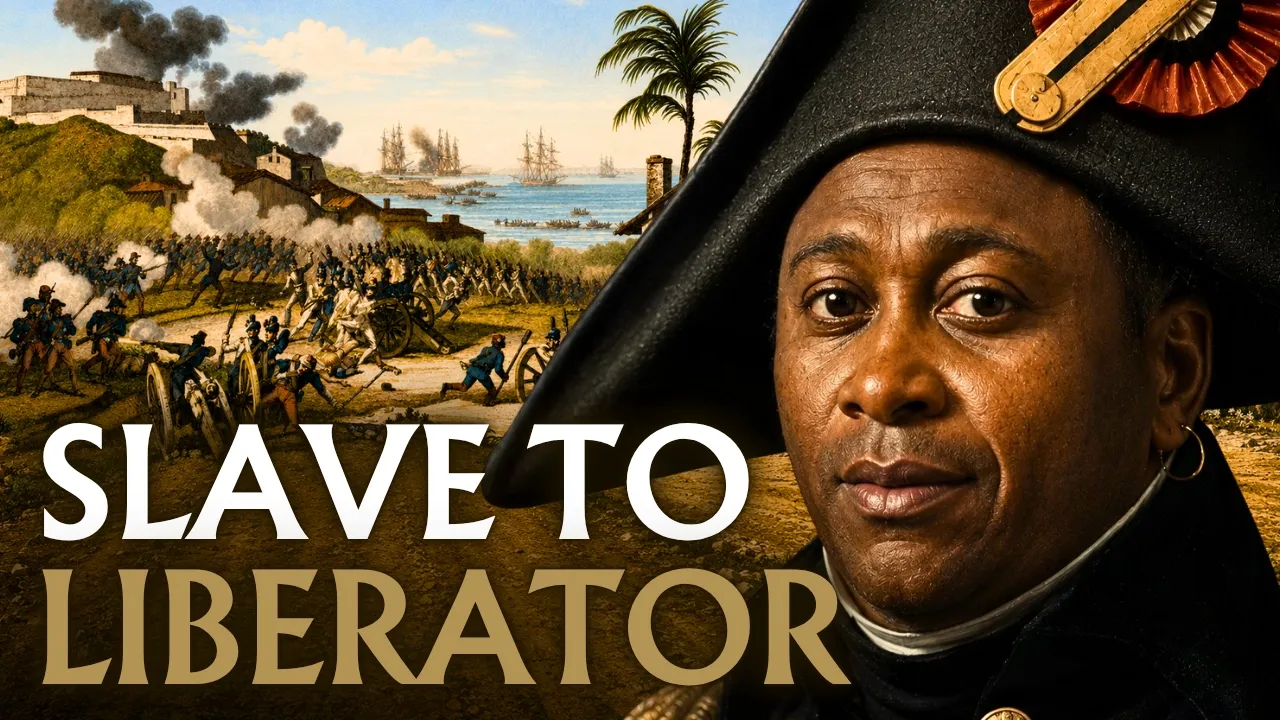
The Haitian Revolution (1791-1804) was a successful slave revolt in Saint-Domingue (modern Haiti), the most profitable French colony in the world, which led to the establishment of the first independent black nation in the Americas; the revolution began with mixed-race activist Vincent Oge's failed revolt for voting rights in 1790, escalated into a full-scale slave uprising led by Dutty Boukman in August 1791, and culminated in the leadership of Toussaint L'Ouverture, who declared freedom for all slaves in 1793 and governed with remarkable discipline until Napoleon's forces captured and executed him in 1802, though his famous quote 'In overthrowing me, you have cut down only the trunk of the tree of liberty' proved prophetic as the revolution continued under Jean-Jacques Dessalines.
The Haitian Revolution: Saint-Domingue Uprising | World History
Added:I now want to turn my attention from all of the craziness that's happening in Europe and go halfway around the world to one of France's colonies in the Caribbean, and that's Saint-Domingue.
And I know I'm butchering all of the pronunciations.
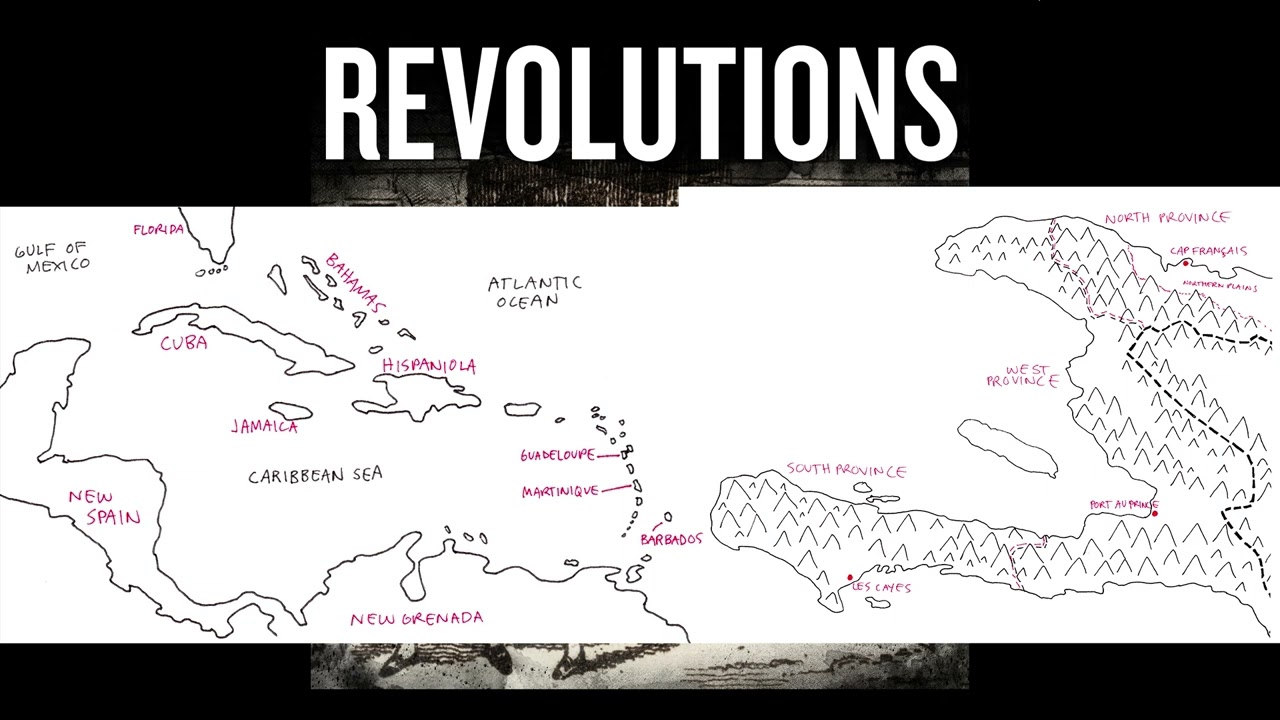
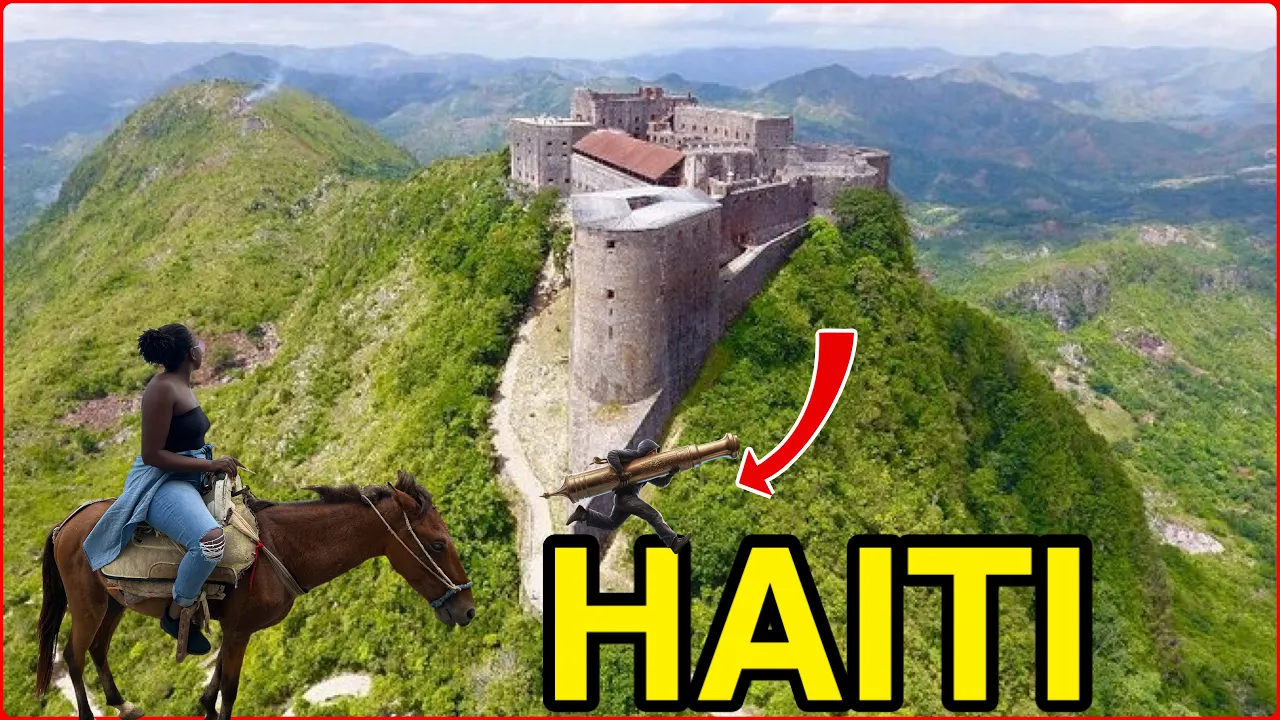
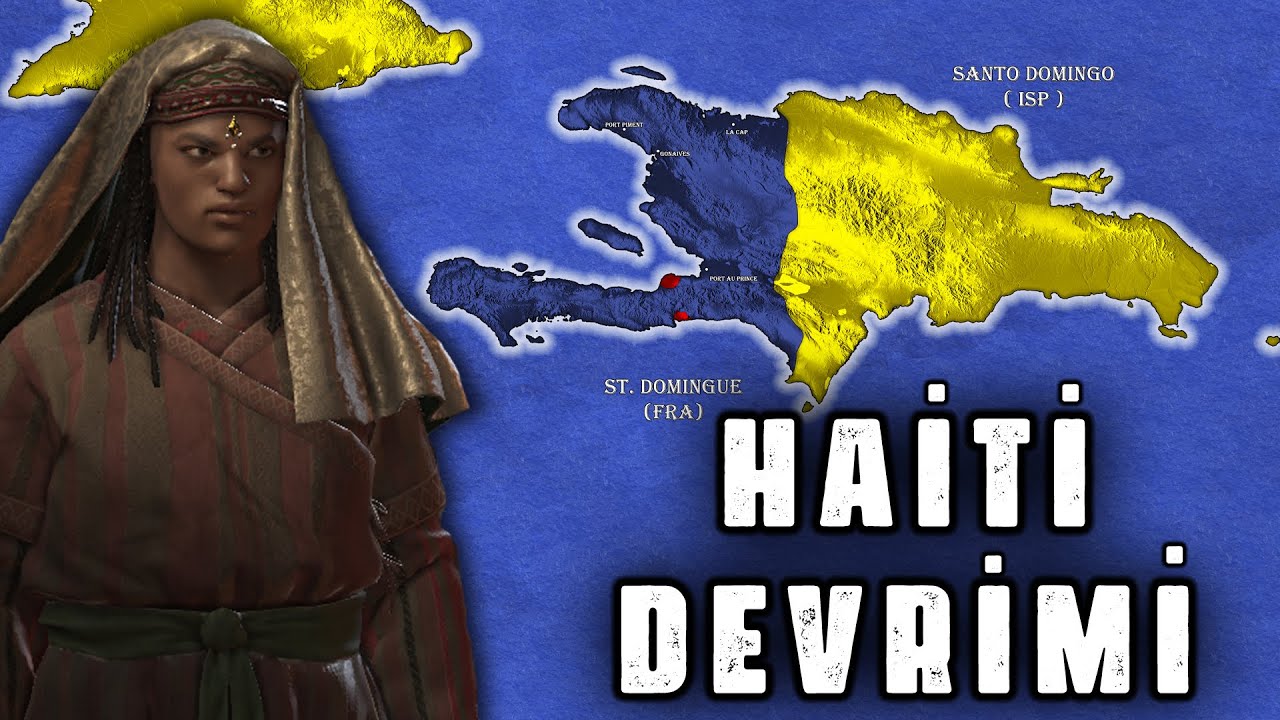
But Saint-Domingue, and its modern name is Haiti, is the western half of the island of Hispaniola, which was the island that Columbus first stumbled upon when he discovered the New World.
The eastern half of the island, that you don't see here-- I've zoomed in on the western half.
The eastern half is now called the Dominican Republic.
At that time it was called Santo Domingo and it was in the control of Spain.
Let me write that down.
So Spain is here.
You probably don't see my yellow that well.
And then on this side, France has colonized-- let me write Spain bolder.
There you go.
Spain had colonized the eastern half of the island, France had colonized the western half.
And just to get us up to speed on the history, in 1492, Columbus showed up and it was a Spanish colony.
And I'm talking about just the western side.
The eastern side continued to be a Spanish colony.
But in 1697, it was officially given over to the French, but it was a Spanish colony until then.
And then 1697 until the period that we're talking about right now, which is the late 1700s, the period of the French Revolution, it was a French colony.
It's a French colony.
Now you're probably saying, Sal, all of this craziness is happening in France.
Kings are getting toppled, people are getting guillotined.
There's wars with all of the empires.
Why are you going all the way to this side of the world and focusing on this small little island?
Well, the big answer, or I guess the main answer, especially from the perspective of the French-- there's other historical reasons why this, I think, is relevant.
But the major reason is that Saint-Domingue at this time was the most-- let me write that in-- profitable slave colony in the world.
Now these colonialists, they cared about profit pretty much all the time.
To a large degree, at this point in history, that's all they cared about.
But you have to think about it.
Remember, what precipitated the French Revolution-- or what I think was a major factor-- was that France was broke.
So you have this little island here.
It's a slave colony.
Their plantations produce tons of sugarcane, hugely profitable business.
Anything that goes on in Saint-Domingue will matter to France because France is broke.
And not only are they broke, but they have all of these wars with pretty much everybody in Europe.
So let's go back and remind ourselves what was actually happening in France at the time.
We'll actually go back to France.
So 1789, you had your Convocation of the Estates-General.
The Third Estate, they were a little peeved, so they met at the tennis court, they declared themselves the National Assembly, they had the Tennis Court Oath.
Actually, they declared themselves the National Assembly, then they were kicked out of the room.
And then they had to do the Tennis Court Oath, where they promised that they would create a constitution.
And they started talking about liberty and fraternity and brotherhood and all men are created equal, all of these great ideas of the Enlightenment.
And while all that was happening, you had this businessman, Vincent Oge.
I don't know if I'm pronouncing it right.
He was a wealthy, mixed-race-- so let me write that down.
He was a mixed-race and he was 1/4 African descent and he was 3/4 European, or French descent.
And he was in Paris on business.
And while he was there, the French Revolution and this Convocation of the Estates-General started happening, and he said, gee, you know what?
I'm a wealthy, educated guy.
I own land in what is now Haiti, but in Saint-Domingue at the time.
He actually owned slaves.
I want to be very clear about this.
He owned slaves as well.
And he's like, I am just as good as all of these, I guess you could say, purely European guys all around me, but I don't get equal rights now.
But all of this great stuff is happening, with talks of a new constitution.
Let me get in on this.
And so he started lobbying with several other, I guess you could say, forward-thinking individuals.
He started lobbying for equal rights.
He lobbied for equal rights, the rights to vote and not to be treated like a second-class citizen.
Now at first, they were kind of ignored.
The National Assembly, they wanted to do good things, but they didn't want to do something so extreme as considering this wealthy, educated, probably well-spoken individual an equal, so they were rebuffed a bit.
But eventually, in March of 1790, the National Assembly passed an amendment that had the wording, all proprietors ought to be-- and there's some other stuff in between-- active citizens.
Well, Mr. Vincent Oge and his collaborators say, hey, this is our victory.
This is the wording that tells us, look, anyone who is a proprieter-- I own land, I'm a proprieter-- it says we ought to be active citizens.
This gives us the right to vote.
So he declared that a victory for his rights, or people like his rights.
And so he goes back to Saint-Domingue and tells the governor, look, all of this craziness has been happening in France, we have a National Assembly, and they've essentially given me the right to vote.
Unfortunately, the governor of Saint-Domingue ignores him, or essentially doesn't listen to him-- ignores what he has to say, and says, I don't care what's going on in France.
I'm not going to give you and people like you the right to vote.
So this obviously did not make him a happy individual.
He seems like he has everything going in his favor.
Even the national assembly seems to be going in his favor, but the governor ignores him.
So he starts a revolt when he returns, and he's essentially rebuffed.
He returned in October of 1790, ignored by the governor, so he starts a revolt.
Unfortunately, his revolt wasn't successful.
And I want to be very clear.
When he revolted, he wasn't revolting to abolish slavery, he wasn't revolting to give all black men on the island the right to vote.
He was revolting to give freemen of color who owned land the right to vote, and that was probably his mistake in the revolt.
I want to give you a little sense of the demographics of Saint-Domingue at that time.
There were 500,000 slaves of African descent, you had 40,000 white colonialists, and you had 28,000 mixed-race, freemen of color, or however you want to describe them.
If you're starting revolt to defend only your rights, you're going to get some subset of this 28,000 against a very well-armed, in power, 40,000.
Now, if he had thought maybe I should speak in a little bit broader terms-- he was essentially trying to become a part of this club, but if he had spoken in slightly broader terms, maybe he could have tapped into some of the angst of that 500,000.
But he didn't, and so his revolt was unsuccessful and he was captured.
And then in February 1791, he was executed.
So it seems like all was for naught.
He went through all this trouble to get some freedom.
He was ignored, tried a revolt, his revolt wasn't done that well.
He was executed, but it started to simmer within the consciousness of the people of African descent at that time.
And whether or not his revolt directly lead to what is going to happen over the next few years is unclear, but it did happen and at least he was the first one that really did try to start a revolt in a major way.
But anyway, after he was executed, there started to be a little bit more murmurrings, especially in the North.
Most of the sugar plantations were focused around the North, and obviously, the more plantations, the more profit.
And there was actually a voodoo ceremony that was run by an individual whose name was Dutty Boukman.
And I looked for pictures of him.
I couldn't find any.
Unfortunately, there aren't.
He ran this voodoo ceremony where he essentially instigated a slave uprising in Haiti, or what is now Haiti, but in Saint-Domingue.
Remember, look at those demographics.
As you could imagine, if the slaves themselves were to rise up against everyone else on the island, you could imagine-- even though they might not be as well organized or as well equipped as the other members-- just by sheer force, they should probably do pretty good.
And so in 1791, in August 1791, an all-out slave rebellion begins.
Now you can imagine, this scares France.
Putting aside all of the things of the Revolution and all these new notions from the Enlightenment, here is your most profitable colony in the world, and all of a sudden there's a revolt.
People on both sides of the equation are getting slaughtered, plantations are getting burned.
From the new government in France's point of view, that's just going to hurt their own profitability.
This is at a time, remember, France is broke.
They're at wars with other countries.
So France sends a delegation, headed by this guy right there.
His name was-- and I know I'm butchering the pronunciations-- Sonthonax.
I don't know the best way to pronounce it.
And it was him plus 6,000 or 7,000 troops.
And they essentially were sent from France to put down the slave rebellion, to kind of get things back to the way they were.
And in order to kind of consolidate everyone on France's side right here, France in April 1792-- so let me write this down.
The Legislative Assembly, you might remember, a new constitution was created at the end of 1791, and that entailed a new Legislative Assembly.
They essentially gave full citizenship to all free people of color.
So unfortunately, Vincent Oge was a little bit ahead of his time.
If he had just waited a couple of years, he wouldn't have had to revolt.
Or maybe he helped to precipitate this.
So it's not clear.
Maybe his revolt, which maybe helped precipitate the eventual slave revolt, which eventually might have helped the Legislative Assembly come to terms with this idea.
Maybe he made it happen or maybe it would have happened on its own, but they made full citizens out of free people of color.
And they probably did that-- you could view it kind of in a positive or a negative spin.
The positive spin was this is consistent with the ideas of the Enlightenment and the Revolution.
Or if you want to kind of view a more strategizing view on it, they probably said, hey, there's all this craziness going on in Haiti, if we can at least get these people on our side, we might be able to properly suppress these people over here.
And let's be clear.
Many of these mixed-race freemen of color, they owned slaves themselves.
So from their own self-interest, they were actually very similar to the white colonialists in Saint-Domingue at that time.
If they were a little bit more strategic about it, it might have been just to kind of consolidate the power on the free people on the island, or the landowners on the island.
But they sent that message with Sonthonax and 6,000 to 7,000 troops to get things back in order.
But you might remember-- and even that-- this made many people very unhappy, even on the island.
As some of those white colonialists at that time, they weren't the most liberal thinking people and they probably didn't appreciate this idea of freemen of color being able to have all of the same rights as they did.
So there was obviously a lot of antagonism against this guy, against Sonthonax right there.
And then you might remember that in February 1793-- we saw that in the previous video, or in several videos ago-- February 1793, you start having war with Great Britain.
And Great Britain had control of this, right here.
That is Jamaica.
Just to be clear, in green right here, this is Saint-Domingue.
And right here, this is Santo Domingo, controlled by the Spanish.
So you had a big problem.
Here he is, Sonthonax right there.
He's antagonized some of the whites, he's trying to put down a slave rebellion, or at least get things back to normal.
And then all of a sudden you have the British over here, and you have a lot of these white colonialists that start saying, hey, if France is going to be like that, we're going to side with the British.
We're going to side with the British or we're going to get help from the British and we're going to use that help from the British to essentially get our way back in Saint-Domingue.
Now Sonthonax, as far as I can tell, he was of a more liberal persuasion in that he was sympathetic to the plight definitely of people of mixed-race, and even to the plight possibly of slaves themselves.
But also, for strategic reasons, he saw the writing on the wall as well.
He said, gee, I have 500,000 slaves and we need to fend off the British.
This is a pretty bold action.
In the history of slavery, this is actually one of the most significant declarations.
In 1793, in August of 1793-- it might be a reflection of his own ideas, or it might have just been because of the threat from Britain-- Sonthonax declares freedom for all the slaves.
He wasn't saying that they would have all of the same rights as land owning men, but he's essentially abolishing slavery.
Initially, he did it just in the North, but in September and October, he eventually extended it to all of the French possessions in Saint-Domingue.
Now you could imagine the slaves that were revolting this entire time, they're a little bit suspicious of this gentleman.
He was, it looks like, sent to Saint-Domingue, or what is now Haiti, to put down the uprising.
He shows up with 6,000 or 7,000 troops.
He tries to side with essentially the enemies of the slaves to put down the uprising.
And now all of a sudden, when the British look like a bit of a threat, he's like, hey, I'm ending slavery by myself.
I am just declaring slavery to be over.
And they've been tricked before and they're saying, this is probably some type of a trick just to make us become a little passive so that they can get back at us.
And so their leaders were a little bit suspicious of it, but then in February of 1794, this was ratified.
His declaration was ratified by the French National Convention.
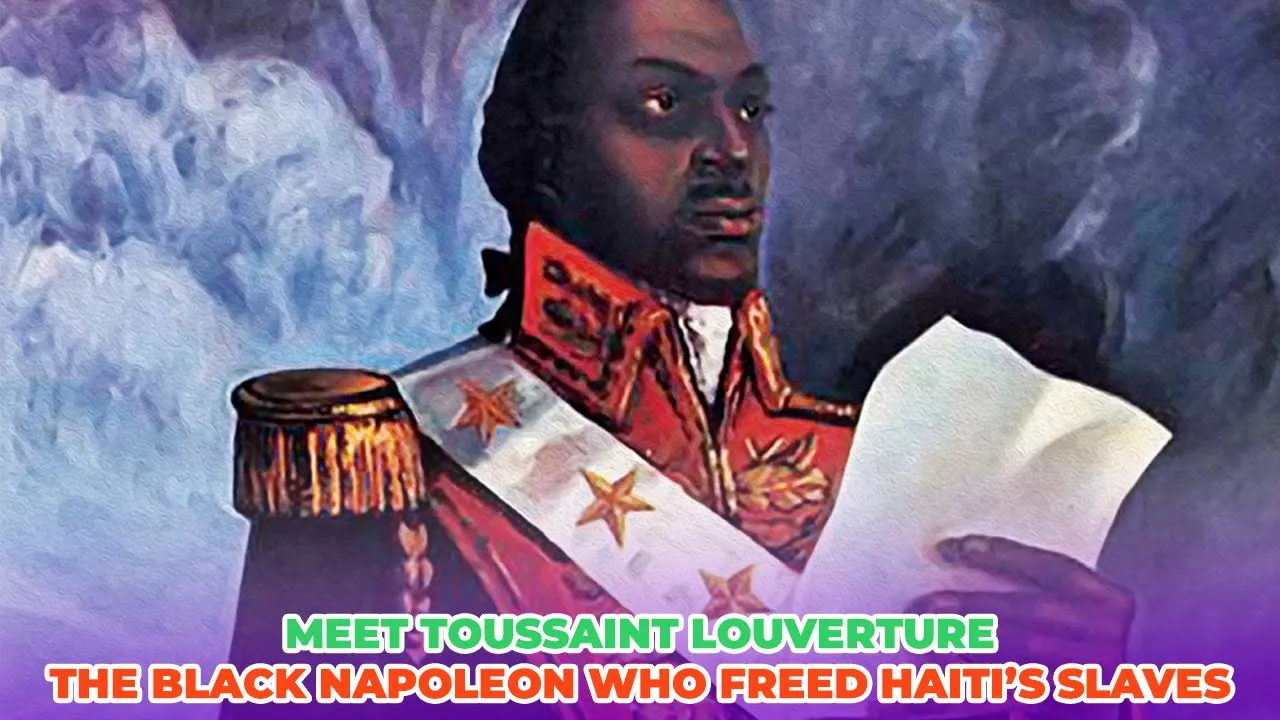
And by the time word got to the freed slaves, or the rebelling slaves on the island-- so we're now in May 1794-- the rebel slaves' leader-- and this is a super important name to know-- Toussaint L'Ouverture-- he was the leader of the rebels, and he was a self-educated former slave himself.
And actually he proves himself over and over again to be one of the best military generals and actually in much of history.
In May 1794, Toussaint L'Ouverture-- I'll write his name twice-- decides to essentially join sides with the French Republic, join sides with Sonthonax.
Now once again, let's look at the numbers.
You have Toussaint L'Ouverture.
He is essentially the leader of these 500,000 newly freed slaves.
This is essentially the military of the island.
He is now the leader of the island.
So now he is essentially, you could almost view him as the general or the governor of the island, of this colony.
Despite the fact that he had very good leadership qualities, he also had a bit of a megalomaniacal side for himself.
And so he actually declared himself governor for life.
In 1801, he issues a constitution that declares himself governor for life.
And in his defense, this wasn't that unusual for this time in the world.
I mean, you look across the Atlantic, look with Napoleon's doing.
He takes over the French Republic, he essentially is declaring himself emperor and what not for life.
And this guy says, hey, I have the same right to do it.
I've led these people to essentially their freedom.
They trust me.
I'll declare myself governor for life.
And also in his defense-- and this also speaks to him being a step ahead of many of the rulers at this time-- is that he didn't have just plain old slash and burn tactics.
He actually did enforce a lot of discipline amongst his troops.
And we'll see one of his right-hand men, Dessalines-- I know I'm pronouncing it wrong-- he was much more savage with the people that he was fighting against.
But Toussaint L'Ouverture was very disciplined and when he came to power, he actually did not try to get revenge on the mixed-race or on the white plantation owners.
He realized that, hey, you know what?
We are a new people in charge of what is essentially a new country-- or in his mind it's a new country-- but let's not try to rock too many boats.
Let's try to kind of keep our society going in some reasonable way so that we don't just ruin ourselves into oblivion.
And he also did not declare independence from France.
So that's an important point too.
He didn't want to completely disjoint themselves from France, so no independence.
He was just happy essentially being part of the French empire, but he himself will be the governor.
You could imagine on two levels, Napoleon was not happy.
We we remember, in 1799, and especially 1800, Napoleon comes to power, calls himself the First Council.
And he's not happy on essentially two grounds.
One, there's this upstart here declaring himself governor for life of this island.
No one can do that but Napoleon.
The other problem that Napoleon had is, all of a sudden, once you lose 500,000 slaves and they are now freemen and you now have to pay them maybe slightly better wages instead of just making them do what you want and just extracting all the profits, the island, the colony becomes much, much less profitable.
So in the back of his mind, he also wanted to reinstate slavery and you'll see that he does it explicitly later on.
So he sends his brother-in-law.
You need a dirty job to do, you got to send someone you trust. He sends his brother-in-law Charles Leclerc with 40,000 troops-- so Napoleon is definitely taking the situation seriously-- with 40,000 troops to essentially take back the island from Toussaint L'Ouverture.
And so you imagine there's this huge battle that goes on on the island of Saint-Domingue, or the western half of the island, or the part that's controlled by the French.
And eventually, they start to get the upper advantage.
It doesn't help, the fact that Toussaint L'Ouverture's-- some of his closest generals or his closest aides, when they kind of see the writing on the wall, when they see that this guy-- in the next video, I'll talk about how barbaric some of the things this guy did was.
But once some of Toussaint L'Ouverture's generals started to see the writing on the wall, they actually turned on him.
And one of them was-- he actually ends up completing the revolution, but while he was fighting for Toussaint L'Ouverture-- this is Jean-Jacques Dessalines-- him and some of the other right-hand men to Toussaint L'Ouverture, he actually joins the side of Leclerc.
Leclerc is kind of making it look like he's not trying to reinstate slavery, he's not trying to take citizenship away from people of African descent.
He makes it look like he's only trying to take L'Ouverture off of his high horse.
So this guy says, OK, fine, for the betterment of Saint-Domingue, I'm with you.
And at that point, Toussaint L'Ouverture is essentially in a very tough situation.
So Leclerc says, hey, Toussaint, let's have some negotiations and maybe we can figure out some way for you to assimilate you and the people you're leading into essentially Napoleon's-- what is now turning into Napoleon's empire.
So Toussaint L'Ouverture-- being a kind of upstanding individual who trusts people and a man of honor-- he says, oh, this Charles Leclerc must be a man of honor as well.
So he meets with him to discuss the terms of assimilation.
Well, it turns out Charles Leclerc was not a man of honor.
Maybe I could draw some devil horns on him right there.
And he, when Toussaint L'Ouverture shows up by himself for a very civilized meeting, he gets some people to arrest him, capture him, and then send him on a boat to France, and essentially Toussaint L'Ouverture dies in France in a prison.
So I'm going to leave this video here.
It's kind of a very sad moment.
You have freedom for the slaves temporarily, you have this major historic figure Toussaint L'Ouverture leading the slaves and trying to establish a new government.
But then it gets violently suppressed by Napoleon's henchman, by Charles Leclerc, his brother-in-law.
And I'm going to finish this video just with a quote from Toussaint L'Ouverture because it kind of foreshadows what's going to happen in the next video.
So this is actually something that he said on the boat to France after being captured.
Let me make the whole quote here.
"In overthrowing me, you have cut down in Saint-Domingue only the trunk of the tree of liberty.
It will spring up again from the roots, for they are many and they are deep."
Up Next

Toussaint Louverture: Haiti's Defeat of British and French Forces
@SankofaPanAfricanSeries
50.9K views•2021-02-04

The Great Schism of 1054: Causes and Consequences
@SacredCathedrals
113.5K views•2026-02-19
Aztec Empire Origins: Tenochtitlan & Tribute System
@khanacademy
147.1K views•2017-05-09
Understanding the Cold War: Superpower Conflicts and the Road to Détente
@OverSimplified
46.1M views•2019-01-24
Related Study Plans & Knowledge Roadmaps
Structured learning paths in History