
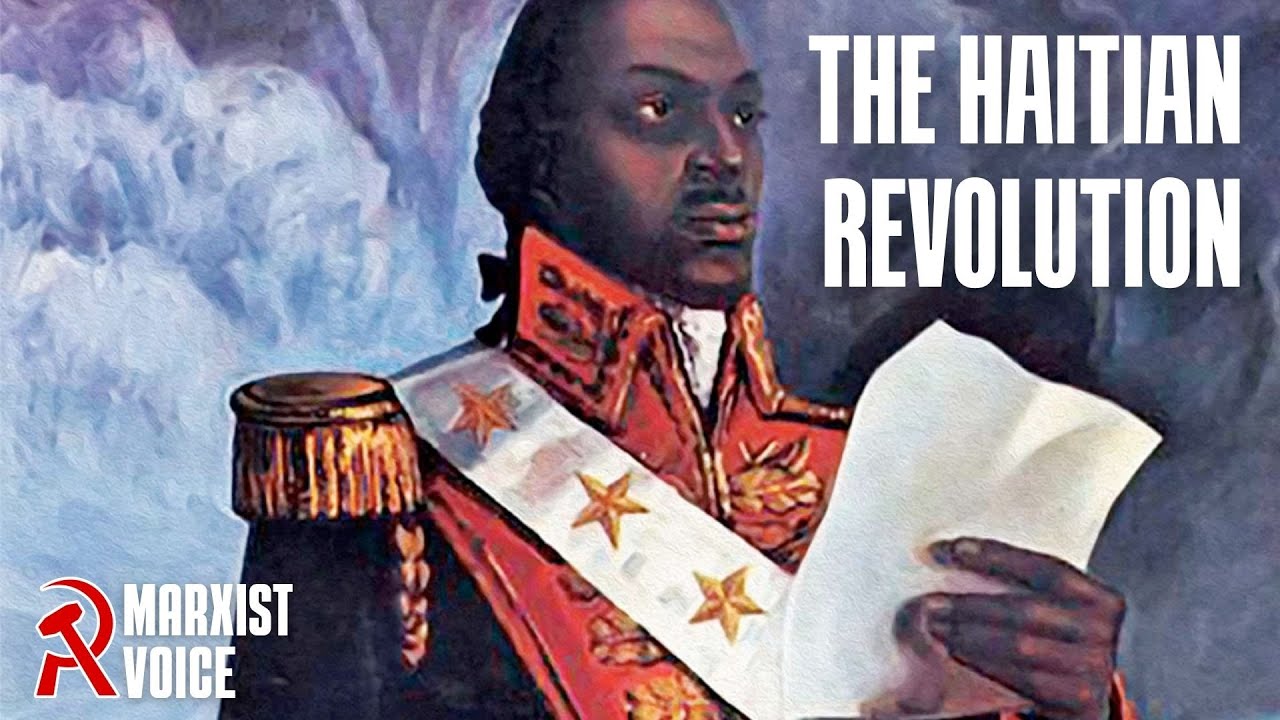


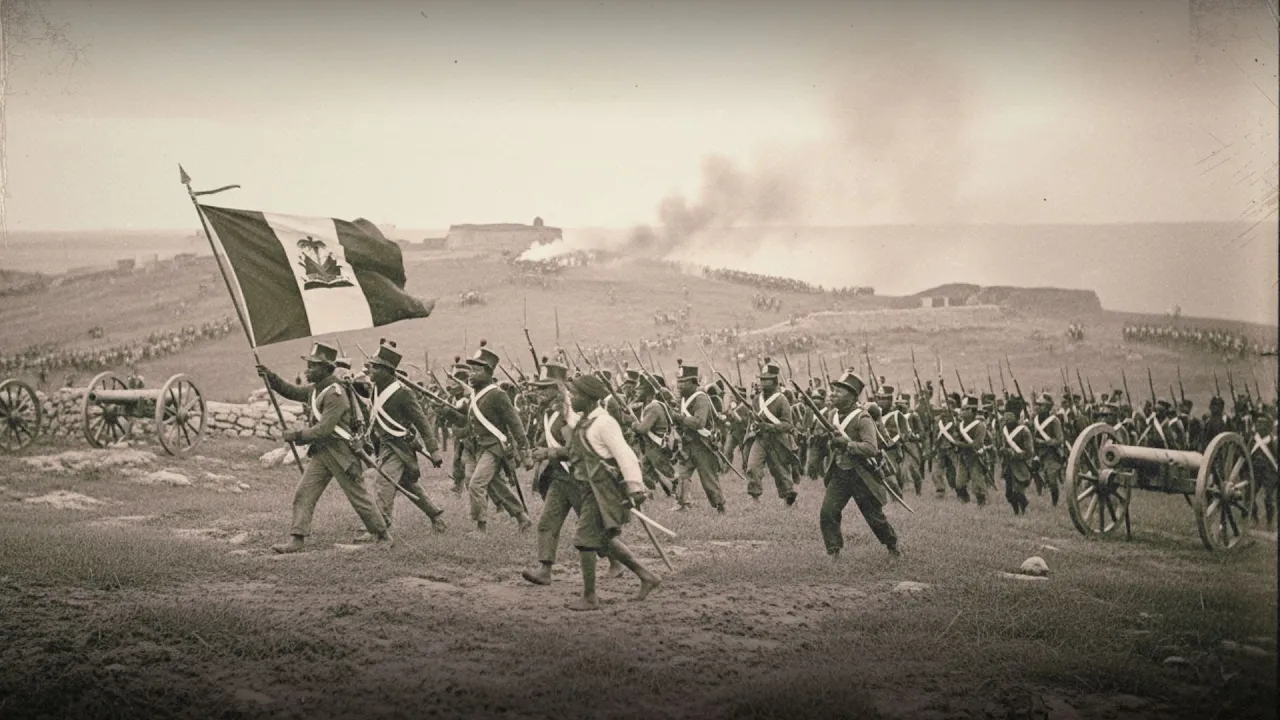



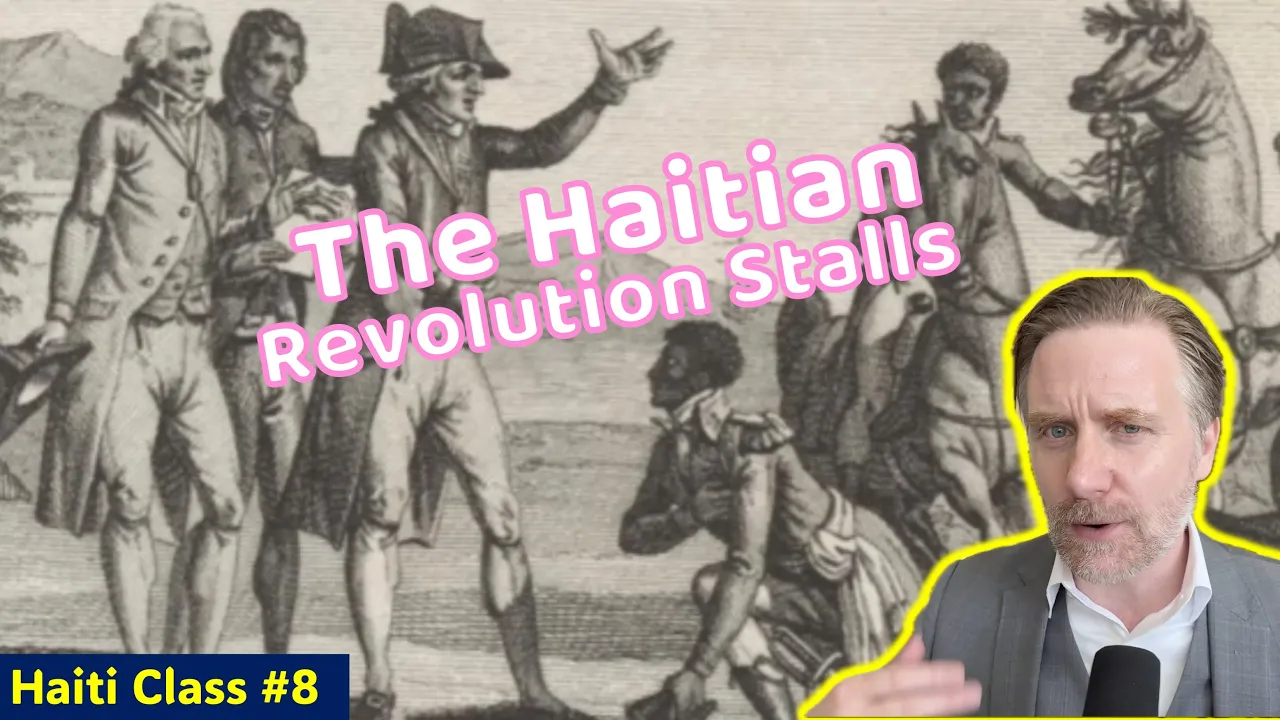


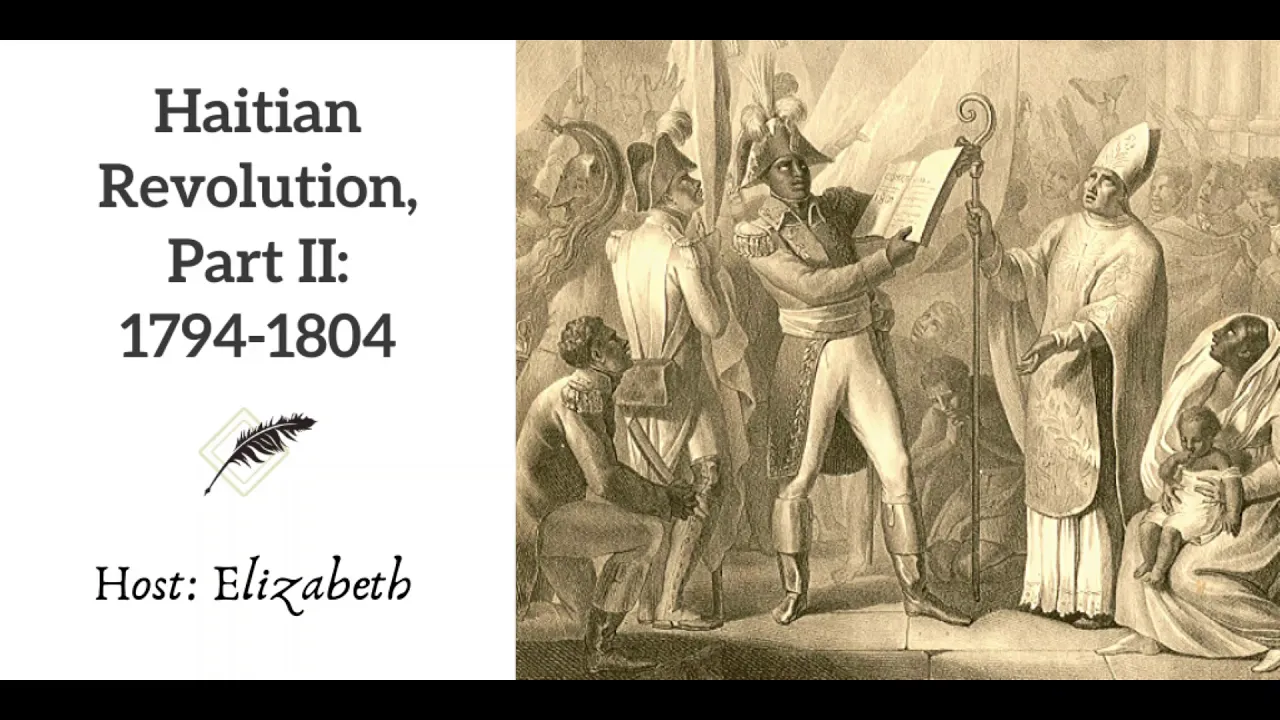








Toussaint Louverture, a former slave who gained his freedom around 1776, led the largest and most successful slave revolt in history by uniting enslaved people in Saint-Domingue (now Haiti) against French, British, and Spanish colonial forces. Through strategic military leadership and psychological warfare, he defeated over 20,000 British soldiers (with more than 60% killed) and forced France to abolish slavery in 1791. By 1801, he had established Haiti as the first independent black republic in the world, creating a society where black, mixed-race, and white people coexisted as equals. His legacy inspired abolitionist movements globally and proved that enslaved people could defeat European colonial powers despite limited resources.
Toussaint Louverture: Haiti's Defeat of British and French Forces
Added:The socio-economic structure of 18th-century Saint-Domingue, detailing the brutal sugar-plantation economy and its rigid, racially stratified class system.
The ideals of the French Revolution (1789) and the 'Declaration of the Rights of Man', which exposed the philosophical contradictions of colonial slavery.
The basic mechanics of the Transatlantic Slave Trade and the demographic imbalance it created in the Caribbean, where enslaved people vastly outnumbered colonizers.
The tri-lateral imperial conflicts among France, Great Britain, and Spain, who competed fiercely for dominance over lucrative Caribbean sugar islands.
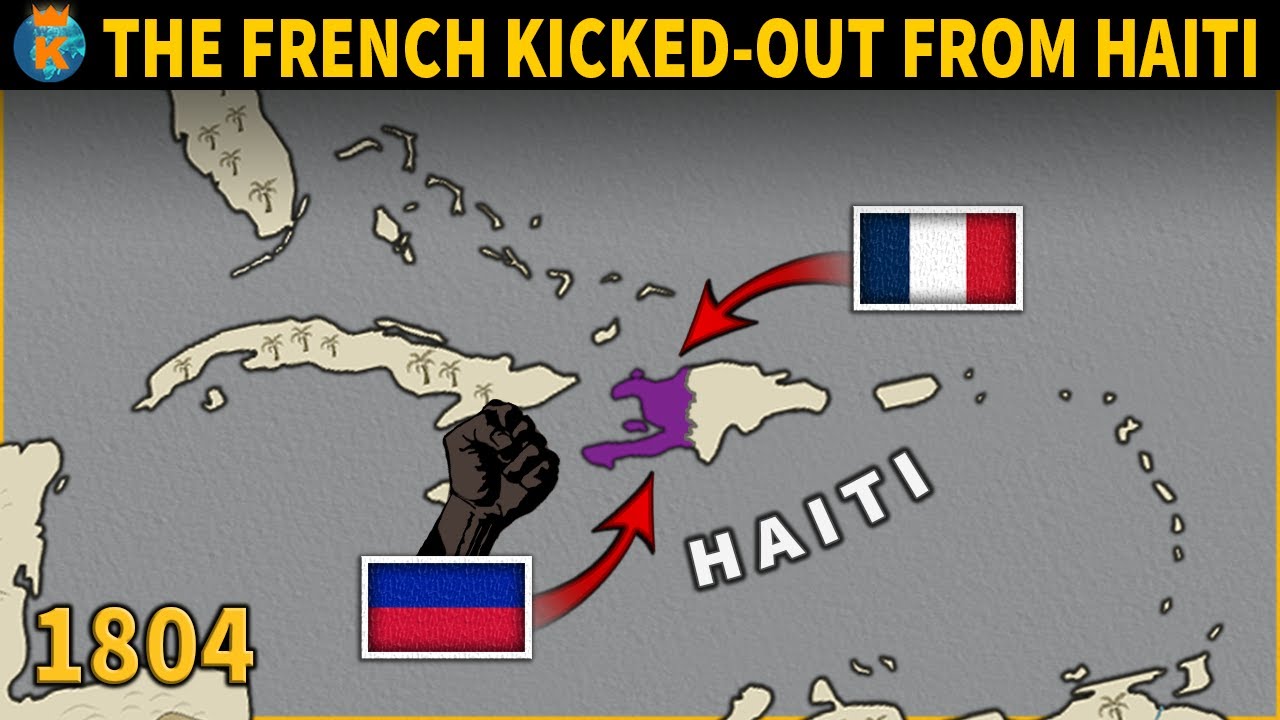
The final phase of the revolution led by Jean-Jacques Dessalines, which secured absolute independence and renamed the colony Haiti in 1804.
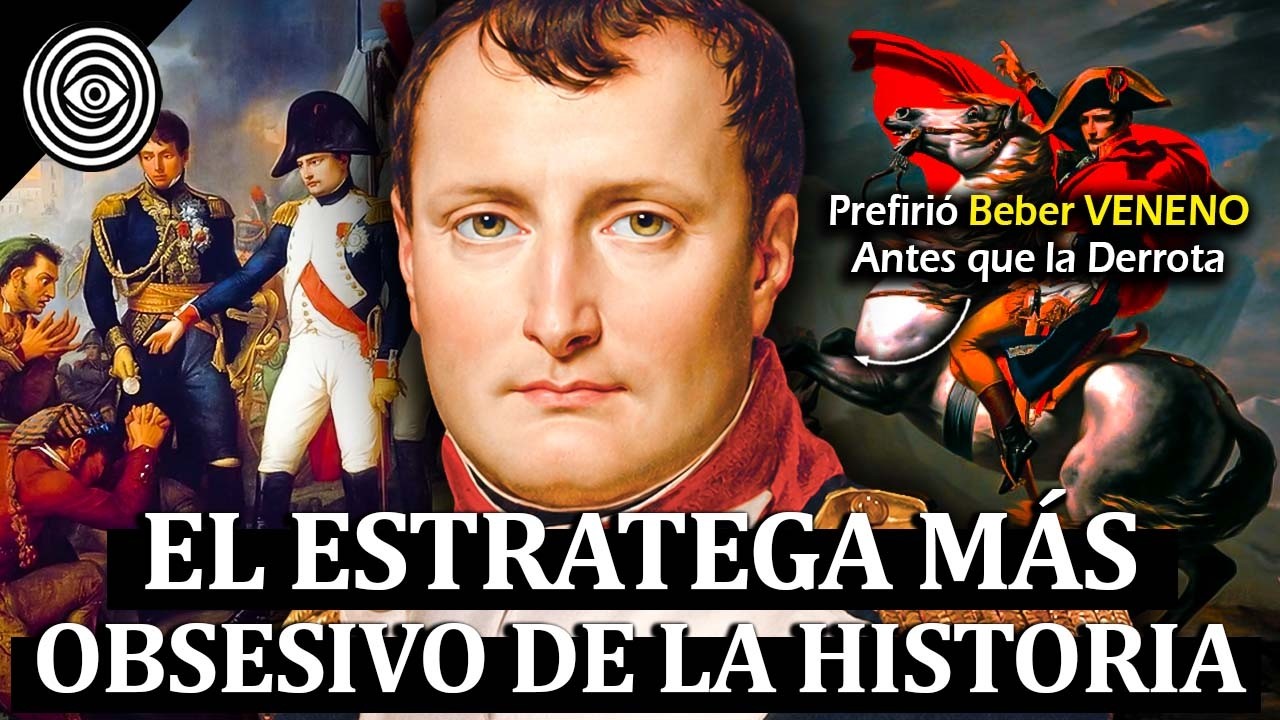
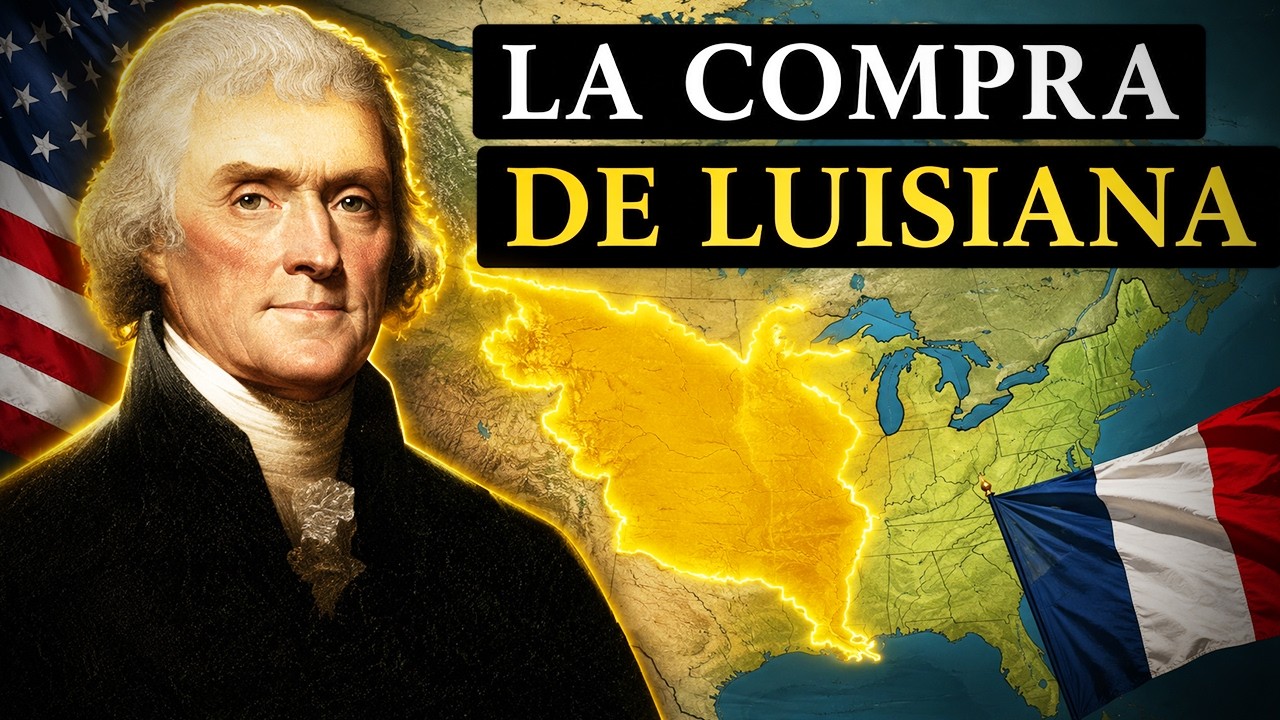
The geopolitical shockwaves of French defeat, specifically how it compelled Napoleon Bonaparte to sell the Louisiana Territory to the United States.
The long-term economic consequences for Haiti, focusing on the 1825 French indemnity (independence debt) and international diplomatic isolation.
The profound influence of Haiti's success on subsequent anti-slavery rebellions, global abolitionism, and the tightening of slave codes in the Americas.
50.9K views2.8Klikes15:50Original Release: 2021-02-04
[Music] francois dominique tussar lovetto never visited britain or any of the islands which constituted the british west indies however his influence on the end of slavery in the british empire and other european countries was most profound this is because he led the largest and most successful slave revolt in history welcome to another episode of the sanco for pan-african series please if you have not yet subscribed take a moment to do so thank you francois dominique tusa who later adopted the name lovey cho is believed to have been born a slave around 1743 on a plantation in san doming tucson's parents were people who had been captured from africa some accounts report that he was educated by a man named pierre baptist who was a free man he also received um some education from jesuits and missionaries and had medical knowledge based on african and creole hebrew medical techniques now san domang as haiti was then known produced coffee sugar cocoa indigo and was one of the most prosperous colonies in the world however the wealth of this colony depended on the blood and sweat of african slaves now in spite of all the wealth that was being made by the french and other european colonies in san domen the slaves in this colony were suffered some of the worst treatments by both male and female colonizers an exceptionally intelligent child francois dominique toussaint had a good command of french in addition to creole he all was also well informed about works of enlightenment thinkers like him abe reina who wrote against their slavery some accounts show that he gained his freedom around 1776 when he was in his early 30s his freedom then allowed him to accumulate a level of of wealth although some accounts tried to deride his um accumulation of wealth by saying that he made his fortune by running a plantation with the sleeves now while i'm not attempting to exonerate him i think we should note that virtually all the founding fathers of the us were slave owners at that time in sandoman there could not have been very many other ways to make a a livelihood however what tussar did what makes him significant um to us is what he did with his wealth although he started out um trying to bargain with them slave owners for better conditions for enslaved people he later changed and fought for complete abolition of slavery and independence for saint domingue now starting around um 1789 three people of color in saint domingue like tucson were inspired by the french revolution which was going on in france to demand freedom for all and equality by august 1791 slaves who made up the majority of the the population on the island carried out a voodoo ceremony to flag off a rebellion now a few weeks after the rebellion started tucson who was a pragmatic person joined the rebellion although by then he was already a free man he started by serving as a doctor to the rebellious troops and from this position he rose to be one of the leaders of the rebellion he rose to become a significant military leader and adopted the name levercha which has been translated into english to mean the person who opened the way so i i think the name must have been significant uh for him because of what he planned to do with the rest of his life in order to drive home his a point about freedom leviton used the same language that the revolutionaries in france were using to insist from their monarchs that they wanted to be treated with an equality so he used the same language that a french revolutionaries in france used against the monarchic system to argue for the liberation of his own country if the french thought equality was a necessity you know he insisted that you know enslaved people in send a man also deserve the same level of equality from their colonizers so rather than support the um call for freedom and equality by the slaves in san domen france decided to send troops to fight the revolutionaries that was by that time being led by tussar novato but the french army was soundly defeated and by the end of 1791 the french were forced to abolish slavery on saint domingue now since spain britain and other european countries which owned slave colonies had not yet abolished slavery at the time tussar believed that the french revolutionaries in france would help him oppose the freedom that um he and his people had gained in saint domingue um and just as he suspected as soon as the british saw that the french had them been defeated in saint domingue they went all out to try and overtake the colony britain invested millions of pounds by sending soldiers to try and capture send a man and re-enslave the people this was in 1793 the attempt ended up in an expensive and most humiliating failure for britain whose troops were forced to withdraw in um 1798. tucson's rebels were able to defeat the british using um what historian sudhir has uh received describes as psychological warfare by defeating the british army leviticus showed britain what enslaved people who were determined to fight for their freedom could achieve out of over 20 000 um british soldiers sent to sun domain during the five years of the of fighting of trying to capture the uh the colony more than 60 percent of them were killed the few who were left some of the surviving british soldiers officers when they returned to britain were so overwhelmed by the determination and the um and the the way in which the rebels defeated them that they joined the abolitionist movements because they were convinced that the slaves who had defeated them deserve to be free they had and that they had a right to an ability to run and determine their own affairs after this victory against the british the french made to sign literature deputy governor of the colony but rather than just arrest on the glory of being elevated to the position of deputy governor he went after and conquered santa domingo a present-day dominican which was then under spanish rule he proceeded on conquering that uh part of the of the colony he proceeded to then ban slavery there as well um as a way of um kind of maybe celebrating his victory over the spaniards anyway the revolt which tucson led lasted about 12 years starting in 1791 it was the most sustained and most successful rebellion uh slave rising in any uh any part of the world by 1801 tuzan lovito and others fighting for uh liberation had ended slavery on on the island and he was governor of the entire island made up of frank sandoming and santa domingo and for the first time anywhere in the northern hemisphere tucson created an atmosphere in which black people people of mixed race and white people coexisted as equals it had never been ahead of he was however tricked and ousted by the french on the napoleon bonaparte uh tusan lovito was deceived into attending a meeting where he was arrested and then sent to prison in france he died day of pneumonia and malnutrition in april 1803 however his immortal words ring true even today and i quote they have in me struck down by the trunk of the tree the roots are many and deep they will shoot up again though he died in prison the revolt which he uh led had far-reaching effects it began the transformation of the french colony of saint-domingue into the independent country of haiti he also wrote his country's first constitution most significantly to san lovita's um revolt undermined france as a major slave old holding power he also paved the way for haitian independence which allowed abolitionists um in the british parliament to defeat the arguments which had been put forward by pro-slavery politicians that if britain abolished slavery or slave trade then france which was britain's arc enemy would take it over and become more powerful than britain not long after um tucson's death like he had rightly predicted that others would rise haitian independence was attained in 1804 after the french army under napoleon bonaparte was thoroughly defeated by the black people in the colony now their success in defeating napoleon bonaparte proved to enslave people all over the caribbean that they could rise up against oppression fight for their freedom and win tusa and the people of um heidi proved to black people all over the world that they had the ability to withstand and defeat european might even in spite of having very limited resources i'd like to end this episode on this legendary figure with another of his famous quotes to remind us of our responsibility as africans and people of african descent everywhere in the world i took up arms for the freedom of my color it is our own we will defend it or perish thank you very much for being a part of this um episode of the sankovapan african series please subscribe if you've not yet done so give us a thumbs up if you like our videos and feel free to share with your friends see you next time [Music] hello
Up Next
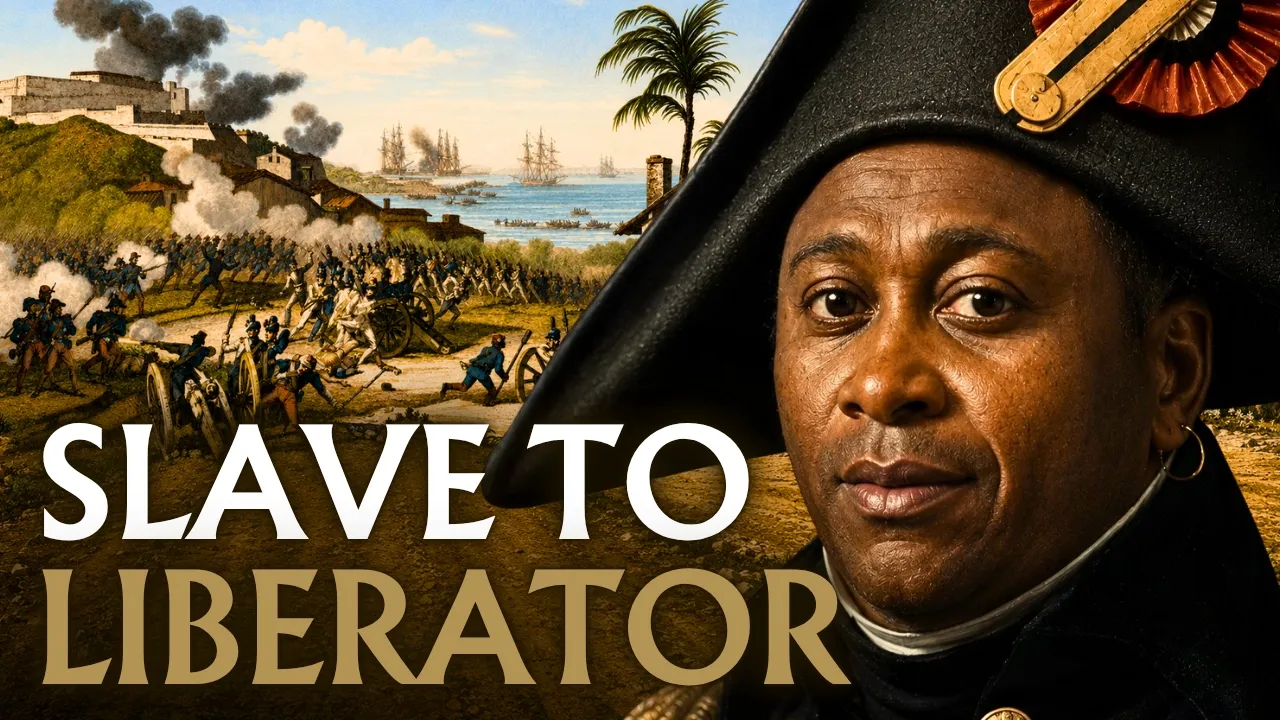
70:33
Toussaint Louverture: Slave Revolt to Haitian Revolution
@PeopleProfiles
68.2K views•2025-10-26

33:02
The Great Schism of 1054: Causes and Consequences
@SacredCathedrals
113.5K views•2026-02-19
91:57
The Geopolitics of the Ukraine War and the Rise of Global Autocracy
@JordanHarbingerShow
468K views•2025-04-19
17:05
Understanding the Cold War: Superpower Conflicts and the Road to Détente
@OverSimplified
46.1M views•2019-01-24
Related Study Plans & Knowledge Roadmaps
Structured learning paths in History
history
Byzantine Iconoclasm: Theology, Art & Politics
01Foundations of Byzantium and Early Christian Images
02The First Iconoclasm: Leo III and the Crisis of Images
03Empress Irene, Nicaea II, and the Second Iconoclasm
+ 2 more learning modules
9h5 modules
Explore Roadmap
history
Iranian Revolution (Causes, Events & Legacy)
01The Pahlavi Dynasty and the Roots of Discontent
02The Spark of Rebellion and the Rise of Khomeini
031979: The Fall of the Shah and the Climax of the Revolution
+ 2 more learning modules
8h5 modules
Explore Roadmap
history
Mali Empire: Mansa Musa, Trade & Timbuktu
01Foundations of the Mali Empire
02The Trans-Saharan Gold and Salt Trade
03The Reign and Pilgrimage of Mansa Musa
+ 1 more learning modules
6h4 modules
Explore Roadmap
history
1947 Partition: Politics, Borders & Legacies
01Foundations of British India and the Divide
02The Political Negotiations and the Mountbatten Plan
03Drawing the Boundary: The Radcliffe Line
+ 2 more learning modules
8h5 modules
Explore Roadmap