






















![[성공예감 이대호입니다] 2부 풀영상 | 바이오 산업이 AI를 만나면 - 송이라 기자 (서울경제신문) | KBS 240403 방송](https://i.ytimg.com/vi/TAjEO3fP9Ec/maxresdefault.jpg)
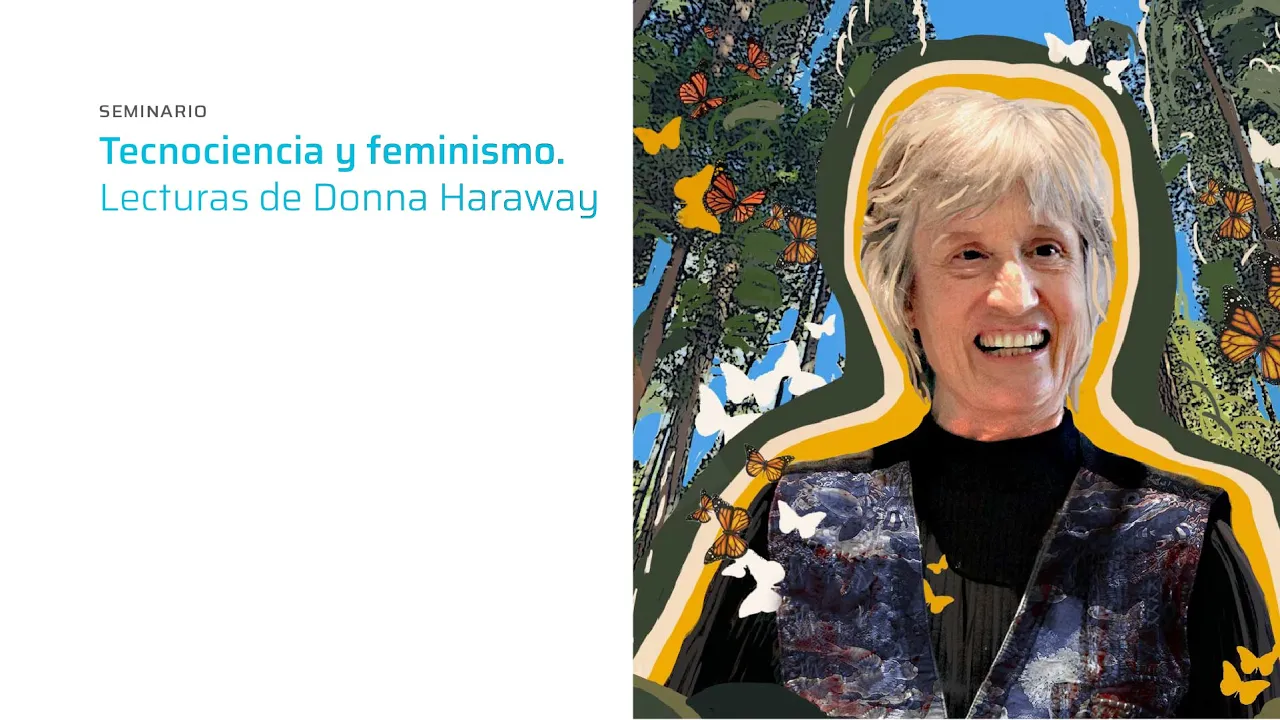
Donna Haraway argues that scientific objectivity should be redefined as 'situated knowledge'—a particularized form of objectivity that acknowledges the observer's embodied position and the reciprocal relationship between observer, tool, and object, rather than pursuing an illusory 'god's eye view' or abstract disinterestedness; she critiques the traditional separation of science from politics and technology, advocating instead for 'technoscience' that recognizes how scientific practice creates real-world consequences and requires scientists to take responsibility for their situated perspectives.
Ep. 293: Donna Haraway on Situated Knowledges & Feminist Science
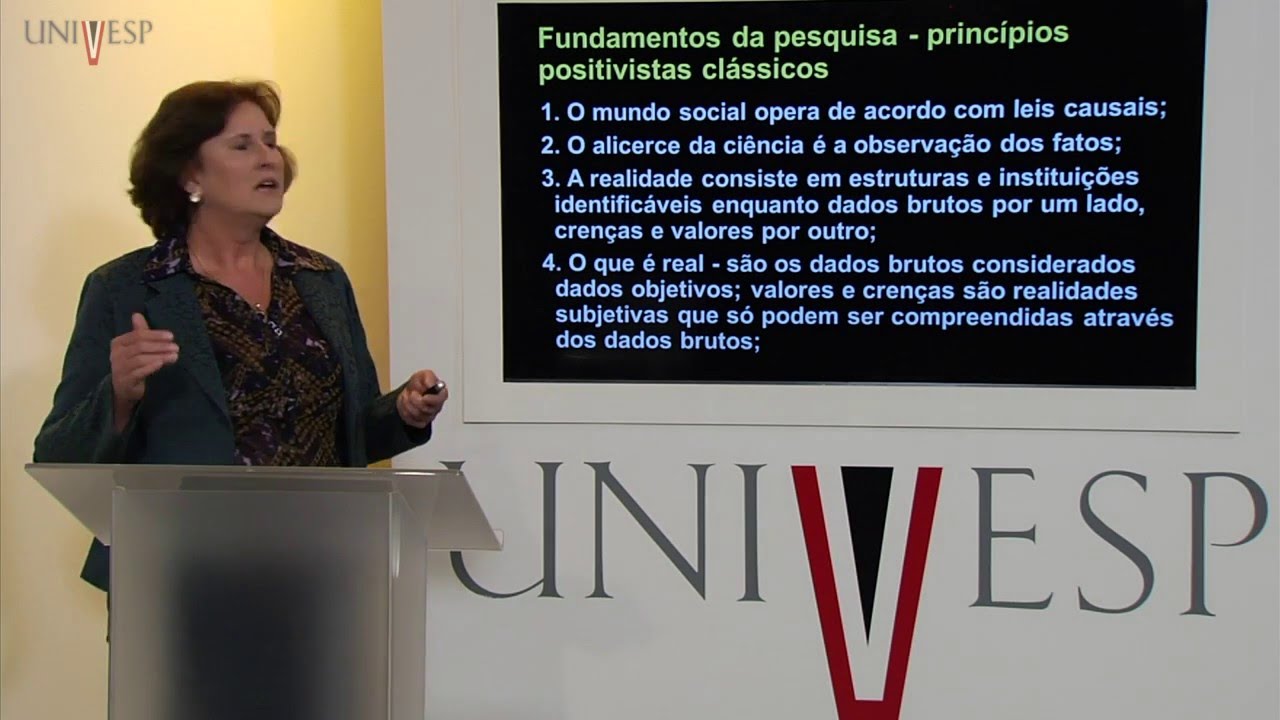
Added:The traditional concept of scientific objectivity and positivism, particularly how classical science claims to produce 'value-free' knowledge.
Foundational feminist epistemology, specifically feminist standpoint theory, which posits that authority is root in individuals' knowledge and perspectives.
Basic tenets of postmodernism and social constructivism, which challenge universal truths and emphasize that knowledge is constructed by social context.
The historical context of the 'Science Wars' and late 20th-century critiques of scientific authority.
Posthumanism and New Materialism, including advanced concepts like Karen Barad's agential realism and the rejection of anthropocentrism.
Science and Technology Studies (STS), specifically Bruno Latour's Actor-Network Theory (ANT) and the social study of scientific laboratories.
Cyberfeminism and Xenofeminism, exploring how contemporary digital spaces, AI, and biotechnology interface with gender politics.
Haraway's later ecological works, such as 'Staying with the Trouble' and the concept of the Chthulucene, focusing on multispecies environmental ethics.
Applied critiques of algorithmic bias, medical technology ethics, and the socio-political implications of modern biotechnological industries.
9K views111likes58:38Original Release: 2022-05-09
this episode is sponsored by betterhelp get 10 off your first month of online contact with a professional therapist at betterhelp.com partially maximize the impact of your charitable donations by going to givewell.org pick podcast and enter partially examined life at checkout [Music] you're listening to the partially examined life a podcast by some folks who at one point set on doing philosophy for a living but then thought better of it our question for episode 293 is something like what is objectivity in science and we read some essays by donna j haraway including situated knowledge from 1988 a cyborg manifesto from 1991 a game of cat's cradle from 1994 and making kin from 2015. for more information and links to these please visit partiallyexaminelife.com this is mark lindsammeyer seeking the knowledges ruled by faladjo's centrism and disembodied vision in madison wisconsin this is seth paskin regenerative if not reproductive in austin texas this is dylan casey inscribing new entries into the infidel heteroglossia in order to subvert totalizing theory in the demonology of technology and embrace the skillful task of reconstructing the boundaries of daily life in madison wisconsin and our special guest today is linda ullman i'm from the university of nevada reno i'm a rhetorician masquerading as a philosopher today welcome welcome welcome back thank you it's great to be back with you guys yes my favorite philosophers what were the episodes you're on before i was on an episode with you guys when my book came out and we talked about the intersection between science and prophecy and uh public rhetoric and then i was on another one with you guys where we talked about bruno latour and it was interesting reading this and thinking about talking about oppenheimer and uh yeah that's a that's a great connection dylan science and technology yeah for sure those two would have had a really interesting conversation i think i would like to be a fly on the wall at a dinner party with donna haraway and robert oppenheimer and it would be interesting to see how many minutes it took for them to actually have a conversation yeah so i had reached out to you based on those two past good experiences when we were doing our string of philosophy of science episodes lackitosh foyer robin and uh wanted to do some feminist philosophy of science to see what the deal was with that we should be well prepared for that having done the tour having done judith butler having done a bunch of things you know a lot of simone de beauvoir things in both spaces but we've never actually explicitly connected the two before you know except maybe a little bit in our social construction episodes as a side point but we had an actual episode at that point on social construction race and then i guess judith butler talks about gender but she doesn't really talk about science specifically so you had recommended situated knowledges this is sort of the prime text the cyborg manifesto is somewhat less relevant it's more of a general feminism text and it seemed to be the one that people discussed most online that i saw so i'm glad to be familiar with it you know it's about our relation to technology but not so much about except maybe giving some examples of what a situated knowledge amounts to and then the other little ones we can fill in some of the details do you want to sort of give us your introduction linda of why we're reading this as opposed to sandra harding or one of the many other things that might be a more straightforward non-polemical harry is just a favorite of mine because i think while she's difficult on purpose as opposed to reading evelyn fox keller who's you know pretty straightforward critique about what she thinks the problems are with a science done largely uh by and for men donna hair weighs a little bit more takes more engagement to read her but i feel like she cuts straight to the nexus of i think what is interesting for most philosophers who are not specifically interested in science per se i think she does best at cutting to the heart of the problem of this nexus between science and society and i think that hairway does a good job of saying like hey science is just one expression one part one phase of society it's not something different and we don't need to be thinking about how to integrate it with society we need to be thinking about how to rethink society through science and rethink science through society because they're really all part of the same thing and what the consequences of that are so i feel like hairway is more she cuts straighter to that point than say sandra harding does who has more sort of concerns with technology and then even evelyn fox keller does who is perhaps more of a historian i feel like donna haraway gets more to that and therefore i thought she would be a little more interesting for pel listeners because she would you know connect to a wider range of interests that your listeners might have i thought the key takeaway for me at least on the initial reading of the first essay was the idea that knowledge is about something from the perspective of some one or something and that the idea that we have to take seriously a critique of this universalized abstract disinterested observer the idea that knowledge is somehow disinterested or that the universalization of knowledge somehow makes it disinterested needs to be questioned i thought was interesting let's remind everyone that dylan was a professional scientist as was hairway she has a phd in biology she does have phd in biology yeah i was about ready to make a really snarky physicist oriented comment about go ahead dylan no no no do it i i'm a reformed snarky physicist so is there any such thing what seth was referring to about the critique of universalism just runs right through this whole thing and what i found myself being struck by was some of the ways in which she talks about it but also the ways in which i don't know what i was expecting when i hear something that's called feminist philosophy of science because i don't know enough about feminism as a interpretive structure to say exactly what that is but what i found myself feeling well there's a big thread through the entire history of philosophy she criticizes the dichotomy of holes and parts and stuff like that but even if you don't understand them as a strict dichotomy the ways in which we have to put things together to talk about them and the way any inclination towards trying to understand holes universally but also account for individuals and individual entities on their own terms and the distinctions between those is something that's been a great tension for a very very long time and the kinds of things that she is pointing us to and even some of the ways of resolving it really reminded me of quite a few things that i've encountered my inclination was to think well maybe it's something completely different than i've ever heard before well it's not actually it's it's something that's not all that different than a particular kind of critique of philosophy that strives to unify everything and it made me really think about pragmatism a lot honestly so what i'd identified as the central question what is objectivity i thought maybe we could remind ourselves what francis bacon had to say about that we had these uh four idols the idols of the tribe when we think man sense is falsely asserted to be the standard of things the idols of the den in other words idiosyncratic things which can intercept and corrupt the light of nature the idols formed by the reciprocal intercourse and society of man with man aka the idols of the market so in other words language can warp our thinking lastly the idols that have crept into men's minds from various dogmas and peculiar systems of philosophy he calls the idols of the theater the idea is we are striving for objective knowledge and we need to just get out of our own way we need to get these things that would warp the light of nature from reaching our eyes and so what's wrong with that let's start with that what's hairaway's response linda do you want to start us here i kind of don't know what to say because whereas i think robert oppenheimer and donna harroway would have a really great dinner party i think if you put francis bacon and donna at the dinner table they wouldn't have a lot to say to each other to be honest except for maybe donna might be like francis spoiler alert science never really worked that way so i you know i don't i don't think that anyone has thought that science works by the bacone method since at least darwin so hairway's talking in a world in which bacon has already been like his ideas about how scientific objectivity work have already been left by the wayside so i'm not sure there's a lot of points of contact there other than heroin would be like yeah duh you can't purge the idols she's fond of piffy little bumper sticker sayings so you know maybe that's what you would say francis you can't purge the idols you know that would be it well your response is interesting because it's not quite what i expected i was expecting to grab a hold of the end of the thing that bacon is talking about that those idols get in the way of us experiencing the clear light of nature and i think you're right that she would say you can't purge the idols but you have to sort of deal with the idols right you have to constantly revise the idols you have to have a disposition with respect to them but the thing that she would adamantly deny and that would inform that i think is denying the clear universal light of nature which is really the in forbacon the unifying threat so there's still that great universalism in him right and that what's corrupting our objectivity to getting to the object which is one thing are those idols but what's still there is the possibility of objectivity just by removing the right impediments and it's that thing that possibility of experiencing in any way those lights yeah i guess that's exactly what you mean is that that you can't purge the idols that you're yeah we're in agreement yep yeah i see what you're saying no she's not like oh it's a shame we can't purge the idols you know she's like there is nothing behind the idols yes all the way down yes maybe that's the bumper sticker it's idles all the way down all the way that's the bumper sticker all right i will i'll i'll email her away and let her know so i think even bacon would admit that it is very difficult if not impossible to get rid of all these things right we are all individual human beings making decisions that's why we need collaborators right harley agrees with that that is part of her solution is that we need to get these partial perspectives so the title of her essay is situated knowledges the science question in feminism and the privilege of partial perspective and she wants us to actually embrace the fact that we do not have a god's eye objective view of things and yet obtain something she wants to call objectivity this is her big innovation i think that this is not what you would expect the post-modernist uh relativist thing you know actually every time we read somebody that's associated with post-modernism they're never relativists they're always actually arguing against relativism yes so maybe that's right maybe that is barely reconstructed every time maybe that's just a straw man that is out there but you might still ask is bacon's idea a good regulatory ideal right just like in ethics i want to be a saint well nobody can be a saint you could make an argument that there is an appeal of that for her way right because she wants to obtain some notion of objectivity but it is not the light of nature everybody's shaking their heads furiously no she is this is what's unusual about her she is trying to reclaim objectivity but it's not the old school objectivity it's this other it's a complete reworking of the word much closer to latour's idea of what is real resists right so a new objectivity that means you have to deal with objects like you have skin in the game when you measure something you mark it and it marks you she's being very bold she's not throwing this word out which is the easy way out like you said mark she's trying to actually rehabilitate it and actually completely rework it yeah her objectivity is not that idealized objectivity of the saint that is the idealized thing that you're going to look for it is actually particularized into dealing with actual objects it's an objectivity that recognizes the impact of the observation on the object i mean i really think that's in a very meaningful way this notion of situated perspectives or situated knowledge is the idea that to be objective is to acknowledge the act of observation she makes a big point about talking about visibility and the metaphors of vision and so forth and how we have to take seriously the metaphors and this structure of observation as part of the scientific method and to not simply pretend like there is no observer when we look at the observed results because she talks about technologies of observation you know so there's the naked eye and the microscope and then the electron microscope and all these and the way we talk about it is ever more specific refinements of this objective disembodied disassociated gaze and what she's trying to say is no that's not the case we have to recognize that these are technologies in the service of an observer who has limitations and the way in which these technologies are deployed has a purpose and you can't just simply ignore that purpose and talk about it in some objective manner like we're getting closer and closer to the truth or we're seeing finer and finer refinements of the real world or what have you and that strikes me as eminently plausible i mean it's very straightforward so you know the observer principle like we've known this for a while right to measure makes marks but i think what the word higher way maybe even takes us one step past that is the object also marks us in that process so this is where the cyborg becomes really helpful and where it actually does help us think through her design for the re invention of scientific method is that when we use tools they use us at the same time so you don't just use your phone it's using you at the same time so you once you've taken on that device that technology in order to interface with the world you can't just put it down it becomes part of you in a way so when a scientist makes a measurement in the lab of an object that object has now changed the scientist through that measurement process there's a reciprocity there that it leads to the creation of these cyborgs that are so it's not the scientists separate from the tool or the scientists separate from the object that is being studied the active observation creates cyborgs that are meshes of the observer and the tool and the object this particular topic is very interesting and worth diving down into yeah get some quotes well the quote i have takes us back to objectivity which is different than the cyborg question i mean we can come back to the cyborg if there's plenty i don't want to lose it because you can't lose the cyborg dylan it's welded into you like your headphones right now don't worry about it the fact that i'm looking at the three of you through zoom right now means that we've created are you also simultaneously looking changing me yeah okay just to make a connected point one of the things that seth mentioned was the how you can't separate theory from practice right this is one of the many results of the fact that we are affected by the researches that we enter into and so this is maybe a naive scientist this goes back to sort of the oppenheimer point is you might think i'm just doing the science if somebody's going to use that to build a bomb that's not my concern so this is one of the first hard lost naivetes that she's reacting to here i think at one point she insists that we stop talking about science and technology and talk instead about techno science right you cannot pull the two apart i was seeing this as a connection point between the objectivity point and the cyborg point yeah very much so i mean i think she would say what's the point of pulling them apart what do you gain by that i think what she's more interested in the fields of you that are opened up if you weld those two together what can you see if you just accept them as a cyborg unity and how does that expand our view of what science is how it's done how it integrates with society etc then i think she's reacting against a tradition where those two things have been tried everything's been tried to pull apart like dylan said everything's been tried to parse into parts for hundreds of years and she's like let's stop doing that and see what we get instead at the end of the day she's a social constructionist so she's not really interested in pulling things apart into their ideal philosophical components one thing it reminds me of is i think it's sort of six of one half dose of the other science and technology versus techno science especially since you have to explain what the heck you mean by techno science and it ends up being kind of a placeholder for well what i meant by science and technology and the fact that you really need to understand that technology isn't separate from science and that the whole process of i mean it ends up being a placeholder for an idea but thinking about those two things it's well worth reminding yourself when you know you learn a lot of sciences especially when you're beginning to learn and one of the ways in which you learn that is often through a kind of genealogy of that science and you know science is often sort of recapitulating its own story recapitulating how it got to where it is in order to explain how it understands the world this is true in physics this is true in biology this is true in all kinds of sciences and one of the things that often goes along with that and in particular it happens in physics but probably should happen more in other sciences is also recognizing the ways in which our technologies for seeing and understanding the world were walking hand in hand with our revisions about how we understood the world so the generations of technologies made possible for the thinkings about the world that then became the next generation of scientific theory whether it be the microscope whether it be the battery whether it be tools for making glass bottles making glass tubes and that ability to make vacuums so that you could then be looking at white tubes and effectively became the invention of the light bulb that technology that led up to that over scores of years decades had dramatic impacts in the kinds of things that you could investigate and look at in the world and you wouldn't have even been thinking about electricity and magnetism and some of these things the way that you end up doing it without the technology involved did harry come across to you guys as a technophile because she is she's not a technology hater how did that come across to you well especially by the end she's like jacked me in so the integrated chips into my brain kind of we have to think the dystopian result and the possible new ways of queering the world right of seeing from uh perspective outside pre-existing language you know breaking the patterns set by society we have to think both of those at the same time so if you say we're not going to separate theory and practice what does that mean because you don't actually know what the results of your if i work on this science further it will have some social effects i don't really know what they are but i can guess we need to have those really top of mind and twist them to the good as much as possible or make the best of the inevitable stuff that's coming down since we're not talking about centralized science agencying deciding what to study and what not to study somebody's going to study probably just about anything it's sort of like the inevitable forces of history that we're having to navigate among this is really interesting and i'm glad you used that phrase thinking the utopian and dystopian effects of technology together because the title of haraway's most recent book is um staying with the trouble so her idea is like when you create something you have to accept the consequences of that and make yourself accountable to and responsible to the consequences of that and stay with it stay with your monsters stay with your cyborgs you know stay with what you create and go from there and not always be like oh wait that didn't turn out how we meant right that didn't turn out how we intended what she gets very suspicious of is this reference to these ideals so it's like oh that's not what we wanted let's delete that and start over right that's not what we were aiming at let's correct that she wants us to think very differently about the creation of technology where it's like okay we created that what does it do okay where to from here and guiding our life to where we want it to be in situ without reference to some sort of ideal utopian place that doesn't exist because in haraway's world that place women never come out on the winning end of that so in those utopic spaces women and people of color aren't included or are repressed you know in those spaces and so she's very deeply suspicious of those sort of like ideal utopias and that's why she wants us to especially in her more recent work she wants us to stay with the trouble look at the situation on the ground and say do we like it yes no where to from here on page 583 of situated knowledges regarding this question of the kind of objectives she's talking about she says the moral is simple only partial perspectives promise objective vision all western cultural narratives about objectivity are allegories of the ideologies governing the relations of what we call mind and body distance and responsibility feminist objectivity is about limited location and situated knowledge not about transcendence and splitting of subject and object it allows us to become answerable for what we learn how to see so that dovetails with what you were just saying linda part of me was immediately reacting to the idea well if you're gonna make a choice about where to go you're gonna have to have some idea about where you want to go right you know and so you're sailing the boat if you're gonna set the tiller in the sales you have to at least choose something but i hear the point being to really localize the direction so that you're going to say i'm going to go from here to some place close by and sort of limit the sphere of change which in a way to me there would be a tension between of a status quoishness about things that's going to be in tension with the potential revisions of things and the ability to see what change looks like no you're 100 right and i think donna haraway is really very much a rhetorician in this way that she thinks about local limited interventions and not global interventions so she's become deeply suspicious i think of global interventions they tend to be i mean just to be very literal they tend to be things like let's fix climate change by spraying two million metric tons of calcium carbonate into the ionosphere and see what happens right and so it's those kinds of like global solutions to problems whether they be social or physical or whatever that she finds repressive she is advocating for literally you're on the ground you're like hey it looks better over there let's sail over there right and not popping up into a satellite yeah do you think that there's tension in that kind of incrementalism with other kinds of moral decision-making that would be part of her situated object i mean like for instance would she be effectively a lincolnian incrementalist regarding slavery in 1865 right the challenge of oppressed groups there's a strong argument against incrementalism except in sort of the global political landscape right i'm not sure it's incrementalism per se that she's advocating for it's more like situations so it's just like don't come up with a solution by imaginary recourse to a position that no human can actually inhabit right let's articulate our solutions on the ground with the people we can actually talk to and not make recourse to something that a positionality that's actually not inhabitable by humans right so that's really important and really interesting so it's not an incrementalism in terms of i'll call it phase change or change of dynamics it's saying that every change is taken from putting a stake in the ground and having a point of view about how and why you're viewing that change and she is one of her big pets in this is the god trick she's really advocating for stop doing the god trick in fact don't even do the nation trick don't even do the state trick make it really really much closer to your local community which makes it the situatedness more understandable having said that though dylan you brought up an important point which is that black feminists scholars and philosophers sometimes take issue with a kind of feminism that haraway does with feminist philosophy of science marxist philosophies of science black feminist thinkers sometimes take issue with the feminisms that are come up with by white women like donna haraway who are working from a privileged position and you know i kind of gave the defense the best defense of haraway there by saying she's not after incrementalism she's after this idea of situation but i don't think that haraway's work fully escapes the critique you brought up i just want to say that because there are black feminist thinkers that i think would be arguing very much along the lines that you're arguing it goes along with the lines with so sylvia winter's response as a black feminist critic and philosopher her response to post-humanism and post-humanist thinking of which donna haraway certainly does and participates the cyborg is very much a post-humanist figure sylvia winter basically says let's not become post-human before some of us have even become human yet sure let's stop for a sponsor break it can feel great to donate money and make a difference in someone else's life but how can you feel confident that your donations are improving or saving lives effectively you could do weeks of research to find charities what programs they run how effective those programs are and how the charity might use your money or you could visit givewell.org there you'll get a short vetted list of the best charities they've found at saving or improving lives per dollar givewell spends over twenty thousand hours each year researching charitable organizations and only recommends a few of the highest impact evidence-backed charities they've found over 50 000 donors have used givewell to donate more than 750 million dollars and rigorous evidence suggests that these donations will save tens of thousands of lives and improve the lives of millions more here's the best part givewell is free givewell wants to empower as many donors as possible to make informed decisions about their donations they publish all of their research and recommendations on their site for free no sign up required they allocate your tax deductible donation to the charity you choose without taking a cut the easiest way to give via give well is their maximum impact fund it does just what it says maximizes the impact of your donation they don't just put your money where it will do the most good but also where the highest priority needs exist this is how i donate and you should too go to givewell.org and pick podcast and enter partially examined life at checkout make sure they know that you heard about givewell from partially examined life again that's givewell.org pick podcast from the menu and enter partially examined life st john's college is for undergraduate and graduate students who seek meaning in their lives who ask hard questions of themselves and their world and who dare to free their minds in small discussion based classes students grapple with fundamental questions that confront us as human beings and engage with influential works by some of the world's greatest writers and thinkers from plato to nietzsche to frederick douglass to virginia woolf this strong commitment to collaborative inquiry and to the study of original texts makes st john's college a particularly vibrant community of learning through this students learn to listen deeply across perspectives and to speak and reason with precision explore three thousand years of human thought in just four years or two for graduate students on campuses in annapolis maryland and santa fe new mexico for intellectually curious high school students the st john summer academy is a hands-on pre-college program that helps students hone their reading critical thinking and discussion skills learn about st john's undergraduate and graduate grade books program at sjc.edu pel this podcast is sponsored by betterhelp online therapy people don't always realize that physical symptoms like headaches teeth grinding and even digestive issues can be indicators of stress and let's not forget about doom scrolling sleeping too little sleeping too much under eating and overeating stress shows up in all kinds of ways and in a world that's telling you to do more sleep less and grind all the time here's your reminder to take care of yourself do less and maybe try some therapy as someone who works in the field i know that the ability to do therapy online has opened it up to a lot of people who would otherwise have trouble scheduling appointments during the daytime when they're working or going through the arduous process of actually finding someone who's taking patients and takes their insurance so our sponsor better help really streamlines that process it's customized online therapy that offers video phone and even live chat sessions with your therapist so you don't have to see anyone on camera if you don't want to it's much more affordable than in-person therapy give it a try and see if online therapy can help lower your stress this podcast is sponsored by better help and partially examined life listeners get 10 off their first month at betterhelp.com partially that's b-e-t-t-e-r-h-e-l-p dot com slash partially so i'm interpreting the let's stop doing the god thing is actually a reassertion of a revision of one of the idols that this is actually an idol of theater that is pretention to a global objectivity right talking about the light of nature that itself as bacon should have realized but he was not in a historical position to do so is the imposition of a philosophical theory by insisting on a partial perspective on localized knowledge you make yourself more modest and this is i think in haraway she explicitly discusses this issue of black venomous with regard in the cyborgs paper with regard to catherine mckinnon in that you might think you know as a marxist right critiquing techno science practices that there's false consciousness going on right that the god move is something like the bourgeois the person in the position of privilege being why don't we say what the god move is just in case oh the god trick yeah yeah well go ahead fill it in oh the god trick is actually really simple it's any synoptic perspective meaning that like any where you think you can see the whole situation at a glance that's the god trick so anytime you're looking at the earth from a satellite that's the god trick anytime you have you're looking at a global map that shows the whole world or even shows all of the united states that's the god trick it's anytime you're viewing something from a position that no human can actually live and inhabit in and live in that's the god trick interesting i would have thought that it has to come with the theory lateness because the kinds of perspective descriptions that you articulated to me bring up the question of scale and so that i would have wanted to qualify what you're saying with you have to have distinctions that are appropriate to the scale that you're envisioning and that you have within your view i feel like there's just things that admit of that perspective that you can talk about but things that you can't talk about from that perspective because it's too far away like the motion of the earth i mean i can't talk about the motion of planets around the sun for instance without having a perspective that's from far enough away to talk about that i guess i'd want to hear more about how that's the god trick from her perspective i guess i was seeing your examples linda as metaphors am i being too literal as a scientist that's what ladies just said that if the god trick is seeing the earth from a satellite from space well we do that and there are purposes to doing that and i don't think any scientist doing that pretends that they actually see everything it's got to be some psychological thing associated with that drawing too many conclusions but if you're just doing it to observe weather patterns as a very literal matter of course those perspectives are valuable it's just those are just as partial as anything else i thought the god trick was just pretending that the point of view that you have is the view from nowhere or the view from everywhere that what it meant was to say i'm telling you the view of this thing is the impartial view which is a way of saying this is the way this thing is in its essence it's the pretension to objectivity by negating the fact of observation by creating this neutrality universality abstract disassociated disinterested point of view so you say like well this is what it looks like from god's point of view which is to say this is the way it actually is and to pretend that we can actually aspire or achieve that point of view which is the pretension of the sciences to say like oh well we have an equation for gravity and this is the way it works it's just it hasn't have to do with us it doesn't matter who i am people could never live there could be no people and gravity would always have the same equation and those guns it's creating a position of privilege by abstracting the observer or extracting the observer out of the equation that's how i interpreted it yeah that's right so i'm sorry i gave some examples but again no no you didn't no and actually harry is quite literal about it so she spends a lot of time talking about global maps and how they're used to oppress people through colonization a lot of times okay so you're not being too literal but the key part of it is what seth said about presenting it as a view from nowhere so like removing the situation from it so the key part i guess was is the like a perspective from a place in which no human could live or inhabit so we have satellite views of the earth that are useful and they're used to zoom in to certain places in the earth those are actually constructed of tiles of different satellite images right and i think what hairway would say there is if you want to be partial about that acknowledge that's part of the construction right say well you know we got this image by putting this piece together and this piece together and this piece together and we've created the hole in this way and not as seth said presenting it as like this is the earth and this is how it looks and this is the way things really are and i think the key part for hairaway too is it's when you start talking about people from those perspectives that she gets really concerned about it so like i said she's not a science hater she's not a technology hater she loves those satellite images of the earth but when she gets really concerned about it is when you start using these microscopic telescopic whatever views to start seeing how people where people are how they should interact with each other and who they are then she starts getting really more concerned about it right part of my reading of haraway's concern and the text is we take the god position but we say like oh this is the god position well we have an algorithm we have an algorithm for recognizing faces it's just this is the way of the world and look the machine figured it out and say but in reality the funding that created the research lab that was able to define and develop the algorithm came out of government and private you know like public private partnership for the purpose of accomplishing x y and z and it's about not acknowledging the very situated perspectives and motives the development of these technologies that then are presented as the god position that's really really scary i would add in the interpretation of ai that you gave is the problem of it having to do with the origins of what reason they wanted to create it as being the problem of it and i think that's probably on her mind but what also seems to be there is and this would be part of like a god position as well the presumption of your in this case your algorithm as being identify all faces for instance and failing to acknowledge or and giving your account of your algorithm the fact that it was trained on some other faces and the fact is it's only going to recognize faces that it was trained on and this is actually something that is ever present right now in discussions about ai because of there been some major failures high profile failures of ai technology because of the limitations of the training set that they were on and in defense of people who think about ai they would say well duh it's of course the limitation of the technology about what it's trained on and always will be and there's a way in which that technology sort of embodies the very point that haraway is making that there's a dependency on your technology of the perspective by which you created it in this case you trained it you tuned it an additional extension of what you're saying dylan is also the important thing is that she's talking about the deployment of these technologies so it's like facebook can say oh well that algorithm for facial recognition is ready for prime time and suddenly it's unleashed upon the world there's no governing body there's no review process it's just like suddenly all of a sudden this becomes part of the way in which we function because if we still have a phone and we're you know holding it to our face and looking at facebook or whatever do you hear her worrying about that at all i don't hear her worrying about that at all i hear her i mean if anything a somewhat disconcerting lack of concern about where we end up you know if anything she's like bring it on baby let's see what happens that is not the reading that i got but okay you guys should keep arguing this is a really interesting point and then i have something to say okay so i thought actually that at least as part of the cyborg manifesto was it's the fact that we don't acknowledge how the intrusion of these technologies into our daily lives and our existence again you pull up your phone facebook gives you a feed and you're like holy [ __ ] this is what's happening in the world you don't say holy [ __ ] this is the manufactured algorithmic presentation of information to me specific to my situation as manufactured by this company whatever in other words it's the fact that you don't recognize the intrusion of technology into your daily life for what it is as opposed to a representation of what is actually happening that is the problem that's what i thought haraway now here's the thing she wasn't saying facebook shouldn't exist she's just saying you should recognize what facebook is doing to you and then somehow that will help you create a position of resistance which is to say the off button that's the position of resistance with respect to social media i saw her definitely wanting to have this sort of self-conscious understanding about i'll just take your example in the face of it yes i agree with that but i did not yet see her except for the awareness being anything more than embracing of it at least if you're in the context of being aware about it and honestly i would want to ask the question about given the sense there's only so much awareness that you can have she seems very very very embracing of technological change i would put her way out on the tail of post-humanist integration of technology with people with not just cyborgs but i mean cyborgs like amplified beings that are multiples of other individual whole beings with machines and i think there's a long tail that she's out on but maybe that's she does and i think you guys are both right so i think it's a both and situation she absolutely she's a technophile she there's this great quote that she's got in cyborg manifesto that i'll get to in just a second where she's pretty clear about that to seth's point too i think the whole point of cyborg manifesto is we're already there and by we she means women and people of color technology 3.0 our digital technology revolution has already made life deeply shitty for people of color especially who are already surveilled they're already repressed surveilled de-skilled globalized forced into the home economy by globalization and tech 3.0 like it's already happened the things that we as white privileged people are worried about happening to us because of facebook have already happened to you know the vast majority of people of color in this country and in other countries and so hair was like we're already at the bottom right so where to from here she is a technophile she's like so she says and let me just read this quote you know in addition to using the phrase technoscience which is an earlier term that she uses she uses in cyborg manifesto the phrase social relations of science and technology so that she chooses a slightly different phrase here so she says but that phrase should also indicate that science and technology provide fresh sources of power and that we need fresh sources of analysis and political action and then she says some of the rearrangements of race sex and class that are rooted in high-tech facilitated social relations can make socialist feminism more relevant to effective progressive politics so she does absolutely pinpoint and identify a hope for more sustainable uh more you know healthy more solidarity among people of color and women through some of these high-tech social media relations she does see that but it's from the perspective of being like things are already deeply shitty for the people that she's talking about here trying to find a way out of this and she's saying like where to from here and she does see hope for reinvention of some of those dynamics through some of the technologies that we have because what she doesn't like is to say let's surveil that let's police that let's shut that down because every time that happens it's from that sort of objective god trick perspective and the people who come out on the losing end of that are the same people every time from her perspective as a feminist she would say the people who come out on the losing end of our efforts to control and surveil things like facebook disproportionately affect women and people of color so this perspective thing we're talking about situated knowledge is again the central theme here to finish the thought that we stopped when we started talking about what the god perspective is is of course this god perspective had been identified by feminists and many theorists before haraway her unique contribution seems to be the insistence that it is so for instance a marxist would just say okay well the god perspective is the bourgeois ruling class perspective and there's going to be something then privileged about the perspective of the oppressed that they actually see the social effects of the technology or whatever that may be the people actually doing it and pretending to be in a world of pure theory that they are blind to so it is a way of compensating and so she says you know some of these feminists have posited in fact a third world black woman like that is the sort of the ideal because it's by intersectionality it wins it's oppressed in all the possible ways but she says yes there's a particular blindness that that perspective lacks but it's still a perspective it's a partial perspective and in fact she doesn't want us to be reductionist so that what it comes down to is maybe that there is something not quite idiosyncratic like every individual is going to have their own you know that would be just out of control subjectivism about science about values about everything like no there are facts there are objects there are things to focus on but we can't respond to the god trick to the traditional narratives by saying there's a counter-narrative so this is what she thinks that katherine mckinnon was doing as far as feminism was going as saying that there is a i don't know a centralized but a feminine reaction to this masculinist paradigm and that was too global that was exactly the kind of feminism that you were saying that feminists of color were saying you're trying to represent me and lump me in with that supposedly haraway is and maybe this is a synoptic thought on her part but by saying no it has to be truly situated means that we can build coalitions between points of view that have common interests right we can acknowledge it as a fact that someone is being oppressed or that pollution is occurring or any number of facts that we could then have value reactions to this whole argument between is she super pro science it seems to me that this particularism about points of view here would lead to a revised take on sort of what it is for you to have an opinion even yourself i mean of course there's political actions you want to take but there's a reason that she uses irony that she uses metaphor that she doesn't want the metaphor to collapse into the literal this might be just a postmodern thing but there's something deeply ironic in her whole delivery and her her rhetoric yeah i'm glad you could circulate this back to that especially for listeners who may be like where are we you know bring it back to kind of situated knowledges and specifically what haraway's writing has in common with other feminist philosophers of science and that is two parts to her critique one is that science is different when different people do it so you don't always get the same answers if it's not the same people doing the science that's sort of the first part of it right so perspective matters in terms of the results you get in science and then the second part is that the way we do science has disproportionate effects on bodies especially feminized bodies right which she means and she has a whole description right a feminized body doesn't have to just be a like biologically female sex body it's a body that has been objectified de-skilled and oppressed right so these are the two parts of her critique that are shared by many philosophers of science so there's sort of these two problems one of them is that science is treated as if it's the same always everywhere no matter who does it and that's not true and the other part is that science is treated as if it has the same effects on bodies everywhere and that is also not true there's this great quote in cyborg manifesto actually where she talks about what she would like to see instead i won't read the whole thing but basically she says we need more women doing science right and that's that's part of it's pretty much a no-brainer and that's pretty straightforward she says this issue is only one aspect of inquiry into the possibility of what a feminist science could look like but it's an important one and then she lists some questions that a feminist science might answer which are what kind of constitutive role in the production of knowledge imagination and practice can new groups doing science have how can those groups be allied with progressive social and political movements what kind of political accountability can be constructed to tie women together across the scientific technical hierarchies separating us and might there be ways of developing feminist science and technology politics in alliance with anti-military science facility conversion action groups and she goes on to list a couple of examples of that um from the bay area so these are some ideas that she has about how science could actually be done differently under the conditions of a feminist science i know we're wrapping up part one here pretty soon but i guess i would be curious to hear from dylan if he could just put on his hairway cap for a minute imagine physics being done in a feminist way like a feminist in cyborg way i'd like to kind of like think through an example of like hey how would things actually be done differently if we were to try to do them this way yeah we need examples these readings were so frustrating to me in their complete lack of examples i was salivating at the fact that in the last reading there was a footnote that talked about overpopulation like oh a specific example that she's but especially if you were bringing to mind physics because it seems like you know she just purposefully in situated knowledge and says i'm not holding apart the physical sciences and the social sciences and i think that might follow from this whole i'm not going to separate theory from practice because even the physical sciences are going to have social effects so in effect involve the social sciences in some way but yes let's try to purify it as to like what a laboratory physicist or a theoretical physicist like what possible influence could this thinking have on them so before i try to do that which i think is actually was going to be challenging but the um the quote that you read the very first thing that a lot of scientists would say is that those objectives that she talked about may be about ways of doing science maybe about the social activity of science but have very little to do with what science is trying to do in terms of its goals its objects even without having to be its objectivity its objects aren't those things and i think you'd get a spectrum of voraciousness about that criticism but you know everywhere from seeing well that has nothing to do with science to well it's really important in the way in which we do science so i want to get back to that but if i think about what it would mean to say have a cyborg scientist this is where i'm not sure about the moral dimension that she has there or that it's doing what she thinks it's doing like one of those criteria is well we'll come up with a demilitarized world we're going to aim our science at demilitarizing the world and resolving human conflict or that kind of thing and it's not at all clear to me that a cyborg science would do that why would it aim towards that kind of good yeah the terminator movies would tend to argue for the opposite yes not that a terminator movie is necessarily the way that you have to go either but i don't see how a cyborg science especially one that is embracing the notion of change and the fungibility of speciation and the i don't know i mean i'm at a little bit of a loss about what kind of limitations that she seems to have some of them are kind of moral i don't see where they're coming from in the standpoints of that perspective unless you lay on to it an accountability that includes some guiding principles for what it means to be answerable to what we see like she you know includes in this notion that well at the bottom of page 583 and situated she says this essay is an argument for situated and embodied knowledge is an argument against various forms of unlocatable and so irresponsible knowledge claims so she wants to i think in a statement like that unlocatable means irresponsible by not situating my knowledge i am also not accounting for my position and i'm not taking responsibility for the effects that my position have but you don't have to answer to anyone you don't have to answer anyone but that accountability seems to me to be super added at the best she seems to take for granted that accountability comes along with that with you know individual accountability in kind of a moral or social sense comes along with giving an account but why does it doesn't necessarily at all right yeah if i said my cyborg i mean why would i care about vivisection why wouldn't i say look i'm learning about the world in fact the best way for me to learn about how living things work is to cut them up while they're alive and these are actually worries that i have dylan too about other forms of feminist science um karen barad has a whole theory of diffractive ethics and i have these very same concerns that you do about it but i think i can help a little bit just to like make the question a little bit more concrete in terms of we'll back away from the cyborg a little bit and come at it from the feminist science perspective thinking about like how would it be different if the accountabilities were different right and the people doing it were different so i have a really specific question for you which is how do you think physics would be different today if the original goal in the united states had not been developing the atom bomb how would the discipline of physics be different just imagine particle physics like how would particle physics be different if would it be different if the atom bomb was out of the equation if we demilitarized all the funding and the goal of the research we wouldn't have gotten nearly as far as we did because the fact of the matter is that the funding that was there after world war ii was gigantic was it a level that you would never in a million years have had what do you think physics would have worked on instead like which direction would it have gone instead of splitting the atom and naming all the particles and like diving deep into that would have gone a different direction so quantum mechanics was around before that right right okay and so maybe you still get the transistor maybe you still get those investigations into solid state physics material construction stuff like that and you don't get big science you know you get philip anderson's you know huge huge critic of the lhc and big science and his thing was we would do a lot more science that would make a lot more difference for a lot more people if we stop spending billions and billions of dollars trying to understand quarks because it's completely useless but we would do what we should do is we should be spending that money on solid state mechanics on materials science on all these gigantic unanswerable questions that we don't know about fluid dynamics and high temperature conductors things like that this sort of much messier less god's eye view you don't have the god particle anymore right you're not worried about it maybe that's the answer you know the answer is that you would have spent a lot more time and money on solid state mechanics practical solutions to improve our world that's that's really interesting like this is i want to live in this world that dylan is describing here so one thing about and you're back to your question dylan about like you know why wouldn't it just be terminator like you know why not like this is kind of terrifying i would say that like it's terrifying from our perspective because of all the funding haraway would say it's terrifying because of who's been in charge of it and who's funded it and for what reasons up to this point that's why you're terrified right now and what she's hoping is if there are people of color in these laboratories if the funding sources are different if it doesn't have a military goal we don't know right now we're terrified right now because we can only ever be in the situation that we're in but we might have a different situation if we had a different apparatus doing physics yeah see i just don't believe that to be the case so let me be clear i'm not terrified of it i think that she's putting a lot of weight on the notion that those individual circumstances will lead to better decisions naturally it's like saying if you only put women in charge there would be no war yeah no that's true and caraway is not saying that just to be clear she's not saying that if we put behind we wouldn't have worked all i'm saying is that when she says unlocatable and equates it with irresponsible and therefore the converse she also clearly wants to say is that the locatable becomes responsible that moral dimension i don't see that responsible thing as naturally coming out of the locatable and situational that i don't see the evidence for i mean as an epistemological thing you know about understanding the way in which we know things criticism of our ontologies and all that stuff that actually makes a lot of sense and about how the way in which science works but the notion that you get out of it a more responsible more just less oppressive universe because you do that that's not at all clear to me maybe it's not clear because we're locked into a structure right now in which science has been given the god seat right and so we immediately imagine anything that's you know discovered being sort of like you know teleported up to that level and applied on a global universal level i think it's important to remember that harold is talking about sort of at some level dismantling that ability to you know beam science up into that sort of power political situation she wants science and scientists to be situated means skin in the game it means whatever happens to your community happens to you in terms of funding in terms of pollution in your water in terms of like right so she's imagining scientists as citizens and engaged in the issues that affect their communities so when their communities hurt they hurt and not being able to have recourse to these laboratories in los alamos or these you know places in which they are substantially insulated from the effects of just living through daily politics with their community the members of their community are insulated linda do you have anything to plug no i've got a book coming out next year or an edited volume on global rhetorics of science that kind of addresses some of these issues we've talked about about decentralizing the practice of science and opening up the practice to global traditions outside of the euro-american tradition so that's going to come out from suny press in summer of 2023 but it's a it's a little bit of a ways off but yeah all right well a lot of uh threads for us to pull on we're going to do that in part two we're going to turn dylan into a cyborg who says i'm not right now too late too late to do that you need to become a partial examined life supporter you can do that at partial examine life.com support there are a number of ways to do it next time we're going to talk about wvo quine's epistemology naturalized from 1969 a little more philosophy of science there we would love to know what you would like us to cover you can reach out to us at pel partial examinerlife.com there's a contact form on our website or through twitter or through facebook you can follow us on instagram we love hearing from you please give us a nice rating review and the place that you listen to this good night everybody good night good night [Music]
Up Next

10:02
Situated Knowledge: Epistemology, Spatial Metaphors, and Objectivity
@conferencereport
5K views•2009-11-02

164:01
John of Damascus on Holy Images: A Theological Defense
@BannedBooks
139 views•2026-04-25

45:22
Marcuse's One-Dimensional Man | Philosophy Lecture 4
@ThePartiallyExaminedLife
245.5K views•2012-01-26
4:57
The Myth of Sisyphus: A Greek Legend of Eternal Punishment
@TEDEd
8.6M views•2018-11-13
Related Study Plans & Knowledge Roadmaps
Structured learning paths in Philosophy
philosophy
Frankfurt School: Critical Theory & Culture
01Foundations of the Frankfurt School and Critical Theory
02Horkheimer & Adorno: The Critique of Instrumental Reason
03The Culture Industry and Mass Deception
+ 2 more learning modules
12h5 modules
Explore Roadmap
philosophy
Philosophy of Language: From Frege to Austin
01The Linguistic Turn: An Introduction to Language in Philosophy
02Gottlob Frege: Sense and Reference
03Early Wittgenstein: The Picture Theory of Meaning
+ 3 more learning modules
15h6 modules
Explore Roadmap
philosophy
Feminist Epistemology: Standpoint & Injustice
01Introduction to Epistemology and Feminist Critiques
02Sandra Harding and Standpoint Theory
03Donna Haraway and Situated Knowledges
+ 2 more learning modules
12h5 modules
Explore Roadmap
philosophy
Environmental Philosophy: Ethics & Deep Ecology
01Foundations of Environmental Ethics & Anthropocentrism
02Biocentric Individualism and Animal Liberation
03Ecocentric Holism and Deep Ecology
+ 1 more learning modules
10h4 modules
Explore Roadmap