















![[Sinh lý Hô Hấp Phần 1] YDS 2025 - THS BS Vũ Trần Thiên Quân](https://i.ytimg.com/vi/KjEkX-aWZnw/maxresdefault.jpg)

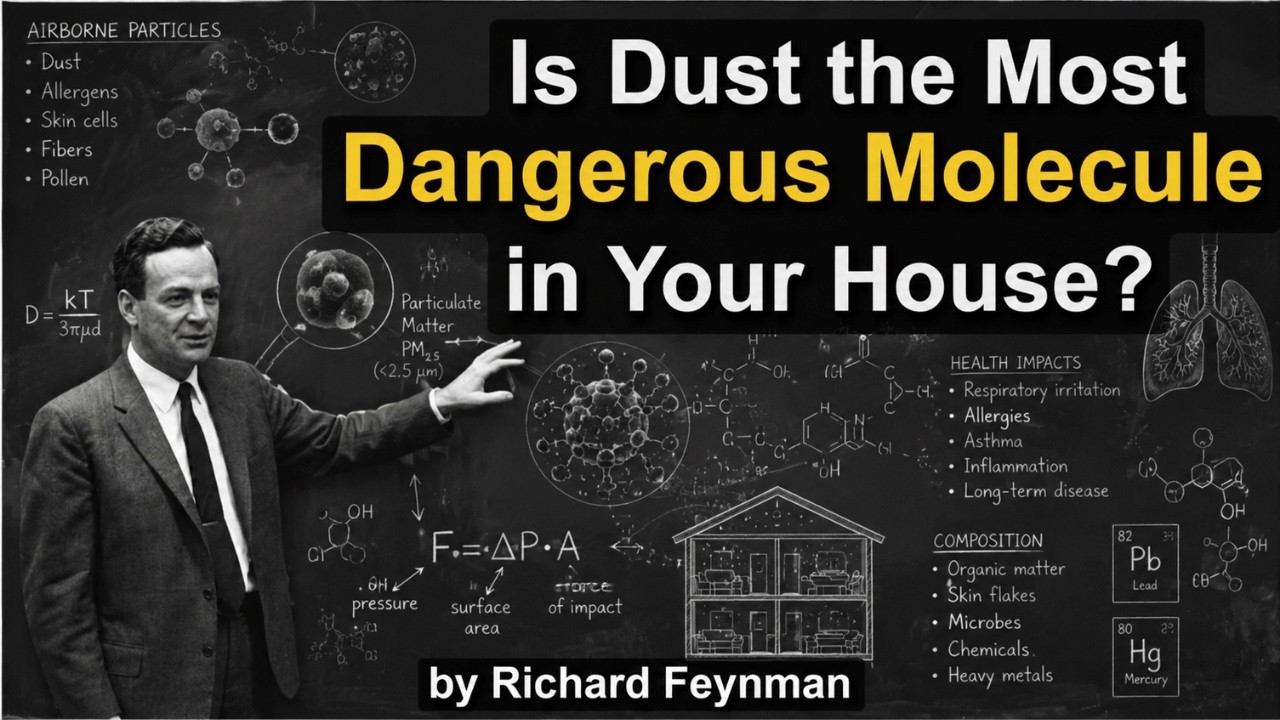




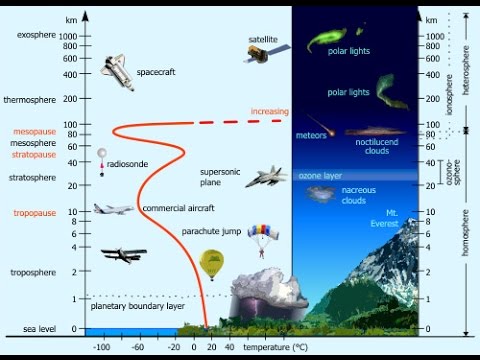
The atmosphere's vertical structure, characterized by temperature and pressure gradients, creates distinct layers (troposphere, stratosphere, mesosphere, thermosphere) that influence chemical reactions and pollutant distribution; atmospheric chemistry is driven by radicals (OH during daytime, NO3 at night) which initiate and propagate reactions through thermodynamic favorability (Gibbs free energy) and kinetic factors (activation energy, collision frequency), with species lifetimes ranging from seconds (radicals) to millions of years (nitrogen), fundamentally controlling air quality, climate, and human exposure to pollutants.
Atmospheric Chemistry Lecture 2: Air Pollution and Health
Added:Basic composition and vertical structure of Earth's atmosphere, particularly the troposphere and stratosphere.
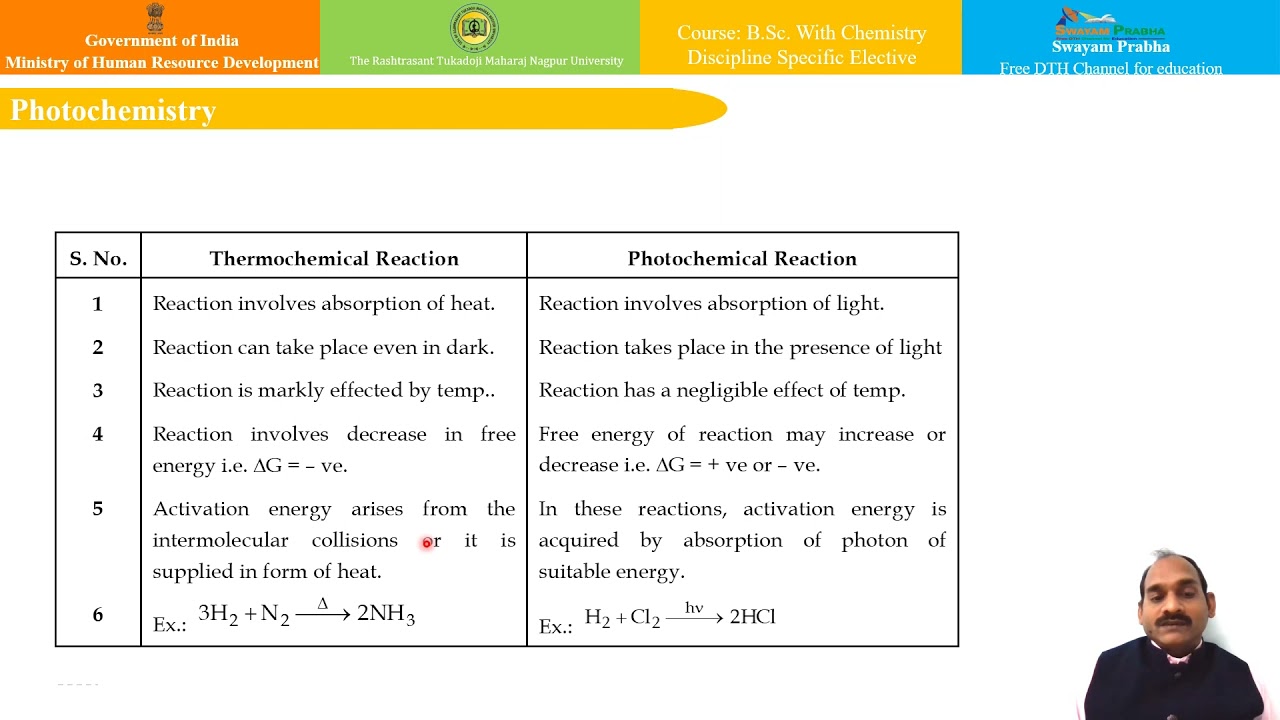
Fundamental chemical concepts, including gas-phase reactions, stoichiometry, and basic photochemistry (how light drives reactions).
The conceptual distinction between primary pollutants (emitted directly) and secondary pollutants (formed in the atmosphere).
Basic human anatomy and physiology, specifically how the respiratory and cardiovascular systems intake and filter foreign substances.
The detailed chemical reaction pathways of photochemical smog and ground-level ozone formation involving NOx and VOCs.
Advanced particulate matter (PM2.5 and PM10) toxicology, detailing how microscopic particles penetrate the alveolar-capillary membrane.
Atmospheric transport and dispersion modeling, which predicts how weather patterns distribute pollutants geographically.
Air quality monitoring technologies, regulatory frameworks (such as the Clean Air Act), and the economics of environmental policy.
2.1K views35likes1:35:54Original Release: 2019-03-19
good morning good afternoon and good evening everybody from all over the world my name is chauvinism from sales and university try a fondo China I'm the coordinator of the Syrian air pollution and human health and lesbian we had excellent introductory presentation and today we are going to have the second lecture chemistry of the atmosphere before we begin the presentation I would like to give you a brief introduction of our honor speaker professor Robert McLaren professor McLaren is the director of the center for atmospheric chemistry he is the pastor of the electrical chemistry duration which is the largest division of the chemical Institute of Canada and Professor McClaren Quartus PhD degree from the University of Alberta Canada he already published about 80 scientific publications and professor McClaren has a wide range of research interest the devoting himself into the development of the new Atlantica masterful probing the chemical conversation of the political atmosphere and he's also entropy in the tracing the emission of source transport transfer of the protein and their precursor and can code and physical transformation processes as well and professor McCleary also to the left replaced invitation as well as the field studies okay let me turn it over to Professor Michael Aaron let's welcome open up McLaren now let me stop sharing okay all right so maybe you can walk me through how to share my screen now again button you can see an important yeah right can everybody see that all right beautiful okay well thank you for that kind introduction and welcome everybody wherever you are can everybody hear me okay is the sound okay I think what heads so that's great I'm going to be talking about chemistry of the atmosphere and I know our audience is kind of white I kind of tailored this talk to be more for students to start off with but I'll throw in a few research examples in at the end because I understand we do have both students and researchers and so I'm not going to presume that everybody knows chemistry so part of the talk at the beginning is an introduction the chemistry for those who are not familiar with chemistry and maybe some interesting ideas that as we go along so but I do also understand that a lot of people have an interest in exposure and toxics and that and so that's what prompted this first slide this is a picture taken in Fort McMurray of Fort McMurray in the oil sands regions of Alberta and quite a bit of problems with exposure to at least workers at least who are exposed to large plumes of upgrader processing and so we can see the air in this particular area is quite dirty and of concern health concern for people who happen to live in that area the First Nations people and also people who work in that area who may not be familiar with some of the risks so with that the outline of my talk I'm going to talk about you can't talk about chemistry without talking about other processes in the atmosphere at the same time so have a bit of an introduction to the structure and chemical composition we'll talk briefly about what drives chemical reactions thermodynamics chemical kinetics the lifetimes of species in the atmosphere the drivers of chemical reactions which are radicals very often and the chemical precursors to those radicals and then if we have time at the end I'll throw in a few research examples from some of our recent measurements I figure people may be interested in inho know because it's a species that's of emerging concern for perhaps indoor environments but he is outdoor environments as well but indoor environments in particular and and I'll talk about some measurements of if I have time so2 and NOx measurements from cities using mobile Doha so it's not really designed to be a research talk and hopefully that's okay okay the structure of the atmosphere we'll start off this slide shows the the temperature and pressure structure of the atmosphere as we go up in the atmosphere vertically away from the surface and of course this is the temperature and we have room temperature down here about 295 to 300 at the surface and so the structure of the atmosphere is dictated by the temperature and that the temperature is shown by this line so we have a decrease in temperature as we go up in the troposphere and then it turns over and starts to increase and this gives us the stratosphere in the mesosphere and the thermosphere etc so we have to consider that we do have an exponential decrease in pressure with height dictated by the barometric law we have a scale height in the atmosphere of roughly 8 kilometers usually we don't have to consider the if we're talking about exposure at the surface but we do if we're talking about people that are living at elevated elevations the fact that the pressure will decrease and if the pressure decreases that means the concentration of species that people are exposed to will also be decreasing with height so and we also do have to consider the fact that the temperature will change with night normally we have the adiabatic lapse rate theoretically tells us that we have a roughly 10 Kelvin per kilometer drop in temperature as we go up in the atmosphere at least in the troposphere but it's it's a little bit lower than that in reality and so again if we're talking about chemistry and the fact that temperature can change the rates of chemical reactions we might have to consider this decrease in temperature with height and of course most of the option that we're talking about is in the planetary boundary layer and our exposure of people is in that surface later so this is where most of our concern is is in this bottom layer of the atmosphere but even within that bottom layer pressure changes concentration changes and so exposure will change as well the next slide is a picture of smoke you Pro you may have seen this picture before it's a picture of smog in Los Angeles and so it's very clear that and you know the color of the smog and there tends to be a cap in this and that's due to the the boundary layer the mixed boundary layer the temperature does something like this so there is a decrease in temperature with height and the observed Lux rate may be about 7 Kelvin per kilometer and said the theoretical 10 likely due to the condensation of water as well which adds heat as we go up in the atmosphere and so the observed rate can be different than the theoretical rate so very often we have the subsidence inversion that is we have a increase in temperature here and that creates an inversion which traps pollutants into this lower layer and so we have emissions from anthropogenic sources that go into this box and and they're trapped in that layer and so the concentrations tend to be very high in that bottom layer which can be anywhere from a few hundred meters high up to two kilometers above that we have the the free troposphere which tends to be much cleaner depending on where we are but our exposure is in this polluted layer which is and the concentration of species can be dictated about by how high that layer is okay so this layer if it's a few hundred meters it's very shallow and and the pollutants are trapped in a very tight layer but that can rise as the day goes on so our exposure to chemical species as the day proceeds can be less depending on what they are if they're primary or secondary species at night we get different picture so at night we can form a nocturnal boundary layer - do we call it a radiative inversion and so we can pick this out if we go up in the atmosphere and measure the temperature or the potential temperature so this is a slide that comes from a paper by Steve Brown at NOAA in 2007 in which they did measurements on a tall tower so here we have height above the surface layer going from 0 to 300 meters so it's a fairly tall tower and they were able to outfit this tower with with instruments that can measure chemical species as we go up in the atmosphere and so they could go up and down and up and down through this tower many times to measure what's happening in the atmosphere vertically and normally we don't think about that when we think about exposure of populations at the surface we think that everything is mixed in the atmosphere and it's the same but we can have a very different picture so the potential temperature here we see a clear inversion tight surface inversion the temperature is increasing so pollutants that are being emitted here are obviously going to be trapped in a tight surface layer but after we get above that surface layer if we had some mixing the nocturnal boundary layer has another inversion up here and so at night that this this is a typical number a nocturnal boundary alaric and have an inversion at about 100 to 150 meters so again and there's not very at night there's not a tremendous amount of mixing in the atmosphere and so whatever is emitted into the surface layer tends to stay very low down so we can have much higher concentrations at night due to this so this is again the radiative cooling so it's a nocturnal boundary layer and again I'm thinking about exposure of people to pollutants and so we can get a very different picture of exposure if somebody's at the surface or if they're more elevated so we just if you're just look up a hundred meters the chemistry can be very different so here's an example of how the chemistry can be different and how people's exposure can be different depending on where they are vertically whether they're living at the surface or whether they're living in a condominium where they're elevated a few hundred meters or whether they're living in a subdivision that happens to be on top of a mountain and so their house is up here and so they're their exposures can be very different just by by moving vertically a hundred or a few hundred meters okay so the measurements that he was doing was of the the nitrate radical so if we multiply these or divide these numbers by 10 this is about 20 parts per trillion so the nitrate radical at the top of the nocturnal boundary layer is about 20 parts per trillion but we can see there's a rapid change in chemistry as we get above that as we get into what's called the residual layer which is what's left over from the previous day and so measurements of Enel through the no.3 radical is much higher up there the n2o5 radical tends to draw and that it increases but many of us who are talking about exposure of populations think about species such as nitrogen dioxide and ozone and so ozone at the surface can be quite low which is typical but as we go up the the ozone can increase tremendously too usually background levels so 40 or 50 parts per billion in this case but no.2 can decrease so no.2 and ozone are important in that at least in Canada they are species that are involved with calculating the health index so the air quality health index in Canada is a weighted measure of people's exposure to no.2 ozone and PM 2.5 particles less than 2.5 micrometers and the no.2 very often is in there as far as I understand in that it is a surrogate it's a known surrogate for health effects and the exact reason for all those health effects may not exactly be known but there may be other things that correlate with no.2 and and so it is part of the health index so we can see that there's a different type of exposure for somebody that's living above the surface in the housing development that's on top of the hill that is they have more exposure to ozone but they have less exposure to no.2 and species that may be associated with no.2 and you know PM 2.5 would would follow no.2 and that PM 2.5 would be elevated close to the surface and then we drop off as we go up and so we have to consider what's going on vertically in the atmosphere I've shown you that the chemistry can be different in the residual air but we can also can consider other species as well so here's a temporal structure of the atmosphere so we have a 24-hour period going from from sunrise in the morning to the next sunrise and so in the middle of the day in this period right here when the sun's out and it's driving mix we have a planetary boundary layer which again could be typically up to this in this case one and a half kilometers and so species will be well mixed in in in this area here and so we could be talking about a mixture of Knox from anthropogenic sources and a mixture of perhaps biogenic sources as well as will be shown on the next slide and and during the day time we know that biogenics very often have let's see if I could write isoprene so we could have isoprene emissions that which really are dominated during the daytime from biogenic species at night time though isoprene production shuts off and monoterpene emissions from trees that do emit monoterpenes can can dominate so we have this nocturnal boundary layer at night time which can be again just a hundred metres but if we consider what's going on here vertically at night we have different chemistry in here we could have monoterpene emitters interacting with NOx whereas in the residual layer we could have isoprene interacting with NOx and decaying away at the same time so we have vertically very different chemistry that can be occurring in the residual layer versus the knocked out nocturnal boundary layer and with implications for exposure okay so this this paper if you're interested in going to look at this this was a recent review of nitrate radicals and their reactions with biogenic volatile organic compounds so there are many co-authors on this the lead was sullying and steve brown who led this but the the idea is that we do have anthropogenic emissions of NOx which we can do something about but and they will form ozone downwind but these anthropogenic species can interact with natural species that is biogenics and so we can have at the key of this the nitrate radical at night which can react with of course these double bonds for isoprene and with monoterpenes it can react with with these bees quite quite quickly and form organic nitrates and organic nitrates can have different toxicities and for exposure of people so for example poly aromatic hydrocarbons they they're known to be toxic but nitrated PAHs can be much more toxic than the just the straight hydrocarbons themselves and so you know this interaction of anthropogenic species with natural species downwind and and so it has implications for air quality climate and in population exposure so you can have a look at that I'd I'm not sure if people get a copy of these slides afterwards I can certainly provide a copy of the this so some of the consequences of the pressure and temperature structure of the atmosphere some of the things I've just calculated in this table most of what we're talking about is sea level we go up in the atmosphere way out to the exosphere and so it calculated some things typical temperatures pressures as we go up average monocular speeds so this is what dictates how successful a chemical reaction would be on simply calculated the molecular speed for nitrogen and so the speed is is dependent on the temperature this term comes from kinetic molecular theory the number density of species so as an atmospheric chemist I would be using number density in molecules per meter cube or molecules per centimeter cubed and so the number of densities as we go follow off as we go up into the atmosphere by many orders magnitude the collision frequency which also dictates so quick a reaction goes so we can have about 10 billion collisions per second of a nitrogen molecule at sea level and we get way up into the exosphere and it drops off significantly and the mean free path which is the the average distance that a molecule can travel before it collides with something else so again I'm not sure if people get copy of these slides afterwards but I can certainly provide them with just some of the equations on how you would calculate all of these species and where they come from these parameters okay how do we quantify species in the atmosphere well not all these are directly relevant but you'll you'll come across these as an atmospheric scientist and as a chemist so we could talk about global mass in the atmosphere the global burden terms of moles in the atmosphere the answer it contains about two times ten to twenty moles of gas and so this is these are useful numbers to have if you want to calculate global burdens but usually we're concerned with the numbers in red that is the concentration a number density for example molecules per centimeter cubed is what's typically used by atmospheric chemists when doing kinetics many other people use mixing ratios so here I've got air molecules and in this particular column here I have typical levels of ozone so a mixing ratio of ozone a background mixing ratio may be 40 parts per million we can calculate its number density which is about 10 to the 12 molecules per centimeter cubed at sea level and the we could a lot of people use mass density I'm a I'm a chemist so I don't like mass so much I like moles so balls are mixing ratio very often people talked about a mixing ratio being a concentration and of course it isn't a concentration the beauty of using mixing ratios is that for species that are well made in the atmosphere that are homogenous in the atmosphere their mixing ratio is constant even as you go up in the atmosphere even though the pressure and can decrease by an order of magnitude almost murder of magnitude by the time you get to the top of the troposphere so that the mixing ratio may be constant but the concentration it can fall off tremendously by as I say an order of magnitude so you have to be aware that a mixing ratio is not really a concentration it's just a ratio of the moles of your analyte to the moles of air that are present but if people are living at elevate elevations you may have to consider their exposure to concentrations that is amount per volume which is a concentration okay calculate eaten some of these species again just some equations that you would use so I don't want to belabor these but if you're you're gonna have to inter compare inter compare or convert between these different species that you'll see in the literature number densities in molecules per centimeter cubed you would use this this equation right here to calculate these this is our mixing ratio so our mixing ratio again as a ratio of moles to moles moles of aniline to moles of air or pressure to pressure and you can use these equations to calculate mass densities and number densities based on a mixing ratio less common is but but coming up people are warmed more aware of this now measurements of column amounts and what a column is is simply if you were to make a total measure of what's in the atmosphere so it's an integrated measure of our concentration over the height and the vertical and so if the reason why it's important is that we're getting more and more exposure to satellite measurements so there's more satellites that are going up that are able to measure species in the atmosphere such as no.2 and formaldehyde and meth and another species as well and so we're now getting global coverage of column measurements of these species which doesn't necessarily tell us what's at the surface but more and more people are trying to link these satellite measurements to to exposure of populations so to link it to health and so I'll talk a little bit about that we do column measurements as well using max dose so we have a telescope that can measure what's in the atmosphere and so we could measure columns in the atmosphere so we use that measure frequently and it's a useful measure sometimes as you'll see by the end of the lecture ok the chemical composition of the atmosphere for most people know this some of the major species nitrogen 78 oxygen 21 argon 1% water is variable carbon dioxide 410 parts per million and growing at about 2 to 3 parts per million per year at the current time some of the inert tracers which we normally don't think about because they don't do very much chemistry the noble gases argon neon and helium but they're certainly there at that actually significant levels I mean Oregon's about 1% of the atmosphere but we don't talk about his chemistry basically because it doesn't have any chemistry methane about 1.8 per parts per million the largest organic compound in the atmosphere and increasing at the current time it's a little bit higher than 1.8 right now I think and then at the bottom some typical compositions at least in terms of mixing ratios of species that we may be interested in when we're talking about health so carbon monoxide so these are background levels they could be much higher in urban areas so carbon dioxide at 80 parts per billion that's a southern hemisphere at background level might be about 60 in Northern Hemisphere background might be about 80 but you really have to push yourself to find an area where you measure 80 parts per billion of current monoxide in the northern hemisphere it's usually hundreds of parts per billion to parts per million in urban areas that were talking about ozone typical background levels 30 parts per billion but can certainly go up to a hundred or hundreds of parts per million during photochemical smog events or even during winter ozone formation events in fracking regions in Utah which we've done a little bit of work on rather interesting counter to all the chemistry that we've ever known about ozone formation you have these very strange phenomena in fracking regions and in Utah and Wyoming where you get very rapid ozone formation during the daytime only when snow is present and only when it's very cold which is really counter to everything we thought about in terms of ozone chemistry normally we think of ozone as being a smog species that we only consider when it's very hot out and very warm and you're in Los Angeles or Vancouver or somewhere like that where you get this secondary formation of ozone but here we have these regions that are very very cold and when it snows the ozone formation goes very high and you get 150 parts per billion of ozone and a fracking region so that's just kind of interesting and that it's very different in terms of the chemistry and the physics other species no.2 and benzene for example might be of interest to people for for toxics and to health exposures so in in say Toronto we certainly see a hundred one to a hundred parts per billion one hundred parts per billion we would only see at night or early in the morning and only occasionally but 50 parts per billion is very typical and not unheard of benzene when I first did measurements of benzene in Toronto we were seeing one to two parts per billion now the levels tend to be a hundreds of parts per trillion the amount of benzene in gasoline has been reduced and therefore the amount of the ambient atmosphere has reduced these are ambient levels that are kind of wide throughout the whole area but certainly if you got into canyons your exposure levels could be much much higher than that so you could get up to several parts from tens of parts per billion for benzene and other toxic species okay so we're talking about chemistry in the atmosphere so again this build slide shows what would happen as you moved away so we've got primary sources of pollution we've got natural sources of pollution or at least organic compounds whether you call it pollution or not is a different thing but certainly when they transform you can certainly get pollutants so we have the interaction of NOx from primary sources with organic compound so we have chemical reactions that can occur as we move away from the source of course we have transported dilution so these are physical reasons why we'd have a reduction in concentration but we could also have chemical reactions that occurring at the same time so I'm just going to draw on the slide here it's interesting to consider as you move away from the source from left to right what would the profile look like in terms of our concentration of a spirit of a species as a function of the distances we move away from the source and you get very different behavior for a primary source something that we could consider to be a tracer something like carbon monoxide or so2 so as you move away from the source you most of your emission is close to the source and so the typical profile would look something in terms of concentration or mixing ratio as a function of space as we move away from the source would look something like this that is we would have some type of first-order decay in the concentration of the species as we move away and that's very different for secondary species secondary pollutants such as ozone or perhaps peroxyacid teal nitrate which is formed during on commence and it's an eye irritant so secondary species like that would have a profile worked very typically they would start off start off very low because they don't come from primary sources they're only formed chemically in the atmosphere and so these species might look something like this they start off low in the atmosphere where populations are but somewhere down when they'll maximize and then start to decay away so we would have to consider this when we think about either primary or secondary species so this would be ozone or pan for example they would look something like this and the peak in the concentration of where where people are exposed could be 50 to 100 kilometers away and it will depend on the wind speed and dilution and all those types of things as well but very different spatial profiles for these different pollutants all right we could consider the you know you should be aware if you're going to do any photochemical modeling or any modeling but even if you're not the mass balance equation this is what you would use to dictate if we had a small box this small box could be the whole globe the whole burden of the atmosphere or it could be a small one centimeter cubed we consider the concentration of a species that somebody's breathing in in one centimeter cube and so the mass balance equation dictates the rate of change of a species we're just going to call it generally M so DM by DT the rate of change is equal to the sum of the sources mine of the Sun some of the sinks and the sources could be emission into the box chemical production from a chemical reaction we can consider meteorology that is movement of from one box to another if you were in a photochemical model and then the sinks are things that take species out of the box so again we've got chemical reactions so we can have a chemical loss and then we have physical processes deposition into of wet and dry at the surface but also flow out of the box so this dictates what what is going to happen to the concentration of the species in this box and if the sources are greater than the sinks then of course the DM by DT is going to be greater than zero so this is going to increase so this is the case for something like co2 in the atmosphere right now the sources are greater than the sink so co2 is climbing in the atmosphere where our box now is the whole global atmosphere or methane as well and if sources are less than sinks then our rate of change sorry our rate of change D or the amount of the Box decreases and if sources are equal to sinks then of course the we have steady-state and the mass is constant so we could have an equilibrium constant or just a steady state where the sources are matching the sinks okay so that's the mass balance equation which might be of interest so talking about chemical reactions what drives chemical reactions I'm going to talk about three or four things here are just general so this is a reminder ultimately which reactions go I mean it's not random some reactions go and some don't and ultimately the reactions that do go forward are dictated by thermodynamics so we have to consider the energetics of the molecule both its enthalpy and entropy so we could think of the energy stored in chemical bonds as perhaps measured by the enthalpy and the entropy is the amount of disorder so that drives a lot of chemical reactions as well the thermodynamics tells us can tell us if a reaction will go or not but it doesn't tell us how fast that reaction goes so some reactions may be thermodynamically favorable but they have an activation barrier which is far too high so they take too long to get there so that's a how fast reactions go is dictated by chemical dynamics okay so I'll talk that briefly and but what initiates reactions really this is something that we should be aware of so the atmosphere is an oxidizing atmosphere that we have at least here on earth where were dominated by oxygen the nitrogen the 78% doesn't do a lot of chemistry per se but the oxygen does however oxygen itself in an oxidizing atmosphere doesn't initiate a lot of the chemistry that is a stable molecule has a double bond it takes three significant energy to break that double bond so most chemical reactions don't involve a direct reaction with oxygen with a staple species most of them are initiated by radicals so we'll talk about radicals and of course you probably know a lot of the important radicals you may know during the daytime as the hydroxyl radical and at night time it could be you know three radical but there are other radicals that are important as well so very often these radicals are what initiate reactions and make them go and so the reactions will not go because the barrier is too high if the radicals are not present or they won't go very fast so just a reminder when we talk about thermodynamics very often we talk about Gibbs free energy so this is Gibbs free energy delta-g we could talk about the Gibbs free energy of formation of an individual molecule or we could talk about that the Gibbs energy the change in Gibbs free and energy for a particular reaction and this equation tells us how it's related to the enthalpy and the entropy so as entropy increases that reaction is favored the the Delta G of a reaction will go if this number is negative okay so if the Delta G of a reaction is negative its favorable and it can go spontaneously dealt the reactions that have a a positive Delta G of their reaction will not necessarily go unless we have an external source of energy or if we have a life-form some say that this is perhaps the the best way to define life-forms is that like the life-forms can make reactions go that normally wouldn't do to their energetics and so you know for example we canwe life-forms can fight entropy trees can build up carbohydrates so we're taking co2 molecules through photosynthesis out of the atmosphere and we're building them into sugars so you're bringing small molecules together to make bigger molecules and that's really a process that is really going against entropy to do something like that and so that could be a definition of what life really is you know species that are fighting against Gibbs free energy and an entropy but for non life forms chemical reactions in the atmosphere will go if we have products that have large Delta G a negative Delta G of formation those reactions tend to go so I've tabulated some Delta G's the formation of typical species so we have hydrogen and oxygen species in this column nitrogen species here carbon species here and some sulfur species here and so those species that have large negative Delta G's of formation tend to be the terminations of many chemical reactions so for nitrogen a lot of nitrogen ends up as nitric acid or as nitrates for example because of this for for hydrogen oxygen species water for both in the gas phase and in the liquid phase have high negative Delta G's and so reactions that form them are favored for carbon carbon dioxide itself ending up as co2 that's why a lot of oxidation processes end up as co2 it's the large negative Delta G of formation of co2 and for sulfur species sulfuric acid this is just the Delta G of formation of sulfuric acid in the aqueous phase because that's normally where it ends up dissolve with water it doesn't exist in the gas phase for very long before it condenses on itself form small particles and then usually water adds so this is very energetically favorable to form sulfates in particles especially when there's water present okay so that's just a reminder of the thermodynamics of chemical reactions the kinetics I'll throw down here this is just a review of chemical kinetics so we can have a general chemical reaction that goes like here here we have the stoichiometric coefficient of reactants a and B and G and H and the rate of the reaction could be we can pick any product or any reactant and we can measure the rate of a reaction by measuring the rate of change of a species with respect to time so this is how we would define it and our rate law for reaction in general would be the rate of a reaction equals our proportionality constant which we call the rate constant multiplied by the reactants raised to some stoichiometric coefficient now that if this is an overall rate law for a reaction that could have one two three four five steps we don't know what m and n are a priori we would actually have to measure what the order of the chemical reaction is that is these these order whether it's first order or second order or third order or it could be a square root order for an overall reaction we don't know what m and n are and we'd have to measure it however at the bottom and we get down to the bottom here when we talk about elementary reactions and very often in atmospheric chemistry we are looking at individual elementary chemical reactions we do know what these stoichiometric coefficients are we can write them just by looking at the elementary step so an example is Oh H I'm going to show this next Oh H Plus ch4 okay so hydroxyl radical will oxidize methane in the atmosphere to give us water plus the ch3 radical so I'm going to draw a radical with a little dot and and so that is a there are two species in the reaction it's an elementary step so we do know that the rate of the reaction equals the rate constant times concentration of O H times the concentration of methane okay so we can erase the power1 because that's the stoichiometric coefficient here we can do that for an elementary step so we know that this is a second-order reaction overall it's first order in hydroxyl radical on first order in methane I'll just throw in some more chemistry the next step here is oxygen will add to this to give us a peroxy radical and very often that will be followed by no.2 no.2 conversion to an alkoxy radical okay so these are all radical species once you have one radical which reacts with the methane and by the way the lifetime of methane is is nine years in the atmosphere so an individual methane molecule stable enough that it can float around for nine years before hydroxyl radical with significant energy happens to react with it and abstract one of the hydrogen's the rest of the reactions that occur here these radical reactions they can occur in milliseconds or or seconds so this whole process once the molecule sits around for nine years it gets initiated by hydroxyl radical and then very quickly you can cascade through four or five reactions to get to a final product that can take milliseconds or seconds perhaps at most okay so that's the rates of chemical reactions what I seem to be frozen already just let's see what we can do about this it everybody still hear me could you just do escape to see if anything change or that's not responding to escape well maybe how perhaps try unshare in your screen and then sharing it again okay stop share and it's not responding to that play there so I just stopped I just take over the sharing from yours and I I still against it still sharing from your side would that help I'm just going to I wonder if it's but doesn't appear to be a wireless connection issue let me just try moving control for the panel by your side sorry can I do what yeah I mean wait wait I can't you know the remote controlling of the no I can't have the remote control on here from on his side I tried to stop sharing from his side and share from my side it doesn't help maybe just the connection between your pointer and the screen or something like that it looked like everything cook working well except the connection between your pointers to get this like moving right yeah well the video on my side is not I'm not seeing any movement in the video as well yeah that is frozen as well yeah if I can try turning it off and then reconnecting so there might be I don't know if I can all right it's going back yeah the video is back it's not moving where I am um how about if I try a whole shutdown and then try reconnecting so I'll rejoin the meeting I'm gonna my things seem to be frozen so I'll shut down a computer and then I'll try and reconnect so just bear with me for a minute or so [Music] um well we are sorry for the tech Neil issue we have to make for the couple - to Professor a Clarence come back we are you able to take control right now because we're still seeing his screen on that yeah there's I think you just shut out the screen so he just lost connection yeah I can't actually I just reach air that by the time sorry everyone for these inconveniences just when we do think lie right so so Sanford - dry technique issue actually that never that never happened in on the series we have been done I think he's just the maybe is a laptop or something that's just been frozen so we can do anything why everything still working yep all right we're back yes great but I don't see any video of people though or other people connected yeah everybody's to be here yeah mantra yeah all right give me a second [Music] all right I think I think we're almost okay all right so I'm gonna skip through this so that's kinetics dependence of chemical reactions so as I said I'm using an example here of methane reacting with hydroxyl radical and we said we do have to consider the temperature dependence if you go and look up rate constants that are in the literature or in databases a lot of them are tabulated 298 K which may be relevant for exposure studies are for health impacts but it may not be and so if you consider the temperature outside today in Toronto where it's about minus five degrees Celsius or minus ten degrees Celsius live loads it's actually minus 13 degrees Celsius here right now so quite cold and so the temperature dependence really matters so you'll see a tabulation of you know a rate casa 298 but it can be very different so the temperature dependence of most chemical reactions is driven by the irradiance equation and so that's shown on the right where we have a pre exponential factor called a and that we have an exponential factor and so the exponential factor really dictates the fraction of molecules that have sufficient energy and energy greater than the activation energy necessary for the reaction to go and the pre-exponential factor takes into account things such as the collision frequency how how frequent two molecules collide with each other and but do they collide with the correct orientation as well for a reaction to occur and so you know that's what the pre-exponential factor is so all of these factors are needed the activation energy very often is the energy necessary to break a chemical bond so if we're talking about hydroxyl radical coming together with methane as I said a methane molecule in the atmosphere can live for about nine years on average and eventually a collision comes along that has enough energy to break that very strong carbon hydrogen bond which is 439 kilojoules per mole that needs to be broken and when it is we form you know so we're breaking this chemical bond here we're reforming another bond here and water molecules being created and this will go away as a methyl radical and and water being formed so this energy to break this bond this is what drives the temperature dependence and so as we increase the temperature those collisions become much more energetic and more molecules more collisions will have and energy to break that chemical bond and take us down to products so most chemical reactions have a positive temperature coefficient that is as you increase the temperature that the the reaction rate will go up and a rule of thumb is for every 10 degrees increase in temperature you'll double the rate of a reaction that's for an average activation energy it's not true for all species and it's not even true that all chemical reactions have positive temperature coefficient some have negative so if you look at hydroxyl radical reacting with something like benzene for example or some ring opening reactions addition to toluene addition of Oh H to toluene it could have a negative temperature coefficient and that's due to the fact that the transition state can fall apart so as you increase the temperature that transition state is not favored okay so a lot of a lot of temperature reactions do increase with temperature but there are a few that will decrease the temperature okay so here's what the temperature dependence of the O h plus methane reaction looks like and so we can plot the log of the rate coefficient versus 1 over T we get a straight line that's how we tell that it's a first-order at least in a weight radical concentration if we now plot the rate of this chemical reaction divided by its rate calculated at 298 if you were going to use that rate constant and plot that as a function of temperature you see that you get very different values so for example I can calculate the lifetime of methane in the atmosphere at room temperature and I get a number there which is 1 the temperature using the rate constant of 298 but if I consider if I ask the question what is the lifetime of methane or how quickly does that reaction go at a lower temperature in the atmosphere and most of methane in the atmosphere is in the region where there are lower temperatures say for example two hun 40k I get a rate constant that's only about 20% of the rate constant up here so that's quite significant and it's the main reason why if you calculate the lifetime of methane at room temperature you get about four point seven year four point something years but if you calculate it at an average temperature of the atmosphere about 250 K or 240 K you get nine point three years so this is the observed lifetime of methane which is much longer than what you would calculate at 298 so if you're calculating lifetime of species organic species toxic species you want to calculate their lifetime you may need to look at these rate constants and you may need to recalculate them in different conditions winter time vs. summer time so how do we define the lifetime of a molecule this is the go and look at Jacobs textbook introduction to atmospheric chemistry this is the general definition of how you would calculate a lifetime the lifetime of a species is given by the amount of a species this could be amount again in a box it could be its concentration in a one cubic centimeter and we divide that by its loss rate from that box and the loss is usually a chemical reaction that we're talking about and so with this general lifetime definition one can calculate the lifetime of a first-order reaction so the amount in the box is M this could be any measure concentration and the loss rate is km the rate constant multiplied by M and so we get this general result that for a first-order reaction for a first-order loss process the lifetime of the molecule is just the inverse of the rate constant and so and the lifetime of a species is you know for our first order process is the time it takes to fall to its the e folding time the time it takes to fall to 1 over e of its original cost tration if it were decreasing okay so that's about 36 percent of its original value okay but you can use this general lifetime for calculating the lifetime of second-order processes as well okay so that might be useful common lifetimes in the atmosphere some of them are tabulated here the species that have long lifetimes nitrogen and oxygen a million years for nitrogen in the atmosphere 5,000 years for oxygen CFCs which we care about for stratospheric ozone loss 20 to 150 years perhaps methane 9.3 years and then we get into some species that we may be interested at the surface carbon monoxide about two months nitric oxide a half to two days nitrogen dioxide a few hours sometimes up to two days depending on conditions and then more toxic species benzene one to five days based on its rate with the hydroxyl radical 1 3 butadiene and other toxic species 30 minutes up to 12 hours depending on the concentration of hydroxyl radical and then we get down to the radicals themselves just to show you the range the average lifetime so nitrate radical we've measured lifetimes of this species we measure this via doe ass and so we've measured in some environments typical one to two minutes at night is its life time during the day less than 10 seconds it fertilizes very quickly so its life time is much shorter and then the Huq hydroxyl radical itself and we could add chlorine radicals as well you know there a second or less okay so they don't live very long they're formed and they're gone they react with something very short lifetimes okay radicals and drivers of chemical reactions is what the next topic is about and so again the our atmosphere is an oxidizing atmosphere but the amount of energy required to break the oxygen molecule itself because of that strong double bond 498 kilojoules per mole if we're going to fertilize it it requires a photon that has an energy equivalent to a photon with up 240 nanometers so as we go to smaller wavelengths photons have more energy so we need a this doesn't wavelengths less than 240 nanometers do not exist at the surface they're all absorbed by ozone up in the stratosphere and so we do not break oxygen chemical bonds in the lower troposphere due to fatah lysis due to the fact that we have an absence of a neck tannic flux that has sufficient photons less than 240 nanometers ozone on the other hand we can so ozone has a average bond energy of 364 kilojoules per mole it's less we require photons less than 330 nanometers to break that to photolyze it and that does exist so we can do that at the surface and then we go to even something weaker so an oxygen oxygen bond in a peroxide something like a hydrogen peroxide and so very weak bond so these are weak enough that they can thermally decompose just thermally break and so they're very easily fertilized something else chlorine for example okay it's it's energy as its bond is weak enough that it can be fertilized by visible light quite easily okay so oxidation is usually initiated by radicals and I'll talk about some of the radicals light is an important initiator as well so we've got radicals that can drive chemical reactions but we also can add energy in the form of Lights so we call that photochemistry so photochemistry is very important in the atmosphere a lot of reactions are driven by photo chemistry so here's just some reactions this would occur in the stratosphere this is the initiation reaction in the Chapman mechanism for the formation of ozone in the stratosphere at the surface we can fertilize an ozone molecule itself to initiate chemistry to split apart one of the oxygen atoms from molecular oxygen or we can fertilize peroxide for example okay just a definition of a lot of radicals that can initiate chemistry these compounds have total nonzero electron spin that means that they usually have at least one unpaired electron and that usually implies an odd number of electrons and they are reactive due to the fact that they have an odd number of electrons and they're an open shell and so here's all the examples that I could think of and threw down on the slide these are all radical species and so they will initiate chemistry and that it also means they have very short lifetimes as well so an hydrogen atom itself usually it's next reaction is it will react with molecular oxygen to give you a Chhotu so that's a species right here so we have inter conversion of hydrogen to ho2 and we can have any conversion of a Chhotu back to Oh H all of these I've drawn with a little dot beside them the dot is the symbol for a radical meeting on an even number of electrons chlorine is radical that's it's quite reactive and more of concern or at least we were becoming educated on the prevalence of chlorine as a radical in the atmosphere and a bunch of the other ones I'll just I'll just leave them there and let you look through those but the main radicals during the daytime hydroxyl radical during the day and at night it's the nitrate radical drive a lot of chemistry okay radical precursors so we can form these radicals but where do they come from and so radical prieser precursors are usually photo label species that is there they're stable if there's no photons but so they can very often build up overnight or in the dark so now we have to consider indoor environments indoor air quality for example is that very often it's darker indoors than it is outdoors and so we can have some of these photo lab all species of building up in indoor environments which could be releasing radicals at a much slower rate in indoor environments and doing some chemistry so ozone itself is a radical precursor that is it will photolyze to give oh singlet D particular state of oxygen plus molecular oxygen and that will react with water to give hydroxyl radicals which do a lot of daytime chemistry since 2008 first publication on nitro chloride by Hans Austin who's now in Calgary he was working with no one they did the first measurements that showed high levels of nitro chloride in the atmosphere using chemical ionization mass spec so this species can build up at night and it's due to the reaction of n2o5 reacting hetero gene Leslie on eros all's that have chloride present this can build up at night when it's released in the morning it'll photolyze quickly to give you a chlorine radical and that chlorine rattle radical can be very reactive and drives even more chemistry than hydroxyl radical does chlorine itself if it's formed can also release radicals and po no Soho no is one that's present in the ambient atmosphere it builds up every night we've measured it in environments in around Vancouver over the oceans we've mentioned in Toronto levels tend to be typically about one parts per billion that it will build up to we've measured it in the oil sands region and it was roughly 300 parts per trillion at night but in the morning it will photolyze and release hydroxyl radicals okay so some of this chemistry is summarized here this is a busy slide which has a lot of chemistry and it shows us the difference between day and night chemistry so during the day hydroxyl radical this is the chemistry that goes on during the day so this is a cartoon slide of chemistry but you'll recognize that this is the the ozone photochemical ozone formation mechanism that is hydroxyl radical reacts with VOCs to give us an alkyl peroxy radical when oxygen is present and this ria this species will react with no2 and convert it to no2 so we have this conversion of no.2 no.2 which is aided by these alkyl peroxy radicals which require the presence of hydroxyl radical the no2 photolyze this to give us an oxygen atom and that very quickly reacts with molecular oxygen to give us ozone okay so this is our cycle this cycle will run around and it requires the presence of hydroxyl radical it occurs during the daytime who requires the Sun to be out and so this is daytime chemistry that's occurring in the middle of the slide at night we have a different type of chemistry again the night the nitrate radical can dominate it's not there during the day because it fertilizes very quickly so it doesn't build up till night time but it can react with biogenic species as we mentioned to give us nitrate species and other polar species which can condense onto particles but it also reacts in organically with no.2 so it further reacts to form n2o5 which is nitric acid anhydride so it's two nitric acids minus the water molecule and n2o5 this chain this is responsible for so the next step is this into a five will react with water heterogeneous Li very mostly to form nitric acid so this nighttime step can be responsible for about 50 percent of NOx removal from the atmosphere that is NOx is emitted as a no and no2 that's NOx and some of it's removed during the day due to its not shown on the slide but it will react with hydroxyl radicals during the day to give us hno3 so that's one removal mechanism and it turns out it's about 50/50 but at night this channel is about fifty percent as well fifty percent is removed through this chain of formation of a nitrate radical conversion to n2o5 and then heterogeneous reactions on air assaults with water to form nitric acid that removes about 50 percent of NOx from the atmosphere as well the interesting chemistry that came around in 2008 was the fact that if there's chloride in these aerosols then n2o5 can react to form nitro chloride this radical precursor and as if we go from day to night going from the right side of the slide to the left hand side of the slide that will give a CL 2 and CL no.2 which photolyze early in the morning and give us a burst of radicals that is the chlorine radical it started initiating some of this chemistry that's also true for Ono so Cotto is an interesting species that's present in the ambient atmosphere it's also present in indoor environments is present wherever you have been o2 so it can build up in the dark to give it so no which will also fertilize and give us hydroxyl radical again so hodo can give us a burst of hydroxyl radicals early in the morning it can be the dominant hydroxyl radical source early in the morning at the surface in many environments okay so and of course this is a question mark n2o5 duper's reacting on surfaces that have chloride to form nitric law right okay formation of O H where does it come from during the day this is the mechanism it comes from photolysis of ozone itself to give us an O singlet D which will react with water to produce hydroxyl radicals so that's really thought of to be the main source of hydroxyl radical in very sunny conditions where you have a lot of sunlight present not necessarily true in wintertime as a source of hydroxyl radical it may not be the main source or in northern latitudes and so other sources of o H that we have to consider o heo know itself in Fatah lysis of other species such as formaldehyde or other aldehydes they can give us Oh H as well ultimately so these species we've done some measurements in the oil sands regions of Alberta which is at 5000 it's over 50 degrees latitude try and remember if it's 57 degrees latitude or if it's 53 it's one of those numbers it's much further north and so the authentic flux is much different and it's redder and so in at least in that environment ho no can be a major source measured in the morning we are responsible for 80% of the Oh H generation in the morning whereas formaldehyde can give us another 20% perhaps and ozone a lesser amount okay so it's not all ozone photolysis although that is a main source of hydroxyl globally so lifetimes due to OAH reactions these are really technically second-order reactions so any organic RH will react with hydroxyl to give us this this is the rate limiting step and the rate would be equal to since an elementary step the rate constant multiplied by the concentration of the organic x hydroxyl radical and we can rearrange that to get this equation right here that is if you want to if you have a toxic organic species and you want to calculate its life time in different environments you can do this yourself if you have a value for the rate constant and you have a value for the concentration of hydroxyl radical and so you can get a first order of magnitude estimate of this by using the global concentration of hydroxyl radical which is about a million molecules per cubic centimeter that's the the average life time across that sorry that's the average concentration across the globe day and night now most of it is present during the day so for long-lived species this will work to use this number for species that have lifetimes that are more than a few days this will give you the lifetime of the species but if it's less than a day it'll be much different okay there's some average lifetime of species that are calculated here using that equation night time cat how am i doing for time I guess I'm a little bit late on time but we can I can wrap up at any time I can give you one example of some research professor McClaren yeah we are quite late in time so if you could please give a very brief research example and then we could wrap up please okay I'll give a very brief research example I mean we do lots of things in our group we measure no.3 so we do nighttime chemistry this might be of interest to some people this is our measurements we use maxxtow s so this is a portable telescope and we use it for measuring the emissions of NOx and so2 from large cities so this is an industrial city the diagram is showing Sarnia up on the on the on the left this paper is in giraffe form we're going to be submitting it fairly soon but we can measure the emissions of so2 and NOx from a told total city by driving with this telescope and we can use this telescope to point up and measure the total vertical column density so we're measuring the total vertical column at each point in space through the troposphere so we're measuring the total amount of so2 in no.2 and as we drive around we can get a profile for what's coming from this city so for example we could have winds from this direction and so we can integrate this profile and measure the total amount of so2 no.2 coming from a city and we can get inter inter compare that with satellite measurements that's shown in the bottom so these this is our latest research we're using what's called mass balance technique techniques for measuring emissions from cities measuring methane from landfills and from the oil sands region in northern Alberta and so we can use mass balance equations to measure the total emissions from these sources just some Corrections we have chemical Corrections to the equation due to the fact that NOx will for example react as it moves away from the city city so this is a correction for that chemical transformation and these are just some some emission estimates that we have and we're comparing these two inventories to see if we were we're matching the numbers that are in the inventories or if the inventories need improvement all right so that's my one research example a very quick one I won't talk about hoe no although if you want to learn a little bit more that's quite interesting and I'll just move towards the end and just have some acknowledgments that's my research group some of the people I would think are earth my graduate students are shown there and undergraduates who have done some of the research in our group I haven't talked a lot about our research that was more of a teaching talk so I'll finish it there I'll say thank you all for listening and I guess you can tell me if we have time for questions or not we had a couple nice for a question and found I saw the question pops up at the chat box he's from Chuck parson why starting at Chan University in Pittsburgh he sometimes get very cold and dry the amount was sought used on the Joe's has increased since studying turning my eyelid great oh sorry um has increased in studying at grade and I've noticed that after taking the bus to get home I get a large press of salt is there any concern that the amount of salt being used in is causing an increase in salt aerosol and how my dish also speak or concern to the environment so you have to increase in what socks do you didn't fi the question on the chat box they have there the Jacobson is a concern about the soap being used the amount of sorts being used causing an increase in so aerosols and how make aerosol can consent to the environment okay good question salt aerosols and salt that's being used on roadways I mean this is of interest to us I am not sure about the direct health effects of breathing in salt aerosols on the one hand I would say humans have probably evolved to that that salt may not be too bad for you because lots of us live close to the ocean and have for a long time and so maybe we have evolved to adapt to a certain amount of salt that's taken into our our lungs but I'm not a health expert on that and so you shouldn't believe me on that that's just my initial guess however our interest is in insult on roadways say in Toronto is the fact that it could be a source of Nitro chloride so it is changing the chemistry of the atmosphere so salt on roadways would go into the aerosols as chloride and n2o5 can react with the chloride in those aerosols to form nitrile chloride and not to a chloride fertilizers to release chlorine atoms and so it's ultimately the use of salt could be changing the amount of chlorine chemistry that's going on in cities and we've been looking for this in some of our research certainly people have measured nitro chloride in cities that are far removed from oceans so normally if you think of this as a chloride source you would think well if you're close to the ocean there's going to be lots of chloride in the aerosols close to the ocean and so people have measured high levels of nitro chloride in coastal areas but they're also starting to measure it inland so some of the original papers by Brown in collar I know they measured high nitro right there and that could be due to sea salt use on the road and it's certainly been measured in Toronto it's be measured in Calgary and again that could be related to the use of salt on roadways which is increasing the chlorine and the chlorine radical chemistry that's going on in cities well we have the Christian front professor Dow events to cushion is our first a new scent of this McLaren team-mate diptych chalk and the modeling of the speciation resisted sit-ins throw on a sauce that you discussed seems to fist tuition lighter on tone or the oil sands in Alberta my question is can you work with some modeling approaches English tuition such as Oppo Delta Oh now well yeah why I'm come front and well you have many large cities and their population of approximately yet a hundred million over the distance of about 100 kilometer I didn't quite understand the question is kind of is are these can I get access these questions by you can move the cursors on the higher part of your screen and there is a pay no which is a plus as you can click on that and you see the chat options and so if I go to chat we're doing quick can you just can you just click on the chat option so as you can see the the window that pop out oh there we go okay so they say so professor so nice talking about the question from Professor Douglas events dog events thanks for very ok the modeling of speech need you know versus distance from a source that you discussed seems to fit situations like Toronto or the oil sands and divergence my question is can you work with the same modeling approach in a situation such as the Pearl Delta where professor Xing comes from where you have many very large cities in a population of approximately 100 million over a distance of about a hundred kilometers [Music] the modeling of speciation versus distance well certainly I don't know if you're talking of about photochemical modeling but certainly if you're doing if you're talking about photochemical modeling that can certainly be done for large cities and probably has been done I'm certain there is a lot of photochemical modeling that's being done for the Pearl Delta region earlier in my career we have done photochemical modeling for a whole the whole city of Vancouver for example and we answered questions in those photochemical modeling studies to answer questions such as if you replace all the vehicles with natural gas vehicles or if you use reformulated fuel instead of regular full of fuel or if you use propane fuels what impact would that have on air quality in the city so that can certainly be done for a city of about 2 million people in Vancouver and I see no reason why similar modeling cannot be done for a larger region and certainly I'm sure that such modeling is being done in China at the current time you know the media if I can bring the difference between models then and now are that a lot of the models then just focused on ozone chemistry but now a lot of them have aerosol modules in them and so they can model the formation of air assaults and and predict what the differences you would get an aerosol is due to different control strategies that's okay I'm just gonna say the nature of my question is where you have a series of large cities very close to each other and you don't have the kind of washout or sort of exponential decays that you are showing in your spatial modeling and I was just wondering how you handle that sort of situation well I don't do a lot of photochemical modeling anymore but the way that you would handle that is you would use a nested grid model so if you had multiple cities so nested grid models they can be doubly or Tripoli nested where the the model could be very coarse on the outside in fact it could be global on the outside and then you have nested very fine structure in the cities that you're interested in so polluted pollution that's being transmitted from one city to another would be represented in that model on a coarse scale and then you could focus in on one city so for example you could have a hundred kilometer grid over a very large area and then the model can be nested in the fine cities that you're interested in so you could you could have a nested grid of say one kilometer spatial resolution and do photochemical modeling for the one city that you're interested in and that would take into account the transport of pollution from cities that are further away and their chemistry as they evolve so yeah this is certainly doable and people people do this I did it in a former life but I haven't done it in a long time all right we have two last few questions are these written down can I write em Lin said there are many turbo warm Casas in the room can we do still with good help of chemical reactions using the chemical reaction well I'm not one for I mean the UNAM aspheric tends to cleanse itself so gas is I think what they mean by warm gas is perhaps is whoever wrote this question perhaps the warm gases you're talking about greenhouse gases so you're talking about co2 and methane can we reduce them with the help of chemical reactions that would be a very big task you know people are doing capture of greenhouse gases so but I'm really a person that you know adheres to these what I call end of the pipe solutions I prefer a beginning of the pipe solutions so in other words you reduce the emissions of these gases to begin with rather than allowing them to continue to be admitted and then figuring out how to get rid of them after they've gone into the atmosphere so I really think the best way is to reduce emissions from the start you know so geoengineering is something that people are considering to solve global warming is to carry out a mission of sulfur species and putting them into the stratosphere so that they form sulfuric acid aerosols and basically they form a little tiny mirrors so they're gonna reflect light away from the planet and cool the planet in that way so that's you know so for engineering I guess they call it of the atmosphere and again I'm not really an advocate for that because I think every time we try to interfere with what's going on naturally we may think we know all the answers but we don't there's always side effects that we we don't know about you know the prime example is the production of CFCs wonderful chemical compounds beautifully engineered they created a better life for all of us by using CFCs and providing refrigeration improve the health of populations because people were keeping their food cool in their refrigerators what we didn't see where the unexpected effects the ones that we didn't know anything about you know and these species they're not toxic you can breathe them you'd in your home so a CFC will not hurt you that you breathe it in but the unintended consequence is when you put it into the stratosphere in the chemistry that's unknown that chemistry was not known not known and that's why I Nobel Prize was awarded in 1995 to christen and Malina and Sherwood Rowland for just for first predicting what that were for talking about that chemistry and you know finding out the losses of ozone and formation of ozone in the stratosphere and then in advance predicting that these compounds would result in a loss of ozone in the long term and that we better stop emitting them so they were adhering to a front of the pipe solution to the problem because they knew the chemistry was going to happen eventually it wasn't seen until 1985 but they wrote their paper in 1974 that's the reasons the price alright so that's my short in long answer thinking what kind of people are many associated with the medicine what kind of landfill ingredients are mainly associated with methane if you could name some well most of its most of it is organics that are thrown into landfills so the process of emitting landfill is it requires methanogens and so food I can't name the organics it's it's a lot of organics that we throw into a landfill and wherever you have organics in a landfill methanogens bacteria are going to eat them up under anaerobic conditions and they're going to produce methane so the biggest landfill that we have one of the biggest landfills we have is the permafrost region in the northern regions so that's essentially a landfill we have organic just organic matter plant material that's been buried there and frozen for thousands of years and if it warms and suddenly releases if it unreasonable Asians they're bacteria will naturally take over and will chew up that organic material and will release methane so it's not individual chemicals it's a whole host of organic chemical species so in a landfill there's lots of them I mean we've have a landfill close to us here that we've gone and measured the methane emissions quite large this is from a landfill that's closed eventually the methane production from those landfills turns up and you know you can you can take measures to capture that methane so a lot of people are doing that a lot of landfills do that they actually have piping systems underneath the landfill to collect the gases they collect the methane and they will burn the methane and produce electricity which is a very good use it's a very good way to attack that problem it is instead of releasing the methane to the atmosphere you actually collect it and burn it and and do something useful with it with the energy from it and so that's that's a very good solution to that problem I think all right thank you thank you very much and well we lost we want to send a professor McClure again for a wonderful presentation and I would remind you the next week we have your lecture quantifying the health risk of air pollution from Professor Jimmy Chang from San Louis University so I'll see you guys next Wednesday oh thank you Michael Larry okay thank you thank you all for attending thank you for coming around again yeah for your time and for these wonderful lectures okay thank you
Up Next
80:49
Atmospheric Chemistry of Greenhouse Gases: Sources & Climate Impact
@RamakrishnaMissionVidyamandira
308 views•2025-08-13

83:56
Biocatalysis and Catalysis in Islatravir Synthesis | Merck Webinar
@SCIwheresciencemeetsbusiness
675 views•2020-10-08
10:06
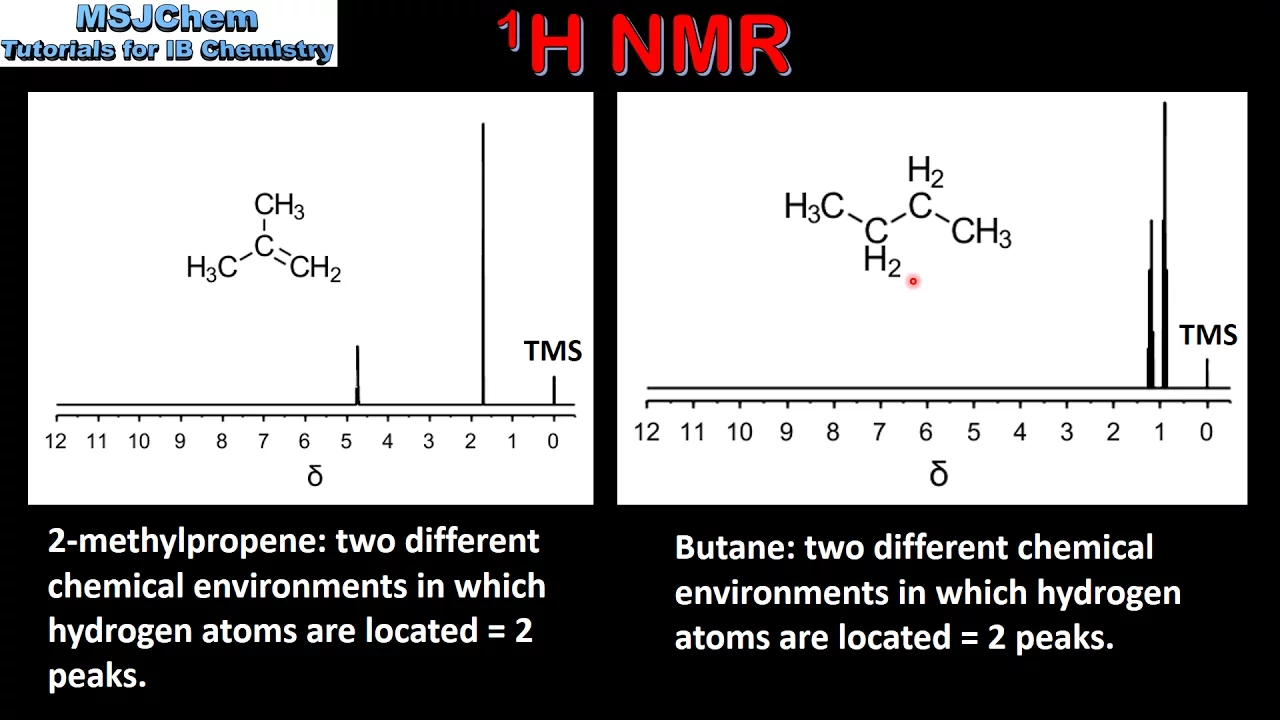
1H NMR: Determining Number of Peaks from Structure
@MSJChem
59.2K views•2017-04-06

17:31
Edible Water Bottles: A DIY Guide to Sodium Alginate Spherification
@ryan
10.5M views•2019-06-21
Related Study Plans & Knowledge Roadmaps
Structured learning paths in Chemistry
chemistry
Nuclear Chemistry: Decay, Meds & Fuel Cycle
01Introduction to Nuclear Structure and Radioactivity
02Decay Dynamics and Kinetics
03Radiation Interaction and Detection
+ 2 more learning modules
24h5 modules
Explore Roadmap
chemistry
Supramolecular Chemistry: Forces & Machines
01Foundations of Chemical Bonding and Intermolecular Forces
02Introduction to Host-Guest Chemistry
03Thermodynamics and Dynamics of Self-Assembly
+ 2 more learning modules
16h5 modules
Explore Roadmap
chemistry
Photochemistry: Excited States & Reactions
01Foundations of Light-Matter Interactions
02Molecular Orbitals and Electronic States
03Photophysical Processes and Jablonski Diagrams
+ 2 more learning modules
18h5 modules
Explore Roadmap
chemistry
Coordination Chemistry: Bonding & Properties
01Introduction to Transition Metals and Ligands
02Crystal Field Theory (CFT) and Geometry
03Magnetic Behavior and Spin States
+ 2 more learning modules
14h5 modules
Explore Roadmap