










![[김알자]김기자가 알려주는 자동차 이야기 2편 - 폭스바겐과 디젤게이트](https://i.ytimg.com/vi_webp/anODiJNzpjk/maxresdefault.webp)





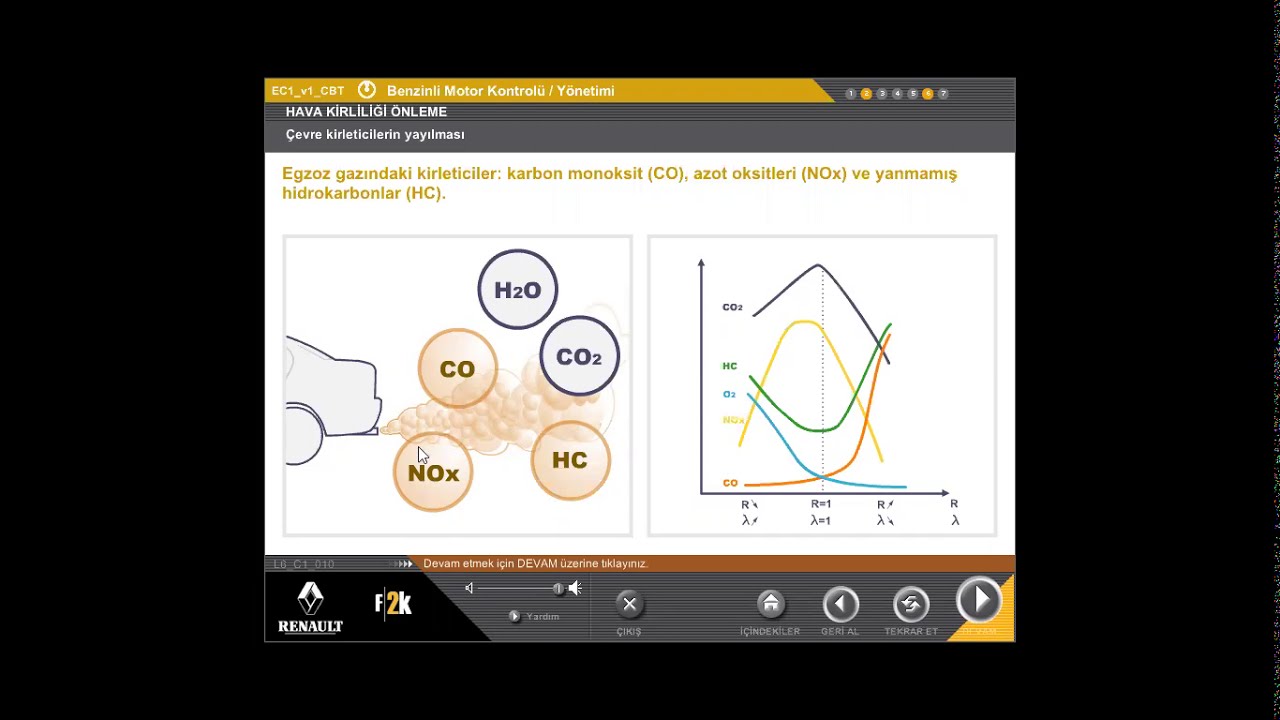


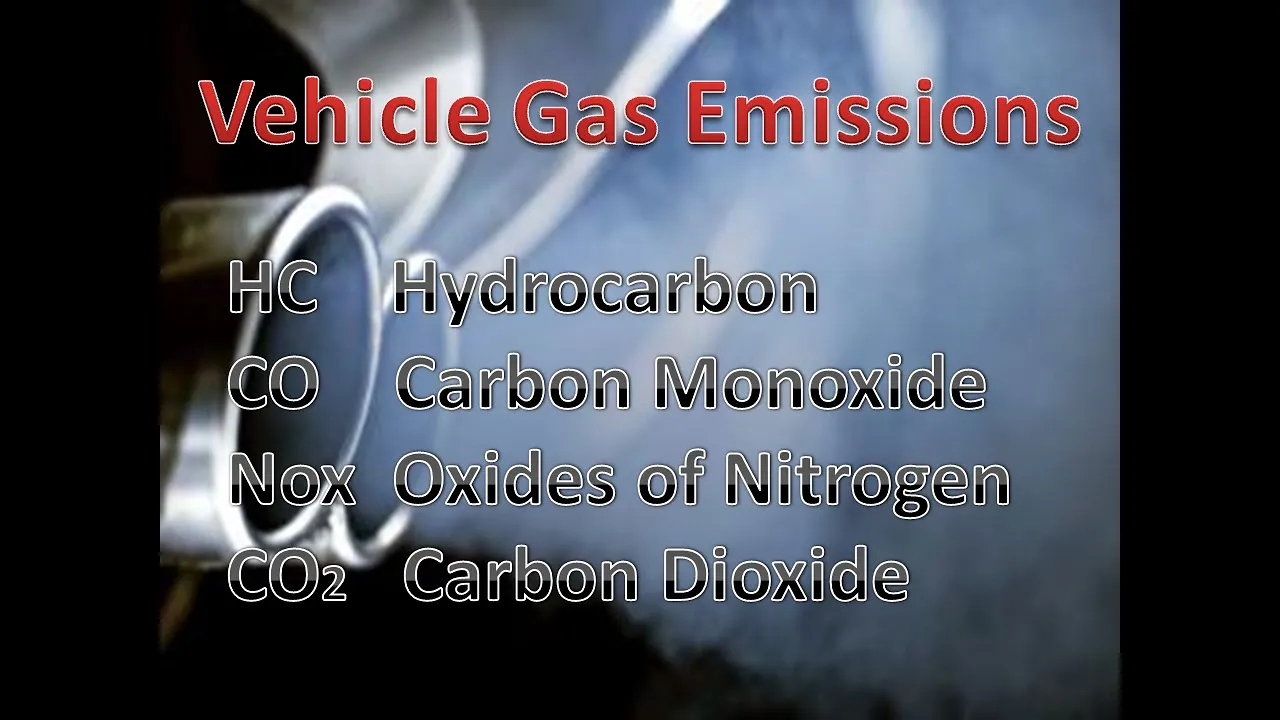





Photochemical smog is a brown haze formed when ultraviolet light reacts with nitrogen oxides (NOx) and volatile organic compounds (VOCs) from vehicle exhaust, industrial emissions, and other sources; the primary formation reactions involve N₂ + O₂ → 2NO, 2NO + O₂ → 2NO₂, NO₂ + hν → NO + O, and O + O₂ + M → O₃, with ozone being the main component; this oxidizing smog causes eye irritation, respiratory damage, and vegetation harm, and was first identified in Los Angeles in 1944.
Photochemical Smog Explained: Formation and Effects
Added:Understanding the basic structure of the Earth's atmosphere, specifically the difference between the troposphere and the stratosphere.
Fundamental concepts of chemical reactions, specifically how solar radiation (UV light) can initiate photochemical reactions (photolysis).
The distinction between primary air pollutants (such as nitrogen oxides and volatile organic compounds) and secondary air pollutants (such as ground-level ozone).
Basic knowledge of fossil fuel combustion processes and how they generate vehicular and industrial emissions.
The role of meteorological phenomena, such as thermal inversions, in trapping and intensifying photochemical smog in urban basins.
Engineered solutions and technologies designed to mitigate precursor emissions, such as catalytic converters and vapor recovery systems.
Environmental policy frameworks and air quality standards, such as the Clean Air Act and Air Quality Index (AQI) monitoring.
The biochemical mechanisms of how ozone and PANs (peroxyacyl nitrates) cause oxidative stress in plant tissues and human respiratory systems.
133.4K views2.3Klikes8:20Original Release: 2019-01-15
formation of photochemical smog for starting this chapter we have to know what is smog smog is a mixture of fog and smoke which occurs in some busy industrial city smog is of two types one is classical smog and another is photochemical smog classical smog is produced by the combustion or burning at fossil fuels like coal petrol or gasoline etc and caused by a mixture of smoke and sulfur dioxide present in air classical smog also known as London smog it's also reducing in nature it occurs in cool humid climate major constituents are smoke fog and sulfur dioxide it can occur both during the day and at night in December 1952 London was trapped in the deadly cloud of fog and pollution for five days at the time the city ran on cheap coal for everything from generating power to heating homes which was the result of classical smog photochemical smog is a type of smog produced when ultraviolet light from the Sun reacts with nitrogen oxides and volatile organic compounds in the atmosphere it is also referred to as some are small or Los Angeles smog it is an oxidizing smog and visible as a brown haze it only happens in the presence of sunlight major constituents are hydrocarbons ozone PM and nitrogen dioxides it is most prominent during the morning and afternoon photochemical smog formation is influenced by the weather conditions such as warm sunny days gentle winds lower level inversion which is also known as thermal inversion and combustion the hydrocarbon and nitrogen oxides sources of photochemical smog pollutants volcanic eruption forest fire automobiles industry powerful reaction of photochemical smog at first nitrogen and oxygen combine in the combustion process to form nitric oxide then this nitric oxide oxidized in the atmosphere to produce nitrogen dioxide next sunlight breaks down nitrogen dioxide into nitric oxide and an oxygen radical the oxygen radical combines with molecular oxygen to form ozone ozone is the main component of photochemical smog nitric oxide can remove ozone by reacting with it to form nitrogen dioxide and oxygen nitric oxide and nitrogen dioxide can also react with the hydrocarbons instead of ozone to form other volatile compounds known as PA n that means perik's uses a nitrate reacted hydrocarbon from out of exhaust interact with ozone to from the hydrocarbon free radical this hydrocarbon free radical rapidly reacts with oxygen to from another hydrocarbon free radical then the free radical reacts with nitric oxide to produce nitrogen dioxide and the free radical hydrocarbon this new free radical next interacts with oxygen to yields is stable aldehyde and hydro peroxide radical hydro peroxide a de coal then reactive with another molecule of nitric oxide to give nitrogen dioxide and hydrogen radicals the hydro peroxide a de coal is extremely reactive and rapidly reacts with a stable hydro carbon to yield water and regenerate the hydro carbon free radical thereby completing cycle the aldehyde may initiate another route by interaction with the hydroxyl radical leading to the formation of Anniston radical peroxy Osdol radical and finally peroxy of the nitrate peroxy uh still nitrate is also known as peroxy asil nitrate effects of photochemical smog photochemical smog effects cause a hero tation damage to the respiratory system and vegetation photochemical smog was first identified in Los Angeles in 1944 in 2017 photochemical smog to envelop large parts of Beijing otherwise in November 2017 the air pollution spiked far beyond acceptable levels in Delhi please like and subscribe to my channel and click the bell icon to get new video updates
Up Next

79:40
Atmospheric Chemistry & Air Pollution: What We Breathe
@IISERMohaliOfficialChannel
2.5K views•2020-11-28
83:56
Biocatalysis and Catalysis in Islatravir Synthesis | Merck Webinar
@SCIwheresciencemeetsbusiness
675 views•2020-10-08
10:06
1H NMR: Determining Number of Peaks from Structure
@MSJChem
59.2K views•2017-04-06

17:31
Edible Water Bottles: A DIY Guide to Sodium Alginate Spherification
@ryan
10.5M views•2019-06-21
Related Study Plans & Knowledge Roadmaps
Structured learning paths in Chemistry
chemistry
Nuclear Chemistry: Decay, Meds & Fuel Cycle
01Introduction to Nuclear Structure and Radioactivity
02Decay Dynamics and Kinetics
03Radiation Interaction and Detection
+ 2 more learning modules
24h5 modules
Explore Roadmap
chemistry
Supramolecular Chemistry: Forces & Machines
01Foundations of Chemical Bonding and Intermolecular Forces
02Introduction to Host-Guest Chemistry
03Thermodynamics and Dynamics of Self-Assembly
+ 2 more learning modules
16h5 modules
Explore Roadmap
chemistry
Photochemistry: Excited States & Reactions
01Foundations of Light-Matter Interactions
02Molecular Orbitals and Electronic States
03Photophysical Processes and Jablonski Diagrams
+ 2 more learning modules
18h5 modules
Explore Roadmap
chemistry
Coordination Chemistry: Bonding & Properties
01Introduction to Transition Metals and Ligands
02Crystal Field Theory (CFT) and Geometry
03Magnetic Behavior and Spin States
+ 2 more learning modules
14h5 modules
Explore Roadmap