

![ବାୟୁମଣ୍ଡଳ ର ବିଭିନ୍ନ ସ୍ଥର। Layers od atmosphere [in ODIA] | troposphere, stratosphere | Bayumandala](https://i.ytimg.com/vi_webp/2khT5ilNg9Q/maxresdefault.webp)










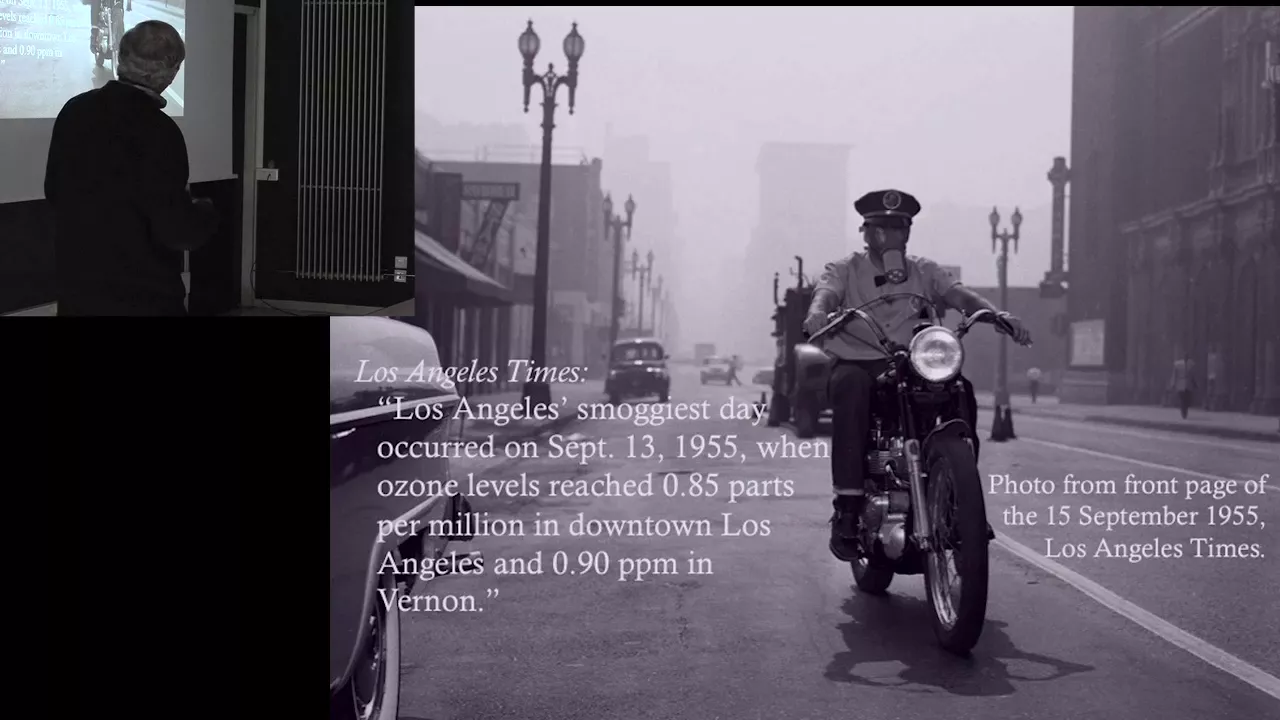



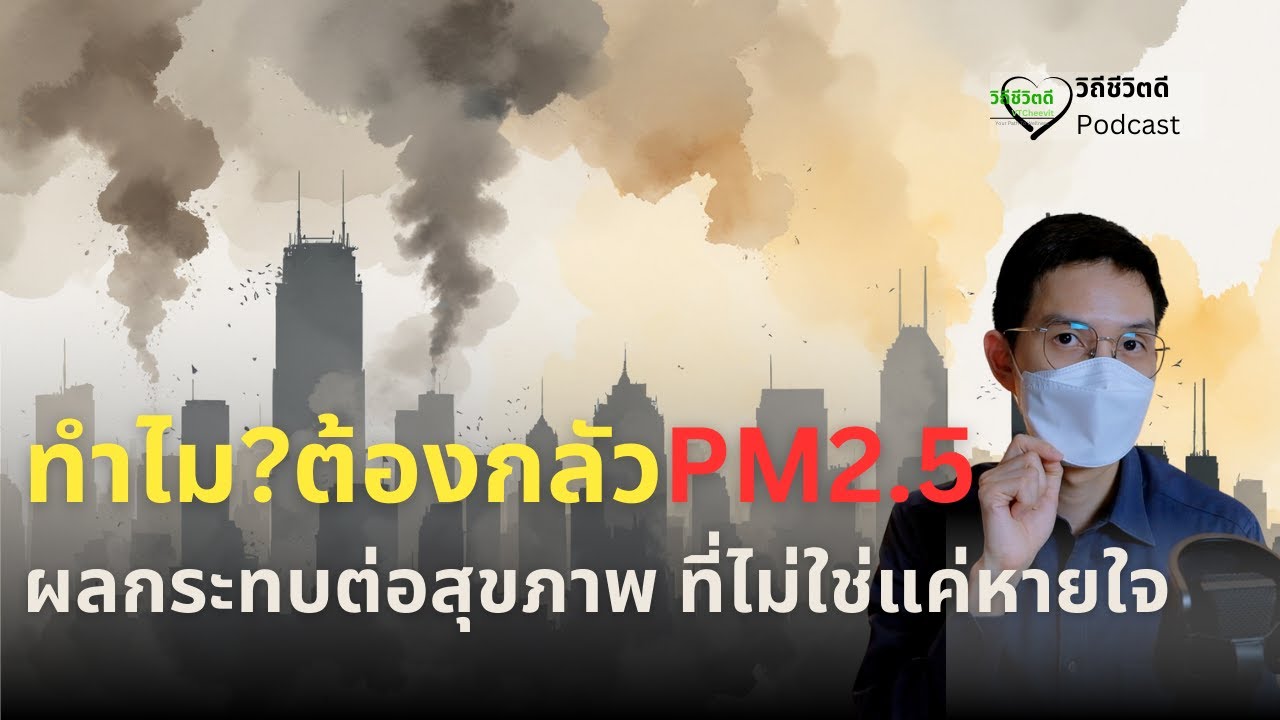




Atmospheric chemistry is the interdisciplinary study of factors controlling atmospheric substance concentrations, including emissions, chemical reactions, and transport processes. Key concepts include the planetary boundary layer height, which varies significantly between day and night and controls pollutant accumulation; the hydroxyl radical (OH) that acts as the atmosphere's detergent by oxidizing primary pollutants into secondary ones like ozone and secondary organic aerosol; and the use of chemical tracers (such as acetonitrile for biomass burning) to identify pollution sources. In Delhi-NCR, PM2.5 exceeds safe limits on about 60% of days, with winter concentrations being particularly severe due to reduced planetary boundary layer height and increased biomass burning from agricultural residue. Effective air pollution control requires understanding both direct emissions and atmospheric chemistry processes, as well as identifying specific sources through molecular fingerprinting techniques.
Atmospheric Chemistry & Air Pollution: What We Breathe
Added:good morning everyone welcome to today's talk uh today we have Dr vinayak Sinha who is an associate professor at the Earth and environmental Sciences Department of iser moali Dr Sinha did his Tech from IIT Delhi and then he went on to do his PhD from the max Blan Institute for chemistry at Mains in Germany and then he continued for a post talk at the max blank Institute before joining Isa moali as a faculty uh Dr CA is highly accomplished he has gotten many many awards uh some of which one is he's a Nazi scopus young scientist awarde he has also Al gotten the best teacher award from Isa moali he also holds many International distinctions uh for example he has served as the scientific steering committee member and the co-chair the first Indian co-chair I should say for the integrated land ecosystem atmosphere processes study Global research project under the future Earth and he's also a member of the scientific steering committee of the international na Commission on global atmospheric chemistry and air pollution his main research interest of course is in atmospheric chemistry and today he'll be talking to us about something very very interesting and relevant about one of the things I'm assuming would be about the problem of the smog uh over north of India and not that's not going to be the only thing uh before I invite Dr Sinha to take over uh two requests one is um we will take questions at the end of the talk second those who are on Zoom please use the rain raise hand feature we will allow you to ask the question those who are watching on YouTube you can type in your question in the chat box and we'll pick up your questions from there Dr Sinha thank you very much uh Professor Prasad for this kind opportunity and uh thank you also for the very kind introduction so I welcome all the viewers who have tuned in um very good morning to all of you so much of what I'll be showing today are actually measurements and experimental discoveries that have been uh acquired using an atmospheric Observatory which you see here the blue box on your slide and uh I live and work in a very very beautiful place as you can see when the air is clean so that is extra motivation for me to ensure that all of us are able to breathe such clean air where you can see the shivalik mountains uh from our site in moali right so as you can see the title I've chosen is atmospheric chemistry and air pollution Brew what we breathe in essence this simply means that both atmospheric chemistry and air pollution make what we are inhaling okay so let's start I have highlighted these keywords and let's start with some very basic level of understanding probably primary school so that we can all build up and uh then what I shall do is introduce you to a few key Concepts in terms of processes that are extremely important whenever we want to figure out why the air quality is turning bad what is causing the air pollution okay so a very common uh starting point basic starting point is actually Wikipedia and uh Wikipedia let's start with air pollution Wikipedia defines air pollution as the presence of substances in the atmosphere that are harmful to the health of humans and other living beings or cause damage to climate or to materials so I am sure that most of us are actually aware of what air pollution is however what I'd like to stress on here in this definition which may not always be registered when you read this definition is it clarifies that these are substances that are harmful and for those of you who know enough of the world anything is harmful when it exceeds a certain exposure threshold right even water that we drink about 2 to 3 lers per day uh if there's too much of it into our lungs then we can drown so similarly it is important to keep in mind that the presence of chemicals per se in the atmosphere is not necessarily harmful it really depends on what type of chemicals we have what their toxic properties are and even there how much of dose we are inhaling when we breathe okay and then the rest I think you are all fairly familiar if most of you are living in uh developing country developing region then you know that air pollution really is made up of a cocktail of both gases and what we call aerosol particles so I think it's important to clarify first what the uh meaning of aerosol particle is uh so aerosol particles are liquid or solid particles that are suspended in a career gas in the case of the atmosphere the career gas is mainly nitrogen right 78% of it is nitrogen um and then what is also important to register in terms of this definition is they have negligible terminal fall speed okay so this uh otherwise you could take a duster it's a solid object or your mobile phone and simply suspend it in the air that wouldn't make it an aerosol particle it doesn't have negligible wall speed the third very important thing which is generally not recognized uh by most even experts is that we are talking these solid or liquid particles they should be in physical and chemical equilibrium with the career gas okay so and then I'm sure many of you have heard about biological molecules so in essence the cocktail comprises of both gases and aerosol particles and biological emissions okay and uh the effects I don't think I need to spend too much time on that but i' just like to stress that it's not just human health that is affected by bad air quality but it's also our food security it's also our buildings because bad air is not good for crop yields so let me show you an image which I took from the internet this is the source of a giant pair of artificial lungs that have been installed in s gangaram Hospital Delhi the dates are here and what you can see is this is actually an artificial lung and uh in this artificial lung uh you can see that just 10 days of uh the lung processing air that people in Delhi normally breathe makes it graphically look quite bad and this begs the question how much of air does each one of us inhale every day so for this one can do a very simple calculation school kids I urge you to do it in your uh in your brain so on average a person breathes in on breathes out about 20 times per minute and the lung the volume of air that is exchanged the so-called tidal volume is about half a liter so per minute we inhale and exhale about 10 L minimum Sports athletes would even do much higher okay and then if you calculate how many minutes they are in a day that's 60 minutes in an hour and 24 hours then you will come up with a calculation that's far more than 11,000 L of air and now as you can imagine whatever gases or aeroil particles are there in each uh breath of air that we take how does actually our lung help us so the lung has these air sacks called alvioli which are essentially the portion through which the dissolved gases Like Oxygen uh which are in the inhaled breath they manage to uh diffuse through that and then they are transferred to the capillary and uh the blood capillaries then transfer this oxygenated blood to our heart which pumps it to all the organs and as you know each human cell needs oxygen so this is something therefore where it's a very fundamental right to living to have good clean air essentially what I wanted to stress so now that we are clear about uh air pollution what is atmospheric chemistry so atmospheric chemistry is a branch very multi-disciplinary branch of science interdisciplinary where in one sentence one would say this is the study of all the factors that can control the concentrations of substances present in the atmosphere what this means is that if you have a substance X so here you being this is being Illustrated with a atmospheric box if you imagine the entire atmosphere to be a single box a simplification just for illustration then you you can see that uh this means we should know about the sources of X the syns of X the chemical reactions that X can undergo within this box and how X can be transported into and out of this box okay so this is Illustrated here essentially as emissions of X production of s of X chemical loss of X and then deposition of X and mathematically what atmospheric chemists do is they use this so-called basic differential equation which is referred to as the continuity equation where we simply mathematically parameterize the number of molecules of x per unit volume of air how they change with time issue yeah and then you can see that we essentially have terms on the right hand side of the equation which take into account all these processes so this is the important thing that I'd like to stress on in today's talk please remember that there are more processes than just direct emissions which affect the concentration of a substance in the atmosphere so now if we uh go to uh the real atmosphere then it turns out the real atmosphere is not just one box it's actually many different boxes it has layers and I'm sure some of you would be familiar with these terms of troposphere Stratosphere mosphere thermosphere and essentially why these layers form is whenever you have hot air sitting on top of cold air so you see this is the temperature profile and generally decreases as you go from the surface to higher altitude but then there comes a point where there is an inversion in this trend so what you have then is hot air sitting on cold air since cold air is heavier than hot air it does not have a tendency to further rise upwards due to buoyancy and therefore you form a sort of lid okay now most of are 99.9% of all the molecules present in air are within the stratosphere and prop osphere which extends to about 50 kilm height from the surface in that 90% of all of them are in the troposphere and just wanted to stress that when you hear about ozone depletion being a bad thing that's actually the ozone present between 2050 kilomet but whereas where we live where we ENT encounter our air quality and weather phenomena and grow our food crops that's the lowermost part of the stros spere so let's look at that particular part which is actually relevant for the air pollution now when it comes to the processes I mentioned to you that air motion plays a very big role in determining how emissions that are emitted at the surface accumulate within the lowermost part of the atmosphere and it turns out so here is where I would like to introduce the concept of what is called the planetary boundary layer height this is actually a very key controller and modulator of the concentration levels of different substances present in the air and the remarkable thing about it is that this varies quite significantly between day and night even at the same place and of course also seasonally over the same region okay so formally why this occurs in very layman terms easy to understand is because uh this is driven by air motion associated with the surface temperature of the earth so how much of heat energy is thermals are emitted from the surface of the Earth this changes between day and night depending on how much radiation and heating occurs how much energy there is and the interesting thing in terms of the outcome we only need to bother about it for your air pollution discussion today on how this affects the concentration so since this is the height of the box so to say into which emissions accumulate during the day so you here for illustration I made a cartoon which you see morning the height of the box is somewhere around here a few hundred meter afternoon at the same place this box can grow to greater than a th meters okay so what happens is whatever is emitted here at the surface this warm air rises upwards and since it rises upwards air from the sides comes to take its place so there is a well mixed box of air so to say and this is what is effectively referred to as the planetary boundary there now as you can see here if you have the same emission strength let's say 100 molecules of a substance being emitted within this box both in the afternoon and the evening time then just due to the change in the height of the Box namely the planetary boundary layer and here you see that can be a factor of 10 your concentration can change by a factor of 10 if there are no other processes at play so this is a very very important aspect in air pollution uh and air quality which the uh common people need to be made aware of emissions are much more easy for us to relate to because we see things burning we see smoke going up but this is nonetheless also a very important important process so now how does it vary seasonally over Delhi let's look at the tendencies in different seasons so here you see variation in the planetary boundary layer height namely just understand it as the height of the box into which the surface emissions accumulate and a term we refer to as the ventilation coefficient this term is a very easy term to understand it is simply the product of the height of the Box namely the height of the planetary boundary multiplied by the average wind speed okay so therefore the higher the ventilation coefficient we see here you can see its units the higher will be the tendency of the pollutants to not accumulate because they simply get blown away and now let us look at the seasons so generally in monsoon season most of North India and indeed most of all of India does not seem to encounter the same level of air pollution and ra rather air can be quite clean what happens between Monsoon and uh the winter and you see here post Monsoon as well is that actually because of the seasonality of this because of the way the planetary boundary layer height you know evolves you actually have a decrease of by a factor of two so here the ventilation coefficient is around 6 in the middle of the day evening times you can see it's even lower as you would expect the dial Evolution but by winter the average ventilation coefficient reduces to half the value so just like I explained a few minutes ago for the same emissions suppose nothing changes between Monsoon and uh winter or after monsoon in the post monsoon in the Autumn you would still expect an increase in the atmospheric concentrations okay so this process is very important to account for now let me show you a nice video even within the same season this is actually taken from NASA's web page you see the reference here and it's showing the daily change in the planetary boundary layer height over Los Angeles city for a full month so it'll run for about 30 seconds and what you can see is both the day and night time so the rising as the day progresses Los Angeles is the coastal city so you have the ocean over the ocean because the surface heating is different from that over land you have a different boundary layer height and uh therefore uh you can see even within the same season this is a very very highly variable parameter right so now that we have uh understood about uh one of the factors in addition to emissions that control at ambient concentrations of pollutants let us now look at some real data that has been acquired over Northwest India and this is data for the year 2012 this has been acquired thanks to the students of iser moali um using the atmospheric Observatory I introduced you to at the start of the talk so I have purposefully selected very simple air pollutants there are of course many more I shall illustrate some more disturbing ones later in the talk but pm2.5 I'm sure by now no body needs introduction to this in uh India and what you can see here is that about 60% so this is what we refer to as a calendar plot so about 60% of the days in a year the ambient El quality standard is not complied with it's in excess and that's harmful for health because all these air quality standards are determined very very carefully okay so if it's really above that value threshold value of 60 microgram per Meer Cube uh the 24-hour average then it really means that there is a risk to our health because of this exposure but what I'd like to also stress here is it's not just the pm2.5 it's also gases like ozone and ozone is by itself a pulmonary irritant this can cause uh reactive oxygen species to be formed and cause inflammation of tissues it's bad for crops and here you see that the numbers for ozone exceedence are also quite comparable to PM 2.5 however because of the time of the year during which these exceedances occur okay there is uh a little bit less attention uh that ozon receives compared to pm2.5 so now that we have looked at uh the planetary boundary layer height as a modulator let's look at the chemistry that can occur in the atmosphere so in terms of the chemistry you have to understand that and I can share my experience with you I started out as an analytical chemist and when I was first told about atmospheric chemistry my first reaction was wow that must be pretty boring why because 78% of all the molecules are nitrogen an inert gas carrier gas 21% is oxygen which by itself does not really react unless there are more reactive species already present in the atmosphere namely radicals so then my eyes opened as I started doing it so let me walk you through this overview of how uh the chemical transformations in the atmosphere actually end up producing a large number of the air pollutants we all suffer from and you can see their impacts soal impacts of course on the right hand side in terms of air quality but also rainfall okay in climate so first off the emissions as I said uh can be both from natural sources and anthropogenic sources so natural sources like the forest vegetation they also emit a reactive class of uh what we say volatile organic compounds or gases called tpes uh biomass burning natural wildfires have been in existence even before mankind on this planet and volcanic eruptions and then of course we humans in order for our to meet our energy and transportation needs have also put in a lot of other sources that are not normally present so these are referred to as the anthropogenic sources now once the primary emissions so anything that is a primary air pollutant is simply that which is emitted directly into the atmosphere so once those gases end up in the atmosphere and they can also be directly air so particles then there are oxidants in the atmosphere namely the hydroxy radical which in the presence of oxygen converts them into more oxidized forms so in this oxidation process you add an oxygen atom to the precursor molecule to the primary emission and thereby you make it a bit heavier not only that let's say the initial molecule limited was something like Benzene which is normally hydrophobic it doesn't like water it doesn't dissolve easily in water then because of this oxidation process it's converted to something that is a bit more water uh liking like uh hydrophilic we say like phenol and then when it rains we've all experienced how the wash out entails uh removal of many of these soluble compounds so this in a sense the hydroxy radical is how the air keeps itself clean it's the detergent of the atmosphere but in this oxidation process not everything is huny dor so oon the criteria air pollutant in the surface uh lowermost part of the troposphere that I talked about you know pre-industrial levels of this before uh we really had uh large scale technology and Emissions driving it um associated with it the levels were about less than 30 ppb on the planet today frequently where human beings live on Continental regions it even exceeds 100 ppb you saw over Northwest India Los Angeles for example uh has had frequent photochemical air pollution episodes where the main ingredient is actually ozon and there it can even it has even been reported to reach up to 200 ppb on occasions okay and how is this formed this is purely the child of chemistry it's not emitted directly in any significant amount so you need to therefore if you want to control this know about the precursors namely nitrogen oxides and also the other molecules that fuel its formation okay then when we talk about aerosol particles pm2.5 we've all just heard about it and discussed it now a large chunk of the pm2.5 so what is pm2.5 it's simply the mass concentration the mass of all the aerosole particles that have an aerodynamic equivalent diameter of less than 2.5 Micron so what does this mean for the kids out there you know you take a meter and then you divide a meter's length by a million times then you get to one micron one micrometer now you may wonder how is it that in the real world particles come in all sorts of shapes and also in different densities then how can we think of a diameter for aerosol particles because not all of them are spherical right so essentially when we are comparing uh when we are referring to pm2.5 we are referring to all those particles whose movement in air mimics that of a perfect spherical particle with a density of 1 g g per CM Cube okay and why is this important because depending on their aerodynamic properties that is how they move in air that determines How Deeply they can Lodge within the human body when we inhale them that determines the size also determines to a large extent how long they'll float around in the air so just to complete this the pm2.5 problem that we have in many developing countries including uh North India is actually if you that so that's simply a bulk parameter it's the total mass but it doesn't tell you what that mass is made up of so the units are microgram per meter cube of air now if you look at the chemical composition of that scientists in India and abroad have already shown that most of it is actually uh comprises of what we call secondary organic aerosol okay so this is just like ozon aerosil particle that is formed in the atmosphere to chemistry to atmospheric chemistry and then of course you can also have uh uh this slow oxidation just like you do you burn a hydrocarbon and you get carbon dioxide and water vapor the atmosphere in some sense uh also for molecules where the oxidation products remain in the gas phase it also ends up adding a little bit to the CO2 which is little bit insignificant compared to the primary emission of CO2 from fossil fuel burning and now just to give you a sense of the scale and magnitude here what a terrific job the atmosphere's chemistry does so the estimate of how much total uh reactive material in the form of these gases is released into the atmosphere comes to about 1300 teragram per year and just to give you an example of this teragram unit you know we have a population of 1 billion that's 10^ 9 if you would get give 1 kilogram of any substance to each individual ual then you would come up with only 1 teram that's 10^ 12 G and here we're talking about 1300 teram carbon so the reason why you don't hear about this accumulating in the atmosphere like uh carbon dioxide or other greenhouse gases is because it's simply removed converted into forms that are more easily removed from the atmosphere and how many total number of compounds are we talking about here so this ranges from 100,000 to 10,000 that have been detected in the Earth's atmosphere and again to put perspective before 1952 in terms of voc's there were only two that were thought to be present as methane and formal so the consequences we know I will not talk too much about it we know this but just to emphasize again how this can uh maybe affect the rainfall so if you have uh these uh particles that have different colors we all know black objects can absorb more but we also form a lot of compounds that are brown in color which also have light absorbing property if these particles and also black carbon if these particles get lodged within clouds then they can absorb heat and primarily prematurely evaporate the cloud and thereby uh you know it can affect the hydrological cycle too right so I think now we've covered enough Basics now it's time to show you some more data so this is uh data of pm2.5 you see the units microgram per meter cube and you see the on the x-axis the hour of of the day again measured over Northwest India by har who's a student from Isa and this is winter time so what you see here is this dial Evolution where you have a sort of bodal feature in the trace right there is a morning Peak and there is an evening Peak and a afternoon Minima so why does this happen now that we all have the basics is very easy to interpret at least part of the reason so part of the reason is because the of the planetary boundary layer height it's simply the dilution effect the other reason is there is there may be more increased emissions in the early morning here and in the evening due to traffic emission activity right when people go to office or return from office so just to give you an idea now how powerful chemistry can be is illustrated by the next graph where you see ozon and 50 ppb is roughly the national ambient air quality standard so this is in summer time the other was in winter so that's one of the challenges of air pollution it's very important to know what the main air pollutant is because that can change between which time of the year you are actually looking at air pollution so here you see that despite this dilution effect of the planetary boundary layer simply the production the chemistry is pumping so much of making so much of ozone in the air that you can get up to 70 ppb hourly average concentrations in summer okay so now how do we tackle air pollution how do we go about making sense of what emission sources are affecting an atmospheric environment so for that we behave like a detective an atmospheric chemist in some sense is just like a detective so what we do there is we use uh molecular molecules that contain information about them in them about the sources that emitted them so for example if you have an air mass where you measure the concentration of the compound aceton nitr if you have elevated levels of acetonitrile okay this can come from wood wood burning is one type of biomass burning Leaf litter burning is another okay garbage fires can also emit depending on the biomass then it immediately yields information that that air parcel has emissions due to biomass burning this is very important for our work because as you can imagine the stubble burning that all of you I'm pretty sure most of you are aware of that that is nothing but biomass that's made of carbon hydrogen the fuel biomass is always made up of just carbon hydrogen nitrogen and uh some of the other elements right so inefficient combustion of that breaks bonds within them and then it releases molecules like aceton nitr and the good thing is aceton nitr from most fossil fuel sources is not emitted in sufficient or significant amounts so that you can actually use it as a unique chemical Tracer for biomass burning emission then if you talk about Marine air phytoplankton normally produce this molecule called dimethy sulfide if you talk about trees and vegetation which is a natural emission Source then Turpin like isoprene and pine they are good places if you talk about photochemistry chemical Transformations then these oxygenated voc's simple ones they are also a good indicator but they can also be emitted directly from biomass burning and then when you talk about the more health an for ex relevant ones for example Benzene which is known to be a human carcinogen at just 1.6 PBB of annual average concentr mixing ratio exposure okay uh this uh and tolven so these already have a lot of carbon atoms to start with so six and more and so when they get oxidized then the oxidation product is not as volatile as these gases and it partitions to the air soil phase so it can form a lot of secondary organic aerosol and many of these are emitted in large amounts from industry and traffic so this is really mainly from anthropogenic sources so as you can imagine 10,000 to 100,000 thankfully we don't have to deal with even a thousand most of the time 100 or so make up uh about 99.999% of both the reactivity and the mass of the reactive material which forms the secondary pollutants so uh in uh when I got this wonderful opportunity to do join is moali in 2011 thanks to the den directors and subsequent directors uh and my colleagues there some very senior colleagues who were very very helpful in facilitating this we were able to actually set up a worldclass facility and here you don't need to read all of this this is a slide just to impress all the kids out there that we have a lot of toys in our lab which when you grow up you can come and play with and which are able to measure all these different Myriad of molecules okay so this is a met station which also tells us when we are measuring the chemical parameter what the provence of where where the air came from what the temperature is how much light is there how much humidity is there and so on okay and also greenhouse gases so now let's look at how we apply these tools right after all what good is it to have toys if you can't really use them so uh this is where our lab has pioneered new approach for Source uh uh apportionment studies where you look at the quantitative you quantify how much is coming from each source and you also identify the sources that are active so here you see a picture of a person who doesn't seem to be up to much good so this could be for example a person who's wearing a mask and then is out to it's maybe Halloween time out to scare some of the kids or look goofy um and how would you stop this person from continuing his Antics well you would first have to identify him right or her and so if you would remove the mask you would find probably somebody like me I I like to do such things once in a while now let's take the analogy to uh the ambient atmospheric environment where most of us are able to actually see or smell the pollution so here you see a visual like image of a plume okay which you don't know it you know it's it's smoke it's bad but you don't know what's in it and you don't know where it came from so sometimes only you may be very lucky and you may see a power plant or a rusty old vehicle that's emitting this in which case you can immediately uh act on that particular offending polluter and uh you know put restrictions but most often you don't really know what has been emitted because the smoke has traveled far away from where it was emitted so then what do you do that's where my friends we are able to use these mole nulear traces and just to show you the power of that here you don't bother about the different just think of this as one class of chemicals uh this is the aceton biomass burning Tracer chemical Tracer for biomass burning and this is another class of chemicals right oxygenated B and you can see here some of the more common uh sources that affect our air quality at this time of the year Patty residue burning wheat residue burning Leaf litter burning gar Gage burning fossil fuel burning just by measuring the molecules present in the air and we don't know what emitted it by fingerprint by comparing it with the Fingerprints of sources we are able to identify what source was the what sources were uh affecting the chemical composition and therefore adversely deteriorating the air quality right so this is pretty neat and now uh we actually used uh this particular approach uh when the odd even rule was implemented in Delhi uh you I'm sure you all remember that was around 2015 December 2016 January um and you can see that uh using this we were able to actually show in this paper that uh the traffic emissions everybody sort of Knew by measuring the central Pollution Control Board measures you know uh pm2.5 bulk parameter measures some of the other air pollutants but they can come from a variety of sources okay so it was not clear why the pollution did not go down but they could say that the pollution didn't really reduce we with our chemical traces were able to use molecules that are emitted specifically from traffic and not from other sources and show that the reason why it didn't come down was because the most offending uh Vehicles the highest polluters in that were actually uh petrol two wheeler Vehicles so these are used very primitive technology engine technology and uh they uh were there was no restriction on their flying on the roads the petrol four-wheeler so these are basically different molecules so these are you know just directly measured from the exhaust of these vehicles the tail pipe exhaust so you can see they have very different uh fingerprints just like DNA fingerprinting we can use chemical fingerprinting for these pollution sources but the important thing is for the Oden rule the reason why it didn't work out is because these there was no restriction on them and there were a lot of them many of them the number also increased and whereas for the petrol four-wheelers actually there were restrictions half only could apply but then what people did was because the public transport was not so convenient they started traveling to their office before the 8:00 a.m. to 8:00 p.m.
restrictions were in place and if you travel before 8:00 a.m. then you actually emitting uh into the at spere when the planetary boundary layer height is much more shallower which leads to even higher concentrations okay so this was very important for policy so this is just an example to show you how what great lens we go to to collect our fingerprints and then we also found using these traces uh you know process of how during the fog season which will be coming up pretty soon if not already uh started if it hasn't already started in Delhi so what we did here was actually we measured Again The Chemical traces which could help us distinguish between these three different types of sources and what we found is that during the fog one of the extra reasons why the air quality turns worse is because as temperatures dip during fog then in order to keep warm people start burning more and more material that is combustible in the open streets since this Burning is so inefficient it emits a large number of of these toxic chemicals into the air and that so therefore in in other words the fog itself induces an emission trigger which reduces the air quality so the colder it gets the more you burn the more there is emission the more the air quality goes down the more that can in fact affect the life cycle of fog okay and then uh again here you only need to look at this simply to emphasize uh what I wanted to emphasize is that whatever biomass you take okay when you break it down into its building blocks it is typically made up of only three different types of chemical units cellulose hemic cellulos and liin okay and uh you can look at the structure they differ uh significantly and what happens when you burn is essentially you're breaking bonds that exist in these structural units in these building blocks and when the bonds break through there are lots of permutation combination and depending on the flame chemistry you can emit a sess pool of comp compound so more than 500 compounds have been detected in biomass burning smoke that is why it is so very different and so very uh harmful compared to the more traditional let's say a power plant plume which already has uh efficient scrubbers and only generally emits mostly carbon dioxide so now if you zoom in into the Bread Basket of India which is this Northwest region Punjab and harana this is where is moali is uh I just wanted to briefly show you some results of Patty stubble burning so this is a region where uh you get air most of the Year from the Northwest and then in the monsoon season from the south east we measure all the time so we can capture all of that and the the region has undergone great transformation why because you know in 1965 compared to 1965 the amount of area under Patty and wheat cultivation and the crop yield the amount of area has increased by more than a factor of four and the crop yields have increased by a factor of 10 so this is great kudos to the farmers who ensured India's food security because I know from my parents that before 1970 India was not really as self-sufficient in food security as it is today but this has come with the cost that most of the farming is mechanized and when they use the mechanized farming they use this machine called the combined Harvester the trouble with this machine is it removes the food gra the rice grain but it leaves the stock a few meters of it in the ground the stubble and then in order to get rid of the stubble the farmers simply set it on fire because they are pressed in time and then the smoke I've already told you what o can come out why so many things can come out from it nasty stuff okay and then in addition we also have a lot of trees Greenery so these natural tpin missins they all mix a nice cocktail then there is oxidation you cook it in the air and then you can form secondary inorganic aerosol secondary organic aerosol ozon so all your PM 2.5 and then what is very very tragic is the normally wheat follows after Patty and uh this bad air is actually quite bad for the wheat that grows after there is a lot of cppy loss okay so here you can see visually that the air uh grown in uh air that has just normal level of ozone can be pretty stunted whereas this is cleaning so government is making a lot of efforts many sees are seized of the matter they've tried to replace this machine with this machine happy Cedar will simply Source the uh wheat uh seed through the rice stock so you don't have to burn it so just to tell you how great this activity is probably you've seen it in the newspapers too you can using satellites that NASA has put up in space you can detect as thermal anomalies the fire activity so you see the post monsoon season the daily fire counts for a full year here this and now let's look at the spatial region this is the spatial extent and then if you look at some of the molecules you can see in the preh harest time where you have the blue markers denoting the data uh in the post Harvest time you have the red markers denoting the data this is hour of the day this is the chemical marker for biomass burning sure enough you see higher values of this because this emission activity is more uh Stronger in this post Harvest period mological conditions are very similar you have even human carcinogen Benzene concentrations increasing recollect I said 1.6 ppb is the annual average that should not be exceeded but at this time we always have more than that and then you have isocyanic acid this is a molecule that has been discovered by our research group to be present in these fires and what you see here is it has both a primary fire emission Source in the evening time but also like ozon in the middle of the day a photochemical source and why this is so toxic is because it's simply a chemical relative of one of the gases that was emitted during the bopal gas tragedy namely methy isoc and just at one ppb of exposure concentration exposure it can underdo decarbo denature several proteins involved in IE vision and arthritis so you can see that therefore we really need to have a better idea of this these are some of the other molecules that produce this isocyanic acid and uh independently of us people in the village clinics they also report I elements now at least we have one of the contributing cating factors so now I'm almost at the end of my talk that was about the postm monsoon season this is the summer season when wheat residue is also burned and this is just to show you how it can affect the ozone so this is where the clean refers to the pre Harvest uh season in summer when the fire activity is absent uh this is when wheat residues burnt and we found that there's a 19 PBB uh enhancement now I have told you about processes right so this could be due to change in solar radiation so more photochemistry but when we looked at the uh radiation there was no significant change between the two periods when we looked at the transport how can we look at the transport if we uh filter the air masses for those air masses that spent most of their time in the past 72 hours over the region and were not coming from Iran which is where we can also get air form if you give enough time uh then it turns out the 19 PBB enhancement increased to 28 PB so it's really has to be a regional activity and then we plotted our chemical marker for biomass burning namely aceton nitr and sure enough you see as a proxy of the fire emissions it shows that a lot of the chemicals that can make ozone were emitted from that so now uh you put all these processes in what we call models chemical transport models and uh then you solve and uh uh naturally then the question that has been burning a burning question in up uppermost in policy makers scientist Minds alike is how much of this Burning activity that occurs in the up regions of Northwest India how much of it affects the air pollution in Delhi in terms of pm2.5 remember it's just pm2.5 and so in this study we were able to show it's only about 20% in uh the seasonal average of course on occasions depending on favorable mology uh the contribution is can be much higher up to 70% but that happens only a few days during the season so the take-home message from here is if we want to improve the air quality in Delhi then we really need to ensure that we act on the local sources that are contributing to it and this is just a picture to show you that most of the pm2.5 is actually PM one that is even more fine mode which can go even deeper into the lungs not just the lungs it can cross the blood bin barrier through the bloodstream enter the brain and what is that made up of most of it is made up of uh Organics which are coming from oxidation and is secondary in nature okay and it also has these ammonium sulfate other inorganic ions and chlorine so take-home message are only three next time you see the air quality turn bad think about uh the processes at play I'm not going to read out all of these except to stress on the third one which is uh don't just be content with knowledge about bulk screening parameters like pm2.5 they were evolved because it's easier to monitor air pollution using them but if you want to solve the problem you need to know what it's made up of and where it's coming from so finally I said atmospheric chemistry and a a pollution Brew the air we breathe and um if we are able to take out the air pollution part then just like you can see in this picture from our campus uh where you had a bad air quality Day My Hope Is we can all enjoy such clean air so with that I end my talk and I'm happy to take questions and these are all the people who and agencies that have made this work possible I hope you learn something today thank you vayak thank you so much uh we are now open for questions people who are on Zoom you can uh use the raise hand feature and people who are watching on YouTube you can type your questions in the chat box uh Professor JJ Hi V thanks for a very nice talk uh just wanted to check whether it is possible to develop sensors to monitor pesticide use by tracking some chemical in the atmosphere MH yeah because uh all the crop residue which is being burnt uh overall it's a bad thing but we are monitoring it anyway but could we look for a tracer chemical here which will help us monitor how much pesticides have been used in in these crops sure so uh thank you J Jeep um so this is actually something where we already know a lot of the chemicals the issue with pesticides is we would have to look for these molecular traces may not be that easy to find them in the gas phas because they're not that volatile but um and they said they they would you know be like some of the heavier aromatic molecules but uh yes with gcms uh there are already known U molecules that one can use uh to trace U pesticide uh usage and also f uze usage so that is something that can be done very easily you simply bring that to the lab you apply it to the soil that is one way then you see how that H how the emissions change for example ammonia a lot of the gas phas ammonia is actually coming from uh usage of ammonium fertilizers pesticides if we talk about them then um you can similarly apply them to the soil monitor the head space uh you know over a crop cycle and you can also for this Burning because you mentioned specifically about the burning activity you can uh bring that burn it and just like we collected the chemical fingerprints uh have maybe even additional ones in addition to the ones that are known so that's a very good idea we should be doing it there's just so much to do uh with this complex problem so I also see it as an opportunity and I think um through this public lecture talk um uh I'd like to thank uh the dean Outreach for this opportunity it's very important that the citizens are made aware because only when there is a critical mass of people in society asking the right questions will we actually get to the right Solutions thank you V Vin there is a question from one of our students vikas m is on YouTube uh he asked given the present situation that we are in the solutions for a normal person to avoid negative impact by air pollution in a short term and in Long your suggestions sure uh so in the short term uh it's like the way you can reduce exposure is I can share with you what we are doing in our home uh is uh you can use air purifiers at home you can use masks when you go out right now anyway because of uh covid uh people are recommended are in fact mandated to wear n95 masks so I have in fact found using these MKS compared to this season and the previous Seasons where burning has anyway not decreased significantly this year relative to other years um you you I actually feel that so uh there um you know using these devices technology can help a lot now in that's the short term right that's that's really just solving it at an individual level it's not really solving it uh as longterm so longterm the solutions are well known so what I'd like to stress here is if you look at you know Los Angeles and London where some of the earliest air pollution episodes happened I mean uh at that time Indian cities were very clean because uh we simply it's most of these pollution problems are just simply a problem of scale so today it's not like there are less people living in London and uh Los Angeles it's not that there are less cars what has changed is the clean technology that so essentially people need uh you know they emit they are emitters for four basic reasons right one is transportation you have to commute to work so you use a vehicle another is cooking and heating if you're living in a cold place or a hot place then you use a device that has emissions so uh and then cooking uh uh in India for a long long time we had uh didn't have really access and even today we don't have access to very clean energy resources like LPG uh so people use wooden stoves then waste handling wherever you have a large agglomerate of people in a small uh in in an urban in a city uh you know if you look outside it we all know that most of the waste does not actually end up in the incinerator there are landfills they keep smoldering they keep accumulating and so uh there are existing Technologies and then if you talk about so now let us look at these four how to address each of these four major emission sources right due to the necessary activities so um for uh Heating and cooking simply make the access to cleaner energy uh sources uh more widespread more subsidized which the present I think uh you know all the governments have done this in recent years and we actually see that also in the data um in some regions uh for uh commuting the two wheelers the petrol wheelers you saw so it's very important to have the details if as is now being done instead of odd even if people were to replace these most polluting vehicles and replace the fleet with electrical Vehicles so how that would change the air quality is that it can be actually quite massively Improvement because when you use an electric vehicle you're using energy from an electric uh electrical power plant that power plant is actually equipped with efficient scrubbers to take care of the pollution emitted from that burning of coal at the source much more efficiently than the uh you know uh than than some other fuel source which is not uh used U efficiently like biomass burning um so so so therefore uh coming down to it in London and and and uh you you us many other cities in Europe what has been shown is by changing these specific major emission sectors with cleaner technology in the long term uh one can actually uh bring down the air pollution level so nox today is much lower than it has ever been over London and over many of these uh cities in the west so it's all about uh having coordinated action on the ground level okay are there questions from our Zoom participants if so please raise your hand otherwise I'll take questions from YouTube no okay um here are a couple of more questions one is from himu Sarai uh can you please explain about the air purifier Towers in Delhi Okay so um the air purifier towers by Common consensus among all air pollution experts in the world and Atmospheric chemistry experts is that it simply is not an effective solution the reason is very simple the reason is given the quanta of air and the uh overall pollution loading present in the air the uh technology that is there in these SM in this uh you know Towers uh that is simply uh simply think of it like this you have so much of dirty water to use a different analogy that if you use a small cleaning system that has some filters your filters at some point will get overwhelmed and the amount of cleaning that you can accomplish using that is not possible so in some in in that sense these smok Towers look good for Optics they give a false sense of uh uh you know sense of security that something is being done it's a visible thing uh but it it it hasn't been shown to actually work over long periods of time effectively at all to bring down air pollution significant okay we have a question from our Zoom participant vsha vaa you have a yes sir hello yes please go ahead uh first of all uh good morning sir and sir I would like like to ask you that in Winters there are instances of Burning uh rubber tires uh so my question would be like uh firstly these are generally done by people who are not so educated or are economically less privileged so first of all my question is is there any cleaner alternative to fuel to keep uh uh cleaner up uh fuel that keeps keep keeps people warm in like in Winters and the second question is what are some uh while burning these uh uh tires we know there are a lot of toxic chemicals that are released uh so what is the percentage uh how much it contributes to the present situation of air pollution okay so uh to answer the first part of your question see for any real world solution to be effective it has to be a practical solution as you mentioned quite rightly many of these people who are actually uh engaging in this activity they simply do so because for them it's about surviving the next hour to beat the cold or to cook the next meal right um so there I think one has to be a little bit um more accommodating and uh that's where there are many research groups in the world there is also one in iser Mohali Dr Babel's group for example what it does is it looks at some of these common materials that are burned so by the way rubber Vera since you probably an Isis student you would know it's actually a polymer of something that resembles isoprene very uh closely right neoprene so it's a five carbon atom so that is quite reactive stuff as you pointed out um when it's emitted this uh what they are doing is they make uh they simply try and make the combustion process more efficient if the carbon the hydrogen uh and the other elements present in the fuel are combusted efficiently what does that mean it means that all the carbon goes to something like carbon dioxide not these reduced chemicals like carbon monoxide or uh the other hydrocarbons Benzene tvine right so if you can promote more of that uh to happen and you prev vent this from happening so and that the way to do that is simply to have better cooking stoves or better appliances in which you can use this Fuel stock and uh where you may have some primitive level of scrubbers also so there is a lot of these now in Africa and in many parts of India many of these sort of hybrid cooking stoves have been launched uh so that is one way to address the issue in the stock in the short term until we are able to provide access uh to you know cleaner energy sources for that section of the population now your second question was um about how much these toxic chemicals contribute to the air quality so that is where I purposefully in this talk stressed on processes right it's very important to know the quanti of air pollution uh so to say that is that is uh emitted into the air right how much is of it is due to mological process how much is due to chemistry in the atmosphere how much is due to direct emission sources if it's direct emission sources then how much is it due to let's say Transportation or biomas now here uh what we have found on the basis of our data is the contribution of course will vary depending on the specific air pollutant you're talking about so if you're talking about PM 2.5 uh in this season there is a student uh who's working in the uh es Department uh she has shown in her PhD thesis work har Paar that actually 40% enhancement uh can occur due to the stubble burning within this region right I mentioned to you that uh the transported pollution from Northwest India to the air quality of Delhi that seasonal average contribution is only 20% but I should maybe also stress through your question that the people who are living in the place where the activity occurs on large scale much larger scale they are actually bearing the most severe brunt of this so that's not 20% or less it's actually something more like 40 or something like PM 2.5 now if you're talking about Benzene we've also shown that in our work that leads to an enhancement also of the order of about 50 uh to like factor of two so that would be like a 100% increase during this time of the year in some of these molecules concentrations relative to other times of the year okay so uh this is I hope it helps you get some sense of the numbers okay um the question from Jimmy Jimmy Bahan Jimmy says that the grass for the two-wheeler and the four-wheeler petrol looked very similar yes I'll just how are you able to trace back to two wheelers being a major source of emission during OD even Ru first of all thanks Jimmy for playing paying close attention to the graph okay so if you notice then uh let me just flash that uh graph again for you uh that is why I put the yeah so here it is so you're right see both are in the end petrol right one is a slly now what you see on the y- axis is actually the normalized ratio so therefore this type of plot simply tells you about the type of molecules that are emitted from that particular that are present in that particular uh emission exhaust okay um it doesn't tell you about the amount so how has this normalized ratio plot been derived our idea here was simply just like DNA fingerprinting here create a chemical fingerprint where you can compare things so for that we simply took the compound that was emitted in the largest amount and gave them gave that compound a ratio like a value of one so for example for petrol two- wheer exhaust that would be tolven okay um and then all the other compounds are are uh sort of divided by the concentration of the compound that was present in maximum amount so this is a normalized ratio hence it looks similar but if you read this paper this is in an Open Access Journal it's a society Journal of the EGU European geosciences union and I can send you a copy to uh there we have also reported the absolute uh uh concentration levels of these compounds present in the exhaust and since these are two stroke uh uh engine thing we found a lot of actually in addition to this voc's carbon monoxide So Co is not shown here in this plot but carbon monoxide as you may be aware uh it it actually forms this carboxy hemoglobin irreversible complex when it binds with uh hemoglobin in the human blood and then it can uh reduce your oxygen saturation ratios in the blood so uh that was present in a very high amount from this petrol to and uh just to complete this answer fully this is all Alo where it's very important that people stop getting um um you know uh sort of uh conditioned by the scale of things like an object that looks bigger if it has the right technology might actually be emitting much less than this so here the specific cases we also looked at CNG uh buses public uh you know large uh this uh the buses that the transportation agency is used to Ferry people which was run on CG including one on iser campus we have such a bus so the emission from that bus believe it or not was much lower and much cleaner as you can see compared to the petrol two-wheeler exhaust so I hope that answers your question Jimmy it's simply this graph is doesn't give you the absolute concentration uh given the topic I'm sure there are lots of other questions so maybe we'll limit to two more questions in the interest of time um here is one question from one of our people on Zoom um by when will the crop yield reduce so much that farmers would willingly change from stubble burning to some other means okay that's uh very very uh tricky question to answer see um if you look at the ozon uh calendar plot right then you have to see uh the ozon exceedence so there are first of all uh crops I'm just trying to find that slide I anticipated this question actually there are uh some uh crops that are more sensitive to Ozone exposure than others so for example uh wheat is more sensitive generally than many of the Patty cultivars now what also is very important in this is again in the details so ozon in the Air does not mean that that the ozone has uh that there in the air all of it has gone into the plant the way the plant uptakes it is through the stomata and when the stomata are open only then can that process of uptake happen now it turns out that during the growth cycle of a particular crop there are certain stages like the grain filling stage or the flowering stage you know where there are more suceptible to the ozone damage and that then uh stunts their eventual growth so uh in terms of numbers I think we don't need uh uh to wait like in terms of the cost to the Indian GDP uh there is a study that uh was done by one of our own uh scientists wait so first let me show you what this Global picture shows so this is just for uh it does not include paty these are for the like I said ozone sensitive crops so for them aot40 so 40 ppb is considered to be a phy toxic dose beyond that any exposure to concentrations of ozon in ambient air exceeding 40 ppb can cause copy loss and so you see the numbers here this is the crop production loss in million metric tons you can see how much it is over uh India China and some other parts like us and uh here when that is converted to an economic value so this is a study done by AAR at all uh you can see the amount is quite staggering and uh if I remember correctly uh there's another study done by Dr B's group here in Isa moali which actually put it significant your screen is not shared so we can't really see I'm sorry okay just a second thanks Prasad just a minute um I have to go to the zoom second so I hope it was visible uh at least till the last one uh so just a second yeah now we can see okay so let me show you that graph yeah this is the graph can you see it so this was a study where uh the top panel shows the crop field production loss in million metric tons and uh then the economic value associated with that so this this has been done some years ago now the numbers uh have actually been improved and all the while the more we know about this the more we realize that this is actually a very serious thing and it may uh Gladden you to know that Punjab agricultural University taking note of this effect because you know in the actual environment there are so many confounders when you grow a crop how do you know that the crop yield went down just because of the bad air or how much of it due to the bad air how much of it due to let's say the soil or the water availability or the fertilizer usage or pests so in order to address that there are both like open top control chamber studies and then uh there are like process based models that uh model the uptake of the ozone into the plant and then look at how the uh thing for different cultivar what's the sensitivity the dose exposure relationship is established yeah so this is uh I think it's a few percentage of the Indian GDP already now and uh I'm just trying to look if I have that slide there was uh just give me a second uh otherwise I can send across that paper to you uh it was by Dr Babel senhas Group which look calculated the economic propop lead and uh just the take-home messages the numbers were already worrisome that it would if you mitigate this uh if you could mitigate this the amount that you would win uh would be far more than the uh you know investment required to mitigate it yeah okay so V maybe one last question sure I'm happy to take question and this is well I I'm generalizing the question the question is in a slightly different form yeah um the generalized form of the question is do you think there is a relationship between the rise in covid infections and pollution okay yeah see um there have been uh couple of studies also from some very reputed uh well I would say like high-profile institutions in the US which published a report on that now if you're asking for my personal take on it then uh I think I'm U my one line summary is I don't think uh we know uh enough to actually uh tell how significant the risk is but in terms of a causative uh uh cause effect relationship um there is a possibility so how would that work so there are let me just explain in two very different ways this can actually air pollution or you know aerosil particles could potentially and using the words very carefully potentially affect uh covid spread so first thing is um it's very unlikely in the outdoor that you would get uh infected with covid due to uh high air pollution for that you actually need to be in close contact with an infected individual so the virus has to be there okay now the part where there is a causal link me uh qualitatively at least is if you uh recollect then I showed you this diagram of the lung where we breathe in more than 10,000 lers per day that was the starting slide so um here uh Prasad is this visible on the screen uh the uh not yet okay so yeah so here see what happens is there are Alvi so-called air sacks within the lungs and U the air that we breathe in the oxygen in that actually goes through the alveoli then into the cap through capillaries into the bloodstream which then the in the form of hemoglobin oxyhemoglobin then goes to the heart and that pumps it to the organs that's something I mentioned now if you have for for carbon monoxide we know this if air has air pollution carbon monoxide is one of the criteria air pollutants if there is a lot of that then that can actually form uh some of the uh you know form an irreversible complex namely carboxyhemoglobin instead of oxyhemoglobin thereby uh it can uh affect the transport of oxygen availability within the body so if you are already an infected person uh you already have covid then air pollution through this causal link could potentially uh affect uh your recovery rate because it is it is known that oxygen saturation ratio is dipping below 95% below 90% is one of the ways in which mortality happens when you have covid so in that sense it can increase the vulnerability okay that's one part now the other part is within indoor settings this is more on more sound footing we have a lot more data and lot more research papers and many countries like Germany have already accepted this which is that in an indoor setting if you want to minimize the risk of Contracting covid from people who are there in the same room as you then the exchange of air within the room the ventilation rate should be uh appreciable meaning two three exchange uh you know full air of the room should be exchanged fairly rapidly why is that necessary because based on the super spreader events based on the anecdotal evidence but also based on findings where people have detected covid virus on aerosol particles I mentioned to you that we inhale and exhale if you're not an athlete just a normal sedentary guy like me 20 times per minute so with every exhalation you also emit uh these small aerosol particles and these aerosol particles have a longer residence time they can float around in that indoor room for half an hour to an hour if there are many people in the same room locked up with you the air is not being exchanged and if one of them happens to be infected then it is possible to build up a dose dosage within that room where then the next person the other person who is uninfected when he inhales that same air then he may actually have uh enough uh inhalation exposure dosage to actually get infected with covid so that is more direct so that's why wearing the masks as the government of India has said that's where um you know this distance because these aerosol particles this the dosage that you'll receive uh decreases fairly rapidly when you have a distance from the next individual but the main problem is if the ventilation in these settings is not uh strong enough then there can still be appreciable accumulation and uh there are many events from nightclubs pubs bars uh churches it it doesn't really discriminate where this sort of thing seems to have happened has been reported so that I think covers for you both indoor air quality and outdoor air pollution how that can affect uh covid transmission spread and susceptibility thank you vay um I'm sure there are other questions and if your question is not answered and if not been able to pose your question please email them to us we'll pass it on to Dr vinan and we'll get back to you with answers so I want to thank Dr vinayak for a very nice talk thank you so much I should uh thank my two other colleagues Dr Amit and Dr mahua who have been working in the background to make sure all this run smoothly thank you so much and thank you all for joining us today see you in the next talk thank you thank you very much pad thank you Amit and thank you Muma thank you for
Up Next
Identify Organic Functional Groups | Drug Molecule Practice
@ChemHelpASAP
67.1K views•2020-10-06

Biocatalysis and Catalysis in Islatravir Synthesis | Merck Webinar
@SCIwheresciencemeetsbusiness
675 views•2020-10-08
1H NMR: Determining Number of Peaks from Structure
@MSJChem
59.2K views•2017-04-06

Edible Water Bottles: A DIY Guide to Sodium Alginate Spherification
@ryan
10.5M views•2019-06-21
Related Study Plans & Knowledge Roadmaps
Structured learning paths in Chemistry