
















![Welcome to India 2012 - Documentary (Episode 2 of 3) [HD 720p]](https://i.ytimg.com/vi/6Yfkn_XUIbU/maxresdefault.jpg)
Biological waste treatment processes can transform waste from a disposal problem into valuable resources by using microorganisms to convert organic and inorganic waste into useful compounds such as energy (methane, hydrogen), chemicals (lactic acid, fatty acids), and materials (nanoparticles, biochar), thereby supporting a circular economy where waste is reintegrated into production systems rather than being treated as end-of-pipe disposal.
Biological Waste Treatment for Circular Economy | Prof. Piet Lens
Added:Fundamental principles of the circular economy model, contrasting it with linear 'take-make-dispose' systems.
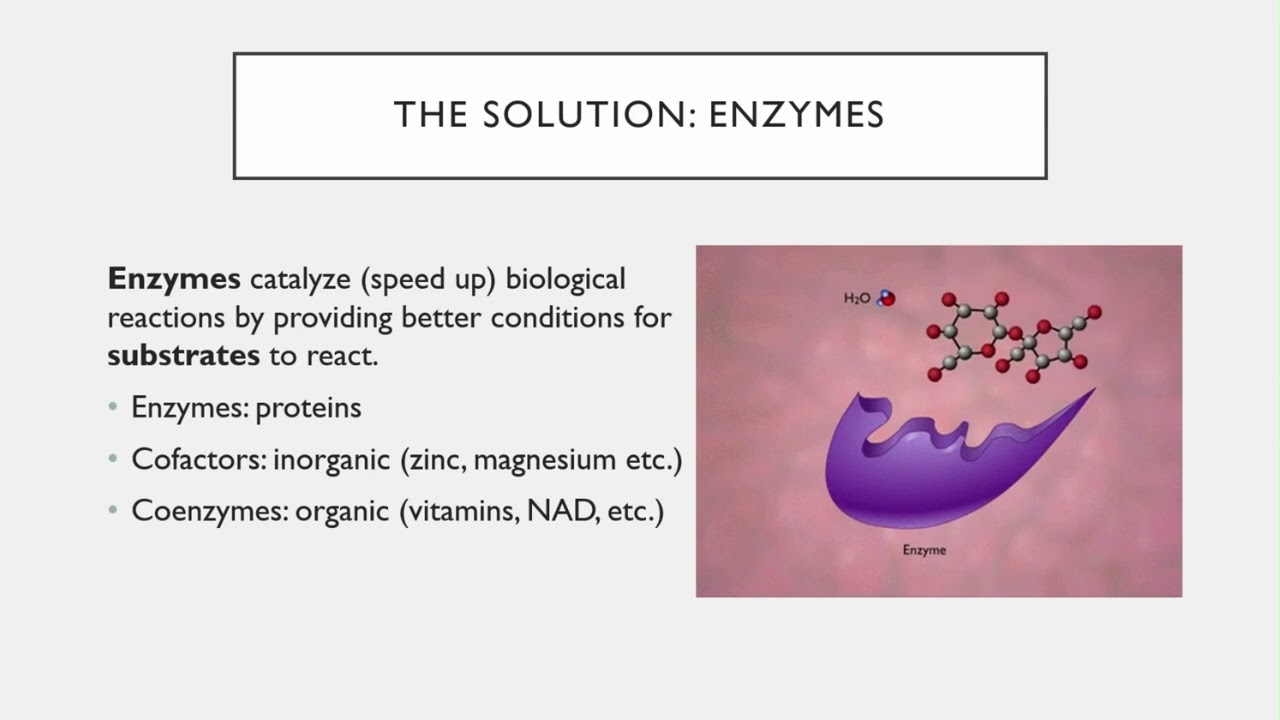
Basic microbiology and biochemistry, particularly microbial metabolism, anaerobic digestion, and enzymatic processes.
The core concepts of wastewater treatment and solid waste management, including primary, secondary, and tertiary treatment phases.
Introduction to biogeochemical cycles (specifically carbon, nitrogen, and phosphorus cycles) and how they relate to resource recovery.
Advanced bioprocess engineering and bioreactor design for scaling up waste-to-energy and nutrient recovery systems.
Techniques in green mining and biomining, such as bioleaching and biosorption for recovering precious or heavy metals from industrial waste.
Life Cycle Assessment (LCA) and Techno-Economic Analysis (TEA) methodologies used to evaluate the environmental and economic viability of circular bio-technologies.
Policy frameworks, environmental regulations, and socio-economic drivers influencing the global adoption of waste-to-resource technologies.
191 views3likes58:34Original Release: 2020-08-03
[Music] and good afternoon everyone my name is ainon i'm from the school of chemical and energy engineering utm under the faculty of engineering and uh i'll be your moderator today for this session by our distinguished speaker under the 29 distinguished ledger series organized by utm engineering so we have uh today with us all the way from the netherlands from the delft professor pete lenz so he is actually we met we met before a couple of times a number of times in uh various conferences mostly in india and china so um maybe just to share a little bit uh in 2018 last time we had a visit by one of uh peatland's colleague from unesco aisha in dell so he was here as a visiting researcher and during his time he managed to deliver some gifts some publication talk and sharing with our prosecutor students which was warmly received by our students around 200 packs was the session was attended by 200 packs so today uh we are very fortunate and uh grateful that uh and a steve researcher such as pete would be sharing his um his expertise his knowledge his experience with us today and maybe bit um later on maybe we can uh i can maybe share something that in utm also we have a dedicated center a research center that focuses on water study it is called ipasa ipasa and we also have a dedicated center that uh cater or takes care of the sustainable aspect of the university it is called sutm a center for sustainability yeah so uh hopefully uh utm and unesco ah can have more collaborations after this and without further delay i think um i just hand over the session for to our deen professor over to you prof uh thank you salaam alaikum hello welcome everyone welcome to our 29th utm engineering distinguished lecture series my name is mohammad rafiq and i am the dean of engineering university technology malaysia today it is my utmost pleasure to welcome professor piet lentz from unesco ihe delve the netherlands a bit about our presenter today professor dr engineer lens is established professor of new energy technologies at national university island galway he is also professor of environmental biotechnology at unesco ihe delft the netherlands adjunct professor at tempier university of technology finland and was previously on the faculty of the sub department of environmental technology at wagner university from 1999 to 2006 where he still has a zero nomination from plants trained in environmental sanitation then obtained his phd in environmental engineering at university gen belgium he is founding editor-in-chief of the review journal reviews in environmental science and biotechnology and founding editor of the iwa publishing series integrated environmental technology he is the initiator of the mericury training site sulfur and metals hemep the erasmus mundus joint doctoral program environmental technologies for contaminated soils sediments and solid waste e t e c o s cubed the mary's claw doska curie european joint degree advanced biological waste to energy technologies the erasmus mundus master course international master of science in environmental technology and joined msc degree programs with the asian institute of technology bangkok and university of val kelly colombia besides innovative research he is also a leader in education and capacity building organizing numerous study days conferences summer schools and short courses he has co-authored over 550 scientific publications and edited 10 book volumes so that is a biography of our speaker here now is professor piet lens from unesco ihe dell the netherlands on a topic biological waste treatment processes in support of a circular economy professor pierre lenz over to you okay thank you very much professor rafik and as i knew it's a pleasure for me to give this lecture in your series and i will give you some examples of how we can use biological waste treatment processes to go away from end of pipe treatment and treating waste as something which is to be disposed of how we can use biological processes to utilize those compounds present in the waste and like that move towards a circular economy i hope that the sound is fine if there are any problems with the sound please indicate it to me then i can adjust the microphone i will give you a little background of what we are doing in delft and then i will give you yeah small examples of application areas in the energy sector in the mining sector and in wastewater reuse applications by the background so we are looking at a focus of sustainability in all the research and the technologies that we develop and the very first important aspect is to make a cleaner production to see if we have a production process can we not avoid waste rather than clean it up later on this is so important that each time i give a lecture i still stress that please if you do not pollute you do not need to clean it up it's very simple like at home but for big factories this is sometimes involving a lot of changes in the production process that maybe are not so easy but at the end for the environment it can give a lot of benefits but how whatever you do you will always have some waste and then we look at the yeah where can we recover the resources so that's then the red box and in order to do that we look at eco technologies the yellow box so which technologies can we use that are as environmental friendly as possible to recover resources from waste so we don't consider so much the strong chemical physical pre-treatments for instance like radiation or yeah using strong chemicals we try to develop as yeah eco-friendly as possible the processes so that's a bit the background on the philosophy how we treat [Music] the wastes and to implement their the resource recovery for a circular i was had a pleasure to work a lot with iwa publishing and many of the work we did we captured in the book that were just mentioned and we have centered the research around three main challenges for society being energy wastewater treatment and reuse in the cities but also the farms of the future and then the mining and i will give you examples of all three domains within the 30 minutes of this lecture we can discuss many more aspects and if you have any questions feel free to contact me by email or in another way maybe later on when there is again possibility to meet in malaysia like zanul mentioned to in cooperation with the water center they have there and sustainability center but i just want to show you a couple of examples of these biological driven processes that we can use to recycle and reintegrate waste into the production processes the first one is the waste to energy and it's a quite um yeah well-known anaerobic digestion here you see some of the points we were and are studying in the right bottom you see [Music] anaerobic digestion of rice straw where a farmer just took the bales like of the they come from the farmland from the rice from paddy cultivation he's just capping that making it anaerobic and we were looking with a dry anaerobic digestion how much methane can we recover from that it is quite uh interesting but depending on the conditions of energy prices and methane is not the most expensive is not so yeah it's difficult to distribute it is not that expensive so to make a business case for this can be is possible that it depends a bit on the local energy conditions within this process we go we also have residues liquid residues and solid residues for the liquid residues i go to the left of the slide where you see this algae so there in a footer by reactor when you couple this anaerobic digestion process with the liquid stream which has a lot of nitrogen and phosphorus and there you can cultivate algae again this can be simple biomass production that you feed as well in another digestion or there we have a possibility to also cultivate higher value added products with the algae or even pharmaceuticals or nutritionals that give a much higher price and like that make the process economics more advantageous and like that we can get the waste treatment out of this yeah end of pipe approach and we can integrate it with the production of new compounds find chemicals that can be used in society and like that make the processes integrated in the production chain of a country or of a region for the solid part of the residue of anaerobic digestion i go to the top of the slide where biochar you see pgd student who was looking at biochar production from organic waste or from the solid dietary state from anaerobic digesters and then we were looking well can we remove free metals is it a biosorbent can we use it to upgrade the soil quality because soil organic matter is a big issue so what would be the agricultural advantage of bringing this biochar on an agricultural field and it's very very interesting and there are a lot of possibilities for that i move through a few of the slides now because a couple of the slides are quite well known it's base the basic of anaerobic digestion in this slide you see the philosophy as i was saying we look can we move towards a circular economy with bio-based processes well yes we can move from the refinery with petroleum-based to exactly the same compounds and maybe even more with biomass that comes from the agricultural fields as residues it is important we don't compete with the food but we just use the residues that are available on the land and this is a classical anaerobic digestion where we i just want to remind you that although i say it's very interesting and easy please be reminded that there is several steps involved in this process and nowadays we are also looking more and more maybe can we not go even here hydrolyzes and directly capture the mono the amino acids are the fatty acids as oligomers or even monomers rather than go the full root like we know so well with this anaerobic digestion with the methanogens or with mixed population so maybe we can by studying this anaerobic digestion food web we can if we have the right separation techniques go upfront in this anaerobic digestion and then we'll go more to industrial biotechnology where either we try to get out this rather big molecules or we can go a step further maybe we try to separate the lactic acid and we make ppl a polylactic acid plastics from that or we try to get out the ethanol for car fuel for instance vfa for many industrial processes rather than to stick to the classical view where we produce methane out of the anaerobic uh sorry out of the organic matter a big item for this is the fact that many of the substrates i was mentioning this waste organic matter from agriculture it has the lignin that is uh gluing together the cellulose and the hemi cellulose for many of the processes we mainly use this carbohydrate cellulose hemi cellulose and the lignin has to be removed so we study a lot on the how can we pre-treat the organic matter in order to remove this lignin we have a lot of lignin then left can we not do something with that as well yes there are now also a lot of studies on applications for also lignin uh used in for instance development of inks or even in support of road construction so there are a lot of possibilities that we can integrate by designing the different food webs in anaerobic digestion and like that make use of the materials the compounds that are present in the biomass and have a higher value of the waste rather than just to degrade them to methane here you see a few examples of bacteria just to remind you that yeah these are then the this is the scale we are talking about for uh bioconversion so these little bacteria how do they get access to these big large structures from the organic substrate so there we come with the engineering approaches and it's good not to forget that well the bacteria that we want they need to be in contact with the substrate in order to have a good conversion we know a lot of the pathways here i show you the [Music] acetate pathway this is the methanol pathway again to remind you about a microorganism so it's really very interesting to look at the biochemistry also of these methanogens we know a lot of it and yeah by knowing that we can design and make use of the methane produced are shipped towards other products and to remind you of biogas there is a lot of applications either direct to use it directly are to convert it to hydrogen or to enrich and use it as a car fuel are as other energy uses also hydrogen we can use in different applications so here you see again the scheme i showed you where we are looking well bio energy meeting um this is what we talk usually about when we think about anaerobic digestion but i here you see that many other compounds on this line can be captured can be produced with anaerobic digestion process i mentioned the pre-treatment to remove the lignine and to get the more access to this monomer so to do this complex materials to produce monomers from that are other compounds the key is in this at the moment the most difficult where we are is yeah what can we do in terms of downstream processing and how can we upgrade how can we purify the gaseous compounds or the um organic compounds that we are interested in to make it um to make use of them i want to give you one example of that like the lactic acid to produce from waste and it was a phd student actually the idea was that we can make this lactic acid from for instance sauerkraut and this person thought well why not integrate that also in the toilet system so it was a phd student who was studying urine diverting toilets so you have a fraction various deficiencies and the urine and we were considering well why not make a lactic acid fermentation here instead of having the fall others in the toilet and yeah this was a very interesting idea so each time after the toilet use uh in this pilot experiment this sauerkraut so lactic acid bacteria were added to the compartment also urine is very easy relative easy to ferment and we got very good results in terms of agricultural application germination tests show that tomato for instance has not can can germinate when fertilized with lactic acid fermented urine in contrast to just um urinary distort and where you have the anaerobic digestion of your urium that i showed you that scheme where you get a lot of vfa formed and ammonium that gives you a lot of bad smell also it can give rise to an increase in the soil organic matter as you see in the left pic top left picture where soil can be really enriched if you add that to the horizon to the soil there's really enrichment of organic matter the black color shows that and like that we can improve the soil quality of uh region by uh yeah integrating this yeah lactic acid fermentation in this case in sanitation and make a link to agriculture of course there is a big big remark here if we go from human toilet products like urine and fishes and we bring that in agriculture of course there is a lot to say about that in public acceptance is also help public health so i'm not saying here now that you should do that straight away but we showed the proof of principle and in some cases this can be considered but of course for this would be a kind of um more exceptional case but there are possibilities to do this one because it's very yeah natural you add a sauerkraut after toilet use you don't get the smells and it could give you some possibilities to to integrate for instance in in other applications like here this is a school in kerala india where a reactor has been implemented sorry anaerobic digester has been implemented here you see the anaerobic digester in the [Music] in a container which is here and these are the toilets at the school so the kids they love it because they have a nice place to go to the toilet the wastewater the wastewater goes into the anaerobic digester and then there we could have the lactic acid fermentation instead of the methane and for instance here in the effluent liquid phase where is nitrogen and phosphorus that is rich we can grow their crops of course not to eat because it's toilet water but it could be for instance ornamental flowers are potato for instance that can that we don't eat but that have a lot of starch that can be integrated into a bio refinery approach so yeah this is just one of the many different options that we have if we start to consider how can we make waste processing an integral part of a circular economy and that can then be with agricultural crops where we grow high value added compounds or try to cultivate to produce highly added value compounds from the waste are in sanitation where also there we integrate the yeah the daily needs that we have as human beings and we can try to find ways how to integrate that with the production of useful compounds or nice compounds of course as we see now also in the current uh situation with the kovid if we talk about sanitation and human excreta we have to be very very careful on yeah don't we create any dangers for pathogens or for infections but yeah if we are aware of that and we design a good system this can really be a viable option so this is about organics organic solid waste mainly [Music] from the agricultural sector or maybe also sanitation sector there is other another sector which is the mining sector has also a lot of possibilities for bacteria to produce useful compounds that we have not yet considered so much so here i first take this slide which i showed you and we all are quite aware about yeah definitely for methane also biohydrogen production but also this lcfa vfa bioplastics we all know about again so mainly organic compounds but there is also a quite considerable fraction that are the nutrients but also the metals and we have been very interested in yeah can we not make nano materials from this type of um from the from this inorganic fraction from the waste maybe i just continue we see we have had here a back cover in this journal environmental science nano where we show well our view is that there is a lot of waste and it could be toxic hazardous but with this anaerobic digester here with the processes that we know so well in anaerobic digester we can also go away from this dangerous and quite uh yeah sterile approach now we can also make interesting and useful compounds with this processes that happen here and it can be nanoparticles one of the many of the nanoparticles we studied it's elemental selenium cadmium cylinder sorry cadmium telluride but also zinc cylinder zinc telluride indium tubularity so we come to nanoparticles that are for instance used in imaging in medical applications again waste to medical applications you have to be careful but in principle is possible but there are also other applications like for instance the photovoltaic cells they use is callium tilde rider so we could make out of this waste streams if there is tellurium are if there is cadmium usually calmium like our scenery so much problems on what do we do with this waste well if we rethink the way we are working we can integrate bioreactors and produce useful compounds that so far we did not consider much and we can like that yeah close loops close uh cycles and have a circular economy so here you see one bacterium it's a pseudomonas so it's not so [Music] uncommon bacteria pseudomonas and then it forms these red cells here sorry red sphere so this is a pseudomonas cell a bacterium again so we are talking about bacterial processes and at the outside of the bacterium nanoparticles are formed where yeah we can harvest them or another advantage is a so nanoparticle well in principle yeah as you see here this is one micrometer so they would be here about 200 nanometers so strictly speaking is a bit too big for a nanoparticle but still very very difficult to retain but because they are fixed to a one micrometer cell they are more easy to retain and we can use ultrafiltration rather than nanofiltration to retain the nanoparticles so the philosophy we have is that we try to avoid mining where people are yeah sometimes in very bad conditions uh taking out the metals where we go to bio mining as you see here this is heat bleaching water is spread over chalcopyrite and here you see the blue color of the copper it has one gram per liter copper which is then flowing to the factory and there the liquid is passed is processed and the copper is recovered while the mining is being done with microorganisms so no people are involved and yeah this is an alternative process where that we call bio mining where yeah it is more ethical to mine but of course sometimes depending on the conditions it is very efficient or it can be also extensive and then it is not at the extent not that efficient so we have to be a bit careful about um yeah the process economics but in theory there is no problem to have that process working if we think about how what can we do how can we process that what can we process what ores can we process so that would be for this process here the bioleating would be for instance for waste material based ores that have little content like for instance in lead if the ores are have less than five percent they are not so processed anymore but in the past and even in the past some factories don't let residues with five percent or one percent of lead for bio leaching this is very very interesting uh because it's too expensive to process but still you can squeeze out a little bit more of the valuable compound that we would like to use but another source we are talking nowadays is the e-based electronic waste here you see the printed circuit boards and we you might know maybe i don't know about malaysia this is india so there these waste telephones are cooked literally in cyanide and the gold is capturing is sequestered by the cyanide and it can be easily recovered from such a from such a cooking device and then it can be sold so it's very it gives some extra money to the people who do that but yeah here we see the health impact is is terrible you have to be very careful not to stimulate this type of resource recovery but in principle these electronic wastes are also very very important uh source for the future because well it has a lot of gold in zero valence state so much better than the ores that we that are mind but um there are also many other metals that maybe we are not even considering yet like the rear earth elements many of these are used for instance in the um displays touch screens there we can recover those elements from this waste and with bacteria i'll show you one example of again up to the monas in this time fluorescence and arduinos and they were these strains were taken from soil where bacteria so some of these bacteria develop the capability to degrade so sorry to produce cyanide spontaneously so we do not add it from glycerin but these microorganisms produce the cyanide out of the in out of their metabolism in order to yeah it's kind of chemical warfare along the so it kills its competitors like that and of course if we are considering to add cyanide here as a chemical here we add cyanide as a chemical maybe we can consider to use the bacteria to produce the cyanide and like that have a less harmful process and we show that it is indeed possible to do that we have a paper we published about this method and we could recover like that the gold in the two-step process we cannot if you do directly on the printed circuit board like here the your yield will be rather low because uh the cyanide reacts with all the other metals in the printed circuit board so if you do first step with acidoto bacillus and you lower the ph all the base metals go out and then with the cyanide we can recover the gold in a second step so two-step process it's very promising um i showed you already this scheme where we were considering well what can we do to take out fatty acids lactate ethanol hydrogen as compounds that are more valuable maybe than the methane well uh if there is sulfate there will be sulfider production in that cell fighter we can use to produce metal sulfides which can then be precipitating and we can have them recovered so this would be then the next step so in the first step we leach we release the metals like in the copper here in this we here we release the metals here is one gram per liter of copper and then we need this step three the downstream processing for that we can again use bacteria sulfate reducing bacteria that are then able to that produce sulfite within biofilms and we can use it then for having removal of zinc in this case for instance as nice crystals and to recover it so here you see principle can be even selective precipitation as you see depending on the sulfide the concentration and the metals and the so yeah so fight concentration so here you see that first in this case the squares are copper so in this case first copper is completely removed and then only when the copper is removed we can remove the zinc so we can there are possibilities for selective separation of the different metals we have applied that here you see a full-scale sulfate-reducing reactor in the netherlands so here hydrogen is blown in and then sulfated users produce the zinc sulfide that we can recover it will skip that so here just want to show you that we bring in hydrogen in this big reactor and then sulfate reducer bacteria produce h2s and then we get the zinc sulfide precipitation and so this is applied at full scale in this plant how do we get a hydrogen well one possibility can be to produce it from methane i don't have the time to go back to the slide but there is a in one of the slides i showed you the methane the hydrogen is produced from methane but we can also look to other very interesting bacteria so its title is biological processes for circular economy here we go to the deep sea where we see a very very interesting combinations of archaea in red and sulfate reducing bacteria in green so we have these agglomerates where bacteria and archaea together reduce the sulfate and they've methane as electron donor and like that we can also use to precipitate the heavy metals i want to finish with one example on water use and nature based solutions so um yeah the third um challenge we are facing so i talked a lot on ways to energy uh green mining i gave you these examples of nanoparticles of uh yeah recovering uh for instance gold from with leeching are base metals with sulfidic precipitation what about water reuse well here you see some examples we can reuse the water in gray water for instance in these green walls in some cities this is very much promoted to have for for the greening effect to have green walls we also have worked on constructed wet roofs so to have the wetlands on top of the building rather than using extra space there is not so much known about these wetlands and natural treatment systems we worked also quite a lot on modeling of these constricted wetlands in order to predict their prediction with a combination of the biokinetics so biological what are the bacteria doing then with the water flow through this porous media the idea that we have um with this is well to integrate what the first part of the lecture can we um have activity of a family and can that be integrated in an ecological farm so the family has excreta we have issues with hygiene also the cattle has manure we also have issues with hygiene if we consider that we can overcome that we can do the anaerobic digestion the biogas is used for cooking by the family or heating if needed and the affluent it can go in a pond so i showed you the example of nitrogen with used for algae growth we can also have the nitrogen and phosphorus used for duckweed growth where then fish grow and it can give food to the family and also the water can then go further what is not used here by the fish and the duckweed it can be used for integrating of the crops that can be either eaten by the family or by the kettle so it is a very interesting concept that we would like to have in place a big issue is yeah if we go in this closed cycle circular economy at a very small level at the farm scale then we have issues of yeah one health so what about the health what about circulation of pathogens what about cross contamination between the cattle and the family both ways so that's then an issue at farm level at uh yeah if we go in a mega city like kuala lumpur how can you apply this concept uh is it still possible uh in um urban farm or yeah so there it is completely disconnected so that that are then the challenges so at the bigger scale uh there how do we arrange the flows in the circular economy that requires really well thinking what i have hoped to show you is that there are a lot of biological conversions with microorganisms that we can convert waste both organic and inorganic into feedstocks into compounds starting material of production processes and that we can use make use for many processes that feed into the society to make the society more circular less waste and more reuse so that we don't have to take new feedstock to prepare each time that we want to make a compound so what we are for that we need good technologies and that is what we are developing in iit delf but in many other laboratories around the world on environmental biotechnology it is a very interesting [Music] search for these processes where we have a combination of chemistry bioavailability physics thermodynamics process conditions and biology the kinetics and the bacteria and together all this bringing together we look at the processes and we can make innovations in the processes in order to make the reuse of certain compounds possible so that we have a circular economy in place and yeah this is work in progress we achieved already a lot a lot as possible and i look forward to implementation of many of these processes in the coming years the time is very timely for that there is a lot of attention to this and actually society is waiting for this type of processes so where possible we would like to move from the laboratory scale pilot scale into more implementation of some of these technologies so with this i would like to thank you for your attention and i'm happy to take any questions okay pete okay thank you very much so for that yeah interesting uh sharing it does uh bring a lot of memories back especially on the bilateral part all right because last time i also worked with some abolishing work with pyrite okay yeah yeah from a gold mine in malaysia last time so uh and can we take some questions from the sure welcome um shall we stop sharing the screen or uh it is okay it is now it's okay so we do have some questions from the from the um from the audience which is which was us from through the fb page all right and you can read you can also see the questions if i may read it this is a question from a professor fading from utm he is actually the one who hates the center for sustainability in utm so his question is is it possible to produce the high rate of hydrogen and methane is no doubt discovered from modifications of rector so what are the recommendations for future ready renewable energy okay what are the recommendations for future general energy especially from urban as well as non-urban and designated for remote areas that's number one number two what are the greatest challenges in the integration of circular economy and societal impact so sorry to for it to be more practical yeah please speak yep okay so for the first question about hydrogen and methane so [Music] hydrogen is very interesting and according to some prognosis it will be very much important in the coming years but we can only produce a little relative little amount of hydrogen from organic waste so even if you focus only on hydrogen i'm sorry if you focus only on hydrogen uh you might leave a lot of yeah still uh opportunities for other recovery of other compounds uh that that that are not formed from hydrogen so mostly the hydrogen is formed from the carbohydrates and yeah about 4 mole per mole of glucose is already very good but in reality we have only half of that or even only 25 percent of that and there is a lot of attention to get really towards these four moles but usually it's very difficult to get at there are two ways if you are allowed to produce there are two ways to overcome or to deal with that if you're allowed to have also anaerobic digestion you can also produce methane and then you don't use cell the hydrogen but you sell hytane so it's hydrogen and methane together and many engines can work with this combination of both hydrogen and methane so if you have applications for instance for trucks in a domestic area you could allow to have also the hydrogen in produced and to co-produce it to first focus on the hydrogen production then methane and bring them together for the application also for instance for lightning gas methane gas with little hydrogen blended is no problem another way if you still want to maximize hydrogen you have to so i was talking i was now referring to dark fermentation but then you can still combine it with photo fermentation so this dark fermentation effluent have a lot of acetate that acetate can be used by some photosynthetic bacteria or other phototrophs and they convert the acetate also to hydrogen and like that in the second reactor you can increase your hydrogen yield and like that have more hydrogen for yeah if you if that is the real desired input product for instance for industry to be honest i think that from organic waste the yields will be relatively low but okay it's a start if you consider it and you can there are definitely ways to optimize it but then maybe the process economics because of the several reactor types that you need can become too uh negative because you need also investment for the two reactors p p sorry b yeah i was informed by the administrator for you to switch off your powerpoint yep okay yeah because uh now everybody can see you but you cannot you you cannot see our our our our page that's right that's right i cannot see it i put stop sharing okay like this yeah yeah yeah yeah okay yeah okay yeah so [Music] yeah please with the second question yes yeah yeah and what was the name what was the second um uh what was the second question i'm sorry it's about um okay what are the integration of secular economy and so the greatest challenge integrate real economy is a title impact yeah yeah i think technologically we are there we have a lot of possibilities technologically so i only showed a few highlighted only a few examples so there is really a lot possible the big challenge is to have it accepted so social acceptance by the public i emphasised i gave several examples for yeah integration of sanitation in circular economy and there we have really a big issue on the health aspect yeah if fecal matter is contaminated it is really a challenge to overcome that so we should find ways to be sure that is that there is really a block of the contamination that can be extremely acid ph but yeah maybe people don't believe that maybe burning but that's then yeah maybe destroying a lot of the possibilities so that's really a challenge to overcome social acceptance and another challenge to overcome is maybe that industry they are used to produce their products from feedstock with processes that work and then innovation to go away from processes that they know that work to an unknown process that maybe destroys their business that's a that's a second challenge again more in the social or in the production process and also not really technical but more societal our behavior aspect in because we need um we cannot have that yeah the companies they need to trust the technology options that we offer so that's another challenge so we can demonstrate it in the lab in pilot scale but then a step towards full skill implementation is also a big challenge okay um thank you for that one pete uh do we have any more questions from the from the participants from the audience maybe um because uh if we trying to get still trying to get it um i have a couple questions for you babe yes okay yeah i i i was very interested with your slide showing the bio heap meeting work yeah yeah your body bleaching of copper right yeah yeah yeah it was in africa or india chile actually in chile there are it's done quite on a large scale there are kilometers of this type of heap leaching where they leave it very extensively they just have the choco pyrite in heaps four kilometers long and they have the channels that go to the factory so that's very extensive so they rely on the rainfall apparently the weather conditions in terms of storms and rain are favorable to allow that in many other parts of the world and this process would still be accelera so on a smaller scale some yeah plant there then also the water is let through the pile in order to accelerate so then there is an artificial watering for the bacteria to keep them alive and to stimulate the production of the sulfuric acid and that's what this type of approach that's all around the world yeah mine yeah africa europe finland uk so yeah many areas apply these processes my my my follow-up question to that one period is actually when you carry out the bio reaching process over there does that involve i mean non-technical contribution for example for example did you and your team have some sort of capacity building for local people do you have some engagement with the school children over there maybe you you do some demonstration to the school kids and stuff like that yeah no so far and sorry not for not for that case so that was the case in with the toilet systems and this this anaerobic digester in the container that i showed you so that was on the wastewater reuse with growing of crops uh a law in the tubes along the container there there was a really big outreach to the kids and they loved it they loved both the target system that they could flourish and also the part that the flowers that were growing attracted a lot of attention and then you can go into the classroom and make them aware also about in sanitation about hygiene aspects so that was really very good opportunity for industry and is by leaching we have not done that so much when we did not really have good projects that allow that but the other is yeah the mining companies they have like i was saying what is the big challenge for the circular economy well it's company behavior so these companies know how the processes work they have an ongoing process train and to change that is very difficult so then you would really need to have a project with them or collaboration and they should be willing to change their way of operation so but very often this is because they are forced by the government or by local people because yeah of environmental impacts so thank you for the good suggestion would be very good to do that but yeah you need to to enter so you need to start a dialogue and it is not always that easy yeah actually we in ut and we have a dedicated center that do this it's called community and industry network so for this center is actually to uh to bring utm's technology to the community outside or the industry outside with the target number one technology transfer number two is to ensure that we can benefit beyond the targeted targeted initial uh community or uh industry just now so that that goes up to the school children to the to the household yeah so i'm thinking whether in your work yeah you have done something like that also yeah it's okay that what we are now doing is to write policy briefs so also to try to disseminate that message to policy makers we realize that actually uh also policy uh yeah people in the parliament and uh people around there making the laws are debating about uh issues and uh yeah whatever i don't know what you have in malaysia for units can be also on a local level in the regional level i mean in the local city councils so these people are also very we realize that also those people have rather limited knowledge and the education uh is sometimes too general to really know the the nitty gritties and in order to support their knowledge we are making easily accessible information for policy development to have evidence-based policy yeah a bit we yeah there's a very similar thing that we have in malaysia actually so some of our research already engaged the the community and industry out there they also some sometimes go towards this uh this of this channel all right to ensure that this can be uh properly implemented okay i think we already come to the 57th minute of our session so we are left with trimming yeah for the last few minutes uh may i pass the session back to professor rafi to do some wrapping up yeah thank you very much thank you so very much for sharing the session and to and also for introducing professor pete lentz to me and to professor pete lance thank you so very much it is certainly an honor to have a professor at unesco ihe in our program and you were you talked about you know policy related to environment sustainability this is an important issue here in malaysia and it is uh it is interesting to have someone who is uh involved directly uh with the uh developing policy briefs you know uh and then uh presented in the to the policy makers uh around the globe so um i hope that uh zeinol you can continue your collaboration uh with professor pete lance yeah again thank you so very much to both of you and to all of you watching this webinar live all around the globe thank you for watching uh stay tuned because we have many more distinguished lecture series in the future until then bye for now my pleasure bye-bye you very much for the opportunity thank you much bye thank you thank you
Up Next
7:08
Ocean Acidification: Chemistry and Marine Life Effects
@teacherspet1898
43.6K views•2021-05-13

15:54
Life in Biosphere 2: Sustainable Ecosystems & Human Survival
@TED
334.9K views•2009-06-16
14:30
Microplastics Everywhere: How Plastic Impacts Our Lives
@TEDx
100.9K views•2018-05-08
10:28
Ice Stupa Artificial Glaciers: Solving Ladakh's Water Crisis
@SonamWangchuk66
3.2M views•2015-05-03
Related Study Plans & Knowledge Roadmaps
Structured learning paths in Environmental Science
environmental-science
Ocean Noise: Cetacean Impacts & Mitigation
01Fundamentals of Underwater Acoustics
02Marine Mammal Bioacoustics
03Anthropogenic Noise: Shipping & Seismic Surveying
+ 2 more learning modules
16h5 modules
Explore Roadmap
environmental-science
Road Ecology: Corridors, Overpasses & Fencing
01Foundations of Habitat Fragmentation and Carnivore Ecology
02The Road Barrier: Ecological Impacts of Transport Infrastructure
03Principles of Ecological Corridors and Connectivity Mapping
+ 3 more learning modules
14h6 modules
Explore Roadmap
environmental-science
Ocean Acidification: Kelp Buffering & Shellfish
01Fundamentals of Ocean Chemistry & pH
02Chemical Pathways of Coastal Acidification
03Bivalve Physiology & Calcification Under Stress
+ 2 more learning modules
18h5 modules
Explore Roadmap
environmental-science
Ice Stupas: Glacial Retreat & Water Security
01Foundations of Glaciology & Mountain Hydrology
02Climate Change and Glacial Retreat Dynamics
03The Science of Ice Stupas & Artificial Glaciers
+ 2 more learning modules
14h5 modules
Explore Roadmap