






















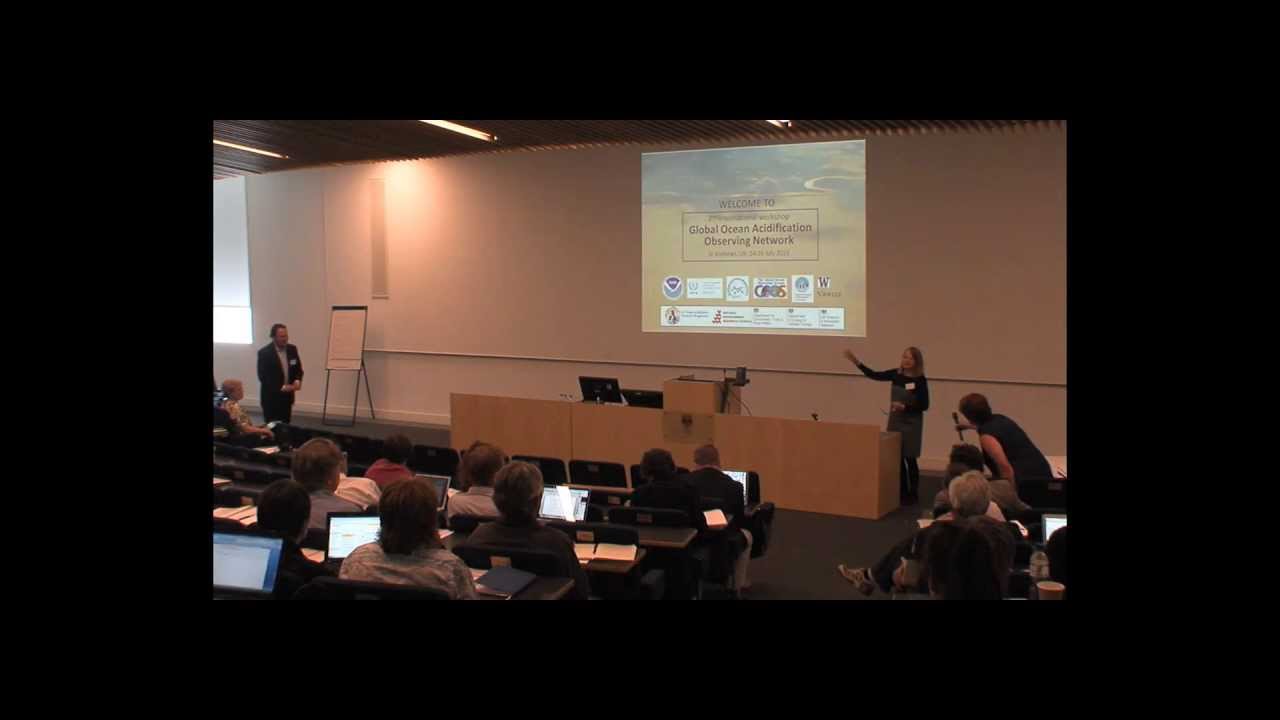





Ocean acidification occurs when atmospheric carbon dioxide dissolves in seawater, forming carbonic acid that releases hydrogen ions; these hydrogen ions compete with calcium to bind with carbonate ions, reducing the availability of carbonate ions needed by marine organisms to build shells and skeletons, thereby threatening ocean ecosystems and creating ripple effects throughout marine food webs.
Ocean Acidification: Chemistry and Marine Life Effects
Added:The concept of the pH scale and the chemical characteristics of acids, bases, and buffer systems.
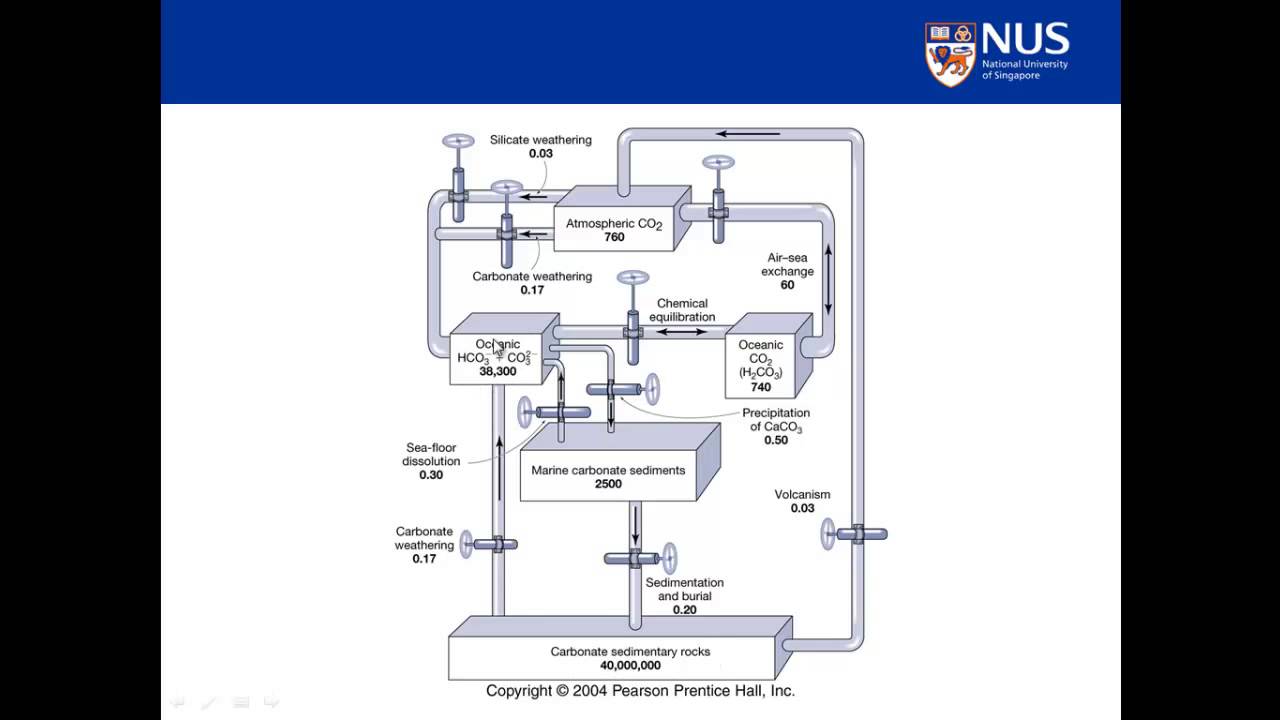
The global carbon cycle, specifically how carbon dioxide is exchanged between the atmosphere and surface oceans.
Basic chemical reactions and equilibrium, particularly how carbon dioxide dissolves in water to form carbonic acid.
The basic anatomy and biology of calcifying marine organisms, such as corals and shellfish, which rely on calcium carbonate.
The synergistic impacts of ocean warming, deoxygenation, and acidification combined on marine food webs.
Socioeconomic consequences of declining marine populations on global fisheries, aquaculture industries, and coastal tourism.
Mitigation and adaptation strategies, including ocean alkalinity enhancement, blue carbon sequestration, and selective breeding of resilient species.
International environmental policies, climate agreements, and conservation efforts focused on reducing carbon emissions to protect marine habitats.
43.6K views249likes7:08Original Release: 2021-05-13
[Music] most of earth's atmosphere is nitrogen gas seven hundred and eighty thousand eight hundred and forty parts per million or about seventy eight percent two hundred and nine thousand five hundred parts per million are oxygen about twenty point nine percent of the atmosphere carbon dioxide makes up just 409 parts per million or 0.04 of earth's atmosphere but it's an incredibly important gas for keeping earth so hospitable atmospheric carbon dioxide comes largely from the respiration of plants and animals as well as when they decompose and also from the burning of fossil fuels additionally carbon dioxide is released from forest fires volcanic eruptions and some manufacturing processes such as making cement this atmospheric carbon dioxide is also absorbed into other reservoirs land plants take in 25 of atmospheric carbon dioxide for use in photosynthesis to make carbohydrates the ocean absorbs an additional 25 percent of the atmospheric carbon dioxide we are going to look more closely at what happens when carbon dioxide enters the ocean when carbon dioxide dissolves in water most of the gaseous carbon dioxide just becomes aqueous carbon dioxide but a small amount will react with the water creating carbonic acid h2co3 this carbonic acid is where things can get a bit tricky because carbonic acid can also break apart into a hydrogen ion and hydrogen carbonate which is also called bicarbonate hydrogen ion is acid and this is where some of the trouble comes from but we'll get to that in a moment first i want to point out that both the equations shown use a double arrow this is because the reaction is reversible so hydrogen ion and bicarbonate can bond to form carbonic acid and carbonic acid can break apart into carbon dioxide and water the forward and backward reactions will happen at the same time all the time at an equilibrium it's possible to make a shift and cause one reaction to happen more by creating a stress le chatelier's principle states that when a system experiences a disturbance or stress such as a change in temperature pressure or concentration it will respond to relieve the stress and restore a new equilibrium for example when the concentration of carbon dioxide gas is increased in the system this new stress can be relieved by moving the reaction forward creating aqueous carbon dioxide and carbonic acid that reduces the amount of carbon dioxide gas and relieves the stress now let's imagine the concentration of carbon dioxide decreasing the reaction would move backward forming new carbon dioxide from the carbonic acid in the water relieving the stress in the case where carbon dioxide is increased which is happening globally each year it causes an increase in the concentration of carbonic acid which means it will also affect the carbonic acid equation if more carbonic acid is present the reaction will move forward and make more acid and bicarbonate ions increasing their concentration this leads us to the problem of ocean acidification ocean acidification is the decrease in the ph or acidification of earth's oceans caused by the uptake of atmospheric carbon dioxide this acidification can be problematic for sea life many ocean animals that build shells use carbonate ions in the water to make their shells by combining it with calcium to form calcium carbonate but with the increased acid in the water hydrogen ions will compete with calcium to bond with the carbonate and form bicarbonate instead shell building animals aren't able to use bicarbonate to build their shells this can also lead to shells becoming brittle and thin and reduces the amount of available carbonate ion in the ocean for animals to grow and build their shells the added acid in the ocean is lowering the ph of the water as well before the industrial revolution the ocean had a ph of 8.2 but it's currently down to 8.1 while that might not seem like much on the ph scale that's actually 25 more acid with shell builders struggling to survive in more acidic environments their numbers could decline which also affects the animals that eat them this can create a ripple effect in the whole food web of ocean ecosystems humans have been steadily increasing their carbon dioxide emissions in the past century and a half this added anthropogenic aka human emission of carbon dioxide comes largely from burning fossil fuels to create power power for our vehicles homes and industries increasing the amount of this greenhouse gas is also creating a rise in global temperatures in the last century global temperatures have risen about 1 degree fahrenheit which is 0.56 degrees celsius but interestingly increasing temperatures also have an effect on how much carbon dioxide can dissolve in the ocean it's a general rule that as temperature increases the solubility of gases decrease a can of soda that's left in a hot car has liquid in it that can't dissolve the carbon dioxide gas well at that temperature and the bubbles of gas build up pressure and might even cause the can to explode colder liquids can dissolve more gas so more carbon dioxide can dissolve into colder ocean surfaces so if the ocean temperatures are also rising from global warming the oceans will not be able to dissolve as much carbon dioxide this may cause some slowing down of ocean acidification by shifting the equilibrium to the left pulling carbonic acid out of the water the truth is that ocean acidification and the effects of global climate change are very difficult to understand because it's all part of a large and complicated system that involves earth's entire atmosphere crust and ocean we don't really know exactly what will happen as temperatures and carbon dioxide concentrations increase because it is so complex but we can do our part to learn and care for the earth thanks for watching this episode of teacher's pet don't forget to like and subscribe and follow me on twitter at sciencepet
Up Next

49:55
NOAA Coral Reef Watch: Fourth Global Coral Bleaching Event Analysis
@NOAASatellites
500 views•2024-10-29

15:54
Life in Biosphere 2: Sustainable Ecosystems & Human Survival
@TED
334.9K views•2009-06-16
14:30
Microplastics Everywhere: How Plastic Impacts Our Lives
@TEDx
100.9K views•2018-05-08
10:28
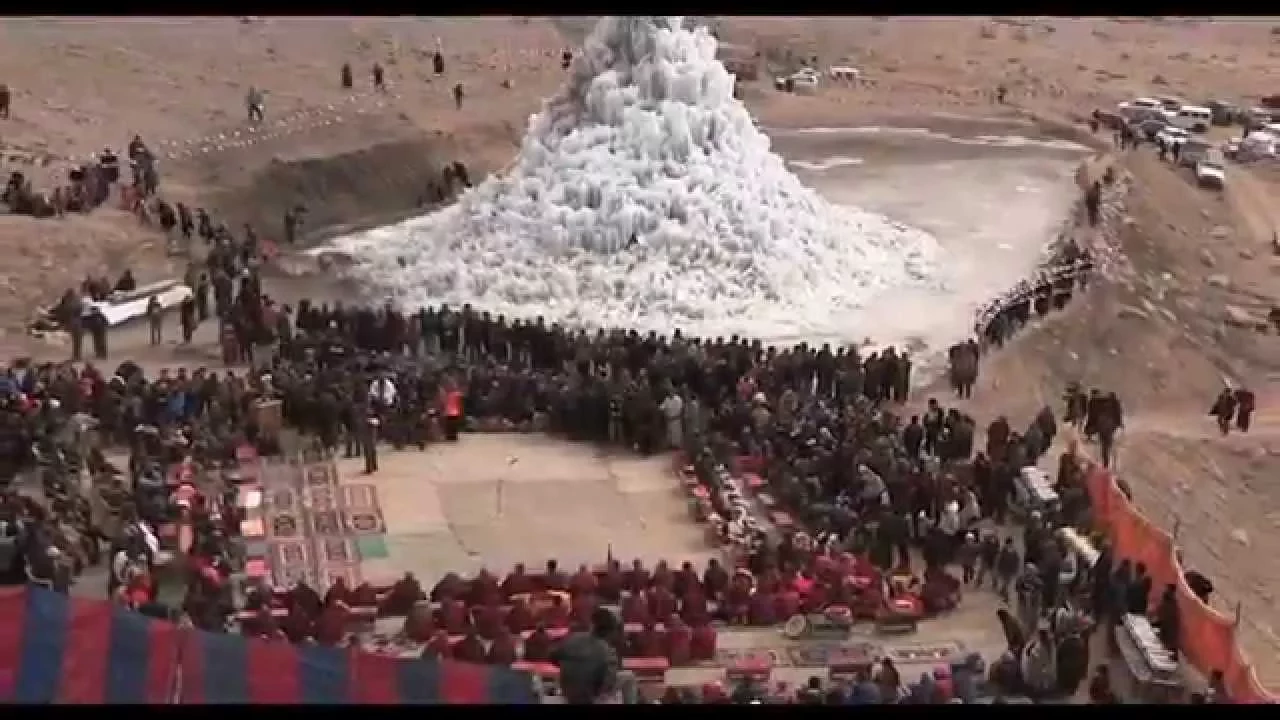
Ice Stupa Artificial Glaciers: Solving Ladakh's Water Crisis
@SonamWangchuk66
3.2M views•2015-05-03
Related Study Plans & Knowledge Roadmaps
Structured learning paths in Environmental Science
environmental-science
Ocean Noise: Cetacean Impacts & Mitigation
01Fundamentals of Underwater Acoustics
02Marine Mammal Bioacoustics
03Anthropogenic Noise: Shipping & Seismic Surveying
+ 2 more learning modules
16h5 modules
Explore Roadmap
environmental-science
Road Ecology: Corridors, Overpasses & Fencing
01Foundations of Habitat Fragmentation and Carnivore Ecology
02The Road Barrier: Ecological Impacts of Transport Infrastructure
03Principles of Ecological Corridors and Connectivity Mapping
+ 3 more learning modules
14h6 modules
Explore Roadmap
environmental-science
Ocean Acidification: Kelp Buffering & Shellfish
01Fundamentals of Ocean Chemistry & pH
02Chemical Pathways of Coastal Acidification
03Bivalve Physiology & Calcification Under Stress
+ 2 more learning modules
18h5 modules
Explore Roadmap
environmental-science
Ice Stupas: Glacial Retreat & Water Security
01Foundations of Glaciology & Mountain Hydrology
02Climate Change and Glacial Retreat Dynamics
03The Science of Ice Stupas & Artificial Glaciers
+ 2 more learning modules
14h5 modules
Explore Roadmap