




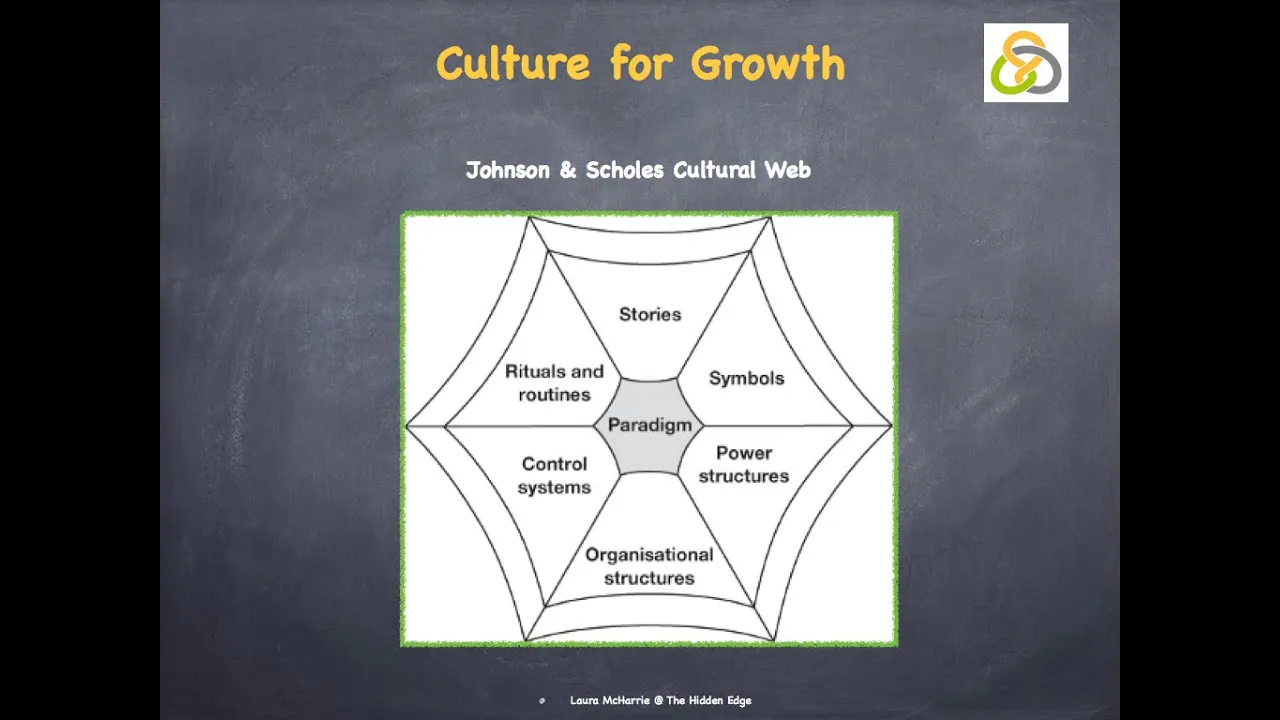











This video covers essential exam techniques for the ACCA Strategic Business Leader (SBL) exam, including paragraph-style drafting with maximum 5 lines per paragraph, linking answers to exhibits, identifying stress words like 'significantly', and using separate headings for multi-component requirements. The session also covers integrated reporting, which demonstrates the link between governance, strategy, financial performance, and social/environmental aspects through six capitals (financial, manufactured, intellectual, human, social, and natural capital). Additionally, the video explains organizational culture analysis using the Cultural Web Model (power structure, organizational structure, control systems, rituals and routines, stories, and symbols) and project management fundamentals including the Project Initiation Document (PID) with its key components such as objectives, stakeholders, risks, and monitoring procedures.
ACCA SBL Exam Technique Day 3: Integrated Reporting & Culture
Added:hi good evening welcome to the third day of our SPL practice to pass session this is hassan hassan ii how are you guys doing today if you guys can hear me clearly and see the screen clearly please can you type yes excellent excellent so as usual we will start the day with exam technique and then we today we will go through three topics integrated reporting culture culture and project management and then we will be doing few questions in which we will be covering the topics along with the professional skills and some formats so today's exam technique will talk about how to present your answer it's more about the drafting aspects okay okay so I have tried and summarized certain do's and don'ts regarding the drafting this is based on examiner's comments and a lot of feedback from students number one it is linking your answer to the exhibit is a must know marks for general answer or definitions okay we all know this by now and in fact on our first day I explained to you the technique of how to link your answer with the case right the second thing is that our style of writing will be paragraphs type no bullet style is supposed to be used okay by and large we will adopt a paragraph style of drafting the paragraph should not be Landy Examiner hates lengthy paragraphs okay so you guys remember yesterday we talked about the size of each para so maximum paragraph maximum line is five lines okay and then one paragraph should contain one point only obviously if my paragraph size is five lines but naturally I would be able to cover one point but students what they do is they try to squeeze multiple points under one paragraph and hence their paragraph size crosses 1015 lines okay so accordingly we have to give many small small paragraphs so one paragraph means one point five lines each so we will end up giving many small small paragraphs and leave for one line between each paragraph this is very important this makes your answer visually Pleasant if you leave one line between each paragraph especially if your writing is not good it is visually pleasing it is visually easy for the examiner to check your paper so if you leave one line in between the it will have a good psychological impact on the checker and lastly as I said do not use bullet style of writing just give small small paragraphs do not insert a bullet side okay this was about the paragraph style of drafting and then the third point is we need to focus a lot on the format required in the question a report format is a representation slide is it a briefing note so I am sure by now you realize the importance of format so make sure whatever format is mentioned in the question you have to religiously follow it in a very proper manner number four point is very interesting look for stress words now what is the meaning of stress words stress words are kind of you know very is a stress word extremely significantly notably all these are stress words what is the importance of stress word so if the examiner has given some information if he is saying the company is facing extreme competition that means he is putting a stress on the word competition that means it is an important piece of information it means that it is something which you have to cover in your answer so all sentences all information which has a stress word especially the examiners favorite word is significantly many times he used the word significantly significant unemployment significant recession all these points so you have to identify sentences which contains these stress words so that and then you make sure that you cover cover the stress words in your answer ok the fifth point is use of models is not mandatory so do not try to forcefully use a model okay try to decide and think if the answer can be managed straightforward then go for straightforward style rather than using a model however having said that you must be familiar with some basic models I read in today's whatsapp group that somebody mentioned that there are around 40 models no need for those 40 models this paper is not about models the Board of Directors are not interested in models you must just know you must just know the basic models and I have given here a list of basic models it is pestle fortify forces SFA and soft growth matrix Hartmann process strategy mandello stakeholders matrix cultural web and context of change model if you know these eight models plus or minus one or two here and there you are safe alright do not you guys have limited time do not spend out of proportionate time on models rather spend more times on topics and practice just make sure that you know these eight models okay out of this eight I think we have talked up we have covered pestle we covered yesterday Porter five forces on day we also talked about SFA framework and today we gonna talk about cultural wear okay so and soft Harmon mandalas are small simple models which you can easily google or read the textbook they are not complicated and in case if I get time to night or in tomorrow's webinar I would definitely try to cover these models context of change also I think is if I get time I will do context of change which i think is a little bit more difficult than n soft and hard mode right number six point is when you give a recommendation then mention justification this is a comment which I picked up from examiner's report of last attempt so in question number 1a we were supposed to do a and pestle analysis and then he was supposed to give recommendation on future investment options so whenever a recommendation is specifically required in a question so we will give our recommendation but write few lines in supporting our recommendation why we are saying what we are saying okay and number seven again this is a point where many students they make mistake an examiner it this really pisses of the examiner sometime one requirement asks for two things okay in that case give two separate headings for each requirement what do I mean by that now see the example below see this this is an actual question from your past paper it was let's say let's say the number is question to be so question to be was assess the role and value of non-executive directors on the board of railco as a public sector company I repeat assess the role and value of non-executive directors now guys do you see one requirement or are you able to spot two requirements in this one sentence very good very good hood a very good Sajid role and value excellent perfect so so what will be our drafting style although this is one question it is question number to be let's say the marks is 10 marks okay but you will the way you will draft your answer is you will first give a heading role and then you will write a few couple of paragraphs on role and then after that you will give the heading value and then you will write couple of paragraphs on value okay that's how you will visually demonstrate to the examiner that you are specifically addressing both the thing now look at another example this one draft a memo which discusses the ethical and reputational concerns raised at the meeting now do you see one requirement or two requirement hidden in this one sentence yes very good again draft a memo which discusses the ethical and reputational concerns so how would you draft your broad heading first heading would be ethical concerns you will cover two three points under ethical concerns then you will give the heading reputational concerns and then you would cover two three points for reputational concerns okay don't make this mistake of merging and mixing everything together ethical should be under ethical reputation er should be under reputational and last example I want to demonstrate is prepare briefing notes which assesses the role and benefits of integrated reporting so again there will be two broad drinks roll of integrated reporting few lines or couple of paragraph on role after that you will give a broad heading called benefits of integrated reporting and then you will cover those points right very very important from a presentation point of view so here we end today's presentation aspects okay let me quickly go through the question sir do we need to put the headings in each and every question just sushma broad headings okay you no need to give headings for each and every paragraph but broad headings like role of integrated reporting and then you can give several paragraphs and then you say benefits of integrated reporting and then you give paragraphs okay for how long are videos available for Vimeo I have no idea I think they would be there at least till the exam they should be there yeah Godfrey is asking what do you mean by recommendation and justification it simply means that whatever you are recommending supposing there are two options option a and option B and you analyze both the options and you are now recommending option a so if you say that in my view option a is more appropriate then you also have to write few lines explaining why you think option a is more appropriate that is called justification whatever option you are suggesting you need to explain to the board why you are suggesting what you're suggesting right mooney by saying but we only recommend when asked absolutely right so whenever a question specifically asks you to give a recommendation then only you give a recommendation then you make sure that you also explain your recommendation okay Atkins I will answer this question tomorrow Shaza yes you first we will have to analyze both option and then the end we will answer the you know compare the options and then we will give a recommendation does the justification should be from exhibit yeah of course all right so so again a recap of how to present your answer the most important thing is that it has to be linked linked with the exhibits it has to be paragraph style each paragraph should just be five lines try to leave one paragraph between sorry one line between each paragraph do not use bullet style look for stress words and whenever a requirement has two components then try to break it under the separate headings okay right so now the top a today's topic is integrated reporting it is relatively a new topic and it was not there in p1 or p3 or it was there but very very limited scope but in in SPL this has been covered in a lot more detail and then after that I have deliberately selected the topic of culture because I feel it's a complicated model and I will explain to you the model and then we will do an actual question just to see how we handle a question on culture and then we will talk about project management and project initiation document right today I just kept three topics and all these threes are are complicated topics okay so do I have your attention okay integrated reporting and six capital first of all can you guys and we are finance students we are accountants so we always deal with financial statements right we are gurus we are experts in preparing financial statements we are experts in analyzing financial information right but then there are certain limitations of financial statements do you know that there are certain limitations of financial statements can you guys think of two at least two limitations of financial statements ah-hem earth a mother saying it is historical perfect Ali is also saying it historical so the biggest limitation of a financial statement is it is historical and then it only contains financial information very good Amitha past events yes lack of non-financial information very good they are backward looking very good Harish so I'm just going through your comments financial backward accounts does not take qualitative aspects does not include environmental aspects no narratives no no social impact it's only for shareholders short-term results I am impressed you know you guys need to pass this paper you guys deserve to pass this paper you guys are are intelligent and I'm not joking okay right so we know all these are limitations our financial statements now put yourself self as investor put yourself in the shoes of an investor now you have limited funds to invest and you have got you know three companies to choose from how would you decide which company will you in Western obviously right now we just have access to their financial statements right so based on financials if we will look at their financials and we will decide which company to go for the one which has the highest return and other factors right but my friend all this is historical okay as an investor I am more interested in futuristic projections find historic performance is important it tells me about the company but historic performance is no guarantee about the future I am more interested in finding out what the future strategies are how the business is looking for next two to five years correct and all these are missing from the audited financial statements so an integrated reporting let's understand now so the first thing is differences between financial statement and a integrated report so we covered most of it a financial statement it focuses on financial information whereas integrated report focuses on overall business performance financial statement focuses on historic performance whereas integrated report focuses on future strategies a financial statement focuses on share capital retain earnings reserve okay whereas integrated report it focuses on six capitals Wow on a finer in a financial statement there is less emphasis on social and environmental aspects whereas in an integrated report you know it covers it focuses on in a social and environmental aspects of the organization as well a financial statement is more short-term more annual more quarterly whereas integrated reports takes a long-term view okay so now I hope you have got a fair bit of idea what is an integrated report it is more futuristic it is more towards qualitative aspects of the business more strategies more you know environmental and social and environmental aspects okay so now what is the role of integrated reporting or we can say what is the definition of integrated reporting an integrated report is a concise communication demonstrating the link between four things it shows the link between one governance which is it talks about the mission then it shows our strategies based on that it talks about financial performance and then it talks about social and environmental aspects you see the you see the sequence on the top is mission or governance then based on your mission then comes your strategies and then after strategies the implement strategy that should result in financials and then our economic active business activity results in social and environmental it's a very logical sequence and exactly the integrated report is a concise communication demonstrating the link between governance strategy financial performance and social and environmental context and shows how organization creates value in short-term medium-term and long-term which means that it is more futuristic how we create value how we increase the shareholders wealth in future in short-term medium-term and long-term ok so I think you guys will need to remember this it is kind of a definition of integrated report and it can also be covered as a role what does it does what does integrated report do it is it communicates the following you know it communicates with all the stakeholders and it shows to them the link between these four things and it shows how we create value in short medium and long term so try and memorize if you are not able to digest this concept ok contents of an integrated report are you able to guess the contents it will first start with an organization's overview then it will talk about the external environment ok by externally there will be PESTEL analysis a Porter 5 force analysis there will be SWOT analysis then it will talk about future strategies and in the last it will cover the six capitals ok no I think the slide is not stuck and I'm pretty sure I can see the slides it's moving anybody else facing audio and slide stock issues is it working okay yes all right thanks so the first thing this first this one page the role and the contents all right this is a little bit dry so you might need to memorize certain bits of it now the six capital so a financial statement has share capital only but integrated report has six capitals so V as accountants you know I'm a hardcore accountant so when I heard six capitals I I wasn't able to believe my ears we just know about share capital but there are six capitals this integrated reports talks about so the first one is financial capital of course all organizations they must have financial capital what do we mean by financial capital it means the overall financial performance of the organization the financial health of the organization the balance sheets the PNL the cash flows the reserves and sources for funds for future strategies like the gearing ratios can we raise funds for future all these the standard the typical things which we are used to do that's all covered under financial capital okay it's probably the easiest the second capital is called manufactured capital now what does manufactured capital means it talks about tangible assets of the organization tangible assets and when we talk about tangible assets it includes two things it includes the non current assets of new organizations such as plant and machinery IT infrastructure it also includes current assets of the organization such as inventories both of them non current as well at kerr as well as current assets are part of manufactured capital okay intellectual capital the third capital is intellectual capital so you see the manufactured capital talks about tangible assets and into intellectual capital talks about intangible assets ok now what are the examples of intangible assets research R&D our brand patents our technical and skilled people all these are intellectual property of the organization the 4th capital is human capital and you can guess from the name human capital talks about our employees human capital H are our knowledge skills and experience of employees their productivity their efficiency the staff turnover the training number of days all aspects relating to our employee performance is part of human capital social capital who talks about relationship and trusts build with key stakeholders do you remember the social footprint we talked about in on day 2 social footprint I I made you memorize three things under social footprint whenever we see the word social social footprint social capital we need to talk about three things employees customers suppliers society governments right so employee was covered under human capital social capital here talks about customers suppliers communities governments okay and the last one is natural capital which is the environmental aspects the ecological aspects like carbon co2 emission recycling pollution scarce resources so you see now what are the six capitals of an organization financial capital manufactured capital intellectual capital human capital social capital and natural capital so the the the idea is that integrated report says that organization does not only need finance to run the business an organization they need the sixth type of capital finances one of the capital required all organization also needs tangible assets they need intangible assets they need human resources or employees they need social aspects like customers and suppliers and they need to cover natural capital aspects like ecological impacts okay interesting so now the big thing why integrated reporting what are the advantages of integrated reporting why some organizations are now adopting integrated reporting there must be some benefits right main thing the first thing integrated reporting is a voluntary disclosure that's very important so what is the meaning of a voluntary disclosure can anybody guess voluntary disclosure so the opposite of yes Ameth of there are two kind of disclosure requirements one is mandatory disclosures or regulatory disclosures and the other one is voluntary disclosure mandatory disclosure is that the organization has to disclose those information by law that's it they don't have a choice they like it or they don't like it they have to disclose that information to the public however a voluntary disclosure is discretionary okay no person there so since it's a wall entry disclosure it enhances organizations image and reputation for transparency do you agree so integrated reporting is not yet mandated okay it might be another 5-10 years till it becomes mature and it might become mandatory but as of now it's a voluntary disclosure so whoever organization discloses the information using integrated reports it enhances their reputation for transparency and then it's as effective communication with stakeholders so you see a financial statement is more focused towards shareholders okay but implicated report is more holistic it also focuses on social and environmental aspects of the organization so it is a good communication document with all stakeholders it integrates social and environmental aspects ok covers all these things it focuses on six capitals rather than one capital it shows how we create value hmm better understanding attitude so better understanding and decision-making by shareholders stakeholders and potential investors obviously if these guys have better information it will help them take good decisions and because of that it may attract investment at a lower cost of capital due to availability of better information and in the last it might give comp edge over other companies so a lot of benefits of integrated reporting that you might have to remember at least four of them so the biggest one would be since it's a voluntary disclosure it enhances the reputation of the organization it is a very effective communication tool with all the key stakeholders it focuses on social and environmental aspects as well it covers the six capital and it shows how you know organization creates value in the long medium short medium and long term right but then there are certain disadvantages too much commercial information or strategy is disclosed do you agree absolutely yes now who's gonna disclose their core strategies their future strategies you know the competitors will really jump on us if we tell them all our plans and secrets for the future so this is one of the reason why integrated reporting is not mandatory and generally it is not used by commercial organizations as of now because of this reason integrated reporting is more used by social organizations nonprofit organizations not-for-profit organizations government entities government departments all these kind of things who do not compete or do not exist for commercial purposes they adopt integrated reporting you would be surprised that ACCA has been as adopted integrated reporting for last several years and would you be interested in taking a quick look at a CCS integrated report let me quickly Google ACCA integrated report 2019 can you see this ah you see this ACCA integrated report 2019 so SEC has been issuing this for last four or five years I believe because it is not a commercial organization it's a non no nonprofit no not-for-profit organization why is it blank it's an internet issue okay so it's trying to contents about ACCA about this highlights message value creation models strategic report global contact stakeholders engagement strategy strategic performance risks governance and leadership wow I'm so glad I swear this was unplanned okay just it just occurred to me to show you a CC and I'm so glad that whatever I I thought you guys I am able to ACC as our our mission and about this report I want to go to the executive summary highlights look at the highlights successful launch of our new strategic professional exam seventy nine point one percent maintain high level of member and student satisfaction 91.5% employer satisfaction now who covers all this in a financial statement no one okay but because this is an integrated report it integrates all aspects of the business it integrates all the stakeholders it focuses on social and environmental hence all this interesting information who's the smart guy presidents all right so enough good good good let me to maybe you can you can download this report and look at it at your own time right guys so we are done with integrated report do I have any questions did you enjoy this boring topic okay so sorry that this advantage okay sure that this I am the disadvantages it's too much commercial information strategy is disclosed and the second disadvantage was I think I missed it valuation of six capitals is subjective in nature do you understand that valuation of six capitals is subjective now how would you value the amount of intellectual capital or how would you value the how would you put a monetary value to your social capital okay so it is subjective alright sir please should the disadvantage situation we can use in which situation we can use I are from an exam point of view there will be a direct question on IR if if there is no direct question then you will not use IR in your exam would skilled labour be part of intellectual or human skill labor is part of intellectual and by skilled labor people who are scientists people who are using their brain people who can if they join our competitors can you know carry our secrets with them that kind of people are part of intellectual capital other than that all the employees are part of human capital is the organization systems in intellectual capital I don't know what you mean by organization system all right so let's are you ready for a question on integrated reporting so now we will be doing SB L specimen paper 1dc s question number one a part two so this is specimen paper one DCS okay I think we'd I don't think we have read this one odd one II was a bunny one was about four or five forces and one eight - okay let's let's adopt the usual style we will first read the introduction you are hui Louie a management consultant leading a small team which has been commissioned to prepare a consultancy report for the data communication services dcs company directors to help them plan for the next three years what's our role we are in fact our name is also given you like the name and what I suppose we have been a team it has been commissioned to prepare a consultancy report for the board of DCs to help them plan for the next three years this year's company has two product areas the largest area is the manufacture of data communication components which it sells mainly to original equipment manufacturers the other smaller and less developed area is based on supply and support contracts for specialist IT management network systems mainly to domestic medium sized enterprises so they have got two products you are a qualified accountant and your colleagues are Danny Lehman a company researcher and Freddie lithium who is a part qualified finance professional you and your team have collected and analyzed the following information about to DC s company to help you prepare the consultancy report okay so let me do my referencing do you remember the referencing there was this role and they were put a product one is called data communication component and this one is information about product - that's it product one and product two let's look at the list of exhibits exhibit one a report on DCs company's organizational overview the external environment and the business model sourced and prepared by Danny Lehman your colleague I think this exhibit will contain a lot of information it might be a multiple exhibit what you think by multiple exhibit I mean that it will contain information which we will use for several questions it's not a one-to-one exhibit I'm guessing from the name do you agree okay I need focus Hooda yes I get your point we need to focus on this on this exhibit yeah exhibit two a transcript from interview which was held between you and Java Priya the CEO of DCs company again any interview with the CEO might be interesting could be a multiple exhibit exhibit three summary of financial and business performance of DCs company extracted from the integrated report presented to you by the finance director so this is a one-to-one as I said in my earlier thing all the financial information is a one to one exhibit okay exhibit four so let me is a summary of financial and business performance from the integrated report exhibit four is the October board report a recent board meeting notes which includes strategic choices facing this year's company presented to you by the marketing manager October board report okay any board minutes usually contains multiple information exhibit five and evaluation of alternative future strategies being considered by DCs company prepared and presented to you by your colleague Freddy and six minutes from the focus group meeting you held with middle management following your findings you are now starting to prepare the consultancy report and associated tasks for dcs company question 1 from the information you have collated draft a section of the consultancy report for the directors of DCs company to include the following a an analysis of the industry and market which dcs company is competing in using an appropriate model so can you guys tell me which model we can use to analyze industry environment Ali merchant is saying pestle and porter 5 my mother saying pestle and fortify by God incorrect incorrect why are you saying pestle Shaza no whoever is saying pestle is wrong industry environment before industry environment we only use porter 5 forces ok remember for macro environment it is pestle for micro it is porter 5 forces again for country environment its special for industry environment its Porter five forces okay Porter Diamond I would not use because Porter Diamond talks about country as well as industry I would stick with Porter five forces very good 15 marks so three marks each there are five forces and we were supposed to do this question yesterday but we ran out of time part two an evaluation of the overall performance of DCs company between 2012 and 2015 from an integrated reporting perspective so this is why we are doing this question now that we need to evaluate the performance of this company from integrated reporting perspective six capitals absolutely professional skills available for evaluation skills which means how do we grab marks on evaluation we talk about both it has to be balanced pros and cons okay so shouldn't be a problem so which exhibit was this one it talked about integrated report okay so I wanted to read exhibit one background report of DCs external environment business model but it's pretty lengthy and most of the information pertains to past four or five forces but just read the organizational overview just one paragraph to just get an idea data communication systems DCs are publicly listed company on the small companies capitalization small-cap index of national stock exchange used to be a privately owned high tech company established in 1997 by computer engineer Jeff Priya due to a rapid expansion over the following years dcs needed to source additional capital to fund its growth to fund its future growth and was floated on the national stock exchange in 2006 this allowed java to realize his majority shareholding in the private company thirty percent of the flotation was purchased by institutional investors and dcs also borrowed long-term funds to leverage the newly should share capital very interesting before flotation the company was almost exclusively financed from the founders share capital retain earnings and short-term finance okay so what let's do our referencing what are the information here it is a listed company and then this one is important long-term borrowing okay and 30% institutional investor right let's read few lines from here as well dcs is headquartered in pride in a prosperous developed nation with stable well-established political system and highly developed labor laws including national minimum wage and newly introduced obligatory pension scheme the government like many government worldwide invested heavily in national telecommunication infrastructure which led to significant growth in social media where virtually 75 percent of the population are connected to the Internet through a range of devices very interesting the government is also proposing a new carbon tax which will affect companies which manufacture and provide IT network services such as data communication components and systems so we will be affected Electronics and IT industry has recently been identified as a sector with an increasing carbon footprint caused by their applications such as component cooling devices complex telecommunication network components and cloud computing technology although dcs company can approximately estimate its total carbon footprint from the manufacture and supply of components it has not yet developed former systems and processes to manage its carbon footprint throughout the value chain okay so let's make our referencing prosperous develop nation stable political situation high labour law government investing in telecom okay seventy five percent population internet Wow new carbon tax and no four systems no system for carbon footprint okay good so a lot of information I can see from this so now let's business model they have two product I know this is more specific information let's go to exhibit three extracts of integrated reporting data from the finance director tours Mondal okay and how do we do that just a minute guys give me one second okay so financial performance all figures in dollar millions okay got it 2015 2012 to 2015 it's going from right to left financial periods and then sales revenue sales is increasing yeah its increasing but now it's decreased cost of sales gross profit what's happening to gross profit oh my god it's it's going down so 2015 doesn't look good overheads profit before tax and finance so let me let me this is gonna this I would compare this with this last year with this year okay it's gone up and gross profit has gone down so you see this the revenues have gone up as from 2012 to 2015 the revenues have gone up but the gross profit has gone down Wow that means their GP margin is deteriorating mainly due to cost of sales okay or whatever expenses it's gone down okay profit before tax it's slightly improved finance costs look at this significantly gone up tax expense gone down maybe because of profit going down profit for the year as significantly gone down so which one are the important one revenue we need to talk about gross profit we need to talk about finance costs we need to talk about and profit for the year so we can't we we will not talk about each and every line okay always he will talk about sales revenue then we will talk about gross profit margin finance cost and then in the end bottom line like profit for the year okay so mmm nodular is asking why you are comparing 2012 a 2015 very good questions in your exam you will not have that time to compare your on your on your on your okay so when you are given normally you are giving given two years data like career last year and last two last year in that case you we calculate ratios the usual way v2 but when you are given four years data or six years data then in under exam conditions using manual calculators we cannot calculate each year so a shortcut or not a shortcut a good technique to get a big picture is you compare the first year with the last year so in this case the first year is 2012 that means the first year of the data and the last year so it will give you a longer term perspective of what's happening over the last four years okay you okay much luck with that okay other data so this was the financial data other data so my question here sorry financial data this where will we cover financial data under six capital we remember your six capital financial capital comes oh I just answered this question for nodular okay so all this will go under financial capital about getting the stock mentioned here somewhere and then other data number of employees what's happening with that this one has gone down staff turnover four percent and it's increased gradually and now it is ten percent it has gone up is it good or bad if staff turnover increases is it good or bad yes so our number of employees are falling and our staff turnover is increasing where will this information go employees and staff turnover which capital human capital very good these two is human capital number of orders delivered late mmm again this has gone up number of orders delivered late I don't know this is customers will this affect our customers number of orders delivered late it might affect our customers so customers goes under which capital customers and suppliers not manufactured okay you can cover that under manufactured indirectly but I think social it depends how you draft your answer forward contract order book our number of orders are declining so our future orders was three five zero five it's now two five double zero it has gone down forward contract order again contract order forward contract order is to do with customers I will try and fit it under social capital customer complaints as a percentage of total orders and X contracts 1.5 now it's three point four it's kind of double social capital okay employee sat faction survey 72% now it is 61% it has gone down it's bad employee satisfaction is a human capital investment in non current manufacturing equipment as a percentage of sales revenue 10% - now it's gone down to 7% which capital is this it is manufacturing capital and R&D expenditure as a percentage of sales revenue this has gone down as well this one is intellectual capital carbon emission in kg per dollar thousand sales revenue it was carbon emission per kg was 16 now it's 80 it has gone up is this good or bad it's bad because carbon emission is supposed to go down not supposed to go up so this is in word this is natural capital okay natural capital is the right word which is used by this integrated reporting natural capital oh my god it's done so it was pretty easy one to one exhibit financial capital will be able to identify all the six capital financial capital human capital so sure manufacturing intellectual natural oh yes now how do you draft it so if you will let's lick look at the requirement requirement where is the requirements and evaluation of the overall performance of dcs company between 2012 and 2015 from an integrated reporting perspective evaluation of the overall performance what's the format here draft a section of the consultancy report so we don't have to give a full report we are now a drafting a section of the consultancy report so let's think of something what do we what do we say here you what would be the subject - it will be finance director from it will be Han Louie because we are not doing a proper report I can I can skip it but let's put the subject because we are just drafting one section of the report subjects evaluation of the overall performance of DCs we are an external consultant right evaluation of the overall of of DCs 2012 to 2015 from integrated reporting perspective okay that's our opening sentence now the first heading would be financial capital so the first paragraph would be that always try and start with sales revenue no introduction I just ride alena I mentioned the introduction I just drafted in front of you the opening paragraph okay sir if you are asked to draft section then we do not need to draw full format yes correct so we will say the sales revenue has increased you you you you you you okay guys so what do you think about this very simple three lines and tens the sales revenue has increased from - to - I am skipping the years in between I'm trying to save time this shows a growth of X percentage over last three years o mass is saying 46% okay so 46 percent over last three years I think it's it's a good growth okay but that's enough now the second paragraph is where the story begins gross profit but in gross profit we will talk about gracias re in gross profit instead of numbers we will talk about gross profit margins okay or maybe maybe I would like to drop something a bit bit different here let me think so the sales is increasing look at this although revenue has increased the what's the exact wording their gross profit okay the gross profit has reduced from dollar - 2012 to dollar - 2015 okay now now we calculate the gross profit margins and if I think the gross profit margin of 20 the GP or can I say I just cut it out you you you you you okay so this you will need to calculate and why do you think what is the most common reason for GP margins to fall Yasin gave a very good point he says can we say that the cost of sales have risen due to the minimum wage levels and new introduced contribution obligation yes it is possible and also we did not read the exhibit one fully it was mentioned somewhere that the cost of raw materials are increasing globally so but you are right so the most root cause of deteriorating GP margin is that cost of sales are not in line with the you know revenue movements so we can just say this is due to increase or can I say more than proportionate increase increase in the cost of sales and then you can give one reason if you can find from the case okay so do you understand the approach I'm not going to draft the entire question for you my job is to explain to you how keep it how you can keep it simple and be stick to the point safe time and score more mass so for financial capital the first opening sentence would be about a comment about sales revenue because sales revenue is the blood line for any company after that you will move to gross profit margin after that you will talk about finance cost which as it has increased from 0.14 million to zero point six nine million this shows that the company is taking a lot of loans and I read somewhere I read somewhere on the introduction that there was high loan where did I read this here that long-term borrowing you see this point so if you can write this when you when you are explaining that the finance cost has drastically gone up so you need to also mention the reason so one option is you just give a general comments and reason that this is due to increase in long-term loans but if you can link with specifically with the case and if you can mention specifically that this is because the SES also borrowed long term firms to leverage the newly issued share capital examiner will become your fan he will know that you are properly linking with the exhibits okay so now do you see the difference if you know I was just referencing and now you immediately I went up I searched for that particular sentence and I repeated that sentence in my answer to demonstrate that I'm linking my answer with this exhibit okay nice and and then in the end we will say because of all this the profit for the year is significantly reduced done with financial capital then you will talk about human capital our employees our revenues are going up our revenues are going up but our number of employees is going down okay so and our staff turnover has gone up probably because it's now more workload on the people they are more revenues and less people that is why staff turnover might have gone up our numbers of orders are you know delivered late oh but that social capital but we can give this reason in social capital the customer complaints have gone up all because of our human capital right so now I am going to teach you a specific word for example I just draft it for you under integrated reporting there is a certain wordings which we use a I'll just show you to you the next heading is oh okay I can also show you that show that wording to you under financial capital do you think the financial performance of the company has improved or deteriorated do you think the financial performance or financial situation of the company has improved or deteriorated very good so in that case our concluding remark would be overall financial capital of the FDCs let's write the name of the ass depleted that's the word depleted okay integrated reporting this is it uses this specific word called depleted okay so if the capital has if that particular capital is reducing or adversely performing then we will say that that capital is depleting all right right so again can we say what of what's happening to human capital it is depleting because our number of people have gone down and our staff turnover has increased so overall the human capital is not performing well it is depleting and you see also there is one more here that employee satisfaction surveys also deteriorated so overall the human capital is also depleting what about social capital there are three points you cover all these things orders are getting late forward contract order book is reducing and customer complaints have doubled this shows that our social capital has depleted under manufacturing capital is also our investment is reducing so our manufacturing capital is depleting our research expenditure as a percentage has reduced by 50 percent this shows that our intellectual capital is depleting and our natural capital is also depleting do you understand how you how you analyze the financial and non-financial information under six capitals and what is the way you draft and more importantly is it depleting or not what if Abell effect what word can we use very good so if the Capitol is deteriorating we use the word depleting and if the Capitol is improving we can say the that Capitol is increasing or enhancing or increasing but if it is reducing then you say depleting okay there is no specific word for improvement but there is a specific word for deterioration which is depleting so I like this question of a mod use of Survivor only working on six capital there are also other contents of integrated report huh so he's asking why are we just talking about six capital there are other contents of integrated report my friend please read the requirement very carefully the requirement does not ask us to draw our integrated report the requirement is very specific it is saying overall performance of DCs from an integrated reporting perspective and the data the exhibit is very restricted the exhibit talks about the six capitals okay so that is why I am just focusing on six capitals if the if they wanted us to focus on the full integrated report excuse me I beg your pardon then the with the requirement would have been like analyze the integrated report of the company or analyze or prepare the integrated report of the company right right so we are done with integrated report there is another question on integrated report which I would give you as homework this is December 2018 highlight hotels question number two be okay let me quickly read the requirement question number two be you remember highlight Hotel we did yesterday I just I'm just curious what is to be so in highlight what happened was we were trying to acquire comfy hotel and then there was this negative article in the media and we kind of responded to it right and now although highlights shareholders have generally responded favorably to the proposed acquisition of comfy hotel highlights board is considering how it should effectively communicate with all of its key stakeholders to ensure that they understand the strategic decisions and directions of the business the finance director has recently asked the board to consider the use of integrated reporting in assisting in this communication and in building relationship with highlights key stakeholders okay be the finance there has asked you to provide her with briefing notes which she will use to assist her in discussions with highlights board members which assesses the role and benefits of integrated reporting in assessing effective communication and in building relationship with highlights key stakeholders so you see a very straightforward question 12 marks and then three professional marks are for evaluation skills so in this case we need to talk about the role of integrated report and then we talk need to talk about the benefits of integrated report the role of integrated report is basically it is a concise communication which shows the link between the mission of the organization the strategies the financial performance and the social and environmental impacts and it also shows how the organization plans to create value in the short medium and long term and then we need to move to the benefits of integrated reporting since it's a voluntary disclosure it would enhance highlights repetition for transparency it will be a good communication document with all the key stakeholders it will inform the key stakeholders what we are thinking of it will help us build strong relationships it will talk about the six capitals opposed to one capital it will talk about our strategies for future da-da-da-da-dah all this but in the context of highlight you just use the word highlight and a little bit of here and they're comfy Hotel deal and that article and you are done ok so here we end our this thing on integrated reporting our next topic is culture I want to give you guys 10 minutes break so that when you come back you are equipped with energy to handle the most difficult topic for today which is culture so there is a break time now I will see you guys in 10 minutes it is 926 I will start at 9:30 6:00 p.m.
sharp alright guys see you in a bit you all right I write back from your break I was just going through some of the comments & Liber she mentioned a very interesting comment she said that we will also talk about this advantages of IR as there is evaluation skills so in the last question in which the we were supposed to discuss the role and benefits of IR but the professional skills marks false for evaluation skills so I agree with LIBOR thanks for flagging this LIBOR that because the evaluation skills we need to talk talk about both pros and cons even though the question required us to talk about benefits so of course we will focus on benefits but just to score professional skills mark I would just very briefly mentioned one disadvantage I could have gone for two but even one would be sufficient or if you have time then you can talk about both disadvantages okay right so I felt that integrated reporting was a bit dry topic and you might not be able to understand it yourself you might go on a wrong tangent so I thought I will help you and do it in the life class now let's talk about analyze the culture very very tricky topic okay so what is the meaning of culture culture is the means the way we do things here okay the norms the values the traditions the do's and don'ts the rules okay the way we do things here that's the local culture okay everybody you're the the environment at your home is different from the environment in my home right and the environment is in my home is different from the environment in my neighbor's home so everybody has their own environment and why is that why do you think the environment in your home is different from the environment in my home who decides the environment in your home father the breadwinner can I say this you know the head of the family is the person so so the head of the family of the head of your family decides the in work environment at your home similarly the head of my family decides the environment at my home so it all depends on the likes the dislikes the values the belief the styles the habit of the head of the family whatever he or she likes and whatever I'll hears or his values those would be then you know implemented across the house correct similarly each organization have their own working environment they have their own working style okay and you know the style the environment or the organization's culture will be decided by who can you guess now so who decides the culture of an organization the CEO the top the leadership who at the board all of you are right the boss so whoever is the senior person the head or the leader whatever is that person's values attitude style believes habits that would be trickle down and reflected down across the organization that's called organizational culture right so now as an outsider supposing I want to analyze the culture prevailing in a particular organization how can I analyze the culture of organization I can use a model called cultural web model by Jay s and W okay so the cultural web model is a model which helps us to analyze the prevailing the culture prevailing in an organization all right and I think there are six items so if you see this diagram power structure that's the first thing we look at then we look at organizational structure then control systems then rituals and routines stories and symbols this is as per this model okay and in the center it is called paradigm but paradigm simply means it's another word for culture okay these are there are six things which we look at whenever we want to study the culture prevailing in a particular organization so now power structure the first one under power structure we study the leader of the organization and very very important and as I just explained why do we need to study the leader of the organization because he is the person who is deriving the as we just said the top person the boss the CEO whatever his his beliefs his habits beliefs attitude approach so if I want to study the overall culture of an organization a good starting point is to study the leader of that organization what is his style what is his attitude his values his belief all those will give me a fair idea of how the overall culture would look like correctly after power structure the second thing we look at is organizational structure in this we studied the organizational structure or organic Ram or hierarchy or organization chart okay maybe in the question maybe in the question the organizational chart or hierarchy could be given to you so that means that you need to analyze that chart under the heading of organizational structure is the chart tall or flat alternatively you can also look at the composition of the board is it a family owned company or are there any D's on the board is it a listed company so the composition of the board can also give you a good idea so if it's a family owned company then there will be all the family members will be on the board so it will be a you know the culture would be very dominated by the the family guys okay but if there are any D's on the board if it's a listed company 50% of the directors are any DS non-executive directors then I would expect the culture to be more balanced okay so an organization culture we look at the structure or the composition of the board of directors so Abdul Manon is asking a very interesting question why is the paradigm crossed can anybody guess why I have crossed the paradigm in fact I have not crossed the paradigm I've actually crossed the entire diagram okay and in no models correct I mean in culture you may need to use a model but no no no no no need to learn this no you need to learn this but in the exam in your answer no need to draw this diagram no need to draw the diagram that's why I have cut these things okay I'm just showing you the diagram because I want I just wanted to impress you guys no I just showed you because it might be easier for you to visualize the diagram but the reason I have crossed it out is you are not supposed to draw this diagram okay we will just use the headings of power structure organizational structure control systems when we talk about control systems it says what do we look at we look we see whether the organization is cost focused or quality focus okay is the organization cost focused or quality focused so you look for words like budgets or in qualities and overheads right rituals and routines in which we look at the daily routine in the organization and what do I mean by daily routines these are the keywords office timings punctuality strictness late sitting hang on guys my pen is not working properly can I quickly change my pen I think the battery dried out give me one minute please I'm struggling to open the box alright so under ritual and routines we look at office timings the punctuality the strictness the late setting long hours least by rituals and routines you mean that daily practices and habits of that organization and then we look at stories what do you mean by stories we look at the previous history of the organization okay if you look at heroes and villains what is the meaning of heroes and villains so the leader he must have some ideal idol person in mind he must be having luck trying to copy someone and he must be hating someone okay likes and dislikes okay so our leader whoever is his ideal whoever he likes will be called hero and whoever our leader dislikes or hate is called villain okay very simple so in the case the information might be given that your leader kind of you know he's obsessed with Hitler or obsessed with Angelina Jolie or whoever that's hero and he hates the tax guys he hates the pressure groups so those are villains okay and lastly we talk about symbols okay right symbols physical appearance of the organization oops I'm sorry physical appearance of the organization like staff titles and perks and expensive cars and lavish office and club membership all these physical elements which shows power is part of symbol okay right so if I try to summarize under power we look at let me change the color of the pen I'm bored we look at the leader in the organizational structure what are the keywords we look at we look at the structure organizational structure or hierarchy or we look at the Board of Directors composition control systems we look at whether it is cost focused or quality focused ritual and routines we look at you know the daily activities the daily routines of that place like timings and punctuality is late sitting long hours that's a thing with examiner commonly use stories we look at the past trend what's happening in the past and now where we are heading and we look at heroes and villains if the information is provided and in symbols we look at you know titles and perks and cars and lavish expensive cars lavish office all those things which source power okay right that's it so as long as you know what to look for we will be able to handle a case on culture and please do not draw this diagram in your answer we will just use the model without using the diagram okay what's next aha there's question number seven topic is culture SBL specimen paper three Nabi ko question number three see let me open that so this is SBL specimen number three let me quickly take a look at an introduction some graph some picture and some requirement article one exhibit one is article published in Caputo the poor paper and there's exhibit two transcript of interview right so as usual we will start with the introduction nappy company Nephi is a family business which owns and operates eight restaurants in Caputo the capital city of the country of Sealand okay Caputo is located in the south of the country so what are the key message from here it restaurants family owned it restaurant Caputo Neffe has been in business for last thirty five years during that time the company has created some of Caputo's most iconic and best loved restaurants Wow so they have most iconic and best loved restaurants of Caputo the theme of their success is renovating and restoring historic buildings transforming each one into a beautiful and original restaurant best loved the original founder Graham Nabi is also the chief executive officer of the business he's the original founder it's a family business remember Graham Nabi is the CEO gram has a strong personality and his views have tended to dominated the direction of the business to date Graham's three sons have all joined the family business and together with graham form the board of nabi what are the key from this strong personality dominate the board this is about the CEO okay and three sons have joined the family okay figure one below shows the current reporting structure and ownership of the business the chief executive officer is graham nabi shareholding is 40% he is the CEO and the founding member as well right and then finance an IT is john nabi shareholding 20% okay restaurant operations Peter Nappi shareholding 20% okay and HR marketing is looked after by Induna be shareholding 20% is that hundred percent yeah and the restaurant managers report to Peter maybe because he is the restaurants operations director any problem the case requirements are included in the task shown below question number three see an analysis of the current culture of nabi and an assessment of how the culture may need to change to align with the strategic aims of venture capitalist and external shareholders so for the time being just focus from here to here okay ignore the second bit so right now we will focus on this bit only from here to here okay an analysis of the current culture I will demonstrate to you how we can analyze the current culture by using cultural web model after we understand that then I would just explain to you the second bit of this question professional marks is for demonstrating analysis analysis means link you know picking facts and figures from the case investigative approach trying to find the root cause of what's happening why is happening all those the reasons behind the numbers all those things hmm so exhibit two one now we know that we have to analyze the culture and what are the six things that it is power structure in which we talk about the leader of the organization then organizational structure in which we talk about the organic Ram or the composition of the board then we talk about control systems in which we look for words like cost focus or quality focused and ritual and routines we look for words like late sittings and long hours and whatever are the usual you know traditions in that place and the stories we look at the past and how organization is now moving in the future our if heroes and villains are mentioned we would talk about that and symbols we look at expensive cars and lavish offices and big bonuses and you know titles and all those things which denotes power okay so let's read exhibit one it's an article published in Caputo newspaper on another prestigious award for Nabi Elite restaurant business continues to move forward okay now if you see I've I certain the the first two paragraphs are light gray and then there is a dark gray portions so I have deliberately done a light gray because these are paragraphs which are not needed for a cultural analysis so just to save time I just you know reduce the visibility of those paragraphs so let us directly read those paragraphs which contains information okay so it's an article which says another prestigious award for Navi Company is that good or bad yeah elite restaurant just a minute guys I need to fix my pen the restaurants provide wonderful menus serving only best quality food cooked to perfection the nemi companies restaurants have always provided a perfect balance of service ambience and quality of food without and over emphasis on one or the other so what this paragraph is talking about that we are highly focused on quality okay this been achieved by careful attention to details and an absolute hands-on approach and a board member often being present in the restaurant oops you they also seem to have an intuitive sense of what restaurant goers want from the experience and the ability to attract and command intense loyalty from senior staff in an industry known for high staff turnover they have a talent for bringing together strong teams who run exceptionally busy outlets with complete regularity and precision so what's the key message hands-on you know there are very hands-on a director is present in restaurant most of the time supervising the activity is Wow okay and something about loyal staff okay there's the three thing what else over the years they have collected plenty of awards featuring in lists such as top 50 restaurants in Caputo their many awards are deserved acknowledgement of their role at the forefront of Caputo's rise to becoming one of the culinary capitals of the world so again avoids which means quality okay exhibit two transcript of the interviews which were held between you and each member of Navy Board okay if I remember our role is of an external consultant in this particular question okay so now we are taking interview of each member of the Navy board you have asked each member of the board to express their thoughts on company's performance to date and the future direction of the business below is the transcript of their views so Graham Navy is the CEO I am very clear about our future direction we should continue to build on our strengths and core competencies by expanding our restaurant portfolio in Caputo one of our clear aim is to maintain growth in our core markets by retaining the values associated with our current restaurants if we continue to deliver excellent service and our unique innovative fine-dining atmosphere we will continue to differentiate ourself effectively from the competition and deliver more of the success we have achieved to date there are a certain information in this paragraph but not relating to culture so I'm just skipping that we have been successful in attracting and commanding intense loyalty from our restaurant staff we know that the restaurant industry is renowned for long working hours and often kitchen staff will work longer hours than they are actually paid for despite this our staff turnover is relatively low in an industry known for high staff turnover so what's the key message here from culture point of view long hours now I know that to expand the business we will need cash injection and we and if we undertake the hotel project it is likely to come from a venture capitalist I fear that will mean substantial changes to the input the board will have in future strategic direction I understand that external investors can bring benefits and I know there are weaknesses that we need to address not least our reactive planning approach which has meant that on occasions we have missed potential opportunities which you should have exploited okay nothing directly linked with culture just that you know there there is a possibility that a venture capitalist might come there might be external investors in future our reactive approach means we can change the strategy as we see fit this approach is unlikely to be sustainable once the business as external ownership we can currently take a longer-term view and have the freedom to act in our own best interest which means which may involve taking decisions that are not wholly intended to maximize profit now something important I can see that my expensive company car will not be seen as an essential buy potential external investor I believe the cars we drive are a part of the status and reward for a job well done okay that's it so now the requirement has analyzed the current culture of Derby can you imagine it's it's a family-owned business eight restaurants in Caputo all the restaurants are best loved who's the CEO is the original founder graham nabi okay and he has been doing business since last 35 years and he's got our dominating he's got a strong personality and his views have tended to dominate the direction of the business where can I use this information this is a description about the leader so who's the leader the leader is the CEO and the founding member Graham Neffe who also happened to have the highest share which is 40% so under power structure we will talk about mr. Neary's personality so this paragraph this paragraph this information this one will go under power our structure okay so this tells us that our leader is old guy he's a dad 35 years into the business he is in PE way actually was the founding member so I'm pretty sure he's very passionate about the business he's got a strong personality and he tries to dominate the board of course the board is his sons so he will but naturally try to dominate the board okay that's power structure organizational structure so do you see the composition of the board it's all family-owned there is no any D correct so we will say that currently the you see the organizational structure is not given in the case but the composition of the board has been given so we will say that under organizational structure we will say that currently the board comprises of four directors and the CEO is Graham maybe who's the founder member and the rest of the directors are his three sons and there are no non-executive directors as this is a family-owned business that's it okay that's done with organizational structure you look at the composition of the board you look at family-owned versus any D then do you look at control systems in the control systems we need to say whether the tongue is cost focus or are there quality focus so we read a lot of stuff you see best-loved restaurants and they got a lot of awards quality avoid so definitely the control systems we will say that the company is quality focused and we repeat couple of facts from the case to prove our point excellent ritual and routines are there late settings happening in the company did you see the word late sitting somewhere late sitting yeah long hours so they are long working our specially office kitchen staff will need to work longer hours I also saw that the directors you know they adopt a hands-on approach and a board member often be present in the restaurants that's a ritual or a routine which is done in that company so all these are rituals and routines long hours hands-on director being present at the restaurant okay stories stories is generally very difficult to find so do you know any information about heroes and villains the leader is Graham who who is his ideal don't know who he hates don't know so past trend so previously I think the company was formed by Graham 35 years ago and then now his three sons have joined the business correct so we can use this a story that you know in the past the Graham stablished this business and now Graham's three sons have all joined the family business and together they form the board of Nabi that's story that's where the business is progressing from past to future and lastly symbols symbol means expensive cars luxury offices titles club memberships oh I read somewhere about expensive cars yeah this one that's similar that's it okay so we analyzed the culture of prevailing and heavy company by using cultural rap model we talked about power structure in which we describe mr. Graham we talked about organizational structure in which we describe the Board of Directors composition then we talked about control systems in which we describe it's that it is a quality focused business and then rituals and routines we talked about long hours and directors present at the restaurants and stories we said that now the sons are part of the board of directors and symbols shows and we talked about that all the dad directors they drive expensive cars and it is you know showing their power and status okay now the purpose of this question was just to show how cultural web model is applied okay the second part I don't plan to do because we have not done these topic but just to give you an idea that when we read the case further if they decided to you know have a venture capitalist that means that there will be external shareholders right so now the question is how and assess how the culture may need to change in case there are external shareholders so can you guess how they are prevailing culture might change you think the power structure will change yes the power structure will change in the sense that now our CEO might not have 40 percent shares its shareholding might reduce he might not be able to dominate the board you think the organizational structure might change of course the composition of the board will change there will be more directors most likely non-executive directors which the shareholders will appoint and you think the control systems will change I don't think so they would say they might continue to focus on quality and rituals and routines might not change because the long hours will always remain the same stories might change because now there are more people general public becoming the owners of the company and symbols will change definitely expensive cars and lavish things the external shareholders would not really like that exactly am i right so now you get an idea about culture I want to move on to our last topic which is project very very important so let me now close this one and move to project so project also has been tested several times in your paper okay for God is saying venture capitalists might become a villain yes absolutely I agree with you right so project management so the first of all do you know what is a project what is the definition of a project a project is a one-off special activity other than our usual day-to-day operations okay I repeat a project is a special one-off activity which is other than or different from our usual day-to-day operations project [Applause] you know big money - whywhy do be in business why do we talk about projects why is project important for any business so for example supposing nowadays there is a lot of trend of online business right ecommerce online that's growing that's the next future right so my company is now decided as a strategy that we will now also do offer online products previously we were not offering online products but now my Institute or my company I decided as a business strategy to offer online sales and products as well correct that's a business strategy but in order to offer online products to my customers I first need to set up some basic stuff right I need to create a website I need to upgrade my systems I need to integrate the website and all those online technology with my transaction systems and then after all these things I would be able to initiate my online business strategy so all these one-time costs one-time setups are projects okay so why is project important a project is important for a business simply because without projects you may not be able to initiate certain business strategies for some business strategies to be executed we may need some projects in the stock and of course project involves time project involves big money big investments and future of our business or future business strategy depends on how successful that project is handled so bottom line is project or project management is a very very important aspect for any business right now look at this triangle okay all projects they have three legs how much legs projects have three legs yeah you know humans have two legs animals have four legs but project has three legs it's I don't know why it's kind of a hybrid between human and animal I guess so what are the three legs are aspects of a project number one its its quality and then time and then cost okay so quality means that the project deliverables the technical design the time means the duration of the project how much time it will take and the cost means the the cost involved in the project all these three are kind of dependent on each other and it is difficult to strike a balance but these are called project measures so if the board they want to track the progress of any project they will look at three aspects they will look how the technical aspects are progressing they will look at the cost expect how is it progressing and they will look at time or duration aspects of how the project is progressing okay so project measures now project management steps vary important my first question to you guys do we need to managed a project or will it just run on its own yes of course we have to manage the project and not just manage we have to manage it very very nicely because a lot of things are at stake big money business strategies the reputation market share competitive edge everything is dependent on that on the success of that project remember the online project we I just gave an example so there are certain project management steps these steps are mandatory in if you want to make sure that the project is successful so what are those steps step number one formal project initiation document duly approved by the board PID project initiation document so the first step of any project is that a formal project initiation document is prepared okay and then that project initiation document is submitted to the board the board carefully reads that document and they will ask some difficult questions about the project and once the board is satisfied or convinced about the project your objectives and the benefits they will approve the project initiation document okay all project activities will start after the PID has been approved the PID is the basic document and the a good starting point for any project management is that a proper PID should be prepared and prove by the Board of Directors now we will talk about the contents of PID in few minutes the second step is once the PID is approved the second step is then we go into detailed planning of course at the first stage we did not go into detailed planning a PID just talks about the basic stuff of the project okay we do not want to spend a lot of time on the project unless the board approves that project so once the board is a proof now the second stage is we go into detail planning for each task technical designs we break the task project into steps technical design architectural design software designs all the technical size after detailed planning the third stage is implementation okay so whatever the project plan we start to execute the project plan that is called implementation and then while the project is now being executed we need regular progress monitoring the board should regularly monitor the progress of the project supposing it's a project of 12 months okay it takes time to develop a website and integrate it with our systems so our target deadline is 12 months so ideal situation the board should receive monthly progress reports or in some cases quarterly progress reports so monitoring the progress of the project is very very important otherwise the progress if nobody is monitoring the progress the brother the project might you know lag behind and the quality might be low and then once the project is done we do some testings and then we handover the project to the users and the project is go live now the project is finished and the activity is go live and it's right so very very common sense general steps step number one is first we make a project initiation document duly approved by the board then we do detail planning then we implement or execute then we also simultaneously monitor the progress and then once the project is completed we do some testings and then we put the project life in like it's hand over its go live now what are the reviews conducted after the project is completed okay there are two basic reviews one is called post project review and the other one is called post implementation review in terms of importance the second one post implementation review is a very very important review the first one post project review is a smaller activity it is done only once post project review and it focuses on how the project was managed so it focuses on the project management steps okay whatever steps we just studied right now it under post project review we just look at whether we followed all the project management steps and frameworks okay it's done just once and the objective of prash project review is lessons learned what mistakes we did so that in future projects we are better equipped okay but the more critical review is the second one post implementation review in this if we see whether the project objectives have been achieved or not I repeat in a post implementation review we see whether the project objectives have been achieved or not so all projects are done with a certain objective or benefit in mind do you agree I repeat all projects are done with a certain objective or future benefit in mine if there is no benefit from future if there is no future benefit from that project nobody is going to spend money and time and effort doing a project so each and every project should have a definite business objective or a business advantage for example if I say that we are now going for online sales what's the purpose more revenue correct more market share more profitability so that's the objective so we spent money on the project in anticipation of future benefit which is more revenue so how do we analyze whether the project was successful or not we actually see whether the promised benefits or the forecasted benefits or the objectives which was defined in the start is it being achieved in reality or not can I say in accounting terms budget versus actuals okay kind of something like that so post implementation review is the concluding review in which we analyze whether the project achieved the objectives whether the project was successful or not okay so this is a very concise list of project management steps now what are the contents of a project initiation document you need to remember these contents this has been tested twice in the exam right so a PID is a initial document remember what is PID it is a very basic initial document which is prepared by the management and it covers some basic information about the project and then the PID is submitted to the Board of Directors to enable them to review and then either approve the project or reject the project correct so now guys imagine that you are a director okay and the management wants to undertake a project involving two million dollars and they have come to for the approval of the board to the board they want the board to approve two million dollars so that they can undertake the project you are a director and they submitted to you a PID what kind of information do you expect to see in a PID you are a director you are supposed to approve or reject a project investment of two million dollars what are the basic information you should expect in a PID can you think of three items me that's saying for how long these that okay so what are the three things you would expect to see in a PID if you are our director who the sales cost and benefit absolutely right and the director I need to know the financials how much is the cost of the project and how much would be the benefit which I would earn in later years objective and scope very good the financial projection duration very nice time and cost objective time constraints or I'm just reading your answers duration risks humza very good risks live album very impressed with um shia labeouf use it of resources very good amass you guys are good gonna go you guys may turn out to be a good directors estimates assumptions very good I think you are you now are on the right track all right so let's go through the list and nicely done PID will first have a background or an introduction right and then projects coop an objective I am just highlighting the most important things projects open objective has to be very clear and quantified clear and preferably quantified why do you think the objective needs to be smart clear and quantified why do you think the objective should be quantified it will convince the board very good for later calm use entire life compare your comparison for appraisal for majors remember the post implementation review which is done after the project is finished in which we see whether the actual benefits are achieved or not in order to order to do that appraisal thus objective should be clear and quantified okay and then after that cost-benefit analysis will be there obviously nobody mentioned key stakeholders so in a project initiation document all the key stakeholders who will be affected by the project should be mentioned so I have given a comprehensive comprehensive list of possible stakeholders this may vary from case to case but generally if you remember this list you will be safe for example there has a project sponsor should be clearly defined now who what is the meaning of sponsor sponsor basically means a senior person of the company a director level person ticket director who is actually responsible for this project okay so all projects should and must have a sponsor sponsor means that a person who is ultimately responsible for the success or the failure of that project for example if it is a marketing marketing project then the marketing director should ideally be the sponsor of the project he should be the one who will be presenting the PID in front of the board he should be the one who will be convincing the boats and then he should be the one who will be held accountable for the performance so a project Spencer is very important project manager has to be there a project team should be defined the good the important thing about project team is that the project team should always be a full-time team a part-time team will will just ruin the project okay and then the users or the concerned departments for example if it's if it's an accounting software then finance department is the concerned department then customers now we're talking about external people suppliers governments might be affected Society community might be affected who'da mentioned board yeah the board can also be a stakeholder for certain projects okay very good key stakeholders the main thing is all the key stakeholders directly or indirectly getting affected by the project should be mentioned in the PID nope no stake holder should be missed and then project duration oops sorry sorry and then we talk about any risks okay whenever we talk about risk you can talk about three types of risks you can talk about quality risks which means the risk quality risk means that there's a risk that the quality of the product or the project might be substandard or the timeline risk duration risk which means that the project might get delayed and over and the deadline or the cost risk which means that the cost of the project might exceed the budget approved them out so these are the three most common risks involved in a project then we talk about constraints and in constraints we talk about in human resource financial resource IT okay and then any major assumptions so you see in a project we make financial projections as well we do NPV and IRR s you see the cost benefit and so there must be when we are making fire future projections most of the time it may take some assumptions so those assumptions should be mentioned and lastly project monitoring and reporting procedures and how the project will be governed how the progress will be monitored all those administrative side so there's lots of things which PID covers but not in detail but it really focuses on objectives cost and benefits key stakeholders durations risks constraints major assumptions and monitoring and reporting procedures right guys are guys are you able to read the questions of other students because Mars is really impressed with hooda so are you able to read questions of other students no sin marsden how do you know who that is asking good questions okay so you guys are not able to read the questions that means that I should the good questions I should read the questions first and then answer so that you can okay from me all right okay so now did you understand what a PID is okay can you expand you please explain the assumption by assumption you know whatever assumptions we have made in our financial projections like what is the revenue growth how much market share will increase what will be the price of our products whatever assumptions we have taken in order to make the PID all those assumptions should be mentioned in the PID sewed up so that the board can review the assumptions as well okay excellent so contents of PID you run with that so it's all we now have 30 minutes almost like 20 minutes of standard time and I can I'm allowed to overrun by 10 minutes in total we have 30 minutes and I have two questions for PID one is a simple question and one is a difficult question which one do you want to go for I have one question and one difficult question which one you want to go for oh my god all of you are saying difficult question to any saying both high-toned good to see you there only one is saying simple Alena is saying simple all right I think I would try to squeeze in both in 30 minutes so if I speed up a bit we can spend more time on the difficult one this one question from if the car he saying who is responsible for the project manager or sponsor what do you think who is responsible for the project the manager or the sponsor clearly clearly sponsor the ultimate responsibility of a project lies with the project sponsor he is the dad he is the daddy of the project okay the project manager reports to project sponsor so if anything gets screws screwed up ultimately the sponsor is responsible okay not the project manager but the sponsor yes Asajj it I like your answer he says on ground it is the manager but ultimately the sponsor perfect perfect let's hit the question guys let's let's do the difficult one I want to spend time on that so the difficult is basically this one September 2018 question number two okay September 2018 let me quickly search for the paper September 2018 question number two this one so coin is asking what's the difference between a sponsor and a manager sponsor is a senior level person preferably a director level person who is the sponsor like who's the dad okay he is the person who is trying to get the project done in the company a project manager is a you know kind of a technical person who is just the captain of the team he reports to the sponsor okay the project manager handles the day-to-day projects but all the decisions and accountability lies with the sponsor sponsor would be the person who provide additional finance other than shareholder know I shop that's a misconception I say I saying sponsor would be the person who provide additional finance from other than the shareholder no Aishah that's a miss concept a sponsor is not the sponsor in terms of who's sponsoring the team sponsor means the person who's ultimately accountable or responsible okay all the projects are sponsored by the company whether through loan or equity or shareholders okay but who in the company so normally it's the concern or the relevant director who takes ownership the business ownership of a project alright now let's do September 2018 go to do Co for construction list of exhibits question number two 18 marks all my god this is big and then exhibit one and then exhibit four okay let's start guys introduction go for instruction is a listed construction company okay its head office is in the capital city L of the country of omegle and okay Oh McClain has two neighboring countries Alfia and beetle the countryside in Alpha and Omega n is generally flat in beetle there are large mountains which separates his eastern region form the rest of the country I don't know what kind of information is this all three countries use the same currency okay so what's the important thing it's listed three countries that's it the Board of CC comprises of 50% executive director than 50% independent non-executive director bingo very good hmm 50% non-executive directors the senior board members are chairman Ameena chief executive Burton and senior and edy Alex okay maybe I would like to use their names wherever possible if I'm drafting a report or something school business is to provide support services such as a grade of electricity of networks and road renewals and maintenance in all three countries okay as their core business however it has also undertaken road construction projects of increasing size and complexity initially CC carried out most of its major construction projects in omegle and its biggest project there being a ring road around the city of el seesi has also started to develop a portfolio in Alfia the biggest development there being a road between C city and town which has completed in 2010 okay so what's the core business road construction and support okay and major projects in omega lane and alpha to date CC has not carried out any road construction projects in beetle however an opportunity is horizon for CC to tender for construction of a major Road in beetle which would be the biggest project with CC has undertaken to date no beetle so far and it could be a biggest project in beat in if we get the tender and beetles so what's the inter action about that we are a listed company we work in three countries our board 50% is any D which is very good our core business is road construction and support services to date we have not done any road construction in Beatle and we there is an opportunity and if we get that tender that would be our biggest project so far the following exhibits provide the information extract from the most recent annual report I think this would be one many one too many annual report generally can consist of a lot of information press release on the announcement of new road and beetle sounds like one to one very specific forecasts revenues and costs one to one outline contents of a project initiation document and a summary of operational issues section of the PID I repeat exhibit four is contents of a project initiation document and a summary of the operational issue section of a PID exhibit five is a transcript of emergency meeting SEC and exhibit six is a report of an interview of da-da-da-da-da so for this particular question I believe this exhibit is important right so the case requirement question number two CC has been awarded the contract to build the road in beetle congratulations all of you so now our company has been awarded the contract to build the road and beetle and if I remember correctly it's the biggest project with CC has undertaken to date Wow that's good news it is now January 2022 and planning for the project has started you are Jo Issa the project manager for the construction of the road in beetle Wow who our role we are the project manager of the largest project construction project ever done by our company Joe Issa nice name you have just been appointed project manager uh-huh as the original project manager left CC suddenly one month ago oh okay got it Oliver V zonga the junior member of the project team began to draft the project initiation document during the time when no one was acting as project manager you understand that so there's a junior guy on my project team who has drafted the project initiation document he has prepared for your review the outline contents of the project initiation document and a summary of the section in it on the operational issues affecting the project so he has prepared for our review required prepare a memo addressed to Oliver who's Oliver oh the he is a junior member in my team okay right which critically critically evaluate just a minute this critical evaluates the contents and the summary of operational issues in the project initiation document which he has prepared and recommend improvement 14 marks critically evaluate the missing stuff and recommend professional scaled marks are available for demonstrating skepticism skills in discussing the shortcomings with the outline contents and the summary of operational issues in the project initiation document and recommending improvements what is skepticism scale this is the first time you know I will talk about it how many of you know what is skepticism scale and how to score good bucks Chris saying probe probe means questioning probe probe challenge questioning mind challenge questioning mind questioning mind questioning mind all of you are right I just explained how to score skepticism okay so what's happening so far that I am NOT newly appointed project manager there was no project manager for last one month and my junior team member has prepared a PID for my review and now as the new project manager I'm supposed to review the PID prepared by that junior guy I'm supposed to identify the shortcomings and then recommend how we can know fix those shortcomings in the PID but the problem here is marks 18 marks now 18 marks in s VL is supposed to be a very heavy duty questions so how many points for 80 bucks if we go by two marks correct but remember did I did I know I think I did not tell you this yesterday that there are some exceptions oh yeah I did tell you the exceptions okay the exception is that whenever you are asked to identify the weakness and give recommendation as well then you have to follow three marks okay whenever you are supposed to identify the weakness and then also give recommendation then you follow three marks so this one is wrong if I follow three marks how much points correct so six points I can go five to six shortcomings in which I would talk about how to write this is how you have planned your answer six very good exhibit 1 extracts from the most recent annual report of C C and in this report it extracts from the risk report section of annual report specific risks so these are the specific risks which the company faces right and all this is mentioned in the annual report so what are the risks which the company faces health and safety risks okay I'm not going to read in detail but health and safety is one of the biggest risk which sees he thinks they face and I agree with them because in a road construction business one of the main risk is injuries right so health and safety of our employees and of the of the surrounding a people the stakeholders is very important tendering tendering is a risk which the company feels what is tendering risk okay whatever project delivery risk which I think means failure of project to meet time budget and quality represents a fundamental threat okay project delivery risk is a big risk we always deal with project and especially in beta this is our largest project environmental risk we'll probably talk about carbon emission since we are into construction energy fuel consuption natural environment all these are standard words for environment financial risk failure to maintain liquidity meet loan repayment covenants maintain capital structure all these are financial risk and business integrity and reputation risk safeguarding against risk of fraud bribery corruption you know this thing happens a lot in tendering that you there is kickbacks and corruption honesty false claims code of conducts rigorous training alright so these are the six risks which the company has mentioned in their annual report health and safety 10 drink project delivery environment financial and business integrity and reputation alright let's move on that's now exhibit four is the main thing exhibit four is outline contents of a project initiation document and a summary of operational issues section of PID now this is where I need your attention so this document has been prepared by Oliver and Oliver is a junior member of my team and my task here as a project manager is to identify the shortcomings of the PID so this is a very interesting question now examiner has not asked you to prepare a PID instead he has given you a PID and has asked you to identify the issues in it so this PID has been prepared by a junior person now let's look contents of a PID what has he covered he's covered introduction good boy then he has covered the background good boy although I don't understand what's the difference between introduction and background but that's fine then he's talked about the business case business case means you know why we are doing it justifications then he covered the benefits and the cost good boy progress payments uh-huh so he's talked about how the you know payments will be made to us financial budgeting and funding very good then he talked about time and cost constraints okay talked about constraints very smart and he talked about risks and then he talked about project sponsor and project manager that's it and the other one is a summary of operational issues we'll come to that in a bit so this guy Oliver has made a PID and these are the things which he has included now I give you one minute can you identify things which are missing from this list so things which are additional which he has included I have no issues but things which are missing missing are short comings right so I give you one minute go through the list of contents of PID which I just taught you and see what is missing is that list let me open that list here so I remember background and introduction did he cover background an introduction yes I think he covered the background and introduction mhm and project scope and objective I did not see this word scope and objective I can see the word business case but I would like to see specifically the project scope and objective this is something which is very crucial and I want to see a crisp heading exactly saying scope and objectives so this is something which I think is missing it's not there cost and benefit I think he has done that key stakeholders key stakeholders can you see key stakeholders anyway I can see a project sponsored I can see project manager well other than these two project sponsor is their project manager is there but what about the others what about project team don't you think we need a big team in beetle to do the biggest project where will we get the team from what kind of team we require I don't know so project team is one of the major key stakeholder customers suppliers government the the case is that you know the project is standard by the government and the government has given us the tender so government is a key stakeholder and the communities and the villages are a key stakeholder it's mentioned somewhere in the case but we did not read those exhibits now so so I think project team is missing so we will say key stakeholders missing for example project team for example the government of Beatle for example the villagers or society also I think our Board of Directors because it is one of the biggest right so what else is missing project duration I don't see it there did you see the project duration there no so [Music] duration is missing very very important how much time will it take risks I think he mentioned the risks quality time costs quality time cost hi he mentioned time and cost he did not mention quality risks okay risks relating to quality he mentioned constraints I believe somewhere constraint is there and major assumptions and project monitoring and reporting procedures are missing so major as cents and reporting procedures so Oliver tried to do a good job he covered things but because he's a junior person I don't have an issue obviously but I am a senior person I can immediately see that these are some important stuff which are shortcomings or missing if this PID goes to the Board of Directors they will immediately throw it back on my face so we identify this and now what do you recommend we should recommend that project scope and objectives should be included which would be quantifiable key stakeholders are missing and all the key stakeholders should be included specifically in project team government villagers board of directors that duration should be you understand the approach this is what I wanted to show you okay okay so now on the PID I identified the shortcomings don't forget to give the recommendation here because the question asked for recommendation now what is the second thing summary of operational issues now many students 90% of those 90% of the students they got confused about this thing so they know PID project initiation document they know that no but what the hell is this summary of operational issues cost and time constraints for four stages well this is something which has been prepared by Oliver stage 1 stage 2 stage 3 stage 4 and the cost of each stages I think and then there's some diagram there's a year and what is this MJ Jas what are these MJ j a s o and these are months ok May June July August so all the years demands this and this is a this is a chart which shows you in which month or duration of each of the four stages this thing is called Gantt chart okay somebody mentioned Gantt chart muhammad's are jet very good so this is nothing but a diagram so no need to sweat okay what I can see is there are four stages and then this guy has demonstrated or displayed the stages in a diagrammatic form move on then he talked about main risks so there are some main risks have been mentioned under the this document he talked about health and safety fine he talked about supply chain fine and he talked about environment fine so what's wrong in all this I think he has missed few risks and how do I know that because I just read company's annual report and the company has mentioned that overall there are six risks which the company faces okay this guy is just mentioned three risks so I would just if I want to score good marks I would quickly run through the list of risks mentioned in the annual report and see whether he has missed any risks so he has talked about health and safety supply chain and environment whereas if I go through this list health and safety yes he's talked about it tendering risk he hasn't talked about it but I think we have already won the tender now so we have won the tender so on the project initiation document we'll always be prepared after the tendering so probably this is not applicable at a project level project delivery is a big we might miss the deadline it might we might cross the cost we might affect the quality so this risk needs to be mentioned okay environment he has covered financially as missed how the project will be financed business integrity and reputation he has missed okay so all I would say is that on the this section the operational site where is it on this sign on this portion mr. Oliver you are good that you covered some risk but however you have missed certain lists for example financial risk and reputation and the petitioner and integrity risks and project delivery risks that's it so we were actually able to generate a lot of points much more than six so you just pick up few missing points from PID and then do not get confused or something which doesn't make sense to you move on simply I can see a list of risk I just was smart enough I just went through the risk in the annual report and I picked up top couple of risks which were missing and I just now how do you score skepticism mock this one how do you score skepticism adopt a questioning tone in your answer using words like I disagree it seems incorrect it's not clear should be further investigated these are some fat words which you should use in your answer when scepticism skill is required you adopt a negative tone so you will say Oliver although you have done a good job however you have not done the following this is missing that is missing this this needs further information all right so that's just by changing the way you try after you will get marks you don't have to do anything extra just you'll adopt a negative tone in drafting your answer you have not done this this is missing I disagree with your assessment da da da okay right so here we end we have overrun by 12 minutes so I have been asked by ACCA guys to wrap up I hope that we just managed to complete this question right I hope that you understood a PID and how it comes in the exam it's not difficult as long as you remember that list it is your checklist whatever is missing you just write on it all right so guys memo and report no memo and report is the same no memo and briefing paper is the same memo briefing paper briefing note these are same stuff report is something else memo is briefing paper all right so guys tomorrow we will focus on corporate governance aspects any d's and board committees a very different angle and but important area of SPL so those of you who are not in my whatsapp group please send me a whatsapp and I will share send you the link my whatsapp number is here and then we will stay in touch through whatsapp see you guys tomorrow sharp at 8 p.m.
have a good night you
Up Next

Decoding Corporate Culture: Strategies for Workplace Success
@helloWIMDI
144 views•2024-04-15

Triumph of Orthodoxy Icon: Byzantine Art & History Explained
@BenCallan
2.1K views•2024-08-06

FastAPI vs Flask vs Django: Choosing the Right Python Web Framework
@TechWithTim
302.5K views•2024-05-26

Game of Thrones Opening Credits: A Cinematic Analysis
@gameofthrones
46.3M views•2011-04-18
Related Study Plans & Knowledge Roadmaps
Structured learning paths in General & Interdisciplinary Studies