

















Corporate culture operates like a coded language that can be systematically decoded by gathering clues from official communications (vision, mission, OKRs, KPIs, financial reports), recognizing common patterns (cribs) such as company struggles, layoffs, acquisitions, leadership conflicts, or departures, and testing hypotheses through trusted colleagues and innocent questions, enabling professionals to anticipate organizational changes and navigate career transitions with greater awareness.
Decoding Corporate Culture: Strategies for Workplace Success
Added:Basic organizational structure types, such as hierarchical, matrix, and flat environments.
Fundamental concepts of Organizational Behavior (OB), including group dynamics and leadership styles.
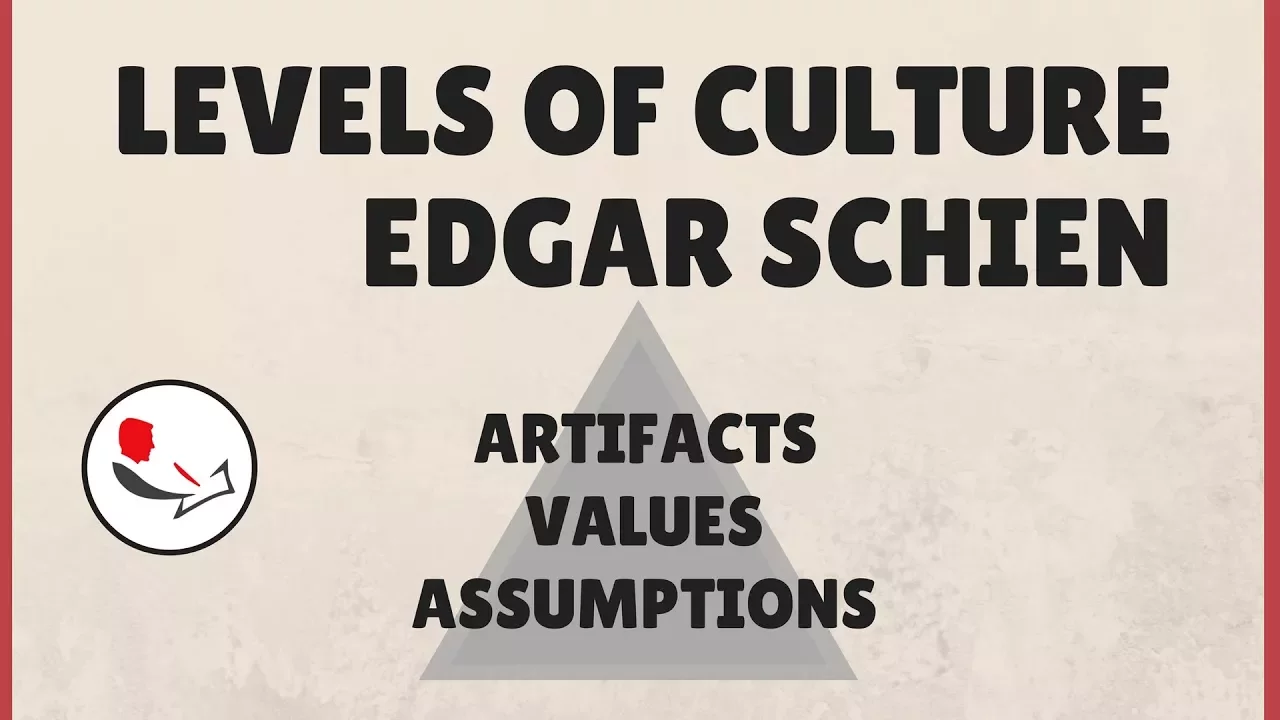
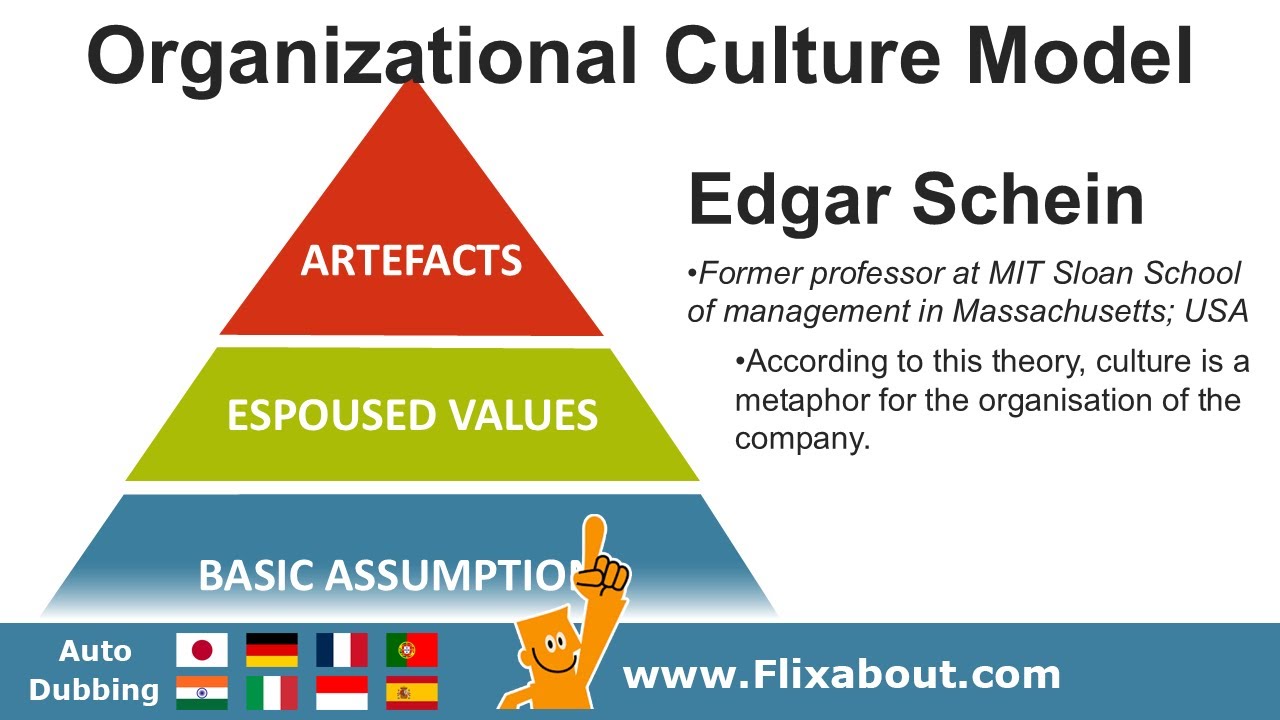
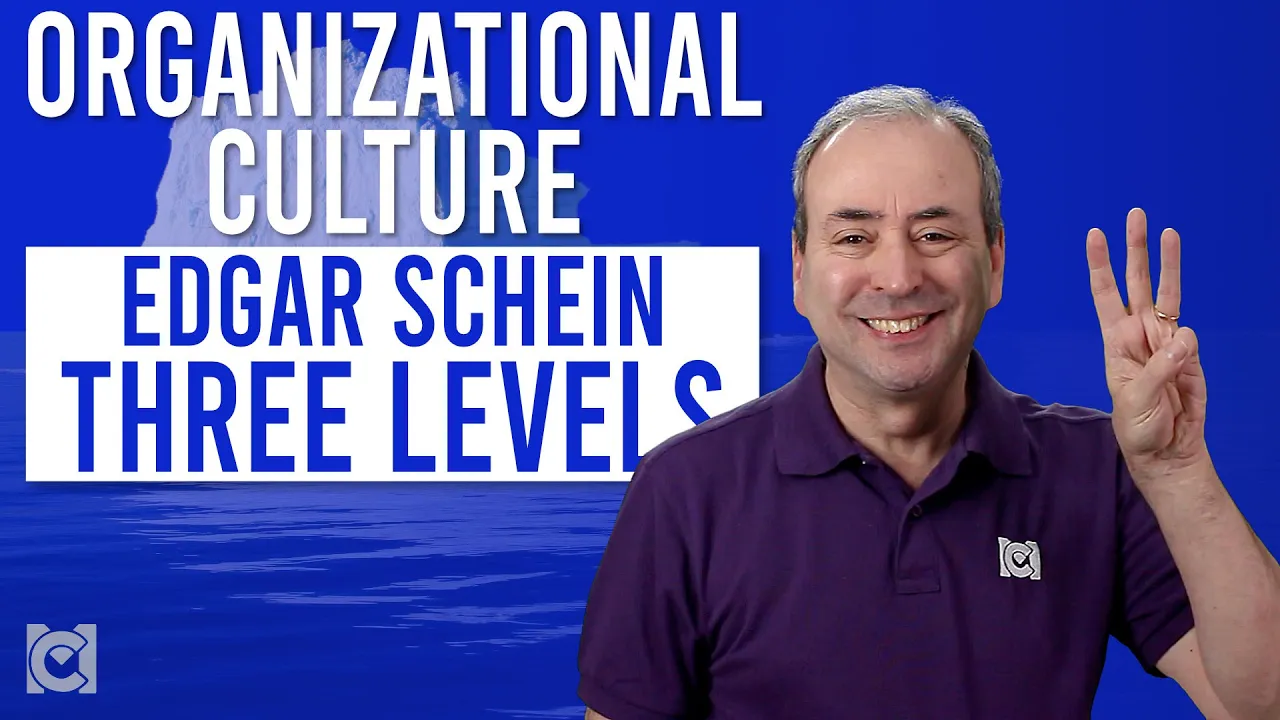
Edgar Schein’s Model of Organizational Culture, specifically the three levels: artifacts, espoused values, and basic underlying assumptions.
Essential professional communication principles, including active listening and reading non-verbal workplace cues.
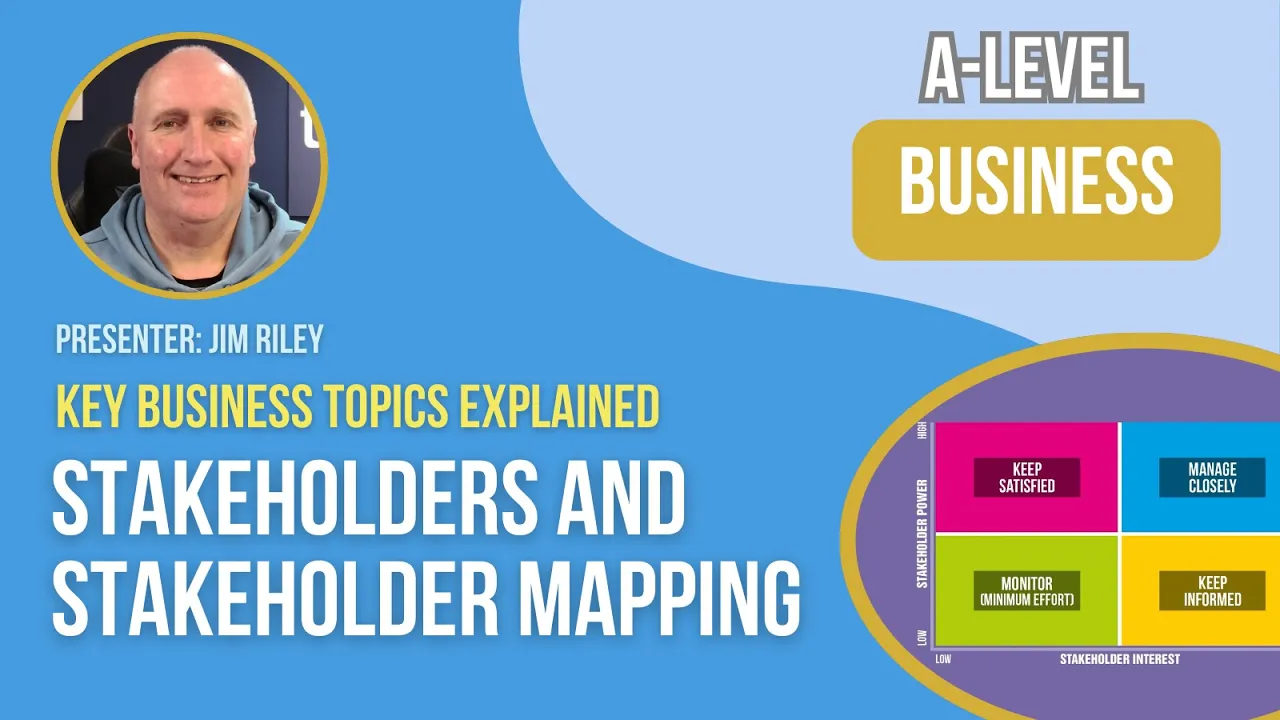
Advanced stakeholder management and organizational politics mapping.
Change management frameworks, such as Lewin's Change Management Model or Kotter’s 8-Step Process, to influence cultural shifts.
Developing emotional intelligence (EQ) strategies for leading diverse teams across different organizational sub-cultures.
Designing and implementing cultural alignment strategies during corporate mergers, acquisitions, or rapid scaling phases.
144 views5likes1:12:23Original Release: 2024-04-15
[Music] I'm really excited today we're going to be talking about decod in corporate for Fun and Profit um myself just a bit of an intro my name is chanine Longley I am a product leader and people manager I am neurod Divergent I have ADHD and I a house plant fanatic as we already found out in the chat earlier um so that's a interesting personal note I'm also like Holly really into feminist topics and social justice generally and also climate activism so if you do want to connect later those are all topics that I would love to chat about I live on the unseated territory of the Coast Salish people including the musam lab tooth and Squamish Nations as well why am I here today talking to you about decoding corporate well for starters I've been in the trenches I have survived four layoff rounds and one surprise firing and by Sur I do mean I ate some nice cheese in the spring sunshine and had a lovely day obviously I did not survive that job I have also had to understand the company strategy in order to do my job well even when the company strategy has not always been clearly provided to me and I've learned how to read between the lines like a pro Holly has even suggested I can read The Matrix of corporate culture um which was kind of the inspiration behind this talk and um us collaborating together so let's get started firstly when someone wants to hide their Communications they use code sometimes we call this a cipher Cipher simply means a secret or disguised way of communicating and when someone wants to break that Cipher they become a codebreaker and today we're all going to become corporate codebreakers I'm going to pull inspiration for today's codebreaking tips from a specific historic challenge the Enigma machine this machine was used primarily during World War II by the Germans and their allies which meant the British and their allies including us if you are from the same place I am were desperate to crack it why did I choose this inspiration partly because hidden behind this well understood challenge of cracking the Enigma is a story of the gals and the gays um history often doesn't tell our stories as loudly and proudly as other stories but this story fascinated me while the big strong men went off to war the people who are working on cracking a code worked in secret to end the war um and some say they ended it up to two years earlier than it would have naturally ended and they had to tell their loved ones that they were doing boring secretarial work uh to protect the true nature of their task so I just kind of find the whole thing fascinating I'm going to get into my analogy a little bit deeper before we come back to reality how does the Enigma work you ask or you don't ask but I'm going to tell you anyway uh say this is a single keystroke someone has typed a on the keyboard This is the number of possible substitutions for each keystroke when using the Enigma and this is obviously number that this number is bigger than the number of letters in the alphabet that's because when you're cracking a code you need to know why a letter is replaced with another letter so you need to actually understand the mechanism behind that Cipher also I lied to you it's actually that number 158 times a quintilian which was a new word for me quintilian that's how many zeros are in a quintilian and that is for a single keystroke or one letter of one word sometimes in the corporate environment it feels like there are way too many variables there's too many things going on for us to be able to figure out what's actually going on but the Enigma had so many variables and they broke it sometimes it feels like we're underestimated as women um like the women who in our example were thought by their families to be capable only of doing secretarial work but we're actually cracking this very complex code and like the folks of World War II we will crack this code and figure this out how do we break the corporate code we're going to break down our process into three parts we're going to gather our Clues we're going to review our cribs I'll tell you what those are and then we're going to use the bomb our delightful codebreaking machine so let's start with Gathering our Clues we're going to start with what they have told us so for our inspirational code Breakers and for our elves context is key for them this context usually came from a spy Network to our advantage there's likely a lot that our company is telling us up front although it's not always as clear as we'd like it is transparent so we're going to look at the vision and Mission the okrs and the kpis and financial reports and shareholder reports let's start off with the vision and Mission so the vision this is a statement about your future goals and aspirations one example is a computer on every desk and in every home a mission is why the company exists it's a statement about the why that drives the co-founders and hopefully the whole team my favorite example of a mission statement is we're in business to save our home planet it's like a mission it's like yes that's why I do what I do and when we're looking for Clues with our vision and Mission in particular we're looking for changes if the vision and Mission have not changed then there might not be as many Clues present there of course what they say is relevant but in particular we want to watch for Clues like a shift in Focus if in a dramatic twist Ted decided to change from spread ideas as a mission statement to something like be the largest information sharing conference that would be a shift that indicates some additional new focus on the size of their conferences specifically which likely has links back to something like a monetization plan so if the focus especially if it's started to focus focus on money if the focus has shifted that's a clue that we want to notice if there's a significant change to the when which is implied in the mission or Vision that can also be a clue so another perhaps outlandish example if the Black Panther political party changed their mission from revolution in our lifetime to something like Revolution for free black Futures it would still sound good maybe on the surface but the fact that the timeline has kind of become super vague would be really relevant as a clue and last but not least a shift in focus from them to us so typically when companies start out they're focused on a community or a consumer or a specific customer that they care about and they want to change the world for that kind of person sometimes the focus changes and it's a little bit more company focused all of a sudden and we want to notice that that's that's a useful clue that something is going on so if LinkedIn for example changed from connect the world's professionals to make them more productive and successful ful to something like be the largest platform for professional connection that removes the who from their mission and then it's more inward focused and finally the grandness of the vision so if Ben and Jerry's went from make the best ice cream in the nicest way possible to something like make great ice cream available to all you'd be like where'd the best go where' the nicest way possible go um so if there's a a shift in the grandness of the vision in either direction uh again an interesting clue okrs and kpis these do change often on a quarterly basis so they're changing more frequently and we're going to get a few more clues from these just as a refresher objectives and key results or okrs those are the goals and Milestones that the company wants to achieve I always think of it as the objective being the less measurable goal while the key results are the measurable things we think will help us reach that goal so an example of an objective might be Delight our customers while the key results might be something like achieve an NPS of greater than 24 or increase our net retention to over 100% or achieve product engagement at this perent weekly active users they're very measurable and key performance indicators these are also measurable they're metrics but they tend to be more um measuring the success of your business ongoing rather than ambitious goals so that's just a slight difference there what do we want to notice what are the changes that we want to keep our uh ears open for like always if there's a notice I shift in the focus um that's a clue and so if you used to be very focused on growth now you're focused on profit you used to be focused on profit now you're focused on Revenue those are interesting clues about what's going on for your business and what your leaders care about and what they're driving towards this one's a Nuance of that if the level of focus itself has changed if the last quarter the okrs seem to be all over the map and this quarter they're all very specifically focused and aligned then something is probably the leaders that are assigned or responsible for these objectives key results and key performance indicators that's another clue if your boss doesn't have any goals at the company level definitely you want to know why something's going on um it's worth investigating and are the goals more or less measurable so over time if things are becoming slowly more measurable that's a sign of maturity people are trying to make sure that things are measurable but a lot of companies have pretty questionable okrs where the KRS are consistently not measurable and if one day your company all of a sudden has their completely together something is something is definitely going on uh maybe your leaders have simply finally started using career coaching they're working with someone awesome like Holly and they're actually getting their stuff together for the first time um but maybe it's a new board member or they're seeking investment and they are wanting to clean up house last but not least these uh and often dense uh finance and shareholder information pieces so if you do have access to your p&l or your profit and loss statement your balance sheet your cash flows or any internal company metrics as well if you have access to annual reports um for shareholders if you are a public company um those are often available we can look at these as well why exactly am I making you read uh a huge novel when there is no salacious heroin in it well we might notice a change in the level of transparency um especially if the transparency has changed for the worse that is definitely a sign um to take note of the structure uh similar to what I was talking about earlier if things are suddenly very structured and in the past they were not that can be a signal as mentioned previously the emphasis um a company coming out of a funding round will be intentionally not profitable um so are going to have a heavy focus on Revenue where a company heading towards acquisition or a funding round will be very focused on their margin and very focused on their profitability so these are little clues that we can start to pick up on um what is the emphasis of the reports and of the company and of our leadership last but not least what is the spin or the story being told if there's a sudden focus on a customer profile that doesn't match with most of your existing customers is your company looking to Pivot are they looking to be acquired about someone who really cares about this new customer something might be going on there if there's a story being told and you happen to know that it doesn't quite line up with reality some level of the company somewhere someone did that on purpose most likely so they've told us some things through the company statements the goals the metrics and the reports we've potentially gathered some Clues next we can look at what do we know what do you know this depending on you personally might be easier or or harder but what I'm really saying here is you want to trust your radar sometimes clue finding is just trusting your gut if you feel like something is off or different it likely is it's worth kind of investigating that a little bit more if your Spidey senses are up just take a look look at what's going on there everything I just ran through you may have also noticed something felt just a little bit odd and then once you actually go look at the details you might realize that they line up to one of these things I was talking about so maybe my tips will help you solidify why it filed off um but the chances are you're probably not going and reviewing everything I just told you like on a weekly basis it's probably too much work um so you really have to trust your gut trust your radar if something feels like it's changing if it feels like there's a change of foot just chase that down and see is there actually a change here is there a trend here the other piece of clue finding is what can you know in addition to what we do know what can we know another way of saying this is Trust the tea spies after all still have their usefulness so when you make friends you get to know things and when you make more friends you get to know more things gossip I don't think is a dirty word it's an essential tool that became a dirty word often to weaponize a woman's ability to use Community to protect and Advance herself so I'm a big fan of gossip and I'm going to promote it multiple times in this chat and when you're tracking down down what can you know there's also two techniques I like to use one is follow the money this is a classic if you have customers with outsized Revenue influence if they're a big chunk of the money that you make following up on what they're looking for and what they're wanting and what they're asking for from your company chances are that's also what your leaders are talking about there's often a relationship between what these customers want and what your leaders want um so that's one way we can follow the money it's worth noting investors who often want a 3X return on their investment they feel invested makes sense um so they might be putting pressure on your leadership team to do the things that they figure will best get you there they're relevant to keep in mind who are those people what spaces do they move in and then also Government funding Government funding is maybe more rare but if it is available there's probably strings attached so if you follow those strings if you follow the money there's probably some promises that your company has made and has to deliver on and sometimes those weren't all told to you in advance the other way you can learn more um other than what your company is specifically telling you is to watch the news and this might be in the classic ways of reading from a news organization or watching a news organization on TV but it's also very likely that you consume information in other ways that just keep you updated about your industry and your customer customers and if you're seeing major competitor developments um they have a new innovation or a new marketing campaign that's again relevant that's a clue something's going on in your space it's worth taking note of if there are changes to the laws the regulations the taxation that impacts your company or your customers because your customers company if they're impacted impacts your company that's also highly relevant if you're a pharmaceutical company that has Aus portfolio and abortion pill and roie Wade gets overturned that's like a huge significant impact on your business probably a lot of pivoting is about to happen as far as your marketing as far as your distribution so like expect changes something is going to happen now and also media influence or on your on both the industry and about your customers too so the concept of a movement of boycot is like the most extreme example here but there can also be positive influence like a celebrity who inadvertently boosts your product or your industry so what can you know comes down to what can you gossip about what can you follow the money for and what can you watch the news to learn and all of these Pathways lead us to more clues and so once we've gathered all of our Clues we're going to come into a second step which is reviewing your cribs and another way of saying that is reviewing common patterns so when we look at our inspiration the World War II codebreakers they used cribs as decoding uh shortcuts they were plain text phrases that they knew were really common so for example understanding a letter often starts with deer if it's a personal letter if if they were speaking in English this deer would be a crib or a common pattern that we look for at the start of an encrypted letter another common phrase was weather report um because there was a lot of ship communication and this was really important during the War what was going on in the marine environment if they can find this phrase weather report and they can decode that phrase then they can unlock the entire communication and in fact all of the communications from that ship from that day so knowing what the common patterns are that you're looking for really really useful and so for corporate code breaking I made us some cribs and we're going to go through those the first one we're going to look at today the tough stuff right out of the gate is my company financially struggling related to that of course is a layoff coming uh maybe a more positive version depending on your relationship to acquisition is an acquisition coming is that on the horizon another one per perhaps a little bit more personal but also quite possibly making your day-to-day life not so fun are the leaders fighting and last but not least is someone important leaving so before we get into these I'm going to just give you a heads up these cribs that I'm I'm about to share are dense there's a lot of information we're aware so I want to say a friend you don't have to rapidly take notes and secondly at the last slide in a section you will see in the bottom right this little icon of a camera um so when you see that little camera in the bottom right is when you can take a screenshot if you would like to capture the details of The Cribs that I'm about to share let's get into it is your company struggling I really hope not but let's learn so what are some clues that would be indicative of your company struggling obviously having a bad sales quarter or two lots of customer turn or significant departures from high Revenue customers is your sales team restructuring their compensation again what is being incentivized is that relevant um and what is going on within that incentivization structure is your competitor offering a valuable new innovation are they selling snake oil but everyone thinks it's a really cool thing realistically those are meaningfully the same to you both present some serious risk to your company again we talked about this but legislation impacting your value proposition if you have always sold weed at a very high price based on the promise that it's high quality and safe and then the damn government goes and makes it legal suddenly your value prop of safe weed is like the standard so how do you raise your prices or how do you keep your business business going speaking of weeds I mean um senior leaders are they getting into the weeds uh is your boss suddenly uncomfortably all up in your business if there are less transparent financials the financial information that you used to have access to is harder to get access to that would be indicative perhaps similarly it's harder to get expenses approved maybe they're still getting approved but there's like extra steps in the process there's extra approvals or checkpoints um a whole bunch of just extra friction on getting expenses approved last but not least perhaps there's a reduction or freezing of promotions raises and hiring these would all be clues that your company might be struggling you don't have to see all of these Clues obviously in order to know that this is what's happening but having a few of these Clues showing up will point us in the direction of wanting to investigate further what would be clues that a layoff is coming a classic you were recent acquired I hate to break it to you but that's not always the good news that your leadership says it is often times this is the next step in that process what we just talked about if your company is financially struggling obviously that would also be a clue that a layoff might be coming another significant one that is relatable to anyone who has been in the Working World in the last couple years industry Trends if everyone's doing layoffs I've got bad news for you they're probably coming a poor economy generally of course this is related if your leaders are being more vague and less specific about the future they used to tell you direct things about their plans and now that's not available specifically if they're vague on costs or things to do with money or how are we going to make that possible how are we going to make that happen they probably have a plan they're just not able to share it with you has your company slowed or fully stopped hiring that's a pretty significant clue for something financially related and often that does also tie back to a layoff does one team have suspiciously too much work another team maybe hopefully not yours have suspiciously too little work if you have visibility onto these things uh for these kinds of Clues they're really really helpful I realize not everybody does have visibility um but things like extra board meetings are really relevant how on Earth do I know about extra board meetings you might ask my company uses Google gole calendar my leaders don't tend to hide the details of their events by default that is true of a lot of companies especially Tech startups so can you look at your executive teams calendars maybe you should try I'm just gonna say it and if you're an executive on the call and that makes you uncomfortable maybe you should change your settings I don't know do I do this regularly I mean I do it sometimes I used to have a colleague at an old company who did this almost daily he looked at all of the leaders calendars and let me tell you he had the best gossip he had the best tea and he was one of my best friends so those may all be connected similarly if you're able to see this if you see that there's a lot of meetings between bosses and HR um hopefully not your boss and HR that could be a signal that this is coming and alternatively sometimes what this shows up as is Big Blocks of hidden time on people's calendar ERS so if they do want to keep this information more private um that would be how they do this and then uh you can see that there's just Big Blocks of hidden time this is like a little 2B what are clues that a layoff is coming like right now if your boss books a 15minute meeting especially one with No Agenda especially if it's booked last minute especially if you had a one-on-one recently when I was in India last year on vacation my boss booked a 15-minute meeting he created the meeting at the end of his workday which was 6:00 a.m. my local time and the meeting was scheduled for the start of his next workday which was 9 p.m. my local time so when I woke up I saw a last minute booking for a one-on-one that was only 15 minutes long with no agenda and I had had a one-on-one just the day before I was like oh boy something is coming that was a stressful day I will say not my favorite uh but we made it through in that case I went and looked at his calendar and he had finished an hourong meeting that had all of the details hidden from 4: to 5:00 p.m. his time right before he had sent me the invite and our HR also had an hourong meeting that had all of the details hidden at the exact same time so that's obviously like a lot of big Clues but yes if HR is in a meeting with your boss and your boss is booking last minute very short meetings those are Clues again if you're a manager or a boss and you're in this call always out an agenda if you can so people don't stress out because some of us know these are Clues and of course um we'll interpret that a companywide meeting scheduled last minute the companywide meeting often also has no agenda but usually comes with a note around like please do make time for this please do attend please do whatever you need to make this happen if you see these it might be a little bit too late to do much about it um but let's try to refocus on something that might be positive even though sometimes it's also negative but depends on the situ we're going to go through the crib for an acquisition might be coming so our first clue are there new asks uh for strategic models plans architecture these things are things that people do sometimes ask for naturally normally it's not always a clue but if you feel like there's suddenly an influx of asks in this direction that could be a clue similarly if you are having thirdparty audits that are brand new third parties you've never interacted with for with before are coming on board to do these audits that also might be a clue that an acquisition is coming and in the new Trifecta requests to track or provide new metrics that you haven't tracked before especially if there's not really any reason provided on why those are important to the company or they can't give you a good story around what's going on from what they've given to you is the financial information they share suddenly way more structured whipped into shape we talked about this a little bit earlier that's definitely a clue a new focus on cost specifically if we think back to acronym City do your okrs and KP I suddenly seem to all be focused on cost that's relevant uh this one is interesting if you have major per like a major funding and major partnership at the same time with the same organization that can definitely be a clue in my career history we had this example although it never successfully went through um it was an basically a testing of the waters um from this larger company seeing if they wanted to do an acquisition if a series of funding has a major investor and that major investor is now with you on the projects yeah you are probably the car that they are test driving perform relevantly speaking of travel if you can see your SE Suite level travel if you have visibility into stuff like that uh are they traveling more uh specifically if they're traveling without a lot of communication on what it's about relevant from before I'll say it again if your SE Suite is meeting with the board especially if they're meeting with new people in those meetings again this is maybe not available to all of of you and that's fine um maybe it's through their calendar maybe it's through a friendly assistant we'll see if we have resources to find this information it's useful information if you don't that is understandable uh similar to where we started if there's suddenly a lot more documentation around the policies and the technology than you've ever seen before and it's not due to the fact that it's desperately needed and overdue uh but is just for somewhat more unexplained reason that might be a clue here and last but not least did someone tell you that you're no longer allowed to wear flipflops firstly very rude uh supposedly if you'd feel comfortable at the beach that outfit is likely not appropriate for work but the jok's on them friends I would not wear flip-flops at the beach I would go barefoot so anyway if there's a new level of professionalism that's suddenly expected in your company that's also possibly a clue number four onto a fascinating one it's more interpersonal I find that kind of stuff very fascinating are your leaders fighting is your focus very unfocused if people are talking about the goals and the metrics and you just feel really confused about what actually is the priority anytime someone else talks you're like getting more and more confused being confused is a codebreaking skill don't see it as a problem it's a damn clue go figure out like why is this feeling so confusing is it because everyone's giving you a different message why is everyone giving you a different message is it because they don't agree related to this conflicting departmental goals or poor alignment between different departments or different teams are your higher-ups now in meetings maybe there's a boss getting in your damn business again that would be a clue that maybe they're getting into the weeds because they're concerned about something going on at their level and they're needing more information or needing more involvement similarly are they making direct asks that they don't usually get to that level of detail but they're suddenly in that level of detail or are they stalling projects for no obvious reason this is often a clue that your boss doesn't like the reason if they're not willing to share with you what the reason is it's maybe because they either can't share the reason or they don't like the reason they might be actually working behind the scenes to try to get the project unstalled so in the mean term they're not able to tell because they don't feel aligned they're trying to still like make something happen Optics the Optics if your leadership is suddenly more focused on the appearance of good performance rather than the reality of good performance that's a huge clue that something is going on um this can look like something like very focused on the net promoter score The NPS very focused on the number when previously perhaps they were more focused on the feedback that was provided alongside that number and they were like like wanting to know how the customer engagement was they wanted to know what that relationship with the customer looked like and now they're just really caring about the number itself all the damn time they're focused on the Optics of their team's performance probably because they want to win a fight and related to that as your Leader's relationship to failure changed perhaps they used to see and communicate that failing sometimes is part of learning if things have shifted and now failure is seen as really bad and to be avoided and something something something like this there might be something on their mind that's making them fearful of the perception of failure they're worried about being perceived as a failure themselves now I'm pointing to things changing here if your boss is always like this by default I'm just really sorry and that sucks that also happens that might not be a clue of anything other than they're not very good as Leaders um but if it's a change if you feel like something's off that then becomes a clue that something's going on for them similarly if it if there is a perceived failure does your boss shift the responsibility of that failure downward or sideways again in addition to being like a huge bummer um that is a clue that they themselves feel at risk they don't have the confidence to own that failure and that's a clue that something's going on last but not least if your boss is suddenly being very like honest about other departments or leaders which is to suddenly say that they're being a gossip themselves especially if they're sharing frustrations that's a pretty big and obvious clue that's crib number four the details that might point us towards are the leaders fighting our final crib for today what would be evidence that someone important is leaving is there a lot of succession planning going on sometimes this is just direct and clear we've never had it before now we're implementing full succession plans that's a pretty big clue um sometimes it's more subtle in that someone is ensuring the major projects always have a secondary leader who is fully in the loop especially if that secondary player is both new and consistent in all of these major projects that's informal succession planning or behind the-scenes Su succession planning the other one is just yeah is someone at a point in their career and their life where retirement seems like a logical possibility that's a clue that they might be interested in leaving if someone is very clearly dissatisfied especially with a company strategy it's a clue that they might be thinking about leaving soon if they're not already thinking about it when you look at the leadership team in a company especially a startup or a smaller company they are typically investing a lot into that organization and they probably have things like Equity as part of their compensation structure if they don't think that the company will be as successful as they want it to be or as successful as they expect it to be they will likely start to think about departure is someone taking a lot of last minute vacations or time off suddenly V visiting the dentist the doctor the chiropractor they just need a lot of time off during the work week on a regular basis they might actually be interviewing another one that's timeline based is there a timeline that has to do with stock payout or bonus payout sometimes an employee has had like a low simmer of frustration going on for a while and they have set it in their mind okay I'm just going to make it through to I get that bonus I'm just going to make it through to I get that stock payout and so as soon as that moment comes they feel ready they feel complete they feel done they want to get the cash before they hit the gas this one's more subtle it's been true every single time I've seen it anecdotal of course I am curious again drop it in the chat if you've seen it and it didn't end this way but anytime I have seen one single VP managing one single director one of them is usually new and the other one usually leaves whoever was recently hired into that onetoone relationship is probably the transitional succession planning for that other person who is leaving we talked about this earlier if the company share outs include visibility into what leaders are responsible for and some of the leaders one of the leaders seems like they don't have any goals don't have any major projects um they're probably ramping down and this one is an interesting contrast to the obvious dissatisfaction less complaining less advocacy this is also a sign that someone might be leaving soon because they are probably checked out they're heading out they don't care anymore they're not going to fight anymore they've lost all the fight and this one talks ties back to something I've talked about before as well in the succession planning but if you notice that a different leader is now consistently running an important meeting it may be a sign that the previous person who was always running that meeting is doing some succession planning some quiet succession planning last but not least uh we refer back to our other crib if the leaders are fighting if you have a hunch that your leaders are fighting it may lead to the point where one of them wants to leave or one of them might start creating a political movement within the leadership team to force the other one out it definitely happens um so it's worth taking note of we reviewed five cribs we made it through there were a lot and what do we do with all of this that's a lot of information I've just like thrown at you right we're going to work to eliminate possibilities in World War II our codebreaking friends knew for example that the Enigma could never encode a letter as itself that meant they could eliminate any possibilities where things lined up so if you think the letter starts with deer and the first letter is actually a d that letter does not start with deer because the first letter cannot be itself for us we're going to eliminate anything that doesn't line up so if the clues don't point in the direction we don't walk in the direction it's it's pretty simple so we're going to practice together I'm going to give you an example and if you're in the real world of course you will know what is happening on your team but in this fake world I'm going to have to tell you what you know your boss has been more in the weeds they've been bothering you by asking for lots of details about the project joining meetings they didn't us usually join before making decisions they used to leave up to you and generally being in the way and making a bit of a mess they seem grumpy they're kind of hard to work with now and if you make a small mistake suddenly they're like all over it focused on what you're going to do to avoid it next time now your team has delivered above expectations this year that means your boss isn't micromanaging because there's a performance issue from what you can tell something else is going on every time your C company talks about retention and sales they focus on the ideal customer profile or the ICP and the news is really good things are on track from what you can tell they're sharing this information they're sharing that it's good good information and your team structure is unchanged there's no one new no one has departed it's been this way for a while you used to have stability in how you were working together and now your boss is like stomping all over your stability so like what's happening what's going on we're going to go through a process of figuring out from those five cribs that I provided to you what can we eliminate and we're going to start with crib number one the company is struggling so as a refresher the boss is in the darn weeds that's a match and we said the team was unchanged so that's actually what I would consider a reduction or a freeze on promotions raises and hiring because in the tech startup world that I work in at least default assumption is everything goes up and to the right so even when you plateau to some degree that's usually an indication so we'll color those green those feel like a match what else is there anything else that people can see on this list that might be a match it's a bit more sneaky when it comes to customer churn we actually only know about the ideal customer profile there's been a focus on this from our leadership team and the financials and so is the leadership team so focused on the ICP because the rest of our customers are walking out the door and they don't want to tell that story so that becomes kind of a maybe we actually don't know if there is a lot of customer turn we know the story that they're telling us but the story we also know is constrained it's not the full story other than that I don't think there's any other matches so we'll color those red what do we think is this a possibility and as a reminder we don't need all the things to line up and match we just want some Clues um to see that we're in the direction I figured this is a maybe this might be a match and so we don't want to eliminate because what we're doing right right now is elimination just as a reminder we're just eliminating options that don't feel like there are much option number two a layoff is coming so time to review our second crib companies may be struggling we just talked about how that's a possibility so that might be a clue I would also say that we have slowed and stopped hiring that's a match and not much else at this point in time we don't know for sure if the company is struggling but it might be so that might become a yellow maybe I should have colored that yellow so do we think this is worth investigating at this point probably not if we did find out that the company is struggling then maybe we change that to a green and then this becomes maybe a bit more likely so for now we'll call it a no and we'll eliminate it how about the acquisition crib I didn't specifically talk about any of these so none of these are match based on what I told you now of course in the real world you might know other things and it might be that one of these is a match but in this fake world it's not a match so we'll move on the leaders are fighting one what might be a match here want to avoid looking like a failure micromanaging we have a handful of matches here so the higher ups are in our meetings they're asking direct questions there's no tolerance for anything that looks like failure is that a match is that worth exploring I definitely don't think we can eliminate it at this point in time there's enough there that it's a maybe we'll we'll keep it on the list and and our last one someone important leaving from the four things that I told you bosses in the weeds team has performed above expectations no one has joined or left the team and our ICP customers are doing great from a sales and customer success perspective so the dissatisfaction I mentioned is possibly a match although it it might be it might not be and of course the leaders are fighting might be because we talked about that earlier it's a maybe because we only have two Mayes and no greens I would probably eliminate this for now so our verdict right now I think our two most likely candidates are company struggling or the leaders are fighting if you want to place bets if you want a little side bet business now's your moment to guess which of these it is because we still have a little bit of a ways to go to fully crack this code but we're going to do it together we're going to keep working through this we're going to pick a hypothesis to test first how do we know which one to test first um well with our friends at codebreakers they use these cribs and common patterns as I suggest as I said earlier to reduce how much brot force decoding was required the review of The Cribs itself does not make visible the decoded message it simply helps us to narrow down the field of possibilities until it's in a Range that we can actually go and test all of that they compared the information they had to their common patterns or cribs and they validated which things are worth trying to validate or invalidate we've done the same thing we're going to keep doing the same thing there's no surprise at this point in the speech you probably understand we just follow their example so we're going to think through what information do we need what information would change everything said another way what information would like flip our assumptions on their head and conversely what information would lock Us in and like provide that certain that yes this is it I feel confirmed now when we're prioritizing what to test I do want you to think about what options are easily available as far as resources for testing we want to figure out what options in particular create less risk for us as we move through learning the E is associated with the options we have as far as testing these and I'm going to go through all of those options in a moment is really relevant but the risk is probably even more relevant because I don't want to send you off into the world where you're just like fumbling around and asking all these questions and people are like wow this person is inappropriate they're poking their nose in the wrong business so we want to be thoughtful about what we're testing the goal here is not necessarily to make sure that we are right the first time our goal is to learn more over time and to eventually get to the right understanding and we want to move through that in the way that makes the most sense for us let's start with is the company struggling we knew these things as I already mentioned we had a microm manery boss great history of value delivery good retention good sales unchanged team structure so what could we do that would confirm what we thought as far as maybe the company is struggling so if we had a high turn associated with our noncp or ideal customer profile that would be an indication that we do actually have maybe a high turn but they've focused on this very specific definition so that they can tell a better story if there's no sales associated with that portfolio similarly that would be a sign that perhaps the company actually is struggling but they're trying to hide that fact by focusing on like a different set of numbers that tells a better story and then also if we had a full hiring free so I told you that your team has not changed but if we could learn that actually none of the teams are changing there's a full hiring freeze that would probably confirm irm that there's maybe some struggle going on in the opposite direction what would change our thinking well obviously if we found out that there are great financials across the board that would change my thinking pretty dramatically and since our primary clue here is that the boss is the micromanage if we could find another reason to explain that then that might also change our thinking a fair amount because these other signals on their own don't really point to company struggling as strongly with hypothesis number two same things uh on the left what would confirm that the leaders are fighting well I mean if someone quits that would be a pretty clear sign that something was going on it's a dramatic one but that would that would help confirm and figuring out what the fight is actually about would also confirm on the flip side what would disconfirm this is really tricky to be honest some people are really great actors so there's not much that we can do that would ensure with like confidence that this isn't happening so when we think about what we would need to learn to both confirm or disconfirm our our thinking for both of these situations and we think about how risky that might be what do you think we should do where should we test first what should we focus on it's there's a lot less risk associated with testing if our company is failing as compared to testing if the leaders are fighting because it's just really hard to confirm or disconfirm the second hypothesis so we're going to start with the first one and we're going to move on to step three which is using the bomb what is the bomb besides a great name well with the code Breakers working on the Enigma as I mentioned there were a lot of possible settings and Arrangements that created many possible configurations of this Enigma and this uh Cipher so they would eliminate as many possible options like we just did and then they would they developed this machine that Brute Force tested all of the remaining options it was incredible it took a lot of time though so they did as much as they could to narrow down their options before they went through with brot testing now we have even slower brute testing because it is just us navigating into our corporate landscape that is our brute for testing so we have to be the bomb maybe even the bomb diggity and we want to eliminate our possibilities down to one to begin with and then we will try other ones if needed how do we test our hypothesis becomes the next question uh that we're getting clues on now that we've picked one we have to figure out how to test it so we need some spies we're going to circle back we want people who are better connected than us uh they always make great spies we want people who are they have access to different information than us so they're on a different team they're in a different department if they're willing to gossip great that makes it a little bit easier for us but also people who have access to different information and won't realize that it's gossip they're undercover size they don't even know it also useful so when we think about our hypothesis that the company might be struggling and we know that we want to uh confirm our assumptions by confirming that there's bad sales and turn going on hiding under the non-cp umbrella we also figured we could confirm if the company uh had a companywide hiring freeze and conversely we thought well if we could prove that there were great financials or some other reason for the micromanagement that would also be really informative but what do we think we could do to try to confirm or disconfirm the ones that we thought of the company career page the lowest risk option and therefore the place that I would always start if we're trying to see if there's a full hiring freeze check out your hiring page it's not always honest sometimes your hiring page shows a lot of roles that you're hiring for that you're not actually hiring for so it could mislead you but it is a place to start it is some information worth knowing but also friends in sales friends in customer success friends and finance those are all great friends to have that's great but like how Janine how do we actually like how does this actually work when we want to test our hypothesis we want to request more information than we give as much as possible uh we want to lead with empathy we need to make sure it's the right time and the right context when we're talking with someone especially if we're talking about something that's a bit more sensitive in nature we want to use questions that seem innocent um especially if you're talking to someone who is unaware that you're actively gossiping and we want to use questions let let people avoid breaking the rules we don't want to put people in an awkward situation especially if they're unaware that they're gossiping we want to be able to ensure that they can respond in a way that won't explicitly break any confidentiality that they've committed to um it won't put them in an awkward position let's talk about figuring out about the financials if we have a friend from sales which I would recommend making we can ask them something like hey how are things these days for non-cp customers so now obviously you're going to have to figure out how to phrase that more naturally for your company if you have a definition of the ideal customer profile that states that you'll only work with Enterprise companies you could ask what it's like these days for midsize customers you probably hopefully know what the definition is of your noncp or of your ICP and therefore you can figure out what would feel natural to ask about especially if you have historically had a different ICP so if you've had a different focus in the past and you've kind of shifted your focus you would probably have an existing pipeline existing book of business that has to do with a former definition so you can kind of ask about these other areas of the business right so if your ICP is Enterprise as I said hey how are things these days for midsize customers if your ICP is Medtech companies hey do we ever sell to fintech companies if your ICP Persona is a project manager hey what's it like to sell to customers who don't actually have a c a project manager you can ask these different questions that are basically poking at what's going on outside of what I've directly been told another version of that uh invitation for them to brag so to speak I hear you're absolutely killing it with those ICP sales does that mean you're getting a big bonus if things are going well they may be stoked to tell you what that means for them personally and I would genuinely be interested and excited for them because they're they tend to be very highly compensated for these targets and it's always nice when you hit a milestone and you get rewarded so if they're doing well they might want to talk about that if they're not doing well even though what's been shared with the whole company is very positive this might invite them to vent a little bit about how they're actually not able to reach the targets that were set they feel unrealistic their boss is unrealistic things are unmanageable they might also share reasons like oh man like ah yeah we're killing it with them but we're not able to sell to like anyone in this other definition at all these days because of our competitor they might share more about what's going on um and that would all be valuable information so let's assume in our situation that our friends in sales are like yeah I'm actually so close to hitting my bonus and I'm really really excited about this cool concert I'm going to this summer as a celebration like man within like 3 days I hope I'm going to be just like ready to book those tickets because I'm going to hit my numbers you're like great awesome if you have a friend from customer service which I would also recommend making um so similarly here you can also ask about someone in their portfolio who doesn't fit that ideal customer definition especially if you know they have someone who's like a sign significantly sized customer as far as Revenue goes you can directly ask about that kind of customer if you don't know specifically about their portfolio or you don't have that kind of information uh you can ask more generally again you can also follow up with something like oh I know that you know this thing means they're no longer fitting our ICP but they've been with us a while so like I was curious what it's like to work with them or how it is these days again you're going to have to adapt the exact language but basically opening a conversation around the kind of customers who don't fit that definition that your leadership is telling you about will help you get that more rounded perspective tell me more great interesting what's it like to support you know this kind of customer so a bit more blunt option but again if you're icps Enterprise hey what's it like to support midsize customers do they like actually like our product or do they just like run into issues all the time people love to vent if you give them an option to vent um and it's also just like genuinely good relationship building outside of all of this clue finding stuff too in the same way that I just gave you all those examples for sales you can use all of them here so hey do you support any fintech companies I'm really interested in them what what are they like like if that's true I mean don't out like outright lie but you can just ask questions wherever you're curious and in this example we're going to assume that they tell us about a customer that's actually doing great and doesn't fit our ideal customer profile that would be good news and last but not least friends in finance so obviously they have very privileged information so if they're like willing to share it with you that would be hugely valuable and directly and obviously useful but also they tend to have more of a confidentiality minded perspective on the information that they have access to here's where we have to be like a bit more thoughtful about exactly what we're talking about this one is maybe obvious maybe not but you should definitely ask like where is the full set of what I'm just allowed to see I don't know is there a dashboard you set up somewhere that's really cool that I don't know about yet they're probably excited to talk about their dashboard that they set up that no one ever looks at and you might be really interested and seeing what that dashboard has to say um so that's one one obvious and direct path is just asking for the information that is officially available to you and then this one is like an open-ended again an invitation for a conversation so something like hey what's the most challenging thing to track like oh we have a new set of okrs like how are you guys able to like actually figure out if we're on track with those like how are you guys able to actually see if that's what's going on if we're hitting our targets if you stay open-ended and curious and you invite them to kind of talk about what's hard about their job um but you're not asking about like specific confidential information you're asking about something like okrs which like everyone sees those and you're just asking asking like what's hard about that with your job then they can open up they might tell you a bit more about like oh well you know my boss seems really focused on the profitability lately but it's like really hard to track because of X Y and Z so like I know we said an okr about it but I actually don't have a way yet to figure out how to know if we've hit it again like that's useful information and it's not too far off from what is officially available so they might be willing to share it or not quite realize that they're sharing something new but in this case maybe they show us a new metrics dashboard there is some interesting data there we're actually able to see our turn and our sales for for the whole business and things look pretty healthy you know up and to the right as I said earlier growth on the chart um so if that's the case uh we got some Clues from a few different friends from our company website basically what I've told you in this fake example is like this hypothesis is probably not what's going on because we got a lot of Clues so to shortcut and keep us going on the more interesting part of this talk we're not going to repeat the whole process we're going to jump into that second hypothesis and start testing it right away as a refresher what would confirm so someone quitting that's unlikely to be something that we can really sus out or clue out it'll just happen knowing what to fight about it's definitely an interesting challenge because I don't think we're going to get this one confirmed we basically said that was just really challenging to do a reminder on the categories of spies we're trying to figure out what this fight is about or confirm that there is a fight going on we have our categories of spies people who are better connected people who have access to different information people who report to other leaders assistant of other leaders our boss those other leaders themselves any coordinators good call out ca anyone who works between departments great resources so are we ready to start asking some potentially awkward questions how can we make them seem innocent the challenge awaits us if we have friends who report to that other leader these are people who have access to different information than us and they might be willing to gossip they might not know that they're gossiping that's okay something along this line is an easy again invitation hey is your boss also micromanaging you on this project these days when it comes to your goal give more or get more information than we give this route obviously requires some trust in the process you are giving the information that your boss is micromanaging you but hopefully extending that Olive Branch will give us some camaraderie some new information and also maybe a new friendship or a deeper friendship because as a side benefit if you are both being micromanaged you might actually need a friend you might actually need someone who can like relate and can help you navigate through that even if we're not like focused on finding Clues if we zoom out here for a minute it's just good to also like have friends that you can lean on in the workplace yeah maybe you reach out and the two of you do end up venting for a while and you learn that the other leaders have also been micromanaging and acting a bit different lately and their team also had some projects put on pause in order to tackle this new collaborative project that you've been been working on and you learn maybe that like their leader is really excited about this collaborative project which feels very different than what your team is up to where it's not excited it's like negative Vibes maybe that's the result of your conversation Maybe not maybe you just make a new friend there's also the more direct option if you are actually friends and not just like the corporate version of friends like do you think your boss and my boss get along you can just ask sometimes if you have that kind of relationship now what about assistants so assistants you have to be careful because of course like people who work in finance they're usually very aware that there's confidential information that they have access to that they're not supposed to share but again don't like outwardly lie or be fake but if they seem like they might actually just be a cool person the easiest way to start is like do you want to hang out sometime um if you do have a genuine interest in them as a person a reminder they might not have a lot of friends because they might not actually like work with a lot of other people because they probably just work with their boss and that is a weird relationship again outside of everything I'm telling you about also so might be a good friendship just from that perspective and it might be useful you might learn things but that's kind of a small I guess part of this if you don't want to go that route doesn't feel like a good fit then I don't encourage you to be like a false friend that's weird um you can also ask questions like hey what's it like to manage this person's calendar like they're so busy it must be tough especially if you're trying to book something with them or your team is trying to book something with their team if you're already in that zone you might get a clue from their body language there's like this exasperated sigh and you're like wow their job seems hard these days maybe they say something like oh their calendar is like way too busy I can tell that they're really stressed out and you're like okay interesting like they're stressed out lately that's useful to know your own boss so depending on your relationship with your boss this may be an easy or a hard resource for you to get information from I know exactly one person in this webinar who has a boss who will generally just give you any of the information you want because I'm that boss but considering in the example that we gave uh your boss has been micromanaging you and driving you a little bit crazy um or a little bit like frustrated we'll assume they're not on board for obvious gossip and so we can ask other questions so something like starting with the obvious and the things that will actually just help you do your job better no matter what's going on hey it seems like you've been really worried lately about this project is there anything else I can do to help ensure we are successful this might help you glean information on what it is they are worried about perhaps they take it in a different direction and share something like I just really want to finish this up so we can move on to that like other thing we put on pause but no matter what the answer is here it will help you be successful in your role like it's a win you're just asking hey what should I focus my energy on and if we get Clues to help with our code breaking great if we don't but they tell us what they want from us also great and another one in that vein is like hey who should I be collaborating with more for this project although you might be like Midstream you already have things set up if they are actually fighting with someone they might want an out so if you ask questions like hey who can I collaborate with what can I take on they might be like oh thank goodness please take on this I can't handle it anymore and they might not tell you that but they might just be very excited to hand off something to you like a relationship management piece and so even if you're already well underway and you think this was like a subtle deal you can still ask again and just see maybe they're like the same people you're already working with okay great just wanted to make sure moving on another one the most simple of questions how are you yeah and if you ask something like this right after they have had a meeting with the person that you think that they're fighting with they might respond body language Communication in a style that gives you a clue that they were just in a fight and do have like a heightened sense of fight or flight the actual verbal answer might tell you but it might also be those more indirect Clues and again like this is the height of an innocent question it's just like how are you also they are a human if they are fighting it is a nice thing to have someone be like hey how are you because that can be really stressful for them and you can be a kind human maybe in that moment so again with these questions my goal is to give you ideas around how you can ask things that are just like good practice outside of this Clues and codebreaking thing what about the other leader again it kind of depends on your relationship with this person um but the most obvious and direct one Hey What Can my team help your team with this quarter uh asking the simple stuff like this can you know help you understand what's top of mind for them what they're actually thinking about even within the project scope like what's of concern to them it just helps give you more puzzle pieces to understand that bigger picture and so in the territory of like trying to figure out what people are fighting about we need a lot of puzzle pieces to probably feel confident that we understand what's going on so the more we can ask these like innocent questions of a lot of different people and see which puzzle pieces we come up with the more likely we are going to be able to see that bigger picture and actually put these puzzle pieces together so say the leader talks about how they really want your help convincing your boss about how great this new project is like oh this new collaboration I'm so excited actually how you can help is like get everyone inspired about the vision and the mission of this new project if you feel excited about it do you feel excited about it yes great you can help me get everyone else excited about it maybe they don't actually name your boss but they're just like I want you on the hype train and you're like interesting you need a hype train that's you know a best case scenario they're they're pretty clearly telling you what is going on if if that's the case so let's revisit what we know obviously for our first hypothesis that the company is struggling we found out the sales is above average found out that customer retention is the same as last year you know we found out that that's probably not what's going on in the company struggling but from the leaders are fighting you found out maybe your colleague is feeling micromanaged as well maybe that assistant looked exhausted and was like I just can't say anymore maybe you got Clues from your boss or that other boss mild complaints maybe around this new collaborative project and it's a distraction I just want to get back to that other thing from the clues that I gave you today I would say we probably have a pretty clear verdict in this scenario our leaders are fighting confusingly we're celebrating but no we are celebrating that we have locked in on a hypothesis we're not celebrating fighting this is not MMA but we are excited we followed through this process we found out something it feels like we've probably gathered enough clues that we're like okay I think that our leaders are fighting I think that's what's going on and fighting about this project probably and whether or not we invest so much time and energy in it wow we just spent like an hour figuring that out now what what do I do with that what what's next well if you want to if you want to break the code even further you can repeat this process so we've gathered so many Clues through what we just went through so you can either go and intentionally think through what other Clues you could gather or you could just say wow I've gathered so many Clues from this process already if you wanted to review cribs you wouldn't use the ones that I've shown you today you would need to find some more but this is something you can do on your own you can go to Google and say why do leaders fight at this kind of company why do sales leaders fight with customer success leaders why do leaders fight right after a funding round whatever it is if you know some information about what's going on in your company go to Google ask Google or chat GPT I guess I don't know um I'm still oldfashioned so whatever you have as your current Clues can help you drive to what common patterns you might want to look for or to review and then once you've reviewed those common patterns you can dig back in to test out your new theories and crack that next layer of the code there are layers and layers of code going on in the corporate world within those walls of corporate there is a lot going on so I hope you don't feel discouraged and instead realize that over time you can actually just kind of do this process as you go about your day as I mentioned some of those questions I offered you are like very innocuous just regular questions you can ask on a regular basis to continuously learn more about what's going on around you what's going on at your company so if you're kind of just constantly watching for signals trusting your gut making assumptions seeing if there's a common pattern there seeing if you can prove or disprove those this doesn't have to be such a big process it can kind of just be like an ongoing process right we're going to go back to my afternoon in the sunshine eating cheese one spring day three years ago um I can say that even though I had a pretty large set of skills on how to spot Clues spot patterns and test assumptions I was surprised that I was fired that day I had never been fired before so I wasn't familiar with the patterns I didn't think it was possible for me to get fired which is definitely something I should talk about with my therapist but my gut had been telling me things were off I had clues that leaders were fighting I had even suspected that my boss was was maybe going to get fired cuz I could tell that the leaders were fighting and I thought something was going to happen but I hadn't clued in in this example that it would be perceived that I was in cahoots and that I would also kind of get caught up in that do I wish I had gone through this whole process and avoided all of that like honestly no I am so glad that I was fired from that particular company I think it was a humbling experience worth having so I don't need as much therapy I was also glad to be parted ways from that company because it wouldn't have been a good fit for me long term I'm glad I learned about that pattern so I can add it to my tool belt and share this kind of information with you and even being able to see patterns won't always protect you fully from the harm but it will make it less surprising I was surprised that I was fired but then pretty instantly like well I actually probably should have seen that I knew he was getting fired I knew that him and I were closely like that did make sense and so although there was some surprise it wasn't like a full-on shock of like how on Earth could this have happened it was like a ah yeah that makes sense and so I think all of what I've taught you today hopefully just helps you feel a little bit more prepared in those moments sometimes it might help you navigate and avoid something that you want to avoid sometimes it might just help you have an understanding of something that is coming so you can process that on a timeline that works for you and I do hope if you learn nothing else that if you one day get a surprise layoff or firing you learn that it's really worth buying cheese and sitting in the sunshine to eat it because it is a great day actually if you forget everything else I've shared with you today I want you to remember these three things not the cheese thing one of them trust your gut if your radar feels like it's picking up on something be curious just follow the lead follow that down to develop an understanding of common patterns watch the YouTube regarding this talk for my cribs from today if you want to but also look up common patterns you think might be useful to have as cribs in your particular tool belt and last but not least trust the tea like gossip truly I am encouraging you to talk to your colleagues to learn from them um being informed and being friendly are in my opinion one and the same in true MD fashion I want to give one last shout out to the gals and the gays and of course everyone else who was involved um who didn't really know about war didn't know about code breaking and yet figured out how to crack the code through determination and self-belief like them I hope you feel determined and capable now understanding how to crack the code understanding how to figure out what the heck is going on uh I trust that you've got what it takes and if you want to stay in touch you definitely can my name is Janine Longley again I am a product leader you can find me on LinkedIn do include a note if you send me a friend request please do include clude a note um but I'm happy to talk about this more it was my special interest focus and so I have learned a lot about this topic happy to expand thank [Music] you
Up Next

72:48
AI Product Design: Framework for User-Centric Applications
@growproduct
6.1K views•2025-10-07

26:22
Walking in the City: Urban Rituals and the Flâneur in Contemporary India
@PSBTIndia
1.9K views•2016-08-02

9:49
FastAPI vs Flask vs Django: Choosing the Right Python Web Framework
@TechWithTim
302.5K views•2024-05-26

1:42
Game of Thrones Opening Credits: A Cinematic Analysis
@gameofthrones
46.3M views•2011-04-18
Related Study Plans & Knowledge Roadmaps
Structured learning paths in General & Interdisciplinary Studies
general-studies
Artificial Light: History, Tech & Human Impact
01The Pre-Electric Era: Fire, Oil, and Gas Lighting
02The Incandescent Revolution and Grid Electrification
03Gas Discharge and Fluorescent Illumination
+ 3 more learning modules
14h6 modules
Explore Roadmap
general-studies
Elevator Engineering: History, Physics & Cities
01From Hoists to Safety Brakes: The Dawn of Vertical Lift
02Hydraulic vs. Traction: The Engineering Physics of Elevators
03Modern Speed, Safety, and Algorithms
+ 2 more learning modules
12h5 modules
Explore Roadmap
general-studies
Rubber: Material Science, History & Geopolitics
01Origins of Natural Rubber & Mesoamerican History
02The Chemistry of Natural Rubber & Vulcanization
03The Geopolitics of the Rubber Boom & Colonization
+ 2 more learning modules
12h5 modules
Explore Roadmap
general-studies
Containerization: Evolution, Logistics & Trade
01Ancient Trade & Bulk Cargo: Amphorae to Barrels
02The Industrial Revolution & Cardboard Packaging
03The Containerization Revolution: Malcom McLean
+ 2 more learning modules
12h5 modules
Explore Roadmap