



![[Lecture] Principles of Neural Coding](https://i.ytimg.com/vi_webp/DlFxUEdGlmQ/maxresdefault.webp)





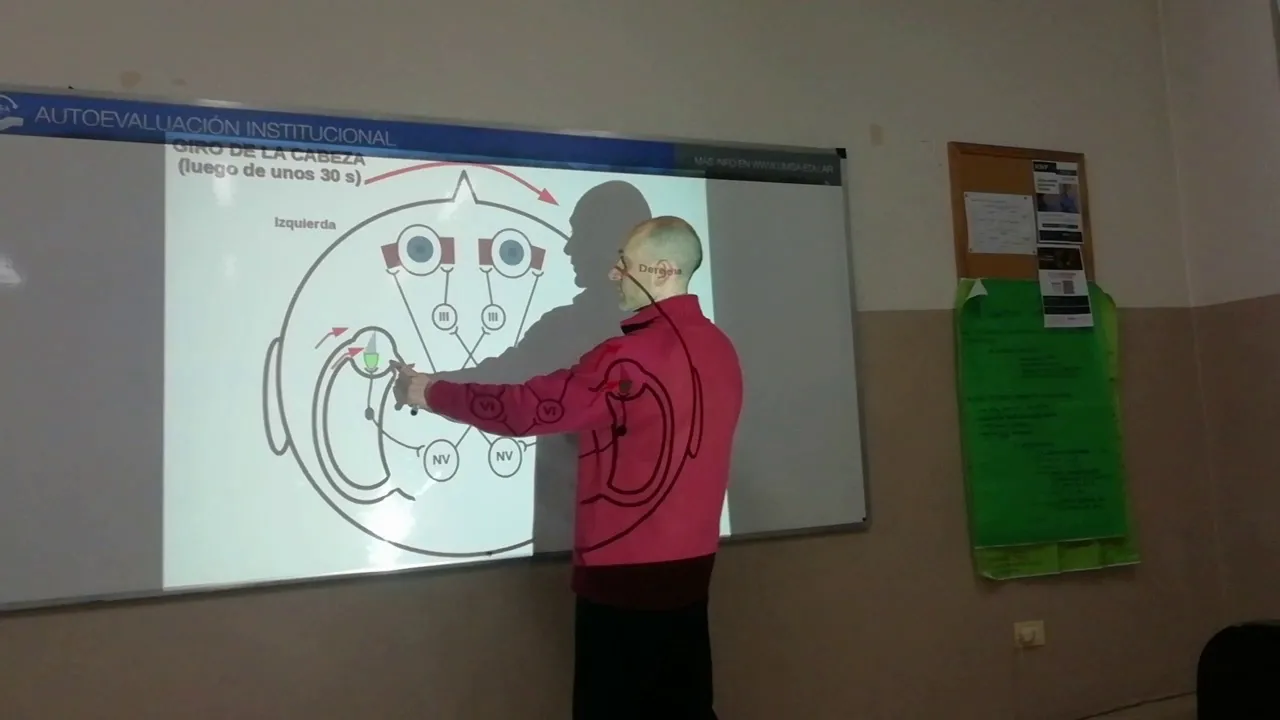


















Head direction cells are neurons in the mammalian brain that function as an internal compass, firing selectively when an animal faces specific directions in its environment; these cells are distributed across interconnected brain regions and collectively represent all possible facing directions, enabling spatial orientation without external visual cues.
Head Direction Cells: Neural Compass in Mammalian Brains
Added:Basic neuroanatomy of the mammalian brain, particularly the hippocampal formation and the limbic system.
Fundamentals of neural coding, specifically how information is represented by neuronal firing rates and tuning curves.
The concept of Edward Tolman's 'cognitive map' and the psychological basis of spatial navigation.
Basic sensory physiology, particularly how the vestibular system processes self-motion and head rotation.
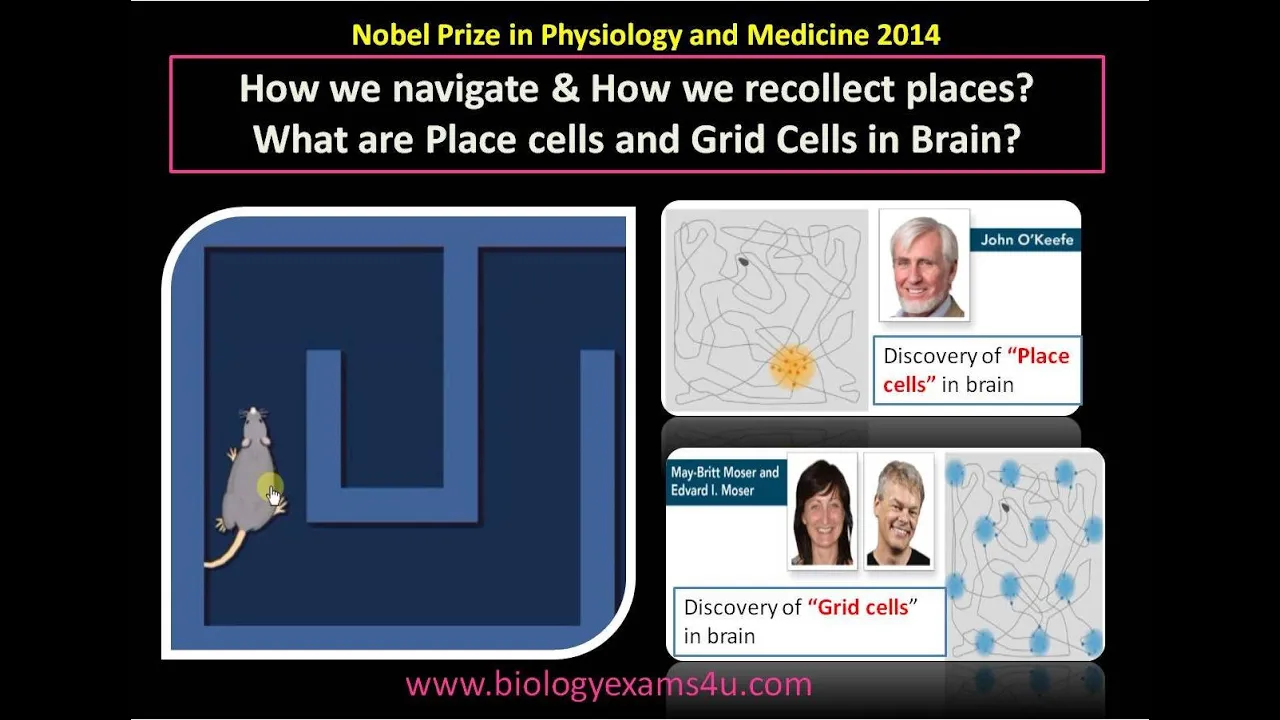
The discovery and function of other spatial cells, such as hippocampal place cells and entorhinal grid cells.
The neural mechanisms of path integration (dead reckoning) and how the brain updates spatial coordinates without external landmarks.
Computational neuroscience models of head direction networks, such as continuous attractor network (CAN) models.
Clinical implications of spatial system degeneration, specifically how navigation deficits manifest in Alzheimer's disease.
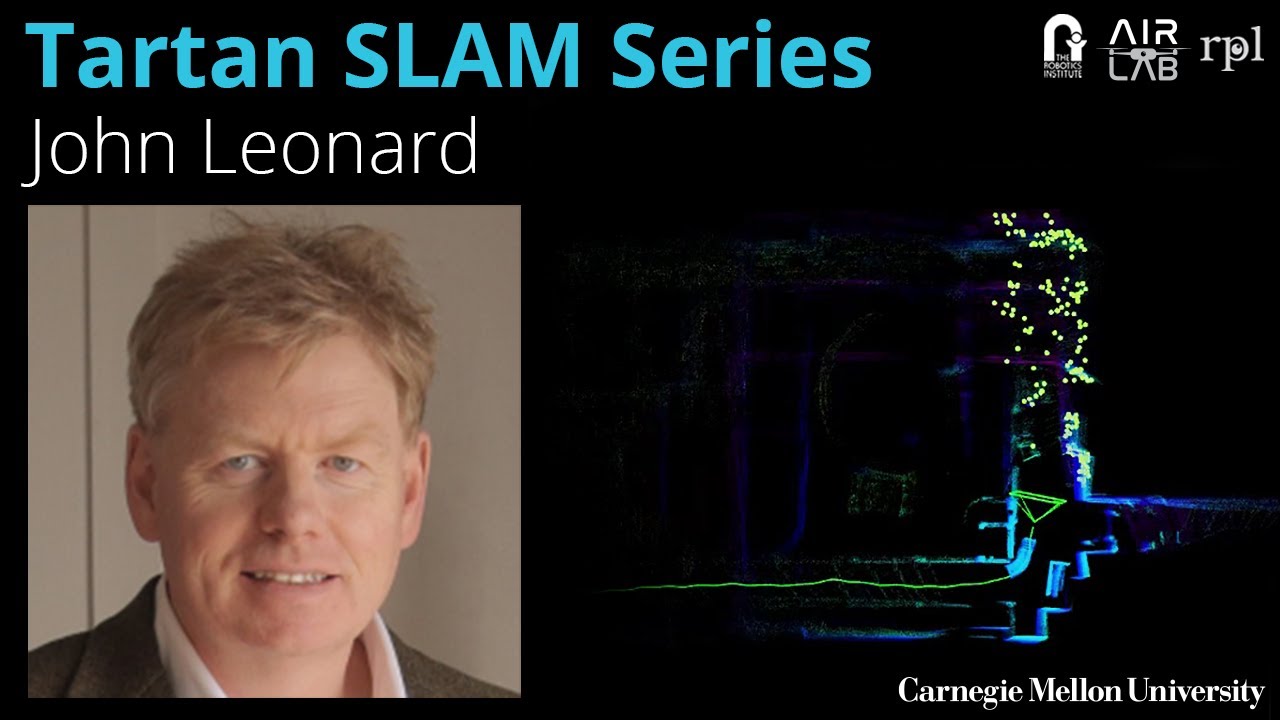
Applications of bio-inspired navigation systems in robotics, such as neuromorphic SLAM (Simultaneous Localization and Mapping) algorithms.
3.9K views62likes5:35Original Release: 2016-01-27
what our head Direction cells head Direction cells are neurons in the brain that functioned as a sort of compass they have been identified in a variety of species in the brain areas in which they are found are also found in humans essentially each head Direction cell fires when the animal faces a specific direction in the environment in this tutorial we will provide an introduction to these remarkable cells and let you listen to one head Direction cells were discovered by James ronk jr. ronk was attempting to record that his listen to neurons and a specific part of the rat brain called the cibecue ylim I will describe how he did this in the next few slides ronk implanted thin wires into the rats brain the brain itself lacks sensation so these recording electrodes and recording wires do not appear to disturb the animals fortunately or unfortunately rock missed his intended structure and instead it planted the wire as the electrodes in a nearby structure called the post cibecue ylim the general technique that wrong and subsequent experiments have used to record individual neurons in freely moving rats is as shown in this little cartoon essentially you have a rat running around in an environment such as this cylindrical and by apparatus and it forages for small food pellets that are scattered on the cylinder floor the rat has wires implanted in specific brain area and has a cable attached to it that allows the experimenter to monitor the electrical the neural electrical activity at the electrode tips a video camera tracks the small light at the end of the recording cable and allows the experimenter to identify where the animal is located okay so this is what a head Direction cells like what you'll hear is the recording of one neuron and the pop-pop-pop your here is a spiking of one neuron as the animal faces the direction which the cell likes to fire its preferred direction and also as the animal turns around the rat turns around and faces the opposite direction where the cell does not fire here we go the animals now facing the opposite direction so the audio that you just heard was that of one head direction cell recorded as a rat ran around in one of these cylindrical environments and if you were to see a video of that or watch the video while you were listening to that cell what you'd see is that when the rat faced one direction the cell would fire a lot would hear a lot of those pops and when it faced the opposite direction you would hear very little firing the way we represent these head Direction cells is as follows we can plot the direction that the animal faces on an x axis 0 180 to 360 and these are the different directions that the animal faces and what we plot then is the firing rate which is those pops that you heard and you can see that there's a great deal of firing at about 45 degrees here and very little firing when the animal faces other directions although there's a few spikes and you can maybe hear that on the audio another way of plotting the exact same data is a polar plot here what we show is the different direction of the animal face 0 90 180 or 270 and then we plot the firing of the cell and you can see this cell is firing about seventy six point five times per second Hertz and it's firing when the animal's facing 45 degrees and it's not firing when the animal's facing any of the opposite direction even the other directions the first full paper describing head Direction cells was published in 1990 in the Journal of Neuroscience an earlier description of head Direction cells was provided by James Rock in a book chapter published in 1986 I now want to conclude by telling you two basic findings about head Direction cells first different head Direction cells are tuned to different directions in the animals environment as shown by the colored arrows as far as we can tell all possible directions are represented the second basic finding about head Direction cells is that they occur in a network connected brain regions shown here in blue head Direction cells have slightly different properties in these different areas but they all appear in general to represent the different directions that the rat may face ok so what have I told you I've told you that head Direction cells are neurons whose firing is tuned to specific directions that an animal may face in its environment different head Direction cells have a preference for different firing directions but it appears then that all possible directions that the animal may face are represented and finally head Direction cells occur in a number of interconnected brain regions
Up Next
80:01
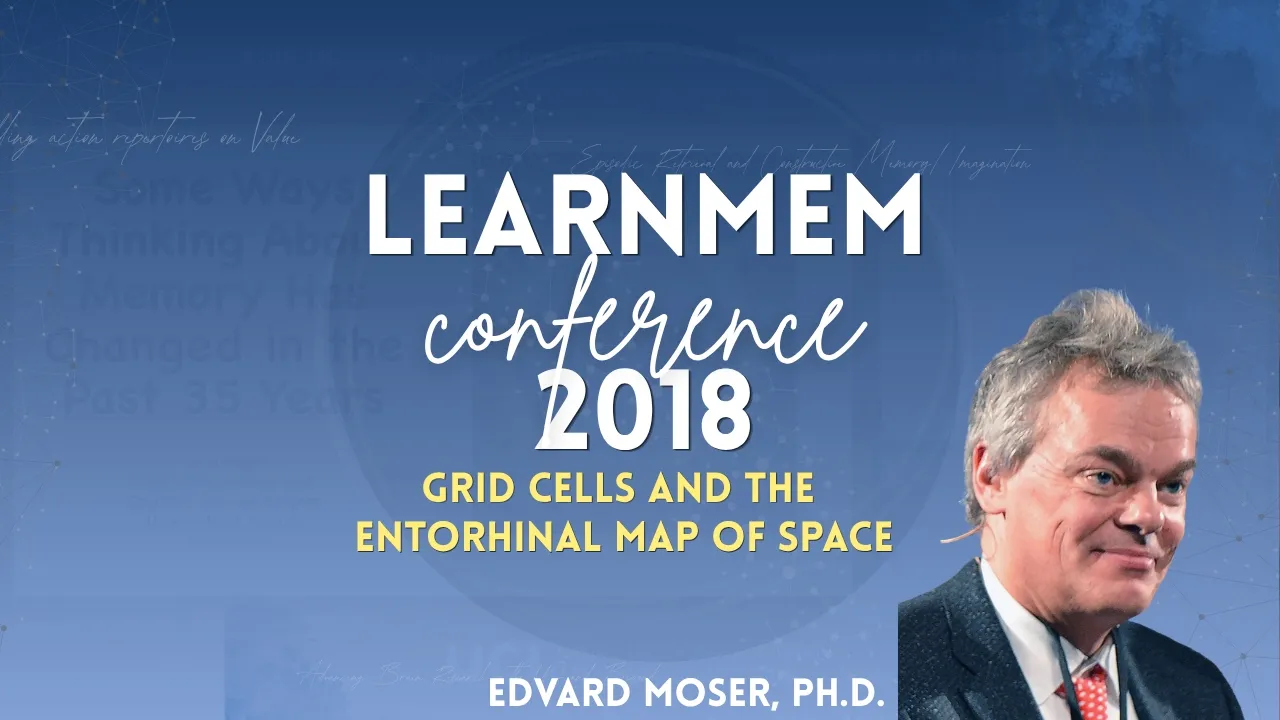
Grid Cells and the Brain's Map of Space | Moser Lecture
@ucicnlm5846
1.3K views•2018-09-14
21:55
Deciphering Neural Circuits Controlling Anorexia in Mice | Richard Palmiter
@AllenInstitute
2.3K views•2011-10-10

4:10
Vagus Nerve (CN X): Anatomy, Nuclei & Functions Explained
@Alilamedicalmedia
305.2K views•2022-10-31

13:03
How Exercise Benefits Your Brain: Science Explained
@TED
11.4M views•2018-03-21
Related Study Plans & Knowledge Roadmaps
Structured learning paths in Neuroscience
neuroscience
Appetite Regulation: Brain Circuits & Hormones
01Foundations of Endocrinology and Brain Anatomy
02Introduction to Energy Homeostasis
03Peripheral Signals: Leptin, Ghrelin, and Insulin
+ 2 more learning modules
14h5 modules
Explore Roadmap
neuroscience
Neuroeconomics: Value, Risk & Brain Mechanisms
01Foundations of Neuroscience and Brain Anatomy
02Introduction to Neuroeconomics and Subjective Value
03Dopaminergic Prediction Errors & Reinforcement Learning
+ 3 more learning modules
18h6 modules
Explore Roadmap
neuroscience
Spatial Navigation: Cells, Grids & Brain Maps
01Foundations of Brain Anatomy and Memory
02Place Cells and Head-Direction Cells
03Grid Cells: The Brain's Coordinate System
+ 2 more learning modules
12h5 modules
Explore Roadmap
neuroscience
BCIs: Neural Decoding & Prosthetic Control
01Neuroscience Foundations: How the Brain Signals Intent
02Signal Acquisition: Recording the Brain's Activity
03Neural Decoding: Translating Brain Waves into Data
+ 2 more learning modules
25h5 modules
Explore Roadmap