







![Ultimate Guide to Cinematic Lighting — Types of Light & Gear Explained [Shot List Ep. 12]](https://i.ytimg.com/vi_webp/r2nD_knsNrc/maxresdefault.webp)


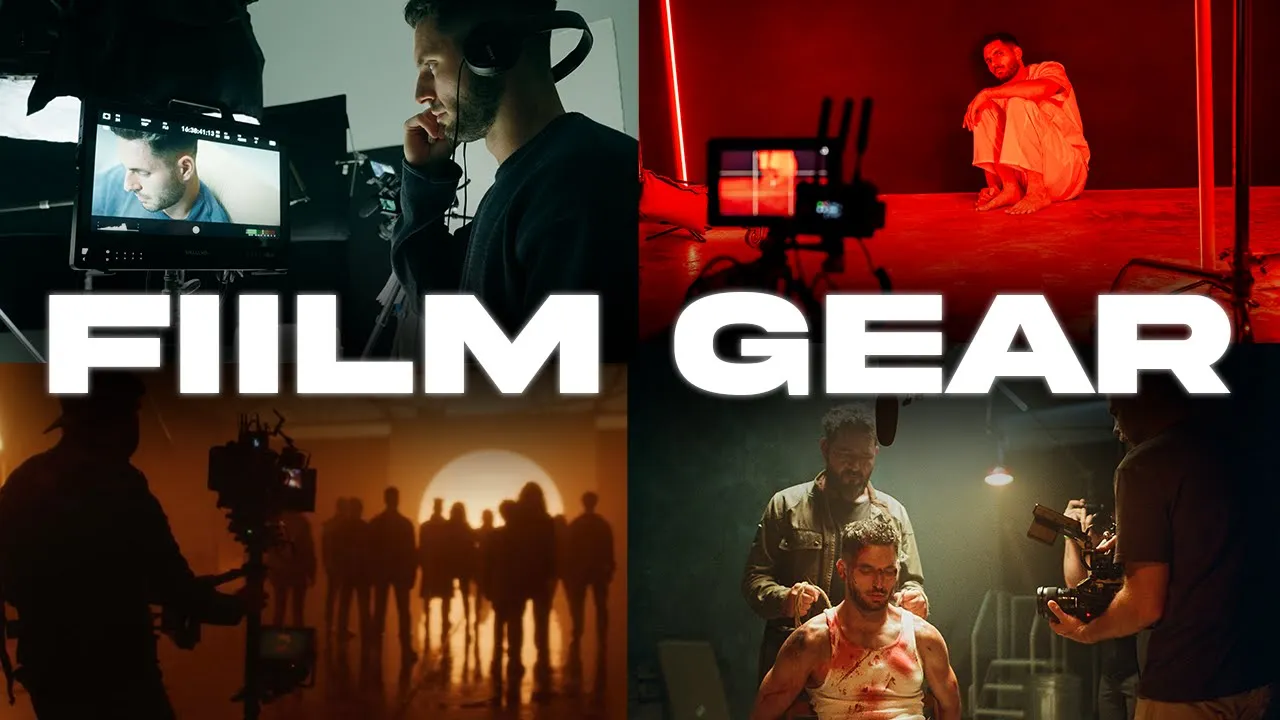

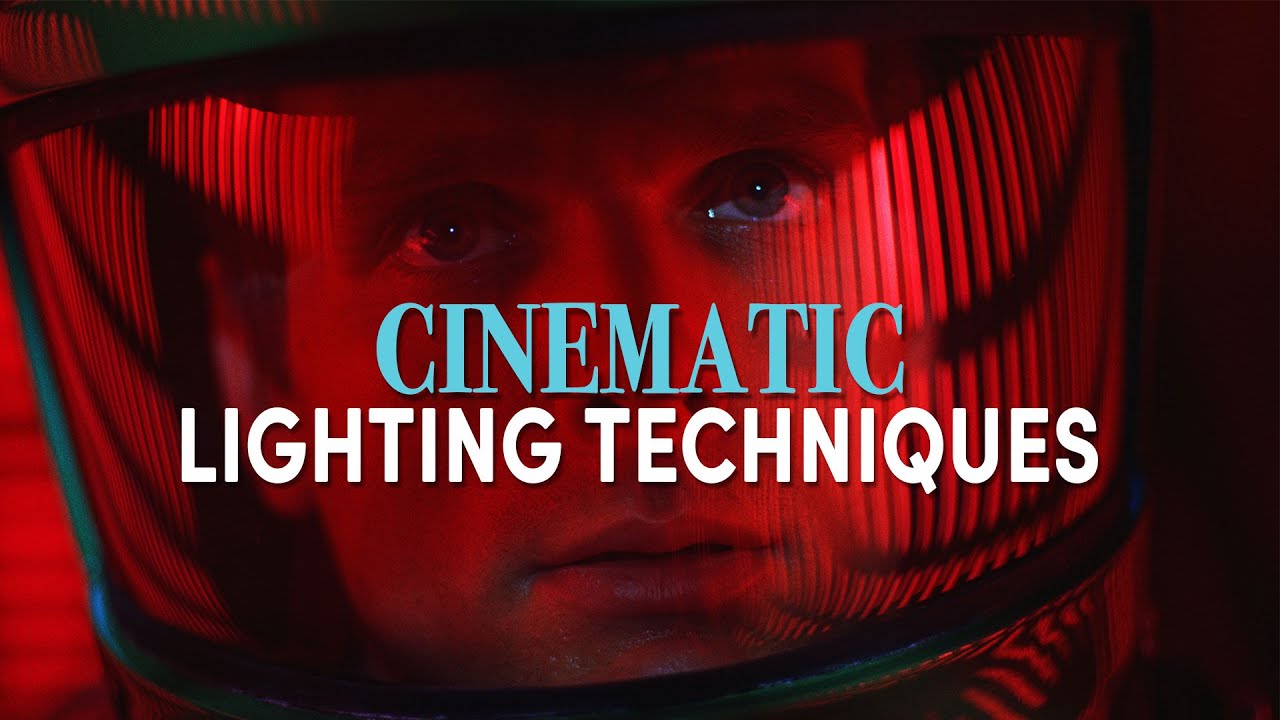
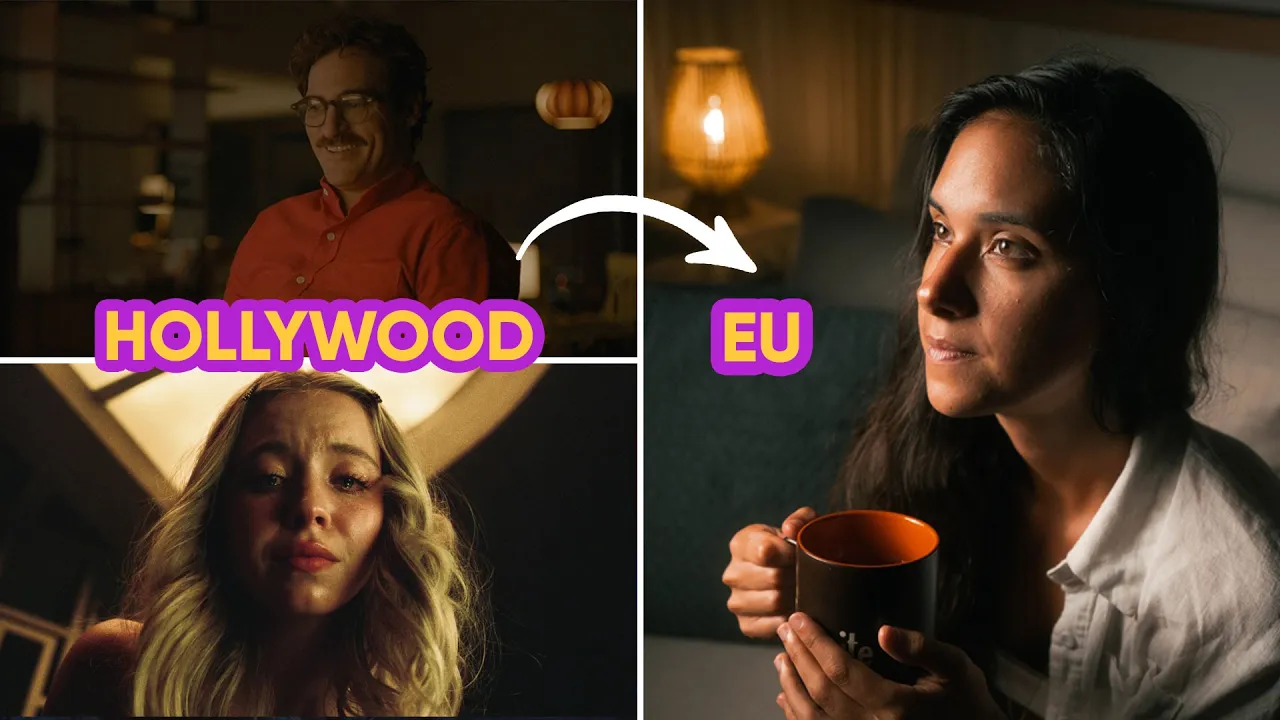
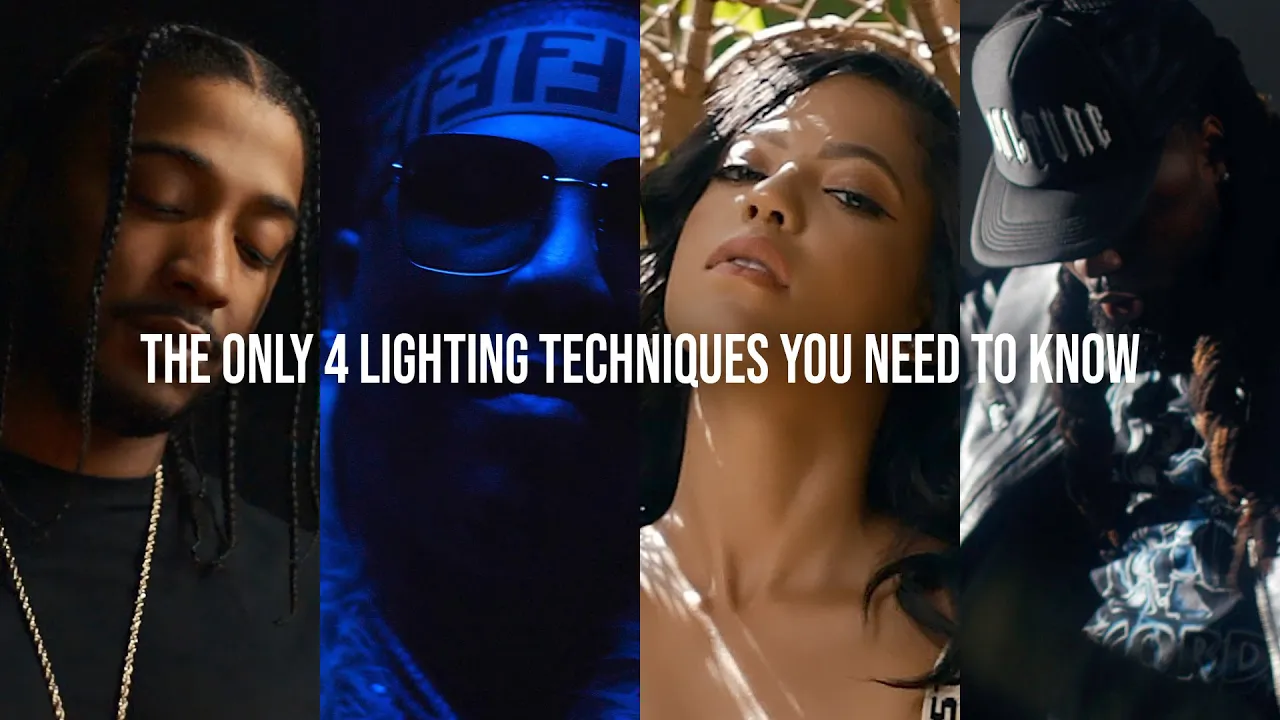
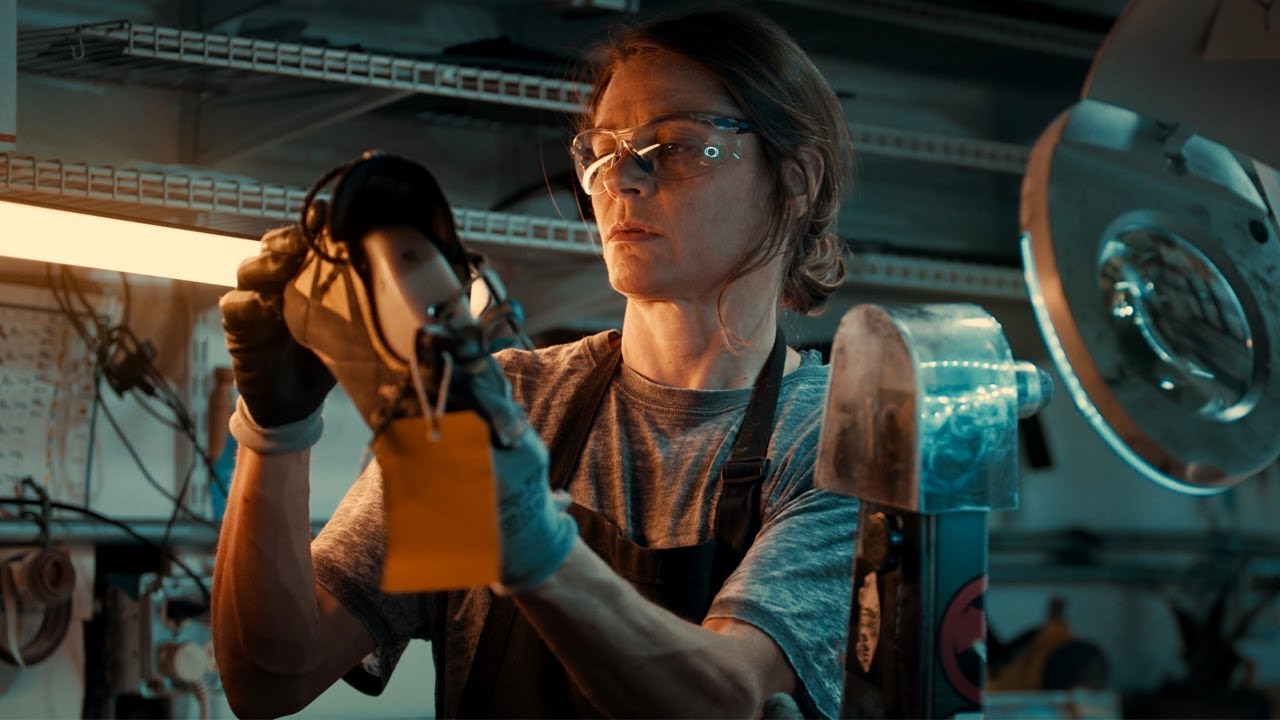
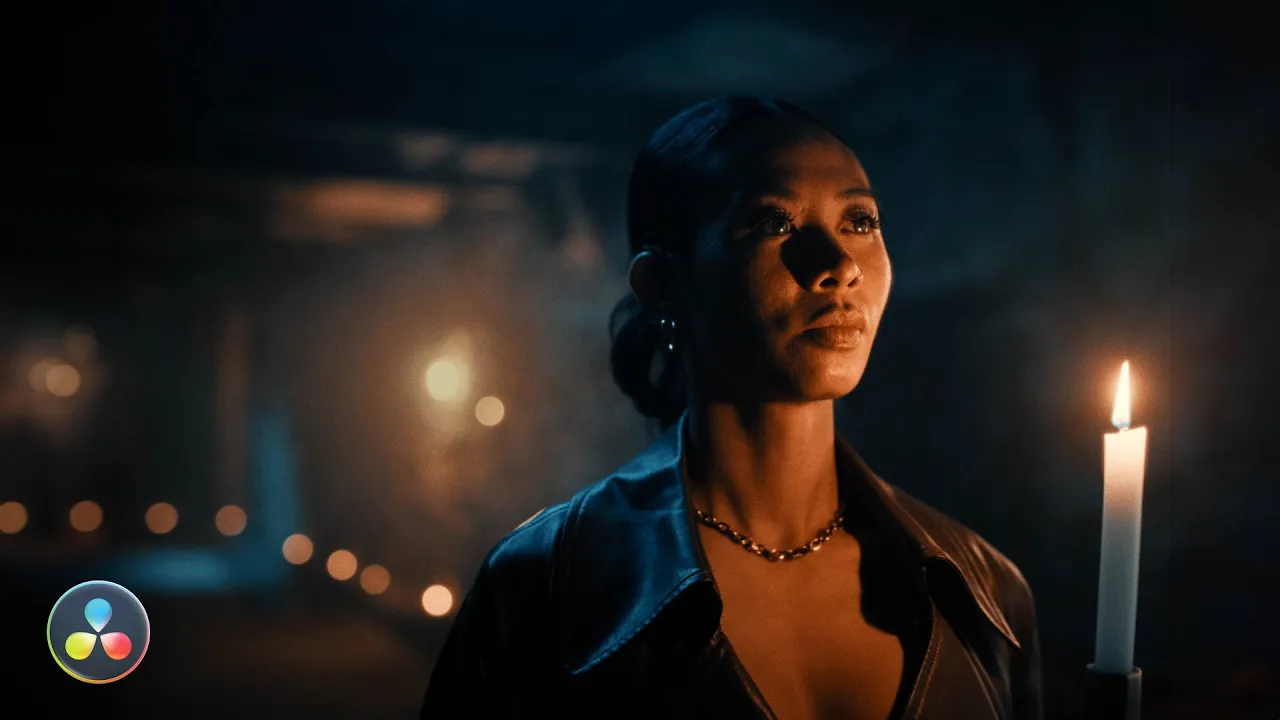




Cinematic lighting follows eight essential steps: (1) Shoot on the shadow side by positioning the camera opposite the light source to create dramatic depth; (2) Use Rembrandt lighting at a 45-degree angle to create natural facial shadows; (3) Create separation between subject and background using complementary colors (like orange and teal) or brightness contrast; (4) Ensure motivated lighting by having visible light sources in the scene; (5) Light the background to avoid a stage-like appearance; (6) Shoot during golden hour (sunrise/sunset) for soft, flattering light; (7) Add catch lights (reflections) in the subject's eyes to convey life and emotion; (8) Use fog or haze to add texture and cinematic atmosphere. These techniques can dramatically improve image quality even with basic lighting equipment.
Cinematic Lighting: 8 Essential Steps for Filmmakers
Added:[Music] hey guys justice here with tomorrowsfilmmakers.com the largest online film academy in the world and today we're talking about cinematic lighting now this video is part two in our cinematic trilogy cinematic composition cinematic lighting and cinematic movement now lighting is not only the most overlooked aspect of filmmaking but it's also the number one thing that will change everything about your projects if you can learn lighting you will up the production value like you have never seen before and like i said it's also the most overlooked aspect of filmmaking i've actually seen filmmakers buy red cameras with no lighting and their footage looks worse than someone with a t5i with great lighting when people ask me to critique their work or ask me why their shot doesn't look as good as their competition i can usually tell immediately that they either didn't have any lights or their lighting is really bad because of that reason inside our full course we have an entire 40 episode in depth lighting course taught by josh osley josh not only teaches all about lighting but we follow along with him as he lights all types of different scenarios with expensive lighting to cheap lighting and we've been selling our film course successfully for years with an 800 price tag and have had over 4 000 students but right now we're doing something we have never done before we are running an insane sale of only 97 our entire lifetime membership to our award-winning 800 film course for only 97 bucks and i'm not joking if you want to take advantage of this crazy deal you can check out our website in the link below and head on over to tomorrowsfilmmakers.com to learn more but in today's lesson i want to give you the eight steps that you need to take in order to have cinematic lighting if you take these eight steps i promise you your image will look a thousand times better even if you just have a cell phone and to show you just how easy it is to get great lighting i personally own mini aperture lights and i use them for every single project and in my opinion aperture lights are some of the absolute best that you can buy but for this entire episode everything that you are seeing has been shot with cheap lights that anyone can buy i'm using the godox sl150 which is about 240 bucks and the godox sl 60 watt which is only about 150 bucks so i want to take a cheaper light and show you guys that you don't need crazy expensive lights to get cinematic lighting all you have to do is follow these eight steps and you will be shocked at the difference starting off with step number one and is actually one of the most important and also doesn't require any lights and that is to shoot shadow side now there are many different names for this shooting negative fill side short side dark side whatever you want to call it but the idea of shooting shadow side is that whatever side your light is placed on your camera needs to be on the other side of the subject this might seem like something really simple but you wouldn't believe the difference it makes and you also wouldn't believe how many people don't do this and i challenge you go choose any movie off your shelf and try to find a shot that isn't on the shadow side of the subject it's really difficult because almost every shot in a movie is on the shadow side now the reason they do this is because it gives a much more dramatic feel to the scene it adds depth to the person's face and also adds more of a three-dimensional element it doesn't have to be like a really strong contrast where you can barely see the person's face it could even be really subtle like this frame even though there's a lot of light on our subject the key light is coming from the other side of the person's face if we take these two images we can clearly see which one looks more cinematic it's always going to be the one where there is more shadows on the subject's face when i first started out most of my filming was done on the key side and it didn't look cinematic whatsoever all of my interviews were done on the key side and everything i filmed was done on the same side that the light was on one major secret that i learned over the years of filming is that if you want that cinematic look in your images and boost the production value of your films simply move the camera to the other side of the light with an interview put the light on the other side if it's a really simple shot and someone's literally writing on a calendar step to the other side of the person's face if you don't have any lights just put the light source on the other side of the person's face even if it's just the sun you aren't going for like a silhouette look just a cinematic look such a simple step can make such a difference in your production value step number two is lighting direction the entire emotion of your project can change just by slightly moving the light in your scene if you move the light too far up above your subject you get more dark shadows underneath the eyes and the person looks less trustworthy and more depressed if you put the light too low you'll reverse the shadows on the face and the person will start to look like a villain to get the most natural looking light on a person's face you want to have the light at a 45 degree angle on their face creating an upside down triangle on the subject's opposite cheek this is known as rembrandt lighting named after the famous painter rembrandt who used this in almost all of his portraits this lighting will keep those shadows on the face but also give enough lighting on the other side to illuminate the eye and slight cheek definition you'll also create a slight drop shadow under the chin and it just looks natural if you're setting up your lights remember that the direction of the light is just as important as anything else if you place the light at the wrong angle or position too high too low it can result in an amateur image or even confuse your audience as to what they should be feeling just a slight movement can make such a difference step number three is depth creating depth and separating your subject from the background is a necessity when filming you do not want your subject to blend into whatever background they're in you can create separation by shooting at a lower aperture bringing your subject away from the background but you can also add separation by lighting and one way is with color now like it or not the orange and teal blockbuster look is very popular because of the color contrast if the skin tones are very warm and orange what is the opposite of orange on the color wheel blue blue compliments orange you see this all the time in movies and not just in the transformer movies but by putting complimenting colors in your films to separate your subject you're not only going to make your film look more cinematic but you're going to add separation from your subject and the background by having two different complementing colors in the same shot and again it doesn't have to be blue and teal it could be any complementing colors so if you have a very warm light on your subject's face instead of putting another warm light in the background put a complimenting color like blue find complementing colors to add depth to your image another way to separate your subject is to simply have your background darker than your subject if the background is brighter it's going to be much harder for the subject to stand out simply bring down the exposure of the background to where the subject is brighter than what is behind him it doesn't have to be super dark or super bright but the formula that i use is brighter shirt darker background darker shirt brighter background you just want your subject to stand out from the background by most of the time being brighter than the background but sometimes even being darker than the background by creating depth number four is motivated lighting nothing screams amateur more than unmotivated light now this is light that doesn't come from anywhere and just kind of appears in the scene motivated lighting means that in the scene the lighting is coming from something in the room and the audience knows it if we show a wide shot and there's no windows or anything around and then when i cut to a close-up there's a bunch of light on our subject it just doesn't make any sense motivated lighting means that the audience knows that the source of the light is coming from something natural if we have a random light on our subject it just looks unnatural but if we simply turn on a lamp next to them it looks like that key light is coming from the lamp even though in reality the lamp isn't really putting off much light and wouldn't be able to light up our subject's face like this but by placing some sort of light source visible to the audience to see we have created natural motivated light in this scene in bigger than life this harsh underlighting really does make the tension grow in the scene but why on earth is there a light in the living room pointed up at them so make sure you have motivated lighting in your scene it doesn't have to be difficult and it also doesn't need to put off any light onto your actual subject it can be as simple as putting a really small lamp in the background all you want to do is make sure the scene looks natural and that the audience knows where the lighting is coming from in this scene from silence when these characters are having a deep conversation there's a lot of side lighting on their faces the only problem is that there is only one giant window in the entire room producing any light and it's behind them so how do we show motivated lighting we have one wide shot showing light coming into the room and hitting the side of the wall over here once they show that the side lighting doesn't seem out of place imagine if they didn't show that wide angle shot it was just a giant window producing light into the room then we cut to a close-up and it's side lighting it would make no sense so whenever you're lighting a scene if there isn't a natural reason for a light to be on the face create one next is background lighting this is something that many people tend to look over because how important it is to light your subject but if you forget to light your background your image will not look natural and you run the risk of it looking like a stage play by having all the light on your subject and a completely dark background and i'm not just talking about interviews it's important to have some sort of background light for interviews but in narrative filmmaking as well most times this can be achieved simply with just some practical lights you can add a small lamp to the background if it isn't enough light maybe add a little bit more light to brighten up a certain area if needed you can also add some ambient light in the background by either pointing a light into the ceiling pointing a light into a wall into a room with lots of diffusion just adds some sort of life to the background so it looks natural and doesn't look like the subject was just lit by a stage and they completely forgot about the background take any movie or tv show and just imagine how a certain shot would look if there was no light in the background this shot would be completely black behind our subject if it wasn't for that small light same thing with this shot if it wasn't for those few candles this shot would look unrealistic and look like it was filmed on a stage somewhere adding a few small lights to the background really make a difference next is time of day and for those of you who don't know the absolute best time of day to shoot is in golden hour this would be the first hour of light when the sun is coming up and the last hour of light when the sun is going down if you shoot with the sun directly overhead no matter what you do you're going to get an ugly look because the sun is casting harsh shadows under the eyes and it's the same as putting a light directly above your subject during golden hour there is no harsh shadows and the light is much more appealing now these three shots were taken at the same day one at 7 am one at 12 pm and the other at 7 pm if you were to choose which one looks the best it would be an easy choice it would be the first one and the last one and all i did was shoot at a certain time of day personally during golden hour i like to put the sun behind my subject and shoot into the sun this will not only give you a very cinematic look but will also give you beautiful lens flares and if you plan accordingly you can sometimes capture lots of detail in the sky when the sun is starting to go down shooting any other time will result in a blown out sky but choosing to shoot during golden hour will increase the cinematic quality of your films immediately next is a catch light or an eye light and this is the reflection of the source of light in your subject's eyes now most people don't really think about this but a catch light or an eye light gives your subject life it gives them a soul it makes them feel alive they even put white spots in the eye of an animated character to make them feel alive yet those older animations that don't have that white spot feel dead and lifeless and like a shark some filmmakers have actually used this to communicate life and communicate death in king kong when kong dies at the top of the empire state building that i light fades away now this wouldn't happen in real life but like i said the eye light is what makes people feel alive so whenever they remove that you know as the audience that he's dead in the gray when liam neeson finds himself surrounded by wolves there is no light in his eyes because he's accepting his fate but when he decides to fight to the death that i light comes back life in the fight for survival has been given back to him and communicated to the audience by having a reflection in his eye with all that being said just make sure that when you're lighting your subject you can see that eye light and if you can't try moving the light around just a little bit to get that slight reflection and finally step number eight is texture now like it or not fog and haze completely change lighting one shot might look okay but adding just a little bit of haze and a little bit of fog and it looks like you've just purchased thousands of dollars worth of lights and maybe even upgraded your camera and that's what i love about fog it's something so simple yet can completely change your image and at the same time nobody is using it it doesn't make sense now one little trick that i learned with haze that's amazing is that if you're wanting to get fog outside it's really difficult and it's really expensive but not if you use an insect fogger on amazon you can buy these foggers that are meant to repel insects what you're supposed to do is put insect repellent in it and then spray a giant mist on everything to kill a bunch of bugs well instead if you use mineral oil or fog juice it turns an insect repellent into an incredible outdoor fog machine now i would never use this indoors because it's just way too powerful but outside scenes now look incredible with a simple bug repellent and of course i'll have all the links to these in the description below so now that we know the eight steps let's take all of these steps and put them together to make one beautiful cinematic shot now here is our scene we have our subject sitting in a chair playing the cello and if we add the light to our subject it looks fine i mean it's fine it's passable and this is where many filmmakers would actually stop but let's take these steps and i'll show you the difference our first step is shooting shadow side now the light right now is on the key side of our subject's face so we need to move the light to the other side of his face which puts us on the shadow side number two is lighting direction as you can see even though we're on the shadow side it's still pretty frontal lighting so let's move the light to a 45 degree angle to get that rembrandt lighting on our subject's face and add more shadows three four and five is motivated lighting backlight and depth and i placed all of these together because each one is kind of necessary for the other first we need to motivate our key light so let's simply take a lamp and place it on the same side of our subject and on the same side of our key light now the key light is motivated by the lamp in the back this is also lighting up our background a little bit as well and separating our subject next is the background and even though the lamp is helping a little bit i do want something on the other side so we're actually going to turn on the fireplace over here and even though it isn't really giving off much light at all it's adding some interesting element to the background and not only is it an interesting element but it's also adding some depth by creating a color contrast but let's add even more color contrast though by motivating some light from the fire we're going to add an orange light to the right side of our subject to look like it's coming from the fire and again not only is this light motivated by the fire but it gives us a really great contrast from the led key light on our subject's face and continuing with the background i really don't like this random door here and i also don't like the dark window so we're going to add another light outside of the window shining inward this brightens up the background separates our subject and also adds some cool texture from the blinds to the left side of the frame and then finally let's add some haze and not only does it soften the overall look of the entire image but look what it does to the window amazing the first image we did doesn't look horrible because our subject is lit well and many filmmakers would probably be satisfied with this but by taking these eight steps you can change an acceptable image into a cinematic image all by using cheap lights and a 30 fog machine from amazon so thanks again for watching if you'd like to learn every single aspect of filmmaking be sure to check out our website at tomorrowsfilmmakers.com we have over a thousand training videos and over a hundred hours of content on every single filmmaking subject that you can imagine and if you want to go into the production side with weddings real estate music videos commercials we teach all about that and if you want to go into more of the narrative side with directing storyboarding acting we teach all of that as well and like i said at the beginning we have been successfully selling this course with an 800 price tag for years but for a limited time we are offering it to you guys for only 97 and i'm not even joking our award-winning 800 online film course is only 97 bucks so thanks again for watching be sure to click subscribe because we're going to be posting videos just like this continuously and if you'd like to learn more click the link in the description below and learn all the skills that you need to succeed
Up Next
Cinematic Natural Light Techniques: 3 Setups for Filmmakers
@aputurelighting
38.5K views•2020-10-06

Triumph of Orthodoxy Icon: Byzantine Art & History Explained
@BenCallan
2.1K views•2024-08-06
8 Essential Audio Improvement Techniques for Filmmakers
@TomorrowsFilmmakers
333.4K views•2021-06-29

Game of Thrones Opening Credits: A Cinematic Analysis
@gameofthrones
46.3M views•2011-04-18
Related Study Plans & Knowledge Roadmaps
Structured learning paths in General & Interdisciplinary Studies