













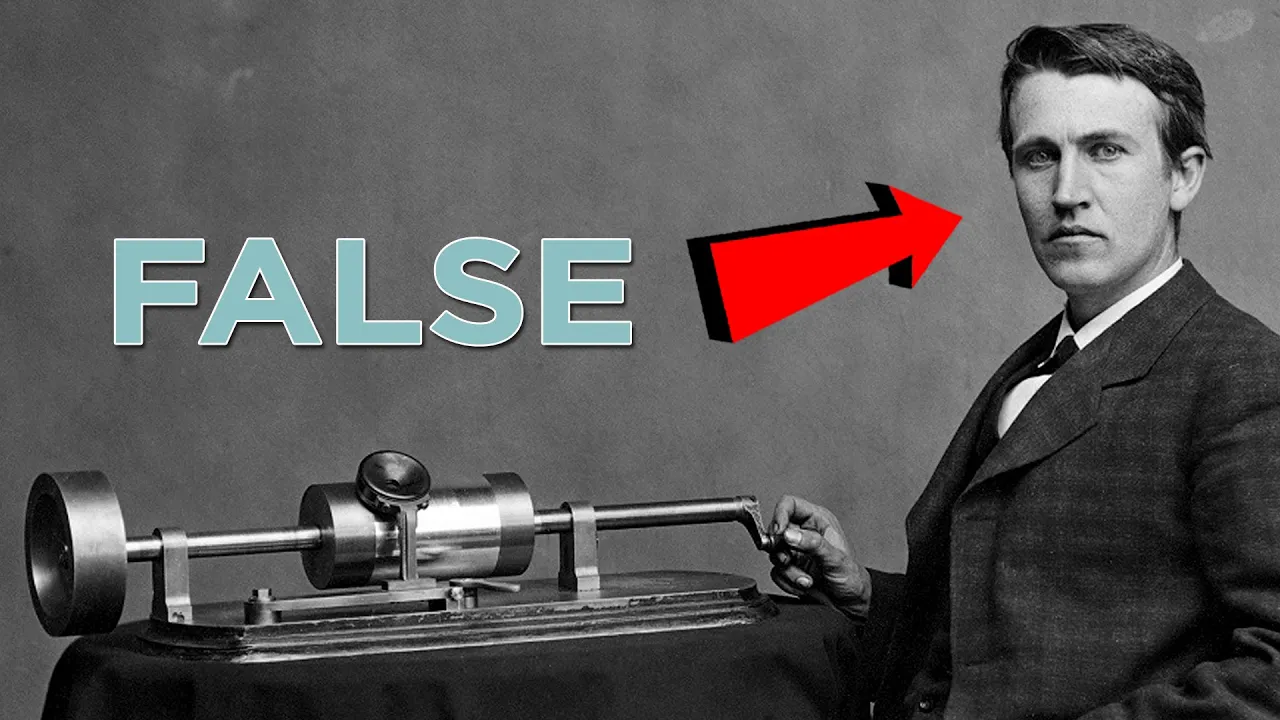









Thomas Edison invented the phonograph in 1877 by combining his earlier telegraph recording concept with telephone technology; he used a vibrating diaphragm connected to a sharp stylus that pressed into tin foil wrapped around a cylinder, creating grooves whose depth varied with sound intensity, allowing sound waves to be physically stored and later reproduced by tracing those same grooves.
How Edison's Phonograph Recorded Sound: A Technical History
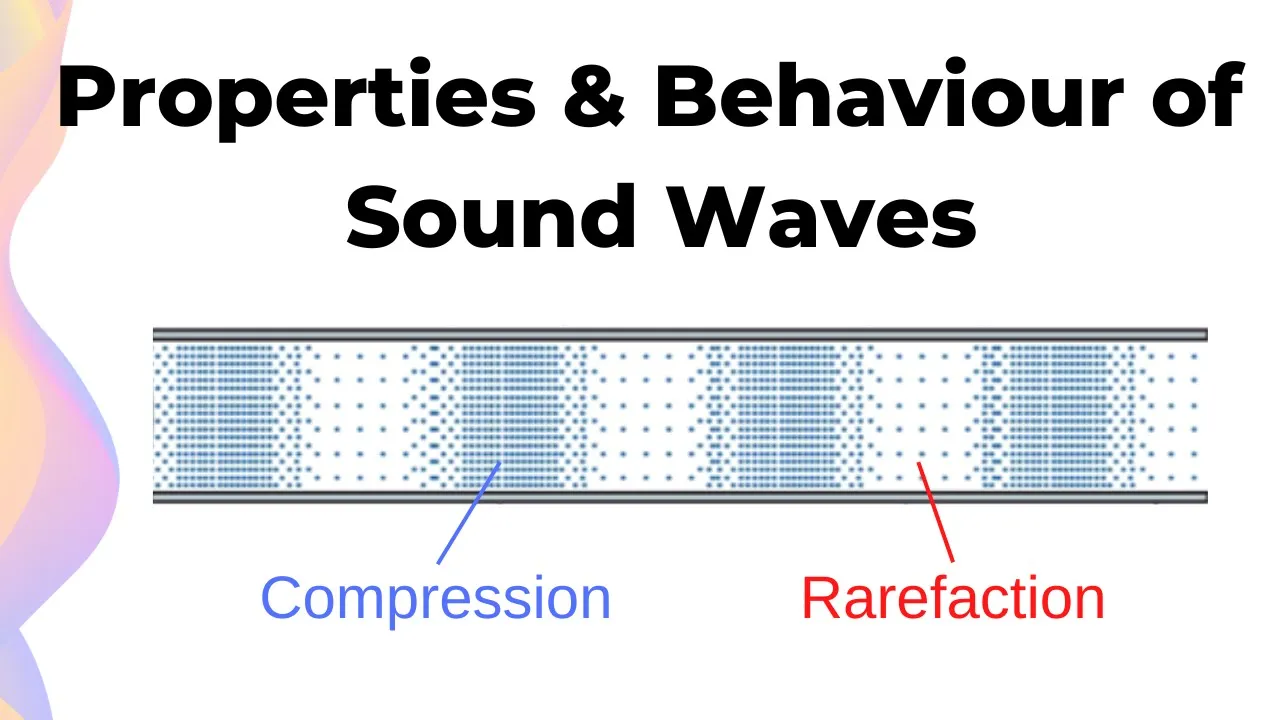
Added:The physical nature of sound waves, specifically how acoustic energy travels as mechanical vibrations through a medium.
The basic mechanics of early telegraph systems, particularly how electrical pulses could be physically embossed or marked onto paper tape.
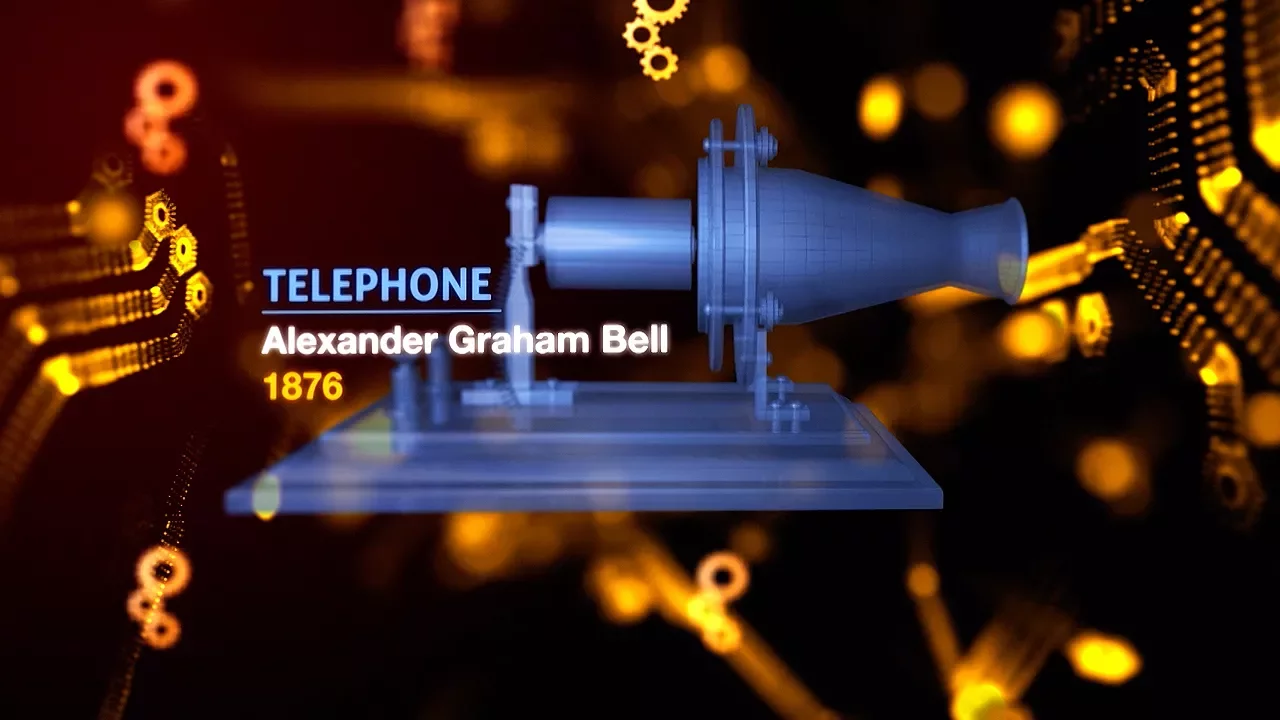
The fundamental operation of Alexander Graham Bell's early telephone, specifically how a flexible diaphragm converts sound waves into mechanical movement.
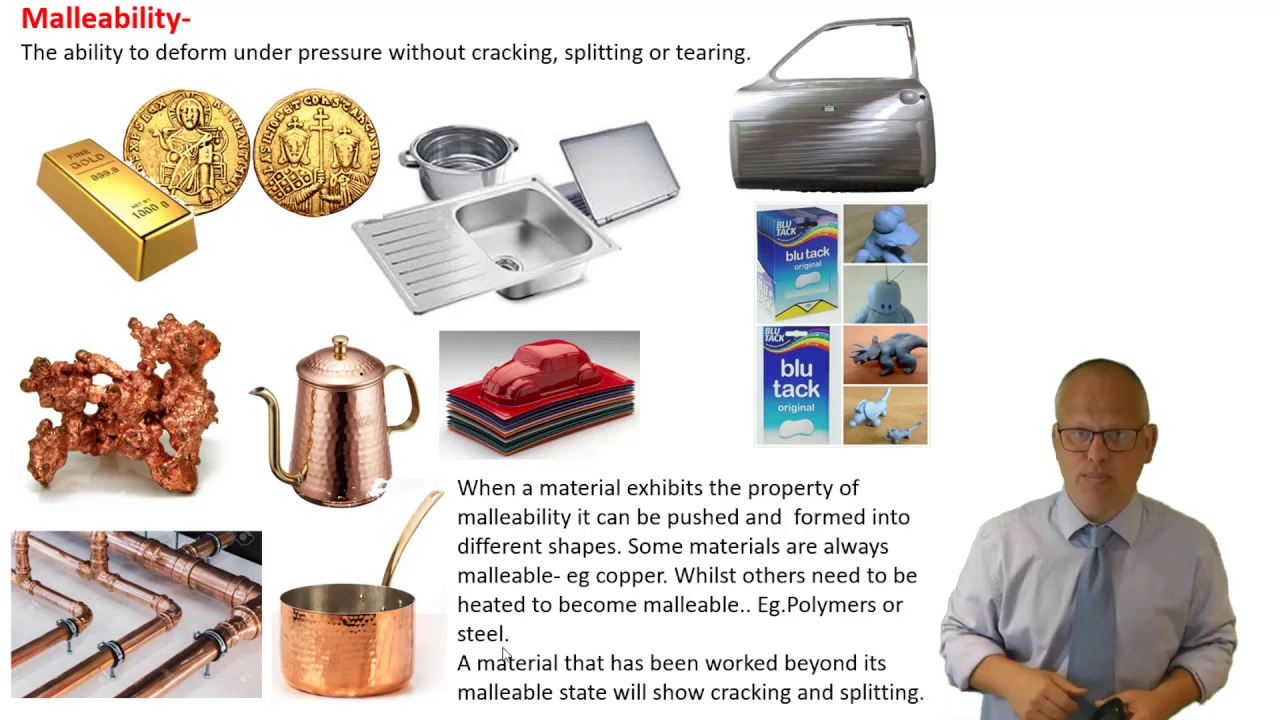
Basic material science concepts regarding malleability, explaining how a metal like tinfoil can physically retain deformations caused by a stylus.
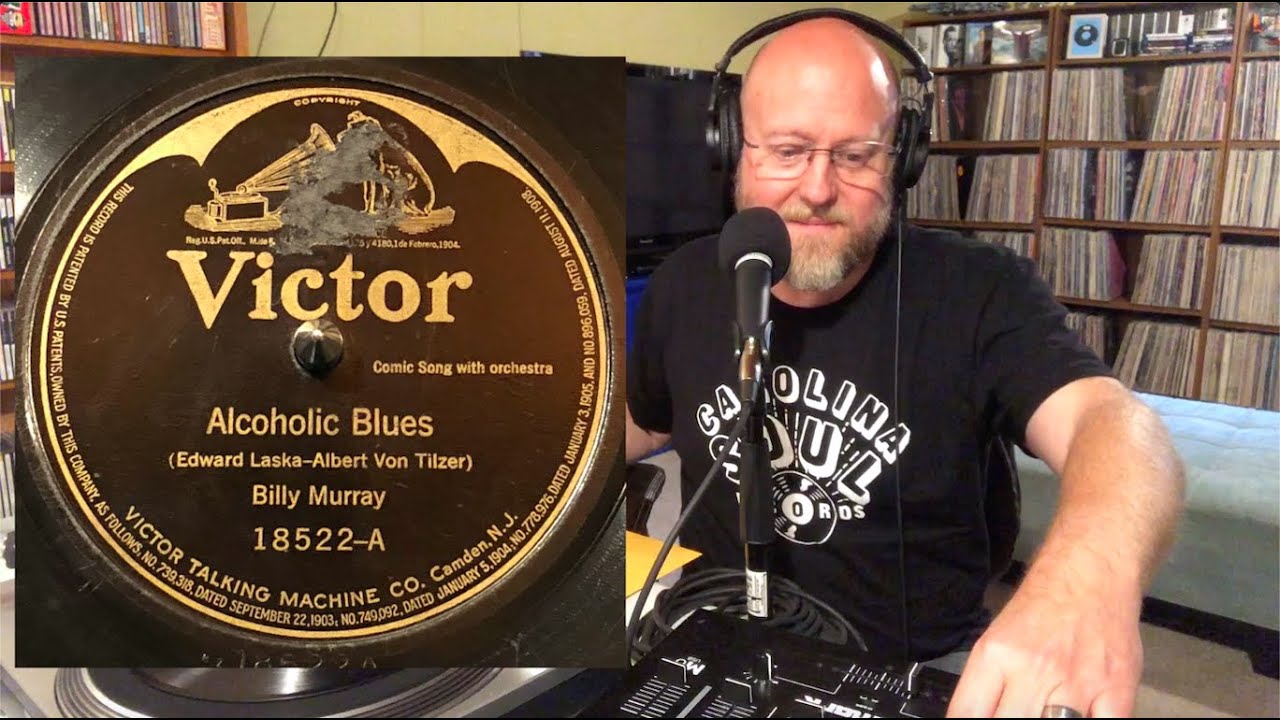
The technological transition from tinfoil to wax cylinders (Graphophone) and eventually to flat-disc vinyl records (Gramophone).
The mechanical distinction between vertical (hill-and-dale) recording used by Edison and lateral cut recording used by competitors.
The shift from purely acoustic recording methods (using physical horns to amplify sound) to electrical recording systems utilizing microphones and amplifiers in the 1920s.
The foundational principles of modern analog-to-digital audio conversion, comparing physical grooves to digital sampling.
398.7K views11.3Klikes17:34Original Release: 2015-10-01
last week we took a look at the first device to reproduce sound Alexander granel's telephone being able to hear another person's voice over a wire was no doubt a revolutionary concept but until the following year 1877 no one had yet to hear their own voice that's because a telephone only moved sound from one place to another no one yet knew how to record sound to be played back later but Thomas Edison figured it out and he did it using an unlikely household product tin foil this week we'll be exploring how Edison used the ideas in the telephone to make sound Echo all around the world I'm Alec and this is technology [Music] [Music] connections quick recap for those that are just jumping in now sound waves come from the rapid fluctuations and air pressure caused by vibrating objects Martin B's phenograph successfully captured these sound waves using a vibrating diaphragm that VI due to Ambient sound Alexander granell Used a similar diaphragm attached to a variable resistor to modulate an electrical signal based on its movement that electrical signal could duplicate the movement in a second diaphragm using an electromagnet allowing for the electrical transmission of sound waves now here's where Edison steps in to make a record of all this sound was no foreign concept to Edison just like his colleagues he understood that sound was just a physical phenomenon caused by the vibration of objects being sent through a medium generally the air indeed he was studying the telephone and he knew exactly how it worked but his quest wasn't one of transmission it was one of recording how could you record these sound waves to be played back at a later time the idea of recording information didn't come about after seeing the telephone though now Edison already had an idea for recording Telegraph messages sort of like a primitive answering machine his idea was to make something that could record the sequence of dashes and dots being sent over a telegraph wire that way Telegraph messages could be received even if the telegraph was unattended in his own words I was experimenting on an automatic method of recording Telegraph messages on a disc of paper laid on a revolving platin the platin had a spiral groove on its surface over this was placed a circular disc of paper an electromagnet with the embossing Point connected to an arm traveled over the disc and any signals given through the magnets were embossed on the disc of paper if this disc was removed from the machine and put on a similar machine provided with a contact point the embossed record would cause the signals to be repeated into another wire the ordinary speed of telegraphic signals is 35 to 40 words a minute but with this machine several hundred words were possible to clarify a few things embossing means to raise the surface of paper Edison's idea was to trace a spiral on a disc of paper and if the telegraph was sending a signal an electromagnet would press into the paper and raise its surface you'd therefore end up with a spiral covered in dashes and dots almost like Braille you could run this disc through a similar machine designed to detect the bumps and now you could replay the message as the machine detected them a side effect as Edison pointed out was that it could also be done much faster than the message was sent you might notice a creepy similarity between this and another Sound Recording Technology that won't be invented for over a century we'll talk about that when we get there but I'll just say that this isn't the last time we'll see data represented as bumps on the surface of a disc so then how did this help Edison figure out how to record sound well remember he'd seen the telephone he knew how you could make a diaphragm vibrate because of Ambient sound the real question was to figure out how to take a vibrating diaphragm and make a recording Martin ve sort of already figured this out with the photograph but recall that his recordings were only visual there was no way to play them back at least yet Edison's invention was the result of a combination between his own Telegraph recording idea and Belle's telephone like the telephone he used a vibrating diaphragm to capture sound but instead of attaching it to a variable resistor he attached it to a sharp stylus then he modified his Telegraph recording cont concept he changed the disc into a cylinder which was a doomy mistake that we'll explore later but most importantly he changed the paper into tinfoil tin foil is malleable and can be embossed with little effort which is an important requirement for recording sound in his new invention the stylus would rest on the surface of the cylinder and as it rotated a mechanism dragged the stylus sideways so that it drew a spiral on the cylinder's surface because tin foil is so malleable the stylus would press into the cylinder and make a fairly deep Groove now here's why tinf foil is key because of its malleability the depth of the groove is dependent on the force with which the stylus is pressing into the cylinder Edison attached this stylus to a sound absorbing diaphragm just like the ones we've seen in the telephone and photograph it was arranged such that the vibrations picked up by the diaphragm were translated into an up and down Motion in the stylus so recall that the depth of the groove the stylus created in the tin foil was dependent on the force applied to the stylus if the the stylus is moving up and down as it creates the groove then the height of the groove will similarly rise and fall what this means is that any sound vibrations that are picked up by the diaphragm will be pressed into the surface of the cylinder by the vibrating stylus so now instead of having a simple spiral Groove we have a Groove that surface is augmented by a series of bumps each bump caused by the vibrations in the stylus so now we in theory have the sound stored on the surface of the cylinder the sound waves have been transformed into a physical impression on the cylinder surface Edison didn't really know if this would work he basically just tweaked his Telegraph recording idea a little bit and pretty much didn't expect results he ran his machine while shouting Mary had a little lamb into the diaphragm he ran it again this time without speaking and much to his surprise the machine spoke Thomas Edison became the first person to hear his own voice and subsequently the first person to question whether or not his voice was really that funny the machine worked as Edison thought it might the tin foil have a unique combination of being malleable enough to have sound waves imprinted in it but strong enough to withstand being run over again by The Stylist so during recording the vibrations being picked up by the diaphragm would be pressed into the surface of the cylinder by the vibrating stylus if you ran the machine again now the bumps in the cylinder will move the stylus and thus the diaphragm making the diaphragm move in the exact same pattern it did when recording this was the exact same concept as the telephone duplicate the action of a vibrating diaphragm and can duplicate a sound but instead of changing sound into an electrical signal to be transmitted Edison changed sound into a physical object a Groove when the stylus vibrates because of the groove itself now the same sound can be heard again to help explain the concept let's take a look at what an actual sound wave looks like now remember the shape of a sound wave impacts its sound that's what the phenograph was designed to study but we'll start out with the simple one this is what's called a sine wave and it sounds like this obviously we can't see sound but this shape helps us visualize sound's energy remember sound comes from objects pushing air back and forth so what this wave shows is the Sound Energy over time the midpoint represents Zero Energy anytime the line is above the midpoint it means that sound energy is pushing on us when it's below the midpoint sound energy is pulling on us remember that's how your ears work the ear detects when sound is pushing and pulling because the eardrum moves as a result of this energy so how come we get this shape well imag IM I rig up a pen to Mark the amount of Sound Energy currently hitting it if there's no energy the pen rests here if there's a lot of energy the pen goes up and if energy is pulling on us the pen goes down so if sound is hitting the pen it will steadily move up and down or vibrate but it's just drawing in the same spot it can only tell us what the sound energy is instantaneously because even though it's writing it's always writing in the same place but if we drag the paper sideways look at the shape we get it's that sound wave by dragging the paper side waves we've introduced a second measurement time now that we have a sound wave we can move the sound wave past the pen and retrace its movement if I follow the line as it moves past now I'm moving the pen just like it moved because of sound in the first place Addison's photograph work exactly like this replace the pen with the stylus and replace the paper with the tinfoil cylinder and you've just invented the photograph Sound Energy hitting the recording diaphragm made the stylus move up and down just like our pen as the tin foil whizzed by the up and down motion of the stylus caused by sound hitting the diaphragm made the groove's height rise and fall as it created it just like our pendra wavy line on paper the stylus pressed a wavy line into the tin foil and now we have a way to retrace the movement of the stylus just run the machine again and the height differen is now embedded in the groove the wavy line will move the stylus up and down since the stylus moves the diaphragm we'll be able to hear the same sound once more Edison shocked the world with his invention for the first time a machine spoke but it wasn't without its flaw laws for one thing the tinfoil recordings were absurdly fragile you couldn't get them off the machine without destroying them and they also wore out quickly while tin foil's malleability was essential to prove the concept it also meant that the recordings would wear out quickly they couldn't withstand being played back more than a few times before the sound recorded in them was worn away someone would have to make improvements and wouldn't you know it our old friend Alexander granbell took charge his team at the Volta Laboratories made many essential improvements Chief among them was changing the recording medium to wax this solved the durability problems and it also sounded better they experimented more and more on the photograph perfecting its operation and then in 1888 deciding it to be convenient Thomas Edison returned to the photograph with most of his work done for him he started the national photograph company in 1888 which mass-produced machines for home use let's take a look at one of these machines and see how it works this Edison standard photograph is from somewhere around 1906 it's a pretty wonky looking thing kind of looks like it belongs in the lab of a mad scientist but it and machines like it were among the very first machines to talk not surprisingly they quickly took on the name talking machines this one works almost exactly the same as Edison's original photograph the records are now removable and made of wax and there's now a spring wound mechanism to drive its movement automatically other than that though it works pretty much the same way but before we get to the Eureka moment let's have a look at the mechanism on the inside nothing under here is that extraordinary this Barrel has a spring inside that is wound up through this hand crank the barrel is connected with gears to multiply its speed the most significant piece down here is the governor it's called the governor because it holds the highest governmental office no it's called a governor because it regulates or governs the speed at which the mechanism turns it's actually very simple these three weights spin around this shaft and they're attached to the shaft on only one side as they spin faster centripetal forces make them move away from the center since they're only attached on one side they start to drag this disc with them as they gain speed the disc approaches this felt stopper and once it touches it the friction created prevents the mechanism from getting any faster you can adjust the speed of the mechanism by changing where the felt Stoppers are in relation to the disc there's a second felt pad that touches the disc and it serves as a break to stop the mechanism it's attached to a lever up top watch what happens when I release it the weights start to spin and they begin pulling the disc to the right now it's touching the first pad so friction kicks in and the mechanism stabilizes in speed watch one more time if this Governor wasn't here the spring would unwind faster and faster and the speed would be uncontrollable it's really the only important thing down here though the mechanism terminates at this pulley a leather belt is attached to the pulley and transfers the energy up to the top side up top is where things start to get interesting this silver cylinder is called the mandrel it's tapered thicker on the left side than the right so that records can only be put on one way it spins at 160 revolutions per minute on the left side are some gears that take some of this motion slow it down and drive a worm screw in the back the worm screw drags the stylus across the cylinder as it plays records you'll see why this is necessary in a moment to the right side is a gate used to Center the Mandel when shut and when open it lets you slide a record on these are the actual records they come in a protective cardboard can lined with felt and they look like this to put them on the machine you would Open this gate and slide them across the mandrel you want to be careful here remember these are very very old now you would close the gate which centers the Mandel and it's ready to be played now if you look really closely at the surface of the record you'll see that there are a bunch of lines this is actually one continuous Groove starting at the left and ending on the Right This Groove contains sound literally it has a physical Mark of the sound it recorded those vibrations picked up from the diaphragm when recording are right here in this groove the wobbly lines of the sound wave are translated into physical markings varying the height of the groove with each vibration if you look really closely you can see these marks every time the recording diaphragm moved it changed the height of the groove as it whizzed past like in our pen analogy the status vibrated from sound and the paper it's drawing on was pulled underneath it very fast you were looking right at that wavy line the only difference is you're looking from the top if we could get a good view from the side of the record you'd be able to see wavy lines just like the one we drew on paper with the pen now we can finally talk about the Breakthrough device in here this is called the reproducer it takes the sound waves embedded in the surface of the record and reproduces them so we can hear them that's probably why they call it the reproducer anyway I can take it out so we can get a better look the stylus is on the bottom bom it rests in the groove of the cylinder records and it's hanging from the body on a lever so it puts very little force on the surface of a record that's why we need the worm screw to drag the reproducer along the stylus will track the groove but it's too heavy and there's too much friction for it to move the reproducer sideways on its own the stylus's up and down motion is transferred via the lever to the inside of the reproducer and here is you guessed it a diaphragm it's hard to see because of the nipple used to attach the horn but you can see part of it if you look straight down the vibrating stylist made this diaphragm vibrate and as we learned with the telephone a vibrating diaphragm makes noise there's very little energy from the tiny motion though so a sound amplifying horn is attached to make the records easier to hear so now that we know how it works well what does it sound like let's play a record and find out this one looks interesting slash is conveniently placed in front of me so to play a record we'll first of course need to take it out and we'll slide it over the mandrel close the gate I've already wound up the machine so the last thing we need to do is release this brake to start it spinning I lied that's not the very last thing the horn is actually resting above the record and it doesn't engage until you pull this stopper out so all that's left is to pull out the stopper and now for the first time we'll be able to listen to music at home let's see what it sounds like here we go the m and the CL by the [Music] wow [Music] admittedly this machine sounds pretty bad by today's standards but it's over a century old and still works I'm not counting on my iPod to work in 215 it's interesting how it can play music without any electricity except for some luxury machines that had electric motors to run the mandrel nothing in this machine is electrified these early machines were all acoustic meaning that all their Sound Energy came from the motion of the record and the vibrating stylus Edison's photographs were the bees knees everybody just had to have one of these talking machines but Edison's pride and accuracy doomed his machine to a premature death and it all had to do with shapes thanks for joining me on technology connections next week we'll take a look at the simple change that Edison ignored a change so obvious that we still use it today the [Music] disc [Music] [Music] la a
Up Next
17:32
Magnetic Recording Technology: From Wire to Tape History
@TechnologyConnections
453.3K views•2016-02-13
30:32
Ultrasonic Transducers: Resonant Frequency Measurement and Horn Design
@imajeenyus42
229.9K views•2017-02-22

21:03
Heat Pump Efficiency: A Cold Climate Analysis
@TechnologyConnections
1.4M views•2022-03-26
33:39
How a Student's Question Saved a NYC Skyscraper from Collapse
@veritasium
22.8M views•2025-04-26
Related Study Plans & Knowledge Roadmaps
Structured learning paths in Engineering
engineering
Building Acoustic Levitators: Physics & Arduino
01The Physics of Sound and Standing Waves
02Piezoelectric Transducers and H-Bridge Drivers
03Arduino Programming: Generating 40 kHz Signals
+ 2 more learning modules
14h5 modules
Explore Roadmap
engineering
Building Peltier Cloud Chambers: Particle Tracks
01Cosmic Rays & Cloud Chamber Physics
02Thermoelectric Cooling (TEC) Fundamentals
03Custom Liquid-Cooling Loop Design
+ 2 more learning modules
18h5 modules
Explore Roadmap
engineering
Yagi-Uda Antennas: Modeling, Build & VNA Test
01Introduction to RF and Antenna Fundamentals
02Yagi-Uda Antenna Design Principles
03Antenna Modeling and Simulation in 4NEC2
+ 2 more learning modules
18h5 modules
Explore Roadmap
engineering
ECG Monitor Design: Op-Amps, Filters & Noise
01Electronics & Breadboard Basics
02Op-Amps and Instrumentation Amplifiers
03Bioelectricity and ECG Fundamentals
+ 2 more learning modules
18h5 modules
Explore Roadmap