


![FÍSICA - Electromagnetismo Parte 01 [CICLO FREE]](https://i.ytimg.com/vi/EEvilmKUQT4/maxresdefault.jpg)


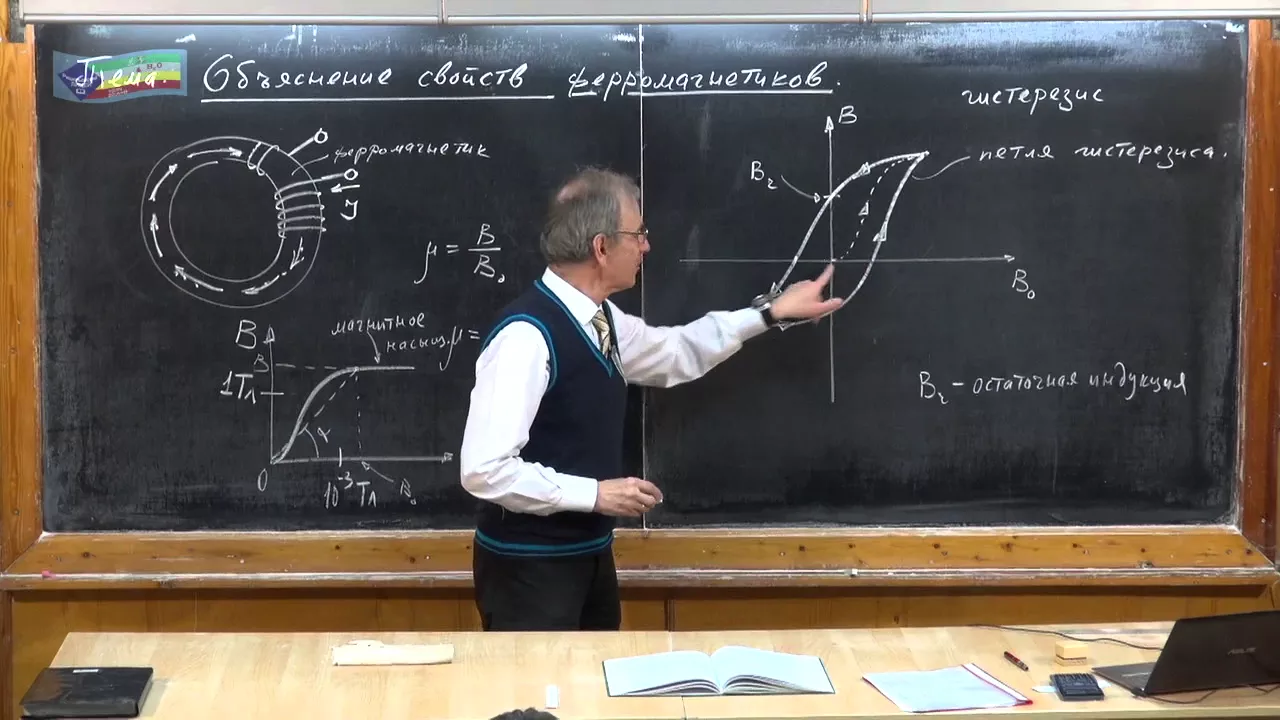





















Magnetic recording technology evolved from Valdemar Poulsen's 1890s wire recorder, which magnetized steel wire at high speeds (24 inches/second) to store audio signals, to magnetic tape recorders developed in the 1930s that used iron oxide-coated plastic film. Tape offered significant advantages over wire: it could record the same amount of material in much less space (2-3 inches instead of 24 inches), run at slower speeds (7.5-3.75 inches/second) while maintaining better sound quality, and was far easier to handle and less fragile. Tape recorders used three heads—an erase head to randomize particle alignment, a record head to magnetize the tape according to the input signal, and a playback head to read the recorded magnetization. Recording required careful level management: signals too weak resulted in audible tape hiss, while signals too strong caused distortion. The ability to physically edit recordings by splicing tape together and the introduction of multi-track recording fundamentally changed music production, bringing professional-quality recording capabilities to home studios and enabling stereo sound reproduction.
Magnetic Recording Technology: From Wire to Tape History
Added:last week we explored how electromagnets made for better sounding records by using a phonograph cartridge to both make and playback records much better sound quality was attainable through the now venerable discs but electromagnets were far from finished showing off their awesomeness as we learned more about what we could do with the electrical signal provided to us by microphones we started to put electromagnets to a very different use magnetic recording I'm Alec and this is technology connections as is often the case for technological progress tracing its history can be a bit complicated the first magnetic recording device was invented by Valdemar Poulsen in the late 1890s he received a patent for his design in 1900 why haven't we talked about this before well the simplest answer is that while his invention was early it was never really put to use especially not in the use of audio recording let's go through the original design built just for kicks he-who-must-not-be-named invention was originally designed to be a dictation machine or a telegraph recorder called the telegraph own it used a funny method of recording it exploited a property of metals metals that can be magnetized here's what I mean if some metals like iron and steel are exposed to a substantially strong magnetic field the field will actually cause the metal itself to become slightly magnetic this is called magnetization it's useful in many applications when you may have encountered is the common screwdriver screw drivers are often magnetized so that screws will stick to their tips the wire-recorder used a long thin wire that sat in a special device fitted with an electromagnetic coil when current was passed through this coil it created a magnetic field just like in a loudspeakers voice coil but this coil was arranged so that the field it generated would be transferred into the wire the wire was made of steel which is a metal that can be magnetized so as a current was passed through this special device the wire itself would become magnetized but only in the spot that was right next to the device the rest of the wire would remain unaffected so what you'd end up with is a wire with a single blip in the middle that's magnetized but say we run the wire past this special device at a decent speed then we could change the magnetization in the wire over time say we're recording a telegraph signal and the signal goes like this if we send current through the coil while we are getting a signal and we move the wire past the coil at a steady speed we'll end up with a wire that is magnetized in a pattern that matches that signal okay but what good does this do well as I'm sure you remember electromagnets also work in Reverse just like how a loudspeaker is the opposite of a microphone and how a phonograph cartridge can either record or playback this device can also detect magnetization in the wire if we were to run the wire back through the device the varying magnetic fields now surrounding the magnetized wire will conduce a current in the corner we can use that current to see what's on the wire after its recorded unless we can play back a message the wire was also capable of recording audio but again it was only of sufficient quality to be a dictation machine and hardly anyone ever used them as the dictaphone a phonograph based dictation machine was far more popular Plus this was before the days of amplification so that signals recorded onto the wire were made using telephone style carbon microphones and could only be heard with an earpiece fast-forward 45 years and were near the end of World War two now the wire recorder is in vogue again because we can now easily adapt the technology to be used with electronic amplification not much really changed with the wire recorder itself except the wire got thinner and the special device which by the way is called the head was now powered by a triode vacuum tube often using electronics from a radio and when the wire was played back the signal coming from the head was amplified by the same circuitry and sent to a loudspeaker let's have a look at some recording wire this spool contains over a mile of wire that may seem ridiculous but it's absolutely true this stuff is still tremendously thin that you can barely see it and it has to be thin in order to be practical this seventy-two hundred foot spool can hold about an hour's worth of material and when running the wire past the head at the relatively standard speed of 24 inches per second you'd get 3,600 seconds or one hour but being so thin presented some obvious problems this stuff is fragile and that's putting it lightly if it came off the spool and unwound you'd have no chance of getting it back on it would instantly tangle and become an unmanageable mess but if it did break and you were lucky enough to have all the wire safely secured on both ends you can mend the break with a simple square knot you might lose a bit of material at the repair perhaps half a second or so but the knot could go right through the head without trouble wire recorders only stuck around for a few years because magnetic tape recorders were right around the corner earlier tape recorders such as the black nur phone use solid metal tape but you're probably much more familiar with a tape recorder that uses a flexible plastic tape the German magnetic owned was the first such machine to do so developed in the 1930s tape recorders worked exactly the same as wire recorders the only real difference is in the tape itself tape recorders were so much easier to use and wire recorders that the wire recorder almost instantly disappeared so what is in magnetic tape the answer might surprise you it's rust that's why it's brown magnetic tape is made of a plastic film backing that had the coating of iron oxide powder on one side iron oxide is literally rust as it's the result of the oxidation of iron iron oxide is easy to magnetize so it became the obvious choice for making tape by using a fine powder magnetic tape was able to run at much slower speeds than wire this was because the fine particles are magnetized individually and those you could get changes in magnetization closer together on the tape this was important for high-frequency signals which need to alter the magnetic field on the tape very rapidly with wire they couldn't get too close together so the wire had to run at the very fast 24 inches per second but tape only needed to go at 7 and a half or even three and 3/4 inches per second to get the same quality of sound let's go into that a little deeper recording wire is a solid metal object and because of this when you magnetize one spot on it the magnetization will sort of bleed into the areas next to it that meant that the definition that is the fineness of the point we can magnetize is very large so in a 24 inch section of wire we can only effectively change the polarization of the field maybe 10,000 times that may seem like a lot but it means that we're limited to recording sounds up to that frequency since these 10,000 changes will pass the head in one second resulting in a 10,000 Hertz noise because of the physical limitations of the wire we cannot record sounds any higher than this if we slow down the speed to 12 inches per second now we can only fit half the detail on the wire so in this case the most detail we can fit is 5000 changes per second or 5,000 Hertz because only half the wire goes past the head in the same period of time what this means is that as you slow down the wire the sound becomes muddier because we can't record higher frequencies the slower the wire travels past the head the less detail we can get on it and that's why the wire is absurdly thin and long the only way to have it sound any good is to have it move past the head very quickly and that's the only way to get a sufficient we long recording time on the wire is to have it be very very long but tape was completely different because it uses a powder of iron oxide there were small particles that can be magnetized on their own if we were to zoom in really far on this tape we'd see these microscopic particles when a point was magnetized on the tape only the particles directly under the coil would become magnetized there was still some bleed of magnetization like in the wire but much less so we could pack far more detail into this tape what took 24 inches of space on a wire only took a few inches maybe 2 or 3 on the tape this meant that tape only 1200 feet long could record an hour of material with better sound quality than the wire if we increase the speed we could make the recording even better tape came on reels like this and while it's bulkier than wire it's a hell of a lot easier to deal with it's nowhere near as fragile as wire and being larger it's easier to handle tape was better than wire in every conceivable way except one the particles of iron oxide that make tape though useful also produce a side effect noise because of the randomness inherent to the particles there was always a slight magnetic field left between them even on a completely blank tape this randomness can be heard it manifests as a hiss and this is what we call tape noise there were too many ways to deal with this noise but we'll explore them later so let's look into what using this new tape was like this is a Sony TC 366 tape recorder from 1970 it's a consumer model and thus it uses non-professional tape but make no mistake this machine records music with all the fidelity we expect today but we'll talk about that later looking over the machine you'll find lots of controls it may look overwhelming but once you understand how to use it that makes perfect sense the empty reel on the right is what's called the take-up reel it takes up the tape after it passes the heads a full reel of tape was placed on the left hand side of the recorder then it's threaded through the heads and to the take-up reel speaking of the heads let's take a look at those most machines like this have three heads the tape first passes an erase head this head is only enabled when recording and its job is to record a very high frequency past the limit of our hearing and very strong signal onto the tape this randomizes the magnetic field of the particles in the tape and thus erases it the second head is the record head this one is also only used while recording it magnetizes the tape as it travels based upon the sound signal received by the tape deck the third head is the playback head and this head reads the sound recorded on the tape having three heads is not strictly necessary just like in a wire recorder the record head could actually be used as a playback head the tape heads work both ways so really all we need is the erase head and a single record slash playback head but by having the playback head separate from the record head you'd gain the advantage of being able to monitor your tape as you record it these switches here change whether the headphones you're using are receiving the source you're recording or are receiving what's being picked up by the playback head you'll hear it with a slight delay caused by the distance the tape has to travel between the heads but it's an invaluable tool nonetheless because it allows you to monitor the actual record levels on the tape record levels so here's something to keep in mind about tape there is in fact a limit to how much we can magnetize it once we get past a certain threshold it can't take any more volume and the recording will become distorted to help you figure out how much you can put on the tape or how much you can saturate the tape are these level meters they're usually marked vu or volume unit the scale goes from negative infinity to zero and then we meet a red line zero is full saturation and going higher than that pushes the boundaries of what you can record with tape though you can go into the red range slightly without noticeable distortion so in general you want the material recorded at or near zero when it's at its loudest with Peaks hitting in the red zone only occasionally there is no stopping in the red zone you want the recording to be strong because otherwise you'll hear the noise in the background but it can't be too strong or it will become distorted so let's record some music on this tape so you can see what it looks and sounds like first we thread the tape we want to record on - I have a source heading into the tape deck and here we can see the level meters dancing to its volume to record we need to hold down these red tabs while we turn the selector to forward motion that way it's pretty hard to accidentally record over a tape I'm going to record it at the middle speed of 3 and 3/4 inches per second so to start out we want the level somewhere around here we have 2 meters by the way because this tape deck records in stereo now that we're satisfied with that level we can begin recording but now if we switch monitor to tape we'll find that we're not quite recording to the level we thought we were variation in the tape and machine can lead to this and that's why having separate record and play heads is important so now we can correct the level and we'll get an excellent recording so what's going on now is the signal it's recording is being boosted by the amplifier in the tape deck and then sent to the record head this is creating a rapidly fluctuating magnetic field right next to the tape as the tape passes the heads the field magnetizes the tape but with a varying degree over time as the tape moves past it so the tape becomes a linear representation of the strength of that signal over time this is representing sound just like the wobbling groove of a phonograph record only instead of using a physical medium is using a magnetic medium as the newly recorded tape passes the playback head the varying degree of magnetization as it passes it induces occurrence in the coil of the playhead and the current is amplified and sent to both the headphones we're monitoring the recording with and the vu meters that visually show us the strength of the recording so how does it sound I'm recording music from YouTube's audio library this is the source material I'm recording now we'll switch it to the tape you'll hear it briefly repeat as we switch to the tape because of the time it takes the tape to travel from here to here it doesn't sound that much different from the source does it now if I stop recording and switch to the fastest speed you'll see it even better again here's the source now you might be amazed that the sound quality this thing is capable of and I wouldn't blame you we all tend to believe that everything is better these days but we've actually had sound recording figured out for quite some time let me show you the problems that a bad record level causes here I've got recorded the tape way too soft but the needles barely moving if I boost the sound so you can actually hear it you'll find that there's a ton of noise that's the tape hiss and the problem is that the signal or recording is so weak that it's barely louder than the noise itself now if I record with the level too high the sound starts turn to garbage this is what's called recording too hot and while the sound is bad it's a different sort of bad it becomes really distorted you might be surprised to learn that this tape actually has two sides when you reach the end you can unthread the tape flip both reels over and you have another side to record onto this deck as indeed many consumer decks at the time records at three different speeds the two faster ones are suited for music at seven and a half inches per second or thirty centimeters for the rest of the world a standard length tape will hold 30 minutes per side and half the speed you shouldn't be surprised to discover that they can record 60 minutes per side and at the slowest speed of one in 7/8 inches per second it can record two hours per side but this speed sounds like garbage take a listen this speed was mainly used to record speech or to make a very long recording where quality wasn't important since tape had two sides eventually we had recorders that had a feature known as auto reverse these machines like this Ampex have six heads three of them work in one direction the other three work in Reverse this machine is very high-end but it's kind of a basket case its bias adjustment which I'll explain what that is in a later episode is all messed up unless it can't record also there's a faulty switch for starting the tape so you have to press this button to get around them but it plays tapes fine and it's Auto reverse function still works when it got to the end of the tape it would simply reverse the direction of the tape and then switch to the other set of heads you can either do it manually like this or if you recorded an auto reversing signal under the tape the machine can do it automatically like this auto reverse was more or less a luxury features but it did improve the user experience perhaps the biggest change tape brought to recording music was editing before tape if you wanted to edit different songs together into a program you need multiple photographs a store switching mechanism and a whole lot of patience also editing mistakes was nearly impossible if you screwed up a recording you'd have to throw it out and start all over again but with tape you could physically cut out the section you wanted or didn't want and piece it together in what's called splicing also professional tape decks could record for 8 or even 16 things all at once each recording was called a track owing to the railroad track like nature of having multiple recordings split along a single tape these more elaborate recorders used multiple heads and very wide tape and allowed for musicians to record different instruments and voices on separate tracks which could then be adjusted individually in a process known as mixing but before we get too carried away let's just end with what tape brought us we finally had high fidelity easy-to-use recording equipment and the advent of multiple tracks brought the possibility of stereo into the home for the first time next week we'll be exploring less of the technology and more of a concept our mission next week is to explore stereo sound and high fidelity
Up Next

Fluid Flow Instability and Transition | Aerospace Engineering Lecture 1
@iit
30.2K views•2012-06-26

Ultrasonic Transducers: Resonant Frequency Measurement and Horn Design
@imajeenyus42
229.9K views•2017-02-22

Heat Pump Efficiency: A Cold Climate Analysis
@TechnologyConnections
1.4M views•2022-03-26
How a Student's Question Saved a NYC Skyscraper from Collapse
@veritasium
22.8M views•2025-04-26
Related Study Plans & Knowledge Roadmaps
Structured learning paths in Engineering