







![[샘플강의] (1월) 전공도덕윤리 김민응 2026년대비 윤리학 및 서양윤리사상|G스쿨|전공도덕윤리 김민응](https://i.ytimg.com/vi/yDz7G_HHMao/maxresdefault.jpg)








![[배경지식#1] 데카르트 vs 흄](https://i.ytimg.com/vi/W7WuneSOV1o/maxresdefault.jpg)



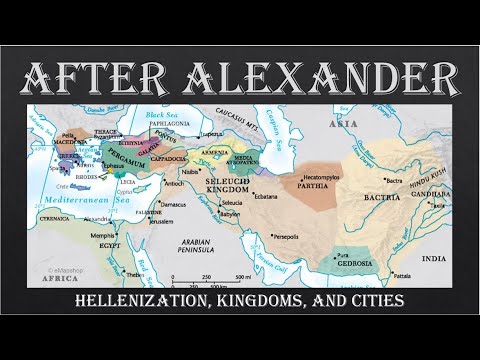
Hellenistic philosophy, emerging after Aristotle's death and spreading across the Mediterranean world following Alexander the Great's conquests, represents a distinctive period where ethics became 'first philosophy'—the foundation for justifying metaphysics, logic, and physics. Three major schools offered competing answers to how to live the good life: Stoicism taught that living in agreement with nature (understood as both the external world and one's own rational nature) leads to happiness, with virtue being the only necessary good; Epicureanism advocated for maximizing pleasure and minimizing pain through limiting desires to natural necessities and overcoming fears of death and divine punishment; and Skepticism proposed that suspending judgment on matters beyond direct perception brings tranquility, as all philosophical theories equally lack sufficient foundation. Unlike earlier Greek philosophy which focused on theoretical speculation, Hellenistic thinkers prioritized practical guidance for achieving a worthwhile, happy life.
Hellenistic Philosophy: Stoics, Epicureans, Skeptics with A.A. Long
Added:when I teach I'm a skeptic when I'm sort of relaxing an epicurian and when I want to mortify myself I like to aeric the exact things that the Ancients thought would bring happiness today we think brings dissatisfaction that's people sweat in the sun no says pero Alexander's Butler he he shivered in the sun he he sweated in the cold when we exist death does is not there and when death is there we we're not there Eastern philosophy and religion may have impacted Greeks why is epicureanism why is stoicism so popular today he's he's actually at the end of his life but the pleasure of our conversations and the memories of our times together is enough to counterbalance that it's a beautiful St stoicism skepticism and epicureanism are known together as helenistic philosophy and what I find most compelling about these School is their focus on the good life now modern philosophy so often veers into useless speculation and pointless questions about meaningless things but helenistic philosophy is just laser focused on happiness how do I be happy how can I live a worthwhile life these are the kinds of practical questions that helenistic philosophy bothers itself with my guest today is a pioneer of the field the legendary Anthony long Professor long will teach us What happiness consists in for each of these helenistic schools and I think the most surprising Insight I took away is how the very things we despair of the Ancients think bring about happiness so for example adamism right this idea that the world is nothing but atams buzzing in the void it creates great distress for many people today but the B Koreans prescribe adamism to free people from the worry of divine punishment so for them materialism is not a cause of nism as it is for us but it's a cause of happiness another one of these crazy 180s is how the Skeptics believed that a foundational doubt right a fundamental suspension of judgment on the most important questions about the world is not a hindrance to but the secret to happiness what I loved about all of these odd proposals for the good life is how they've challenged my own fundamental assumptions I held around happiness and I hope they'll do the same for you if you want to follow along this episode via transcript or if you want to be invited to one of my lectures then please join my email list at jonathan.com without further Ado Anthony long could you tell us a bit about what helenistic philosophy is helenistic philosophy developed after the death of Aristotle in not just in Athens but in other parts of the Mediterranean world and it's called helenistic is just a modern term of art to capture this this uh EXP sense of a Greek civilization that had spread far and wide you know into Egypt South into the East where we call turkey today we should say it talk about helenistic philosophies because although the ones we'll be talking about are stoicism skepticism epicureanism pianism there were others besides uh it was an extraordinary time it was probably the period in the history of the world when um philosophy was of most diffused uh partly because it covered what we might call today higher education but also because the philosophies were always competing with one another and part of what makes the period exciting and philosophically rich is a challenges I mean so Hedonism on the one hand stoicism on the other are very much at loggerheads with each other the Skeptics did denying that uh anything can be firmly known stoicism and epicurian ISM both arguing that there are criteria of Truth we can establish things for for for certain and so we have this very rich period but unfortunately uh it's a little bit like the um the tip of an iceberg because most of what was written at that time has perished uh whereas we have the works of Plato and Aristotle stoicism epicureanism and the other ancient Hy philosophies are mainly recovered in in s of quotations and summaries and so part of what's been exciting for me and and others like like me who work on this is trying to reconstruct right the arguments and and doctrines which were you know not not available to us in a full sense one uniting theme among the three schools seem to be that they offer competing um answers to the question how do we live The Good Life udonia so can you tell us a bit about this goal yes um I mean I think the starting Point here is probably to go right back to Socrates early Greek science had not much to do with how to live Socrates was the figure the Athenian figure who um you know as this sort of Street philosopher who went like to challenge people and ask what they thought about things uh and and and really sort of put on the on the map the idea that there's something we could call a good life which was something that could be rationally examined and argued for and and um and so Socrates of course was not a no no kind of dogmatist he'll try out the idea of of Hedonism as as as a philosophy um or skepticism I mean lot a lot of the what become the helenistic philosophies have their kind of roots in embryo in in Socratic ideas philosophy could become a a kind of guide To Living uh and so with the catch word being this word udonia udonia meaning literally Al having your sort of divinity in a good shape but it turn turns out to be sort of best understood as something like a successful life right I think I I say successful because one doesn't want to moralize it too much uh it's a good life but it doesn't mean good in a kind of purely Canon ethical sense right a life in which you feel you know your own life would be described by other people um as as well as yourself as as you know having been worth right flourishing well live flourishing well yeah wellbeing is often translated let me give you a quote uh from your book the influence of Plato and Aristotle has proved to be more profound and persistent but in the widest sense less pervasive everyone has some notion of what it means to be stoic skeptical and Epicurean what I think is very interesting there is we have a notion of what it means to be these three things because we think about them primarily as ethics as philosophy of Ethics but in your book you actually argue that that's a misconception that ethics isn't the uh only or maybe even sole focus of these schools yeah that's that's exactly right epicurian ISM and stoicism are have a have a kind of comprehensive uh outlook on the world I mean there they involve science they involve especially in case of stoics they involve a very great deal of logic uh logic which you know can be applied to how to live but but logical theorems and propositional calculus and all those kind kind of Notions are things we would like to study for their own sake the stoics would argue of course that really what what you're trying to do uh as as a stoic is you're trying to maximize your potential as a as a as a rational being and of course mathematics logic uh come come into that centrally um and um and so but I think what what's special about helenistic philosophy although of course you've got the vestages already in Aristotle and Plato is the idea that you're sort of choosing a particular set of goals and and strategies to make your life worthwhile you know at all times I mean it's a much broader conception of the good life than than than Aristotle Aristotle has the you know thinks of contemplation uh studying metaphysics uh studying The Sciences those are all very worthwhile things but he doesn't package them together as part of Ethics Aristotle s thinks of his curriculum as as quite detachable I mean you've got the parts of animals you've got the study of of ve of of pants uh and so he's beginning to kind of compartmentalize study whereas at at some level epicurian ISM stoicism have a have a kind of comprehensive package I see so maybe this is another way of what you're trying to say which is that um for Aristotle even though he recognizes the virtue of contemplation to be one of the highest virtues and to be uh a possible Foundation of a good life um it's not that you have to study his physics or the bi biology that he does right whereas what's unique about these three schools is that their logic and their physics studying them is constitutive to The Good Life so even though they are not ethics only or ethics Central the ethics is first philosophy maybe we can put it that way ethics is first philosophy in the sense that it leads to why the metaphysics and the Logics and the the physics is important yes I think that's right since we're talking about comparing Plato to Aristotle and you know help us to get a sense of what helenistic philosophy is all about uh one one aspect of of Aristotle of course which is Central is is the notion that his philosophy especially his ethics is designed for the the small Polish Community right and Aristotle thought that an ideal Community should be quite small it's you know people should almost be everybody should know each other um and the helenistic world of course with the diffusion of Greek culture after Alexander the Great's conquests then develops a much more Cosmopolitan Outlook and that's particularly important for stoicism I think right and let me give you a quote on your book that I think captures this point the early stoics Skeptics and epicureans were supremely confident that a man's inner resources his rationality can provide the only firm basis for a happy and tranquil life the city this is your point recedes into the background and this is a sign of the times yes so compared to Plato and Aristotle the idea is that the ethics is no longer polis driven it does become Cosmopolitan in the sense that that you say but in the same move it also turns more inward as well yes I think that's exactly right so the yes the notion of the inner life uh which is I mean has a huge bearing of course upon how you behave in the world right but you there is a kind of introspective aspect to it um and the way epicus begins his very first essay where he says there's only one craft that can not only uh study a field like say music or cobbling but can also examine itself and that's reason and reason in stoicism is also something like the the conscious self it is what you are in in in your own introspective reflective dialogical mode right let me ask one last question uh before we actually dive into each of these three schools which is what are the geopolitical social historical uh backdrop and what is the circumstance behind the helenistic era that led to this uh uh ethics elevation is first philosophy uh including this uh mopolitan turn okay good yeah when I when I started my work uh was there was a kind of cliche that uh STM epicurian ISM especially perhaps cynicism too were sort of um they were back to the wall kind of philosophies that the the Polish had lost its rationale uh Alexander conquered the no Known World right and people were you know were lost and and desperate for some kind of foundation I think that's not true I think uh if you look at the life the of Zeno and what we know about epicurus uh they were living in a in a very prosperous time the helenistic world actually was was quite prosperous um so although there's no doubt at all that these are philosophies which offer in some sense some kind of what might call Salvation but it's not because the outer world was all gone had G gone to hell right it's it's rather an additive uh but at the same time the an interest in politics for its own sake I mean the kind of books like Plato's Republic Aristotle's politics uh philosophers are not writing those kind of books now um it's it's as if they're much more interested in a a kind of ecumenical I think ecumenical with with a way the word to use you know they're interest in society but they're interest in society not so much in a in a power politics sense as just you know how to organize your families how to organize your friends friendships these these Notions yeah so you mentioned um what social political forces did not influence helenistic philosophy right clearing the ground but is there something to be said about the the the actual real historical changes that led to these philosophies or should we read the philosophies as uh sprouting merely on the ideas level what we're talking about here we talk about the beginning of hesy philosophy say the time at end of the 4th Century BC and then we go right up you know for another two centuries into the Christian era so we've got about five centuries of of of of philosophy and and and during that period Greece losing its independence Rome taking over uh other communities I mean Carthage for example which was had great problems with the Romans but the two of the great academic Skeptics were carthaginians North Africans um so uh there's a diffusion of philosophy um in the Roman world again because it's it's an autocratic world so there there's no scope for individual political autonomy um but of course that doesn't mean that that the philosophies don't touch on on politics but but ericus although he's visited by prominent Romans there's there's virtually no political discussion in in epitus or in um in Sena and and what's interesting there is of course one of the great you know Roman stoics is is an emperor is Marcus aelius um but he doesn't talk about you know the day-to-day politics I it's again much more internal so let's actually dive into each of these three schools and let's begin with stoicism and we're only going to give a brief summary here not because there's so little to talk about but because there's so much to talk about and we're going to do a separate interview just on epicus but with that in mind can you tell us a bit about uh the history of sism who are its main leaders there's a middle there's a early there's a late period just give us an overview yes yes I mean it's customary as you just mentioned there to to distinguish three phases in stoicism a kind of a kind of creative early phase first century second centuries uh BCE and this is the period when the the school in under its various leaders is developing its its primary doctrines right and you I mean the the principal well the founder of stoicism is uh a a cypriate called Zeno Xeno titium um and cleanth the is another uh he was born in um in Asos um and then the third of the the great early sterics is kipus and he really should be a much bigger name than he is I mean most people haven't heard of kipus but he was the greatest ancient logician after Aristotle and he's closer to Modern propositional calculus in a way that Aristotle's logic is a very is very different kind of logic and uh I mean cryus dealt with all aspects of stoicism but he was especially a logician right and people have no I mean most people just heard of stoicism they don't think of logic at all whereas epic tetus as we'll see has to often warn his students don't get you know just caught up in logical theorems as if that's the good life right uh that shows just how how dominant logic was at the time so very academic in that sense uh okay so so early so socialism starts off with this character called Zeno who who C migrates from Athens uh from Cyprus to Athens he probably we don't much about reliably about his early life but he he almost certainly encountered Socrates probably by reading Plato and zenfan as an yeah and and so Socrates really is is is a key figure for for stoicism and and we we can think of um you know stoicism as a kind of application of Socratic ideas with a with a with a level of cosmology Socrates was not interested in cosmology he rather deprecated physics he thought we should just you know focus on on the good life of the human being whereas we'll want to say quite a bit I think about soic cosmology is very important and and their Theology and okay so so early stoicism then with Xeno cleanthes and cryus takes us down to the into the second century uh BCE um and then you know the these philosophies get diffused into into the r Roman world and then when we get into the Roman World proper into the Roman Empire um the creative phase of these philosophies in the sense of De developing new doctrines has rather sort of come to to an end and and so the the stoicism that people know about because they they we can read the Roman books that that's making the stoic theories available in application to to everyday life so the kind so what everybody knows about I mean I think soort of trying to overcome an anxiety overcome fear dealing with your passions that that that stoicism is is very much the stoicism of of the Roman stoics um how far the earlier stoics were were were concerned with with therapy in this kind of sense is a little it's hard to say because we just don't have enough of their books I see um I mean the the impetus is clearly there but I don't think we shouldn't think of early stoicism as Prim really a kind of therapy I think we should think of it as a a way to try to um f to try to be at home in the world meaning meaning by that you need to understand quite a lot of um well what the an called physics not perhaps you know our modern physics but causality I I think stoicism is the is the first major philosophical scientific theory which believes that causality is is is complete there's no there there are no random events in stoicism determinism everything is in principle caused doesn't mean we can understand it uh so we can we talk about chance but Chance is just a name for an Undiscovered cause and from the god eye point of view everything is determinable right so to give a summary for our listeners uh with early stoics and Zeno um you you start with people conceiving themselves as legitimate heirs to the socratic tradition right there's a lot of development on the theoretical side with the middle stoics and the only text that we do have full text at least of epeus Sena and Marcus Rus are all the later sto who have this ethical therapeutic Bend that's correct so let's ask uh the central question that we're going to ask all each of these three schools which is how do you become happy for the stoics The Good Life Is Life in agreement with nature nature having two aspects to it so nature in the round refers to the the reality the world the world understanding the way the world is structured uh uh on is one facet of it and then the other is your understanding your own nature and it's really so how do these two Natures fit together the inner and the outer uh and I think so one could say that you you become happy or ideally happy in seism if you can understand enough of the way things are you can fulfill the reasonable desires you can um contribute to society your family and so forth um and but at the same time you're always able to step back you're not just caught up in these these states of Affairs you can always keep asking yourself well where am I at this moment what is the what is the appropriate thing for me to be doing at this time both to achieve happiness for myself but also for my my my Society right to elaborate here one of the defining features of stoic ethics is this idea that virtue only um rather than external Goods yes is uh necessary for happiness yes but then they make an equally perhaps puzzling move to say that and there are preferred indifference that there are certain Goods that you nonetheless have reasons to pursue what I want to do is to take a step back here and compare stoicism to another school that seems drastically different but actually shares a lot of the philosophical ideas which is cynicism because cynicism is also in my understanding about virtue only bringing you to happiness but then they don't make the second step to say that there are certain Goods that that you should pursue so tell us a bit about the story of cynicism and how it relates to with stoicism yes good the earliest uh influences on Zeno seem to have been through a cynic philosopher called crates and and uh the Hallmark of of cynicism this kind of cynicism is uh it's a kind of Back To Nature philosophy uh already and 100 years earlier philosophers have begun to distinguish between what we might call nature and Convention so convention covering R human rules uh practices you know Customs on the one hand but something underlying those or perhaps not even underlying them but which is more basic you can you can change customs but you can't change reality and so nature covering reality Uh custom covering convention and um so the snics wanted to argue that a great deal of uh the things that are thought to be important in most people's lives are not natural in the sense that they're obligatory of course every every wants to avoid pain I he wants to have a pleasant life uh every wants affection so forth th those things are natural but a great deal of what we think of as the foundation of a good life health wealth and so forth uh well let's say wealth ambition status are there they're they're merely conventional goods and so what the syic want to do is to strip away from their notion of a good life these in inessential features and so would compare human life to an animal's life and in that sense they might seem to be anti-rationalist um in fact actually diogenes the leading cynic said give me give me reason or a rope so he certainly wasn't anti-rationalist but they do want to challenge the notion of conventional Goods as being natural and therefore you know famous story of Alex of diogenes telling Alexander the Great oh hey step away you you bling my son you're blocking the sun off me uh and that story again is meant to sort of polarize the sort of the the ideally successful person on the one hand that that whereas diogenes is the of the cynic successful man because he's he's been able to deal with Exile and other misfortunes as this is in kind of the embryo of stoicism putting the emphasis on the inner in the inner rather than the outer and I think diyes of course is obviously an Entertainer as well and I think that that's an important aspect of these of these the embryo of these philosophies we'll we'll see a bit of it with Piro we'll see it with epicurus the founders are charismatic people they have they have big personalities um they're not they're not they're not not Zeno though right Zen as well yes I mean he he perhaps he wasn't wasn't flamboyant but he he got tremendous um uh praise from Athens and there were statues put up for him and and this goes on right right through people had little busts of cryus in their houses so I think that I mean it's true to some extent still today I mean philosophers are talking people I mean if you can't talk you know not going to get very far as a as a philosopher but to to come back to the point about cynicism so so Zeno starts off as a as a cynic and a Socratic but then what he what he then develops beyond the Socrates and the cynic is this this whole kind of complex cosmology of determinism Theology and the Divine principle which is we could think of the Divine Principle as as both something like energy they think they call it fire but it's also conscious it's it's it's their name for for the Divine CA causation um everything everything in a is a part of the Divine it's it's it's a pantheistic philosophy in that sense and now this and this brings us again back to this sort of notion of being at home in the universe um we could say that every human being in in in in in stoicism is a kind of it's like a Cell It's like a cell of this macrocosmic structure So you you're never you can't you're not isolated an Epicurean is in a sense always Adam atomized whereas the stoic is is is belonging and and the word that we' never come up with the right translation for it o chosis which but it really it's derived from the name for house and and and so I talked about being at home in the world and stoicism says that look we have instincts which we then develop by reason into ways of belonging uh and just again to give you a little example of this lest I forget except wonderful example is a latest story called hierocles whom we only know about through a Papyrus which was discovered about 100 years ago and um hierocles says uh think of yourself as the center of a series of concentric circles think of your mind and your body and they're the center here and then these circles go on right out to the outer parts of the human race so you've got all these different concentrics and then start to start to bring the furthest circles inward draw them into you and then He suggests well you might instead of instead of talking about um your neighbors you might call them uncles and aunts and and it's a way then and this is the unity of mankind as aspect of sois which is again very very important we see just how different this is from epicurian ISM with putting a society at the center of the cosmos as well I see okay so let's go back to the cynic for a bit because it sounds like Zeno the founder of stoicism studied with uh the cynics and the stoics like the cynics agree virtue only leads to happiness to abide by reason where they seem to differ is on how to relate to Conventional goods and here they go 180 whereas the cynic say everything conventional not animalistic not natural we're going to reject and and then you lead to crazy stories of dienes like masturbating and defecating public yeah right whereas the stoics and this is a critique of the stoics I think double down on the conventional Goods when you start reading the later Roman stoics like sen epicus you don't know if you're getting stoic philosophy or Roman good old Roman values yeah so so that seems to be the big Divergence between the two schools is that right yeah but the basic notion is nature for stoicism what they call is the foundation of value so what does that mean well it think of it intuitively uh it seems uncontroversial that we're better off in not in pain we're better off with shelter we're better off uh with with with with food and so we can think of these things that we're better off with as As Natural to our species but then at the same time they want to draw a sharp distinction between that which we must have in order to flourish as human beings which is our reason and and these what we might think of as prefera bles but but not they're not essential we we can we can live on a on bread and water for a while right we can live in pain we can live without money without honor and and we not only can we live but we can also flourish at the level reason as you know has been proven with count as examples in history the Orthodox stoic view is that of course we should do everything in our power uh to be safe to be to promote the well-being of our families we don't go after virtue virtue is not something to go you go you can go after money you can go after good food you can't go after virtue because virtue is a is a state of the mind but but we need but but virtue needs material to work with and so the stoics will say things like other things being equal of course uh we should be try to be prosperous it's all right right uh but it's but we but we don't regard them as unconditional unconditionally desirable right but they are certainly with if you if you ignored them you wouldn't be able to live a natural life right but the cynics as far as we can tell uh don't want to make that distinction between um within nature they just they just they just the the notion that certain things are preferable by objectively I think they want to reject that but then what seems to happen is that cynicism dies out stoicism takes over until we get to around the time of epicus when cynicism revives in the Roman Empire and we may want to talk about that when we come to talk about heus but but it's a very interesting question we don't quite know what caused the Revival we do know that epicus is very firm about not not s of thinking that you can be a a good cynic by sort of going around naked and doing all kinds of scandalous things right it's it's it's again he calls the cynic a kind of he a kind of evangelist for stoicism I hope this uh raises a lot of interesting questions in our audience's mind because we're going to have a whole other two-hour long interview just to discuss this topic with epicus as well as his relationship with the cynic let's unpack all this in the epicus interview now I want to move on to the second School the epicureans so tell us about uh the history of of this school yeah so um epicurus um was an Athenian um and contemporary of of Zeno um sort of one generation maybe more than one generation younger than than Aristotle um and he encountered the atomism the atomistic theories of democratus democratus an earlier Greek philosopher it's the theory that the building blocks of the universe are little inanimate blops of impenetrable matter uh uncreated they're just there they they naturally move around com into contact with one another and depending on their shapes and and impacts forming comp composite objects and gradually so you build up the world through these contacts between uh impenetrable atoms there's no there's no purpose there's no there's no uh uh uh Divinity in doing any of this this is just the way things are so so in that sense uh the world and in fact there are infinite many worlds is is simply uh an accidental uh occurrence as a result of atomistic physics uh that's that's the foundation of um the the epicurian world and so what it does is it it removes Divine control it de it removes uh tileology the and uh and so we're then we're then left with questions B questions like well how come that there's all this apparent order why does the sun rise every day why are living things with all their complexity and and the epicurian have to come come up with with with that but they're in but they are the they are the kind of predecessors of of modern physics in this way we're still stuck with this problem the epicurian are stuck with that too they they don't life for them is an emergent property right it doesn't whereas the stoics are going to make life A Primitive property I see which is going to be very interesting right so one is takes a uh like a organic view of the universe and one takes like a Newtonian ball deterministic view um so before we dive into the epicurian worldview which is fascinating let's talk about their perscription for happiness which is pleasure how do they Define pleasure and what falls into their category of pleasure so well they say that the two primary values for for the epicurian are pleasure and the absence of pain there are no non-physical entities in the epicurian universe but they still distinguish and as we do in everyday life between the mind and the body and so they they think that um uh it's just natural for us to desire to avoid pain it's natural for us to pursue pleasure and these are Pleasures both of the bodily kind and of the mental kind uh so they do recognize things like contemplation oh oh yes and they think that the mental Pleasures Are Much More Much truer Pleasures than than bodily Pleasures I mean the epicurian really are the the progenitor of of utilitarianism benam and Mill were benam says he almost quotes Epicurious exactly without Pleasure and Pain you can't imagine any any any change of value but what they're primarily concerned with and I said touched on this before is freedom from anxiety tranquility and so the fear of the Gods fear of divine intervention fear of death these are the two and these are the two great fears of of the epicurian and so a lot of their philosophy is designed to try and um counter those fears uh the arguments against the fear of death very powerful arguments uh they're wonderfully uh chanted in in in in lucretius's day R nura when we exist death does is not there and when death is there we we're not there uh and so that there's no there's nothing there's nothing there for us to be afraid of because it faces head on the notion we we're just annihilated we don't exist right there's no one to fear anything after death because that's going to you say but that's a kind of different fear right the the fear of being dead is a different fear from fearing it death in in in an anticipation right um then the other so the but but the other fear is then that you will be in need and and so this is where the epicureans develop their their very powerful theories of of the simple life which tries to strip desires down to the minimum uh and and avoid politics avoid the rat race uh live simply uh because again the more simply you live the less you're going to be in want and and feel you're missing out so so so this this again makes the Epicurean life very different from what we think of as an Epicure right a hedonistic life it's very different from it's more about desire limiting than it is limiting limit is very important absolutely yeah so uh let's take a step back because I want to examine this uh normative poll of of pleasure let me give you a quote from your book the goodness of pleasure needed no demonstration epicurus takes it as an obvious fact that men like all living things pursue pleasure and avoid pain the attractiveness of pleasure is treated as an immediate datum of experience comparable to the feeling that fire is hot two questions of using this type of argument to establish that pleasure is something we ought to pursue the first problem is an empirical one there seem to be people whether it's Aesthetics or it's masochists who don't derive pleasure from their pain but they derive another kind of of satisfaction from their pain so that's the empirical just objection like not not everyone seems to desire pleasure and run away from pain but even if we Grant the epicureans this there's a second problem which is that is this not the naturalistic fallacy why is the fact that we do desire pleasure enough for uh enough to say that we ought to chase after pleasure they do fall foul of I mean if you think the natural fistic fallacy is a valid you know objection G Mo's point something because something is desired doesn't make it desirable right um I think that's that's fair um I don't know to what extent epicurus was alive to the notion of um a kind of pathological masochism um um but he might think that even even if even if my own um Sensations are not the only Criterion for Value uh I would the masochist is still going to be in the minority um and so they're they're just wrong if if you were forced to say something about might yes or that that that like yes I mean that statistically um he's he's in Fairly good grounds in thinking that pleasure is desirable and pain is to be avoided but I think once you see what his the contents of those pleasures and pains are then it becomes a more sophisticated Theory it isn't just about pleasurable Sensations he does I mean I think he he likes to shock a bit he he does say he can't imagine what a good life would be if he you know independently of a full stomach and things of that quite but then then he comes up with this wonderful say you know which is presumably autobiographical where he says um at at the moment the pain in my stomach uh is more intense than it's ever been he's actually at the end of his life um but the pleasure of our conversations and the memories of our times together is enough to counterbalance that it's a beautiful saying oh memory so the pleasures of memories I pleasures of memory pleasures of memory and anticipation so memories and anticipations can fill out the present so it's it's an interesting notion there that we're not we're not in any way limited right to what actually is right here right and there was there wasn't an a rival School of of of hedonists called the sirenic and they do seem to restrict uh pleasure just to the to sensation I see where epigas does not I see and the point you're bring that up is that suddenly becomes a much more sophisticated theory that you have to take take seriously right it does so I want to introduce another part of the theory that I think can better explain uh why it's about desire limiting and that is that there are static and kinetic Pleasures right that he believes that by default The Human Condition is quite pleasurable and that's the static pleasure of like Sati yes however when you eat food before you become satiated yes that's the kinetic pleasure but the issue with Kinetic Pleasures is one they're ephemeral and two there's always some pain associated like for me to feel Joy about eating I have to be hungry right well I think the the notion there is that um desire in some sense is a lack I mean you might have had you know a a wonderful meal world famous restaurant shapan in Berkeley you know $400 meal but once once your stomach is full there's no they can't you're not going to get very far by just say oh that that was that me was so wonderful you could say that think that for a bit but after a while that's it's it that's it so I think the the notion then that in order to keep your pleasure kind of index to the maximum you need to be varying your experience um I mean if if if if what you're particularly interested is is in the pleasures of sensation well you've you've had the good meal but now you know you it's time to read or yeah no the the question of kinetic and static so the static pleasure the idea is that once you've removed the pain of want you've satisfied that desire then you're in a kind of equilibrium and that point you you reach a kind of point at which you it would be painful to go on if you're actually positively painful where so the but what may you will be able to do then uh even even though you have no sensual needs you're you're you're feeling replete in every way but then there's the question of what are you doing and so the the enjoyment of something could whe it's reading or conversation these these would be kinetic Pleasures uh which would not would not be it's I mean they wouldn't be um fulfilling a want I mean right I mean you I mean you might be desperate to read this book but it's different from Hunger it's a very different set kind of thing yes so there there is no pain there it's a kinetic pleasure just I see so I was wrong not all kinetic Pleasures are about the removal no others other kinetic Pleasures are simply varying the static pleasures of your of the time being I see the part where I think epicurism gets really difficult is when it how it relates to sociality with friendships and with Justice and the state my understanding is that the the epicureans advise people to enter into friendships not because friendship itself is directly pleasurable as as you seem to to suggest but it's because your friends can help you secure other Pleasures like it's like a safety net and that's how atomistic they are is that a good understanding or is there something about friendship and and good conversation as you say that is in and of itself a pleasure uh no you're right they they do want to say the starting point of of of friendships and so and social intercourse is security uh you you make friends not just because you're naturally um philanthropic or something like that it's a very utilitarian kind of notion of friendship your friends are useful to you but then they want to say that um friendships can then become as it were a good in themselves so independent a pleasure in themselves a pleasure a pleasure in themselves I see so independent of whether Professor long actually helps me do XYZ just the companionship they do recognize that as a legitimate pleasure yes and Mill says something very much like that in in his account of utilitarianism right um so uh you described um the Epic Koreans as Proto social contract and it's kind of extending this intuition to the political State the first reason you enter a political state is because of how can help you secure your more base sort of pleasures and avoid the baser pains right but then they should say like they say for friendship that citizenship itself can can be a pleasure right or or do they not say that um don't I don't know they say that exactly I mean they want to be fairly parsimonious about their their bottom lines you know they want to be fairly rigorously empir iist they don't want you know to be have a people saying oh you're bringing in some unjustified assumption here so so they they can they can argue that Society originate out of out of our needs for security rather than rather than that we're naturally altruistic or philanthropic I think that's what what they would want to say I see and they can uh see sociality as a legitimate pleasure even if not the participation in political life what interesting interesting here is um lucretius has a very very interesting account of kind of almost like an evolutionary theory of of soci of so Society where he argues that the the earliest human beings bit kind of hsian kind of notion of rather brutish you know men and women just kind of mingled and went around and and but but then uh as they formed families then he Luccia says the nature softened which is interesting Human Society can evolve in certain ways right even if it's not there sort of in implicit in the in the the base the base source code of human nature and so is the epicurian about getting rid of all desires that we can possibly get rid of and just only uh you know there there's only food and shelter and maybe basic friendship left so that you're never troubled by by desires not being satisfied or or is that too minimalist of view they have a fairly complicated um taxonomy of desires I mean so they distinguish between necessary desires like for food and and and and sex um desires which are natural but not necessary Perfectly Natural to refer you know a a nice steak to a rotten piece of me meat um and and unnecessary and and so the unnecessary desires are the are the ones that are going to generate more pleasure pain than pleasure if they're fulfilled and they're simply not they have no bearing on the overall overall happiness the specification for happiness is primarily seen in terms of Freedom From Fear and Tranquility yeah removal there yeah I see um I want to now go back to one of the big sources of fear which is the afterlife yes um so the epicurian thought that one of the main reasons that they can help others um resolve fear and establish Tranquility is to suggest that the gods do not intervene in human Affairs yes and this is interesting I think because when people look at Christians today I think the common intuition is to say well religion has made their lives so much happier even if I can't believe that but epicurus wants to say something different which is look at the fear that people who believe in Divine punishment Eternal punishment uh have and this is true in history right if you look at the historical Christians they're often like uh like Calvin or people like um like Luther they they're this is the primary existential question that bothers them dayto day that I think is understandable right if you believe in a Zeus or or a god giving you divine uh Eternal punishment why that would give you Tranquility but then I give you a quote from your book epicurus can't have taken popular superstitions as his only target he was also concerned to reject the sophisticated Theology of Plato and probably Aristotle 2 yes when it comes to theologies that doesn't have this Zeus god giving you Eternal Divine punishment what's wrong with those theologies they Idol Superstition there there's no empirical basis for thinking that um there's say AR such a thing as Aristotle's unve mover I mean is tempting to think that EP epicurus was a virtual atheist but he's not uh for two one his primary reason for saying there are Gods is is consensus omnium that he doesn't know of any society which has no theological beliefs but the interesting thing is that uh he thinks that there are gods and he then proposes that they they must be models of Happiness a God for hurus is an immortal being which suffers no disruptions at all so they are they are models of beatitude and he does think that they can use be useful for human beings to to contemplate um as models yes right um not as helpers no um epicurus was a strikingly handsome uh figure we have many examples of of his of statues of of epicurus here is this extraordinary handsome sort of dignified wonderful looking human human human God uh that people would um contemplate uh look at and they would and according to epicurian um theory of vision and um perception atoms from the God's body would enter your your mind and you would you would disseminate and it's Theory uh whether it's it's correct or not there's no doubt at all that epicurus was seen as as a kind of um right as as a as a as a divinely beautiful um being and so the so the epicurian they come up with what sounds like a paradox they they believe that the soul is Mortal but they believe that um and they but they also believe that that um you can be equal to the Gods in happiness so going back to their response to Plato and Aristotle it seems like they say it's not true or this Aristotle's first mover Plato's forms does truth have an independent value from pleasure what I'm trying to ask is do the epicurian think it's okay to give a noble lie and let me give you an example um stoic cosmology for example is very positive there is a providential deity and this is the best of all possible worlds in fact it's the uh it's the exact worldview that allows Marcus aurelus to look at his dead child and think that there's something positive here so would uh an Epicurean have an issue with someone who believes in the stoic uh Theology of this intervening uh logos so to speak intervening God even if they don't think it's true but if it gives them pleasure interesting question does truth itself getting the facts right have a have a have a value for the epicurian um or is it only a value if it's pleasurable pleasurable or gives Tranquility is a good question um I don't think that there's very good reason for thinking the epicurian would say that truths just because they're truths are to be um sought after sought after yes uh on the other hand living in error I don't think would seem appropriate either because it it seems as if living in error could very rapidly develop into some kind of painful can I suggest a resolution perhaps maybe it's something like truth doesn't have an independent value to pleasure but the assumption is simply if you understand the true nature of the world it will bring bring pleasure so so maybe they join uh falsehood with with pain in some sense and and pleasure with truth is that yes I I I I'd like to think that I think because that would seem an Enlightenment sort of notion but I'm not quite sure they would be as quite as strong about its alignment bringing here's a reason why I I question this they one of the one of the interesting things they talk about is how how to how to understand distant phenomena like say eclipses uh okay the theory of multiple explanation accept all it'll be true that only one explanation is actually actual but you accept all three when you have no reason to reject any one of them you'd think you might one might want to say well let's press on let's look at those clearly are they equally and so so that's what they do and it suggests that they're not really interested in the ultimate facts here right uh the kind of pragmatist it's a it is a pragmatic view there wouldn't there be a basis for saying well knowledge for its own sake right is is is is to be sought for I see yeah I do find it striking how closely uh epicurian assumptions even if not marst as such are alive and well today in society yes whether it's the heathenism right whether it's the atomism the metaphysics whether it's the empiricism yes however when we talk about today or at least when you ask a specific type of religious person today what is the cause of much of mental pain yes is atheism right it is this kind of meaningless nealis worldview of humans are just atoms roaming around in this in this universe this big Cosmic soup yes were the epicurian ever worried that their metaphysical worldview would actually be a source of pain I think I'm a more of a natural epicurian than I am a stoic and the notion that we are alone in the universe um doesn't doesn't bother me I think what my response to that is make make the best of what you've got now but I think what is interesting in the way you raise the question is is why is epicurian why is stoicism so popular today and and why AR people I mean I find students students are very impressed with with with epicurus lucus uh and I've never I never haven't encountered a student who's been particularly bothered about the um the virtual atheism let's turn to the final School the Skeptics and let's start with the ponan Skeptics first so tell us a bit about the history of the school P himself is is a fascinating figure we don't know much about him but um he we do know that he supposedly went on uh to India with Alexander because it's one of the few cases where um Eastern philosophy and religion may have impacted Greeks uh he is supposed to have hang hung out with they were called the the naked philosophers on the Ganges and brahin or perhaps some such people Pirro was famous for his imperturbability for his extraordinary uh ability to sort of resilience resilience but even more than just resilience I mean he'd been a a storm at sea and he wouldn't Flinch at all and so this is supposedly what something he might have learned in in in from from India but anyway but but so but Piro to come back to his sort of philosophy it's the notion that truth is in the depths truth is unattainable uh so we shouldn't ever make judgments about things that we have no basis for for for for for saying imperialism later develops it it becomes a philosophy of of describing the surface of things and not trying to go into what what I call the UN un unseen so ISM would be right out stoic cosmology would be right out because those are just they're just metaphysics describing things in themselves right yes so stoics rely on reason yes the epicureans rely on empiricism what arguments did uh purists have to reject both of these modes of knowing they developed a very elaborate series of what what are called modes and they are the modes to induce suspense of judgment whenever people come up with any kind of theory of something and even even it could it could be a general said an empirical generalization people sweat in the sun no says pero that's not universally true uh Alexander's Butler he he shivered in the sun he he sweated in the cold so you come out you come up with examples to challenge these empirical generalizations you look at you say look at the cat's eyes how is how you you think you're seeing things as they are how well how a spider look at it you know so you you challenge empir naive empiricism uh and by saying you it's always everything is always from a point of view always from a perspective can't get at any ungrounded arguments what about um phenomenon that uh purist can't give counter examples like for example Newton's Laws right like every every action of opposite and equal reaction like when it comes to things that seem to universally hold um what would they do well they would accept you know got sum of an even numbers are going to be even numbers but they're they're not going to justify they're going to reject they do accept that they do accept some of two even numbers are is even I see but but not not attempt to justify it I mean just say well it it looks like it has to be true but they're not coming up not going to start to do Russell arithmetic or to ground so it's the absence of justification uh and and then I I touched on and didn't yet explain properly the this notion of suspension of judgment so suspension of judgment becomes a Epoch is the Greek phrase for it it becomes a kind of Catchphrase uh and again it it it probably goes back in a some sense in its Origins to Socrates the idea that the worst thing you can do is being deceived is is is worse than you know than ignorance ignorance yes so so you you suspend judgment in order to avoid error and that's what the the modes the modes are systems of argument to induce suspension of judgment and they think that all judgments can be suspended with their with their arguments or only a subset no the panus is not is not going to say that when he puts his hands out on the fire it doesn't feel warm they're going to accept Sensations but they're not going to explain why how how this happens not going so so the the whole range of theories uh is going to be um discarded so it sounds like the target of suspension is really any statement on the Unseen or like on anything other than Direct sense perception right like I see and where where they link up with the other two philosophies we've been discussing in some sense here is that the the upshot of of of suspension of judgment is supposed to be Tranquility we that the more you worry about how things are under the surface or which theor is true is going to be troubling before we talk about that ethical conclusion which I think is the most fascinating part of purism I want to give you a quote from your book what Skeptics try to show is that truth is impossible talking about the Unseen owing to the equal weight of arguments on both sides what gets me there yeah is equal because surely I don't know if this is really an iPad but do I do I really have equal arguments to think that this is actually a cat yes if they're not equipollent then you're pushing in One Direction rather than another and as the ponist you will go on then F looking for arguments to try to to to get the equip poeny I see you'll look for more examples of Alexander's Butler so yes I see so so they would try to show me that this is equally likely to be a cat as as an iPad and so when you read sexus empirical who was the ancient author we have the most de detail of I mean there there there's a whole battery of of uh of arguments there and of course they can't be exhaustive but they give you as a panus they give you the tools to try and to do this could you give another example other than the Alexander's Butler um well I mean that Alexander's Butler doesn't come up that does that doesn't give you equipollence right right that only gives you reason to doubt to doubt yeah yeah um but I think no well the equipollence I think would come up where you're dealing with a very strong theor theoretical claim i' say that the the the world has a has an ordered structure hyic view or the epicurian saying it doesn't right and there and there you can see you know how you could go both either way I see but but if one wants to claim that the world is right like that to me seems so hard because that's a metaphysical claim right yeah yeah it seems so hard to me to give an equipollent argument on both sides that the world is and is not is is as likely I mean take take the way the Epic epicurian reject I mean so's argument from design and you know look look how beautiful the sun sun rises every day the birds are singing and um and the and the epicureans say yes and and look at the earthquakes and the storms and and the malformations arguing against Divine Providence yes right right it sounds like the equip poons is really targeted at Deep metaphysical metaphysical claims yes the pists often talk about the a life without belief is the ideal life and because that sounds implausible I mean can you get rid of all beliefs right and so do they mean by that only beliefs about non-evident phenomena or do they mean everyday beliefs and I think they must be it must be about the non-evident phenomena I see because pero was able to live a perfectly satisfactory life uh even though well there isn't some nice stories some people said he would have he would have sort of Fall Fallen off a cliff yes if his friends hadn't held him yes right because for him this could be a and this could be not a but you're actively rejecting that reading you're saying the conventional world is protected from from this you can still talk about sense perception it's really philosophy right it's like wienstein and like they're trying to end philosophy essentially and because a lot of what's going on in sex is empiricus and and must have been going on in empirism is arguing about against other philosophers all the schools are are in turn demolished by by the pists right I see because they're a threat to suspension of judgment but then I have almost the exact opposite concern which is what if they're not skeptical enough and uh maybe I can bring in someone like dayart here on my side and say the demon yeah the demon why do you trust convention why do you like if if you're doubting like such a fundamental metaphysical uh questions why trust your sense perceptions and this becomes even more difficult because it seems like you you can't even formulate thoughts even about the immediate sense perception because the formulation of thoughts in a sentence is temporal yes so the demon could have tricked me in the last millisecond to believe in something that that I didn't before and so so why don't they problematize that yeah I mean you could say well what about language doesn't language presuppose all kinds of judgments in the end that the response to that is probably that that that pianism is is in the end a an ethical philosophy rather than a a theoretical I mean it is it is to induce Tranquility I see and I mean sometimes sexus empiricus will seem a little bit kind kind of cavalier he'll sub say things well if you know if the claim that you're opposing is is a is a bit of a weak claim well well a weak counter argument will do it doesn't have to be an absolutely cogent argument so I think that that's the way they would probably deal with the right the evil demon kind of objection and this is where again I want to highlight uh the idea that ethics is first Philosophy for all these schools and this is how it's different from Modern skepticism where Modern skepticism is merely about the realm of ideas right whereas here it's it's all the goal is to liberate you and and I would like to give you a quote from your book the starting point of skepticism is the hope of attaining freedom from disturbance we are to suppose that this motive LED certain men to search for a Criterion by reference to which truth and falsity might be established they failed in this Quest but achieved their long-term aim discovering freedom from disturbance as if by chance as a consequence of suspending judgment yeah seus empiricus compared it to famous painter and he couldn't capture something that he was trying to capture you know I think it was the the hairstyle of the figure he was painting and in in his in he he threw his brush at the um at the at the canvas and lo and behold he got this wonderful Cur there so this this was this idea that the the it was not that they intended right they stumbled into they stumbled on it now they found it worked for them yes now unfortunately for us philosophers they can't theorize about why that is right they can only say well it's worked for me right and that's it right do they say anything more about about why this happens about why the suspension of belief creates this uh this Tranquility no well I think you could come up with a theorum some beliefs are you know are are troubling uh troubling beliefs um uh are inimical to our happiness uh they can but but then if if they the grounds for those beliefs are fragile you know so you you can develop an argument I think to show to show why it's a very helpful philosophy in many ways I I think we we we today I think particularly don't you think we're we we need VA vast doses of skepticism I mean right I mean the the way sound bites trotted around yeah I think yeah what I find fascinating um when we apply it to the insight about epicureanism that the very things that they think would bring happiness like atomism like this like uh the fact that there are no Gods is what they think is what a lot of people today thinks bring uh pain there's a similar kind of isomorphism here with skepticism most people today think doubt is uh creates the conditions for uh pain of some sort right mental disturbance of not being sure and so it's so interesting how the exact things that the Ancients thought would bring happiness today we think brings dissatisfaction very yes that is true that's yeah I think that's right of course we haven't touched on another version of ancient skepticism which we call academic skeptic let's talk about that yes give us a history yes so academic means here uh Plato Plato's Academy and so um after Plato's death you know his school sort of continued with other other followers um but but sort of got into a bit of a kind of mess there play metaphysics could of became very Scholastic and a little bit after after epicurus um the leading academic um sort of seemed to say well I think we're losing all this metaphysics and sort of theoretical stuff a bit like scholasticism is is losing the kind of um Socratic impetus of uh you know trying to understand the best way to live he then T turned the academy away from metaphysics into a very into a critical school a school which really spent most of its time attacking stoicism as as as a kind of dogmatism that wasn't just ifed and so the so so the slogan of academic skepticism uh was to suspend judgment about everything and so this this academic skepticism which um went on for a couple of generations was was is different from pianism it didn't develop the theory the notion of modes and it wasn't it didn't have an ethical basis in the same way it was it was primarily I think a a critique of the of of of the other schools a deconstruction yes yes you that's a good way to put it arguing both sides of the question as a means of of of inducing suspension of judgment so again the equip poin would come in there but the academic Skeptics if I understand your book correctly do want to make more claims than the purist in the sense that they have this theory of probabilism yes right that that good enough is good enough yes yes it's probabilism not I think the modern statistical sense because the statistics didn't really exist in this sense yet but it's certain claims are more persuasive than others now but but they're persuasive at the subjective level doesn't mean that they are probative at some you know metaphysical right although the key difference I understand between the purist and the academic Skeptics seems to be that the academics use argument from both sides to try to get at some truth or try to get at some probable truth whereas the purist use it to suspend judgment is that right is that a good distinction well the purist prefer their own version of of um of suspension of judgment because they say that they say that you know truth is possible we just haven't got access to it whereas they claim and they claim that the academics didn't say that truth is UN indisc discoverable uh oh the critique is the reverse it's the purist who thinks that truth is possible they just haven't discovered it I see so the idea is this the purist every time he sees a metaphysical argument tries to tries to do equivalence tries to set up a and they succeed so they haven't discovered it yet no but they they they keep trying that's the claim is whether they are really doing that but they claim that it's possible whereas the academics they accuse the academics of being what they call negative dogmatists I see denying that truth is even possible right because because that is a strong right yeah yeah yeah I see but the academics is it right to think that the argument from both sides of the academics is a bit more practical or or or or optimistic than the purist equivalence because the reason I say this is I read I'm reading a lot of Cicero right now and Cicero is an academic skeptic and he often uses uh the argument from both sides not to suspend his belief but try to see what what is the best view to to act upon at the time no he's yeah you're right he he's a moderate academic skeptic we tend to call him a probabilist but but that that that the so-called probabilism or persuasive aspect is brought in as a kind of because then the argument against the negative dogmatist is you can't live you you have to prefer one course of action to another so it sounds like the academic Skeptics uh had two periods right one was this earlier the the negative dogmatist as the pist called them and then the the probabilist this is the CIS and then they and it dies out and epicus is is very very hard on the on on the negative dogmatists not academic Skeptics he doesn't talk about pists but um he he he thinks that academic skepticism is just totally rejecting basic human nature course see yes so we talked about these three major schools can you give us a brief history of what happens to helenistic philosophy after this heyday period yeah so we got this Heyday period down to the time of Cicero where it's still you know new ideas and and and strategies are developing and then um what seems to happen is that uh for political reasons uh Athens Athens is um uh loses its schools the Epicurean school closes down and stoicism is being taught outside Athens um and then and then as we get into the beginning of the Roman Empire there isn't any new um new development new development of coming up and um so then we so as we in the first two centuries of the Christian era are sort of people are still you know they're practicing stoicism they're they're they're practicing epicureanism we got p pianism is perhaps the the the nearest thing to it and then I think I mean no nobody really quite understands why these schools start to lose their their Vitality one explanation is the emergence of of Christianity coming uh another I think is that whereas neither stoicism nor epicureanism had any interest in the sort of afterlife or you know the kind of numinous or spirituality put it what you to put it platonism that that ver a kind of platonism became fashionable um a kind of more more religious kind of philosophy and so so that then takes us into what the the later period Ancient Ancient his his philosophy you know with neoplatonism and then and that's that's really the end of helenistic philosophy as a creative uh uh set of movements and um so it had had run yeah I see um however in your book you mentioned that it had a Renaissance in the Renaissance itself abolutely and then a lot of modernity is is based off of it yes absolutely and I think what I find most appealing about helenistic philosophy is this idea that ethics is first philosophy so even though like we said multiple times in this interview it's wrong to assume it's only ethics the the fact is that ethics is first philosophy meaning that metaphysics Logics and Linguistics are Justified on ethics so ethics is a starting point yes the other thing about its ethics I find incredibly attractive compared to Modern ethics is it it evaluates a life based on a life based on the character produced over the whole narative of Life Absolut and not as Kant or the utilitarians do on individual acts why did philosophy change in these two ways yeah yeah um well they all accept that the people who will try to practice them have their own individual Natures um so they all have their own individual propensities so to to generalize about how how how one should behave in a way that say a utilitarian would uh is is not what they're trying to do I see in other words they preserve the individuality the uniqueness of the individual a lot more because and this is why for example people think stoic ethics or epicurism to be so unhelpful because it tell you exactly what you can or cannot do because people are so different right um I mean epic teers has these Lov little hokey examples he says at one point if you're Agamemnon you go and lead the host if you're thees then you make bad jokes you know so but those are those are equally appropriate ways to behave according to your nature another thing I find very fascinating about helenistic philosophy compared to our modern times is that there seems to be periods in philosophy where even original thinkers try to disguise themselves as part of a school and there are other times and this is I think the era we're in with with Kant and Hegel and and certainly the French where even somewhat derivative thinkers try to stand out and make a name for themselves why is there these two different modes of doing philosophy of the individual thinker versus the school based as we see in helenistic philosophy because there were significant Innovations in helenistic philosophy even with stoicism skepticism but they all packaged it as I am just a skeptic or I am just a stoic yeah a very good question I mean I think the notion of a school presupposes um a Founder an originator uh just why that should be so is is an interesting question I mean it's you could say well of course PL Plato founded his school Aristotle founded his school so so that's that was the trend of the day that's the way but I think a a more interesting point is is why why do the schools nonetheless cherish their own individual identity I mean there was you know eclecticism they jealously maintained their own autonomy e so even though as we've been saying that they have a lot of points in common they don't acknowledge that yeah well I I should qualify that I mean senica s is a good example of a you know not a professional philosopher but a very very learned and um devoted uh uh practitioner of stoicism but he does give a lot of credit to epicurus right but in general no this notion of School boundaries is is again that's we don't have anything quite like that today I think yeah it's very much very much thinker based or subject based or topic based I mean there's another way to look at it these three schools that I found to be interesting if not right is almost like the religion of Socrates and what I mean by that is each of them traces Socrates as in some sense their original founder right yes the stoics take his discussions on virtue the Skeptics take his uh his ignorance yes even the epicureans take the his uh reasons about uh his credential reasoning about pain and pleasure as some kind of inspiration yes yes now you know kind of like Buddhism they all share this idea of udonia too so so it's almost like they're this this religion of Socrates like is is that a good way to look at it no I think I think that I like that and I think I think a lot you know more could be done on teasing out these commonalities than has been I think we we've tended to follow the ancient way of sort of thinking of the brothers so you spent your entire career dedicated to helenistic philosophy did you treat it as an academic puzzle to be solved or were you pull ped by these ethical questions in your own life um my first project actually which I did my PhD on was a was a book on Sophocles the dramatist but it was always clear to me that I wanted to work on philosophy ancient philosophy my initial inclination was entirely um um intellectual curiosity in fact in those days I mean we're talking about sort of 1960s in England the idea of anybody doing philosophy as a way of life would have been laughed to scorn I mean that's very sad is it not Professor it is sad but it that's the way it was I think how should I put it it would have been seen as a kind of uh Victorian um gentleman scholar dant yes and philosophy serious philosophy was binstein and and Riley it and philosophy as a way of life it didn't it didn't it just didn't existed in England I mean so when I started um what what prompted me was my teacher my main teacher David Furley and I said to him you know what what might I work on and he said I think the most neglected field of ancient Greek philosophy is stoicism I mean you know we don't have most ancient stoic texts not the early ones I mean we have the Roman stoics but if you wanted to learn about the theory of stoicism you had to to to work with all these what we call fragment little bits and pieces and quotations it's like a jig jigsaw puzzle and I like that and I so the the puzzle the puzzle aspect was was very challenging to me and at that stage I didn't ever think of applying it to myself right and I I I don't think when did I ever start to think of it um as a as something that I might apply I think that that's really you know this is quite recent I mean it's not much more than the last 10 or 15 years I mean this this St this revival of stoicism in America right uh and it's made it's really in America it has revived do you feel like your life has been changed in some fundamental way after being exposed to to to helenistic philosophy after a lifetime um it must have been I suppose yes I I think I think especially I think it was epic teers when something was troubling me you know I um or I was thinking about what something I needed to make a decision about you know I would s say to myself you know what what would epicus say right uh that um but I think that in many ways my my natural sympathies incl in in inclinations are epicureanism but as an intellectual construction stoicism is fascinated some people have asked me you know as you did sense you know what which of these philosophies do I I subscribe to and I I sometimes said well um in the morning when I teach I'm I'm I'm a skeptic uh in the in in the afternoon uh when I'm sort of relaxing I an Epicurean and uh when I want to mortify myself I myeric I see well thank you Professor thanks for a fascinating interview thanks for watching my interview if you want to go even deeper into these ideas then join my email list at Jonathan b.com you'll not only get full length episodes but also transcripts booknotes and invitations to my lectures now if you like this interview I filmed another with Professor Anthony long on Epic tetus the stoic Grandmaster which I think you'll enjoy as well you can find links to that interview and everything we cover today in the description as well as on my website Jonathan b.com thank you
Up Next

Mutual Aid: Theory, Practice, and Political Potential
@Andrewism
49.3K views•2021-03-24

John of Damascus on Holy Images: A Theological Defense
@BannedBooks
139 views•2026-04-25

Rousseau's Second Discourse: The Origin of Inequality Explained
@bi.johnathan
118.6K views•2024-09-13
The Myth of Sisyphus: A Greek Legend of Eternal Punishment
@TEDEd
8.6M views•2018-11-13
Related Study Plans & Knowledge Roadmaps
Structured learning paths in Philosophy