






![[국립대학육성사업]루소의 인간불평등기원론과 그시대 241209](https://i.ytimg.com/vi/bk7ybVhehIE/maxresdefault.jpg)


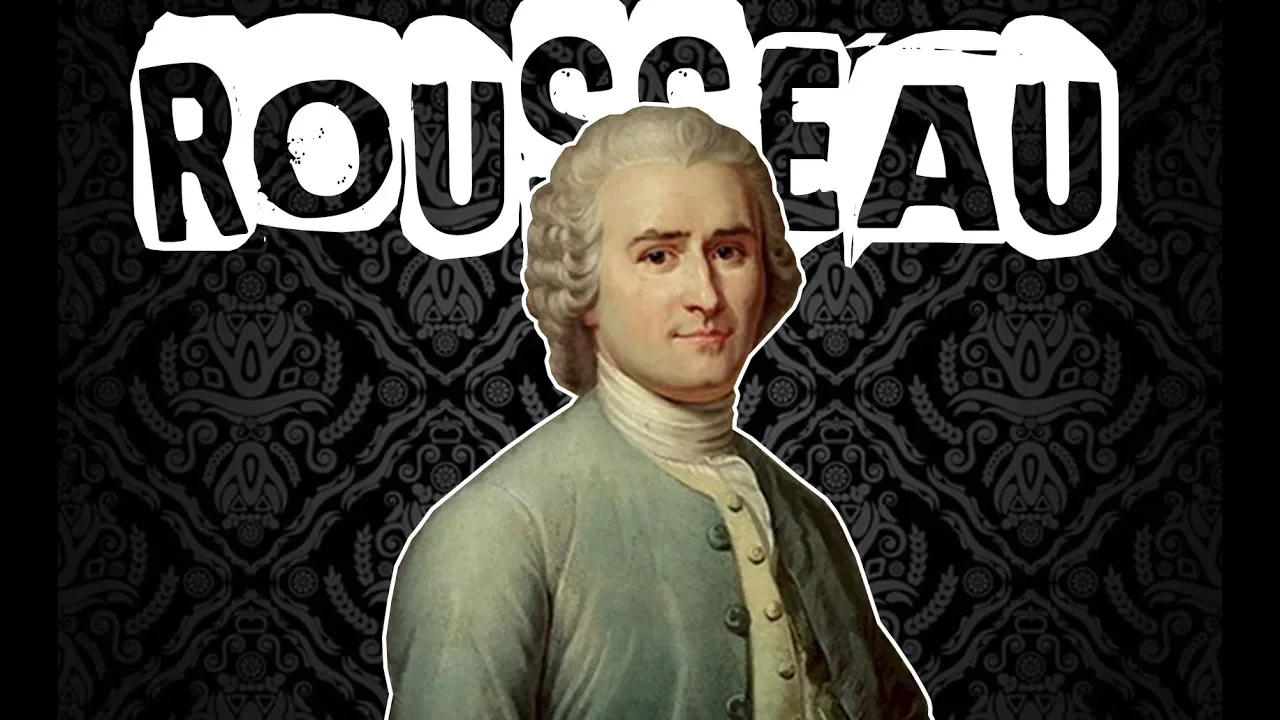
![[Episódio 093] Jean-Jacques Rousseau](https://i.ytimg.com/vi/vr2hqxdbQNI/maxresdefault.jpg)

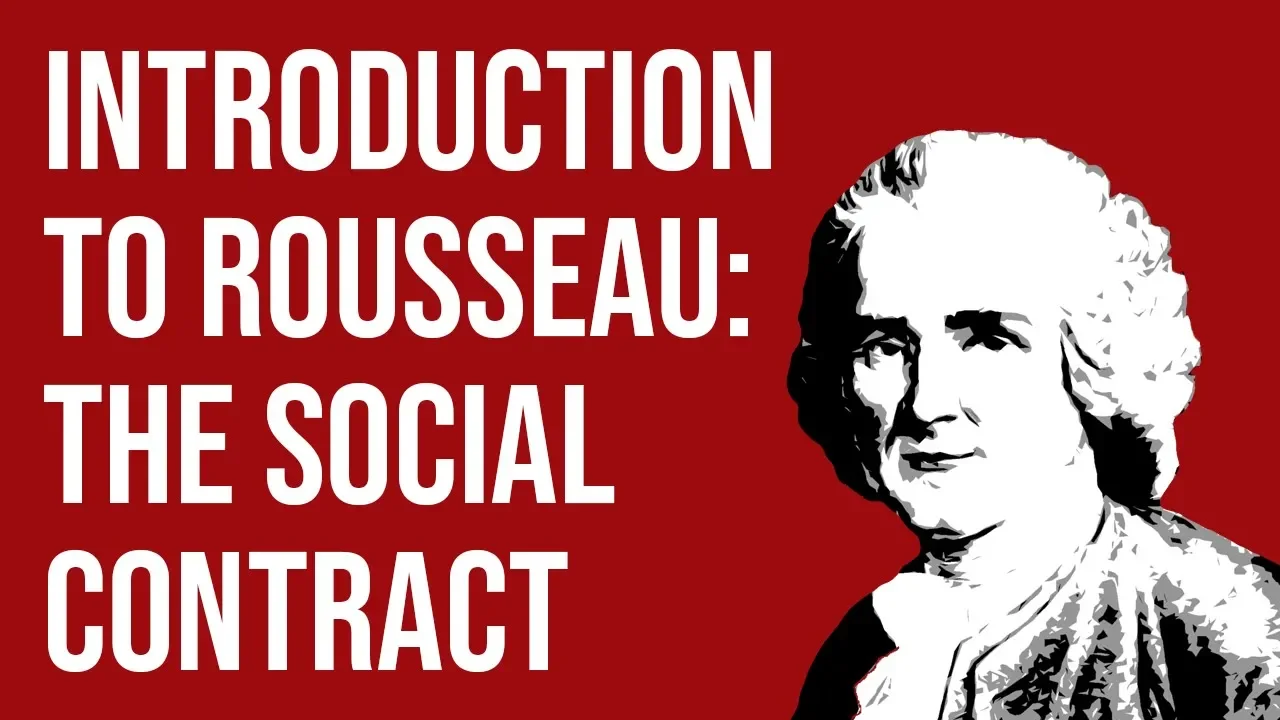


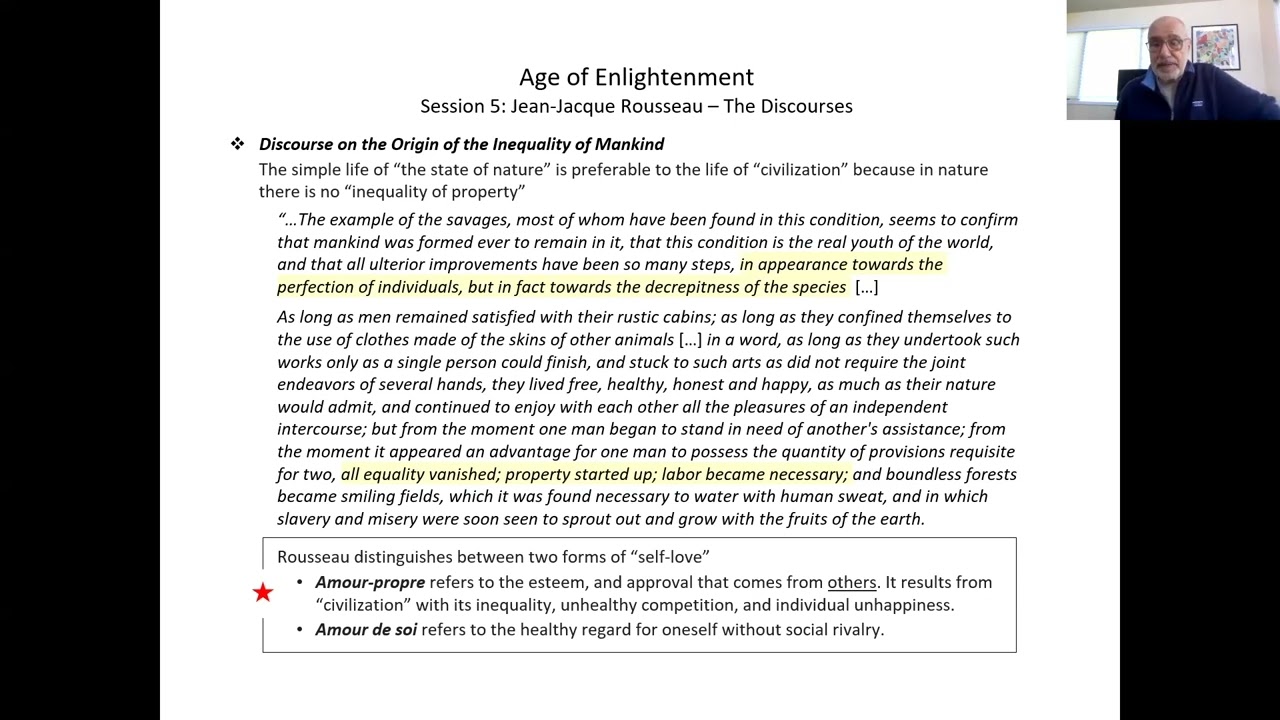







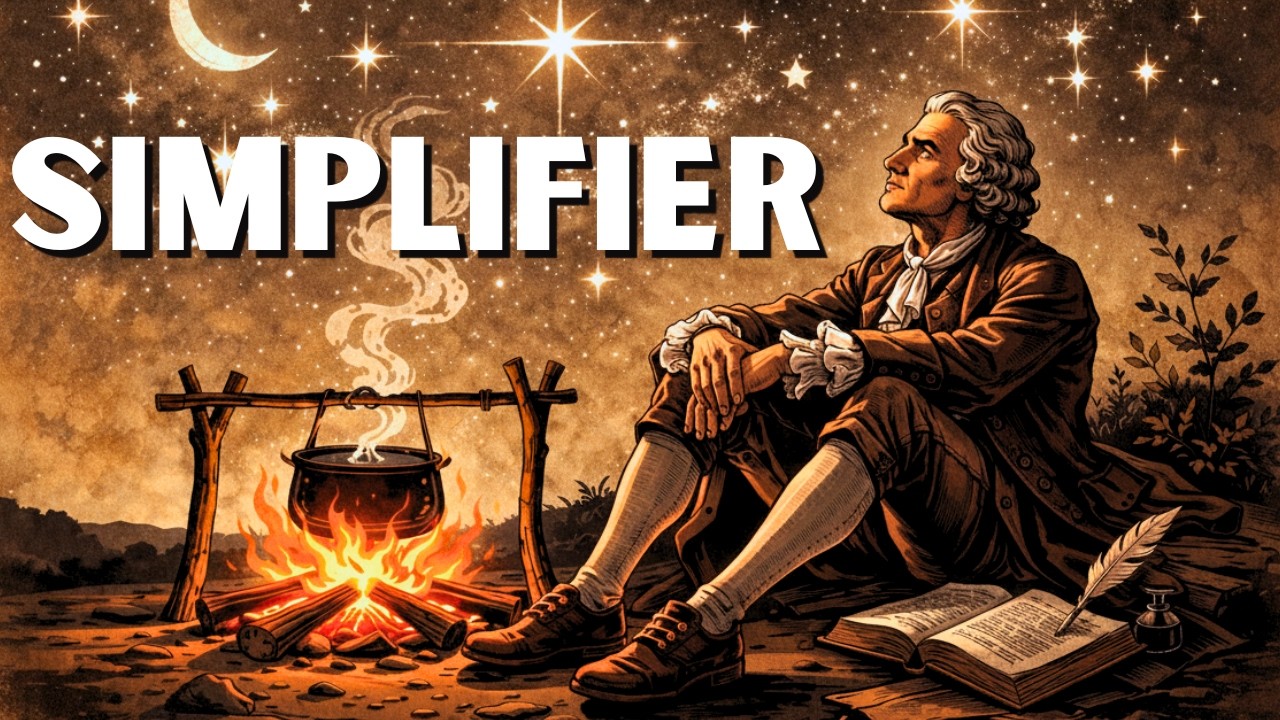

Jean-Jacques Rousseau's Discourse on the Origin and Foundations of Inequality Among Men argues that inequality originates not from natural law but from human technologies and social institutions that inflame our inherent desire for recognition (amor prop), creating both the competitive energy necessary for human achievement and the psychological suffering that undermines genuine human flourishing; thus, while radical inequality produces the greatness of civilization, it simultaneously corrupts human nature, requiring societies to balance the benefits of competitive excellence against the costs of social fragmentation and psychological distress.
Rousseau's Second Discourse: The Origin of Inequality Explained
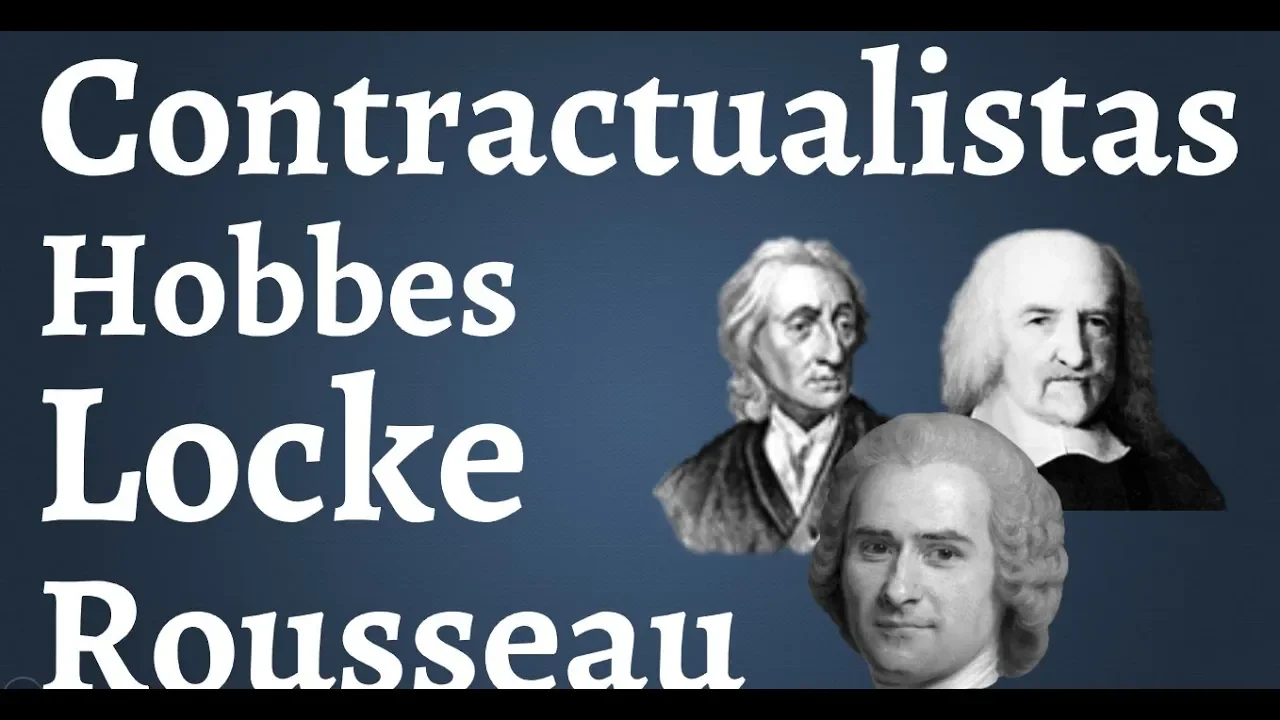
Added:The philosophical concept of the 'State of Nature' as defined by early modern thinkers like Thomas Hobbes and John Locke.
An overview of the Enlightenment movement, particularly its optimistic view of human reason, technological progress, and societal evolution.
The basic distinction between natural (physical) inequality and moral (political) inequality.
Familiarity with Jean-Jacques Rousseau's historical context and his critical stance toward the intellectual establishment of 18th-century France.
Rousseau's 'The Social Contract' (1762), which proposes a political framework to resolve the corruption and inequalities detailed in the Second Discourse.
A deeper exploration of 'amour-propre' (pride/vanity) versus 'amour de soi' (self-preservation) and their applications to modern social psychology.
How Rousseau's critique of private property as the root of inequality influenced Karl Marx and the development of socialist theory.
The direct influence of Rousseau's ideas on the radical phase and ideological justifications of the French Revolution.
An analysis of modern social media dynamics and consumerism through the lens of 'amour-propre' and the constant desire for social validation.
118.6K views3.8Klikes1:45:30Original Release: 2024-09-13
the very inequality that makes many Americans miserable is also the source of America's power the same conditions which make Canada so hospitable for the average make it suffocating for the ambitious the best parts of society are often built by the worst parts of man why is cheating wrong if in the secular age it's no longer God telling us not to cheat with contraception and paternal tests it's not biological reasons that we can't cheat why why is it so bad when you want to send your kid to an Ivy League to buy an apart here in Tribeca to get a reservation at the best find dining restaurant you're looking for a lot more than just education shelter and food these Goods aren't scarce because they're good but they're good because they're scarce many immigrants come to America for her equality but why do people from Canada why do people from Western Europe come to America we come here for your inequality for rouso the poor welcome inequality because it gives them the opportunity to dominate the even poor I quote to you Russo citizens consent to Bear chains so they may impose chains on others in turn inequality for Russo isn't sustained by just the materialistic greed of a small Elite but by the social vanity of everyone even those at the bottom as you can already tell rouso second discourse is going to challenge your understanding of inequality in all directions on one hand rouso is going to show inequality to be a lot worse than you thought it's an existential threat to society that hurts not just the poor but also the rich on the other hand rouso will show you that even radical inequality has its benefits that the competitive frenzy it incites gives birth to rare moments of greatness that we wouldn't want to live without Russo's project in this book is to discover where inequality really comes from and answering that question isn't just going to take us through the entire history of civilization but to the very depths of the human soul in this lecture you aren't just going to be learning about inequality out there you're going to be learning about inequality in here the desire for superiority for status for vanity that is in every human heart that is the real subject of the second discourse let's say in the next half century we find a way to reverse climate change let's say we develop defense capacity so strong that we can stop any nuclear attack in any Nation let's say on top of all that we get our birth rates back up we get obesity down we Wayan everyone off all the addictive drugs that'll probably be the best 50 years in human history it'll also just be us barely covering our ass because all those issues all those existential issues nuclear war climate change they're created by us and that's one of the central messages in the second discourse rouso thinks that Civilization is responsible for many more problems than it can resolve but I need to make this clear in the outset the second discourse this book right here is not an anti-il text because if you read Russo carefully I'm thinking about N9 here you'll learn that it's neither desirable nor possible to return to some state of nature it's not desirable because despite its many many errors civilization's many errors it is what makes the development of our faculties possible philosophy art technology history itself none of this would be possible without civilization Russo is going to spend his book critiquing civilization then pointing out all the ways that it goes wrong so that we have the opportunity to do it right the second discourse purports to have identified the fundamental first principles of human nature the very laws of motion of the human soul and the seductive promises if we understand what rouso is trying to teach us then we can build lives and create societies with all the goods of civilization and very few of the bad it's because our desire for Prestige for recognition is so often damaging it so often leads us astray that rouso is going to teach us how to redirect those forces into living nourishing lives it's because Technologies like Metallurgy agriculture we can add on to that maybe social media can seem so inviting initially but come back to bite Us in the most unsuspecting of ways that rouso is going to rescue a specific conception of technological development the second discourse is more relevant than ever but there's an even stronger reason to read it with which is Russo's all-encompassing influence on all strands of modern thought rouso would go on to influence marks on the left n on the right he'd go on to influence everyone in the French Revolution as a father of the French Revolution I think properly conceived he'd be both what robes Pierre as well as what robes Pierre's opponent cited for justification rouso would be the progenitor of the Romantic Movement that H held sentiment intuition emotion up so high at the same time he would be the greatest influence on that champion of Reason Emanuel Kant who honored Russo so much that he said that Russo set me straight and taught me how to honor mankind after Russo we're either with him or were were against him but were always in some sense responding to him we can't understand the modern world then without understanding rouso and we can't understand rouso without understanding what he himself conceived to be one of the most important books he's ever written the discourse on the origin and foundations of inequality among men now the second discourse that's the short version of this title is a essay submission to a contest held by the Academy of djon and this is the question of that contest what is the origin of inequality among men and whether it is authorized by the natural law so this question is going to have two parts the first part is why origin is in the title it's how did inequality come to be it's a descriptive question the second part is a normative question it's is this inequality Justified and that's why Foundation is in the title so this lecture is going to closely mirror that structure first we're going to talk about the form what kind of answer that rouso is trying to give us here and then we're going to try to reconstruct Russo's question on Origin how did the inequality we see today come to be and eventually we're going to try to reconstruct the question on Foundation is the inequality we see today is it fundamentally legitimate or not rouso is seemingly going to give us a historical account of how in equality come came to be and Russo's history seems to have four movements so we start off with a state of nature where humans are really atomistic creatures just roaming around with nothing to do with anyone else there there's also very in little inequality the second stage is called the Golden Age and it's called the Golden Age because sociality is injected in history but alongside sociality the very seeds of inequality are also injected these seeds are going to blossom into the massive inequality we see today in the third stage which is called civilization and in the fourth stage the invention of the political State we're going to see all of this inequality Justified legitimized so if you're anything like me your reaction to rouso right now is probably like what my reaction was first when I read him which is I don't have to pay any attention to what this guy has to say anymore because he's got his fundamental facts all wrong I mean there's so many errors but the most egregious error is his state of nature the part of his theory that he actually needs to do the most rhetorical work compared to the best of our anthropological knowledge that is not how Hunter gather Society happen at all if anything we are atomized we are atomistic when you compare us to Hunter gather society that had culture and love and language and tribes Russo got all his facts wrong therefore he has nothing to teach me this this I think is quite a natural intuition when you read the second discourse but it's also the intuition that I need to inoculate you against immediately if you're going to get anything from this discourse because anytime I I meet someone who cares a bit too much about the facts anytime I meet someone who won't eat his veggies who won't down a perfectly fine argument until I sprinkle some statistics and add in a citation or two I know I'm speaking with a barely educated Man educated just enough to be indoctrinated into the modern religion of the day but not an ounce more to see many of its glaring loopholes this is how an educated man begins his paragraphs I quote to you so hence disregarding all the scientific books here's another sentence how he begins his his paragraphs let us Begin by setting aside all the facts for they do not affect the question okay something tells me rouso isn't going to be the most rigorous historian in town but that's okay because rouso doesn't purport to be Russo's self-conception isn't that he's doing history but that he's doing physics and what he has in mind there are works like day carts the treaties of light so the treaties of light is this ambitious work in natural philosophy what we call physics today and it dekart wanted to give a exhaustive account of the natural world in the first five chapters deart is going to highlight what he thinks to be the constitutive elements of the natural physical world what's The Ether what are different elements what are the mechanical laws of of motion how do they all work together and in chapter six Dart says in in order to not bore all of you I'm going to tell you the rest in the guise of a fable that's the word he uses a fable and he gives this fictional account of how the natural world started from NE nothing X nilo and came to be and the point isn't that this is actually how the natural world came to be the point is that I've identified powerful enough foundational elements that I can explain the exist natural world with nothing but these elements Russo is going to do the same but for the social world this is why Kant is going to honor rouso with the title of Newton of the moral world so let me put it this way if you're trying to learn neonian physics in high school and you have a tutor who's using that famous example of billiard balls in a vacuum you've heard that before where we got two billiard balls in a vacuum that hit each other opposite an equal reaction you don't say to the tutor wait a second which billiard ball what vacuum you're trying to pull a fast one on me there's no bilard Ballers no vacuum you understand what the tutor is trying to do is to give you a hypothe hypothetical thought experiment and that's also what rouso is trying to do here it's ironic that rouso thinks that by starting off from the merely conjectural by starting off from the speculative by things that not only aren't corroborated by the facts but sometimes actively go against the facts that he's able to land at premise at conclusions that are non- conjectural now imagine what would happen if rouso was an empiricist he went into this Society figured out how inequality operated here he went to that Society figure out how inequality operated there by starting off with certainty the non- conjectural paradoxically he would end up with merely conjectural conclusions conclusions that didn't happen the generalizability of physics so it's from uncertainty that we get to certainty and it's from certainty that we get to uncertainty don't do facts kids so this method what Russo calls a hypothetical history is really aimed at getting at one thing and that is to separate out the natural from the artificial for rouso what is artificial is what is the result of human freedom and his understanding of freedom is somewhat peculiar so pay attention here freedom for Russo is willing according to a belief so if you give me two plates of food and I spontaneously choose I choose from Mere Choice that's not the full expression of Freedom that's my mere will but if I choose the plate of food the vegetarian plate of food under the belief that eating meat is immoral then that would be a full expression of Freedom what is natural then is what is not the result of choice what is not the result of Freedom what is given to us this would be like I don't know our desire for water our desire for food for sleep so I hope you already get a sense at why this distinction this seemingly abstract distinction is so practically important because what is the result of Freedom makes it malleable and so the seemingly abstract the most theoretical of distinctions relates to a practical question that we ask every day can I change this this this part of my partner of my company of my community my Society that's what R is trying to get at by separating up the natural from the artificial so what I want you to have in mind of what Russo is trying to do here is that he splattered out these human components on a large table there's institutions such as democracy and slavery there's technology such as language and agriculture there's motivations like self-interest and pity and what R is trying to do is he's trying to draw a small circle and put elements inside and make sure that the only elements inside the circle are natural and everything outside that circle is artificial this isn't just an important thing for rouso to do but it's an important thing for all I think of political philosophy because there's real consequences to drawing this circle wrong if you draw the circle too wide that is to say if you include an artificial element and conceive it to be natural then you could be burdening Humanity to live with an institution sometimes a terrible institution that never had to be so an example here would be Aristotle Aristotle thought that nature dictated that some people were Masters and some people were slaves and therefore the institution of slavery is natural it's necessary but there's an opposite challenge there's an opposite way of drawing the Circ wrong that's just as just as dangerous potentially and that's to draw the circle too small drawing the circle too small would be to in to think of something which is actually natural as artificial as a result of human choice and the issue there is utopianism so some of the early Bolsheviks neither Russo nor nor Marx thought this but some of the early Bolsheviks thought that all self-interest any form of self-interest is conditioned by capitalism and will be alleviated as soon as we get to Communism the danger here I hope is obvious if you get to if you design a society where you expect people not to be self-interested creatures then that's that Society is going to be easily exploited this opens up another direction of danger however which is that it opens up people to persecution if I'm with my comrade over here and I we're in communism and I show any hint of self-interest because I'm going to because it's natural then he can charge me with that and send me to the gock the key Insight here is that if you think something as natural as actually the result of freedom of artificial Choice then you can then you attribute moral responsibility to that person for doing that act so I hope you can see the terrifying importance why rouso needs to thread this needle so closely and what what is at stake if he doesn't do it right so let's move on from the first part of the lecture which is a description of the form to the second part of the lecture which is a discussion of the origin of inequality so when we get into this hypothetical history where we first begin is the state of nature and what's going to be surprising to you about Russo's state of nature is how small it is how thin it is how few components rouso puts in it rouso gives humans only two motivations in a state of nature amod and pity amod Fuso is a species of self-interest and there's no real good English way to translate it so I'm going to keep it in the French and it's the self-interest that we share with physical creatures it's desire for food for sex for water that's quite easy to understand the other motivation is pity and that's the natural compassion passion we feel towards others when we see them suffering not only other humans but also other animals as well there's three things I think I have to tell you about pity the first one is that I hope you can see rouso is already proving himself not to be a utopian at least not in the way that the bolik was because amodis is one of his natural motivators of man that man is always going to be self-interested in some way for Uso but he's also not a utopian because because pity takes a backseat to amoda so if you ask me to help you but at the risk of my own self-interest if you're getting attacked by a tiger then I'm not going to help you so it's not a bunch of mother teresas running around the state of nature it's more like helpful pedestrians who will help you if it doesn't cost too much to them but the second thing I have to say was that with that said it's still very significant I think that rouso includes pity into his um into his account of the state of nature on what's inside the circle one of the fundamental motivators of man because he wants to show that humans are a naturally moral creature and when we get to civilization what morality is going to sprout out of is this sentimental Drive of pity I quote to you Russo what are generosity clemency Humanity if not pity applied to the weak the guilty or the species in general even benevolence and friendship properly understood are the products of a steady pity focused on a particular object for what else is it to wish that someone not suffer than to wish that he be happy what Russo is trying to say here is that so many of our laudable virtues like clemency is actually an adaptation of pity and that's significant because that puts him on one side of the debate the other side of which is probably someone like a Manel Kant so Kant thought that if you allow pity to motivate an action if you give to a beggar out of pity out of a sentiment and not out of a let's say principled a reasoned um adherence to a set of principles then that's not a fully moral Act of course rouso is on the other side of that debate and hopefully you can see now why he's going to be progenitor of the Romantic Movement that holds sentiment that holds intuition up up high but I need to make a third Point here which is that we need to take the suspicion of Reason even further not only is reason not the thing which makes us moral it's the thing that often makes us immoral and Ros is going to give reason a specific role to play in his account of uh uh morality and the general will but more often than not reason is the thing that prevents pity from functioning so the idea is that pity functions when you identify with someone what reason comes in and does is that it cuts out that identification in the state of nature without reason without language pity naturally extends to all but this is what happens in Civilization I quote to you Russo by means of philosophy he secretly says at the sight of a suffering man perish if you wish I am safe one of his kind can with impunity be murdered beneath his window he only has to put his hands over his ears and to argue with himself a little in order to prevent nature which Rebels within him from letting him identify with the man being assassinated what rouso has in mind here and I think it's most easy to see when you think about atrocities is like picture the na Nazi Garden owitz Russo's mental picture what's going on is that pity is screaming don't do this but it's reason that steps in and says I don't know I'm just following orders or you know a good soul soier is one that listens to command so it's reason that makes man immoral all right so that's amod of swan pity there's a third motivator that I need to tell you about not because it is present in the state of nature but because its absence is going to be louder and even more jarring than the presence of amoda and pity combined and that's Amo prop again unfortunately no easy no easy English translation here Amo prop is going to be the compliment to amoda and it's going to be another species of self-interest it's the self-interest not of physical creatures not of animals but of social creatures it's the desire for recognition it's the desire for someone to hold a high opinion or a certain type of opinion of you why does we so call this a species of self-interest well much like amodis which reaches into the natural world and let's say grabs an apple to s ify your hunger Amo prop is going to reach into the social world and also trying to get something for oneself and that's going to be recognition so there's going to be a lot of actions for Russo which seems to be motivated out of morality and altruism which are actually be going to be deeply selfish actions so one example is philanthropy especially the type of philanthropy where the goal is toplay your name in front of a building Prima fascia if you just look the Material Exchange you're being altruistic you're giving money you're not receiving anything in return but what so reminds us with Alo prop is that there's a currency we often care a lot more about than money and that's recognition and from that lens it does become a very selfish action or another example if I'm on social media and I'm supporting some kind of political cause that I don't really care about I'm not going to do anything to help but I'm just going to Champion that cause because I want to win a certain type of recognition from my friends that I'm a good person that's also going to be be deeply selfish because I'm reaching to the social world I'm trying to get something out of it but the domain of Amo prop extends far beyond these sort of P pseudo moralistic hypocritical actions and it permeates really all all species of human activity so why do some people keep on making money even if they have more than enough money to spend at that point it's no longer about Amo desis it's certainly not pity to help others it's because making a certain amount of money having a certain level of wealth says something about you to the society why do certain people have trophy wives or trophy husbands it's not because you like spending time with them it's not even just because you like having sex with them that would be more innocent it's because you want to win a type of recognition by being associated with that person in society so as those examples go to show Amo prop is going to be a very worrying drive for rouso so I'm going to tell you his own words why it's so worrying there is a sort of man who counts how they are looked upon by the rest of the universe for something who can be happy and satisfied with themselves on the testimony of others rather than on their own The Savage that's natural man lives within himself sociable man that would be us always outside himself is capable of living only in the opinions of others and so to speak deres the sentiment of his own existence solely from their judgment what I need to make clear there is this ability of Amo prop to exist outside of ourselves that's going to be very dangerous but it's also going to be what makes a large portion of human goods necessary human Goods possible paternal love maternal love conjugal love Community feeling language and reason itself who so thinks would not be possible without this drive of Amal property so here's the question if Amo prop is so Central to human nature to what we are as humans why does he leave it out of the state of nature after all I thought you said the state of nature was everything that was necessary everything that we can't change here's the answer the existence of Amo prop is not up to our freedom rouso thinks that we care so much we are such social creatures that we can't turn off whether we care what other people think about us however ever the satisfaction of Amo prop does require freedom and it requires Freedom which again it's bit peculiar resour understanding of Freedom it's about expressing an opinion because Amo prop is relative and it's relative in two ways so the first way that Amo prop is relative is not only am I seeking an opinion of me but the opinion of me that I'm seeking is comparative so I want to be the best philosophy lecture I want to be one of the great entrepreneurs that relativity sometimes manifest as equality as well I just want to fit in or I want to be an equal citizen of a state and I think that you can see this comparative drive by looking at how when Sports is ever the discussion the the common topic people always go to is like who's the greatest of all time is it LeBron or is it Kobe and sometimes the these comparisons become completely nonsensical who's the better athlete of all time Tiger Woods or Kobe and the the fan bases spend like weeks developing a complex point system of translational scheme to say how much is championships in one sport translate to the other to the point where it clearly becomes ridiculous but that just shows us how important is for humans to know where they stand relatively in a group so that's the first type of Relativity it's comparative the second type of Relativity is that not only do I want me to hold that opinion of me I want you to hold that opinion of me so it's not only measured against others it's also measured by others and both of the both of these ways of Relativity separate Amo prop from amoda so amoda I don't care about how hungry you are I just care about how hungry I am in like manner am swah doesn't need another person to satisfy my urge for food or water I can do it by by myself and both of these ways that Amo prop is relative means that it requires Freedom it requires an expression of a belief because in the first instance I need to choose what type of self-recognition I want to receive but then on other people have to choose whether they they give me that recognition or not so here's what I want you to take away fromo leaving out Amal prop in the state of nature it's not that Amal is um optional in human nature it's that it's so darn malleable that societies have a great degree of control of how and who they reward Amal prop to do we give it to all or only a few do we give it to the old or the weak the young or the strong and this malleability of Amo propop is going to be able to explain not only other civilizations that we find curious but the most curious Parts about those C izations so why do the Ancients why are they so easily angered such that they'll duel someone for a mere insult why do indigenous American Chiefs why do they have gift offs where they literally try to out gift their Rivals to shame them why do our Elites work harder the more money they get instead of using it to enjoy Leisure all of this can only be explained when you have a relative Drive of Amo prop and not just the logic of amoda so now that we have an understanding of what motivators are and aren't in the state of nature let's see what this social world looks like and the first thing to say is that it can't be conceived of a social world as a social world as a human world there's no language there's no love there's no Community there's no tribes there's no family but the most alien ating thing must be how procreation happens so in the state of nature men and women just roam around like lone wolves there's no preference what determines whether we mate is solely whether I have that urge and whether you have that urge you do the deed the desire is immediately extinguished and as soon as the desire is extinguished the leaves and the female is forced to take care of the child although that part of the strategy is making a comeback these days um the mother rears the child and as soon as the child is old enough to forge the child abandons the mother and the mother does not even care enough to go after the child the mother and the child are not going to meet again most likely but even if they do they don't even recognize each other this is why I had to inoculate you about Russo's form he's not saying this is actually how Hunter gather societies H functioned the point he's trying to make is a theoretical one it's how much in the relationship of romance is actually not due to physical desires at all but due to Amo prop the classic example again is the trophy wife and the trophy husband but we're so saying with that with the childbearing point is that the uncomfortable truth is that a lot of the things we do for our children is actually for us there's a type of parent who when their kid goes to an elite school they're less happy about what that does for the kids' future than the fact that they get to stick Harvard dad on the back of their bumper now obviously all of those are pathological instances of both romance as well as parenting but so's point is that even in healthy instances of both Amo prop is still the Central Drive romance is not about physical release at all if it were we would just masturbate watch pornography and visit prostitutes and we'd be fine with it what's what's missing from that is a species of recognition that you are so good you are so special important to me that I want to spend my entire life just with you and a similar logic happens in child rearing which is which is this even in healthy relationships of child raring I think it's probably inevitable for you to identify yourself with the child and some to some degree to have what your child does speak something about you and the even stronger point is it is precisely because Amal prop is involved that both those relationships can be so intimate without Amo prop then in the state of nature we can say that many good things are absent there the state of nature has an absence of good but what's going to make this an overall positive ideal is that there's also an absence of bad and I think we can understand that by looking at competition so in the state of nature if you steal an apple from me that took me I don't know 10 minutes to get I'm not going to go after you and get vengeance I I don't even have the foresight to go to you and tell you you can't do that next time I'm going to make a very simple rational decision is it easier to wrestle that Apple away from your hands or is it easier to go back go back to the tree and get another Apple because of this because ammo prop isn't involved in Conflict conflicts rarely get deadly there's no duel to the death out of ego but the deeper point that rouso makes is that even these type of conflicts are very very rare because he thinks in the state of nature we're in a state of natural plenty again it's very important to understand what R is trying to tease out with this idea of natural plenty it's not a historical point it's not a factual point about I don't know the natural Bess bountifulness of nature before man went there and corrupted it he's trying to make a point about the source of scarcity about the ontology of scarcity so for us because scarcity precedes competition a good is good it is rare we compete for it but Roo wants to flip that on his head somewhat and say in more instances than not competition precedes scarcity it's because we compete over a certain thing that lends amount of prestige to it that that makes it appear good another way to put that is that most of the world's scarcity most of the scarcity that we that we spend so much of our days fighting over is artificial when you want to send your kid to an Ivy League when you want to buy an apartment here in Tribeca when you want to get a reservation at the best find dining restaurant you're looking for a lot more than just education shelter and food what you want is an association with those scarce good those scarce Goods so these Goods aren't scarce because they're good but they're good because they're scarce an opponent might might say something like this they might say that's all that's all well and fine but what if in the process of maximizing my amoda isn't that enough to lead me into competition right the common analogy is of splitting the pi more Pi for you less Pi for me so shouldn't this natural desire to maximize my amod SWAT to get as many natural resources for me isn't that enough to create competition Russo's point is that it is but the drive to maximize your your amod swwa that is not natural that too is is motivated out of Amal prop if you look into the animal world you don't see squirrels hounding infinite acorns and building a temple and acorn Temple to show it's the boss you don't see bears trying to get more salmon than they can eat so that it rots on the riverbank and show that it's the best hunter in like manner natural man is also going to be very modest amod swwa only makes him seek things that he needs and because of that there's very little inequality in the state of nature we would have stayed in this state of nature if it weren't for two drives that already separated us from animals the first drive is a prototype of Freedom it's not the full Freedom it's not will according to belief it's just the will so rouso thinks that animals are like deterministic machines whenever they have a desire they just have to follow it but is a bit different because we have the mere will in the state of nature to choose the second Drive there's going to be misleading is called perfectability and it's not really about moral virtue moral perfectability it's about a latent bundle of faculties the capacity for language the capacity for reason it's that bundle of faculties that once developed which is going to make us regress so the irony is it's our ability to progress that's going to make us regress it's the Perfection of individual that leads to the decrepitude of the collective so we're going to leave the state of nature now and what I want you to pay attention to within each transition here is that there's going to be a technology that's going to take us to the next stage a technology that affects our Amo prop in some way the technology or the technologes I should say that takes us out the state of nature are all the things that we had to invent to gain Mastery over nature so this is like getting fire figuring out how to use fire creating bones and arrows creating clothes building huts instead of just living in caves this is a very primitive form of Cooperative hunting and what these Technologies do is that they rearrange the social Fabric in ways that seem innocuous initially but will already plant the seeds for skyrocketing inequality the first time that Huts were created it became a protor private property which you can use to differentiate from your neighbors this more sedentary life meant that the nuclear family started forming family formation began men and women started pairing off and as soon as they started pairing off a form of dependence occurred as well as a Proto division of labor the woman would stay at home and take care of the Hut while the man would go out and Forge and hunt and all these productivity improvements meant that we had more Goods to go around it meant that we had time for leisure and we were able to develop even some type of luxuries the most important consequence of all of this is that Amo prop became awakened through this process this is the central passage where it is awakened it became customary to gather in front of the Huts or around a large tree everyone began to look at everyone else and to wish to be looked at himself public esteem acquired a price the one who sang or danced best the handsomest the strongest the most skillful the most eloquent came to be the most highly regarded and this was the first step at once towards inequality and vice the question we have to ask is this why does Amo prop why does it come out of the womb as a desire to be the best after all I described it as a relative drive and sometimes that relativity can manifest as a desire to be equals this is going to be a very important question that rouso needs to answer because he's he's going to need Amor prop to be that motor which creates inquality and it's not going to be a great motor if it comes out of the womb Desiring equality so the first answer that rouso gives is that through our Mastery over nature we became prideful because we looked around and we saw that man was the first among animals and thus there was a desire in us that we wanted to be the first among men so it's that Pride of the species which translated into a pride of the individual the second much more interesting argument Russo gives is I'm props close proximity to romance romantic love for rouso romantic love and here he always means monogamous love is an expression that you are the best or at the very least you are you are the best I can do for now and for me to satisfy my romantic love I have to win that exact type of recognition back right I also have to be the best for you and that is the mechanism that rouso thinks teaches us to be the best let me put this into developmental terms I think it's no coincidence that puberty is both when a child's sexual urges are awakened as well well as when they start caring a lot about what other people think of them and so Russo's point and that's why they're also so hard to deal with Russo's point is that the first introduction to Amal prop as an adult as a human being is through the competitive domain of uh of romance and so because of that we are taught that the way to win satisfying recognition is to be the best I think the really interesting point here that we must rescue even if you disagree with this developmental point is that romance despite all appearances is the most competitive domain we have as humans it's even more competitive than War because in war there's certain times there are stalemates but in Romance if you're not number one if you're not literally the very top you're nothing and so whenever we're pulled into the Romantic frame I think we tend to get very competitive there's a study they did where they would show men who are bound to donate they would either show or not show them a picture of a pretty woman to sort of get them into that romantic mode of thinking and every time they showed a picture of of a pretty woman they would be hyper competitive in the amounts they donate and that end up being a strategy this is also why for me when a Founder when an investor enters into a long-term satisfying monogamous relationship that that is usually quite a significant moment into their in their careers because for a lot of Founders especially young Founders what motivates them to build the best company is a is a sublimated desire unmet desire for sex that is then channeled into building the the good company and if you receive that recognition already in a stable monogamous relationship a lot of people lose that desire in their career so those things can substitute for each other of course this is also why I I limit my Venture investing to two strategies uh the single and the Unhappily Married the fact that romance Awards recognition of being the best that romance Awards this hyper exclusive hyper competitive recognition is also why romance is going to be such an important institution in Russo's positive work in the meal and the social contract rouso needs to show how he can build a society where everyone's core desires or natural desires are satisfied but we can't clearly all be the best by definition right we can't all be the best for everyone we can't all be feder or Michael Phelps or uh Lebron but with romance Russo thinks we can all be the best for someone and so that's a a way of satisfying that same desire and marriage marage is going to be such an important institution because marriage is that public recognition of that private recognition so the reason that most people aren't just happy with just a monogamous relationship and not getting formally married is that formal process of marriage is the public the state your family your friends giving you that recognition that you are indeed the best if only for a for a single person and I think with this intuition of why marriage is important ruso also has a very important critique of adultery because that's an important question these days why is cheating wrong if in the secular age it's no longer God telling us not to cheat if no age with contraception and paternal tests it's not biological reasons that we can't cheat why why is it so bad and I think so gives quite a compelling answer here which is it's bad because you rob your partner of that recognition that they are indeed in fact the best and so that part of themselves that was nourished by that recognition you literally destroy that okay let's take a step back when Amo prop was introduced into history it immediately started wreaking havoc I quote to youo any intentional wrong became an affront because together with the harm resulting from the injury the offended party saw in it contempt for his person often more unbearable than the harm itself vengeancesynyster men bloodthirsty and cruel when you steal an apple from me in the Golden Age it's not just 10 minutes of my labor that you've robbed You're disrespecting my person I don't even care about the Apple anymore I'm going to go to you and show you who's boss Vengeance Envy jealousy all of these relative drives come into being so why does rouso call this the Golden Age he calls it the golden age because the same type of sociality that made Vengeance possible that makes envy and jealousy possible is also what makes language possible reason community art song family and of course as we already discussed Amor prop made possible I quote youo the sweetest sentiments known to man conjugal love and paternal love so rouso puts jealousy rage Bloodshed and violence on one side of the scale then he puts Community Family art song on the other side and he finds the good outweighs the bad and that's why it's called the Golden Age but it's not just called the Golden Age because it's good he also calls it the golden age because it's more durable so all the indigenous people the Europeans were encountering at the time people in uh Africa in the Caribbean North South America Russo identified them as existing in this state the Golden Age so he thought that that was proof that it's where nature meant for us to be it's the most durable Epoch this is what pulled us out of this most durable of epochs I quote to you Russo so long as they applied themselves only to tasks a single individual could perform they lived free healthy good and happy but the moment one man needed the help of another as soon as it was found to be useful for one to have Provisions for two equality disappeared property appeared work became necessary large scale collaborative projects such as Metallurgy and agriculture is the technology that would take us out of the Golden Age into the third stage civilization Metallurgy and agriculture are going to engender new types of social formations or strength old ones that will eventually lead to our massive inequality we see today so the first social formation that was engendered was private property and as I said before private property already existed in a Proto form in the form of Huts in the golden age but the difference with Metallurgy and agriculture is that so much value now is concentrated across space and time if I'm a hunter gatherer my value is split across the natural landscape right I have a cut here I have a canoe there I have berries all all over the place that I can pick but if I'm a farmer then not just mine but all of my community's labor is imbued into this one field and into one Harvest and because value became so much more concentrated it became all the more important to distinguish who owned what the second social formation it engendered was the division of labor so again in the Golden Age there was a Proto division of labor women took care of the Huts men went out to Hunter huntting gather but with the invention of occupations you're a metallurgist I'm a farmer a much stronger dependence started forming so this isn't going to be worrisome in itself for Russo what is worrisome is that if I need you the metallurgist to create the necessary tools for me the farmer to even live then you're going to have power over me let me put this in geopolitical terms if my country requires your country to make necessary Goods to produce necessary things for my country then your country is going to have a lot of sway over me that's the worry another social formation that uh Metallurgy and agriculture made possible are luxuries luxury that's going to be another misleading term here is not Gucci bags and Designer Men's Wear although it can be that it's any good that is optional which we think we need so there's many ways that Civilization can manufacture needs um one is psychological if all my friends have a certain I don't know electronic device or iPhone or have a house in the Hamptons then suddenly I feel like I need that thing even if I physically don't the second thing the second way that Society civilization creates luxuries is through physical habituation so we so thought that the first man who put on clothes doomed us all because clearly we were fine without it before even for me that's a bit far but but what what does resonate with me is air conditioning I've grown up with air conditioning my entire life and now I can't I can't I can barely sleep without it a third Way That civilization creates fictional needs or sorry I shouldn't say fictional needs I should say manufacturers needs is by creating all these requirements you have to have to participate in social life in the modern West you basically need a four-year degree if you want to enter the workforce you need a car in most cities in America you need a cell phone really to survive in the world today and again these things aren't concerns in and of themselves but it's the but it's the fact that I need to go into 100K of student debt to even even start making a living that's the concern for Russo it's that type of dependence that luxury creates so all of these developments they're going to create the supporting conditions for the rise of extreme inequality and the idea is that because value is so much concentrated it it exaggerates the natural differences among men so in the Golden Age if I'm a better Hunter than you I might get I know 3x more fish three five times more rabbits but in Civilization maybe I can position myself to be at the center of the iron trade or the center of the wheat trade maybe I can time a harvest well and then trade that for iron then trade it back for wheat when the prices are right and suddenly there's a lot more opportunity to really increase the upside but it's important to emphasize that all those three conditions they're merely supporting conditions which made in inequality possible the real driver of inequality is going to be Amo prop specifically when Amo prop becomes inflamed by those exact social conditions Amo prop is going to be inflamed and by that I mean set on tilt driven to a frenzy because private property and luxuries are going to give ammal prop a new domain to compete over the dependence generated through the division of labor as well as luxuries that's going to actually make me need to care about what other people think of me if I'm dependent on them and the increasing inequality that you start seeing it's going to make belonging into the Richer group all the more important than even enjoying what that group gets to enjoy so it's the fact of belonging to that group becomes extremely important so when Amal prob is inflamed at least all the issues we talked about trophy wives trophy husbands doing trivial work that you don't really like alienation hypocrisy but the most devastating consequence must be that it in it creates the desire for Domination it creates the desire to hurt others so rouso unlike perhaps n doesn't read this desire for Domination as one of the core things in human nature but instead it's a malfunctioning of Amo prop because Amo prop is about that relative Thrive the natural and healthy way for us to pursue our Amo prop is by raising our own standing but we can also improve our relative standing by making others worse and rouso thinks that when Amo prop is inflamed enough we gain that desire for Domination we gain that desire to hurt others I quote to you Russo if one sees a handful of powerful and rich men at the Pinnacle of greatness and Fortune while the masses gravel in obscurity and misery it is because the former value of the things they enjoy only to the extent that the others are deprived of them and they would cease to be happy if without any change in their own State the people cease to be miserable so let me start with off the most innocuous example here the play Hamilton it received rave reviews when it was just on Broadway when only a limited amount of people could watch it as soon as as it was made available on streaming sites critics stop stopped talking about it you you'd think it'd be the opposite right you'd think that now more people are watching it there should be more excitement but what was exciting was the scarcity here's another example if you have a friend that's in a similar occupation as you are it's common I think for your heart to thud just a little bit when you hear they're doing really well and this makes no sense because even if the occupation is positive some like I don't know investing because you can share deal flow or content creation online because you can direct audiences to to each other your heart can still thud and it's impossible to make sense of that just with a material Drive of amoda it's because you're losing out in this game of Amo prop so Aristotle said that we fear our friends become gods and rouso would say that as common as a desire that as that is it's not natural in us it's manufactured through perverted Amal prop so with so much inequality with so much suffering and pent up energy Civil Wars are going to happen and these Civil Wars are going to be fought between the the rich and the poor and rouso thinks that the rich have much more to lose because while the rich and the poor both risk their lives only the rich have to also risk their property so the rich come up with an ingenious solution this is the last technology that's going to take us to the final stage they invent the state which in its early manifestations is mostly private property property law contract law and this is what they tell the poor I quote to you Russo let us unite he told them to protect the weak from oppression restrain the ambitious and secure for everyone the possession of what belongs to him let us Institute rules of justice and peace to which all are obliged to conform which favor no one the state is going to resolve inequality not by decreasing inequality but by making people okay with living with inequality it's going to legitimize inequality Russo's point is that even if the rich abide by these rules that they set up the real issue with these rules is that it justifies that in initial disproportionate unequal distribution so here's an example if I have one unit of wealth you have one unit of wealth I come and raid your town I two units of wealth you have zero units of wealth and now I say all right private property time we're only going to play fair from now even if I only do Fair Trades going forward the issue with that is that that launders my initi illot gain so that is the issue that Russo sees but it's important to emphasize this is not some black and white story this is not some fairy tale about the evil rich tricking The Virtuous poor because Russo says the poor consent to this agreement and who so thinks that the poor have to consent to this agreement because if you just have military occupation if you just have the right the strong over the weak if that's all that's holding your Society together you don't have a society you have a permanent interment camp for rouso even when societies consent to the wrong things they must consent to fundamental principles institutions and values so the obvious question is why did the poor consent to this Arrangement the first answer not not very interesting is that they couldn't foresee the consequences of what they were getting themselves into but the much more interesting answer is that even if they could the poor would still consent to this unequal Arrangement because it gave them the possibility of dominating the even poor I quote to you Russo citizens let themselves be oppressed only so far as they are swept up by blind ambition and looking below more than above themselves come to hold domination dearer than Independence and consent to Bear chains so that they might impose chains on others in turn it is very difficult to reduce to obedience someone who does not seek to command and the cleverest politician would never succeed in subjugating men whose only wish was to be free but inequality readily spreads amongst ambitious and pusillanimous souls ever ready to take their chance on Fortune and almost equally prepared to rule or to serve depending on whether it favors or foils them the poor are not virtuous just like the rich we've all been corrupted by civilization we all have the desire to dominate the poor are consenting to this so that they can throw their hat in the ring and might one day dominate in turn Russo's Point here is that you're deluded if you think the only people in society who are greedy are the people on top it's easy to think that because the greed of the rich is much easier to see because they're playing with much bigger chips but looting and thievery that's just an expression of greed as a billionaire running some Ponzi scheme so don't mistake poverty for virtue the first thing we consent to is going to be private property property law contract law and what that legit legitimizes Is wealth inequality but we can't just have laws we also need a body to author them to update them so the second thing we established we consented to was the government magistrates legislators the second inequality we we legitimize was political inequality however for reasons I'll explain Civil Wars would happen again and they would get so bad that eventually people are going to sent away the last thing in their possession which is their very freedom I mean maybe think to Napoleon here they're going to say to a strong man if you can guarantee my life I'm willing to be a slave so the last institution that we established that we consent to in this three-fold process this three-fold degeneration is Masters and slaves and what is legitimized for Russo is arbitrary military power so with the establishment of Master and slave Russo's hypothetical history comes to an end and he paints a terrifying picture of what a state is going to look like oppression is everywhere the very last ambers of Freedom have died out people enter into war and are asked to even kill their own family and God forbid we son warns us in this most unjust of states taxes become necessary that's supposed to be funny that he considered that in the same category as the other things consider me a rovian so it's very ironic R so says that in a way we are at another state of nature in the end we're in a state of nature because we're all equals we're not equal in the way that we were in the old state of nature the pure the noble the simple state of nature but we're all equal in our nothingness in front of the master Russo also describes this as a state of nature because there's no rules anymore it goes back it reverts back to the law of the Jungle Whoever has the bigger gun it's purely military might that dictates the day I do want to make clear that rouso thinks there's plentiful of opportunities for revolutions to happen for a just state to be in to be instilled but he thinks this degeneration is in some sense necessary and it's necessary for the following reasons I quote to you Russo to understand the necessity of this progress one has to consider that the same vices that make social institutions necessary make their abuses inevitable laws in general less strong than the passions contain men without changing them Russo's Point here is that you need laws and institutions because you know people are going to try to do some funny business therefore you should you should expect people to do that funny business on the laws and institutions themselves here's an example Amazon a few years ago was campaigning for a nationwide $15 an hour minimum wage I'm not sure if this is their genuine motivation but many political commentators said that they did that because they could afford $15 an hour because they had scale and automation where small business can't so that's an example where the law which is meant to protect the little guy minimum wage law is literally being co-opted by the biggest guy of them all to outc compete small business and Russo's Point here is that Civilization has corrupted man so much that we shouldn't expect laws and institutions to be a cure all so let's ask that common question that hopefully we've learned to ask already which is how does this technology affect our Amo prop the state affects our ammo prop by legitimizing different Pathways of its competition so the clear example here is private property in Civilization even if I physically own this part this uh this part of Farmland my neighbor May disagree with me where my property ends and where his property begins a roaming band of Bandits can take my property away from me it's not secure but in the state when I get that paper of ownership that is the public giving me the recognition that I do in fact own it and because there's a public recognition think back to the marriage example my identity can be so much easily inhabited in private property and the same is going to be true for the other developments as well so the second thing we consented to if you remember is inequality of political power Rank and that's going to open up aristocracy ranks think victoriia in England all that to the competition of Amal prop the third and final thing military arbitrary power this relation of Master and slaves is going to legitimize Marshal virtues so not only did Amo prop become domination in the civilization but in that state that domination was literally turned into a public virtue it was turned into something that the state rewarded you in so we finished reconstructing Russo's question on Origin how Skyrocket inequality came to be provisionally it seems that Skyrocket inequality comes from technology after all technology is what sets each each stage of R's history but that can't be the full answer because technology is only going to create the supporting conditions for the real driver of inequality which is Amo prop Amo prop is the driver of inequality because it is the strongest relative Drive in the human motivational repertoire and it seeks inequality sometimes for its own sake so the full answer of where inequality came from is this the massive amount of inequality we see today is created by Amo prop when it is inflamed by different Technologies who's answer lies at the intersection of technology and Amo propop and within this answer I think rouso is giving us a very powerful lens to understand technological development that is often overlooked in modernity because people technologists especially they ask the question how do humans build technology how many I don't know transistors can we fit in this chip how many batteries can we shove into that car Russo teaches us to ask a very different question how do Technologies build humans when rouso observes a technology for example Metallurgy agriculture he isn't concerned about the technology itself he isn't concerned about I don't know the crop yield per square footage of farms he isn't concerned about the density of metals produced he's concerned about how those Technologies change the social world and transform ammo prop and I think that's also the lens that we must take towards technology so I have a friend who is a world-class technology buyout investor so he buys tech companies for a living and when he diligences those companies he doesn't look at the tech itself I mean this particular friend couldn't even diligence if he wanted to but the point is he doesn't have to by just looking at the sociality around that deal who built this why are they selling who are the other investors who are the competitors who are the customers that alone is enough for him to make the right call in like manner when Peter teal invested in Facebook he didn't invest because of its I don't know Tech stack he invested because he said it was a Mimis of Mimis in rovian language Facebook found a way to productize to weaponize Amor prop and that's why it was going to be so addictive I find it quite humorous that when you look at the rank and file of Silicon Valley of tank of tech most of them study stem computer science but when you look at the leadership there's a surprising amount a disproportionate amount of them that studied philosophy whether it's I don't know Peter teal or Alex karp Sarah Tel or Paul Graham Reed Hoffman and I think the insight there is that even the building and investing of technology is not really about technology at all it's about dealing with people dealing with humans your customers your clients your investors and I think this human Centric lens I think this Amor prop Centric lens is also critical to us if we're going to build technologies that don't come back and hurt us in the case of social media which I clearly did so one area this lens already illuminated for me is on the discussion of artificial intelligence one massive area that I think people are overlooking is that for the first time in human history we have a source of Amo prop that's not human so there was a technology company that created romantic companions from the latest large language models and its earliest adopters the most fervent users were people who were on the fringes of society who had a lot of issues with their romantic life because they were unfortunately abused and they had trouble establishing that romantic relationship the real human for a lot of them if you listen to the interviews that technology created a safe space for them to gain that practice of giving and receiving romantic Amor prop which actually made it possible for them to develop those relationships in real life now that's the good part that's the promising potential but as soon as this company changed its algorithm and its romantic Partners started behaving weirdly people went ballistic I mean you should go on the online forums and look at what people were writing people were suicidal as if a literal family member had died so to me that's the real promising and terrifying potential of artificial intelligence that for the first time in human history we have a potentially satisfying source of Amo prop that is not human I mean think about how much Havoc social media wre on us by simply mediating Amo prop when you go on social media you receive a like that's a real it tends to be a real human all they did was be a messenger but now with artificial intelligence you have a source of recognition that could be nonhuman and if Amor prop is as rouso says the glue that holds Society together what's going to happen to society when people start caring more about what machines think of them and the people around them so to take a step back I think this lens of technology and Amo prop is only so powerful because they are in the second discourse what defines Humanity technology is that which makes us historical creatures each historical stage is marked by technology prop that's what defines us as social creatures and by looking at the intersection of the two we can understand man in his social historical moment in the full all right so that's the second part of the lecture done which is the question on Origin how did inequality come to be let's move on to the last part which is the question of foundation is the inequality that has come to be is it legitimate Russo is not going to answer this question by appealing to the state of nature to natural law he's not going to answer this question by trying to go back to his Circle that he created for us and see what applies there and the reason is quite simple which is so much of society is artificial and that state of natur nature circle is so small that it would be ridiculous to think that what is permissible here should also be permissible here so the state of nature natural law natural right is only going to justify a few minor inequality sorry not minor but only a few inequalities for Russo one example is between father and child mother and child that's clearly dictated by n nature that the parent should have control over the child but for so many more inequalities Russo is not going to look at nature nature is going to have very little to tell us rouso is going to need to generate another standard by which he measures whether inequal inequality is Justified or not and he calls that political right so his method of generating the standard is going to be looking back into his his hypothetical history and asking the following question what were people trying to consent to when they consented to private property and government and eventually Masters and slaves whatever they were trying to consent to they clearly didn't get it but let's try to figure out what they were trying to consent to let's use that as a standard this is Russo's answer why why did the people give themselves superiors if not to defend them against oppression and to protect their goods their freedoms and their lives which are so to speak the constitutive elements of their being if he have a prince said plenty to Tran it is so that he may preserve us from having a master to safeguard the fundamental interests of each citizen life freedom and well-being that's what people were trying to establish and that's also going to be the Criterion which rouso is going to judge whether inequality is legitimate or illegitimate and so I want to make one last comment on the state of nature which is that in a way the state of nature is such an incompetent political judge because it's so small right and so much of society is artificial but that's also why going back to it doing this entire history was so necessary because only by going back to this small circle and pushing aside all the artificial stuff that we were able to identify what really lied at the core of our fundamental interests life liberty and wellbeing and not for example uh the right to use air conditioning or something like that so the test for inequality is going to be very simple does this inequality hurt the fundamental interests of each citizen it's very simple it's also very vague such that it's almost it's almost useless at this point we can make it a bit less vague by asking the following question how does inequality hurt citizens fundamental interests when we're given that question today I think we tend to go and think about wealth inequality immediately and we think about how it hurts us through the material route of material dependence the idea is something like if my boss is so much richer than me and so much more powerful than me then perhaps he can make me do stuff that are against my fundamental interests the problem with that argument is that poverty I think is much more a creator of material dependence than inequality so if I'm a junior lawyer if I'm a junior Banker I'm much more unequal with the head of my bank the head of my Law Firm than let's say a migrant farmer is with uh I don't know um the head of the family farm that he has to go to every day but because I'm less impoverished because I don't have to live paycheck to paycheck and put food on the table every night materially I'm a lot less dependent so poverty is much more important than material dependence than inequality this also runs into the problem where if you think that you need to choose which one you want to resolve poverty or material inequality when dung opened up China he said we must be okay if a small minority of the people get rich first what dung had in mind there is that by introducing the market it would increase inequality but that's okay that's a worthy trade-off to make for a short time at least because it would lift everyone out out of poverty so inequality is secondary to poverty and maybe even competing with it when it comes to material dependence which is why I think material dependence isn't going to be the pathway that Russo is really going to be worried about or focused on what rouso is going to worry about and inequality is how it proceeds through internal psychological mechanisms and hurt us in that way so let me flesh out this intuition by continuing the the metaphor here many all Junior lawyers all Junior investment bankers they can leave their jobs a few of them actually do so there must be something going on there if you talk these people in midcareer even if they don't like it they describe the doors as being shut from the inside so there's nothing that's keeping them into those jobs certainly nothing material and I I think what Russo might have in mind is that if the inequality in The Firm the law firm the banking firm that you're working at is so high then you see your boss with a I don't know ski chalet and and Jackson and you're like damn well now I need one now I need a private jet as well if your firm Awards recognition only to the people on the top and doesn't care about his Junior employees at all and you want to win that type of recognition then you got to stay and compete so it's through these psychological paths and psychological routes that rouso thinks that inequality can really hurt our interests so the claim is massive amounts of status inequality inflames Amo prop it takes this desire this drive for recognition and sets it on tilt which leads to all the negative consequences we talked about it's because as a society we give so much Prestige to such a few narly defined beauty standards that we get trophy wives and trophy husbands it's because social media operates on such a power law that the people on top are prideful and everyone else feels like they don't exist it's because we only give credibility we only give Prestige we only talk about a few narrow professions that the ivy league only sends people into basically Finance medicine Tech and law Russo's key Insight here is that inequality directly and not through another path inflames our ammo prop which directly harms our fundamental interests through alienation misery and frenzy so let me give you another example if you look at Elite colleges in America today the tech kids in school have a larger much more unequal outcome of what they can achieve compared to the finance kids because the tech kid you can just drop out it's very rare but you can drop out and you can create a billion dollar company the finance kid the best thing you're going to do is I don't know a good internship in year two year three at a prestigious firm and I think that radical inequality sets the tech crowd on tilt I think it sets people in a frenzy and you feel like an absolute loser even if you're doing fine because you know someone who knows someone who's younger than you who's dropped out and built a billion dollar company now an opponent might say well hold on there perhaps the ideal of equality is as much to blame as the fact of inequality the finance intern isn't jealous of his boss because there's no ideal of equality between them but the tech kit is being told you can be Zuckerberg too just drop out and give it a try and that's what sets his Envy sets his jealousy the fact that he thinks he can be equal that's the issue teville expressed a very similar um point or similar concern here when he observed that the French peasant who is much more unequal to the French Aristocrat than American workers with each other they were fine about that equality they were a lot more fine than the Americans because the Americans believe that they should be equal and so the workers saw the most minute of differences he's a slightly newer car than me and that would radically sent set them on tilt so I think I think toille is right here that you only get this frenzy when you combine the ideal of equality with the fact of inequality but there's at least two things that I can say in defense of rouso the first one is even in a rigid cast system you're still going to get equals namely the same people within the same cast Aristocrats are still going to compete with each other peasants are still going to compete with each other so you're not fully resolving the problem the second point is that much like toille I don't think equality can be stopped even if we wanted to establish a cast system an aristocratic system to stop this type of frenzy I don't think that's going to be possible even if it is it's going to take a long time so yes what Russo says here is contingent on our historical moment but it's going to be contingent for a very long time so Russo's full answer to the question on Foundation what inequalities are legitimate illegitimate is going to be this inequalities which hurts citizens fundamental interests through either material or psychological pathways are going to be illegitimate to the type of wealth inequality we see today that's not going to be okay for rouso rouso doesn't have an issue with wealth inequality per se he doesn't have an issue with private property in the way that Marx does but if your wealth inequality can be easily translated into Political inequality if your wealth inequality can be used to buy up all the real estate in a major city as investment whereas normal people don't even have a place to live if the wealth inequality in a in a society is so high and that's the only way for the citizens to win a species of recognition that's not going to be okay for Russo but I have to emphasize here that it's not just wealth in equality that's an issue with Russo all forms of social status of massive differentiations andal social status all forms of status and equality can create this frenzy and what this illuminated for me was that those people who appear to be champions of equality in our society I don't know many musicians artists academics they're out there on one hand bashing wealth inequality while trying to establish their own inequality the professor is vying to be ten year at an Ivy League that has a huge golf in recognition from your associate professor at a state school the art the galarian artist wants her peace seen by all whereas the regular artist is not known by no one and the musician who creates songs about love and we're all one happy family and equality they want their songs to climb on top of a billboard that has a genie coefficient worse than any country in the world now rouso does think that wealth inequality is going to be the most prevalent and prominent type of inequality in modernity he also thinks it's the worst because it be used it can be used to buy the all the others but the key thing to rescue from rouso is that because he's going to use the psychological and not Material Pathways of inequality to show its negative consequences it expands from a critique of just wealth inequality to all forms of status inequality so that's the full answer to Russo's question on what inequalities are legitimate or illegitimate but I think we need to go one step further here if we read through so closely I think we'll see that even frenzied Amor prop even when the desire of recognition is set on tilt even radical inequality can be beneficial and might even be necessary in some regard so everything I've told you so far is going to be quite a standard reading of rouso what I'm going to say now is going to be quite a idiosyncratic reading so I'm going to stick close to the Tex so I don't lead you astray this is the central passage that I base my reading off of it is to this order to be talked about to this frenzy listen to that word frenzy to achieve distinction which almost always keeps us outside ourselves that we owe what is best and what is worst among men our virtues and our vices our sciences and our errors our conquerors and our philosophers that is to say a multitude of bad things for a small number of good things it's not not just regular Amo it's frenzied Amo propop that is what is responsible for our greatness it's that raw desire for ambition the unreasonable yearning for Glory now let me be crystal clear here Russo's point isn't is not that this type of radical inequality and the frenzy that it sets among people is sufficient to produce greatness but it is necessary for great civilizations and the other textual evidence I'll point you to is that our faculties they don't reach their full development in the the Golden Age it's not in the Kumbaya of the golden age but it's in the mellian competitions of civilization in the third stage where rouso concludes our faculties are fully developed I quote again to youo here then in Civilization are all our faculties developed memory and Imagination brought into play I'm more prop interested reason became active the Mind almost at the limit of the Perfection of which it is capable Russo's idea here is that so many motivators can develop our capacities compassion can do it pity can do it self-interest can do it but there's one motivator that is strong unreasonable unrelenting and that's inflamed Amo the uncomfortable truth that rouso is putting in front of us is that the best parts of society are often built by the worst parts of man from that vain Glory seeking compulsion that is always harmful to the subject and all in all but a very few of instances harmful to society as well Rome's military might would not be possible if her generals did not desire the glory and pride of Conquest America's economic dynamism today is also not possible without its Entre URS who have a chip on their shoulders and desire to prove themselves that same frenzy that we were just making fun of we were just critiquing an elite tech college kids it's just as Russo says responsible for a multitude of Errors it produces megalomaniacs people who are extremely prideful it produces swindlers and Hustlers it fails hundreds not thousands of companies but when it hits home it hits home big you create the backbone of the E the American economy Microsoft paler Facebook these are all created by college kids so you can't have a world power military you can have the leading economy without this frenzy without this energy for distinction and you can't get that without radical amounts of inequality the terrifying truth I think Russo is trying to highlight to us here is at the very inequality he's right that makes America that makes many Americans miserable is also Al the source of America's power an opponent might say all right I'm ready to give all that up I don't want the world's best military I don't want to be leading economy I don't like those pesky entrepreneurs and technologists who are all disrupting things all the time and I don't want your inequality you shown me that they're all related well good riddance let's get rid of them all together it's four for one to which I will remind this opponent that it's not just our conquerors that we're going to lose we're also going to lose our philosophers we're going to lose our artists and our scientists in the same Fell Swoop you would rid us of our vices you will cut down all our virtues what do you think makes Hollywood the cultural capital of the world if not the desire the vain desire to see one's name up in lights what do you think motivates at least part of American Athletics if it isn't for the fact that the top 200 basketball players are treated like living gods and literally the next best guy outside the NBA is known to no one do you think the distinctions in the academy a junk Professor associate professor full Professor distinguished XYZ chair of ABC do you think that has no impact on academic production again I'm going to use this opportunity to to make this very very clear this type of frenzy is not sufficient for greatness even stronger if you read the first discourse you'll learn that when it comes to the Arts and Sciences when it comes to philosophy this type of frenzy this type of prestige is actively hurtful I'll say even one thing stronger it's clear that there are individuals who have cultivated greatness without this type of frenzy Pascal uh not Pascal Spinosa comes to mind but I think Russo's point is that the much more common archetype of someone achieving greatness is someone who is driven by this Frenzy dve but not captured by it someone who's a a product of this maavan competition But ultimately rejects it and so that's why if you don't just want one Spinosa in your Society if you want a bunch of Spinosa a bunch of great people this NE this radical inequality and this frenzy does become necessary and I challenge you to name me one civilization that has done anything in anything that was not motivated by some sort of radical status inequality Greek Antiquity had it the Italian Renaissance had it or so Europe had it and America has it today and I think there's no better argument for how inflamed I'm Mo prop how radical inequality can produce greatness even in the Arts and Sciences even in philosophy than this book right here because if you read Russo's autobiography you'll know that he was a man who was plagued terribly plagued with inflamed Amor prop he dreamed of military virtue and Glory as a young man um he created a system of musical notation going to Paris hoping that it'll make him famous he created a fake name a fake backstory for himself because so that people would take him much more seriously he was a social climber when he worked as a secretary for the French Ambassador and even in his later years when he wanted to distance himself from societ when he wanted to live a solitary lifestyle he wrote books about it and he thought his solitary mode of living could be a social Exemplar for others I'm not trying to put Russo in a tribunal here I'm trying to remind you that great books like these rarely come from saintliness in Russo's case it came from inflamed Amor prop now perhaps wisdom self-recognition self-awareness of that Amor prop but inflammation nonetheless and I think if you look at the autobiographies of the great artists the great philosophers that to that type of frenzy is more the norm than the exception so perhaps I can draw out my reading of Russo by making a comparison I grew up in Canada and compared to America Canada is much more equal we're much more equal in wealth but more importantly we're a lot more equal in recognition and social status we don't worship people up top as much as you guys do here we give a lot more recognition for people respect for people for the mere fact that they're human beings and we take a lot better care of people in the bottom and rouso is right what you get when you don't have that status inequality when you don't have recognition given in such unequal Amounts is that people including people at the top I think live happier more fulfilled lives but because of that happiness and contentment because you get a participation trophy Just For Being Human because you get so much recognition already without having to do anything there is no drive for achievement to prove yourself and win recognition in that way the same conditions which make Canada so hospitable for the average make it suffocating for the ambitious so let me frame it like this it's evident why many immigrants come to America especially if you're from a war torn country a country that doesn't recognize civil liberties you come to America for her equality for equality of the law defense of civil Li Liberties but why do people from Canada why do people from Western Europe come to America there's a lot of them many of us we come here for your inequality we come here for the dazzling Heights that you can achieve here in America we don't come for the lows we don't come for the fact that you guys don't have health care we don't even come for this Delta inequality but we come here for the frenzy which that inequality sets your people and that energy it creates Plato called this in his fadis Divine Madness and if you're able to capture some of that if you're able to direct some of that capture part of that lightning in a bottle then that makes America because of her inequality the last place in the Western Hemisphere where greatness is still possible I think this line from the movie The Third Man summarizes my reading of rouso quite nicely Italy for 30 years under the boures had Warfare Terror murder Bloodshed but produced Michelangelo DiVinci and the Renaissance Switzerland had Brotherly Love in 500 years of democracy and peace what did they produce the cuckoo clock what Russo is drawing out here unfortunately is that there's a tension between two of the foundational topics of political philosophy power and the good Power is how a state not only defends its own values defends its own physical territories but is able to perhaps influence other people along those values values outside of his own territories goodness is what Russo Drew out in his General will the fundamental interest of each on the scales of goodness whether your citizens live happy lives radical inequality is never worth it it's never worth it even when you produce greatness because you're you're going to have to produce a lot of misery to generate that greatness but the issue is on the scales of power on what it takes to compete on the world stage radical inequality channeled properly is the way to be competitive so let's say my opponent Doubles Doubles down and let's say my opponent says something like this that's fine I'm ready to give all this up I don't want a world-class military I don't need the number one economy it's fine if I'm not the leader in technology and science it's okay if we don't do any more Innovations I want my people to be happy I want my average citizen to live satisfying recogni fulfilling lives to this opponent I think rouso is going to give one last challenge I quote to you Russo the establishment of a single Society made the establishment of all the others indispensable in order to stand up to United forces it became necessary to be United in turn what rouso is getting at here what he has top of mind is inter State conflict you can choose the good and disregard power but are your opponents going to let you if you reduce the inequality in your nation as a result people get happier they get less energetic less competitive but your opponents double down well then your citizens aren't going to be happy for very long so are we just doomed are we just doomed to keep trading off goodness for power to keep accelerating inequality to generate more energy in a society in all the second discourse I'm sure there's many more in Russo's entire UA but in the second discourse I found one solution of how to build a good State amongst a competing faction of powerful states and it's in his dedication to Geneva which prefaced this work so what I'm going to about to read you now is him describing Geneva but listen to it and tell me it's not describing Canada a Fatherland diverted from the Ferocious love of conquest by a fortunate powerlessness this is the tension I was trying to draw good states are not powerful and protected against the fear of itself becoming the conquest of some other state by an even more fortunate location a free City situated amidst a number of peoples or in the case of Canada one people none of which had any interest in invading it but Each of which had an interest in preventing the others from invading it in a word a republic which did not tempt the ambition of its neighbors and might reasonably count on their help in case of need the way to build a good state is by latching on to a powerful State Canada then has won the geopolitical lottery because not only is American greatness grounded on American inequality Canadian equality is also made possible by American inequality it's the radical inequality in America that generates frenzy amongst your people when directed into the military economy that creates a complex that's able to defend both Canada and America's interests around the world so it's funny because the same Canadians that placed themselves on such a moral high horse than the Americans don't realize that their morality is made possible by the Americans we can afford not to have any nukes when America has 3,000 of them we can afford to only spend 1% of our federal spending on defense when Big Brother down South has a really big stick and spends 12% of his federal spending on defense but the point I want to make is much beyond the material Canadians can afford to be so compassionate nice loving caring because there's no need to cultivate that type of competitiveness that martial Vigor needed for a worldclass military or world class economy in the final analysis then even the good State the state which does not have grotesque inequalities even that state relies on those inequalities to exist in someone else so here's my conclusion I think there's two important insights that we need to rescue from Russo's discussion about the foundations of inequality what type of inequality is il legitimate what type is isn't the first unintuitive Insight is that inequality itself not just through material Independence is a psychological threat to well-being and freedom because it generates a frenzy amongst your citizens the second Counterpoint to that however is that this very frenzy and the very unhappy that it generates is what is necessary for a state and a people to be powerful this might seem like a terribly pessimistic view on political reality that we have to choose between these fundamental building blocks of political philosophy but in some sense I think it's actually quite comforting it's comforting because it can console these different states it consoles America by saying look your frenzy your inequality is not for not that's the price that's the price that any world power has to pay for its greatness but it's also able to console the good State the Canadas and the genevas of the world and it says to them don't be ashamed of your powerlessness don't be ashamed by the fact that you don't really have a say in history in the way that America does and even stronger you shouldn't try to try to be the be the best and have a voice in the world because in our absence of power something much more precious is being preserved in other words then by tracing out the true origins of a state's power to Vice it's a very augustinian move by tracing it to inequality and the frenzy that it results by showing us the true cost to Greatness which so reminds us there's something much more important than being great being merely good thank [Applause] you thanks for watching my lecture if you want to go even deeper into these ideas then go join my email list atre books. you'll not only get lectures and interviews but also transcripts book summaries and essays all to help you explore the most important ideas in history if you're interested in learning a bit more about shows critique of progress then you have to read his first discourse the thesis of that book is that science and art not only corrupt Society but literally bring about the end of civilization if you want to know why one of the greatest minds of the Enlightenment attacked Enlightenment itself then go check out my lecture on the first discourse you can find links to everything we discussed today in the description as well as on my website great books. thank you
Up Next

48:59
John Rawls' Theory of Justice: The Rawlsian Social Contract
@YaleCourses
184.8K views•2011-04-06

164:01
John of Damascus on Holy Images: A Theological Defense
@BannedBooks
139 views•2026-04-25
86:26
Hellenistic Philosophy: Stoics, Epicureans, Skeptics with A.A. Long
@bi.johnathan
11.8K views•2025-03-28
4:57
The Myth of Sisyphus: A Greek Legend of Eternal Punishment
@TEDEd
8.6M views•2018-11-13
Related Study Plans & Knowledge Roadmaps
Structured learning paths in Philosophy
philosophy
Frankfurt School: Critical Theory & Culture
01Foundations of the Frankfurt School and Critical Theory
02Horkheimer & Adorno: The Critique of Instrumental Reason
03The Culture Industry and Mass Deception
+ 2 more learning modules
12h5 modules
Explore Roadmap
philosophy
Philosophy of Language: From Frege to Austin
01The Linguistic Turn: An Introduction to Language in Philosophy
02Gottlob Frege: Sense and Reference
03Early Wittgenstein: The Picture Theory of Meaning
+ 3 more learning modules
15h6 modules
Explore Roadmap
philosophy
Feminist Epistemology: Standpoint & Injustice
01Introduction to Epistemology and Feminist Critiques
02Sandra Harding and Standpoint Theory
03Donna Haraway and Situated Knowledges
+ 2 more learning modules
12h5 modules
Explore Roadmap
philosophy
Environmental Philosophy: Ethics & Deep Ecology
01Foundations of Environmental Ethics & Anthropocentrism
02Biocentric Individualism and Animal Liberation
03Ecocentric Holism and Deep Ecology
+ 1 more learning modules
10h4 modules
Explore Roadmap